Lighting Plan Interior: Complete Guide to Designing Perfect Home Lighting
Blog > Home > Modern interior > Lighting Plan Interior: Complete Guide to Designing Perfect Home Lighting
A well-thought-out lighting plan interior is one of the most important elements in creating a functional and visually appealing space. Lighting not only enhances the beauty of your home but also affects mood, productivity, and comfort. Whether you are designing a new home or upgrading an existing one, having a proper lighting strategy ensures every corner is well-lit and purposeful. A good lighting plan combines different types of lighting to create depth and balance in a room. In this detailed guide, you’ll discover 12 practical and optimized interior lighting plan ideas to transform your space effectively.
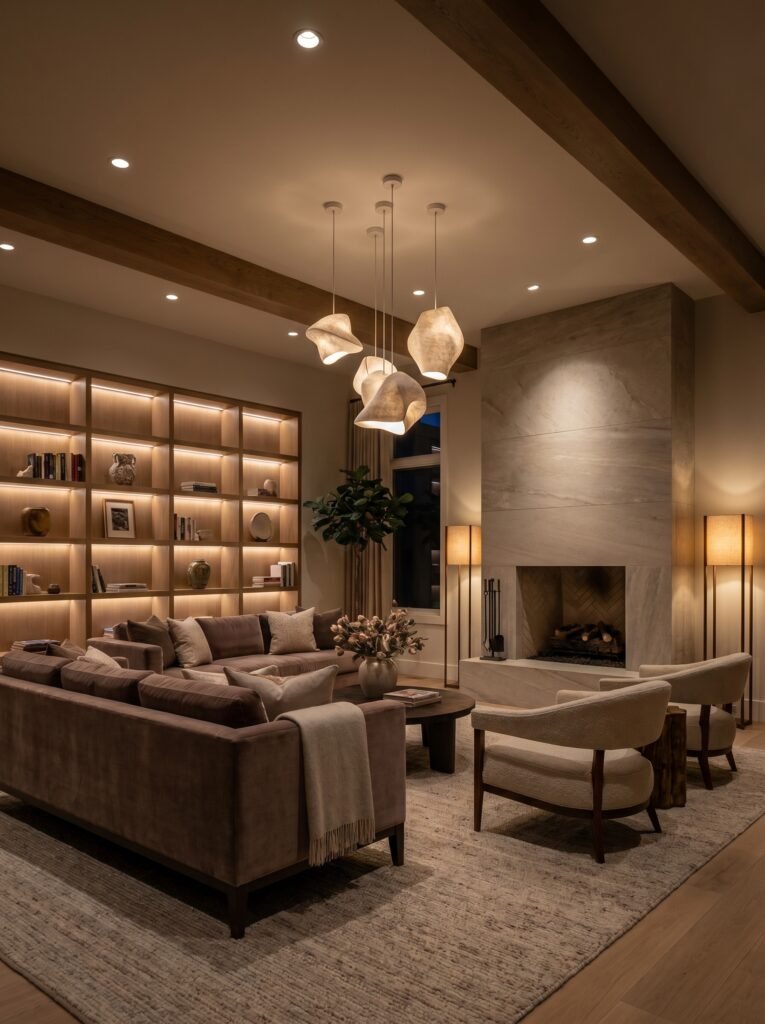
Table Of Content
1. Understand the Three Layers of Lighting
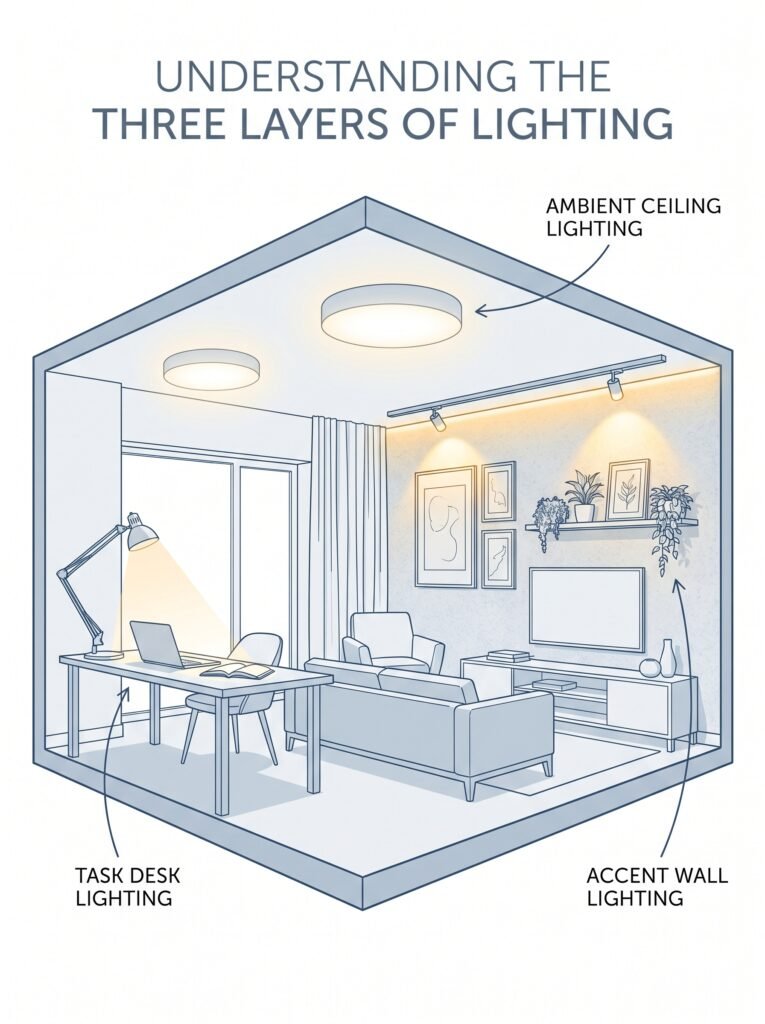
Every successful lighting plan interior begins with understanding the three main layers: ambient, task, and accent lighting. Ambient lighting provides overall illumination and is usually achieved through ceiling lights or chandeliers. Task lighting focuses on specific areas like reading desks, kitchen counters, or workspaces. Accent lighting highlights decorative features such as artwork or architectural elements. Combining these layers creates a balanced and functional lighting scheme.
2. Start with Natural Light Assessment
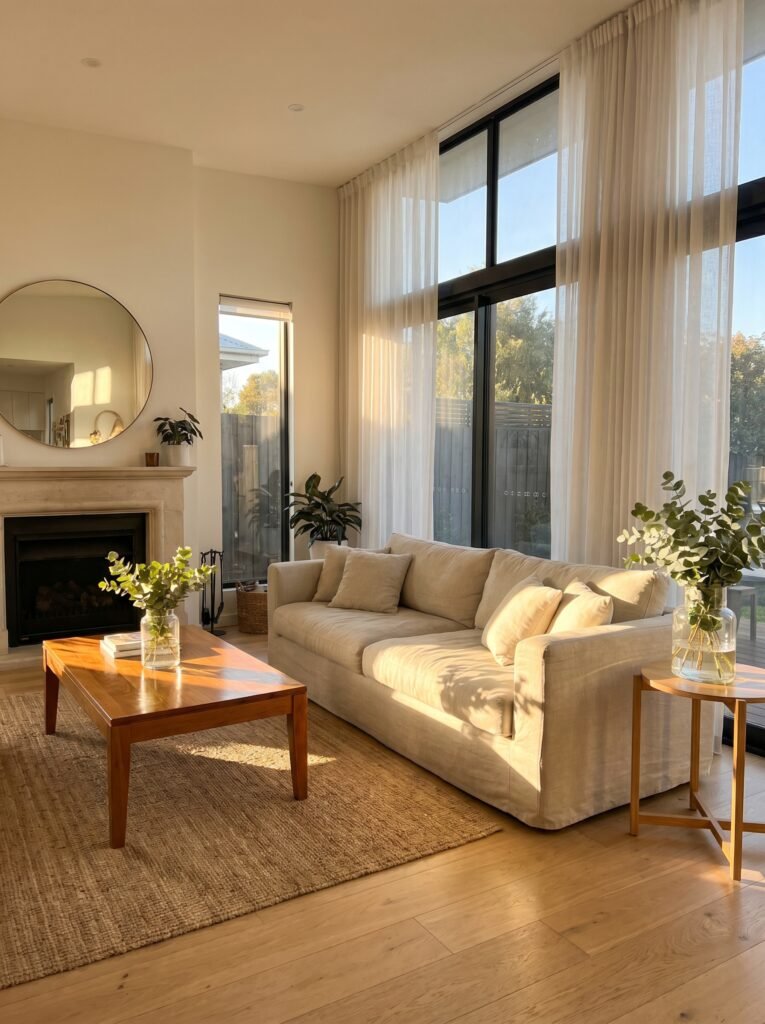
Before adding artificial lighting, analyze how natural light enters your space throughout the day. Large windows, skylights, and open layouts can significantly reduce the need for artificial lighting during daylight hours. Position furniture and mirrors to maximize natural light reflection. This not only saves energy but also creates a more inviting atmosphere. A good lighting plan interior always works in harmony with natural light.
3. Choose the Right Color Temperature
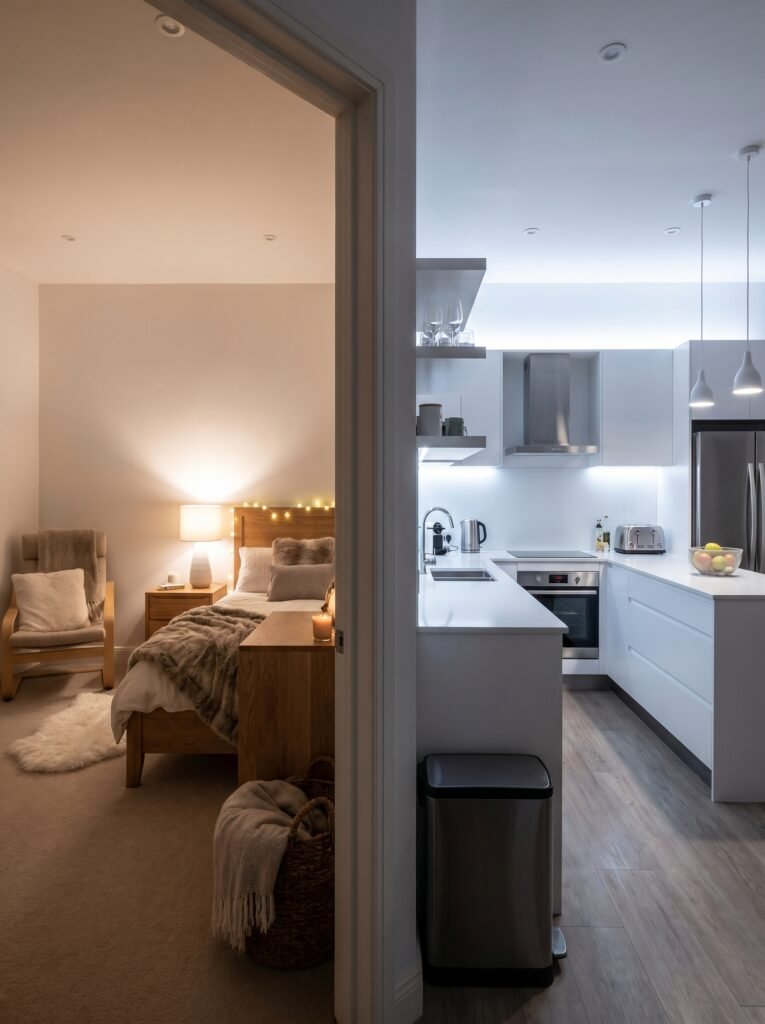
Lighting color temperature plays a crucial role in setting the mood of a room. Warm white lights create a cozy and relaxing environment, making them ideal for bedrooms and living rooms. Cool white lights are better suited for kitchens and workspaces where clarity and focus are important. Mixing different color temperatures strategically can enhance the functionality of each space. Always select bulbs that match the purpose of the room.
4. Use Layered Ceiling Lighting
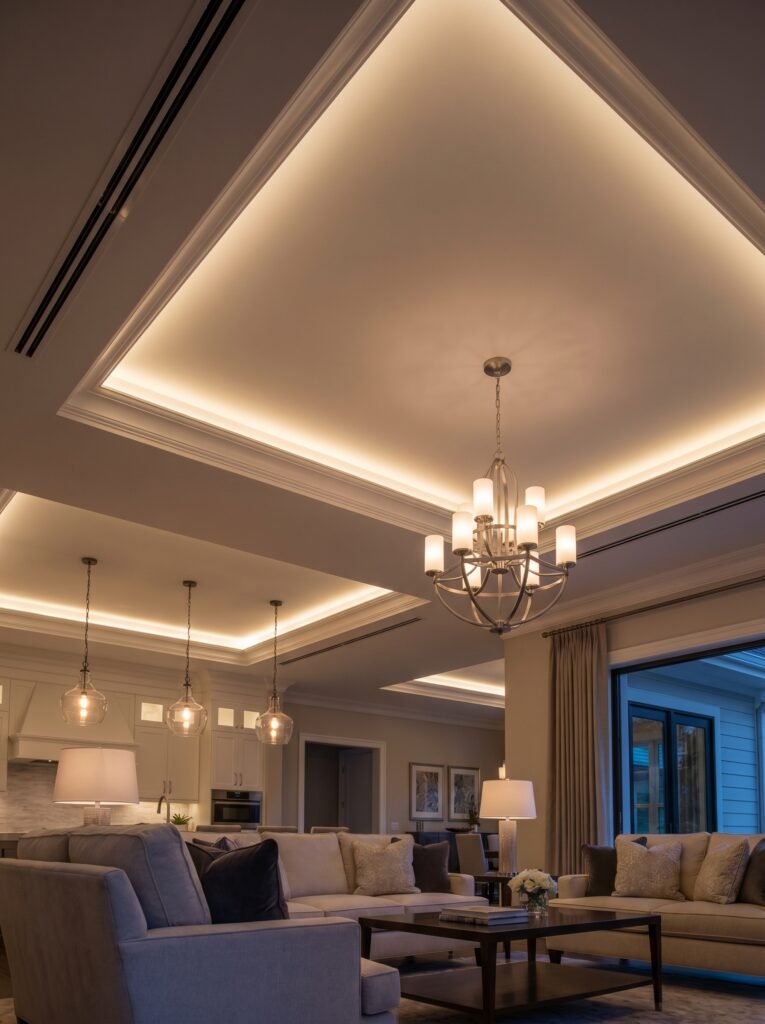
Ceiling lighting is the foundation of any lighting plan interior, but relying on a single source can make a room feel flat. Combine recessed lights, pendant lights, and chandeliers for a layered effect. This approach adds dimension and prevents harsh shadows. It also allows you to control brightness levels based on different activities. Layered ceiling lighting creates a more dynamic and visually interesting space.
5. Incorporate Task Lighting for Functionality

Task lighting is essential for areas where focused activities take place. Desk lamps, under-cabinet lights, and reading lights are common examples. These lights reduce eye strain and improve efficiency in daily tasks. Make sure task lighting is positioned correctly to avoid glare or shadows. Including proper task lighting ensures your interior is both stylish and practical.
6. Add Accent Lighting for Visual Interest
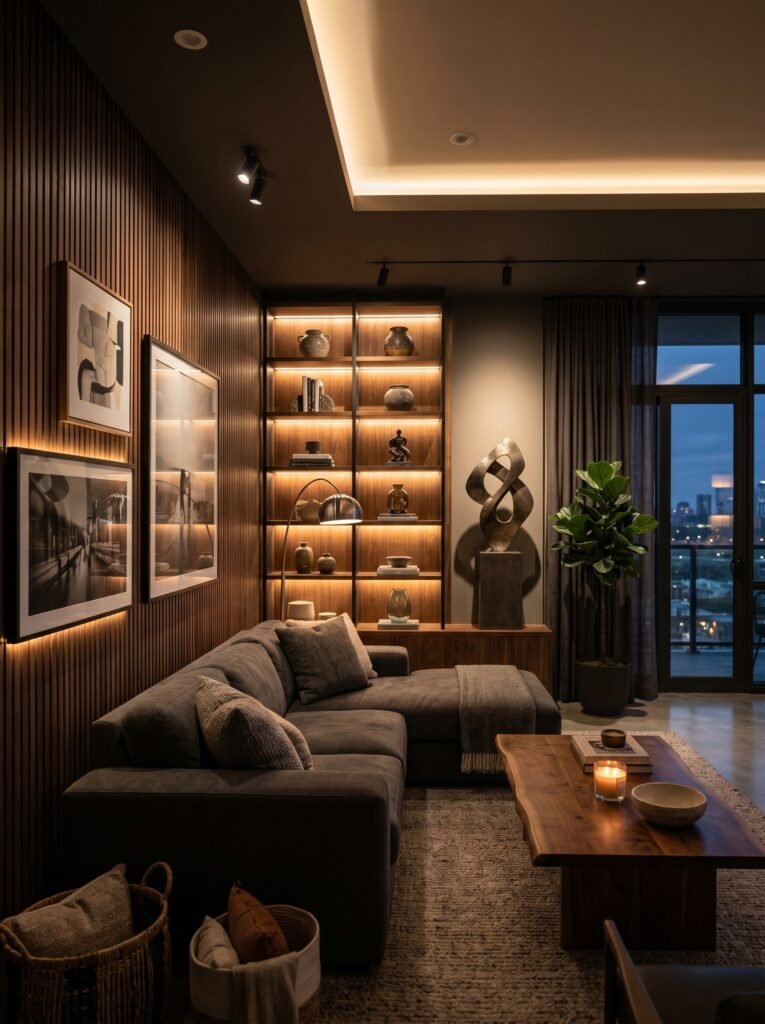
Accent lighting is used to highlight specific features in your home, such as paintings, shelves, or textured walls. Spotlights, wall sconces, and LED strips are great options for this purpose. This type of lighting adds depth and drama to your interiors. It also draws attention to focal points, enhancing the overall design. Accent lighting is a key element in creating a sophisticated lighting plan interior.
7. Install Dimmer Switches
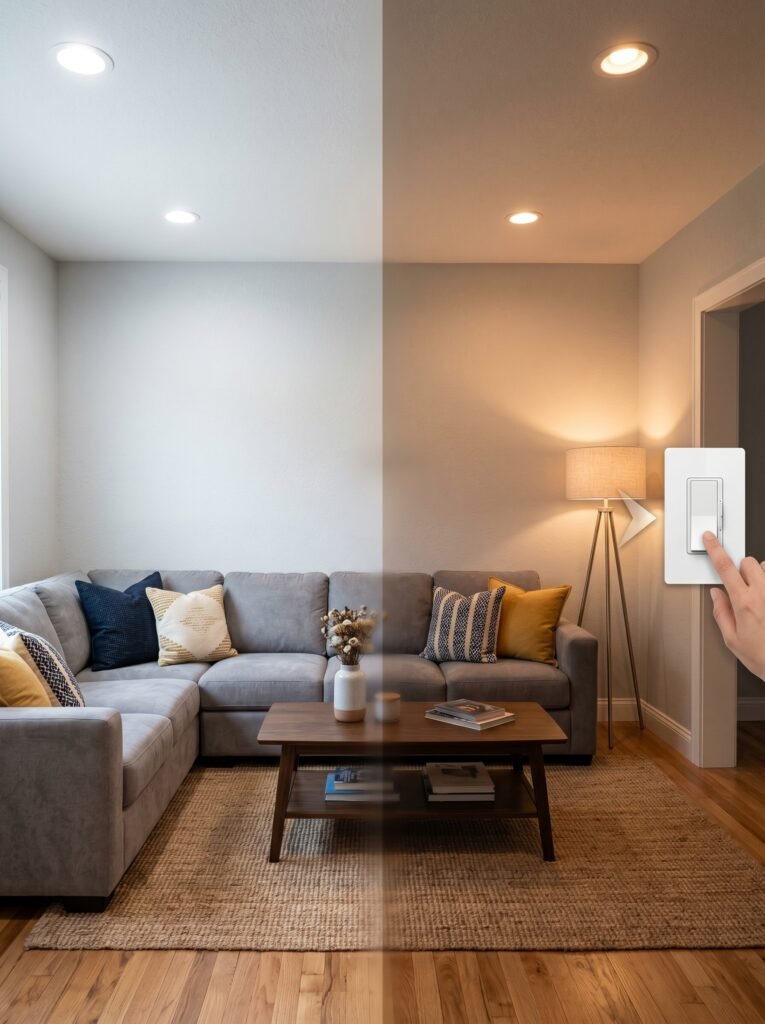
Dimmer switches provide flexibility in controlling light intensity based on your needs. They allow you to adjust brightness for different moods and occasions. For example, you can have bright lighting for work and softer lighting for relaxation. Dimmer switches also help save energy and extend the lifespan of bulbs. Adding dimmers is a simple yet effective upgrade to any lighting plan.
8. Focus on Room-by-Room Lighting Design
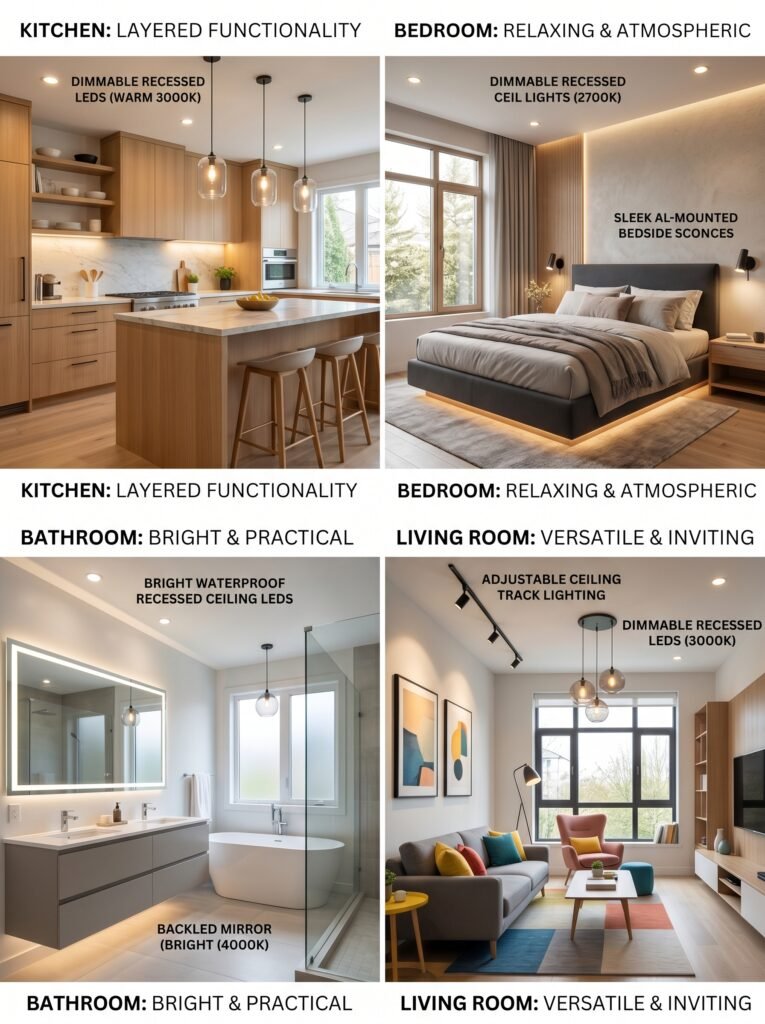
Each room in your home has different lighting requirements, so a one-size-fits-all approach won’t work. Kitchens need bright task lighting, while bedrooms benefit from softer, ambient lighting. Bathrooms require a mix of task and ambient lighting for grooming and relaxation. Living rooms should have layered lighting for versatility. Designing lighting based on each room’s function ensures optimal results.
9. Highlight Architectural Features
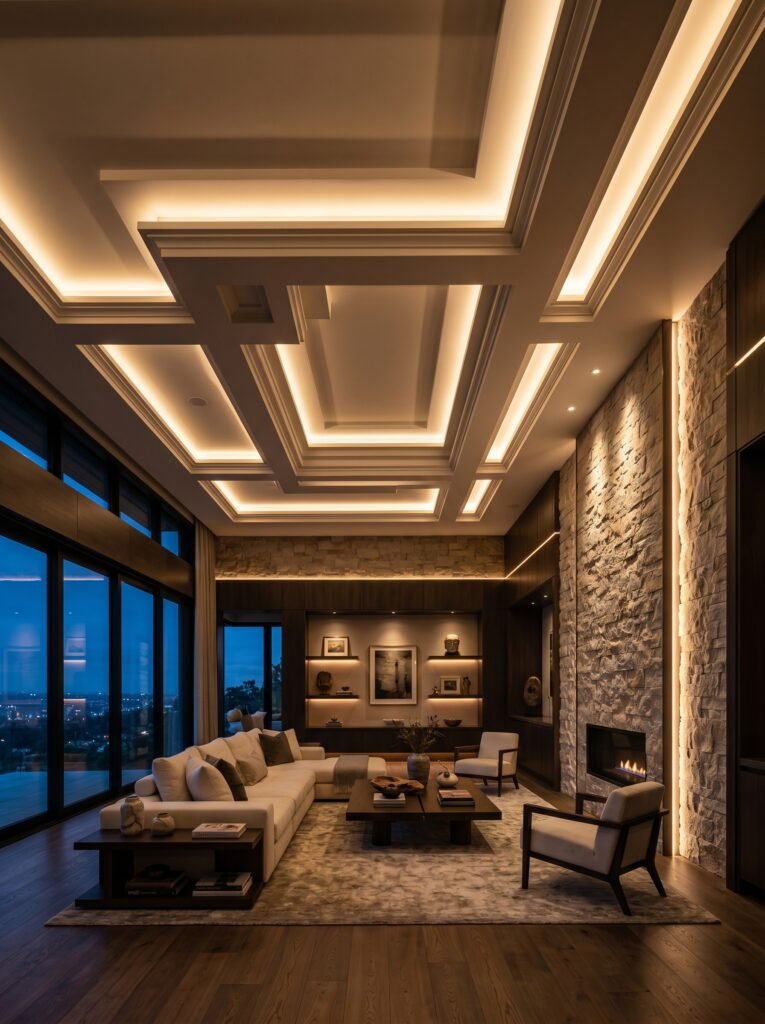
Use lighting to emphasize unique architectural elements such as ceilings, columns, or textured walls. Cove lighting and hidden LED strips can create a soft glow that enhances these features. This technique adds a luxurious and modern touch to your interiors. It also helps define spaces in open-plan layouts. Highlighting architecture makes your lighting plan more visually impactful.
10. Choose Energy-Efficient Lighting Solutions
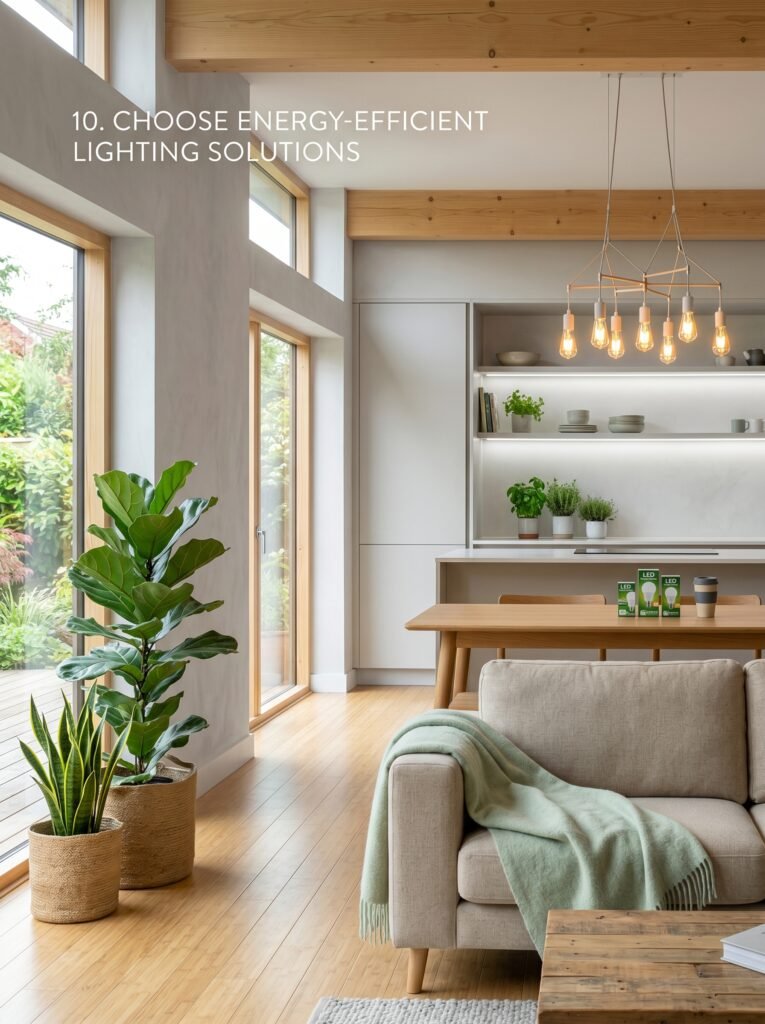
Energy efficiency is an important consideration in any lighting plan interior. LED lights consume less energy and last longer compared to traditional bulbs. They are available in various styles, shapes, and color temperatures to suit different needs. Using energy-efficient lighting reduces electricity bills and environmental impact. It’s a smart and sustainable choice for modern homes.
11. Use Smart Lighting Systems
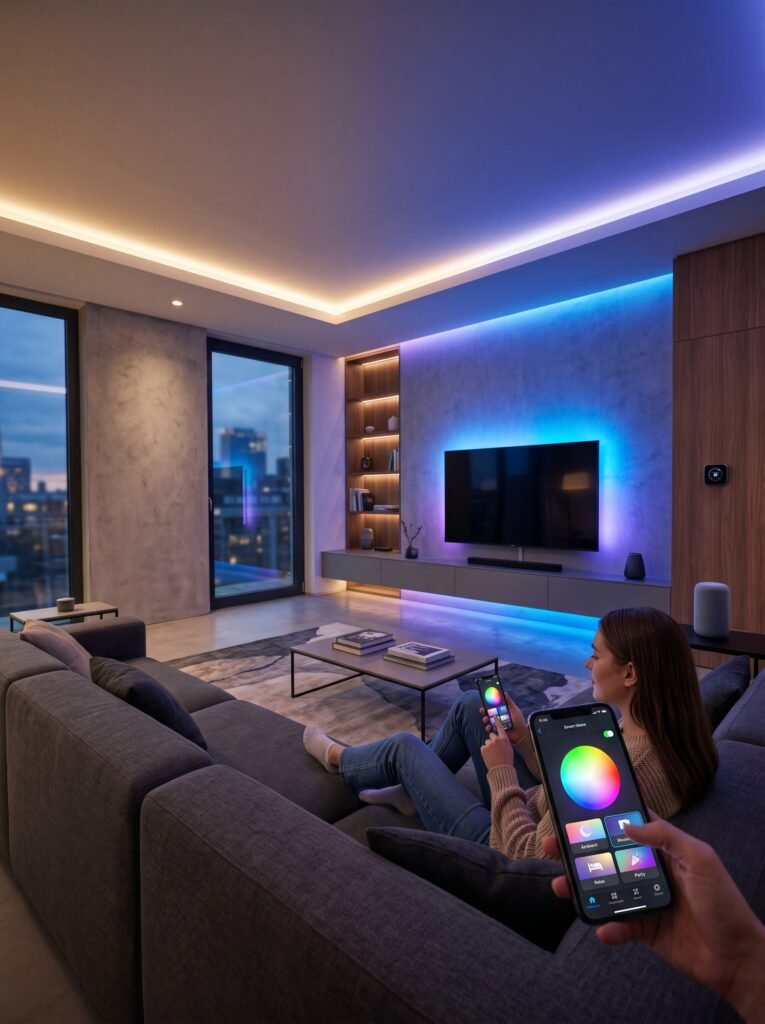
Smart lighting systems allow you to control lights באמצעות apps or voice commands. You can schedule lighting changes, adjust brightness, and even change colors remotely. These systems add convenience and enhance the overall living experience. Smart lighting also improves energy efficiency by reducing unnecessary usage. Integrating technology into your lighting plan makes your home more modern and functional.
12. Pay Attention to Lighting Placement
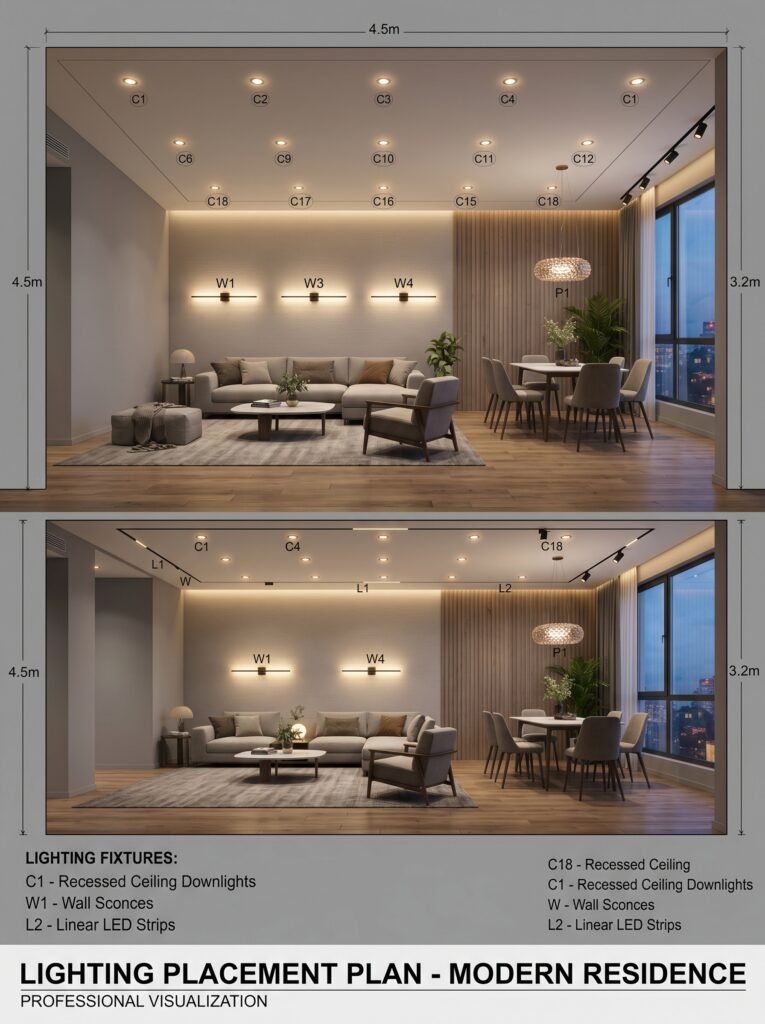
Proper placement of lighting fixtures is crucial for achieving the desired effect. Avoid placing lights in positions that create glare or harsh shadows. Ensure even distribution of light across the room. Consider the height and angle of fixtures for optimal performance. Thoughtful placement ties all elements of your lighting plan interior together seamlessly.
13. How to Care for Your Interior Lighting Plan
- Clean Light Fixtures – Dust bulbs, lamps, and fixtures regularly to keep lighting bright and clear.
- Use Right Bulbs – Choose correct wattage and type to avoid damage and maintain proper lighting.
- Check Wiring – Inspect wires and switches to ensure safety and prevent issues.
- Avoid Overuse – Turn off lights when not needed to increase bulb life and save energy.
- Update When Needed – Replace old bulbs and adjust lighting setup to keep your space modern and effective.
13.1. FAQ
13.2. What is a lighting plan in interior design❓
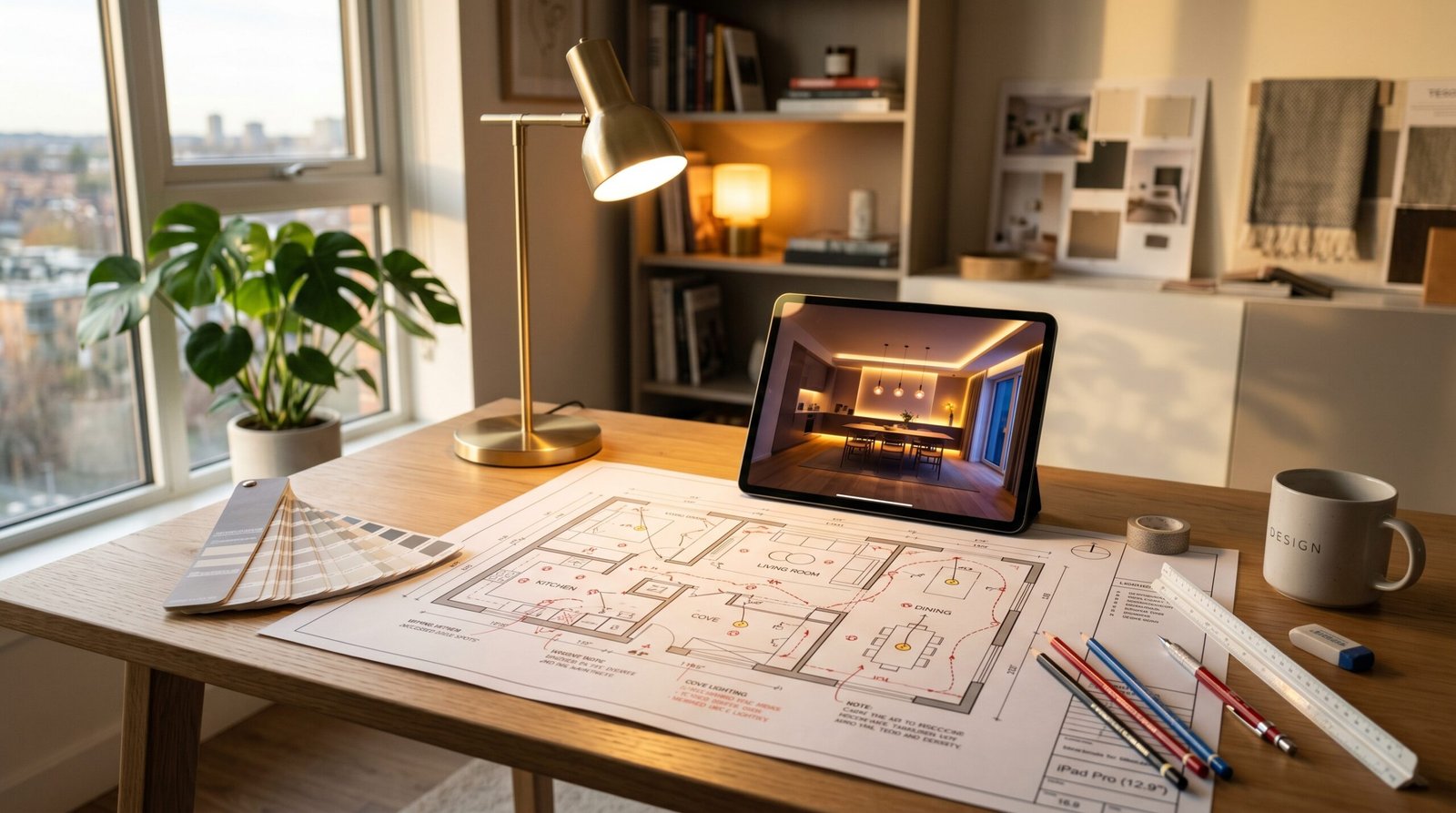
A lighting plan in interior design is a detailed layout that shows how lights will be placed and used in a room. It includes different types of lighting such as ambient, task, and accent lighting to create a balanced and functional space. A good lighting plan helps improve visibility, mood, and the overall look of the interior.
13.3. Why is a lighting plan important for interiors❓
A lighting plan is important because it ensures that every part of a room is properly lit according to its purpose. It helps avoid dark corners, reduces eye strain, and enhances the beauty of furniture and decor. Proper lighting also creates a comfortable and inviting atmosphere, making the space more practical and visually appealing.
13.4. What are the main types of lighting used in interiors❓
The main types of lighting used in interiors are ambient lighting, task lighting, and accent lighting. Ambient lighting provides overall brightness, task lighting focuses on specific activities like reading or cooking, and accent lighting highlights decorative elements. Using all three types together creates a well-balanced lighting plan.
14. Final Thoughts
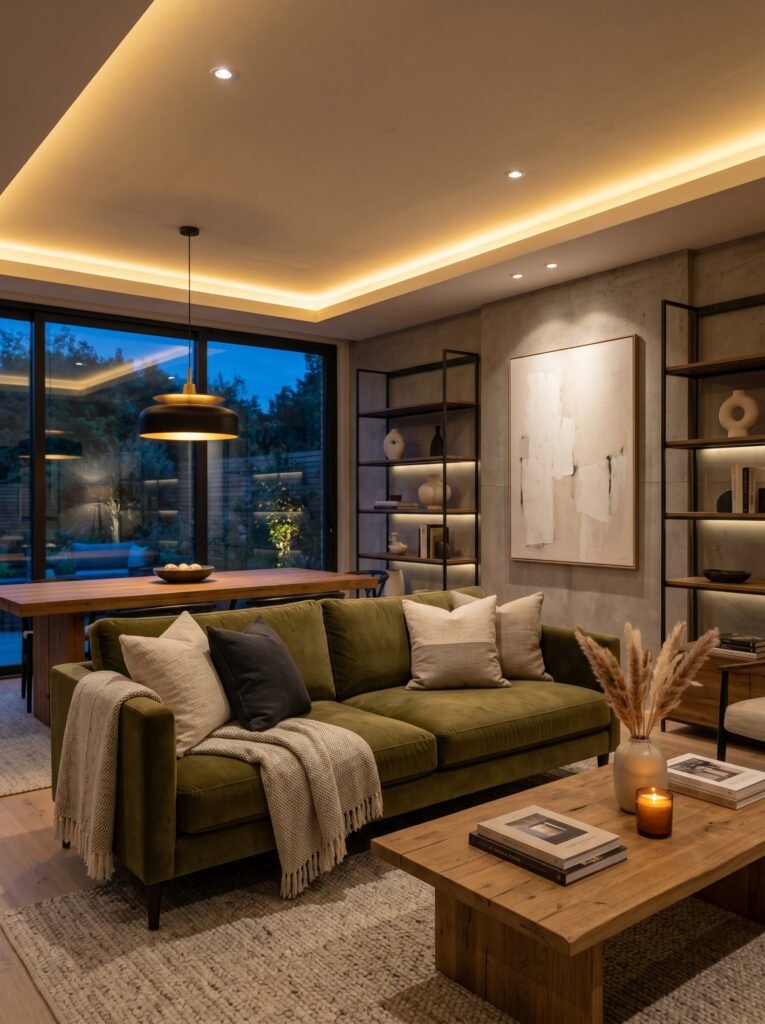
A well-designed lighting plan interior can completely transform the look and feel of your home. By combining different lighting layers, choosing the right fixtures, and focusing on functionality, you can create a balanced and inviting space. From natural light optimization to smart lighting solutions, every detail plays a role in achieving the perfect ambiance. Taking the time to plan your lighting carefully ensures long-term comfort and efficiency. With these 12 ideas, you can design a lighting plan that is both practical and visually stunning.