Minimal House Interior: A Complete Guide to Simple, Stylish Living
Blog > Home > Modern interior > Minimal House Interior: A Complete Guide to Simple, Stylish Living
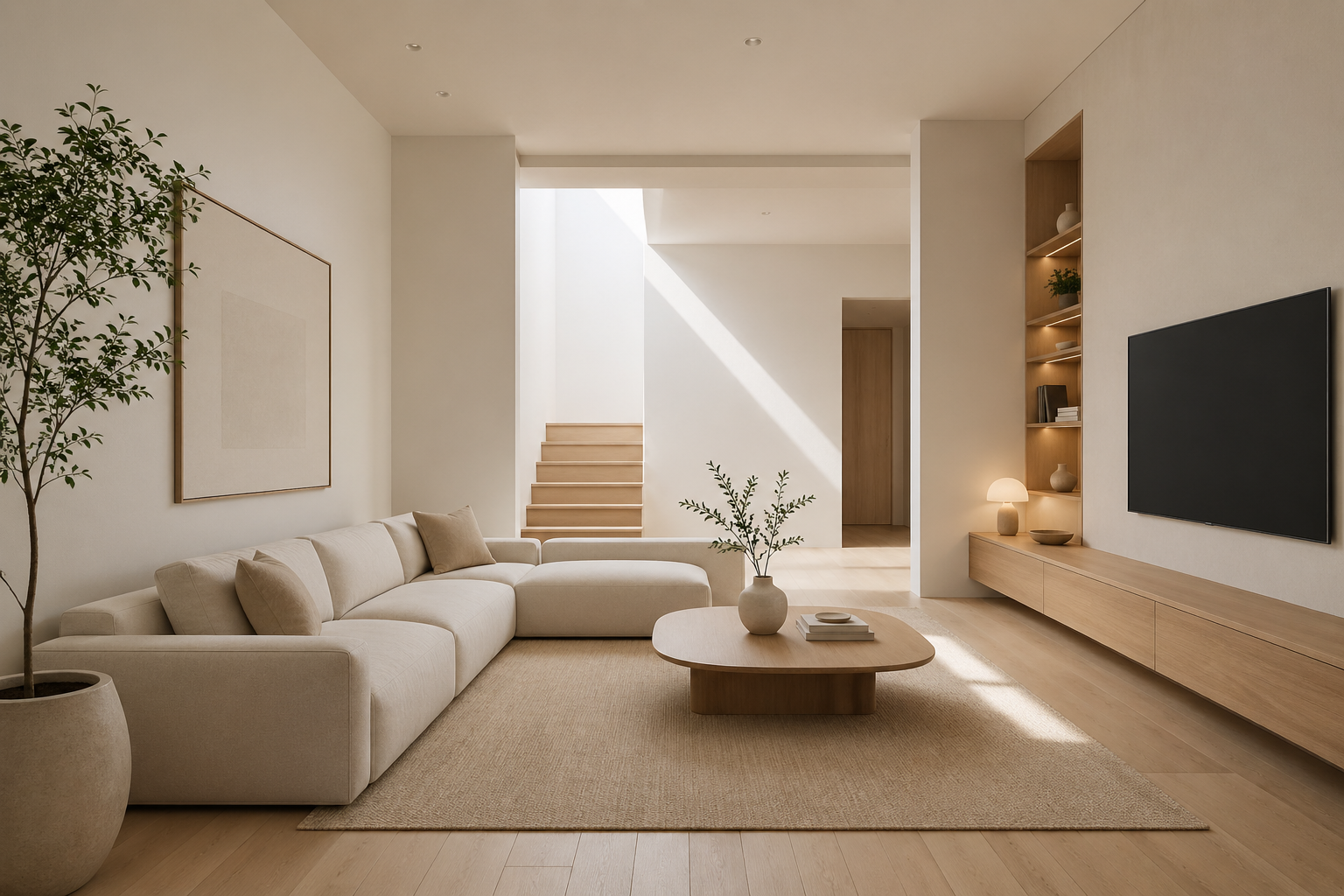
Minimal house interior design is all about creating a clean, clutter-free space that feels calm, functional, and visually appealing. This design style focuses on simplicity, where every element serves a purpose and unnecessary items are removed. It blends neutral colors, natural light, and smart layouts to create a peaceful environment that promotes relaxation and productivity. Minimal interiors are not just about aesthetics but also about improving lifestyle by reducing distractions. In this guide, you will explore 12 practical and stylish minimal house interior ideas that can transform any space into a modern sanctuary.
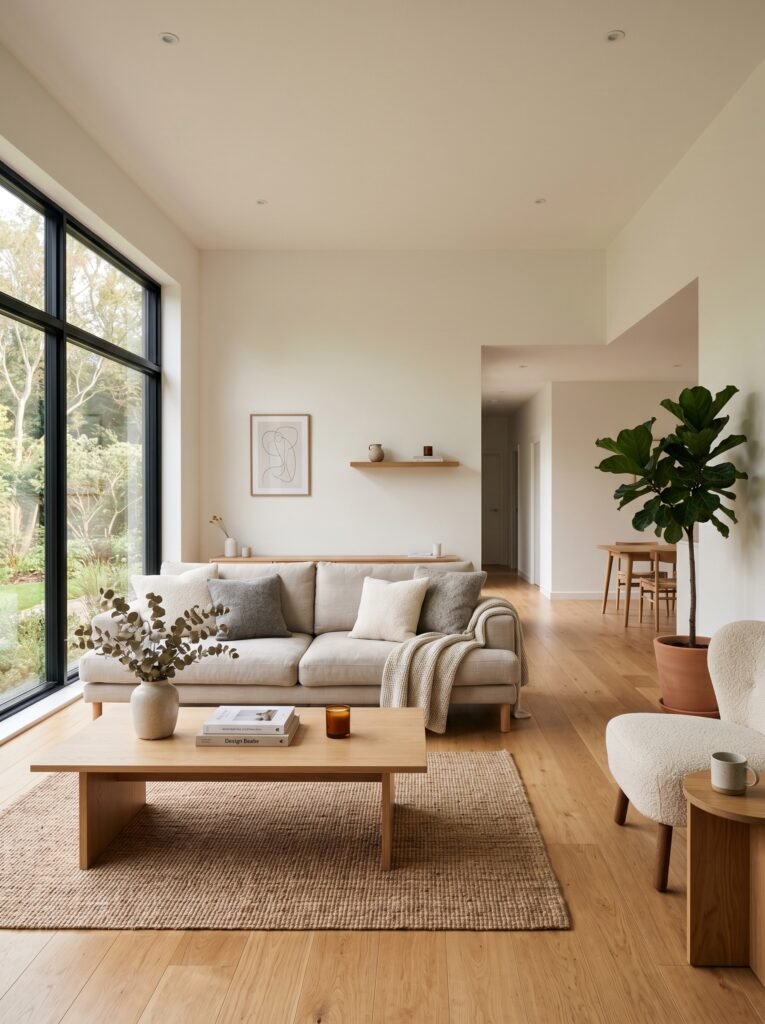
Table Of Content
1. Neutral Color Palette for a Calm Atmosphere
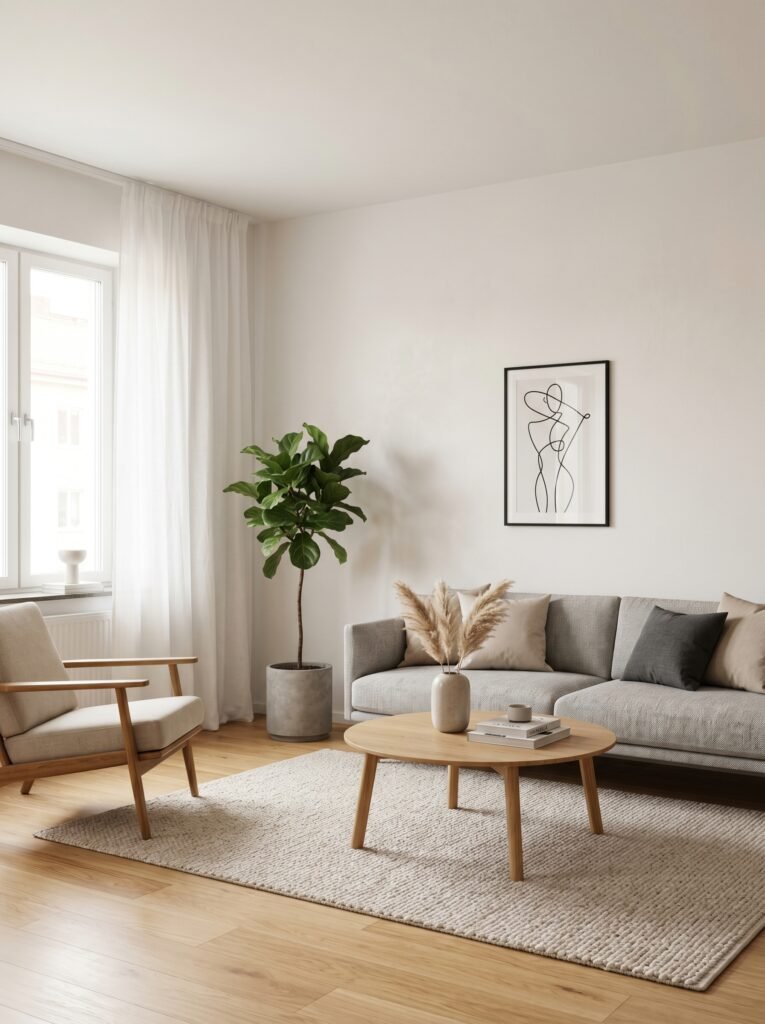
A neutral color palette is the foundation of any minimal house interior. Shades like white, beige, grey, and soft earth tones create a soothing and timeless look. These colors reflect natural light, making rooms appear larger and brighter. Keeping walls and furniture within a consistent color scheme helps maintain visual harmony. This approach sets a peaceful tone while allowing small decorative accents to stand out.
2. Decluttered Spaces for Better Functionality
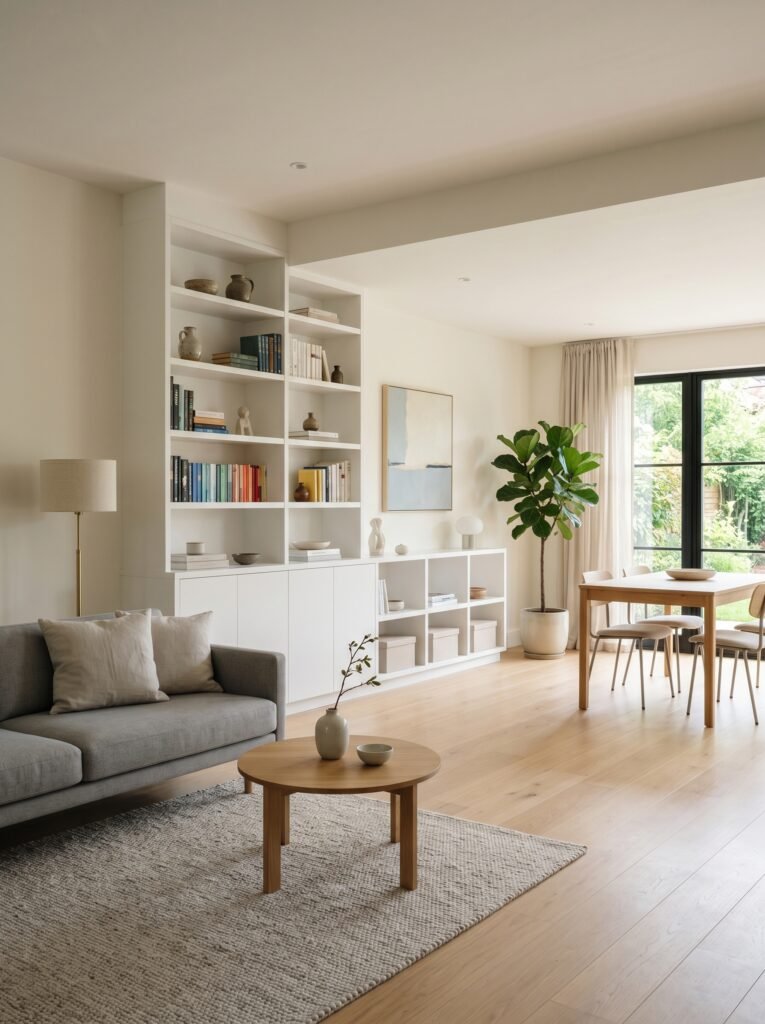
Minimalism starts with removing unnecessary items and keeping only what you truly need. A decluttered space enhances functionality and makes everyday living more efficient. Clean surfaces, organized storage, and fewer decorations create a sense of order. This also reduces stress by eliminating visual noise in your home. A well-organized space feels more open and inviting.
3. Simple and Functional Furniture
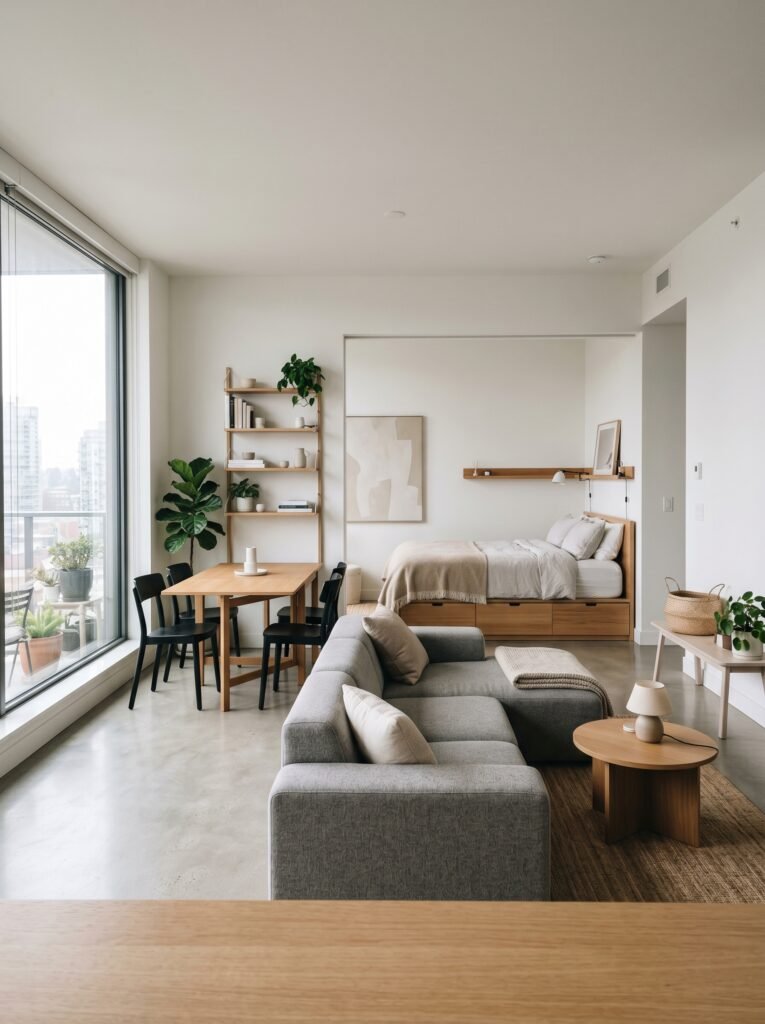
Furniture in a minimal house interior should be simple, practical, and multi-functional. Choose pieces with clean lines and avoid overly decorative designs. Items like storage beds, foldable tables, and modular sofas maximize space usage. Quality is more important than quantity, so invest in durable and timeless furniture. This ensures both comfort and long-term usability.
4. Natural Light as a Key Element
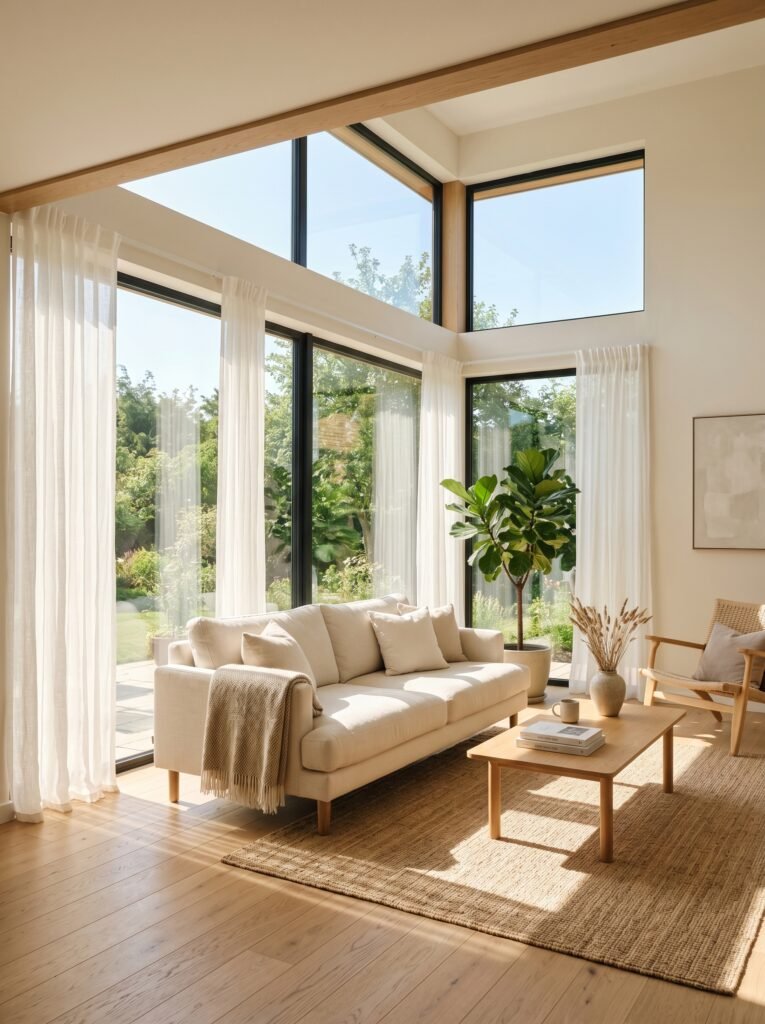
Natural light plays a crucial role in enhancing minimal interiors. Large windows, sheer curtains, and open layouts help sunlight flow freely through the space. Bright rooms feel more spacious and uplifting. Avoid heavy drapes that block light and create a closed-off feeling. Maximizing natural light reduces the need for artificial lighting during the day.
5. Clean Lines and Open Spaces
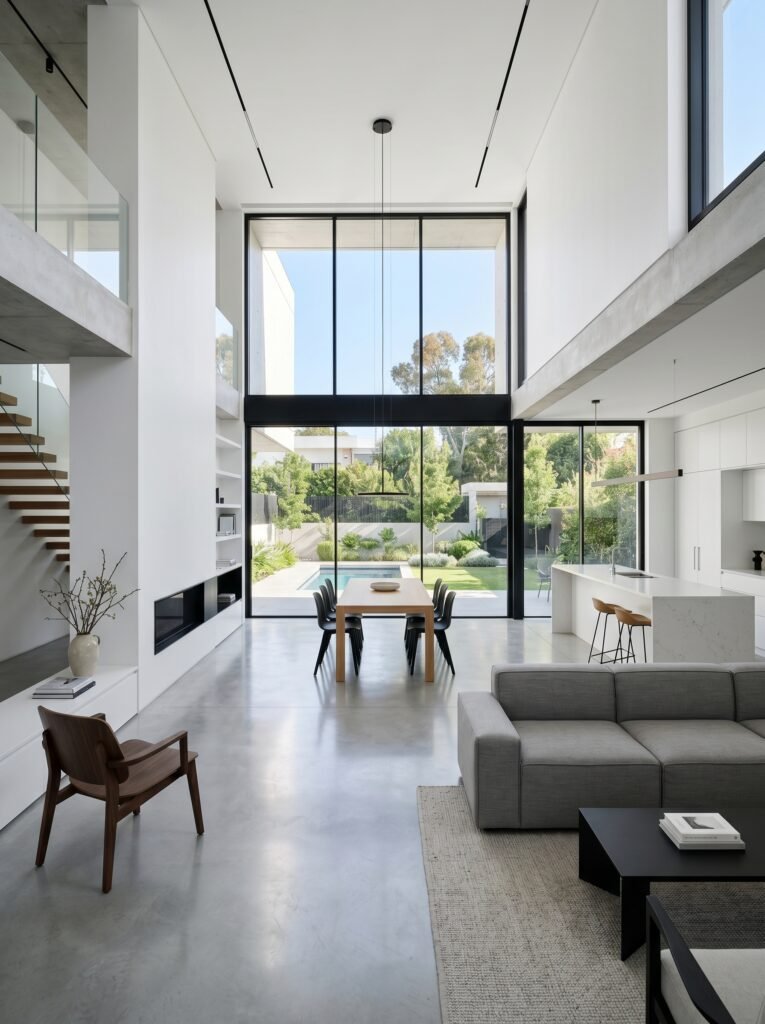
Minimal design emphasizes clean lines and uncluttered layouts. Straight edges, smooth surfaces, and open floor plans create a modern and organized look. Avoid overcrowding rooms with too much furniture or décor. Keeping spaces open improves movement and functionality. This design principle makes even small homes feel airy and comfortable.
6. Smart Storage Solutions
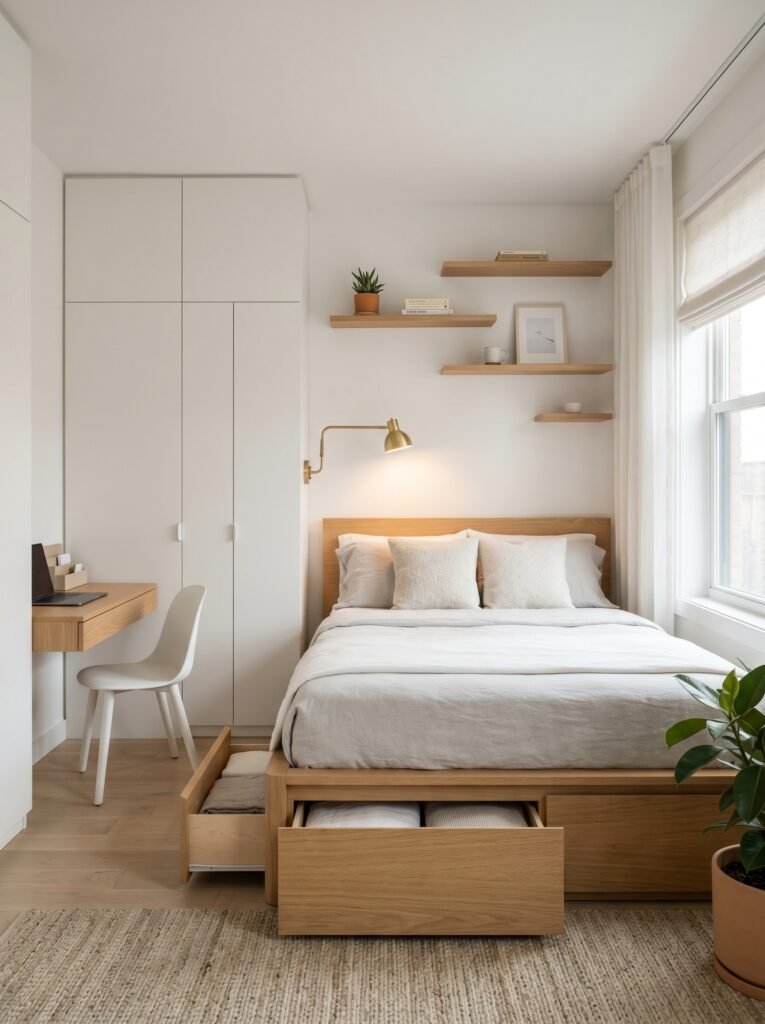
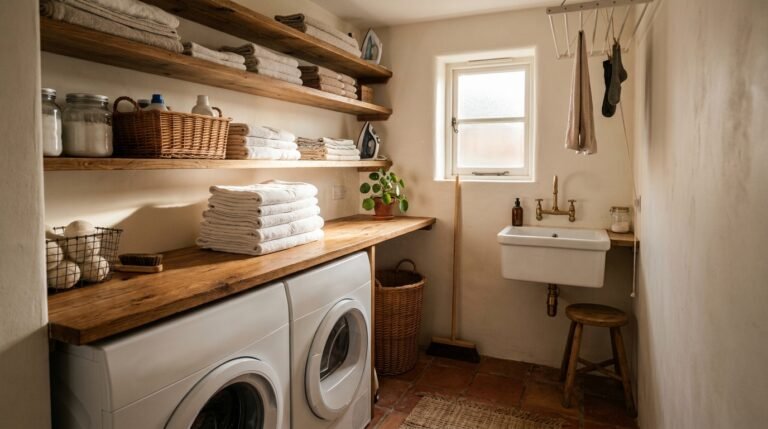
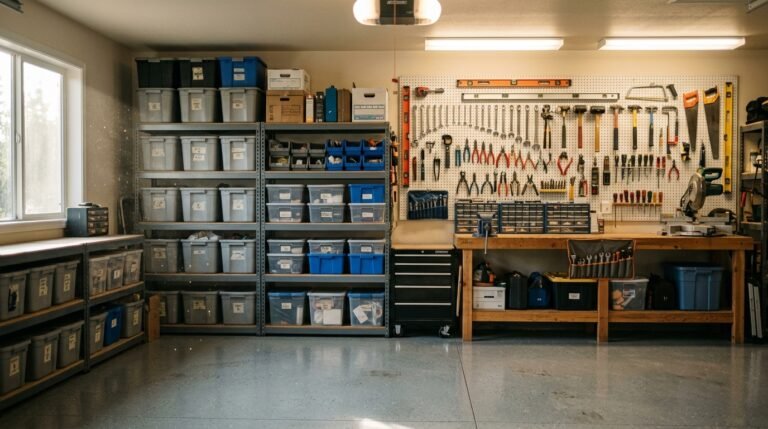
Hidden and efficient storage is essential in a minimal house interior. Built-in cabinets, under-bed storage, and wall-mounted shelves help keep items out of sight. This maintains a clean and tidy appearance throughout the home. Smart storage solutions allow you to keep essentials without creating clutter. Organized storage enhances both aesthetics and practicality.
7. Minimal Decor with Purpose
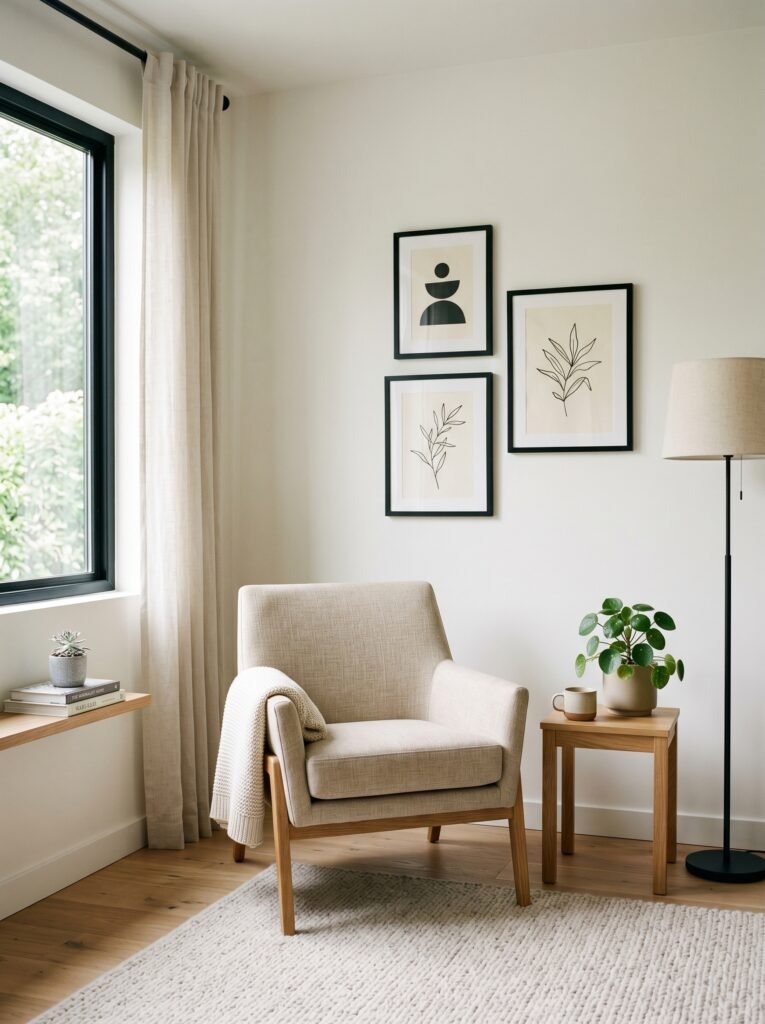
Decor in a minimal home should be intentional and meaningful. Instead of filling spaces with random items, choose a few statement pieces like artwork or plants. Each decorative item should add value to the room. This approach keeps the space visually balanced and clutter-free. Less decoration often creates a stronger visual impact.
8. Use of Natural Materials
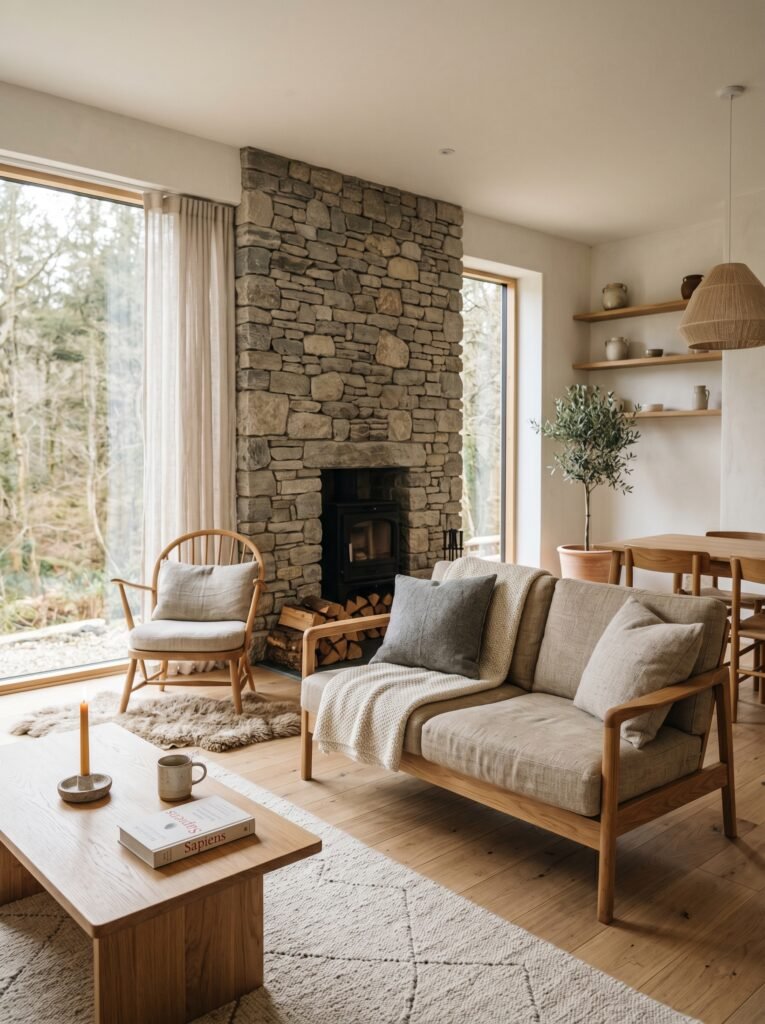
Natural materials like wood, stone, and linen bring warmth to minimal interiors. These elements add texture and prevent the space from feeling too cold or sterile. Wooden furniture, stone accents, and soft fabrics create a cozy yet modern environment. Combining natural materials with neutral tones enhances the overall aesthetic. This balance makes minimal interiors more inviting.
9. Open Kitchen Design
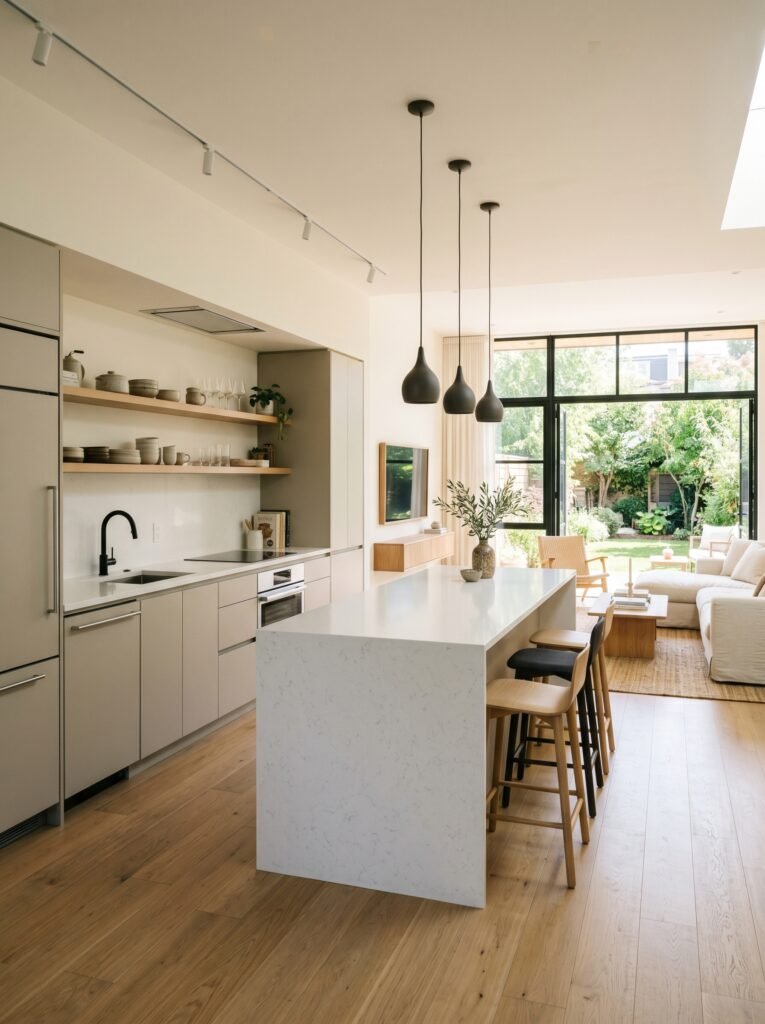
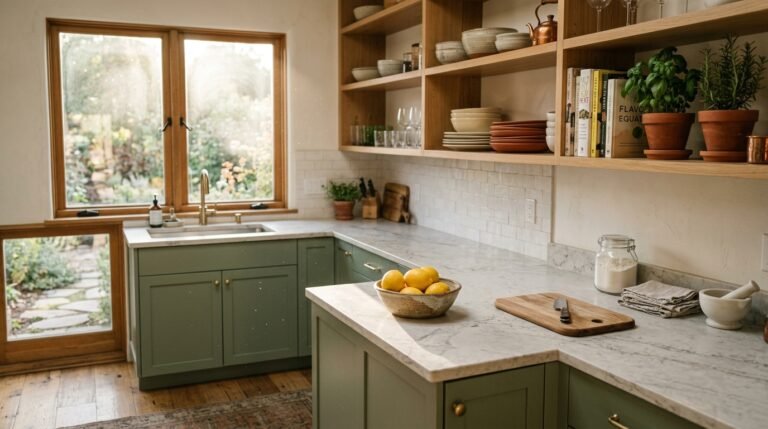
An open kitchen layout aligns perfectly with minimal house interior principles. It creates a seamless flow between cooking and living areas. Simple cabinets, hidden appliances, and clean countertops maintain a clutter-free look. This design also encourages better interaction within the household. Open kitchens make the home feel larger and more connected.
10. Soft Lighting for Ambience
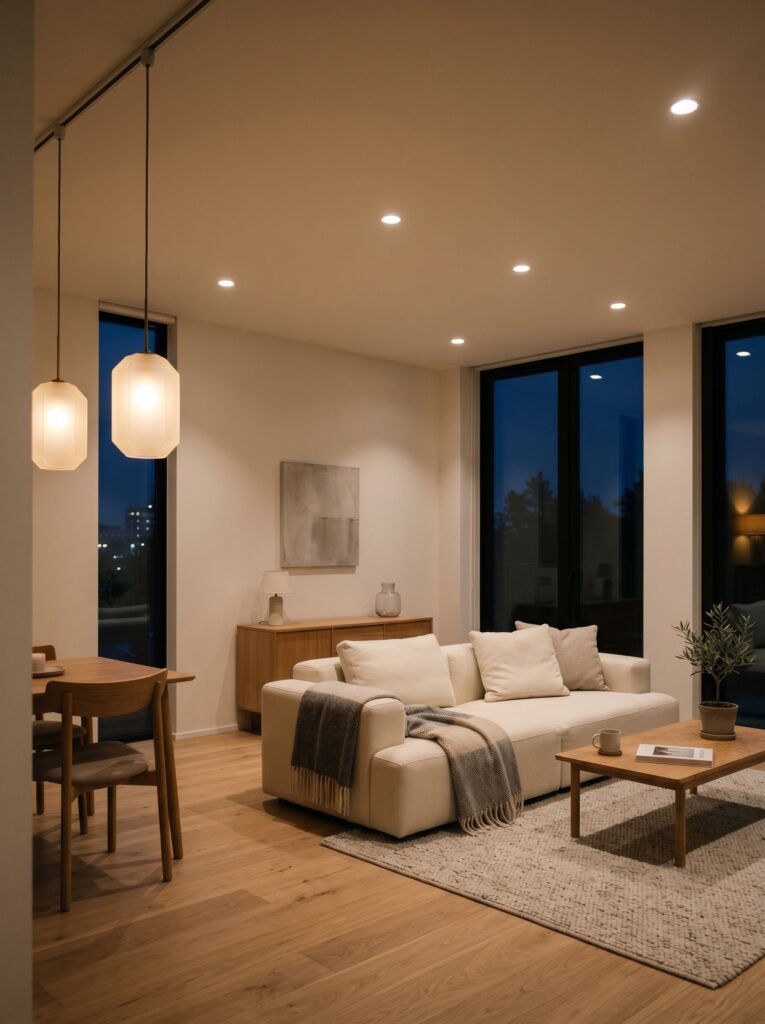
Lighting in a minimal home should be soft and functional. Use simple fixtures like pendant lights or recessed lighting to maintain a clean look. Warm lighting adds comfort and enhances the atmosphere in the evening. Avoid overly decorative or bulky light fixtures. Proper lighting design improves both aesthetics and usability.
11. Minimal Bedroom Design
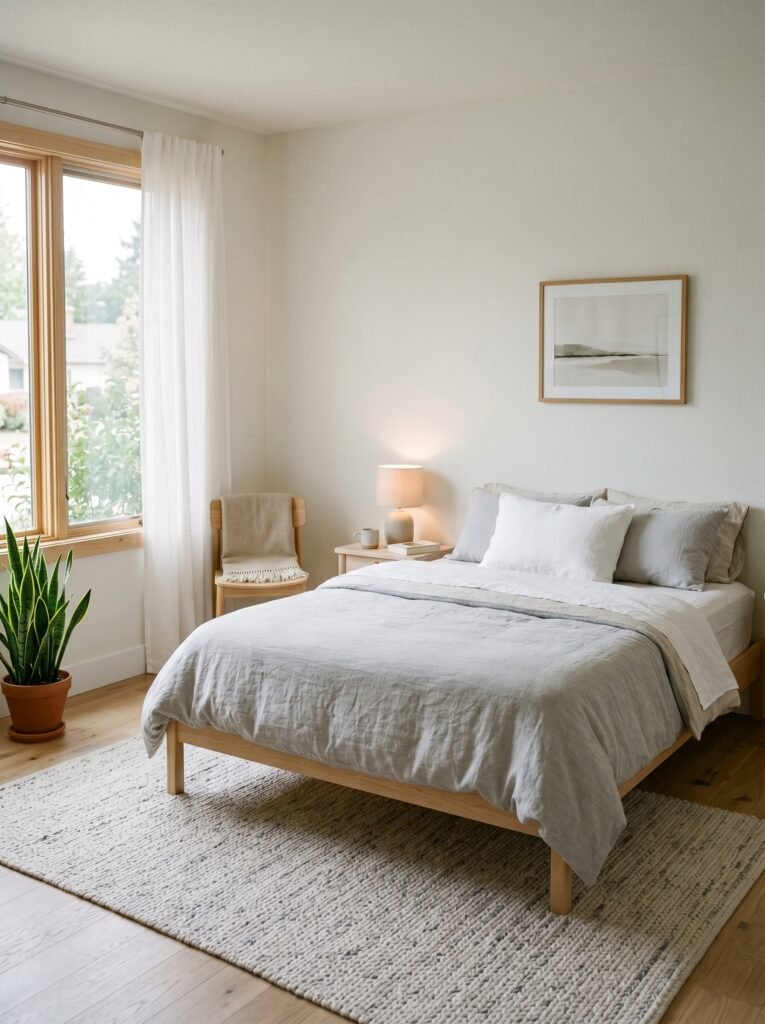
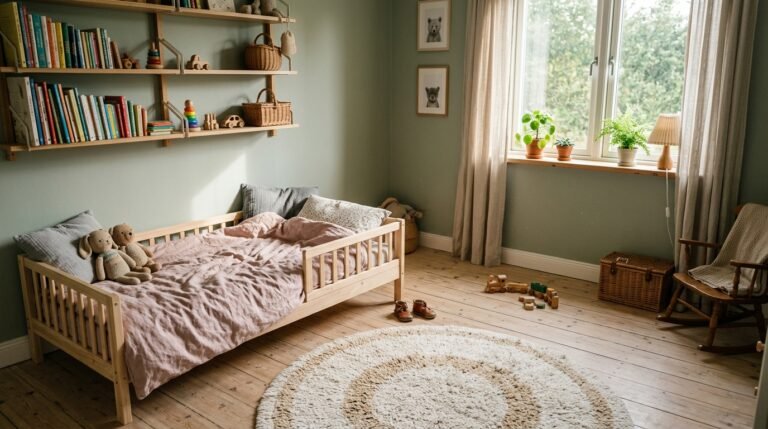
A minimal bedroom focuses on comfort and simplicity. Keep furniture limited to essentials like a bed, side table, and wardrobe. Use soft bedding in neutral tones to create a relaxing environment. Avoid excessive decorations that can disrupt the calm atmosphere. A simple bedroom promotes better sleep and relaxation.
12. Indoor Plants for a Fresh Touch
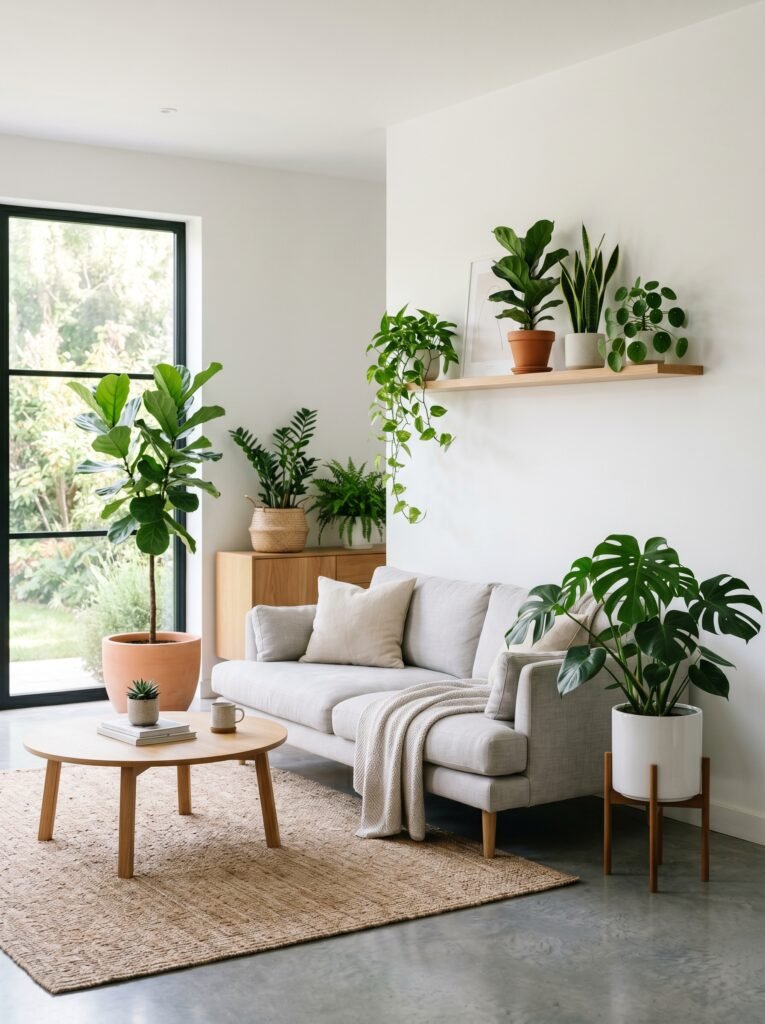
Indoor plants are a perfect addition to a minimal house interior. They bring life, color, and freshness without overwhelming the space. Choose low-maintenance plants that fit well with the overall design. Placing plants strategically enhances the natural feel of the home. This simple addition improves both aesthetics and air quality.
How to Care for Minimal House Interior
- Keep it Clutter-Free – Remove unnecessary items and keep only essential decor for a clean look.
- Clean Regularly – Dust surfaces, furniture, and floors to maintain a fresh and neat space.
- Use Neutral Care – Maintain soft colors by avoiding stains and cleaning spills quickly.
- Organize Smartly – Use hidden storage to keep things out of sight and well-arranged.
- Refresh Simply – Update small decor pieces occasionally without overloading the space.
FAQ
What is a minimal house interior❓
A minimal house interior is a design style that focuses on simplicity, clean lines, and less clutter. It uses only essential furniture and decor to create a neat and calm space. This style often includes neutral colors, open spaces, and natural light to make the home feel peaceful and organized.
Why choose a minimal house interior design❓
People choose a minimal house interior design because it creates a clean and stress-free environment. With fewer items and simple decor, it becomes easier to maintain and manage the space. This style also helps improve focus and gives the home a modern and elegant look.
What colors are used in minimal interiors❓
Minimal interiors usually use soft and neutral colors such as white, beige, grey, and light tones. These colors help make the space look bigger, brighter, and more relaxing. Sometimes small accents of darker or natural colors are added to create balance without making the space look crowded.
Final Thoughts
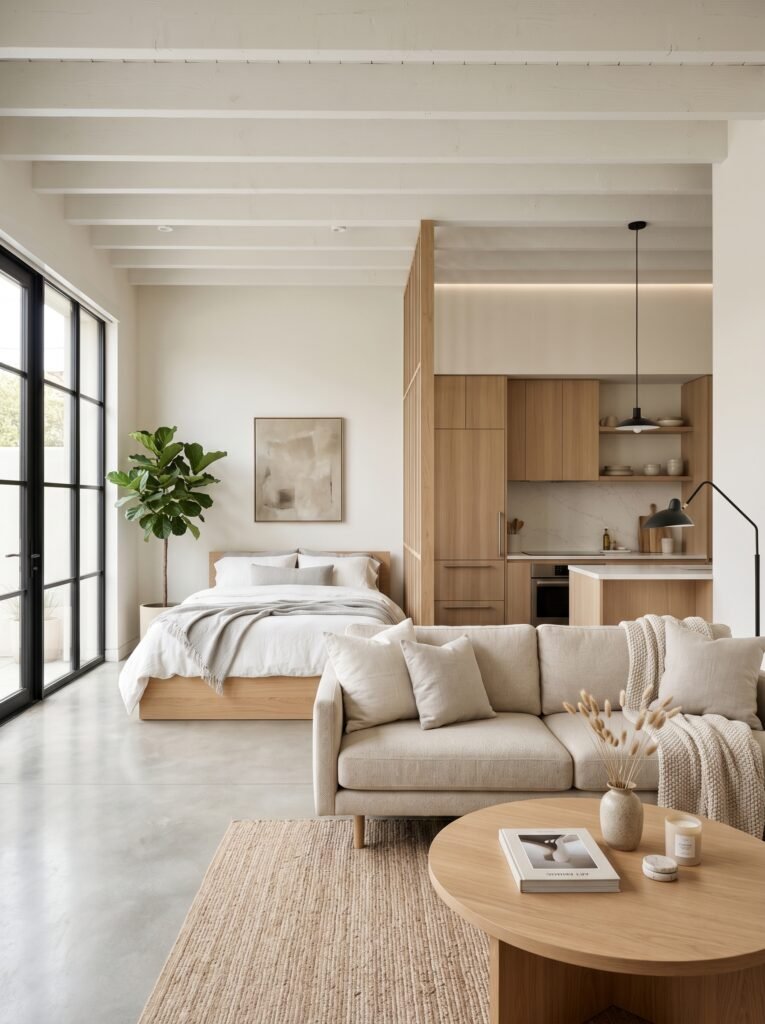
Minimal house interior design is more than just a trend; it is a lifestyle that promotes simplicity, clarity, and comfort. By focusing on essential elements and removing excess, you can create a home that feels peaceful and functional. From neutral colors to smart storage and natural materials, each idea contributes to a balanced living space. Minimalism helps you enjoy your home without unnecessary distractions. By applying these 12 ideas, you can design a modern interior that is both stylish and practical.