The Sofa Designs That Are Actually Worth Obsessing Over Right Now
You sit down, sink in, exhale. Or you perch awkwardly on something that looked incredible in the showroom and now makes you feel like you’re waiting for a job interview. The sofa you choose makes or breaks a living room — not the paint color, not the rug, not the art. The sofa.

—
1. Why the “Safe” Beige Sofa Is a Trap (And What to Pick Instead)
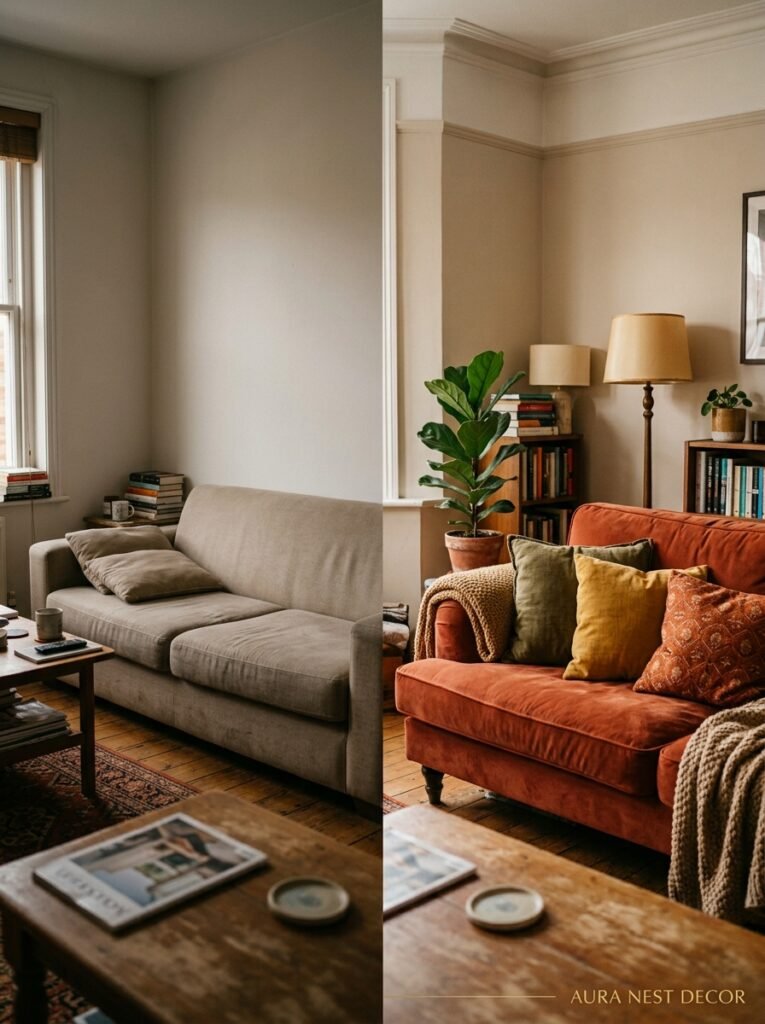
Beige gets defended with phrases like “it goes with everything” and “it’s timeless.” And look, I get it. Beige is easy. Beige doesn’t demand a decision. But here’s what nobody tells you in the showroom — beige sofas disappear into a room and take all the personality with them.
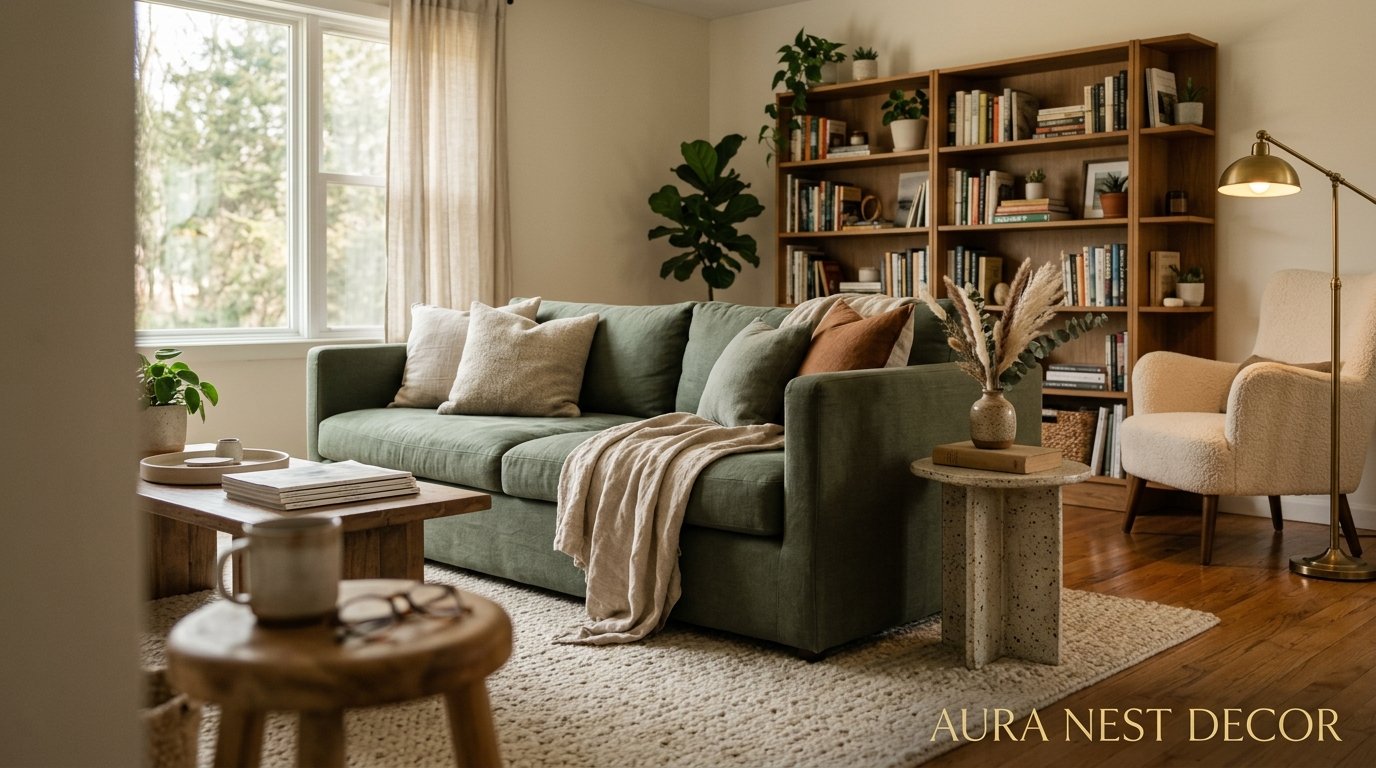
The living rooms getting pinned thousands of times right now? They’ve got a sofa that says something. Not necessarily bold — it doesn’t have to be a velvet emerald statement piece (though honestly, it could be). But it has presence. A warm cognac leather chesterfield. A dusty sage linen sectional. Even a deep ivory with a strong silhouette. Something that makes the rest of the room orient around it.
I spent two years with a greige sofa I was deeply “meh” about. Totally fine. Perfectly forgettable. When I finally replaced it with a low-profile caramel leather piece, the entire room clicked. The plants looked greener. The art finally read. The lamp I’d always loved but somehow never noticed started earning its spot.
The sofa sets the emotional temperature of a room. If yours isn’t doing that, it’s not actually safe — it’s just invisible.
“The sofa doesn’t have to be loud. It just has to mean something.”
—
2. The Silhouette That’s Replacing the Big Boxy Sectional in Almost Every Design I’m Seeing
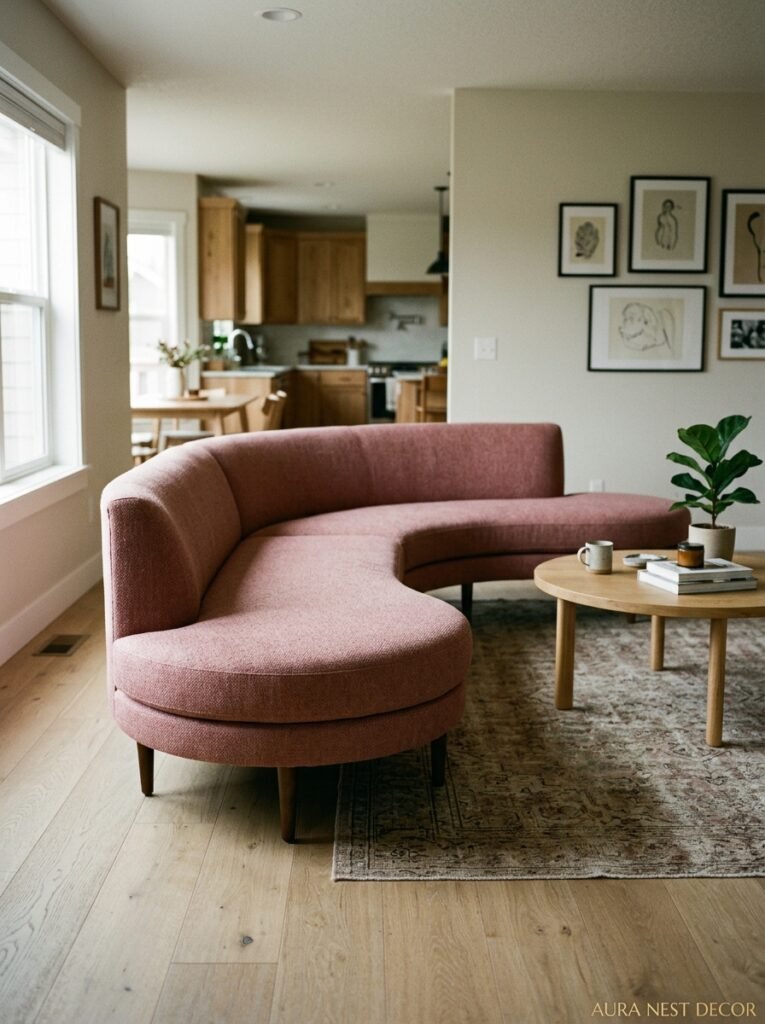
Low. Clean. Close to the floor. That’s where living room design is heading — at least for anyone paying attention to what’s actually showing up on the boards worth following.
The big, chunky, cloud-sofa sectional had its moment. I still see them in new builds across the Midwest and the more suburban stretches of the UK, and I’m not dunking on them — they’re genuinely cozy. But the silhouette that’s generating real excitement right now is the opposite. Slim arms. Low back. Legs that are visible and intentional, whether that’s tapered wood or slender metal. The sofa doesn’t swallow the room. It sits in it.
This matters even more in smaller spaces — which describes most British homes and a huge number of American apartments. When you can see the floor around and under a sofa, the room reads as bigger. The eye has room to breathe. A sofa that floats off the floor even a few inches changes everything.
Try a mid-century inspired design with walnut legs, or a track-arm contemporary piece in a textured fabric. Either way — get those legs visible. Trust me on this one.
—
3. The Color That Keeps Showing Up in Every Living Room I Can’t Stop Looking At
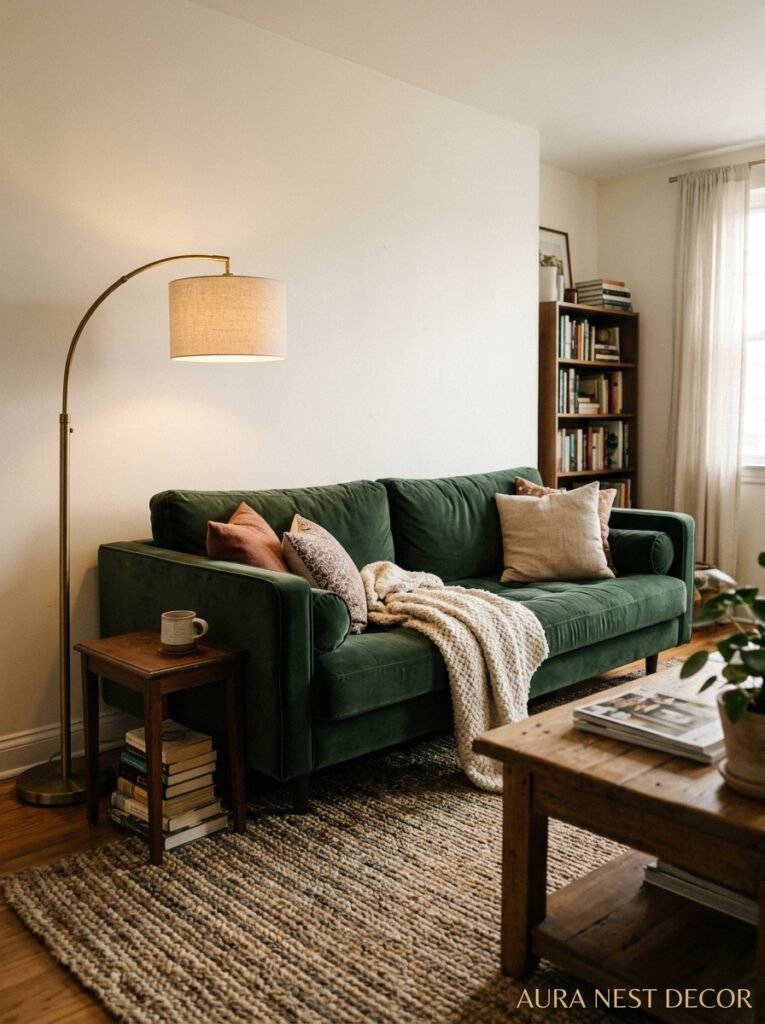
Terracotta-adjacent warm tones. Burnt orange. Rust. That clay-pot-at-sunset kind of color. It’s EVERYWHERE right now and it doesn’t look like a trend — it looks like it’s staying.
Part of why this works is how it sits against the neutrals most people already have. White walls? Terracotta sofa. Dark wood floors? Rust velvet. Cool grey everything? A warm ochre-y caramel sofa is the fix. The warmth punches through without being aggressive about it.
I’ve also seen this done beautifully with jewel tones — a deep teal sofa in an otherwise neutral room hits differently than you’d expect. Less cold than navy, more interesting than grey-blue. The British design scene has been into this for a while (check almost anything coming out of smaller London studios), and it’s finally landed harder in American interiors.
But back to terracotta. If you’re nervous, try it in velvet first — the texture softens the intensity and the color shifts beautifully in different lights. At noon it reads warm and grounded. In the evening, under warmer bulbs, it glows.
—
4. Chesterfields Aren’t Old-Fashioned — You’ve Just Seen Bad Ones
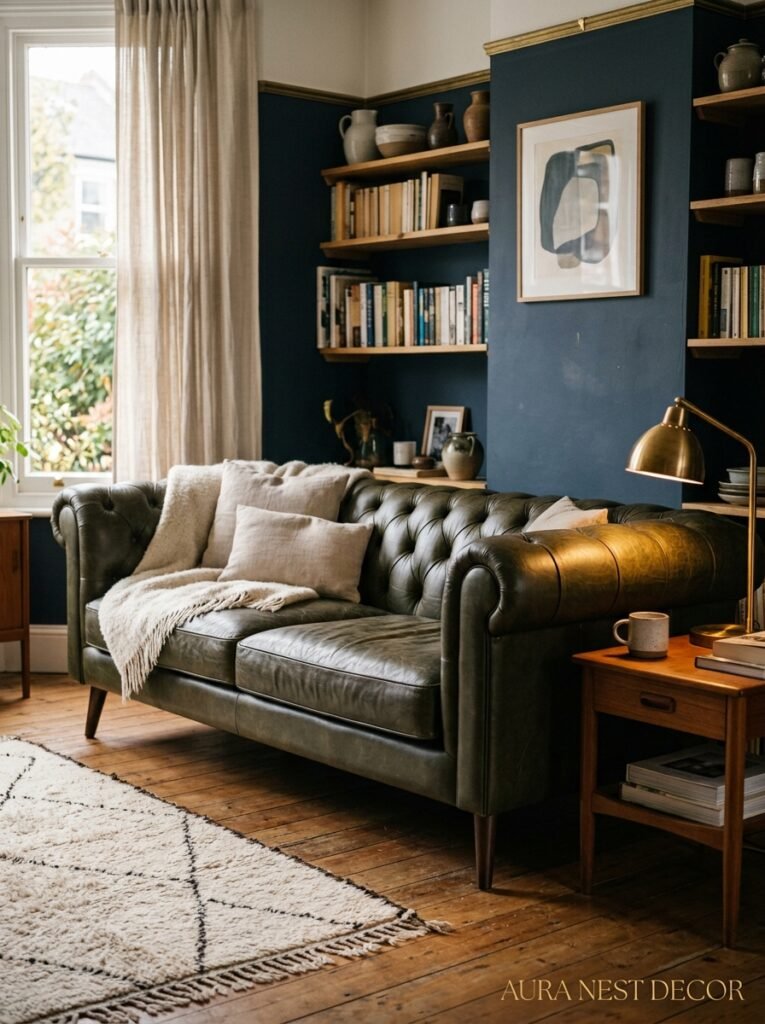
The chesterfield gets a rough deal sometimes. People picture a stuffy brown leather thing in a gentleman’s club, smelling vaguely of old books and cigarette smoke. And yeah, done badly, it can feel exactly like that.
Done well? A chesterfield is one of the most beautiful sofa designs in existence.
The deep button-tufting. The high rolled arms. The way the whole piece commands a room. It’s got architecture. And when you update the material — dove grey linen, blush pink velvet, even a contemporary black with chrome feet — it reads completely differently. Old soul, new context. The shape holds up.
This works particularly well in British homes where the architecture has its own history to work with. Crown molding, sash windows, an original fireplace — a chesterfield belongs in that world. In American spaces, it’s an interesting counterpoint, a bit of formality softened by everything around it.
“A chesterfield in the right fabric isn’t vintage — it’s inevitable.”
—
5. The One Rule About Sofa Sizing That Every Stylist Knows and Nobody Says Out Loud
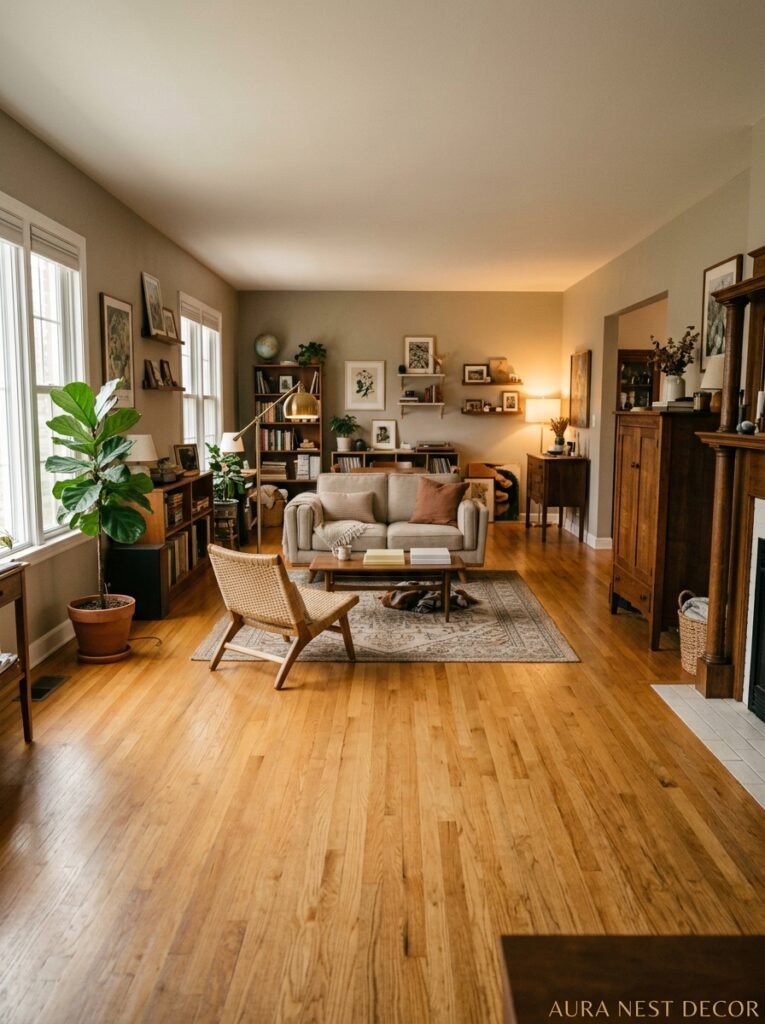
Your sofa is probably too big for your room. Or weirdly, sometimes too small. But mostly too big.
People buy for maximum comfort without measuring the negative space. The space around the sofa matters just as much as the sofa itself. You need room to walk around it. You need the proportions to feel intentional. A sofa that goes wall-to-wall in a room — even if it technically fits — looks like furniture storage, not a living room.
The rule: your sofa should take up roughly two thirds of the wall it sits against. Not more. That remaining third of breathing room is where the room starts to feel like it was designed, not just filled.
In smaller UK homes especially, this is worth following. A slightly smaller sofa, properly proportioned, will always look better than a massive one that technically fits. The visual weight of too-large furniture is exhausting.
Side note — this is also why I’m always cautious about giant L-shaped sectionals in modest-sized rooms. They can work. But they require the rest of the room to basically be empty to compensate.
—
6. Fabric vs. Leather: The Honest Breakdown (No Fluff)
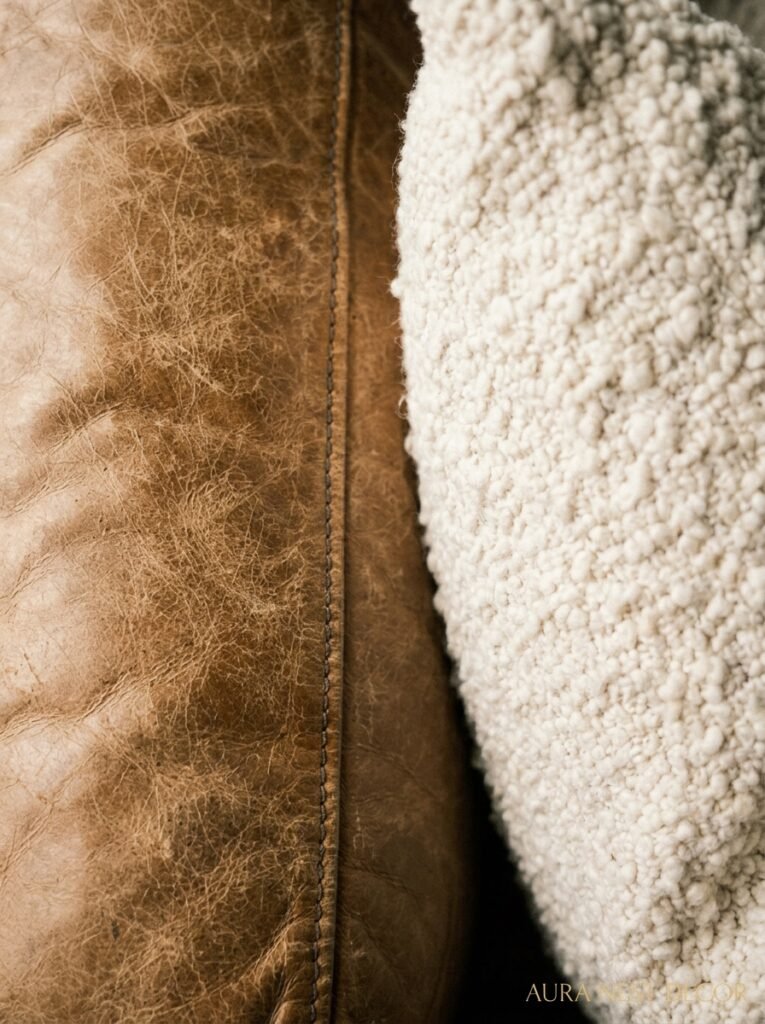
Leather looks incredible for years. It ages well — genuinely, not in a “we’re being polite about deterioration” way. It develops a patina. It tells a story. It’s also cold in winter, hot in summer (depending on your climate), and not particularly great if you’ve got kids or a dog with claws.
Fabric is warmer to sit on and tends to feel more casual and lived-in, which is actually what most living rooms WANT to feel like. Linen is beautiful and wrinkles constantly — it sort of commits you to a relaxed aesthetic. Velvet is sensory perfection and a magnet for pet hair. Performance fabrics (the kind marketed as “easy clean”) are genuinely useful and look better than they used to.
What I’d actually recommend for most people: a tight-weave textured fabric in a mid-tone. Not too light (every drop of red wine becomes a memory), not so dark it reads as heavy. Something that shows texture and holds its shape. Boucle has been having a massive moment — the nubby, slightly imperfect surface photographs beautifully and hides a lot of daily life.
Honestly, don’t make this harder than it is. Sit in it. Feel the fabric. Imagine a Tuesday night on it with leftover takeout. That’s your answer.
—
7. The Modular Sofa Trend Has a Problem Nobody’s Talking About
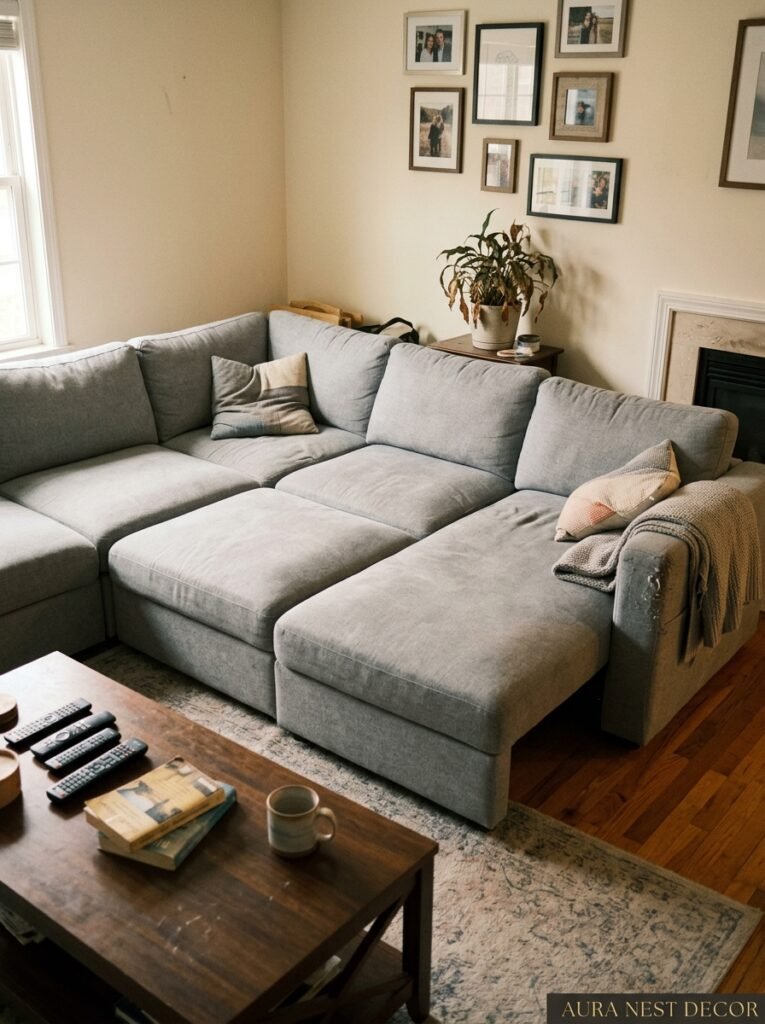
Modular sofas — the ones you configure yourself, add pieces to, rearrange however you want — are sold as the ultimate flexible solution. And they genuinely can be. The concept is great.
But here’s the thing: most of them look messy when they’re rearranged. The promise is flexibility, but the reality is that there’s usually one configuration that actually looks good and the rest look like you ran out of room in a different part of the house.
Also, the connectors. The little attachment pieces that hold the modules together — they shift. They separate. After a few months, you’ve got a sofa that’s slowly becoming several individual pieces with gaps between them. Not all brands do this, to be fair. But enough of them do that it’s worth researching specifically before you buy.
When modulars work well — and they DO work well — it’s because someone chose a clean, simple shape without too many configuration options. A three-piece L with consistent arm heights and a really good frame. That’s the sweet spot.
“The sofa that promises to do everything sometimes delivers nothing.”
—
8. Why British and American Living Rooms Style Sofas So Differently (And What We Can Steal From Each Other)
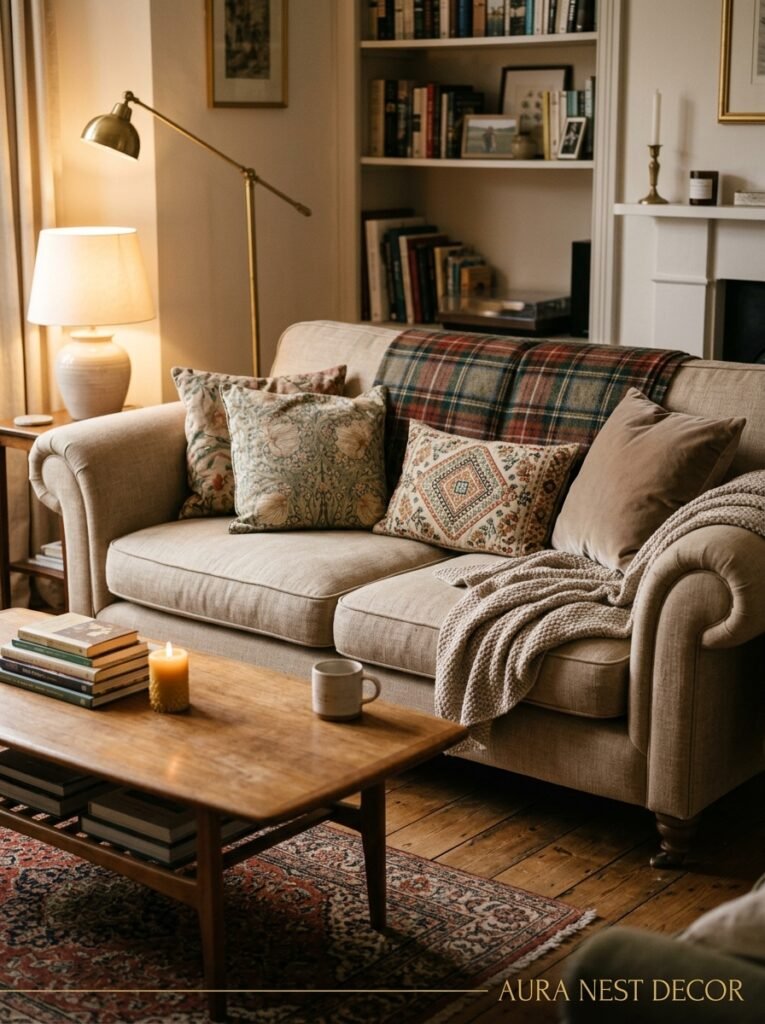
Not gonna lie, I find this genuinely fascinating.
British styling tends to layer more — lots of cushions, throws, a sense of collected-over-time warmth. Sofas often sit against more decorative backdrops: gallery walls, patterned wallpaper, a fireplace with actual mantle styling. There’s permission to be a bit more eccentric, a bit more personal.
American styling often goes for a cleaner look — more restraint with cushions, more space around the sofa, a slightly more curated vibe. The sofa itself often does more of the visual work because there’s less going on around it.
What British rooms could take from American styling: that editing. Not EVERY cushion needs to be on the sofa. Sometimes three is better than seven.
What American rooms could take from British styling: warmth. A throw draped like it was actually used recently rather than posed. A mix of patterns that shouldn’t work but does. The courage to put something unexpected on the walls behind the sofa.
The best living rooms I keep saving on Pinterest feel like neither one nor the other — they’re somewhere in between.
—
9. The Sofa Leg Detail That Changes the Whole Room’s Vibe
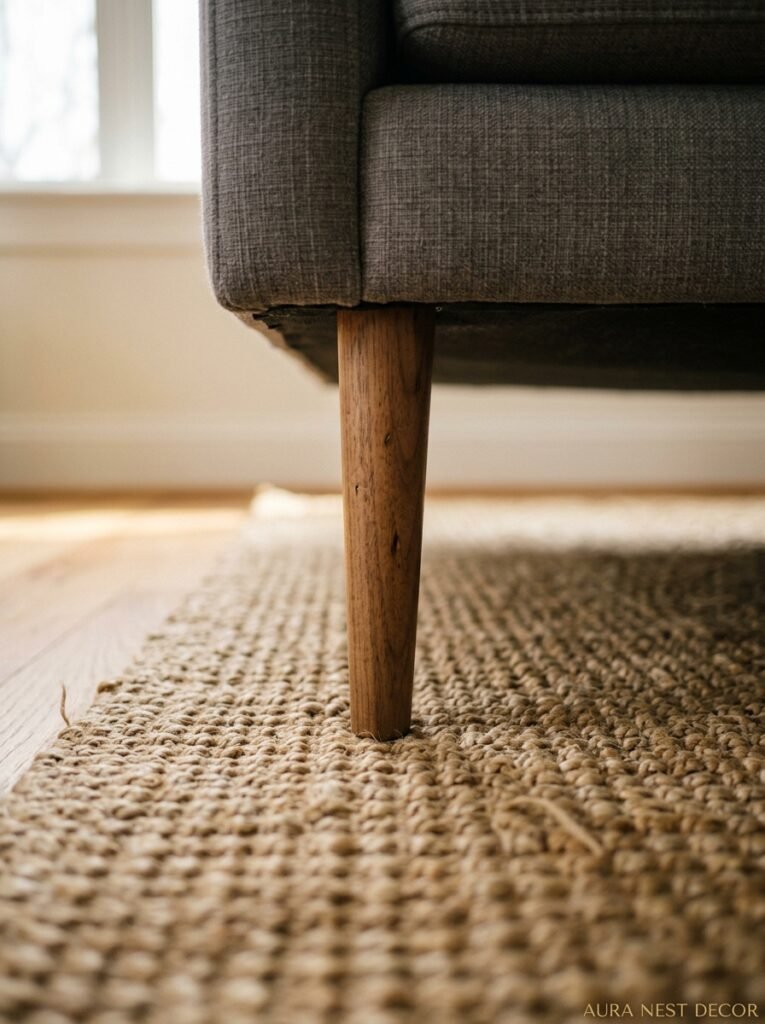
Nobody talks about legs enough. The legs on a sofa can completely shift the period it feels like it belongs to.
Dark walnut tapered legs: mid-century modern, warm, grounds the whole piece. Chrome or brushed brass hairpin legs: more contemporary, a bit industrial, works beautifully with cleaner-lined furniture around it. Bun feet (the round ones): more traditional, country house, great with linen or floral fabric. Completely skirted, no visible leg at all: formal, plush, slightly French in feeling — gorgeous or stuffy depending on everything else in the room.
This is actually a detail worth considering BEFORE you fall in love with a sofa shape. Because you might find a frame you love and then discover the legs don’t work with your floors or your other furniture, and then you’re stuck.
Some retailers will let you choose the leg finish. Always ask. It’s the kind of customization that makes a mass-market sofa feel considered.
—
10. The Underrated Sofa Style That Works in Almost Every Room Size
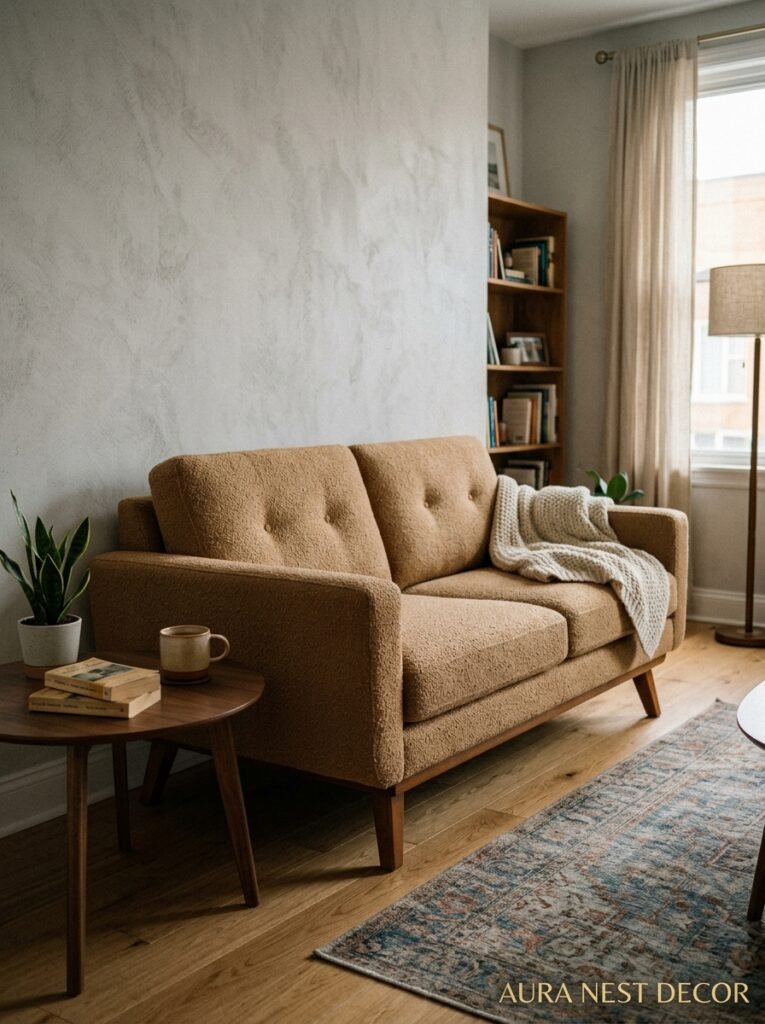
The two-seater sofa — the loveseat, the snuggle sofa, whatever you want to call it — doesn’t get nearly enough respect.
People come in wanting a three-seater as a minimum, sometimes a sectional, as if the size of the sofa correlates to the quality of the living room. But TWO well-chosen sofas facing each other, or a two-seater paired with a pair of armchairs? That’s actually more interesting than one enormous sofa dominating everything.
It creates conversation. It makes the room feel like it was designed for people, not just for maximum seating capacity. And for smaller rooms — and again, I’m thinking of a lot of British homes here, but also city apartments in New York, Chicago, LA — it’s genuinely the smarter choice.
The scale feels right. The room feels finished rather than stuffed.
—
11. What to Do When Your Sofa Is Fine but the Room Still Looks Off
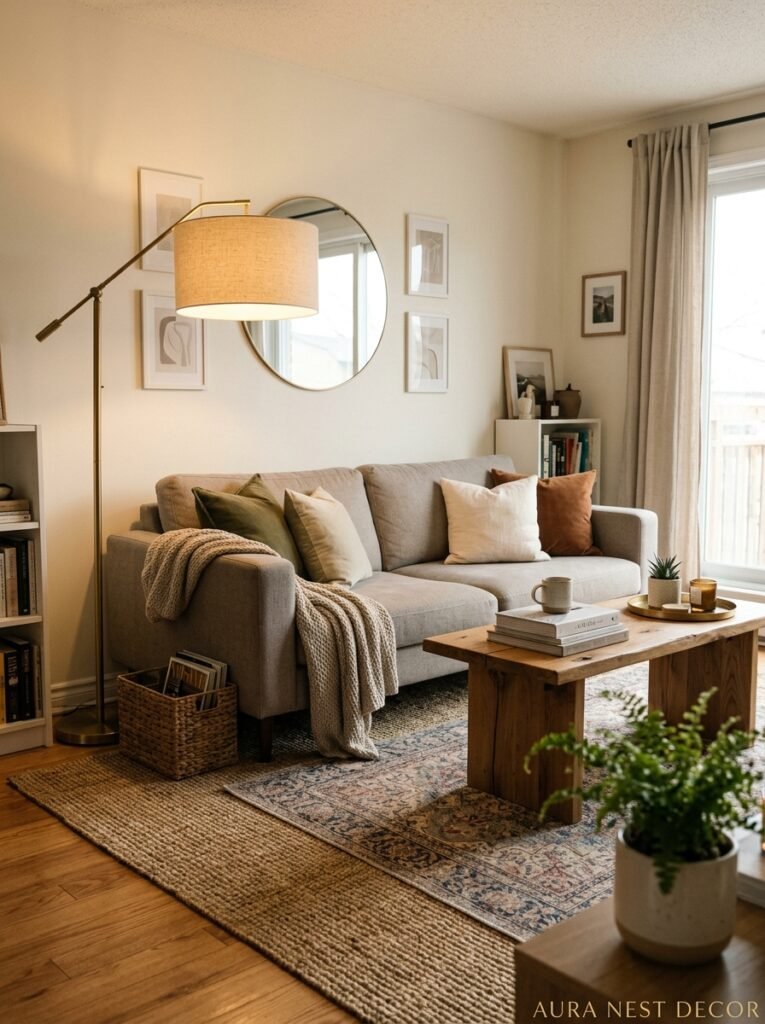
The sofa’s good. Not the problem. But something isn’t working and you can’t put your finger on it.
Nine times out of ten: it’s the rug.
A rug that’s too small makes a sofa float in a sea of floor with no anchor. The legs of the sofa — at least the front two — should be ON the rug. That’s what creates the “room within a room” feeling, the sense that the seating area is a cohesive zone rather than just furniture arranged near each other.
The second culprit: lighting. If the only light in the room is overhead, the sofa will always look a bit lonely and flat. A floor lamp behind or beside it, a table lamp at one end — that warm, localized light makes the sofa look like a destination, somewhere you’d actually want to be at 9pm on a cold night.
Get the rug right. Add a lamp. Evaluate again before changing anything else.
—
12. The Sofa Styling Move That Actually Photographs Well (Because Pinterest Matters)
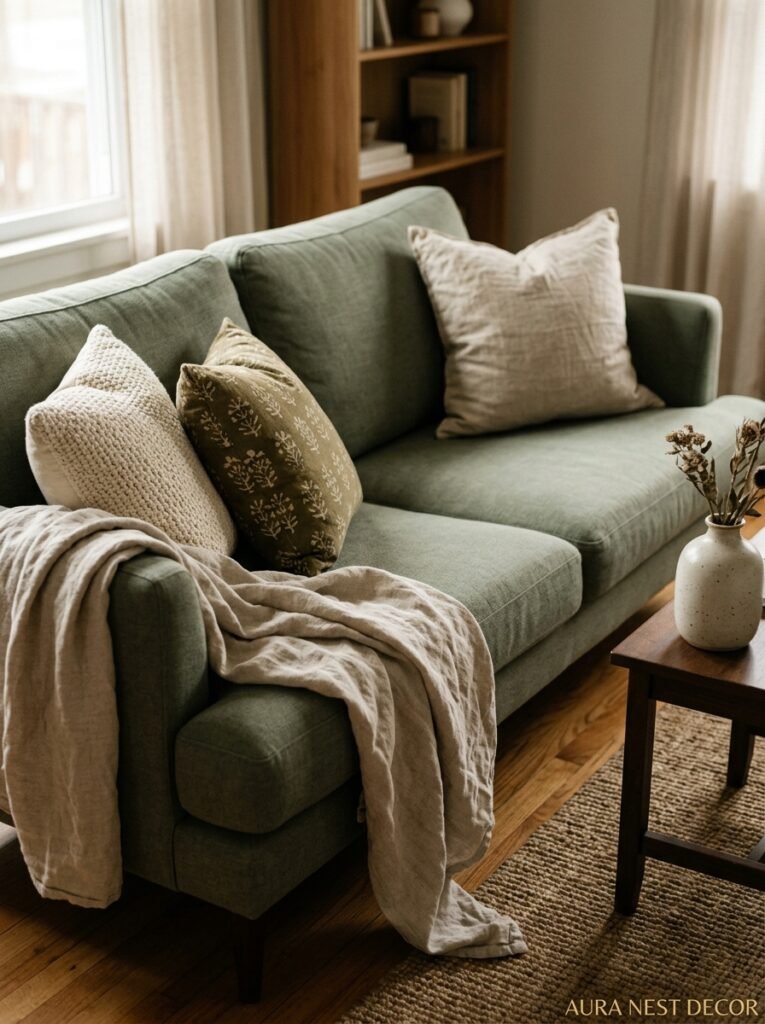
Here’s something I’ve noticed after years of saving beautiful living room images: the sofas that stop your scroll always have ONE interesting pillow situation and ONE textile layer. Not five. Not a chaotic pile. One thoughtful pillow grouping and a throw that looks like someone actually uses it.
The throw is KEY. Don’t fold it. Don’t drape it perfectly symmetrically. Lay it over one arm and let part of it fall onto the seat cushion, like you just got up from under it to go make tea. That messiness? It’s what reads as life in a photograph. It’s what makes someone save the image because they think “I want to feel like that.”
The pillow situation: mix scales, not necessarily prints. One large plain pillow, one medium textured one. Done. Add a third if you must, but make it smaller and let it lean against one of the others slightly off-center.
That’s it. That’s the whole trick.
—
❓ FAQ
Q: How do I know what size sofa is right for my living room? A: Measure your wall and aim for the sofa to cover about two thirds of it. Then measure your walkways — you want at least 30-36 inches of clear path around the sofa. And tape it out on the floor before you buy. Seriously, tape works better than imagination.
Q: Is velvet really practical as a sofa fabric? A: More practical than people think, honestly. It’s durable and brushes clean fairly easily, though pet hair is genuinely a commitment. If you’ve got dogs or cats that shed, go for a velvet in a similar color to their fur — it hides between cleanings much better.
Q: How long should a good sofa actually last? A: A well-made sofa with a hardwood frame and good quality cushion fill should last 10-15 years. The cushions will need fluffing or replacing before the frame does. If a sofa feels soft and wonderful in the showroom, ask what the cushion fill is — cheap foam compresses in a couple of years and then you’ve got a sofa that looks deflated.
—
💭 Final Thoughts

The sofa you choose is a decision you’ll live with every single day — the morning coffee, the Sunday afternoon film, the late nights when you can’t sleep. It deserves more thought than most things in your home because you’ll touch it more than almost anything else. Get the silhouette right, get the scale right, and don’t talk yourself out of the color you actually love just because “safe” feels like a good idea at the time.
What’s the one sofa detail you always notice first when you walk into a beautifully styled living room?