
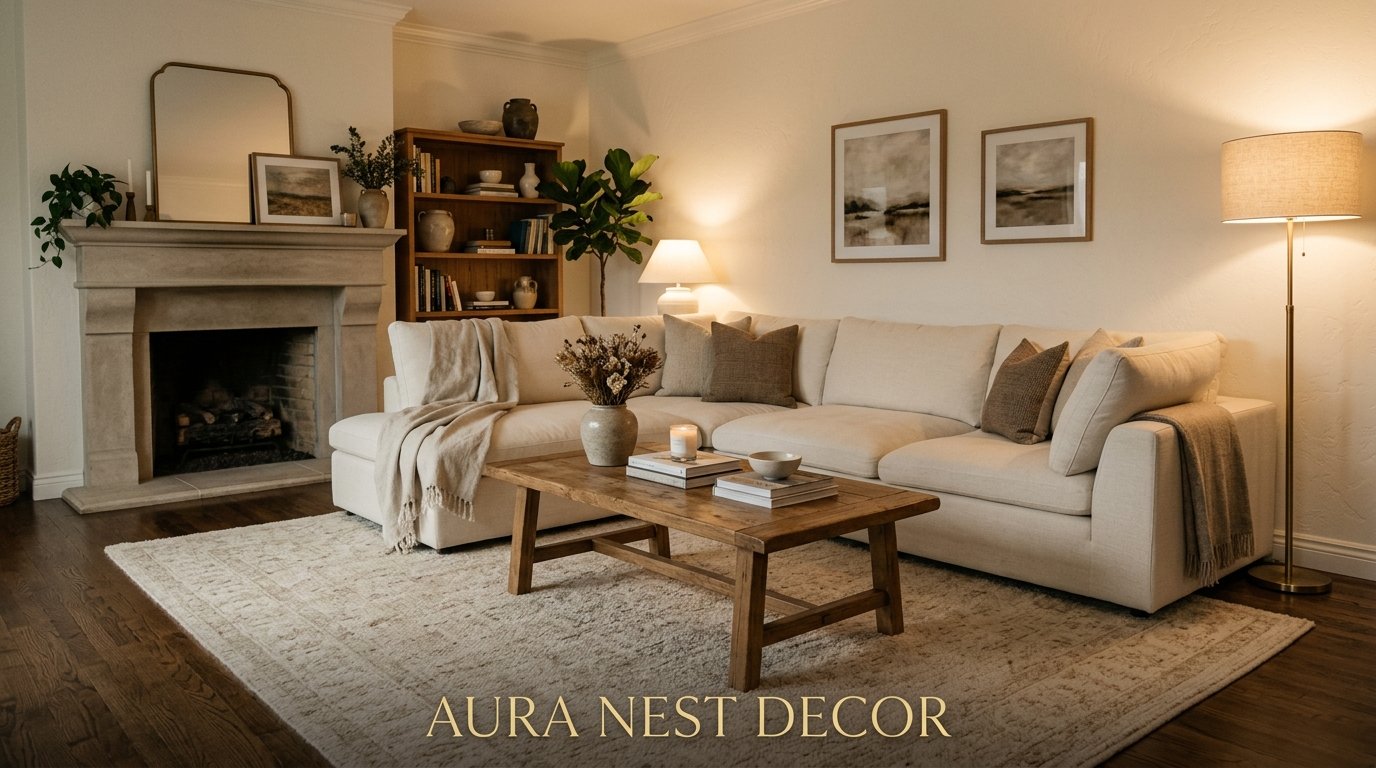
The Living Room That Feels Expensive Without Costing a Fortune (And No, It’s Not What You Think)
My friend walked into my living room last spring and said, “Wait — did you redecorate?” I hadn’t touched a thing in four months. But I’d spent a Saturday afternoon rearranging what was already there, and apparently that was enough.
That stuck with me.
—
1. Why “Elegant” Has Nothing to Do With Spending More Money
Here’s the thing nobody says out loud: most rooms that feel expensive aren’t. They just feel considered. Every object looks like it was PUT there, not dropped there.
That’s the actual difference. Not the price tag.
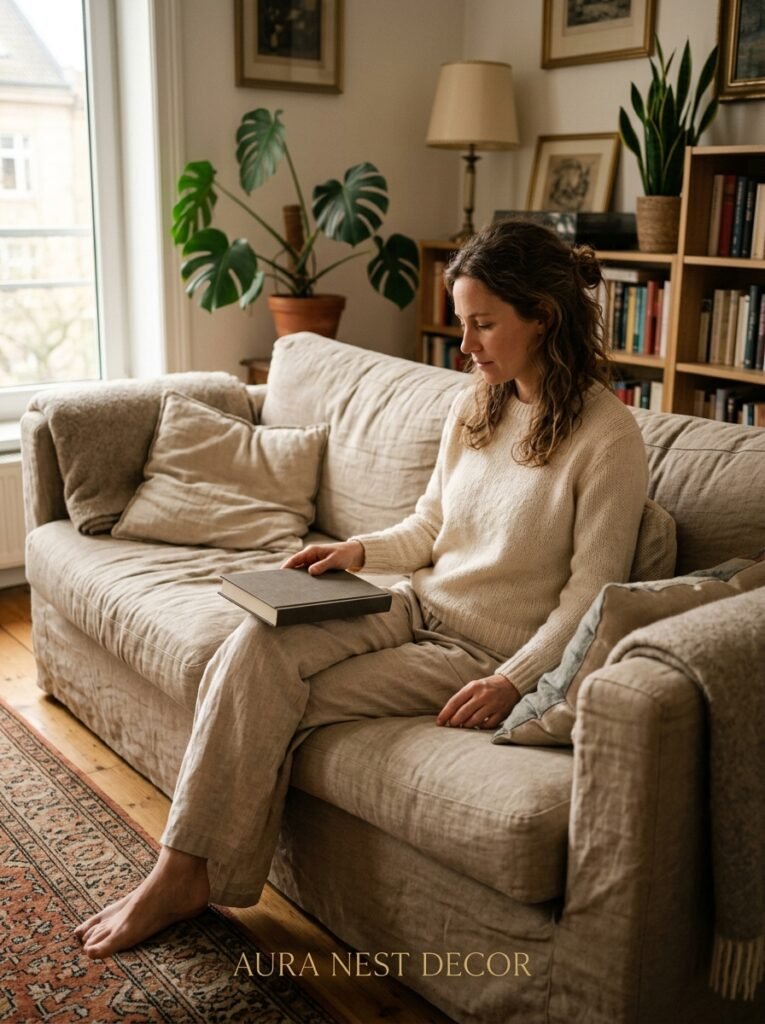
I’ve been in houses with £10,000 sofas that felt like hotel lobbies — technically impressive, completely lifeless. And I’ve been in cozy Brooklyn apartments where someone had layered a $40 thrifted rug over a slightly-worn original and it looked like something straight off a design blog.
Elegance isn’t a budget. It’s a decision. The decision to stop adding things and start editing. To let some corner breathe. To resist the urge to fill every shelf because empty space makes you nervous.
Most of us have MORE than enough stuff already. We don’t need to buy our way into a beautiful room. We need to think our way there.
“Elegance isn’t a budget. It’s a decision — and you’ve already got more to work with than you think.”
—
2. The Color That Keeps Showing Up in Every Beautiful Living Room Right Now
Not beige. Not white. Not greige (please, can we retire greige for a minute).
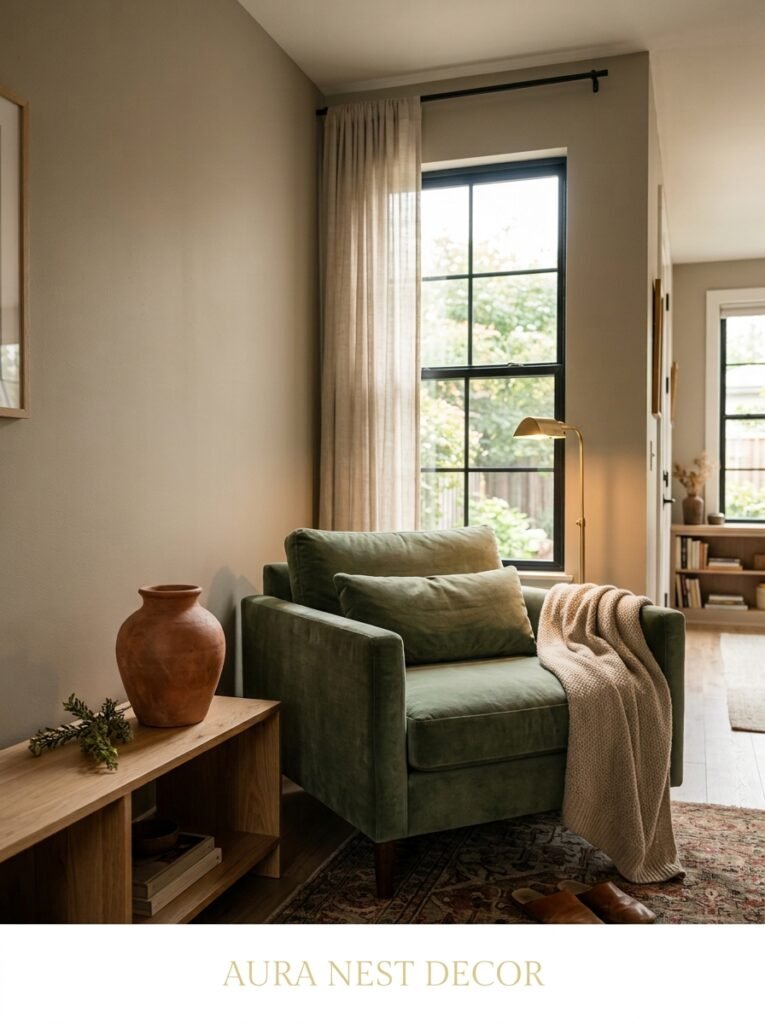
It’s a soft warm off-white that leans slightly toward stone — sometimes called “linen” or “parchment” — and it’s doing EVERYTHING right now. The reason it works where pure white doesn’t? It doesn’t fight the light. Pure white walls in a living room can feel clinical, especially in British light which is, let’s be honest, not exactly Mediterranean sunshine.
This warm, slightly dusty off-white absorbs the afternoon and gives it back golden. It makes wooden furniture look richer. It makes textile colors — a rust cushion, a forest green throw — pop without having to try.
And here’s the practical part: it photographs beautifully, which matters if you’re on Pinterest. But more importantly, it makes a room feel like it’s been lived in carefully, which is exactly the energy elegant rooms have.
You don’t have to repaint everything. Even switching out stark white lampshades for linen or cream ones shifts the whole temperature of a room. Start small, see how it feels.
—
3. Furniture Placement Nobody Talks About (That Changes Everything)
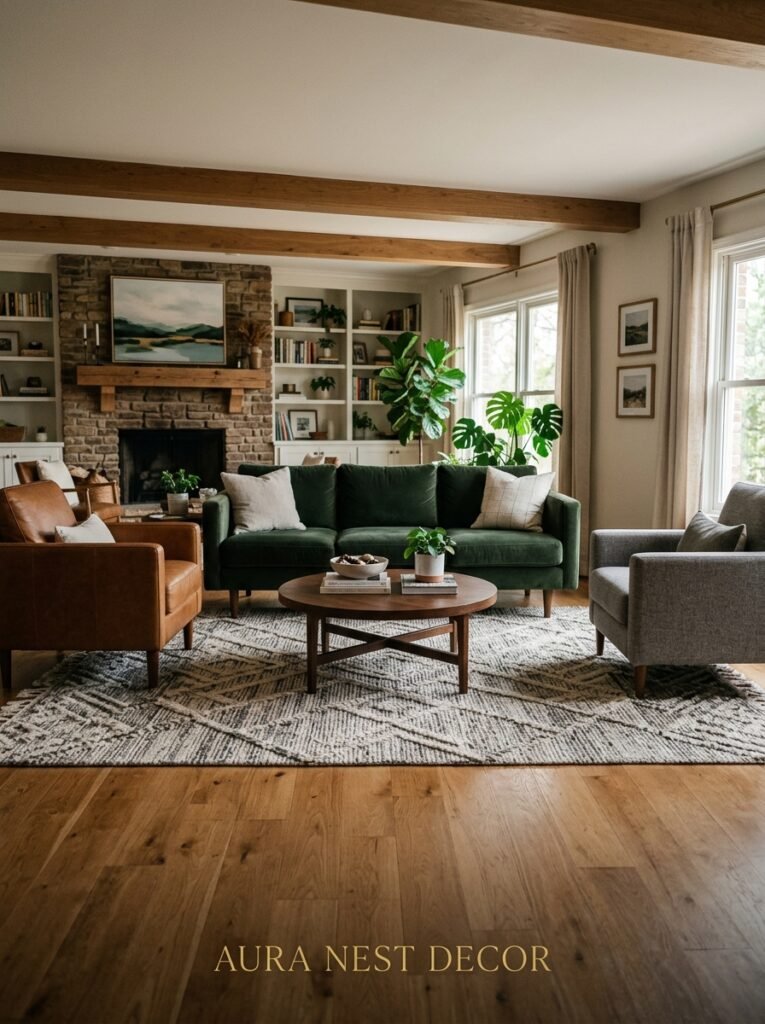
Pull the sofa away from the wall.
I know, I know. It feels counterintuitive. It FEELS like it’ll make the room smaller. It won’t. Floating furniture — even just a few inches — makes the room look deliberately arranged rather than nervously shoved against the perimeter.
This is the single fastest thing you can do to make a living room feel like it was styled rather than just set up. Rooms where everything is pushed to the edges feel like they’re waiting for something to happen. Rooms where furniture is grouped inward feel like something already IS happening — like people live there and conversations take place.
Pair this with an area rug that the front legs of ALL your seating rest on (not just the sofa), and suddenly you’ve got a room that looks like it was designed. Not decorated. Designed.
The difference matters.
—
4. The Lamp Rule That Designers Never Explain Clearly
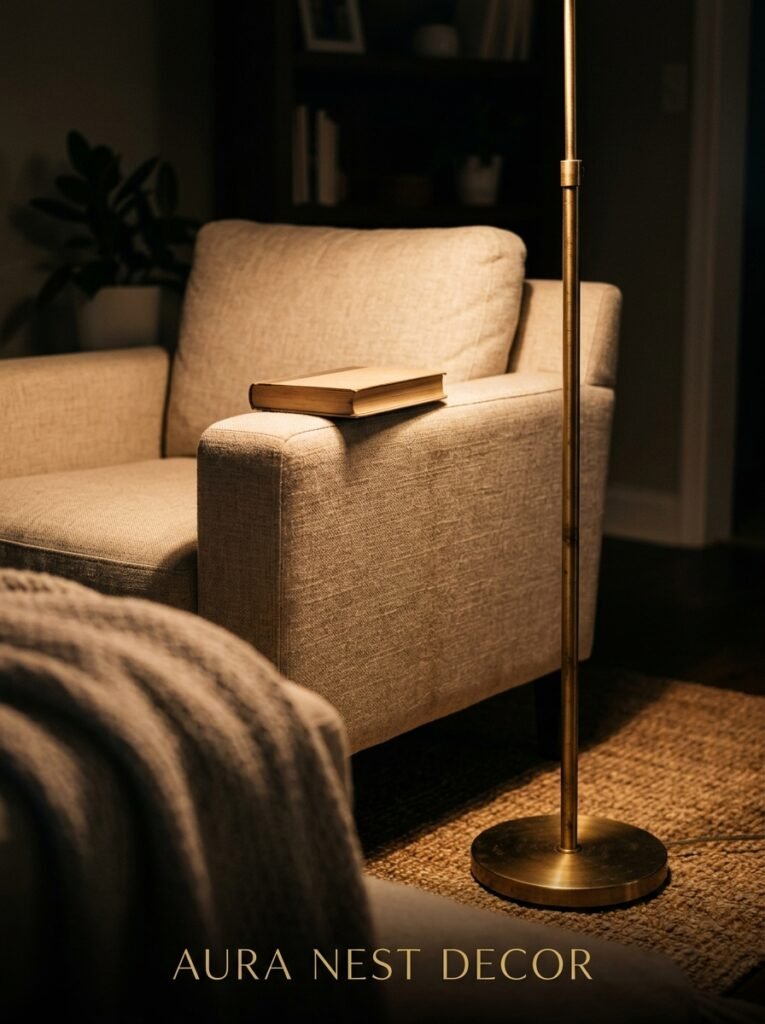
Your ceiling light is not your friend.
Overhead lighting — especially the single ceiling pendant or the flat flush-mount nightmare that came with your flat — flattens everything. It makes people look tired. It makes rooms feel like offices. And it is, honestly, the number one thing keeping otherwise lovely rooms from feeling elegant.
The amber glow of an Edison bulb at 7pm from a floor lamp in the corner of a room is a completely different emotional experience than clicking on the overhead. It’s the difference between a room that invites you to sit down and one that makes you want to keep moving.
The rule is simple: aim for three light sources per room, all below eye level when you’re seated. A table lamp by the sofa. A floor lamp in a corner. Maybe a small lamp on a console or shelf. None of them need to be expensive — but they all need warm bulbs (look for 2700K on the box, that’s the sweet spot).
Turn everything off. Turn just those three on. Stand in the doorway. I’ll wait.
—
5. Why Your Pillows Are Making the Room Look Cheaper
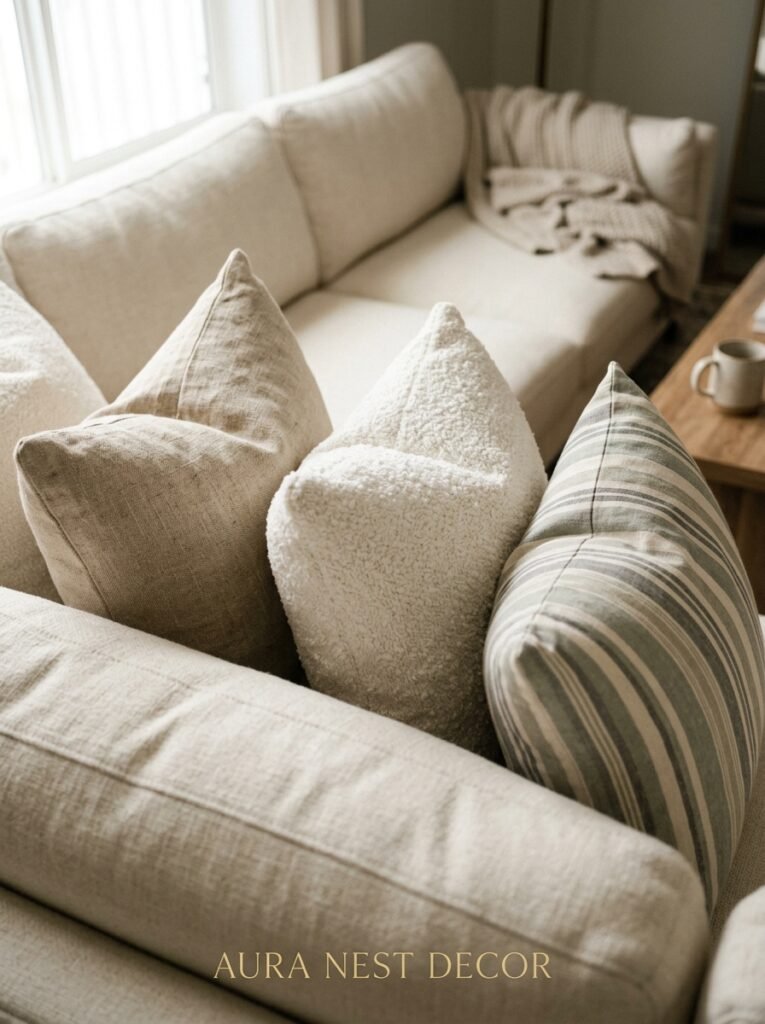
Too many. Too matchy. Too small.
Pick one. Because those are almost always the problems and they’re easy fixes.
Most sofas have way too many throw pillows, and every single one came from the same collection, in the same color family, in the same size. It looks like a showroom, not a home. And showrooms, weirdly, don’t feel elegant — they feel provisional.
What actually works: fewer pillows, mixed intentionally. One large square (at least 20×20), one lumbar, and maybe one more in a completely different texture. Velvet and linen together. Something solid, something with the faintest pattern. Not three shades of the same blue.
And the covers matter more than the inserts — buy decent feather-filled inserts and swap out covers seasonally. It’s honestly one of the most cost-effective styling moves you can make.
“Fewer pillows, chosen with purpose, will always beat a matching set of seven.”
—
6. The One Thing Vintage Does That New Furniture Can’t
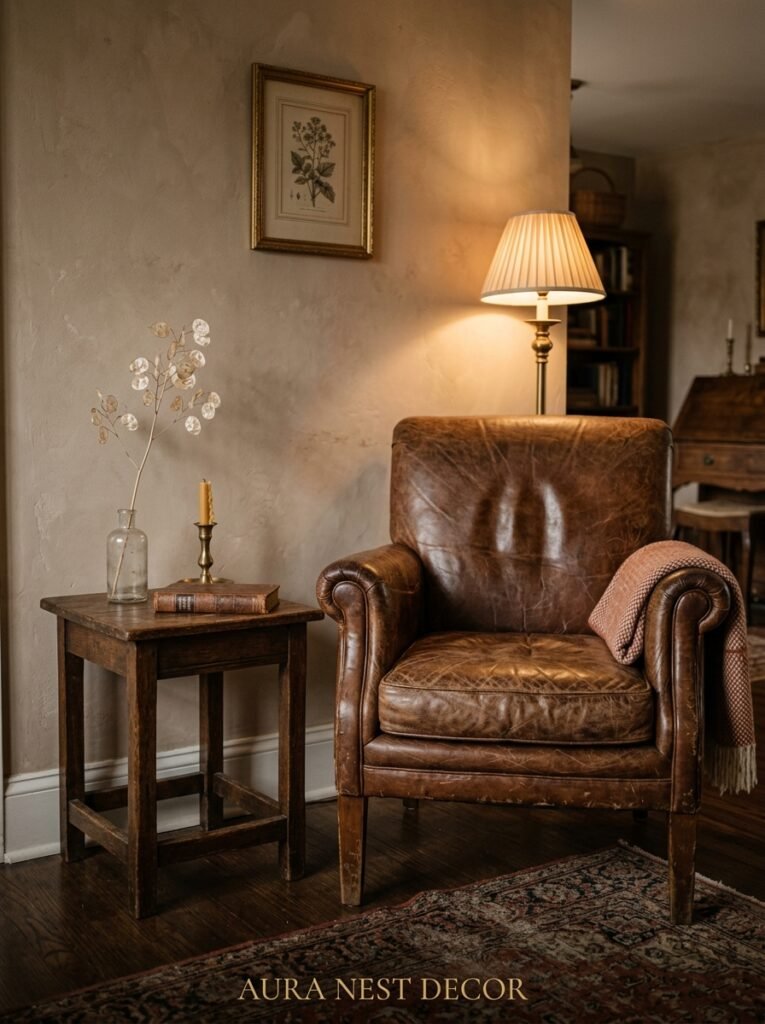
It grounds the room.
New furniture — even very good new furniture — can make a room feel like it came out of a box. Which, you know, it did. There’s nothing wrong with that. But when every single piece is new, the room lacks what I’d call visual history. A sense that these objects have been somewhere.
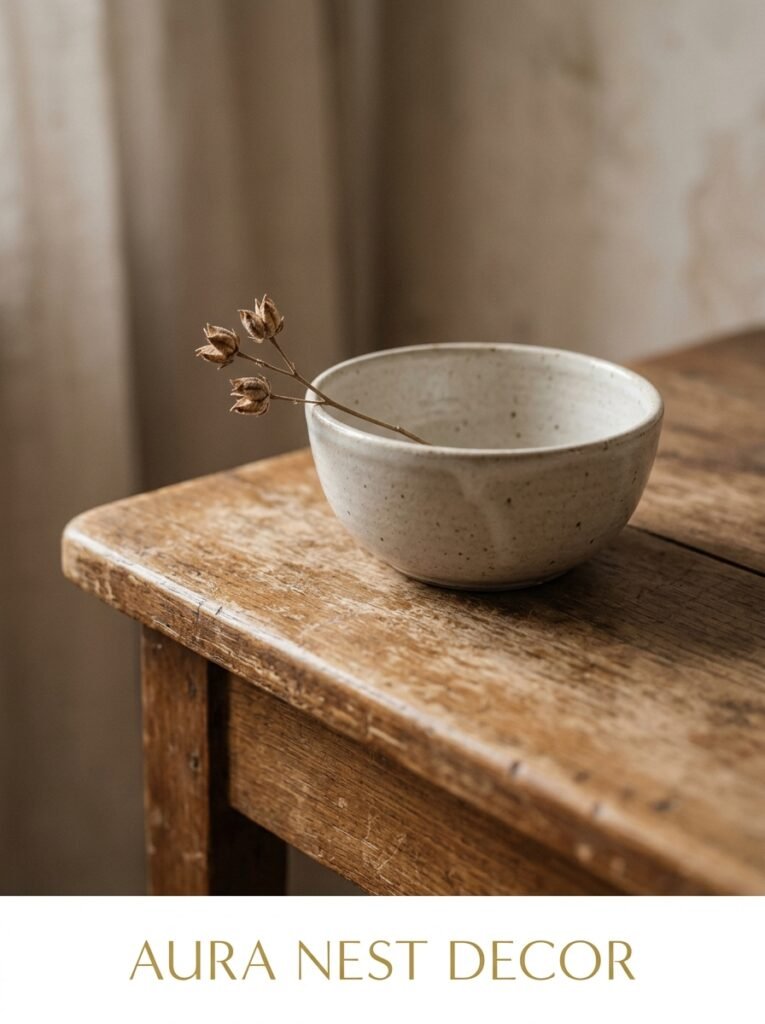
One vintage or antique piece changes this completely. It doesn’t need to be a big piece. A side table from an estate sale. A low wooden stool from a charity shop. A brass lamp you found at a market in Birmingham or Brooklyn.
The older piece reads as intentional — like you hunted for it specifically. And that hunting quality is exactly what elegant rooms have. Nothing in them looks like it arrived in a flat-pack van.
Side note: the best vintage finds in the UK right now are mid-century side tables at car boot sales and charity shops in smaller towns. In the US, Facebook Marketplace for anything wooden and pre-1980 is genuinely incredible. Don’t overlook either.
—
7. How Art on a Wall Can Go Wrong Very Fast
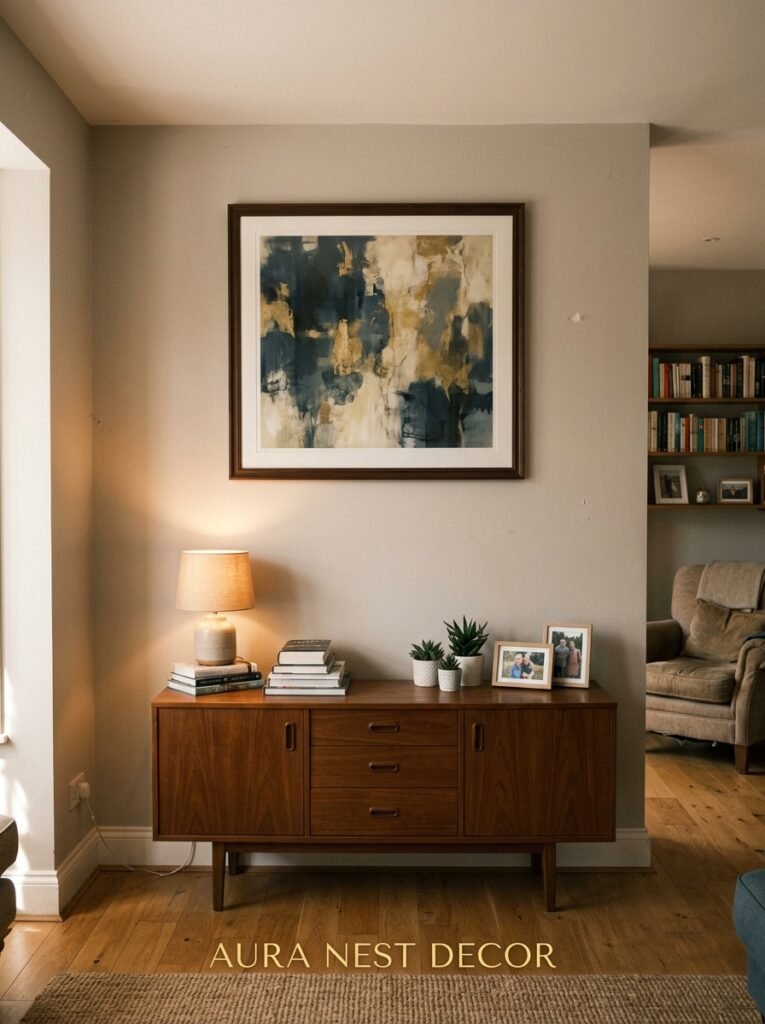
Hanging it too high is the crime, and almost everyone commits it.
Art should hang so that the CENTER of the piece is at eye level — roughly 57 to 60 inches from the floor. Most people hang art like they’re expecting guests who are seven feet tall. You’re not. Lower it. Then lower it again, probably.
The second thing: gallery walls are harder than they look. Not impossible, but they require an anchor — usually one large piece — that everything else orbits around. Without that anchor, you’ve just got a wall of random frames at slightly different heights and it looks chaotic, not curated.
If you’re unsure, one large piece hung low and alone on a wall is almost always more elegant than a cluster of six small ones. The emptiness around it is part of the composition. Let it breathe.
And for the love of everything — please measure and use a proper hook. Nothing breaks the elegant spell faster than a frame hanging slightly crooked three weeks after you put it up.
—
8. The Texture Combination That Works Every Single Time
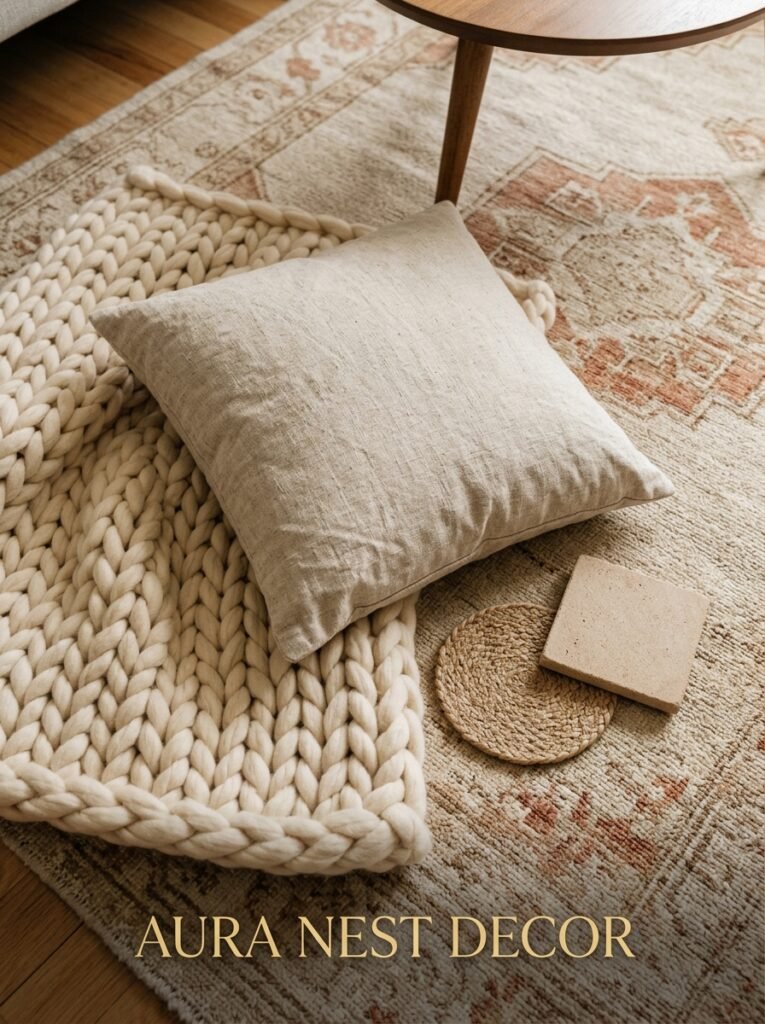
Linen and velvet. That’s it. That’s the section.
Okay, not entirely — but genuinely, if you layer linen and velvet in the same room, you cannot lose. Linen is the cool, practical one; velvet is the show-off. Together they balance in a way that reads as effortless.
Add in one rough texture — something woven, jute, rattan, a chunky knit — and you’ve got three different tactile experiences that all somehow work together. The eye moves around the room and stays interested. That’s what elegant rooms do: they give you something to look at from every angle.
What doesn’t work: every surface the same texture. All smooth, all shiny, all matte. Monotextural rooms feel flat, even when the colors are beautiful.
—
9. Books: Either Go All In or Put Them Away
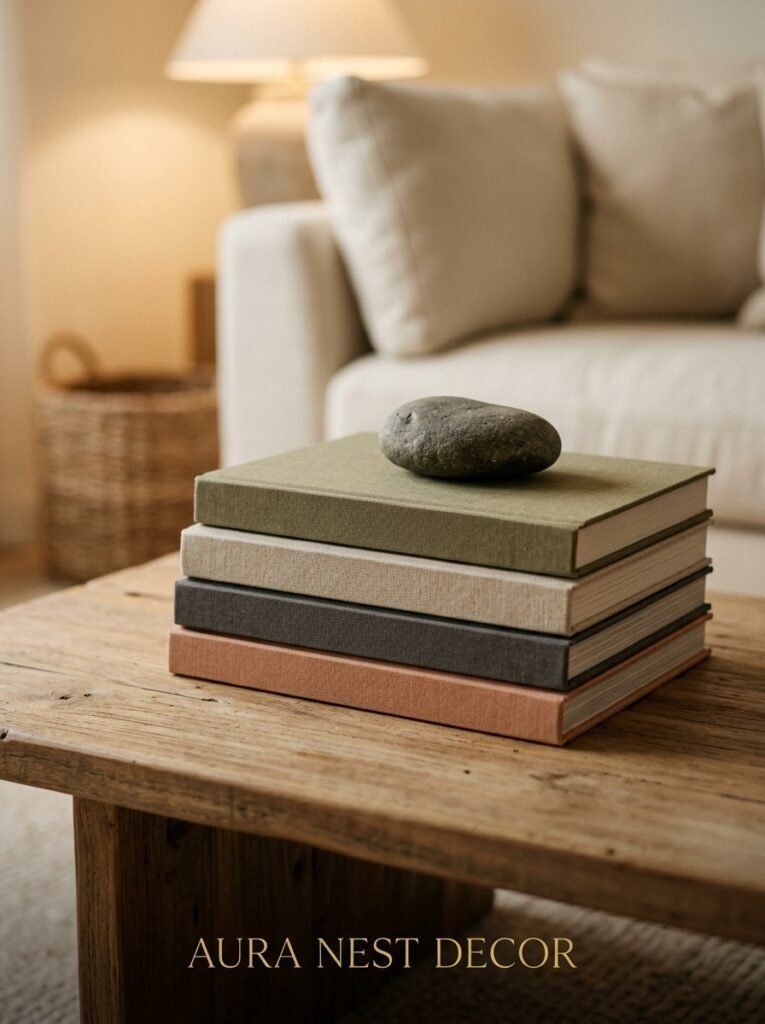
Half-hearted bookshelves are a design problem.
You know the look — one slim row of books, some facing out, some sideways, a random candle, a little succulent that’s seen better days, a framed photo from 2017. It reads as unresolved. Like you started styling the shelf and got distracted.
Two options. Either commit fully — pack the shelves densely, mix in a few objects and some green — or remove everything and put something with actual visual weight there. A large ceramic piece. A framed print leaning against the wall. Nothing pretending to be a library.
The half-and-half approach almost never works. Pick your side.
“A shelf is either a composition or a dumping ground. There’s very little in between.”
—
10. What “Good Bones” Actually Means (And Whether Your Room Has Them)
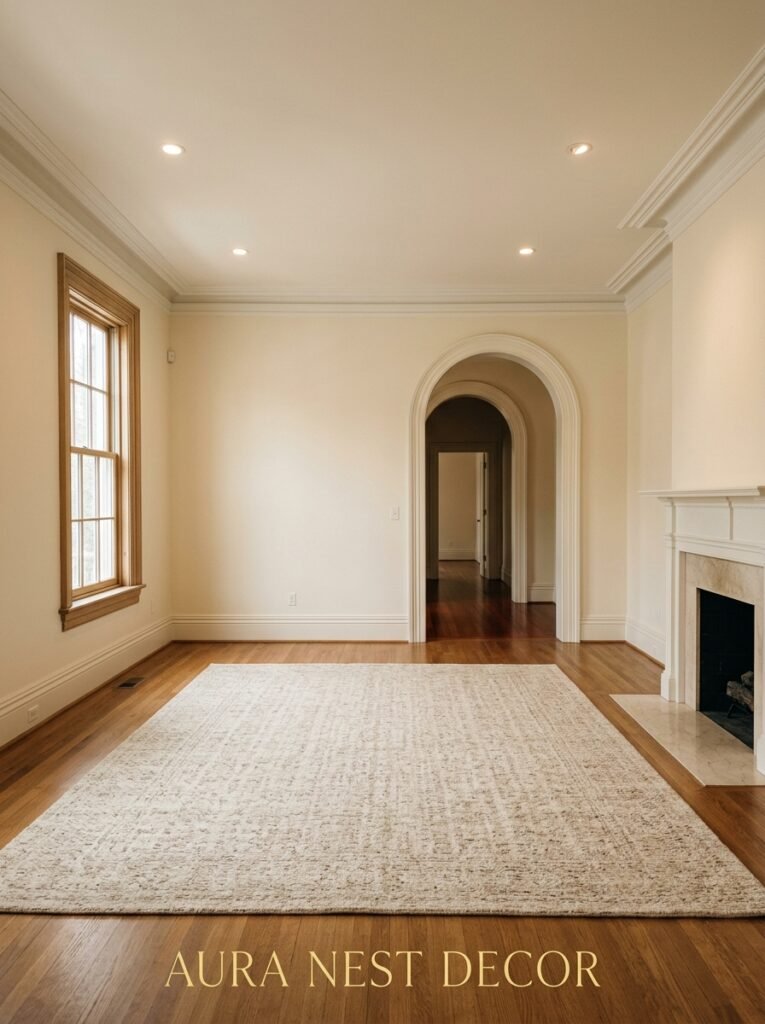
People say “good bones” about rooms the way they say “good energy” — vaguely, hopefully, without really knowing what they mean.
But it’s real. Good bones in a living room means: proportional windows, ceiling height that doesn’t feel oppressive, and a layout where the room has a natural focal point. A fireplace. A bank of windows. Even a well-placed TV wall can work as a focal point if it’s handled properly.
The problem is when a room has NO clear focal point — when your eye enters the space and doesn’t know where to land. It wanders. The room feels busy or confusing even if it’s not particularly cluttered.
If that’s your room, create a focal point artificially. Large piece of art on the most visible wall. A pair of dramatic floor lamps flanking a console. Something that says: here. Look HERE first.
Everything else can then arrange itself in relation to that anchor. It’s not complicated — it’s just something you have to be intentional about.
—
11. The Small Details That People Notice Without Knowing Why
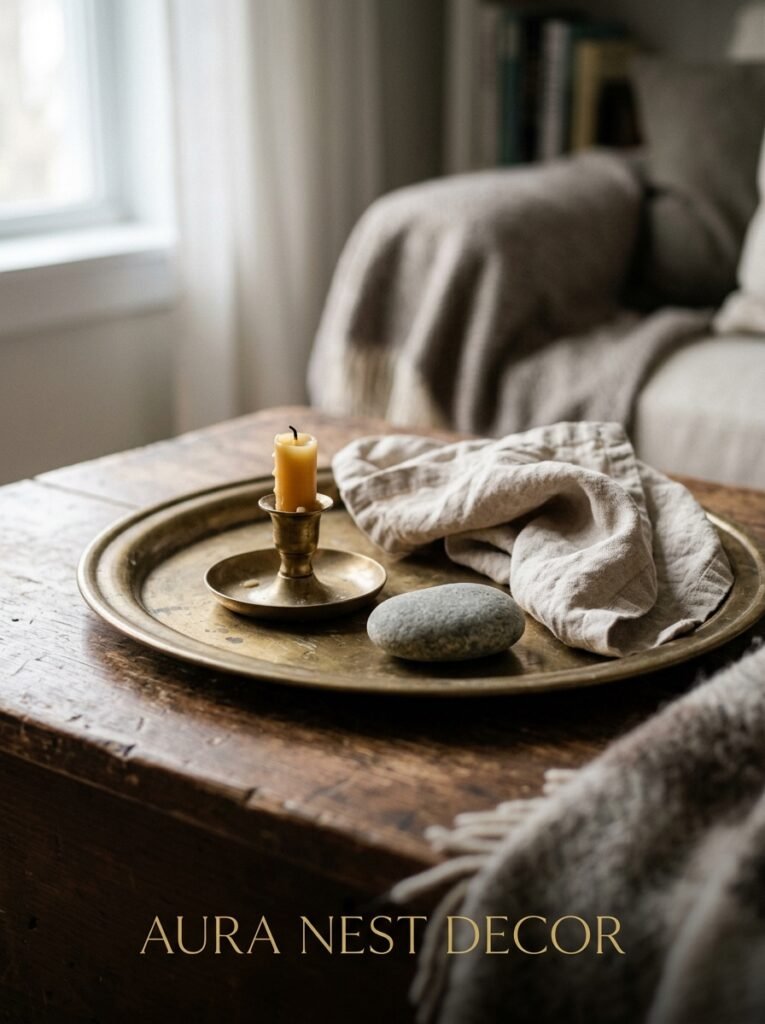
Cord management is one. Visible cords trailing across skirting boards and pooling behind furniture — people register this subconsciously as disorder, even if they can’t identify why the room feels slightly off. A cable box, some clips, a few extra minutes. Worth it every time.
Fresh flowers or a plant. Not a fake one — I know, controversial, but fake plants almost always look slightly wrong up close, and “slightly wrong up close” is the enemy of elegant. A real eucalyptus stem in a single vase, even just from the supermarket, does more for a room than any faux trailing something from a home store.
The smell of the room, which nobody talks about because it’s hard to photograph. But it’s the first thing a guest registers when they walk in. A candle lit for an hour before they arrive — not while they’re there, you don’t need it blazing — leaves just enough warmth in the air. Cedar, amber, or sandalwood. Not vanilla, unless your entire aesthetic is extremely cozy-sweet. Know your room’s personality.
And clean windows. I’m serious. Natural light through clean glass vs. slightly grimy glass is the difference between a room that glows and one that just… doesn’t.
—
12. The One Rule I’d Give to Anyone Starting From Scratch
Stop decorating in the same session you shop.
I know this sounds annoying. But the best-looking rooms come from people who buy ONE thing, live with it for a week, and then decide what it needs next to it. Not from someone who spent a Saturday at Wayfair or John Lewis and filled a basket with twelve coordinating items and then arranged everything in an afternoon.
Rooms that look like a single shopping trip took place feel like a single shopping trip. There’s a coherence that tips into sterility.
Buying slowly — even intentionally slowly — means each item has been tested. It earned its place. You know it works with what’s already there because you’ve seen it in the light at 7pm when you’re reading, not in the noon-brightness of a showroom floor.
And that patience? That’s what actually makes a room feel like yours. Like it grew out of you rather than arrived one afternoon in a van.
—
❓ FAQ
Q: How do I make a small living room feel elegant without it feeling cramped? A: Fewer, larger pieces beat many small ones every time — a single large sofa and one or two good chairs look more intentional than a room crowded with small bits of furniture. Keep one corner completely clear, and use vertical space (tall shelves, tall lamps) to draw the eye up rather than emphasizing how short the room is horizontally.
Q: What’s the best rug size for a living room? A: Bigger than you think you need. The most common mistake is a rug that’s too small — it makes the seating area look like it’s floating on a postage stamp. In most living rooms, you want the front legs of the sofa AND chairs all on the rug. If you can only get the sofa’s front legs on, that still works, but a tiny rug shoved under just the coffee table almost never does.
Q: I don’t have a big budget — where should I spend and where can I save? A: Spend on the sofa (you’ll have it for years and cheap ones give out fast), the rug (quality shows and it affects the whole room’s feel), and lighting (good lamps genuinely transform a space). Save on cushion covers, throws, art, and plants. Honestly, a great sofa in a room with market-find art and charity shop side tables will always look better than a cheap sofa surrounded by expensive accessories.
—
💭 Final Thoughts
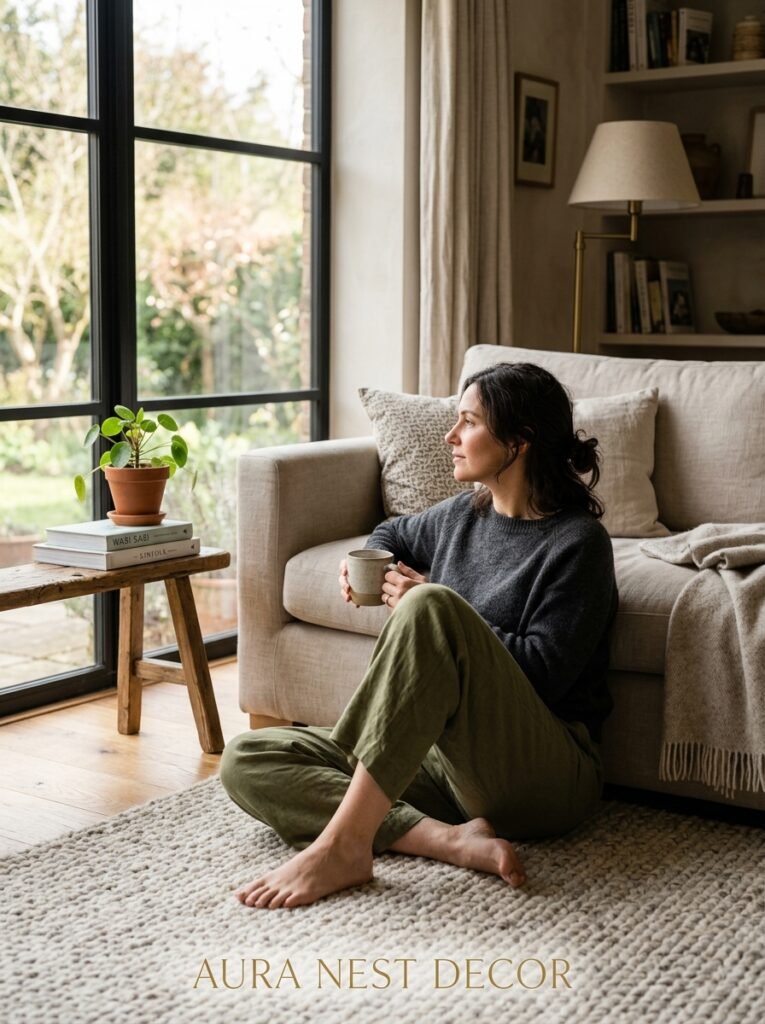
Elegant rooms don’t happen in one afternoon, and they’re not built by following a checklist. They happen because someone paid attention — to the light at different times of day, to which corner always felt awkward, to what the room needed rather than what they’d seen on Instagram.
You don’t have to start over. You just have to start looking at what you’ve already got with slightly different eyes.
What’s the one thing in your living room right now that’s been bothering you for months — and what would it take to finally fix it?