I Tried These Spring Yard Landscaping Ideas and Now I’m Obsessed
Spring has a way of making every outdoor space look like it needs a little attention. After a long winter, even a decent-looking yard can feel bare, flat, and unfinished, which is exactly why I started looking for simple spring yard landscaping ideas that could make a noticeable difference. I didn’t want to completely redesign the property or spend every weekend working outside. I wanted practical updates that would make the yard feel fresher, more inviting, and ready for the warmer months.
What surprised me was how much a few small changes could transform the overall look. Adding layers of greenery, defining garden borders, refreshing pathways, and creating simple outdoor gathering areas made the yard feel much more intentional. Some projects were surprisingly easy, while others required a little more planning but created a much bigger visual impact. If your yard is feeling a little dull after winter, these are the ideas I would try first.
1. Create a Fresh Flower Border
One of the quickest ways to make a spring yard look finished is to create a defined flower border along the lawn, walkway, driveway, or front of the house. Instead of scattering plants randomly throughout the yard, grouping them into a deliberate border gives the landscape a cleaner appearance. Choose several plants with different heights so the border has depth rather than looking like one flat row. Spring flowers can bring an immediate seasonal boost while shrubs and perennial plants provide structure that lasts beyond spring.
I especially like using a mixture of low-growing flowers along the front with taller greenery behind them. This creates layers without requiring a huge planting area. Keep the border slightly curved if you want a softer, more natural look rather than a rigid straight line. A fresh layer of mulch around the plants can also make the entire area look cleaner and more polished.
2. Add a Simple Stone Garden Path
A garden path can completely change the way a yard feels because it creates a visual destination. You don’t necessarily need an expensive professionally installed walkway to get the effect. Stepping stones, gravel, brick, or natural-looking pavers can create a charming route through a garden or toward a seating area. The key is making the path feel connected to something rather than simply placing stones randomly across the lawn.
Try surrounding the path with low plants or ground cover so the edges soften over time. Spring is a particularly good season to establish this type of feature because the surrounding greenery can gradually fill in around the stones. For a relaxed cottage-style landscape, slightly irregular stone placement can look beautiful. For a modern yard, larger rectangular pavers with clean spacing will create a more structured appearance.
3. Refresh the Yard With Mulch
This is probably one of the simplest spring landscaping updates, but it can make a surprisingly dramatic difference. Fresh mulch immediately gives garden beds a cleaner, more finished appearance while helping define the areas around trees, shrubs, and flowers. It also creates visual contrast between the plants and the surrounding landscape. Even if you don’t add many new plants, refreshing tired-looking beds with a new layer of mulch can make the yard appear freshly landscaped.
Before adding mulch, remove weeds and old debris from the beds. Keep mulch away from direct contact with tree trunks and plant stems rather than piling it into a mound. A consistent depth across the garden bed will generally look more intentional than uneven patches. This small project is especially useful if you want a noticeable improvement without changing the entire landscape design.
4. Build a Small Raised Garden Bed
A raised garden bed can bring both beauty and function to a spring yard. You can use one for flowers, herbs, vegetables, or a combination of plants depending on the space available. Wood, stone, or other landscape materials can create the frame, while the elevated design gives the garden a defined shape. Even one small raised bed can become a focal point in an otherwise plain section of the yard.
For an ornamental bed, combine plants with different textures and heights. Place taller plants toward the back and shorter flowers toward the front so everything remains visible. If you’re growing herbs or vegetables, position the bed somewhere that receives the appropriate amount of sunlight for the plants you choose. A raised garden can also make a yard feel more organized because it separates growing areas from the lawn.
5. Add Flowering Shrubs for Long-Term Impact
Flowers are beautiful in spring, but I quickly realized that landscaping needs more than short-lived seasonal color. Flowering shrubs can provide structure, greenery, and blooms while making the yard feel more established. Choose varieties appropriate for your local climate and available sunlight rather than selecting plants based solely on appearance. Once established, shrubs can become some of the most important elements in the overall landscape.
Place larger shrubs strategically near the house, fence, or property boundaries to create a sense of depth. Smaller flowering varieties can work beautifully around pathways or garden borders. Think about how large each plant will eventually become before planting so you don’t end up with overcrowded beds later. A little planning in spring can save you from having to constantly move plants as they mature.
6. Make the Front Yard More Welcoming
Spring is also the perfect time to rethink the entrance to your home. A few landscaping changes around the front walkway can make the entire property feel more welcoming. Frame the path with flowers, low shrubs, ornamental grasses, or simple planters to guide the eye toward the front door. Even a relatively small front yard can feel much more attractive when the entry area has a clear focal point.
Try repeating the same plant or material on both sides of the walkway for balance. You don’t have to make everything perfectly symmetrical, but some repetition helps the design feel intentional. A fresh layer of mulch or decorative stone can further define the planting areas. Add a clean doormat, porch planter, or simple outdoor lanterns if you want to connect the landscaping with the front entrance.
7. Create a Backyard Seating Corner
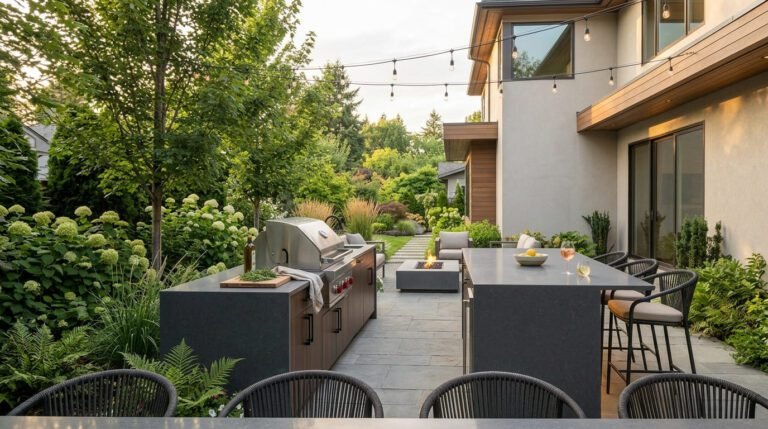
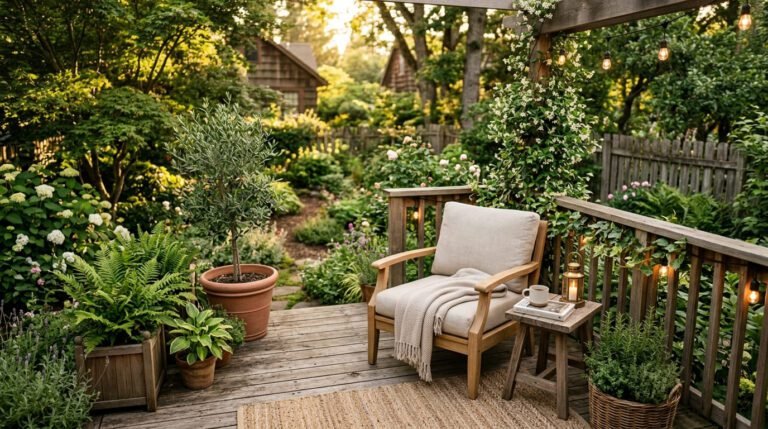
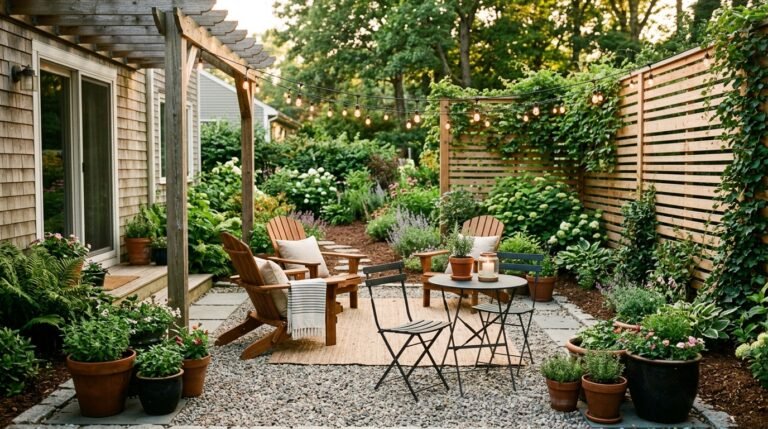
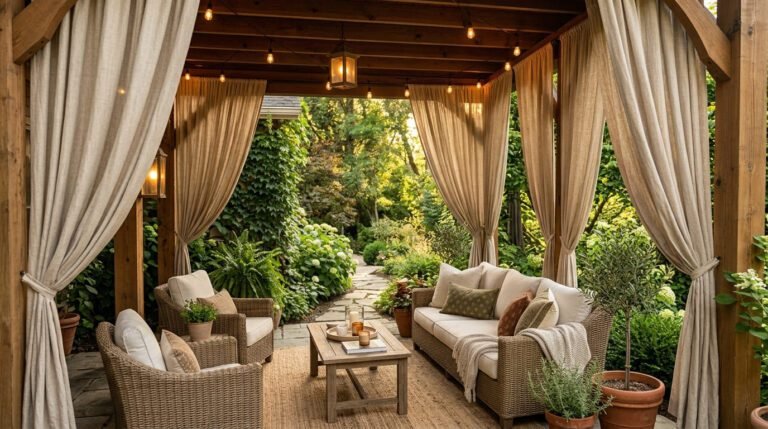
One of my favorite spring yard landscaping ideas is creating a dedicated place to actually enjoy the landscape. A small seating corner can turn an unused part of the yard into an outdoor retreat. You could use two comfortable chairs and a small table, a simple bench, or a larger outdoor seating arrangement depending on your available space. Surrounding the area with plants makes it feel more private and connected to the garden.
Consider placing the seating near flowering plants or beneath a tree if the location provides suitable shade. Pavers, gravel, or a small patio can visually separate the seating area from the lawn. Add outdoor cushions and a few containers for an easy seasonal update. The goal isn’t necessarily to create a huge entertaining space but to give the yard a comfortable destination.
8. Layer Plants Around Trees
Trees can sometimes look disconnected from the rest of a landscape, especially when they’re surrounded by a large empty patch of lawn. Adding a thoughtfully designed planting area around the base can make the tree feel like an intentional focal point. Use plants that are appropriate for the light and moisture conditions beneath the particular tree. Low-growing plants, shade-tolerant flowers, and ground covers can work beautifully where conditions allow.
Instead of creating a perfectly circular bed every time, consider a shape that follows the overall flow of the yard. Curved planting beds often create a softer transition between the lawn and garden. Add mulch or another suitable ground covering to make the area look finished. Be careful not to pile soil or mulch directly against the trunk because the tree needs adequate air circulation around its base.
9. Use Large Planters for Instant Color
If you don’t want to dig up large sections of your yard, oversized planters are one of the easiest solutions. Large containers can add height, color, and personality to patios, porches, pathways, and garden corners. They are also easy to change seasonally, which makes them useful if you enjoy refreshing your outdoor decor throughout the year. Grouping several containers at different heights can create a more dynamic display.
Choose planters that complement the architecture of your home and keep the overall number of materials under control. A few larger containers often look more sophisticated than many tiny pots scattered everywhere. Fill them with spring flowers, herbs, grasses, or foliage plants depending on your style. Once the plants grow in, the containers can become beautiful focal points throughout the yard.
10. Add a Small Water Feature
A small water feature can introduce movement and a relaxing atmosphere to a spring landscape. You don’t need a large pond to create the effect; a compact fountain, bubbling feature, or small decorative basin can work in a modest yard. Position it somewhere where you can actually enjoy it, such as near a seating area or along a garden path. Surrounding the feature with greenery and stones can help it feel naturally integrated into the landscape.
Keep the design proportional to the yard so the feature doesn’t overwhelm everything around it. Simple shapes tend to work especially well when you’re trying to create a calm, modern appearance. For a more natural garden, irregular stones and layered plants can soften the edges. Make sure you consider maintenance requirements before installing any water feature so the relaxing part doesn’t become a chore.
11. Define the Lawn With Curved Garden Beds
If your yard feels like one large uninterrupted patch of grass, curved garden beds can add much-needed structure. Instead of simply planting flowers in isolated spots, create flowing borders that separate the lawn from planted areas. Curved lines can make the landscape feel more organic and visually interesting. They also give you more opportunities to combine flowers, shrubs, grasses, and ground cover.
Use a garden hose to experiment with the shape before digging the actual border. This makes it much easier to adjust the curves until they look natural from different viewpoints. Avoid creating too many small curves because that can make a landscape look busy rather than elegant. One or two large flowing beds can often have more impact than several disconnected planting areas.
12. Add Outdoor Lighting for Evening Appeal
A yard shouldn’t disappear visually once the sun goes down. Simple outdoor landscape lighting can highlight pathways, trees, garden beds, and seating areas while making the property feel more welcoming in the evening. Solar path lights are an easy option for beginners, while low-voltage systems offer more flexibility for a carefully planned landscape. Focus on highlighting important features rather than trying to illuminate every inch of the yard.
Place lights near pathways for guidance and use subtle uplighting to emphasize attractive trees or architectural elements. Avoid excessive brightness because the goal is to create atmosphere rather than turn the yard into a parking lot. Warm-toned lighting generally creates a more relaxed outdoor feeling. A few strategically positioned lights can make spring landscaping look just as beautiful at night as it does during the day.
How to Make Spring Landscaping Look More Expensive
You don’t necessarily need expensive materials to make a yard look polished. The biggest difference often comes from repetition, clean edges, thoughtful plant placement, and avoiding too many competing styles. Choose a small number of materials and repeat them throughout the yard so different areas feel connected. For example, the same stone can appear around a pathway, garden border, and seating area.
Plant in layers rather than placing everything at the same height. Combine ground covers, low flowers, medium shrubs, and taller plants to create depth. Keep pathways and lawn edges neatly maintained because messy borders can make even expensive landscaping look unfinished. These small design choices can make a relatively simple yard feel much more intentional.
Spring Yard Landscaping Mistakes to Avoid
One common mistake is buying plants before considering the conditions in your yard. Sun exposure, drainage, soil, mature plant size, and local climate can all affect whether a plant will thrive. Another mistake is overcrowding garden beds because small nursery plants can look tiny when first planted. Always think about how much space each plant will need once mature.
It’s also easy to add too many decorative elements at once. A yard can quickly become visually cluttered when several different stones, planters, colors, ornaments, and garden structures compete for attention. Start with the major features first, such as pathways, planting beds, and seating areas, then add decorative details gradually. A simpler landscape with strong structure often looks more sophisticated than one filled with accessories.
Final Thoughts
These spring yard landscaping ideas completely changed how I look at an outdoor space. I originally thought the yard needed a major transformation, but simple changes like fresh mulch, defined garden beds, flowering shrubs, planters, pathways, and a comfortable seating area made a much bigger difference than expected. The best part is that you don’t have to complete everything at once. Start with the area that bothers you most, make one thoughtful improvement, and let the rest of the landscape develop from there.
Spring is the perfect season to experiment with your yard and figure out what actually works for your home and lifestyle. Whether you have a large backyard, a small suburban lawn, or a compact outdoor space, thoughtful landscaping can make it feel more welcoming and enjoyable. Focus on creating structure first, then add seasonal color and personal touches. And honestly, once you see how much a few simple updates can change the space, you might become just as obsessed with spring landscaping as I am.