Modern Japanese Interior: 12 Elegant Ideas to Create a Calm and Minimal Home
Blog > Home > Modern interior > Modern Japanese Interior: 12 Elegant Ideas to Create a Calm and Minimal Home
Modern Japanese interior design is known for its simplicity, balance, and deep connection with nature. Rooted in traditional Japanese aesthetics yet adapted for contemporary living, this style emphasizes clean lines, natural materials, and uncluttered spaces. It blends functionality with beauty, creating a peaceful atmosphere that promotes relaxation and mindfulness. Neutral color palettes, minimal furniture, and intentional design choices are key elements that define this aesthetic. In this guide, you’ll explore twelve inspiring modern Japanese interior ideas to help you create a serene and stylish home environment.
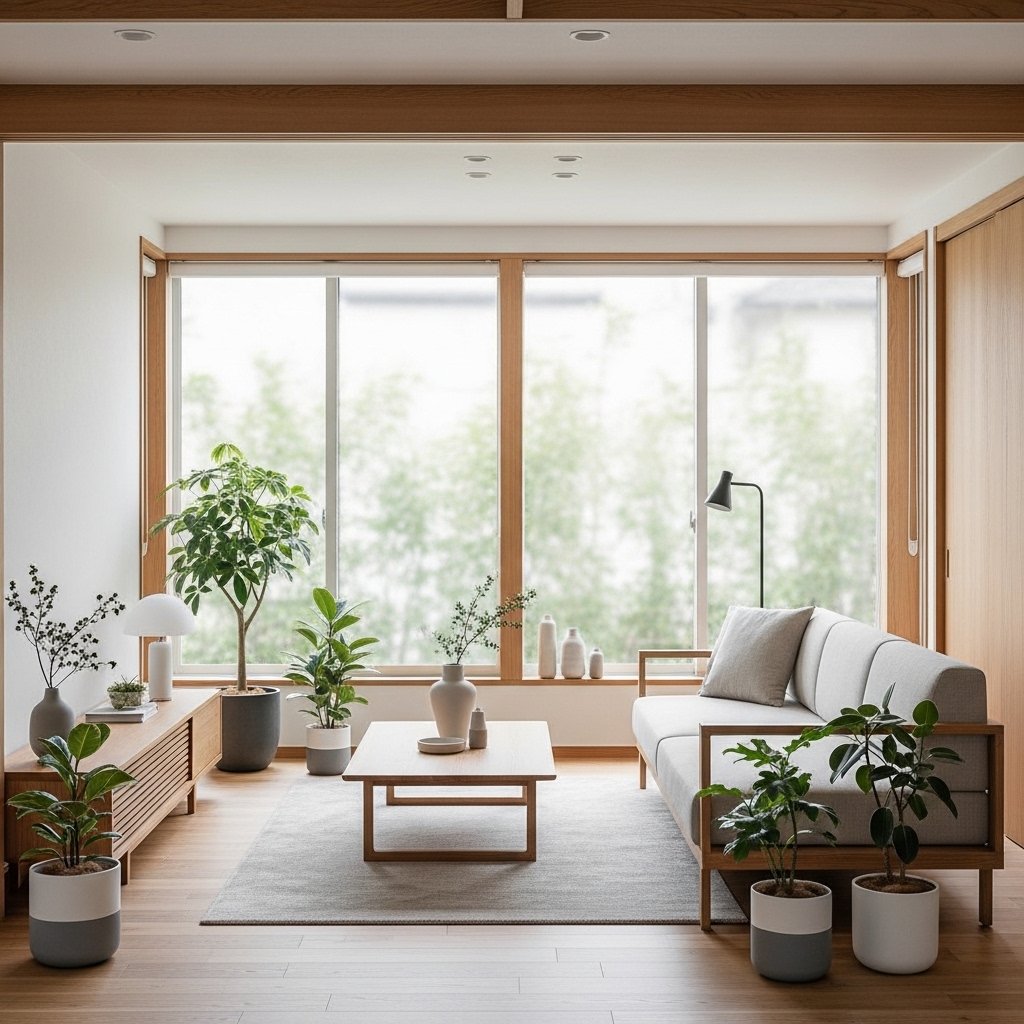
Table Of Content
1. Embrace Minimalism and Decluttered Spaces
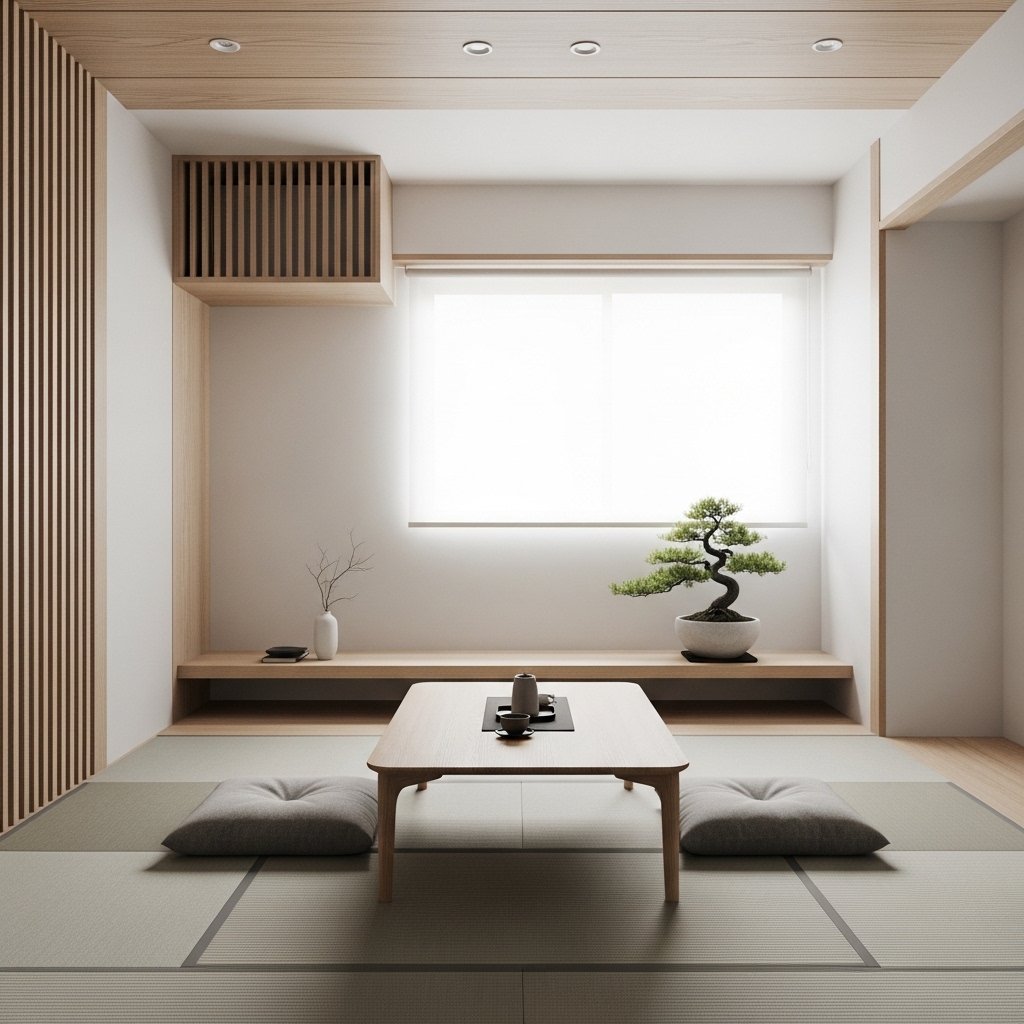
Minimalism is the foundation of modern Japanese interior design, focusing on simplicity and purpose. Every piece of furniture and decor should have a clear function and meaning, avoiding unnecessary clutter. Clean, open spaces allow natural light to flow freely and create a sense of calm. This approach not only enhances visual appeal but also improves mental clarity and relaxation. By reducing excess items, you can achieve a balanced and harmonious living space.
2. Use Natural Materials for Authentic Texture
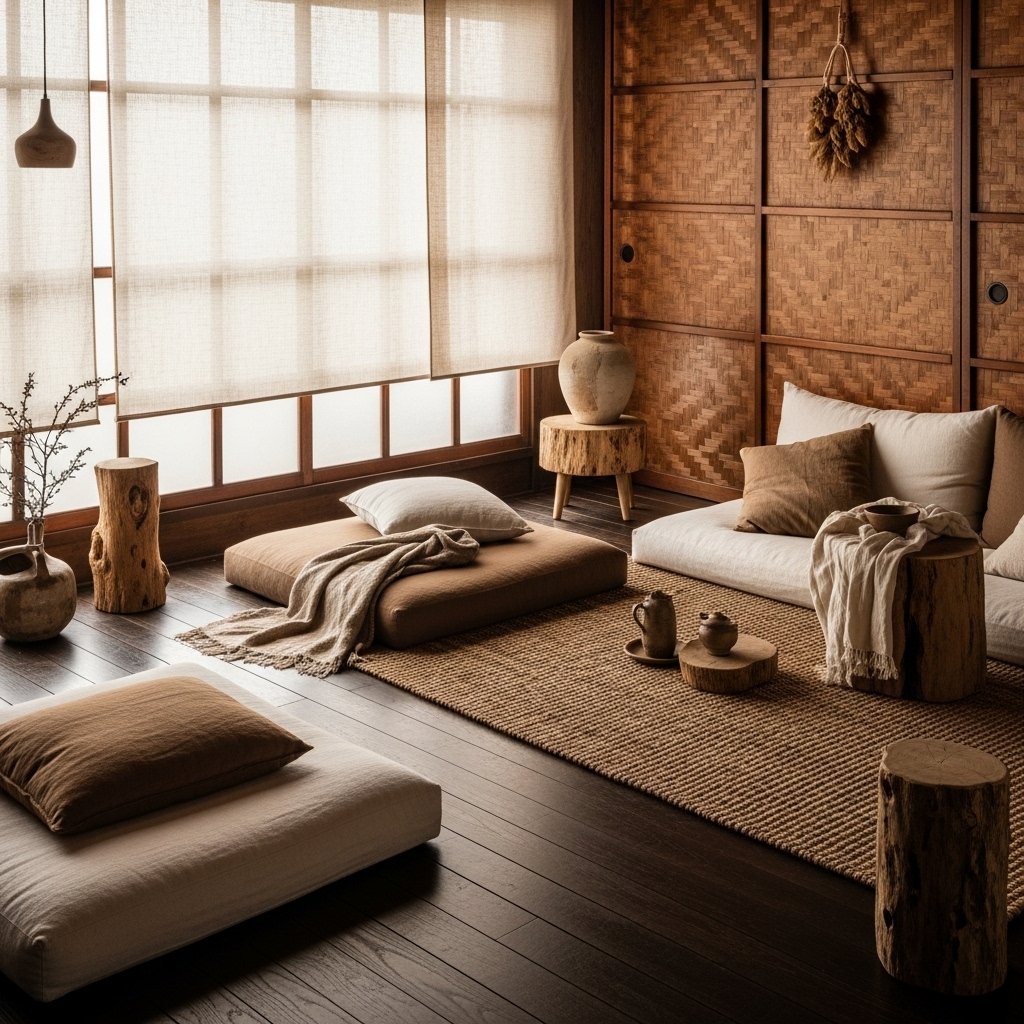
Natural materials like wood, bamboo, linen, and stone play a vital role in Japanese interiors. These materials bring warmth and organic beauty to the space while maintaining a simple aesthetic. Light-toned woods are commonly used for flooring, furniture, and wall accents. Soft textiles like cotton and linen add comfort without overpowering the design. Incorporating natural elements helps create a strong connection between indoor and outdoor environments.
3. Incorporate Neutral and Earthy Color Palettes
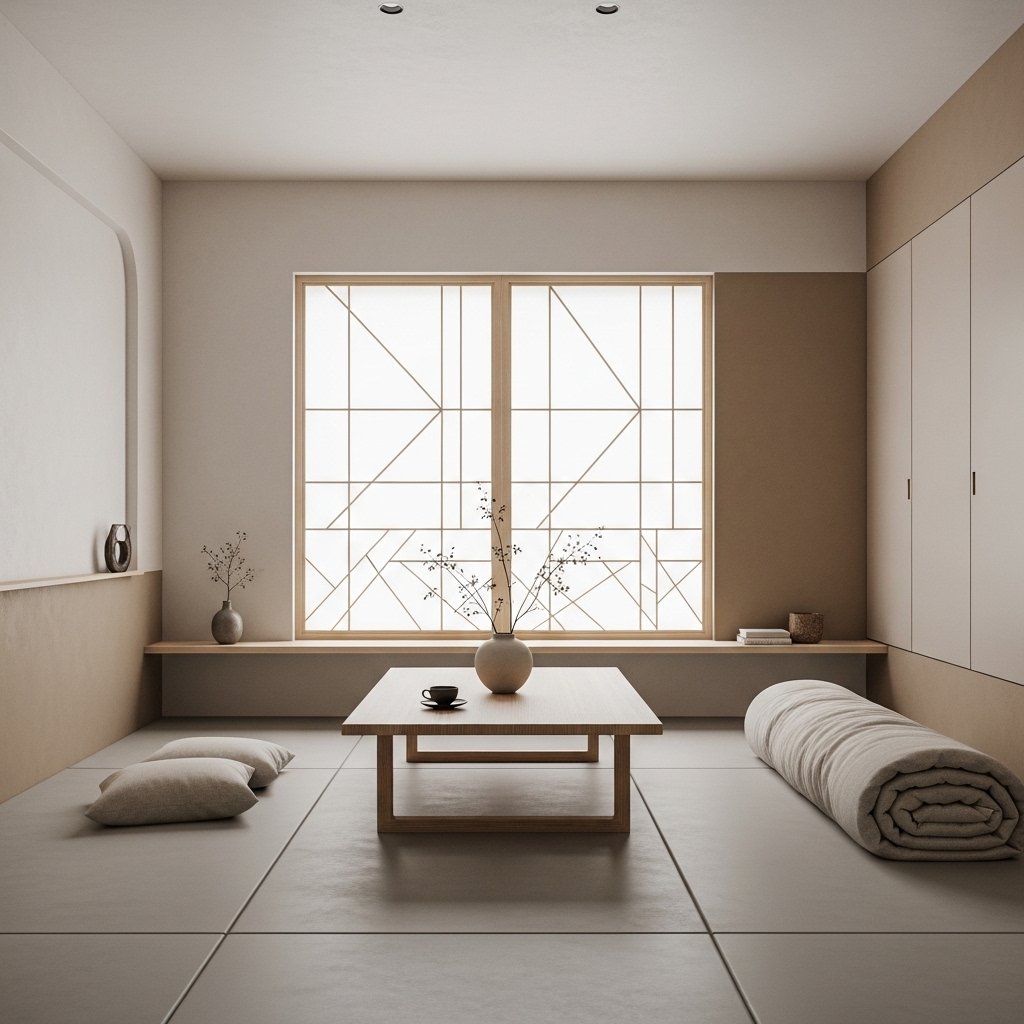
Modern Japanese interiors rely on neutral and earthy tones to create a calming atmosphere. Shades of white, beige, soft gray, and muted brown dominate the color scheme. These colors reflect nature and help maintain a sense of balance and harmony. Subtle contrasts can be introduced through textures rather than bold colors. This restrained palette makes spaces feel open, clean, and timeless.
4. Add Sliding Doors and Room Dividers
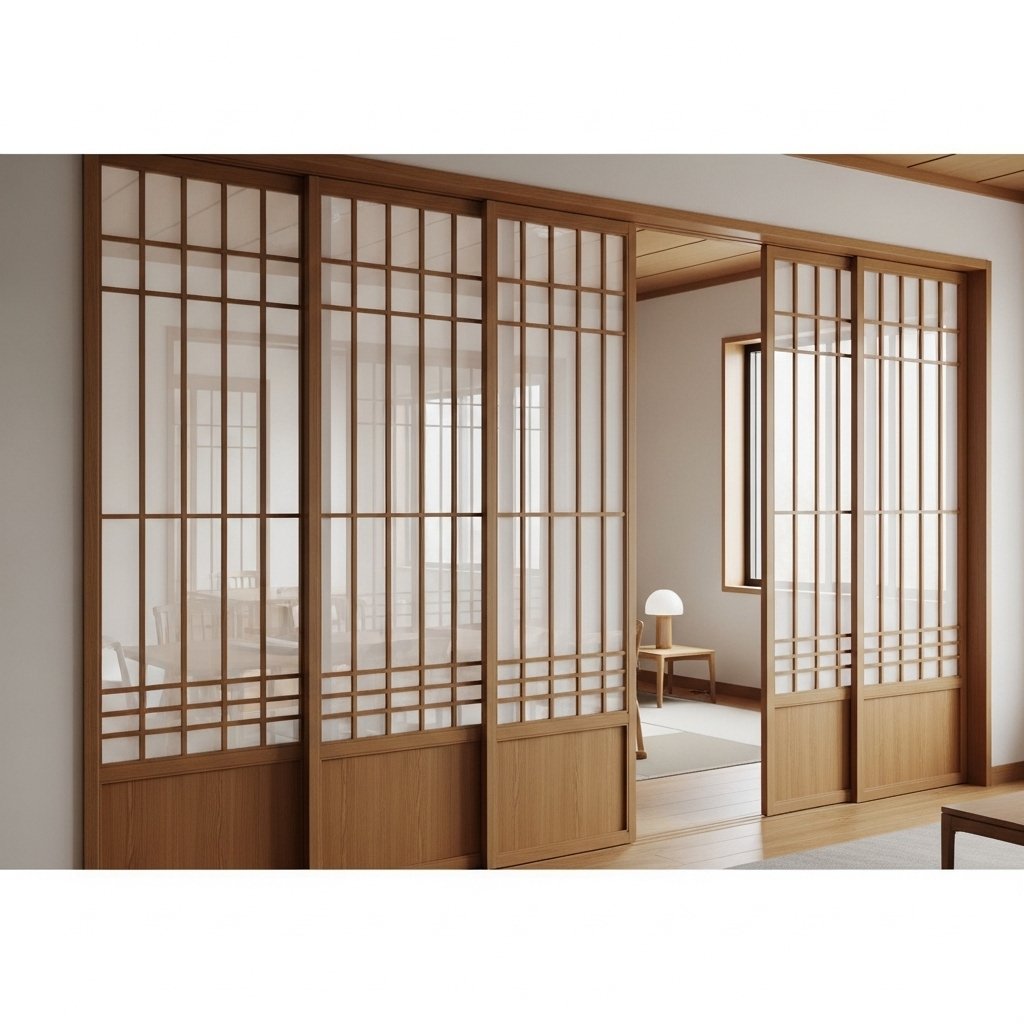
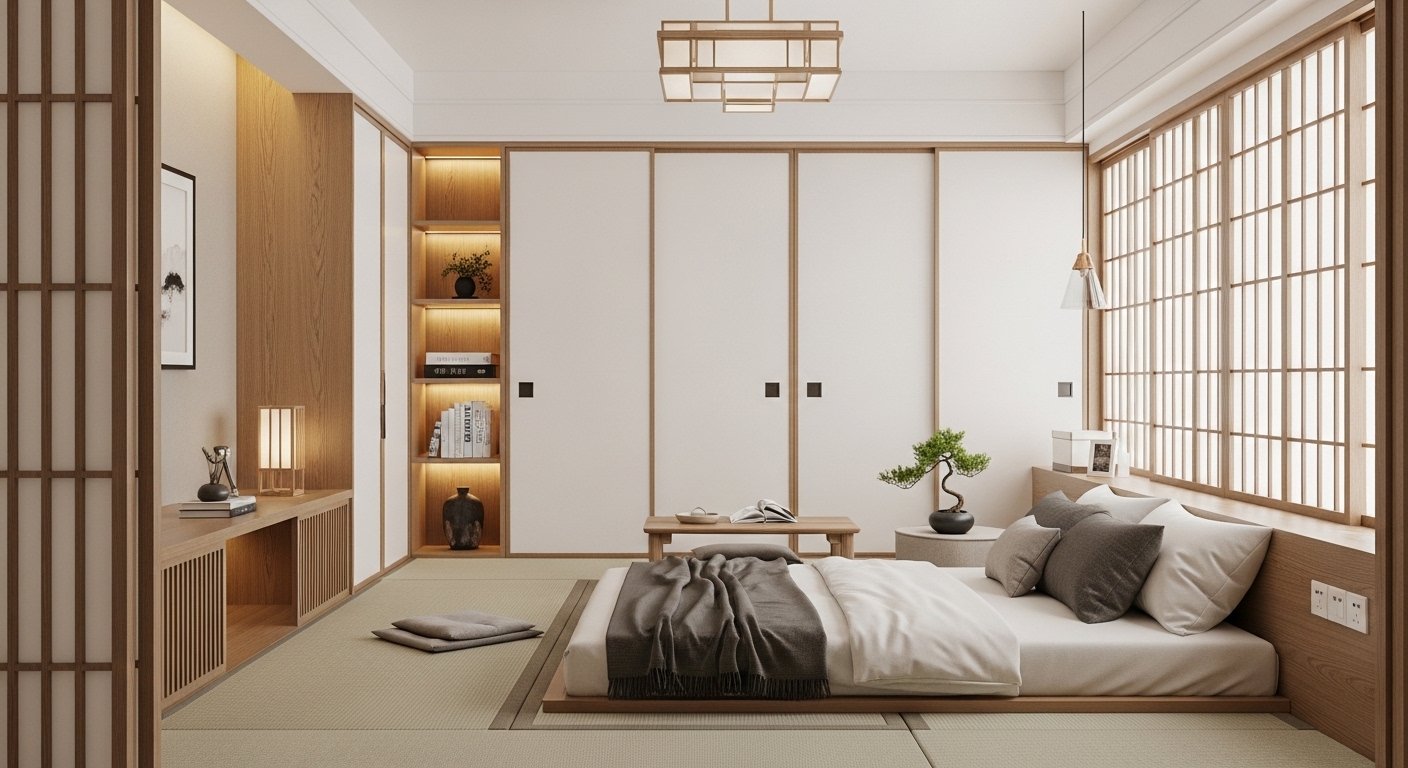
Sliding doors, also known as shoji screens, are a signature element in Japanese interior design. They help divide spaces while maintaining openness and flexibility in the layout. These doors often feature wooden frames with translucent panels that allow soft light to pass through. Sliding partitions are ideal for small homes as they maximize space efficiency. They also add an elegant, traditional touch to modern interiors.
5. Focus on Low Furniture Design
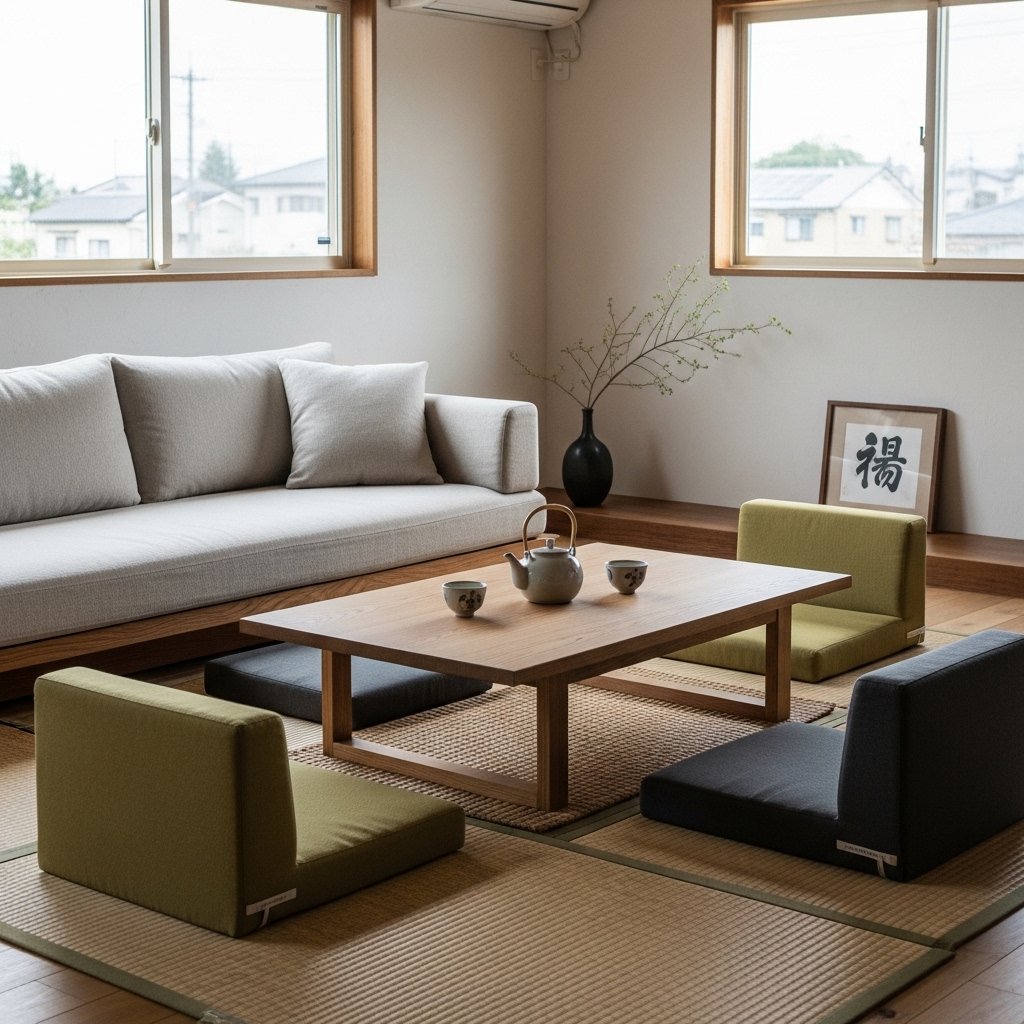
Low-profile furniture is a key characteristic of modern Japanese interiors. Items like low sofas, floor cushions, and platform beds create a grounded and cozy feel. This design approach emphasizes a closer connection to the floor, promoting comfort and simplicity. It also makes rooms appear more spacious by keeping sightlines open. Low furniture contributes to a calm and uncluttered environment.
6. Bring Nature Indoors with Plants
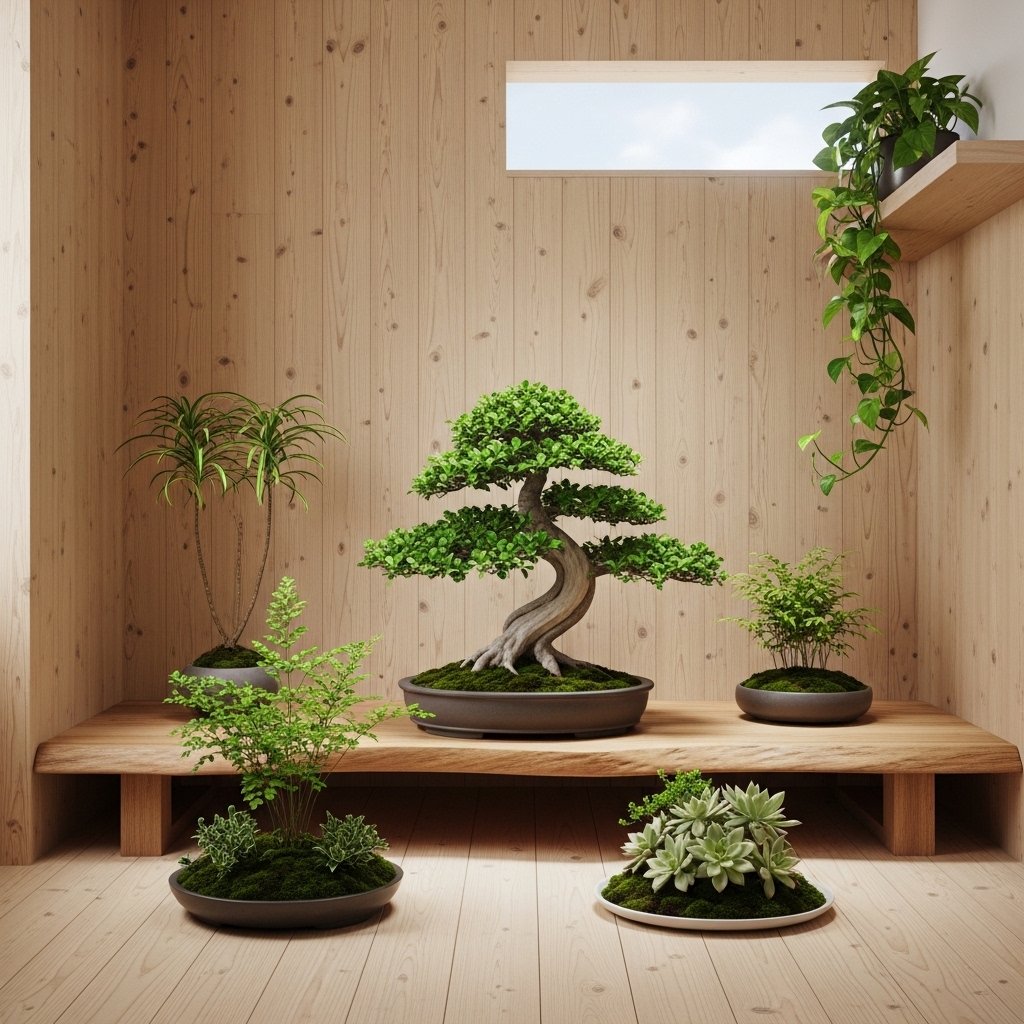
Nature is deeply integrated into Japanese interior design, making indoor plants an essential element. Simple greenery like bonsai trees, bamboo, or small potted plants enhances the natural vibe. Plants add life and freshness without overwhelming the minimalist aesthetic. Carefully placed greenery can serve as subtle focal points in a room. This connection to nature promotes tranquility and well-being.
7. Maximize Natural Light
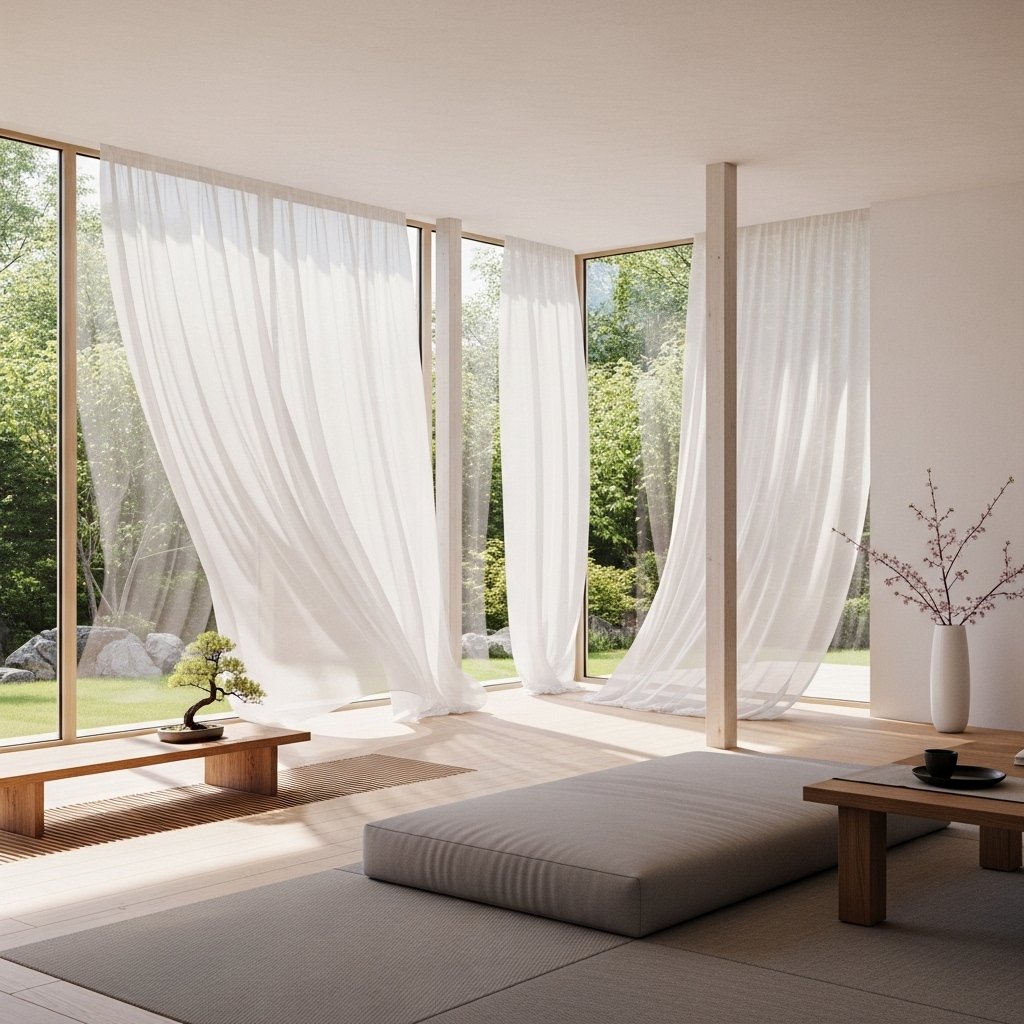
Natural light plays a crucial role in achieving a modern Japanese interior look. Large windows, sheer curtains, and open layouts allow sunlight to fill the space. Soft, diffused lighting creates a warm and inviting atmosphere throughout the day. Avoid heavy drapes or dark window treatments that block light. Bright yet gentle illumination enhances the simplicity and beauty of the design.
8. Create a Zen-Inspired Living Area
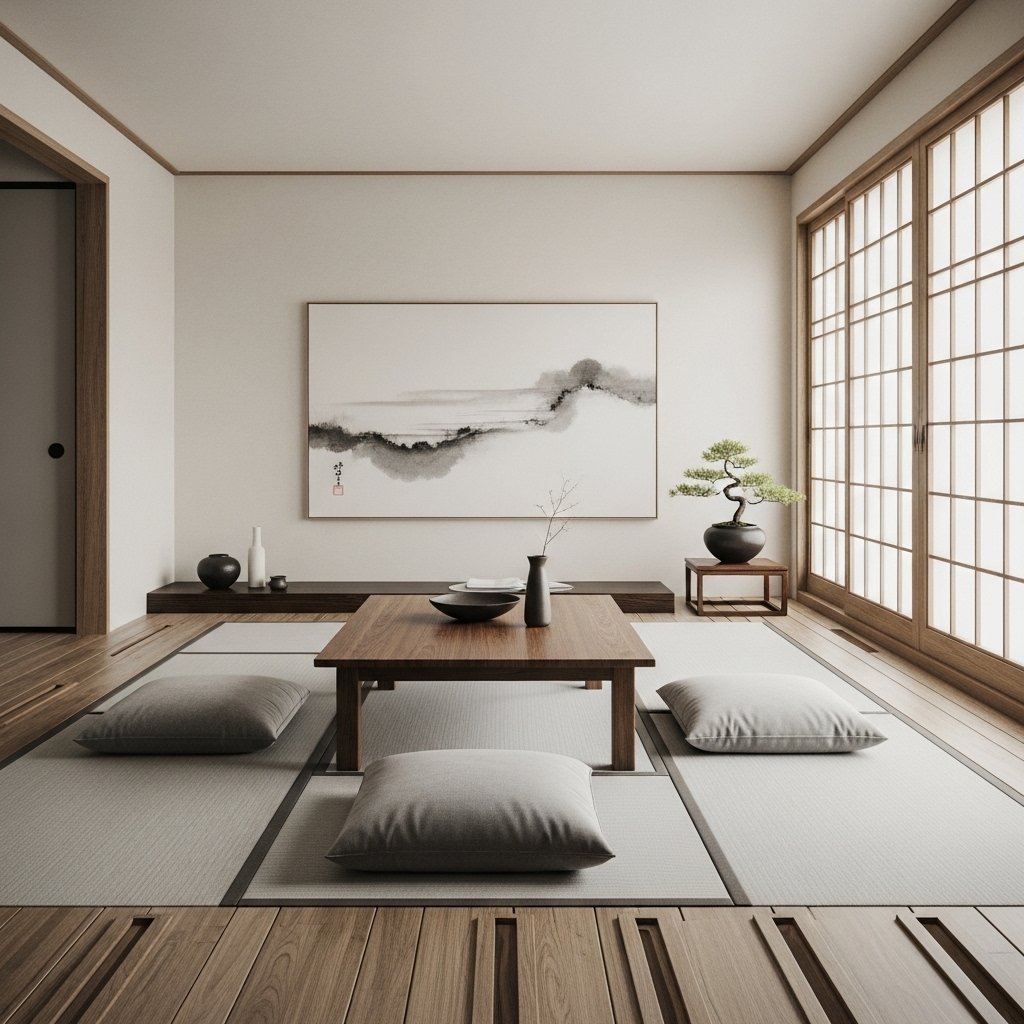
A Zen-inspired living area focuses on calmness, balance, and mindfulness. Keep furniture minimal and arrange it thoughtfully to promote a sense of order. Decorative elements should be simple, such as a single artwork or a small sculpture. Open space is just as important as the objects within it. This type of layout encourages relaxation and peaceful living.
9. Incorporate Traditional Japanese Elements
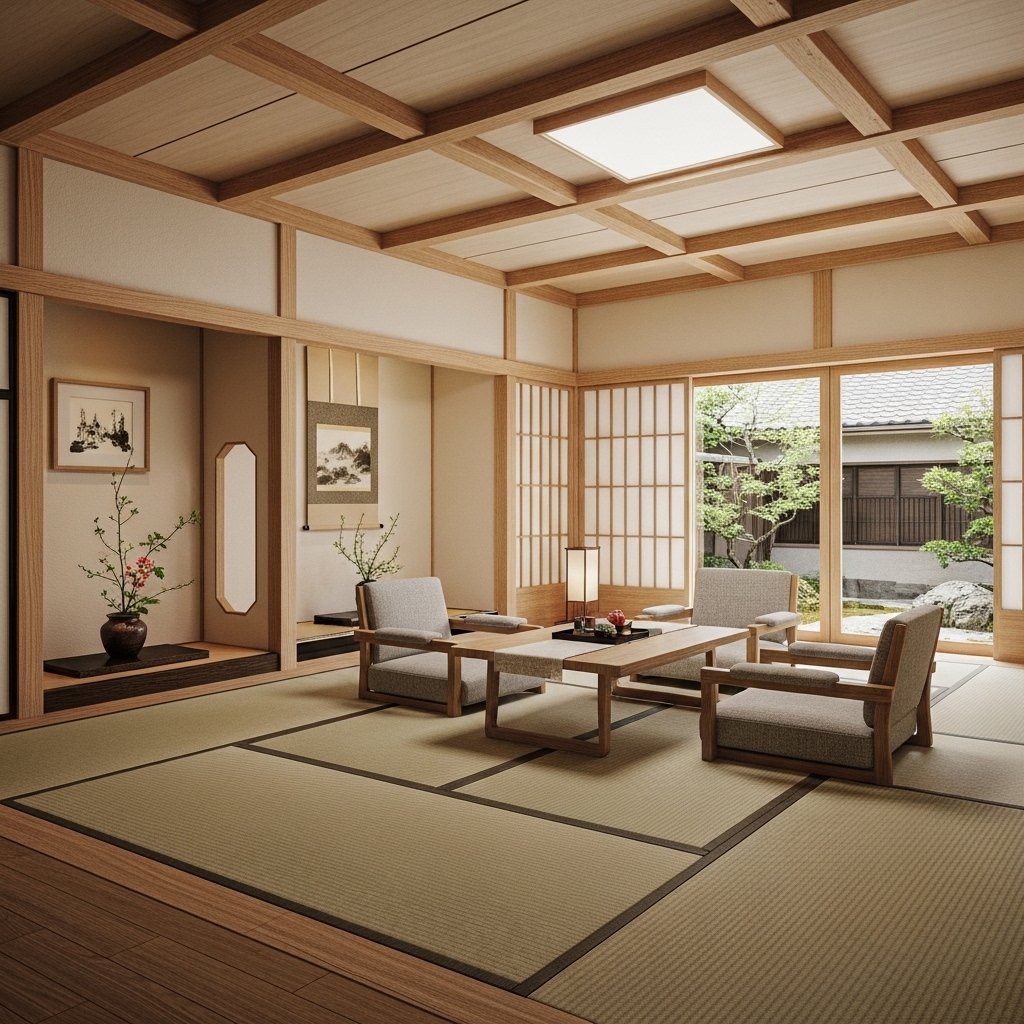
Blending traditional elements with modern design adds depth and authenticity to the interior. Features like tatami mats, wooden beams, and handcrafted decor can enhance the overall look. These elements connect the space to Japanese cultural heritage while maintaining a contemporary feel. The key is to use them sparingly to avoid overcrowding. This balance creates a unique fusion of old and new.
10. Use Simple and Functional Storage Solutions
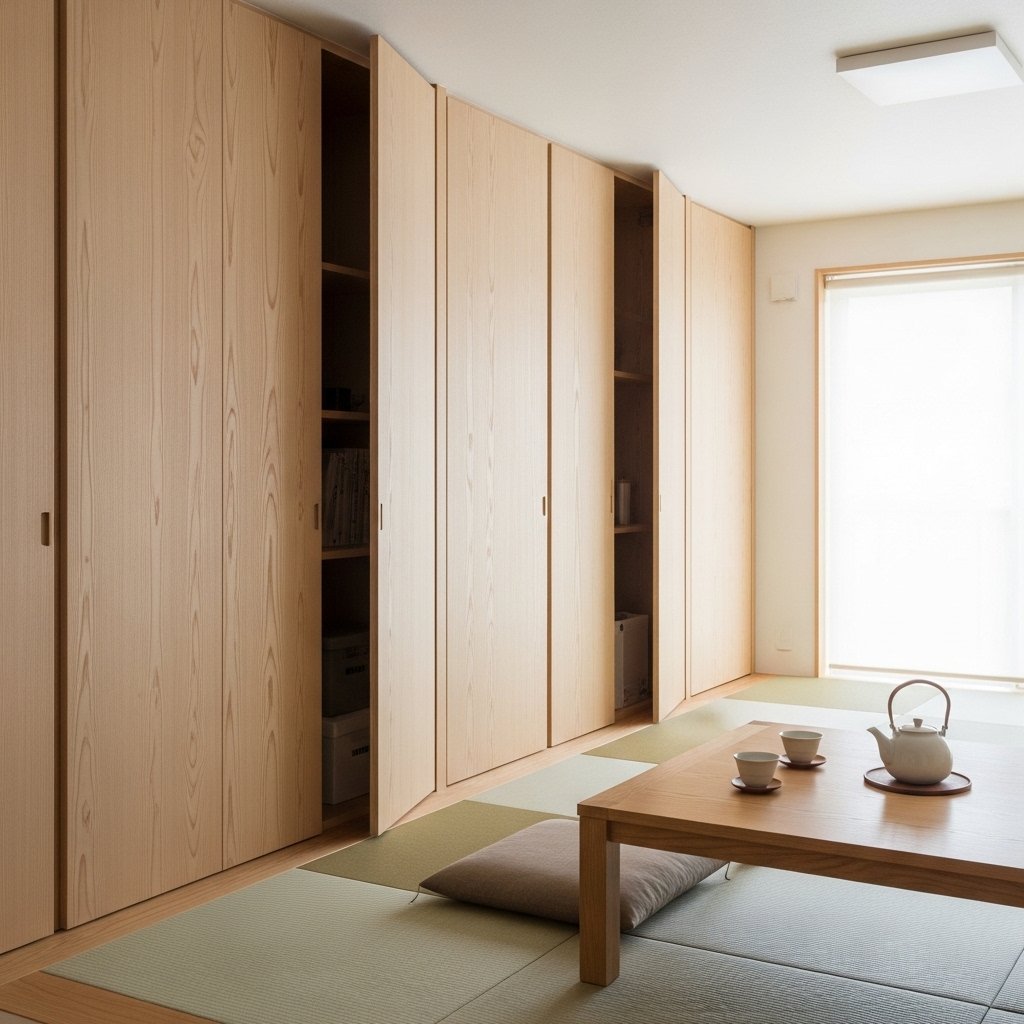
Storage in modern Japanese interiors is designed to be both functional and discreet. Built-in cabinets, hidden storage, and multi-purpose furniture help maintain a clutter-free environment. Clean lines and seamless designs ensure that storage blends into the overall aesthetic. This approach keeps the focus on simplicity and organization. Well-planned storage solutions are essential for maintaining a peaceful space.
11. Add Soft and Ambient Lighting
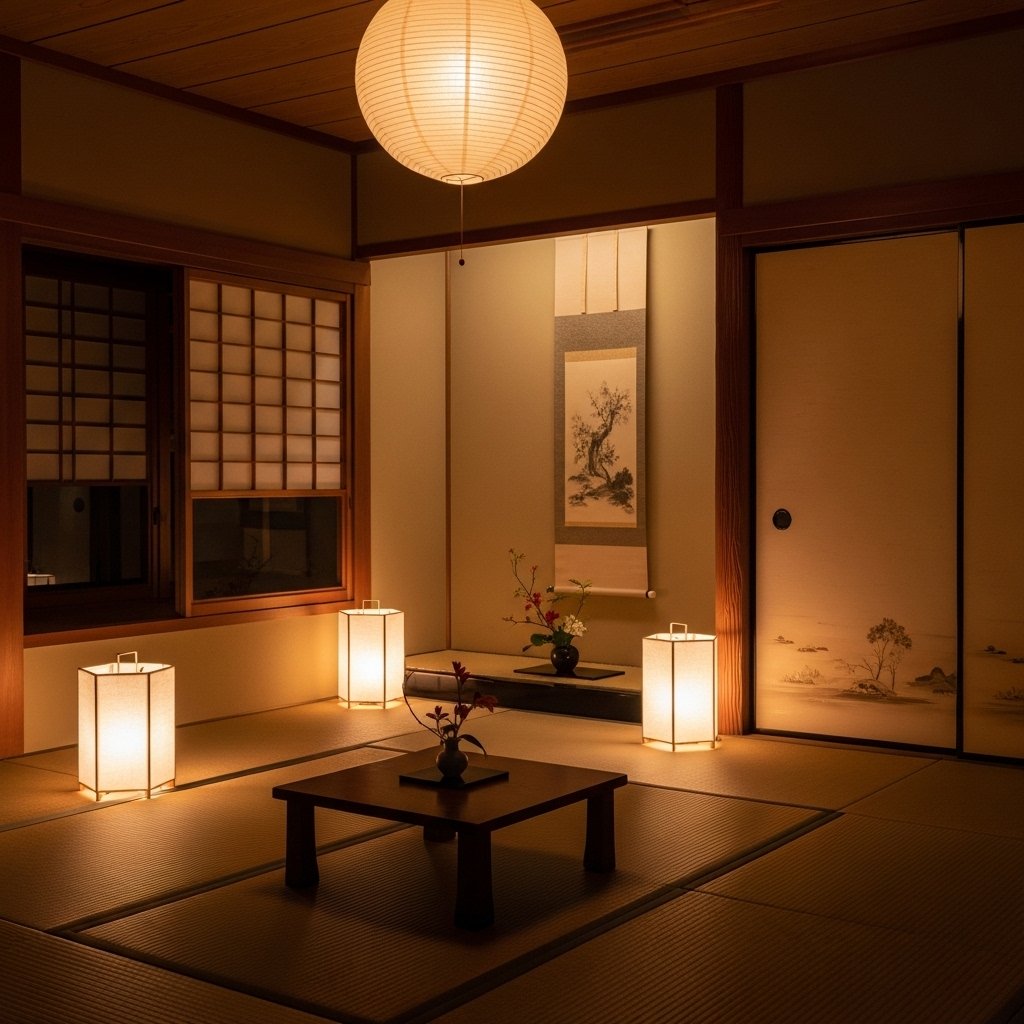
Lighting in Japanese interiors is soft, warm, and diffused to create a cozy atmosphere. Paper lanterns, floor lamps, and subtle LED lighting are commonly used. Avoid harsh or overly bright lights that disrupt the calming environment. Layered lighting adds depth and enhances the room’s ambiance. This gentle illumination complements the minimalist design perfectly.
12. Maintain Balance and Harmony in Design
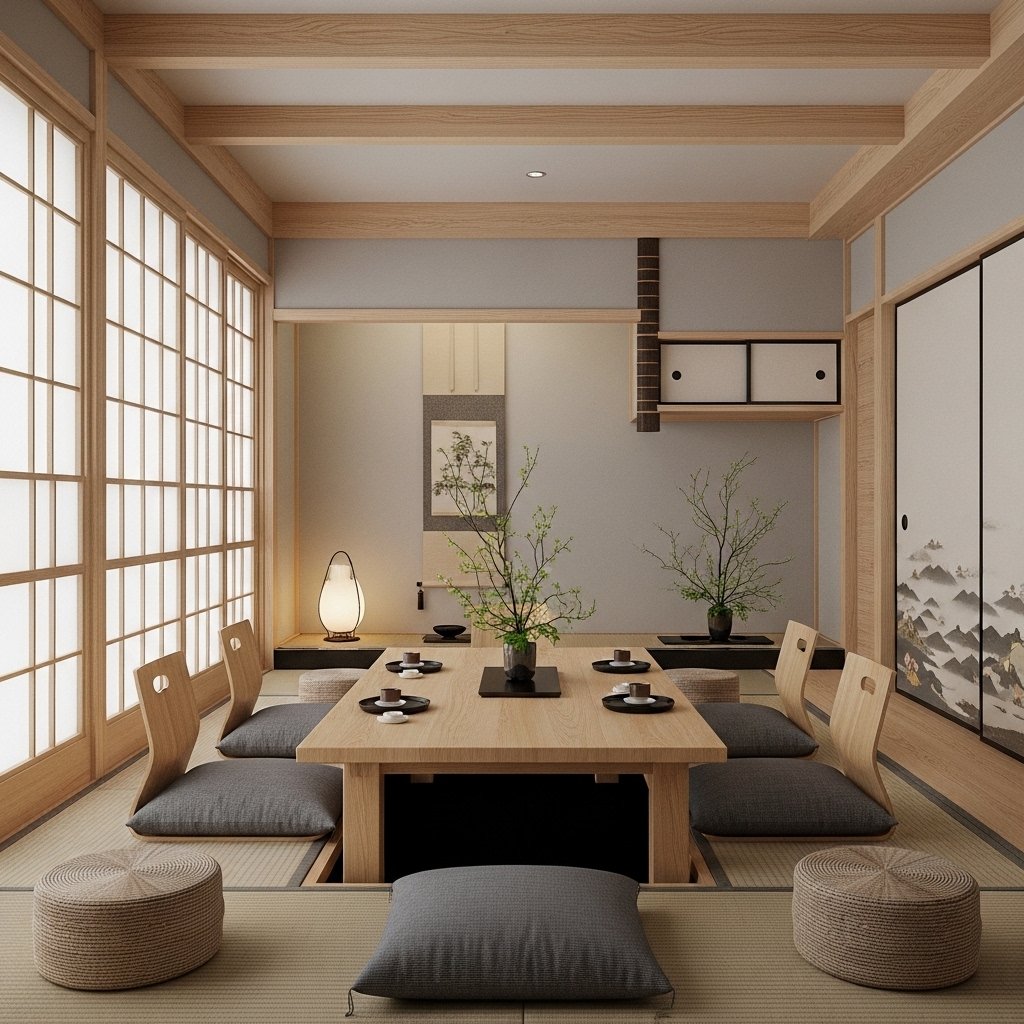
Balance and harmony are central principles in modern Japanese interior design. Every element should feel intentional and well-placed within the space. Symmetry is not always necessary, but visual balance is key. Combining textures, shapes, and materials thoughtfully creates a cohesive look. This approach ensures that the space feels peaceful, functional, and aesthetically pleasing.
13. How to Care for Modern Japanese Interior
- Keep it Minimal – Avoid clutter and keep only essential items for a clean look.
- Clean Regularly – Dust floors, furniture, and decor to maintain a neat space.
- Use Natural Light – Let in soft light and avoid harsh lighting for a calm feel.
- Protect Natural Materials – Take care of wood, bamboo, and paper elements from damage.
- Maintain Balance – Arrange furniture and decor neatly to keep a peaceful and simple vibe.
13.1. FAQ
13.2. What is modern Japanese interior design❓
Modern Japanese interior design is a style that focuses on simplicity, minimalism, and natural beauty. It combines traditional Japanese elements with modern design to create a calm and peaceful space. This style uses clean lines, open spaces, and natural materials to make the home feel balanced and relaxing.
13.3. Why is modern Japanese interior design so popular❓
Modern Japanese interior design is popular because it creates a शांत, clutter-free, and relaxing environment. People like this style because it helps reduce stress and makes the home feel more organized. Its simple and timeless look also fits well with modern living.
13.4. What colors are used in modern Japanese interiors❓
Modern Japanese interiors mostly use neutral and natural colors like white, beige, light brown, and soft gray. These colors help create a calm and clean atmosphere. Sometimes, darker tones like black or deep wood shades are added for contrast and balance.
14. Final Thoughts
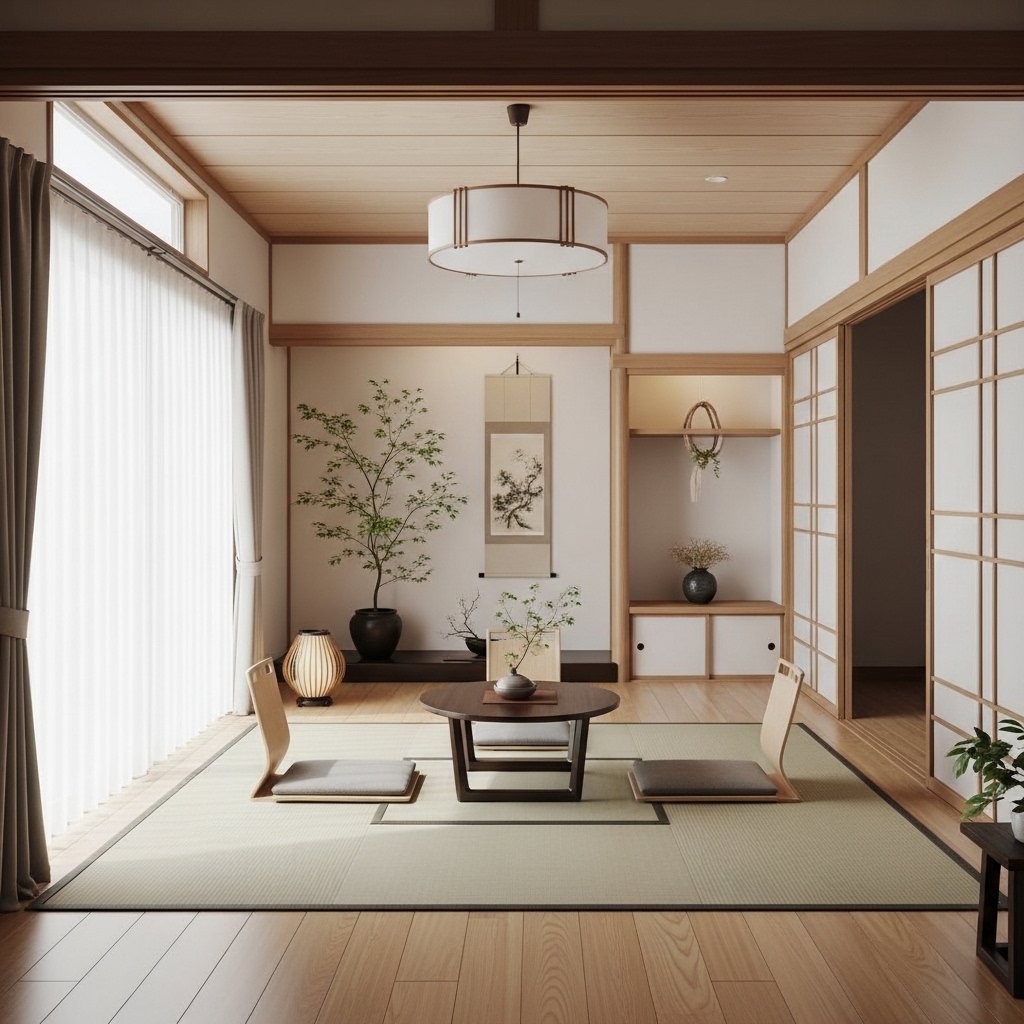
Modern Japanese interior design offers a perfect blend of simplicity, elegance, and functionality. By focusing on minimalism, natural materials, and a strong connection to nature, you can create a home that feels calm and inviting. Each design choice, from furniture to lighting, plays a role in maintaining balance and harmony. Whether you’re redesigning a single room or your entire home, these ideas provide a timeless foundation. Embracing modern Japanese interiors is not just about style—it’s about creating a peaceful lifestyle centered around simplicity and mindfulness.