Japanese Style Interior: Minimalist Elegance and Timeless Harmony for Your Home
Blog > Home > Modern interior > Japanese Style Interior: Minimalist Elegance and Timeless Harmony for Your Home
Japanese style interior design is known for its simplicity, balance, and deep connection with nature. This design approach focuses on clean lines, natural materials, and a clutter-free environment that promotes peace and mindfulness. Inspired by traditional living principles, it creates a calming atmosphere that feels both modern and timeless. Whether you live in a small apartment or a spacious home, this style adapts beautifully to different spaces. In this guide, you’ll discover 12 thoughtfully designed Japanese style interior ideas to transform your home into a serene retreat.
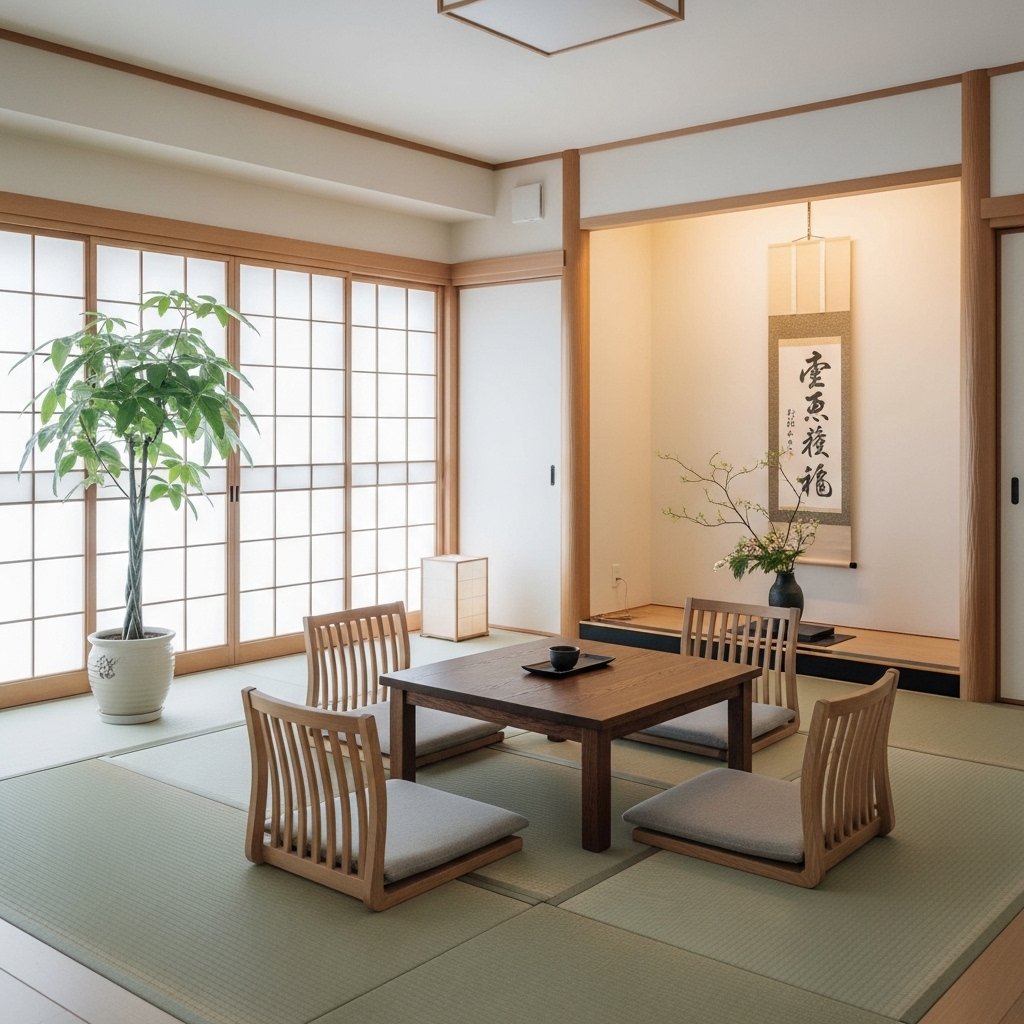
Table Of Content
1. Embrace Minimalism with Clean Spaces
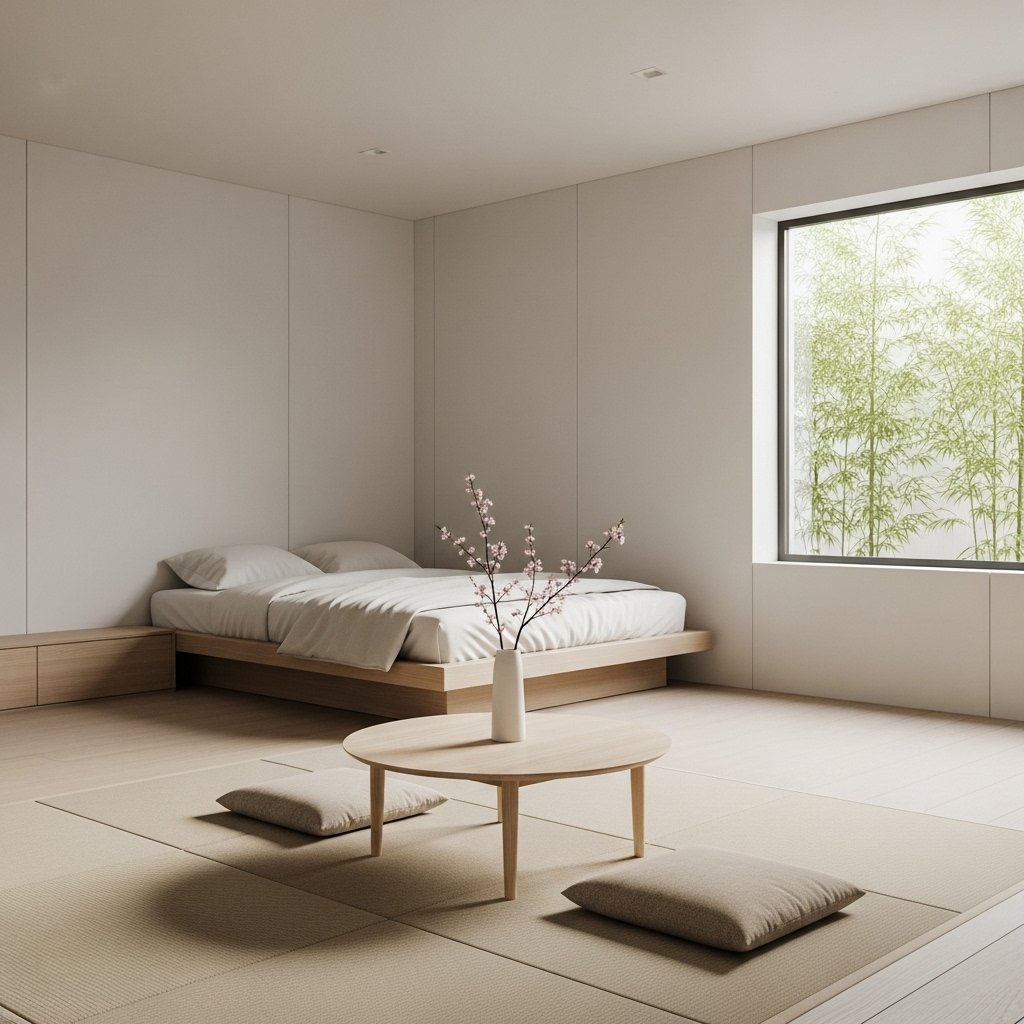
Minimalism is the foundation of Japanese style interior design, where less is always more. Keep furniture to a minimum and avoid unnecessary decorative items to maintain a clean and open look. Neutral colors like white, beige, and soft grey help create a calm and airy environment. Every piece in the room should serve a purpose, combining functionality with beauty. This approach not only enhances visual appeal but also promotes a stress-free living space.
2. Use Natural Materials for Authentic Feel
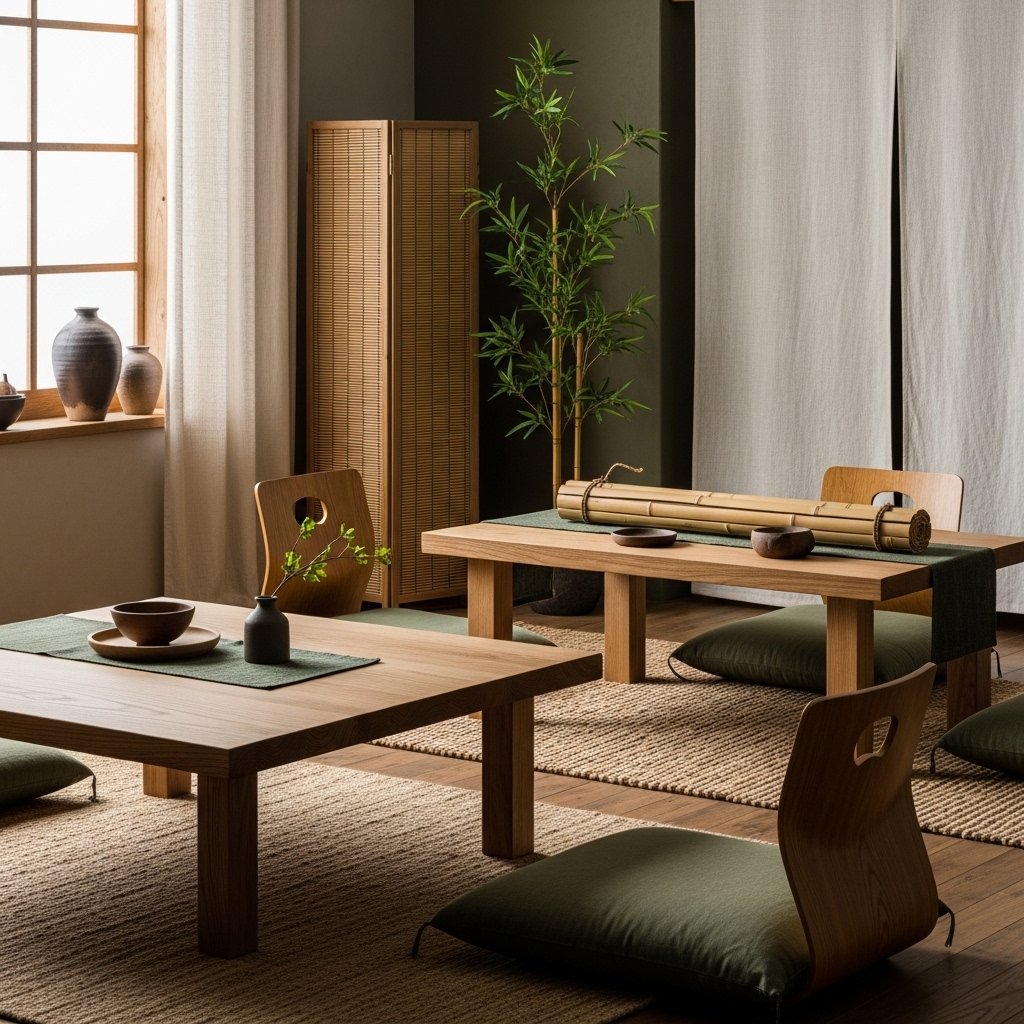
Natural materials play a key role in achieving an authentic Japanese interior. Wood, bamboo, linen, and paper elements bring warmth and texture into the space. Light-toned wood furniture is especially popular for creating a soft and organic look. These materials age gracefully, adding character over time. Incorporating nature-inspired elements helps create a balanced and harmonious environment.
3. Incorporate Shoji Screens
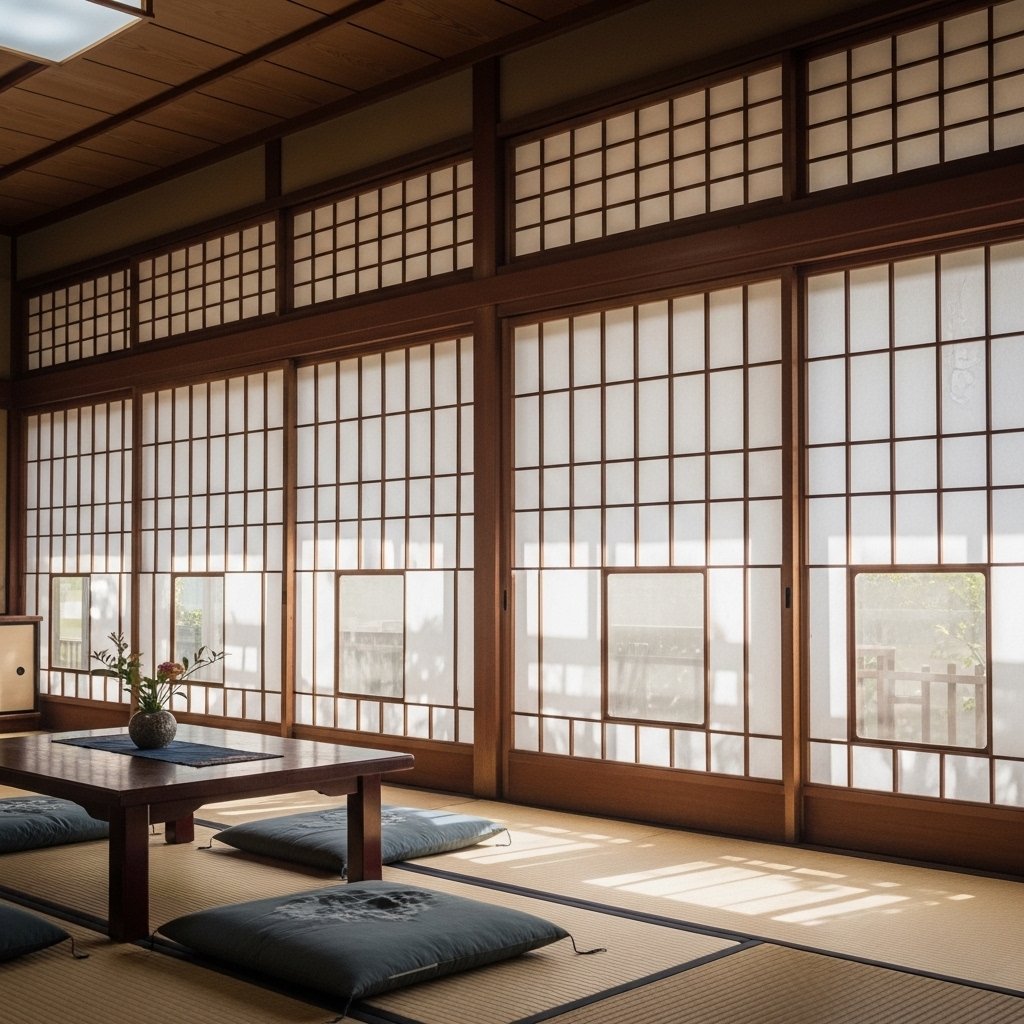
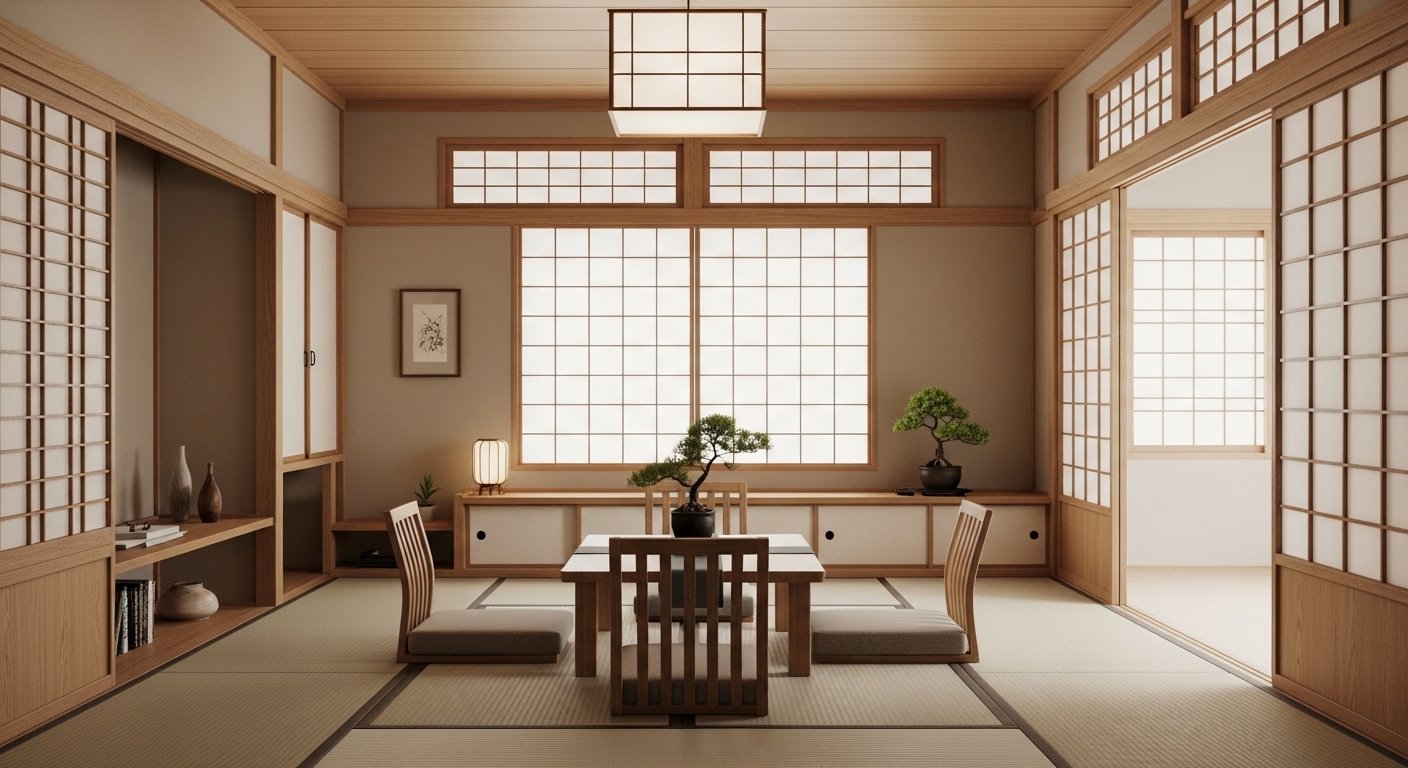
Shoji screens are a signature element of Japanese style interiors, offering both function and beauty. These sliding panels are typically made from wood frames and translucent paper. They allow natural light to filter through while maintaining privacy. Shoji screens can be used as room dividers or window coverings for a traditional touch. Their elegant design enhances the overall aesthetic without overwhelming the space.
4. Create a Low Furniture Layout
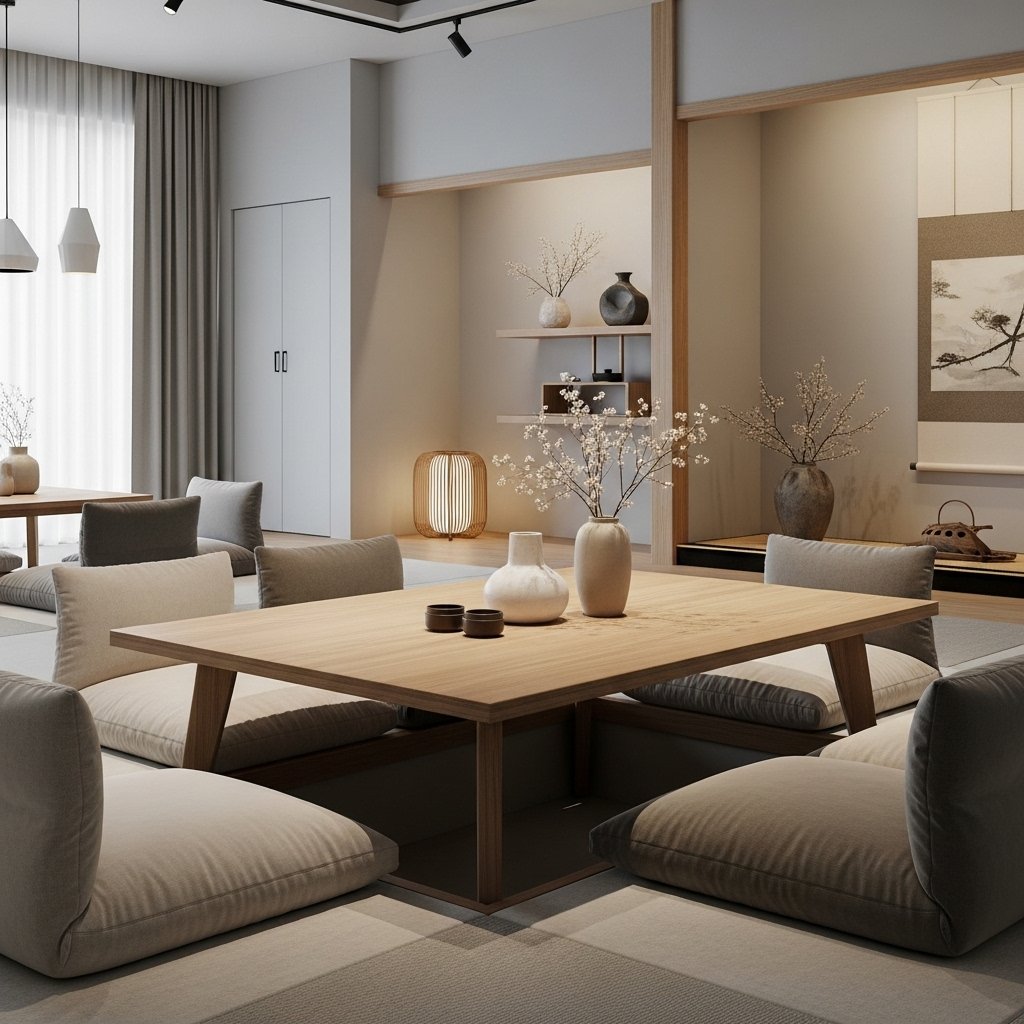
Japanese interiors often feature low-profile furniture that brings a grounded and relaxed feel. Low sofas, floor cushions, and short tables create a cozy and intimate atmosphere. This setup encourages a closer connection to the space and promotes comfort. It also makes rooms appear more open and spacious. Adopting this layout is perfect for achieving an authentic Japanese-inspired home.
5. Add Tatami Mats for Traditional Touch
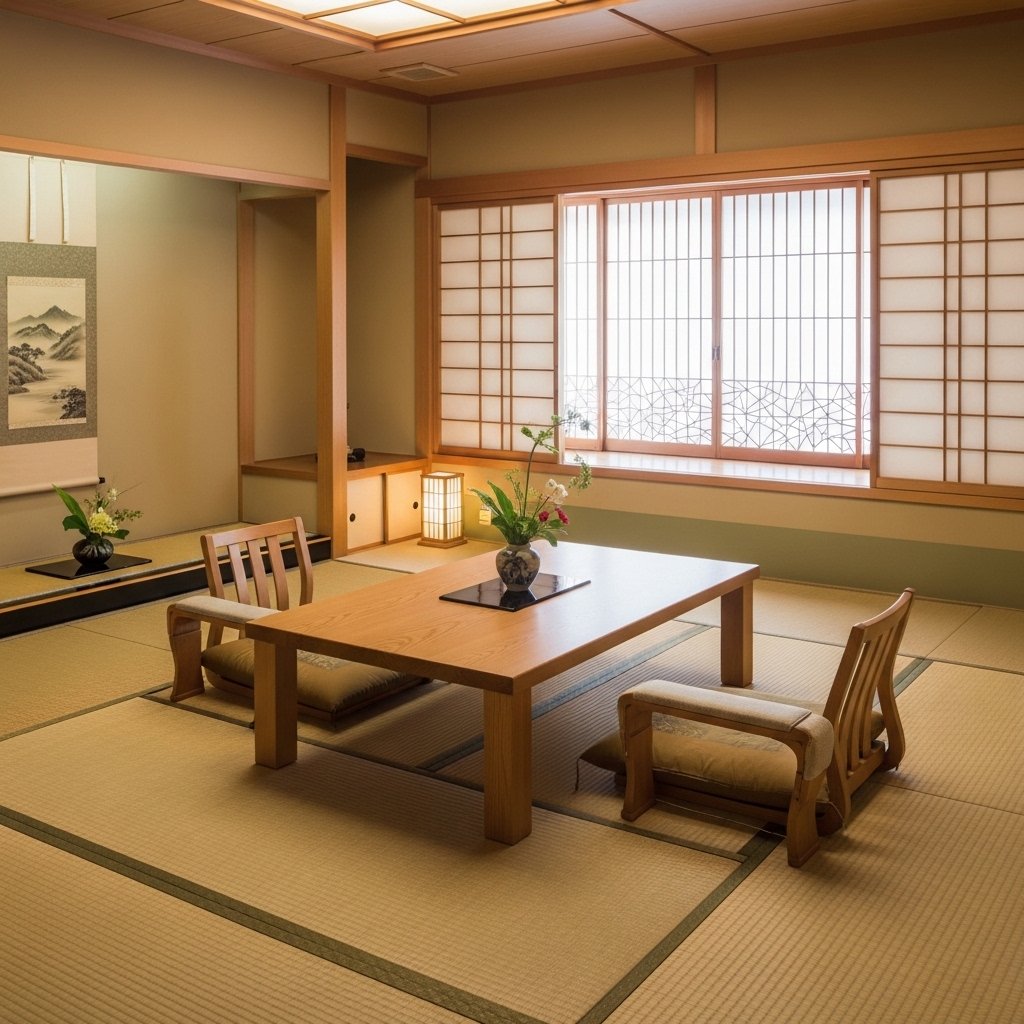
Tatami mats are an essential feature in traditional Japanese homes. Made from natural straw, they provide a soft and comfortable flooring option. Their subtle texture and earthy tones enhance the room’s natural aesthetic. Tatami mats are often used in living rooms, bedrooms, or meditation spaces. They instantly bring a sense of authenticity and cultural richness to the interior.
6. Focus on Neutral and Earthy Colors
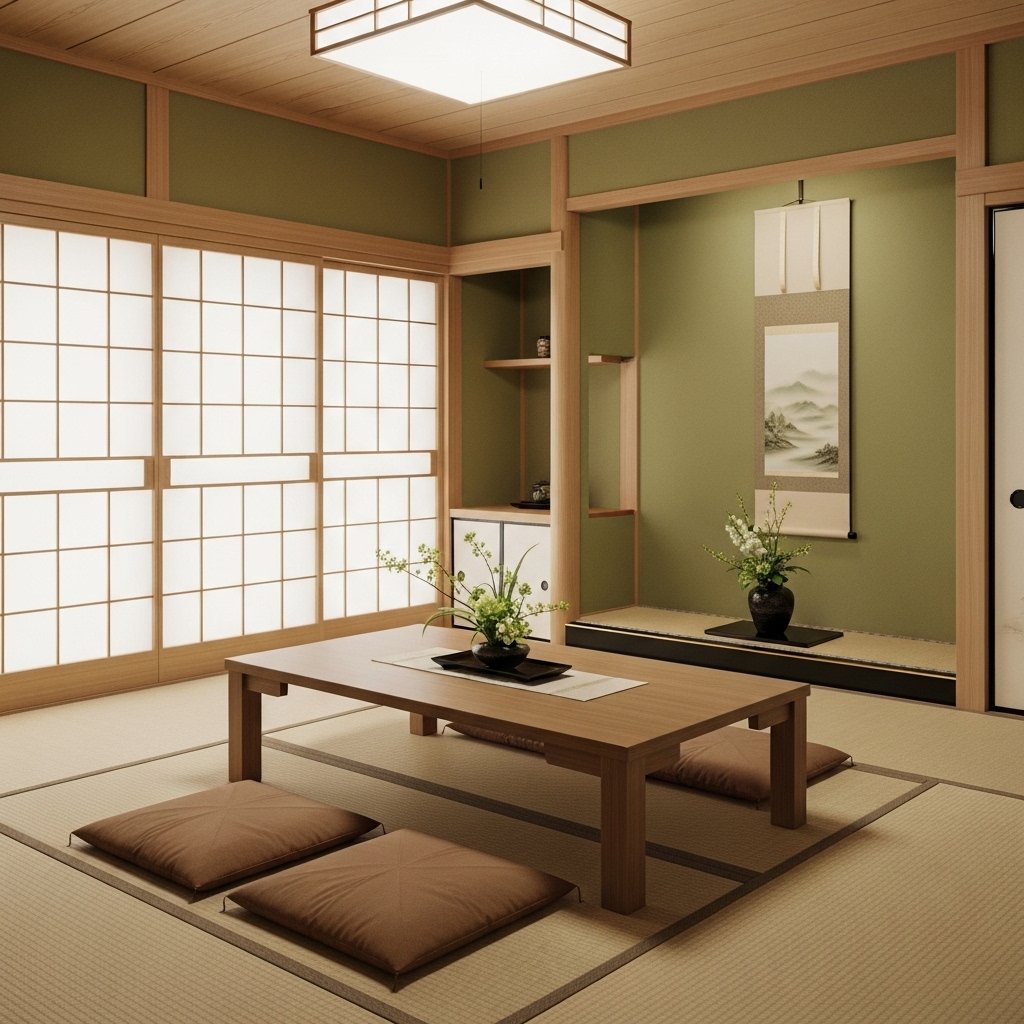
Color palettes in Japanese interiors are inspired by nature and remain soft and understated. Shades of beige, cream, brown, and muted greens create a calming atmosphere. Avoid bold or overly bright colors to maintain harmony in the space. These tones help reflect natural light and make rooms feel more spacious. A balanced color scheme is key to achieving a peaceful environment.
7. Bring Nature Indoors
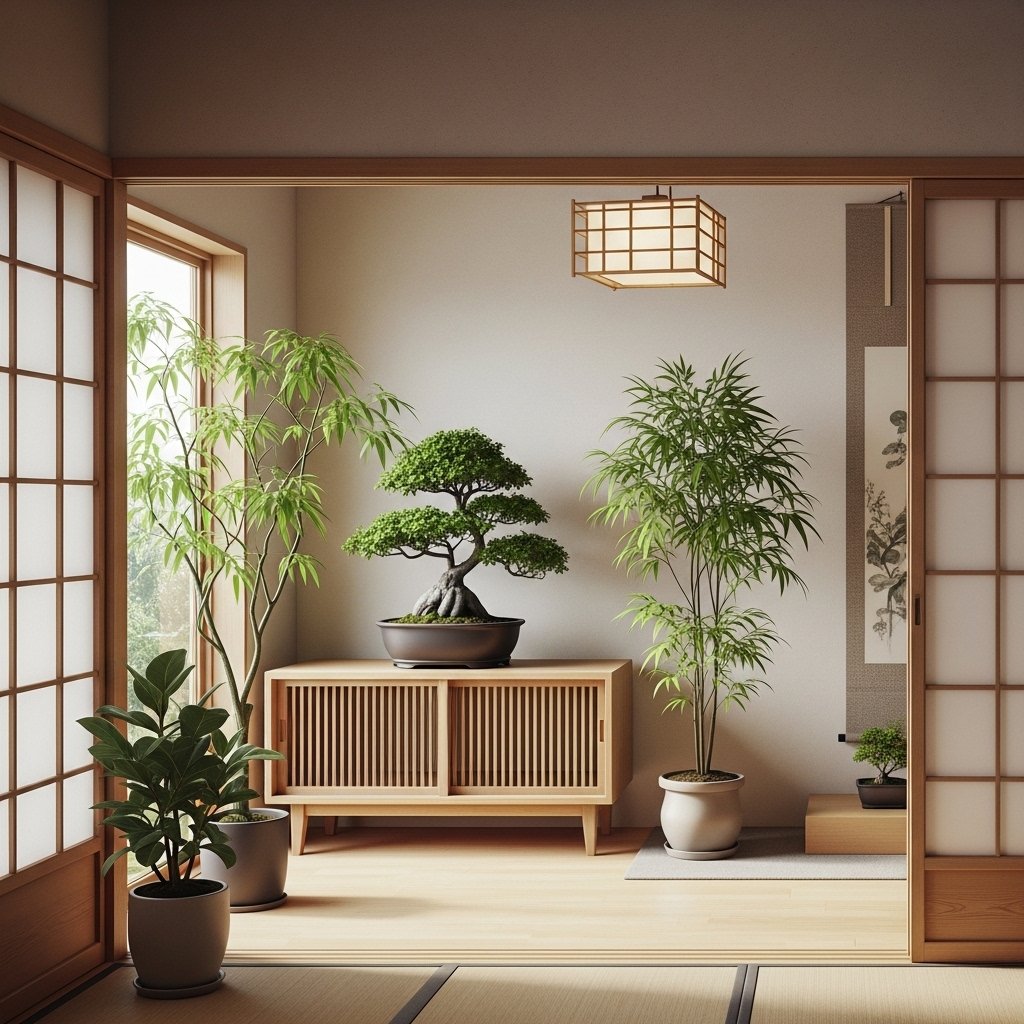
Connecting with nature is a core principle of Japanese design. Indoor plants like bonsai, bamboo, or simple greenery add life and freshness to the space. Natural light should be maximized to enhance the overall ambiance. Small indoor gardens or stone arrangements can also be incorporated. These elements create a tranquil setting that promotes relaxation and mindfulness.
8. Keep Decor Simple and Meaningful
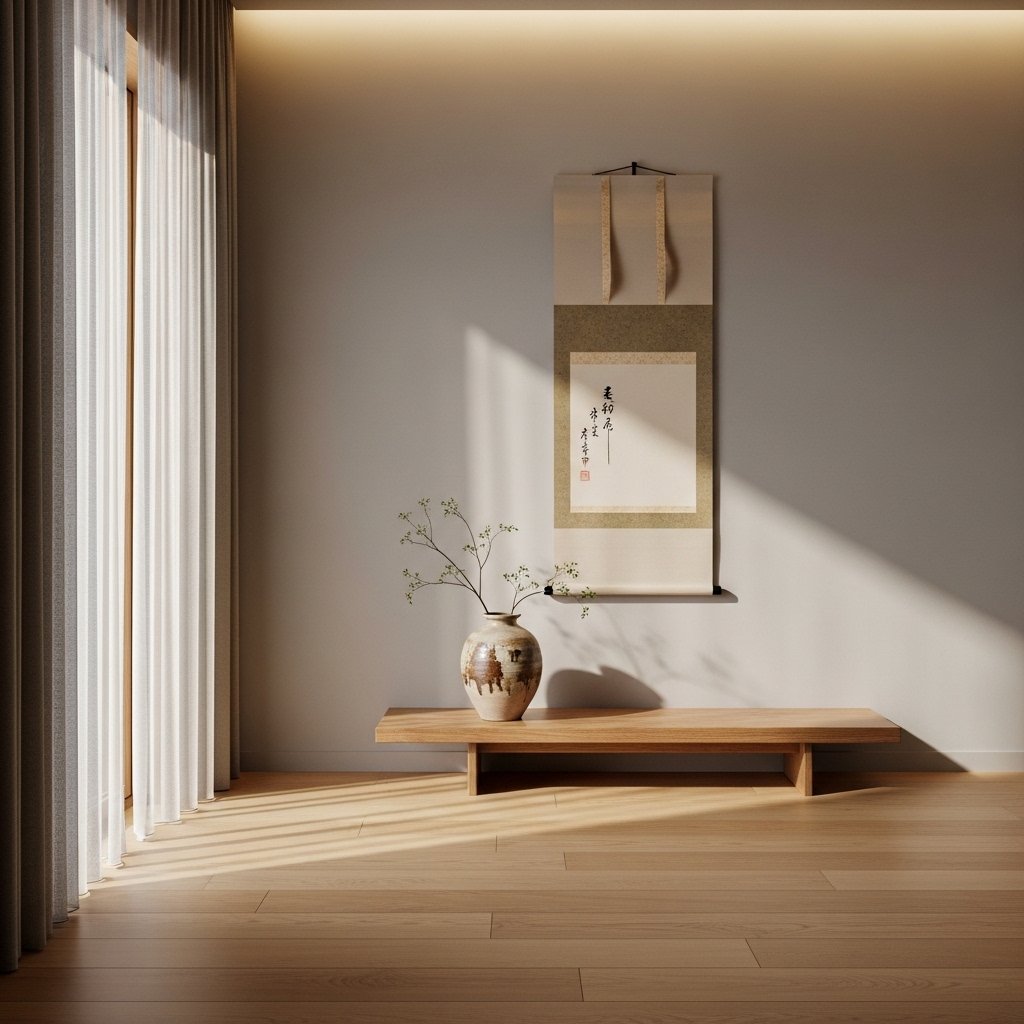
Decor in Japanese interiors is minimal yet meaningful. Instead of filling spaces with multiple items, choose a few statement pieces. Traditional art, ceramic vases, or handcrafted objects work beautifully in this style. Each item should have a purpose or personal significance. This approach keeps the space uncluttered while maintaining visual interest.
9. Use Sliding Doors for Space Efficiency
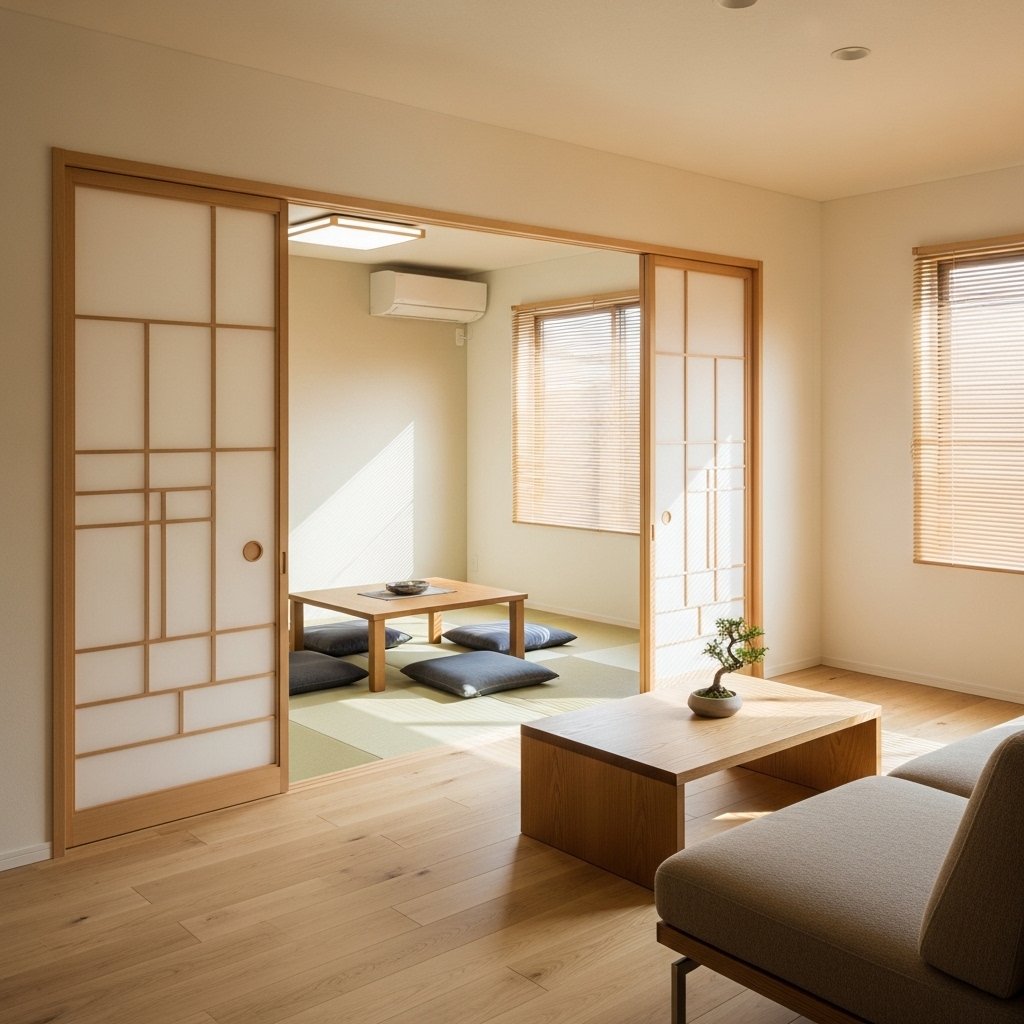
Sliding doors are a practical and stylish feature in Japanese homes. They save space compared to traditional hinged doors and enhance the minimalist aesthetic. These doors can be made of wood, glass, or paper panels. They allow flexible use of space by easily opening or closing rooms. This feature is especially useful in smaller homes or apartments.
10. Create a Zen-Inspired Corner
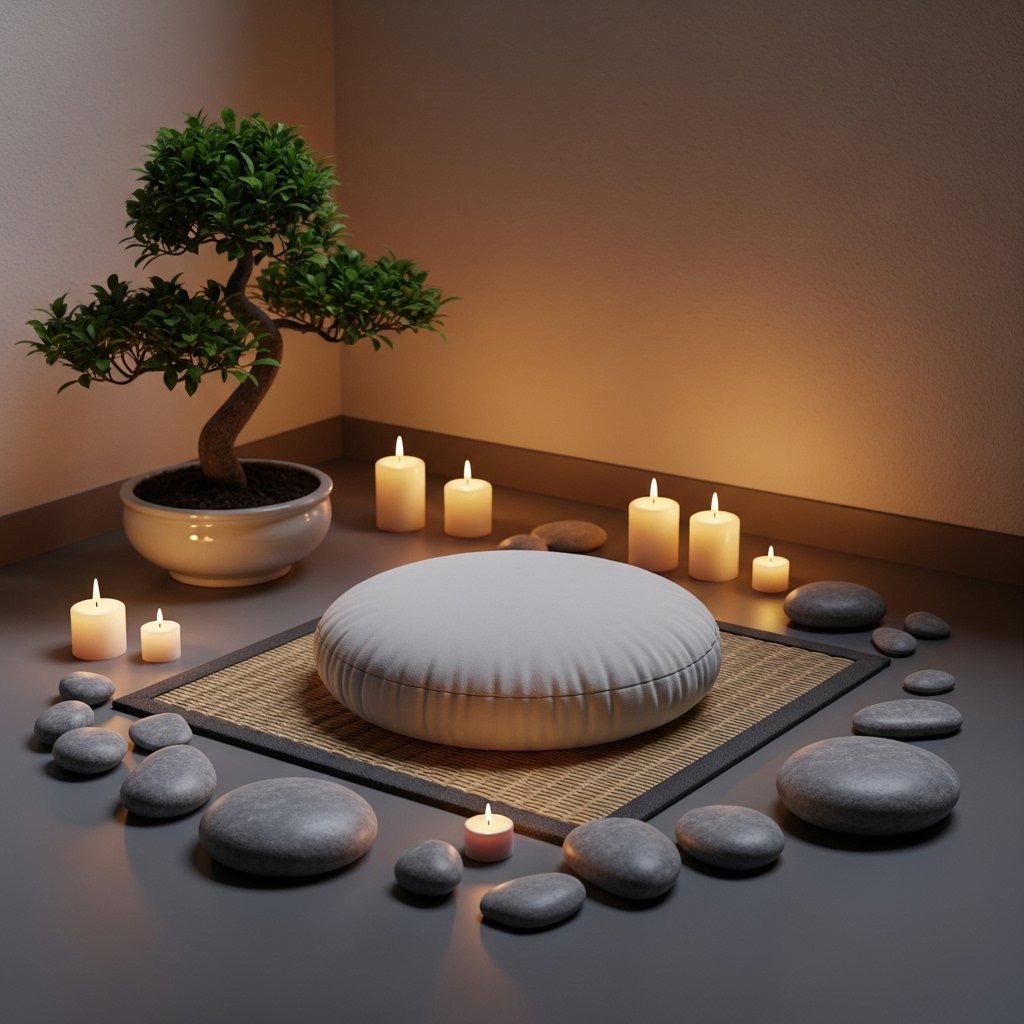
A Zen corner is perfect for relaxation, meditation, or quiet reflection. Use simple elements like a floor cushion, a small mat, and a low table. Add calming details such as candles, stones, or a small plant. Keep the area free from distractions to maintain a peaceful atmosphere. This dedicated space encourages mindfulness and inner calm.
11. Opt for Soft and Natural Lighting
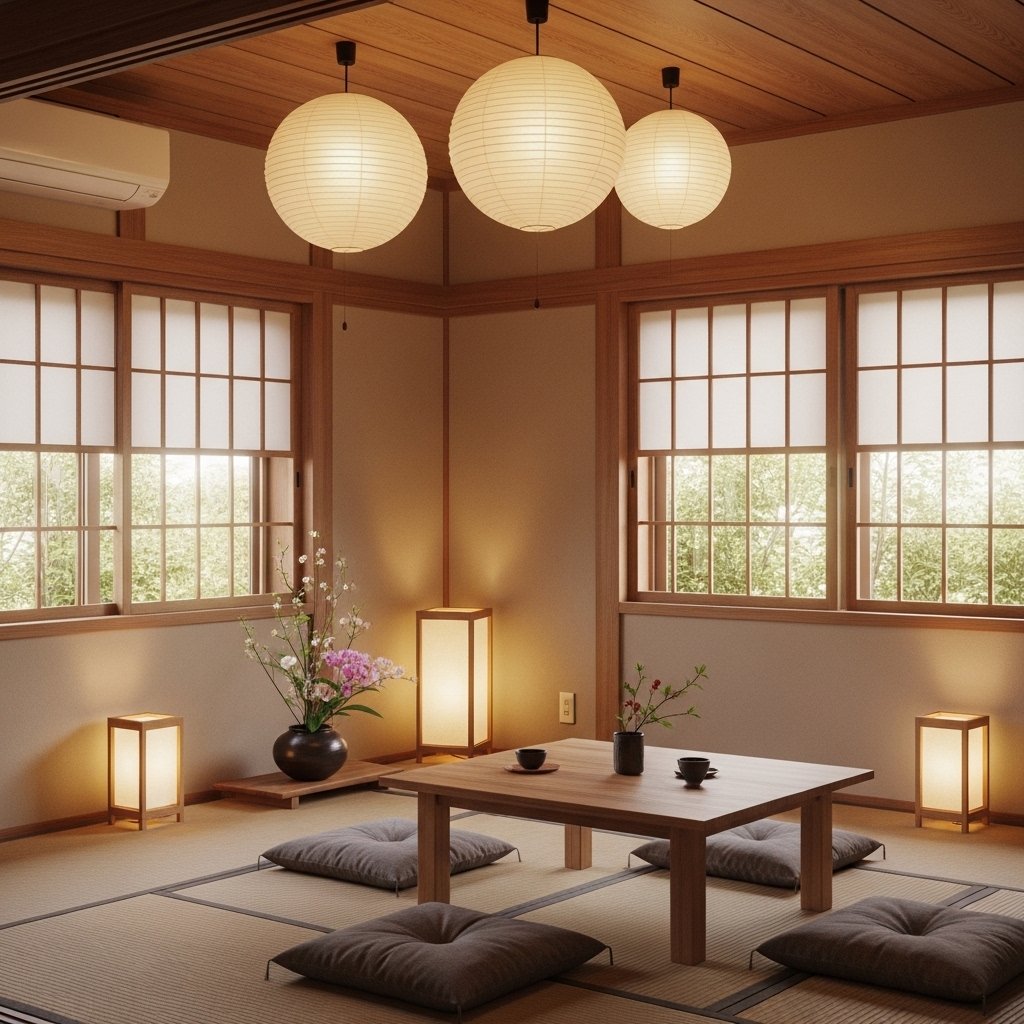
Lighting in Japanese interiors should feel soft and warm rather than harsh or bright. Paper lanterns and simple pendant lights are popular choices. Natural light is also an important element, so keep windows unobstructed. Soft lighting enhances the calming effect of the space. It creates a cozy and inviting ambiance that aligns with the overall design philosophy.
12. Maintain Clutter-Free Organization
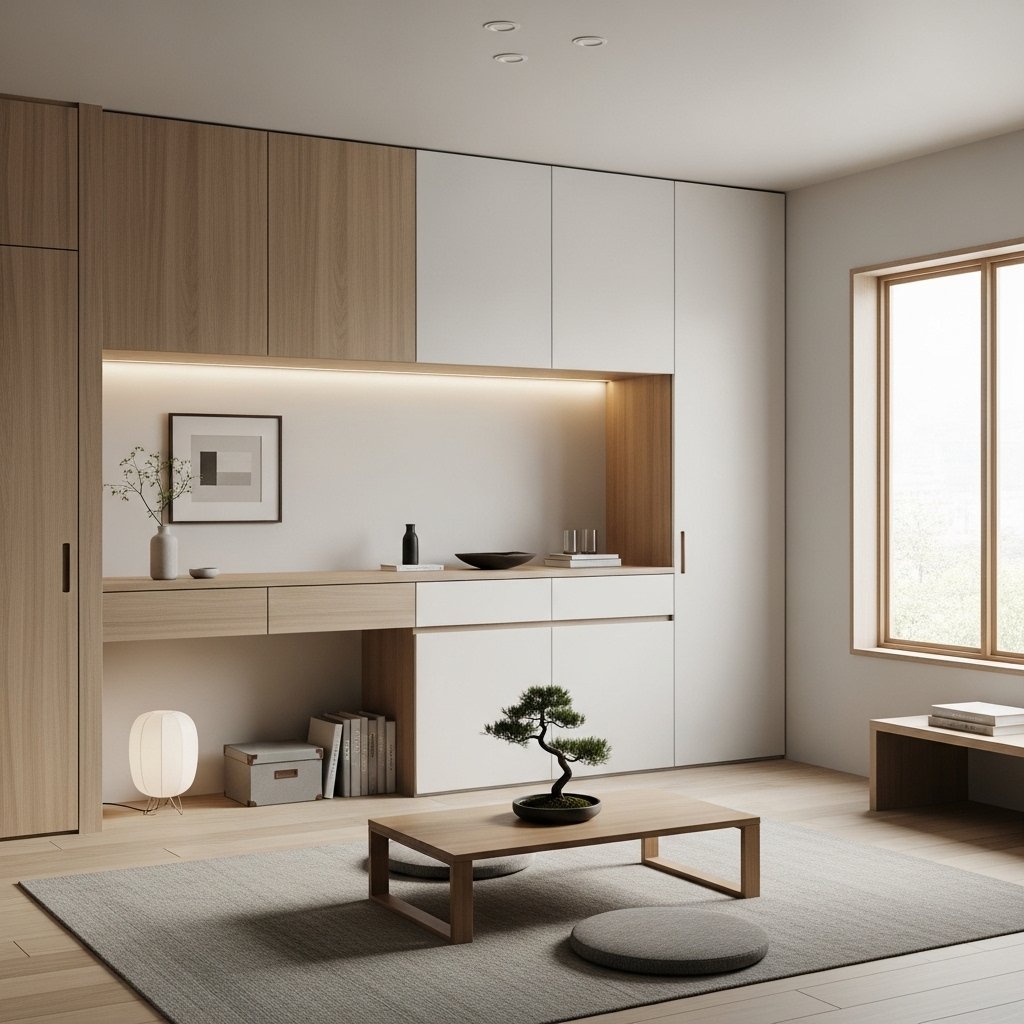
Organization is essential in Japanese style interiors to preserve simplicity. Use hidden storage solutions to keep belongings out of sight. Built-in cabinets and multi-functional furniture help maximize space efficiently. Regular decluttering ensures the home remains शांत and visually pleasing. A tidy environment supports a peaceful and balanced lifestyle.
13. How to Care for Japanese Style Interior
- Keep it Minimal – Avoid clutter and keep only essential items for a clean look.
- Clean Regularly – Dust floors, furniture, and decor to maintain a fresh space.
- Use Natural Light – Let in soft light and avoid harsh lighting to keep a calm feel.
- Protect Natural Materials – Take care of wood, bamboo, and paper decor by keeping them dry and clean.
- Maintain Balance – Arrange items neatly to keep a peaceful and simple atmosphere.
13.1. FAQ
13.2. What is Japanese style interior design❓
Japanese style interior design is a simple and clean way of decorating a space that focuses on minimalism, natural materials, and calm environments. It uses elements like wood, paper, and neutral colors to create a peaceful and balanced look. The design avoids clutter and keeps only essential items to maintain harmony in the room.
13.3. Why is Japanese interior design so simple❓
Japanese interior design is simple because it follows the idea of minimal living and removing unnecessary items. The goal is to create a calm and stress-free space where everything has a purpose. This simplicity helps people feel more relaxed and focused in their surroundings.
13.4. What colors are used in Japanese style interiors❓
Japanese style interiors mainly use soft and natural colors such as white, beige, light brown, and gray. These colors reflect nature and make the space feel calm and open. Dark wood tones are also used to add contrast while still keeping the overall look balanced and peaceful.
14. Final Thoughts
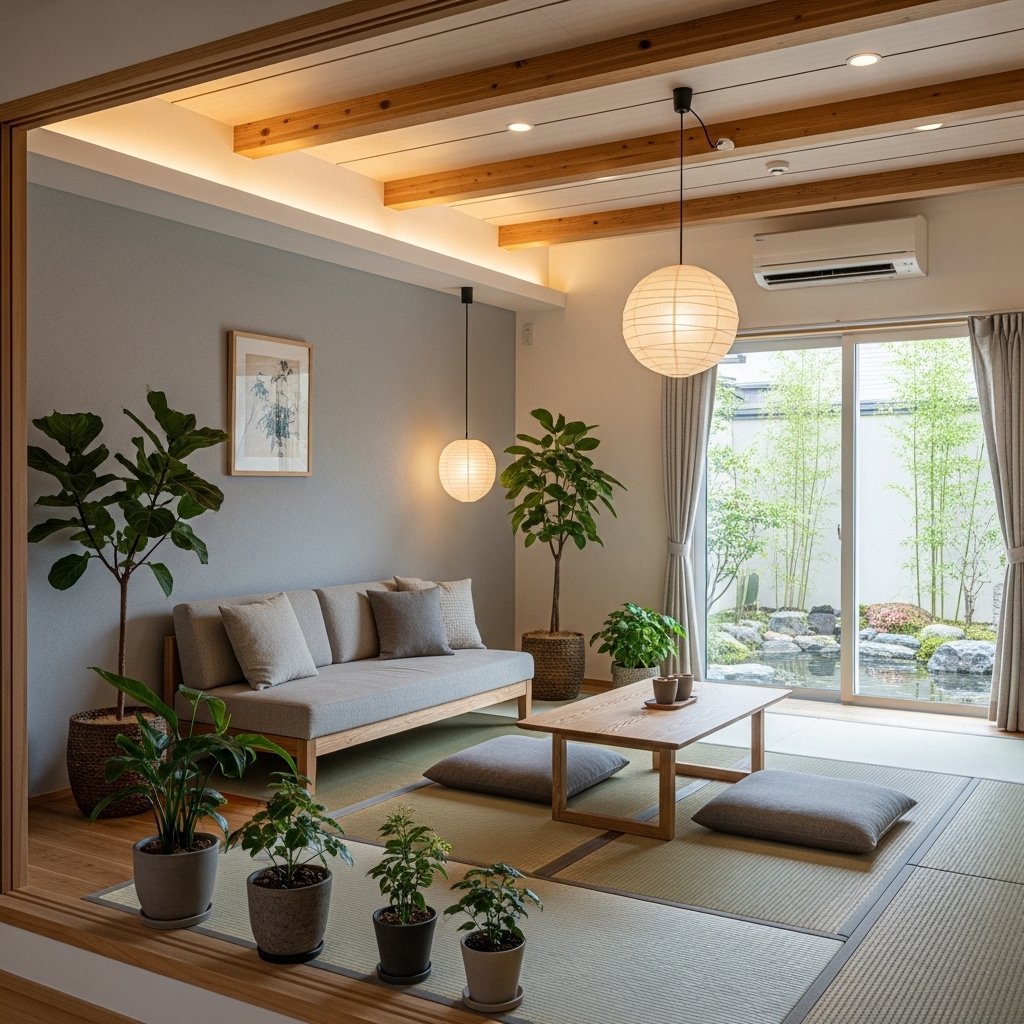
Japanese style interior design offers a perfect blend of simplicity, functionality, and natural beauty. By focusing on minimalism, natural materials, and thoughtful design choices, you can create a space that feels calm and inviting. This style encourages mindful living and helps reduce stress in everyday life. Whether you adopt a few elements or fully embrace the concept, the result is always elegant and timeless. With these 12 ideas, you can transform your home into a serene sanctuary inspired by Japanese aesthetics.