Interior Decoration: Transform Your Space with Style and Functionality
Blog > Home > Modern interior > Interior Decoration: Transform Your Space with Style and Functionality
Interior decoration is the art of enhancing a space to create a more aesthetically pleasing and functional environment. It goes beyond simply placing furniture—it involves thoughtful planning, color coordination, texture layering, and personal expression. A well-decorated home reflects your personality while also improving comfort and usability. Whether you prefer a modern, minimalist look or a cozy, traditional feel, interior decoration allows you to bring your vision to life. Below are 12 fully optimized and structured interior decoration ideas to help you design a beautiful and inviting space.
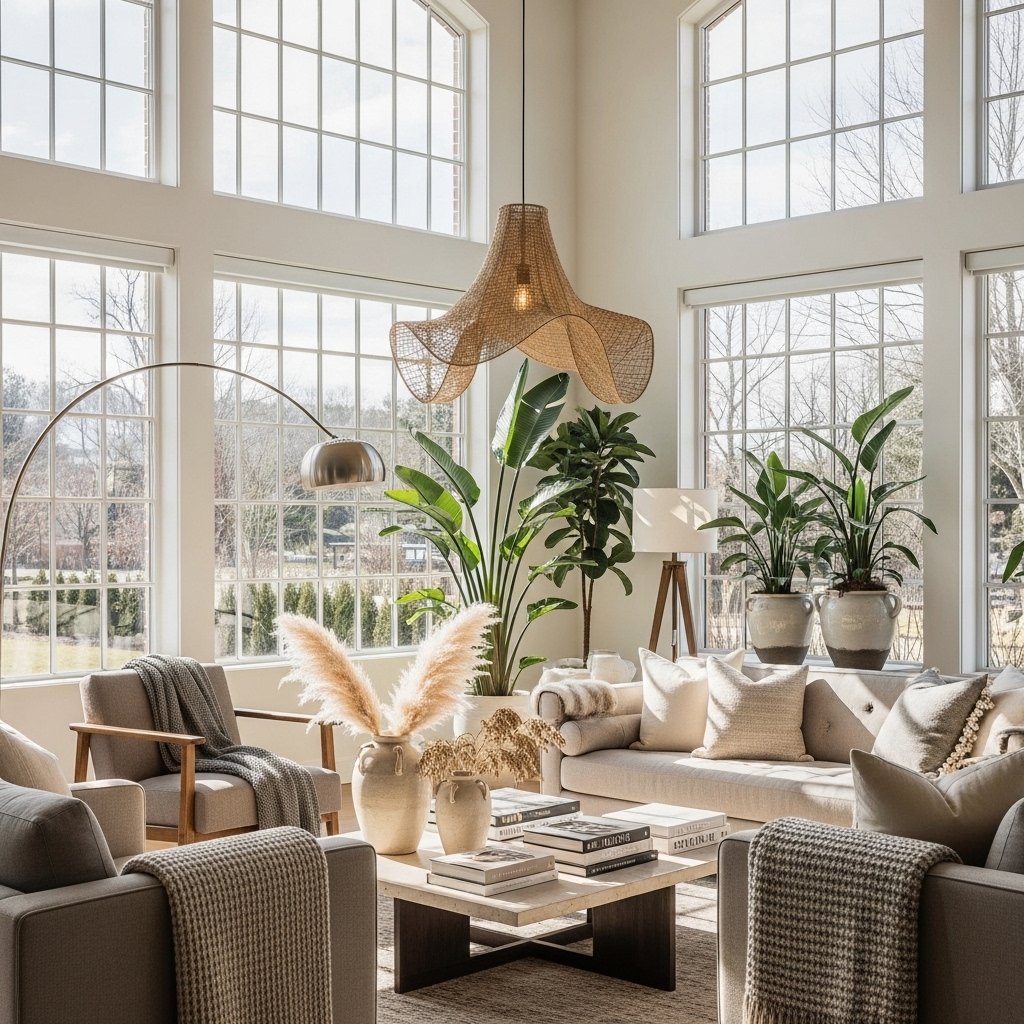
Table Of Content
1. Choose a Cohesive Color Palette
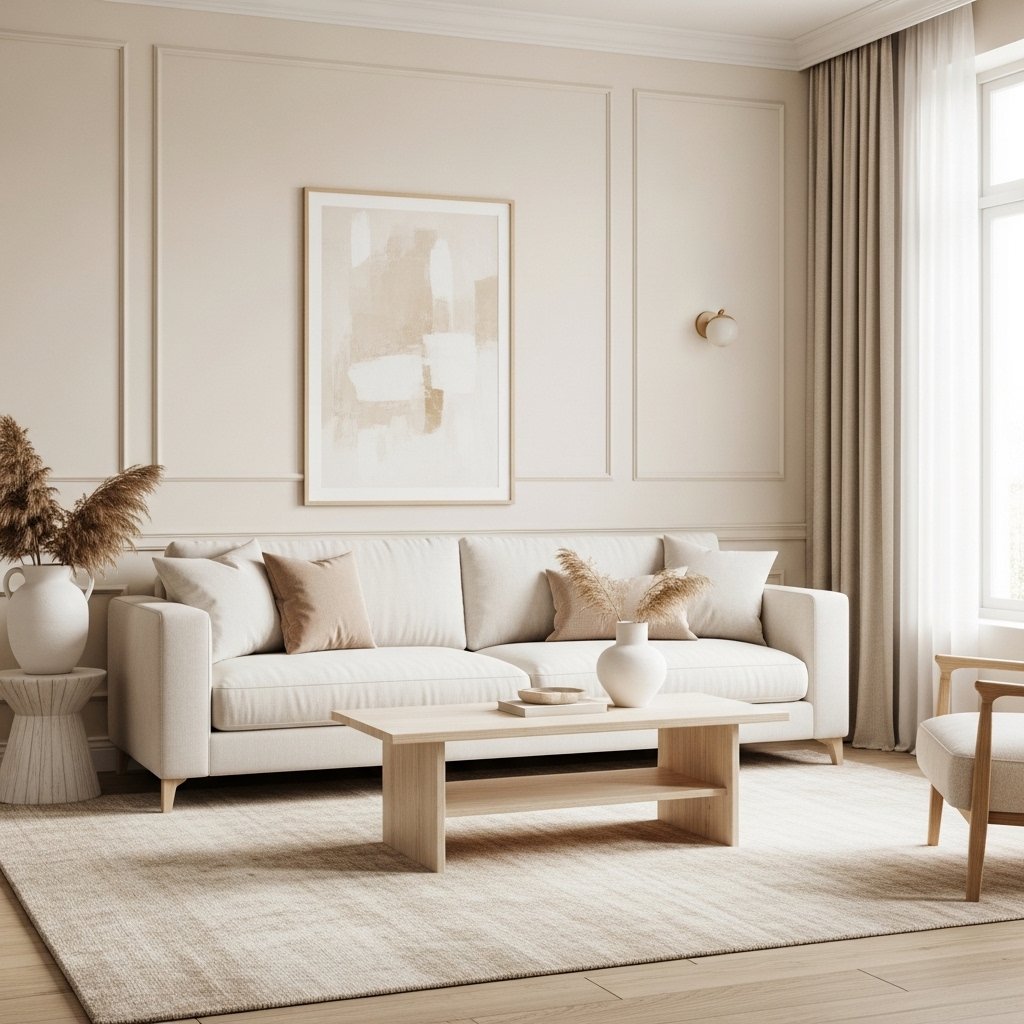
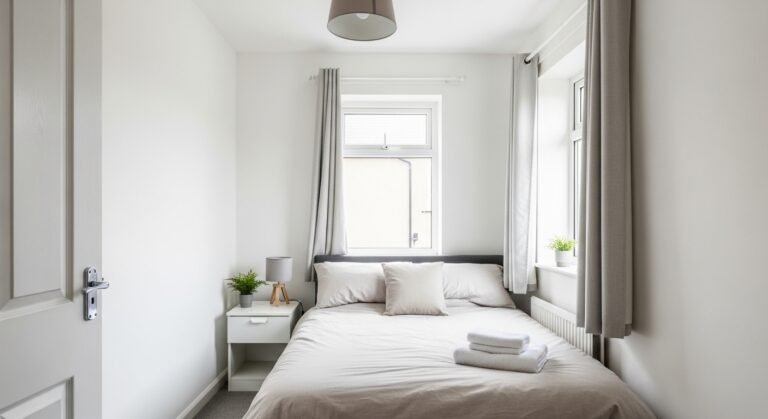
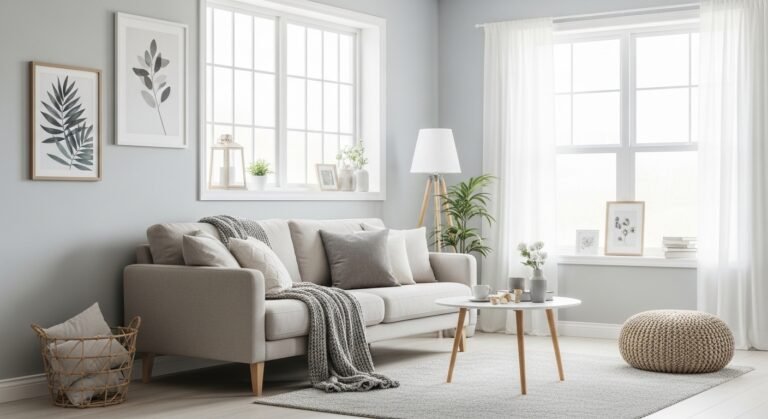
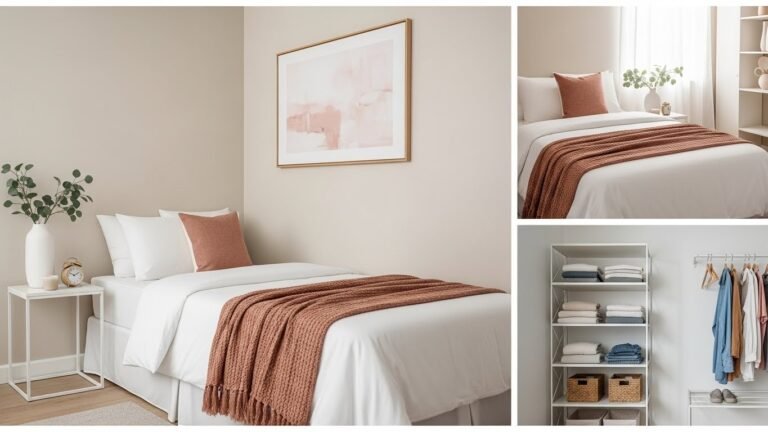
Selecting a cohesive color palette is the foundation of any successful interior decoration project. Start with a base color and build around it with complementary or contrasting tones. Neutral shades like white, beige, and gray create a calm backdrop, while bold colors add personality. Consistency in color helps tie different elements of the room together. This approach ensures a balanced and visually appealing environment.
2. Focus on Functional Furniture
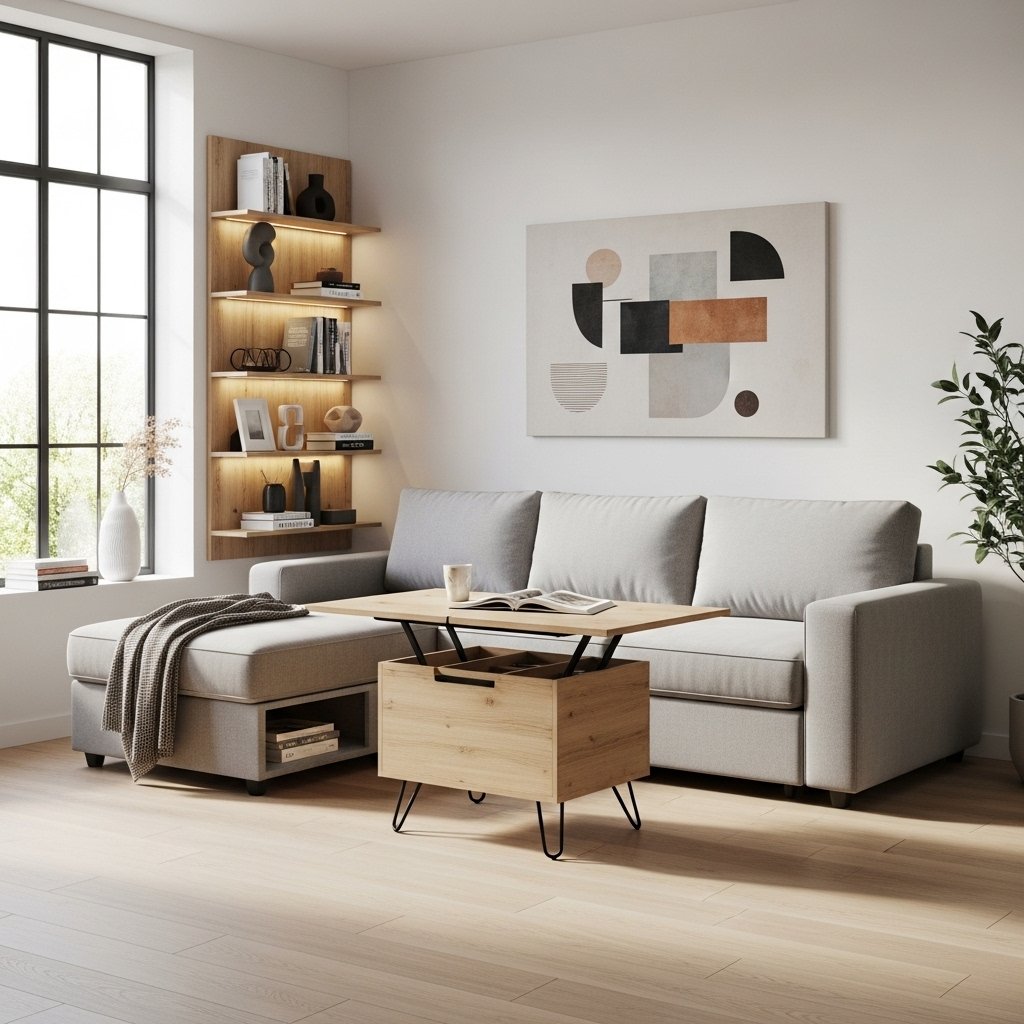
Furniture should not only look good but also serve a practical purpose in your space. Choose pieces that fit the scale of your room and meet your daily needs. Multi-functional furniture, such as storage beds or extendable tables, can maximize space efficiency. Keep the layout open and avoid overcrowding with unnecessary items. Functional furniture enhances both comfort and usability.
3. Layer Different Textures
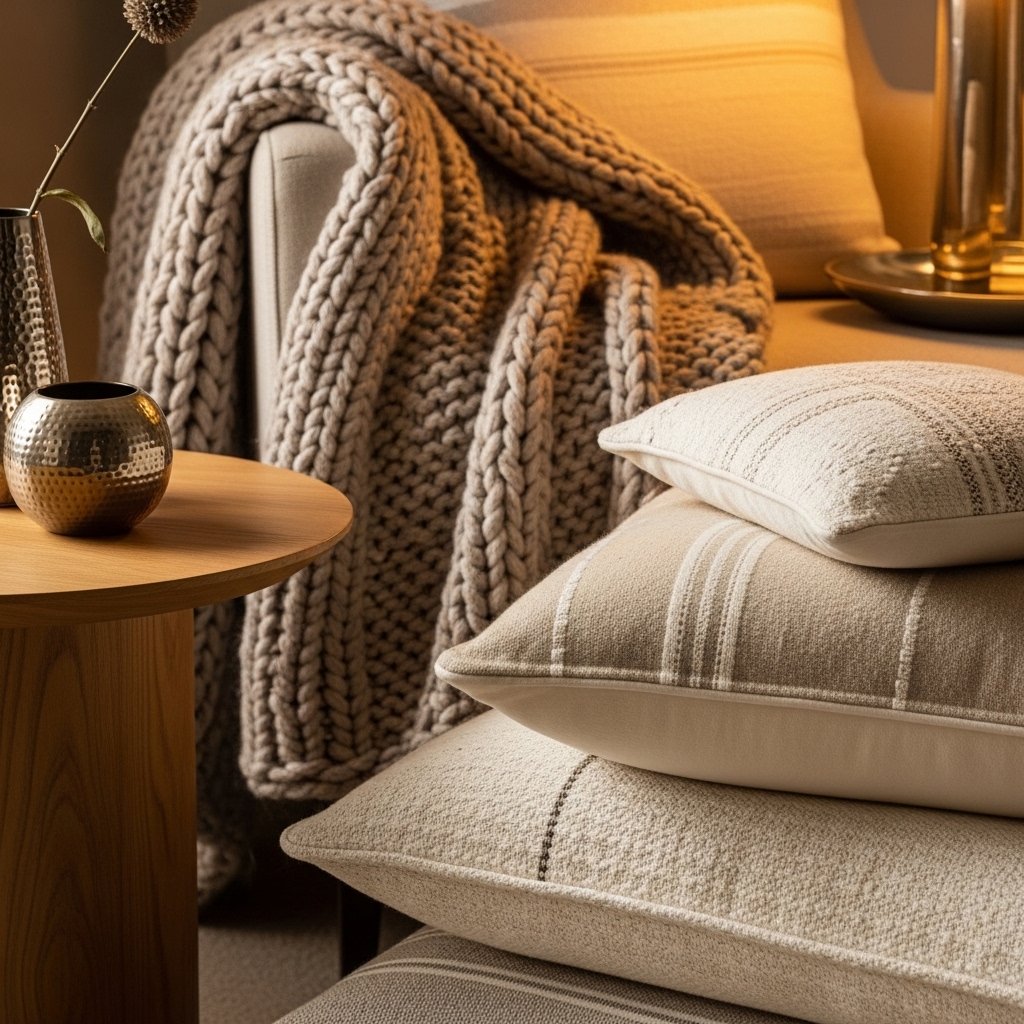
Incorporating a variety of textures adds depth and interest to your interior design. Mix materials like wood, metal, fabric, and glass to create a dynamic look. Soft textiles such as rugs, cushions, and curtains bring warmth and comfort. Hard surfaces like marble or metal provide contrast and structure. This layering technique makes your space feel rich and well-designed.
4. Optimize Lighting Design
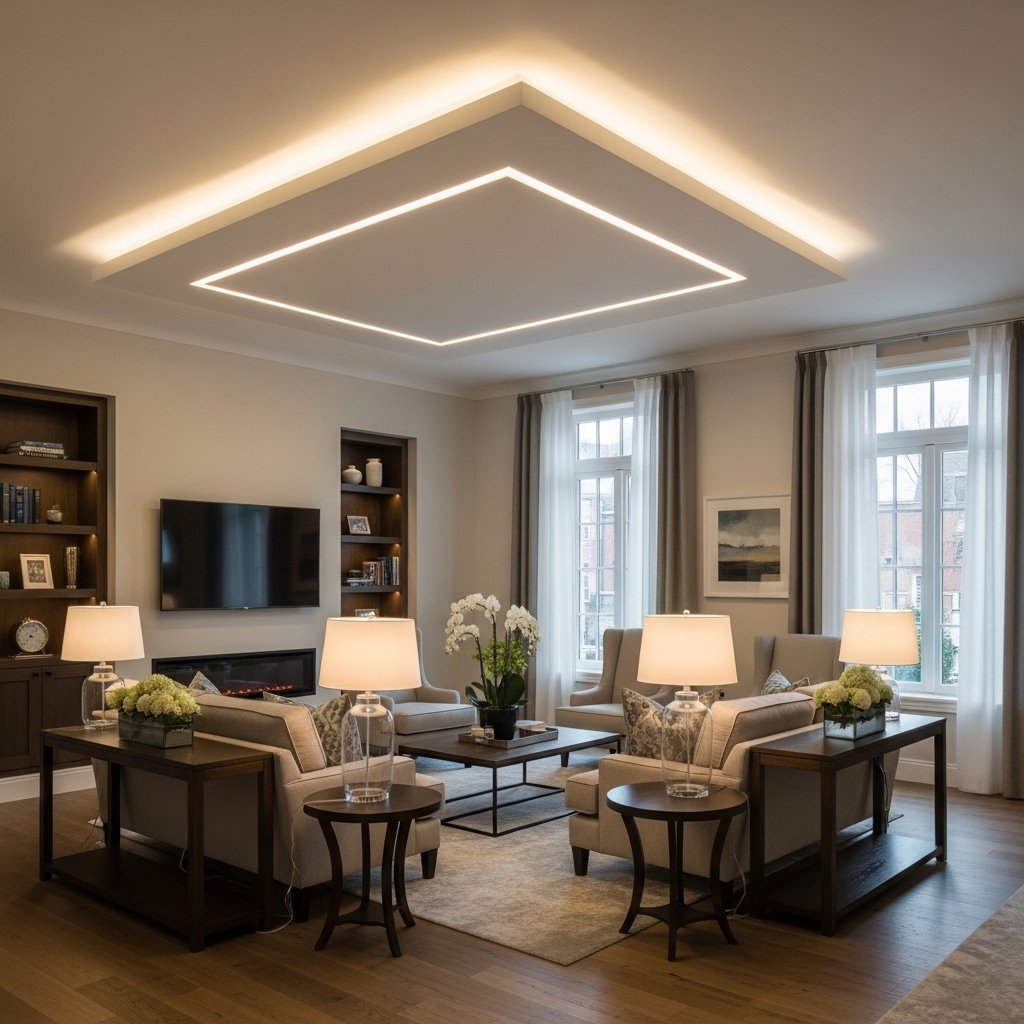
Lighting plays a crucial role in setting the mood and functionality of a room. Combine ambient, task, and accent lighting to create a well-lit and versatile space. Natural light should be maximized whenever possible through large windows or light curtains. Use warm lighting for a cozy atmosphere and cooler tones for a modern feel. Proper lighting can transform the entire look of your interior.
5. Incorporate Wall Art and Decor
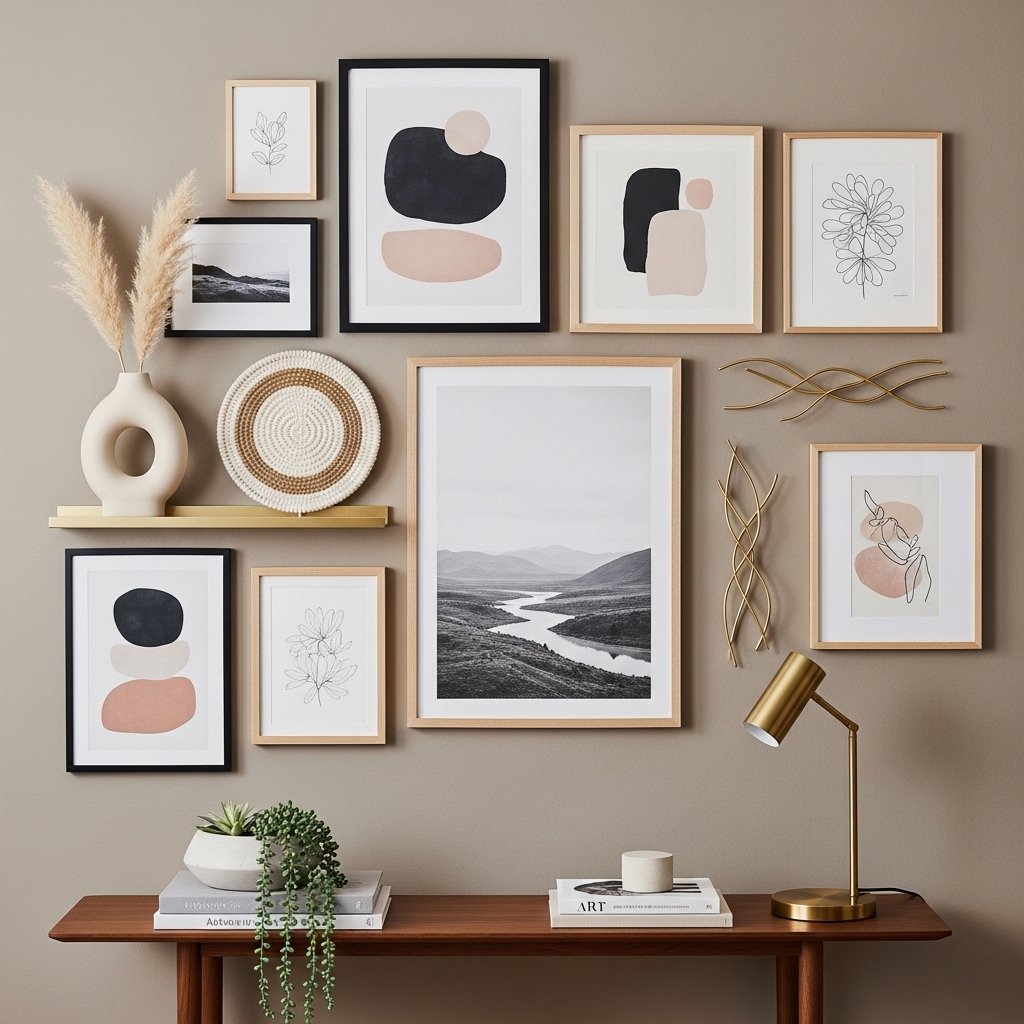
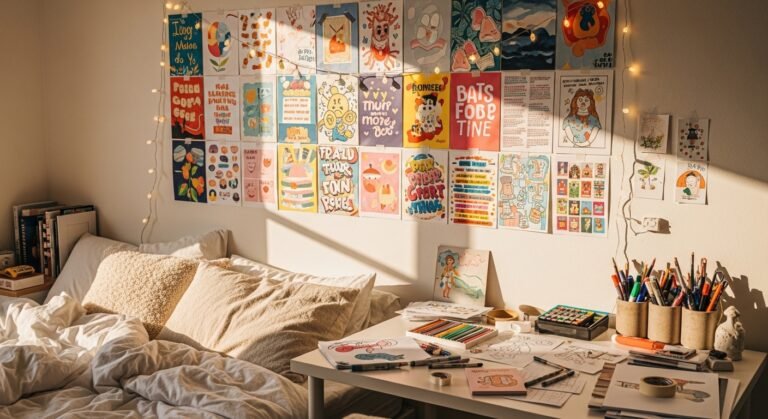
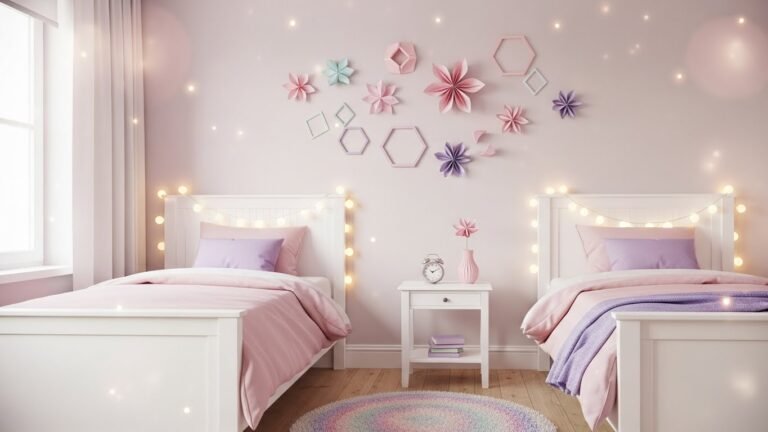
Wall art is a powerful way to express your personality and style. Choose artwork, photographs, or prints that resonate with you and complement your color scheme. Gallery walls can create a focal point, while single statement pieces add elegance. Mirrors are also a great option to enhance light and create the illusion of space. Thoughtful wall decor brings character to your home.
6. Use Rugs to Define Spaces
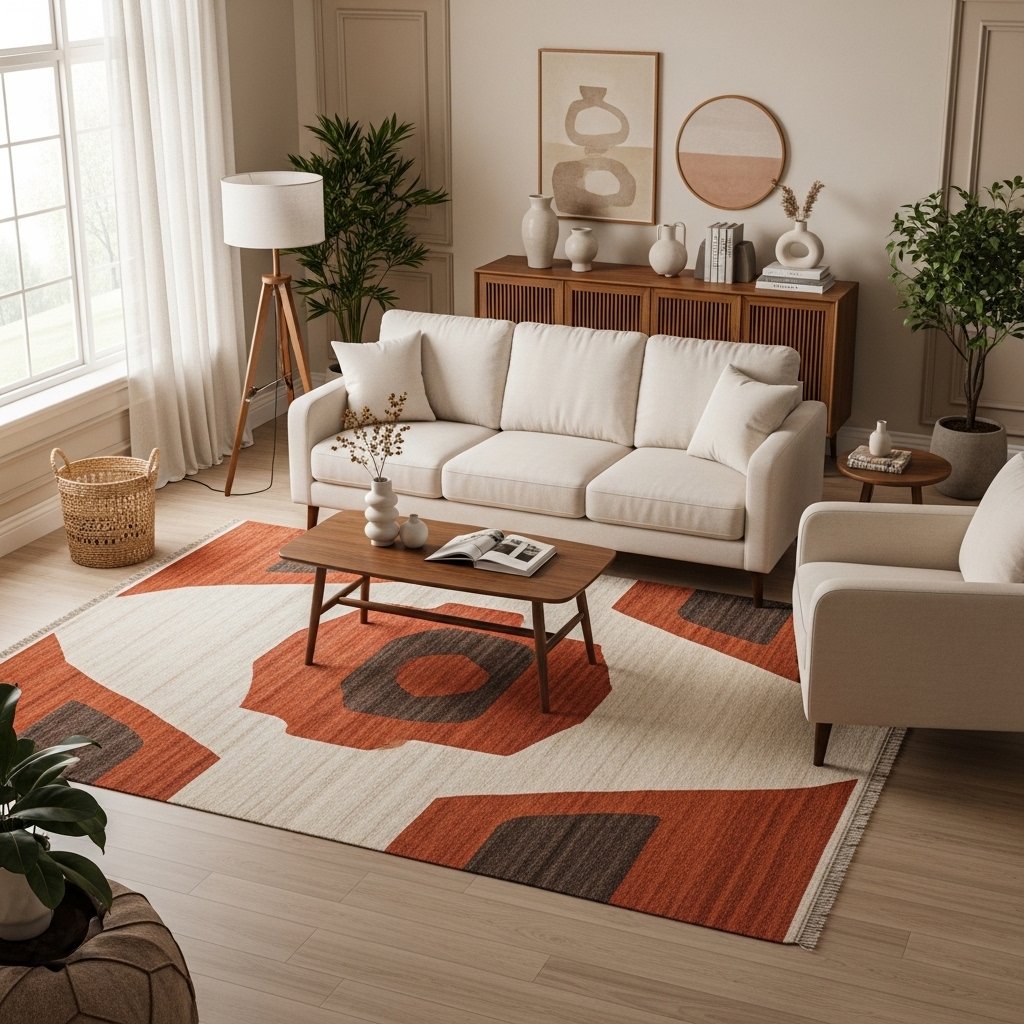
Rugs are not just decorative—they help define areas within a room, especially in open-plan layouts. Choose the right size to ensure your furniture sits comfortably on or around the rug. Patterns and colors can add visual interest and tie the room together. Soft textures also enhance comfort underfoot. Rugs are a simple yet impactful addition to any interior.
7. Add Indoor Plants for Freshness
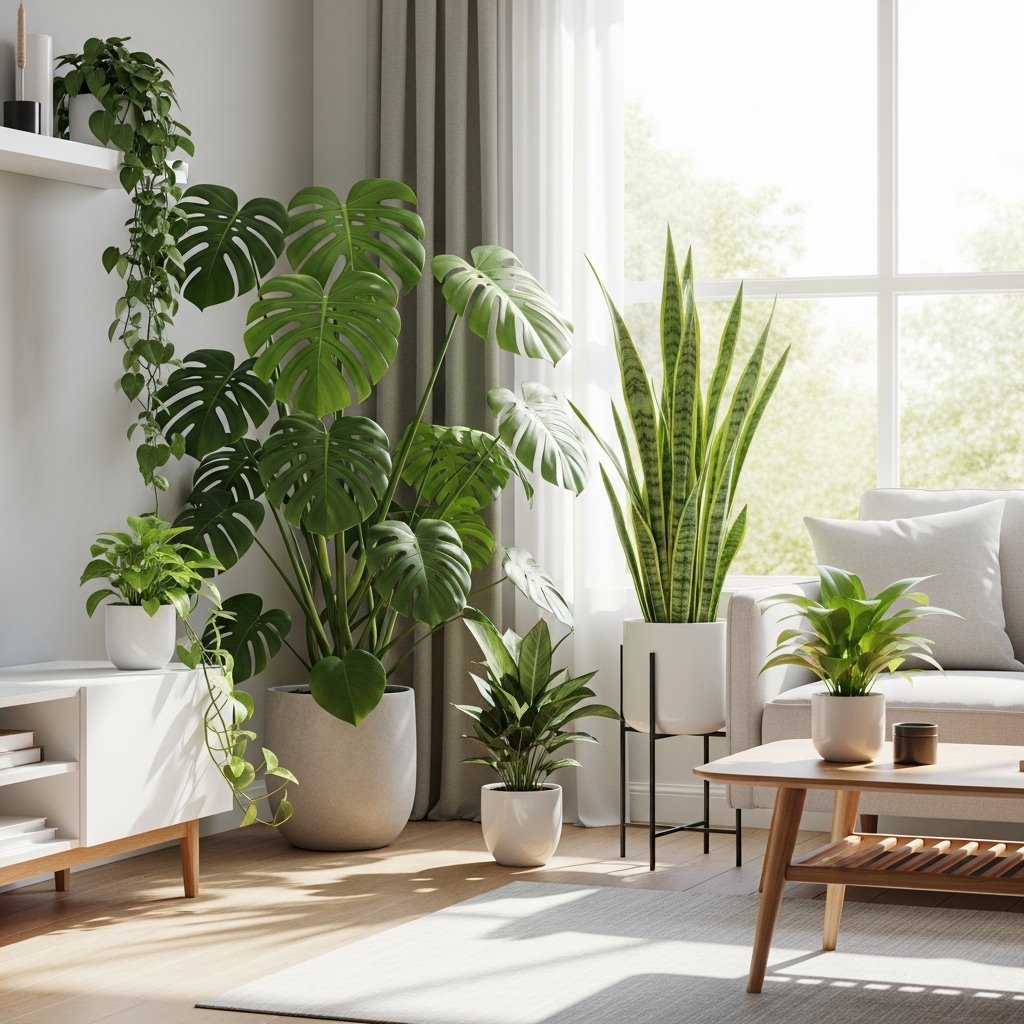
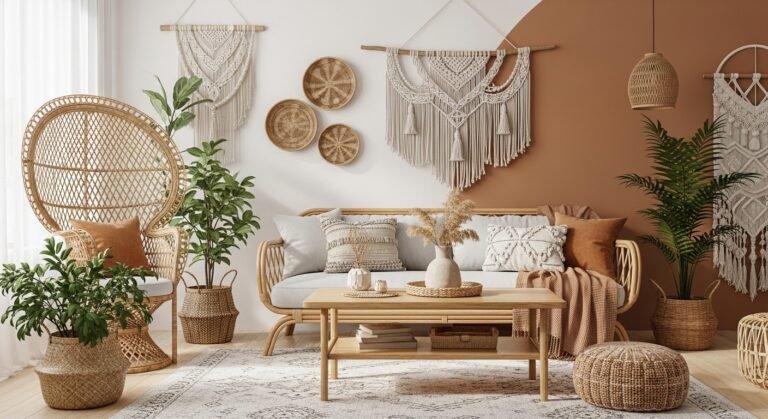
Indoor plants bring life, color, and freshness into your home. They improve air quality and create a calming atmosphere. Choose plants that suit your lighting conditions and maintenance preferences. Decorative pots can also enhance the overall aesthetic. Even a few well-placed plants can make a big difference in your space.
8. Create a Focal Point
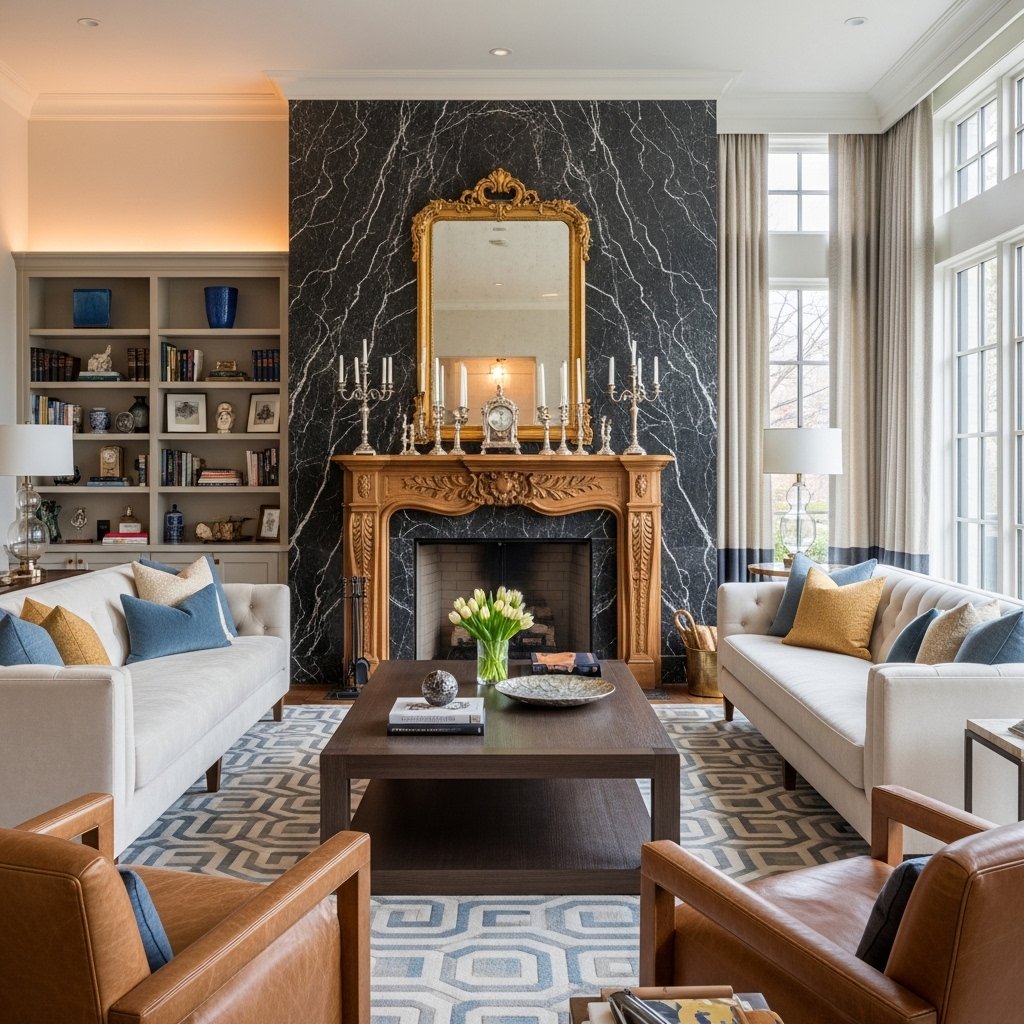
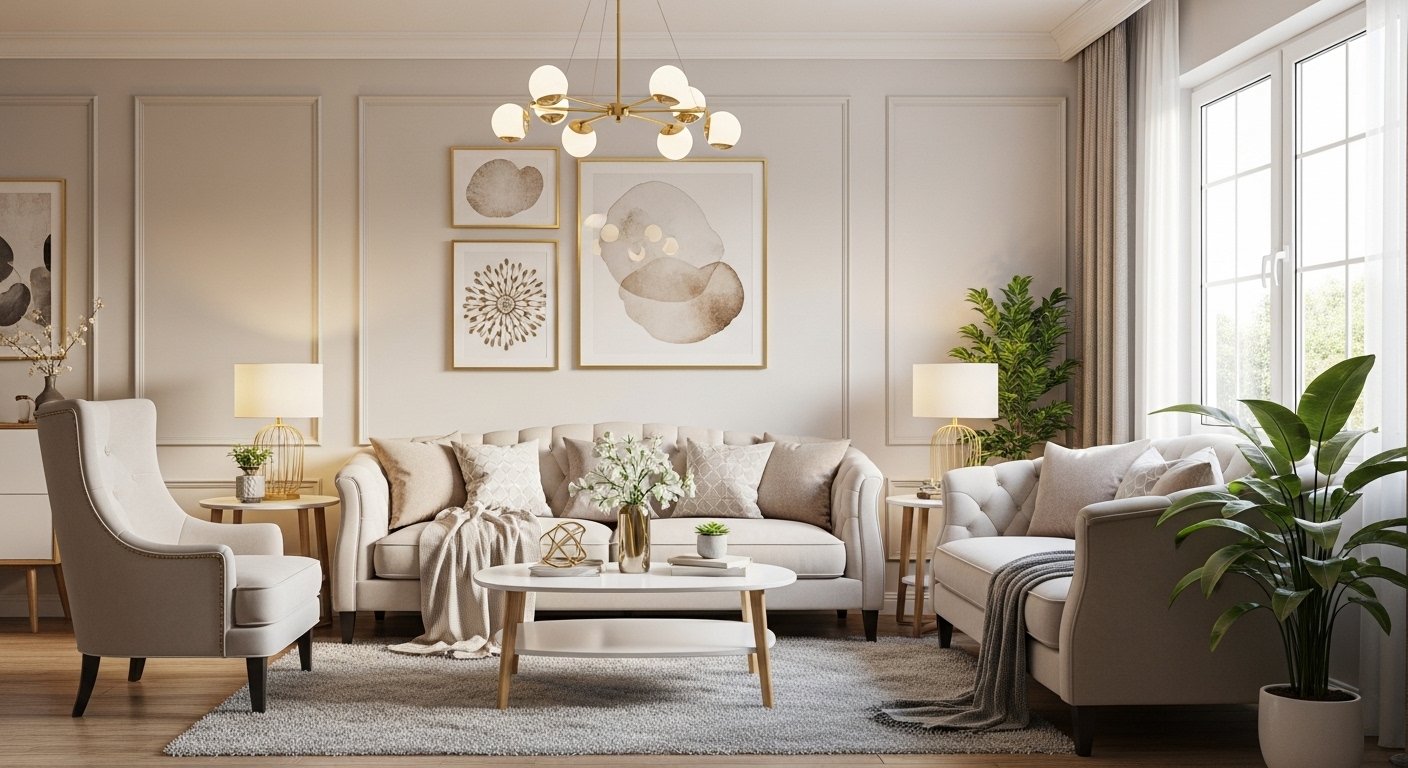
Every well-designed room needs a focal point that draws attention. This could be a statement sofa, a fireplace, a large piece of art, or even a feature wall. Arrange your furniture and decor around this central element. A strong focal point adds structure and purpose to the design. It helps guide the eye and creates visual harmony.
9. Keep Clutter Under Control
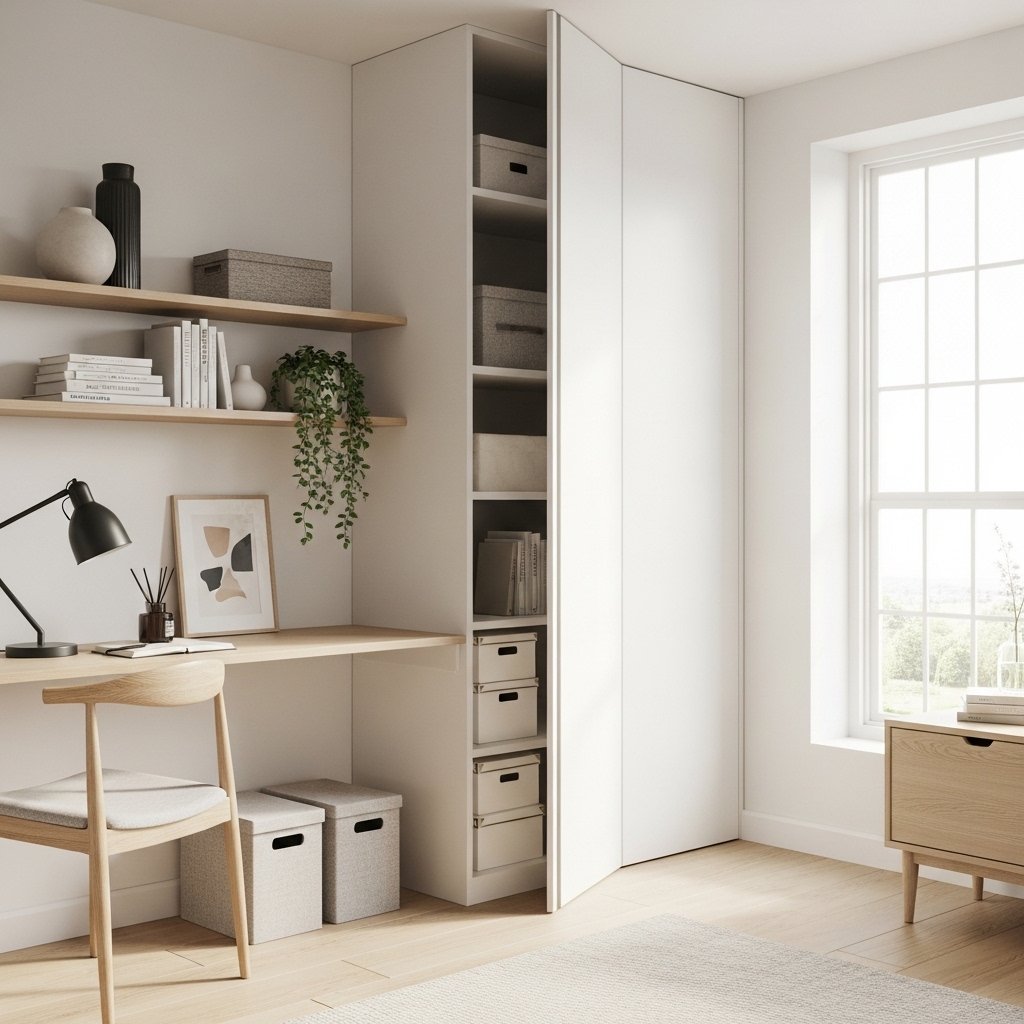
A clutter-free space is essential for a clean and organized look. Use storage solutions like cabinets, shelves, and baskets to keep items neatly arranged. Avoid over-decorating and focus on quality over quantity. Regularly declutter to maintain a fresh and open environment. A tidy space enhances both aesthetics and mental clarity.
10. Personalize Your Space
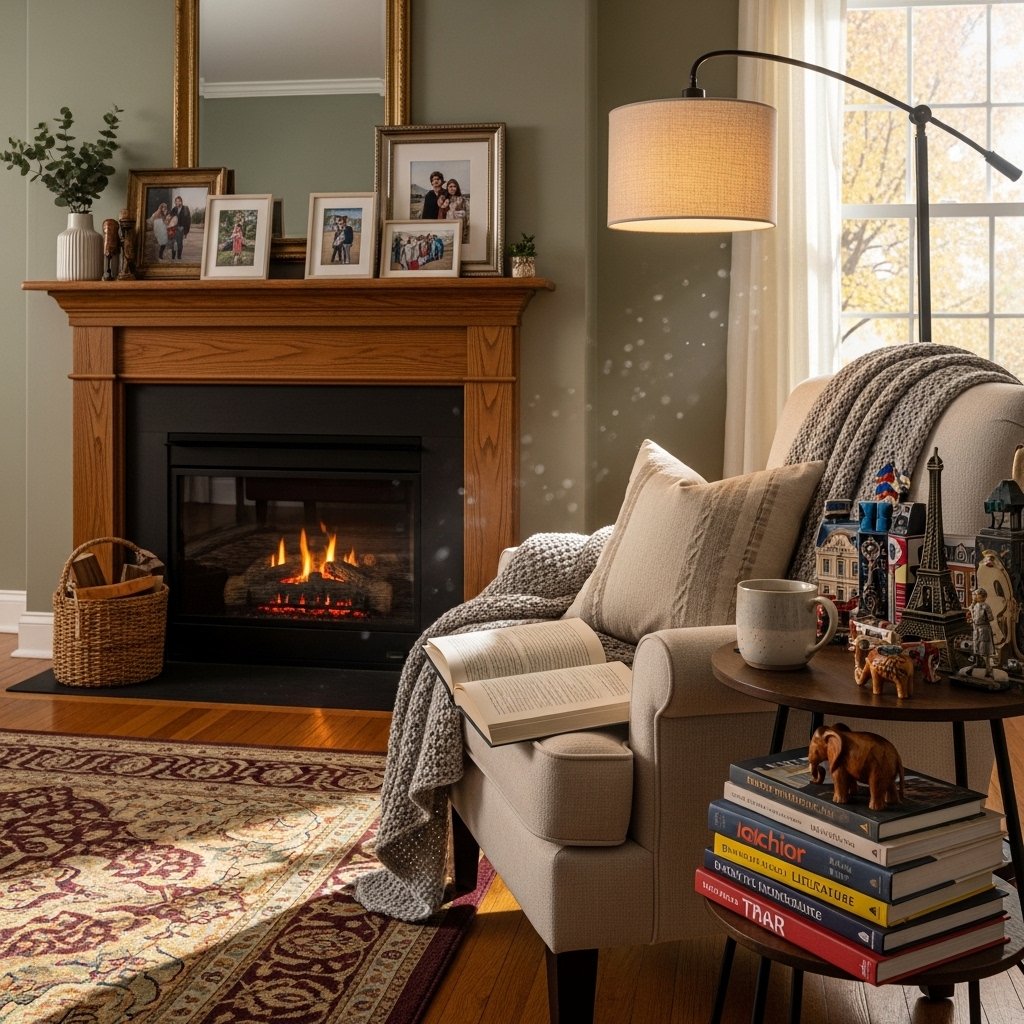
Your home should reflect your personality, interests, and lifestyle. Incorporate personal items like souvenirs, books, or family photos into your decor. These elements make your space unique and meaningful. Balance personal touches with overall design cohesion. Personalization transforms a house into a home.
11. Play with Patterns and Prints
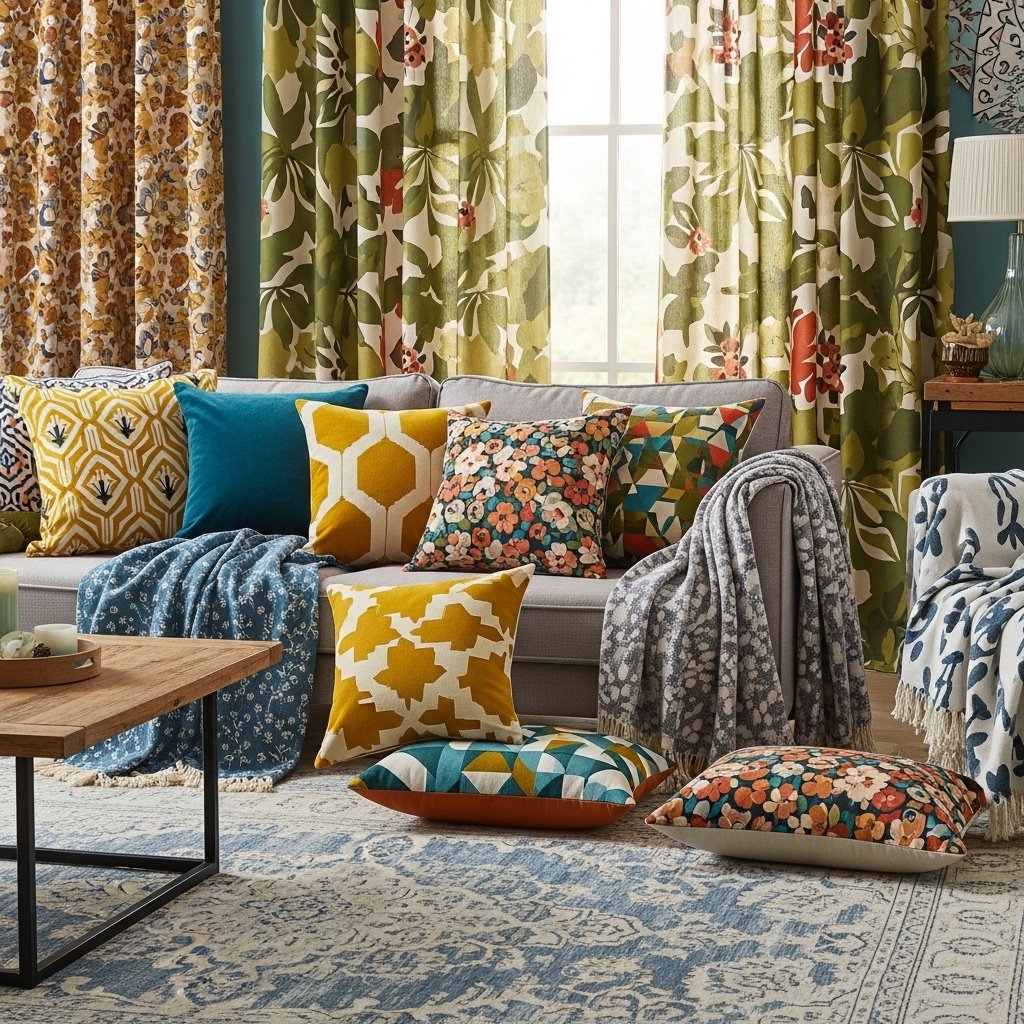
Patterns and prints can add energy and creativity to your interior decoration. Use them in cushions, curtains, wallpapers, or upholstery. Mix patterns carefully by keeping a consistent color palette. Avoid overwhelming the space with too many bold designs. When used correctly, patterns can elevate your decor significantly.
12. Maintain Balance and Symmetry
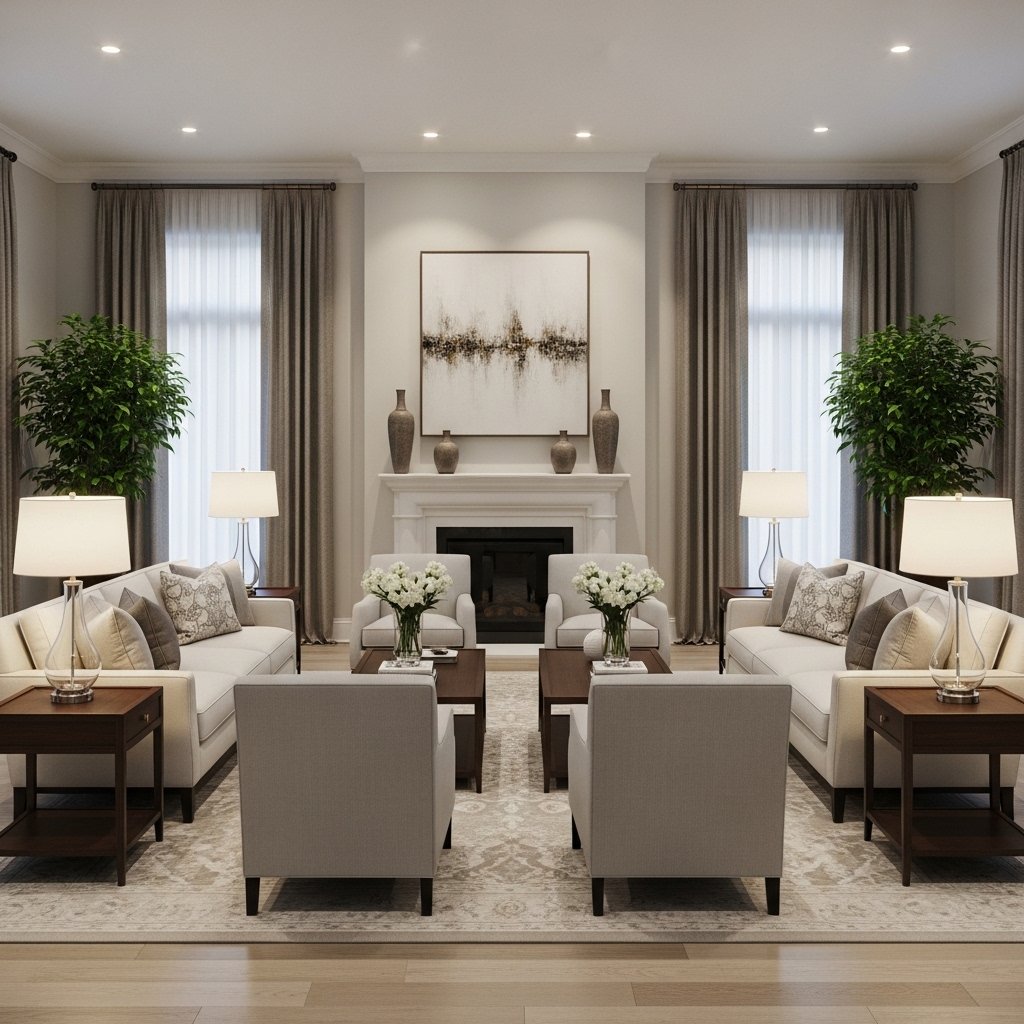
Balance and symmetry are key principles in interior decoration. Arrange furniture and decor in a way that feels visually stable and harmonious. Symmetrical layouts create a formal and organized look, while asymmetry can feel more relaxed and dynamic. Pay attention to proportions and spacing. Achieving balance ensures your space feels comfortable and well-designed.
13. How to Care for Interior Decoration
- Keep It Clean – Dust furniture, decor items, and surfaces regularly to maintain a fresh look.
- Avoid Sunlight Damage – Protect fabrics, colors, and artwork from fading by using curtains or blinds.
- Handle Items Carefully – Place decor pieces on stable surfaces to prevent damage or breakage.
- Maintain Fabrics – Clean curtains, cushions, and rugs regularly to keep them fresh and neat.
- Update & Refresh – Rearrange or change small decor items to keep your space stylish and new.
13.1. FAQ
13.2. What is interior decoration❓
Interior decoration is the process of designing and arranging items inside a space to make it look beautiful and comfortable. It includes choosing colors, furniture, lighting, and decorative items like curtains, rugs, and wall art. The goal is to create a space that is both attractive and functional for daily living.
13.3. Why is interior decoration important❓
Interior decoration is important because it improves the look and feel of a space. A well-decorated room can make people feel relaxed, happy, and comfortable. It also helps in using space properly and creating a positive environment in homes, offices, or any indoor area.
13.4. How can I start interior decoration at home❓
You can start interior decoration at home by first choosing a theme or style you like. Then select matching colors, arrange furniture properly, and add simple decor items like cushions, plants, or wall art. Starting with small changes and keeping things organized can make a big difference.
14. Final Thoughts
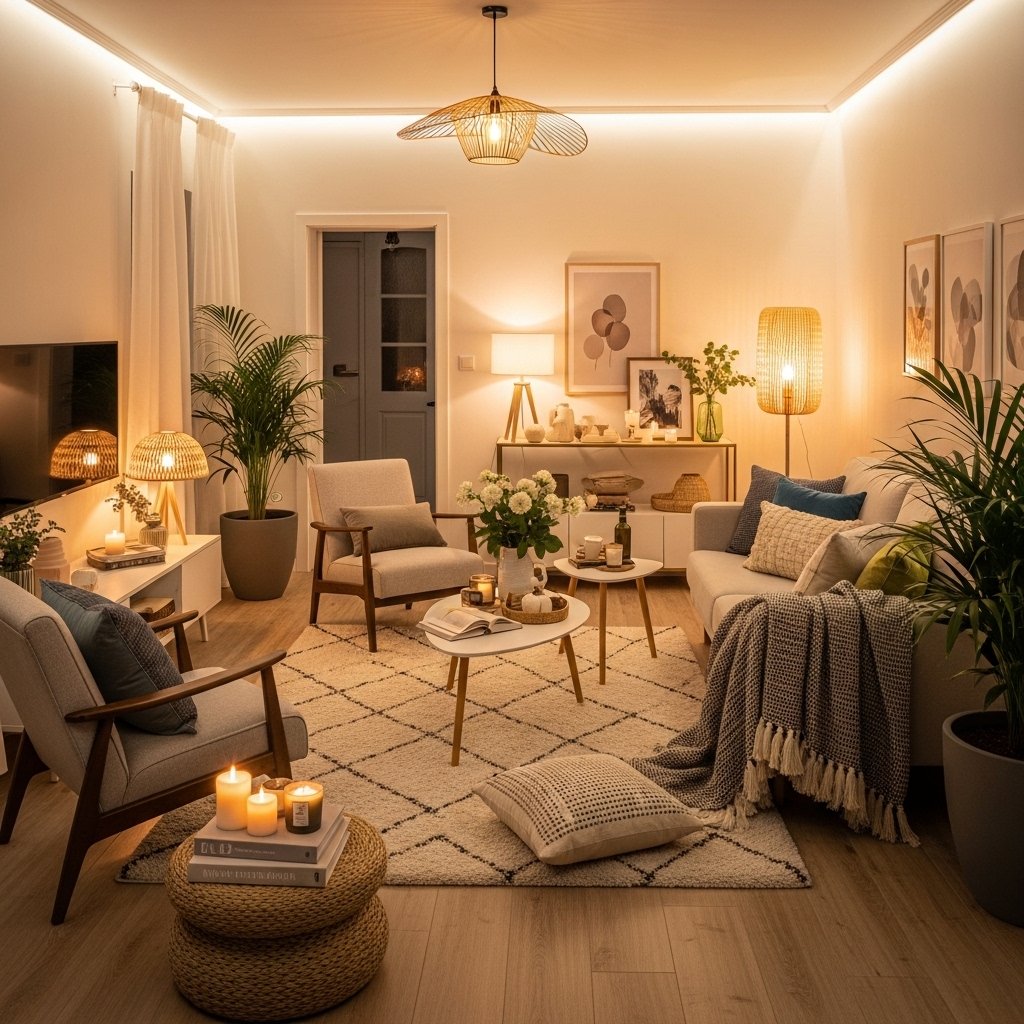
Interior decoration is a powerful way to transform your living space into something both beautiful and functional. By focusing on elements like color, texture, lighting, and personalization, you can create an environment that suits your lifestyle and preferences. The key is to maintain balance while expressing your unique style through thoughtful design choices. Whether you are decorating a single room or your entire home, these ideas provide a strong foundation for success. With creativity and attention to detail, you can turn any space into a stylish and inviting sanctuary.