Japandi Minimalist Interior: A Perfect Blend of Simplicity and Warmth
Blog > Home > Modern interior > Japandi Minimalist Interior: A Perfect Blend of Simplicity and Warmth
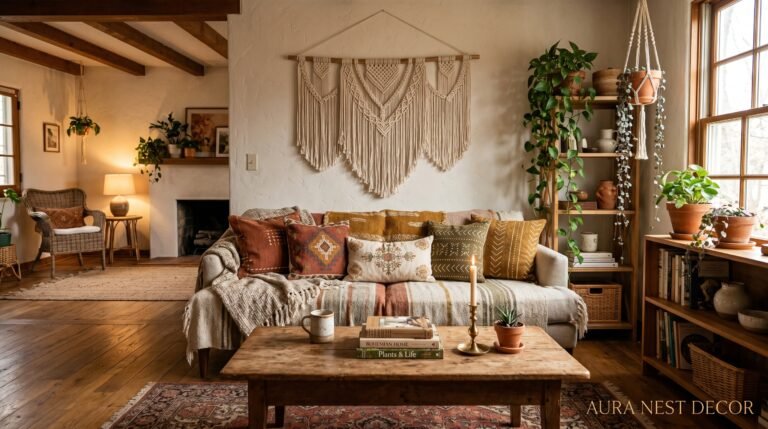
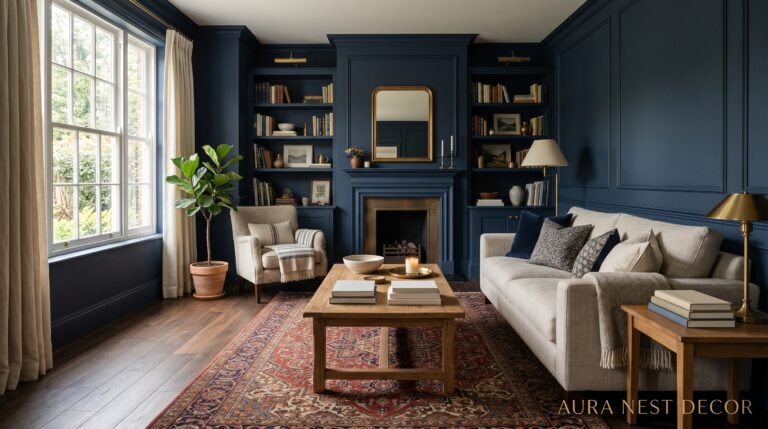
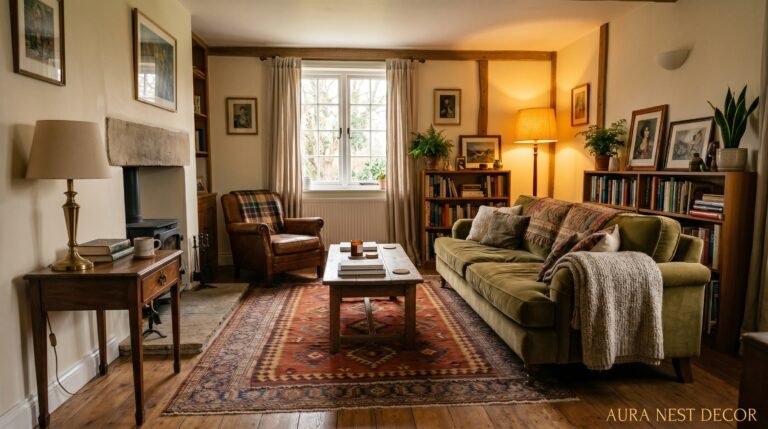
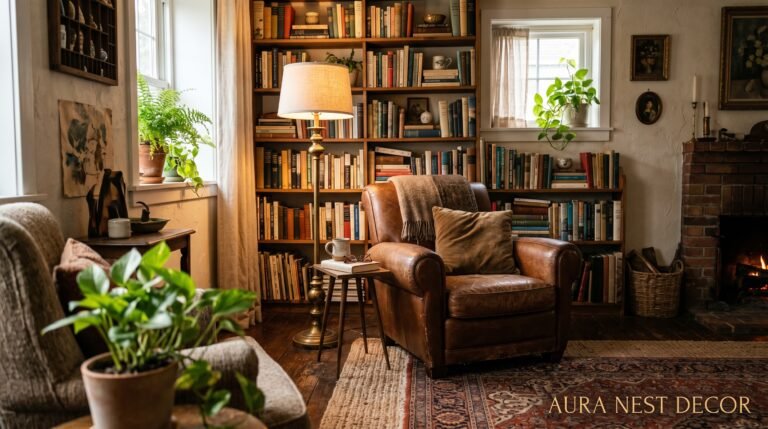
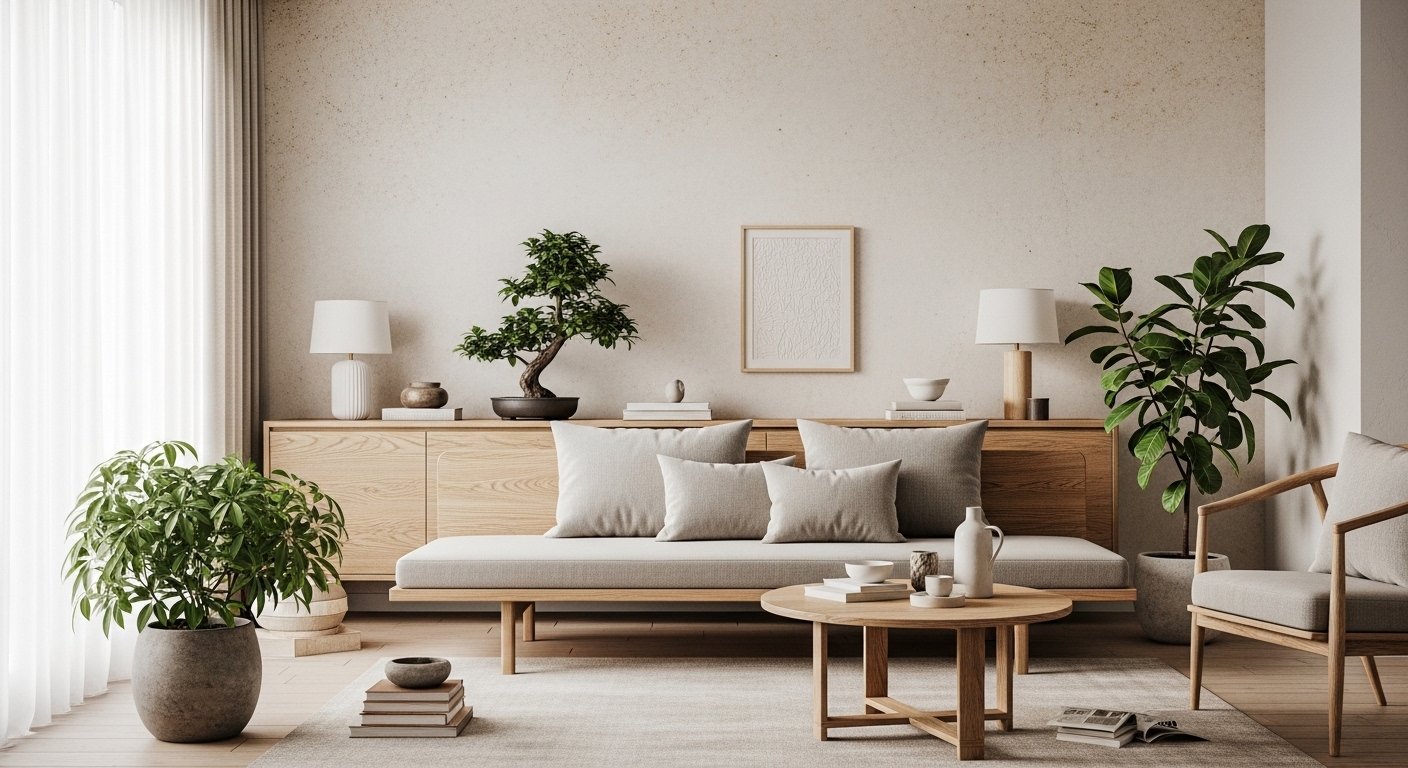
Japandi minimalist interior design is a harmonious fusion of Japanese and Scandinavian aesthetics, combining functionality with natural beauty. This design style focuses on simplicity, clean lines, and a clutter-free environment while still maintaining a warm and inviting atmosphere. By blending the elegance of Japanese minimalism with the coziness of Scandinavian interiors, Japandi creates spaces that feel both modern and timeless. It emphasizes quality over quantity, encouraging mindful living and intentional design choices. In this article, you’ll explore 12 inspiring Japandi minimalist interior ideas to transform your home into a serene and stylish sanctuary.
Table Of Content
1. Neutral Color Palette with Earthy Tones
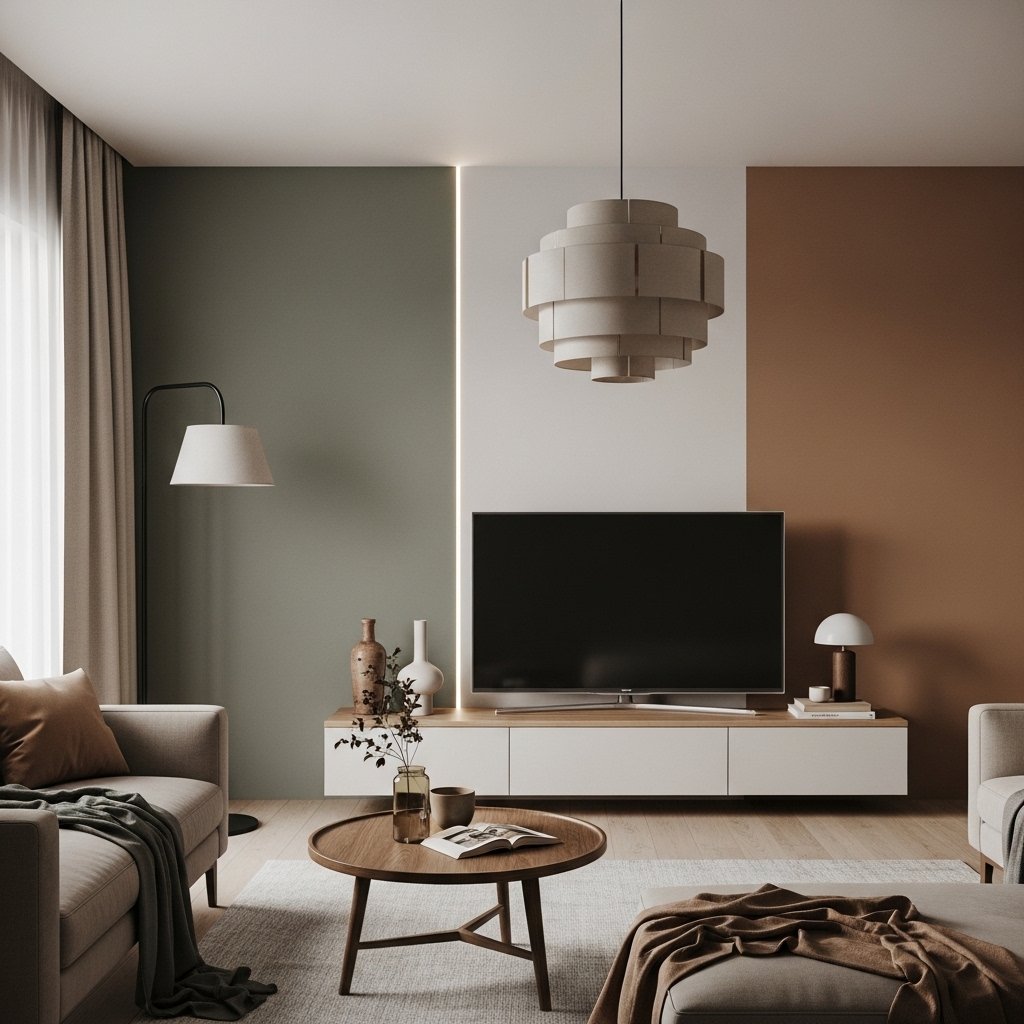
A Japandi minimalist interior begins with a calming neutral color palette that sets the tone for the entire space. Shades like beige, cream, soft gray, and muted whites create a clean and open feel. Earthy tones such as warm browns and subtle greens add depth and warmth without overwhelming the design. This balanced palette reflects nature and promotes relaxation within the home. Keeping colors understated ensures a cohesive and timeless aesthetic.
2. Functional and Simple Furniture
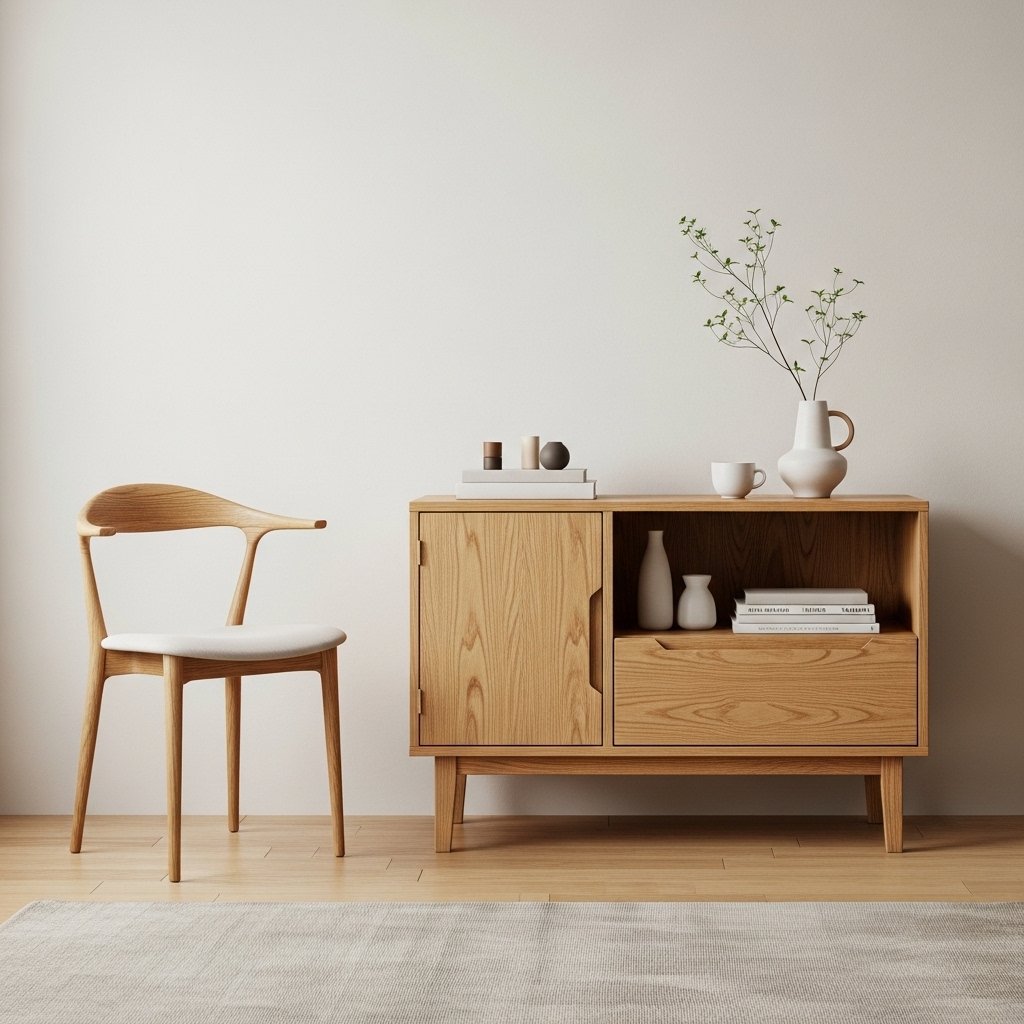
Furniture in a Japandi minimalist interior is all about simplicity and functionality. Pieces are designed with clean lines, low profiles, and minimal ornamentation. Each item serves a purpose, avoiding unnecessary clutter while enhancing usability. Natural materials like wood are often used to maintain a connection to nature. This approach ensures that every piece contributes to both form and function.
3. Decluttered and Open Spaces
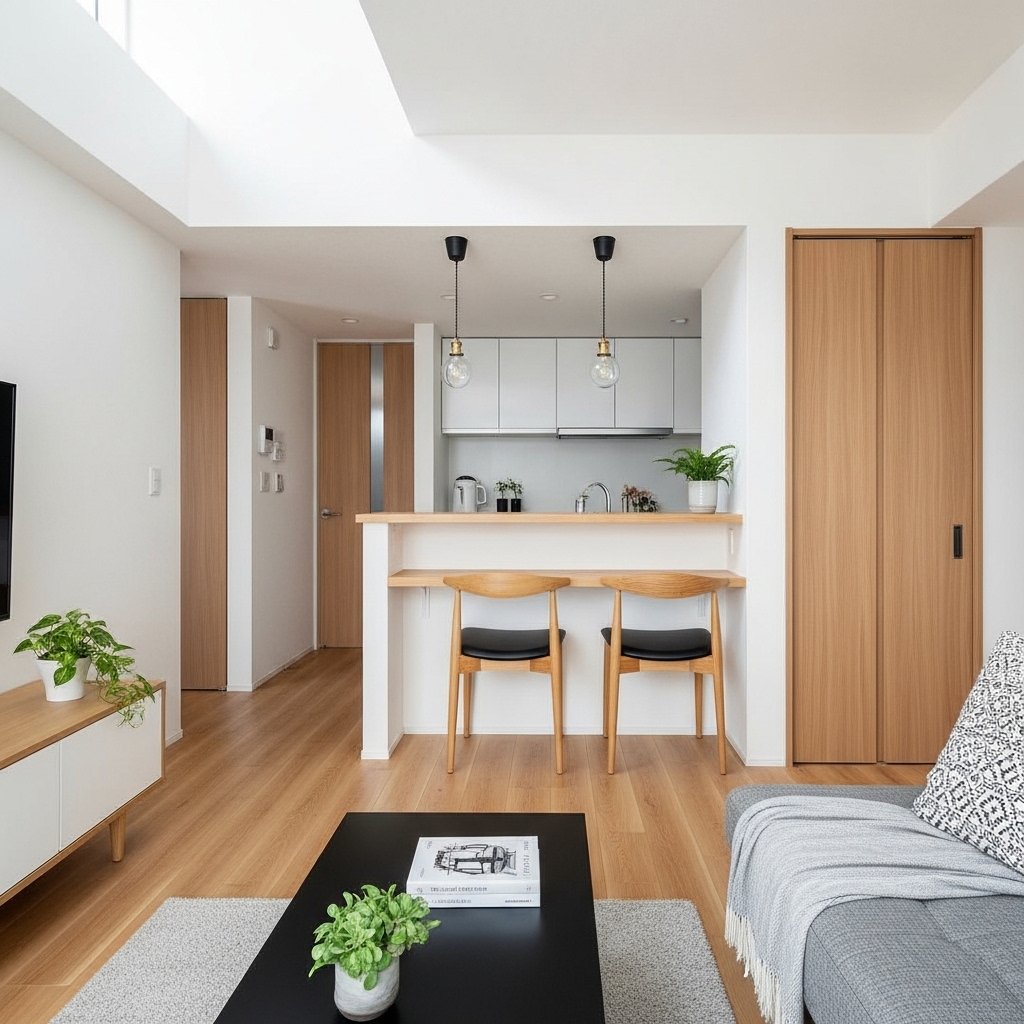
One of the core principles of Japandi design is maintaining a clutter-free environment. Open spaces allow for better movement and create a sense of calm and order. Storage solutions are often hidden or seamlessly integrated into the design. By reducing visual noise, the space feels more peaceful and organized. This minimalist approach encourages mindful living and intentional use of space.
4. Natural Materials and Textures
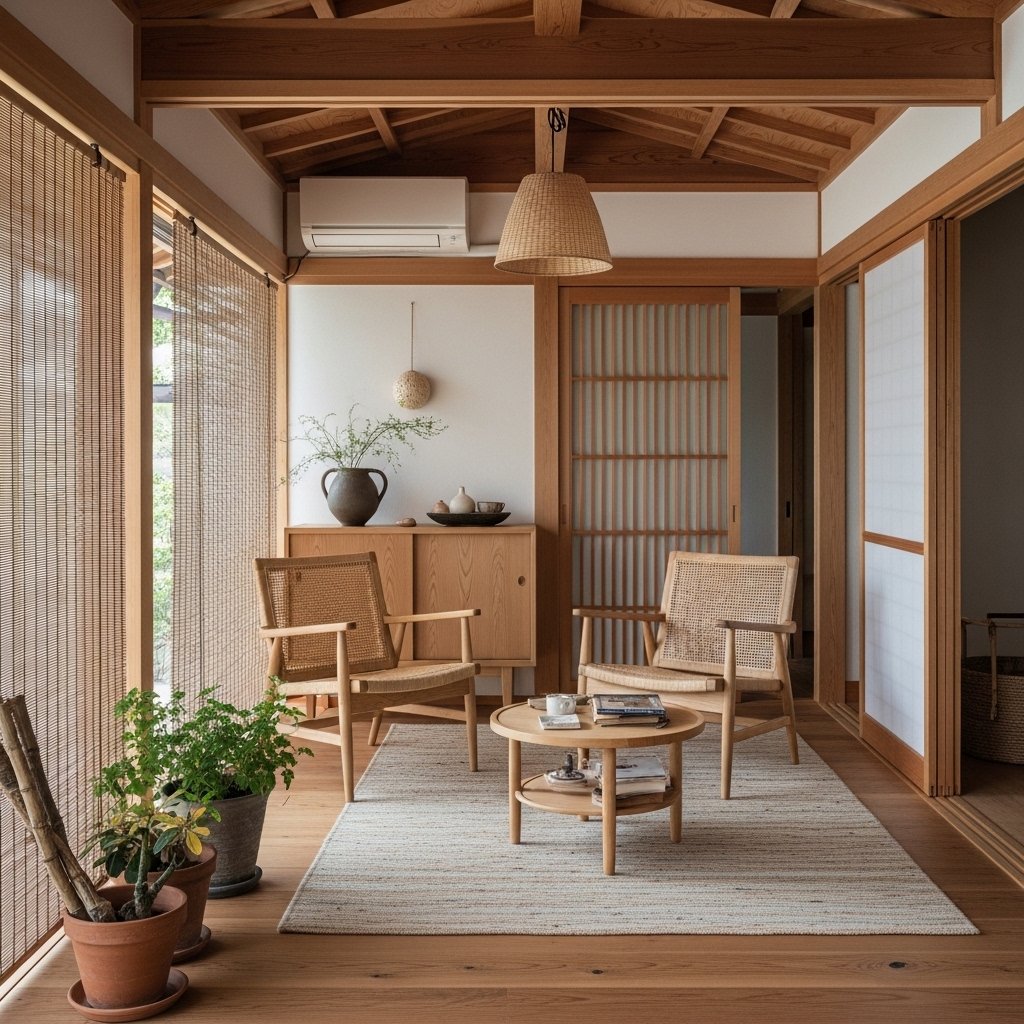
Japandi interiors heavily rely on natural materials to create warmth and authenticity. Wood, bamboo, linen, and stone are commonly used throughout the space. These materials add texture and visual interest while maintaining a simple aesthetic. The combination of different textures creates depth without adding clutter. Natural elements help bring a sense of the outdoors inside.
5. Soft and Ambient Lighting
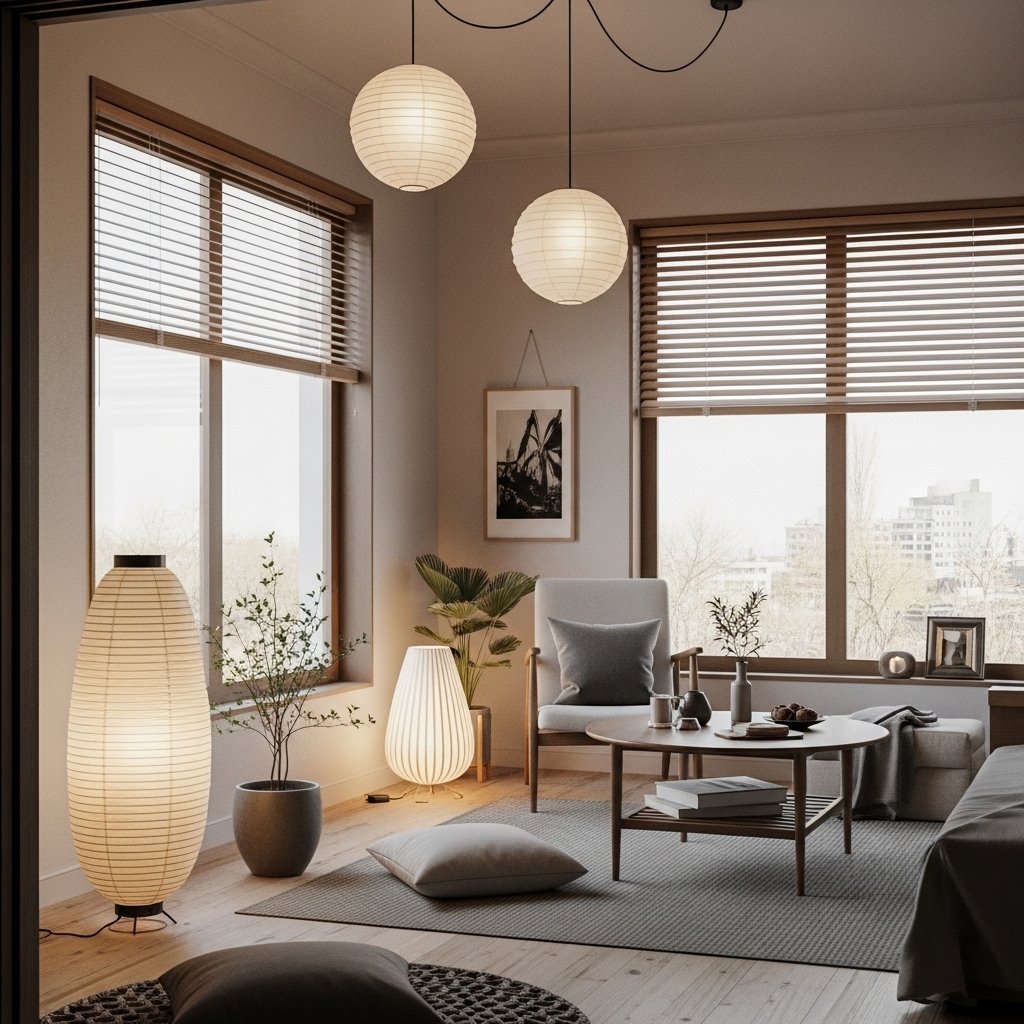
Lighting plays a crucial role in achieving the Japandi minimalist interior look. Soft, warm lighting creates a cozy and inviting atmosphere. Paper lanterns, simple pendant lights, and floor lamps are commonly used. Natural light is also maximized through large windows and minimal window coverings. This layered lighting approach enhances the overall ambiance of the space.
6. Low-Profile Design Elements
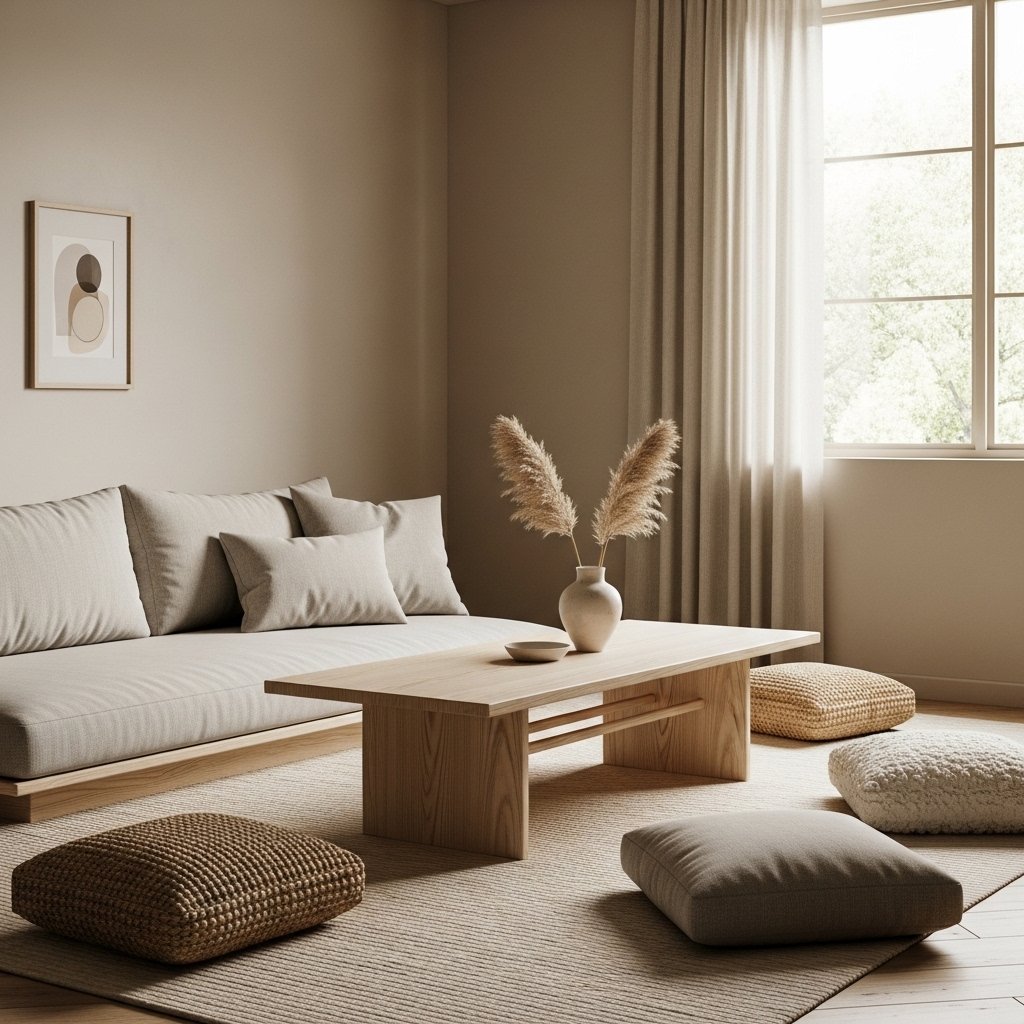
Japandi interiors often feature low-profile furniture and decor inspired by Japanese design. Low sofas, floor cushions, and simple tables create a grounded and balanced look. This design approach emphasizes comfort and connection to the space. It also helps make rooms feel more open and less crowded. The result is a calming and harmonious environment.
7. Minimal Decor with Meaning
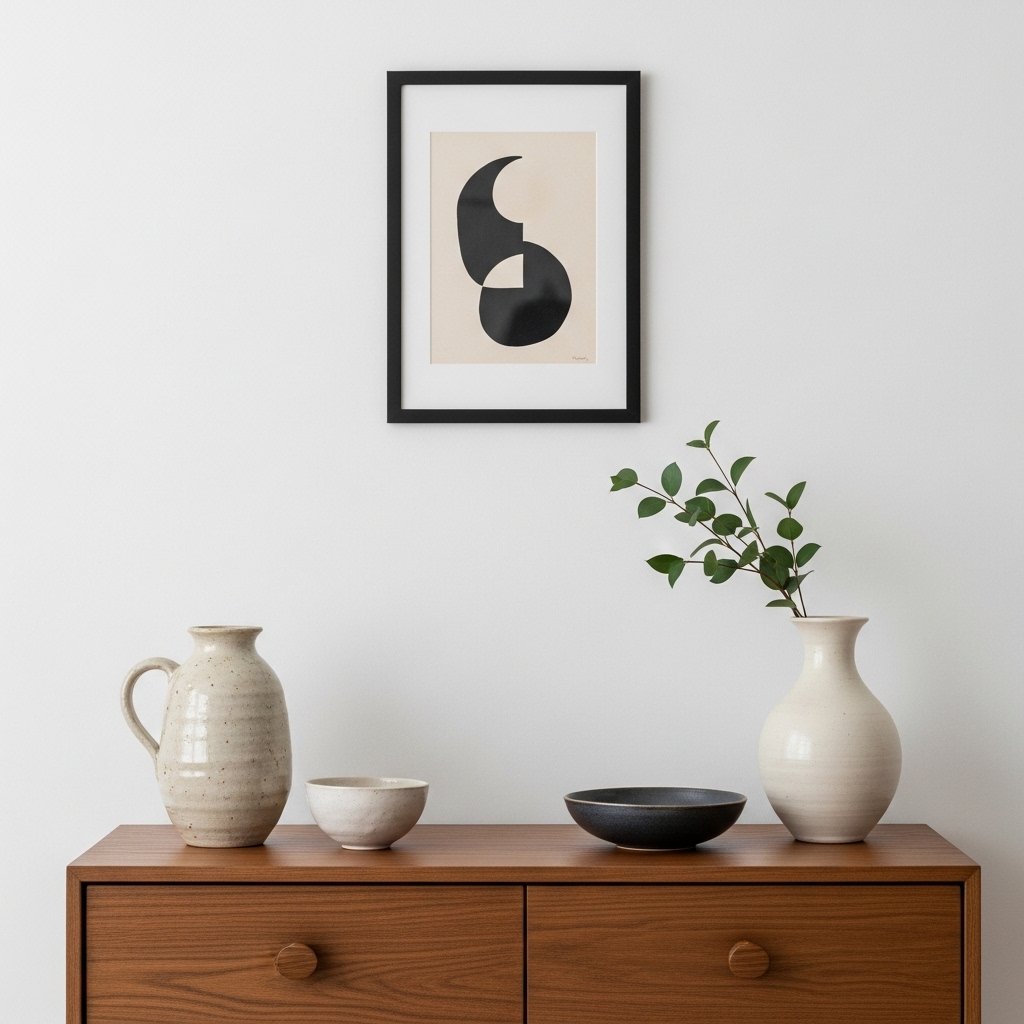
In Japandi design, less is more when it comes to decoration. Instead of filling spaces with numerous items, focus on a few meaningful pieces. Handmade ceramics, simple artwork, or a single vase can serve as focal points. Each decor item should have a purpose or story behind it. This thoughtful approach keeps the space clean and intentional.
8. Indoor Plants for a Natural Touch
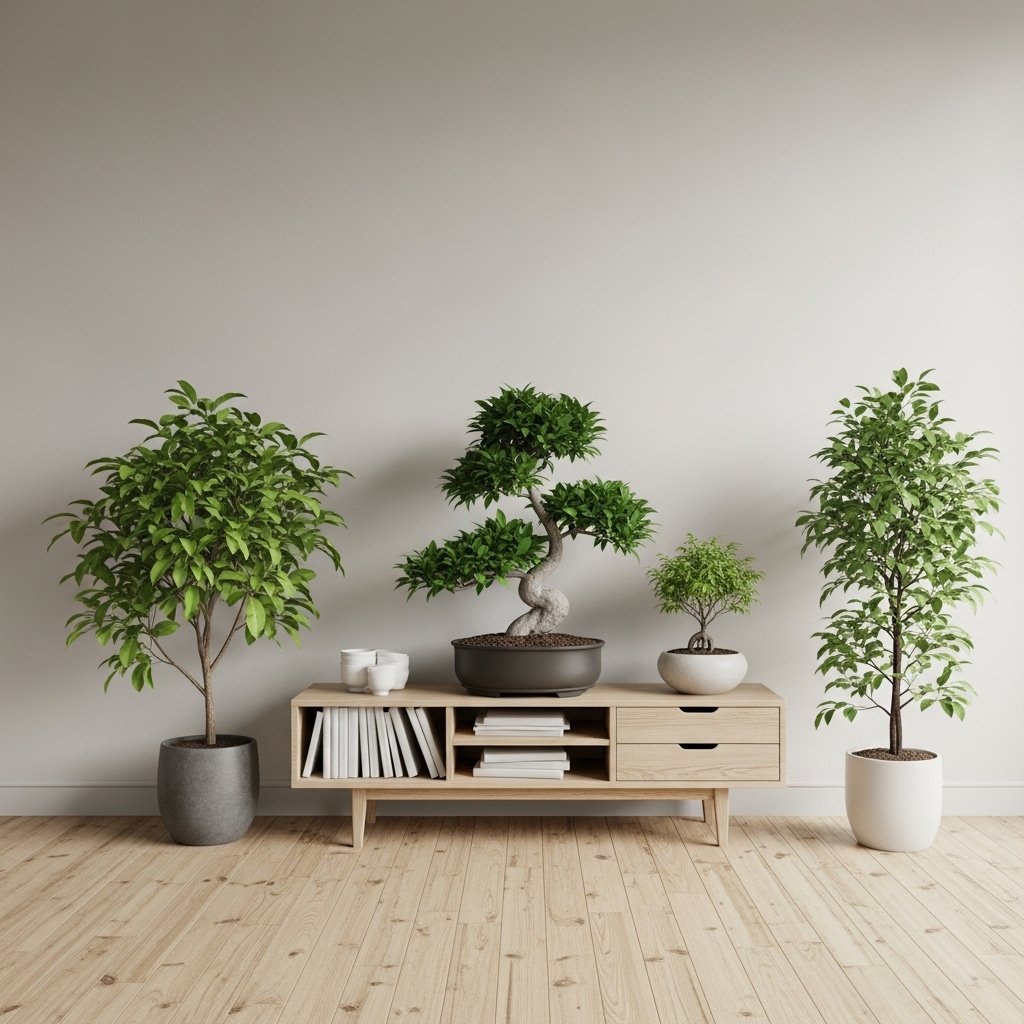
Adding greenery is a key element of Japandi minimalist interiors. Indoor plants bring life and freshness to the space without disrupting the minimalist aesthetic. Choose simple, low-maintenance plants with clean shapes and muted tones. Plants like bonsai or leafy greens complement the natural theme beautifully. They also improve air quality and enhance overall well-being.
9. Neutral and Textured Fabrics
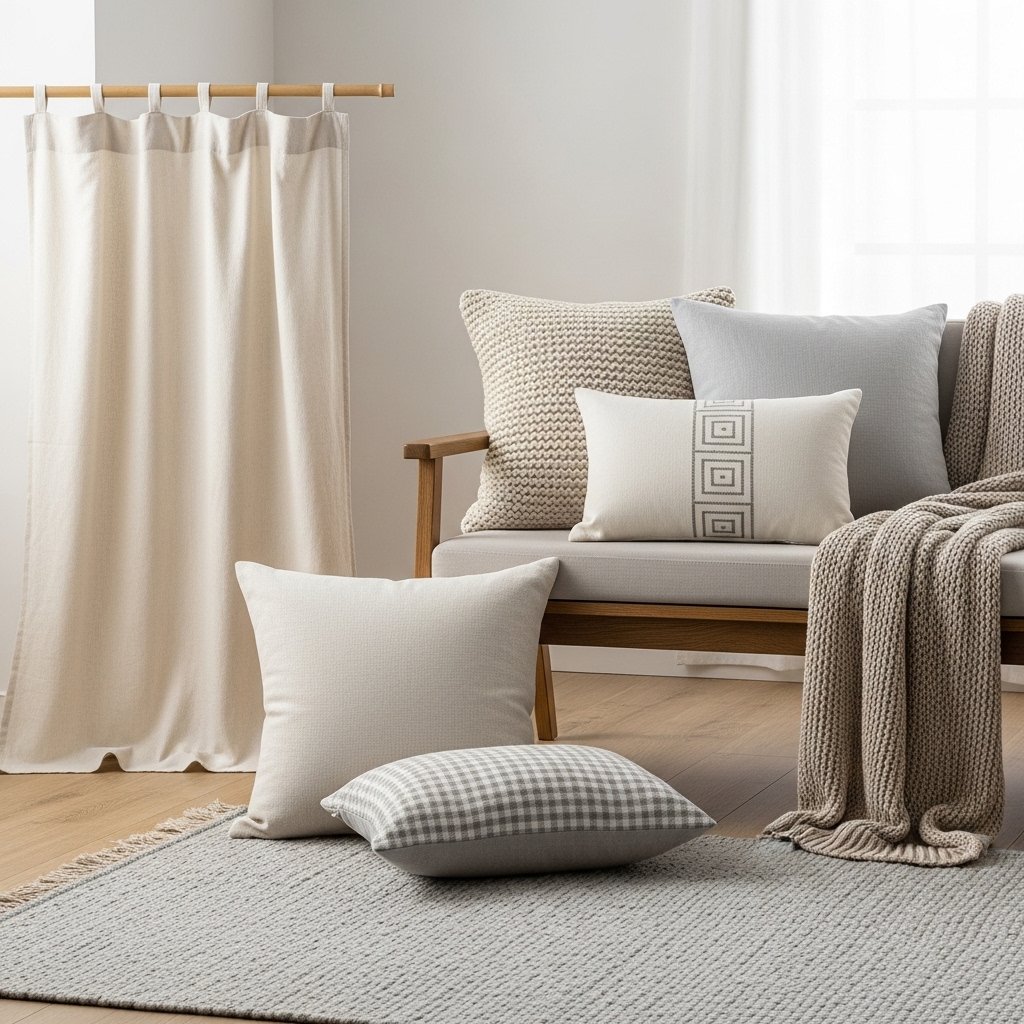
Textiles in Japandi interiors are kept simple yet rich in texture. Linen, cotton, and wool are commonly used for curtains, rugs, and cushions. Neutral colors ensure that fabrics blend seamlessly with the overall design. Layering different textures adds comfort and visual interest. This creates a cozy environment while maintaining a minimalist look.
10. Handcrafted and Artisan Pieces
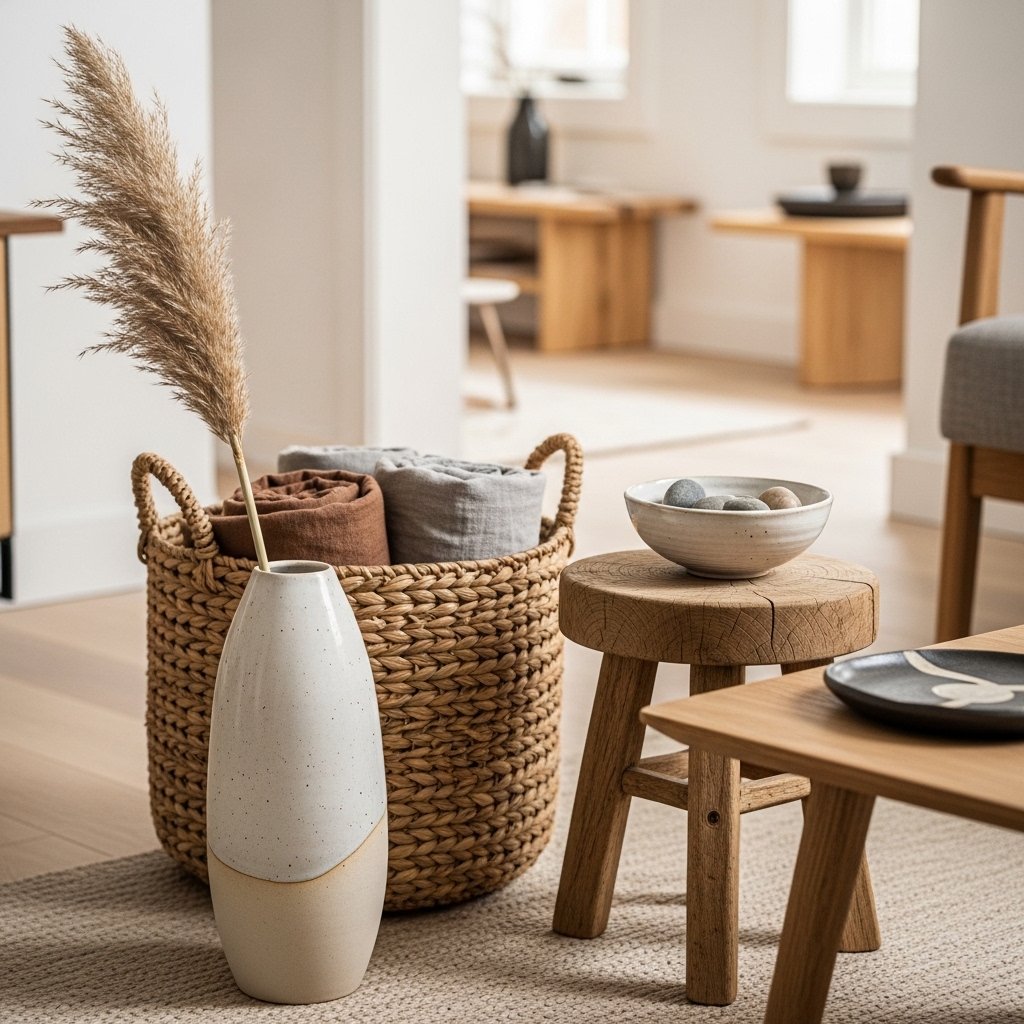
Japandi design celebrates craftsmanship and authenticity through handmade items. Artisan pieces such as pottery, woven baskets, and wooden decor add character to the space. These elements reflect the Japanese concept of appreciating imperfection and natural beauty. Incorporating handcrafted items makes the interior feel unique and personal. It also supports sustainable and mindful living.
11. Balanced Symmetry and Asymmetry
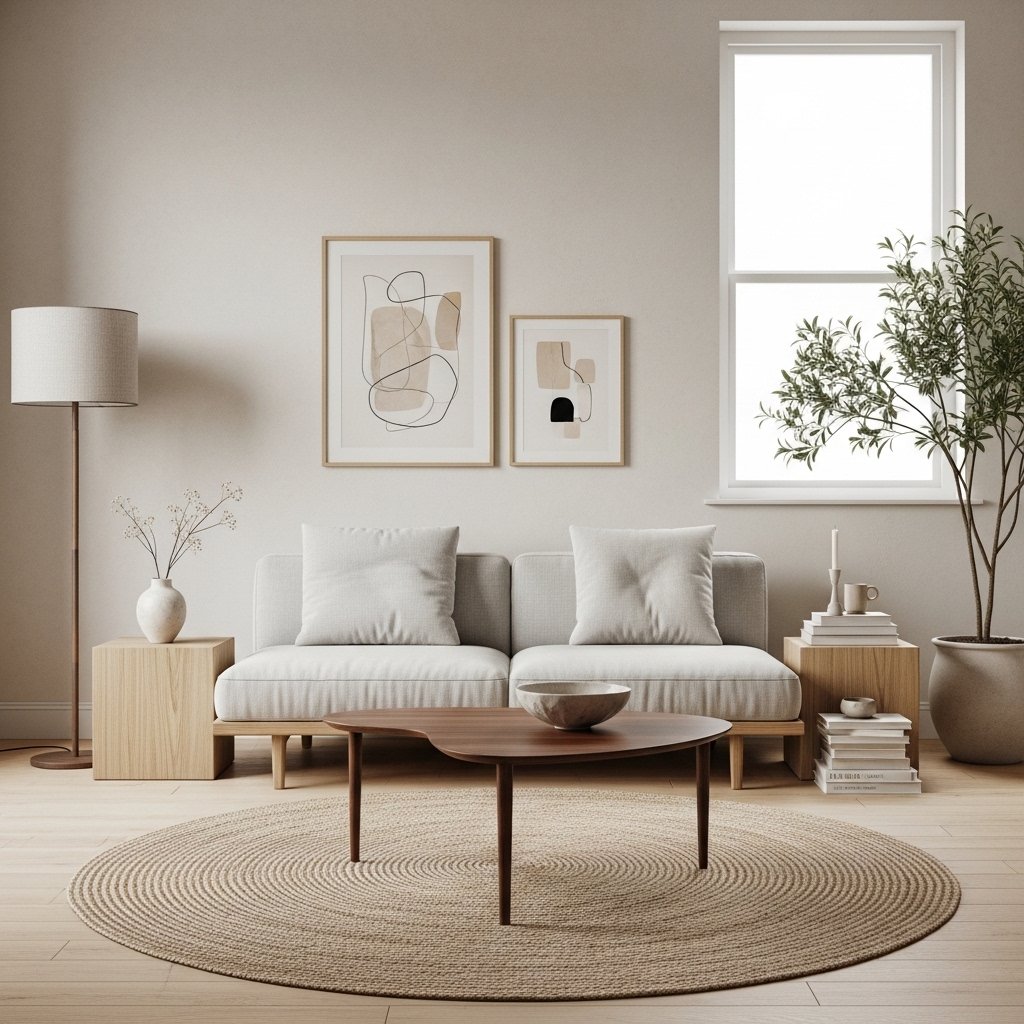
A Japandi minimalist interior finds balance between symmetry and asymmetry. While Scandinavian design often leans toward symmetry, Japanese design embraces asymmetrical arrangements. Combining both creates a visually interesting yet harmonious space. Furniture and decor are arranged thoughtfully to maintain balance without feeling rigid. This approach adds a subtle artistic touch to the interior.
12. Calm and Mindful Living Spaces
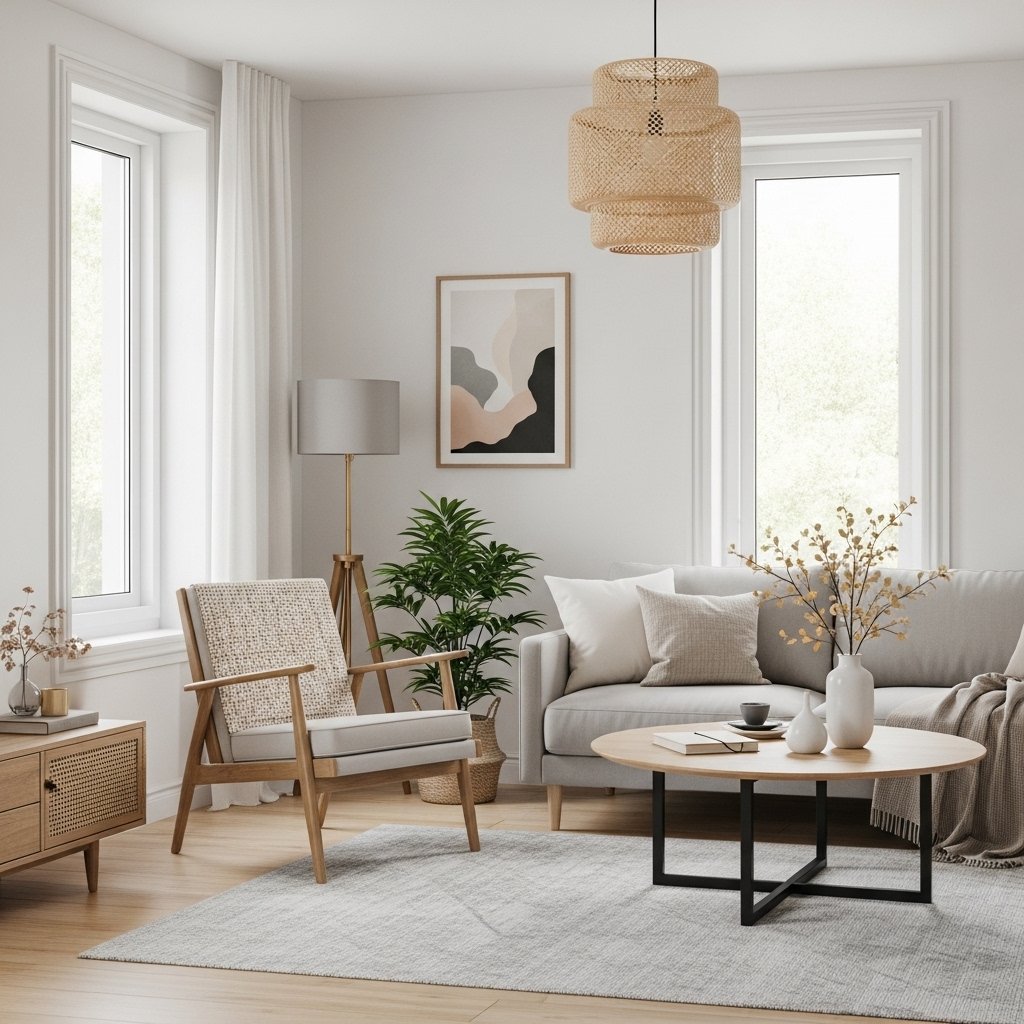
Ultimately, Japandi design is about creating a space that promotes calm and mindfulness. Every element is chosen with intention to support a peaceful lifestyle. The environment encourages relaxation, focus, and a deeper connection to daily living. Clean lines, natural materials, and minimal clutter all contribute to this atmosphere. A Japandi minimalist interior becomes more than just a design style—it becomes a way of life.
13. How to Care for Japandi Minimalist Interior
- Keep It Clutter-Free – Remove unnecessary items and keep only essential decor for a clean look.
- Clean Regularly – Dust surfaces, wooden furniture, and decor to maintain a fresh space.
- Use Soft Lighting – Maintain calm lighting to keep the peaceful Japandi feel.
- Protect Natural Materials – Take care of wood, linen, and other natural elements to avoid damage.
- Refresh Simply – Make small changes like rearranging items to keep the space calm and stylish.
13.1. FAQ
13.2. What is Japandi minimalist interior❓
Japandi minimalist interior is a design style that combines Japanese simplicity with Scandinavian comfort. It focuses on clean lines, neutral colors, and functional furniture. This style creates a calm and peaceful space by removing clutter and keeping only essential items, making the home feel balanced and relaxing.
13.3. Why choose Japandi style for home decor❓
Japandi style is a great choice because it brings a sense of peace and simplicity to your home. It helps reduce stress by creating a clean and organized environment. The combination of natural materials and soft colors makes the space feel warm, modern, and comfortable at the same time.
13.4. What colors are used in Japandi interiors❓
Japandi interiors mainly use neutral and earthy colors such as white, beige, grey, soft brown, and muted green. These colors create a calm and natural look. Dark accents like black or deep wood tones are also used to add contrast and make the design more balanced.
14. Final Thoughts
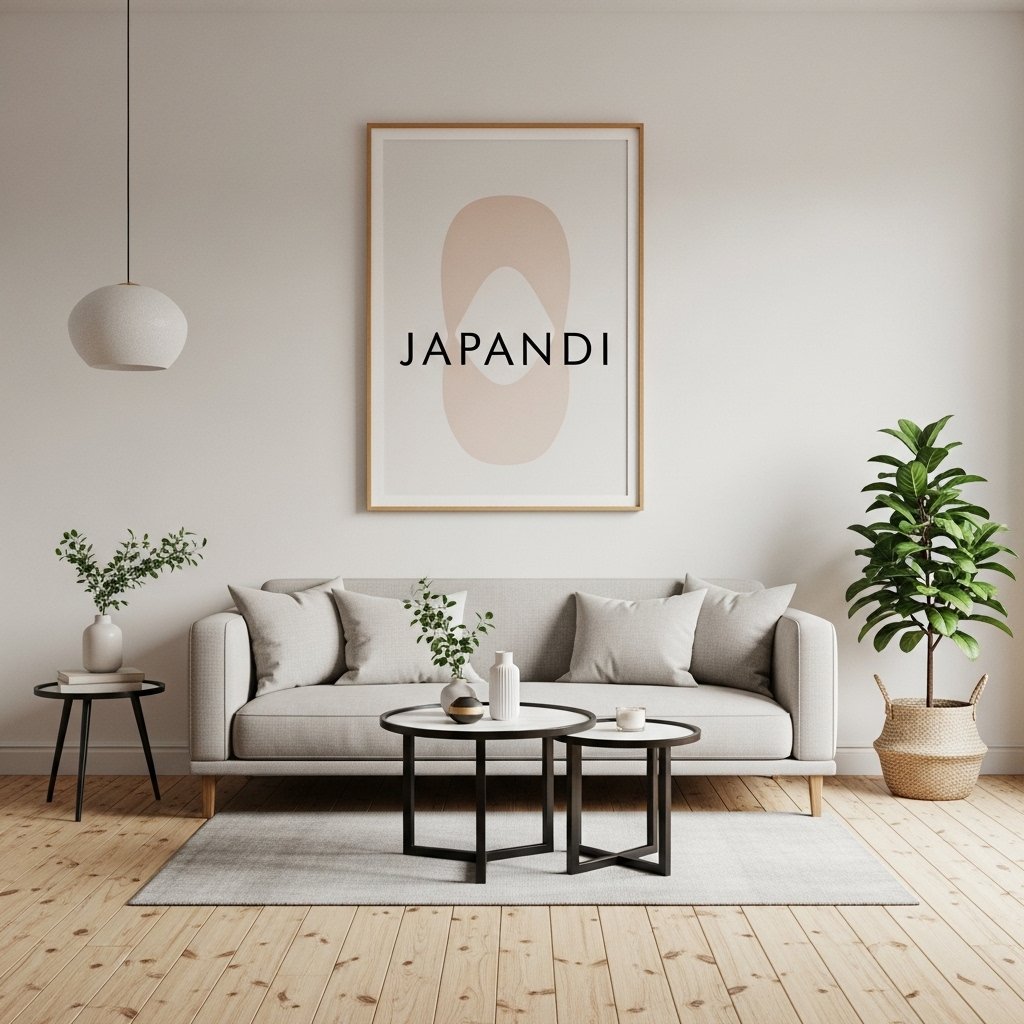
Japandi minimalist interior design offers a perfect balance between simplicity, functionality, and warmth. By combining the best elements of Japanese and Scandinavian styles, it creates spaces that are both beautiful and practical. This approach encourages mindful living, focusing on quality, comfort, and intentional design. Whether you’re redesigning a single room or your entire home, Japandi principles can help you achieve a and elegant environment. Embracing this style allows you to create a home that feels peaceful, organized, and truly timeless.