Relaxing Small Bedroom Design: 12 Cozy Ideas to Transform Your Space
Blog > Home > Cozy Small Bedroom Ideas > Relaxing Small Bedroom Design: 12 Cozy Ideas to Transform Your Space
A small bedroom doesn’t have to feel cramped or cluttered. With thoughtful design choices, even a tiny room can become a relaxing retreat that promotes rest and comfort. The key to a soothing small bedroom design lies in balancing functionality with aesthetics, incorporating calming colors, smart storage, and cozy textures. Minimalism, strategic lighting, and multipurpose furniture play a vital role in maximizing space without compromising style. In this guide, we will explore twelve relaxing small bedroom design ideas to help you create a serene and inviting personal sanctuary.

Table Of Content
1. Use a Neutral Color Palette
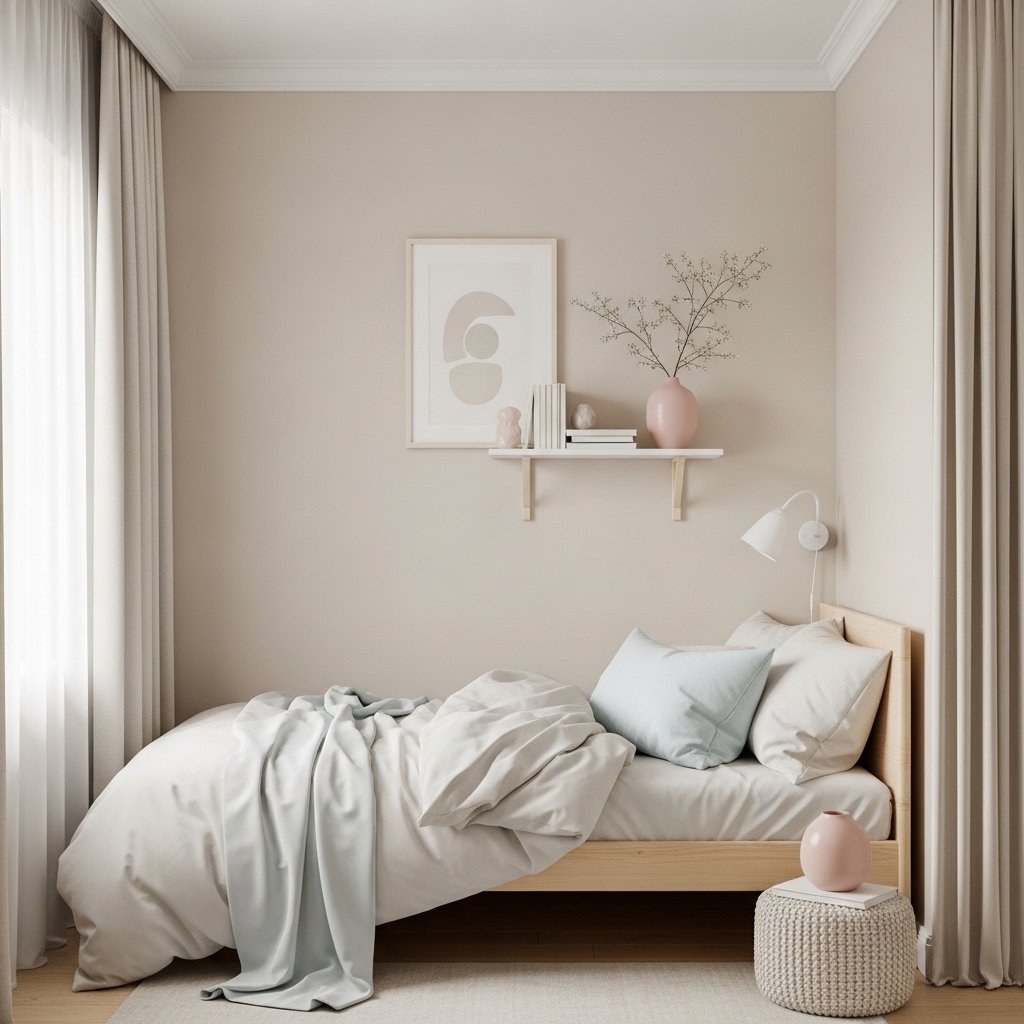
Neutral colors instantly make small spaces feel open and calm. Shades like soft beige, pale gray, or creamy white provide a peaceful backdrop and reflect natural light effectively. Painting walls and choosing matching bedding in light tones creates a sense of continuity and openness. Accents in muted pastels or soft metallics can add warmth without overwhelming the room. Neutral palettes are versatile, allowing you to change décor or accessories easily while maintaining a relaxing vibe.
2. Choose Multipurpose Furniture
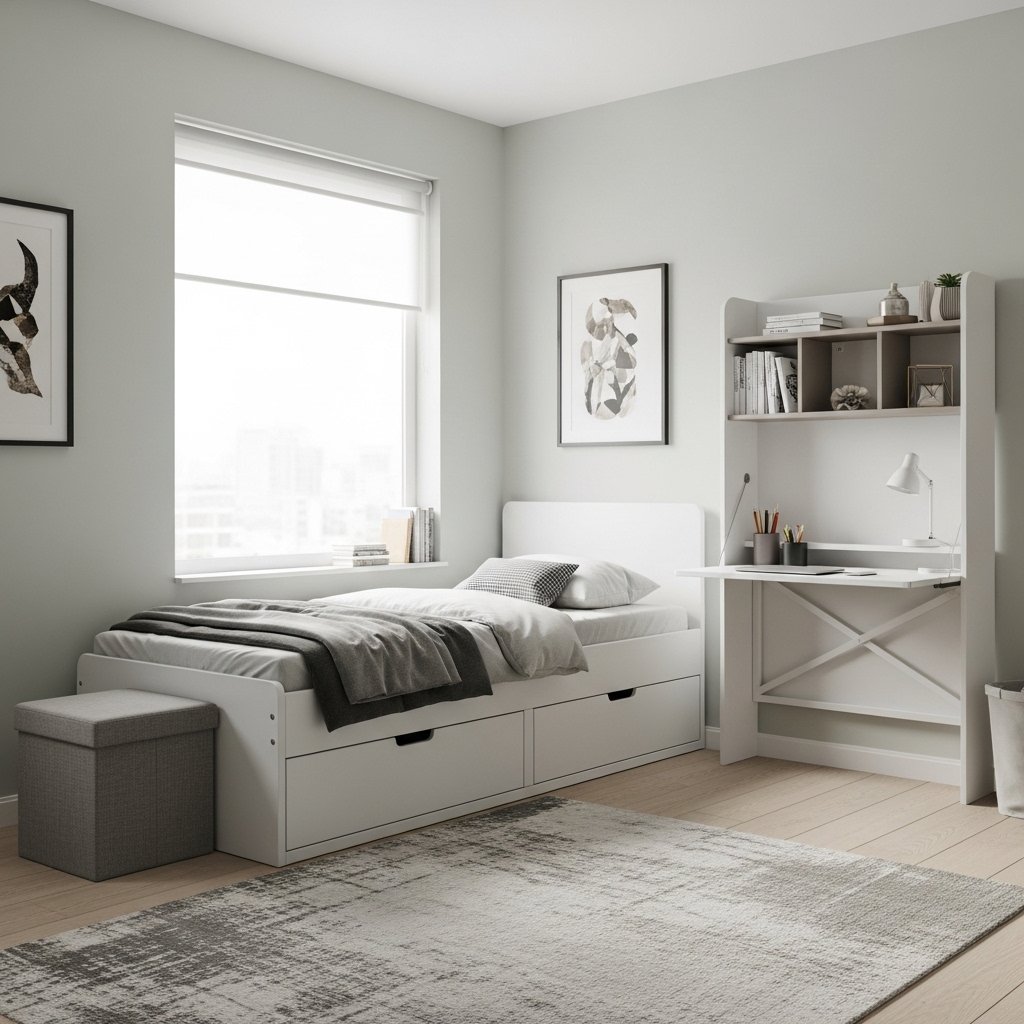
Multipurpose furniture is a game-changer for small bedrooms. Beds with built-in storage drawers, foldable desks, or ottomans with hidden compartments help maximize floor space. This reduces clutter while keeping essentials within reach, which is crucial for a relaxing environment. Opting for sleek, compact furniture ensures the room doesn’t feel overcrowded. Multipurpose pieces also allow flexibility in rearranging the space for different activities, such as reading, working, or meditating.
3. Optimize Natural Light

Natural light instantly makes a small bedroom feel airy and calming. Positioning the bed or seating near a window allows sunlight to flow in and highlight the room’s best features. Light, sheer curtains provide privacy without blocking brightness. Mirrors strategically placed across from windows reflect light and create the illusion of more space. Maximizing daylight not only enhances aesthetics but also contributes to mental well-being, making the room feel inviting and restful.
4. Incorporate Soft Textures

Soft textures are essential for a cozy and relaxing bedroom. Layered bedding, plush rugs, and textured throw blankets make the room feel warm and comfortable. Adding soft cushions or a padded headboard can enhance both style and comfort. Textured fabrics also create depth in a small space, preventing it from feeling flat or sterile. Incorporating tactile elements encourages relaxation and promotes a soothing environment for sleep or downtime.
5. Minimalist Furniture Arrangement
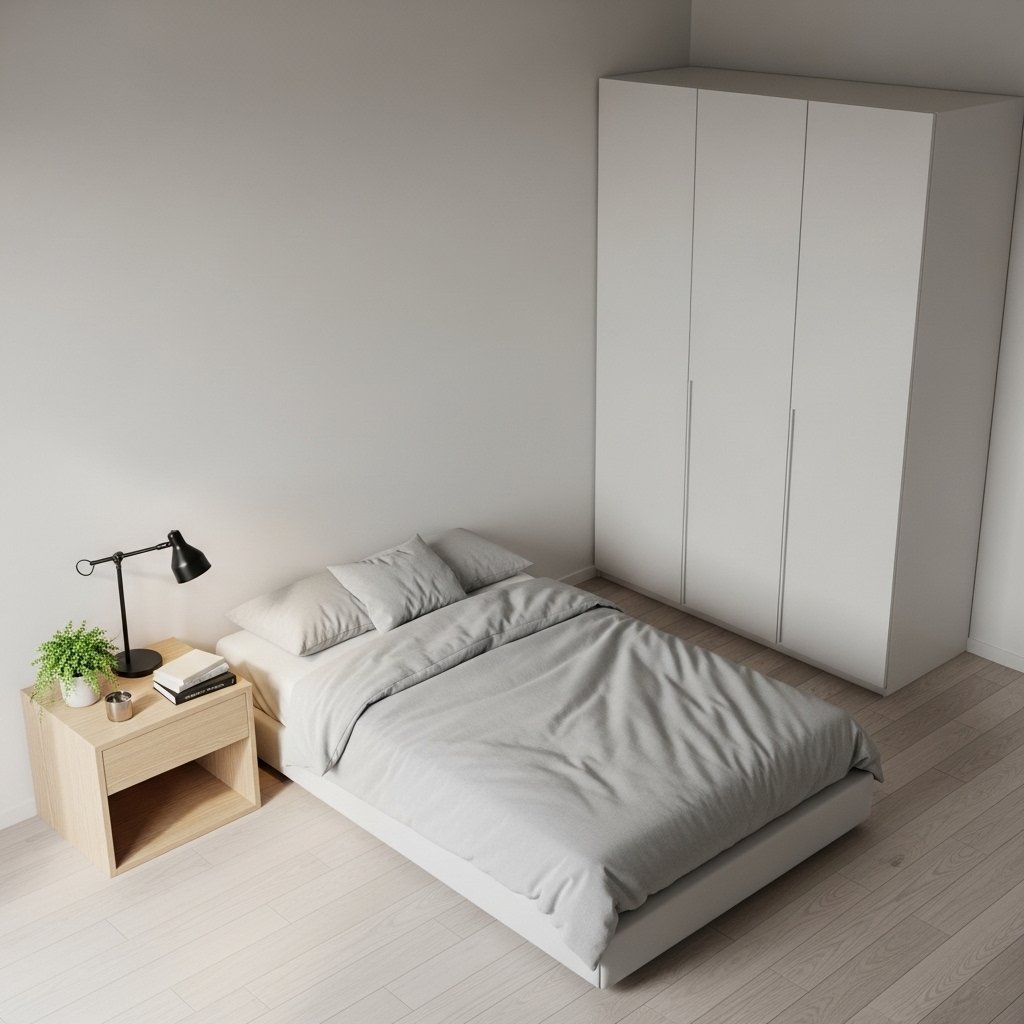
A minimalist approach to furniture placement maximizes space and reduces visual clutter. Keep only the essentials in the bedroom, such as a bed, nightstand, and storage solution. Arrange furniture along the walls to create a clear walking path and allow natural flow. Avoid bulky or ornate pieces that can dominate a small space. Minimalist arrangement fosters calmness, making the bedroom feel spacious and easy to navigate.
6. Use Vertical Storage
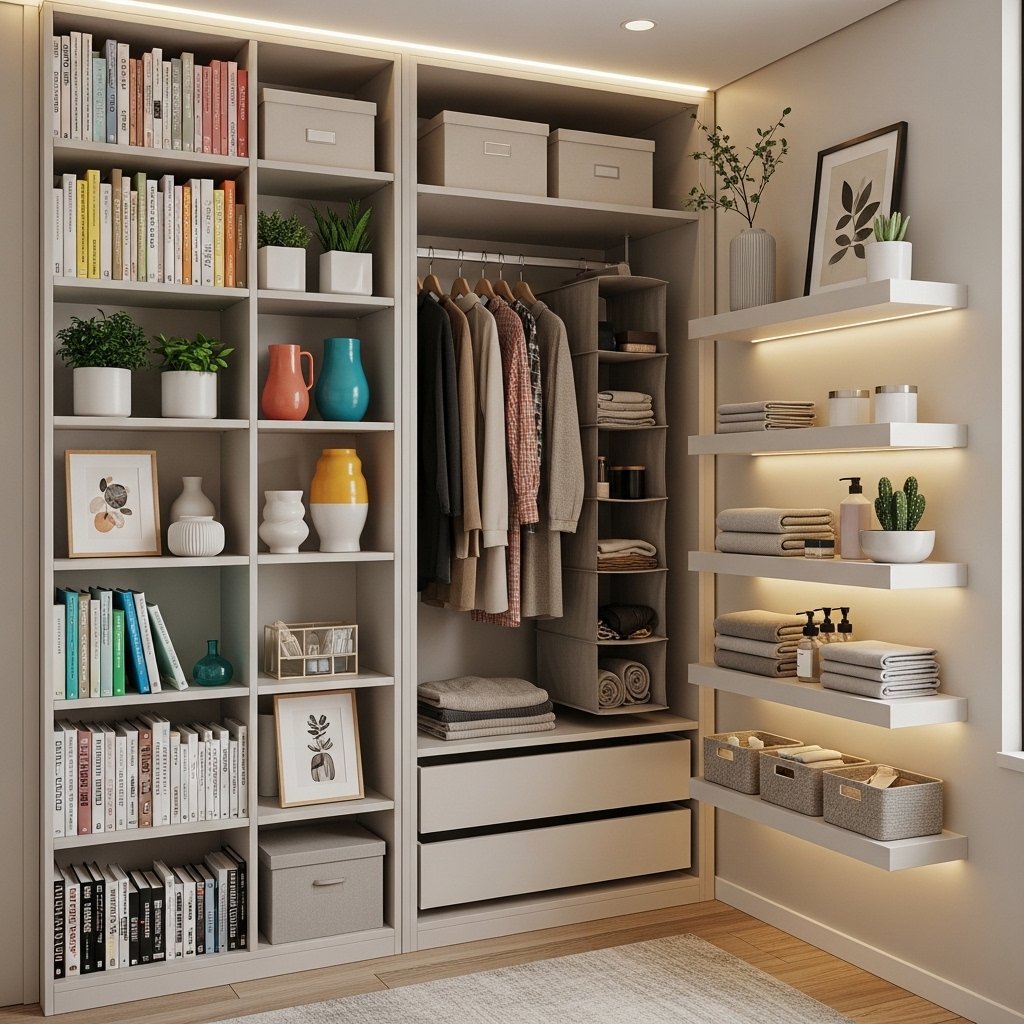
Vertical storage solutions make small bedrooms more functional without sacrificing floor space. Wall-mounted shelves, tall wardrobes, or hanging organizers draw the eye upward and provide extra storage. Floating shelves are perfect for books, plants, or decorative items while keeping surfaces free. Using vertical space reduces clutter on the floor, contributing to a cleaner, more relaxing environment. This technique is ideal for maximizing storage in compact rooms while maintaining an airy atmosphere.
7. Add Calming Greenery
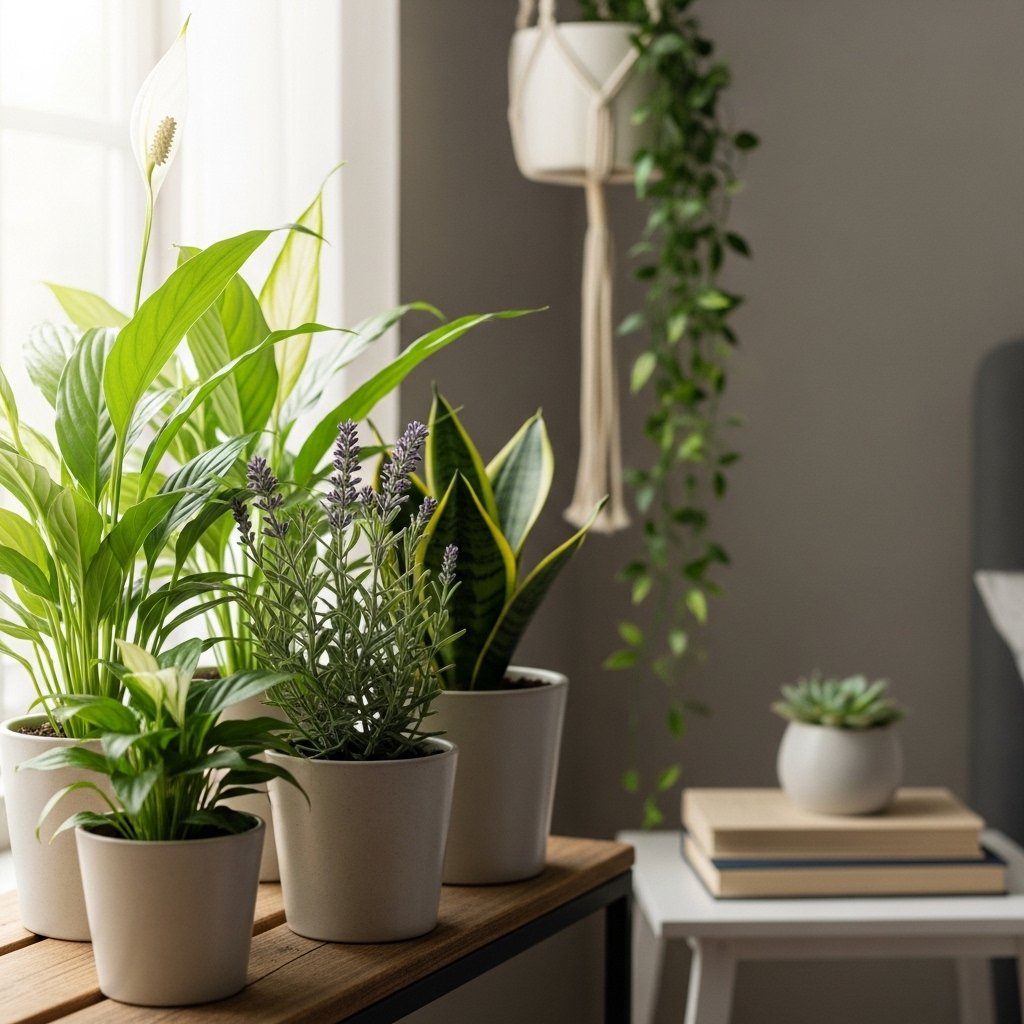
Plants and greenery instantly boost relaxation and freshen up a small bedroom. Small potted plants, hanging planters, or succulents add life without occupying much space. Plants like lavender, snake plant, or peace lily can even improve air quality, promoting better sleep. Using natural elements in your bedroom connects you with nature, which has a calming effect on the mind. Greenery also adds color and texture, enhancing the overall aesthetic of a small, cozy room.
8. Incorporate Soft Lighting
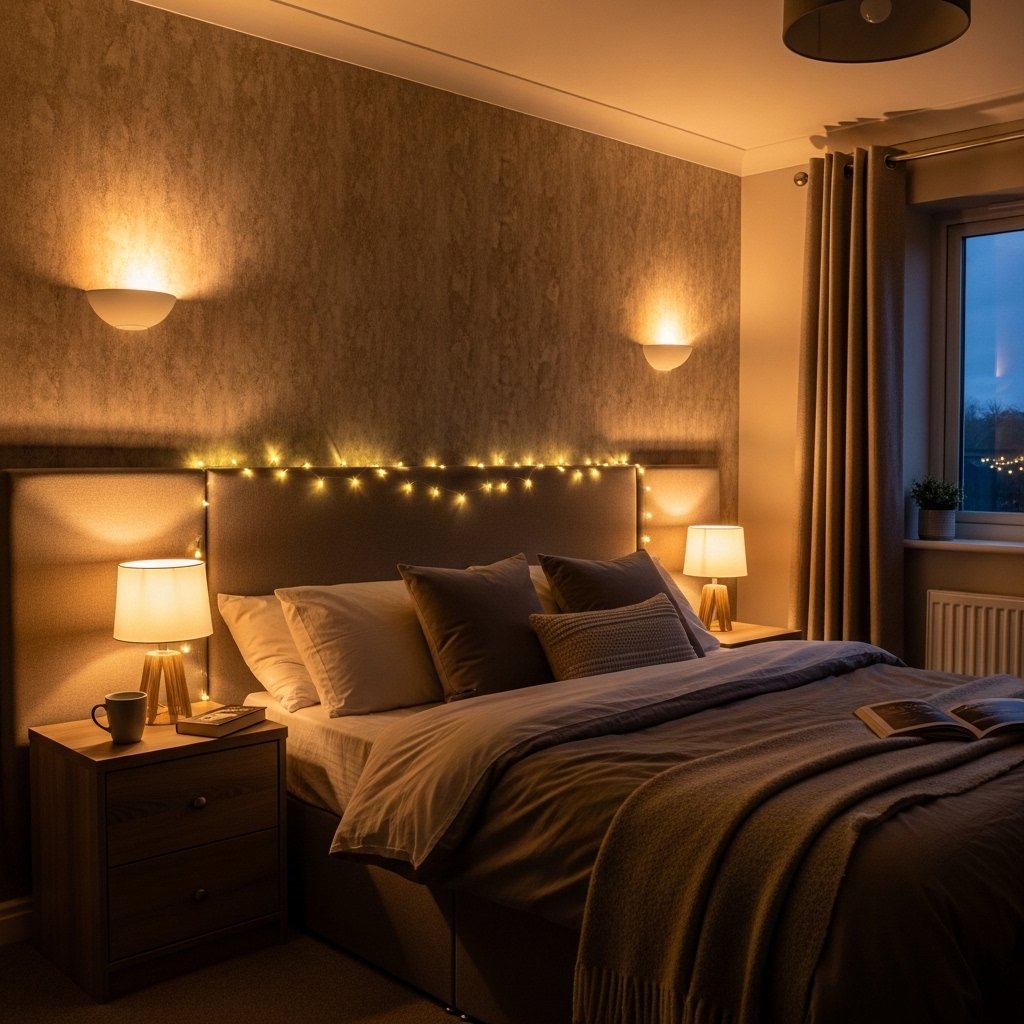
Lighting plays a crucial role in creating a relaxing atmosphere in small bedrooms. Soft, warm lights, such as bedside lamps, fairy lights, or wall sconces, provide ambient illumination. Adjustable lighting allows you to customize brightness according to mood and time of day. Avoid harsh overhead lights that can make the room feel cold and uninviting. Layered lighting not only enhances relaxation but also highlights key design elements like artwork or textured walls.
9. Choose Space-Saving Decor

Decor in small bedrooms should be carefully selected to avoid clutter. Choose lightweight wall art, minimalist frames, or a single statement piece instead of multiple items. Mirrors and reflective surfaces can also act as decor while visually expanding the room. Avoid overcrowding shelves or surfaces with unnecessary items that break the calm flow. Space-saving decor ensures the bedroom feels serene and visually appealing without compromising style.
10. Opt for Floating Nightstands

Floating nightstands are perfect for small bedrooms as they free up floor space and create a modern, airy look. Mounted on the wall, these nightstands provide a place for lamps, books, or essentials without bulky legs. This design choice keeps the area near the bed clean and easy to navigate. Floating nightstands also allow more room for storage solutions underneath, like baskets or a small rug. The minimalistic style complements the overall relaxing atmosphere of the room.
11. Incorporate Soft Window Treatments

Window treatments affect both the look and feel of a bedroom. Soft, flowing curtains or blinds soften harsh light while providing privacy. Lightweight fabrics in neutral or pastel tones maintain a calm and airy aesthetic. Layering curtains with sheers allows flexibility in light control and enhances the room’s visual depth. Proper window treatments contribute to a tranquil environment, making the bedroom a perfect retreat.
12. Keep the Bedroom Clutter-Free
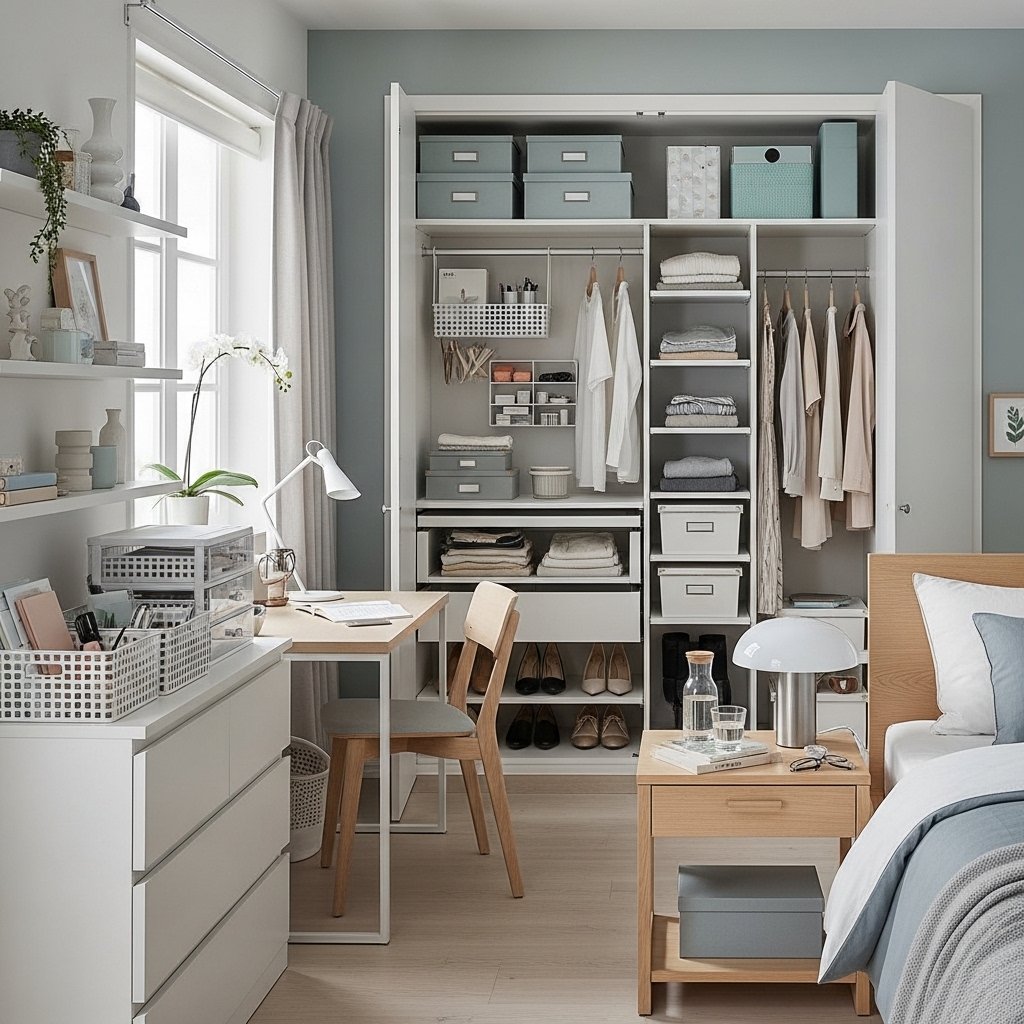
A clutter-free environment is essential for relaxation in a small bedroom. Regularly declutter surfaces, drawers, and wardrobes to maintain order. Use storage boxes, organizers, and baskets to keep items hidden yet accessible. A clean and organized space reduces stress and allows your mind to rest fully. Maintaining simplicity ensures that the room remains a peaceful sanctuary where relaxation comes naturally.
13. How to Care for a Relaxing Small Bedroom
- Keep It Clean – Dust surfaces, clean floors, and keep furniture tidy to maintain a calm atmosphere.
- Control Lighting – Use soft lights and avoid strong sunlight to keep the room peaceful and relaxing.
- Maintain Bedding – Wash sheets, pillow covers, and blankets regularly to keep the space fresh and comfortable.
- Avoid Clutter – Store unnecessary items in drawers or baskets to keep the room open and stress-free.
- Refresh the Space – Rearrange small decor pieces or add simple plants to keep the room feeling calm and cozy.
13.1. FAQ
13.2. What makes a small bedroom design relaxing❓
A relaxing small bedroom design focuses on simplicity, soft colors, and comfortable furniture. Light shades such as white, beige, or pastel tones help create a calm atmosphere, while minimal decor prevents the space from feeling crowded. Soft lighting, cozy bedding, and natural elements like plants also contribute to a peaceful and restful environment.
13.3. How can I decorate a small bedroom to feel calm and cozy❓
To make a small bedroom feel calm and cozy, choose soft fabrics, warm lighting, and simple wall decor. Avoid too many decorative items, as clutter can make the room feel smaller and stressful. Adding cushions, a soft rug, and light curtains can enhance comfort and create a welcoming space where you can relax after a long day.
13.4. Which colors are best for a relaxing small bedroom❓
Light and neutral colors are best for a relaxing small bedroom because they make the space look larger and more open. Shades like soft gray, cream, light blue, or pale green promote calmness and peace. Using one main color with subtle accents keeps the design balanced and soothing.
14. Final Thoughts
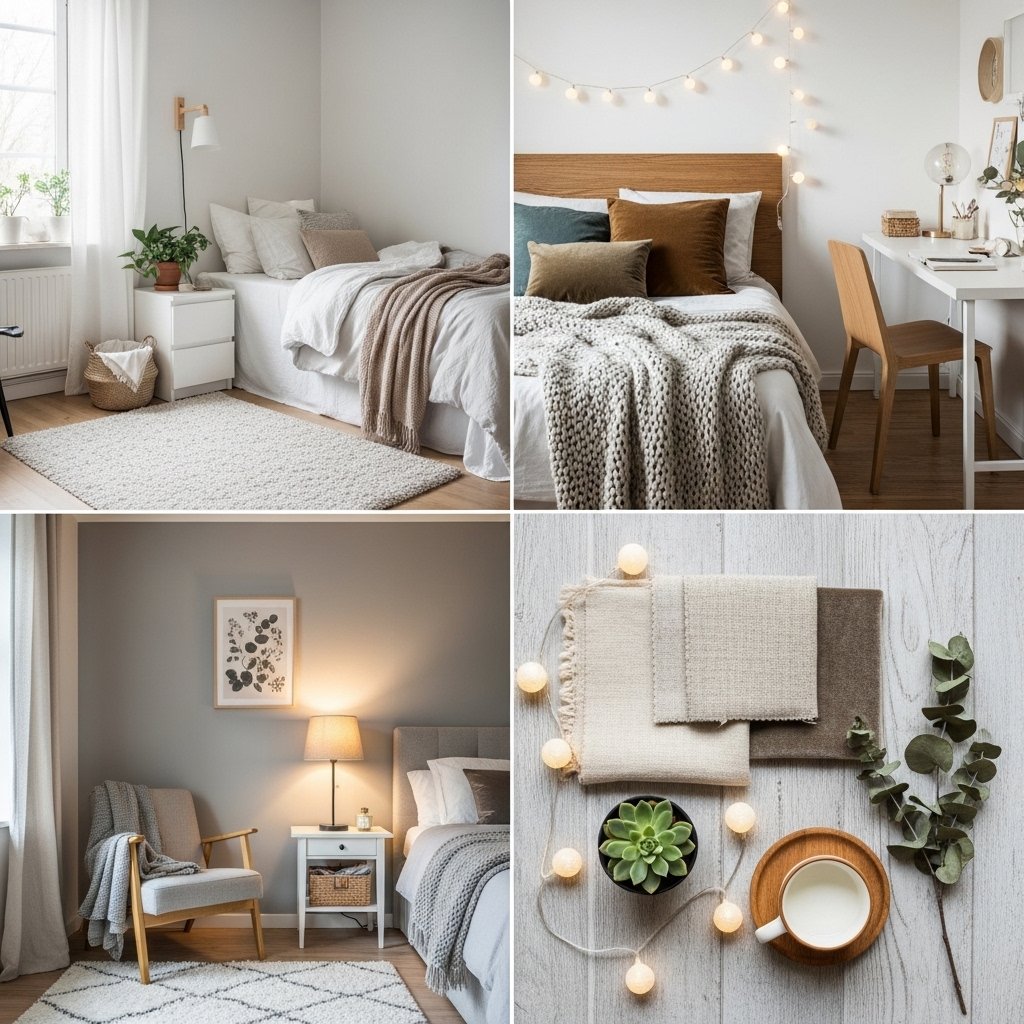
Designing a relaxing small bedroom is all about balance, simplicity, and comfort. By combining neutral colors, soft textures, smart storage, and cozy lighting, even the tiniest bedroom can feel spacious and inviting. Thoughtful furniture arrangement and clutter-free décor maximize the space while promoting calmness. Each element, from greenery to ambient lighting, contributes to a serene retreat that nurtures rest and relaxation. With these twelve ideas, anyone can transform a small bedroom into a stylish, peaceful sanctuary tailored for comfort and tranquility.