Trim Colors Interior Baseboards: Stylish Ideas to Elevate Your Space
Blog > Home > Modern interior > Trim Colors Interior Baseboards: Stylish Ideas to Elevate Your Space
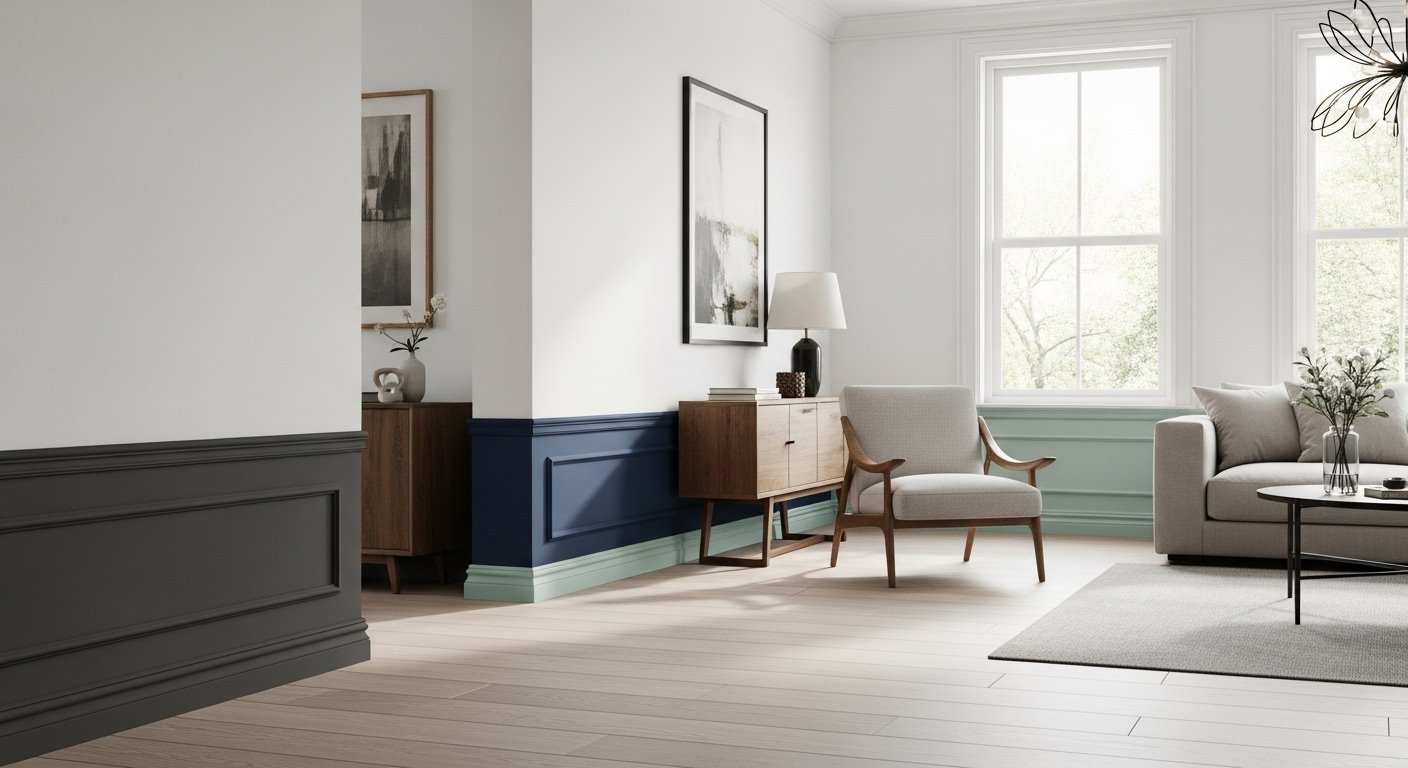
Choosing the right trim colors for interior baseboards can completely transform the look and feel of your home. Baseboards may seem like a small detail, but they play a major role in defining the overall aesthetic of a room. The right color choice can enhance wall tones, highlight architectural features, and create a polished, cohesive design. Whether you prefer a modern, classic, or bold interior style, selecting the perfect trim color helps tie everything together beautifully. In this guide, you’ll explore 12 expertly curated ideas for trim colors interior baseboards that will upgrade your space with style and sophistication.
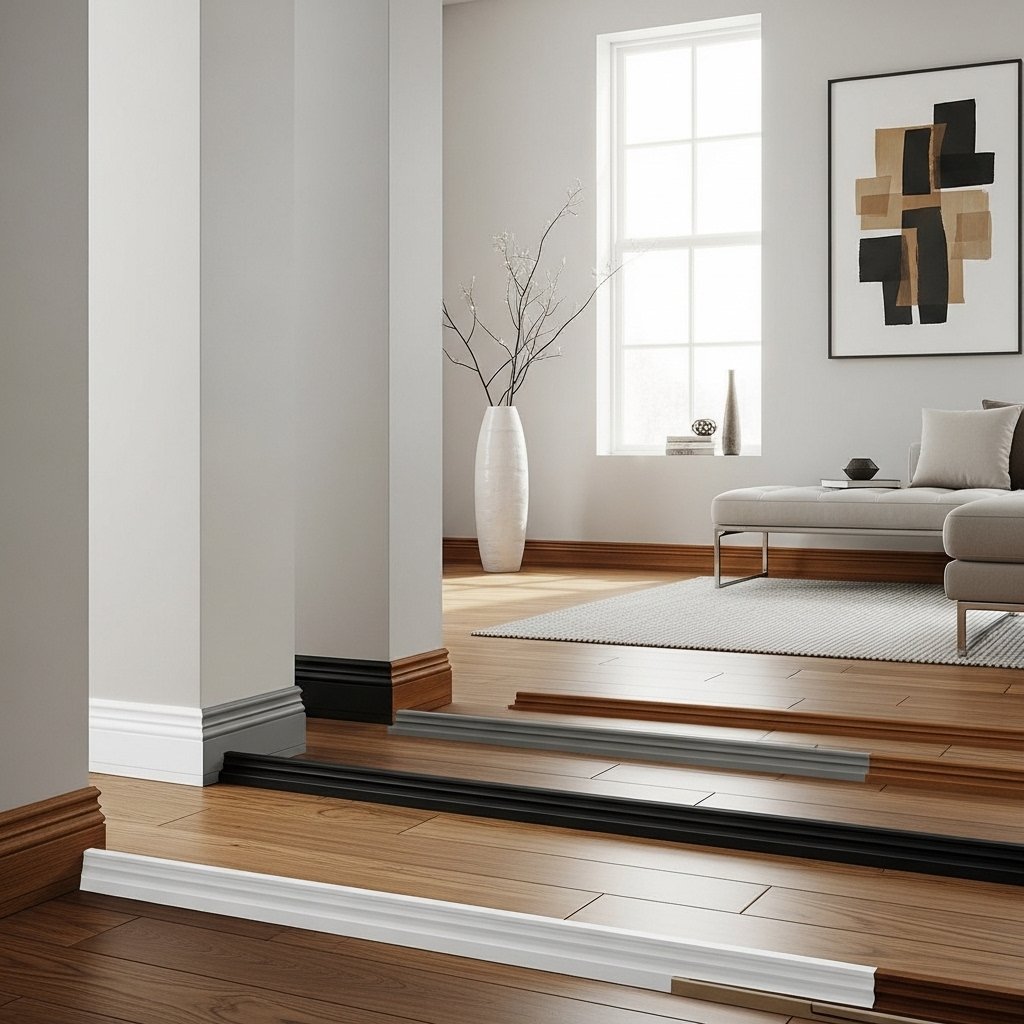
Table Of Content
1. Classic White Baseboards
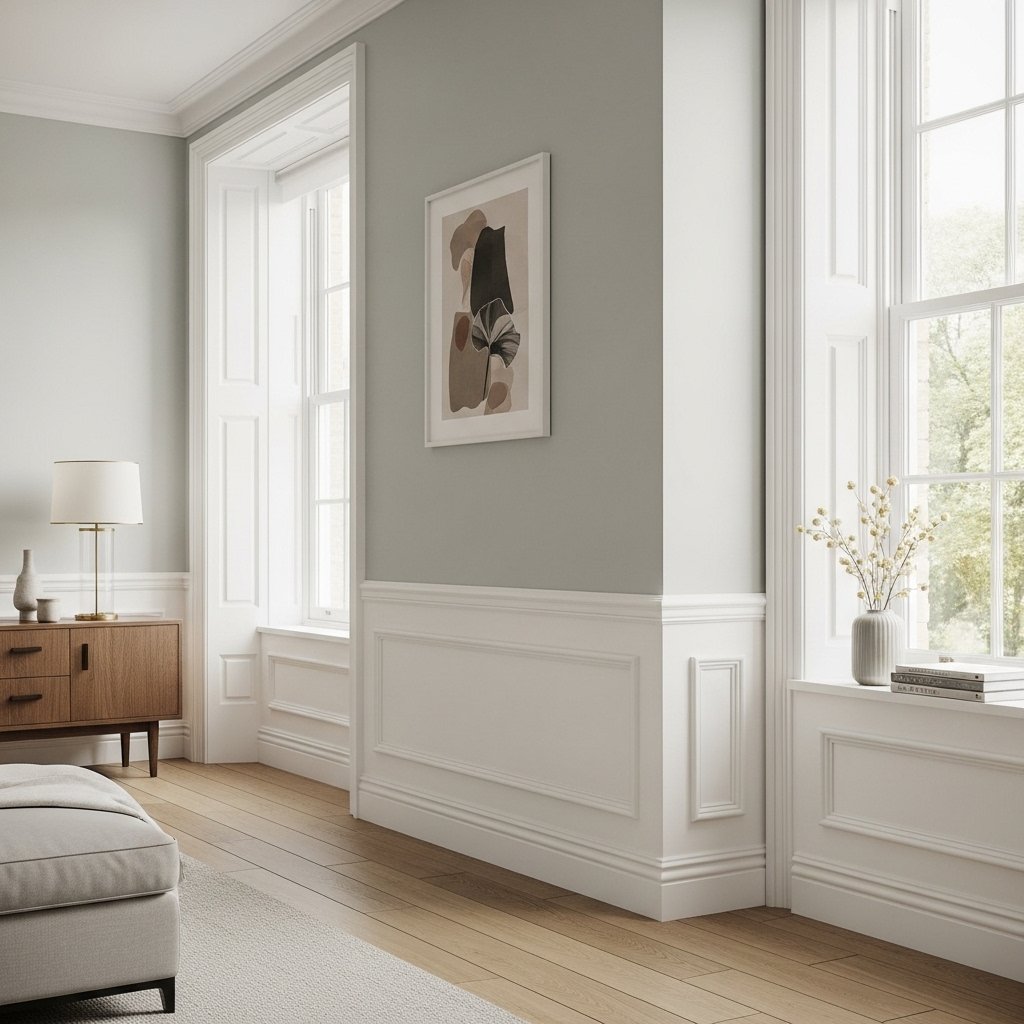
White baseboards remain the most popular and timeless choice for interior trim. They create a clean and crisp contrast against colored walls while maintaining a fresh look. This option works well in both modern and traditional homes, making it highly versatile. White trim also reflects light, helping rooms feel brighter and more open. It’s an ideal choice if you want a safe yet elegant finish.
2. Off-White or Cream Trim
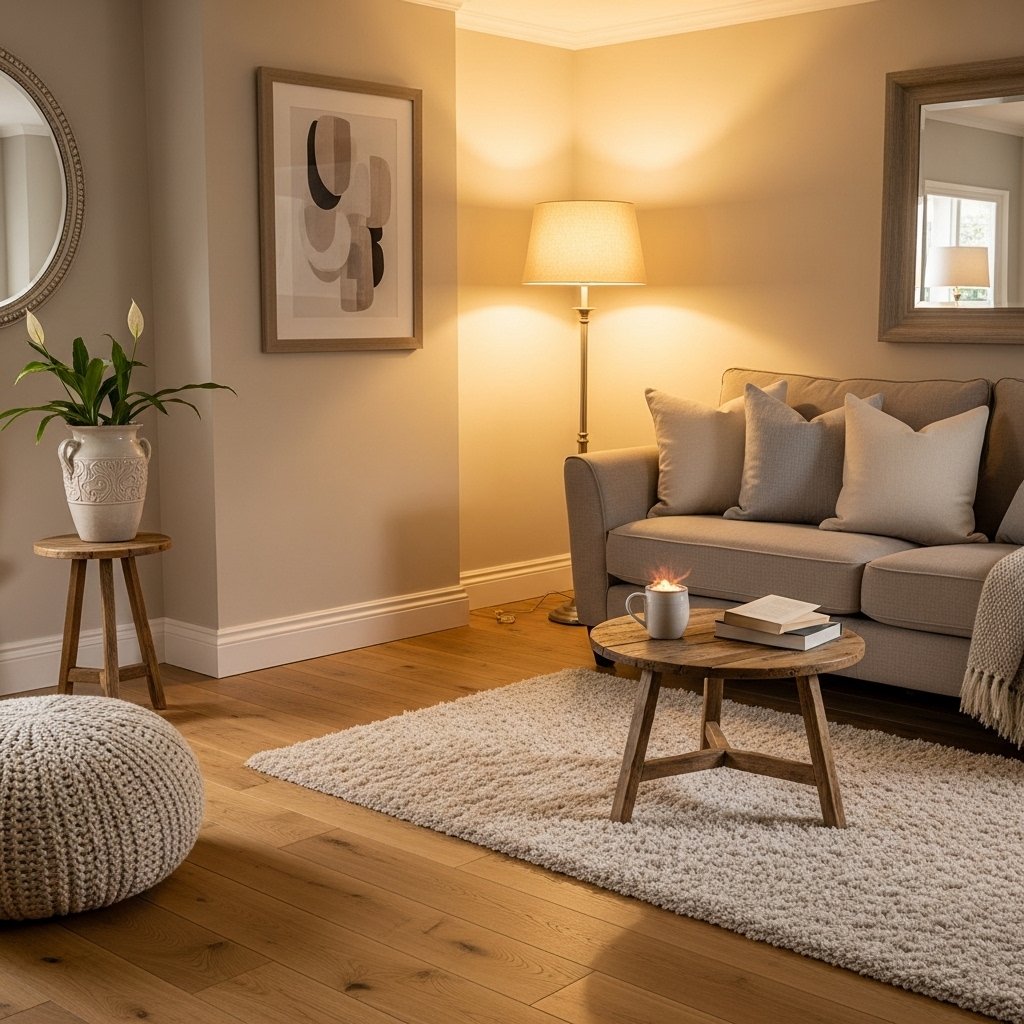
Off-white or cream baseboards offer a softer alternative to pure white trim. These shades add warmth and blend seamlessly with neutral wall colors. They work especially well in cozy spaces like living rooms and bedrooms. Cream tones can also complement wooden flooring beautifully. This subtle variation creates a more inviting and less stark appearance.
3. Matching Trim with Wall Color
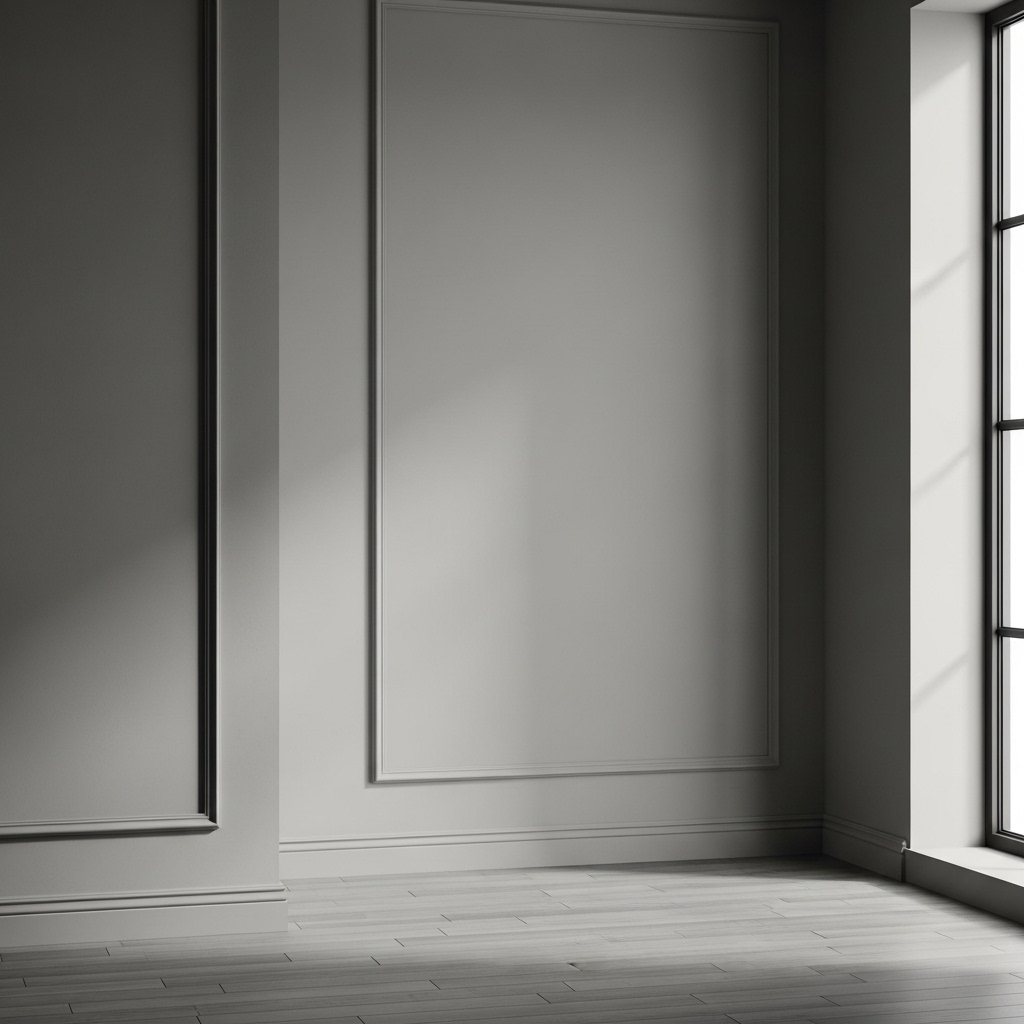
Painting baseboards the same color as your walls creates a seamless and modern look. This technique makes rooms appear larger and more cohesive. It’s particularly effective in small spaces where visual continuity is important. Matching colors also provide a minimalist aesthetic that feels calm and uncluttered. This approach is perfect for contemporary interiors.
4. Bold Black Baseboards
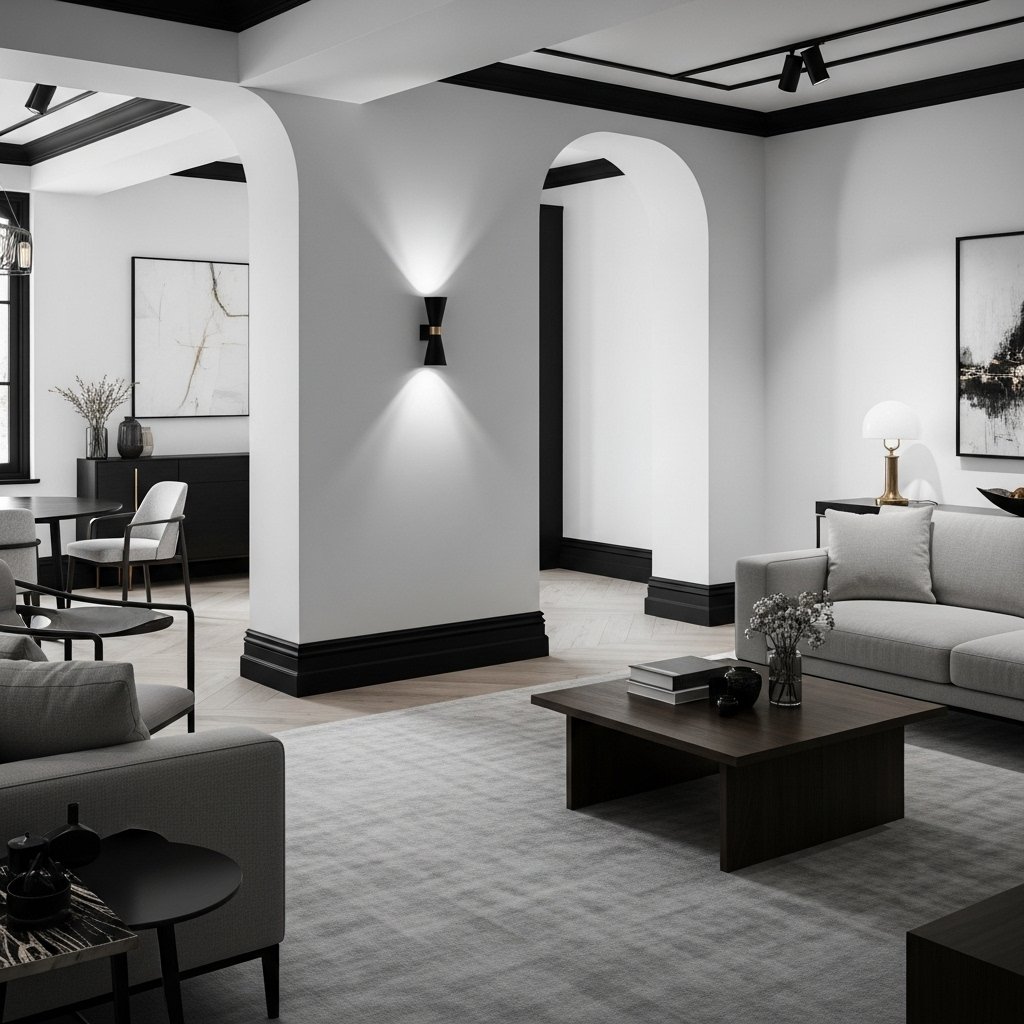
Black baseboards make a strong design statement and add dramatic contrast to any room. They work especially well with light-colored walls such as white or beige. This combination creates a striking and modern visual effect. Black trim can also highlight architectural lines and add depth to the space. It’s a great choice for those who love bold and sophisticated interiors.
5. Soft Gray Trim
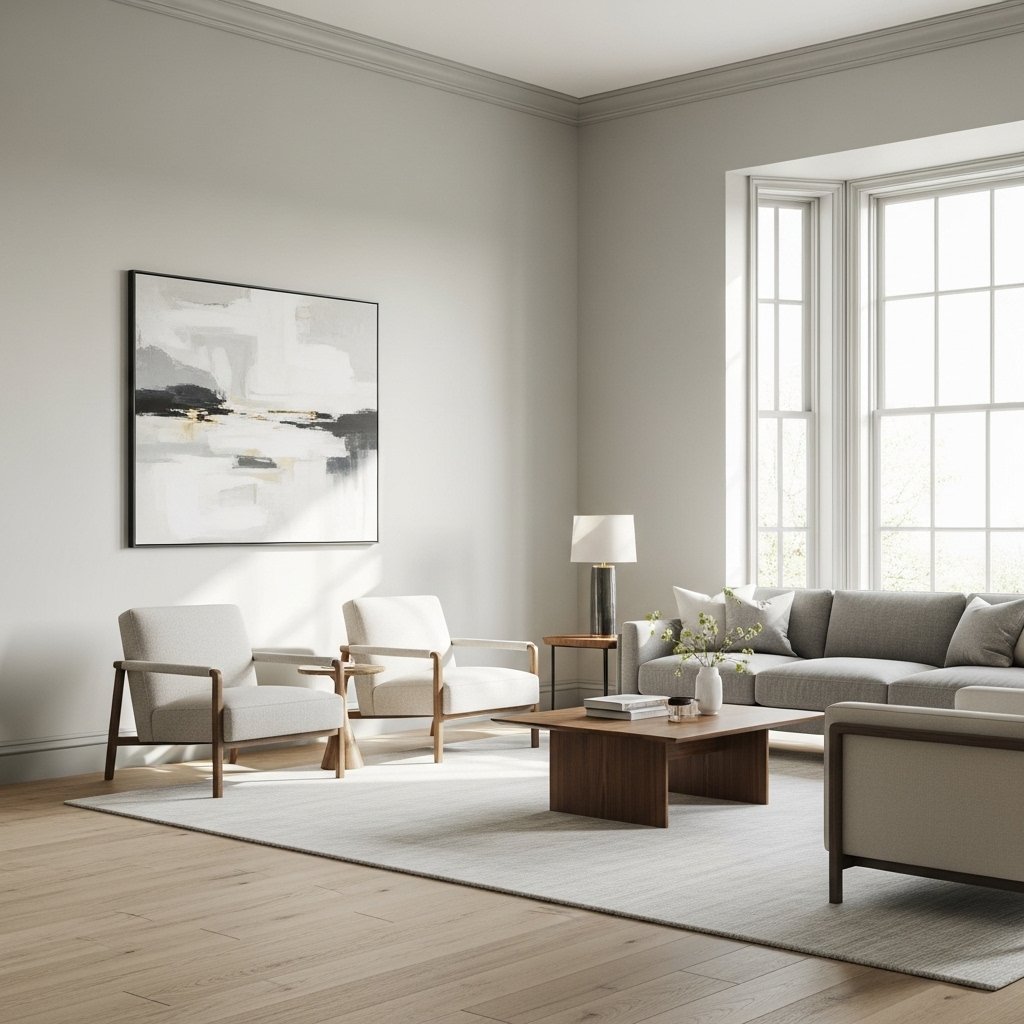
Gray baseboards are a modern alternative that adds subtle elegance without overpowering the room. Light gray tones work well with cool color palettes, while darker grays add depth and contrast. This option is perfect for contemporary and transitional spaces. Gray trim pairs beautifully with both neutral and bold wall colors. It offers a balanced and stylish look.
6. Natural Wood Finish
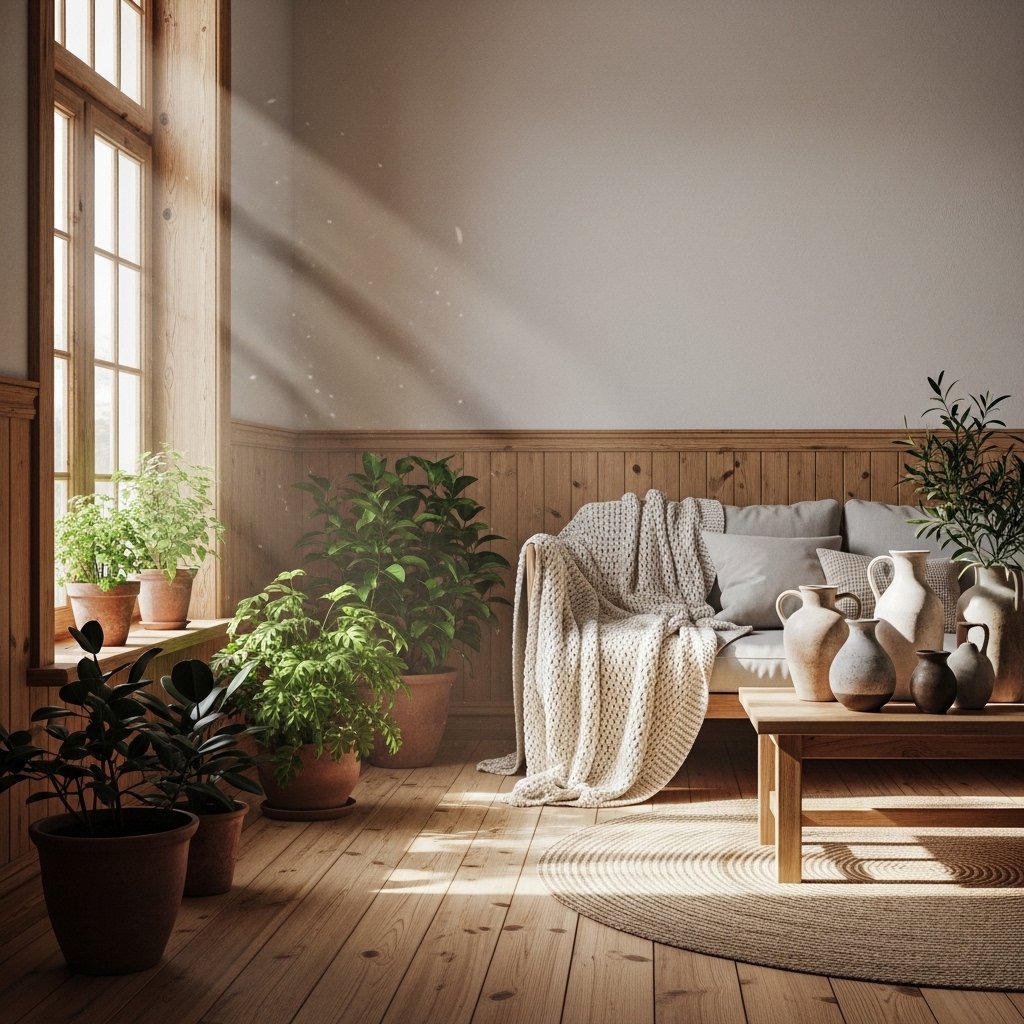
A natural wood baseboard finish brings warmth and texture into your interior design. It works particularly well in rustic, farmhouse, or Scandinavian-style homes. Wood tones complement hardwood flooring and natural decor elements. This option adds character while maintaining a timeless appeal. It’s ideal for creating a cozy and organic atmosphere.
7. High-Gloss White Trim
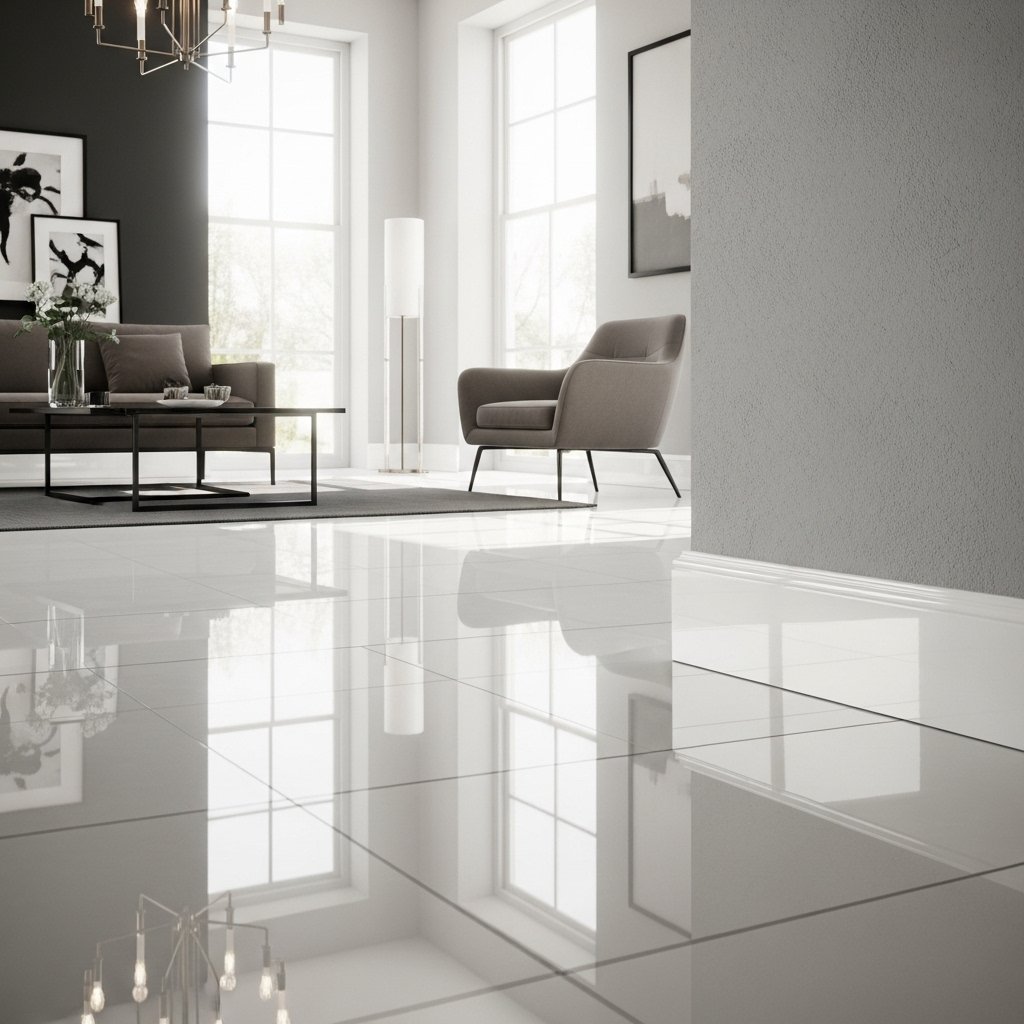
High-gloss white baseboards add a sleek and polished touch to interiors. The glossy finish reflects light, creating a luxurious and refined look. This style is commonly used in modern and upscale homes. It’s also easier to clean compared to matte finishes, making it practical for busy households. High-gloss trim instantly elevates the overall design.
8. Contrasting Color Trim
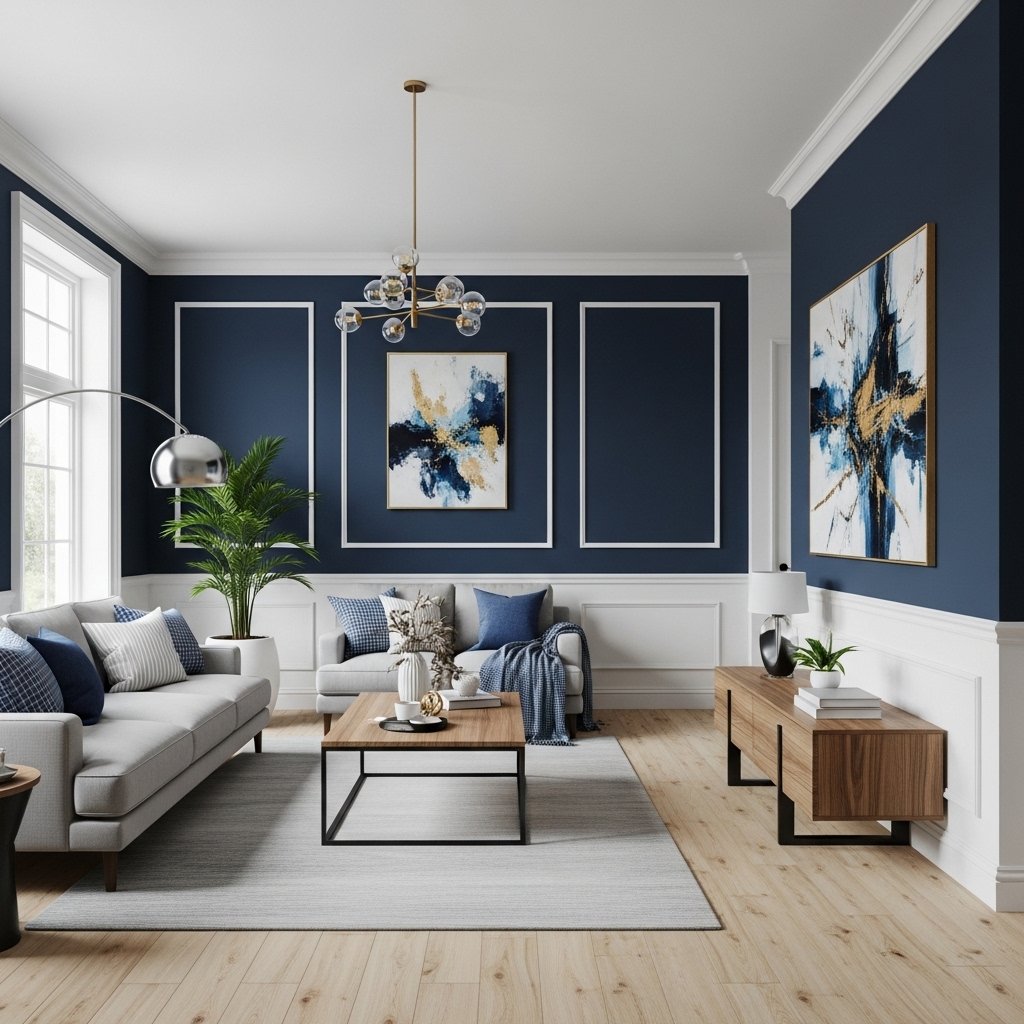
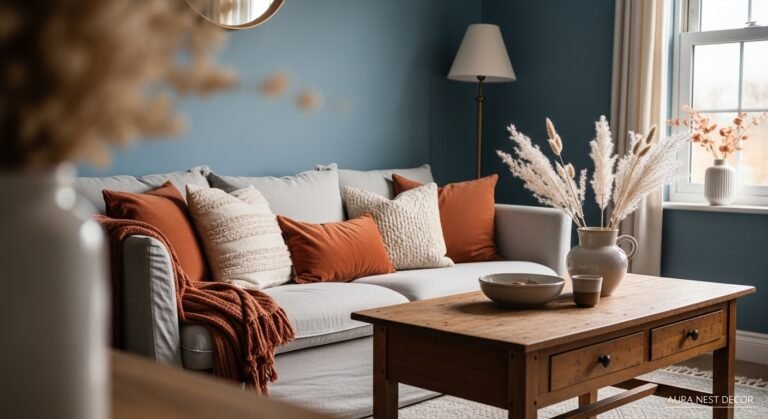
Using a contrasting color for baseboards can add visual interest and personality to a room. For example, pairing navy walls with white trim creates a bold yet balanced look. This approach allows you to experiment with color while maintaining structure. Contrasting trim works well in creative and eclectic interiors. It’s a great way to make your space stand out.
9. Dark Brown or Espresso Trim
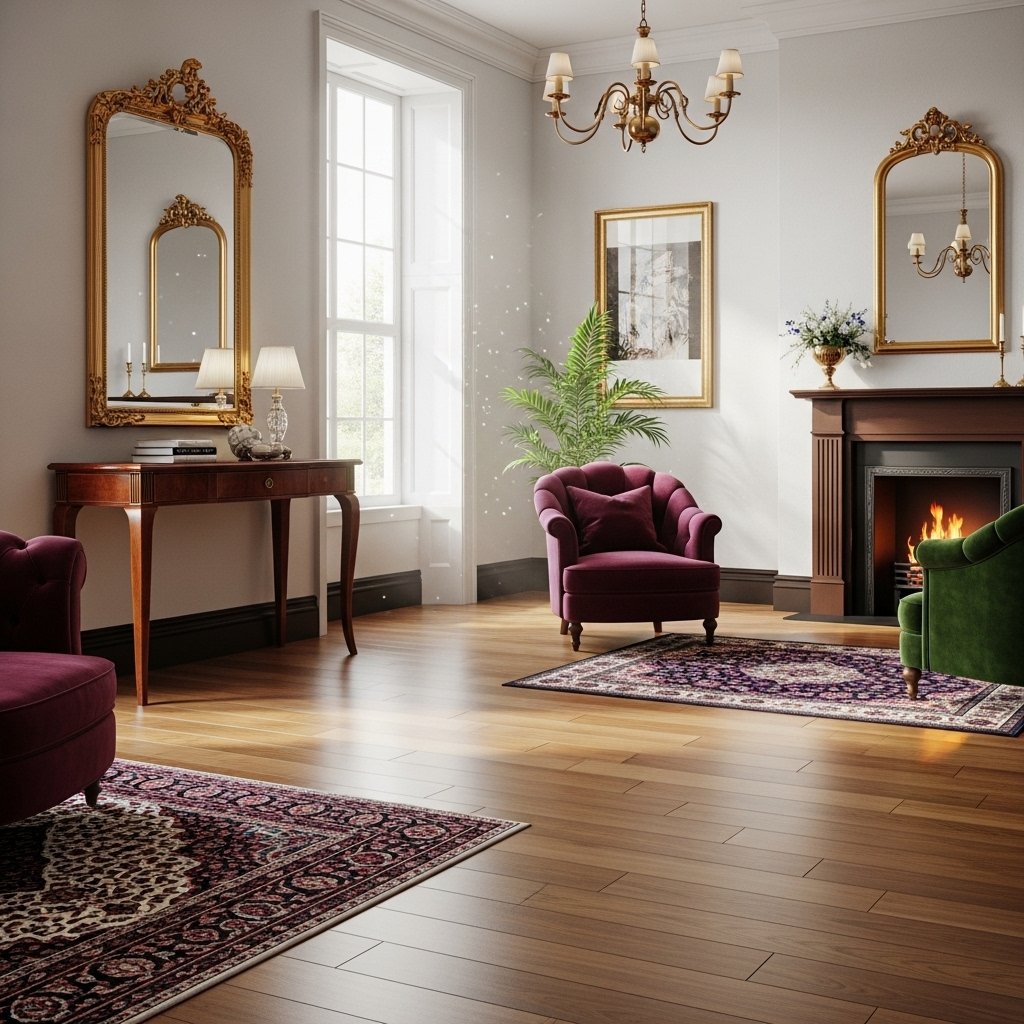
Dark brown or espresso baseboards create a rich and sophisticated appearance. These shades pair beautifully with lighter walls and wooden floors. They add depth and warmth while maintaining a classic feel. This option is perfect for traditional or luxurious interiors. Dark trim can also hide scuffs and wear better than lighter colors.
10. Two-Tone Baseboards
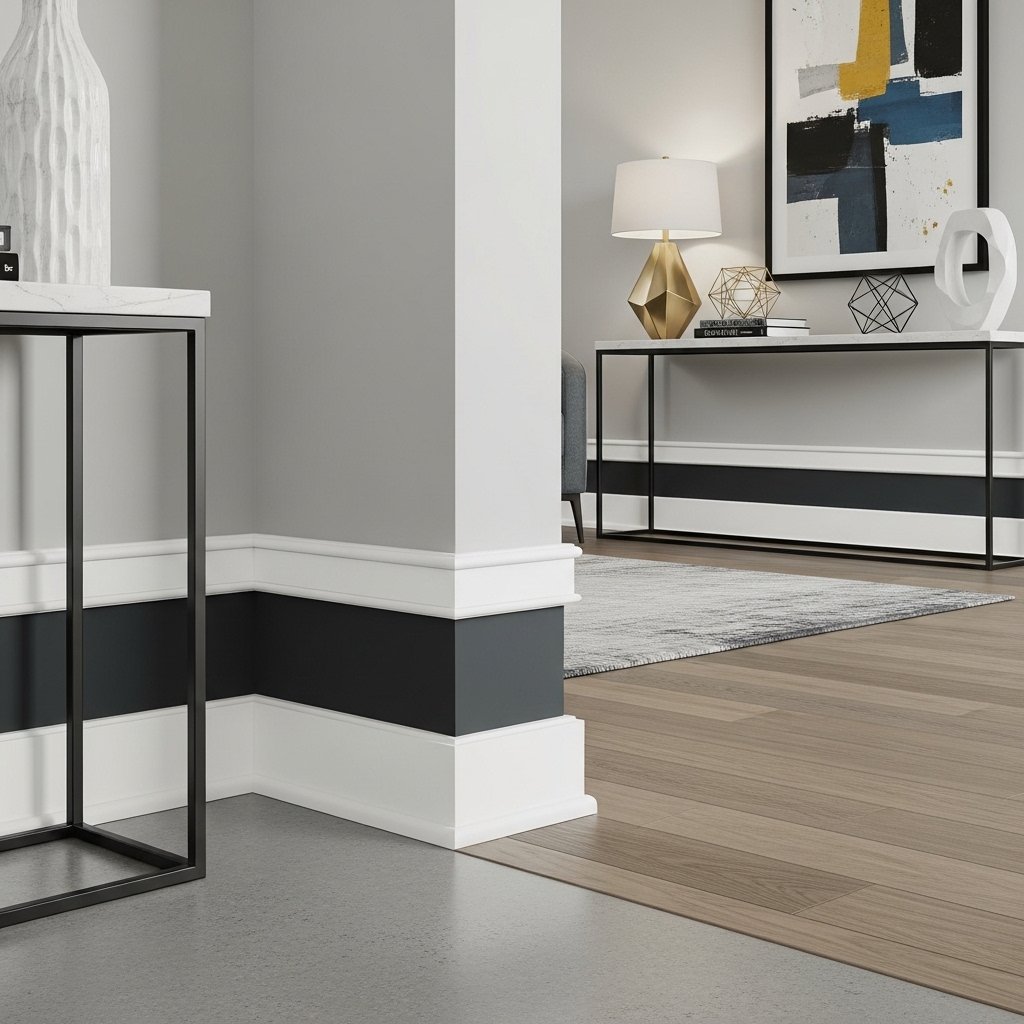
Two-tone baseboards combine two colors for a unique and layered look. For instance, you can pair white with a darker accent shade for added dimension. This design adds visual complexity without overwhelming the space. It works well in both modern and transitional interiors. Two-tone trim is a creative way to personalize your home.
11. Pastel-Colored Trim
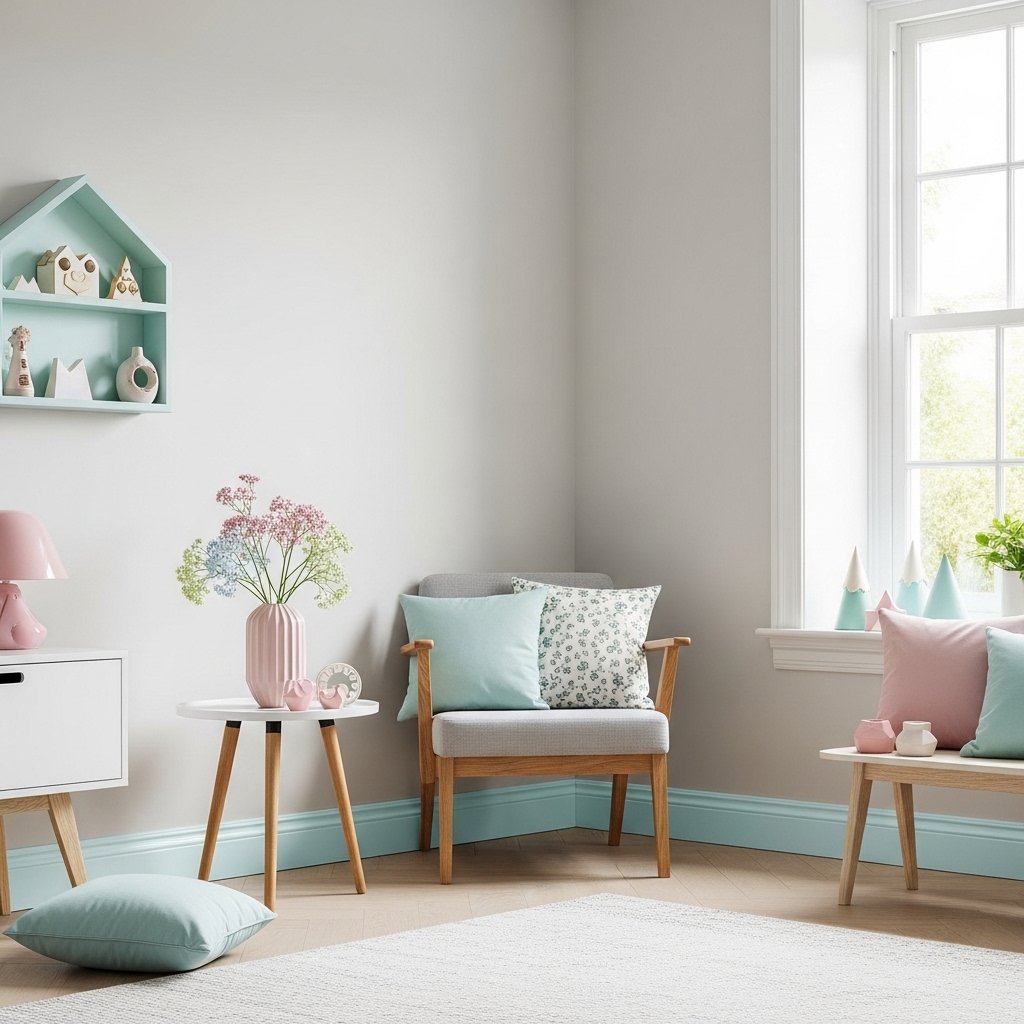
Pastel baseboards bring a soft and playful touch to interiors. Colors like light blue, mint green, or blush pink can add subtle charm. These shades work particularly well in children’s rooms or creative spaces. Pastel trim pairs nicely with neutral walls for a balanced look. It’s a fun and refreshing design choice.
12. Matte Black or Charcoal Trim
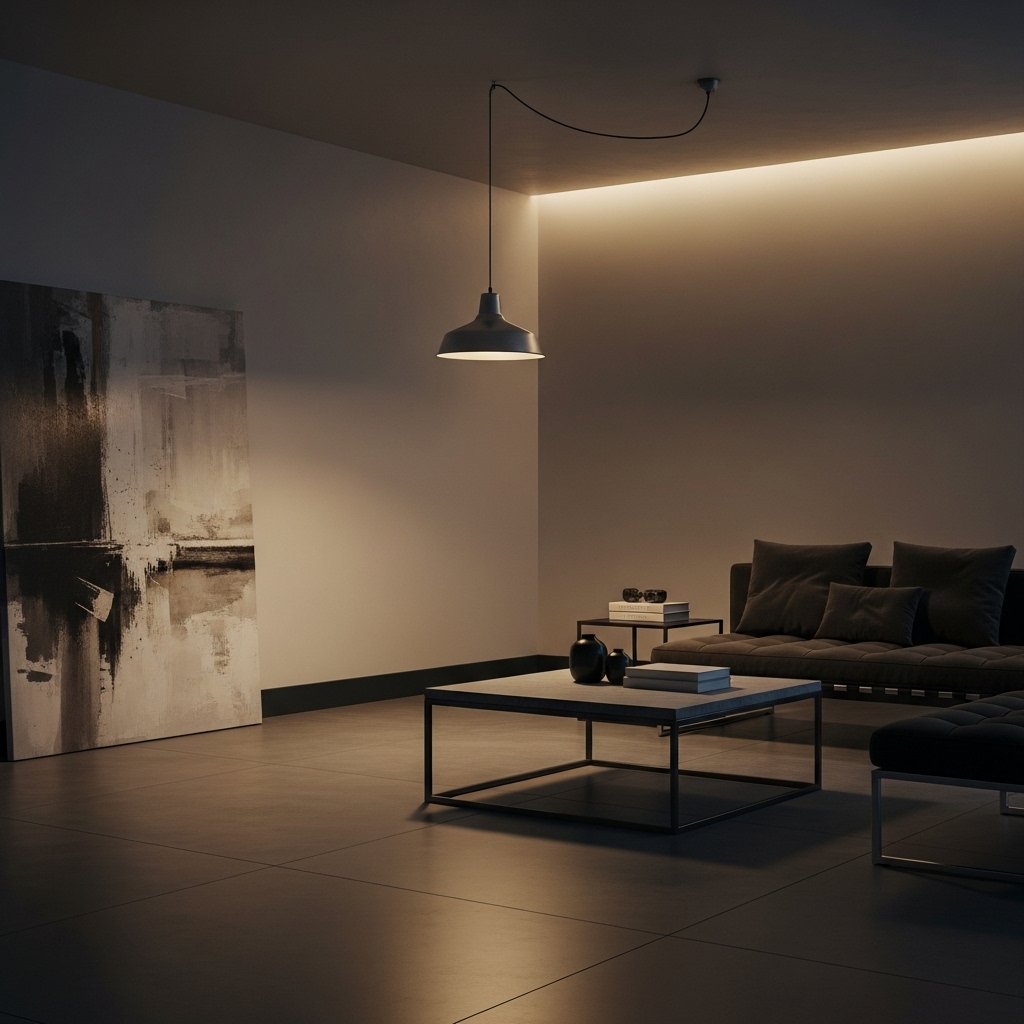
Matte black or charcoal baseboards offer a more understated version of bold dark trim. Unlike glossy finishes, matte textures create a modern and sophisticated feel. These colors work well in industrial or minimalist interiors. They provide contrast without being overly dramatic. This option is perfect for achieving a sleek and contemporary style.
13. How to Care for Interior Trim & Baseboards
- Dust Regularly – Wipe baseboards and trim with a soft cloth to remove dust buildup.
- Clean Gently – Use mild soap and water for stains; avoid harsh chemicals that damage paint.
- Protect from Scuffs – Be careful with furniture and shoes to prevent marks and scratches.
- Fix Paint Damage – Touch up chips or scratches to keep trim looking fresh.
- Check Often – Inspect for dirt, cracks, or peeling and fix issues early.
13.1. FAQ
13.2. What are trim colors for interior baseboards❓
Trim colors for interior baseboards are the paint colors used on the lower edges of walls where they meet the floor. These colors help define the space and create a clean, finished look in a room. Baseboard trim can either match the wall color for a soft, blended effect or contrast with it to make the design stand out more clearly.
13.3. Why is choosing the right baseboard trim color important❓
Choosing the right baseboard trim color is important because it affects the overall appearance of a room. The right color can make a space look more polished, balanced, and stylish. It also helps highlight architectural details and can either make the room feel bigger or more defined depending on the color choice.
13.4. What color is best for baseboard trim❓
White is the most popular and widely used color for baseboard trim because it gives a clean and classic look. However, other colors like off-white, gray, or even dark shades can also work depending on the room style. The best color depends on your wall color, furniture, and the overall theme of your interior design.
14. Final Thoughts
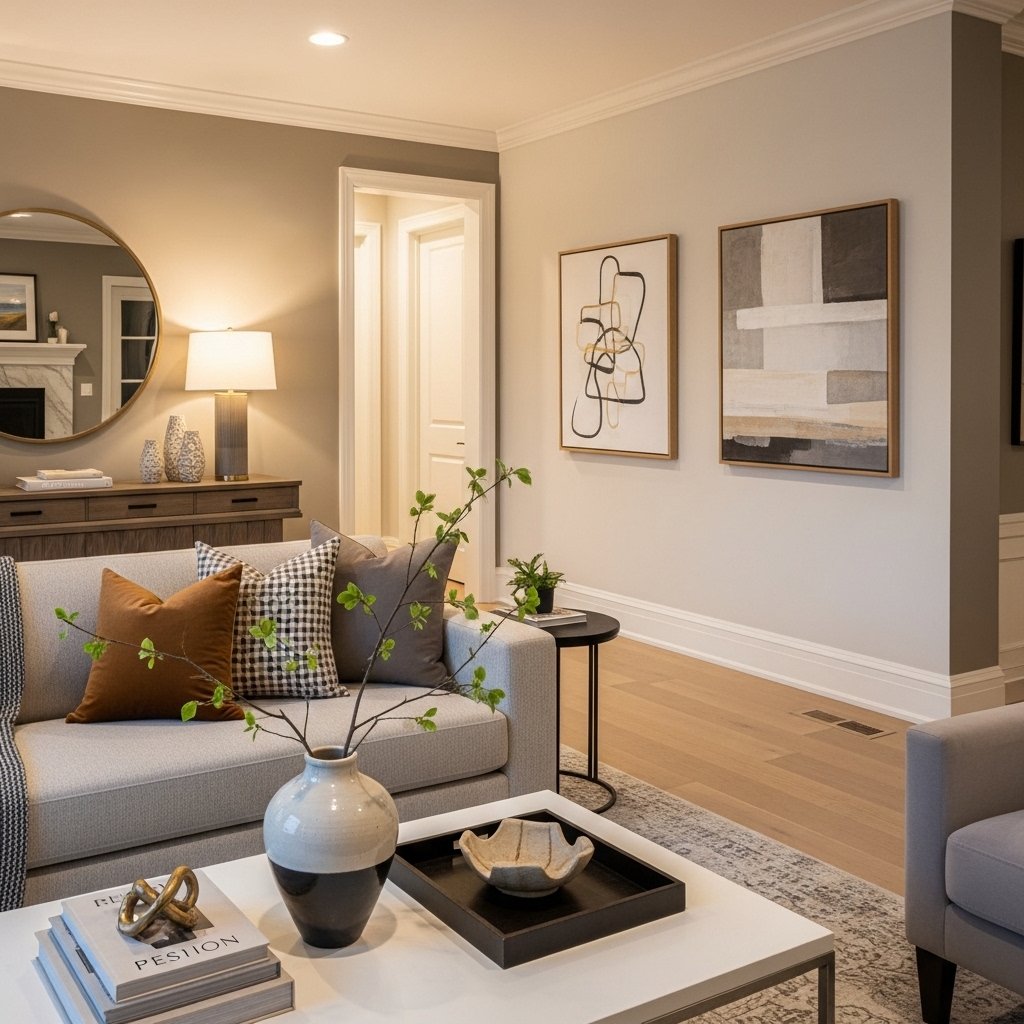
Trim colors for interior baseboards are a key design element that can significantly impact your home’s overall look. From classic white to bold black and natural wood finishes, there are endless options to suit every style. The right choice depends on your wall color, flooring, and desired aesthetic. By experimenting with these 12 ideas, you can find the perfect trim color that enhances your space beautifully. Thoughtful selection and attention to detail will ensure your interiors look cohesive, stylish, and timeless.