Tropical Interior: 12 Stunning Ideas to Create a Relaxing Paradise at Home
Blog > Home > Modern interior > Tropical Interior: 12 Stunning Ideas to Create a Relaxing Paradise at Home
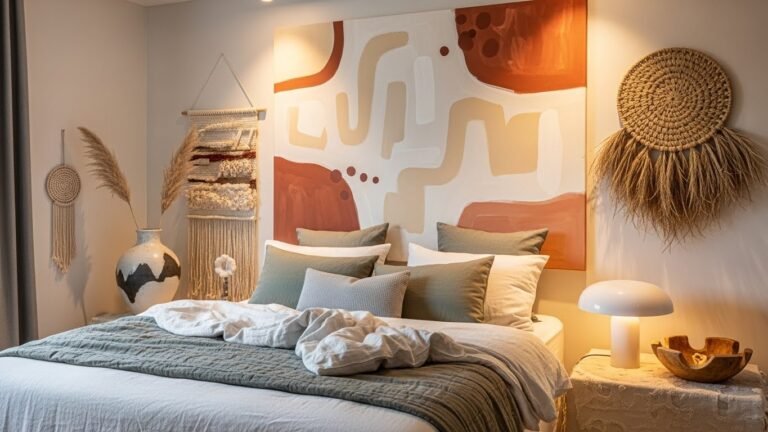
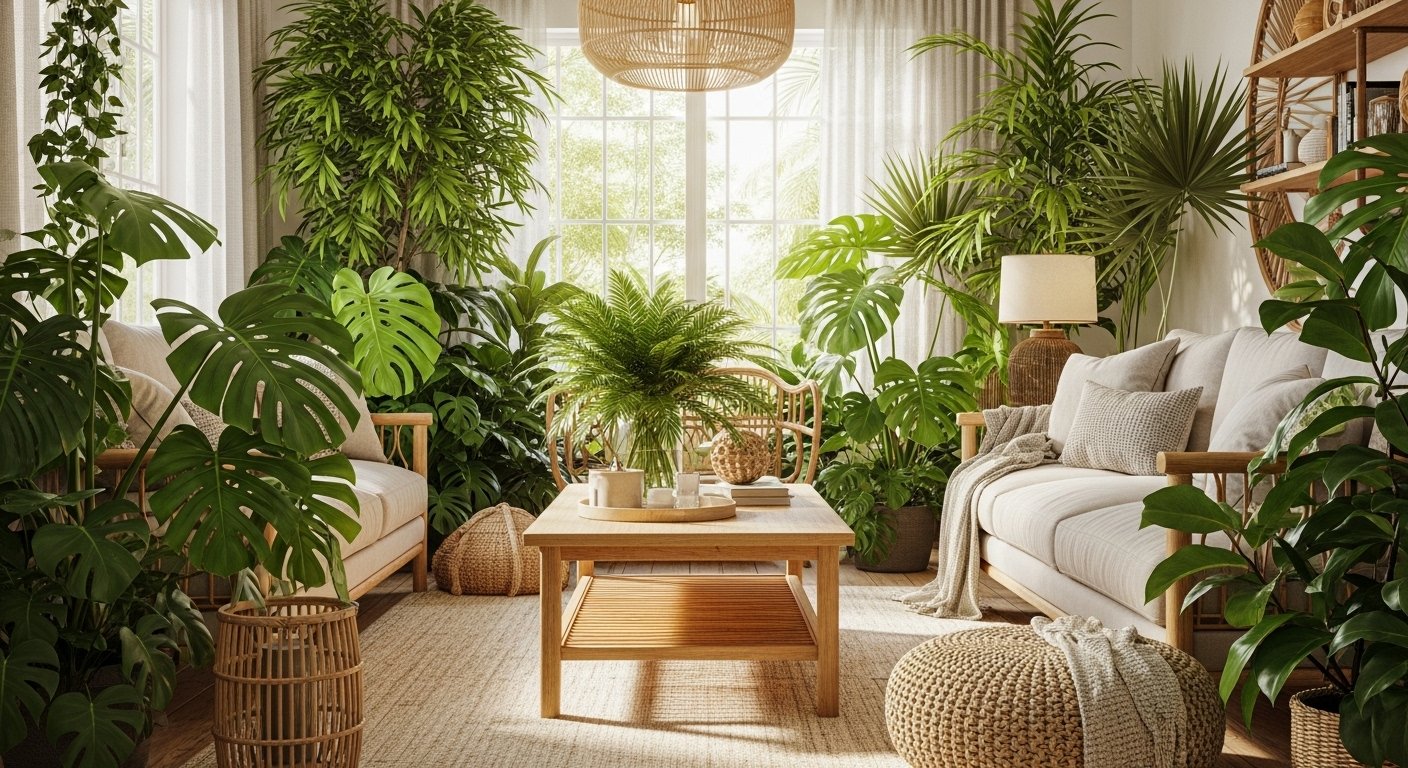
Tropical interior design is a refreshing and vibrant style that brings the beauty of nature indoors. Inspired by coastal living, lush greenery, and warm climates, this design approach creates a calming yet lively atmosphere. It blends natural textures, light color palettes, and organic elements to transform any space into a peaceful retreat. From airy living rooms to cozy bedrooms, tropical interiors focus on comfort, relaxation, and visual harmony. In this article, you’ll discover twelve inspiring tropical interior ideas to help you design your own paradise at home.
Table Of Content
1. Use Natural Materials for an Authentic Look
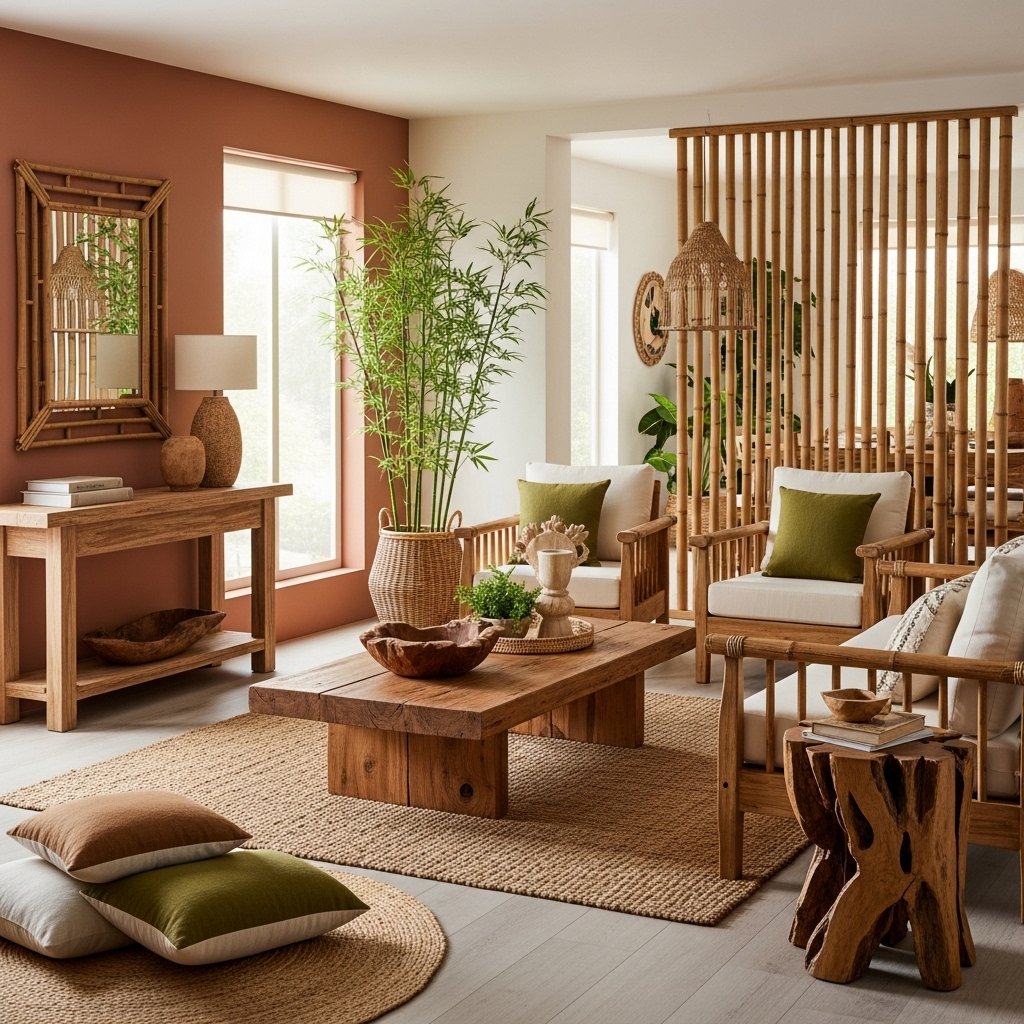
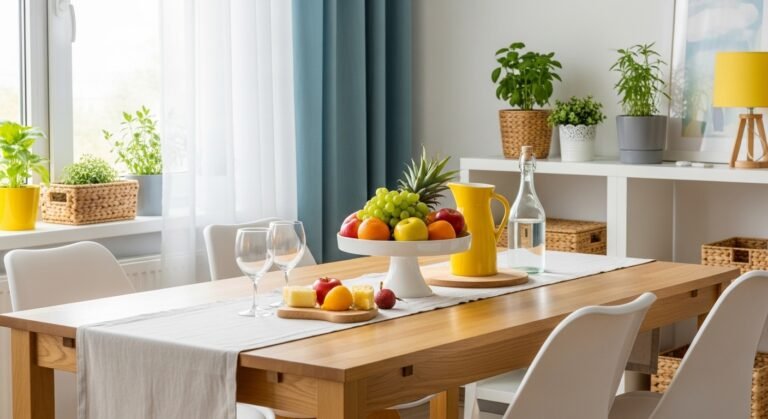
Natural materials are the foundation of any tropical interior design. Elements like wood, rattan, bamboo, and wicker instantly create a warm and organic feel in your space. Furniture made from these materials adds texture and a handcrafted touch that enhances the tropical vibe. You can incorporate wooden coffee tables, rattan chairs, or bamboo light fixtures for a cohesive look. These materials not only look beautiful but also promote a sustainable and eco-friendly lifestyle.
2. Add Lush Indoor Plants
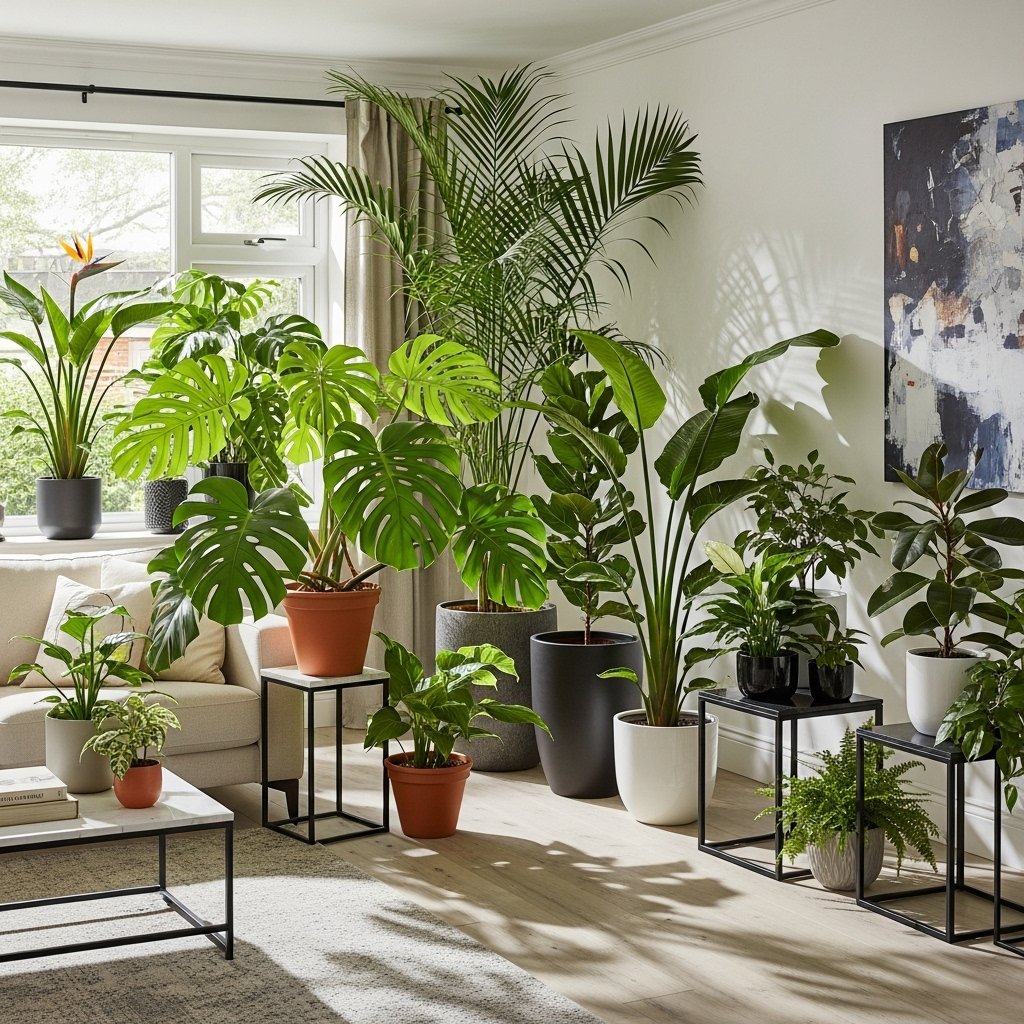
Indoor plants are essential for achieving a true tropical interior aesthetic. Large leafy plants like palms, monstera, and banana plants bring life and freshness into any room. They help purify the air while creating a calming and nature-inspired environment. Placing plants in corners, near windows, or as centerpieces can instantly elevate your décor. Mixing different plant sizes and textures adds depth and visual interest to your space.
3. Choose a Light and Airy Color Palette
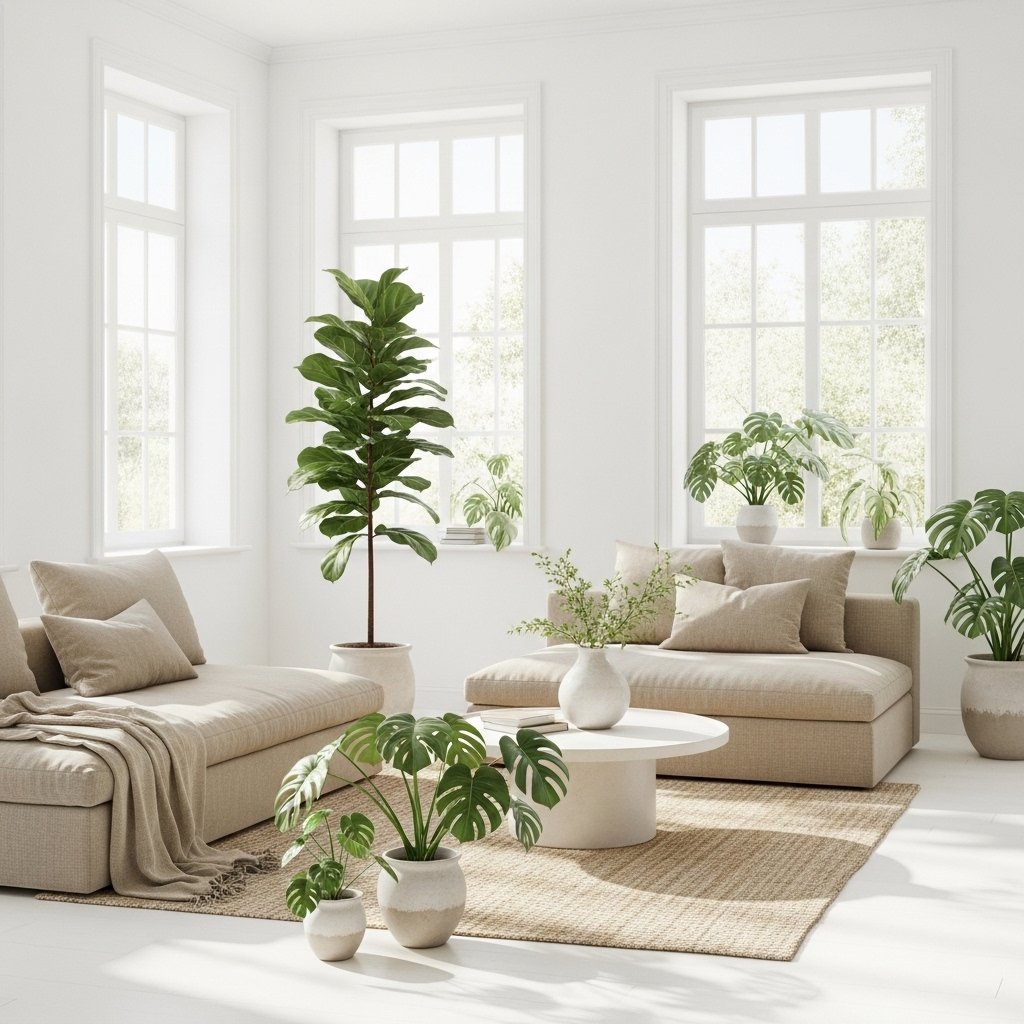
A tropical interior thrives on light, soft, and breezy color schemes. Shades like white, beige, soft green, and sky blue create a fresh and open atmosphere. These colors reflect natural sunlight, making your space feel larger and more inviting. You can also add subtle pops of coral, turquoise, or mustard for a vibrant touch. Keeping the base palette neutral allows tropical elements to stand out beautifully.
4. Incorporate Tropical Prints and Patterns
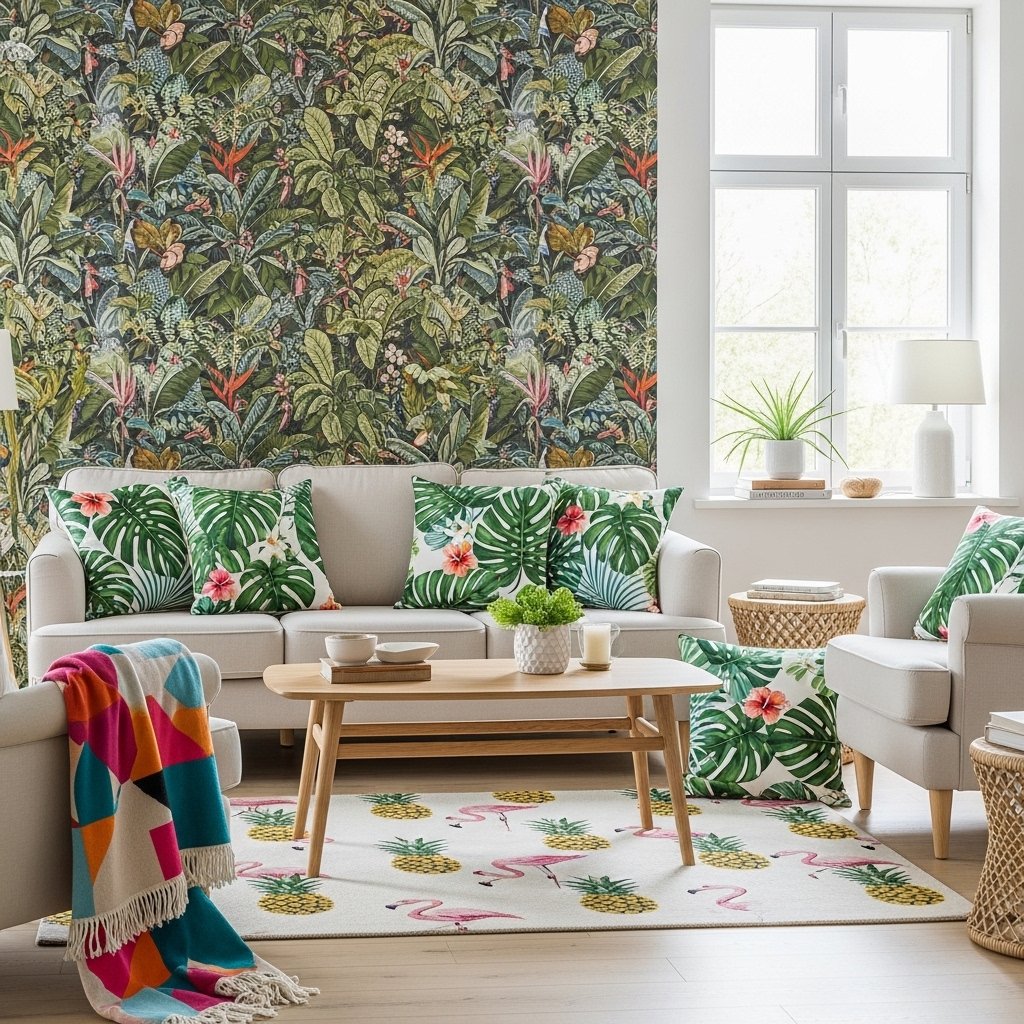
Tropical prints are a fun and expressive way to enhance your interior design. Patterns featuring palm leaves, exotic flowers, and botanical themes bring energy and personality to your space. You can use these prints on cushions, curtains, rugs, or accent walls. The key is to balance bold patterns with neutral backgrounds to avoid overwhelming the room. This creates a lively yet harmonious tropical aesthetic.
5. Maximize Natural Light
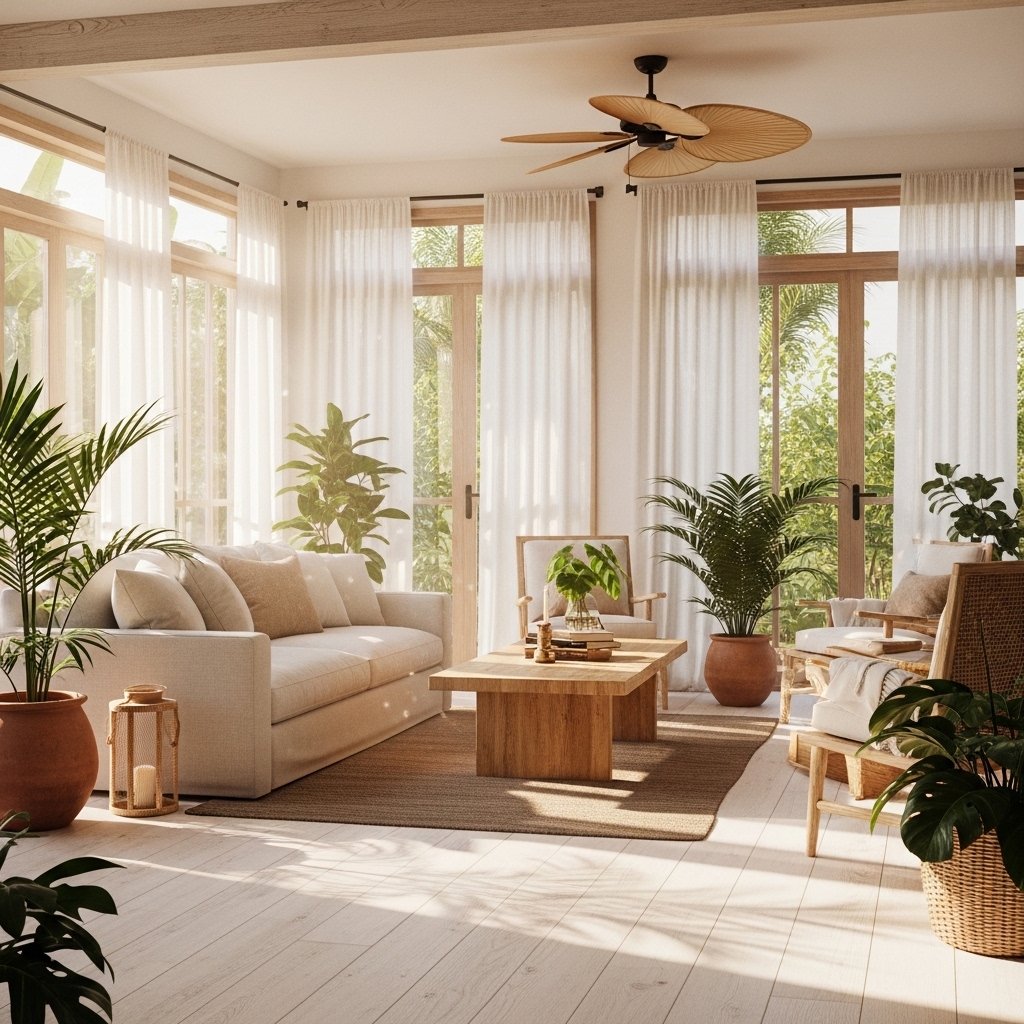
Natural light plays a crucial role in tropical interior design. Large windows, sheer curtains, and open layouts help sunlight flow freely throughout your home. Bright spaces feel more relaxed and closely connected to nature. Avoid heavy drapes or dark window coverings that block light. Instead, opt for light fabrics that allow sunlight to filter in softly and beautifully.
6. Use Lightweight and Breezy Fabrics
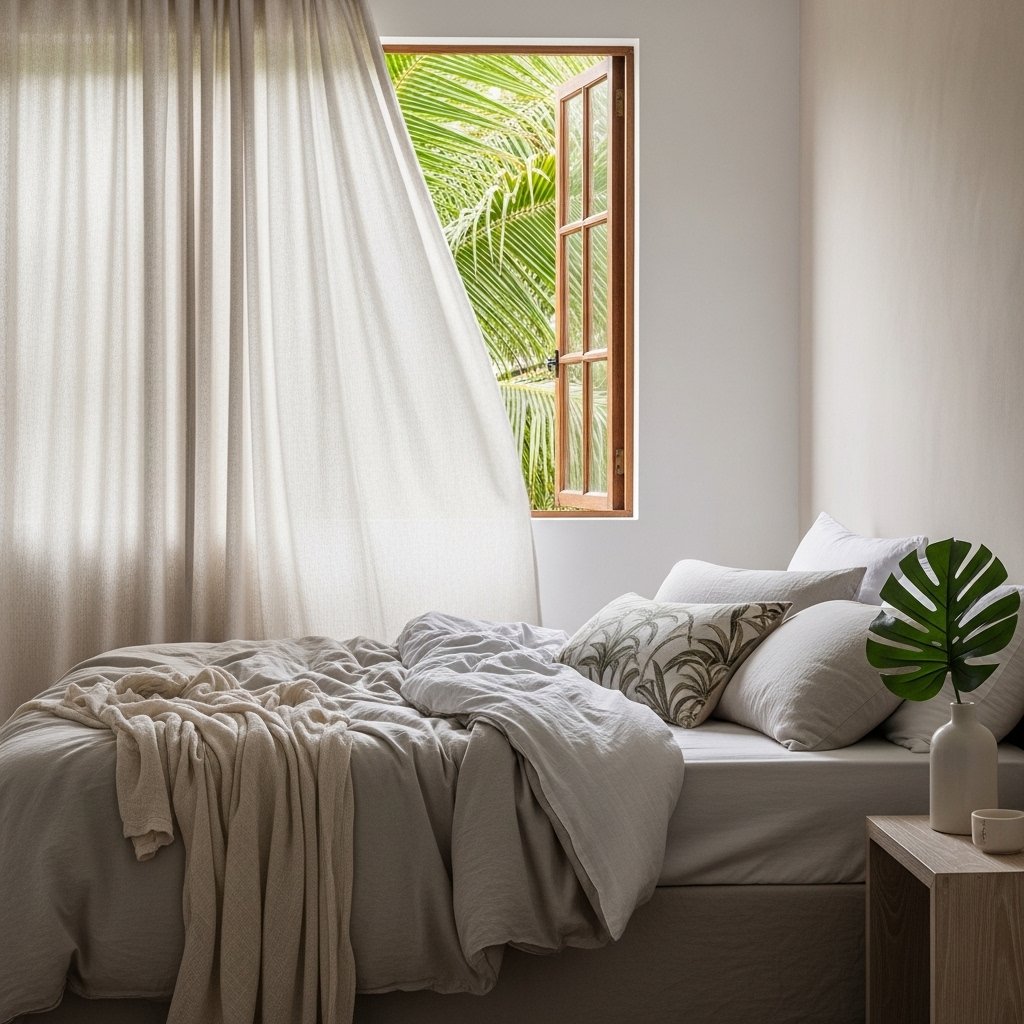
Fabrics in a tropical interior should feel light, soft, and breathable. Materials like cotton, linen, and sheer textiles help create an airy and relaxed atmosphere. These fabrics work perfectly for curtains, cushions, bedding, and upholstery. Light fabrics also enhance comfort, especially in warmer climates. Choosing soft textures ensures your space feels cozy without being heavy or cluttered.
7. Add Wooden and Earthy Furniture
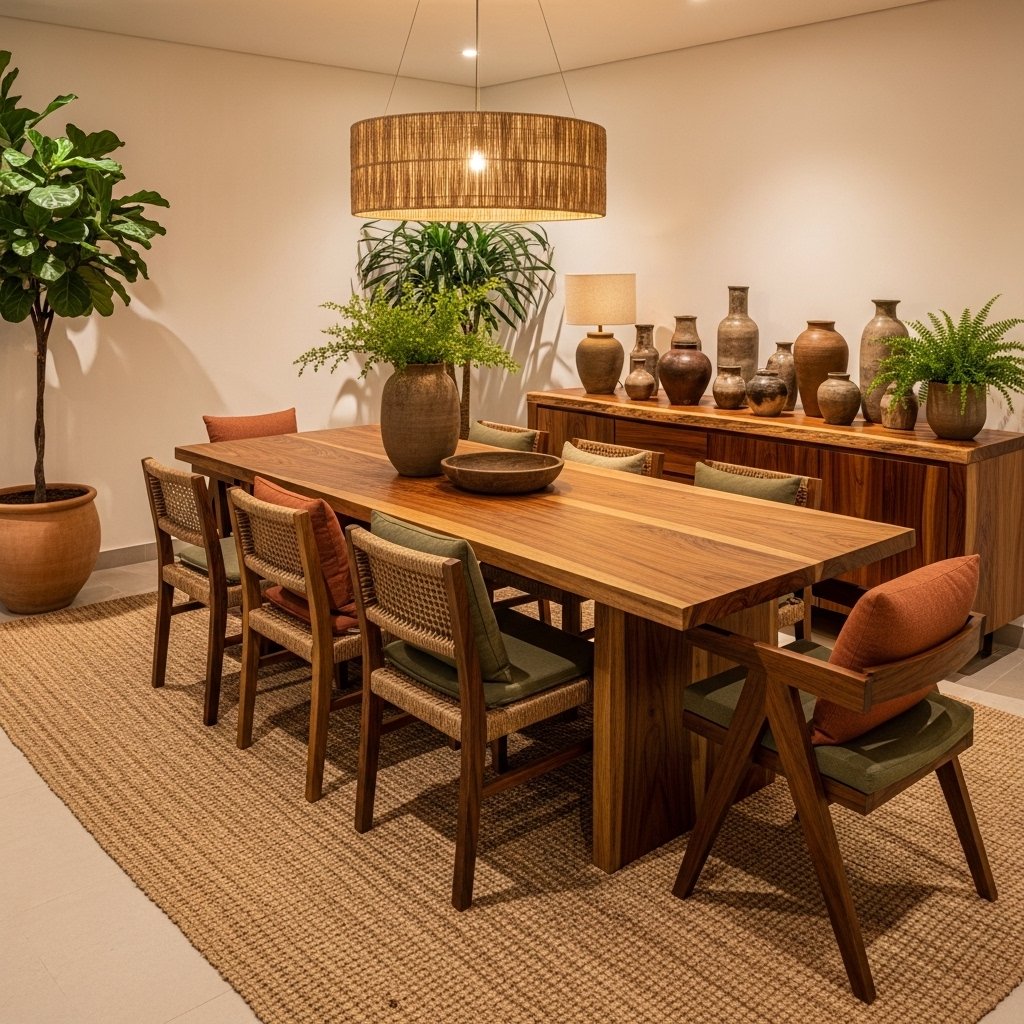
Wooden furniture is a staple in tropical interior design. Light or medium-toned wood creates a natural and grounded feel that complements greenery and soft colors. Furniture pieces like wooden beds, dining tables, and cabinets add warmth and timeless appeal. You can also mix wood with rattan or cane for a layered tropical look. This combination enhances both functionality and visual charm.
8. Decorate with Coastal and Beach Elements
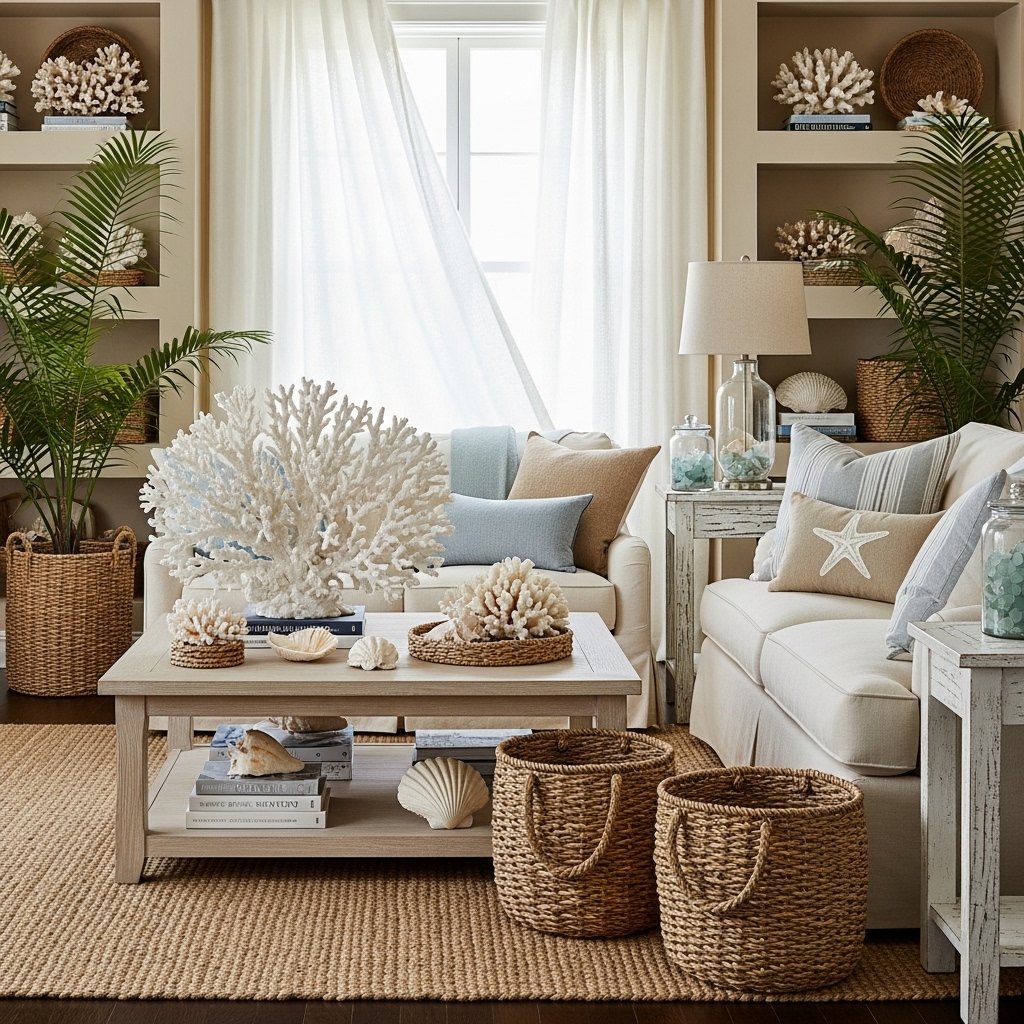
Tropical interiors often include subtle coastal touches for a relaxed beach-inspired feel. Items like seashells, coral décor, woven baskets, and driftwood accents bring a sense of the ocean indoors. These decorative elements add personality without overpowering the design. Displaying them on shelves, tables, or walls creates a cohesive theme. This approach helps capture the essence of a tropical getaway.
9. Create Open and Spacious Layouts
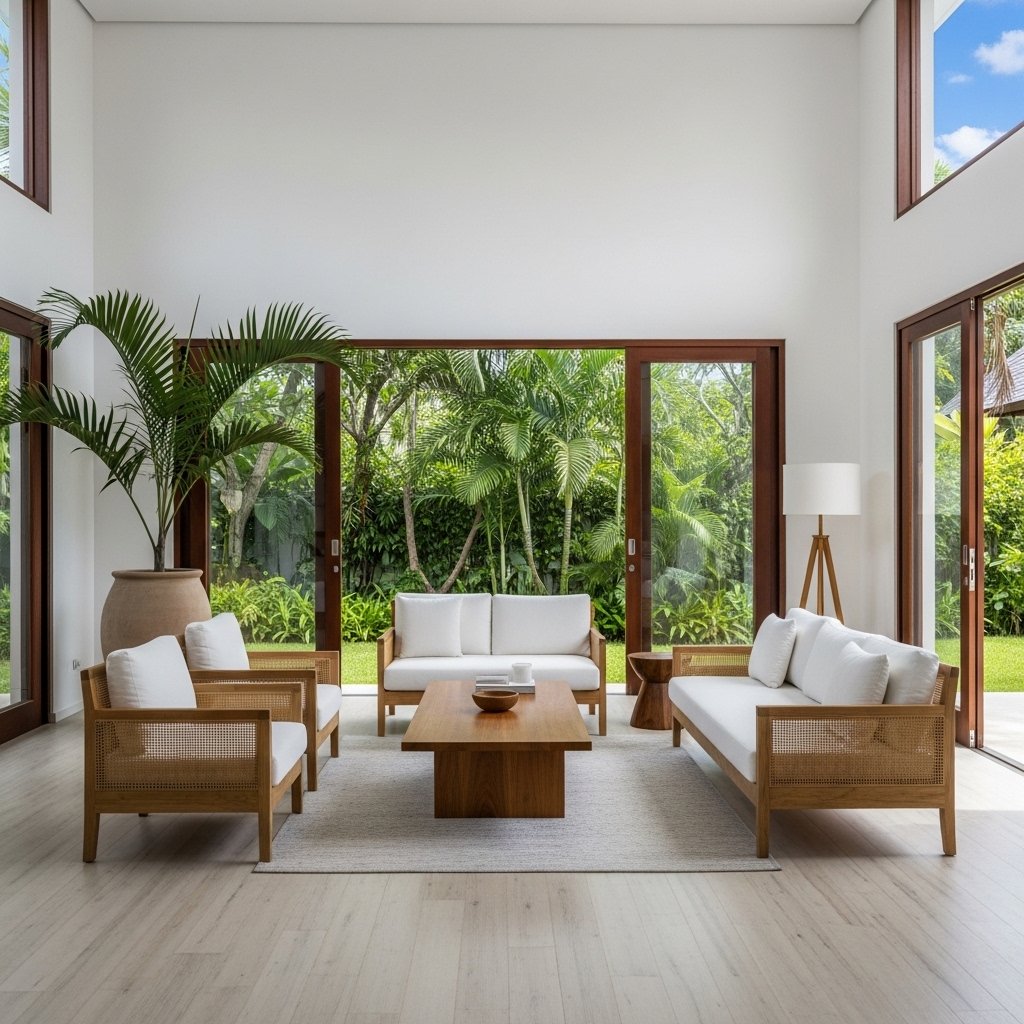
Open spaces are key to achieving a tropical interior look. Avoid overcrowding your rooms with too much furniture or décor. Instead, focus on minimal and functional layouts that allow easy movement and airflow. Spacious designs feel more relaxing and visually appealing. Keeping the layout simple helps highlight natural elements and textures effectively.
10. Use Statement Lighting Fixtures
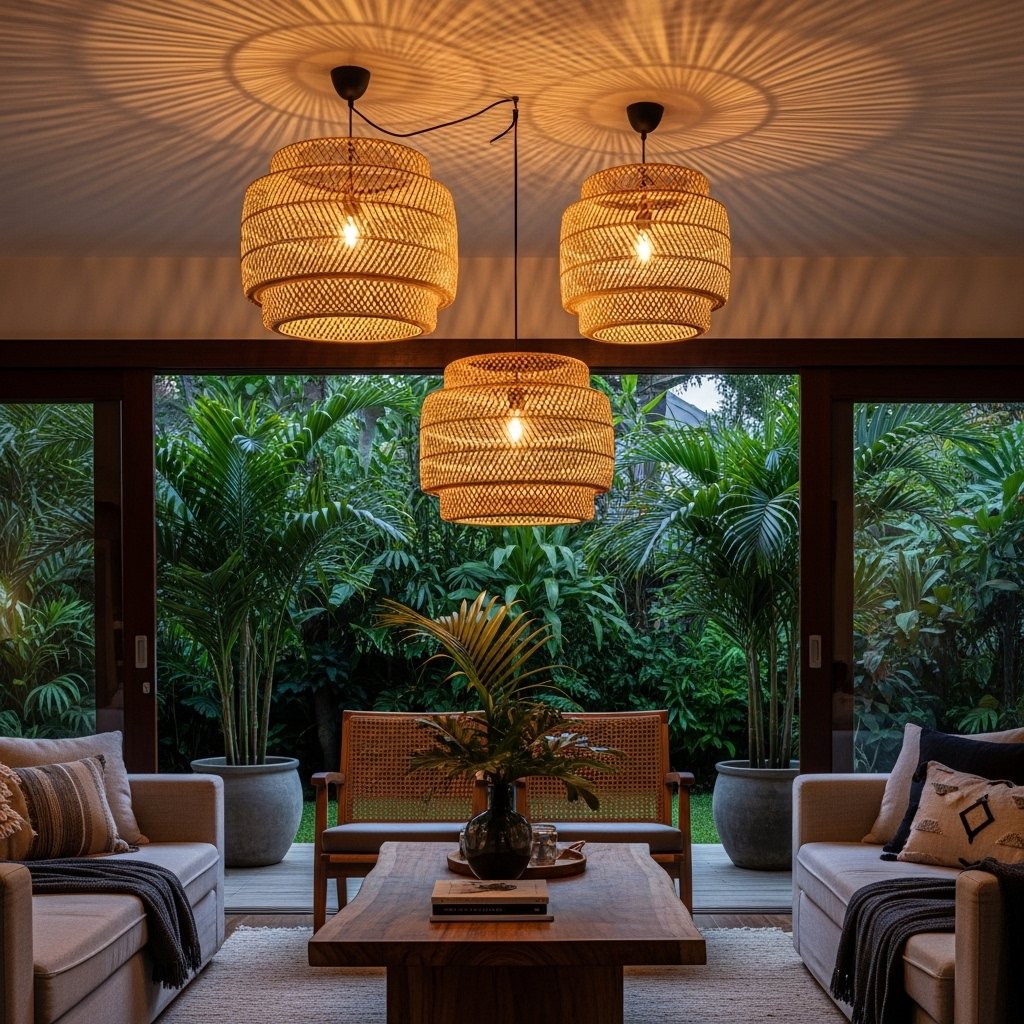
Lighting can enhance the beauty of a tropical interior when chosen carefully. Fixtures made from rattan, bamboo, or woven materials create soft and warm lighting effects. Pendant lights and lantern-style fixtures work especially well in tropical spaces. These lighting elements act as both functional and decorative pieces. They add depth and a cozy ambiance to your home.
11. Incorporate Water-Inspired Elements
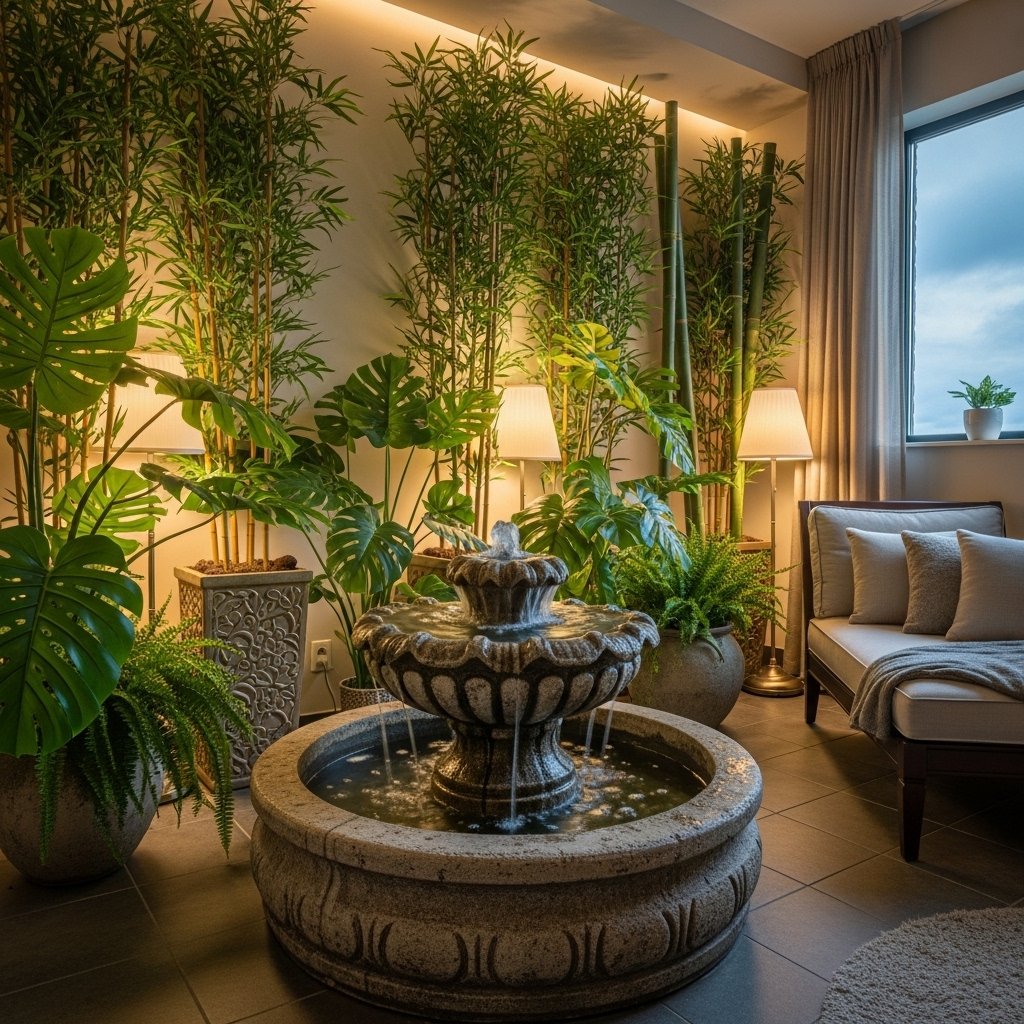
Water features can elevate your tropical interior to the next level. Small indoor fountains, water bowls, or aquarium setups create a soothing and calming environment. The sound of flowing water adds a sense of relaxation and tranquility. Even artwork or décor inspired by oceans and waterfalls can enhance the theme. These elements bring a peaceful and refreshing vibe into your space.
12. Keep the Space Minimal Yet Vibrant
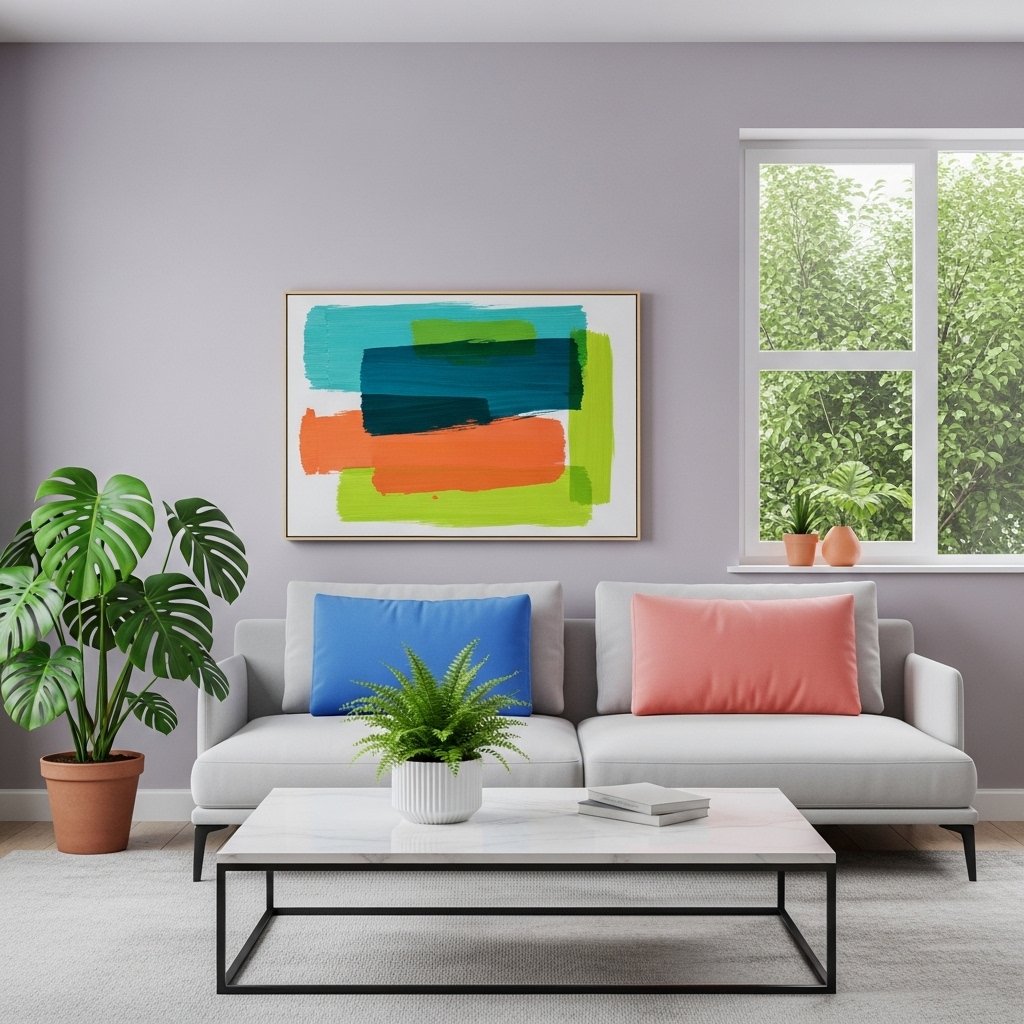
A successful tropical interior balances simplicity with vibrant details. Avoid clutter and focus on a few statement pieces that reflect the tropical theme. Bright accents like cushions, artwork, or decorative items can add energy without overwhelming the space. Maintaining a clean and organized look helps highlight the beauty of natural materials and colors. This balance creates a stylish and serene environment.
13. How to Care for Tropical Interior Decor
- Keep it Clean – Dust furniture, leaves, and decor items regularly to maintain a fresh look.
- Control Light – Use natural light but avoid too much direct sunlight to protect colors and materials.
- Maintain Plants – Water plants properly and keep them healthy for a natural tropical feel.
- Manage Humidity – Keep a balanced environment; avoid too much dryness or moisture.
- Refresh Decor – Rearrange plants, cushions, or natural elements to keep the space lively and vibrant.
13.1. FAQ
13.2. What is tropical interior design❓
Tropical interior design is a style that brings a fresh, natural, and relaxing feel into a home. It uses elements inspired by nature, such as plants, light colors, and natural materials. This style creates a calm and airy atmosphere, making the space feel like a peaceful getaway.
13.3. What colors are used in tropical interior❓
Tropical interiors usually use light and fresh colors like white, beige, green, and soft blue. Bright colors like yellow or coral can also be added for a lively touch. These colors help create a natural and refreshing environment inside the room.
13.4. How can I create a tropical interior at home❓
You can create a tropical interior at home by adding indoor plants, using wooden furniture, and choosing light-colored fabrics. Natural light is also very important, so keep windows open or use light curtains. Simple decor items like leaf prints or bamboo accessories can complete the look.
14. Final Thoughts
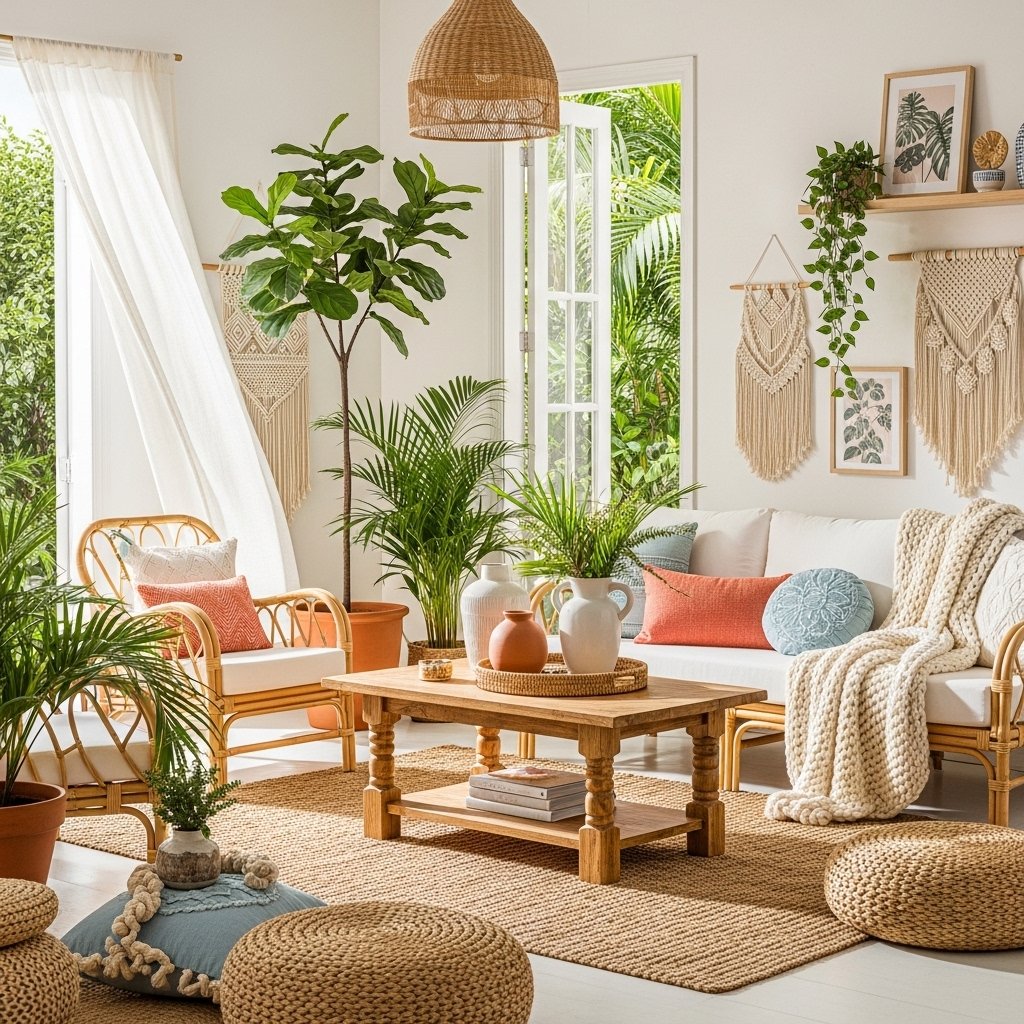
Tropical interior design is all about creating a relaxing escape within your home. By combining natural materials, greenery, light colors, and airy textures, you can achieve a space that feels both refreshing and inviting. Each element works together to bring warmth, comfort, and a touch of nature indoors. Whether you prefer subtle tropical accents or a bold island-inspired look, this design style offers endless possibilities. With the right approach, you can transform any room into a peaceful tropical paradise that feels like a vacation every day.