White House Interior: A Detailed Look Inside America’s Most Iconic Residence
Blog > Home > Modern interior > White House Interior: A Detailed Look Inside America’s Most Iconic Residence
The White House interior is one of the most fascinating and historically rich spaces in the world. As the official residence of the President of the United States, it combines elegance, tradition, and functionality in a truly unique way. Every room inside reflects a piece of American history, carefully preserved and periodically updated to suit modern needs. From grand halls to private living quarters, the interior design balances luxury with purpose. In this article, we’ll explore 12 key areas and design elements that define the White House interior in a structured and engaging way.
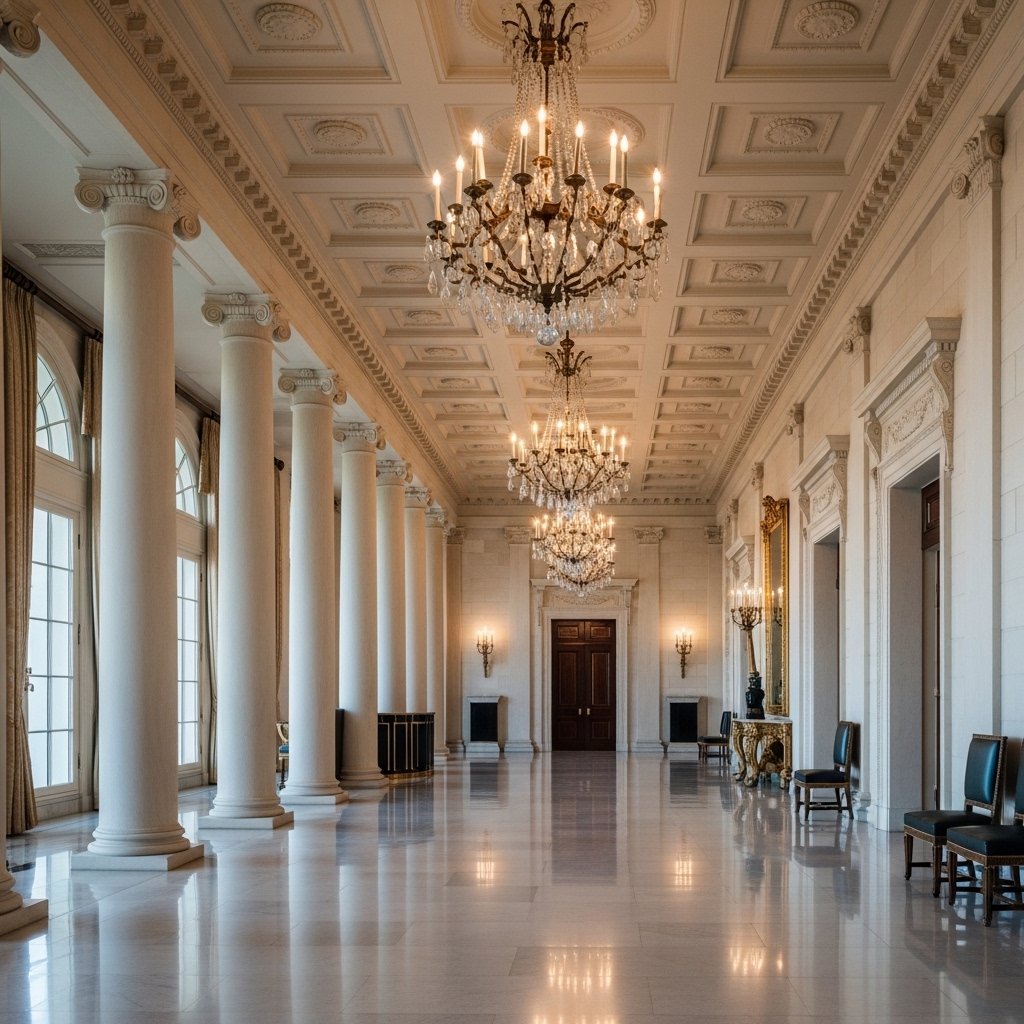
Table Of Content
1. The Entrance Hall and Grand Foyer
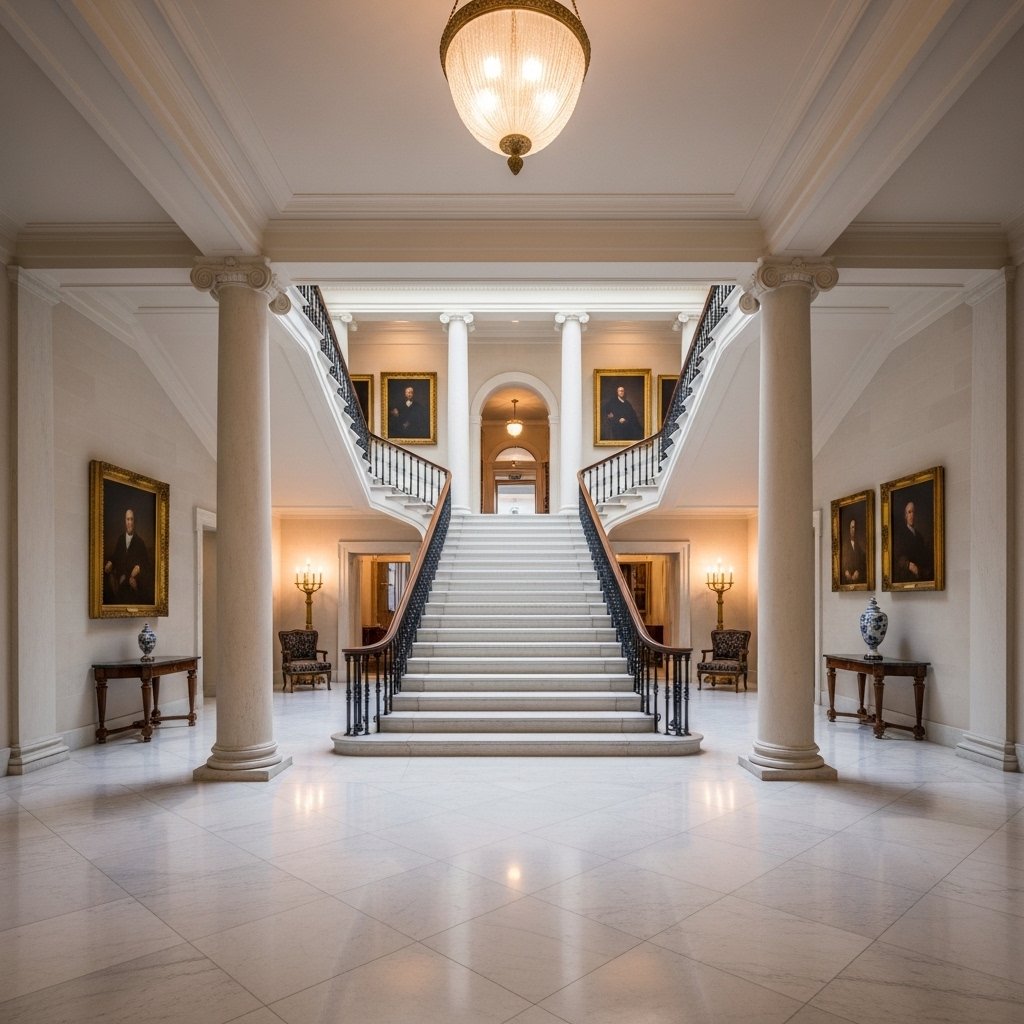
The Entrance Hall of the White House sets the tone for the entire interior with its classic and welcoming design. Featuring elegant columns, marble floors, and refined architectural details, it creates a strong first impression. The Grand Foyer extends this experience with its sweeping staircase and historical portraits. These areas are often used for official greetings and ceremonial events. The neutral color palette enhances the timeless beauty of the space.
2. The East Room
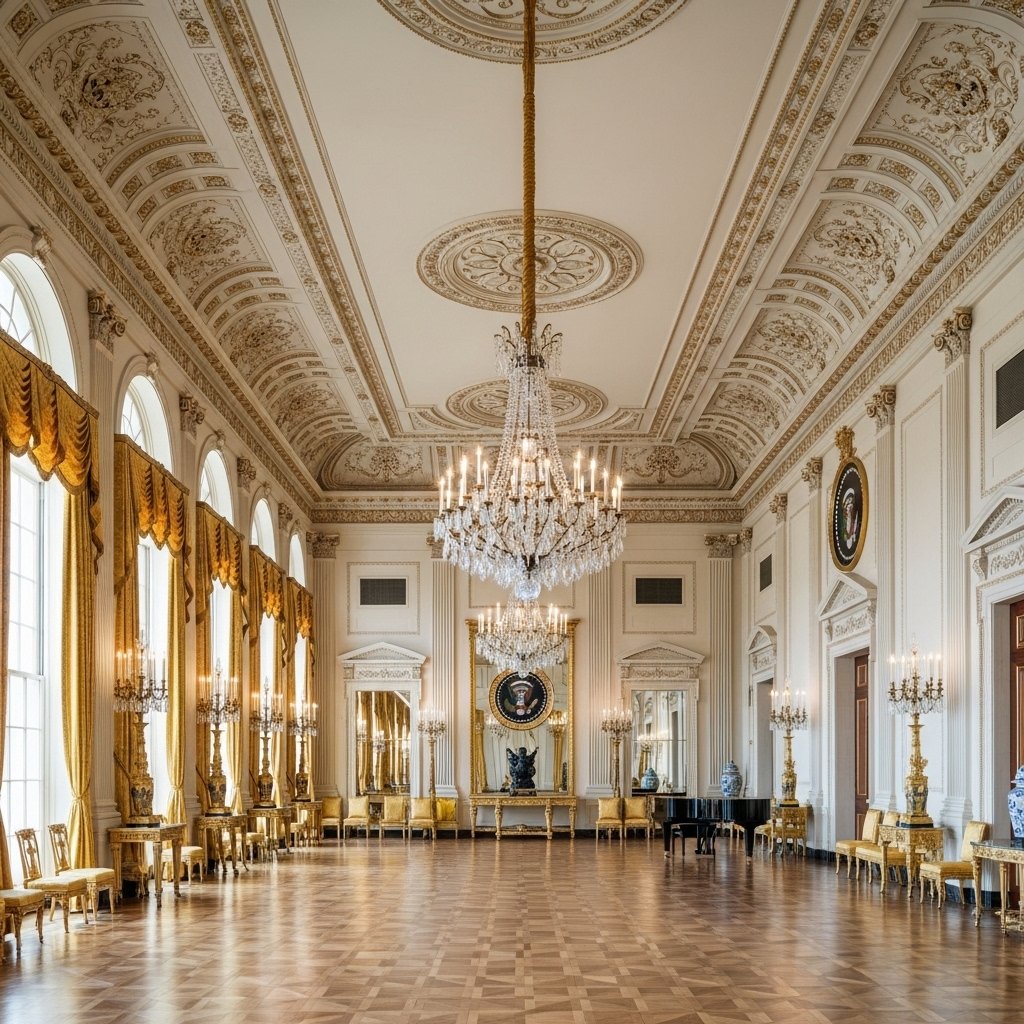
The East Room is the largest room in the White House and is often used for important ceremonies and gatherings. Its design features high ceilings, crystal chandeliers, and large windows that allow natural light to fill the space. The room’s décor is both formal and elegant, reflecting its significance. It has hosted everything from press conferences to weddings. The spacious layout makes it ideal for large-scale events.
3. The State Dining Room
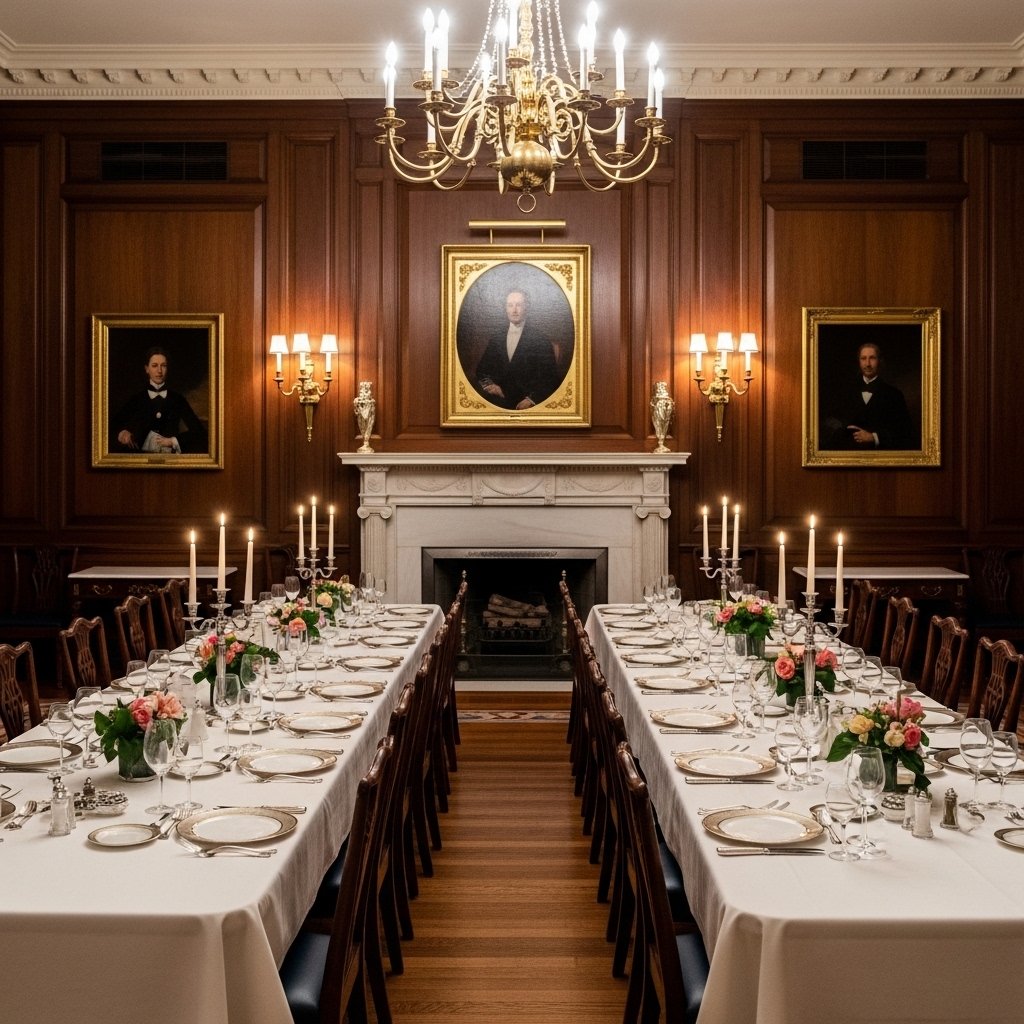
The State Dining Room is where official dinners and state banquets are held. It is designed to accommodate large groups while maintaining a sense of intimacy and sophistication. The room features a long dining table, ornate fireplace, and historical artwork. Rich wood tones and warm lighting create an inviting atmosphere. This space reflects the importance of hospitality in diplomatic relations.
4. The Blue Room
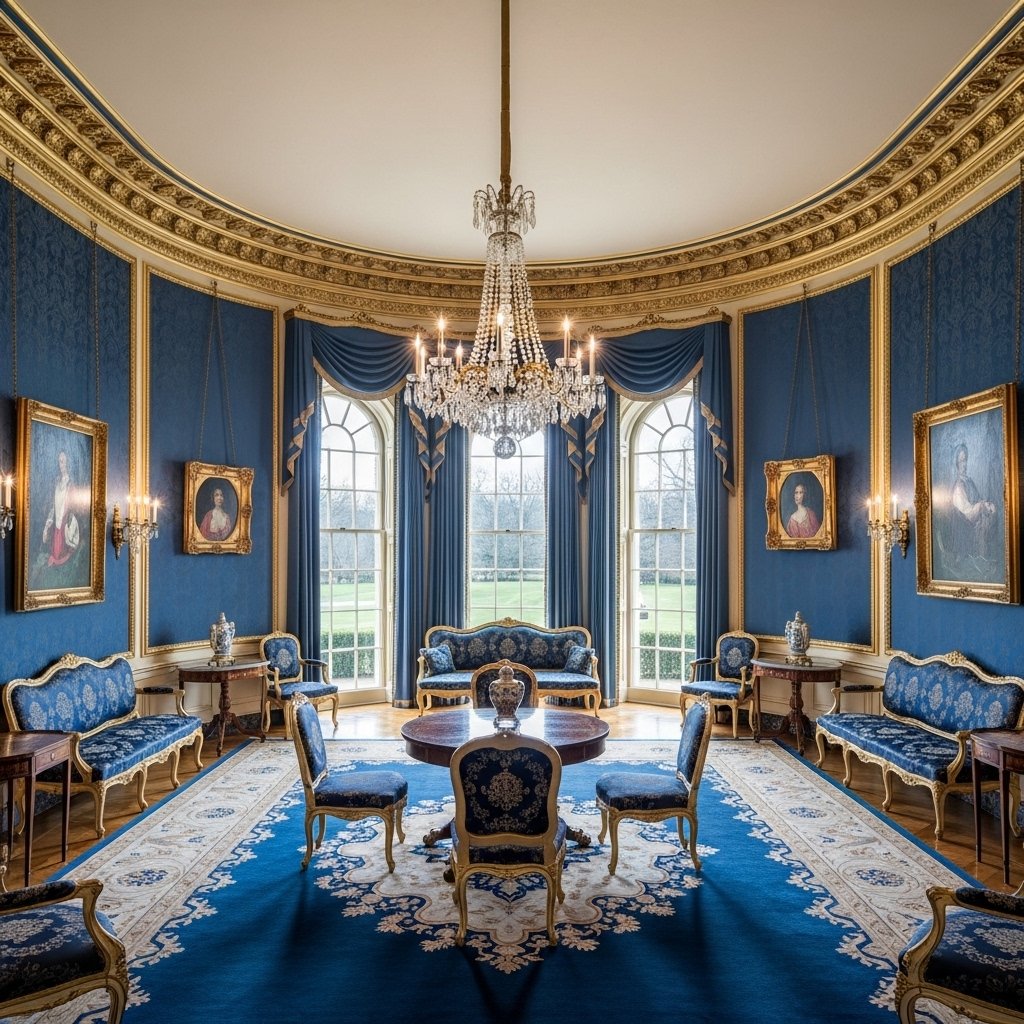
The Blue Room is known for its distinctive oval shape and stunning décor. It is traditionally used for receiving guests and hosting formal gatherings. The room features blue upholstery, gold accents, and elegant furnishings. Large windows provide views of the South Lawn, adding to its charm. Its symmetrical design makes it one of the most visually striking rooms in the White House.
5. The Red Room
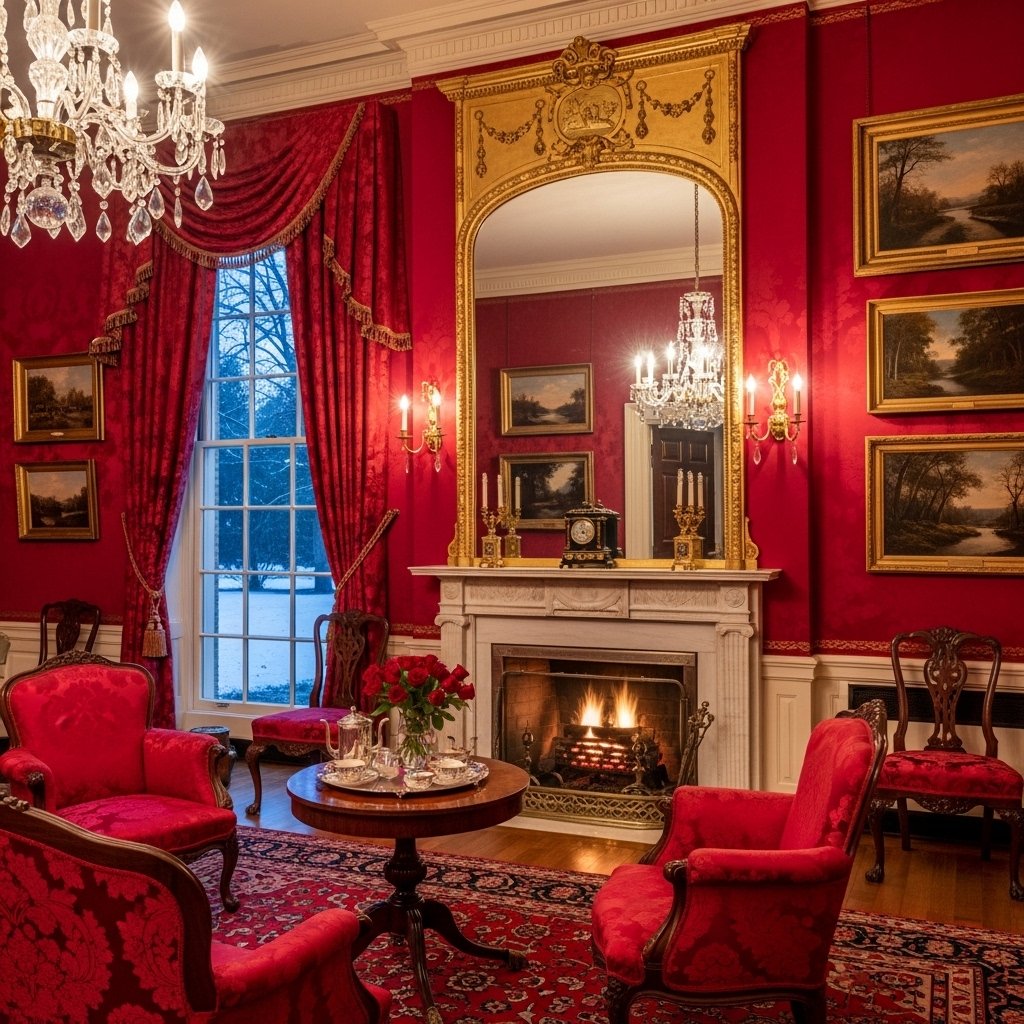
The Red Room serves as a stylish parlor used for smaller gatherings and meetings. Its deep red walls and luxurious fabrics create a warm and intimate setting. The room is decorated with antique furniture and historical pieces. Soft lighting enhances the cozy atmosphere. It is often used for informal conversations and relaxation.
6. The Green Room
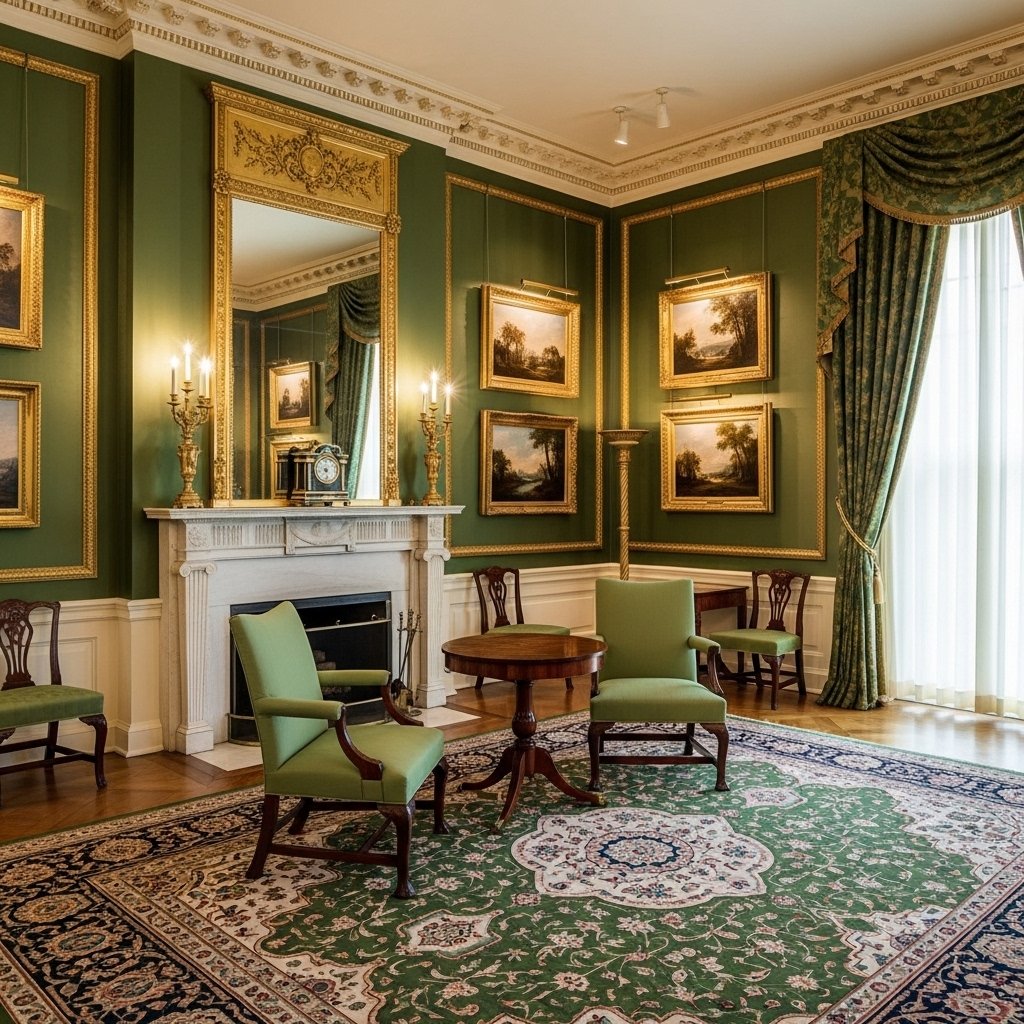
The Green Room is another elegant parlor, often used for tea gatherings and small receptions. Its green color scheme symbolizes growth and harmony. The room features classic furniture, decorative moldings, and fine artwork. Natural tones create a calm and refreshing ambiance. It is a perfect example of balanced interior design.
7. The Oval Office
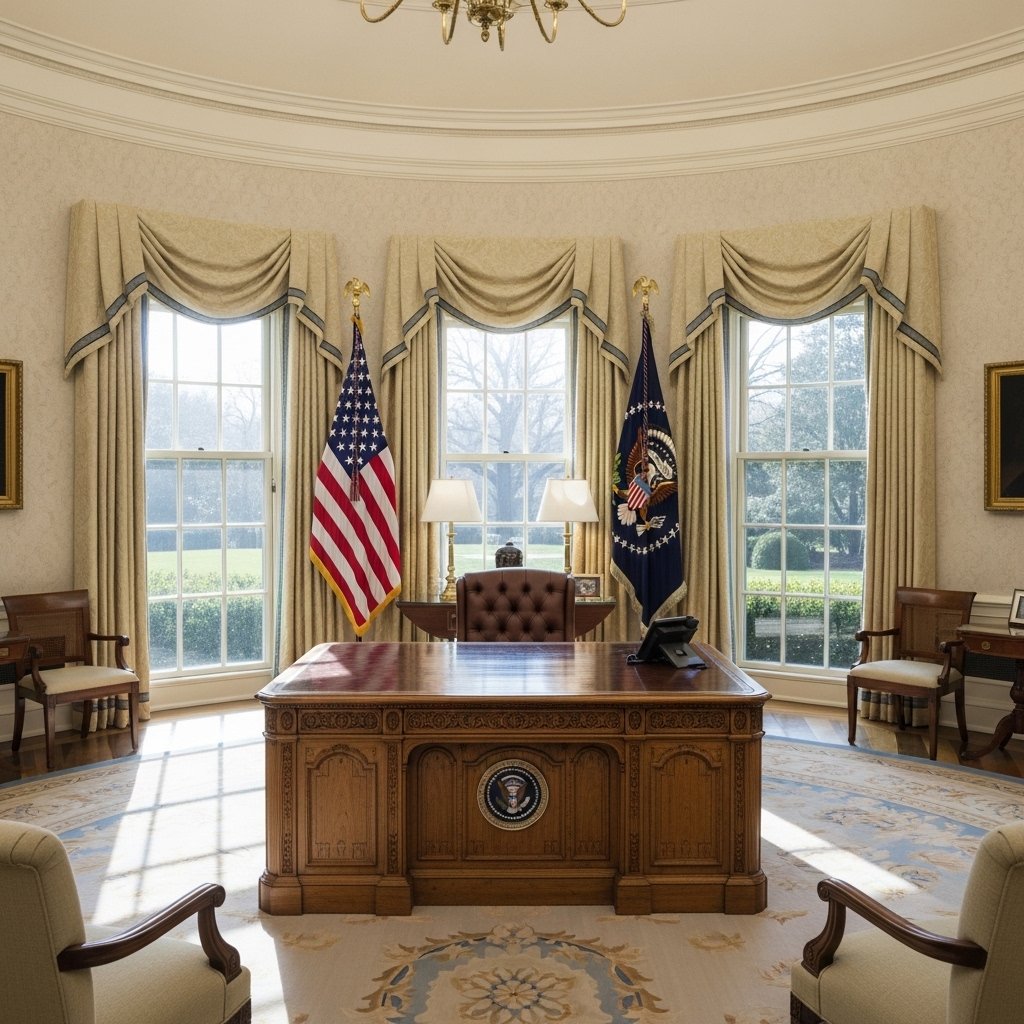
The Oval Office is perhaps the most famous room in the White House interior. It serves as the President’s official workspace and symbolizes leadership and authority. The design changes slightly with each administration, reflecting personal style while maintaining tradition. It features the iconic Resolute Desk and carefully selected artwork. The room’s layout promotes both functionality and symbolism.
8. The Cabinet Room
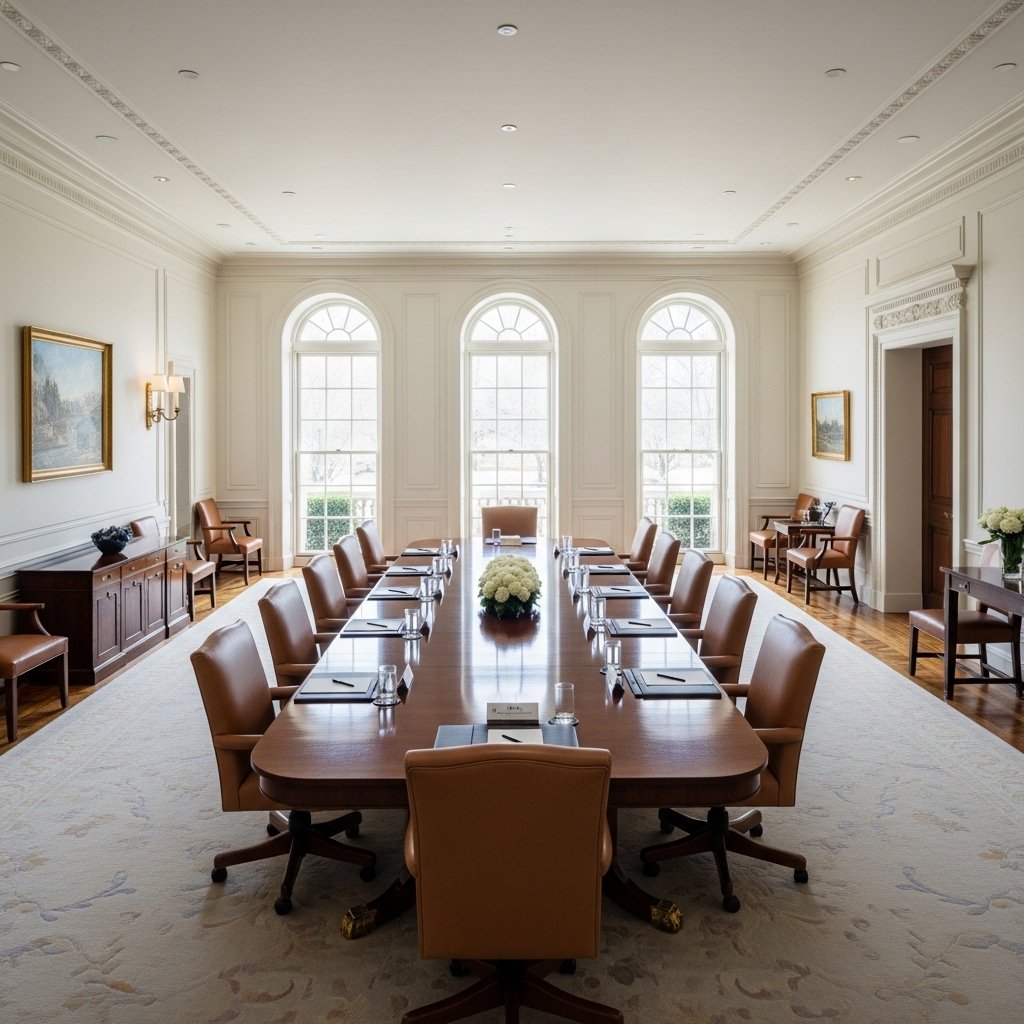
The Cabinet Room is where the President meets with advisors and cabinet members. It is designed for discussion and decision-making, featuring a large conference table and comfortable seating. The room’s décor is simple yet refined, focusing on practicality. Natural light and neutral tones create a professional environment. It reflects the importance of collaboration in governance.
9. The Lincoln Bedroom
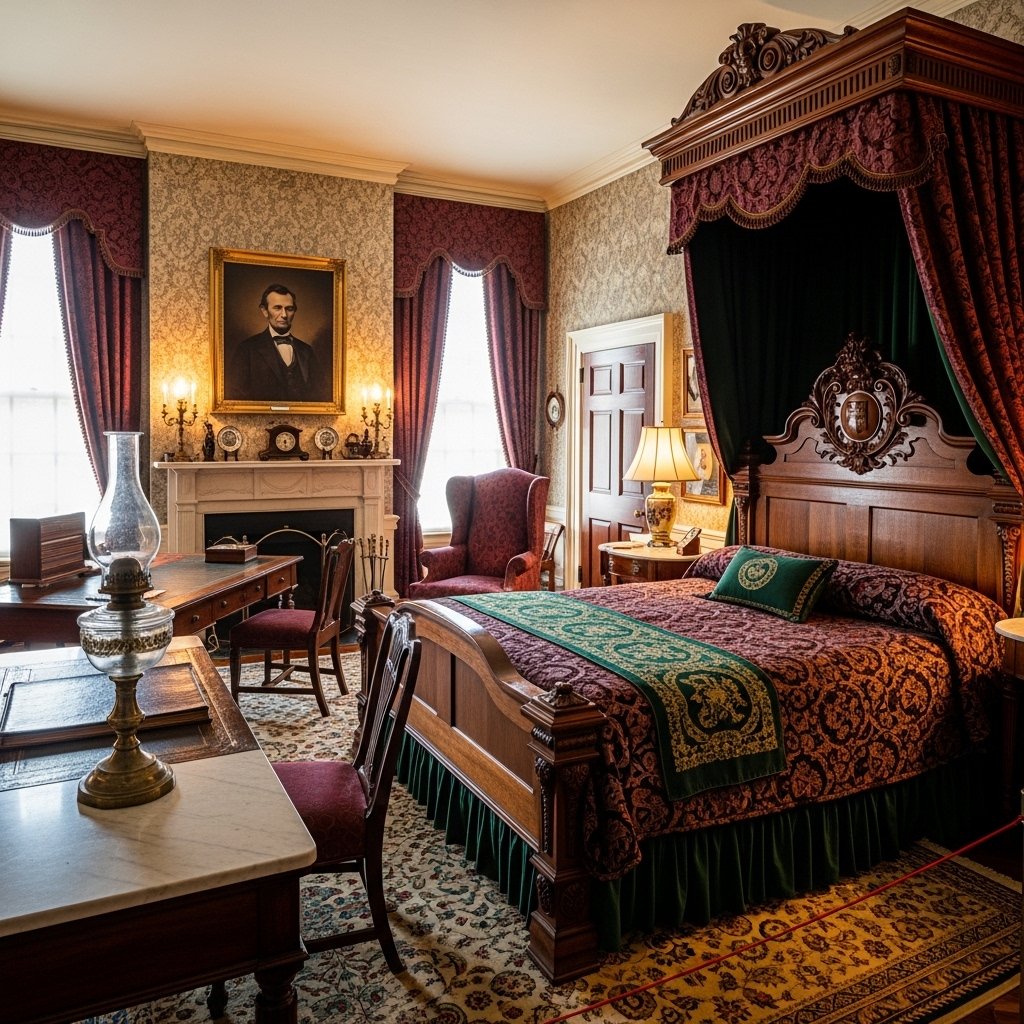
The Lincoln Bedroom is one of the most historically significant rooms in the White House. It is named after President Abraham Lincoln and contains artifacts from his era. The room is richly decorated with period furniture and classic textiles. It serves as a guest bedroom for distinguished visitors. The design preserves a strong sense of history and legacy.
10. The Family Residence
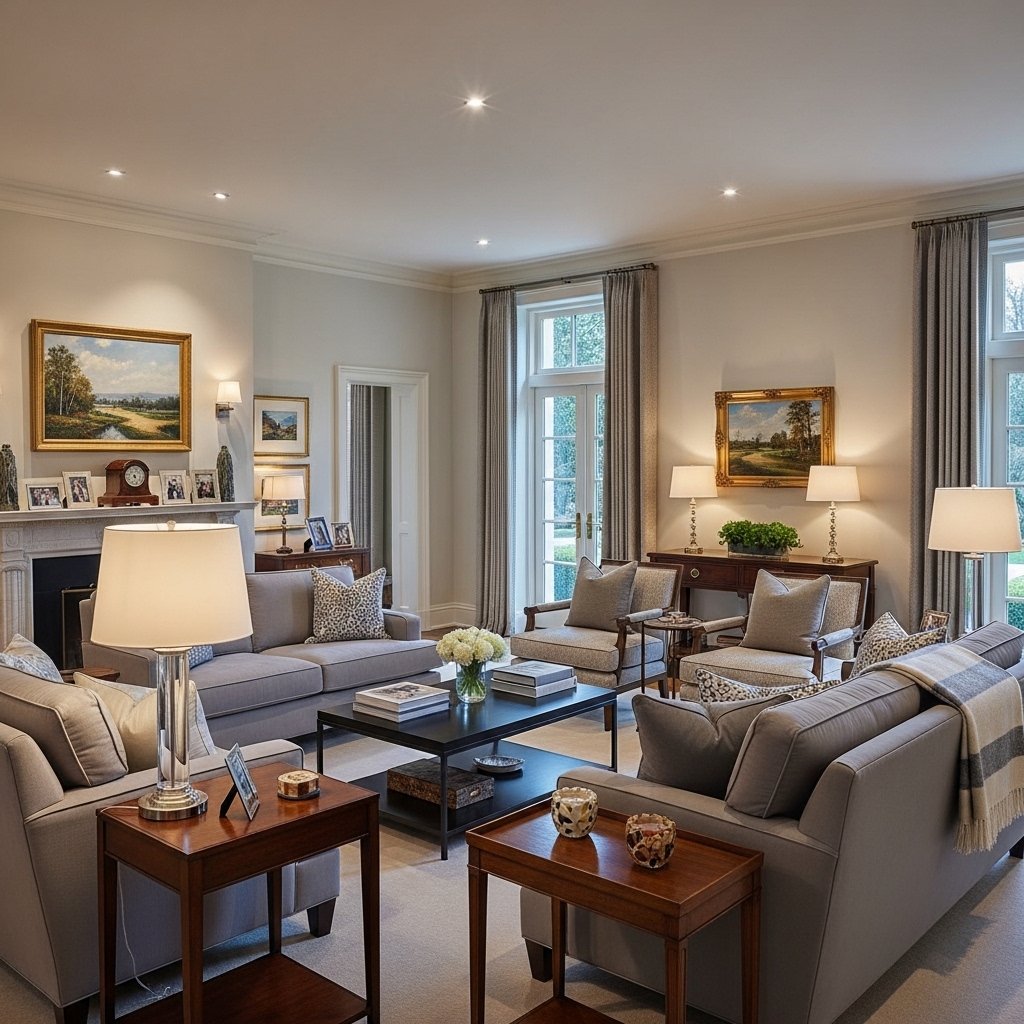
The Family Residence is the private living area of the President and their family. Unlike the formal state rooms, this space is designed for comfort and daily life. It includes bedrooms, a kitchen, and a living area tailored to personal preferences. The décor is more relaxed while still maintaining elegance. This area highlights the balance between public duty and private life.
11. The White House Library
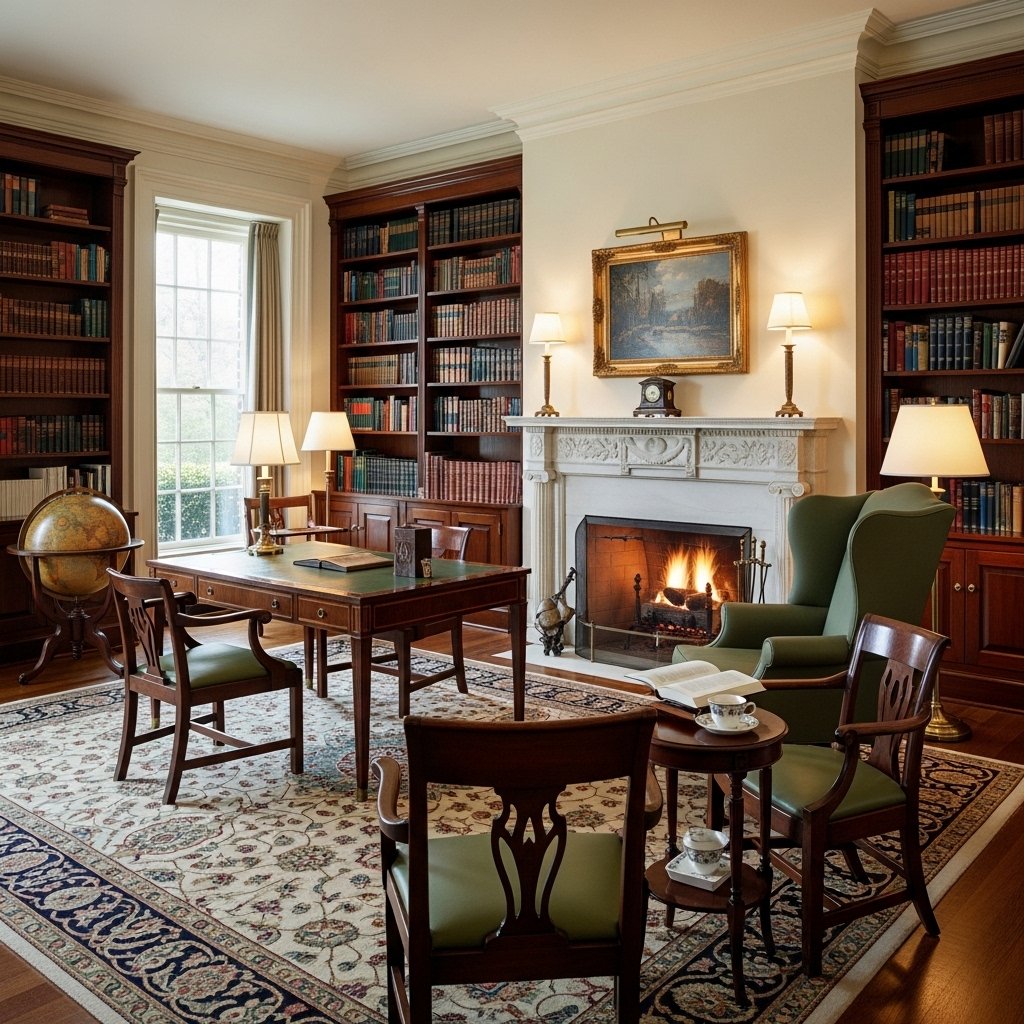
The White House Library is a quiet and refined space filled with books related to American history and culture. It serves as both a reading room and a meeting space for smaller gatherings. The design includes built-in bookshelves, classic furniture, and soft lighting. Neutral tones create a peaceful environment. It reflects the intellectual and cultural aspects of the presidency.
12. The Rose Garden Connection
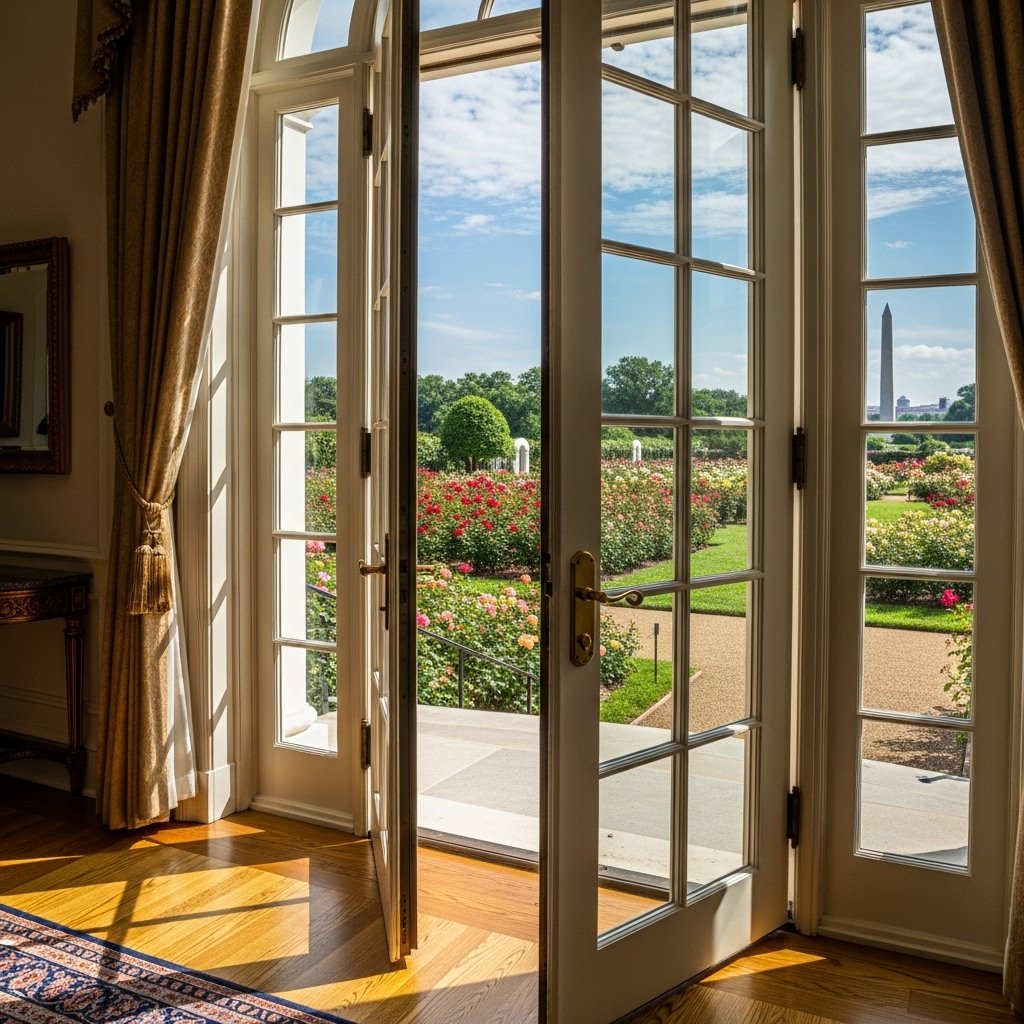
While technically outside, the Rose Garden is closely connected to the White House interior through adjacent rooms. It provides a seamless transition between indoor and outdoor spaces. Large windows and doors allow natural light and views of greenery to enhance interior rooms. The garden is often used for events and announcements. This connection adds freshness and openness to the overall design.
13. How to Care for White House Interior
- Keep It Clean – Regularly dust walls, furniture, and decor to maintain a fresh white look.
- Avoid Stains – Clean spills quickly to prevent marks on white surfaces and fabrics.
- Protect from Sunlight – Use curtains or blinds to stop yellowing or fading.
- Handle with Care – Be gentle with light-colored furniture and delicate decor items.
- Refresh Regularly – Wash fabrics and repaint or touch up walls to keep the space bright and modern.
13.1. FAQ
13.2. What is a white house interior❓
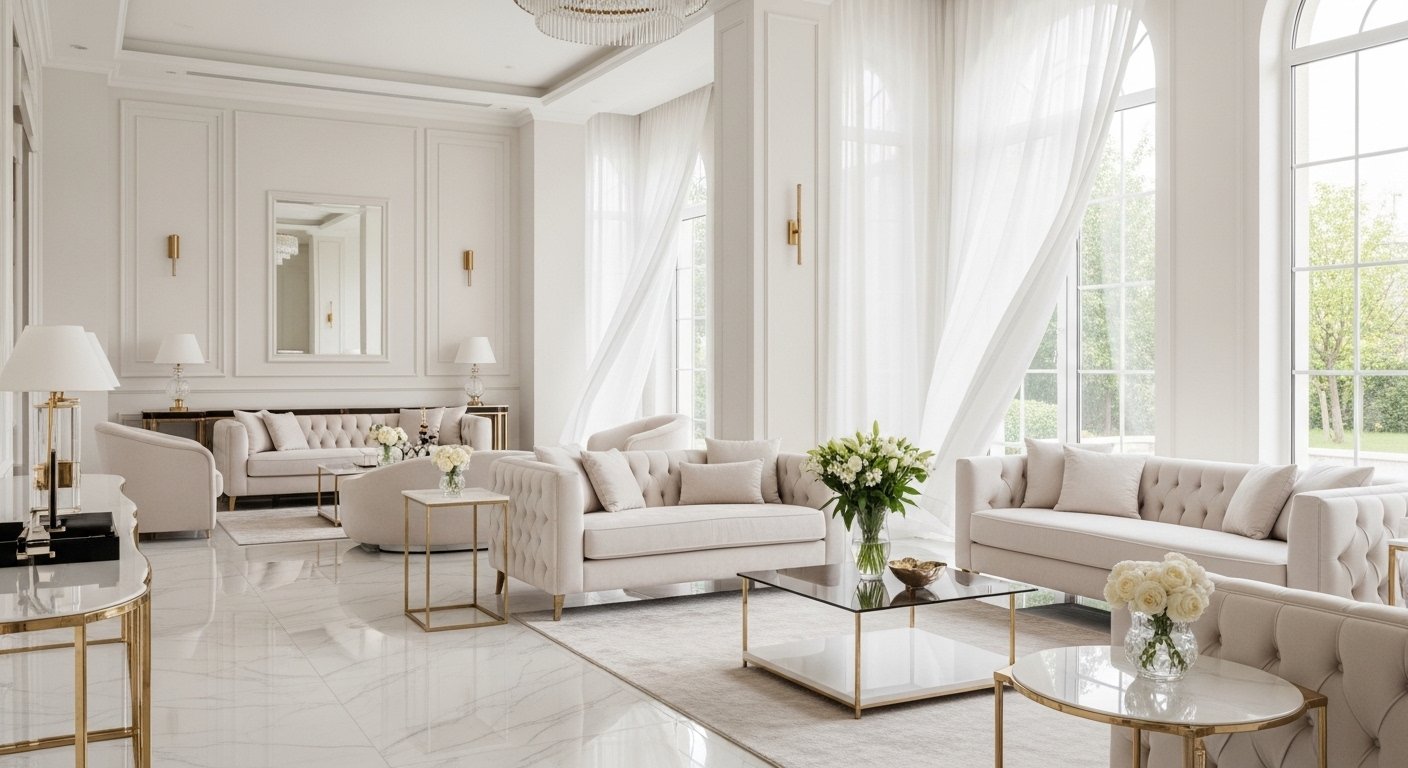
A white house interior is a home design style where white is used as the main color for walls, furniture, and decor. This style creates a clean, bright, and elegant look that makes the space feel open and fresh. White interiors are popular because they give a simple yet modern appearance that suits many different home styles.
13.3. Why choose a white interior for your home❓
People choose a white interior because it makes rooms look bigger, brighter, and more peaceful. White reflects light well, which helps improve the overall atmosphere of the space. It also creates a calm and relaxing environment, making it perfect for bedrooms, living rooms, and even small spaces.
13.4. How can you decorate a white interior room❓
You can decorate a white interior room by adding textures, colors, and small decorative items. Using cushions, rugs, plants, or wooden elements helps break the plain look and adds warmth. Mixing different materials like fabric, metal, or natural wood can make the room feel more stylish and balanced.
14. Final Thoughts
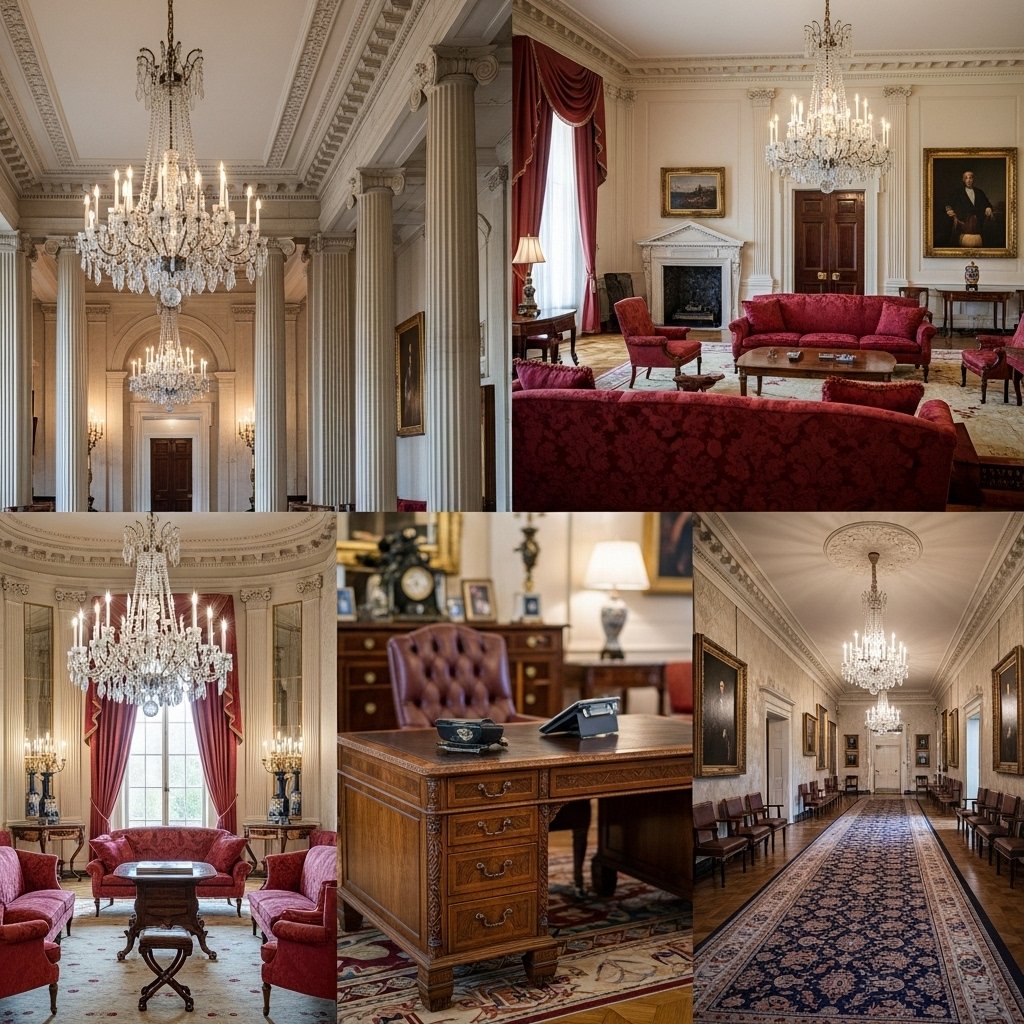
The White House interior is a remarkable blend of history, elegance, and functionality. Each room serves a specific purpose while contributing to the overall harmony of the residence. From grand ceremonial spaces to private living quarters, the design reflects both tradition and adaptability. The careful preservation of historical elements ensures that the legacy of past presidents lives on. Exploring these 12 areas offers a deeper appreciation of one of the most iconic interiors in the world.