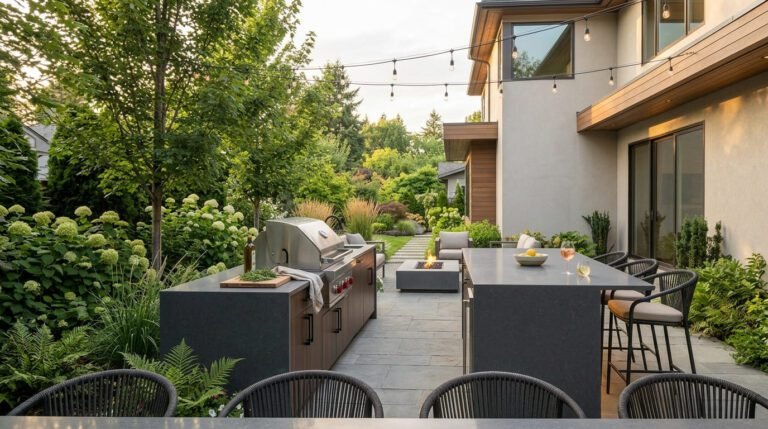
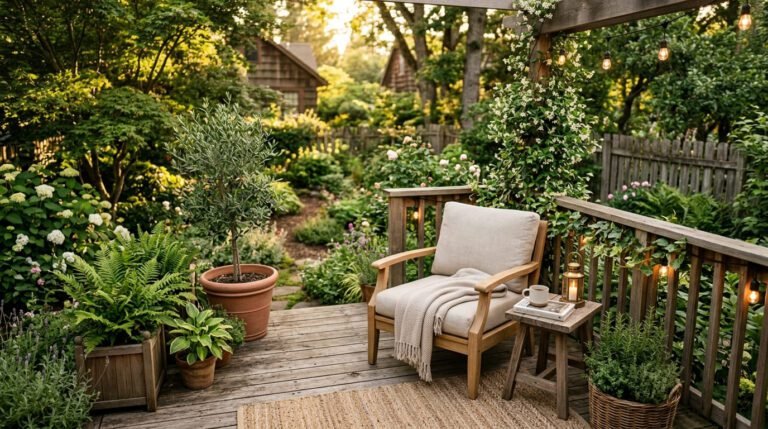
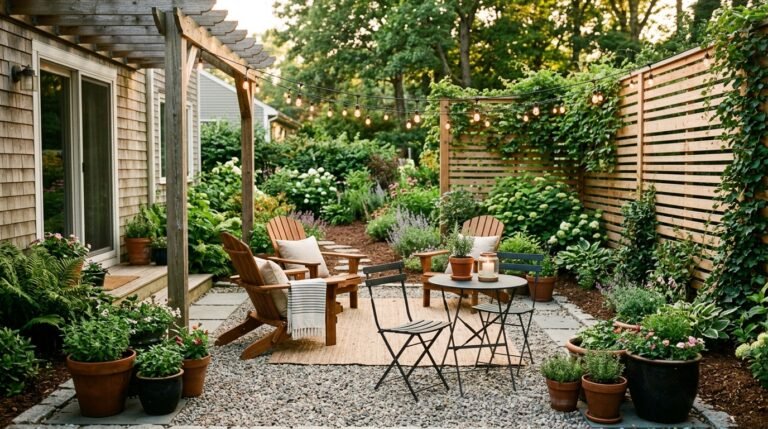
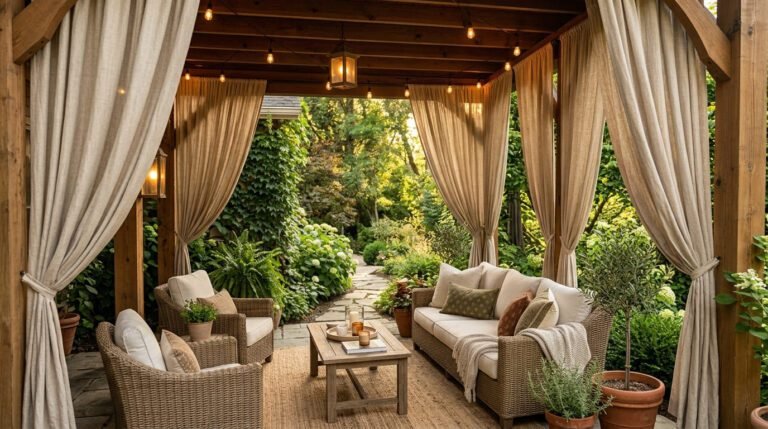
14 Balcony Garden Ideas So Good You’ll Forget You’re in a City
A balcony may be surrounded by buildings, traffic, and busy streets, but the right plants can make it feel like a completely different world. With thoughtful containers, vertical greenery, comfortable seating, and a few decorative details, even a small urban balcony can become a peaceful garden retreat. You don’t need a huge outdoor space or an elaborate landscaping budget to create that feeling. These balcony garden ideas are designed to help you turn an ordinary city balcony into a lush, inviting space that feels much closer to nature.
The best balcony gardens combine beauty with practicality. Choosing plants according to sunlight, wind, available floor space, and how much maintenance you want to do will make the garden much easier to enjoy. Vertical planters can maximize a narrow balcony, while railing boxes and hanging baskets add greenery without taking up valuable floor space. Whether you want a tiny herb garden, a tropical escape, or a cozy green reading corner, there is an idea here that can work for your space.
1. Turn One Wall Into a Vertical Garden
When floor space is limited, look up instead of out. A vertical garden can transform a plain balcony wall into a dramatic wall of greenery without taking away much usable space. Use wall-mounted planters, tiered shelves, hanging pots, or a simple trellis to create different levels for your plants. Combining plants with different leaf shapes and heights makes the arrangement feel more like a real garden than a collection of individual pots.
Choose plants according to how much sunlight the wall receives throughout the day. Herbs, trailing plants, compact flowers, and many leafy houseplants can work beautifully in vertical arrangements when their light requirements are matched to the location. Keep the watering needs of neighboring plants similar so maintenance stays simple. Even one lush green wall can dramatically change the atmosphere of a city balcony.
2. Create a Balcony Herb Garden
A balcony is an excellent place to grow fresh herbs, especially if your space receives several hours of sunlight. Basil, mint, parsley, thyme, rosemary, oregano, and chives can all make a small outdoor garden more useful. Place herbs in individual pots along a railing, on a narrow plant shelf, or in a compact vertical planter. Having fresh herbs just outside the kitchen can make everyday cooking feel much more rewarding.
Use containers with good drainage and avoid placing aggressive growers such as mint directly with other herbs. Labeling the pots can add a charming garden detail while making it easier to identify everything at a glance. If your balcony gets strong afternoon sun, group sun-loving herbs together and give more delicate varieties some protection. A small herb garden proves that an urban balcony can be both beautiful and productive.
3. Add Plants Along the Balcony Railing
The railing is one of the most underused areas when designing a balcony garden. Railing planters allow you to add flowers and greenery around the perimeter while keeping the central floor area open. Fill them with trailing flowers or leafy plants that soften the hard architectural lines of the balcony. From inside your home, the greenery can also create the feeling that your balcony has become an extension of the garden.
Choose secure planters designed specifically for railing use so they remain stable in windy conditions. Make sure the containers have drainage and won’t allow excess water to damage the balcony below. You can use matching planters for a clean modern look or mix different sizes for a more relaxed garden feel. Even a row of simple plants can make a dramatic difference to an otherwise bare railing.
4. Build a Lush Tropical Balcony
If you want your balcony to feel like a vacation escape, create a tropical-inspired garden filled with bold foliage. Large-leaf plants, palms, ferns, and other lush greenery can create the layered look associated with tropical gardens. Place taller plants toward the back and smaller plants in front to create depth. A few trailing plants can soften the edges and make the space feel even more enclosed.
Natural materials such as rattan, teak, bamboo, and woven baskets work beautifully with tropical greenery. Add a compact outdoor chair and a small side table to create a place where you can actually enjoy the garden. If your balcony receives limited sunlight, choose shade-tolerant plants rather than trying to force sun-loving tropical varieties to grow. The goal is a dense, relaxing atmosphere rather than simply collecting as many plants as possible.
5. Make a Tiny Balcony Garden Feel Bigger
A small balcony doesn’t have to feel crowded with plants. One of the best ways to make a tiny balcony garden feel larger is to use vertical space and keep the center of the floor relatively open. Narrow plant stands, wall planters, hanging baskets, and railing boxes allow you to add plenty of greenery without filling every available surface. A small round table or slim bench can provide seating without visually overwhelming the space.
Use varying plant heights to create depth rather than arranging everything at the same level. Keeping the largest pots toward the corners can also help frame the balcony while leaving a clear central area. Choose a limited number of complementary pot styles instead of using too many unrelated containers. With thoughtful placement, even a very small balcony can feel layered, lush, and surprisingly spacious.
6. Create a Cozy Balcony Garden Reading Nook
Combine your garden with a comfortable outdoor retreat by creating a small reading nook among the plants. Place a compact lounge chair, cushioned bench, or outdoor floor cushion in one corner of the balcony. Surround the seating area with potted greenery to create a sense of privacy and separation from the city. A small side table gives you somewhere to place a book, coffee, or glass of water.
Choose plants with different heights so the seating area feels tucked into the garden. A trailing plant hanging above the chair can add another layer of greenery without taking up floor space. Soft outdoor textiles can make the nook more comfortable while keeping the overall design relaxed. With enough greenery around you, the sound and sight of the city can fade into the background while you read.
7. Use Hanging Plants Everywhere You Can
Hanging plants are perfect for balconies because they add greenery at eye level and above without using precious floor space. Hang baskets from a sturdy ceiling point, wall bracket, or properly installed railing system. Trailing plants are particularly effective because their leaves cascade downward and soften the balcony’s hard edges. Grouping several hanging plants at different heights can create a beautiful layered effect.
Don’t place hanging containers where they interfere with walking paths or doors. Make sure every mounting point can safely support the container when it is filled with wet soil. You should also consider how easily the plants can be watered before committing to a large collection of hanging baskets. A few well-positioned hanging plants can create more visual impact than dozens of small pots scattered around the floor.
8. Design a Romantic Flower-Filled Balcony
For a softer and more romantic garden, fill your balcony with flowering plants in complementary colors. Choose containers of different heights and place flowering plants along the railing, corners, and shelves. Flowers can add seasonal color that makes the balcony feel cheerful even when the surrounding cityscape is mostly concrete and glass. Adding a few trailing varieties can create a relaxed cottage-garden effect.
Keep the color palette intentional so the space doesn’t become visually chaotic. Soft whites, pinks, purples, and greens can create a calm romantic look, while brighter combinations can feel more energetic. Add a small bistro table and two compact chairs if space allows. When flowers, greenery, and comfortable seating work together, the balcony can feel like a miniature outdoor café hidden above the city.
9. Add a Privacy Screen Covered in Greenery
Privacy can be a major concern for urban balconies, particularly when neighboring apartments are close by. Instead of using a plain screen alone, combine privacy panels with climbing plants or hanging greenery. A trellis can provide structure for suitable climbing plants while creating a softer visual barrier. Over time, the greenery can make the screen feel more like a garden wall.
For a faster result, place tall potted plants in front of the privacy screen. Bamboo-like plants, ornamental grasses, or other suitable tall container plants can create a natural-looking barrier when the growing conditions are right. Check your balcony’s wind exposure before selecting tall plants because high balconies can experience strong gusts. A green privacy wall can make the entire balcony feel more secluded and relaxing.
10. Create a Modern Minimalist Balcony Garden
Not every balcony garden needs to be overflowing with plants. A minimalist design can feel just as lush when a smaller number of plants are carefully selected and arranged. Choose several sculptural plants in simple containers and give each one enough room to stand out. Combining clean-lined furniture with natural greenery creates a polished urban garden that doesn’t feel cluttered.
Use a consistent container material or shape to create visual cohesion. A narrow bench or compact outdoor chair can provide seating without competing with the plants. Keep decorations minimal and allow the foliage to become the main feature. This approach works especially well for people who want a balcony garden that looks sophisticated without requiring constant maintenance.
11. Grow Vegetables in Containers
A city balcony can become a surprisingly productive vegetable garden when you choose compact varieties. Tomatoes, peppers, lettuce, radishes, leafy greens, and certain compact vegetables can grow successfully in suitable containers. Use deeper pots for plants that need more root space and provide sturdy support for climbing or fruiting varieties. Container gardening lets you grow fresh produce even when traditional garden beds are impossible.
Pay attention to sunlight because many vegetables require several hours of direct light to grow well. Water containers consistently because pots can dry out much faster than garden soil. Choose lightweight containers if your balcony has structural weight restrictions, but always confirm the balcony’s load limits before creating a large garden. Growing even a few vegetables can make your balcony feel like a productive little urban homestead.
12. Create a Mediterranean-Inspired Balcony
Bring the relaxed feeling of a Mediterranean courtyard to your balcony with terracotta-style containers, herbs, textured greenery, and comfortable seating. Plants such as rosemary, thyme, oregano, and other suitable Mediterranean herbs can contribute both fragrance and visual interest. Add a small bistro table and simple chairs to create an inviting place for outdoor meals. Natural textures help the balcony feel warm rather than overly polished.
If the balcony receives strong sunlight, select plants that can handle those conditions. Arrange taller plants toward the back and smaller pots around the seating area to create a layered effect. A few decorative ceramic pots can add personality without taking over the garden. With the right combination of plants and textures, a city balcony can feel surprisingly similar to a quiet European terrace.
13. Make a Nighttime Balcony Garden
Your balcony garden doesn’t have to disappear when the sun goes down. Add warm outdoor lighting to highlight plants, seating, and architectural features after dark. String lights, lanterns, and carefully positioned outdoor lights can create a soft atmosphere without making the space feel overly bright. The contrast between greenery and warm evening illumination can make a small balcony feel especially cozy.
Keep electrical equipment suitable for outdoor use and protect connections according to the manufacturer’s instructions. You can place small lights among plants to create subtle points of illumination rather than lighting every corner equally. Add comfortable cushions and a small table so the balcony becomes useful in the evening as well as during the day. A nighttime garden can completely change how an urban balcony feels after sunset.
14. Create a Secret Garden Balcony
For the ultimate transformation, combine several of these ideas to create a balcony that feels like a hidden garden above the city. Layer tall plants in the corners, trailing greenery along the railing, and smaller pots around the seating area. Add a comfortable chair or bench, warm lighting, and a few natural textures to make the space feel like a private retreat. The more thoughtfully you layer the plants, the less attention the surrounding buildings will demand.
The secret is not simply adding more plants but creating different levels of greenery. Use the walls, railing, floor, and overhead space so the garden surrounds you rather than sitting in a single row. Keep a clear area for walking and choose plants that suit the balcony’s actual light and weather conditions. With enough layering and personality, your balcony can become the kind of peaceful outdoor space where you genuinely forget you’re surrounded by a city.
How to Choose the Right Plants for Your Balcony
Before buying plants, spend a day observing how much direct sunlight your balcony receives. A south-facing balcony can have very different growing conditions from a shaded north-facing one, while tall surrounding buildings can create additional shade. Wind is another important factor, especially on higher floors where conditions can be considerably stronger than at ground level. Choosing plants that naturally match your balcony’s conditions is much easier than trying to adapt the space to plants that cannot thrive there.
Think about maintenance as well. If you travel frequently or don’t want to spend much time watering, focus on hardy container plants and use self-watering containers where appropriate. If you enjoy gardening, you can create a more diverse collection with herbs, vegetables, flowers, and seasonal plants. A successful balcony garden should fit your lifestyle as much as it fits your available space.
How to Keep a Balcony Garden From Feeling Cluttered
The easiest way to avoid a crowded balcony is to create a plan before buying plants and containers. Decide where you need seating, where plants will receive the best light, and which areas should remain open for walking. Use vertical surfaces whenever possible so the floor doesn’t become filled with pots. Repeating a few container styles can also make a large collection feel intentional instead of chaotic.
Remember that plants will grow. A container arrangement that looks spacious when everything is newly planted may become crowded several months later. Leave enough room for plants to mature and prune or relocate them when necessary. The result will be a balcony garden that feels lush and abundant without becoming difficult to use.
Final Thoughts
These 14 balcony garden ideas show just how much potential exists in even the smallest urban outdoor space. By combining vertical plants, railing containers, hanging greenery, comfortable seating, flowers, herbs, and thoughtful lighting, you can create a balcony that feels completely removed from the city below. The most successful garden isn’t necessarily the one with the most plants, but the one designed around your balcony’s light, space, climate, and your own lifestyle. Start with a few key elements, layer in greenery gradually, and you may soon have a peaceful little garden retreat that makes you forget you’re living in the middle of the city.