
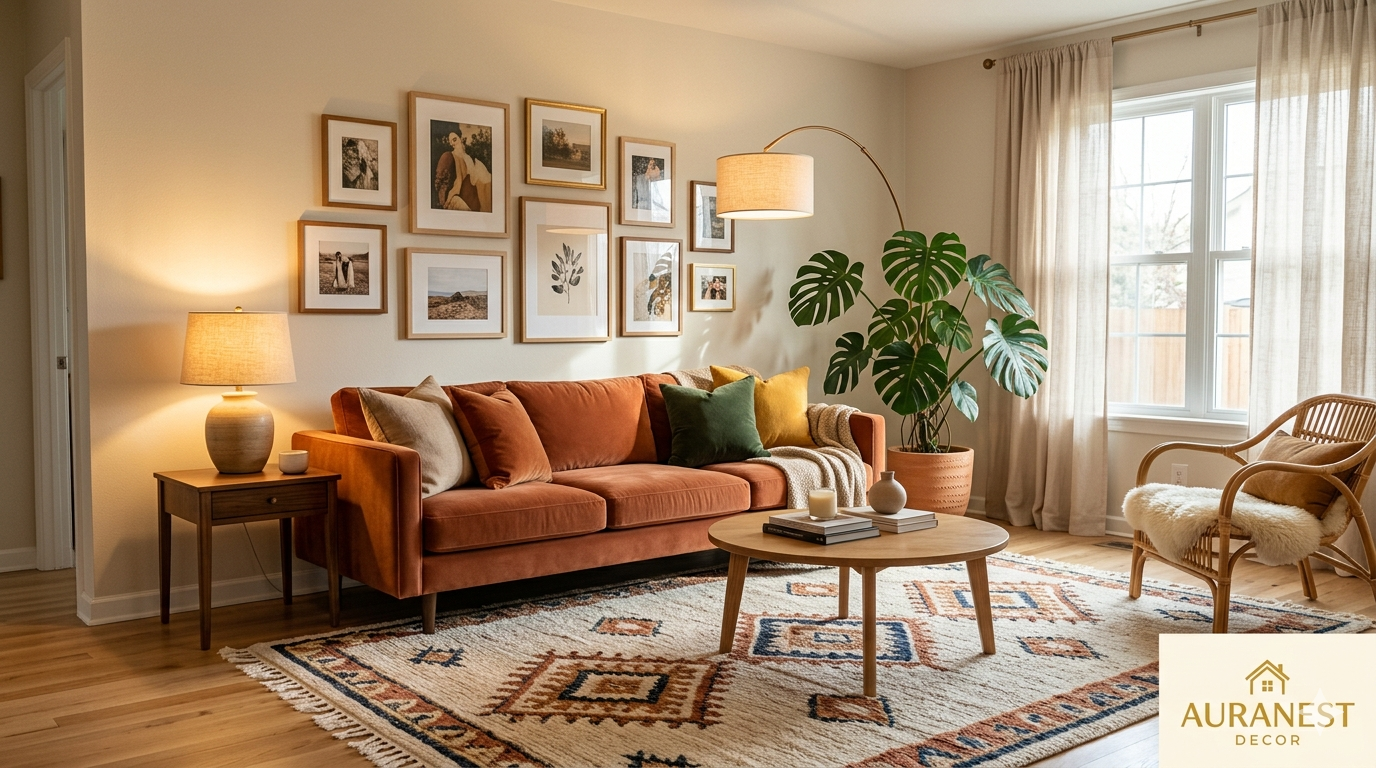
The Living Room Makeover That Changed How I Feel About Coming Home
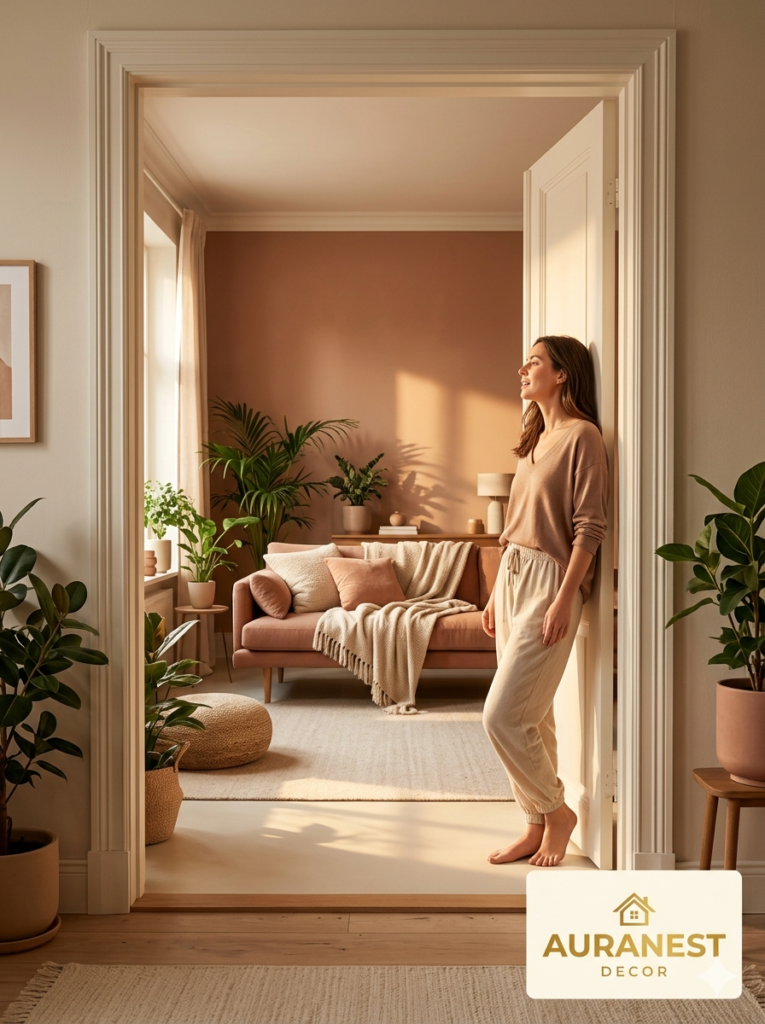
There’s something quietly heartbreaking about walking past a room in your own home and feeling nothing — or worse, feeling drained by it. A living room should be the place that exhales for you, and if yours isn’t doing that, it might be time to change everything.
—
1. Why Your Living Room Feels “Off” (And It’s Not What You Think)
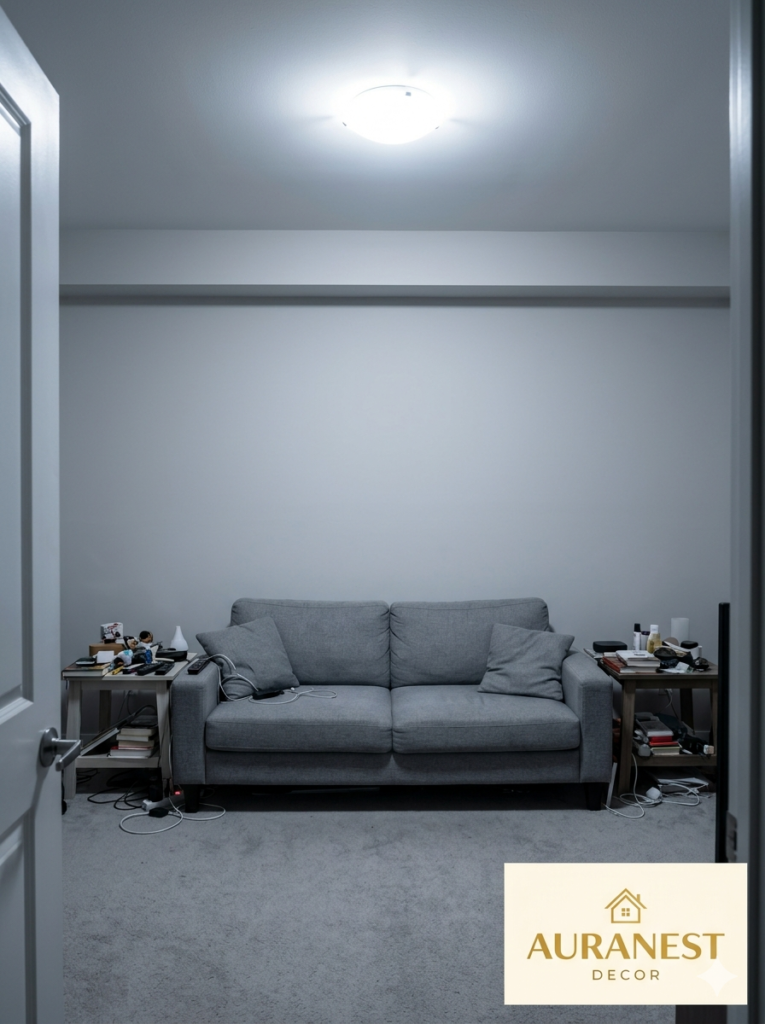
Most people assume a living room feels wrong because of what’s missing — a nicer sofa, better lighting, more expensive furniture. But nine times out of ten, the real problem isn’t what you don’t have. It’s what you have too much of, placed in ways that fight against the natural flow of how you actually live.
Walk into your living room right now and stand in the doorway. What does your eye land on first? If the answer is clutter, a blank wall that screams to be filled, or a sofa pushed against the wall like it’s afraid of something — that’s your answer. The room isn’t broken. It’s just lost its sense of intention.
Interior designers call this “dead space energy,” and it’s remarkably common in homes where the furniture was arranged once, years ago, and never questioned since. The fix rarely requires a complete overhaul. More often, it requires honest observation and a willingness to try something new.
“Your living room should feel like a sigh of relief the moment you walk through the door.”
Start by asking yourself: what do I actually do in this room? Do you read? Watch films? Have long conversations over wine with people you love? Design should follow life, not the other way around. Once you know how the room is used, you can start making choices that serve those moments.
—
2. The First Thing to Do Before You Buy a Single New Item
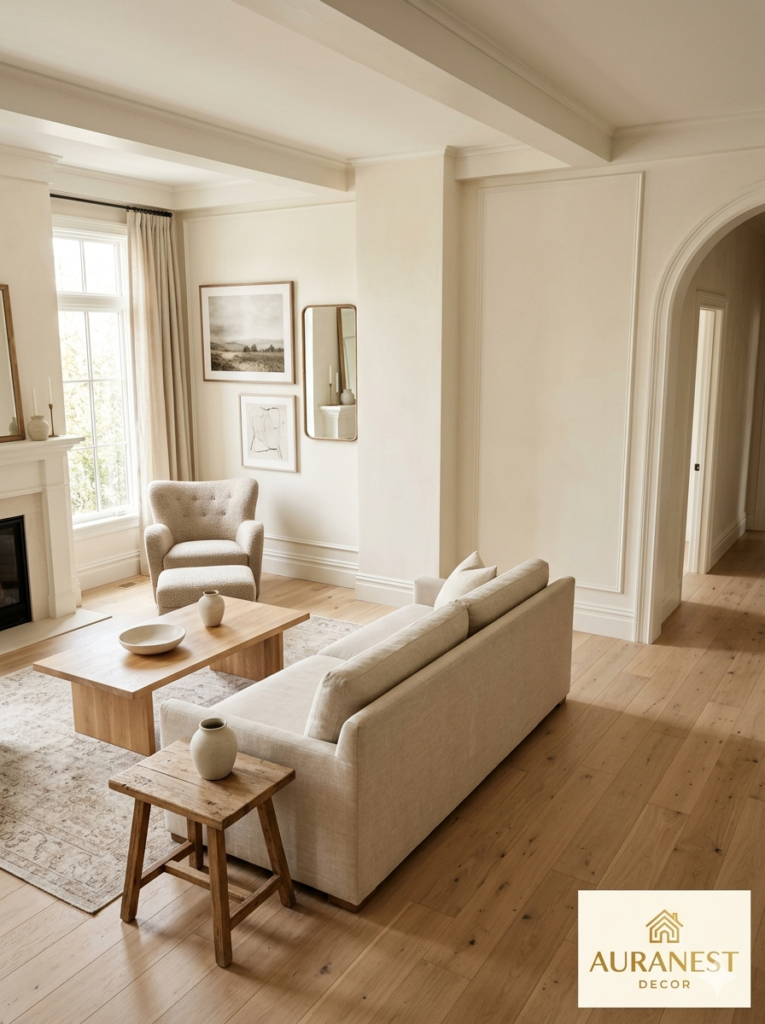
Here’s the advice that most makeover guides skip entirely: before you shop, before you paint, before you pin another image to your mood board — edit. Strip the room down to what’s working and what genuinely isn’t.
Remove one item from every flat surface. Pull the furniture away from the walls by at least six inches. Take down half the things hanging on your walls. Then step back and look.
Chances are, the room already looks better — and you haven’t spent a cent. This stripping-back process reveals the bones of the space, the architectural features and natural light that were buried under accumulation. Sometimes a makeover is less about adding and more about finally seeing what was always there.
—
3. The Color Psychology Behind Rooms That Feel Like Home
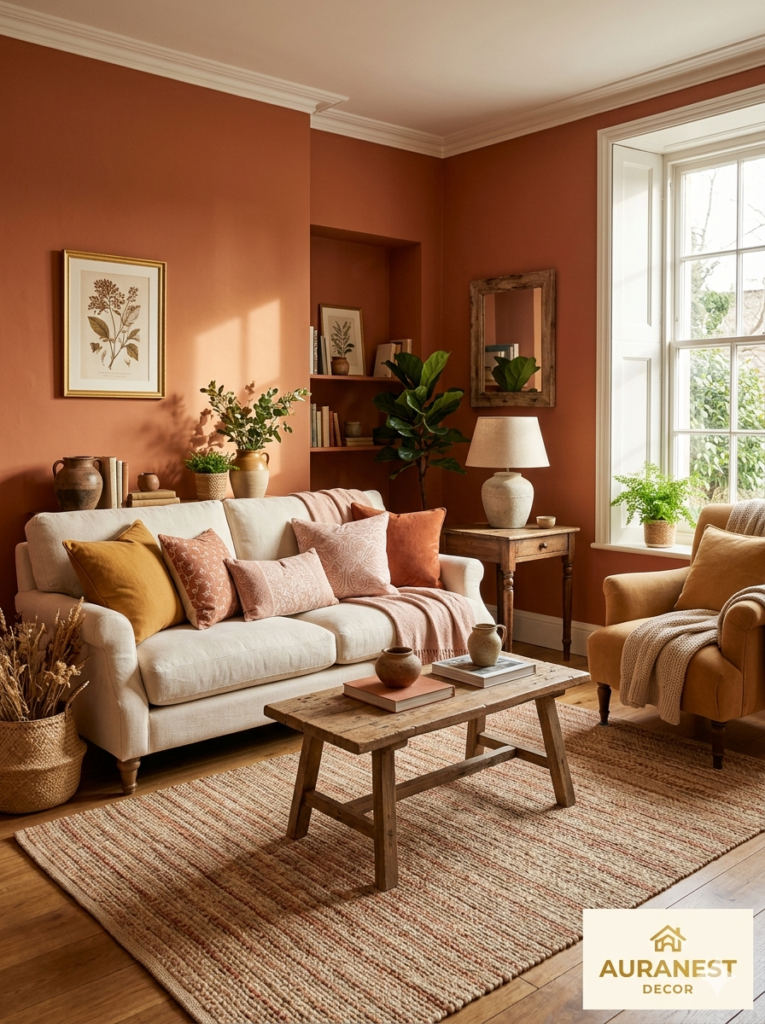
Color is the most underestimated design tool available to any homeowner, regardless of budget. The science behind it is genuinely fascinating. Warm tones — terracotta, warm white, ochre, blush — activate a sense of safety and enclosure. Cool tones like sage green, dusty blue, and slate promote calm and mental clarity. Earthy neutrals ground a space and make it feel timeless rather than trendy.
What color is your living room right now? If it’s a flat, cold white — the kind that came with the rental and was never questioned — that may be why the space feels uninspiring. A single coat of paint in a warm, considered color is one of the highest-ROI changes you can make in any room.
Don’t overthink it. Choose a color that appears in your favorite piece of clothing or your most-loved piece of art. Color choices that connect to something personal tend to feel right in a way that no trend can replicate.
—
4. Furniture Arrangement Rules That Interior Designers Actually Use
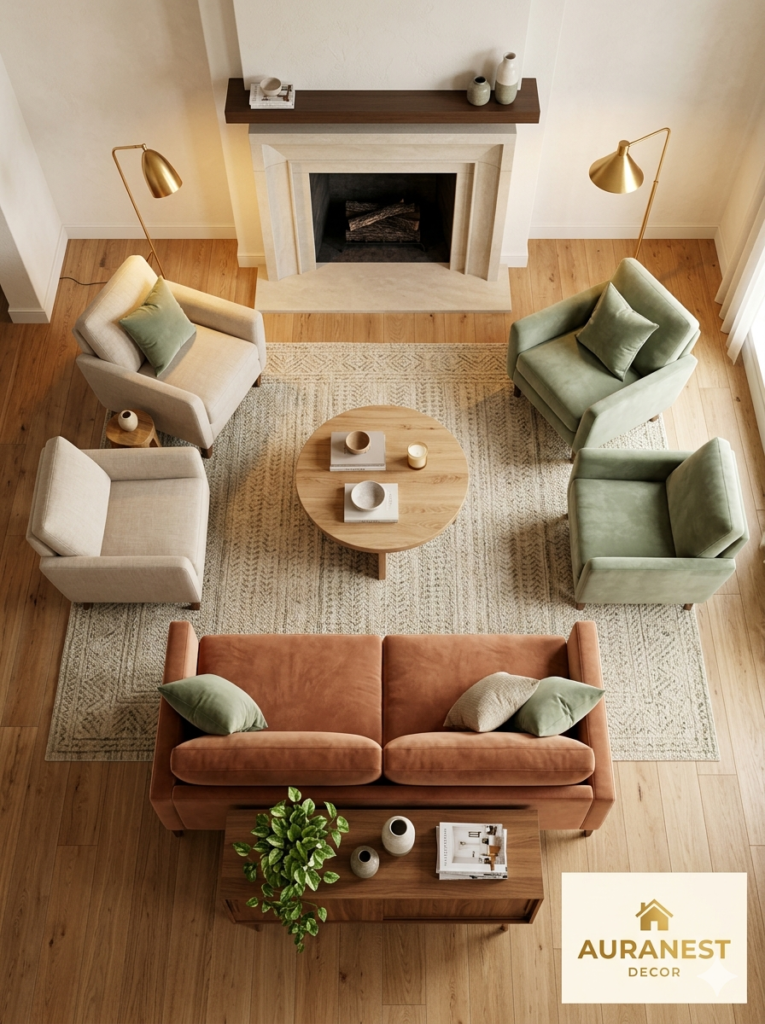
One of the most transformative things you can do in a living room costs absolutely nothing: rearrange your furniture. And there are a few principles that professional designers return to again and again because they genuinely work.
Float your sofa away from the wall. It sounds counterintuitive — doesn’t the room feel smaller that way? Actually, no. When furniture floats, it creates a conversation zone that feels intentional and intimate. The space behind the sofa can be used for a console table, a row of plants, or simply left open. Either way, the room breathes.
Create a focal point and arrange everything toward it. This might be a fireplace, a large window with a view, a gallery wall, or even a beautiful rug. Every seat in the room should have a clear visual relationship with that focal point. When furniture faces each other around a central anchor, conversation happens naturally.
Never underestimate the power of a rug. A rug that’s too small is one of the most common living room mistakes — it floats awkwardly in the center rather than anchoring the seating group. As a rule, the front legs of all major seating pieces should sit on the rug. This creates cohesion and makes even a large room feel defined and cozy.
—
5. How Lighting Transforms a Room More Than Any Piece of Furniture
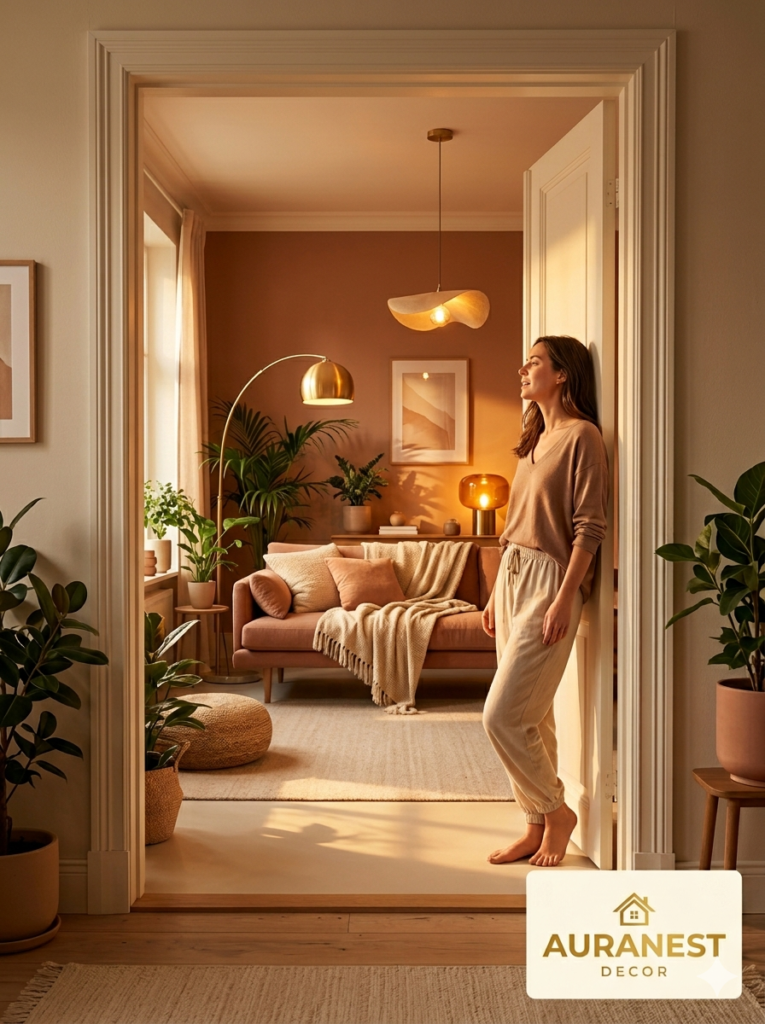
If you are only doing one thing to your living room this season, let it be this: change the lighting. The overhead fixture that came with your home — that flat, harsh, center-of-ceiling light — is working against you. It flattens the room, casts unflattering shadows, and creates a clinical atmosphere that no amount of beautiful furniture can overcome.
Layer your lighting instead. Aim for at least three light sources at different heights: a floor lamp in a corner, a table lamp on an end table or sideboard, and perhaps a string of warm pendant lights or a sculptural ceiling fixture that casts light upward rather than down. This layered approach mimics the quality of candlelight — warm, dimensional, and deeply flattering to both the room and the people in it.
“Good lighting doesn’t illuminate a room — it transforms it into a feeling.”
Swap any cool-toned bulbs for warm white ones (2700K–3000K is the sweet spot). The difference is immediate and remarkable. Suddenly the same room looks richer, cozier, and more intentional — without a single piece of new furniture.
—
6. The Secret to a Gallery Wall That Looks Curated, Not Chaotic
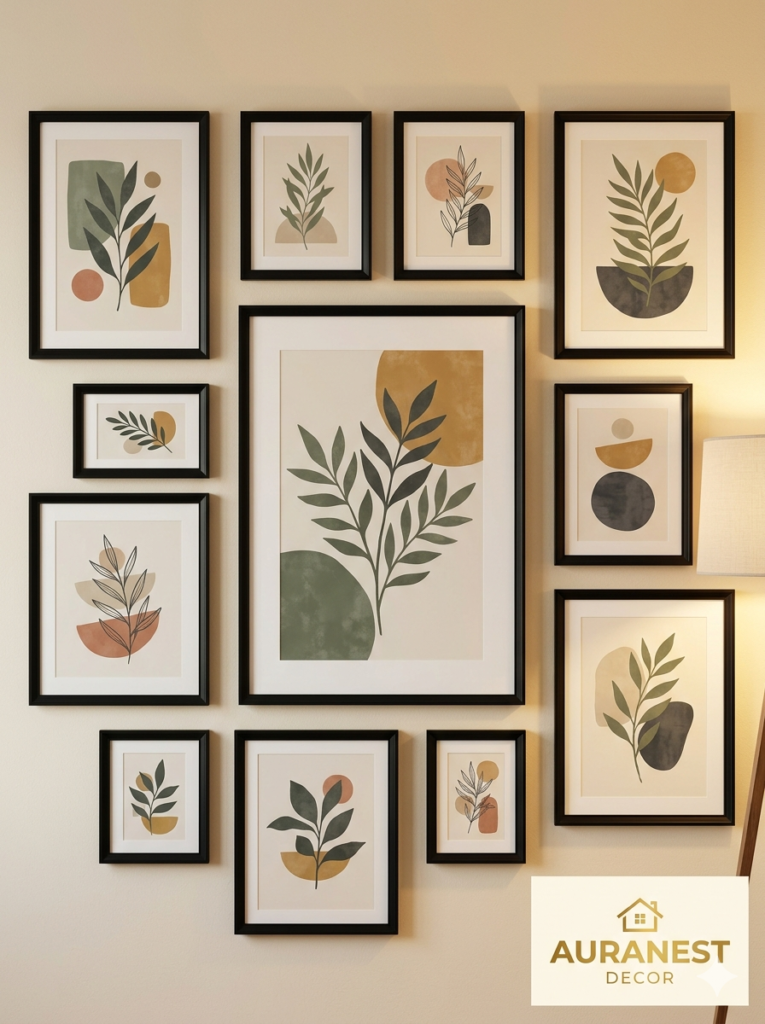
Gallery walls are one of the most pinned interior design elements on Pinterest for good reason — when they work, they tell a story. But the line between curated and chaotic is thinner than most people realize.
The key is finding a unifying thread. This might be a consistent frame color (all black, all natural wood, all gallery-white), a cohesive color palette across the artwork, or a subject matter that repeats — botanicals, architecture, abstract shapes. You don’t need everything to match. You need everything to belong to the same conversation.
Before committing a single nail to your wall, lay your arrangement out on the floor. Photograph it from above. Live with that photo for a day. Does it feel balanced? Is there a natural focal point — usually the largest piece — with smaller pieces flowing around it? Adjust on the floor, not the wall, and you’ll save yourself considerable frustration.
—
7. Bringing Nature Indoors Without Turning Your Home Into a Greenhouse
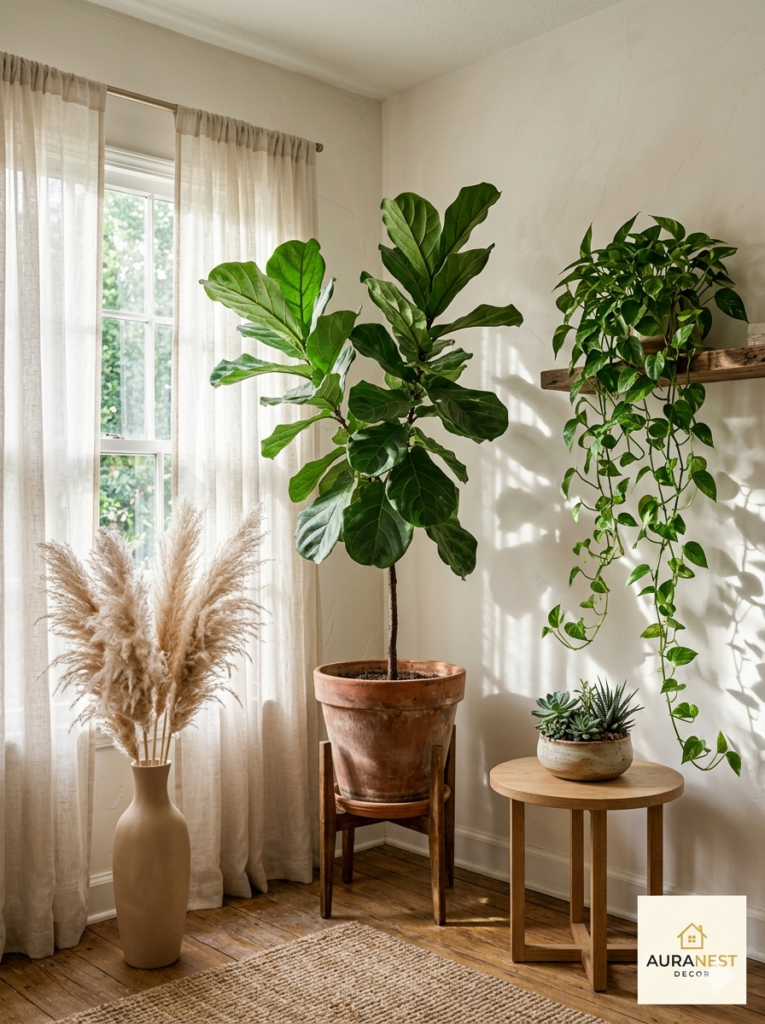
Plants are having their well-deserved moment in interior design, and for good reason. Studies consistently show that living greenery reduces stress, improves air quality, and makes a room feel more alive in the most literal sense of the word. But you don’t need a forest to achieve the effect.
Three well-placed plants will do more for a living room than fifteen scattered randomly. Think about scale: a large plant — a fiddle-leaf fig, a monstera, an olive tree — in an empty corner immediately fills negative space and adds drama. A trailing plant on a shelf or mantlepiece softens hard edges. A small potted succulent or herb on a side table adds life without demanding attention.
If you don’t have a green thumb, that’s not a problem. Pothos, snake plants, and ZZ plants thrive on neglect. Dried botanicals and pampas grass are genuinely beautiful and require zero maintenance. The goal is organic texture — the sense that the room is alive — not horticultural perfection.
—
8. Budget Makeover Magic: The High-Impact, Low-Cost Moves
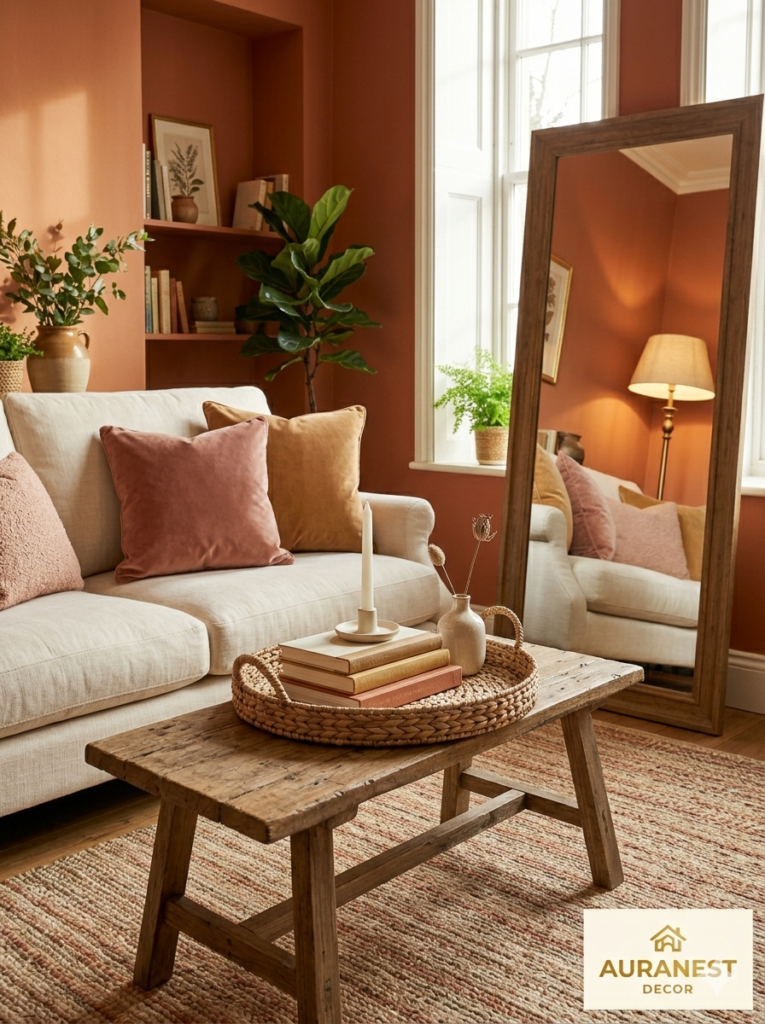
A living room makeover does not require a renovation budget. Some of the most dramatic transformations come from remarkably small financial investments made with intention.
Swap your throw pillow covers. New covers — not entire pillows — can completely change the color story of a sofa for under $30. Linen, velvet, and boucle textures photograph beautifully and feel luxurious in person. Choose two to three colors that work together and rotate them seasonally.
Add a mirror. A well-placed mirror does what no other design element can: it doubles the light in a room and creates the illusion of depth. A large, leaning mirror in a dark corner is one of the oldest tricks in the interior designer’s toolkit, and it still works every single time.
Restyle your coffee table. Clear it entirely, then replace only what earns its place: a stack of meaningful books, a single candle, one small vase, and perhaps a tray to anchor the arrangement. A styled coffee table signals intention, and intention is what makes a room feel designed rather than decorated.
—
9. The Art of Mixing Old and New Without Losing Cohesion
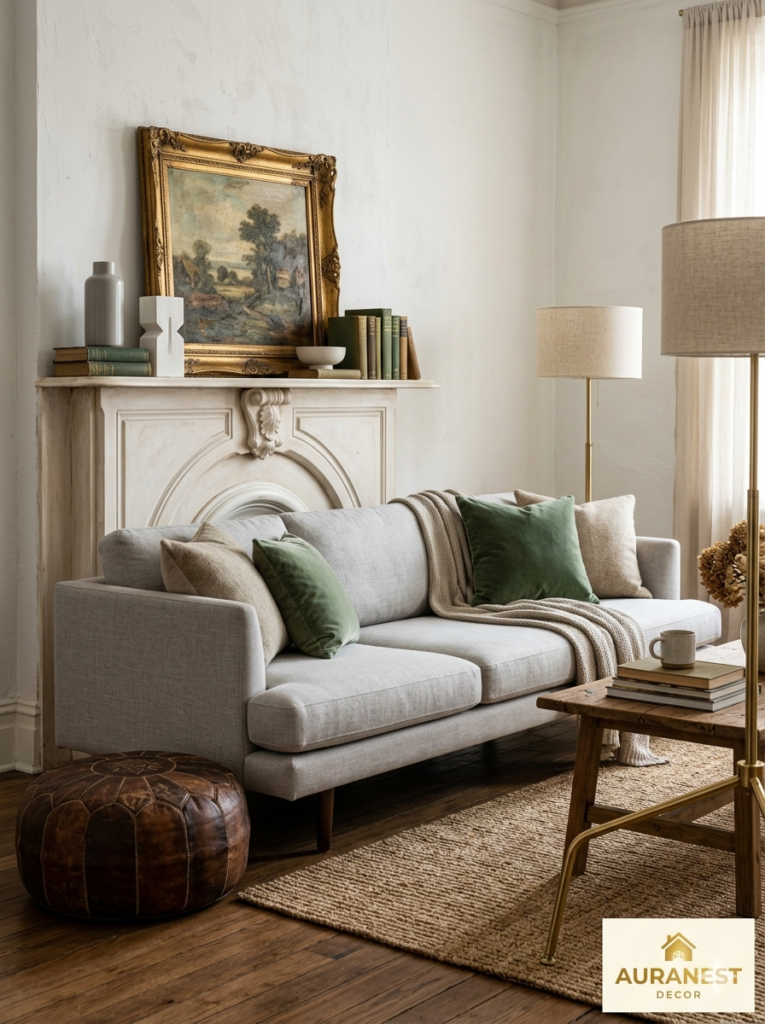
Some of the most beautiful living rooms in the world look nothing like a showroom. They look like lives have been lived in them — carefully, joyfully, with accumulated meaning. This is the art of mixing old and new, and it’s something you can learn with a little practice.
The rule is simple: anchor with quality, layer with character. Your sofa, your rug, your main lighting fixture — these are your investment pieces, and they should be chosen with longevity in mind. Around these anchors, layer pieces with history: a vintage lamp found at a market, a family heirloom side table, a thrifted painting in a beautiful frame.
“The most interesting rooms don’t look decorated — they look discovered.”
Contrast matters here. A sleek, modern sofa becomes infinitely more interesting when paired with a worn leather pouf or a rough-textured linen throw. A traditional fireplace comes alive when the mantle holds a mix of contemporary ceramics and old books. Tension between old and new creates visual energy — and visual energy is what makes a room feel alive.
—
10. Scent, Sound, and Texture: The Sensory Details That Finish a Room
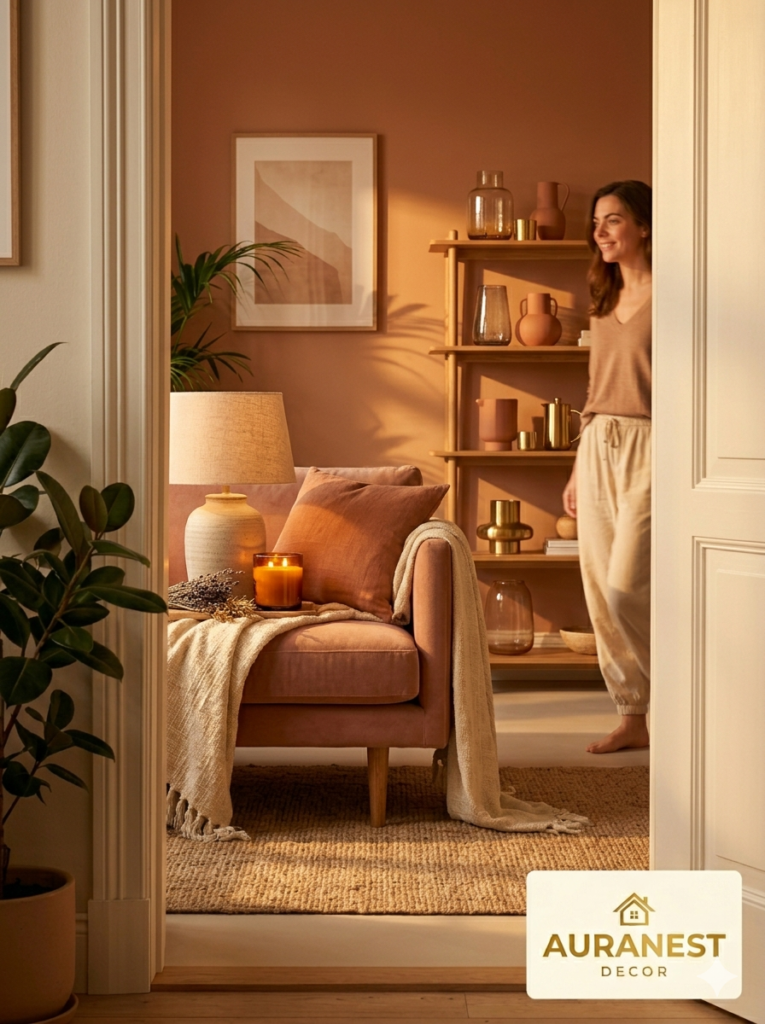
Interior design is taught as a visual discipline, but the rooms we love most engage all five senses. Think about the living rooms you’ve walked into and immediately felt at home in — there was likely something in the air, a softness underfoot, a quality of sound that made the space feel complete.
Texture is the most accessible of these sensory layers. Combine hard and soft, rough and smooth, matte and reflective throughout the room. A jute rug beneath a velvet sofa. A ceramic lamp beside a soft linen curtain. Wooden shelves holding glass vases. These combinations create tactile richness that photographs well and feels even better in person.
Scent is the most underestimated finishing touch. A single candle — one with a warm, natural scent like amber, sandalwood, cedar, or fig — becomes part of the room’s identity over time. Guests will associate that scent with the feeling of being welcome in your home. That’s design working at its deepest level.
—
11. How to Make a Small Living Room Feel Twice as Large
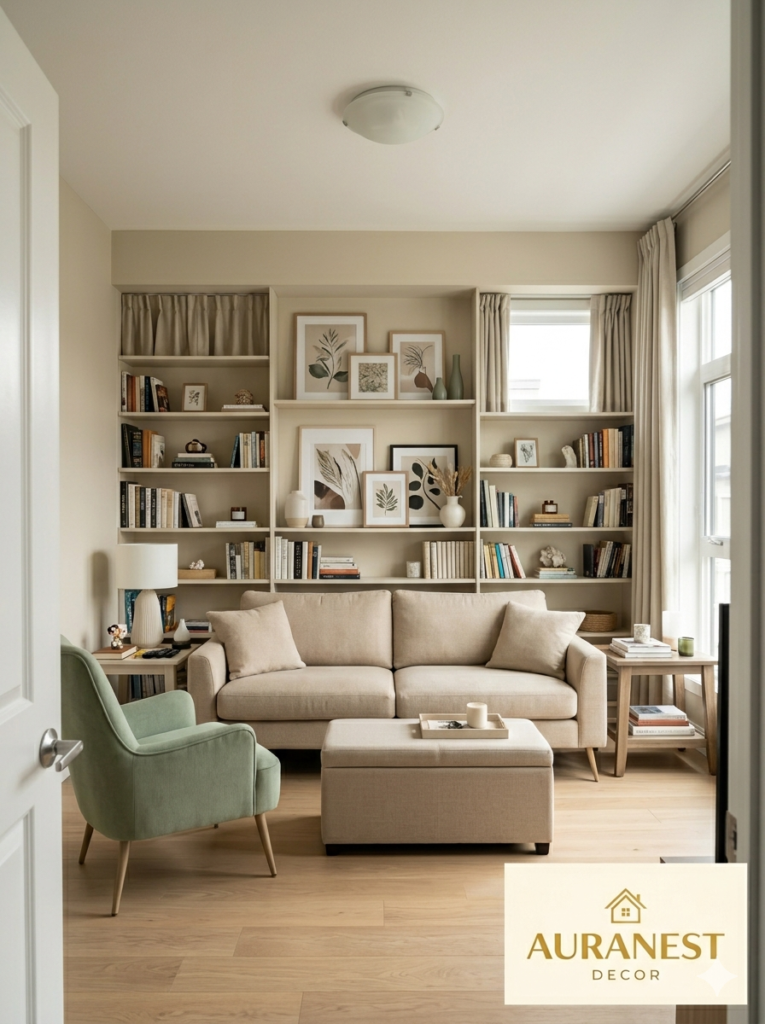
Small living rooms are not a problem to be solved — they are a design challenge to be embraced. And there are specific, proven techniques that make even a modest-sized room feel expansive and generous.
Keep your color palette light and cohesive. When walls, large furniture pieces, and floors share a similar tonal range, the eye travels smoothly around the room without interruption, creating the perception of more space. This doesn’t mean everything has to be white — a soft sage green or a warm sand used consistently throughout reads as spacious and serene.
Use vertical space intentionally. Floor-to-ceiling shelving or curtains hung close to the ceiling draw the eye upward and add perceived height to any room. Choose furniture with legs rather than pieces that sit directly on the floor — visual breathing room beneath sofas and chairs makes the floor space look larger and the room feel airier.
Multifunctional furniture is your best friend in a small space. A storage ottoman that doubles as a coffee table. A console that works as a desk. A sofa with a chaise that stretches into the room rather than requiring additional seating. Every piece should earn its square footage.
—
12. Making Your Living Room a Space You Actually Want to Come Home To
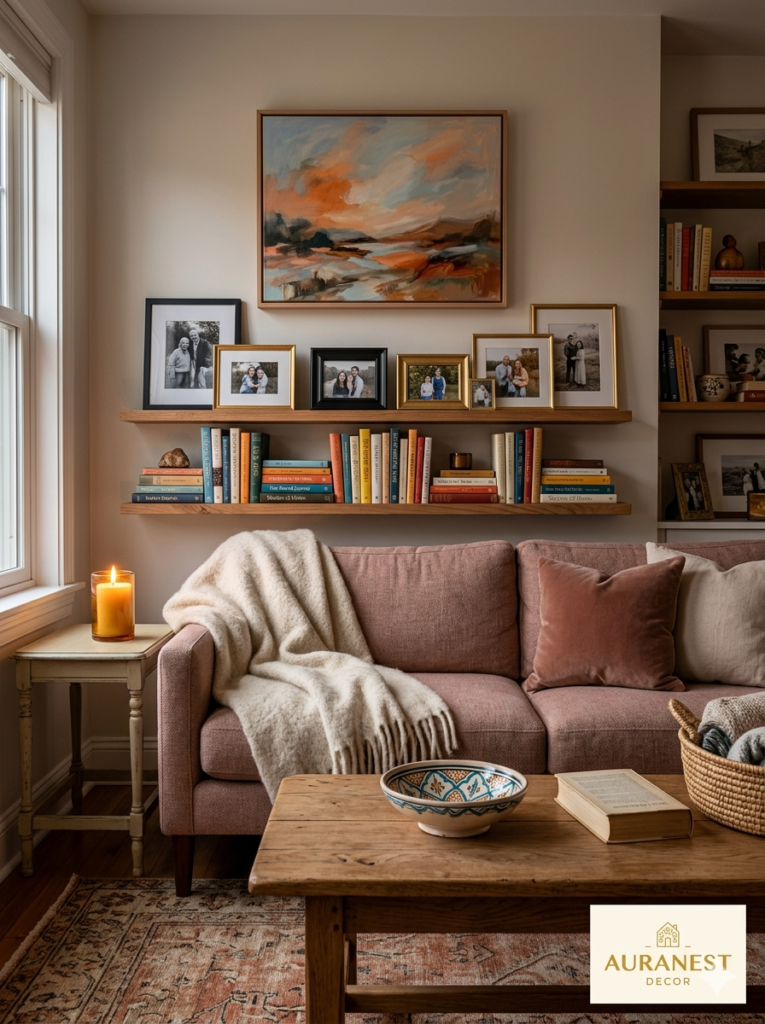
This is the part that matters most and gets discussed least in design guides: the emotional purpose of a room. A living room makeover isn’t ultimately about aesthetics. It’s about creating a space that supports the life you want to live.
What feeling do you want to walk into? Write it down before you make any decisions. Cozy and intimate? Calm and spacious? Vibrant and creative? Warm and social? That feeling is your design compass. Every choice — color, furniture, lighting, texture — should be measured against it.
Display what you love. The objects that carry meaning — photographs, travel souvenirs, books that changed your life, art that moves you — are the real finishing touches of any room. No interior designer can choose these for you, and no trend can replicate the power of a room that clearly belongs to someone.
A makeover is not just a visual project. It’s an act of self-care. It’s deciding that the space you return to every single day deserves to be beautiful, intentional, and deeply yours.
—
🌿 How to Take Care of Your Newly Transformed Living Room
Once you’ve done the work of creating a space you love, maintaining it becomes an act of respect for that space. A few simple habits make all the difference.
Do a ten-minute reset at the end of each day — return things to their places, fluff pillows, clear surfaces. This small ritual keeps the room feeling intentional rather than casually cluttered. Rotate your plants toward the light weekly so they grow evenly and stay healthy-looking. Seasonally reassess your styling: swap throw blankets, change pillow covers, and rotate art to keep the room feeling fresh without requiring a full overhaul. Clean your light fixtures and lamp shades twice a year — accumulated dust significantly dims the warmth of your lighting without you even noticing. And occasionally, stand in the doorway and look at your room the way a visitor would. Fresh eyes reveal what daily familiarity hides.
—
❓ FAQ
Q: How do I start a living room makeover with a very limited budget? A: Begin by editing rather than adding — remove what isn’t working, rearrange the furniture, and clear the clutter. Then focus your spending on one high-impact item, whether that’s a new rug, a large mirror, or fresh paint. Small, strategic investments made one at a time add up to a completely transformed room without requiring a lump-sum budget.
Q: What’s the biggest living room design mistake people make? A: Pushing all the furniture against the walls is one of the most common — and most easily corrected — mistakes in living room design. It creates a sparse, disconnected feeling rather than the cozy, conversation-friendly layout most people actually want. Float your sofa even slightly away from the wall and you’ll feel the difference immediately.
Q: How do I choose a color for my living room if I’m afraid of commitment? A: Start with your textiles — rugs, cushions, throw blankets — in the color you’re drawn to. If you love how it feels, you’ll know you can commit to it on a wall. A peel-and-stick paint sample swatch (larger ones, at least A4 size) observed in your room’s light at different times of day is also a low-risk way to test before you commit to a full paint job.
—
💭 Final Thought
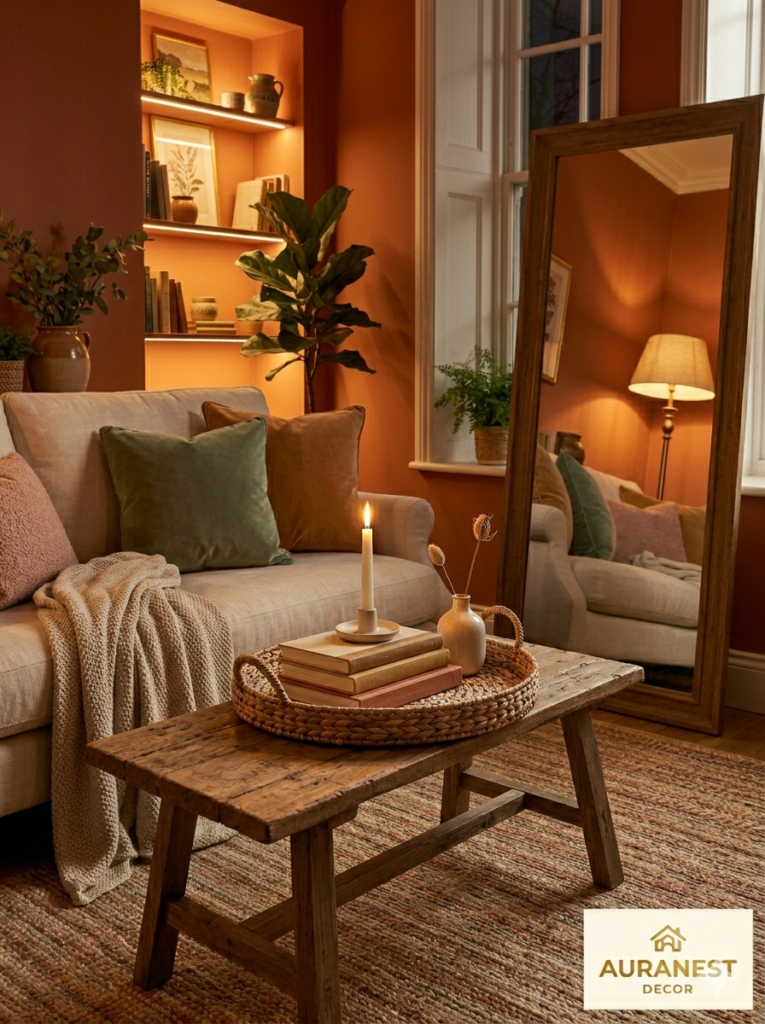
A living room makeover is one of those projects that starts with furniture and ends with something much more profound — a renewed sense of ownership over the space you call home. Every deliberate choice you make, every piece of furniture that earns its place, every candle lit at the end of a long day becomes part of the quiet story your home tells about you.
You deserve a room that feels as good as it looks. So here’s the question to sit with: if your living room could say one thing about the life lived inside it, what would you want it to say?