Colonial Revival Interior: Timeless Design Ideas for a Classic Home Style
Blog > Home > Modern interior > Colonial Revival Interior: Timeless Design Ideas for a Classic Home Style
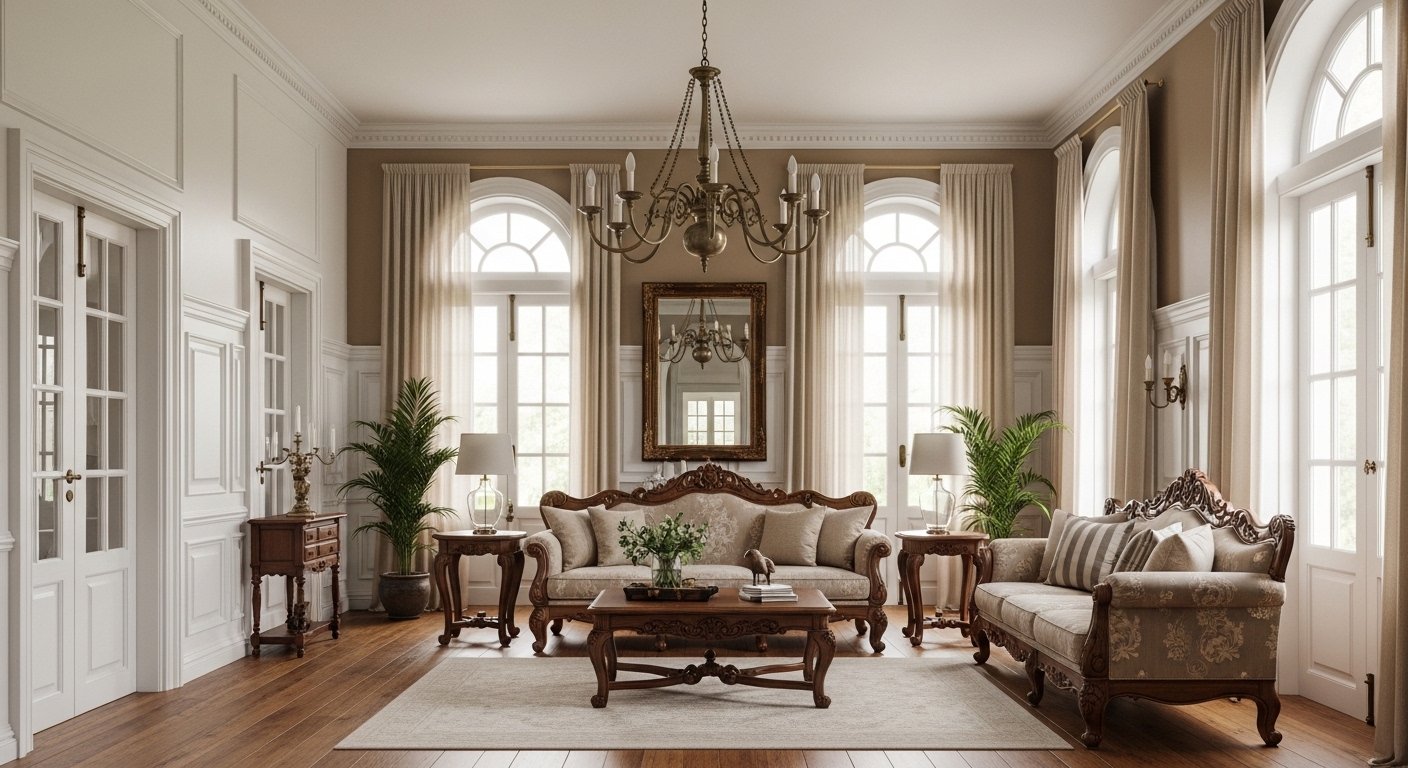
Colonial Revival interior design is a timeless style that draws inspiration from early American colonial homes while blending elegance, symmetry, and traditional craftsmanship. It became especially popular in the late 19th and early 20th centuries as people sought to revive the charm of historical architecture with modern comfort. This design style is known for its balanced layouts, refined furniture, and warm, inviting color palettes. Today, Colonial Revival interiors continue to influence home décor by offering a perfect mix of history and sophistication. In this article, you’ll explore 12 detailed Colonial Revival interior ideas that can help you create a classic and elegant living space.
Table Of Content
1. Symmetrical Room Layouts for Balanced Design
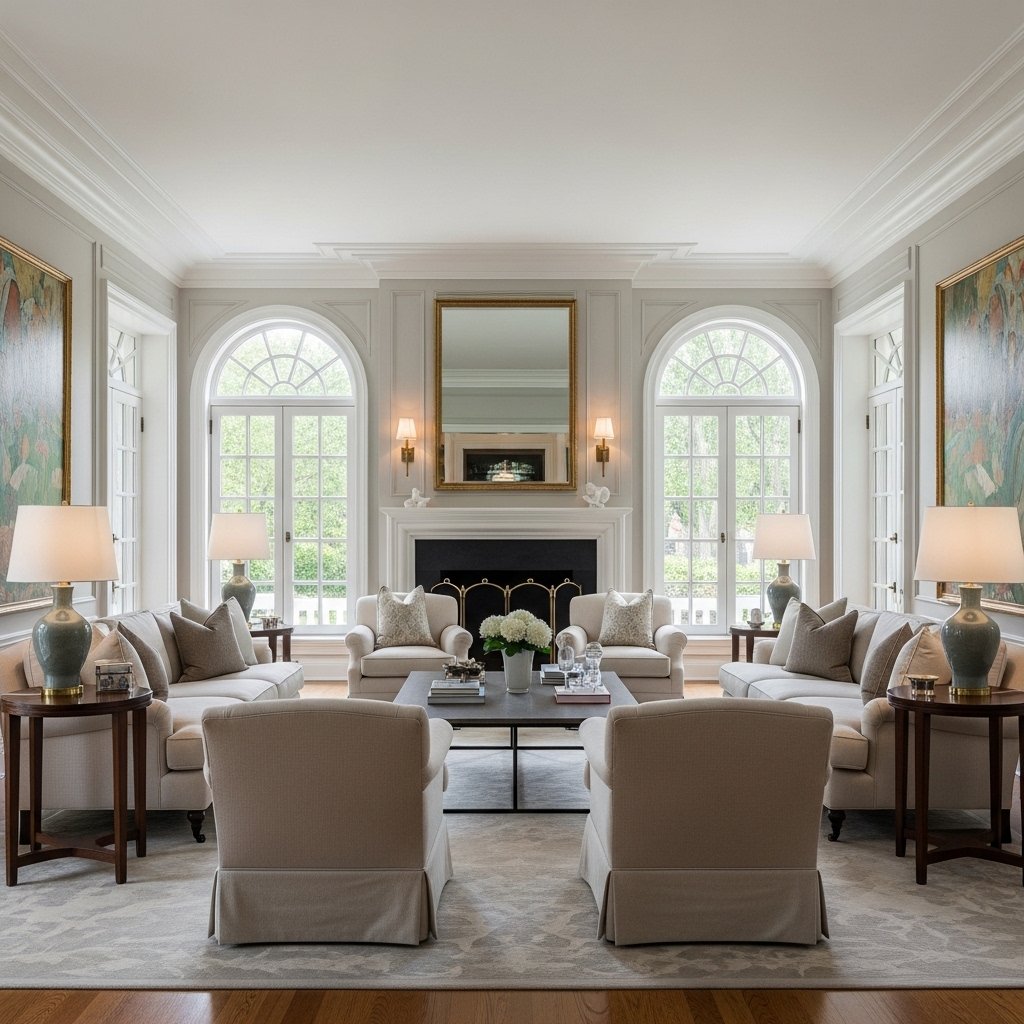
Symmetry is one of the most important principles in Colonial Revival interiors. Rooms are typically arranged with balanced furniture placement on both sides of a central focal point, such as a fireplace or large window. This creates a sense of order and harmony that defines the style. Matching sofas, lamps, or artwork are often used to maintain visual balance. This structured approach gives the space a calm and refined atmosphere.
2. Traditional Wooden Furniture Pieces
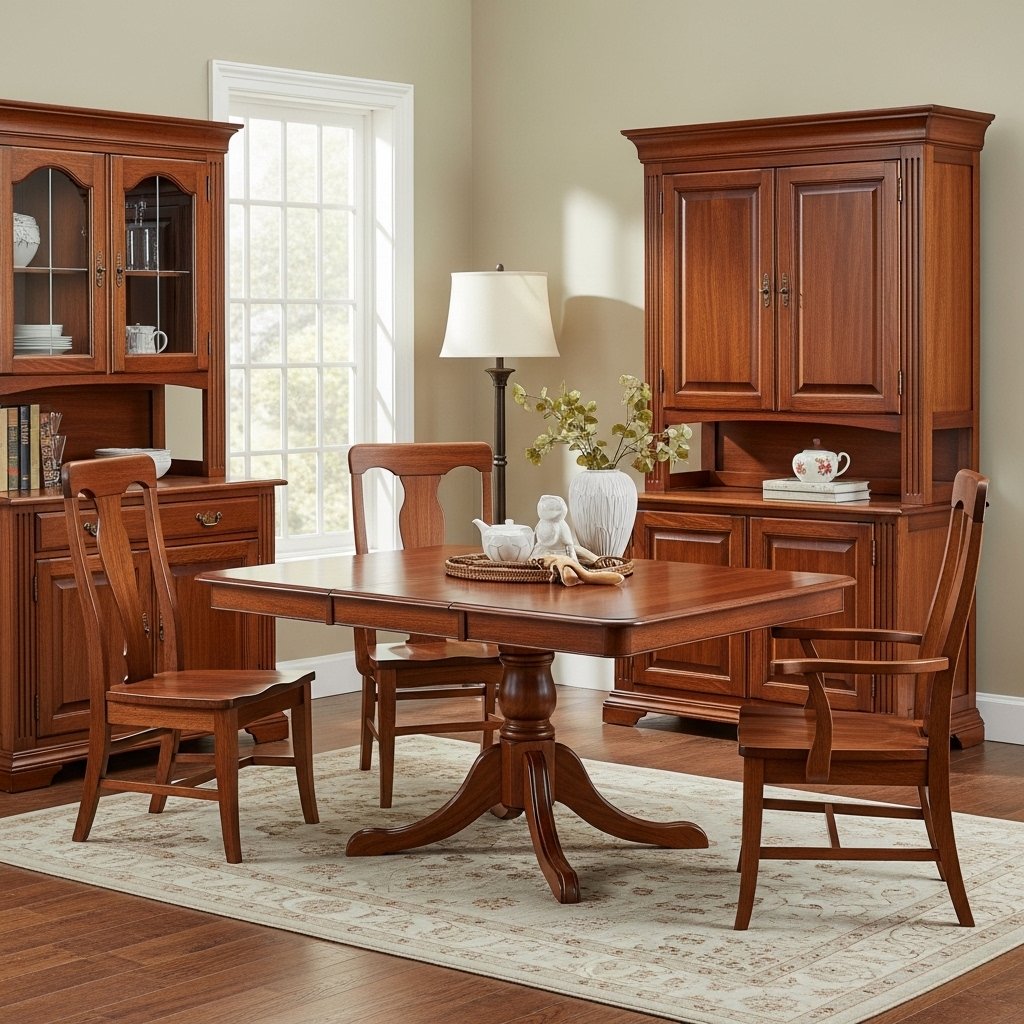
Wooden furniture plays a major role in Colonial Revival interiors, especially pieces made from mahogany, cherry, or oak. These materials bring warmth and authenticity to the space while emphasizing craftsmanship. Tables, chairs, and cabinets often feature carved details and polished finishes. The designs are usually simple yet elegant, avoiding overly modern or flashy elements. This helps maintain the historical character of the interior.
3. Neutral and Warm Color Palettes
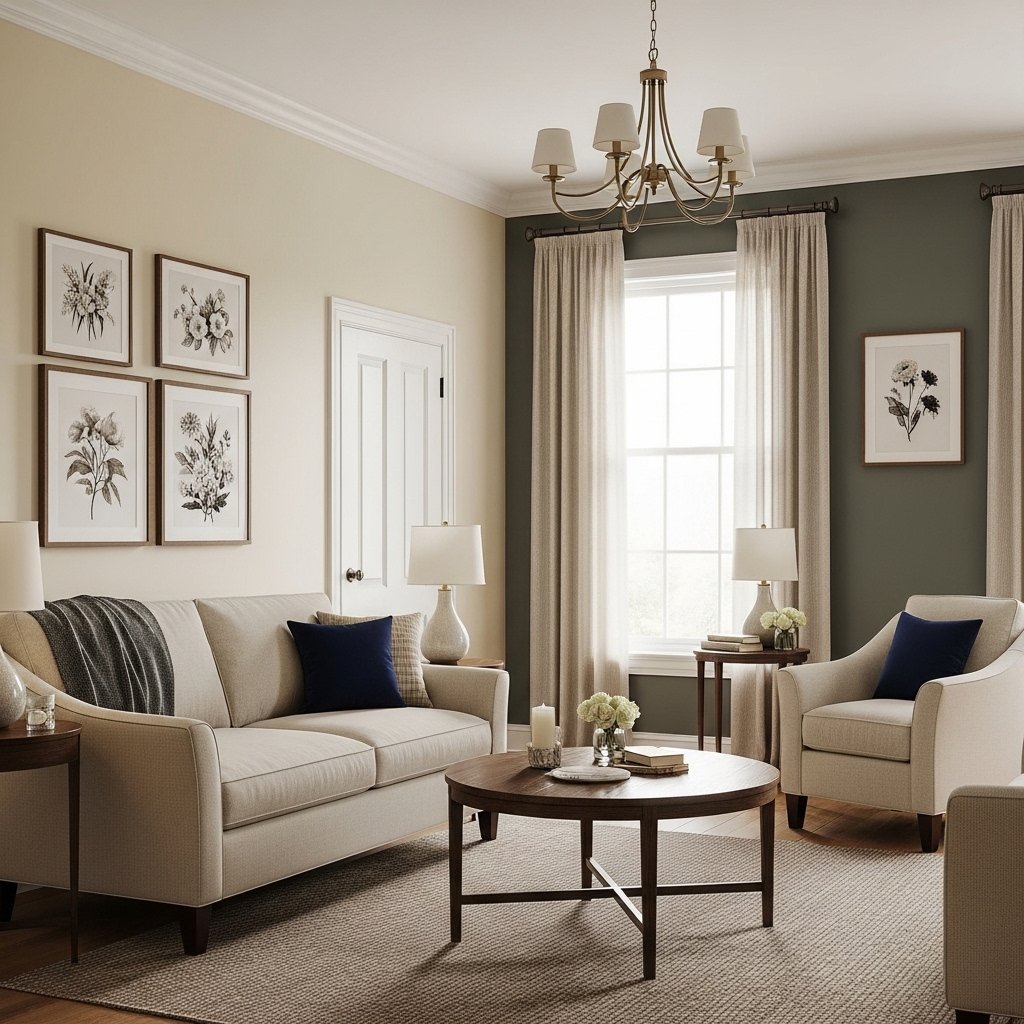
Color schemes in Colonial Revival interiors are typically soft and understated. Shades like cream, beige, soft white, and muted greens are commonly used to create a warm and inviting environment. These colors are often paired with deeper tones like navy or burgundy for contrast. The goal is to keep the space elegant without overwhelming the eye. This balanced palette enhances the timeless appeal of the design.
4. Fireplace as a Central Focal Point
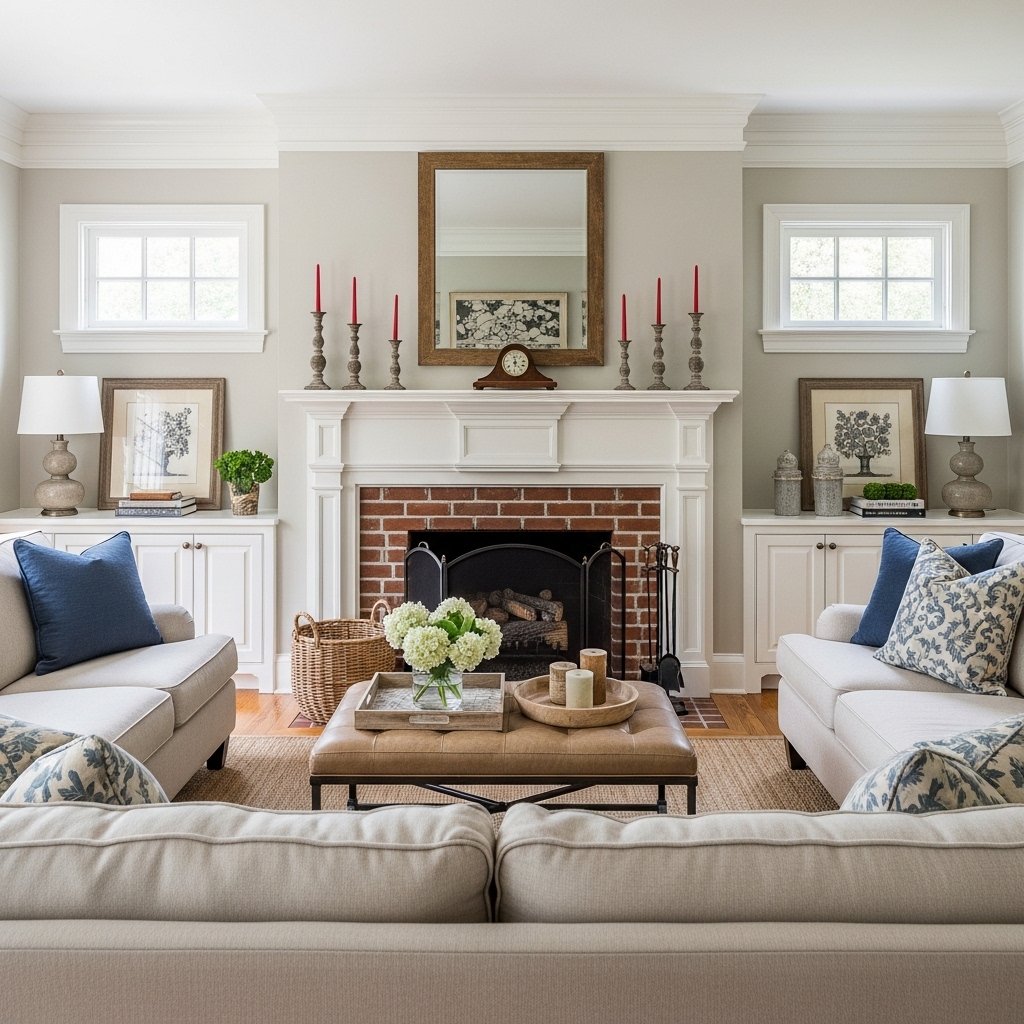
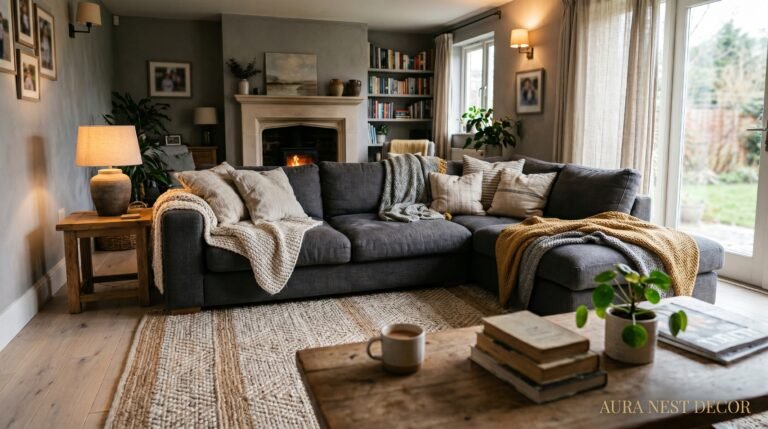
A fireplace is often the heart of a Colonial Revival living space. It serves as a natural focal point around which furniture is arranged symmetrically. Traditional brick or white-painted mantels are commonly used to maintain authenticity. Decorative elements such as candles, clocks, or framed art are placed on the mantel for added charm. This feature brings warmth and character to the entire room.
5. Classic Colonial-Inspired Lighting Fixtures
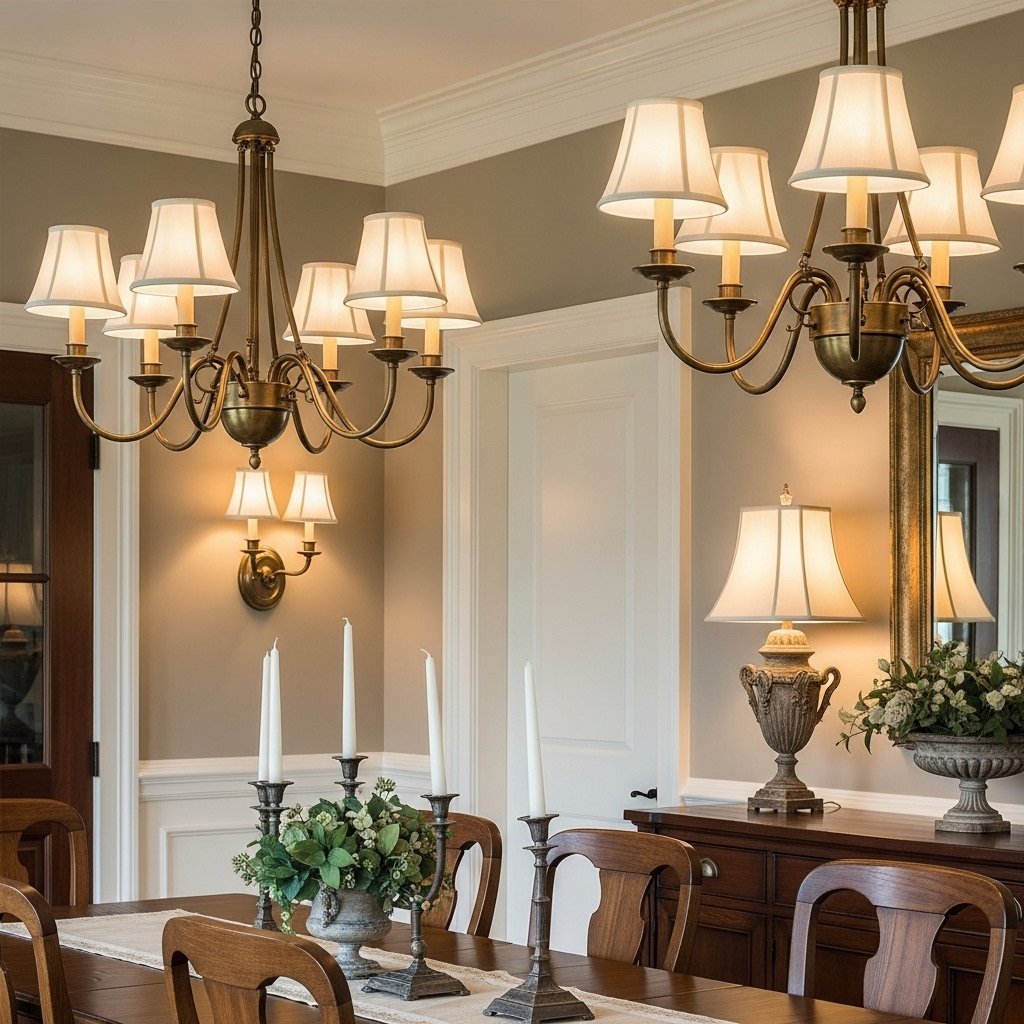
Lighting in Colonial Revival interiors is both functional and decorative. Chandeliers with brass or iron finishes are commonly used in dining rooms and entryways. Wall sconces and table lamps with fabric shades add soft, ambient lighting. These fixtures often feature traditional designs that reflect historical influences. Proper lighting enhances the elegance and warmth of the space.
6. Elegant Crown Molding and Trim Work
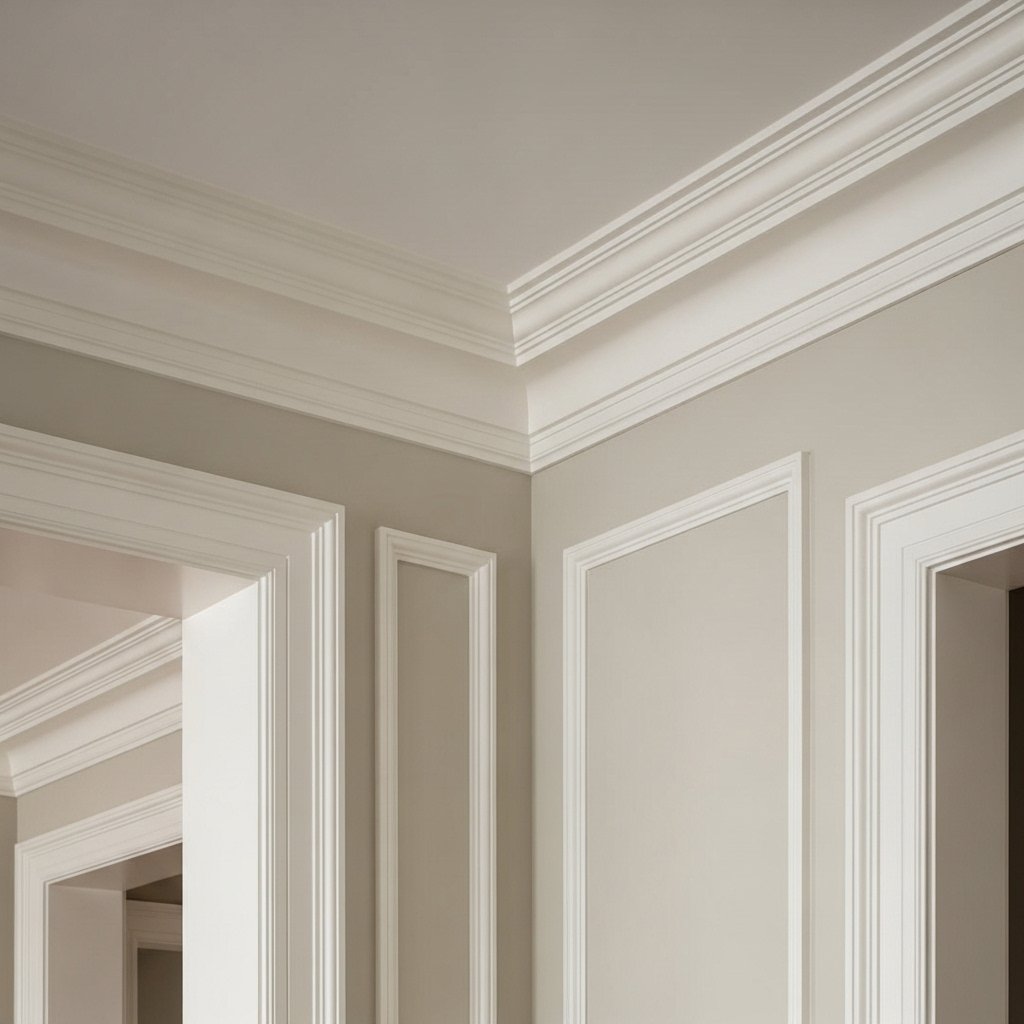
Architectural details like crown molding, wainscoting, and trim work are essential in Colonial Revival design. These features add depth and sophistication to walls and ceilings. White or cream-colored molding is often used to highlight structural elements. The craftsmanship reflects the attention to detail typical of colonial-era homes. This design element helps elevate even simple rooms into refined spaces.
7. Antique and Vintage Decorative Accents
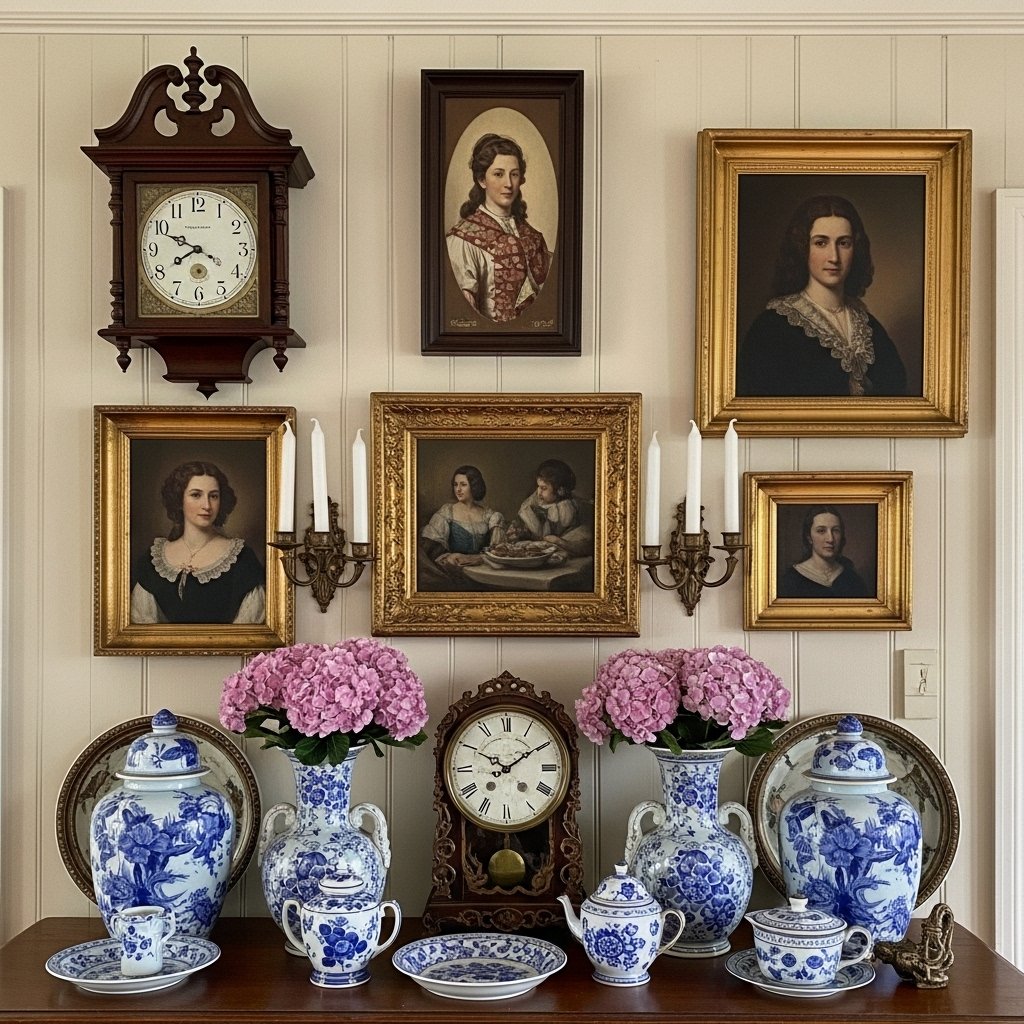
Decorative accessories in Colonial Revival interiors often include antique or vintage-inspired pieces. Items like old clocks, porcelain vases, and framed portraits add historical charm. These accents are carefully chosen to complement the overall traditional theme. Too many modern items are usually avoided to preserve authenticity. Each decorative piece contributes to the storytelling aspect of the interior.
8. Formal Dining Room Setup
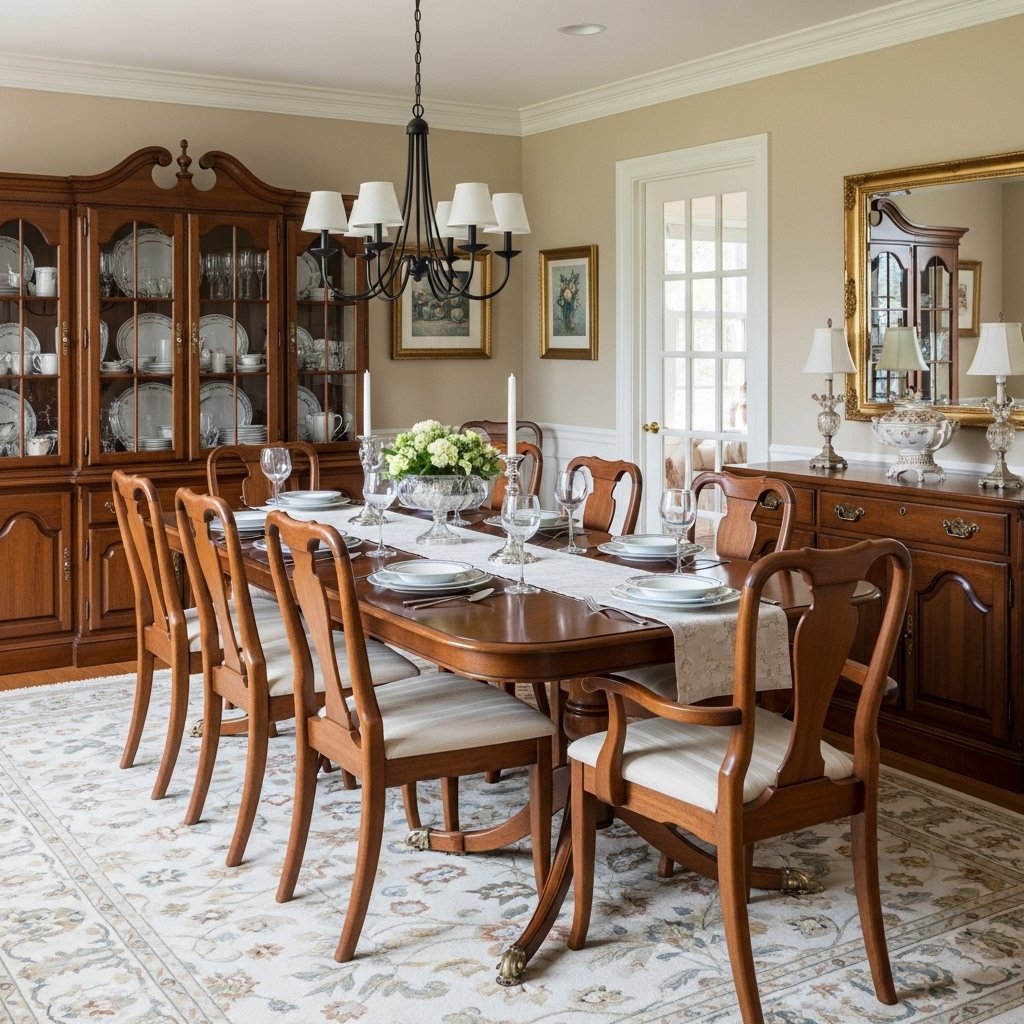
Dining rooms in Colonial Revival homes are typically formal and well-structured. A large wooden dining table with matching chairs is the centerpiece of the space. China cabinets or buffets are often used to display fine dinnerware. Table settings are kept elegant with simple yet refined décor. This creates an atmosphere suitable for family gatherings and formal occasions.
9. Traditional Patterned Textiles
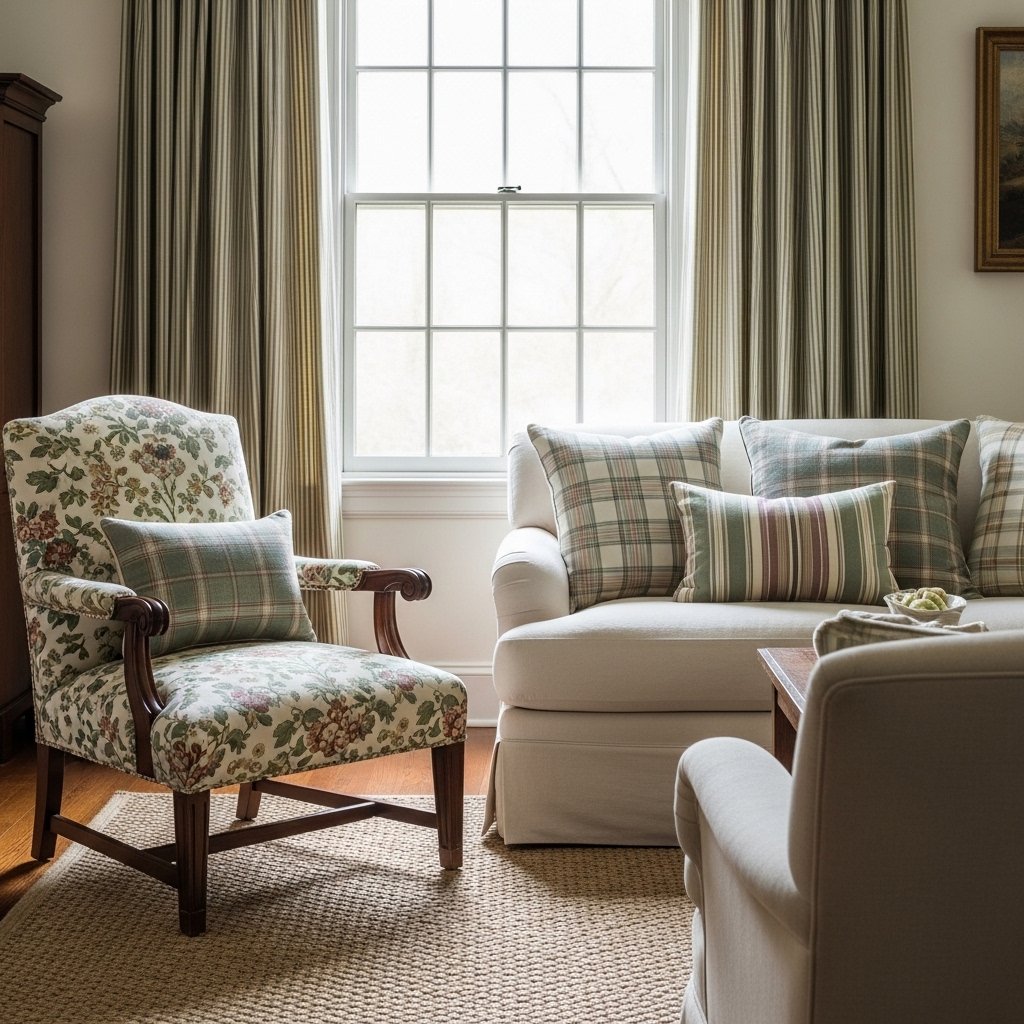
Textiles play an important role in softening Colonial Revival interiors. Fabrics often feature classic patterns such as florals, stripes, or plaids. Curtains, upholstery, and cushions are chosen in coordinated colors to maintain harmony. Natural materials like cotton and linen are commonly used for authenticity. These textiles add comfort while preserving the traditional aesthetic.
10. Hardwood Flooring with Area Rugs
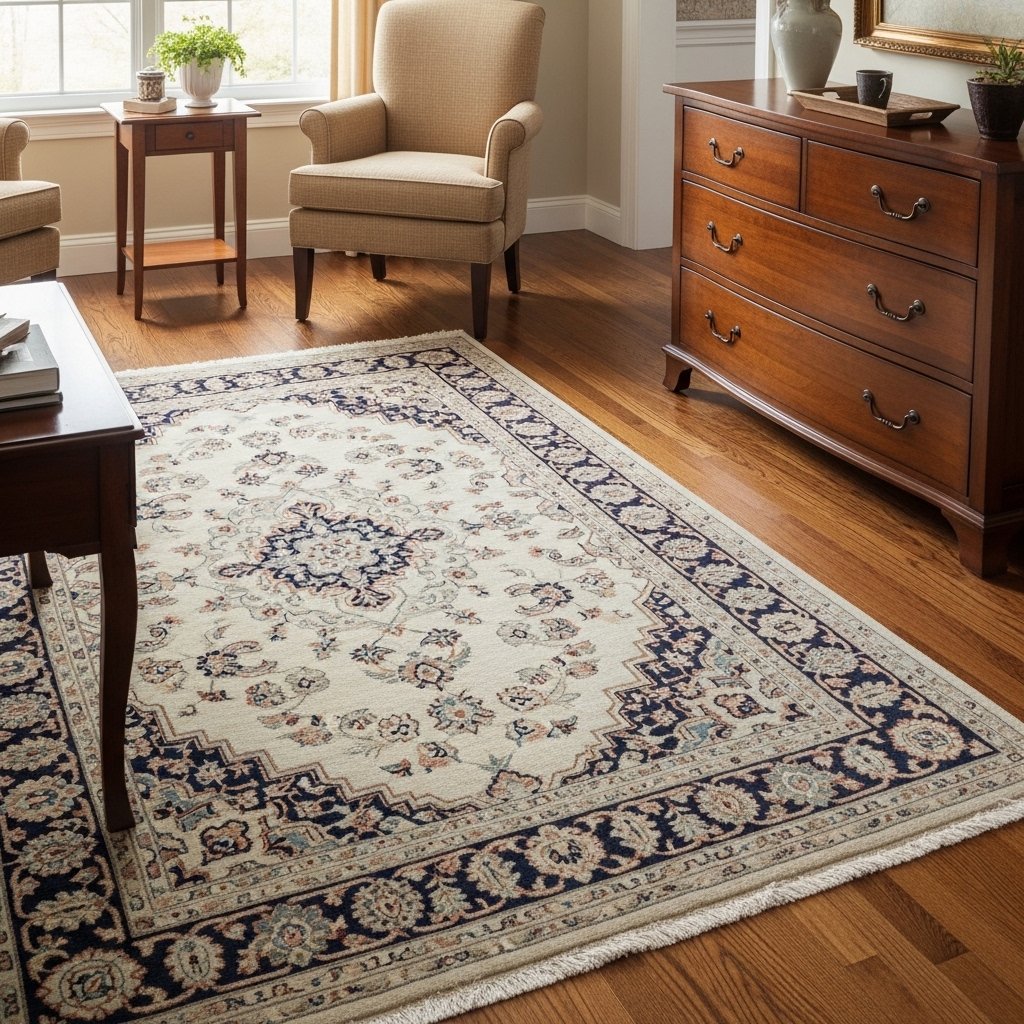
Hardwood floors are a defining feature of Colonial Revival interiors. They are typically made from rich-toned wood that enhances the warmth of the space. Area rugs with traditional patterns are layered on top to add comfort and visual interest. These rugs often feature oriental or floral designs in muted colors. The combination creates a cozy yet elegant foundation for the room.
11. Formal Entryways and Grand Hallways
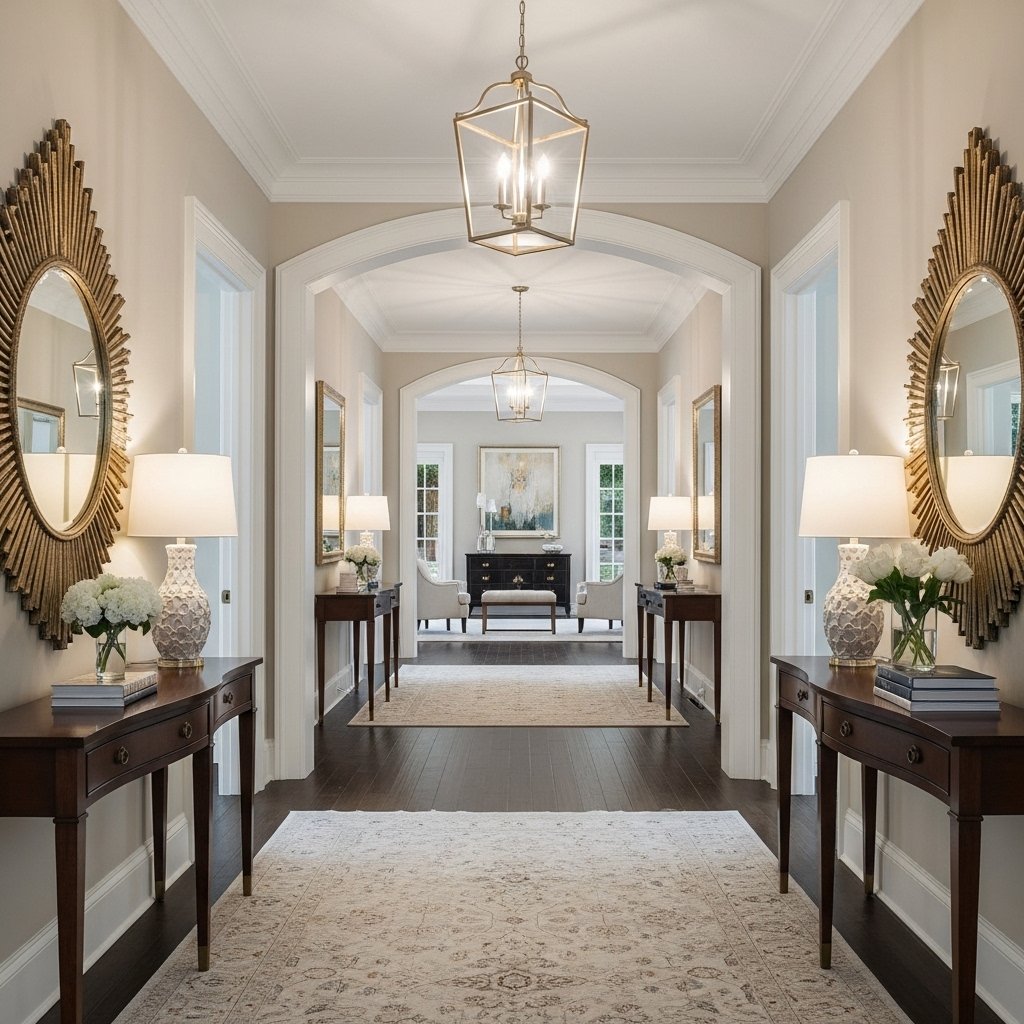
Entryways in Colonial Revival homes are designed to make a strong first impression. They often feature symmetrical layouts, console tables, and decorative mirrors. Hallways are kept wide and uncluttered to emphasize openness and flow. Lighting and artwork are carefully placed to enhance the sense of arrival. This formal introduction sets the tone for the rest of the home.
12. Built-In Cabinetry and Shelving
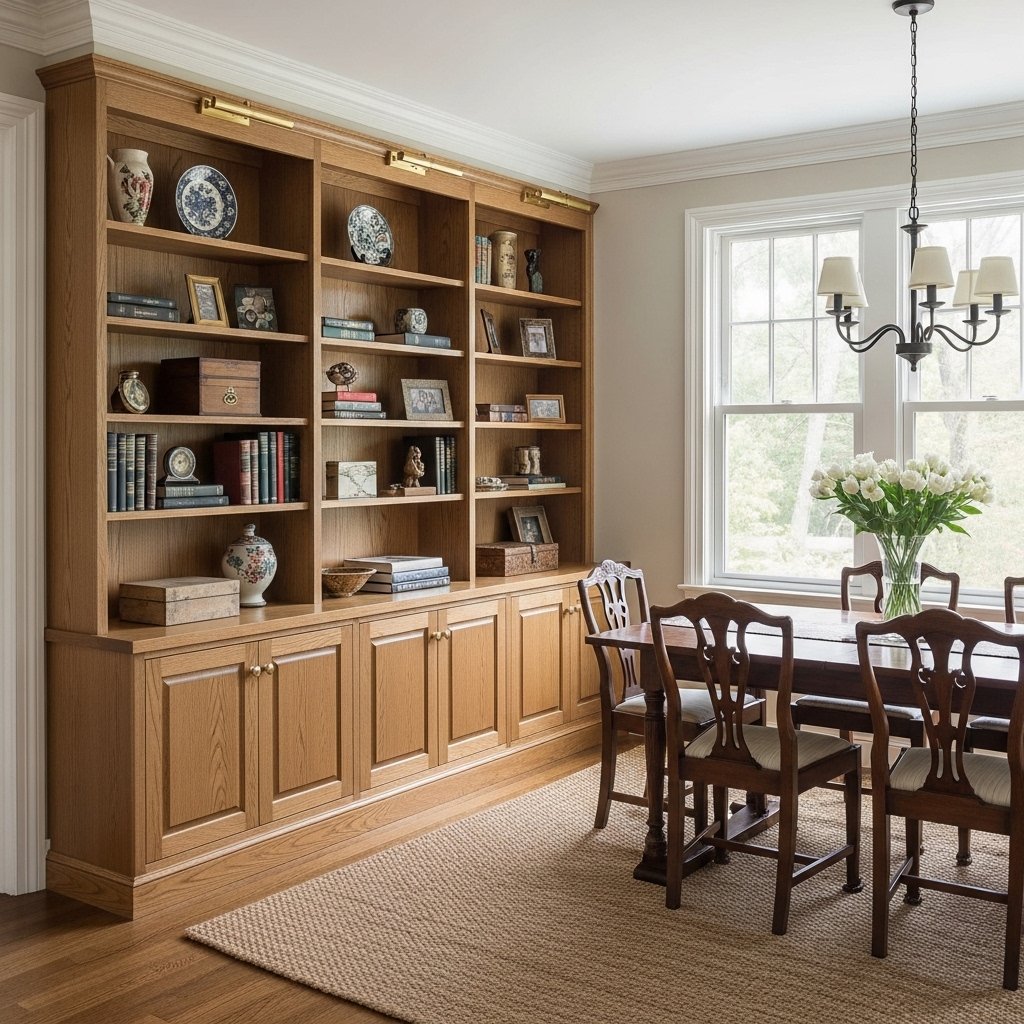
Built-in cabinetry is a practical and stylish feature in Colonial Revival interiors. These storage solutions are often made from wood and integrated seamlessly into the architecture. They are commonly used in living rooms, libraries, and dining areas. Shelves are used to display books, antiques, and decorative objects. This built-in approach maintains cleanliness while preserving traditional aesthetics.
How to Care for Colonial Revival Interior
- Clean Regularly – Dust wooden furniture, frames, and decor pieces gently to maintain a polished look.
- Protect Wood Finishes – Use wood polish or protective wax to keep furniture shiny and prevent damage.
- Maintain Fabrics – Clean curtains, cushions, and upholstery regularly to keep colors rich and fresh.
- Avoid Moisture Damage – Keep interiors dry to protect wood, antiques, and classic decor items.
- Preserve Classic Style – Arrange furniture neatly and avoid overcrowding to maintain the elegant colonial look.
13.1.
13.2. What is colonial revival interior design❓
Colonial revival interior design is a classic style inspired by early American homes from the colonial period. It focuses on traditional layouts, elegant furniture, and a balanced, symmetrical look. This style brings a sense of history and sophistication to a space, making rooms feel timeless, formal, and well-organized.
13.3. Why choose colonial revival interior style for your home❓
People choose colonial revival interior style because it creates a warm, elegant, and traditional atmosphere. It gives a home a refined and classic look that never goes out of style. This design is perfect for those who prefer a clean, structured space with a touch of historical charm.
13.4. What colors are used in colonial revival interiors❓
Colonial revival interiors usually use soft and muted colors such as cream, beige, white, and light gray. Dark wood tones are also very common in furniture and flooring. These colors help create a calm, balanced, and classic environment that feels both comfortable and stylish.
14. Final Thoughts
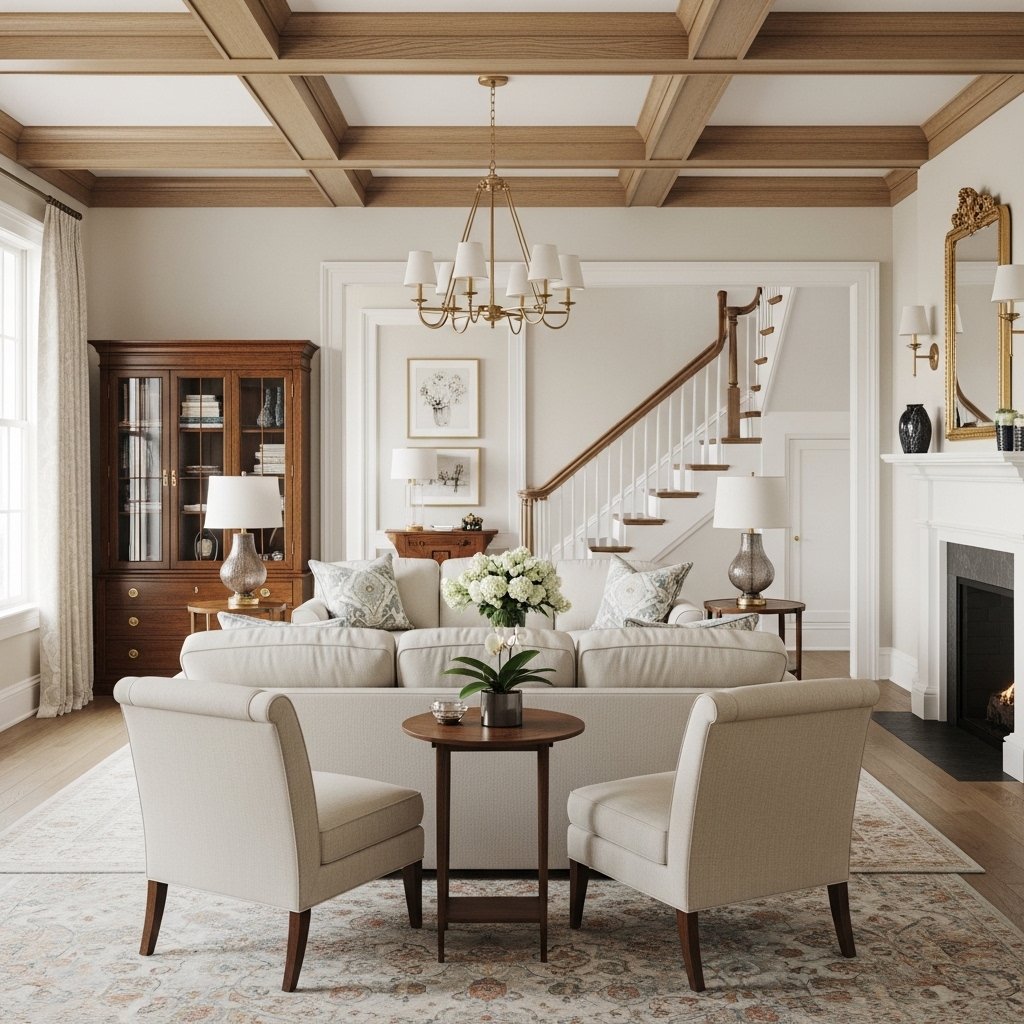
Colonial Revival interior design remains a popular choice for those who appreciate timeless elegance and historical charm. Its emphasis on symmetry, natural materials, and refined details creates a warm and sophisticated living environment. Each design element, from furniture to architectural features, works together to create balance and harmony. By incorporating these 12 ideas, you can transform your home into a space that reflects both tradition and comfort. Whether you prefer a fully traditional look or a modern interpretation, Colonial Revival interiors offer endless inspiration for creating a classic and beautiful home.