Colonial Interior: Timeless Elegance and Classic Home Design Inspiration
Blog > Home > Modern interior > Colonial Interior: Timeless Elegance and Classic Home Design Inspiration
Colonial interior design is one of the most timeless and elegant styles in the world of home décor. It reflects a blend of European influence and local craftsmanship, creating spaces that feel warm, structured, and historically rich. This design style is known for its symmetry, natural materials, and refined simplicity that never goes out of fashion. From wooden furniture to muted color palettes, colonial interiors bring a sense of heritage into modern homes. In this guide, we will explore 12 well-structured colonial interior ideas to help you design a space that feels both classic and comfortable.
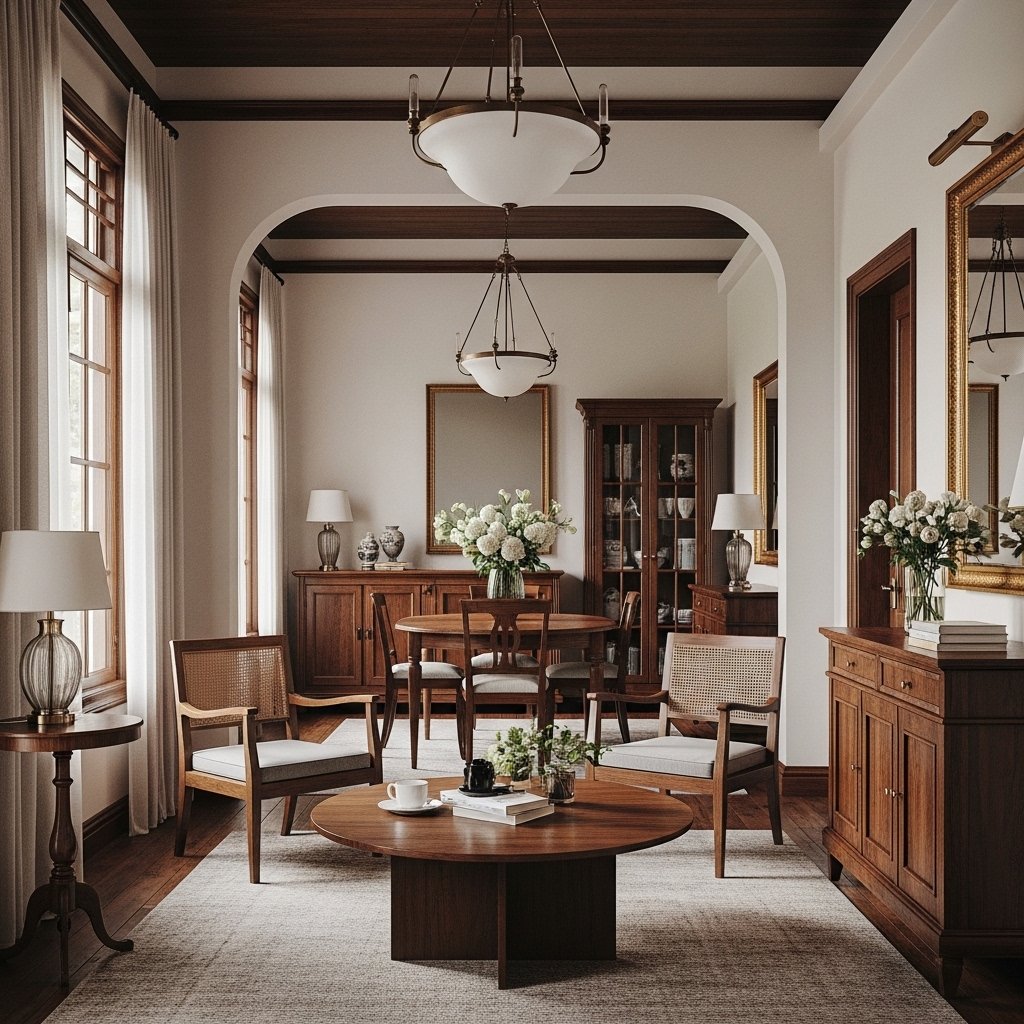
Table Of Content
1. Symmetrical Room Layout for Balanced Design
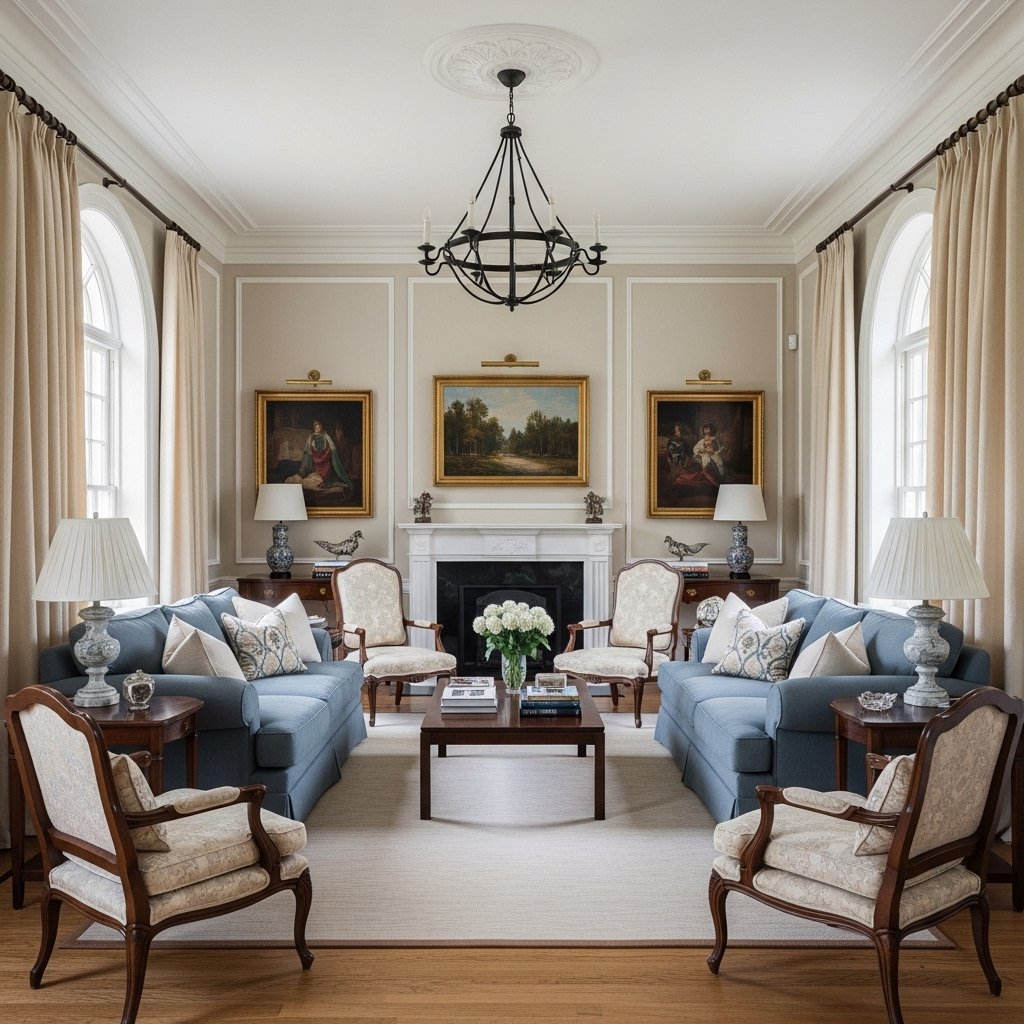
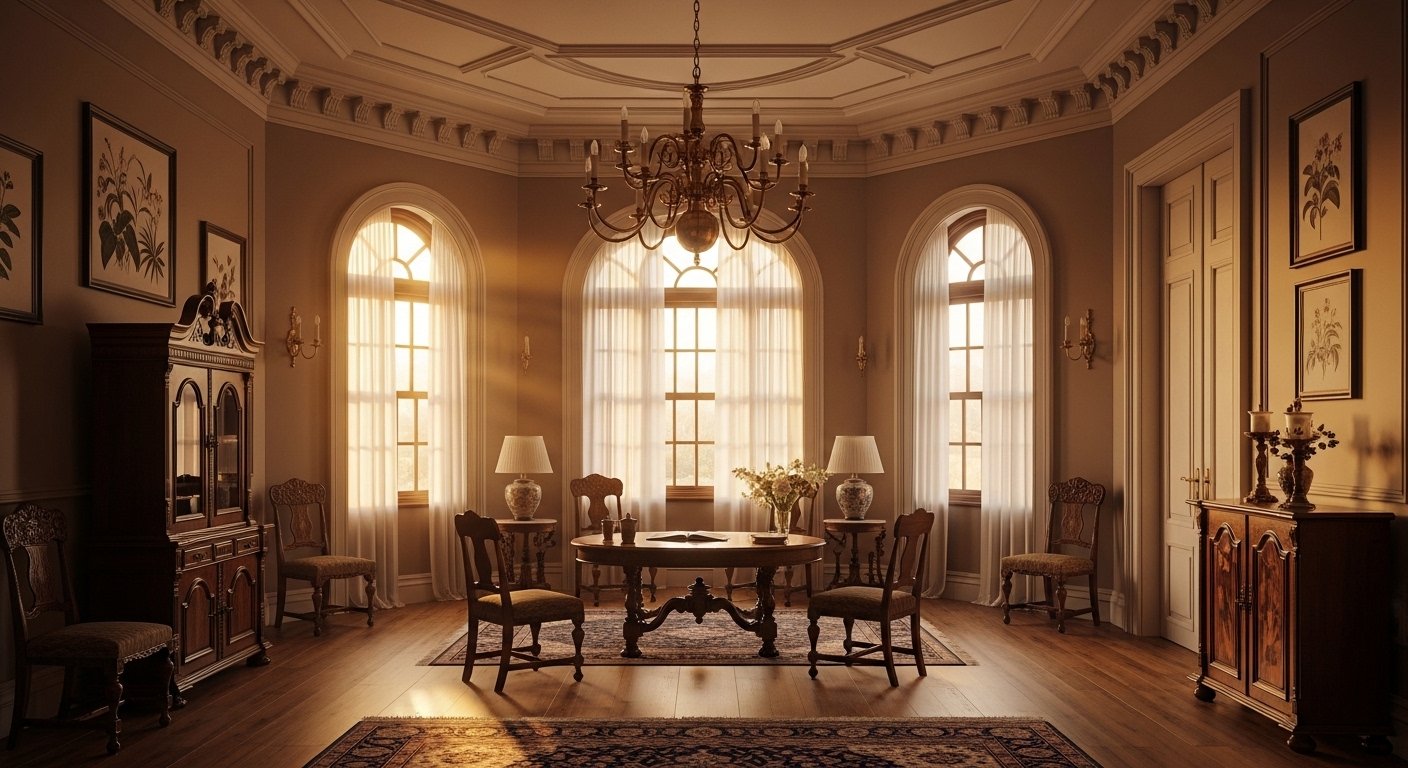
A key feature of colonial interior design is symmetry in room arrangement. Furniture is often placed in pairs or balanced compositions to create a sense of order and harmony. This approach gives the room a formal yet welcoming appearance that feels visually satisfying. Symmetry can be applied through sofas, chairs, lamps, or artwork placement. It helps maintain structure, which is essential in achieving an authentic colonial look.
2. Natural Wooden Furniture as a Foundation
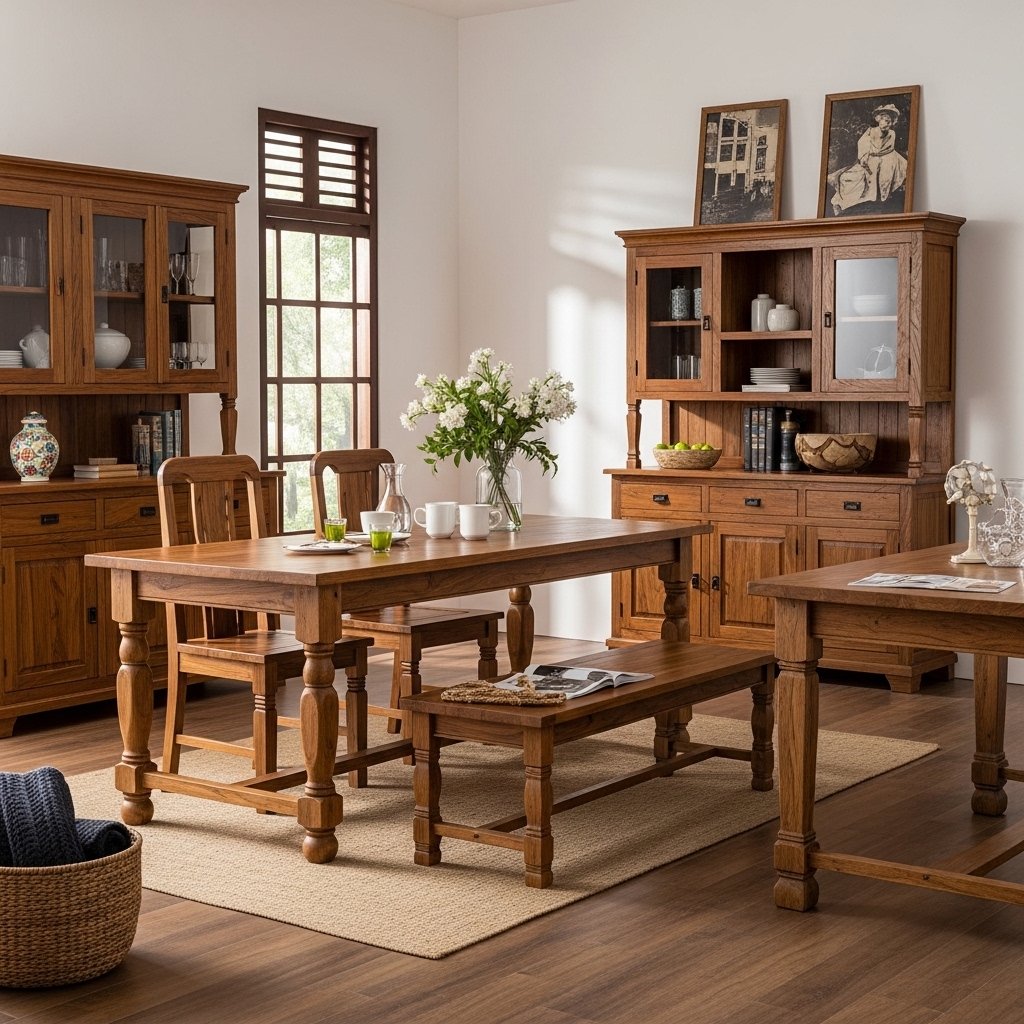
Wood plays a central role in colonial interiors, especially darker hardwoods like teak or mahogany. These materials bring warmth and durability to the space while adding historical character. Colonial furniture often features detailed craftsmanship such as carvings and turned legs. Large wooden tables, cabinets, and chairs are commonly used to anchor the room. This natural foundation sets the tone for the entire interior style.
3. Neutral and Earthy Color Palettes
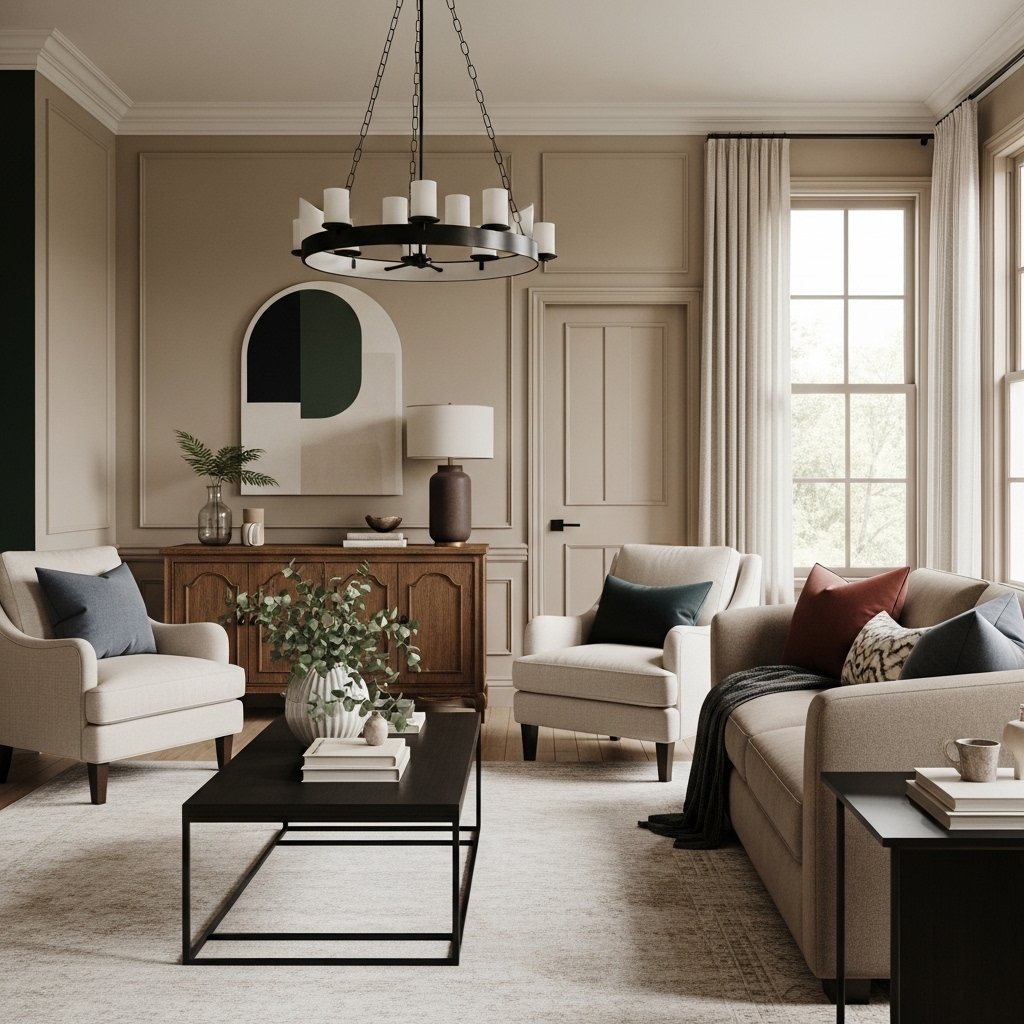
Colonial interiors rely heavily on soft, neutral tones such as beige, cream, ivory, and warm browns. These colors create a calm and grounded atmosphere that enhances the traditional feel of the space. Earthy tones also help highlight wooden furniture and architectural details. Accents of deep green, navy, or burgundy can be added for subtle contrast. This balanced palette ensures the room feels both elegant and inviting.
4. High Ceilings and Open Spaces
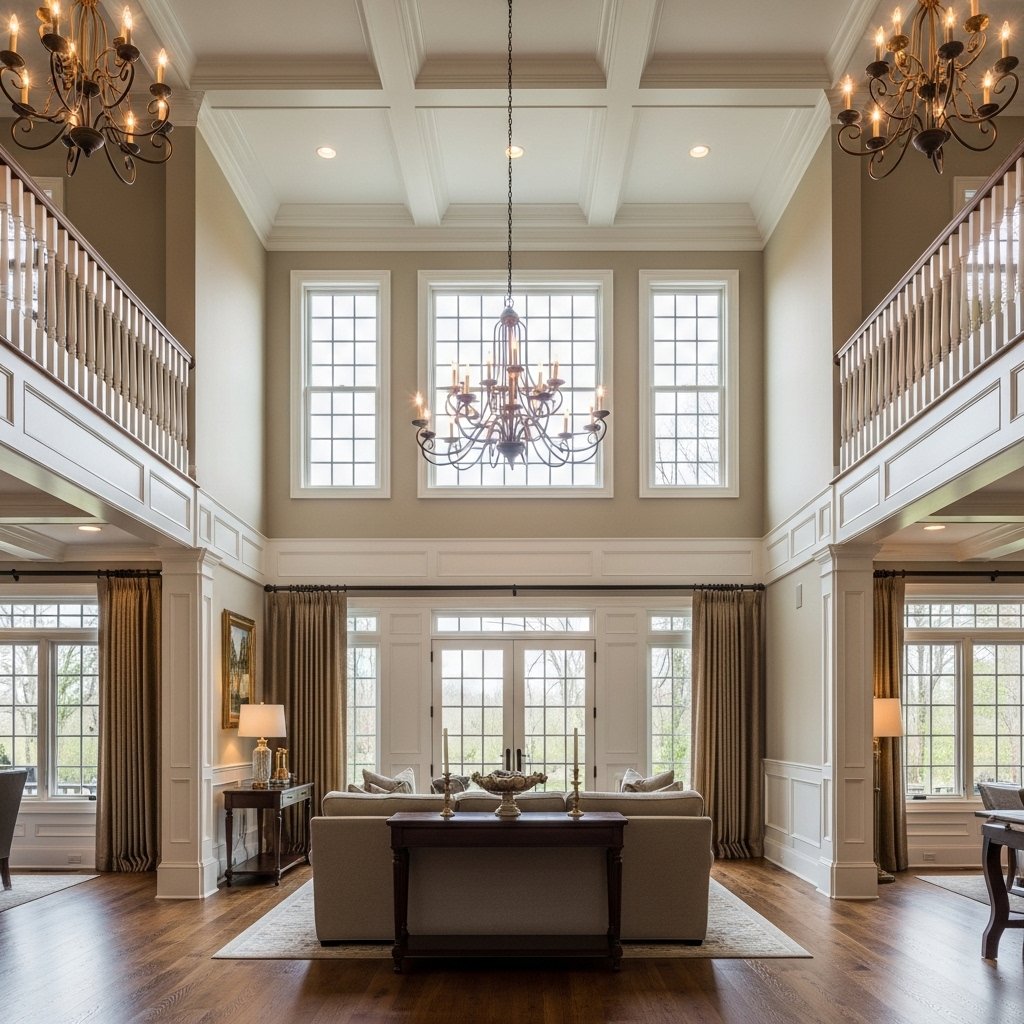
Colonial-style homes often feature high ceilings that enhance the sense of openness and grandeur. This architectural element allows better airflow and natural lighting throughout the room. Tall windows are commonly paired with these ceilings to create a bright and airy environment. The extra vertical space also gives room for decorative elements like chandeliers or tall curtains. Overall, this design creates a spacious and luxurious feel.
5. Vintage-Inspired Lighting Fixtures
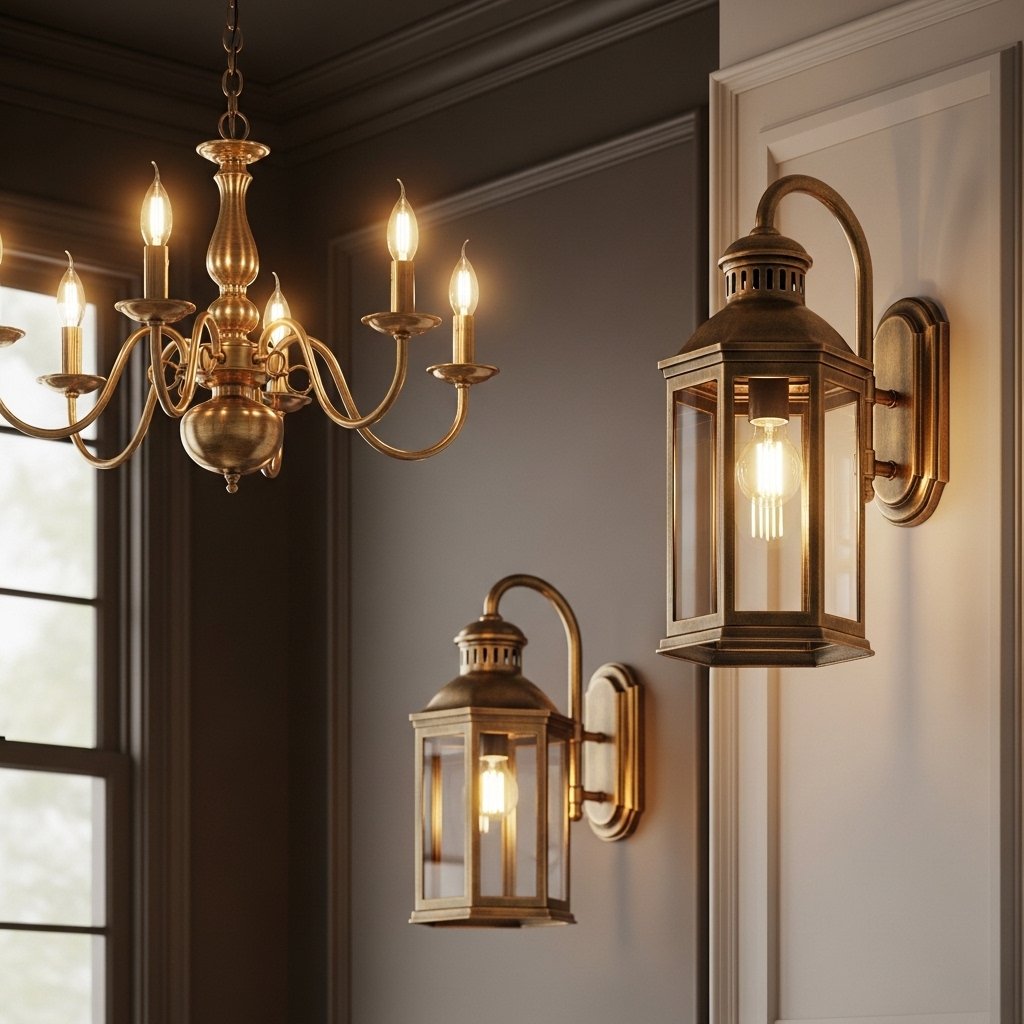
Lighting in colonial interiors is often inspired by antique and vintage designs. Chandeliers, lantern-style lights, and brass fixtures are commonly used to maintain historical authenticity. These lighting elements not only illuminate the space but also serve as decorative focal points. Warm lighting is preferred to enhance the cozy and traditional atmosphere. Carefully chosen fixtures can significantly elevate the colonial aesthetic.
6. Classic Textiles and Upholstery
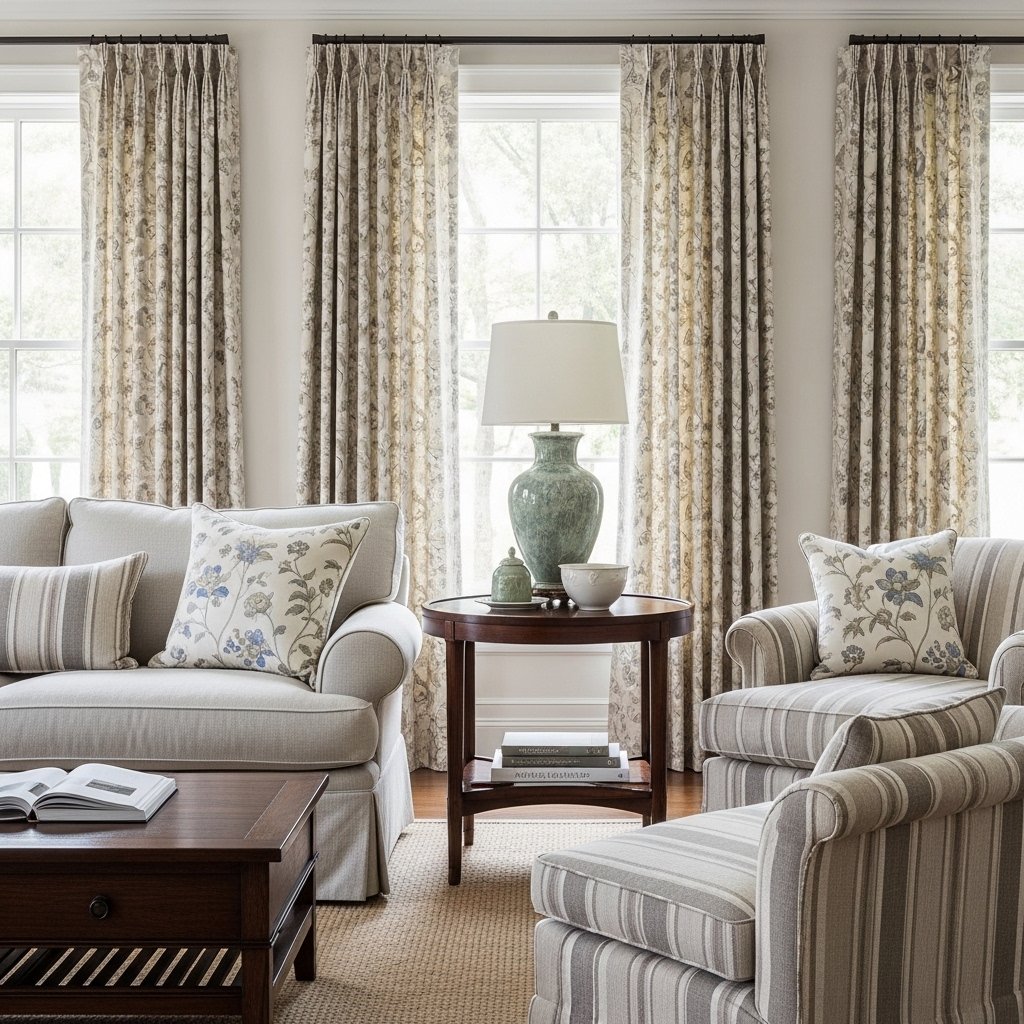
Textiles play an important role in adding softness and comfort to colonial interiors. Materials like linen, cotton, and wool are often used for upholstery and curtains. Patterns are usually subtle, featuring stripes, florals, or simple woven textures. These fabrics complement the wooden elements without overpowering the design. The result is a balanced and refined living space.
7. Traditional Rugs and Floor Coverings
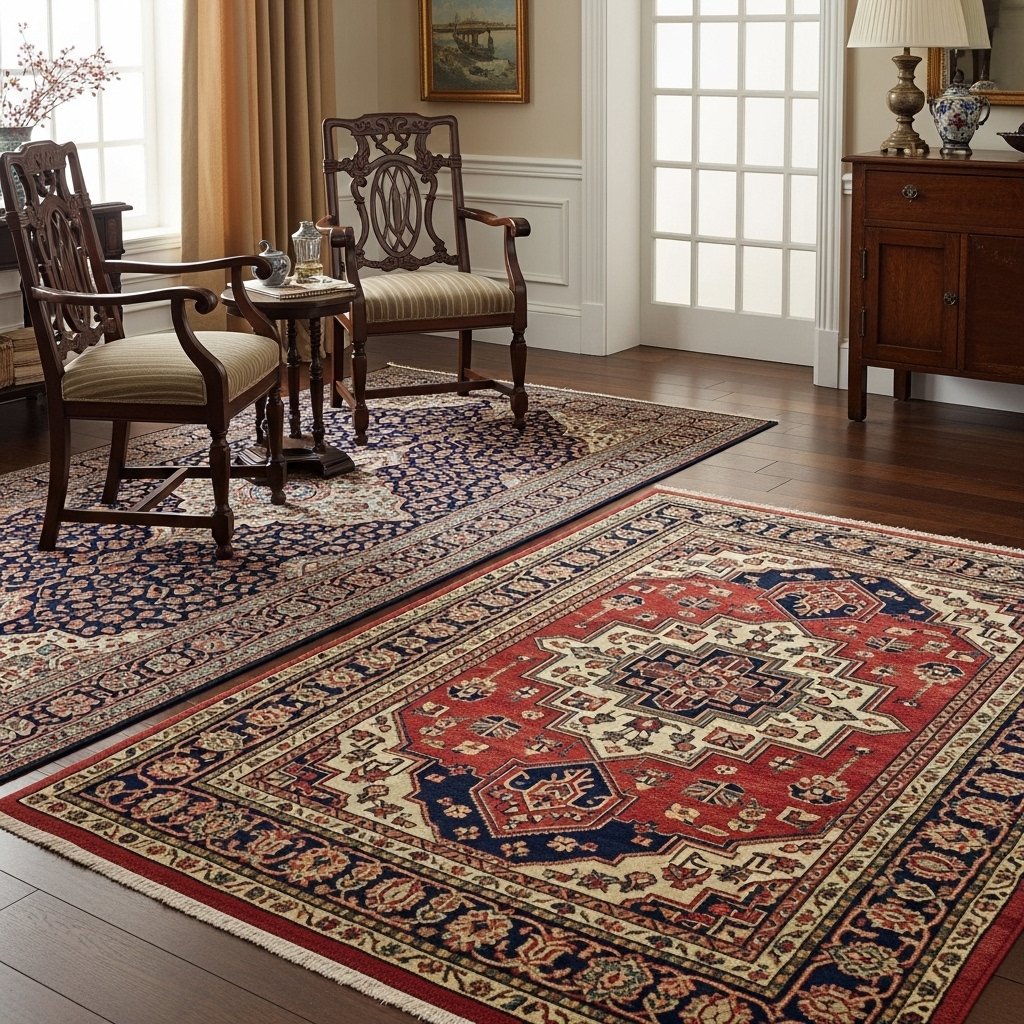
Rugs are essential in colonial interior design as they add warmth and texture to wooden or stone floors. Persian-style or handwoven rugs are commonly used for their intricate patterns and rich colors. These rugs help define different areas within a room while enhancing visual depth. They also contribute to the historical and cultural richness of the design. A well-placed rug can instantly elevate the entire space.
8. Antique and Statement Furniture Pieces
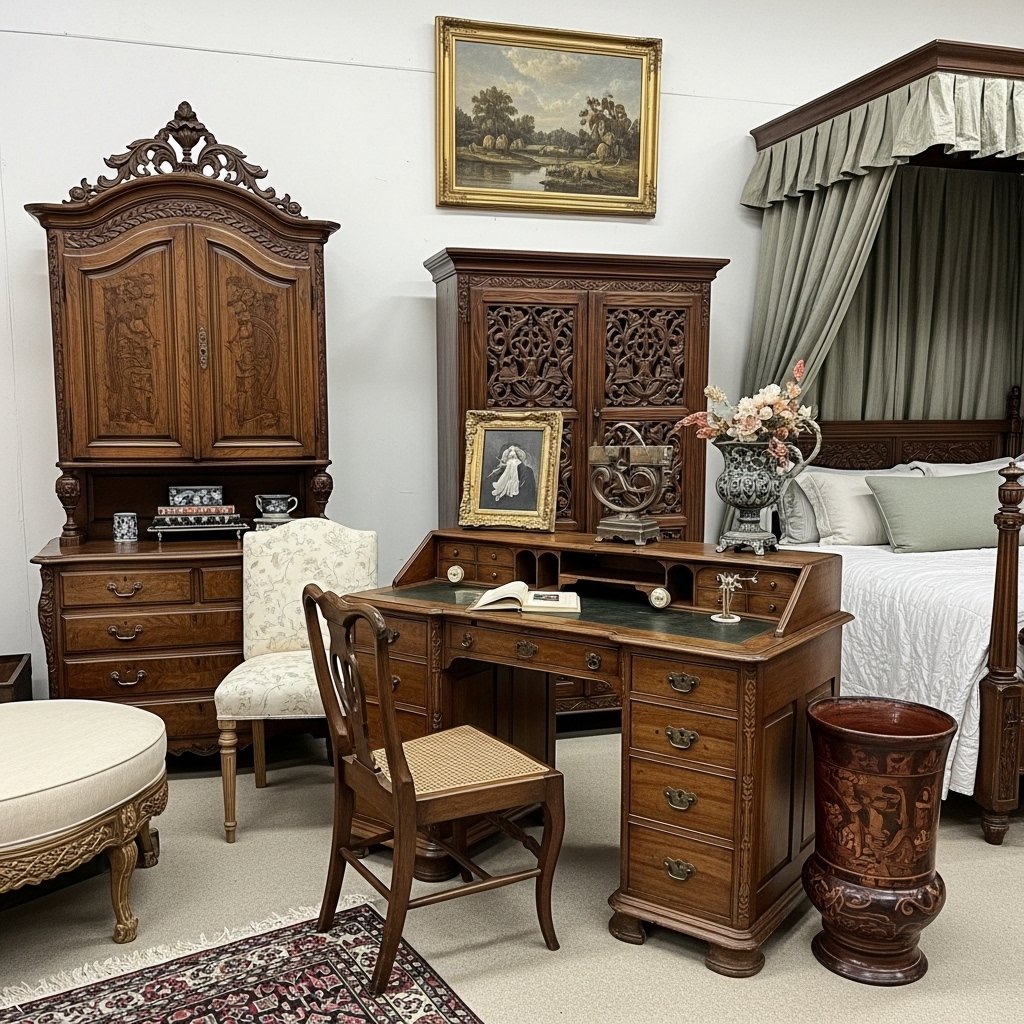
Colonial interiors often feature antique furniture that tells a story of craftsmanship and history. Statement pieces such as carved cabinets, writing desks, or canopy beds are commonly used. These items act as focal points within the room and reflect traditional artistry. Mixing antique pieces with simpler furniture creates a balanced look. This combination ensures the space feels authentic yet functional.
9. Large Windows with Wooden Shutters
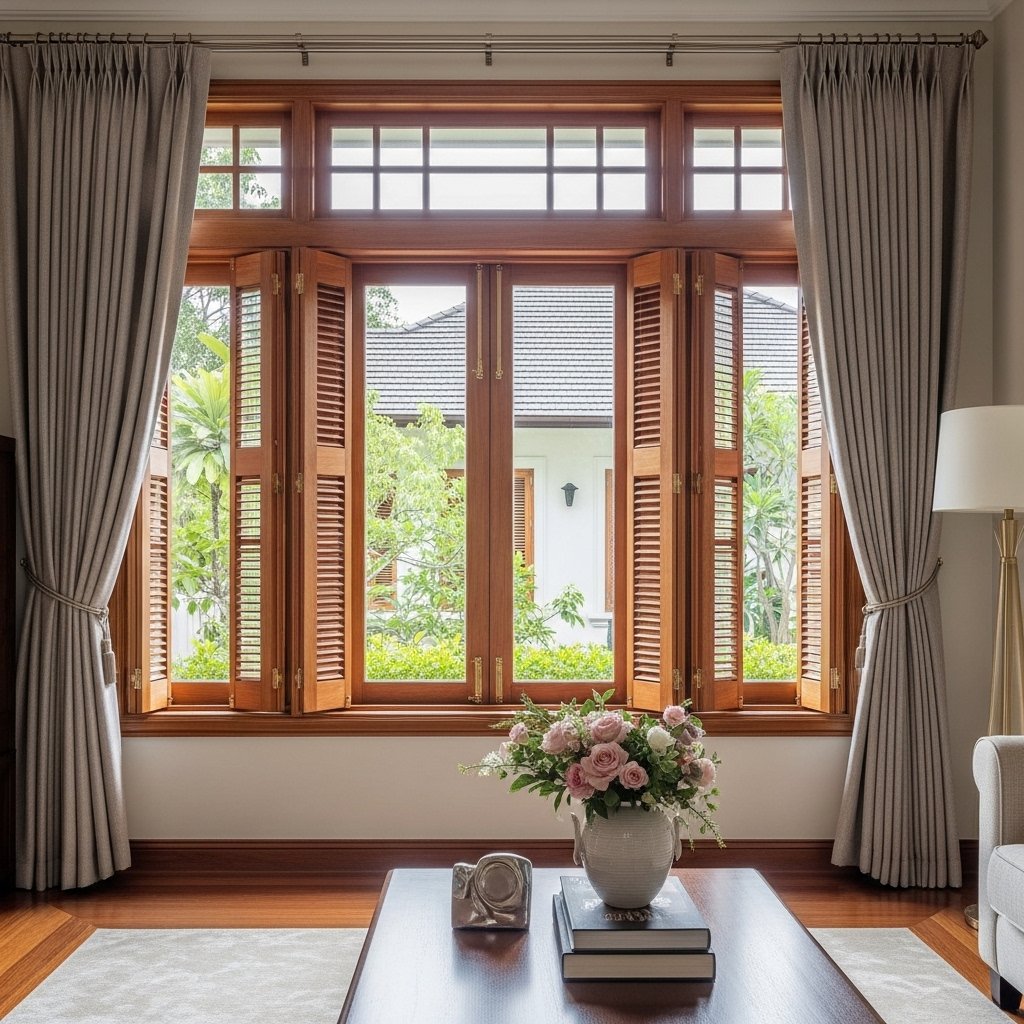
Windows in colonial-style homes are typically large to allow natural light to flow freely. Wooden shutters or frames are used to maintain privacy while preserving the traditional aesthetic. These windows often serve as architectural highlights in the room. Light curtains in neutral shades further enhance the elegance of the design. This feature creates a seamless connection between indoor and outdoor spaces.
10. Decorative Wall Elements and Artwork
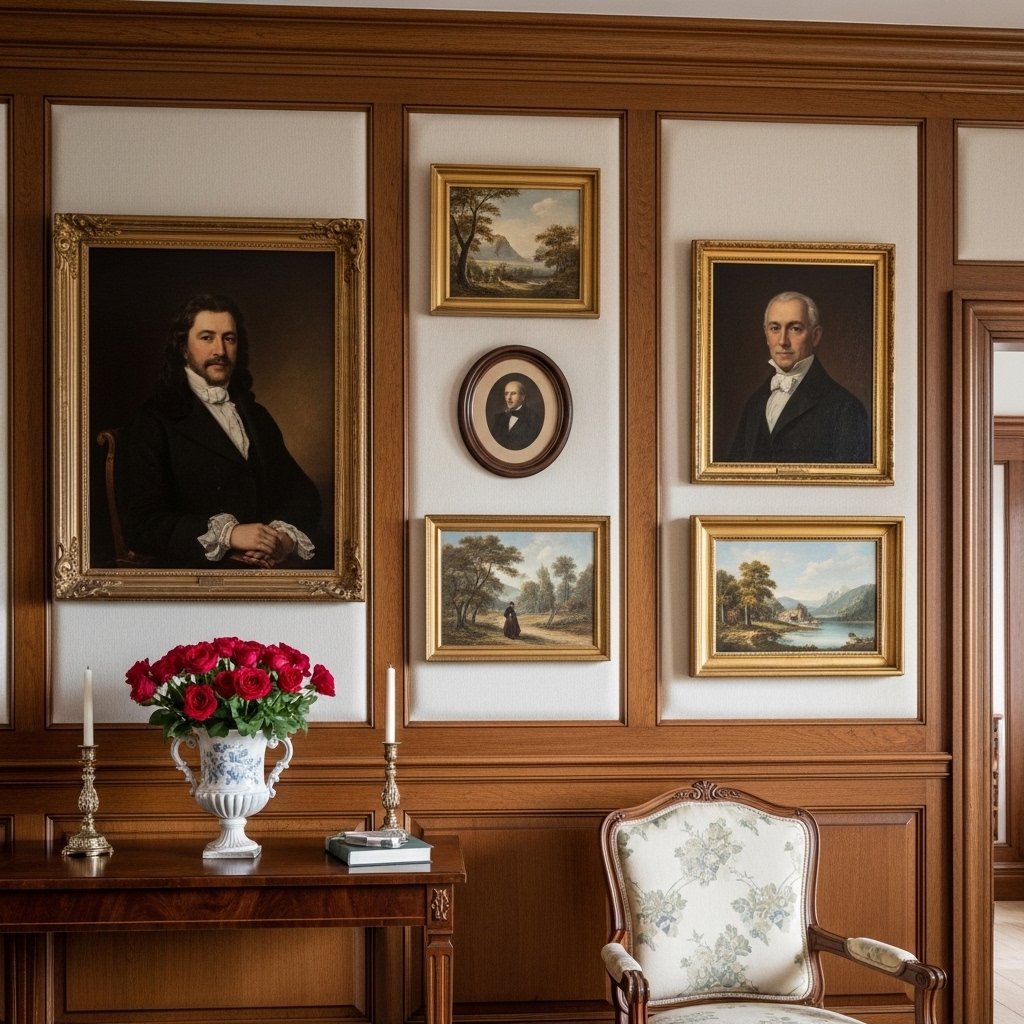
Walls in colonial interiors are often decorated with classic artwork, portraits, or landscape paintings. Wooden frames are preferred to maintain consistency with the overall design style. Wall paneling or wainscoting is also commonly used for added texture and depth. These elements bring sophistication without making the space feel crowded. Carefully curated wall décor enhances the historical charm of the interior.
11. Indoor Plants for Natural Contrast
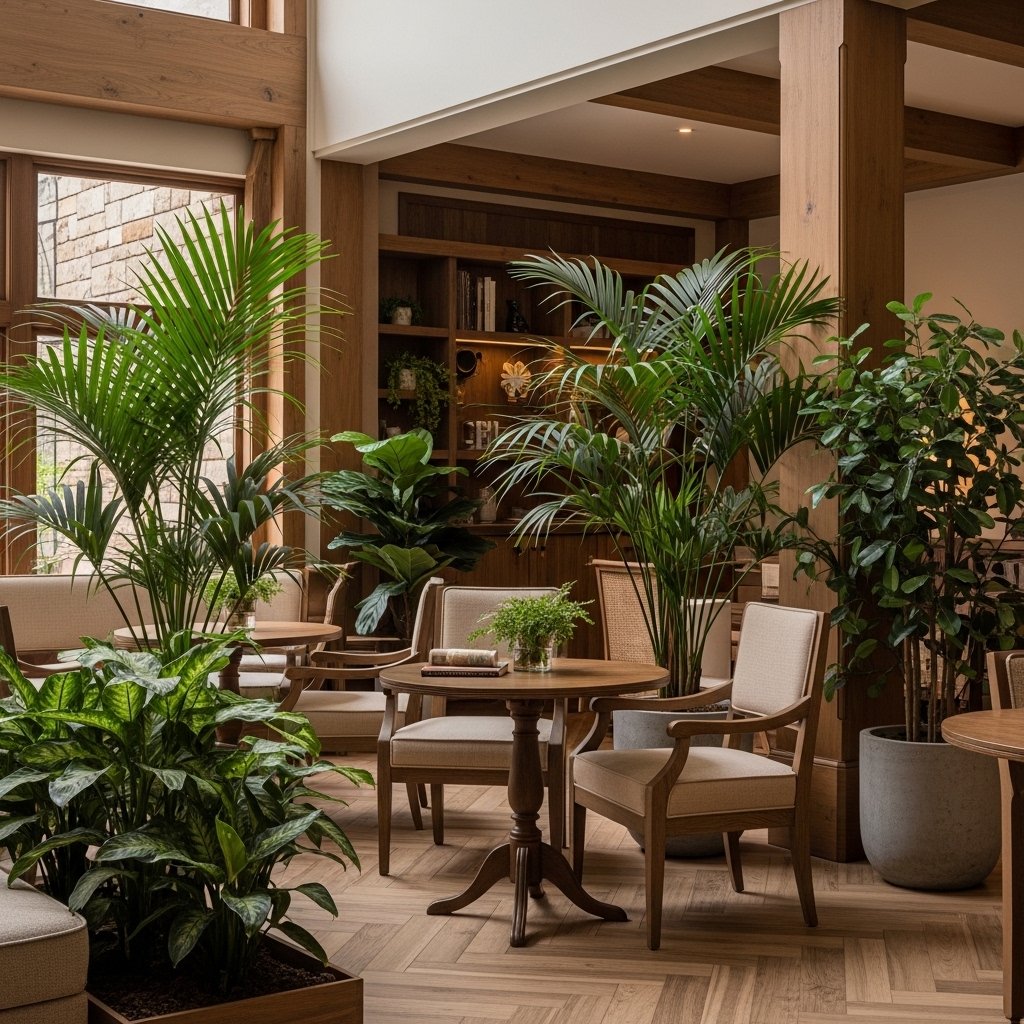
Indoor plants are a great way to bring freshness into colonial interiors. Large leafy plants like palms or ferns complement the wooden textures and earthy tones. They add a natural contrast that softens the structured design elements. Plants also improve air quality and create a more relaxing environment. When placed thoughtfully, greenery enhances the overall warmth of the space.
12. Elegant Colonial-Style Accessories
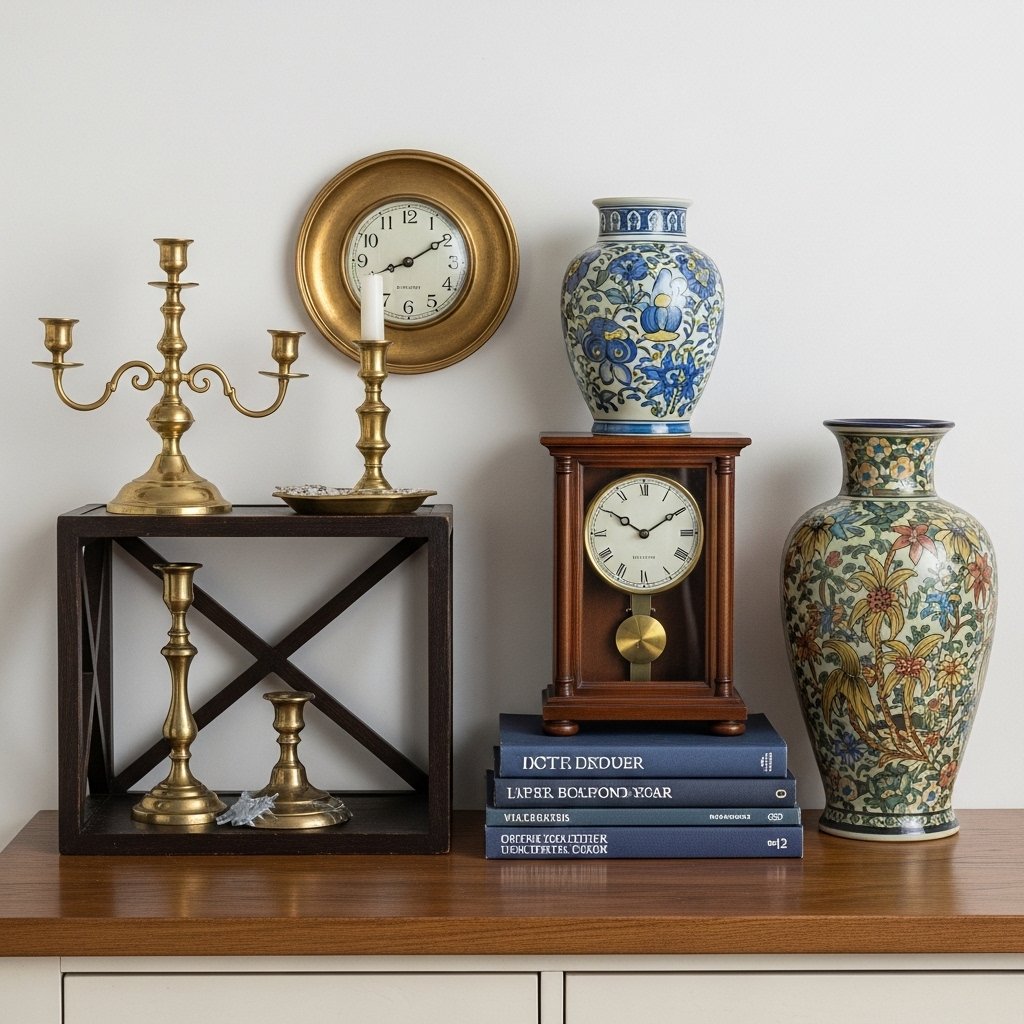
Accessories are the final touch that completes a colonial interior design. Items like brass candle holders, vintage clocks, and ceramic vases add character to the space. These small details help reinforce the historical theme without overwhelming the design. Accessories should be chosen carefully to maintain balance and harmony. When done right, they bring the entire colonial look together beautifully.
13. How to Care for Colonial Interior Decor
- Keep It Clean – Dust wooden furniture, frames, and decorative items regularly to maintain a polished look.
- Protect Wood Surfaces – Use polish or wood conditioner to prevent dryness, cracks, and dullness.
- Control Sunlight – Avoid direct sunlight on furniture and fabrics to prevent fading and damage.
- Maintain Fabrics – Clean curtains, cushions, and upholstery regularly to keep colors rich and fresh.
- Preserve Vintage Items – Handle antique or colonial-style decor carefully and repair small damages quickly.
13.1.
13.2. What is colonial interior style❓
Colonial interior style is a classic home design style inspired by European colonial-era homes. It usually features simple yet elegant furniture, wooden materials, and a balanced layout. This style focuses on comfort and tradition, often mixing antique pieces with practical modern elements to create a warm and timeless home atmosphere.
13.3. Why is colonial interior design still popular today❓
Colonial interior design is still popular because it never goes out of style. Its elegant and traditional look creates a sense of history and sophistication in any home. People also like it because it combines comfort with luxury, making spaces feel both welcoming and classy at the same time.
13.4. What are common features of colonial interior decor❓
Common features of colonial interior decor include wooden furniture, neutral colors, large windows, and vintage accessories. You will often see handmade rugs, classic lighting, and simple but strong furniture designs. These elements work together to create a calm, balanced, and elegant living space.
14. Final Thoughts
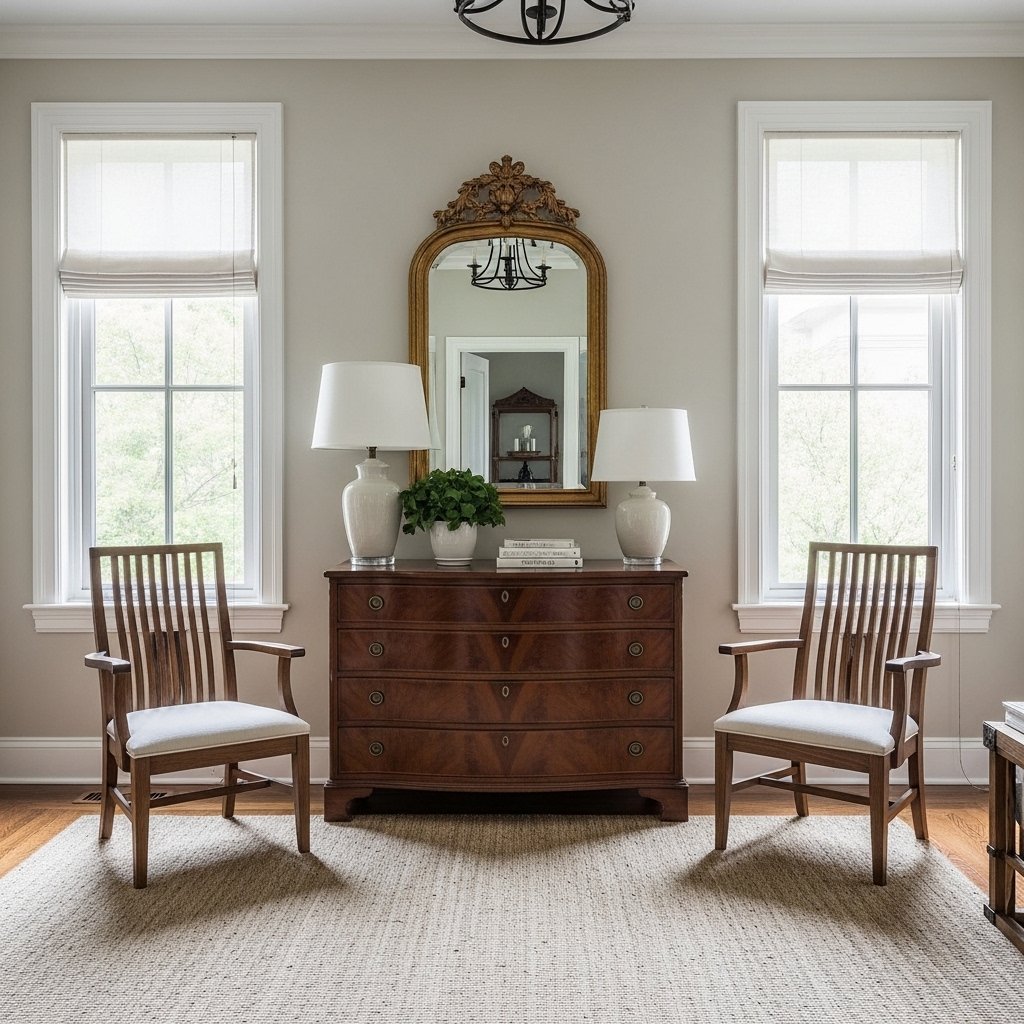
Colonial interior design is a timeless style that continues to inspire homeowners around the world. Its emphasis on symmetry, natural materials, and elegant simplicity makes it both practical and visually appealing. By incorporating wooden furniture, neutral tones, vintage lighting, and traditional décor, you can easily create a space that reflects colonial charm. Each element works together to build a warm and sophisticated environment. Whether you are designing a new home or renovating an existing space, these 12 colonial interior ideas will help you achieve a classic and enduring aesthetic.