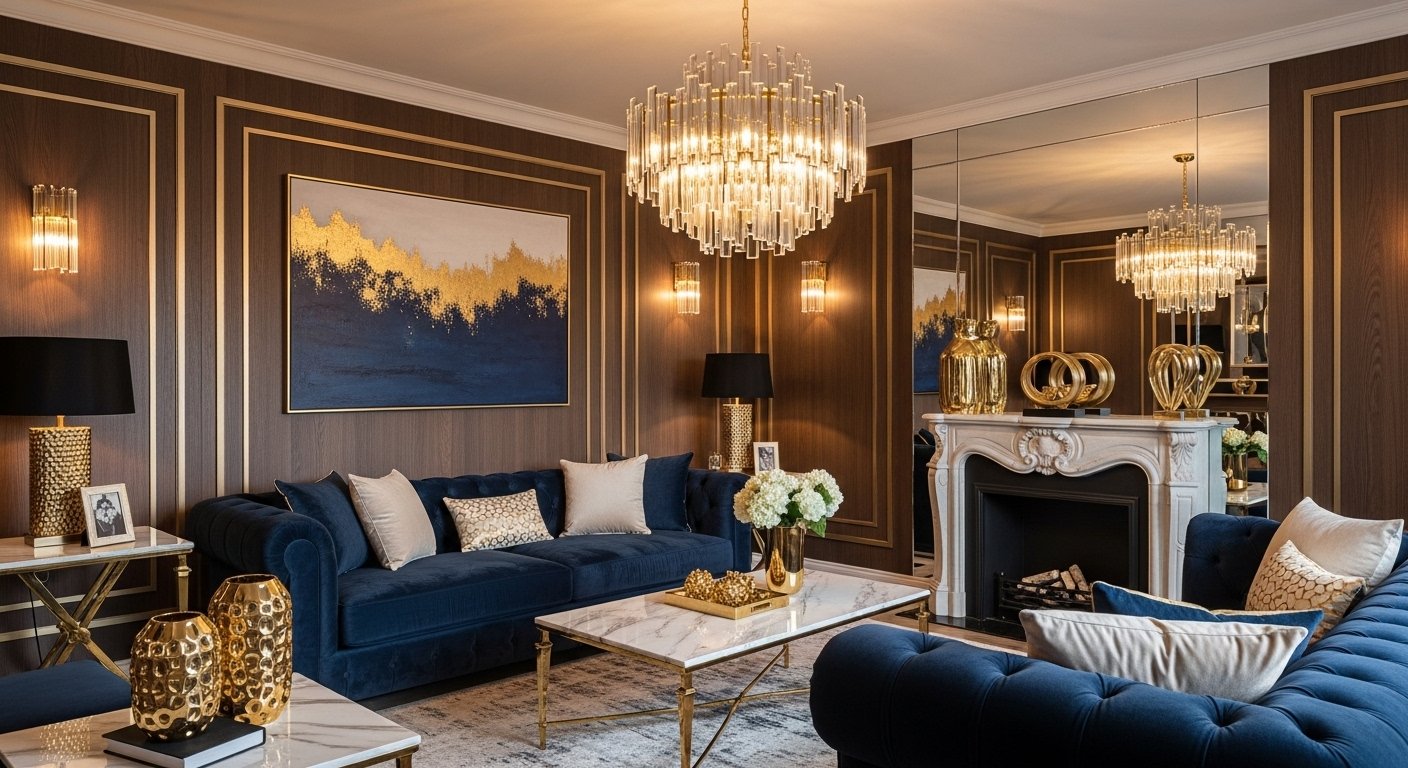
Interior Decorating: Creative Ideas to Transform Your Living Space
Blog > Home > Modern interior > Interior Decorating: Creative Ideas to Transform Your Living Space
Interior decorating is more than just arranging furniture; it’s about creating a space that reflects your personality, lifestyle, and comfort. Whether you’re redesigning a single room or refreshing your entire home, the right decorating ideas can make a huge difference. A well-decorated interior balances aesthetics with functionality, ensuring your space looks beautiful while serving your daily needs. From color schemes to furniture placement, every detail plays a role in defining the overall atmosphere. In this guide, you’ll explore 12 fully optimized interior decorating ideas that will help you design a stylish and inviting home.
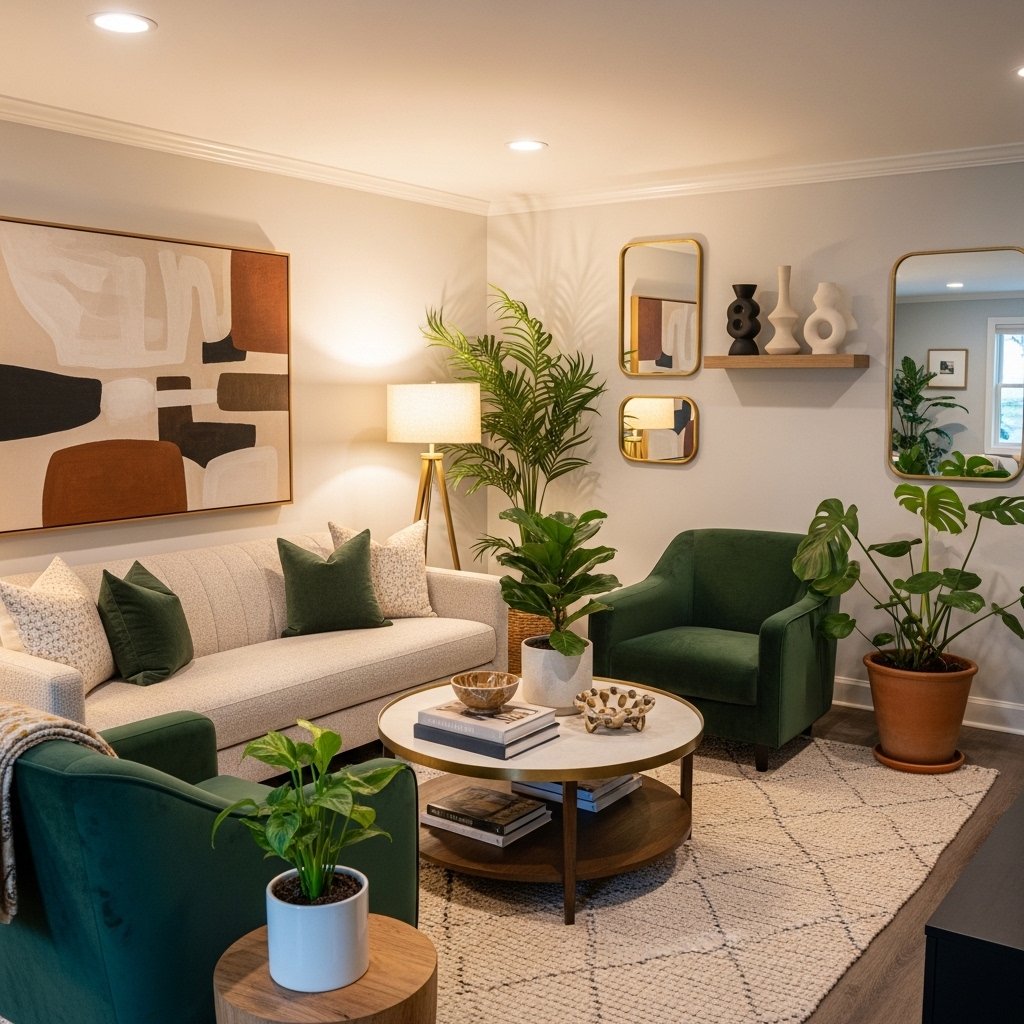
Table Of Content
1. Choose a Cohesive Color Palette
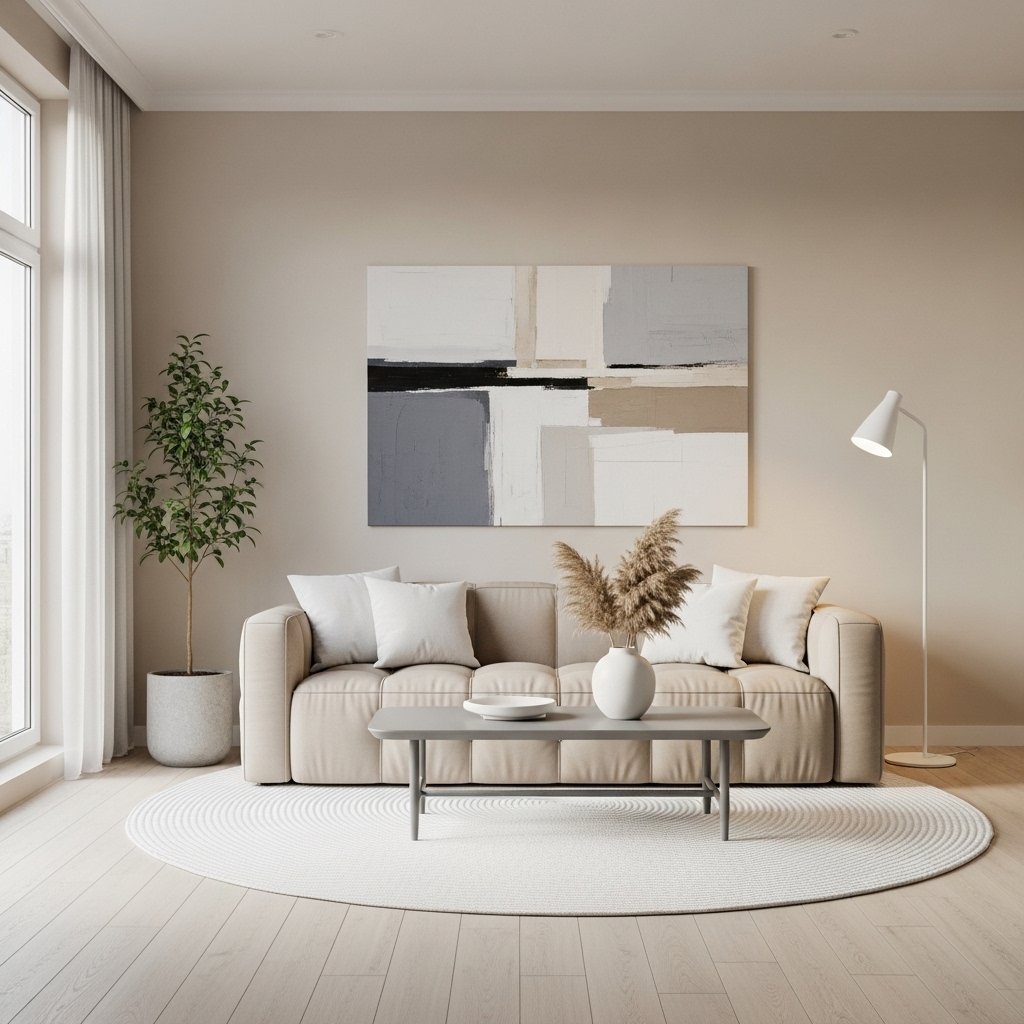
Selecting a cohesive color palette is the foundation of successful interior decorating. Start by choosing two to three primary colors and build your design around them. Neutral tones like white, beige, or gray can create a calm base, while accent colors add personality. Consistency in colors helps maintain visual harmony throughout your space. This approach ensures your home feels balanced and professionally designed.
2. Focus on Statement Furniture Pieces
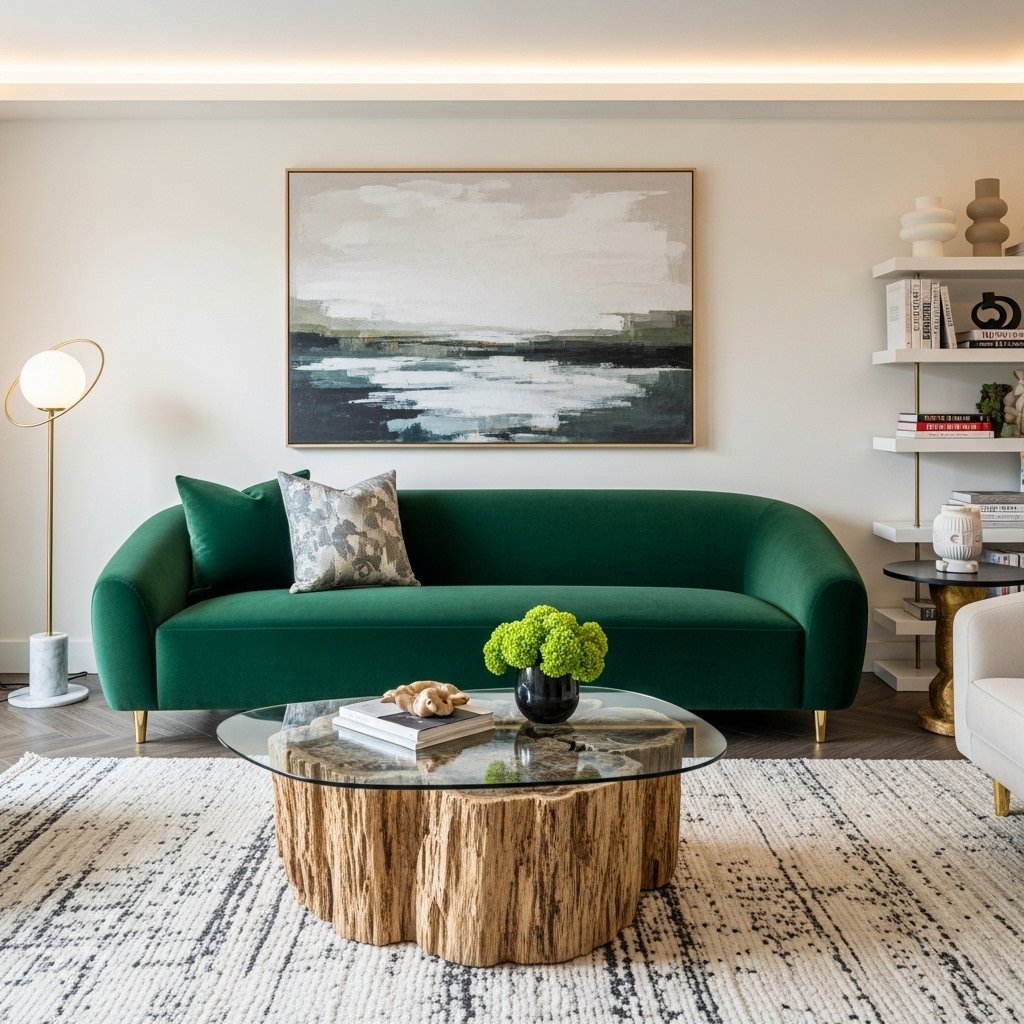
Statement furniture pieces can instantly elevate the look of any room. A bold sofa, unique coffee table, or eye-catching armchair can become the focal point. These pieces not only add style but also define the character of your space. Choose items that reflect your taste while complementing the overall theme. Investing in one standout piece can make even a simple room feel luxurious.
3. Use Layered Lighting for Ambiance
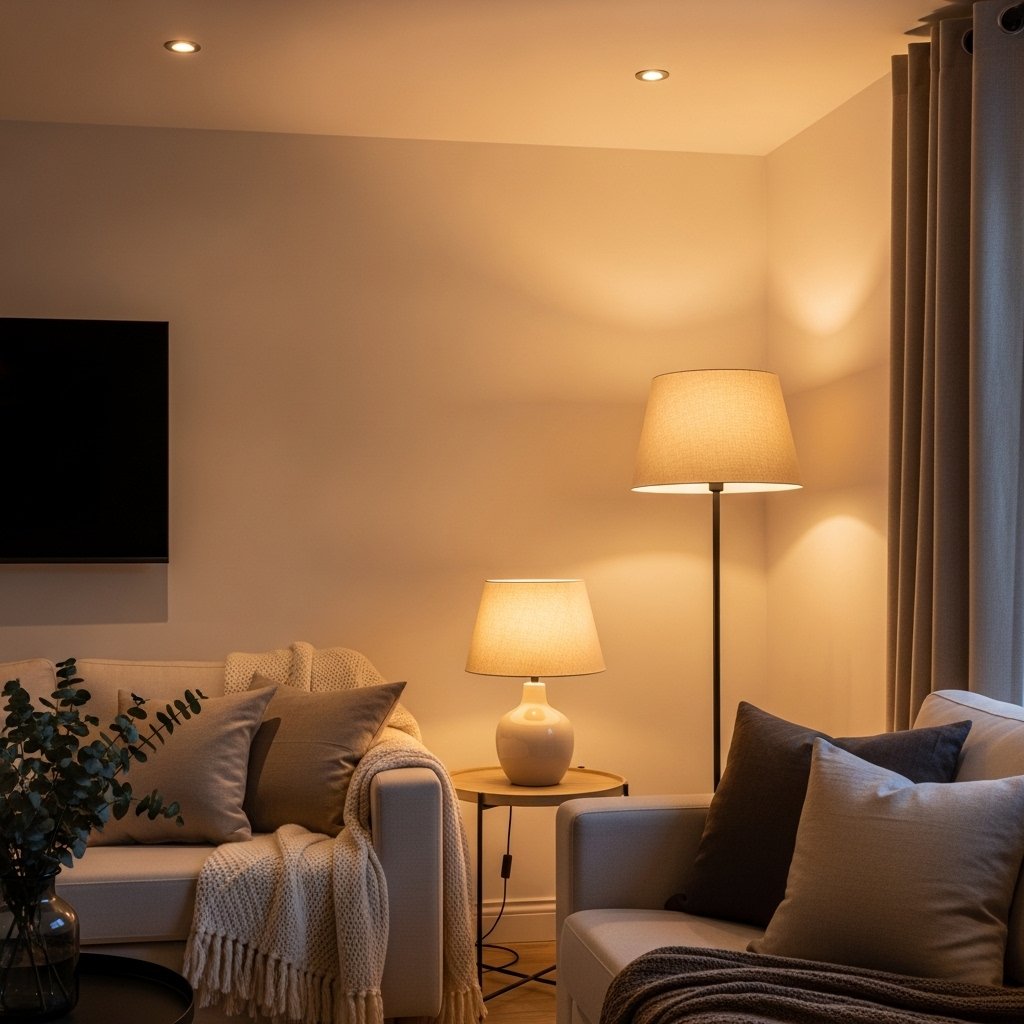
Lighting plays a crucial role in interior decorating and should never be overlooked. Combine ambient, task, and accent lighting to create depth and warmth. Ceiling lights provide general illumination, while lamps and wall lights add coziness. Layered lighting allows you to adjust the mood of a room depending on the time of day. Proper lighting enhances both functionality and aesthetics.
4. Incorporate Textures and Fabrics
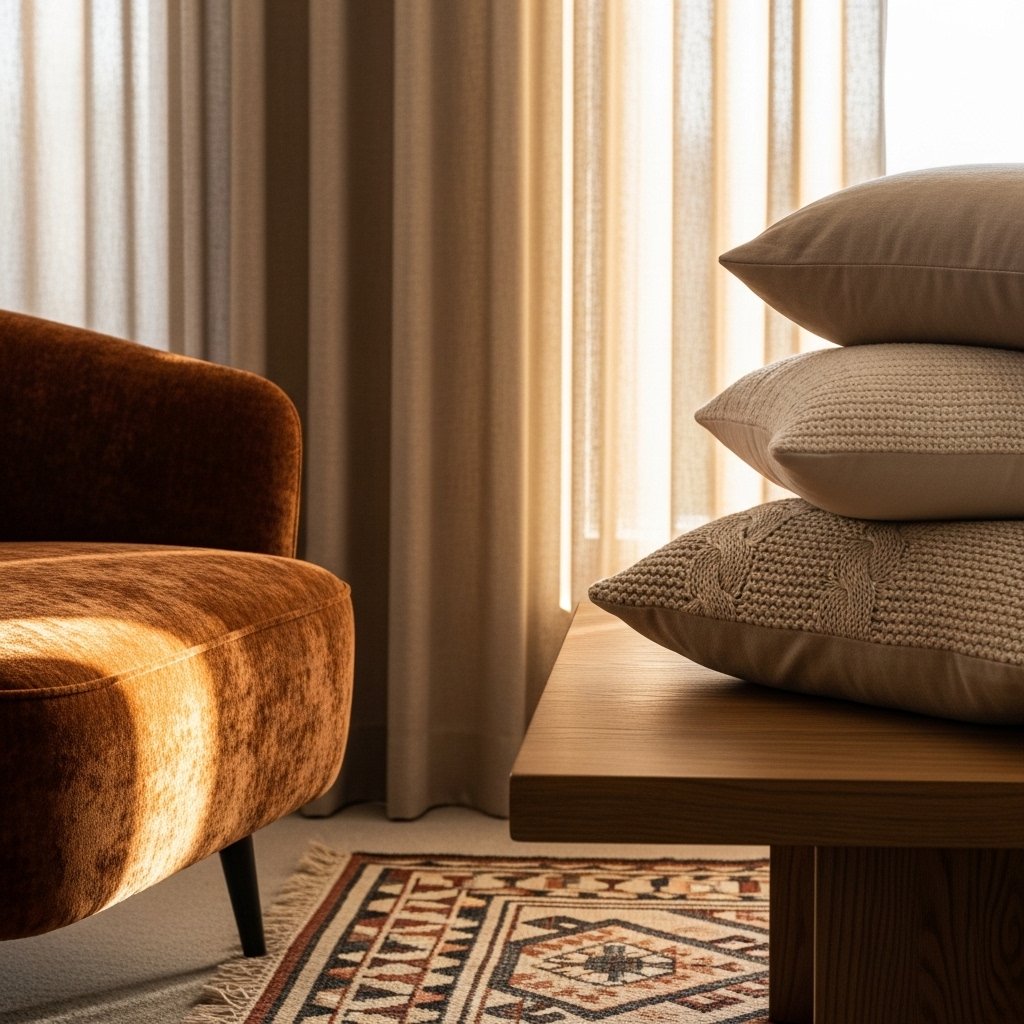
Adding different textures can bring life and dimension to your interiors. Use materials like wood, metal, glass, and soft fabrics to create contrast. Throw pillows, rugs, and curtains are great ways to introduce texture without overwhelming the space. Mixing textures makes a room feel more dynamic and inviting. It also helps avoid a flat or monotonous look.
5. Add Wall Art and Decor
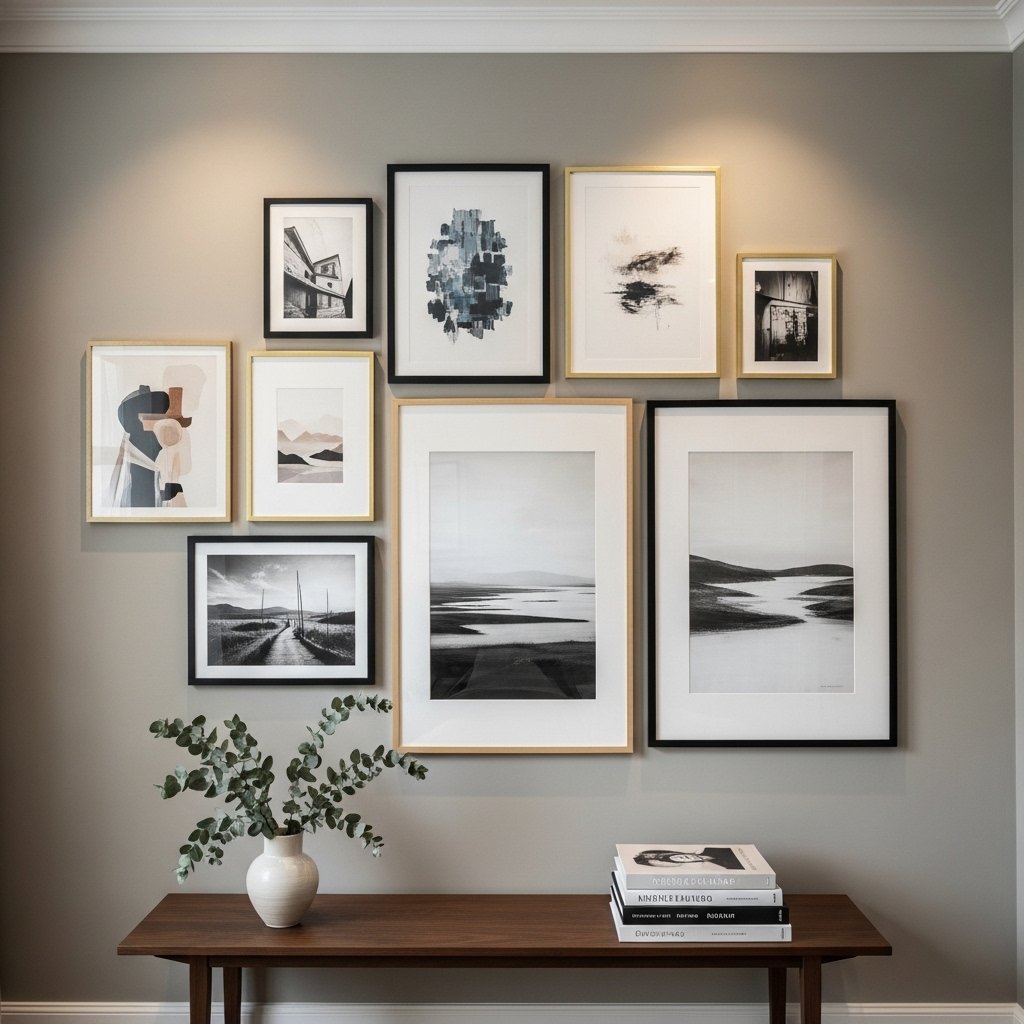
Wall art is an essential part of interior decorating that adds personality to your space. Choose artwork, prints, or decorative pieces that reflect your style and interests. A gallery wall can create a striking visual impact, while a single large piece can act as a focal point. Proper placement and spacing are key to achieving a balanced look. Wall decor helps transform empty walls into meaningful design elements.
6. Bring Nature Indoors
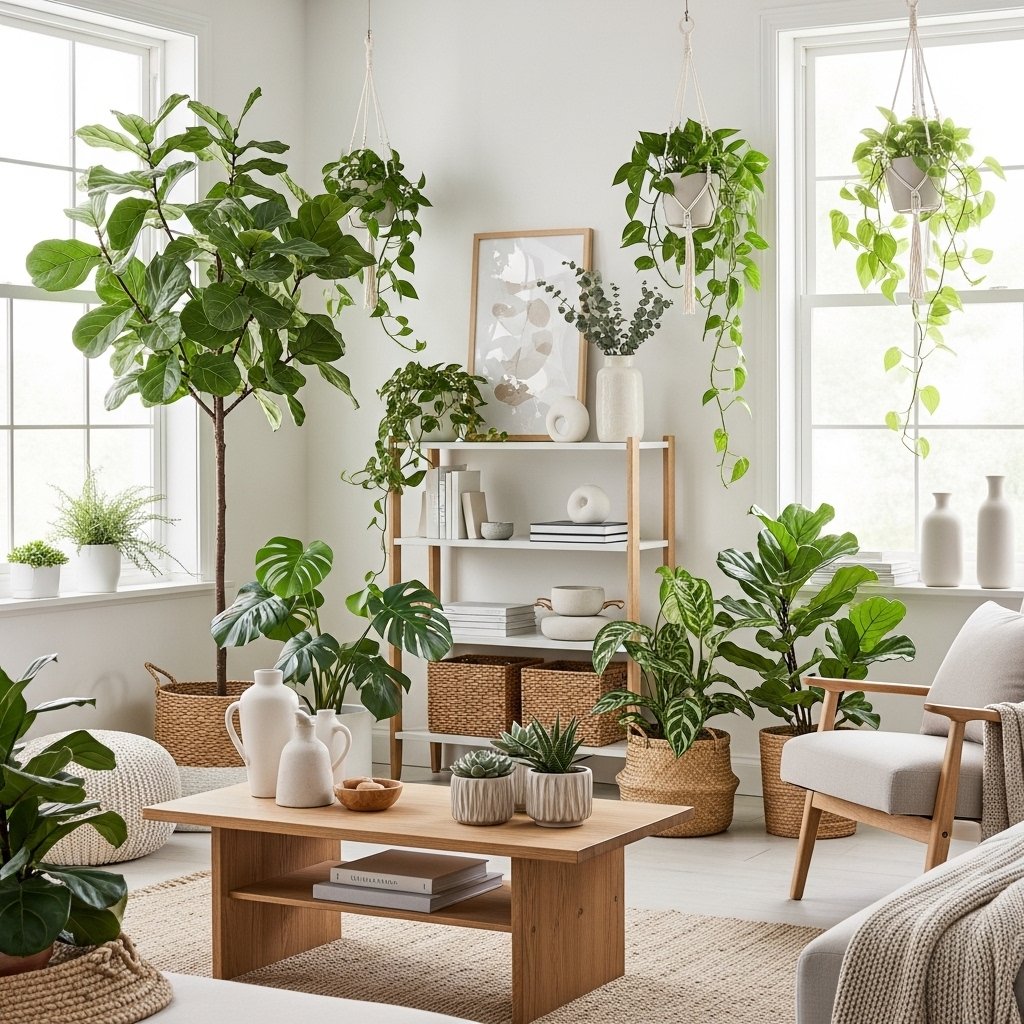
Incorporating natural elements can make your home feel fresh and relaxing. Indoor plants, flowers, and natural materials like wood or stone add warmth and vitality. Plants not only enhance aesthetics but also improve air quality. Even small additions like a potted plant or vase of flowers can make a big difference. This idea creates a calming and refreshing environment.
7. Optimize Furniture Layout
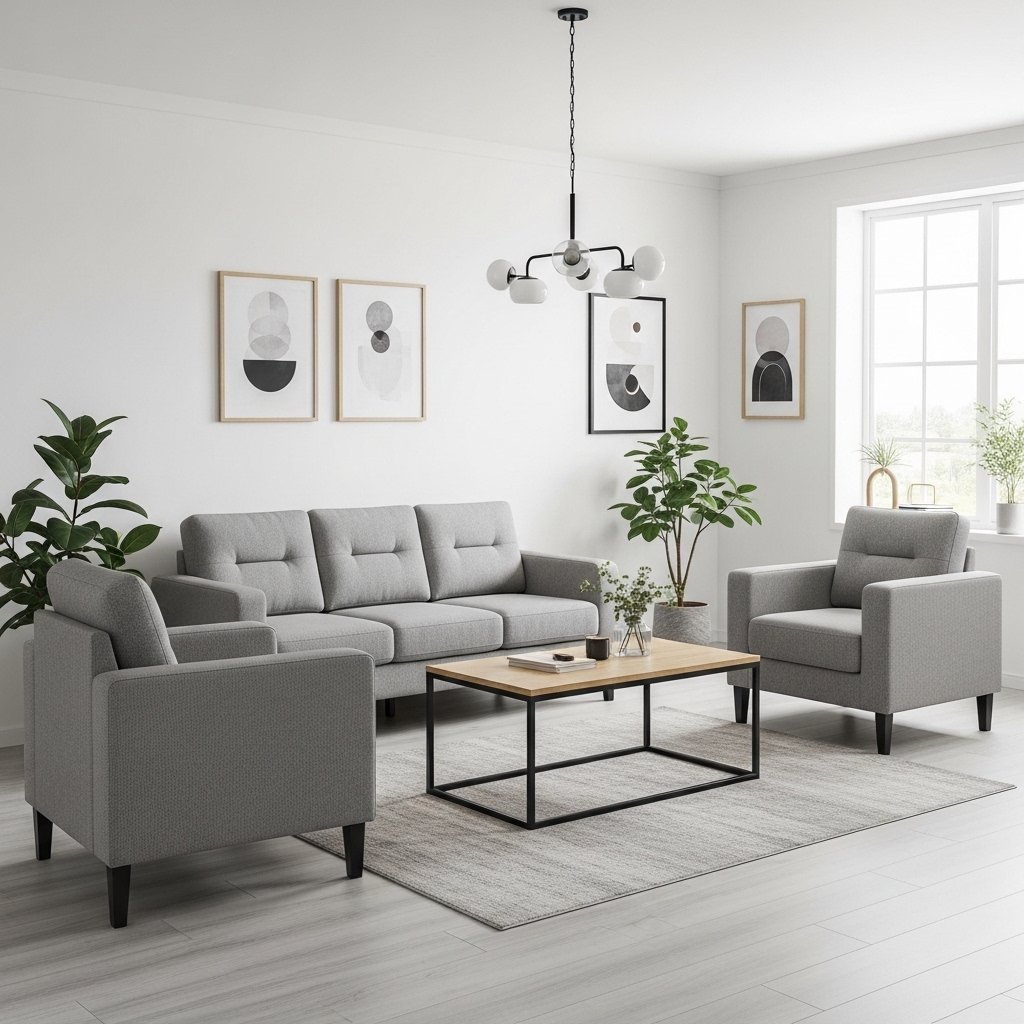
A well-planned furniture layout improves both comfort and functionality. Arrange furniture in a way that promotes easy movement and conversation. Avoid overcrowding by leaving enough space between pieces. Consider the purpose of the room when deciding placement. A thoughtful layout ensures your space feels open and practical.
8. Use Mirrors to Enhance Space
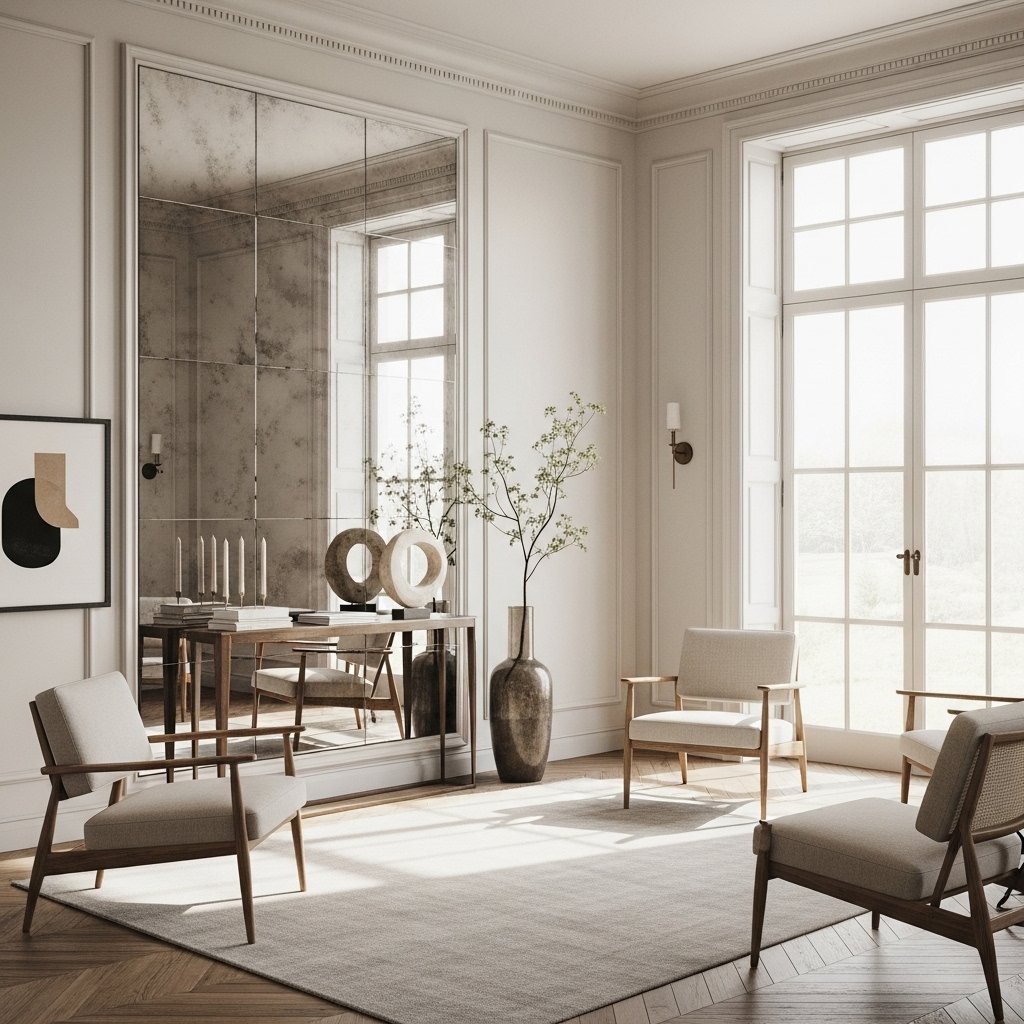
Mirrors are a powerful tool in interior decorating, especially for smaller rooms. They reflect light and create the illusion of more space. Placing mirrors opposite windows can maximize natural light. Decorative mirrors can also act as stylish statement pieces. This simple trick can make any room feel brighter and larger.
9. Personalize with Accessories
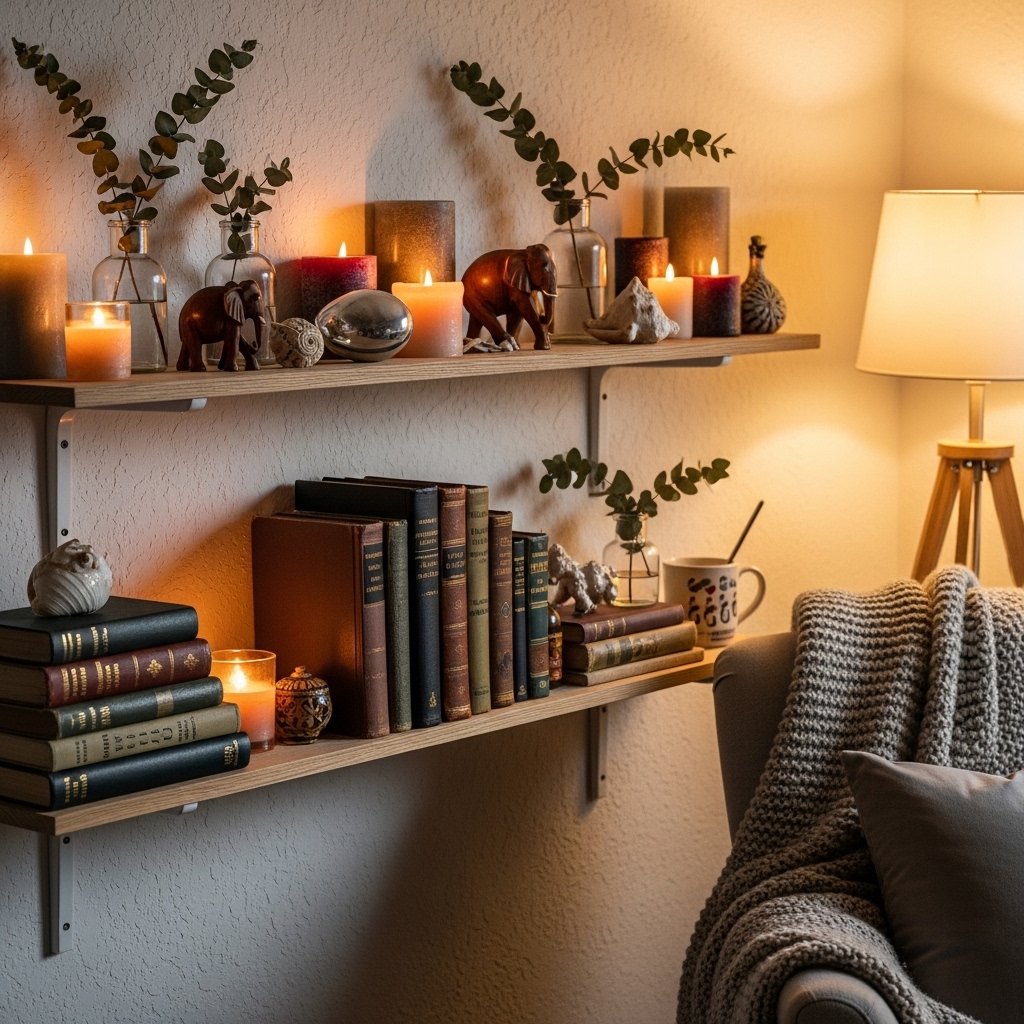
Accessories are what truly make a house feel like a home. Items like books, candles, vases, and souvenirs add character and tell your story. Choose pieces that have personal meaning or reflect your interests. Avoid clutter by selecting a few impactful accessories rather than too many small items. Personal touches create a warm and inviting atmosphere.
10. Experiment with Patterns
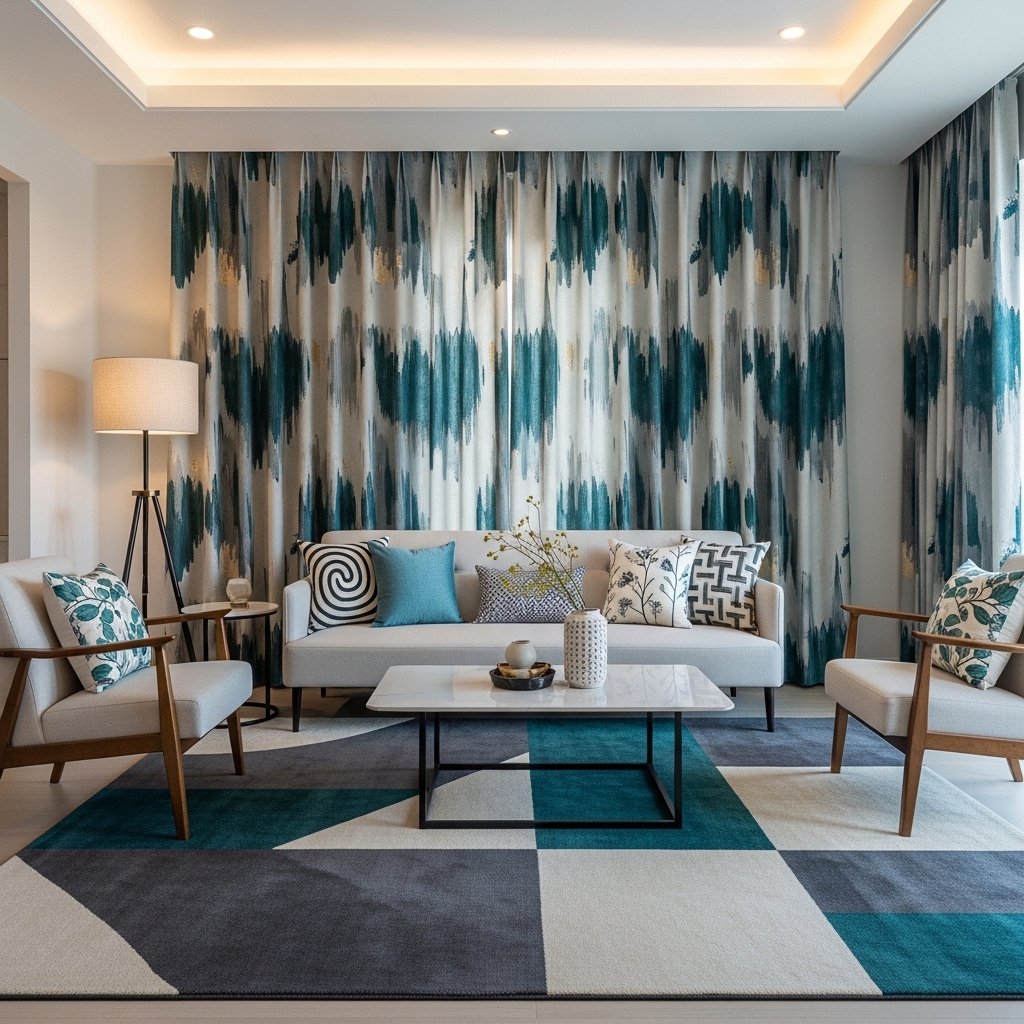
Patterns can add visual interest and energy to your interiors. Use them in rugs, cushions, wallpapers, or curtains to create a lively look. Mixing patterns can be effective if done carefully with a consistent color scheme. Start with subtle designs and gradually introduce bolder ones. Patterns help break monotony and add a creative touch.
11. Keep It Minimal and Clutter-Free
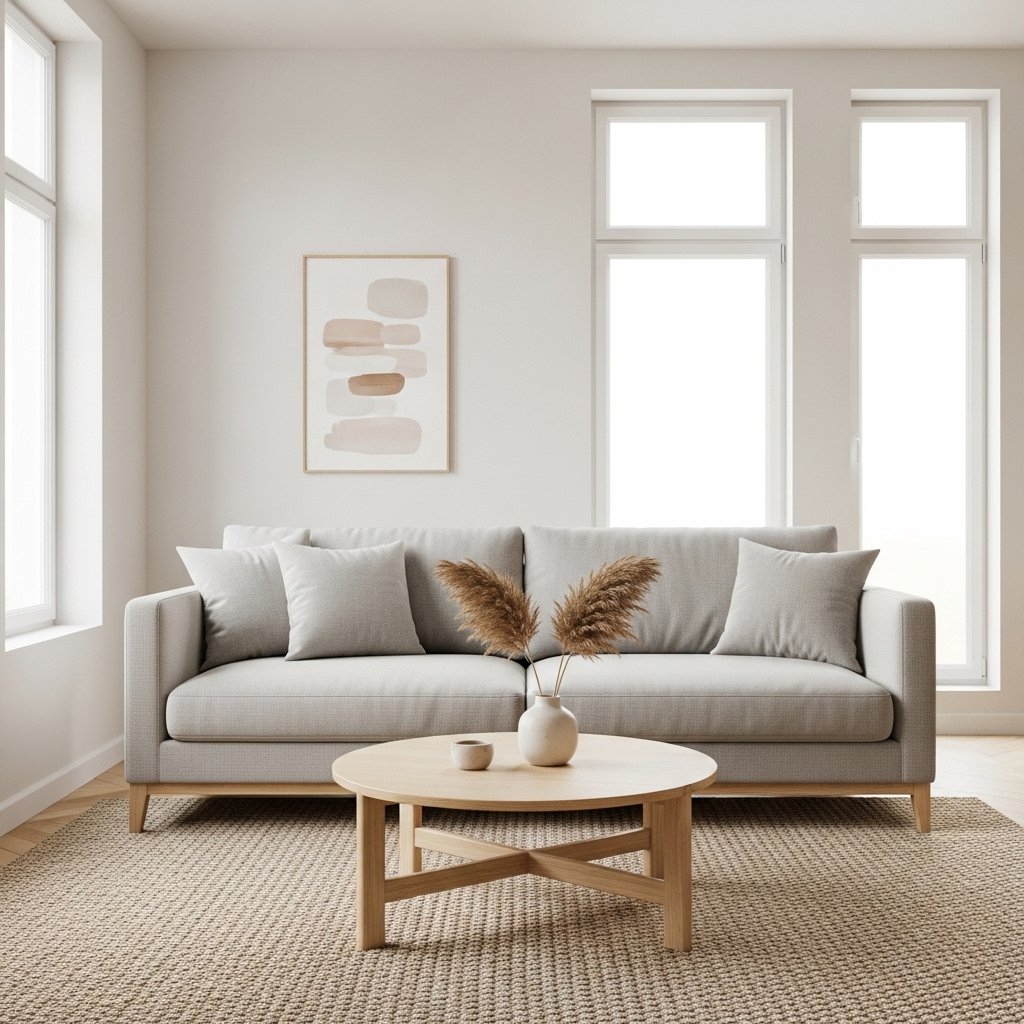
A clean and organized space is key to effective interior decorating. Avoid overcrowding rooms with unnecessary items. Minimalism focuses on quality over quantity, highlighting essential pieces. Decluttering not only improves aesthetics but also creates a sense of calm. A simple and tidy environment enhances overall comfort.
12. Update Decor Seasonally
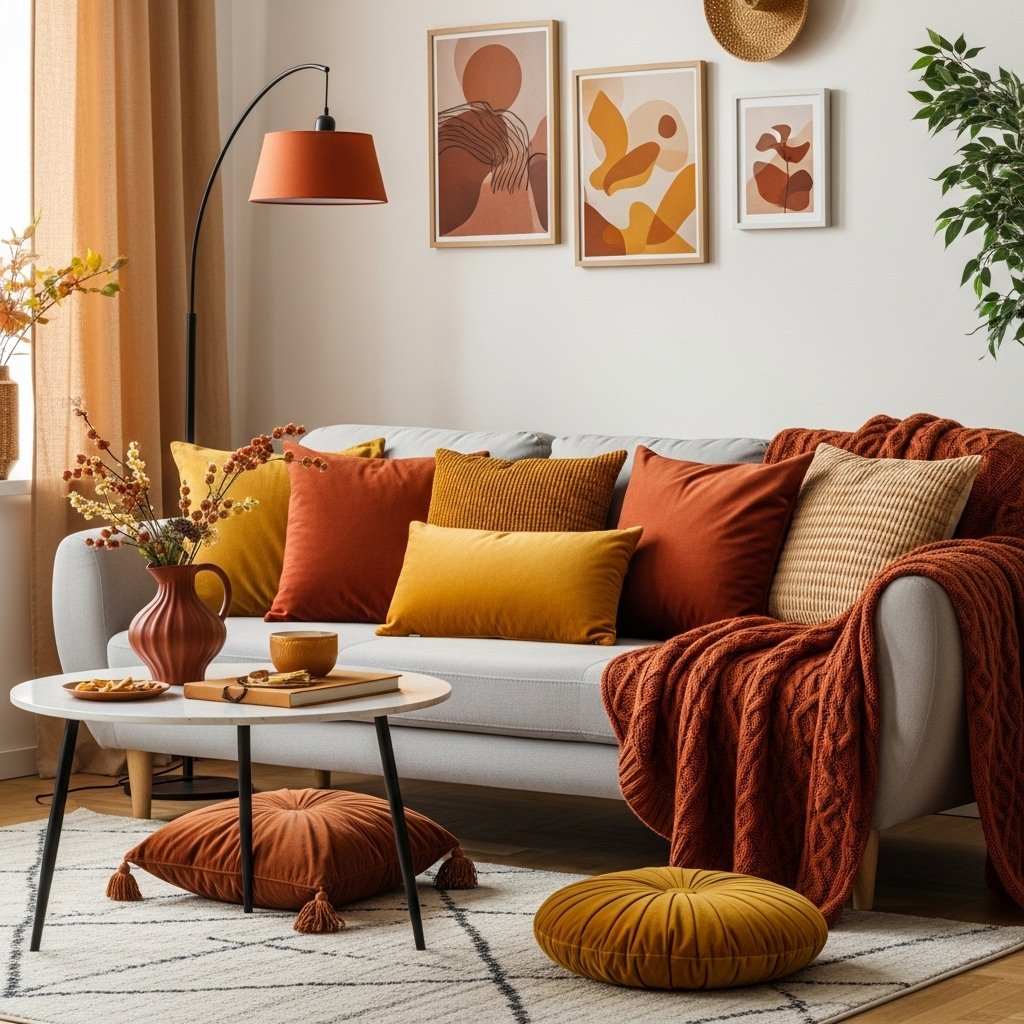
Refreshing your decor with the seasons keeps your home feeling new and exciting. Swap out cushions, throws, and decorative items to match the time of year. Light fabrics and bright colors work well in summer, while warmer tones suit winter. Seasonal updates don’t require a full makeover but can still make a big impact. This approach keeps your space dynamic and engaging.
13. How to Care for Interior Decor
- Keep It Clean – Dust and wipe surfaces regularly to maintain a fresh look.
- Avoid Sun Damage – Protect furniture and decor from direct sunlight to prevent fading.
- Handle with Care – Place fragile items safely and avoid rough handling.
- Maintain Fabrics – Clean curtains, cushions, and covers to keep them neat and fresh.
- Update Regularly – Rearrange or refresh decor items to keep your space stylish.
13.1. FAQ
13.2. What is interior decorating❓
Interior decorating is the process of designing and arranging items inside a space to make it look beautiful and comfortable. It includes choosing colors, furniture, lighting, and decor items that match the style of the room. The goal is to create a space that feels attractive, functional, and pleasant to live in.
13.3. Why is interior decorating important❓
Interior decorating is important because it improves the look and feel of a space. A well-decorated room can make people feel relaxed, happy, and comfortable. It also helps organize the space better and reflects personal style, making a house feel more like a home.
13.4. How can I start interior decorating at home❓
You can start interior decorating at home by first choosing a theme or style you like. Then select matching colors, furniture, and simple decor items. Start with small changes like rearranging furniture or adding cushions and wall art. Taking it step by step makes the process easy and enjoyable.
14. Final Thoughts
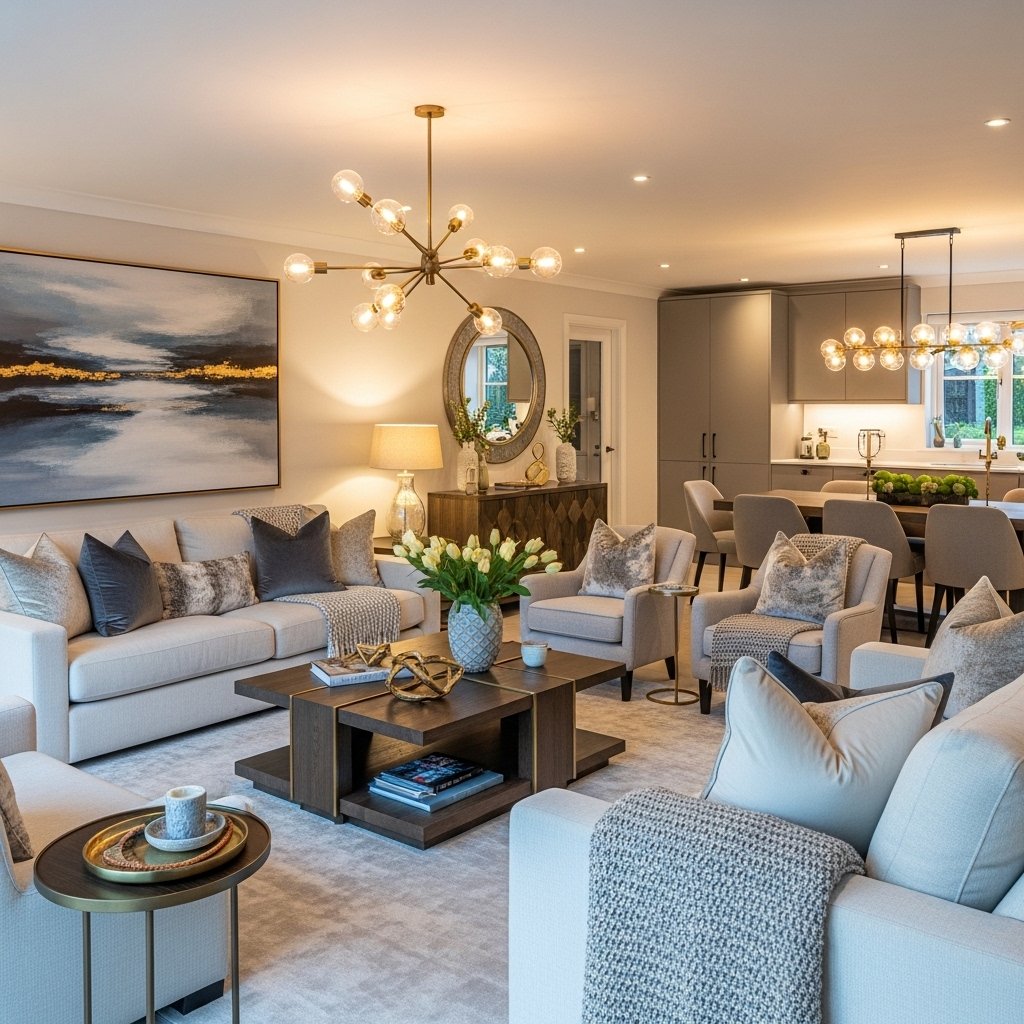
Interior decorating is a creative process that allows you to shape your living environment according to your preferences. By focusing on elements like color, lighting, furniture, and personal touches, you can create a space that feels both stylish and comfortable. The key is to maintain balance while experimenting with different ideas to find what works best for you. Whether you prefer a modern, minimalist look or a cozy, layered style, these decorating ideas can guide you in the right direction. With thoughtful planning and creativity, you can transform any space into a beautiful and functional home.