Interior Paint: Complete Guide to Choosing the Perfect Colors and Finishes
Blog > Home > Modern interior > Interior Paint: Complete Guide to Choosing the Perfect Colors and Finishes
Interior paint plays a major role in defining the look, mood, and personality of any space. Whether you are renovating your home or designing a new one, the right paint choice can completely transform your interiors. From soft neutrals to bold accent walls, interior paint helps create atmosphere and visual balance in every room. It also affects lighting, space perception, and even emotional comfort. In this guide, you will explore 12 practical and creative interior paint ideas that can help you design beautiful, modern, and timeless spaces.
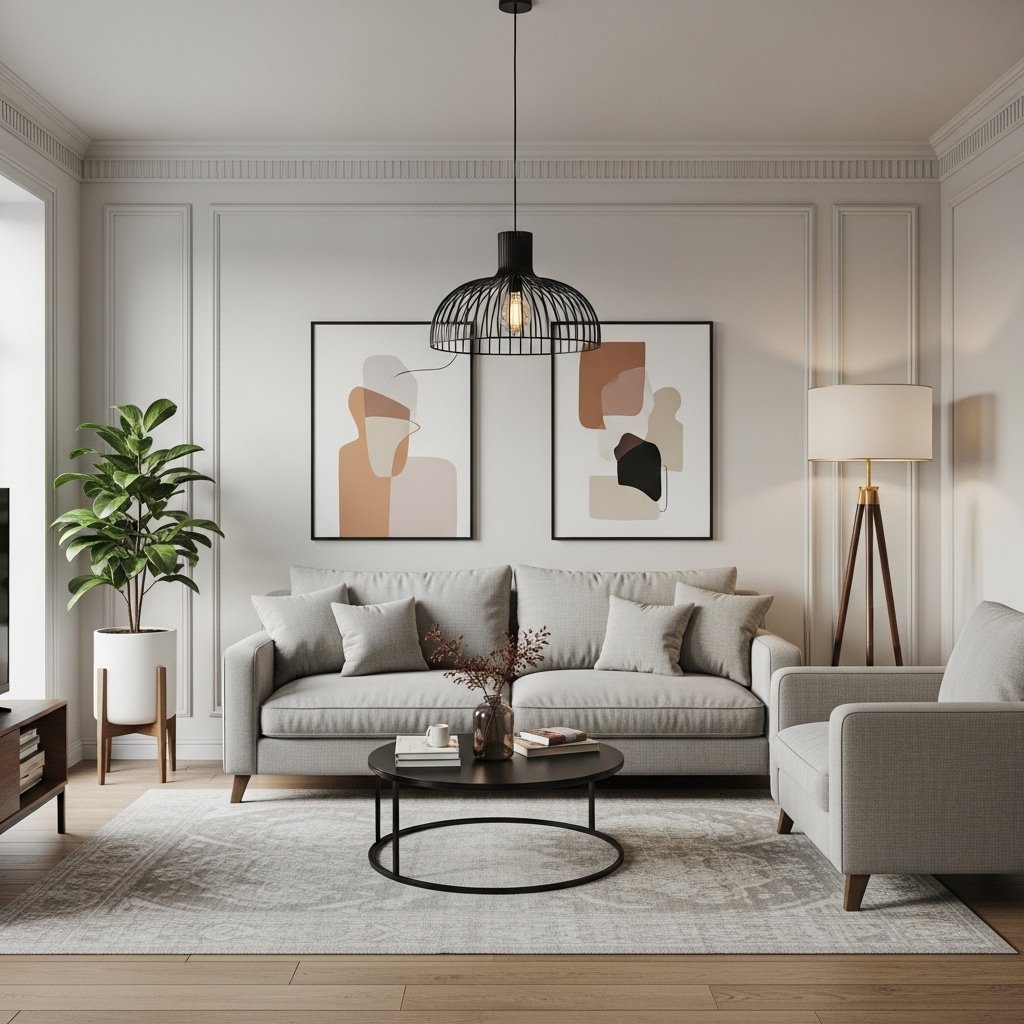
Table Of Content
1. Classic White Interior Paint for a Clean Look
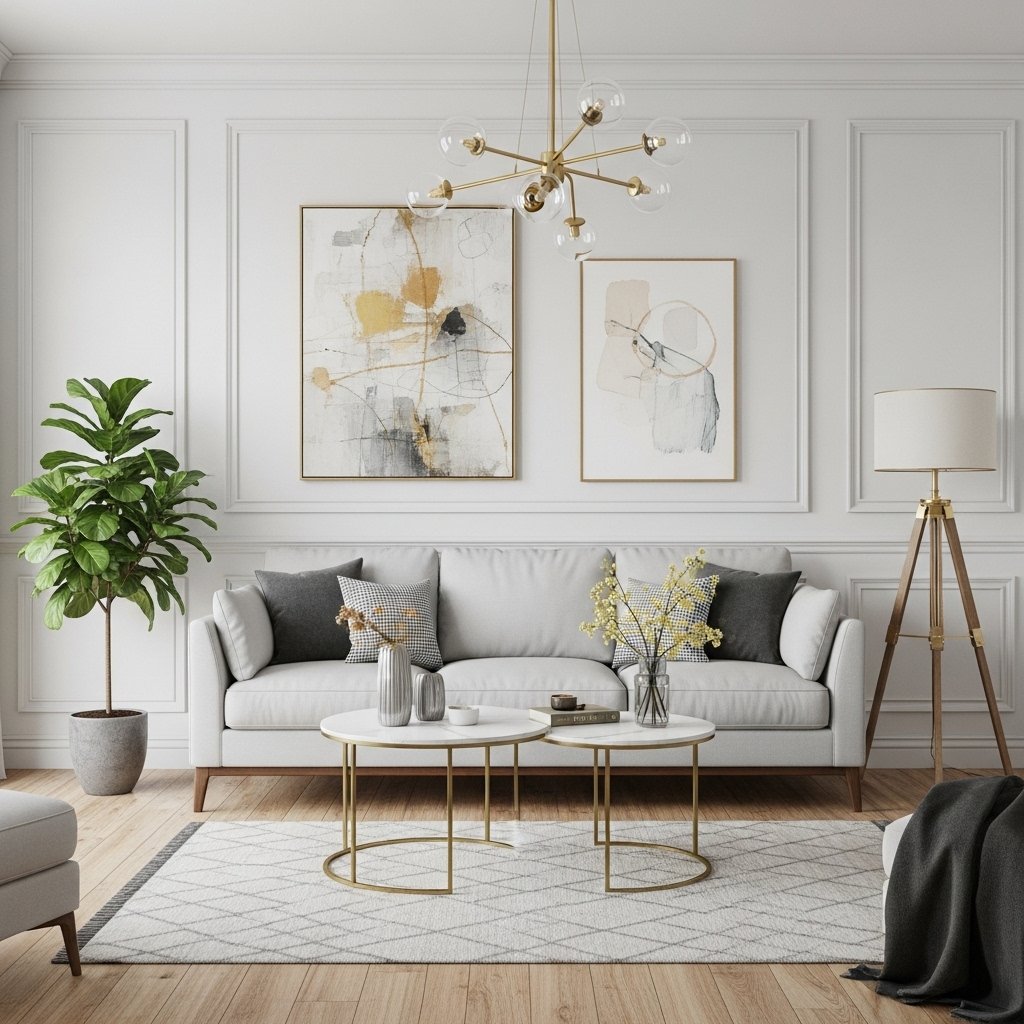
White interior paint remains one of the most popular choices for modern homes. It creates a clean, bright, and spacious feel in any room. This color works especially well in small spaces because it reflects natural light effectively. White walls also provide a perfect backdrop for furniture and decor. It is a timeless option that never goes out of style and works with almost any design theme.
2. Soft Neutral Shades for a Balanced Atmosphere
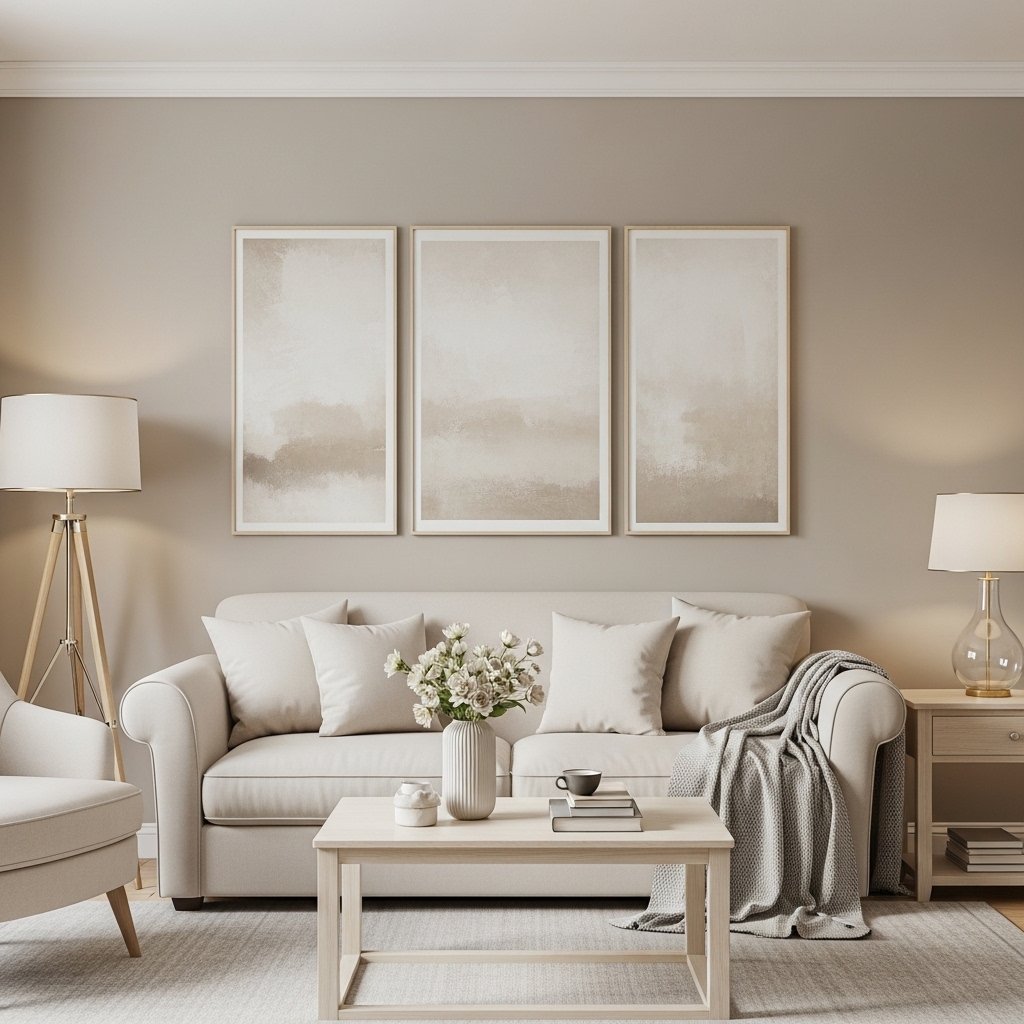
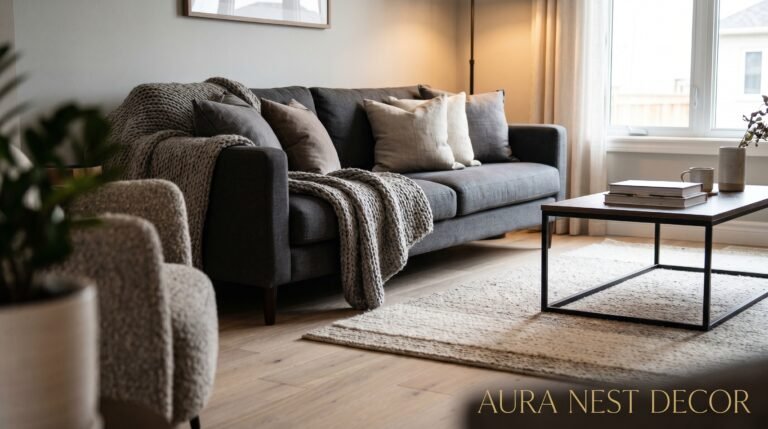
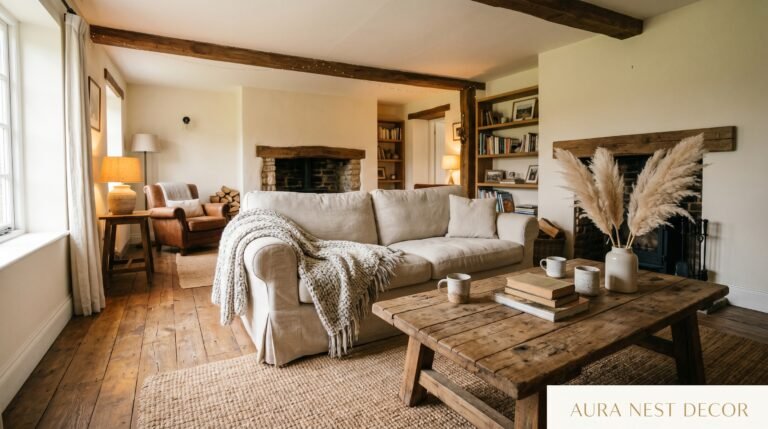
Neutral colors like beige, cream, and light grey are ideal for creating a calm and balanced environment. These shades are versatile and blend easily with different furniture styles. They also help maintain a warm and inviting mood in living rooms and bedrooms. Neutral interior paint is perfect for homeowners who prefer subtle elegance over bold colors. It offers flexibility for future decor changes without repainting.
3. Bold Accent Walls for a Stylish Statement
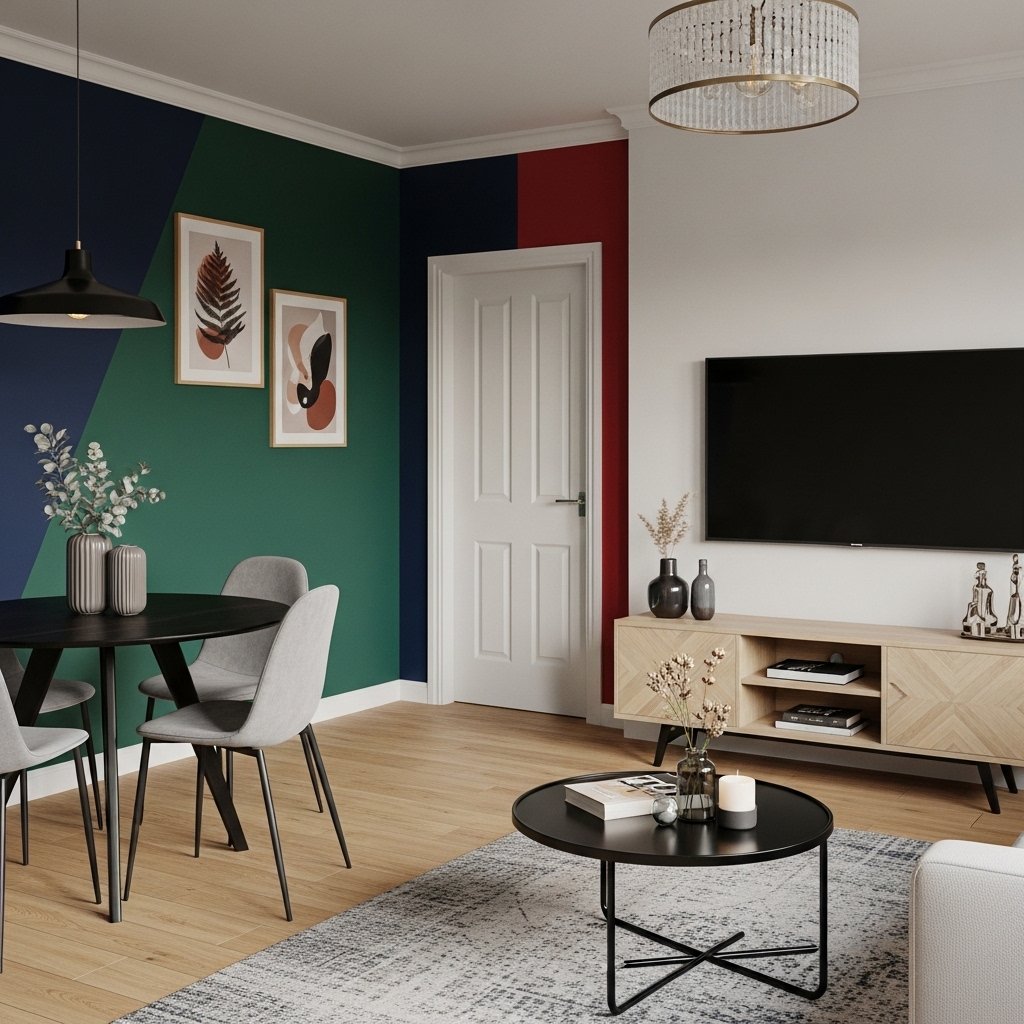
Accent walls are a great way to add personality to a room without overwhelming the entire space. You can choose bold colors like navy blue, emerald green, or deep red for one wall. This technique helps create a focal point in living rooms, bedrooms, or dining areas. Accent walls also work well behind TVs, beds, or sofas. They bring depth and modern style to interior design.
4. Pastel Colors for a Soft and Relaxing Feel
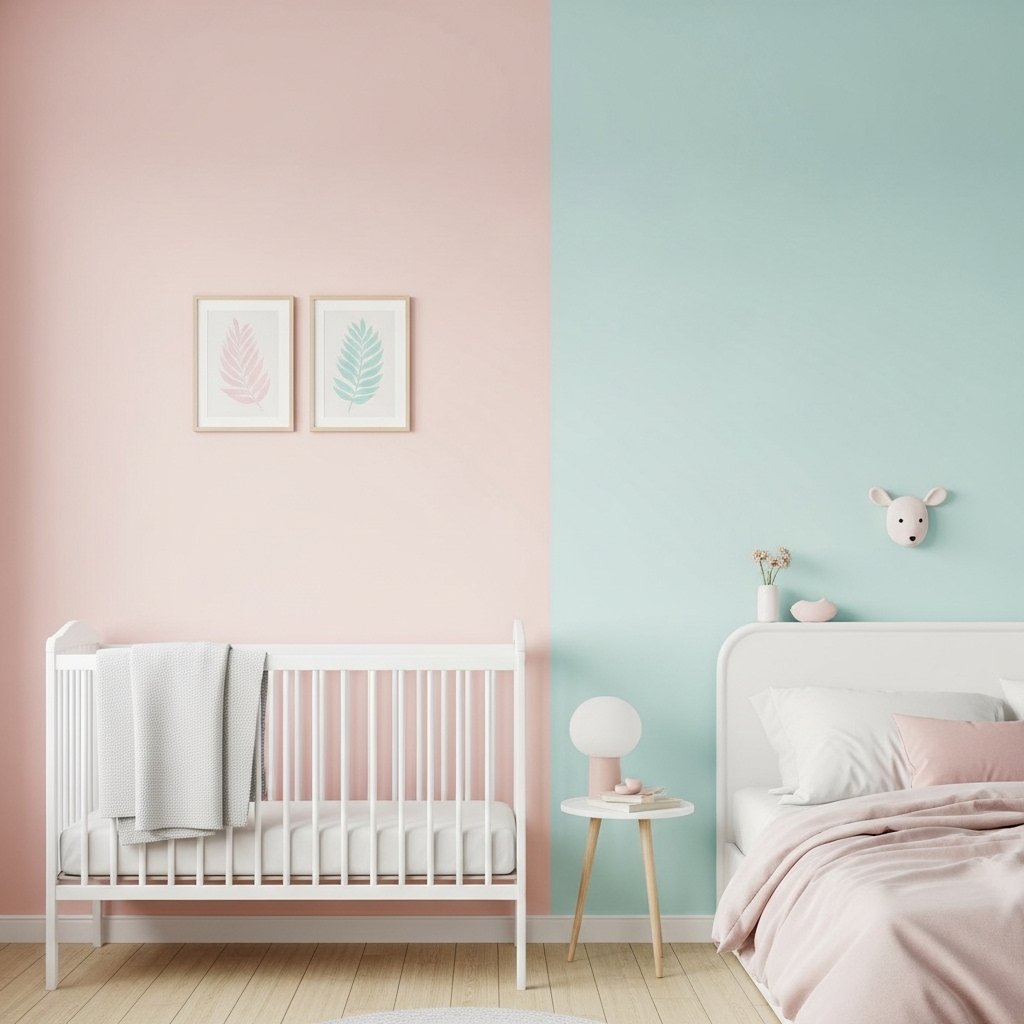
Pastel shades like light pink, baby blue, and mint green create a soothing atmosphere. These colors are perfect for bedrooms, nurseries, and relaxation spaces. Pastel interior paint adds a gentle and calming effect to any room. It works well with minimal and Scandinavian-style interiors. These shades are also great for making small spaces feel more airy and open.
5. Dark Interior Paint for a Luxury Look
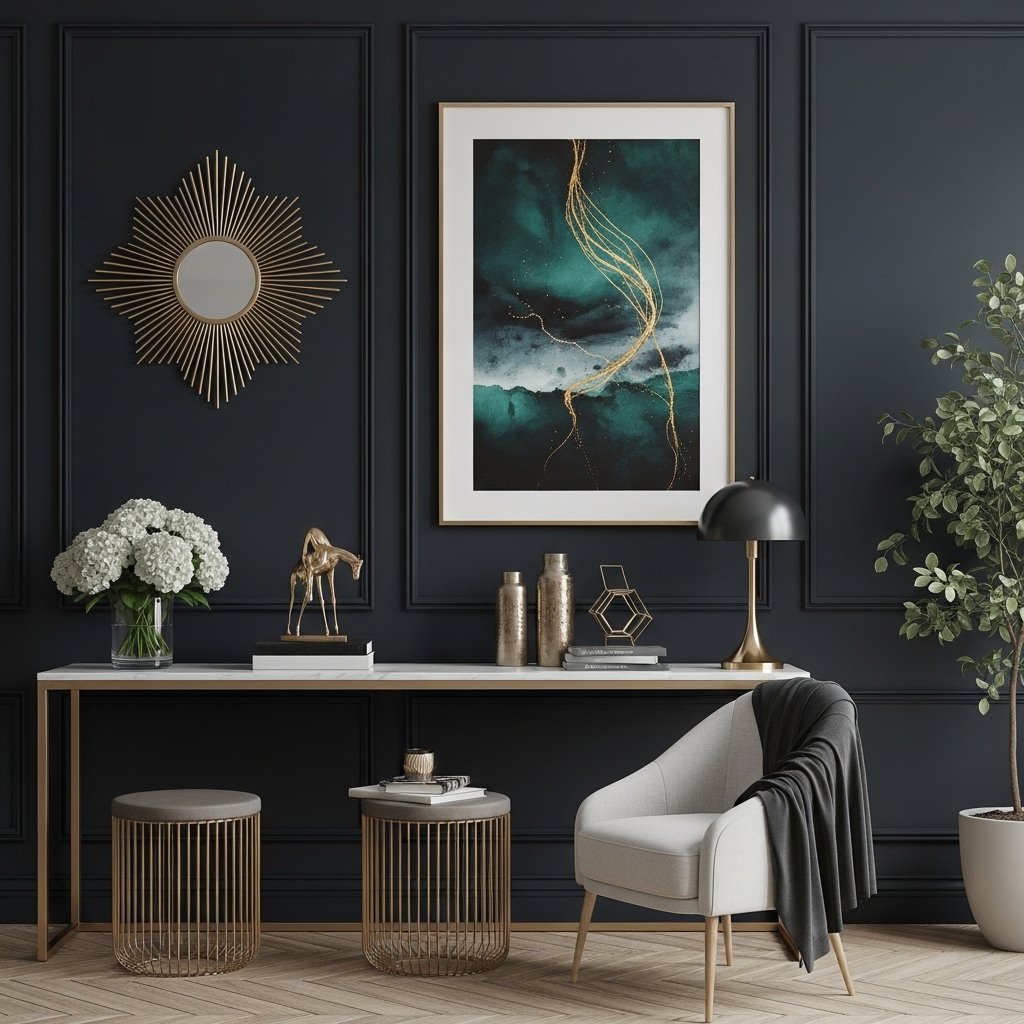
Dark colors such as charcoal, navy, and forest green bring a sense of luxury and sophistication. When used correctly, they can make a space feel modern and elegant. Dark interior paint works best in well-lit rooms or as accent walls. It pairs beautifully with metallic decor and light-colored furniture. This style is ideal for creating dramatic and high-end interiors.
6. Warm Earth Tones for a Cozy Environment
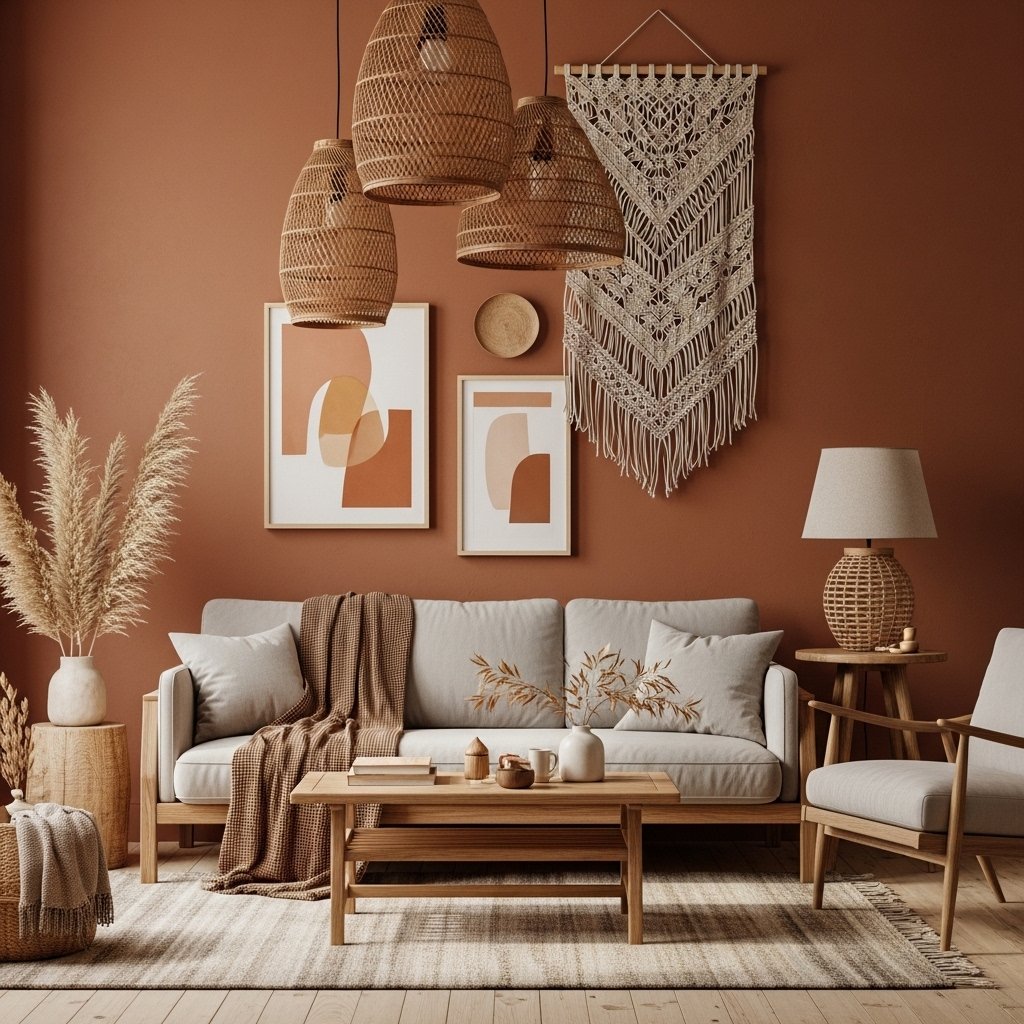
Earthy shades like terracotta, brown, and warm beige create a cozy and natural atmosphere. These colors are inspired by nature and bring warmth into living spaces. They are perfect for rustic, bohemian, or traditional interior styles. Earth tones also pair well with wooden furniture and natural textures. This paint style makes any room feel welcoming and grounded.
7. Cool Blue Shades for a Fresh Ambience
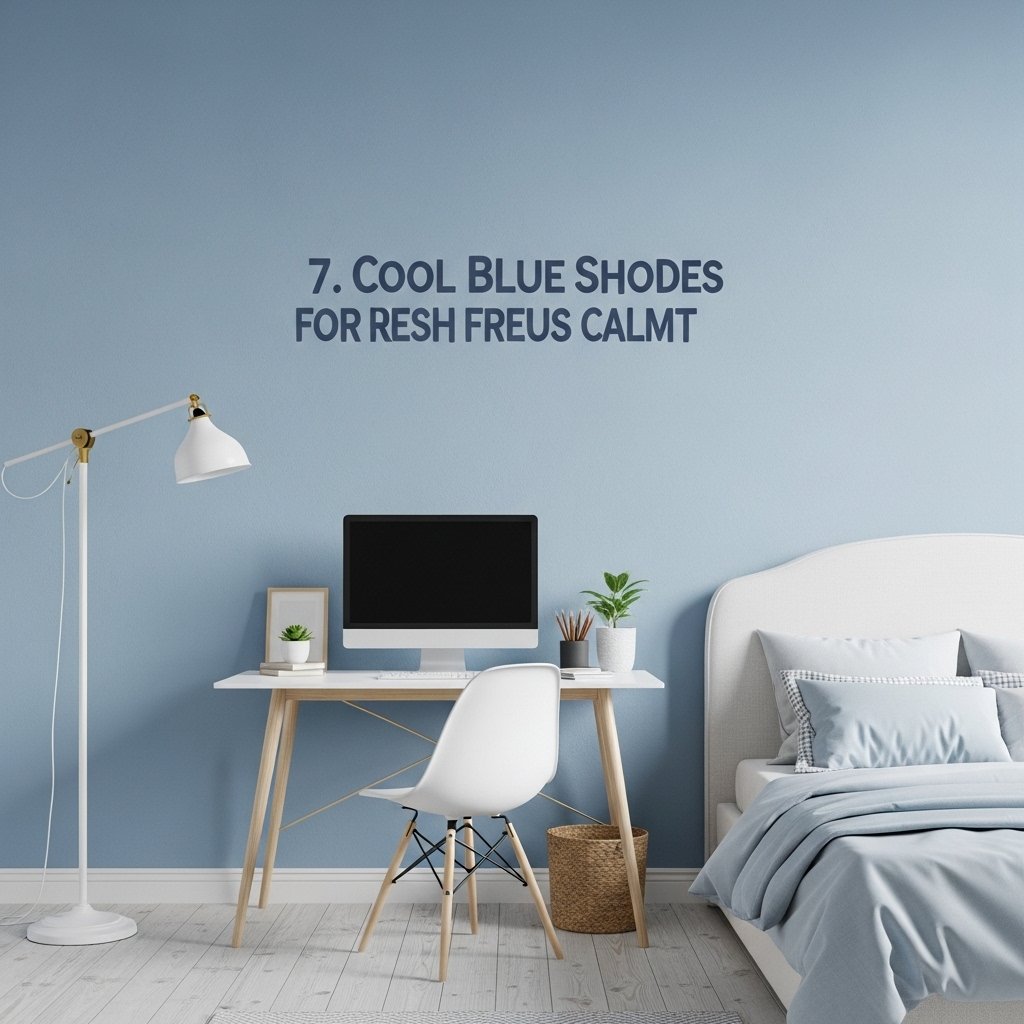
Blue interior paint is often associated with calmness and freshness. Light blue tones are great for bedrooms and bathrooms, while deeper blues work well in offices or living rooms. Blue shades help reduce stress and promote relaxation. They also pair beautifully with white or grey decor. This color is perfect for creating peaceful and balanced interiors.
8. Two-Tone Wall Painting for a Modern Look
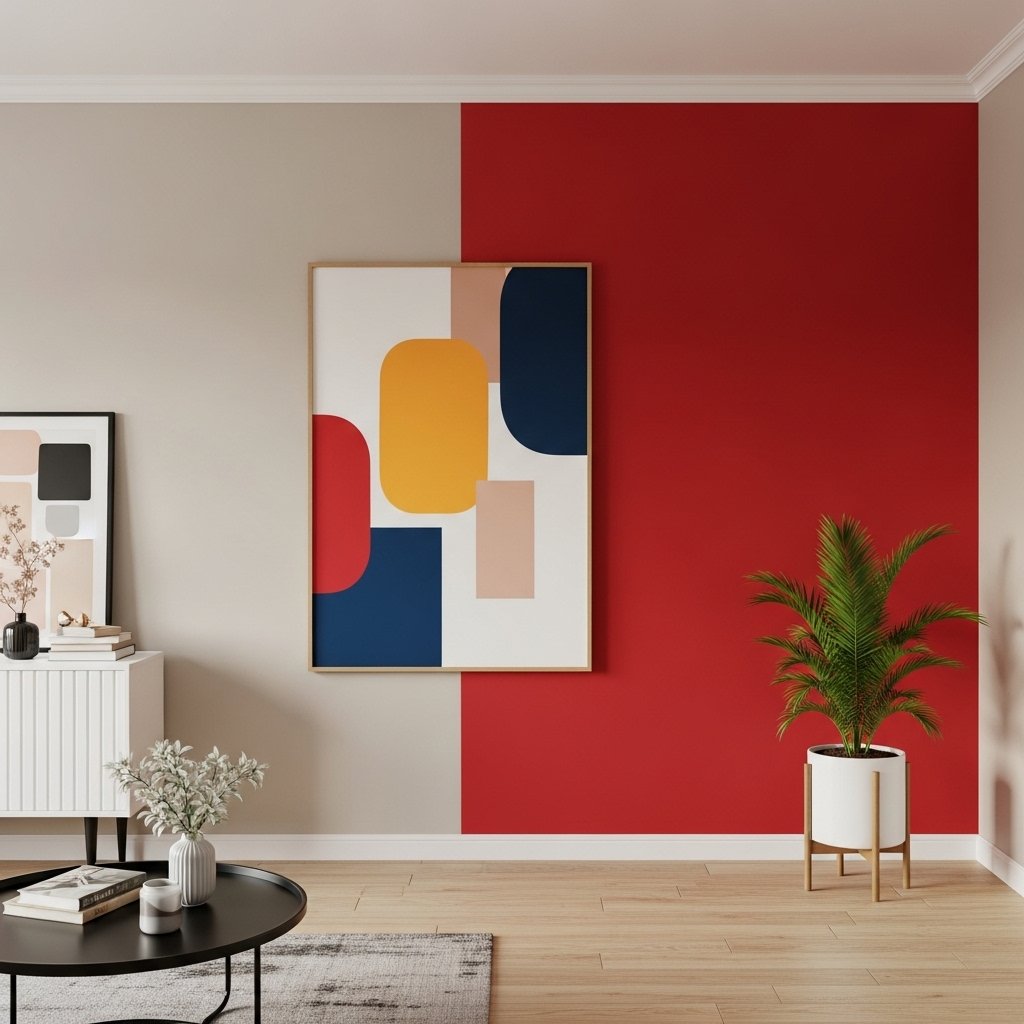
Two-tone painting involves using two different colors on the same wall or room. This technique adds depth and visual interest to interiors. You can combine neutral and bold colors for a balanced effect. It is commonly used in modern and contemporary homes. Two-tone walls are a creative way to make rooms look stylish and unique.
9. Textured Paint Finishes for Depth and Style
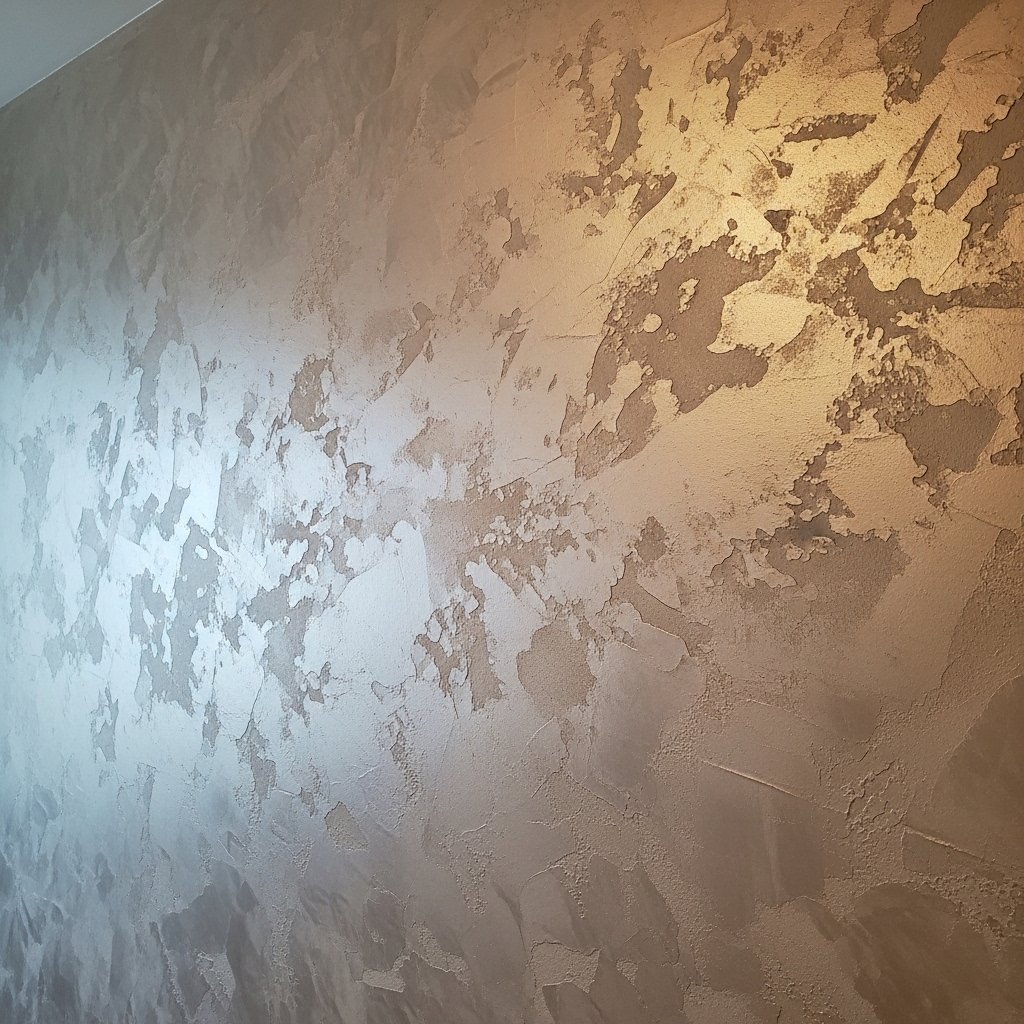
Textured interior paint adds dimension and character to plain walls. Techniques like sponge painting, stucco, or metallic finishes create unique visual effects. These finishes are ideal for feature walls in living rooms or hallways. Textured paint also helps hide wall imperfections. It is a great choice for adding artistic detail to interiors.
10. Matte Finish Paint for a Smooth Elegance
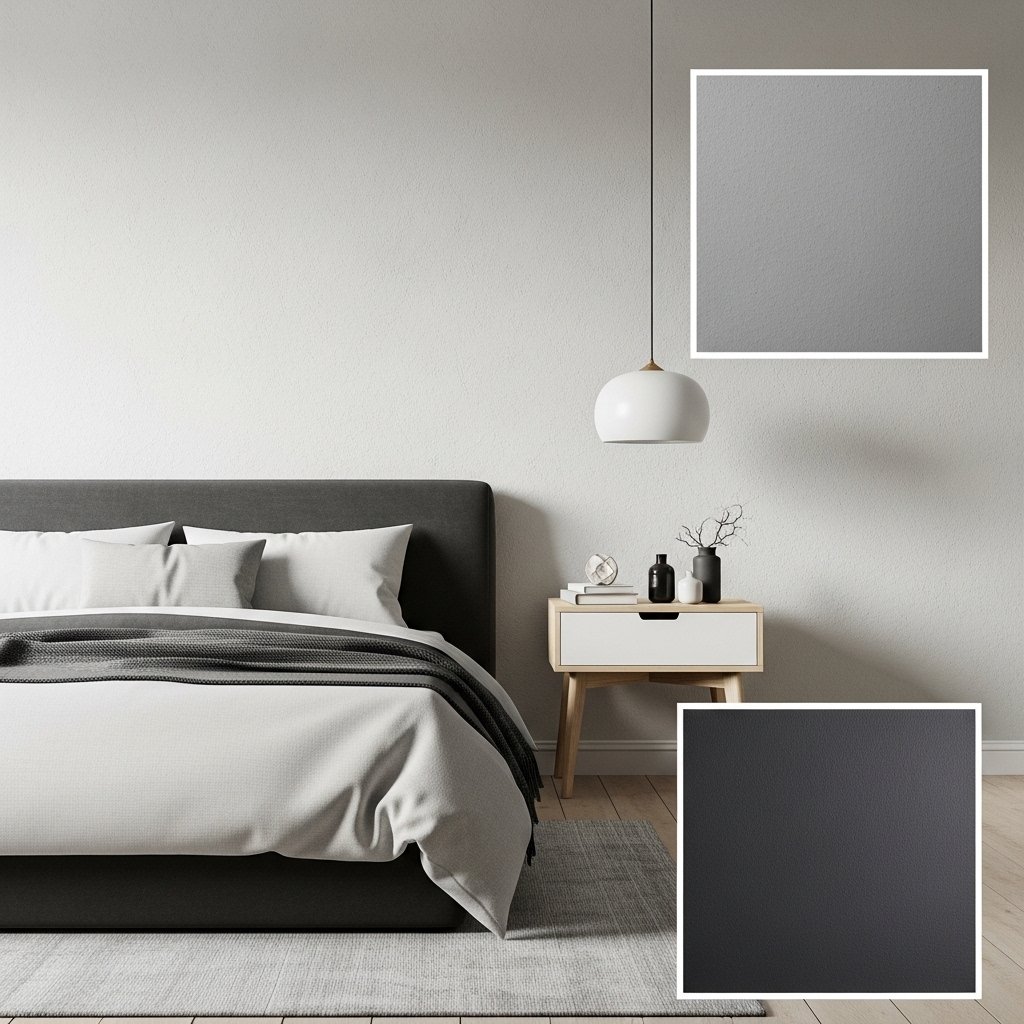
Matte finish paint provides a smooth, non-reflective surface that looks elegant and modern. It works well in bedrooms and living areas where soft lighting is preferred. Matte finishes help hide wall flaws and give a refined appearance. However, they require careful maintenance compared to glossy paints. This finish is ideal for achieving a subtle and sophisticated look.
11. Glossy Paint for Bright and Reflective Spaces
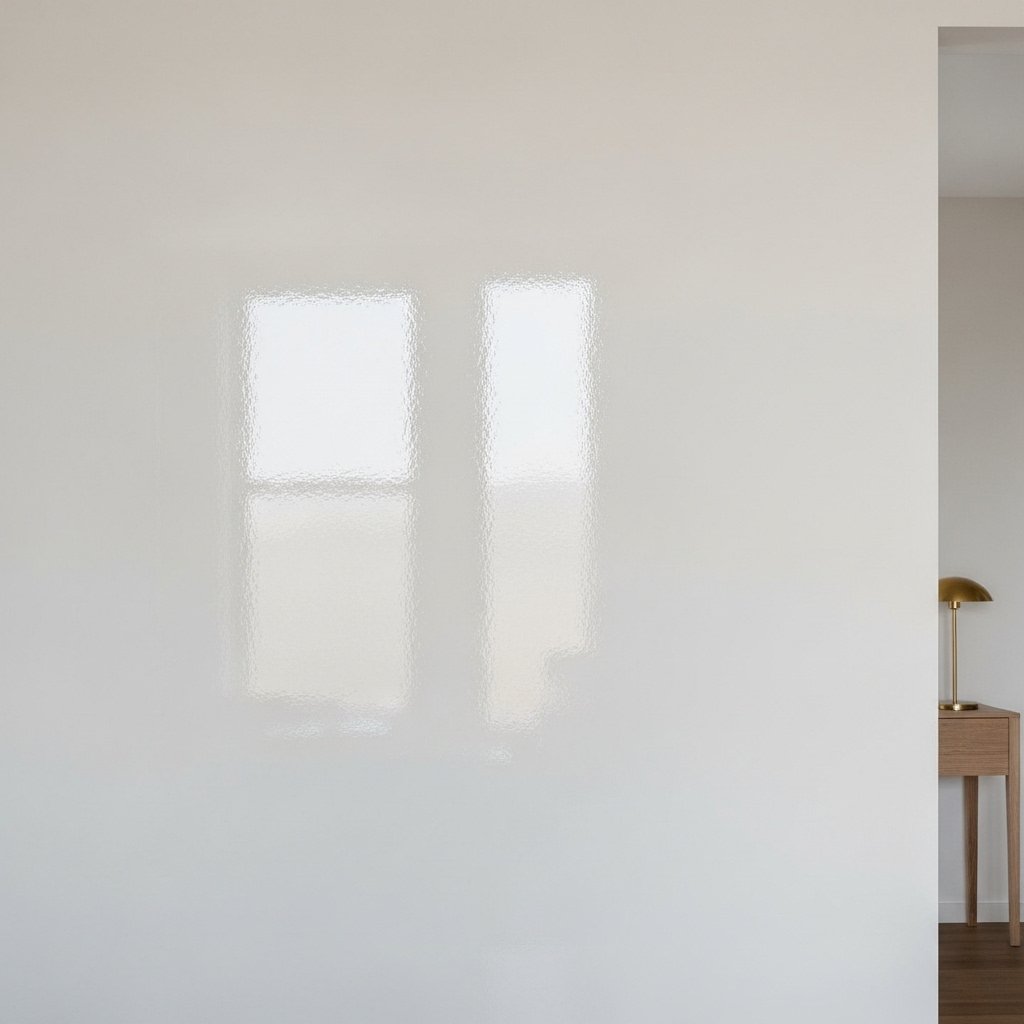
Glossy interior paint creates a shiny and reflective surface that enhances brightness. It is commonly used in kitchens, bathrooms, and high-traffic areas. Glossy finishes are easy to clean and maintain, making them practical for busy homes. They also add a polished and modern touch to interiors. This type of paint is perfect for spaces that need extra light reflection.
12. Color Zoning for Functional Interior Design
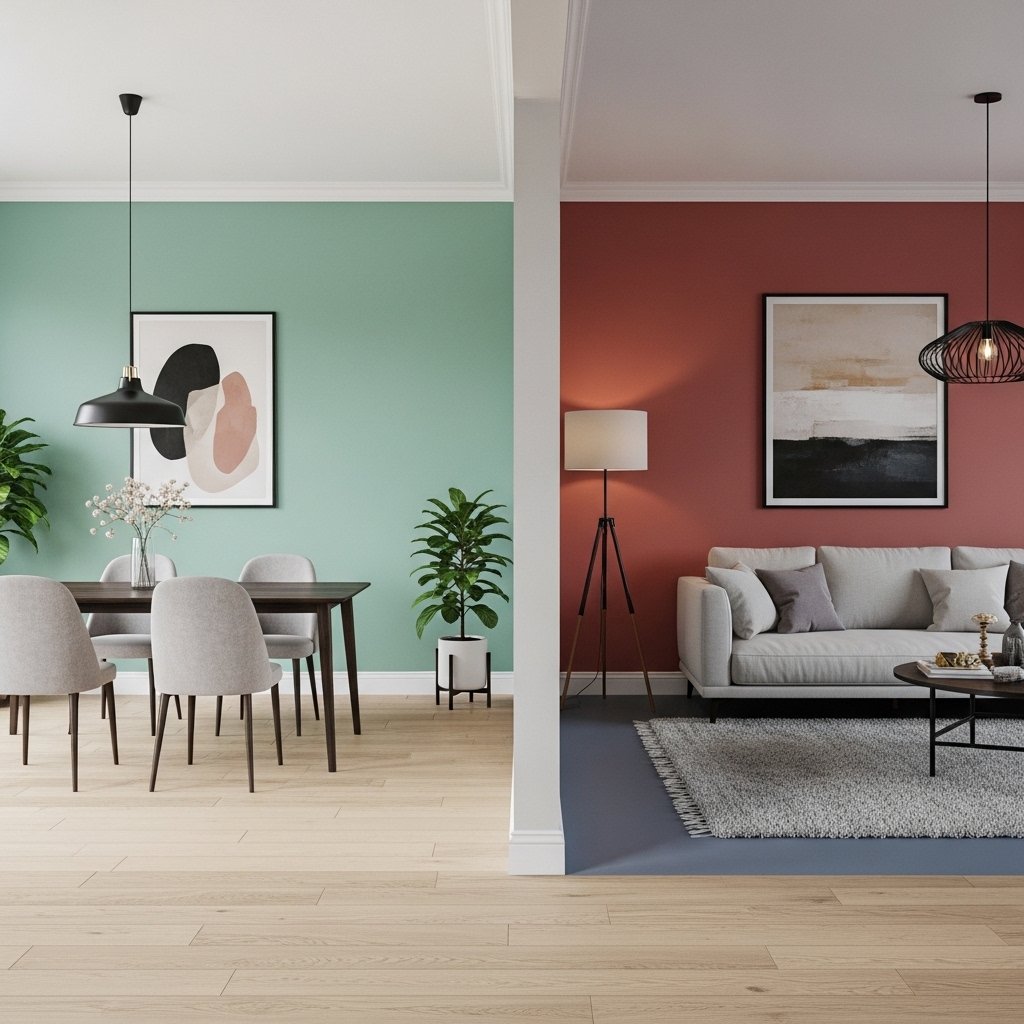
Color zoning involves using different paint colors to define areas within a room. This technique is especially useful in open-plan spaces. For example, you can use one color for the dining area and another for the living space. It helps create structure and organization without physical walls. Color zoning is a smart and creative way to design modern interiors.
13. How to Care for Interior Paint
- Clean Walls Gently – Wipe walls with a soft cloth or sponge to remove dust and stains without damaging paint.
- Avoid Harsh Chemicals – Do not use strong cleaners as they can fade or peel the paint.
- Fix Small Marks Early – Touch up scratches or stains quickly to keep walls looking fresh.
- Control Moisture – Keep rooms dry to prevent paint from bubbling or peeling.
- Protect from Damage – Avoid hitting walls with furniture and use proper spacing when moving items.
13.1. FAQ
13.2. What is interior paint❓
Interior paint is a type of paint specially designed for use inside homes, offices, and other indoor spaces. It is made to provide a smooth, attractive finish on walls and ceilings while also protecting surfaces from stains, moisture, and daily wear. Interior paint comes in different finishes like matte, satin, and glossy, allowing you to choose the style that best matches your room decor.
13.3. Why is interior paint important for home decor❓
Interior paint is important because it plays a major role in the overall look and feel of a room. The right color can make a space feel brighter, larger, and more welcoming. It also helps set the mood of the room, whether you want a calm, cozy, or modern atmosphere. Good quality paint also protects walls and keeps them looking fresh for a longer time.
13.4. What are the types of interior paint finishes❓
There are several types of interior paint finishes, including matte, eggshell, satin, semi-gloss, and gloss. Matte finish gives a soft, non-shiny look, while satin and eggshell provide a slight shine and are easier to clean. Gloss and semi-gloss finishes are more reflective and are often used in kitchens and bathrooms because they are more durable and washable.
14. Final Thoughts
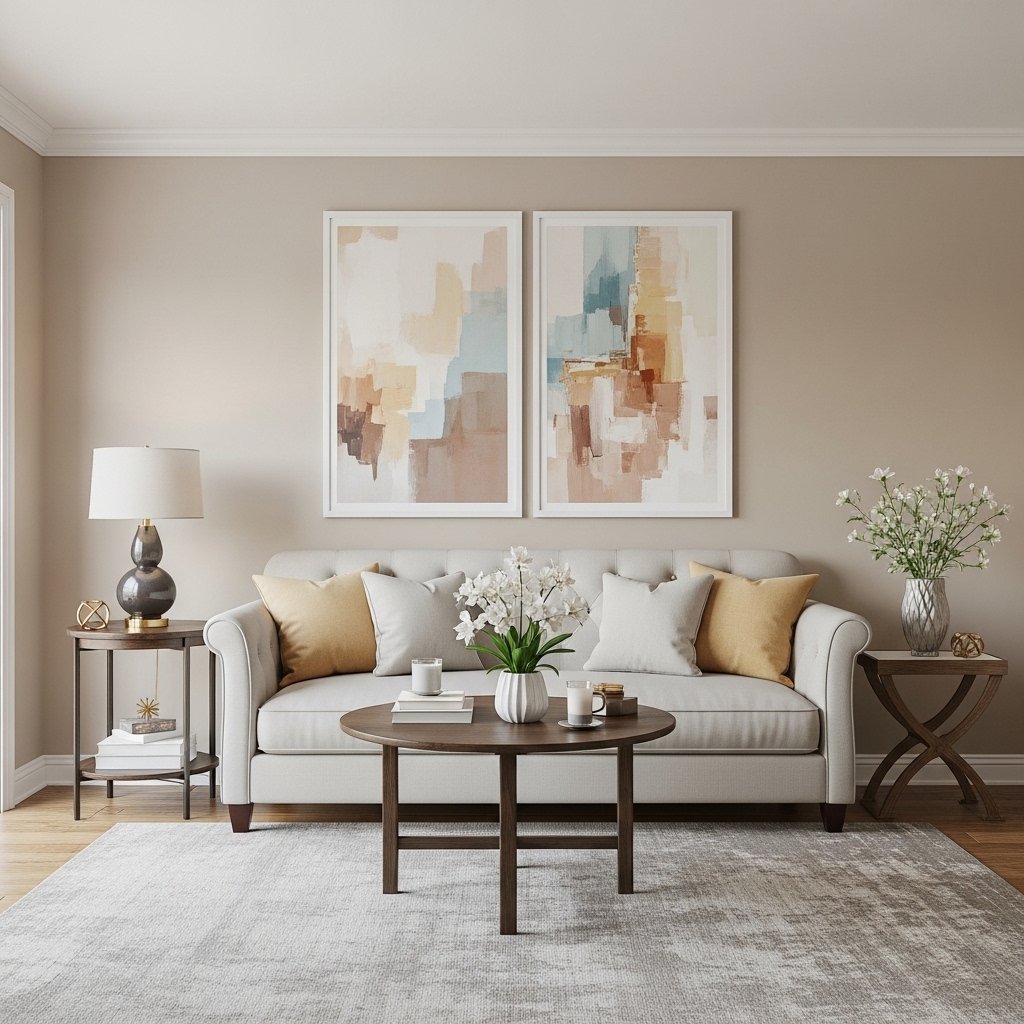
Interior paint is one of the most powerful tools in home design, capable of transforming any space with just color and finish. From soft neutrals to bold accents, each choice influences the mood and style of your home. The right combination of shades and textures can make rooms feel larger, warmer, or more luxurious. Understanding different paint ideas allows you to personalize your space according to your taste and lifestyle. By exploring these 12 interior paint ideas, you can create a home that is not only visually appealing but also comfortable and timeless.