Interior Presentation: Creative Ideas to Showcase Stunning Interior Designs
Blog > Home > Modern interior > Interior Presentation: Creative Ideas to Showcase Stunning Interior Designs
Interior presentation is the art of visually communicating design concepts in a clear, attractive, and professional way. Whether you are an interior designer, architecture student, or freelancer, a strong presentation can make your ideas more convincing and impactful. It is not just about showing a space, but about telling a story through layouts, colors, textures, and visualization techniques. A well-crafted interior presentation helps clients understand the design vision and feel emotionally connected to it. In this article, you will explore 12 powerful interior presentation ideas that can elevate your design work and make your projects stand out.
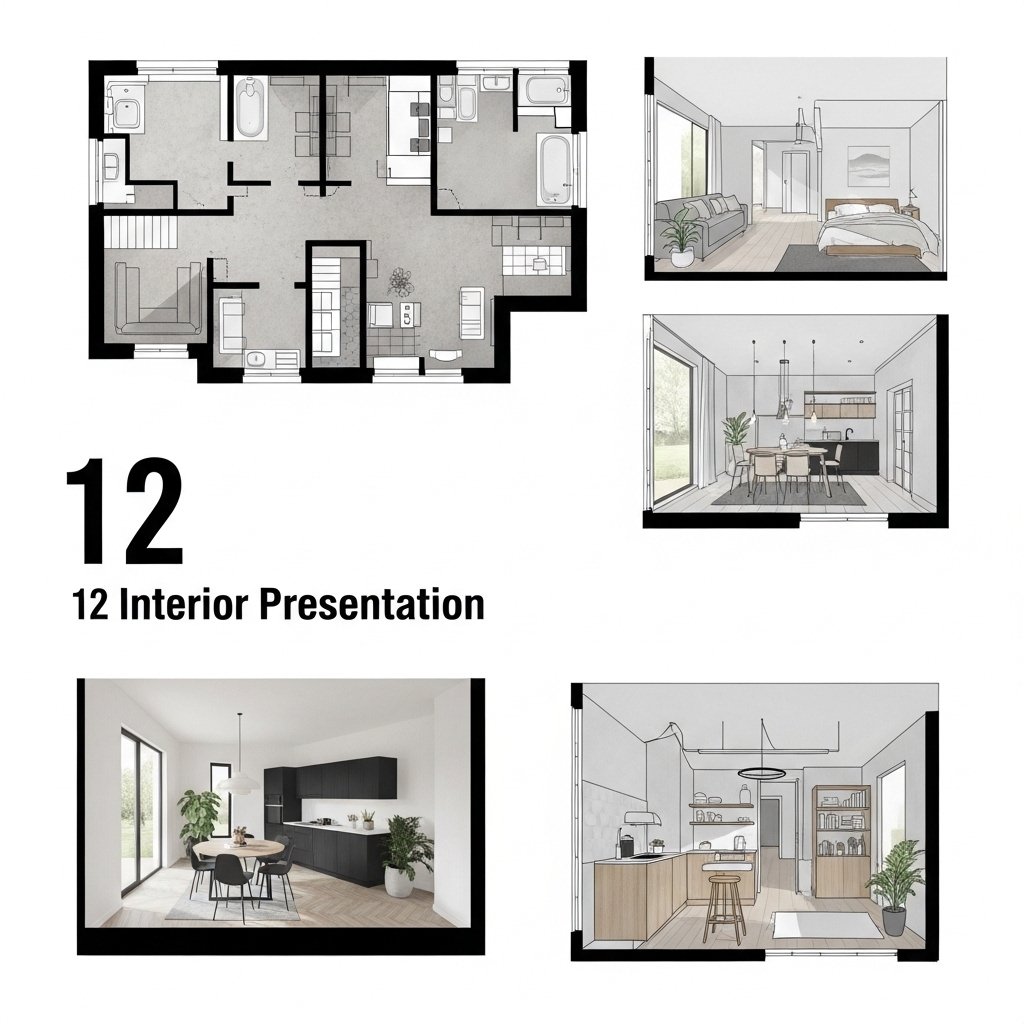
Table Of Content
1. Mood Boards for Concept Development
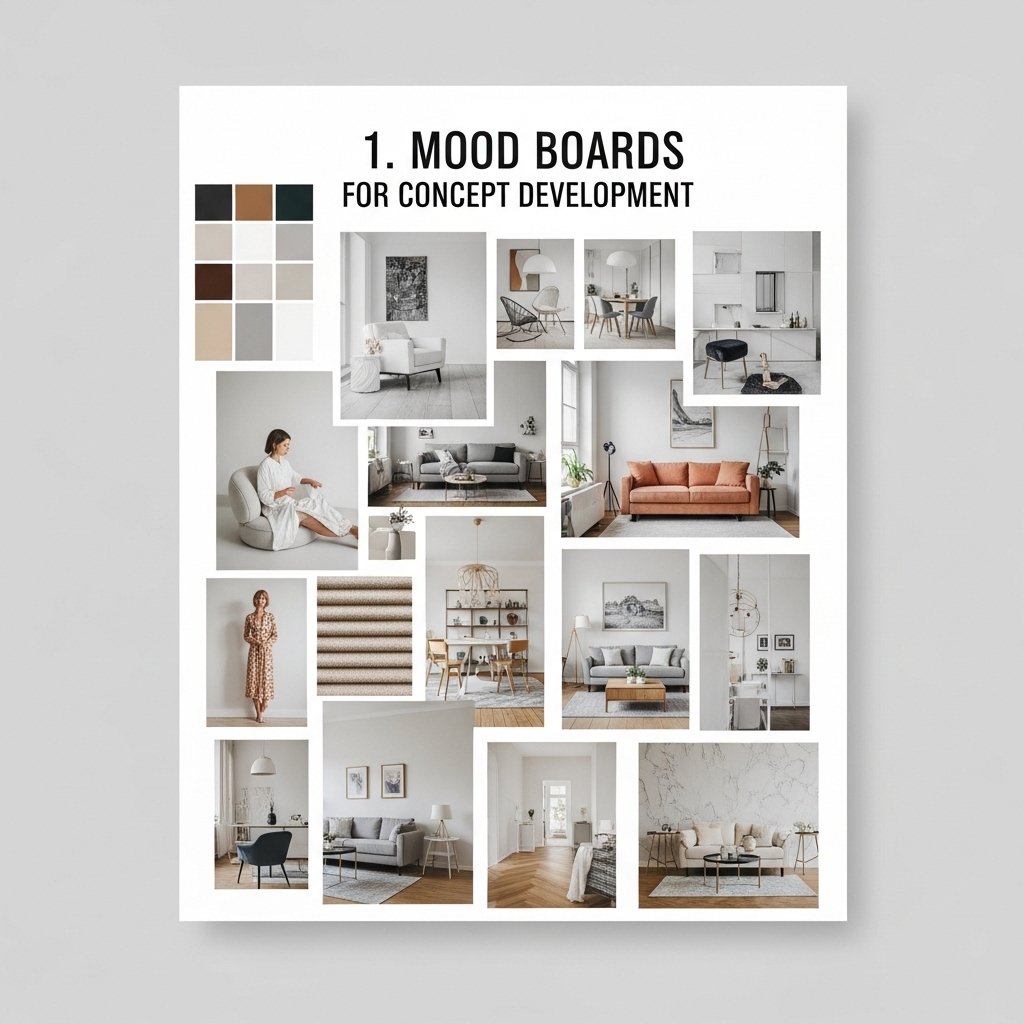
Mood boards are one of the most effective tools in interior presentation because they define the overall theme of a project. They include colors, textures, furniture styles, and inspirational images that set the tone of the design. A well-organized mood board helps clients quickly understand the direction of the project. Digital tools like Canva or Photoshop make it easy to create professional-looking boards. This method is perfect for presenting early-stage design ideas.
2. 2D Floor Plans for Clear Layout Understanding
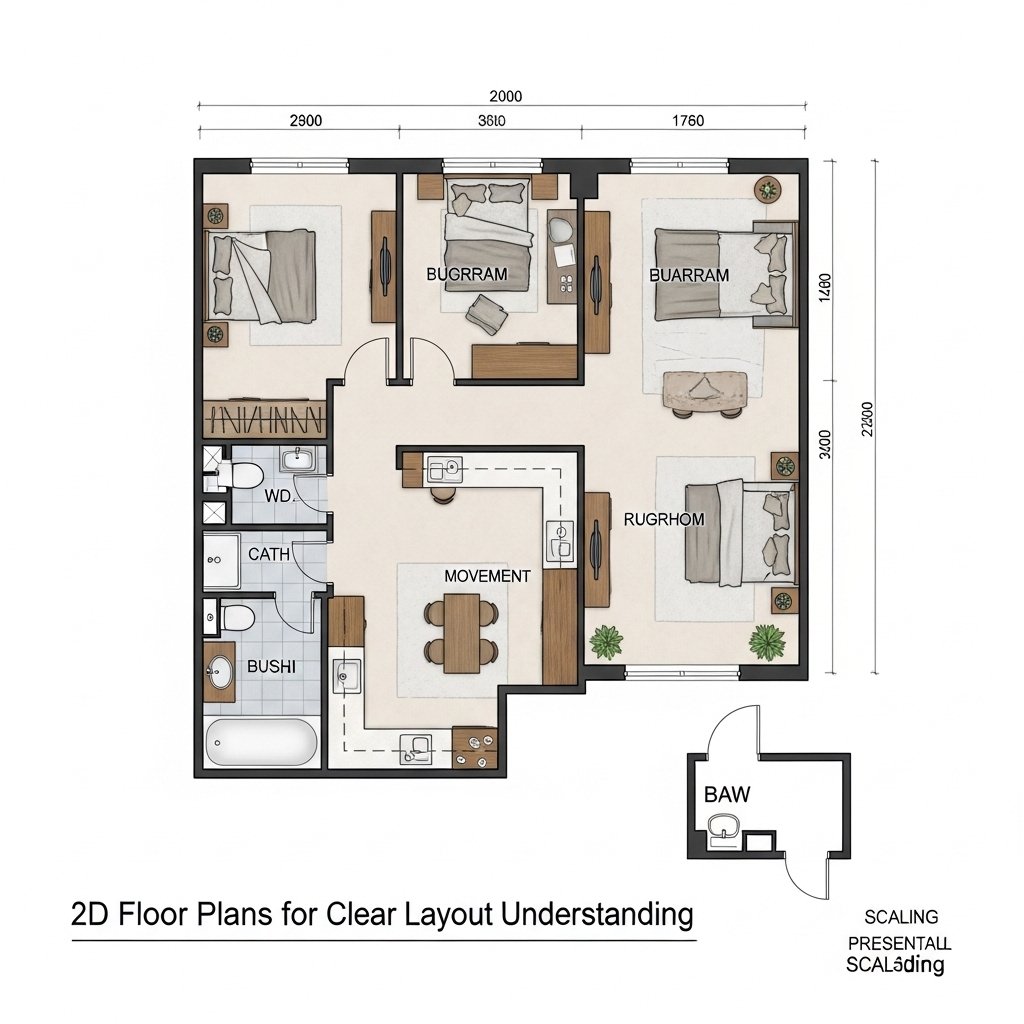
A 2D floor plan is essential in any interior presentation because it shows the basic structure of a space. It highlights room dimensions, furniture placement, and movement flow within the design. Clear floor plans help clients visualize how the space will function in real life. Using proper scaling and labeling ensures accuracy and professionalism. This presentation method is especially useful for residential and commercial projects.
3. 3D Renderings for Realistic Visualization
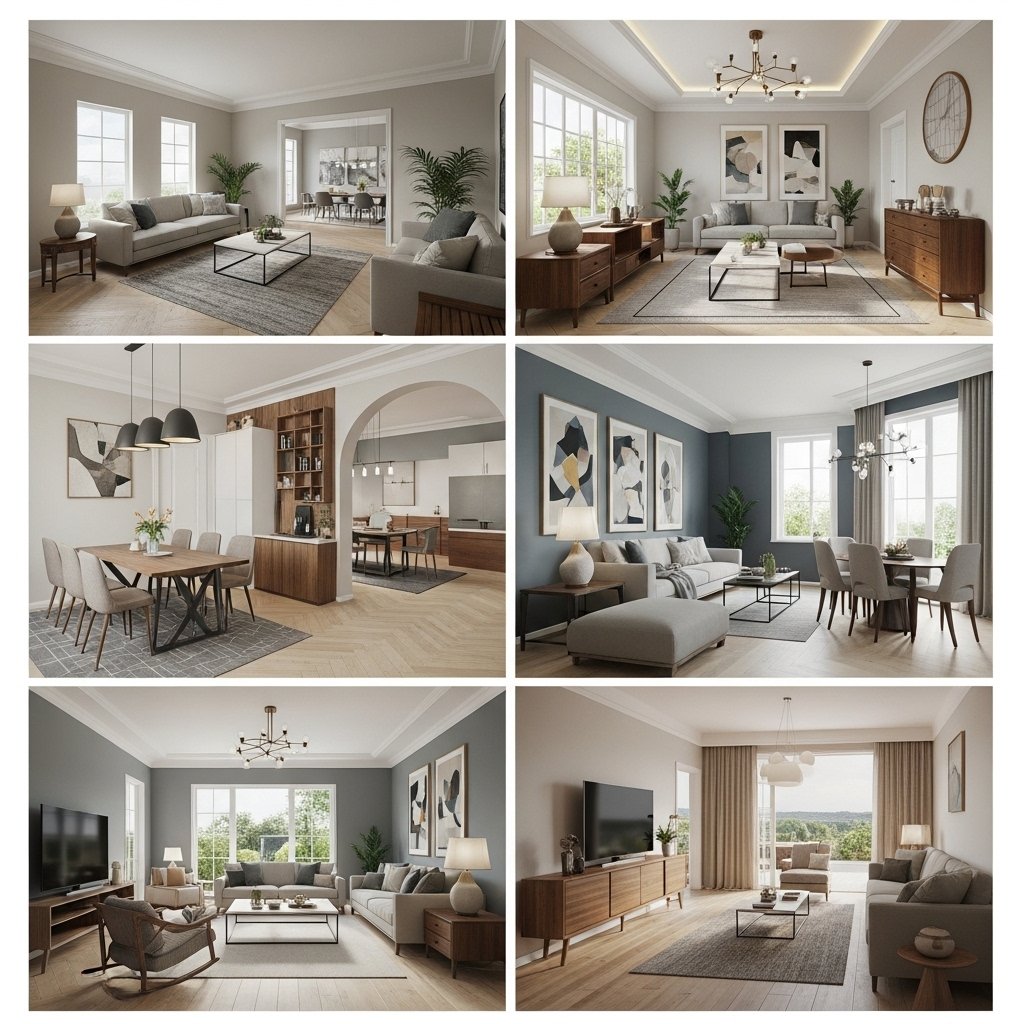
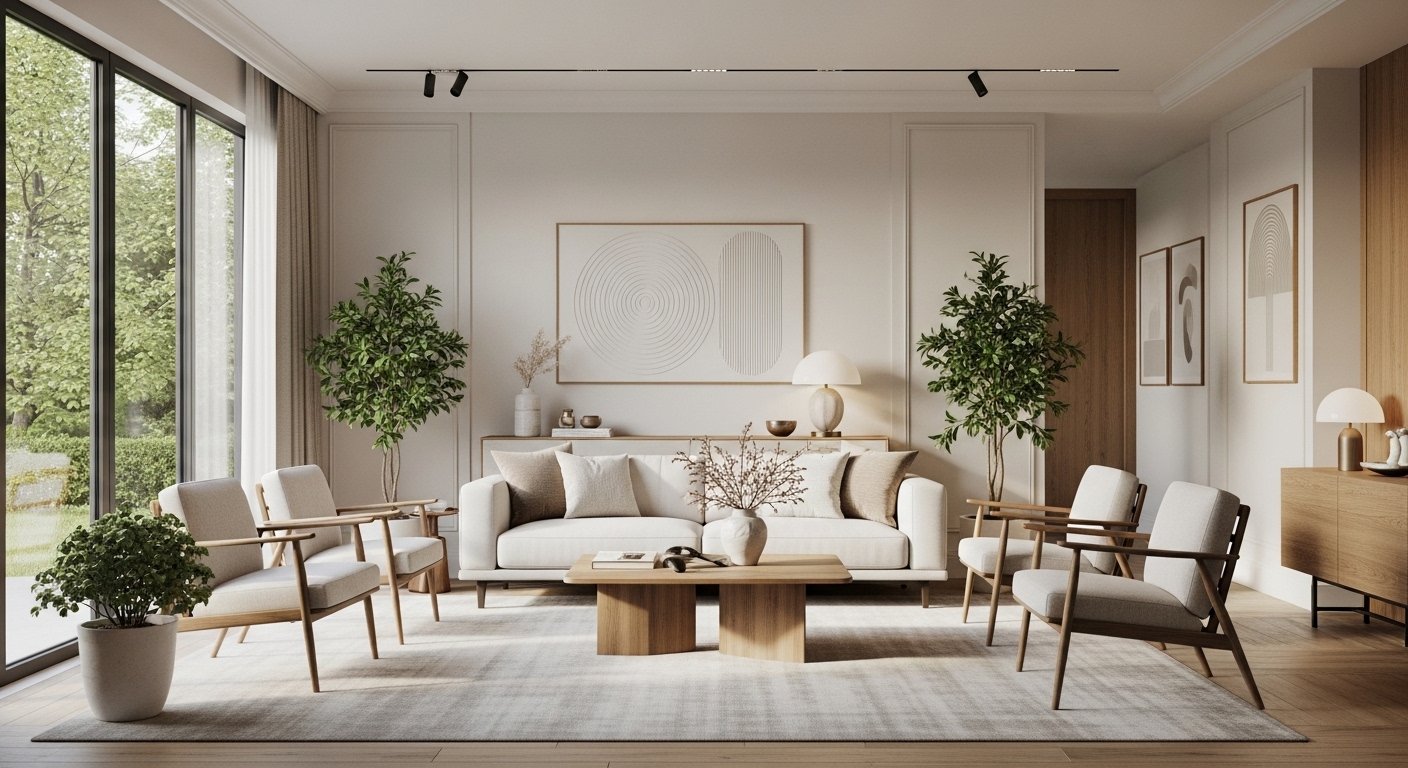
3D renderings bring interior designs to life by showing realistic images of the proposed space. They help clients see textures, lighting, and materials in a lifelike environment. High-quality rendering software like SketchUp, V-Ray, or Lumion can produce stunning results. These visuals make it easier for clients to approve designs with confidence. 3D renderings are now a standard in modern interior presentations.
4. Virtual Walkthroughs for Immersive Experience
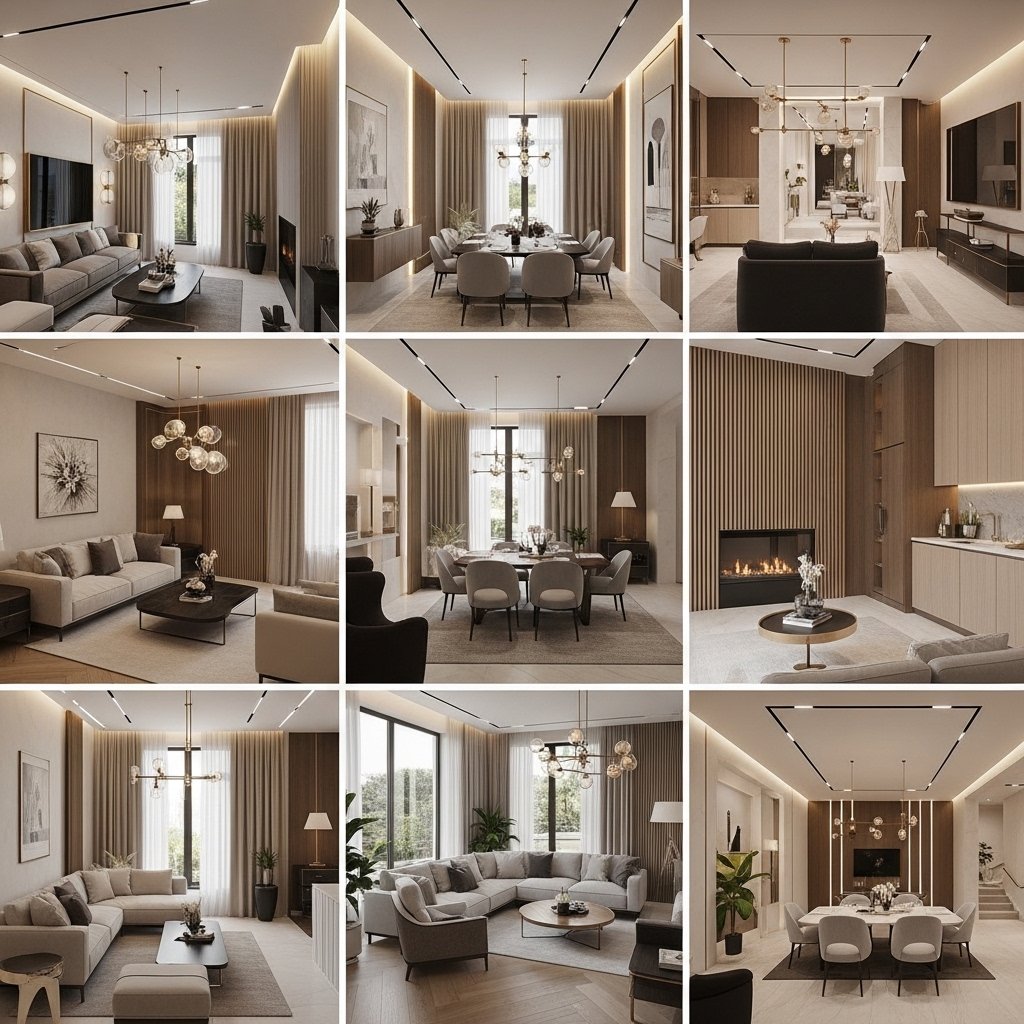
Virtual walkthroughs take interior presentation to the next level by allowing clients to explore a space digitally. This interactive experience gives a real sense of movement within the design. It helps in understanding spatial flow, lighting effects, and furniture arrangement. Many designers use VR tools to create immersive walkthroughs. This method is highly effective for luxury and large-scale projects.
5. Material Boards for Texture and Finish Selection
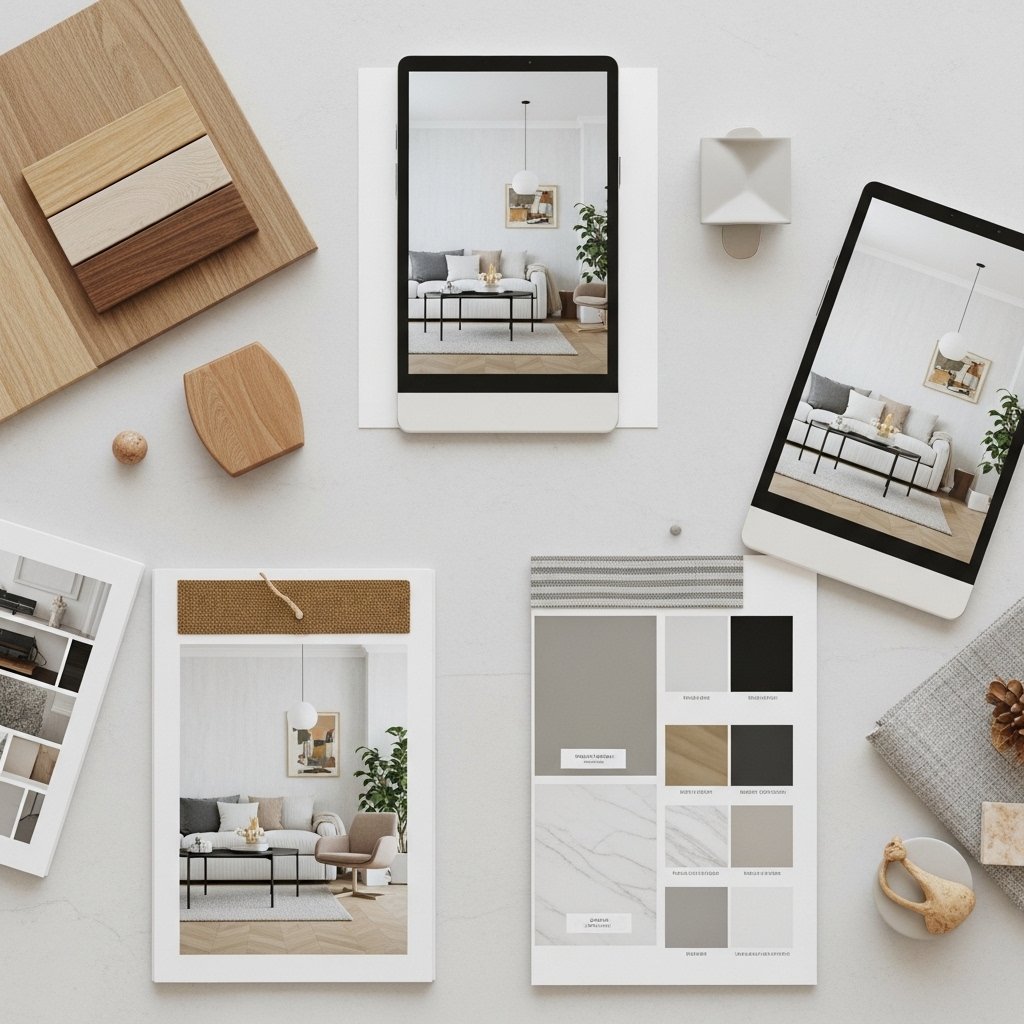
Material boards focus on showcasing physical or digital samples of materials used in a design. These include wood, fabric, marble, paint colors, and metal finishes. They help clients understand the tactile quality of the space. A well-arranged material board ensures consistency in design execution. This is a crucial step in professional interior presentations.
6. Lighting Plans for Atmosphere Design
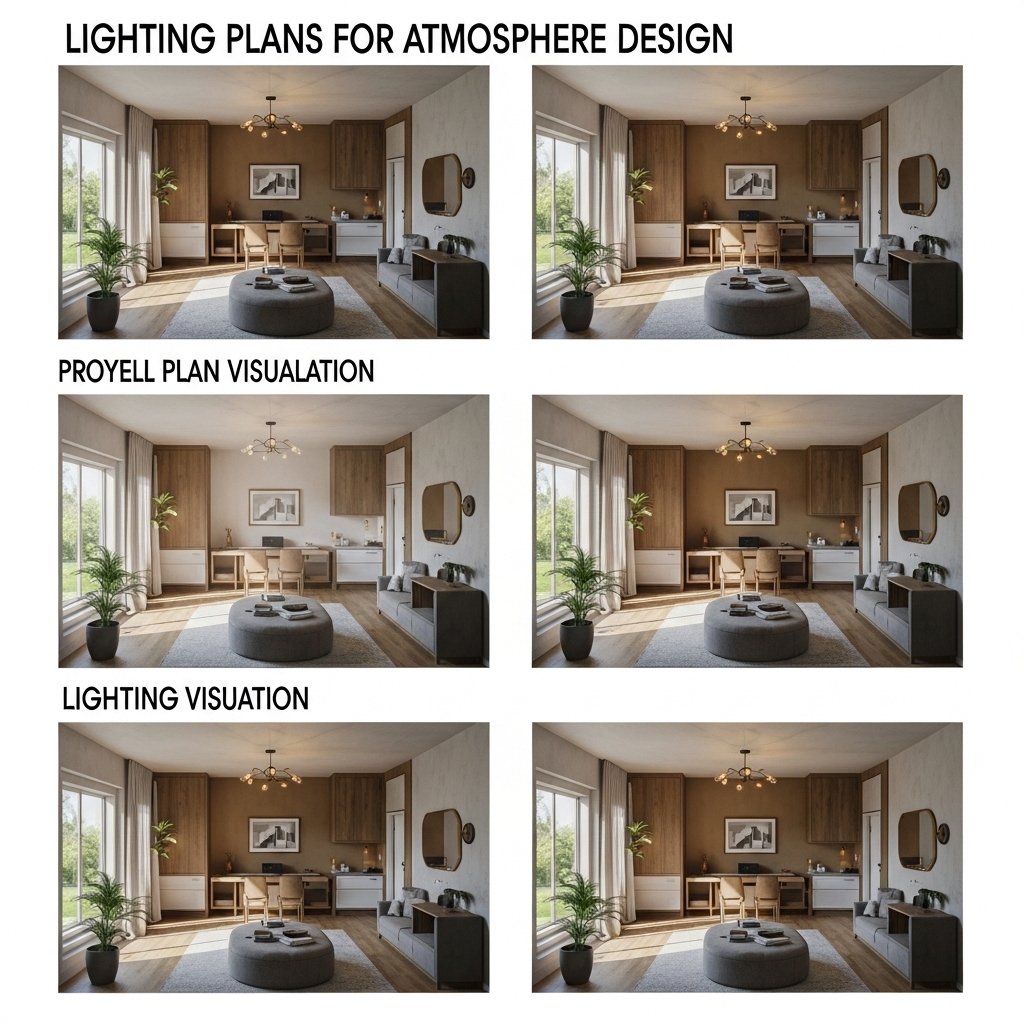
Lighting plays a major role in interior presentation because it affects mood and functionality. A lighting plan shows how natural and artificial lights are distributed in a space. It highlights fixtures, brightness levels, and shadow effects. Proper lighting visualization helps clients understand ambiance changes throughout the day. This adds depth and realism to the design proposal.
7. Furniture Layout Presentations
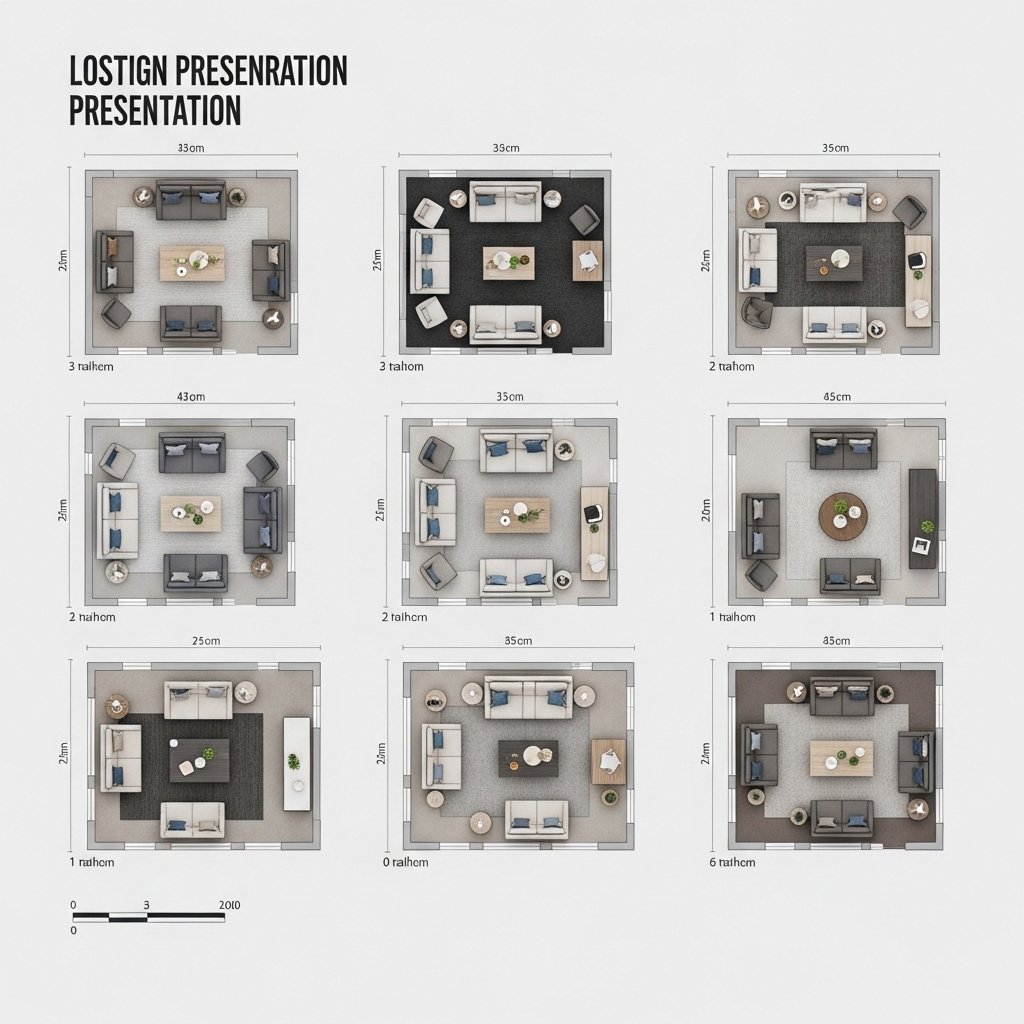
Furniture layout presentations focus on how furniture is arranged within a space. This helps clients visualize comfort, spacing, and usability. Designers often include multiple layout options for flexibility. Clear labeling and scaling make the presentation easy to understand. This method ensures that functionality and aesthetics work together.
8. Color Scheme Boards for Visual Harmony
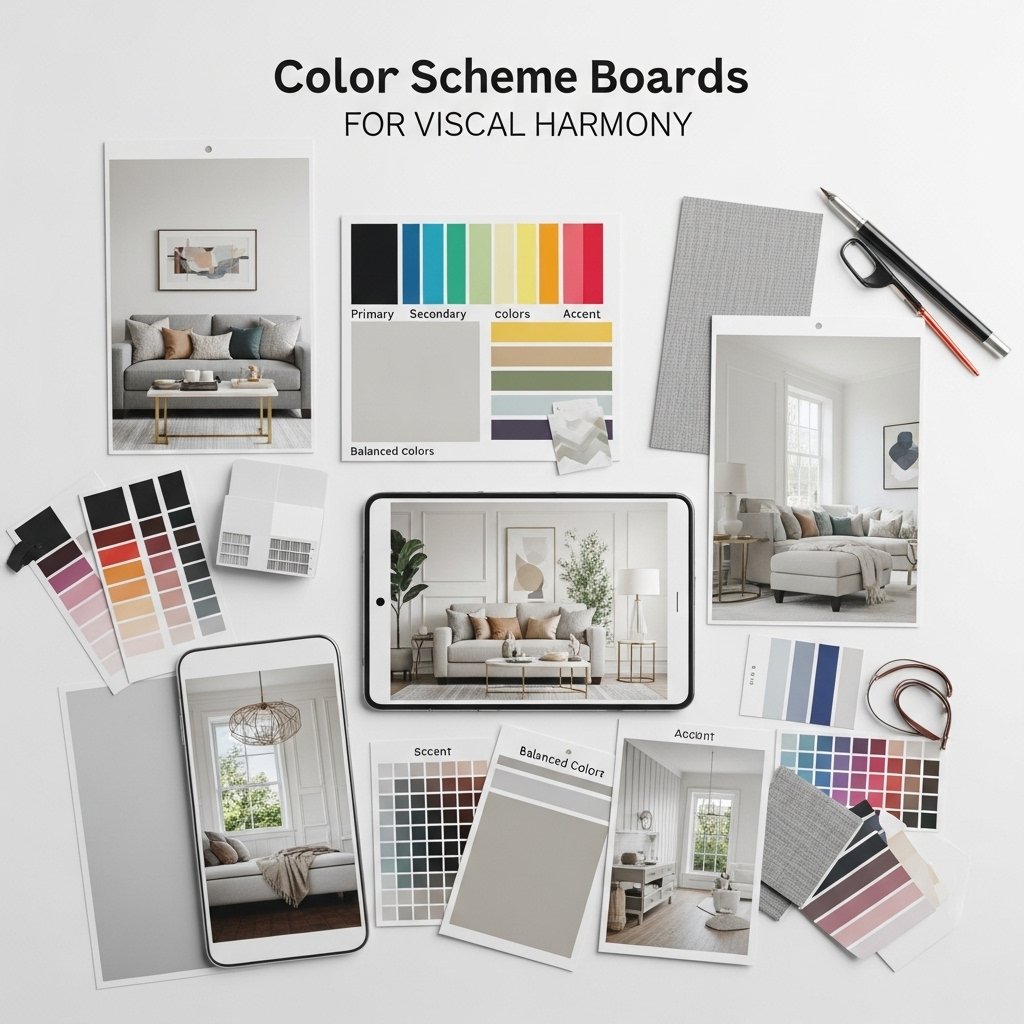
Color scheme boards are essential for defining the emotional tone of an interior space. They include primary, secondary, and accent colors used in the design. A balanced color palette creates visual harmony and consistency. Designers often combine paint samples, fabric swatches, and digital palettes. This helps clients imagine the final look of the space more clearly.
9. Sectional Drawings for Structural Clarity
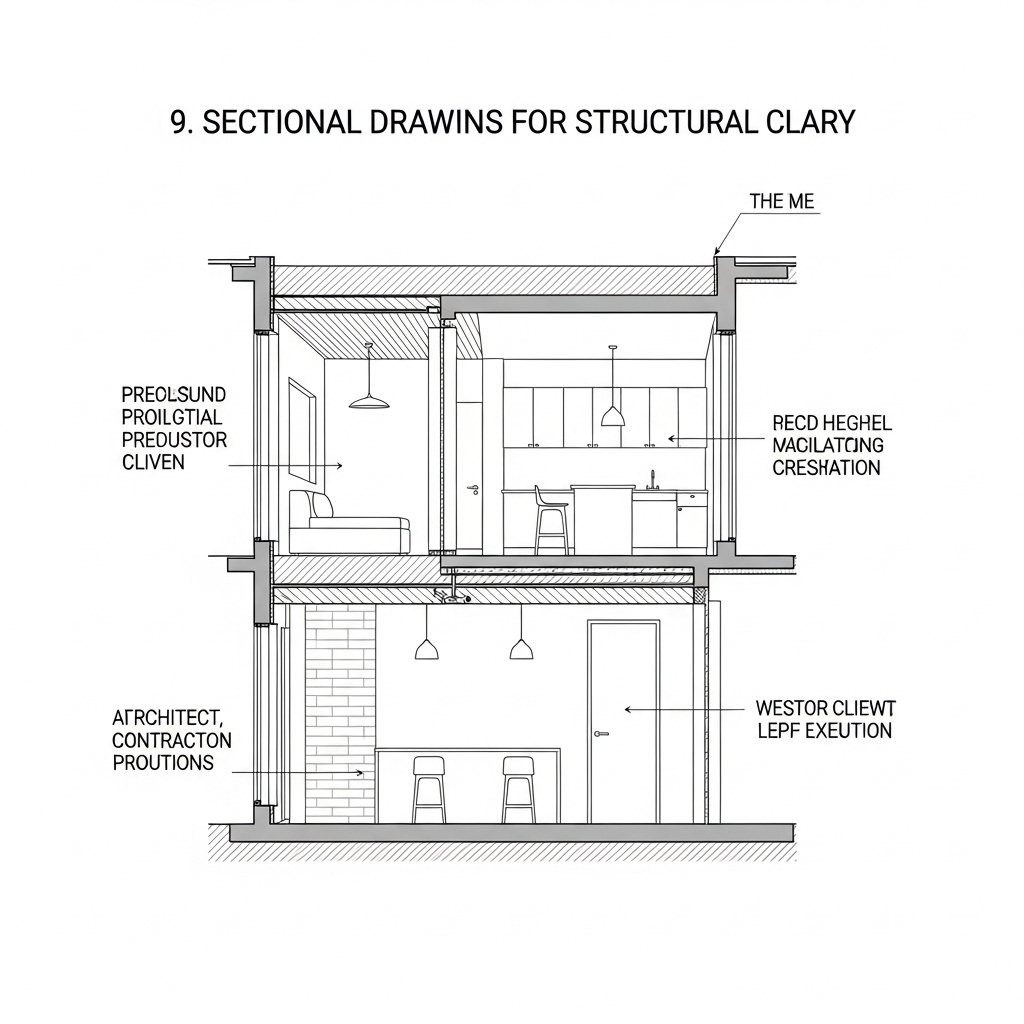
Sectional drawings provide a cut-through view of a space, showing vertical relationships. They help explain ceiling height, wall details, and structural elements. This type of presentation is more technical but very important for execution. It ensures architects, contractors, and clients are on the same page. Section drawings add depth and precision to interior presentations.
10. Before and After Visual Comparisons
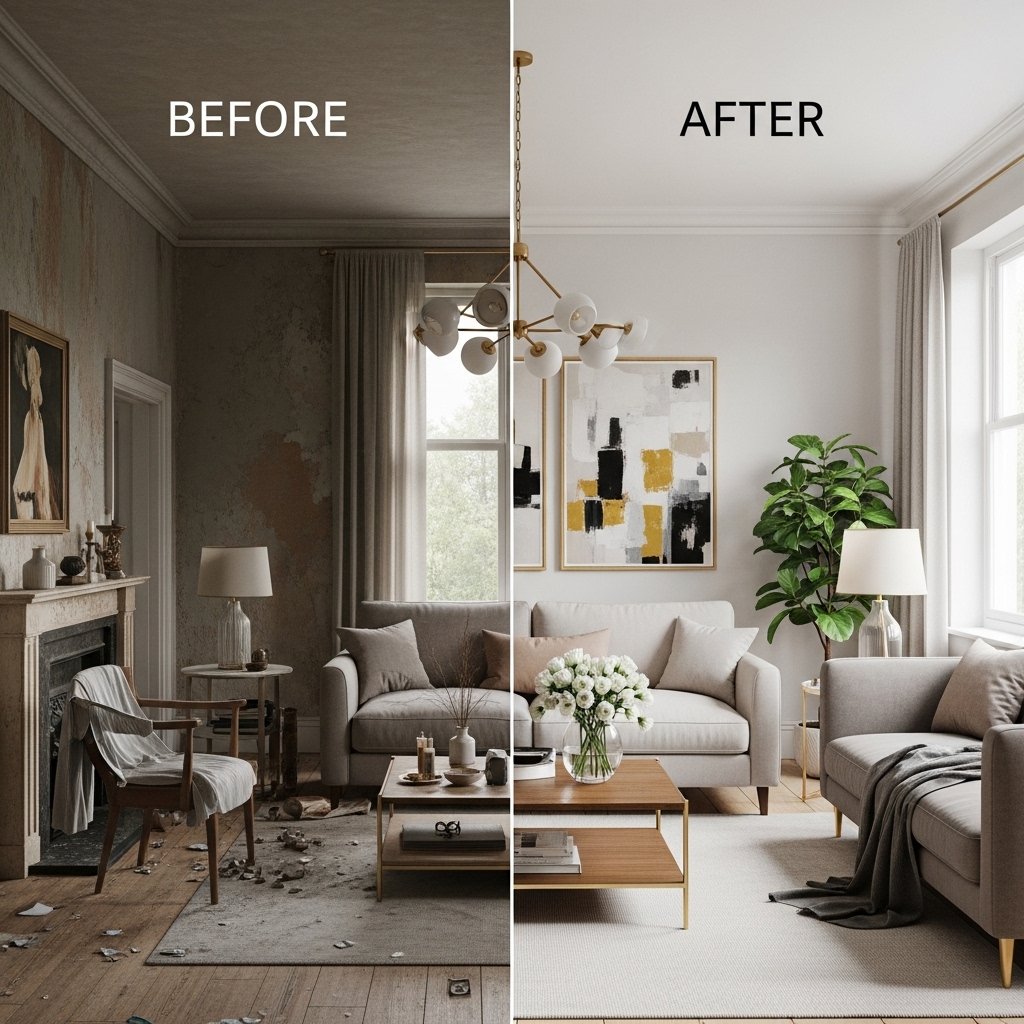
Before and after visuals are powerful storytelling tools in interior presentation. They show transformation from old, unused spaces to newly designed interiors. This method highlights the designer’s creativity and problem-solving skills. It is highly engaging for clients because it shows real impact. These comparisons are often used in portfolios and marketing.
11. Storytelling Through Design Boards
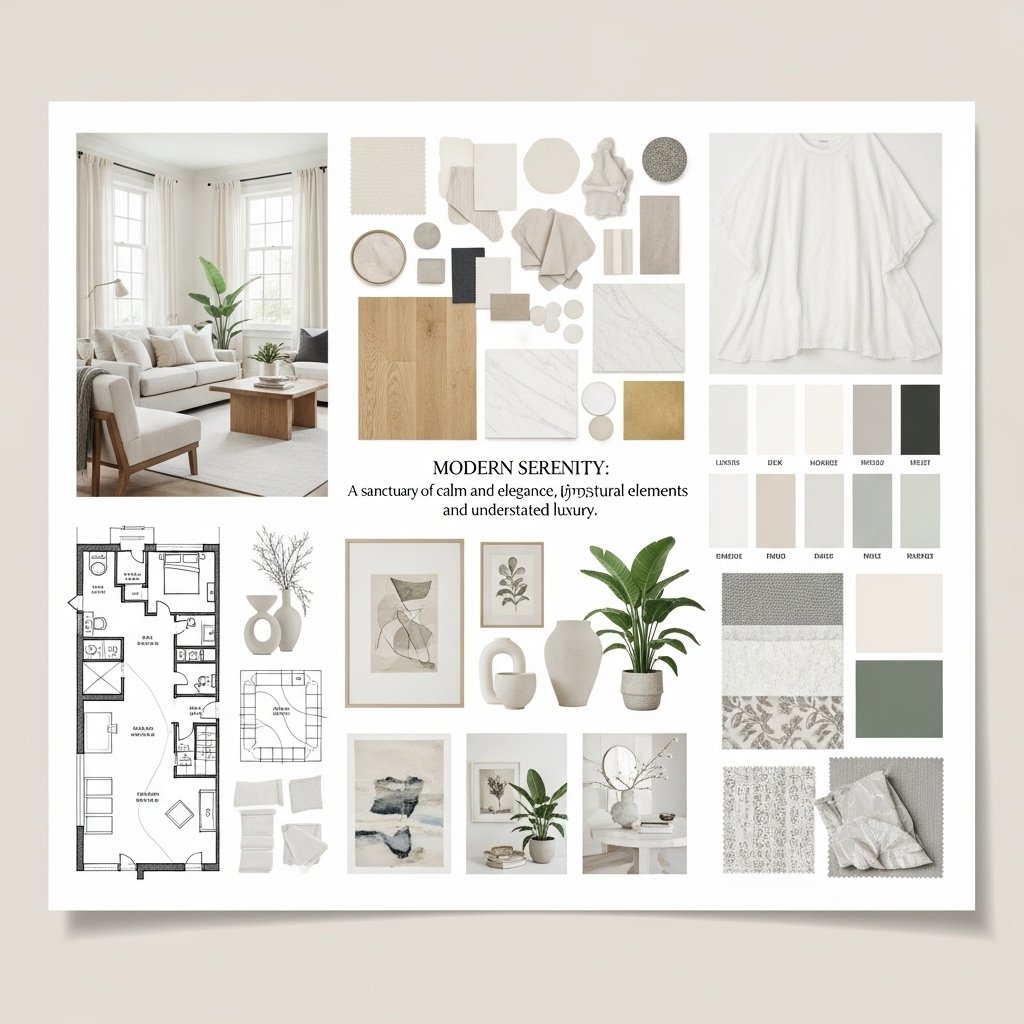
Design storytelling combines images, text, and visuals to explain the concept behind a space. It helps clients understand the inspiration and purpose of the design. This method adds emotional value to the presentation. Designers often use narrative boards to connect ideas with lifestyle needs. It makes the presentation more engaging and memorable.
12. Portfolio Presentation for Final Showcase
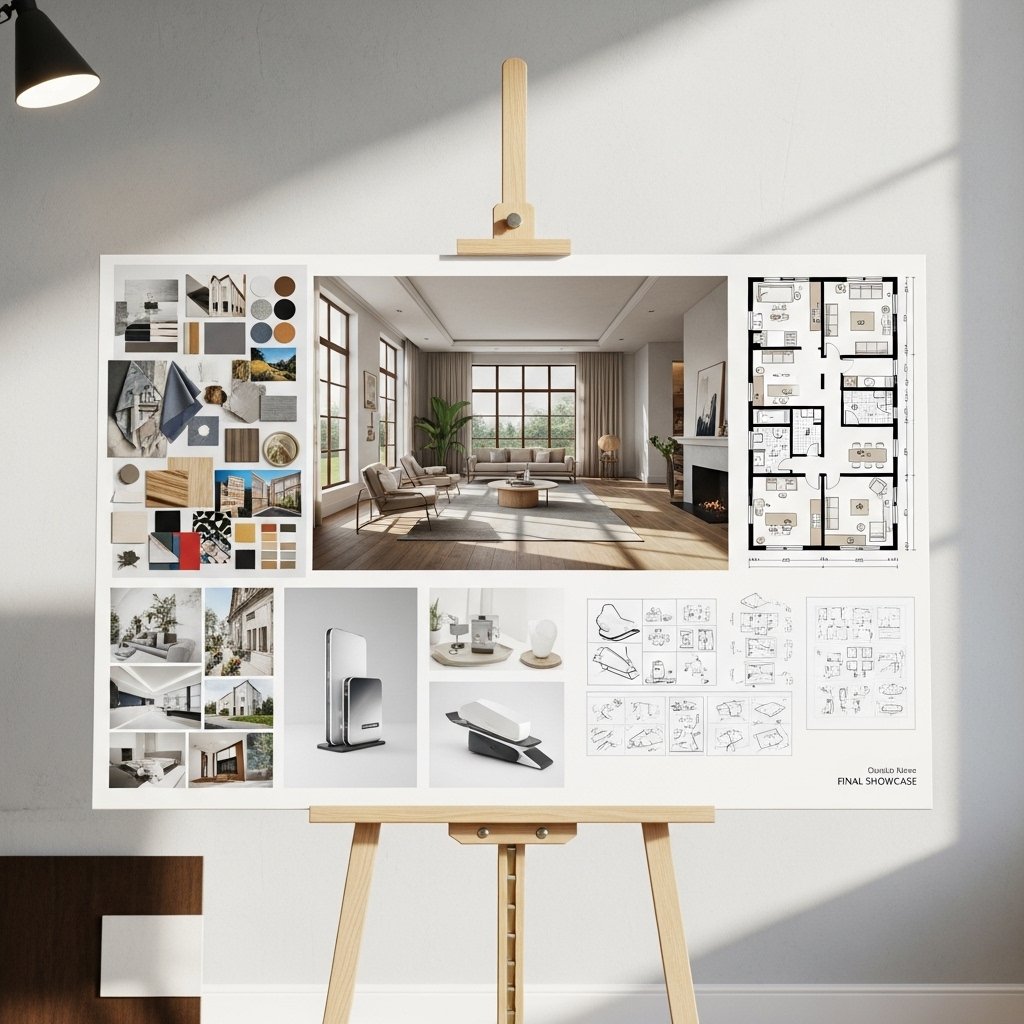
A portfolio presentation is the complete collection of a designer’s work. It includes all the elements like mood boards, 3D renders, and floor plans. A well-structured portfolio highlights skills, creativity, and professionalism. It is often used during client meetings or job interviews. This final presentation is crucial for building trust and credibility.
13. How to Care for Interior Presentation
- Keep It Clean – Regularly dust and clean all surfaces, furniture, and decor to maintain a fresh look.
- Maintain Organization – Arrange items properly and avoid clutter to keep the space visually appealing.
- Protect from Damage – Keep furniture and decor away from direct sunlight, water, and heat sources.
- Update Styling – Refresh colors, cushions, or decor pieces occasionally to keep the presentation modern.
- Check Details – Fix small issues like scratches, loose items, or broken decor to maintain a polished look.
13.1. FAQ
13.2. What is interior presentation❓
Interior presentation is the way a design idea is visually shown before it is actually built or decorated. It includes layouts, color schemes, furniture placement, lighting ideas, and overall styling of a space. The main purpose is to help clients or viewers clearly understand how the final interior will look and feel.
13.3. Why is interior presentation important❓
Interior presentation is important because it helps communicate design ideas in a clear and professional way. It allows clients to visualize the final result before work begins, which reduces confusion and mistakes. A strong presentation also helps designers explain their creativity and convince clients more effectively.
13.4. What is included in an interior presentation❓
An interior presentation usually includes floor plans, 3D renders, mood boards, color palettes, material samples, and furniture layouts. These elements work together to show the complete concept of a space. It gives a detailed visual guide of how the room or building will look after design.
14. Final Thoughts
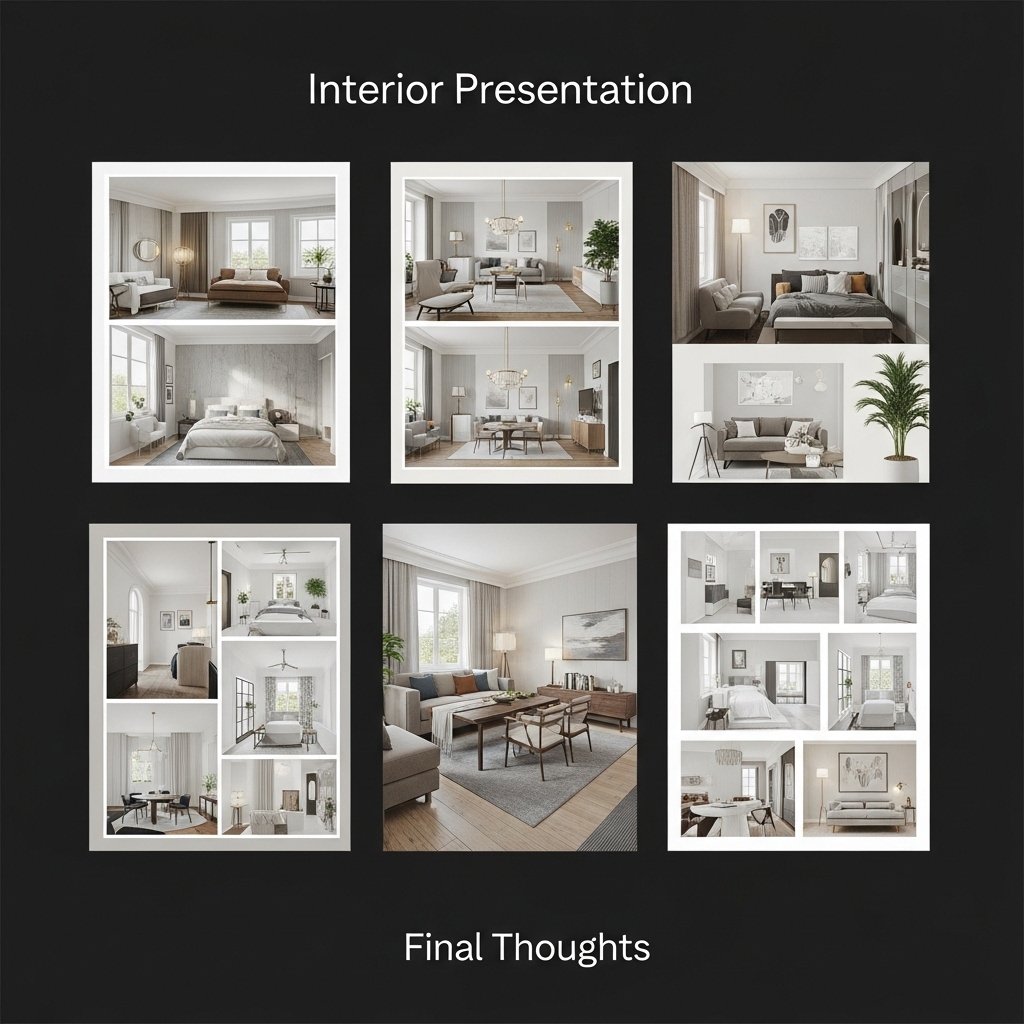
Interior presentation is not just about displaying designs; it is about communicating ideas in a clear and visually compelling way. Each presentation method plays a unique role in helping clients understand the space and connect with the concept. From mood boards to 3D renderings, every technique adds value to the overall design process. A strong interior presentation can significantly increase client satisfaction and project approval rates. By mastering these 12 interior presentation ideas, designers can elevate their work and create impactful, professional, and visually stunning design proposals.