Neoclassical Interior Living Rooms: Timeless Elegance for Modern Homes
Blog > Home > Modern interior > Neoclassical Interior Living Rooms: Timeless Elegance for Modern Homes
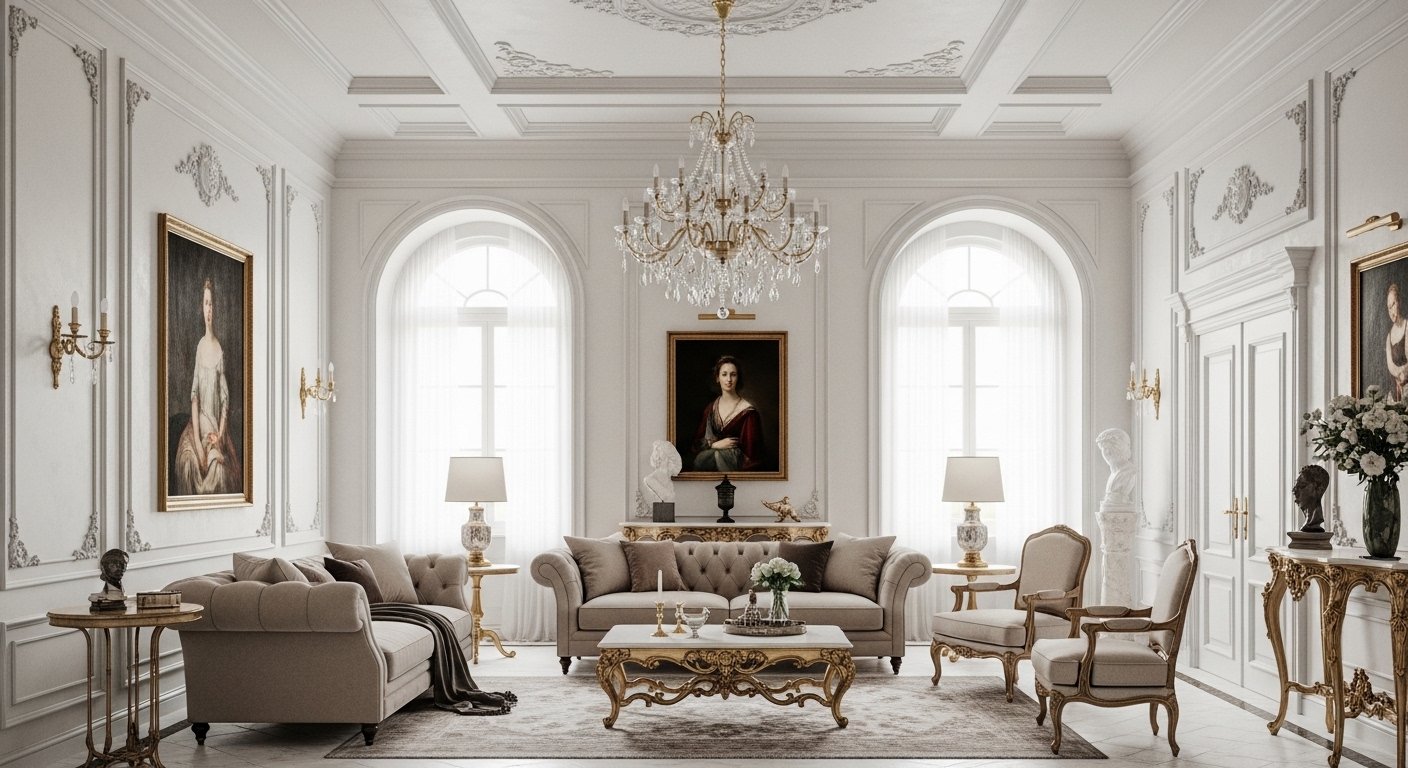
Neoclassical interior living rooms are known for their refined elegance, symmetry, and timeless appeal. Inspired by classical Greek and Roman design, this style blends traditional architecture with modern comfort to create sophisticated spaces. From neutral color palettes to luxurious materials, every detail in a neoclassical living room is carefully curated. This design style is perfect for homeowners who appreciate balance, harmony, and understated luxury. In this guide, you’ll explore 12 beautifully structured neoclassical interior living room ideas that bring both style and functionality into your space.
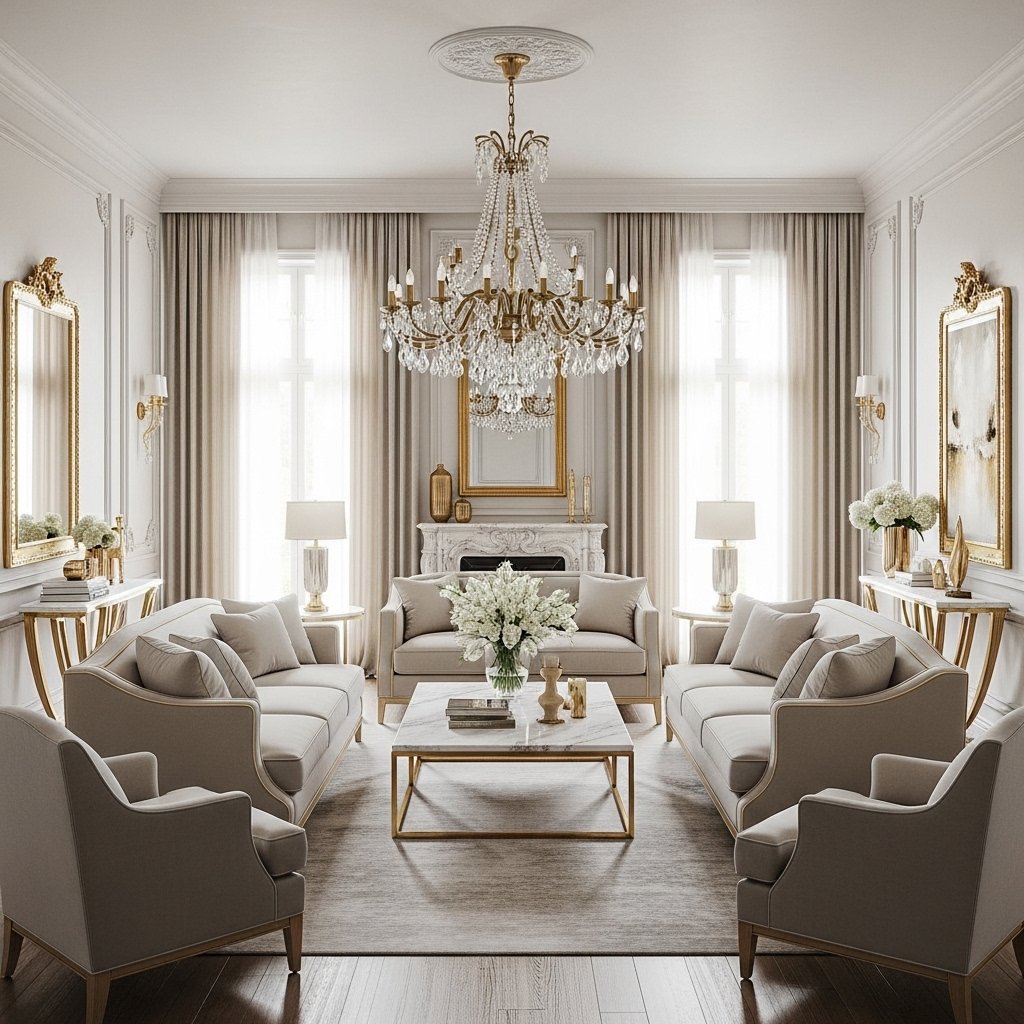
Table Of Content
1. Neutral Color Palette with Gold Accents
A hallmark of neoclassical interior living rooms is a soft, neutral color palette. Shades like cream, beige, white, and soft gray create a calm and elegant atmosphere. Adding gold accents through lighting fixtures, mirrors, or decor enhances the luxurious feel. This combination reflects light beautifully, making the space appear more open and refined. The balance between simplicity and opulence defines this classic design approach.
2. Statement Chandeliers for Elegance
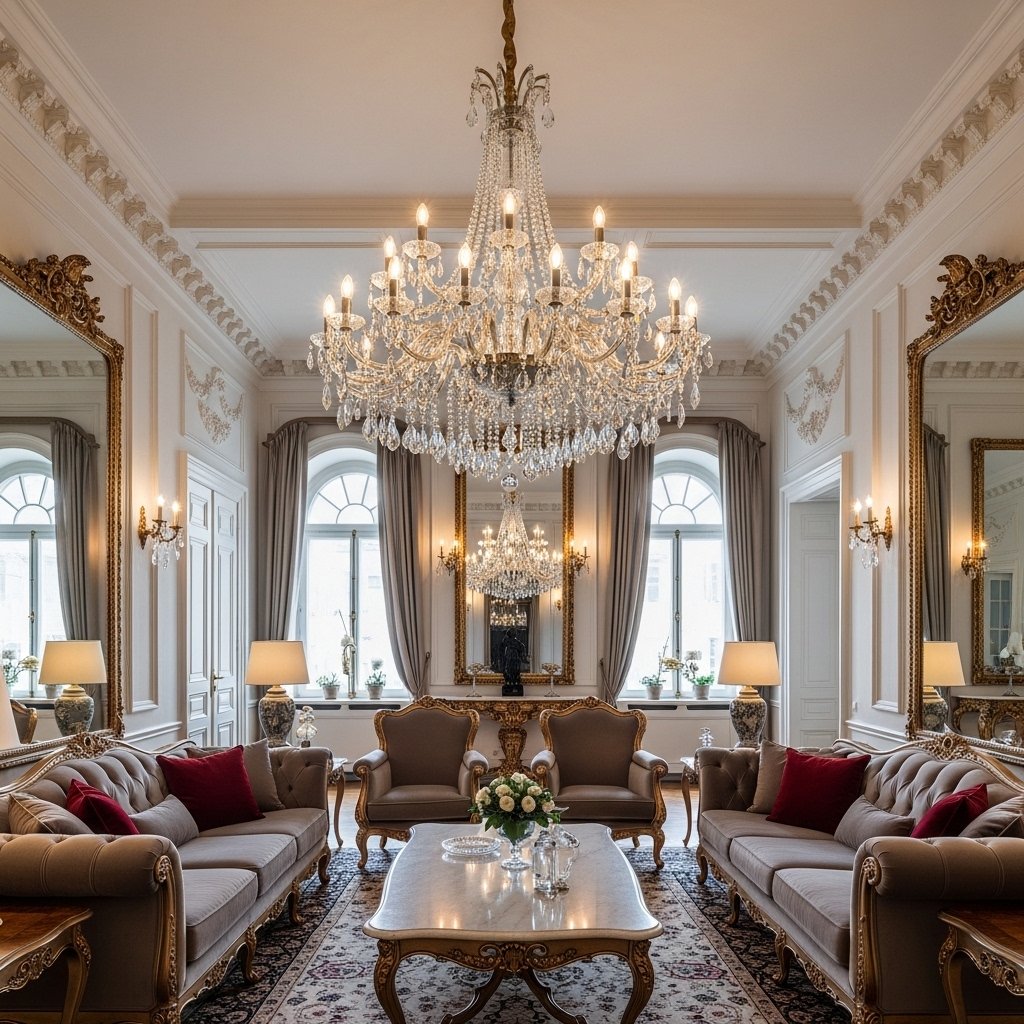
Lighting plays a crucial role in neoclassical interiors, and a statement chandelier is often the centerpiece. Crystal or metallic chandeliers add grandeur while maintaining a sophisticated look. Positioned centrally, they create symmetry and visual balance in the living room. These fixtures not only provide light but also act as decorative art pieces. Choosing the right chandelier instantly elevates the overall ambiance.
3. Symmetrical Furniture Arrangement
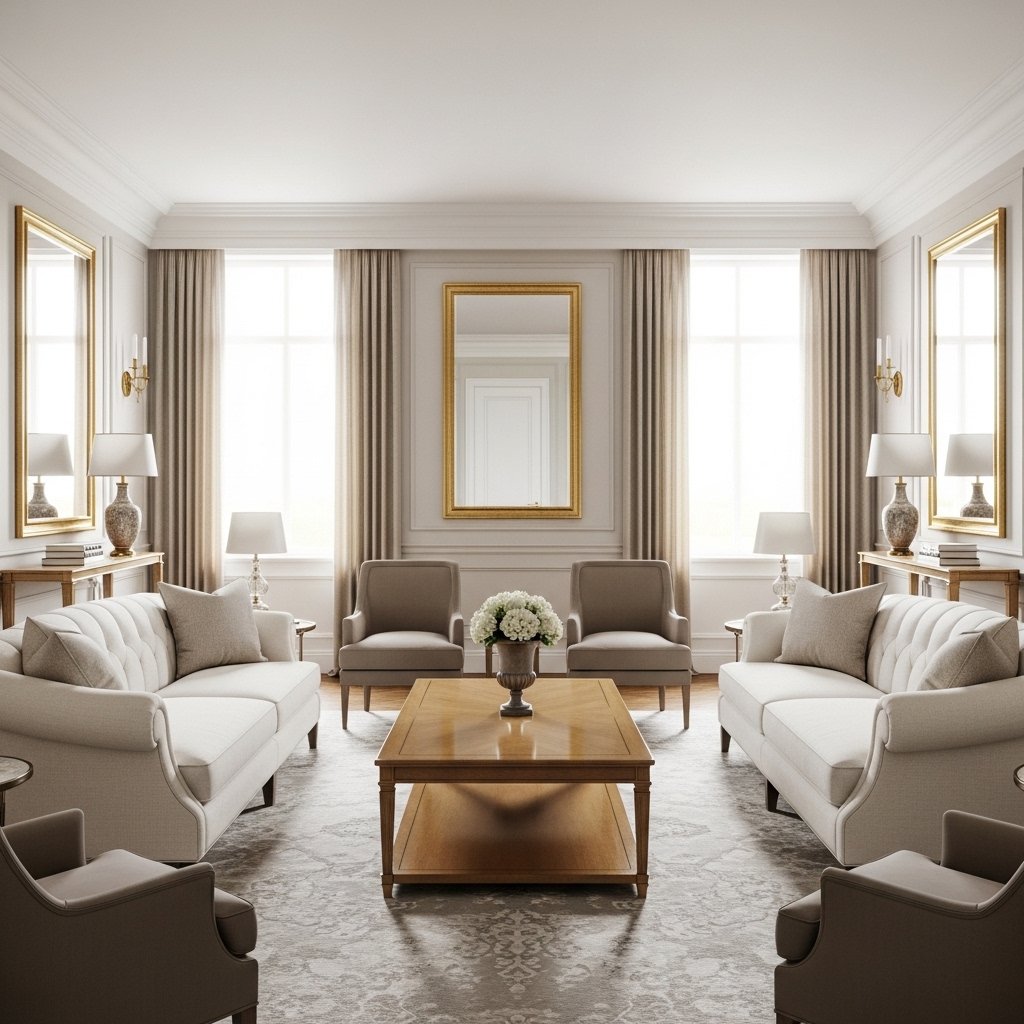
Symmetry is a key principle in neoclassical interior living rooms. Arrange sofas, chairs, and tables in a balanced layout to create harmony. Matching furniture pieces on either side of a focal point, such as a fireplace, enhances the structured look. This layout makes the room feel organized and visually pleasing. It also promotes a sense of calm and order within the space.
4. Elegant Wall Molding and Panels
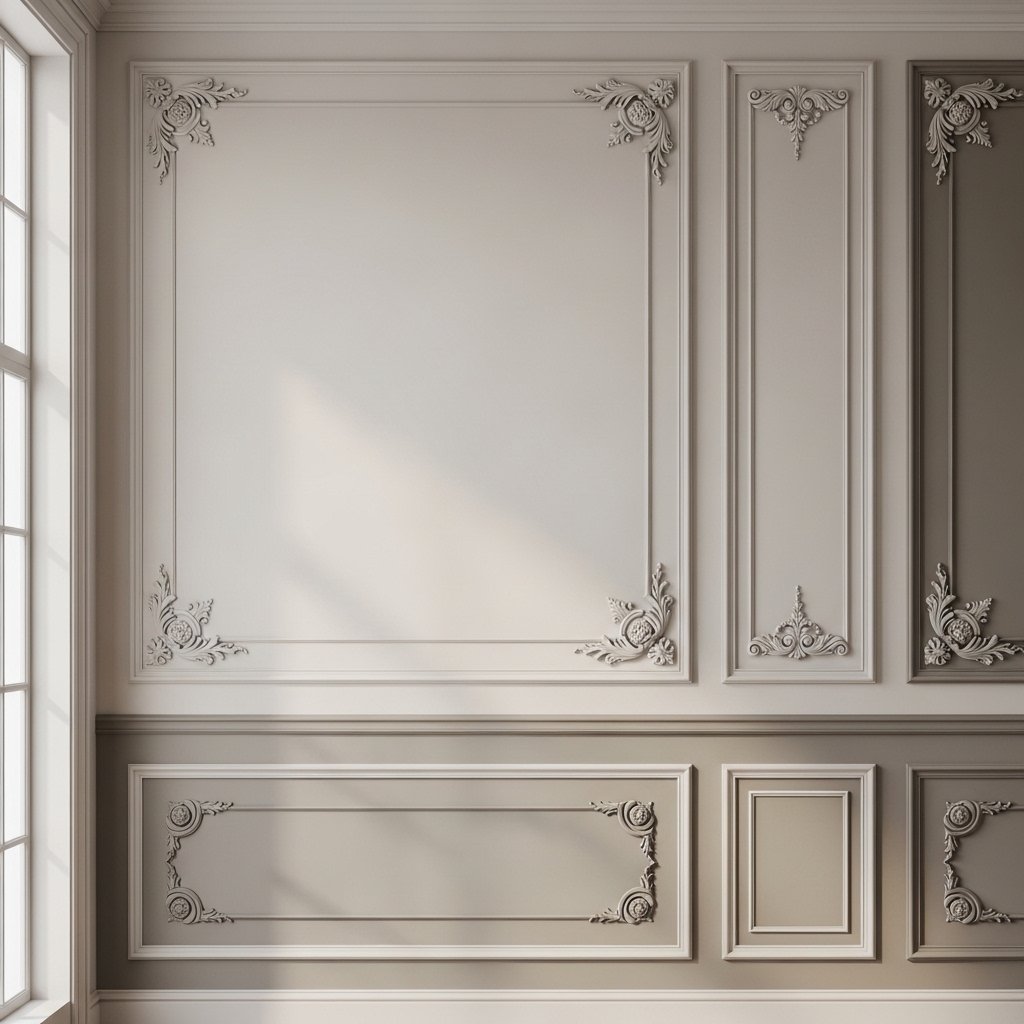
Wall moldings and decorative panels are signature elements of neoclassical design. These architectural details add depth and sophistication to plain walls. Painted in neutral tones, they create subtle texture without overwhelming the room. Incorporating paneling enhances the classical aesthetic while keeping the space modern. It’s a simple yet impactful way to elevate your living room design.
5. Luxurious Fabric Choices
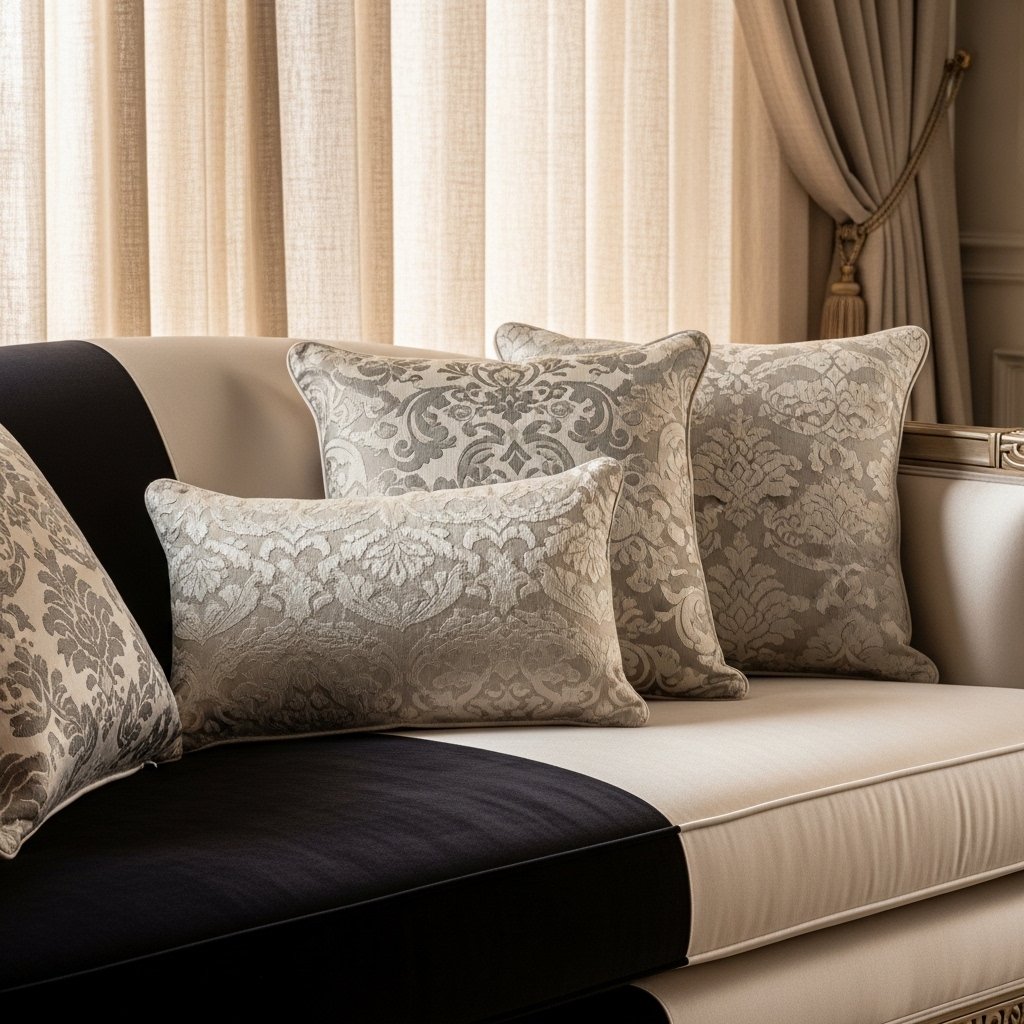
Fabrics in neoclassical living rooms are often rich yet understated. Materials like velvet, silk, and linen are commonly used for sofas, curtains, and cushions. These fabrics add texture and a sense of luxury without appearing overly ornate. Soft drapery enhances the elegance while maintaining comfort. Choosing high-quality textiles ensures both durability and visual appeal.
6. Marble and Stone Elements
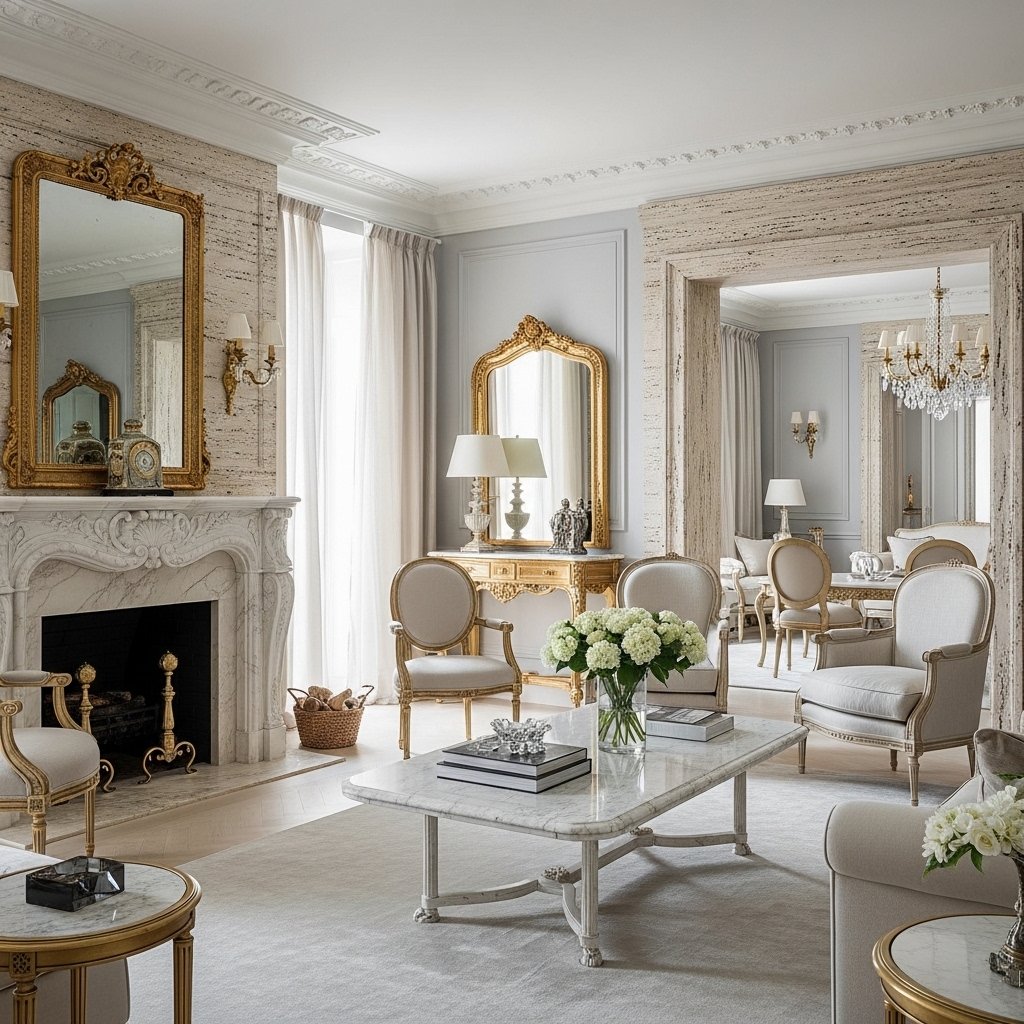
Marble is a defining feature in neoclassical interior living rooms. Whether used for coffee tables, flooring, or fireplaces, it adds a timeless and luxurious touch. Natural stone surfaces bring texture and authenticity to the design. The subtle veining patterns in marble create visual interest without overpowering the space. Incorporating these elements enhances the classic aesthetic effortlessly.
7. Classic Artwork and Sculptures
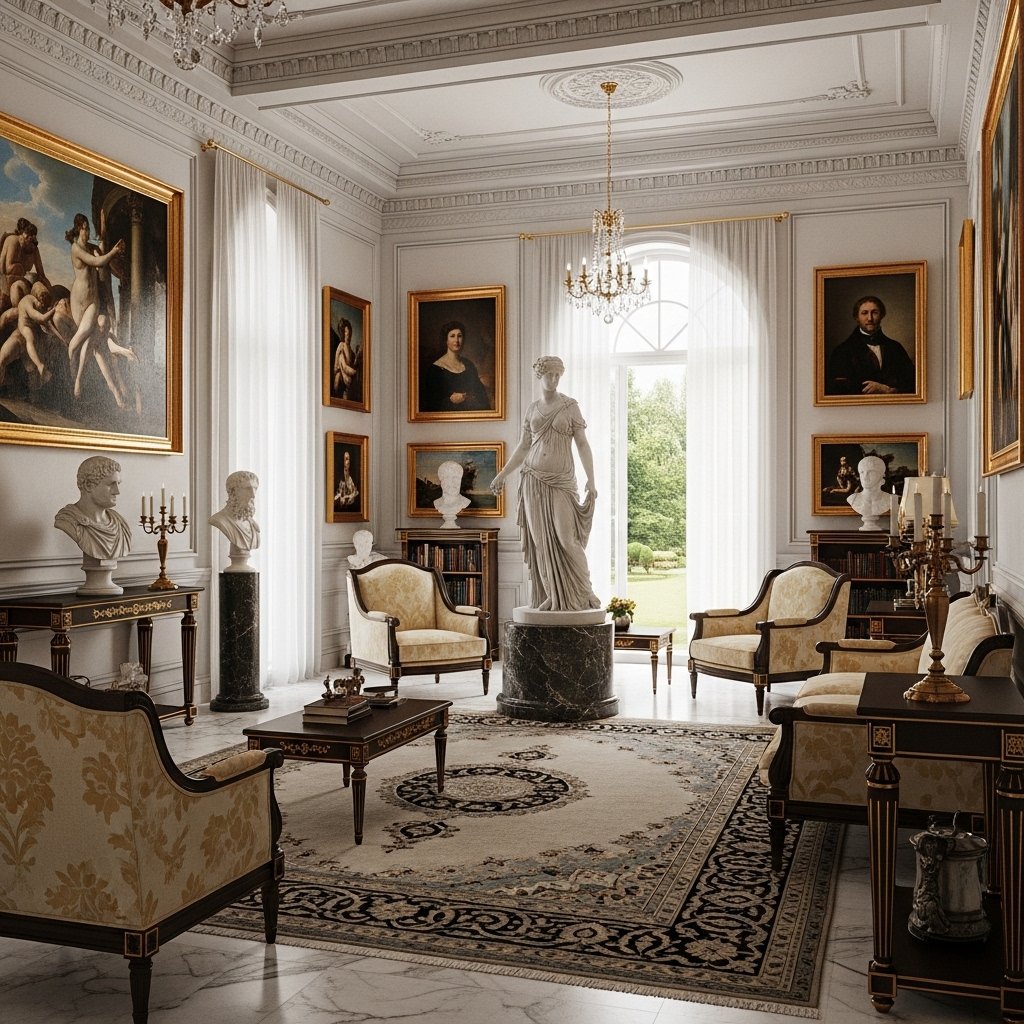
Artwork in neoclassical living rooms often reflects classical themes. Framed paintings, sculptures, or busts add cultural depth and sophistication. These pieces should be carefully selected to complement the room’s color scheme and style. Displaying art symmetrically enhances the overall balance of the space. It also adds a personal and artistic touch to the interior.
8. Decorative Mirrors for Depth
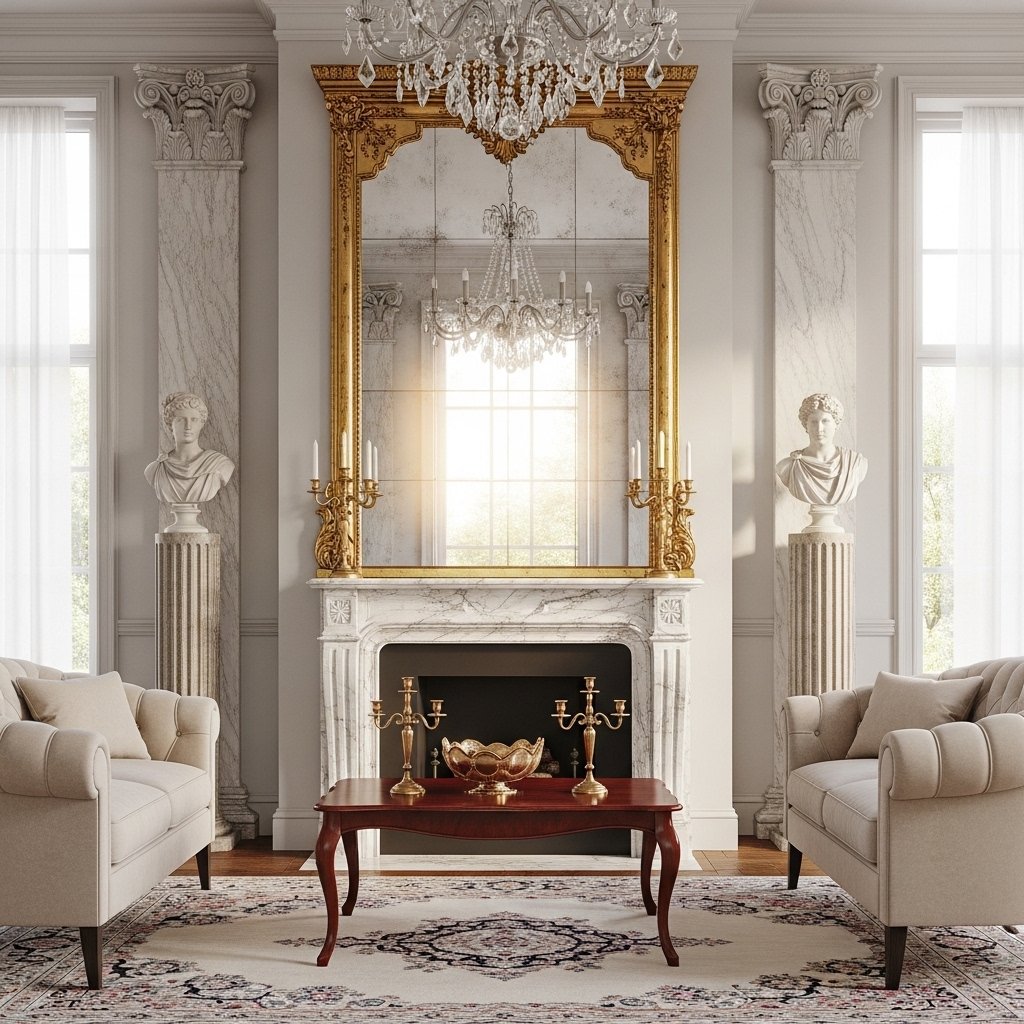
Mirrors are essential in neoclassical design for both function and style. Large, ornately framed mirrors reflect light and make the room feel more spacious. Gold or metallic frames complement the classic aesthetic beautifully. Placing mirrors strategically enhances symmetry and visual balance. This simple addition can transform the overall look of your living room.
9. Subtle Patterns and Textures
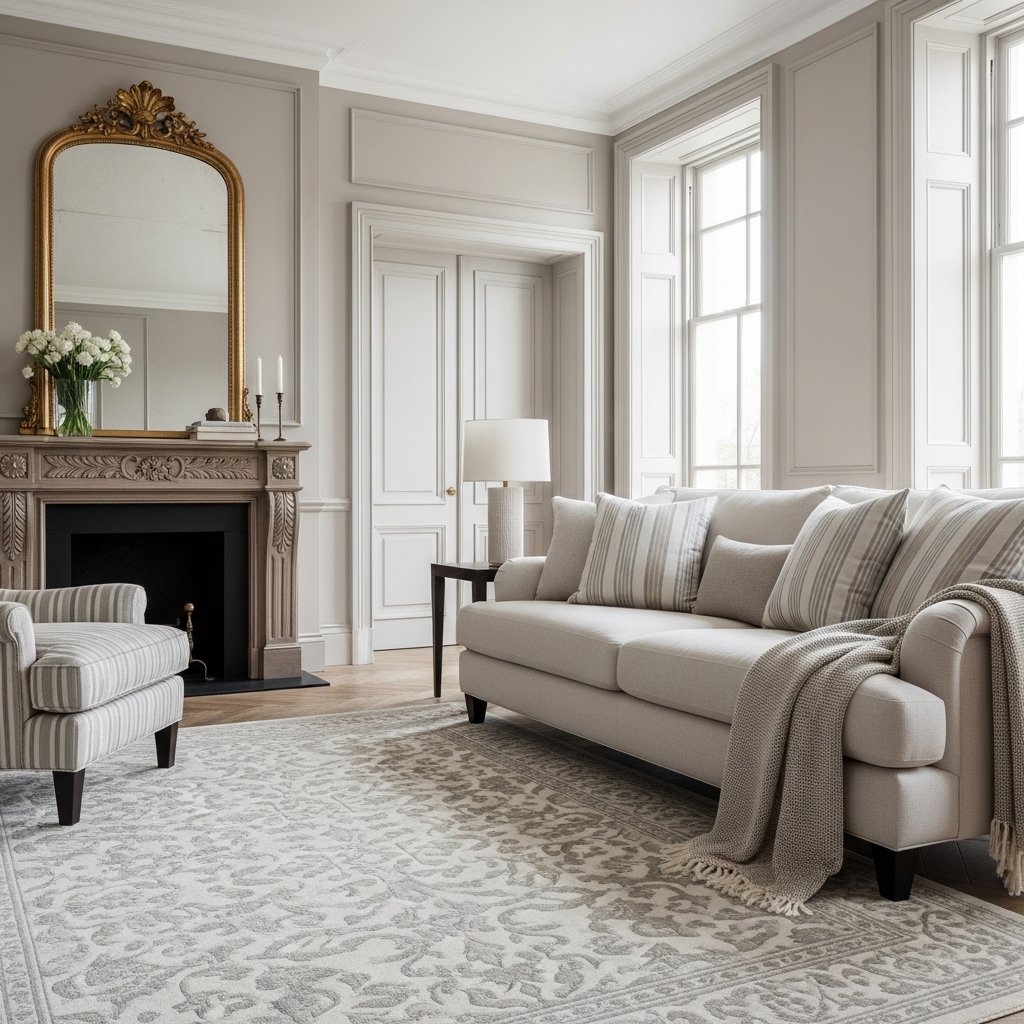
Patterns in neoclassical interior living rooms are typically subtle and refined. Think of soft stripes, damask prints, or geometric designs in muted tones. These patterns add visual interest without disrupting the calm atmosphere. Layering textures through rugs, cushions, and curtains creates depth. The key is to keep everything cohesive and harmonious.
10. Grand Curtains and Window Treatments
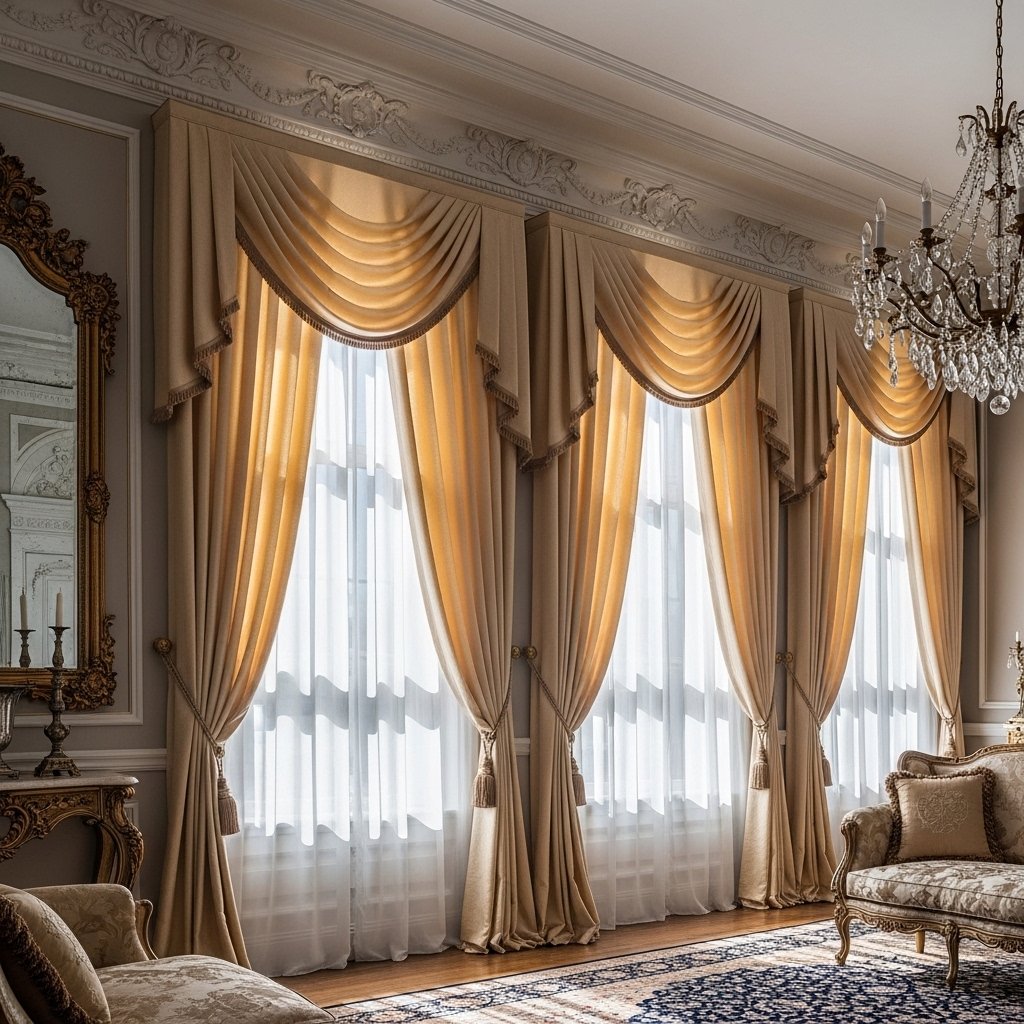
Window treatments in neoclassical living rooms are both functional and decorative. Floor-length curtains in luxurious fabrics add height and drama to the space. Neutral or pastel shades maintain the elegance while allowing natural light to filter through. Layering sheer and heavy drapes provides versatility. This design element enhances the overall sophistication of the room.
11. Refined Decorative Accessories
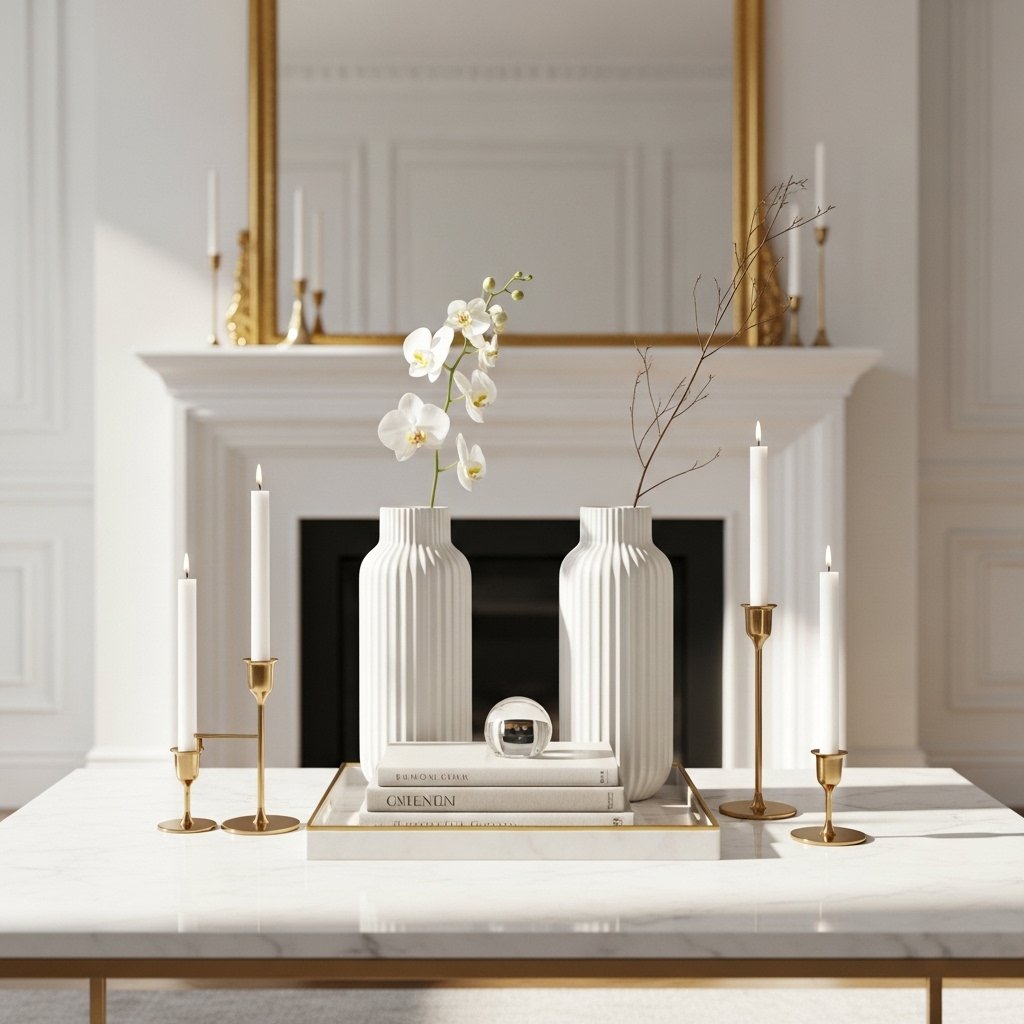
Accessories in neoclassical interiors should be minimal yet impactful. Items like vases, candlesticks, and decorative trays add charm without cluttering the space. Metallic finishes and classic shapes work best for this style. Carefully curated decor enhances the overall aesthetic while maintaining balance. Less is more when it comes to accessorizing a neoclassical living room.
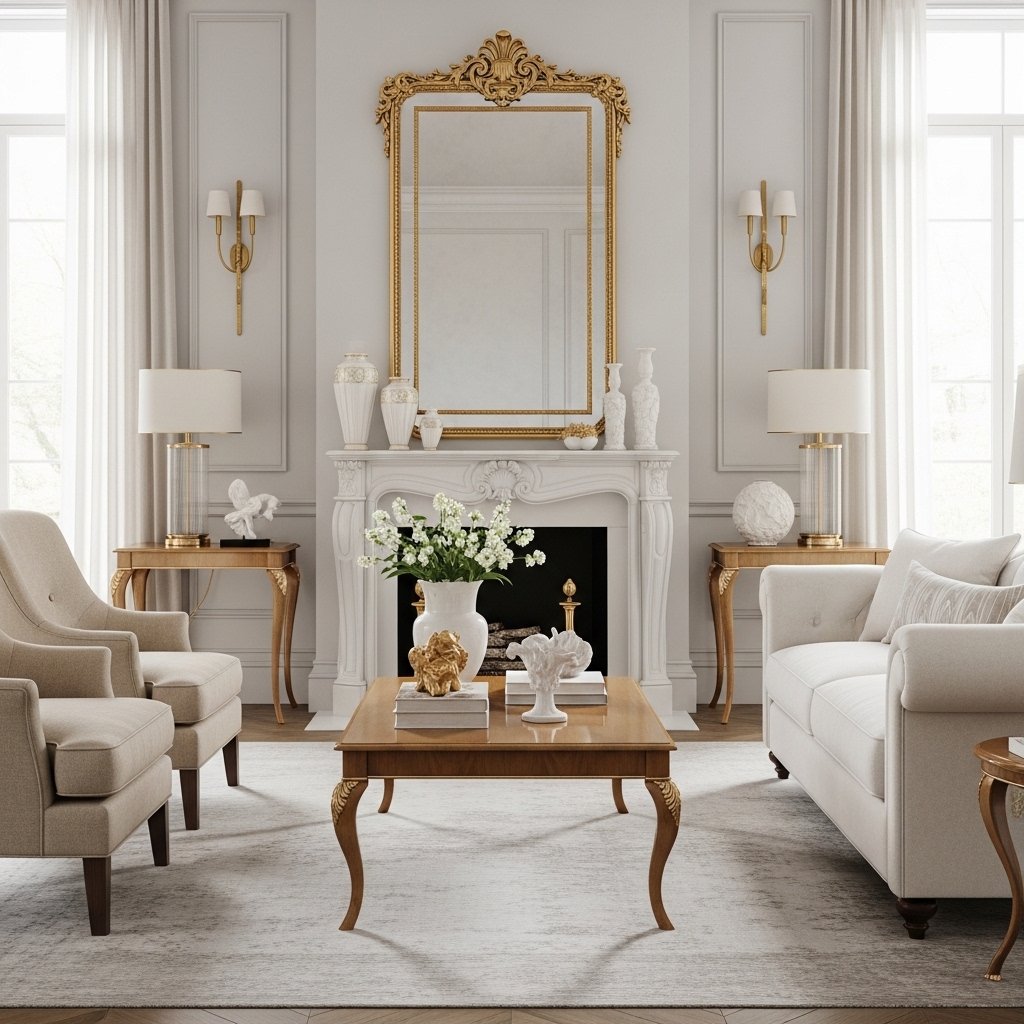
12. Fireplace as a Focal Point
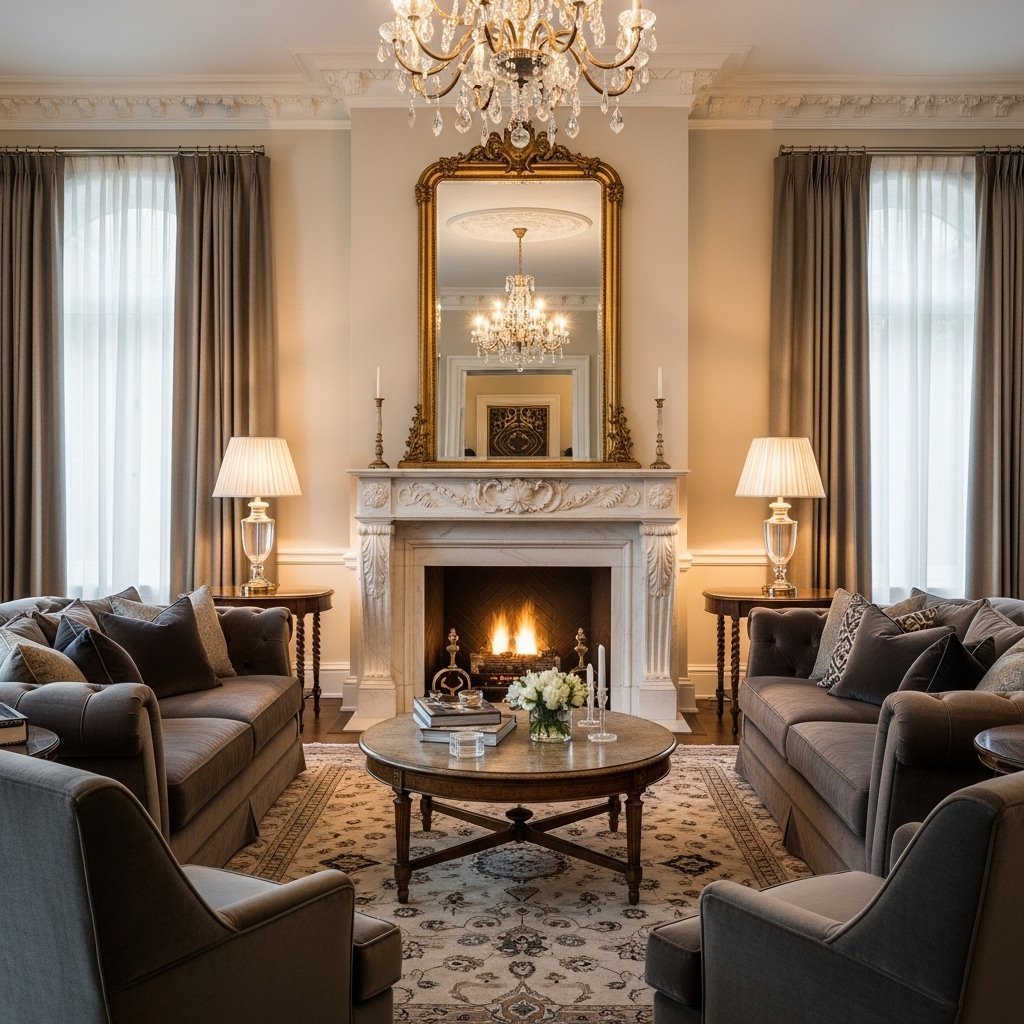
A fireplace often serves as the focal point in neoclassical interior living rooms. Designed with marble or detailed molding, it anchors the entire space. Arranging furniture around the fireplace enhances symmetry and functionality. It creates a cozy yet elegant atmosphere perfect for gatherings. Even in modern homes, a decorative fireplace can achieve this timeless look.
13. How to Care for Neoclassical Living Room
- Keep it Clean – Dust furniture, moldings, and decor regularly to maintain a polished look.
- Protect from Sunlight – Use curtains to prevent fading of fabrics, artwork, and finishes.
- Handle Decor Carefully – Take care of delicate items like vases, frames, and classic pieces.
- Maintain Fabrics – Clean upholstery, curtains, and cushions to keep them fresh and elegant.
- Preserve Details – Check and maintain decorative elements like trims, carvings, and finishes.
13.1. FAQ
13.2. What is a neoclassical living room style❓
A neoclassical living room style is inspired by classic European design, focusing on elegance, symmetry, and timeless beauty. It combines traditional elements like columns, detailed moldings, and refined furniture with a modern, clean look. This style creates a space that feels luxurious, balanced, and sophisticated without being overly heavy or outdated.
13.3. What colors are used in neoclassical living rooms❓
Neoclassical living rooms usually use soft and neutral colors such as white, cream, beige, gray, and light gold. These colors help create a calm and elegant atmosphere. Sometimes, deeper shades like navy blue or dark green are added as accents to bring richness and contrast to the space.
13.4. What furniture suits a neoclassical living room❓
Furniture in a neoclassical living room is usually elegant, well-shaped, and slightly detailed. Sofas and chairs often have curved lines, carved wood, and soft upholstery. Tables and cabinets may include fine finishes like marble tops or polished wood, giving the room a refined and luxurious feel.
14. Final Thoughts
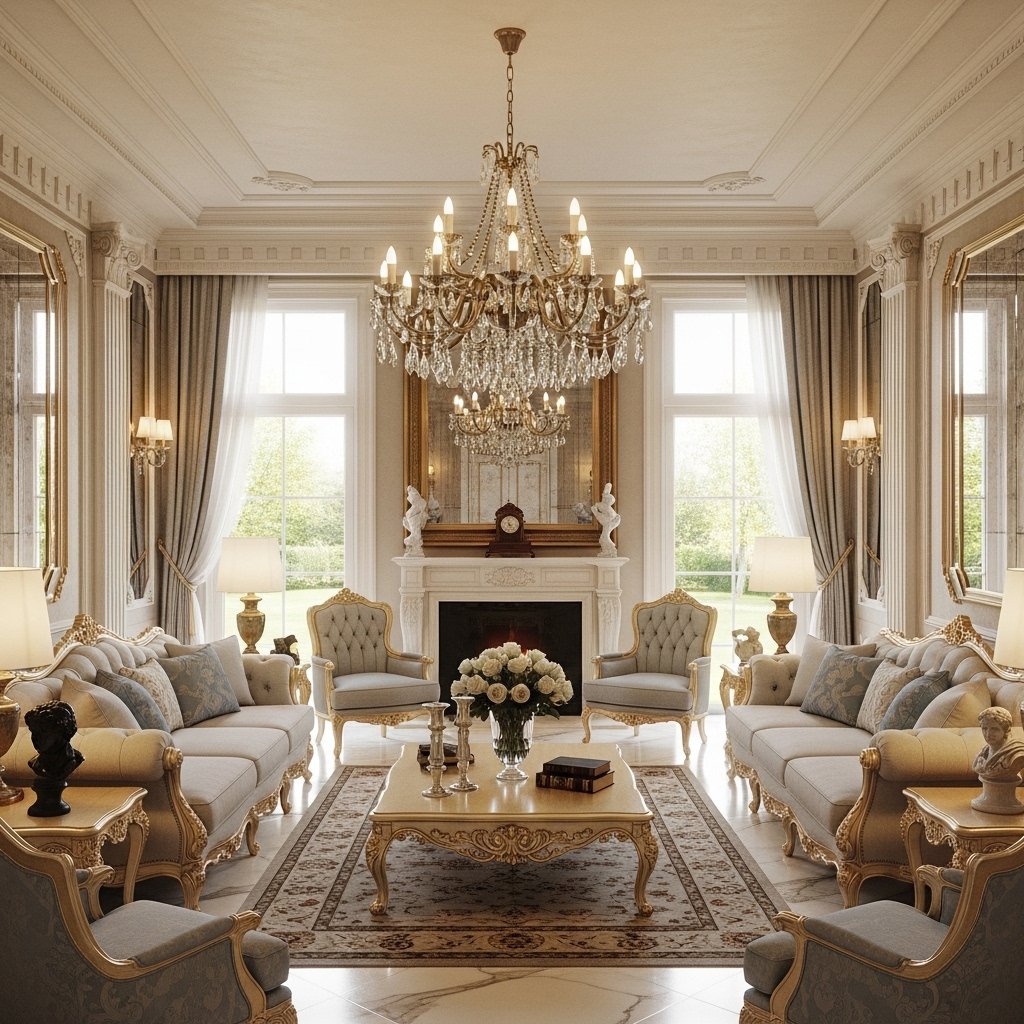
Neoclassical interior living rooms offer a perfect blend of tradition and modern sophistication. By focusing on symmetry, neutral tones, and luxurious materials, you can create a space that feels both elegant and inviting. Each element, from furniture to decor, plays a role in achieving this timeless aesthetic. Whether you prefer subtle touches or a more dramatic approach, this style adapts beautifully to different preferences. With these 12 ideas, you can design a living room that reflects the true essence of neoclassical elegance while remaining functional and comfortable.