Reading Nook for Kids Bedroom: Transform Your Child’s Space Into a Literary Haven
A reading nook for kids bedroom serves as far more than just a place to sit with books—it becomes a sanctuary that sparks imagination, builds confidence, and creates lasting memories associated with the joy of reading. When children have their own dedicated reading space, they’re significantly more likely to develop healthy reading habits that persist into adulthood. The bedroom reading nook becomes a retreat during stressful moments, a place to escape into adventure, and a physical manifestation that reading matters in the household. Designing a reading nook specifically tailored to your child’s personality and preferences transforms a simple corner into something magical. In this article, we’ll explore how to create the perfect reading nook for your child’s bedroom that encourages independent reading and builds genuine love for books.

Understanding Why Kids Bedroom Reading Nooks Matter

Research consistently shows that children with dedicated reading spaces spend significantly more time with books compared to those without. A reading nook signals to children that reading is valued and celebrated in the household, not something parents must force. The privacy and ownership associated with a personal reading space builds confidence and independence in young readers. Creating this space demonstrates tangible investment in your child’s development and interests. A bedroom reading nook often becomes a child’s most treasured spot, valued even more than screen time activities.
Assessing Your Bedroom Space

Before designing your reading nook for kids bedroom, evaluate available space honestly to determine what configurations are realistic. Corner spaces, window areas, under-bed spaces, and even closets can transform into functional reading nooks with creative thinking. Measure dimensions carefully to ensure chosen furniture fits comfortably without dominating the entire room. Consider natural light sources and electrical outlets when positioning the nook. Understanding your specific space constraints allows for designs that actually work rather than aspirational setups that don’t fit.
Choosing the Right Seating Foundation
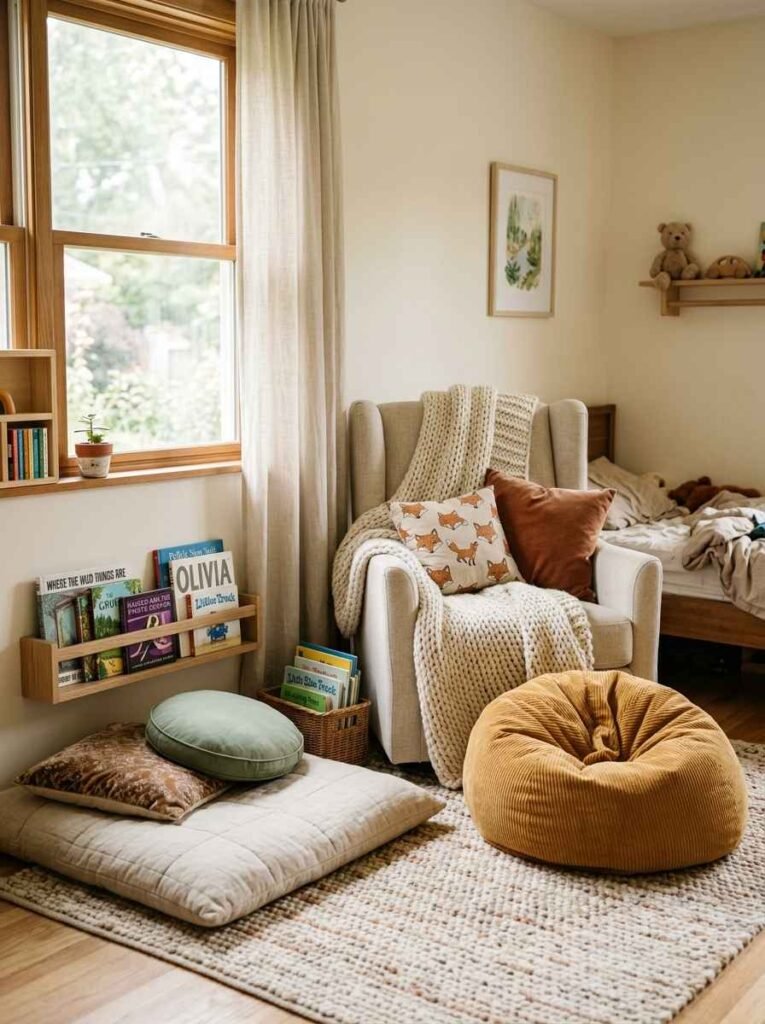
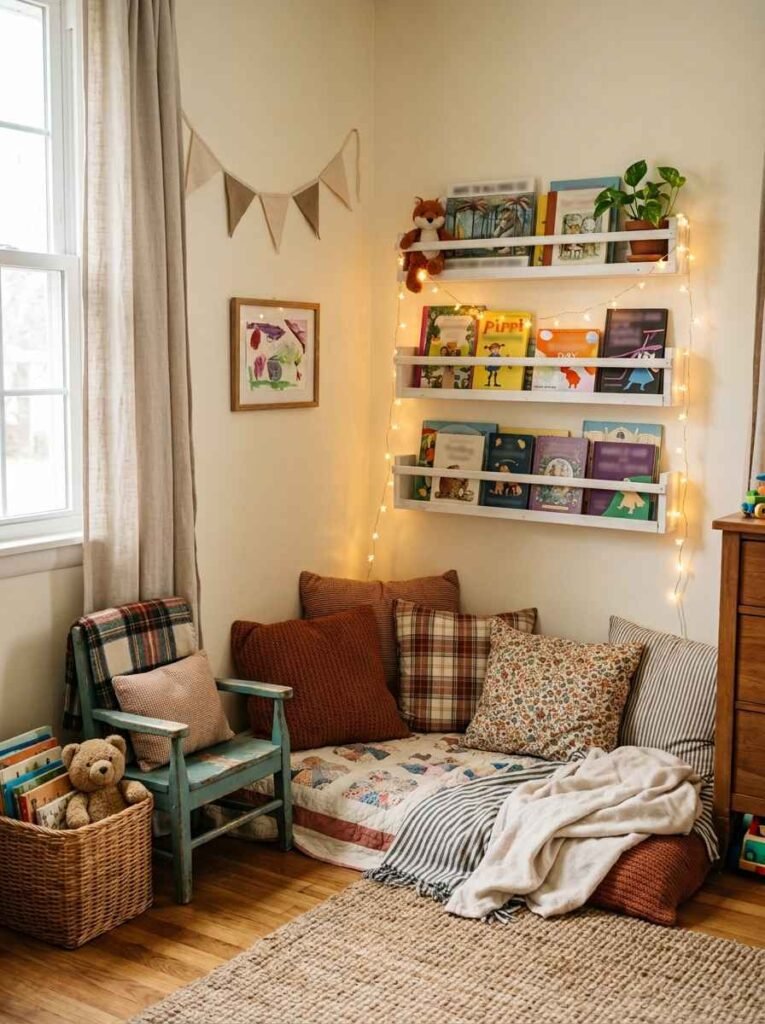
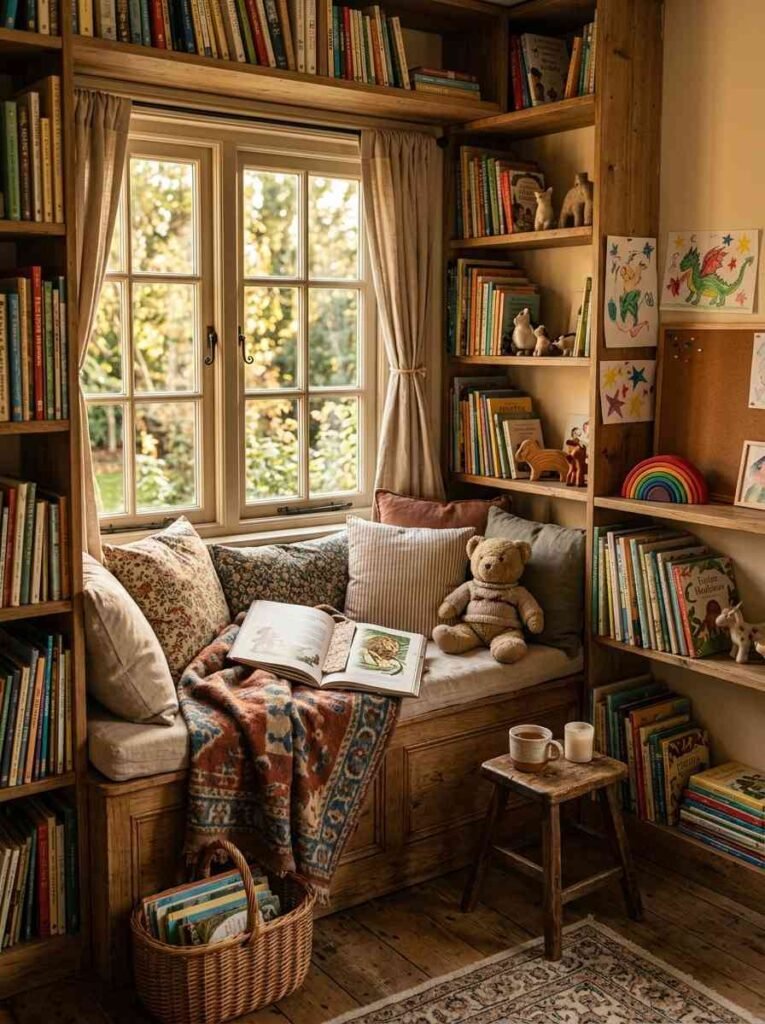
The seating foundation determines whether the reading nook becomes a beloved retreat or an unused corner. Bean bags offer flexible, comfortable seating that accommodates various body positions children naturally assume while reading. Cushions piled in a corner provide soft, adjustable seating that allows children to customize comfort moment by moment. Window seats with built-in cushions offer both comfort and the bonus of natural light and views. Low-profile seating works better for younger children, while older kids often prefer slightly elevated options. The ideal seating should feel genuinely inviting when children peer into the nook, not something they feel obligated to use.
Incorporating Proper Lighting
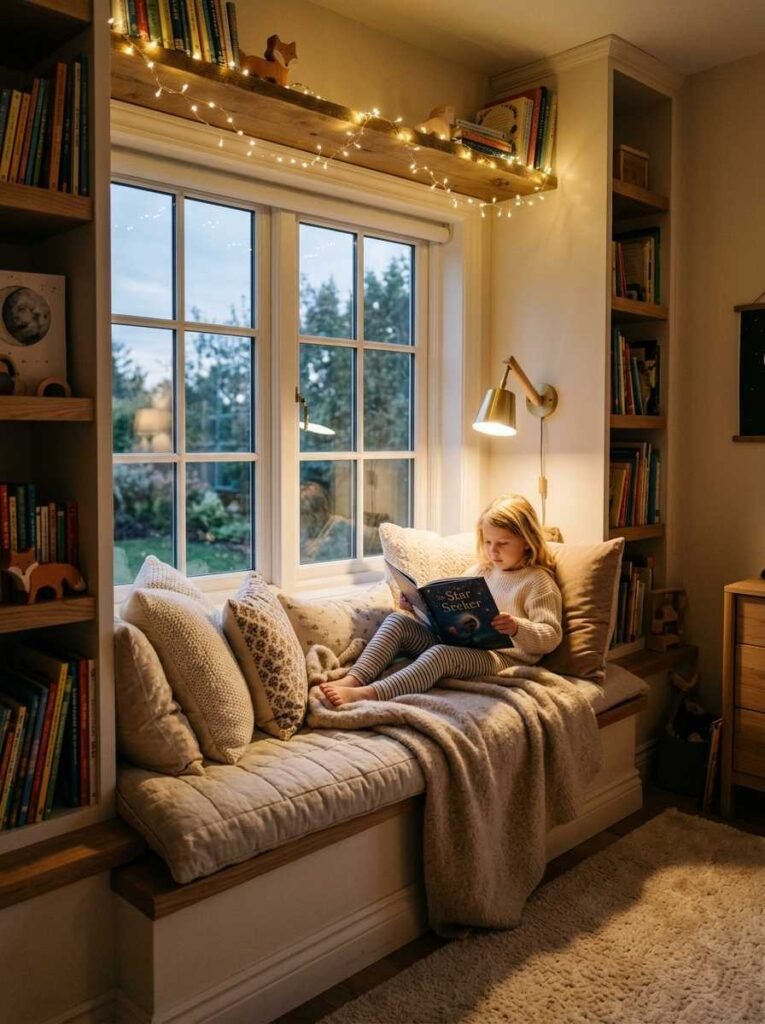
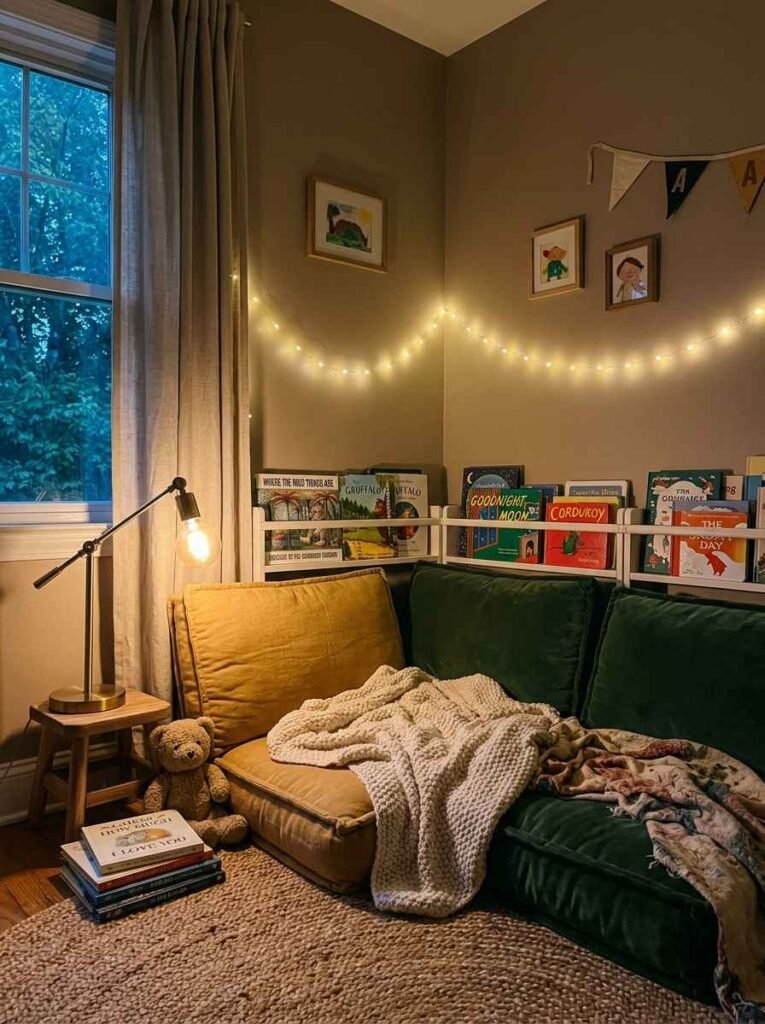
Adequate lighting transforms reading from a frustrating eye-strain experience into something genuinely pleasurable. A combination of task lighting for reading and ambient lighting for atmosphere creates the ideal reading environment. Warm-toned bulbs create a psychologically soothing atmosphere far superior to harsh overhead lighting. String lights or small lamps add enchantment while providing functional illumination. Poor lighting is one of the most common reasons reading nooks remain unused, since children instinctively avoid straining their eyes.
Making Books Easily Accessible
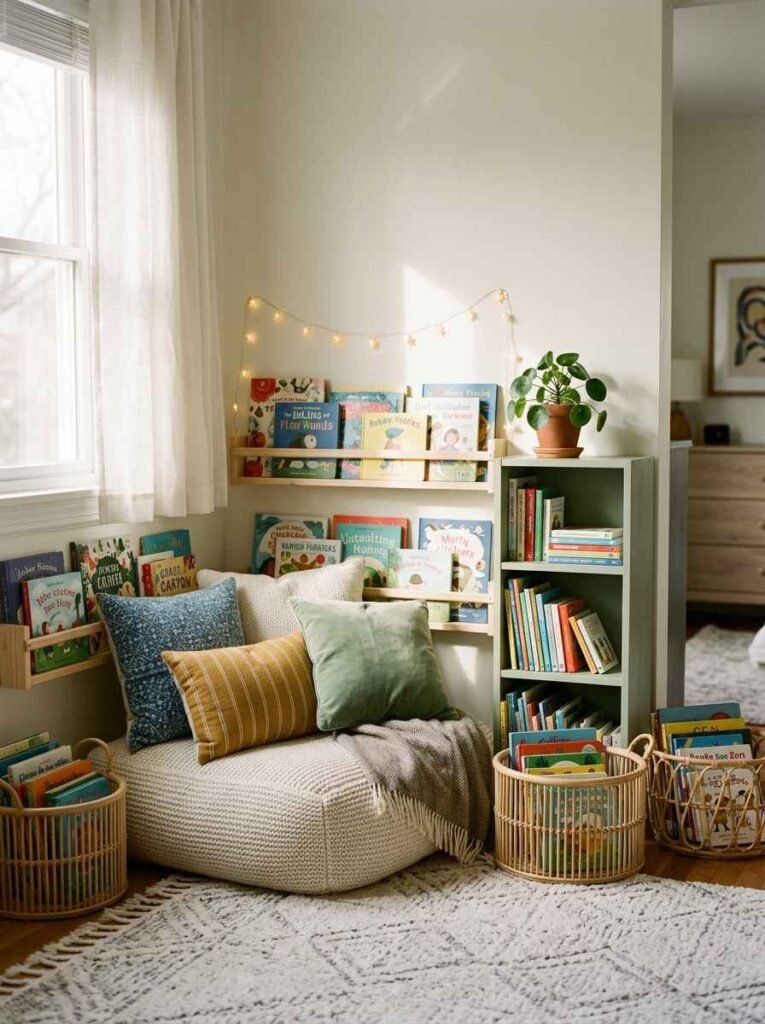
A reading nook loses its appeal if beloved books sit on shelves across the room rather than within arm’s reach. Installing small shelves, using decorative baskets for storage, or positioning the nook near existing bookcases keeps reading material immediately accessible. Children are significantly more likely to pick up another book when options surround them. Organization systems that allow children to easily find and return books encourage independence and responsibility. Accessibility also supports spontaneous book browsing, which often sparks genuine reading interest.
Adding Comfort Elements That Matter
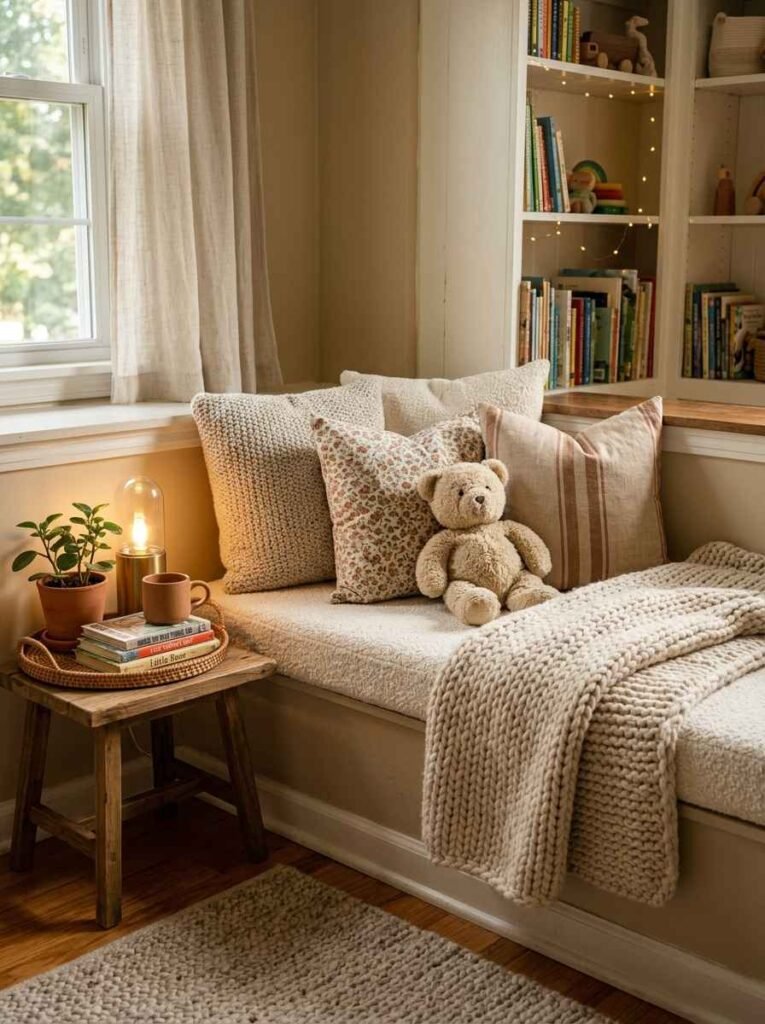
Beyond basic seating, small comfort details determine whether a reading nook feels truly inviting. Soft blankets stored nearby encourage children to burrow in and get cozy. Throw pillows in various sizes and textures add comfort while allowing children to customize their seating. A small side table holds beverages or snacks that make extended reading sessions genuinely sustainable. Stuffed animals or comfort items children already love can occupy the nook alongside reading activities. These comfort elements communicate that the nook is designed specifically for relaxation and enjoyment.
Personalizing Based on Your Child’s Interests
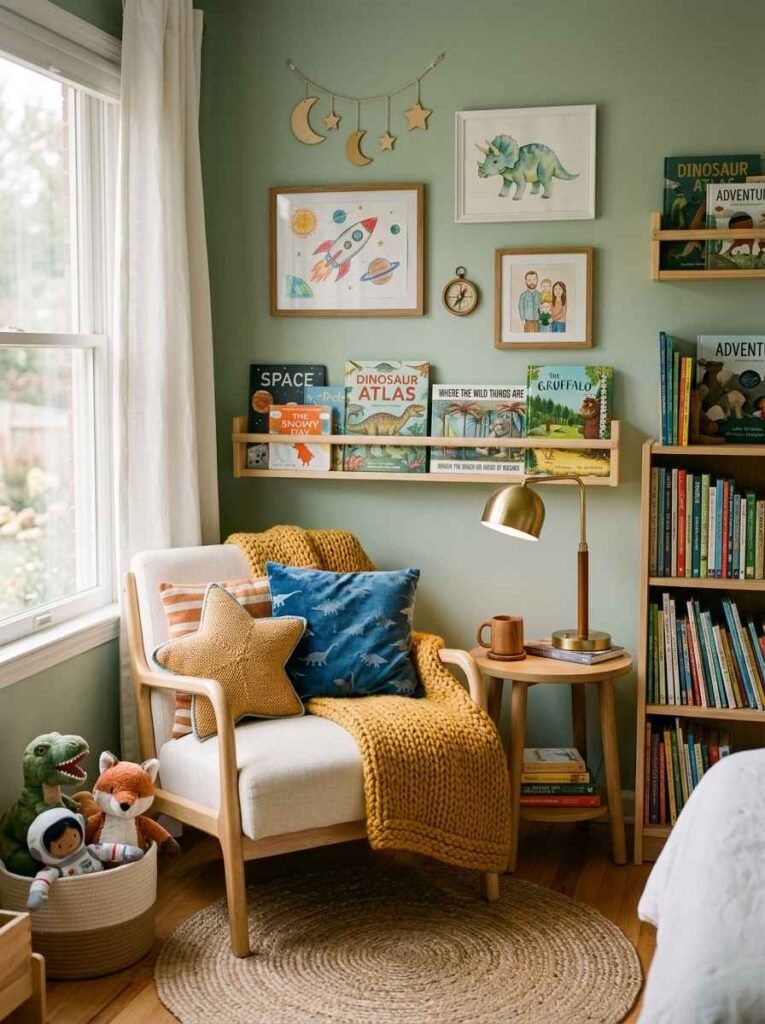
A generic reading nook works adequately, but one reflecting your child’s specific interests becomes something they genuinely treasure. Incorporating favorite colors, beloved characters, or thematic decorations creates personal meaning. Allowing children to help design and decorate increases their investment in the space. Displaying artwork your child creates alongside books celebrates reading and creative expression simultaneously. Personal touches transform a simple reading spot into a sanctuary that feels distinctly theirs.
Maintaining Organization Without Perfection
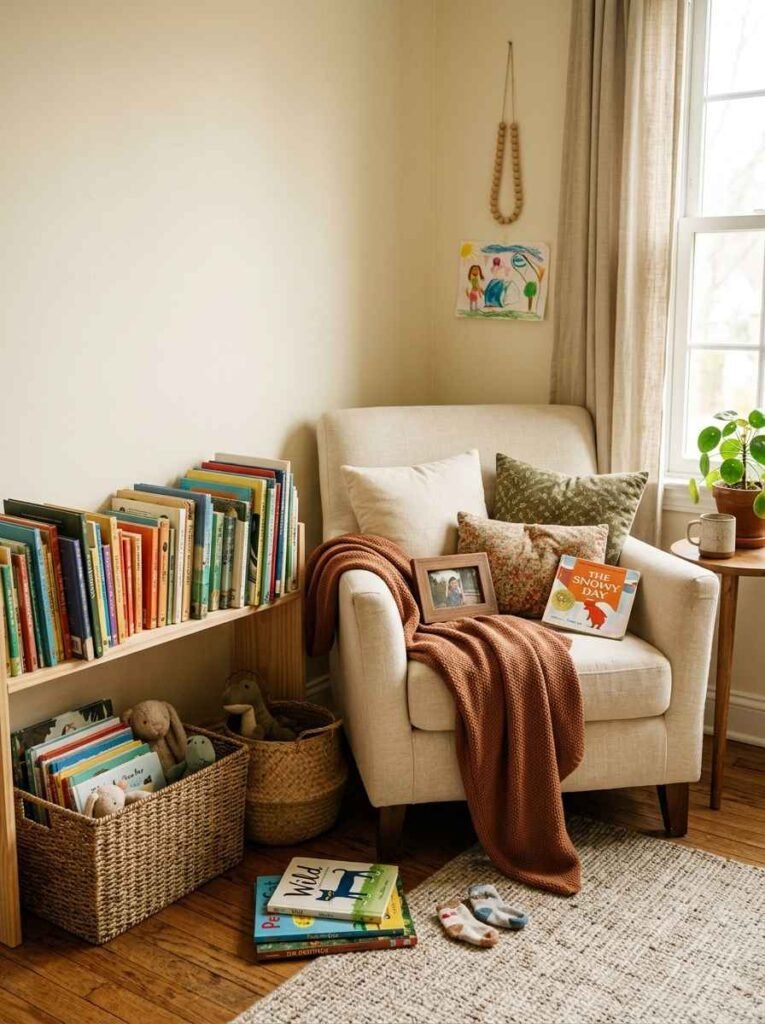
Reading nooks naturally accumulate books, blankets, and comfort items, which can become chaotic without basic organization systems. Clear baskets allow children to see what’s stored while keeping items contained. Rotating books monthly prevents overwhelming accumulation while maintaining novelty. Simple systems children can maintain themselves teach responsibility without requiring parental policing. A slightly lived-in reading nook feels more genuine and inviting than a pristinely staged space. The goal is organized enough to function, not so perfect that children fear using it.
Creating Reading Nook Rituals
A reading nook becomes even more cherished when it’s associated with meaningful family rituals. Reading together in the nook before bed creates bonding while establishing reading as something to anticipate. Allowing quiet time specifically for nook reading signals its importance. Celebrating reading milestones or completed books in the nook creates positive associations. These rituals transform the physical space into something emotionally significant. Children remember not just the nook itself but the rituals and memories created there.
Adapting as Your Child Grows

A reading nook that works perfectly for a six-year-old may need reconfiguration as your child enters teenage years. Allowing the space to evolve with changing tastes and preferences ensures it remains relevant and useful. Storage needs increase as children accumulate more books, requiring periodic reorganization. Allowing teenagers input into design updates prevents the nook from feeling like something parents imposed. Evolution demonstrates that the space is designed for your specific child, not a generic childhood template.
Budget-Friendly Options for Reading Nooks
Creating a wonderful reading nook doesn’t require significant financial investment, though it does require thoughtfulness. Repurposing existing pillows and blankets costs nothing while creating immediate comfort. Thrift stores often have affordable seating options, baskets, and decorative elements. DIY lighting projects using affordable string lights add magic economically. Creating a reading nook proves that genuine love and intention matter far more than spending significant money. Many children’s favorite nooks cost under one hundred dollars to create.
Troubleshooting Reading Nooks That Don’t Get Used

If your reading nook remains unused despite your efforts, investigate why before assuming your child doesn’t enjoy reading. Inadequate lighting, uncomfortable seating, or inaccessible books frequently explain low usage. Sometimes children need time to develop interest, particularly if reading feels like an obligation. Asking your child directly what would make the nook more appealing shows respect for their input. Adjusting based on their feedback demonstrates that the space is genuinely theirs, not something imposed.
Final Thoughts
A reading nook for kids bedroom represents far more than furniture arrangement—it’s an investment in your child’s literacy development, imagination, and personal wellbeing. The physical space signals that reading matters and belongs at the heart of home life. Children with treasured reading nooks develop stronger literacy skills, higher reading engagement, and more positive associations with books. Creating this space demonstrates love and intentionality in ways children deeply internalize. With thoughtful design, genuine attention to your child’s preferences, and willingness to evolve as they grow, a bedroom reading nook becomes something truly special that shapes their relationship with reading for life.