Reading Nook Ideas for Kids: 12 Cozy Spaces to Inspire Young Readers
Creating a dedicated reading nook designed specifically for children encourages a love of books and provides a safe, comfortable retreat where kids can escape into stories and imaginative worlds. Unlike adult reading spaces, children’s nooks need to balance comfort with safety, incorporate fun and engaging design elements, and offer easy access to age-appropriate books at their eye level. A well-designed reading nook can transform a child’s relationship with reading, making it feel less like an obligation and more like a treasured escape. Whether you’re working with a small bedroom corner or a larger playroom space, there are countless ways to create a reading nook that captures children’s imaginations and encourages them to spend more time with books. In this article, we’ll explore 12 reading nook ideas specifically tailored for kids of all ages.
1. Transform an Under-Stairs Alcove into a Hidden Retreat
The space beneath a staircase offers a naturally cozy, cave-like feel that appeals strongly to children seeking a hideaway where they can read undisturbed. Adding soft cushions, a plush rug, and warm lighting transforms this otherwise wasted space into a magical reading destination that feels like a secret clubhouse. The lower ceiling height, while unsuitable for adults, creates an intimate, protective feeling that many children find comforting and conducive to focus and imagination. Installing a small shelf or storage bin nearby keeps books easily accessible without cluttering the cozy reading area itself. This clever use of often-overlooked space is ideal for families with limited square footage or those looking for a unique, memorable reading spot that children will genuinely want to use regularly.
2. Create a Tent or Canopy Reading Space
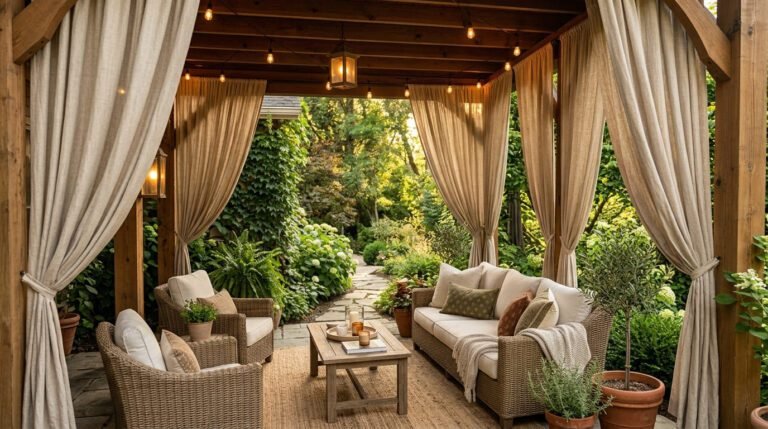
Draping fabric from the ceiling or using a lightweight play tent instantly creates a cozy, enclosed reading space that appeals to children’s love of forts and secret hideaways. A sheer curtain or lightweight fabric creates an airy feel while still providing that sense of privacy and enclosure children crave, while a more opaque fabric offers a darker, more dramatically enclosed space. Battery-operated string lights strung inside the tent add ambient lighting without any safety concerns associated with electrical cords in a child’s space. This flexible setup allows kids to help decorate their reading nook, fostering a sense of ownership and pride in the space. A tent or canopy reading nook is particularly appealing to younger children who are drawn to imaginative, fort-like spaces.
3. Use a Hanging Hammock or Swing Chair
Installing a hanging hammock or suspended swing chair offers a unique, gently moving reading spot that many children find both comfortable and engaging for longer reading sessions. The gentle motion can have a calming effect, helping children focus on their books while enjoying the novelty of reading in a non-traditional seating position. Before installation, confirm that your ceiling can safely support the weight of both the chair and child, and ensure there’s adequate clearance for safe swinging. Pairing the hanging chair with a small side table or shelf for holding books and a drink makes the space fully functional without sacrificing comfort. This option appeals particularly to children who struggle with traditional sitting positions or benefit from gentle movement while concentrating.
4. Design a Window Seat Reading Nook
If your child’s bedroom features a window with a deep sill, adding a thick cushion or built-in bench transforms this naturally appealing spot into an ideal reading location with natural light and a view. Window seats offer the bonus of natural light during daytime reading, reducing eye strain and creating a bright, cheerful atmosphere. Adding throw pillows and a soft blanket creates an inviting, cozy feel while keeping the space functional and easy to maintain. This approach works particularly well in older homes with architectural features that lend themselves naturally to window seat creation. A window seat reading nook offers timeless appeal and genuine functionality that grows with the child across multiple age stages.
5. Incorporate a Bookshelf as a Room Divider
Using a tall bookshelf to create a semi-private reading corner within a larger room provides visual separation without completely isolating the child from the rest of the household. Mounting floating shelves low enough for children to reach independently encourages them to select books on their own, fostering reading independence and decision-making. The bookshelf itself becomes both functional storage and a visual boundary, helping define the reading nook as a distinct, purposeful space. This approach works well in shared bedrooms or open-concept playrooms where creating a fully separate room isn’t possible. A bookshelf divider balances privacy with the ability for parents or siblings to monitor the space nearby.
6. Create a Floor Cushion and Pillow Pit
Filling a corner with soft floor cushions, oversized pillows, and a plush rug creates a comfortable, informal reading space that children find irresistibly inviting. This setup encourages active participation in selecting and arranging their own seating arrangement, fostering a sense of ownership and personalization. Floor cushions are easily rearranged based on the child’s needs, whether they want to sit up straight or lounge while reading. This informal, cushion-based approach also accommodates children of different ages and sizes simultaneously, making it great for households with multiple kids. The flexibility and low cost of this setup make it an ideal option for families wanting to create a reading nook without significant investment or permanent changes to the room.
7. Paint an Accent Wall in a Calming Color
Choosing a calming, child-friendly color like soft sage green, pale blue, or warm beige for the reading nook’s accent wall sets a soothing backdrop for the reading space without overwhelming younger children with overly bold or stimulating hues. This simple paint refresh instantly transforms the space and signals to children that this corner is specifically designed for their reading enjoyment. Soft, muted tones also remain appealing as children grow older, avoiding the dated feel that bright primary colors can sometimes develop. This relatively inexpensive update makes a significant visual impact while being easy to change later if desired. An accent wall creates a defined visual boundary for the reading nook without requiring structural changes or extensive decorating.
8. Install Child-Friendly Lighting
Incorporating a combination of lighting options, including a soft overhead fixture, a reading lamp with adjustable brightness, and perhaps battery-operated string lights, ensures the reading nook is well-lit without being harsh or overly bright. Adjustable lighting allows children to customize the ambiance based on their mood and time of day, teaching them about creating comfortable environments for different activities. Avoiding exposed bulbs or cords in areas where young children play is essential for safety and peace of mind. Warm-toned bulbs tend to create a cozier, more inviting atmosphere than cool white light, encouraging children to spend time in the space. Thoughtful lighting design transforms a reading nook from merely functional to genuinely welcoming and comfortable.
9. Add Storage for Easy Book Access
Incorporating low shelves, rolling carts, or small bookcases at child height makes it easy for kids to independently select and return books without requiring adult assistance or climbing. Organizing books by color, theme, or reading level helps children navigate the collection and discover new favorites more easily. Open storage solutions that allow children to see book covers are more appealing and engaging than closed bins that hide the books completely. Clear labeling or picture labels on storage areas helps younger children understand where books belong, encouraging them to help maintain the space. Making books easily accessible is one of the most important elements of encouraging independent, regular reading habits in children.
10. Incorporate a Soft, Washable Rug
Placing a plush, washable rug in the reading nook defines the space, adds comfort, and creates a cozy atmosphere that children associate with relaxation and reading. Rugs also help dampen sound, creating a quieter microenvironment that reduces distractions and makes the space feel more separate from the rest of the household. Choosing a rug in a soft color or subtle pattern ensures it complements rather than competes with other design elements in the nook. The washable quality is especially important in children’s spaces, where spills and messes are inevitable and easy cleanup is essential. A quality rug is a practical investment that significantly enhances both the comfort and visual appeal of any reading nook.
11. Personalize with Artwork and Decorative Elements
Displaying artwork created by the child, framed prints of beloved book characters, or motivational reading quotes helps personalize the space and make it feel distinctly theirs. Allowing children to participate in selecting decorative elements, whether artwork or accessories, fosters a sense of ownership and pride in their reading nook. Rotating artwork seasonally or as the child’s interests evolve keeps the space feeling fresh and engaging without requiring major changes. Personal touches transform a generic reading corner into a genuinely special, individual space that reflects the child’s unique personality and interests. This personalization often becomes one of the most meaningful aspects of the reading nook for children.
12. Set Reading Goals and Display Progress
Creating a simple visual tracker for reading goals, such as a chart showing books read or a bookmark counter, gamifies the reading experience and provides motivation for children to spend more time with books. Celebrating milestones and progress, whether through small rewards or simply acknowledging achievements, reinforces positive reading habits. Displaying completed books prominently, such as on a special shelf or in a decorated jar, creates a tangible sense of accomplishment that keeps children motivated. This approach teaches children about goal-setting and persistence while making reading feel like an exciting challenge rather than an obligation. Incorporating progress tracking into the reading nook’s design turns the space into a center for celebrating and encouraging the child’s reading journey.
Final Thoughts
Creating a reading nook designed specifically for kids offers far more than just a comfortable place to read; it sends a powerful message that books and reading are valued and important in your household. These 12 ideas prove that even small, budget-friendly changes can transform a corner into a space children genuinely want to use regularly. A well-designed reading nook can spark a lifelong love of books and provide a safe, personal retreat during childhood’s busy, sometimes overwhelming moments. Whether you opt for a simple cushion arrangement or a more elaborate canopy setup, the most important element is making the space feel special and distinctly theirs. With these ideas in mind, you can create a reading nook that becomes one of your child’s favorite places in the entire home.