Small Sectional Sofa Ideas: 12 Stylish Ways to Make the Most of a Small Space
Introduction
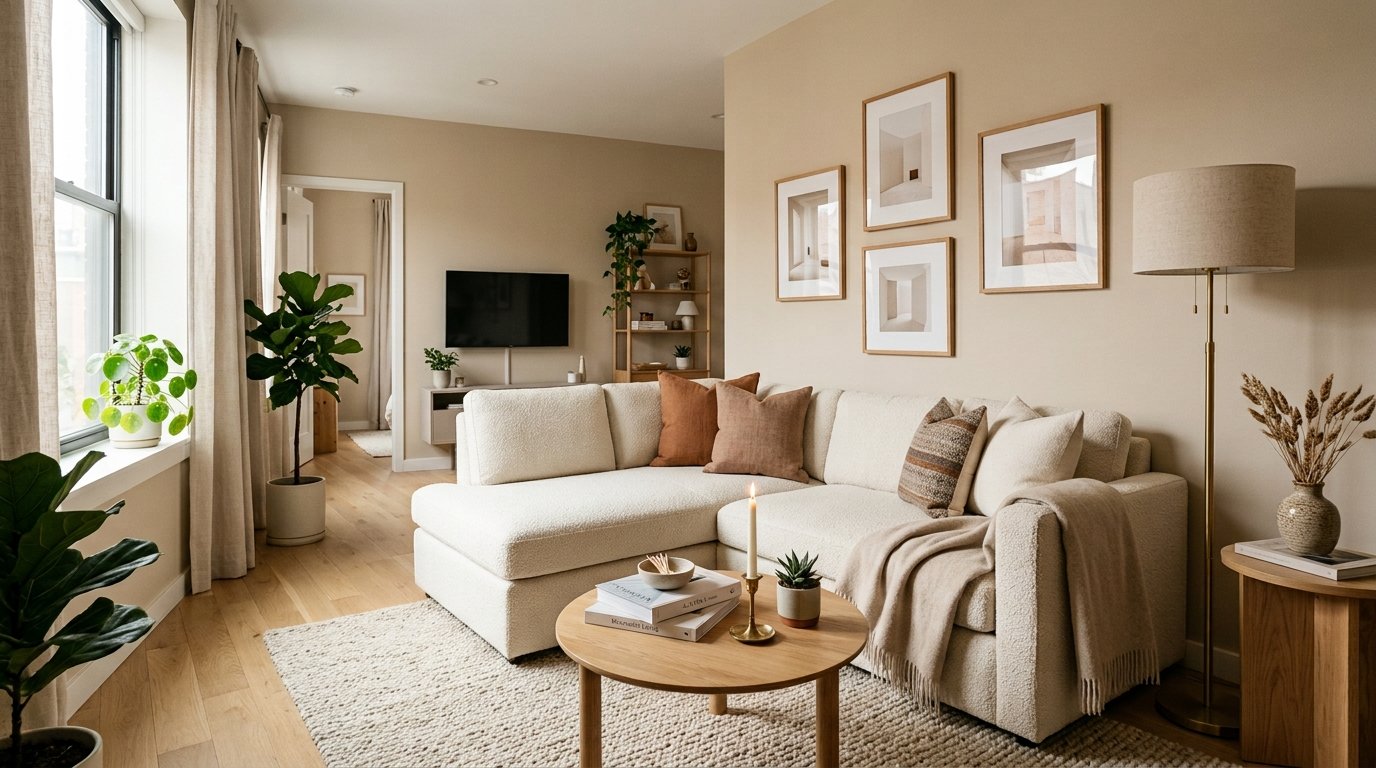
A small sectional sofa can completely transform a compact living room by providing comfortable seating without taking over the entire space. Unlike a traditional sofa paired with multiple chairs, a sectional combines seating into one cohesive piece that can make a room feel organized and inviting. The right small sectional sofa can work beautifully in apartments, condos, studios, family rooms, and other spaces where every square foot matters. With thoughtful placement, the right color, and a space-conscious design, even a compact sectional can become the centerpiece of a stylish living room.
Choosing furniture for a smaller room does not mean sacrificing comfort or personality. Today’s small sectional sofas come in many silhouettes, fabrics, configurations, and styles, making it easier to find an option that fits both your floor plan and decorating aesthetic. From cozy L-shaped designs to modern modular sectionals, there are plenty of ways to create a comfortable seating area without making the room feel crowded. Below are 12 small sectional sofa ideas to inspire a beautiful and functional space.
1. Compact L-Shaped Small Sectional Sofa
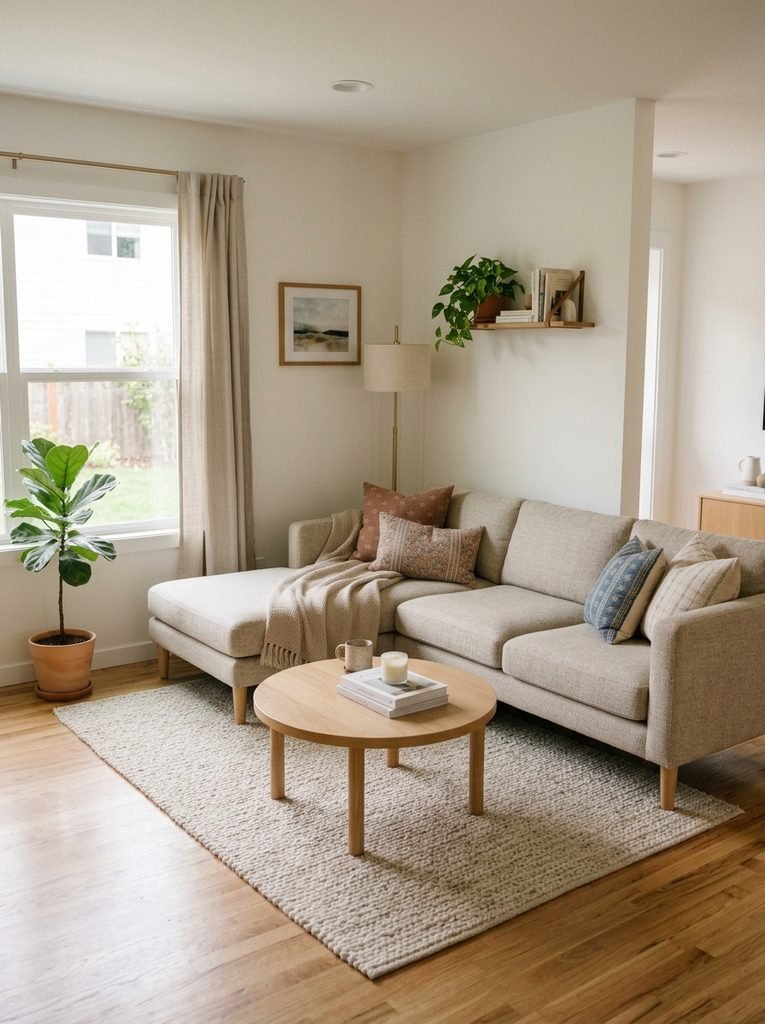
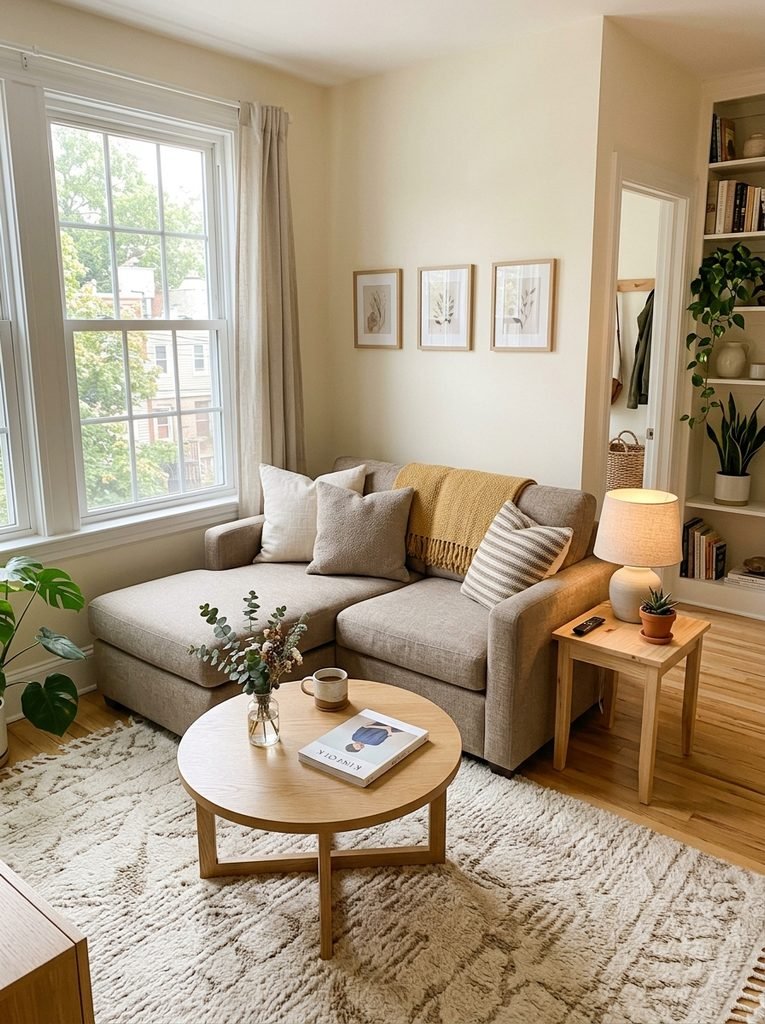
A compact L-shaped sectional sofa is one of the most practical choices for a small living room. Its corner-friendly shape allows you to use an otherwise difficult area while keeping the center of the room open for movement. Place the longer side along the main wall and position the chaise or shorter section toward the room’s natural focal point. This arrangement can create a defined seating area without requiring several separate furniture pieces.
When choosing an L-shaped sectional, pay close attention to its overall dimensions and arm width. Slim arms and a streamlined frame can provide more usable seating space while taking up less visual and physical room. A neutral upholstery color such as cream, beige, light gray, or warm taupe can also make the sectional feel less bulky. Add a compact coffee table and a textured area rug to complete the arrangement without overcrowding the floor.
2. Small Sectional Sofa With Chaise
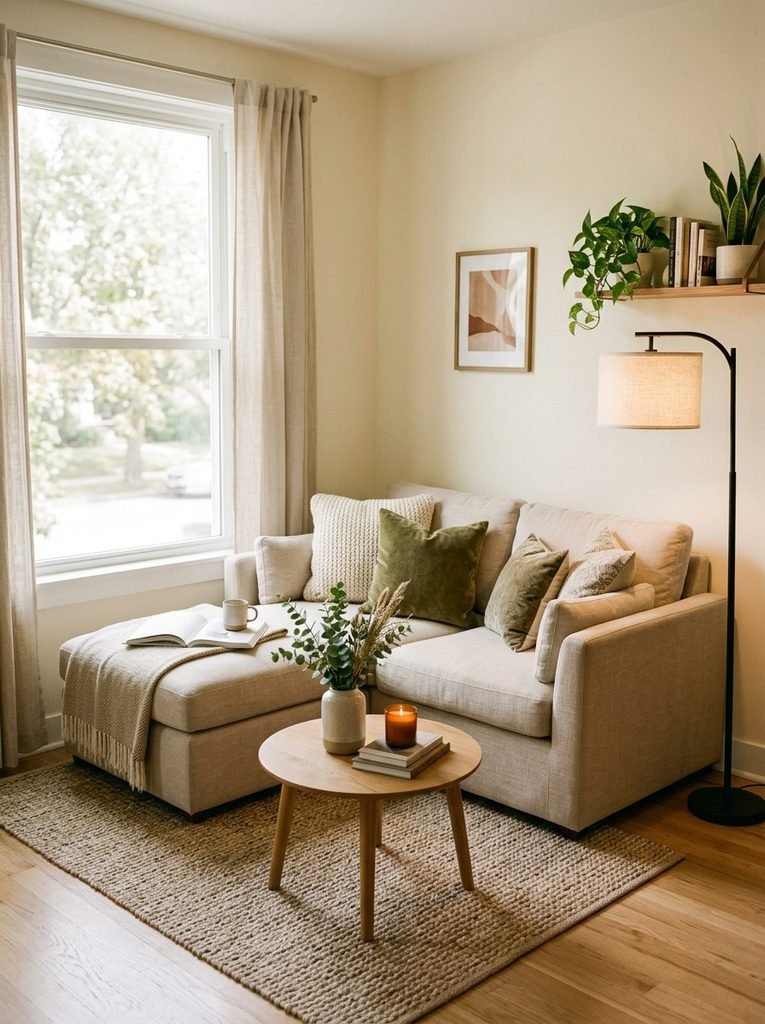
A small sectional sofa with a chaise is perfect if you want the comfort of a lounging area but have limited floor space. The chaise provides a place to stretch out, read, watch television, or relax without needing a separate ottoman or recliner. For particularly small rooms, look for a sectional with a relatively shallow depth and a chaise that does not extend too far into the walking path. This gives you the benefits of a lounge-style sofa while maintaining better circulation throughout the room.
The chaise can also help establish the visual layout of an open-concept space. Position it toward a window, television, fireplace, or another focal point depending on how the room is used. A round coffee table can soften the straight lines of the sectional while making movement around the seating area easier. Finish the look with a floor lamp and a few pillows for a cozy but uncluttered atmosphere.
3. Small Modular Sectional Sofa
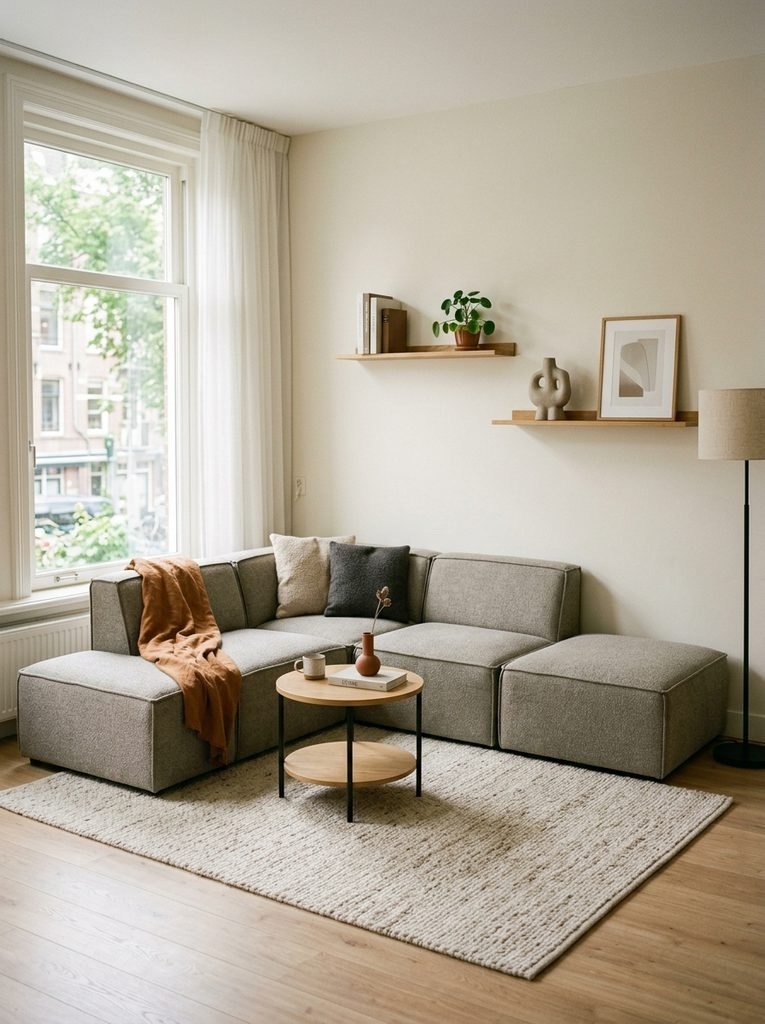
A modular sectional sofa is an excellent solution for people who want flexibility in a small home. Individual pieces can often be rearranged to accommodate different room layouts, entertaining needs, or future moves. This adaptability makes a modular sectional particularly useful in apartments and multipurpose living spaces. Instead of committing to one permanent configuration, you can adjust the arrangement as your needs change.
Look for modular designs with compact individual sections rather than oversized deep-seat modules. Low-profile frames and clean lines can help the furniture feel contemporary without visually overwhelming the room. You can arrange the pieces into an L shape, a compact straight sofa, or another configuration that works with your floor plan. This flexibility allows one furniture investment to serve several purposes over time.
4. Small Sectional Sofa for Apartment Living
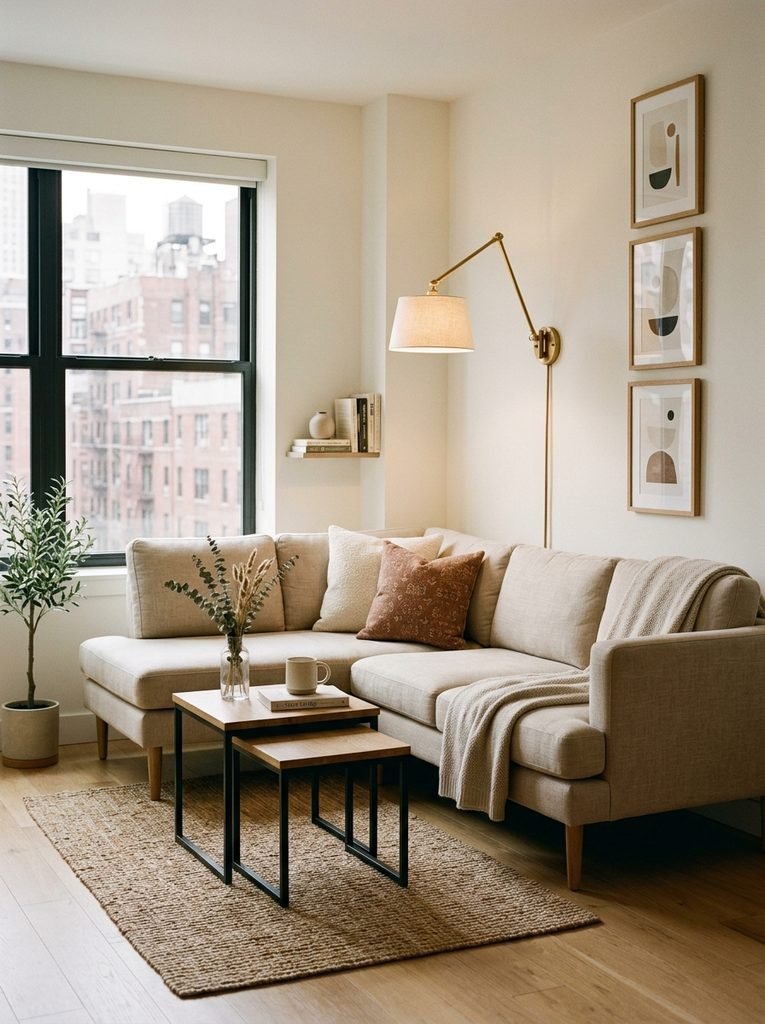
Apartment living often requires furniture that provides maximum function without consuming valuable floor space. A small sectional sofa can be a smart alternative to a standard couch and separate accent chair because it combines multiple seats into one footprint. Choose a design with a narrow profile, raised legs, and moderate depth to help maintain an airy appearance. Before purchasing, measure doorways, elevators, hallways, and stairwells as well as the room itself.
For a stylish apartment setup, pair a compact sectional with a small nesting coffee table that can be separated when guests arrive. Wall-mounted lighting can also save floor space that would otherwise be used by table or floor lamps. Keep surrounding furniture minimal and use vertical wall decor to draw the eye upward. The result is a comfortable living room that feels intentional rather than packed with furniture.
5. Small Sectional Sofa for a Cozy Living Room
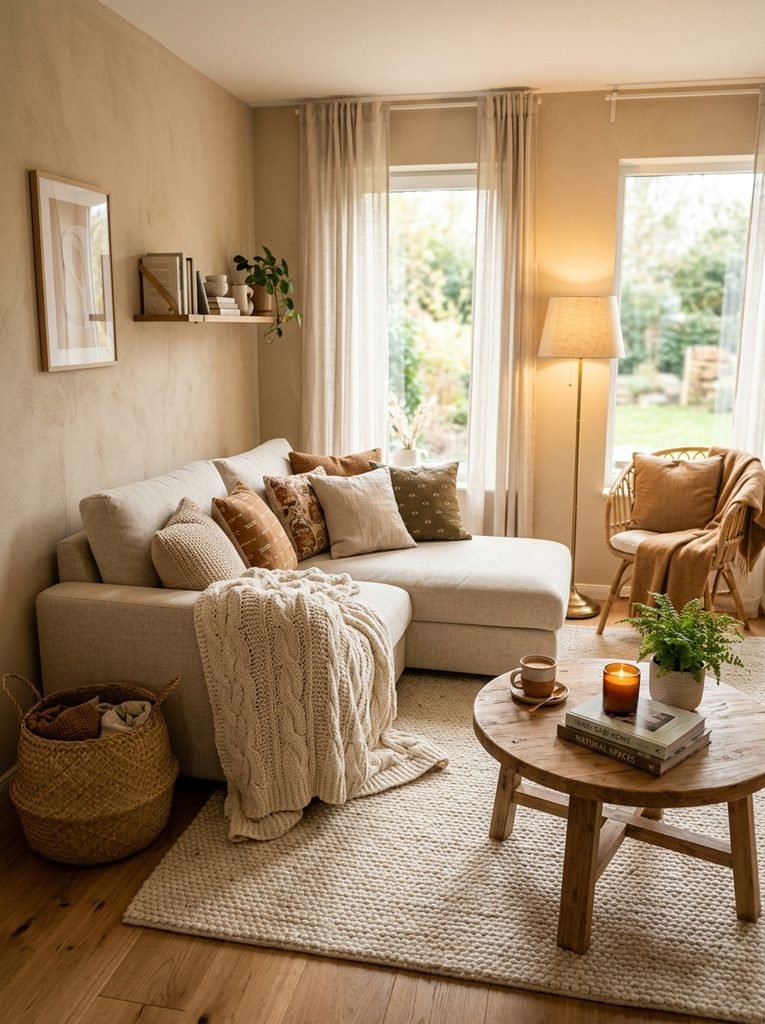
A small sectional sofa can make a cozy living room feel even more inviting when layered with warm textures and soft lighting. Choose a comfortable silhouette with enough depth for relaxing but avoid extremely oversized cushions that can visually dominate the room. Warm neutral upholstery works particularly well with natural wood, woven baskets, soft rugs, and layered textiles. This combination creates a relaxed atmosphere without requiring a large amount of furniture.
Place the sectional against two walls or in a corner whenever the floor plan allows it. This leaves more open space in the center and creates a natural zone for conversation and relaxation. Add a compact ottoman or small round table instead of a large rectangular coffee table if space is especially limited. A few carefully chosen cushions and a cozy throw can complete the look without creating visual clutter.
6. Modern Small Sectional Sofa
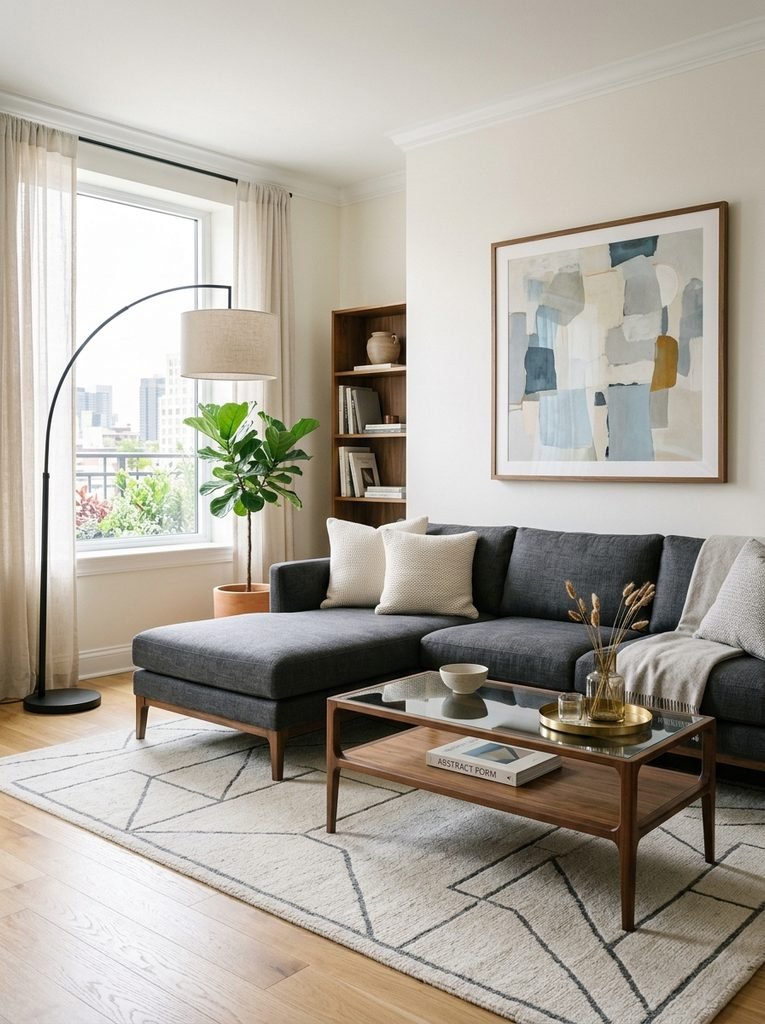
For a contemporary interior, consider a modern small sectional sofa with clean lines and a simple silhouette. Low-profile seating, straight edges, and minimal detailing can give a compact room a sophisticated appearance. Choose upholstery in cream, charcoal, soft gray, beige, or another understated shade that complements the rest of the room. Pair the sofa with a sleek coffee table and minimal decor to maintain the modern aesthetic.
Raised sofa legs can be especially useful in smaller rooms because they allow more of the floor to remain visible underneath the furniture. This creates a subtle sense of openness that can make the room appear larger. Avoid pairing a streamlined sectional with too many bulky accessories or oversized furniture pieces. Instead, use one statement light fixture, a simple rug, and a few sculptural accents to create a polished space.
7. Small Sectional Sofa for a Narrow Living Room
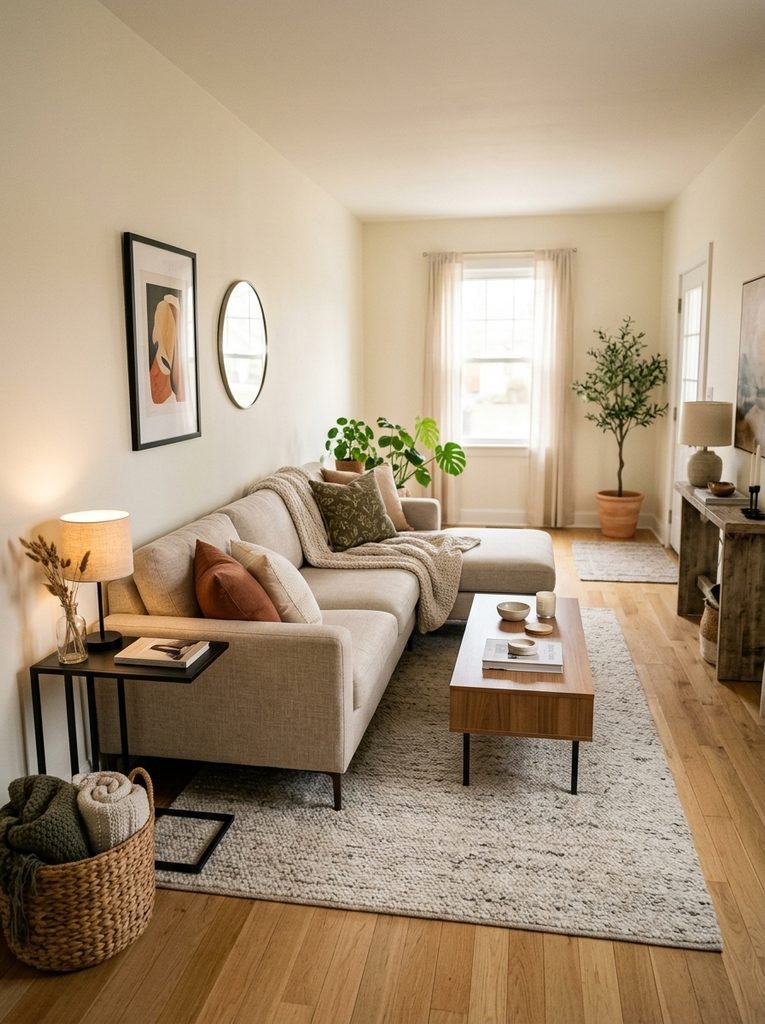
Narrow living rooms require careful furniture placement, making a compact sectional particularly useful when selected correctly. Choose a sectional with a relatively shallow seat and a configuration that follows the longest wall of the room. This can maximize seating while preserving a walkway along the opposite side. Avoid placing large additional chairs in the same area because they can make the narrow room feel congested.
A small sectional with a chaise can also work well in a narrow space if the chaise is positioned carefully. Before buying, use painter’s tape on the floor to mark the sofa’s proposed dimensions and check how much walking space remains. A narrow rectangular coffee table or slim side table can provide functionality without blocking circulation. Keep the surrounding decor simple so the room feels open and balanced.
8. Small Sectional Sofa With Storage
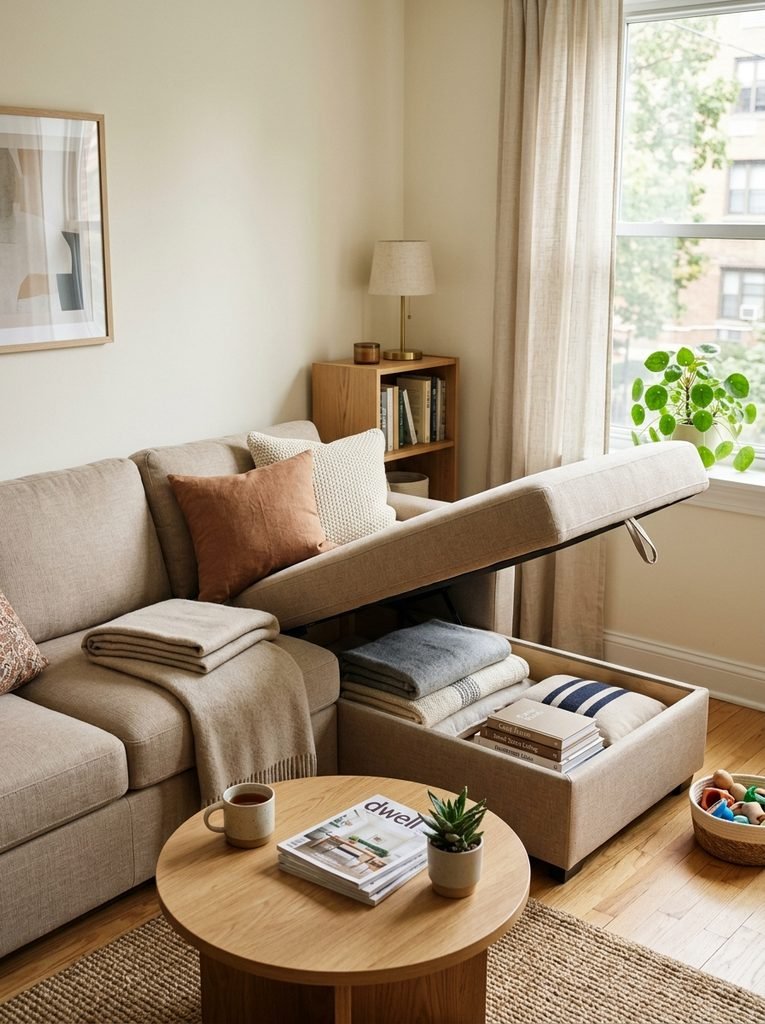
A small sectional sofa with built-in storage can provide an extra layer of functionality in a compact home. Hidden compartments beneath a chaise or ottoman can store blankets, pillows, books, toys, or other living room essentials. This is especially useful when there is limited closet or cabinet space available. By combining seating and storage, the sectional can help reduce the need for additional storage furniture.
When selecting a storage sectional, make sure the storage compartment is easy to access in the actual room layout. A chaise that lifts from the top may need enough clearance to open fully, while drawer-style storage requires room in front of the sofa. Choose upholstery that complements your existing furniture so the sectional feels integrated rather than purely functional. A tidy room with hidden storage will naturally feel more spacious and relaxing.
9. Small Sectional Sofa in a Neutral Color
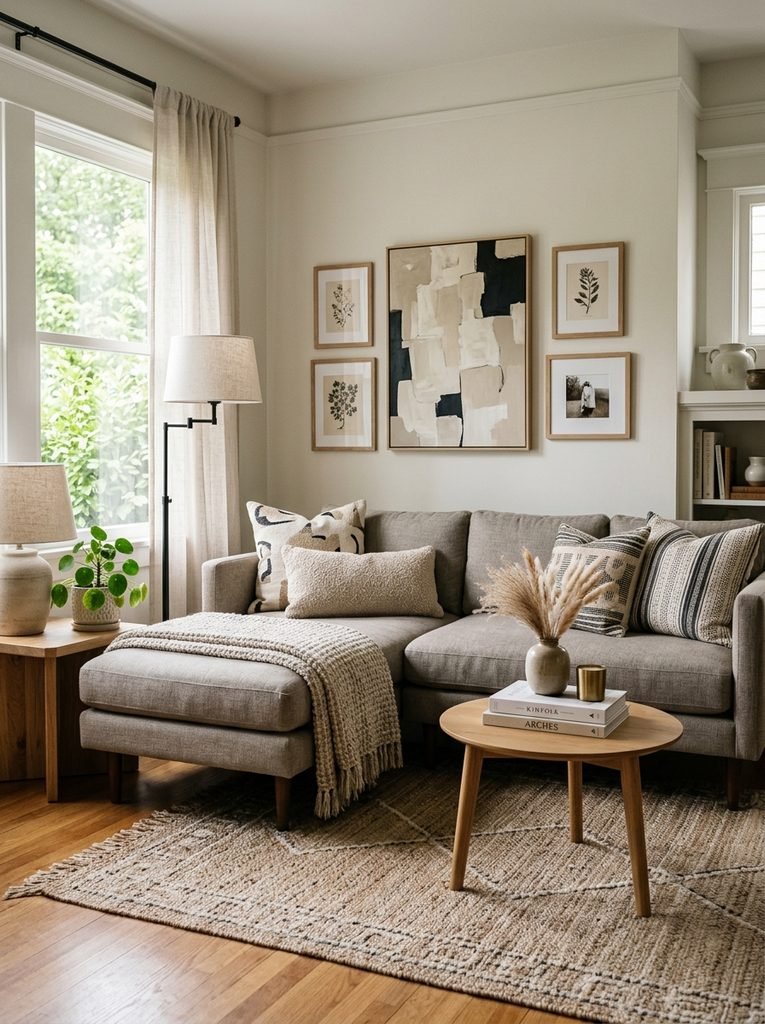
A neutral small sectional sofa can create an airy foundation for a compact living room. Shades such as ivory, beige, greige, light gray, and warm taupe tend to blend naturally with surrounding walls and flooring. This can make the sofa feel less visually heavy than a very dark or highly patterned piece. Neutral upholstery also gives you more flexibility when changing pillows, rugs, artwork, and seasonal accessories.
To keep a neutral sectional from looking plain, introduce texture through boucle, linen-look fabric, woven throws, patterned cushions, or a tactile area rug. Natural wood furniture can add warmth, while black or metallic accents can provide contrast. You can also introduce a muted accent color through artwork or decorative objects. This creates a layered room without overwhelming the limited space.
10. Small Curved Sectional Sofa
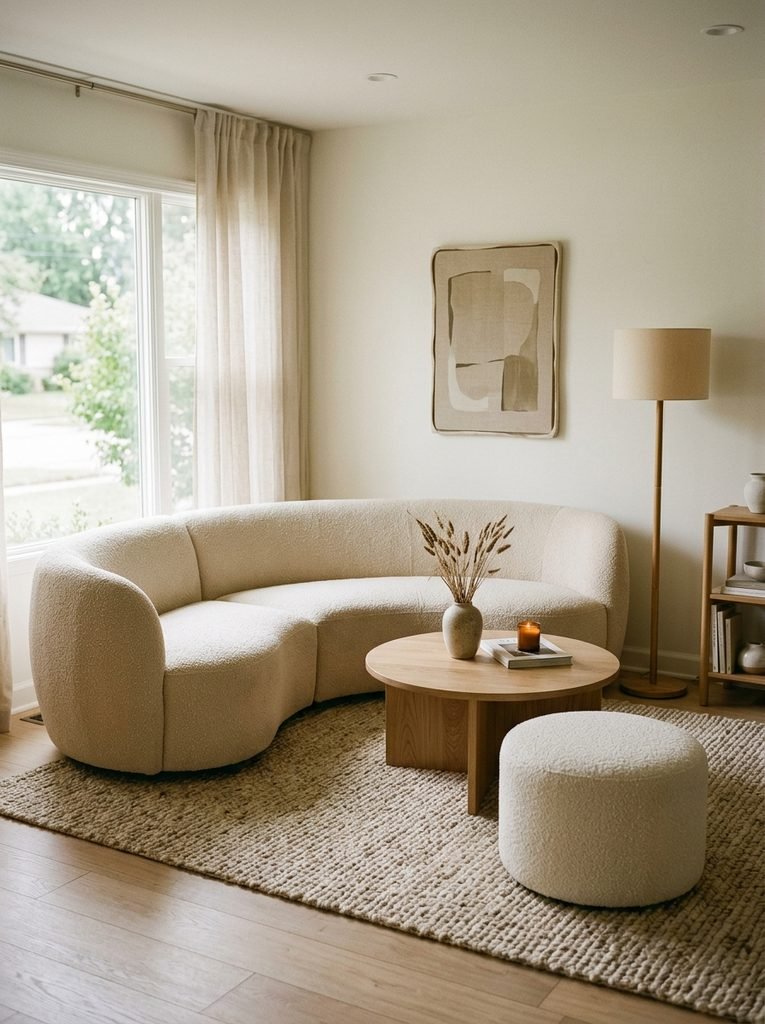
A small curved sectional sofa can bring a softer and more sculptural look to a compact living room. Rounded edges eliminate some of the visual harshness associated with traditional boxy furniture and can create a welcoming conversation area. Curved sectionals work especially well in contemporary, organic modern, and eclectic interiors. However, make sure the curved shape fits the room’s dimensions because some rounded designs require more clearance than expected.
Pair a curved sectional with a round coffee table or circular ottoman to create visual harmony. Soft upholstery such as boucle or textured woven fabric can emphasize the cozy shape of the furniture. Keep other major furniture pieces relatively streamlined so the sectional remains the focal point. A large mirror or simple piece of artwork can finish the room without competing with the sculptural silhouette.
11. Small Sectional Sofa for an Open-Concept Space
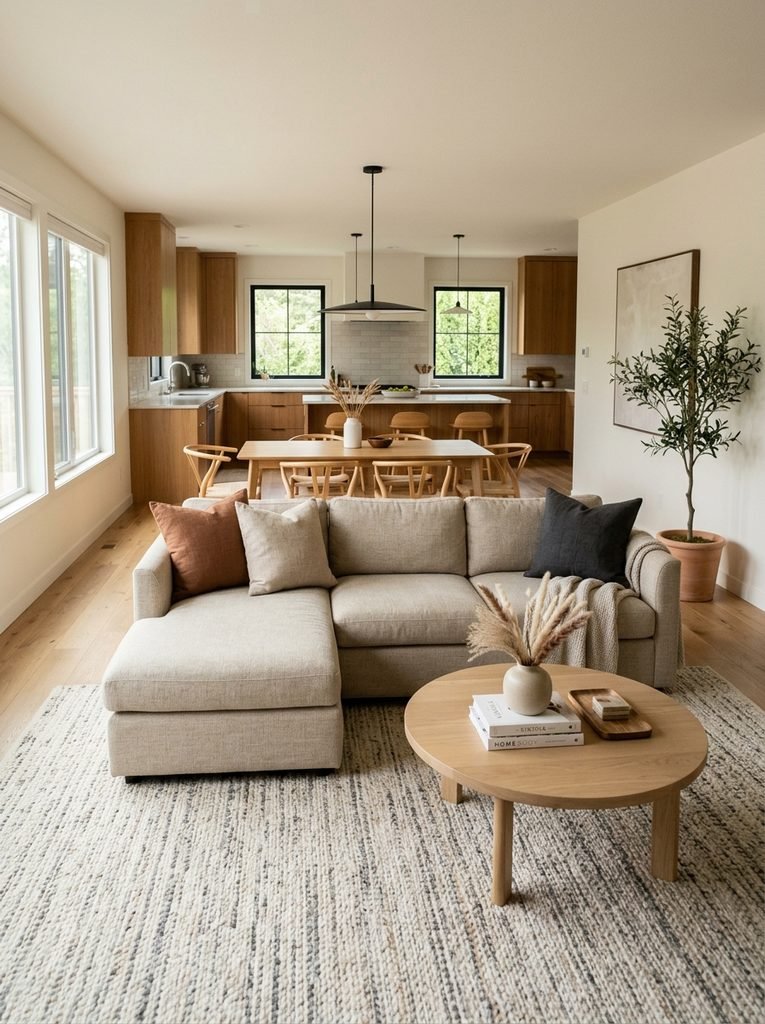
A small sectional sofa can help define a living area within an open-concept apartment or home. Instead of pushing every piece of furniture against the walls, position the sectional so it creates a visual boundary between the living room and nearby dining or kitchen areas. The back of the sectional can act as a subtle divider while maintaining an open feeling. This approach creates separate functional zones without requiring walls or bulky room dividers.
Choose upholstery that coordinates with the colors used throughout the adjacent spaces. A large area rug placed beneath the sectional can further establish the living zone and make the arrangement feel intentional. Keep the coffee table proportional to the sectional and leave enough clearance for comfortable movement. A consistent material palette across the open space will help everything feel connected rather than visually fragmented.
12. Small Sectional Sofa With a Minimalist Design
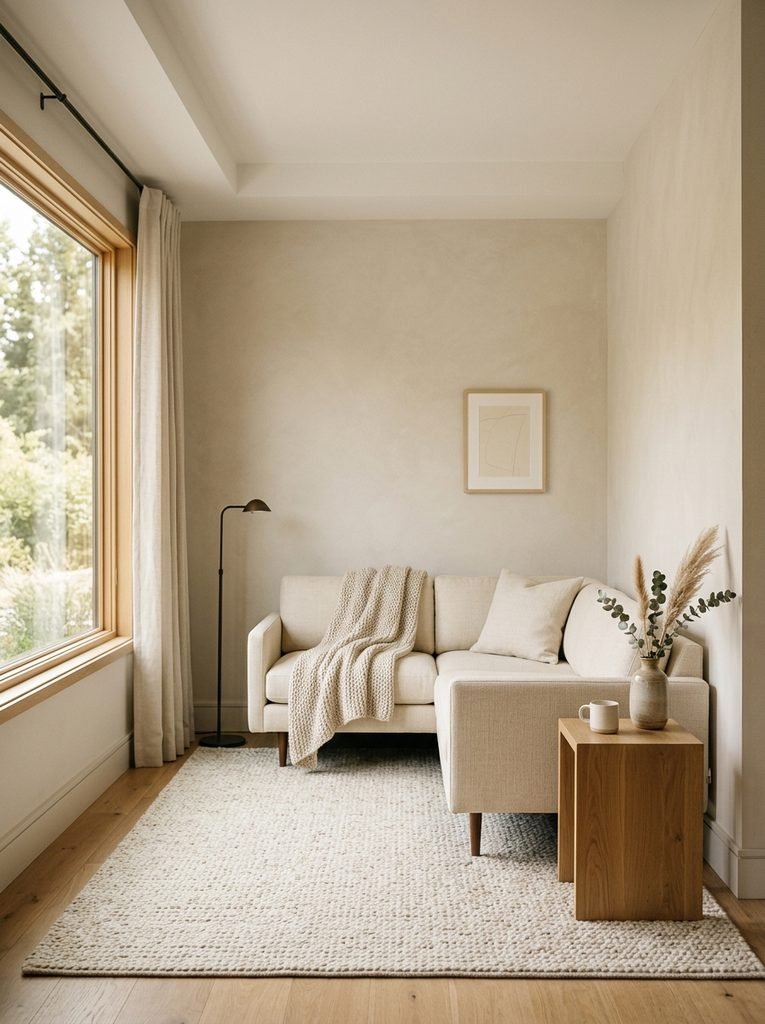
A minimalist small sectional sofa is ideal if your priority is making a compact room feel calm, spacious, and uncluttered. Look for simple upholstery, clean geometry, slim arms, and a frame that does not contain unnecessary decorative details. A monochromatic color palette can make the furniture blend seamlessly with the rest of the room. This creates a sophisticated foundation that can be styled in many different ways.
Minimalism does not have to mean making the room feel cold or empty. Add warmth with a textured rug, natural wood side table, soft throw, and a few carefully selected decorative objects. Keep the number of accessories limited so each item has room to stand out. With the right balance of comfort and simplicity, a minimalist sectional can make even a small living room feel polished and welcoming.
Final Thoughts
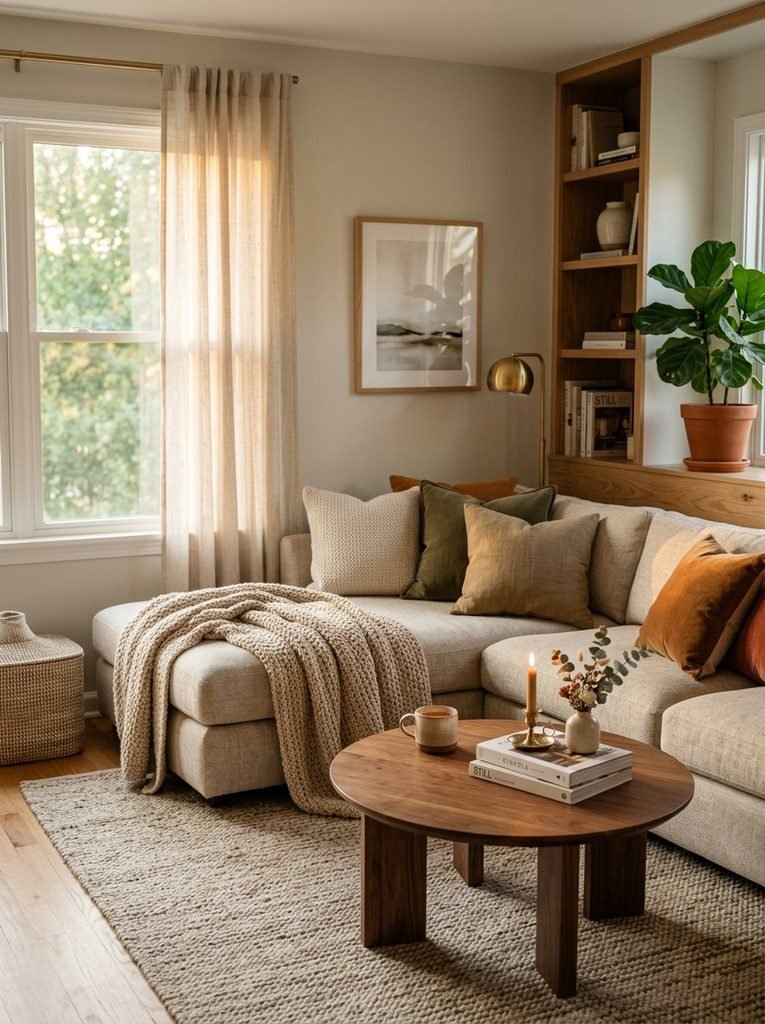
A small sectional sofa can be one of the smartest furniture choices for creating a comfortable living room when space is limited. Whether you prefer a compact L-shaped design, a chaise sectional, a flexible modular sofa, or a sculptural curved silhouette, the key is choosing a size and configuration that matches your floor plan. Pay attention to sofa depth, arm width, upholstery color, walking clearance, and the placement of nearby furniture before making your final decision. With the right small sectional sofa, you can maximize seating, improve the room’s layout, and create a stylish space that feels comfortable rather than crowded.