Zen Garden Interior: Calm, Minimalist & Aesthetic Design Ideas for a Peaceful Home
Blog > Home > Modern interior > Zen Garden Interior: Calm, Minimalist & Aesthetic Design Ideas for a Peaceful Home
A Zen garden interior is more than just a design trend—it is a lifestyle choice centered around peace, balance, and mindfulness. Inspired by traditional Japanese Zen philosophy, this style focuses on simplicity, natural materials, and calming energy. In modern homes, Zen-inspired interiors help reduce stress and create a space where the mind can relax and reset. Whether you live in a small apartment or a large house, you can integrate Zen garden elements to transform your environment into a peaceful sanctuary. In this article, we will explore 12 carefully designed Zen garden interior ideas that can bring harmony and natural beauty into your living space.
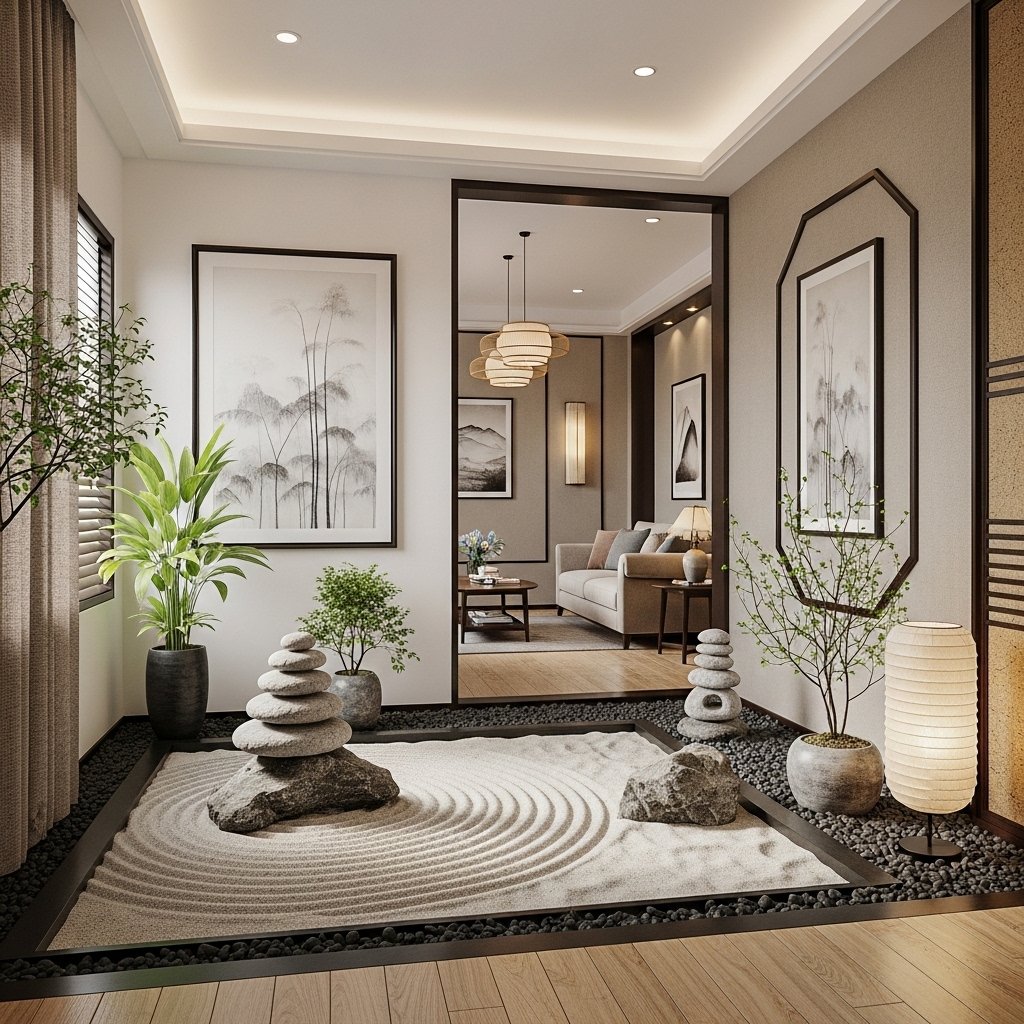
Table Of Content
1. Minimalist Layout with Open Space
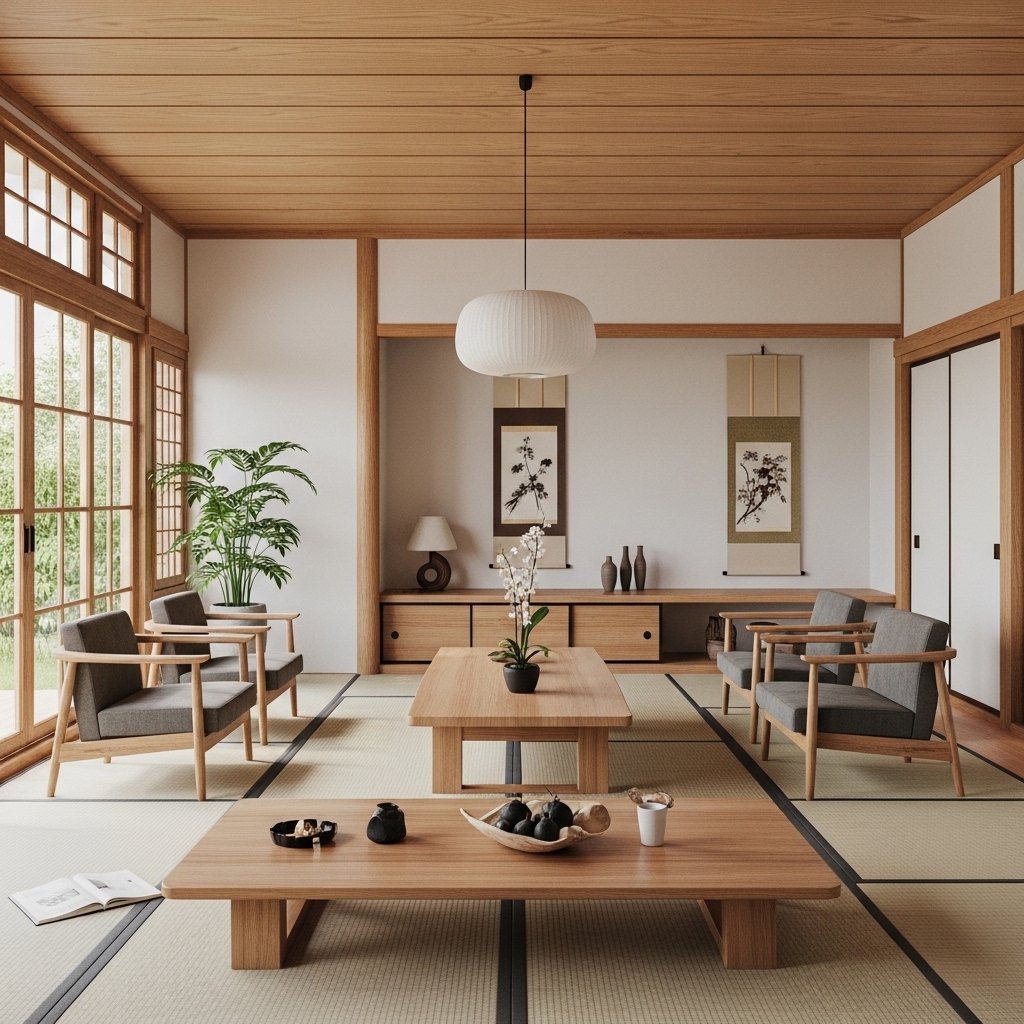
A Zen garden interior always begins with minimalism and open space. The idea is to remove unnecessary clutter and allow energy to flow freely throughout the room. Furniture should be kept simple, functional, and low to the ground whenever possible. Empty space is not considered wasted but rather an essential part of the design. This approach creates a calming atmosphere that encourages mental clarity and relaxation.
2. Natural Wood Elements for Warmth
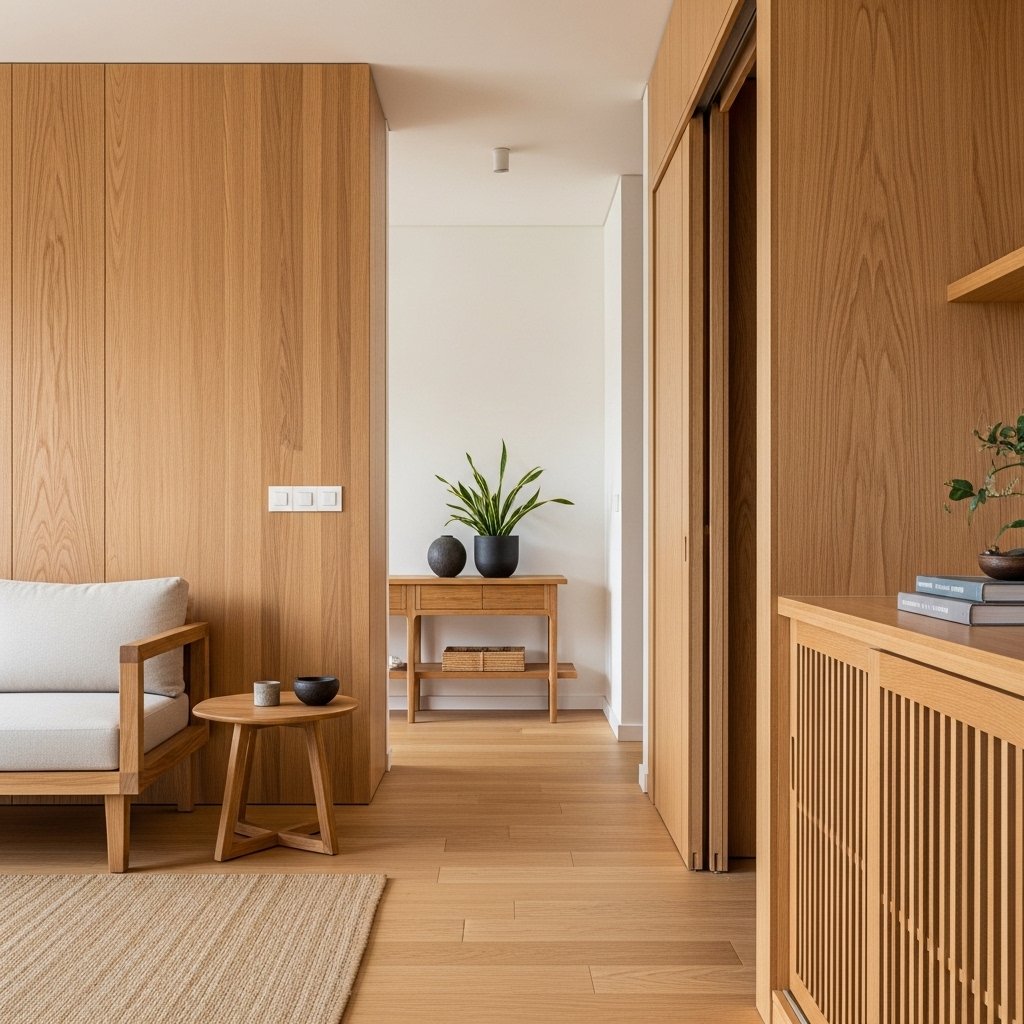
Wood is one of the most important materials in Zen-inspired interiors. Using natural wood furniture, flooring, or wall panels brings warmth and organic texture into the space. Light oak, bamboo, or walnut tones are especially popular for creating a grounded environment. These materials help connect the indoors with nature, which is a core principle of Zen design. Over time, wood also adds character, making the space feel more lived-in and peaceful.
3. Indoor Zen Rock Garden Corner
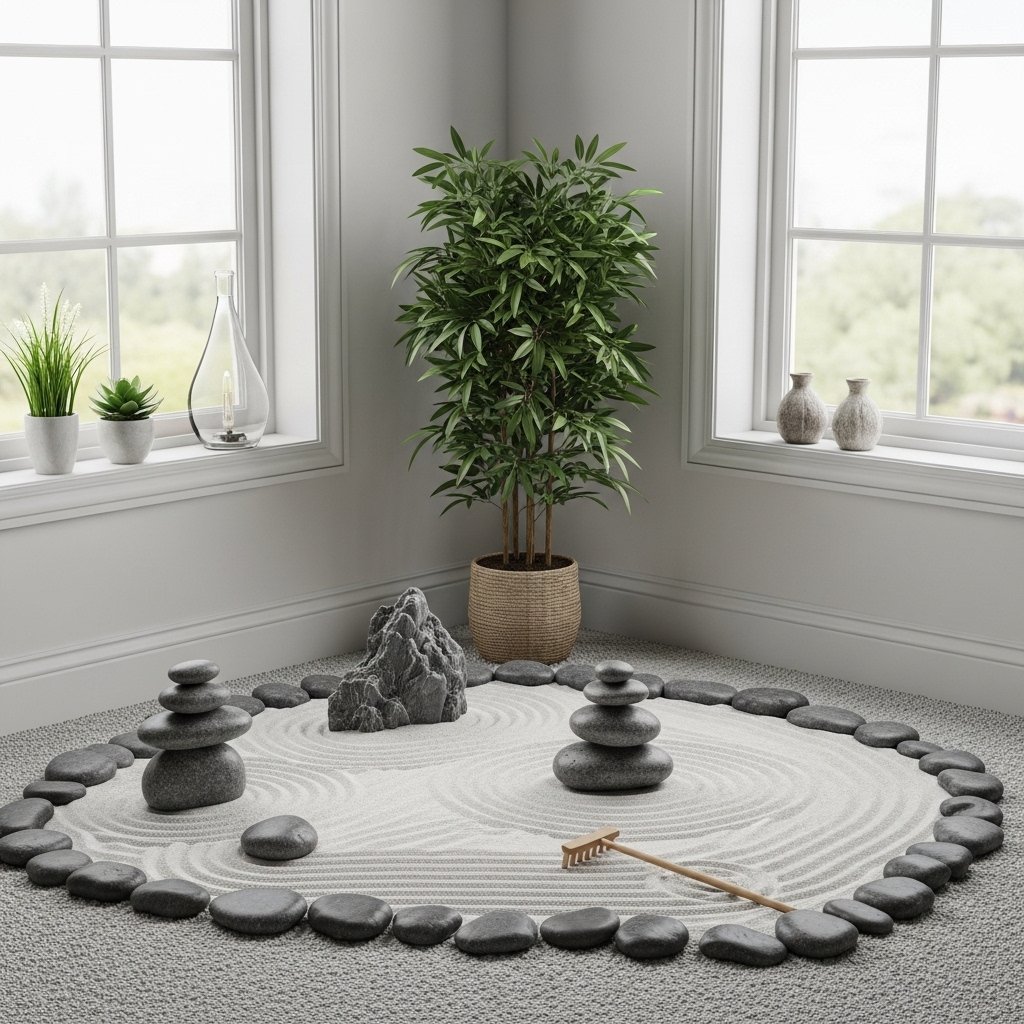
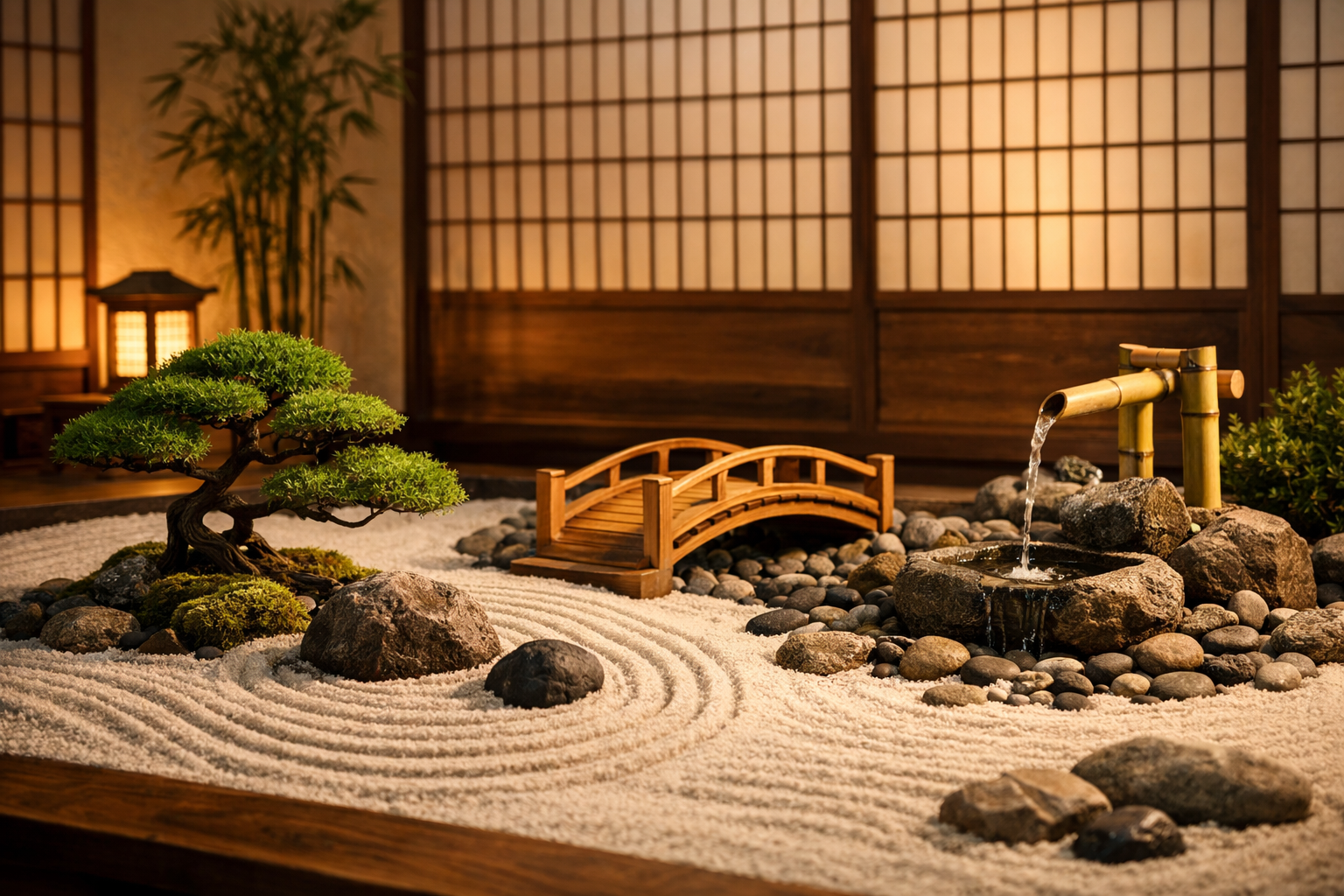
A small indoor rock garden can become the centerpiece of your Zen interior. Using smooth stones, white sand, and minimal decorative elements creates a visually calming feature. You can place it in a corner, under a window, or even on a coffee table for a miniature version. Raking patterns in the sand adds a meditative activity that enhances mindfulness. This simple addition brings a strong sense of balance and tranquility into the home.
4. Soft Neutral Color Palette
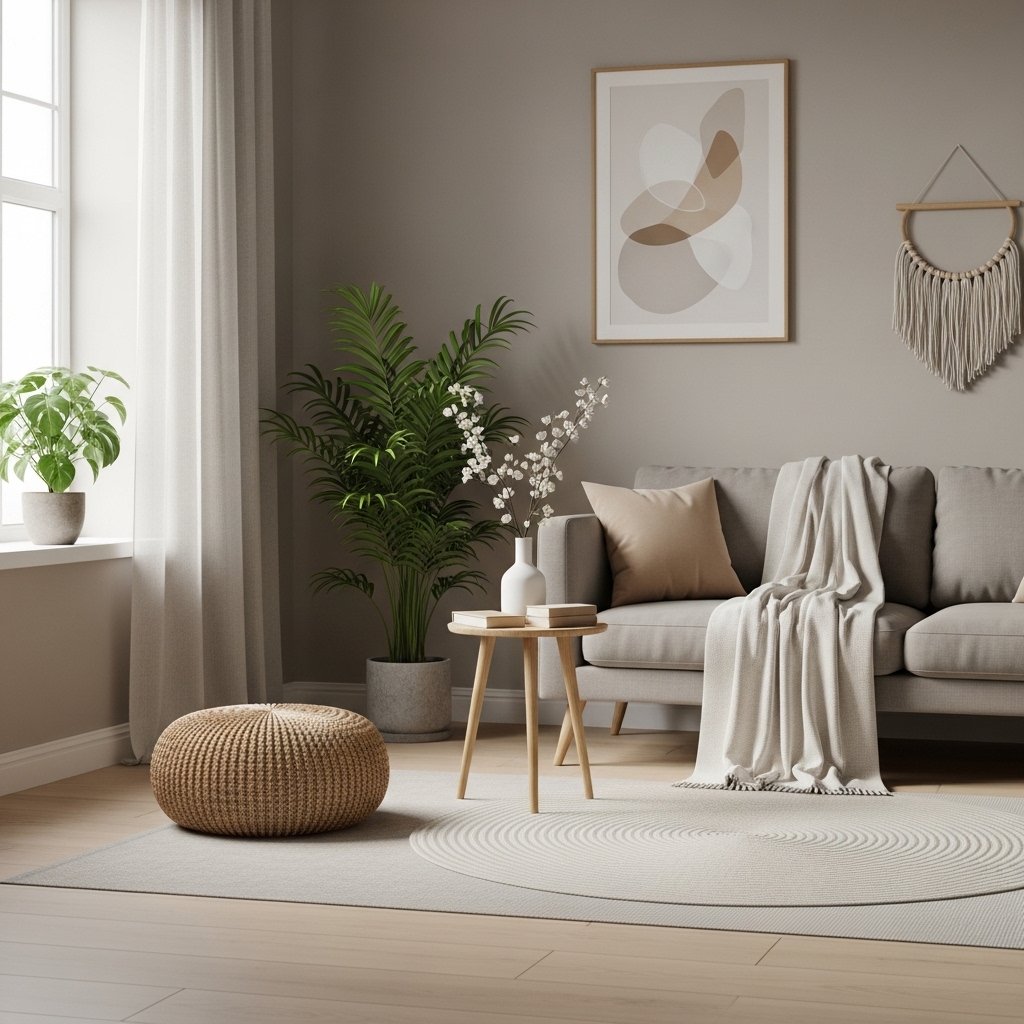
Color plays a crucial role in Zen garden interiors, and neutral tones are always preferred. Shades like beige, soft white, light gray, and earthy browns help maintain a calm and balanced atmosphere. These colors reflect natural elements and reduce visual stress in the environment. Bright or overly bold colors are usually avoided to keep the space soothing. A neutral palette also makes the room feel more spacious and airy.
5. Indoor Plants for Natural Energy
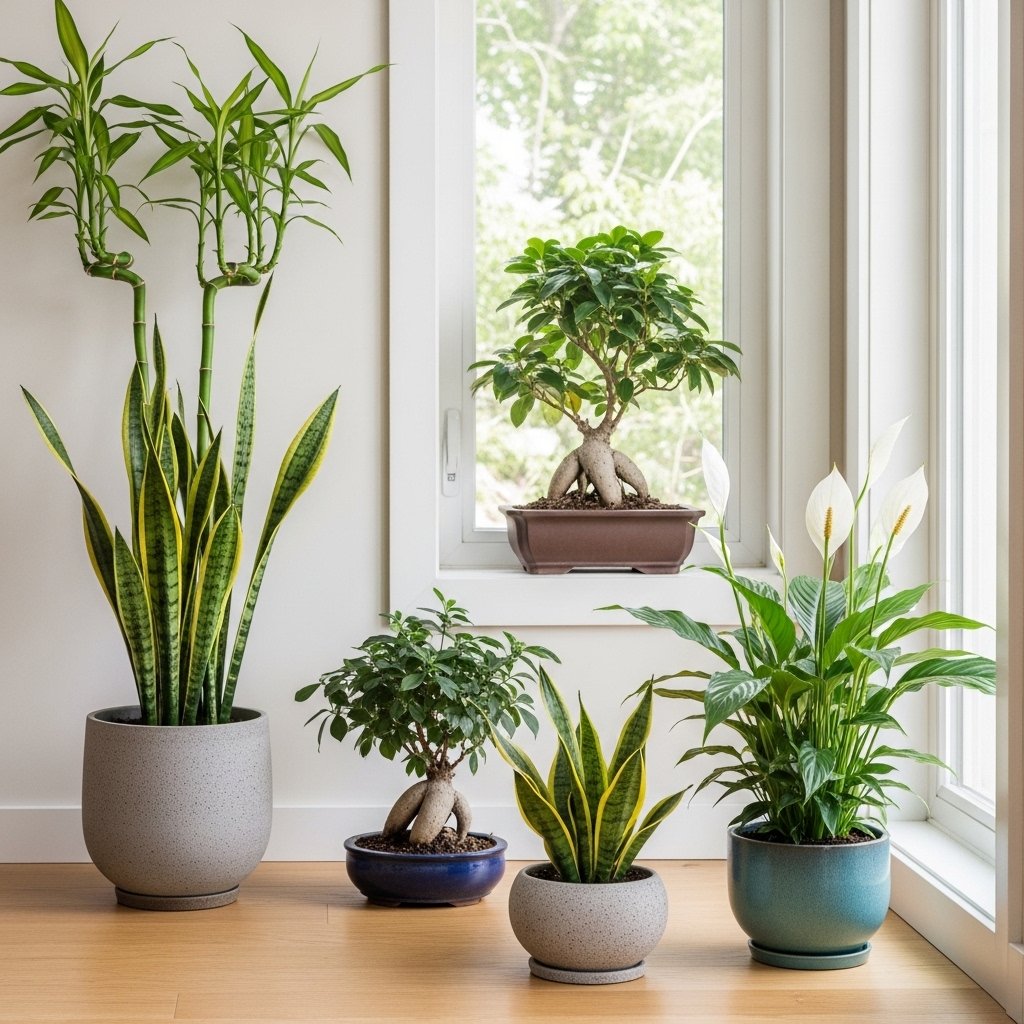
Plants are essential in any Zen-inspired interior because they bring life and freshness into the space. Bamboo, bonsai trees, snake plants, and peace lilies are popular choices. These plants not only improve air quality but also enhance visual harmony. Placing them in simple ceramic or stone pots keeps the design consistent with Zen principles. The presence of greenery helps reduce stress and creates a deeper connection with nature.
6. Water Features for Relaxation
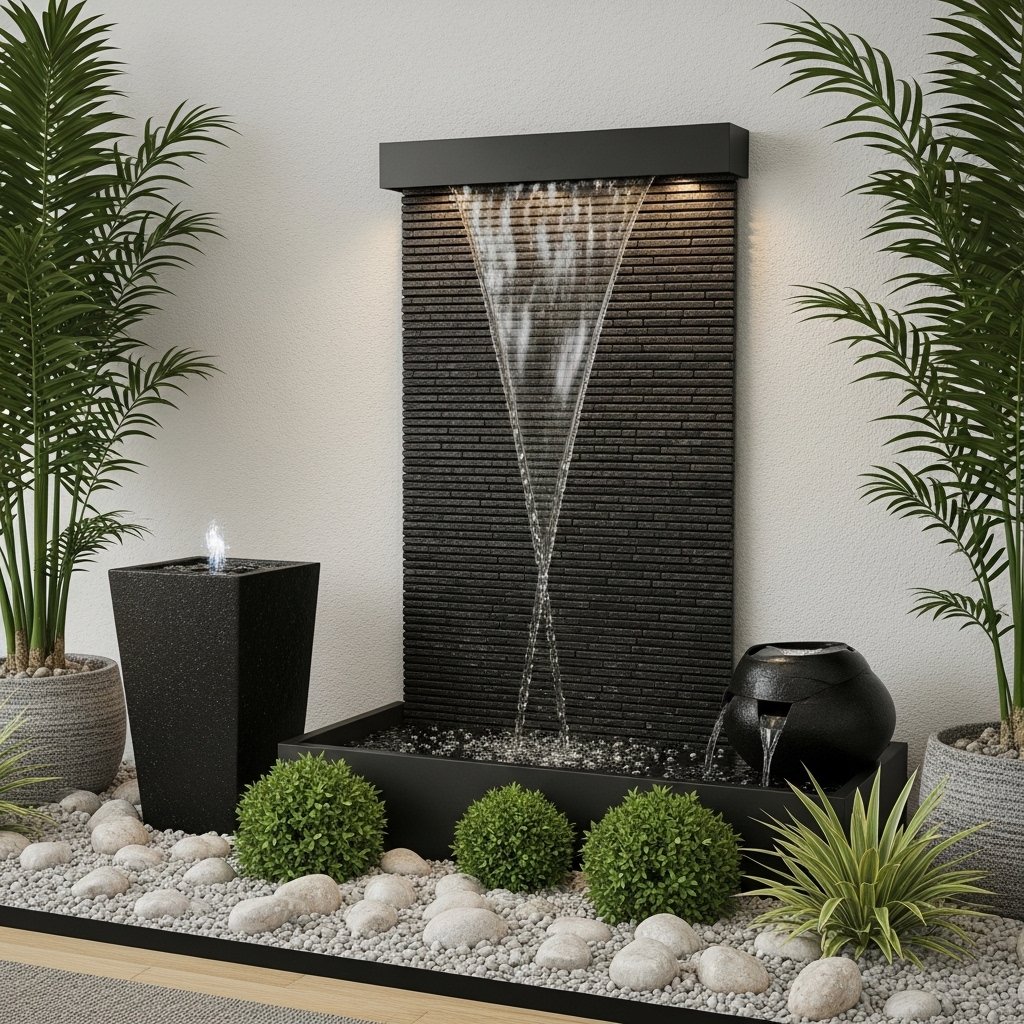
A small indoor water feature can significantly enhance the calming effect of a Zen garden interior. The gentle sound of flowing water promotes relaxation and helps mask background noise. You can choose tabletop fountains or wall-mounted water installations depending on your space. Water symbolizes purity and movement, both important elements in Zen philosophy. This feature adds a soothing sensory experience to your home environment.
7. Shoji Screens and Natural Dividers
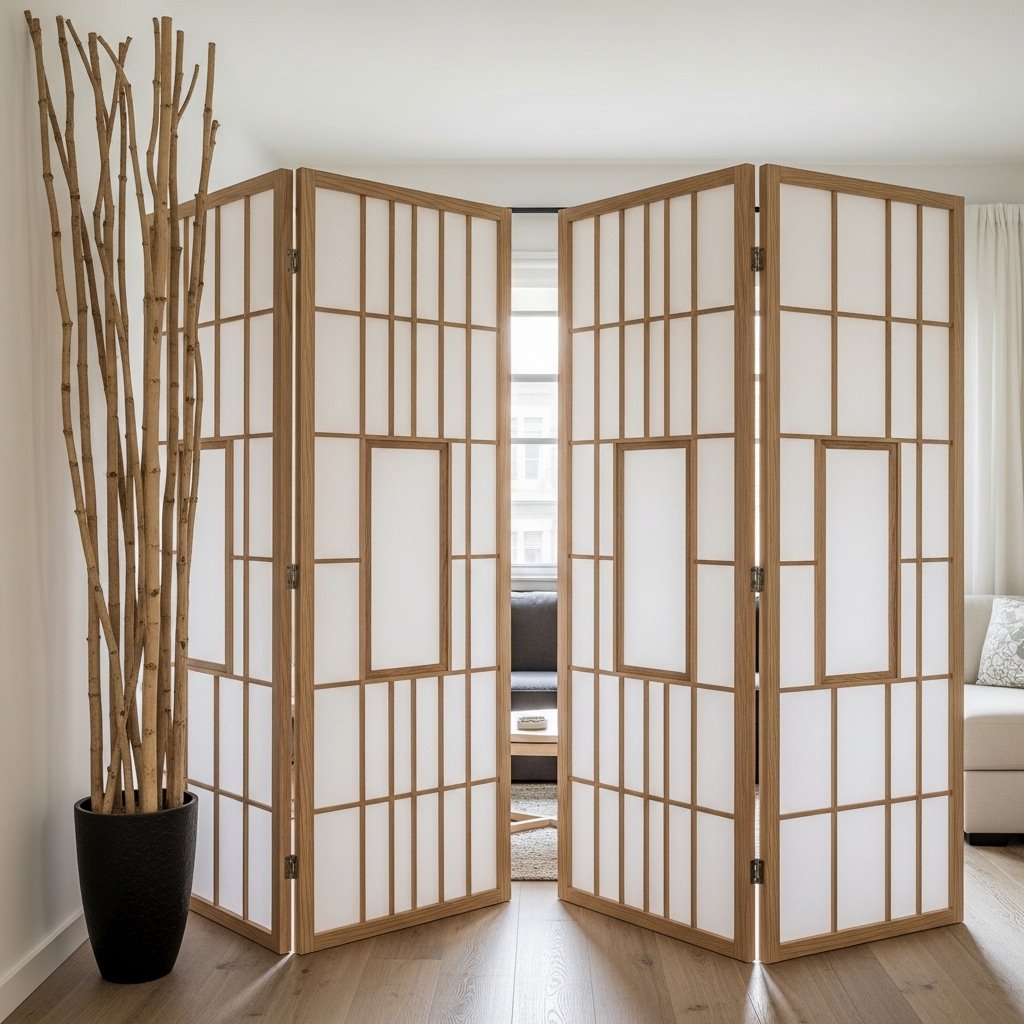
Shoji screens are traditional Japanese sliding panels that can be used to divide spaces without blocking light. They are typically made of wood and translucent paper, allowing soft natural light to pass through. These screens create privacy while maintaining an open and airy feeling. In modern interiors, they can also be used as decorative room dividers. Their simple design perfectly aligns with the Zen aesthetic of minimalism and balance.
8. Floor Seating for Grounded Living
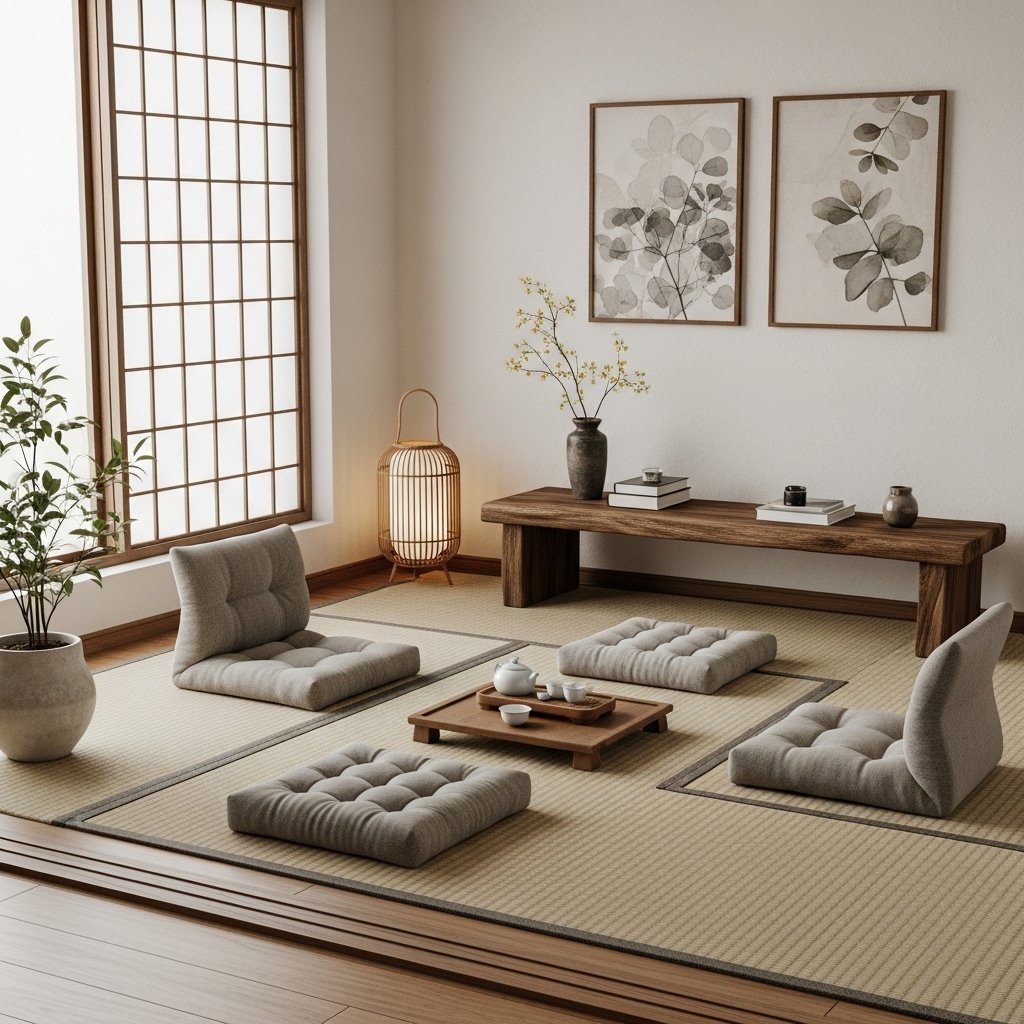
Low seating arrangements are a key feature of Zen-inspired interiors. Floor cushions, tatami mats, or low wooden benches help create a grounded and relaxed atmosphere. This style encourages a closer connection to the earth and promotes mindfulness in daily activities. It also helps reduce the formality of the space, making it more inviting and comfortable. Floor seating works especially well in meditation areas or tea corners.
9. Soft Lighting for Calm Ambience
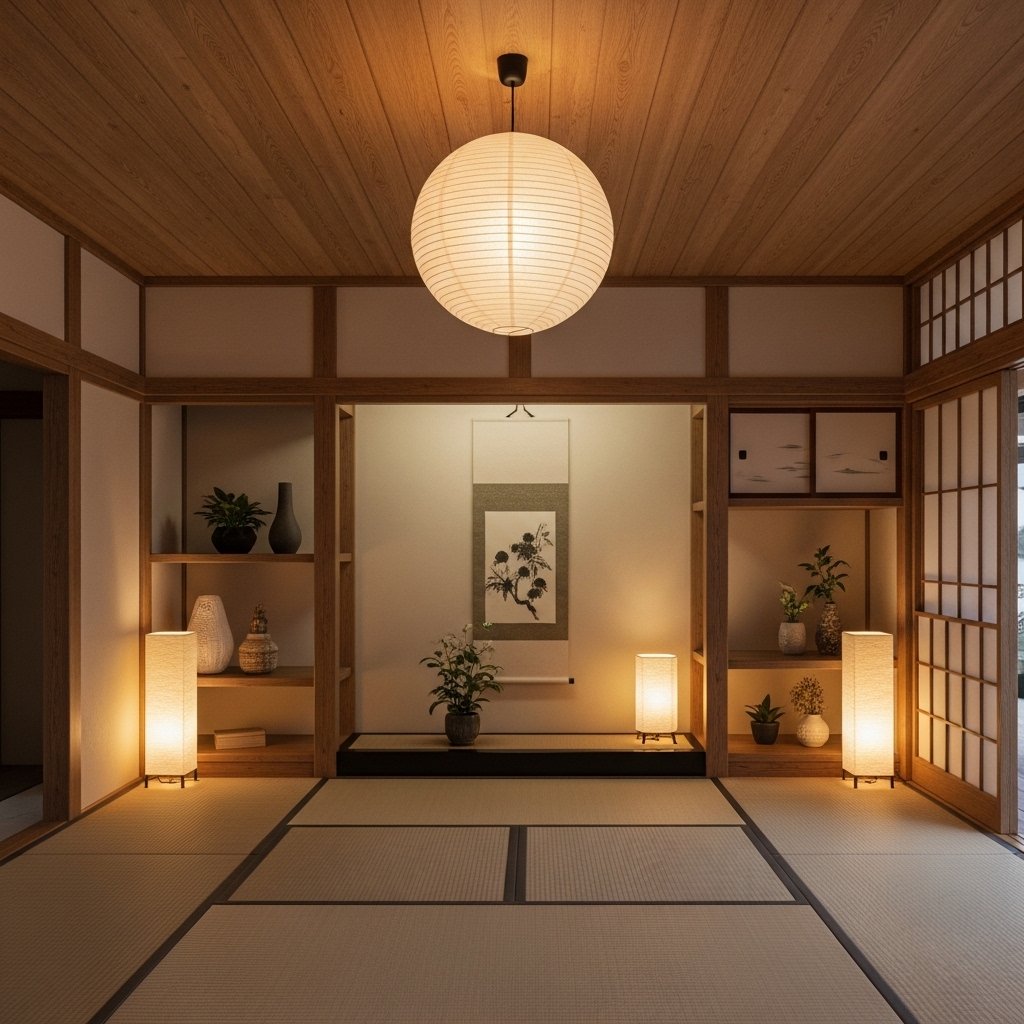
Lighting in a Zen garden interior should always be soft and warm. Harsh white lights are avoided in favor of warm-toned lamps, paper lanterns, or indirect lighting. Natural sunlight is also encouraged as much as possible during the day. Soft lighting helps create a peaceful mood and reduces eye strain. At night, dim lighting enhances relaxation and supports a restful environment.
10. Stone and Pebble Accents
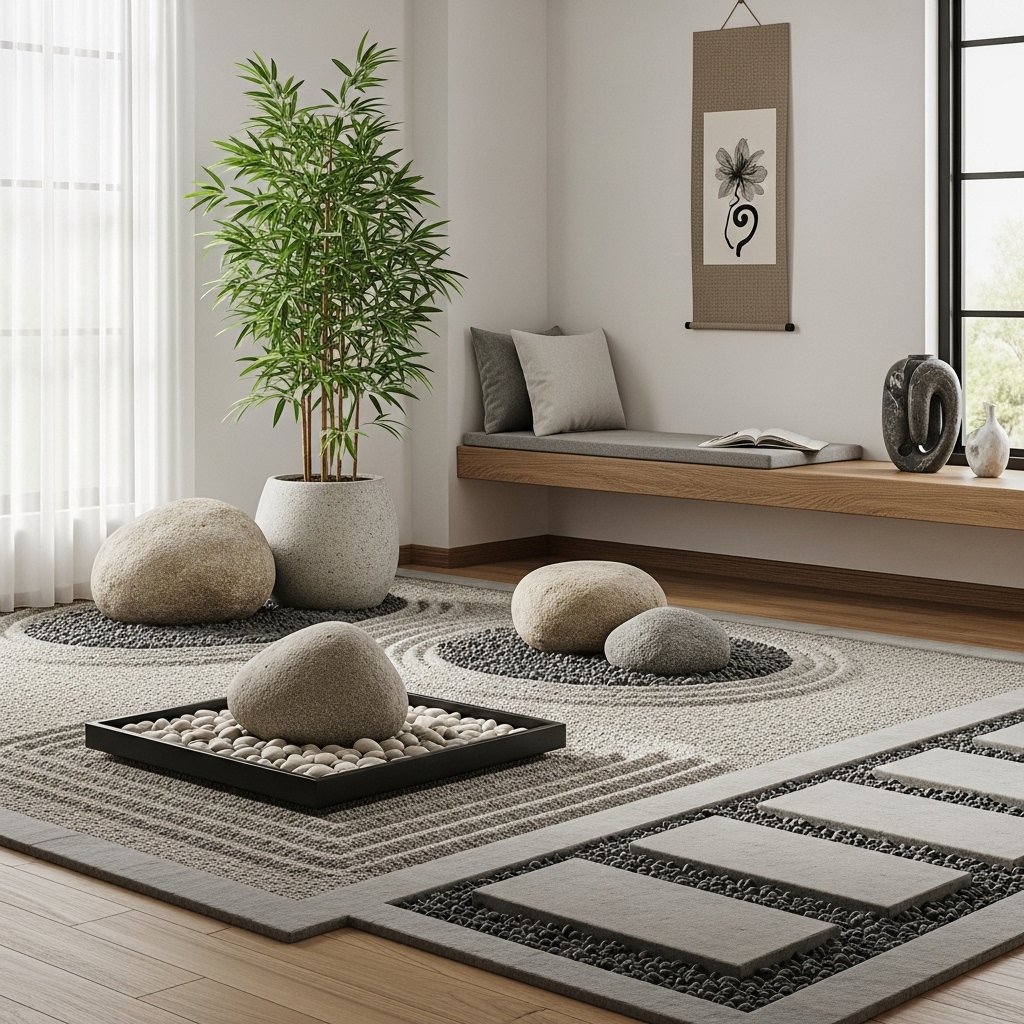
Stone elements are commonly used in Zen garden interiors to represent stability and grounding. Pebbles can be used in decorative trays, planters, or small indoor pathways. Larger stones can serve as artistic focal points in a room. These natural materials bring texture and balance to minimalist spaces. Their simple yet powerful presence enhances the overall Zen atmosphere.
11. Meditation or Mindfulness Corner
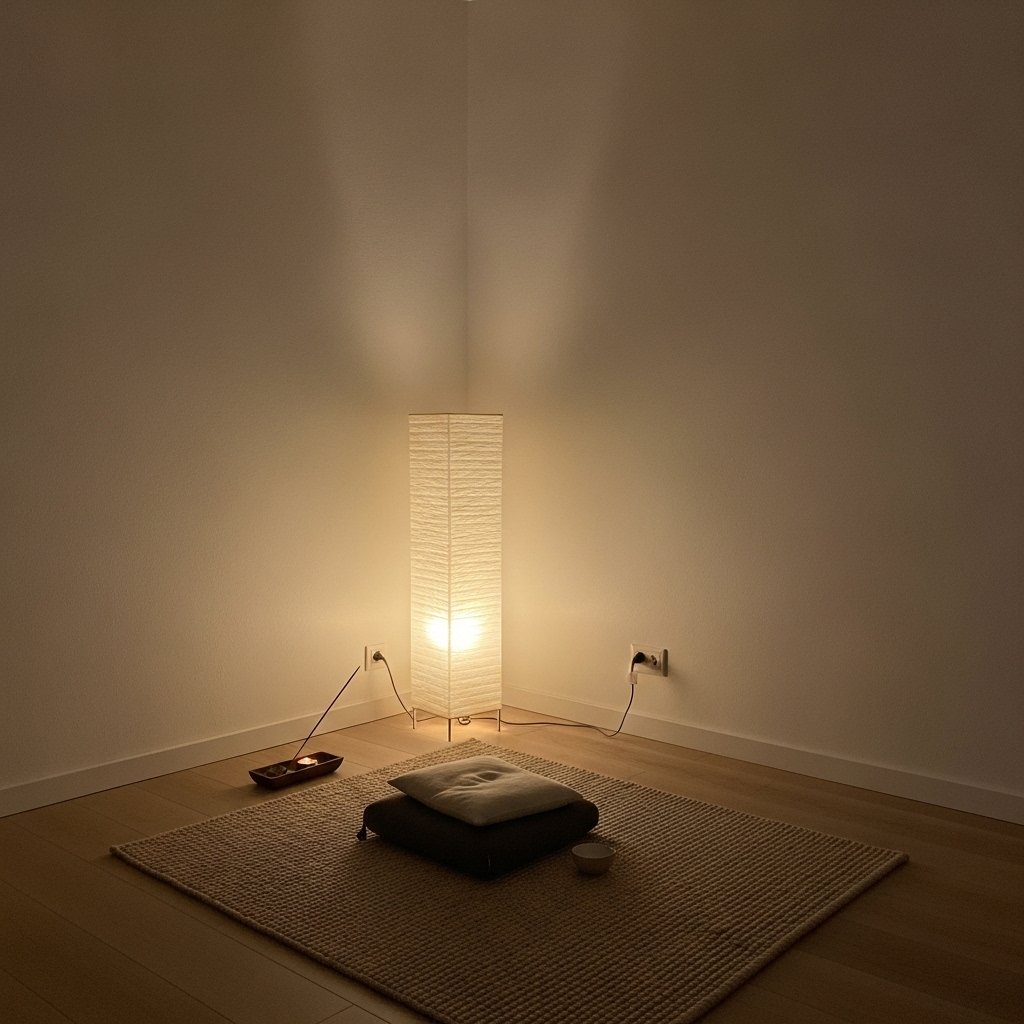
A dedicated meditation corner is an essential part of a Zen-inspired home. This space should be quiet, uncluttered, and designed specifically for relaxation or mindfulness practices. A cushion, small mat, and perhaps a candle or incense holder are enough to complete the setup. Keeping this area simple helps the mind disconnect from distractions. Over time, it becomes a personal retreat for mental clarity and emotional balance.
12. Japanese-Inspired Decor Accessories
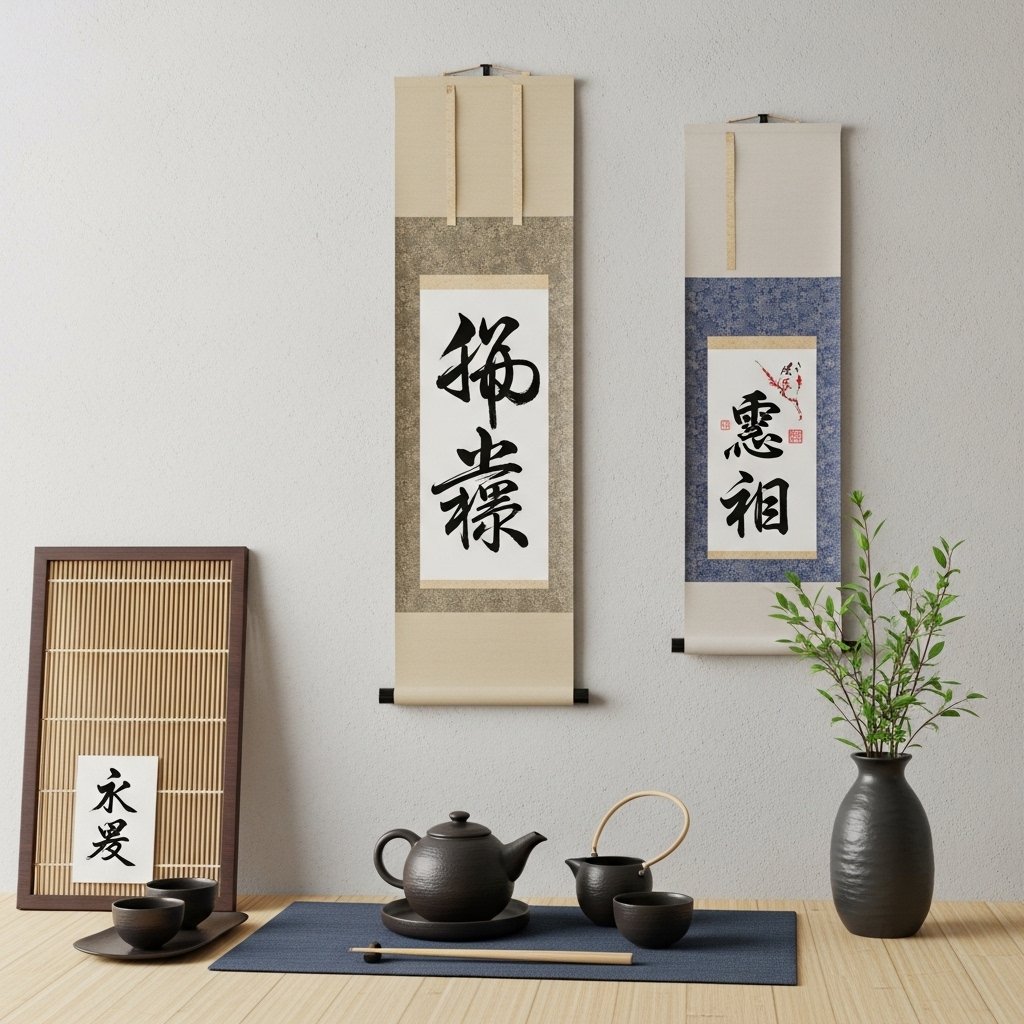
Small decorative elements inspired by Japanese culture can complete your Zen garden interior. Items like bamboo mats, ceramic tea sets, calligraphy art, or simple wall scrolls add authenticity to the space. However, these accessories should be used sparingly to maintain minimalism. Each piece should have meaning and purpose rather than being purely decorative. This thoughtful approach keeps the environment peaceful and visually balanced.
13. How to Care for Zen Garden Interior
- Keep It Clean – Regularly remove dust, leaves, or debris to maintain a calm and tidy look.
- Maintain Sand or Gravel – Rake patterns gently to keep the design smooth and visually peaceful.
- Water Plants Properly – If you have plants, water them in small amounts according to their needs.
- Avoid Clutter – Keep decor minimal and remove extra items to preserve the Zen feel.
- Refresh Regularly – Rearrange stones, plants, or decor occasionally to keep the space balanced and fresh.
13.1. FAQ
13.2. What is a Zen garden interior❓
A Zen garden interior is a simple and peaceful style of home decoration inspired by Japanese Zen philosophy. It focuses on calmness, balance, and minimal design using natural elements like stones, sand, bamboo, plants, and soft lighting. The main idea is to create a relaxing space that reduces stress and brings mental peace inside your home.
13.3. How can a Zen garden interior improve a room❓
A Zen garden interior improves a room by making it feel more calm, clean, and organized. It removes unnecessary clutter and focuses on simplicity, which helps the mind feel relaxed. Natural elements like indoor plants and soft textures also create a peaceful atmosphere, making the room perfect for rest, meditation, or focus.
13.4. What materials are used in Zen garden interior design❓
Common materials used in Zen garden interiors include small stones, sand, wood, bamboo, indoor plants, and water features like mini fountains. These natural elements are arranged in a simple way to maintain balance and harmony. Soft lighting and neutral colors are also used to complete the peaceful look.
14. Final Thoughts
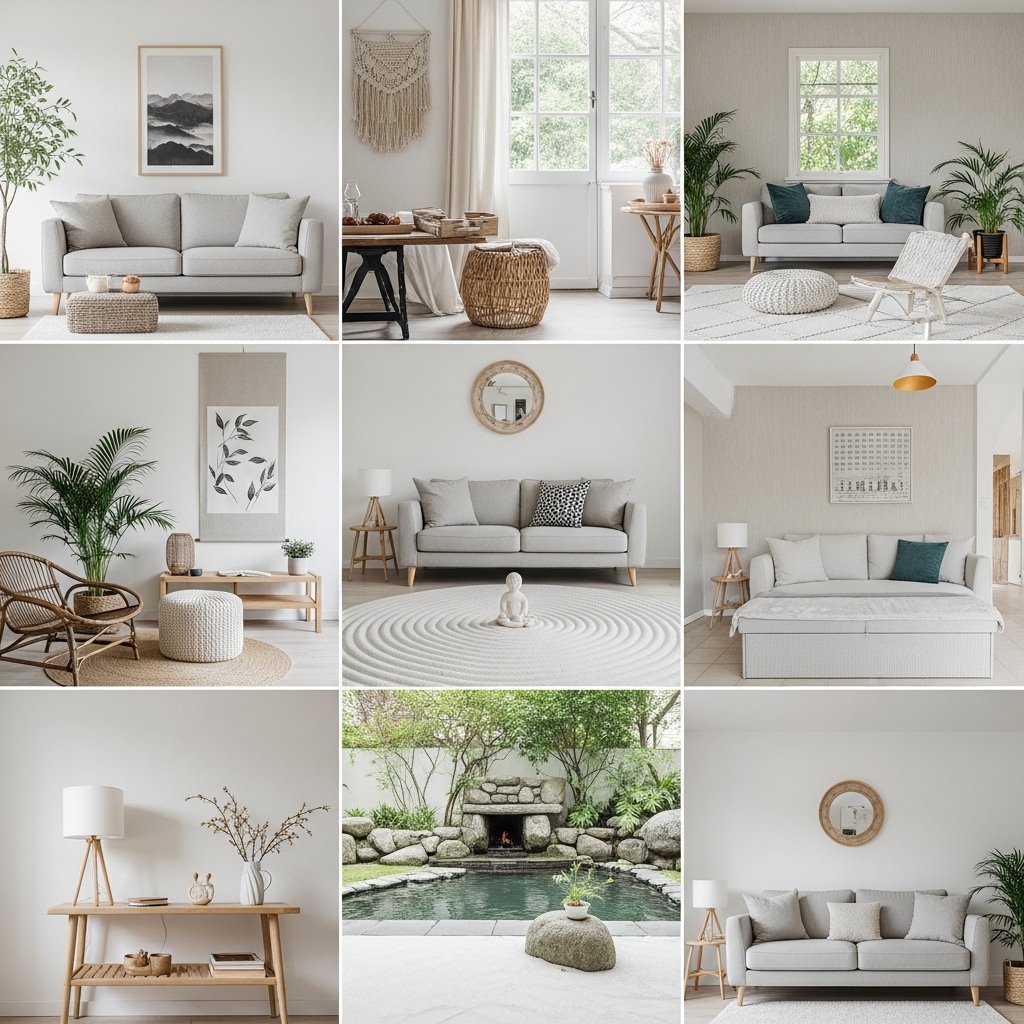
A Zen garden interior is about creating a space that feels calm, natural, and deeply connected to simplicity. Every element, from furniture to lighting, should support relaxation and mindfulness. By focusing on minimalism, natural materials, and soft aesthetics, you can transform any room into a peaceful retreat. The 12 ideas shared above provide practical and creative ways to bring Zen principles into your home. Ultimately, a Zen-inspired interior is not just about design—it is about living in harmony with your surroundings and finding peace in everyday life.