
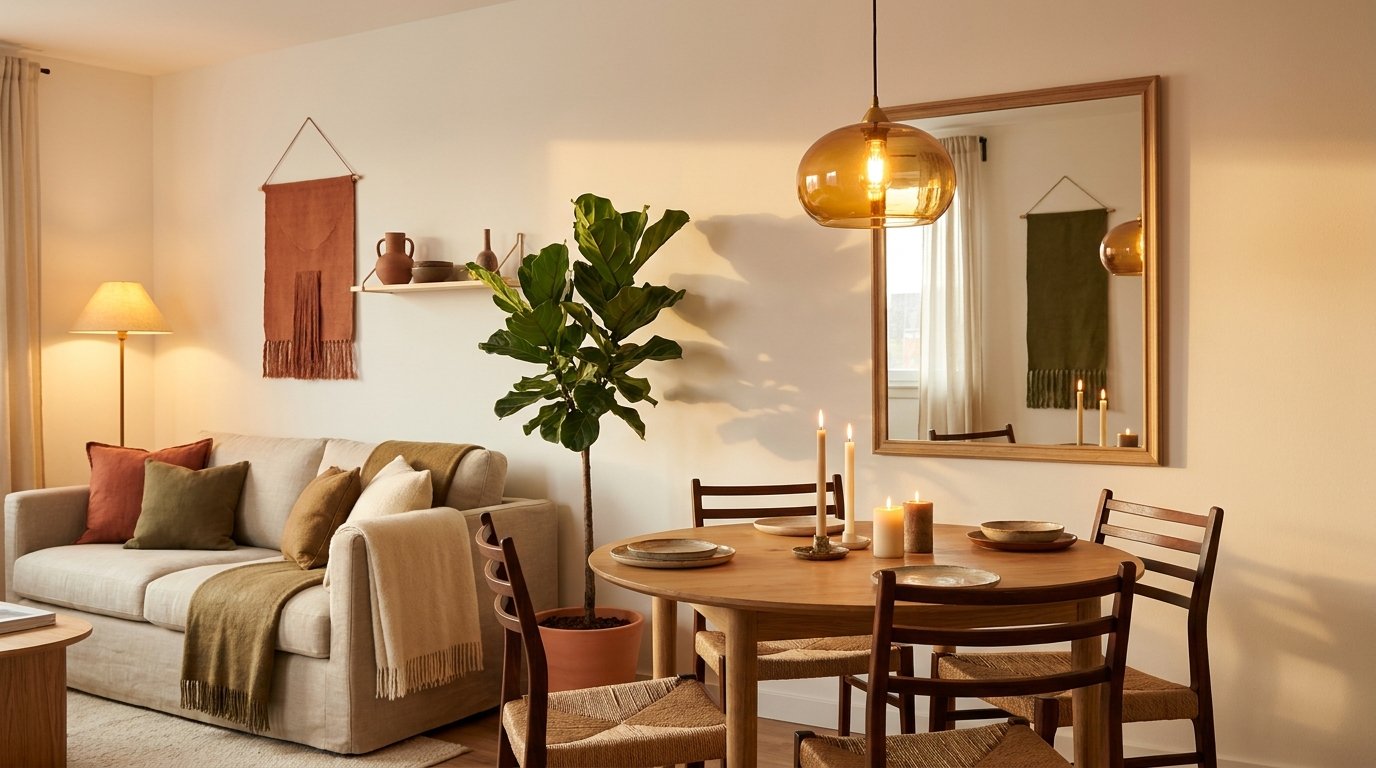
The Small Living Room Dining Room Combo That Actually Feels Like Home
There’s a particular kind of magic that happens when a small combined space is done right — when you walk in and feel warmth instead of clutter, possibility instead of limitation. If you’re working with a living room and dining room sharing the same square footage, this guide is your honest, deeply practical roadmap to making that space feel intentional, beautiful, and completely, unmistakably yours.
—
1. Why the Combo Room Deserves More Credit Than It Gets
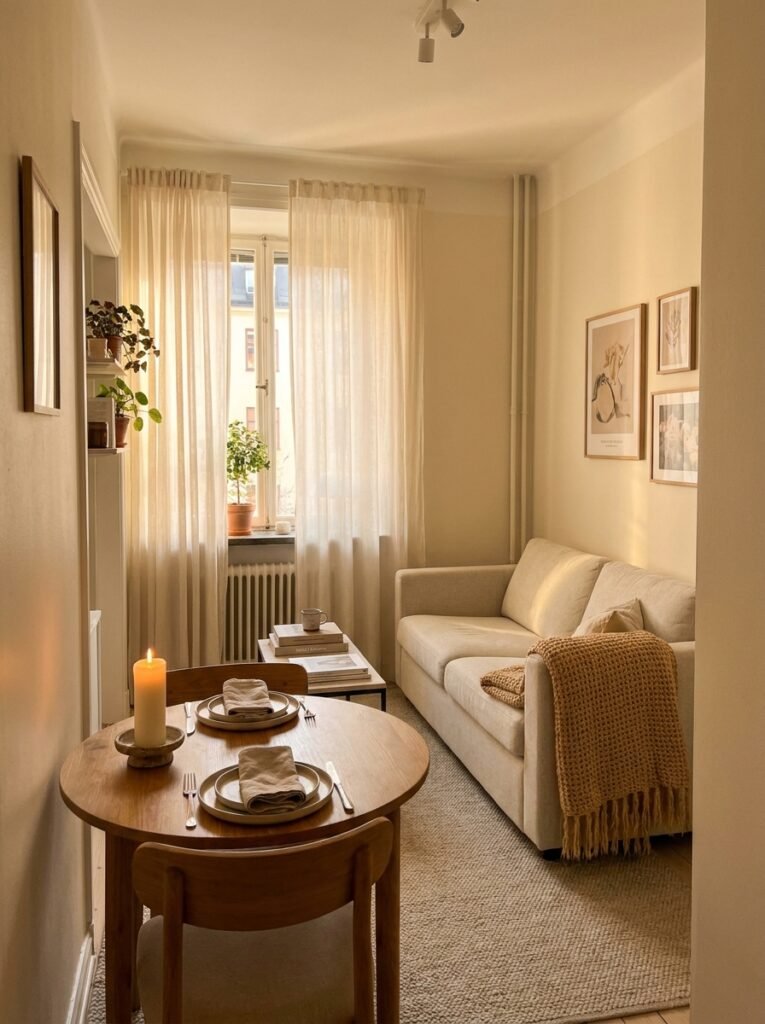
We’ve been conditioned to believe that more square footage equals more comfort. But anyone who has ever curled up in a cozy studio apartment or eaten dinner at a small table bathed in warm lamplight knows the truth — intimacy is a design choice, not a square footage requirement.
The living-dining combo room is one of the most common layouts in modern apartments, smaller homes, and open-plan renovations, yet it gets the least design love. People treat it like a compromise rather than an opportunity. What if you flipped that narrative entirely? What if you started seeing your combined space not as two rooms awkwardly sharing a wall, but as one beautifully layered room with two distinct stories to tell?
“The most beautiful spaces aren’t the biggest ones — they’re the ones that know exactly what they want to be.”
The magic really does start with mindset. Once you stop trying to cram two separate rooms into one box and start designing a single, cohesive, multi-purpose space, everything changes. The furniture choices make more sense. The flow feels more natural. And somehow, miraculously, the room starts to feel larger than its measurements suggest.
—
2. The First Rule Nobody Talks About: Defining Your Zones Without Walls
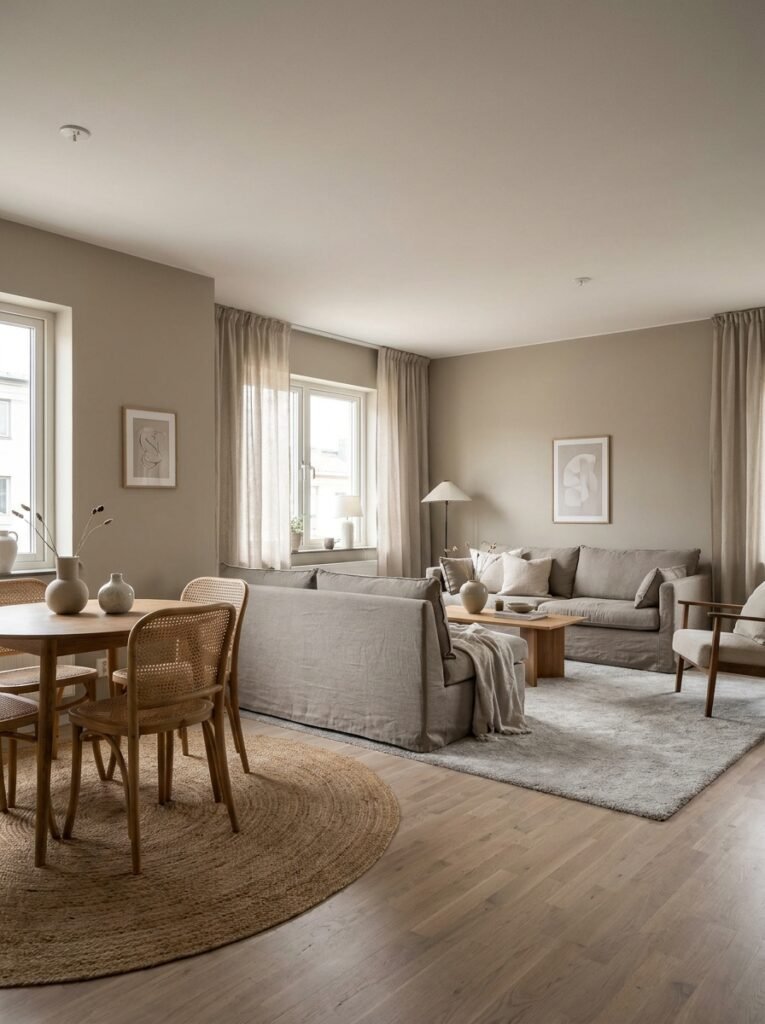
The single most transformative thing you can do in a living-dining combo is to create invisible boundaries — clear, intentional zones that tell both you and your guests exactly where the dining experience ends and the living space begins.
This doesn’t require a single nail in the wall or a contractor’s invoice. Zone definition is accomplished through the thoughtful placement of furniture, the strategic use of rugs, and the deliberate variation of lighting. A well-placed area rug under the dining table instantly anchors that zone, while a different — though complementary — rug under the sofa and coffee table does the same for the living area. Two rugs, two zones, one room. It’s that clean.
Furniture arrangement carries even more weight here. Positioning the back of your sofa toward the dining area creates a soft, psychological boundary without any physical barrier. It’s a subtle architectural trick that professional interior designers use constantly in open-plan spaces, and it works beautifully in small rooms because it adds structure without adding visual bulk.
—
3. Choosing a Color Palette That Makes the Whole Room Breathe
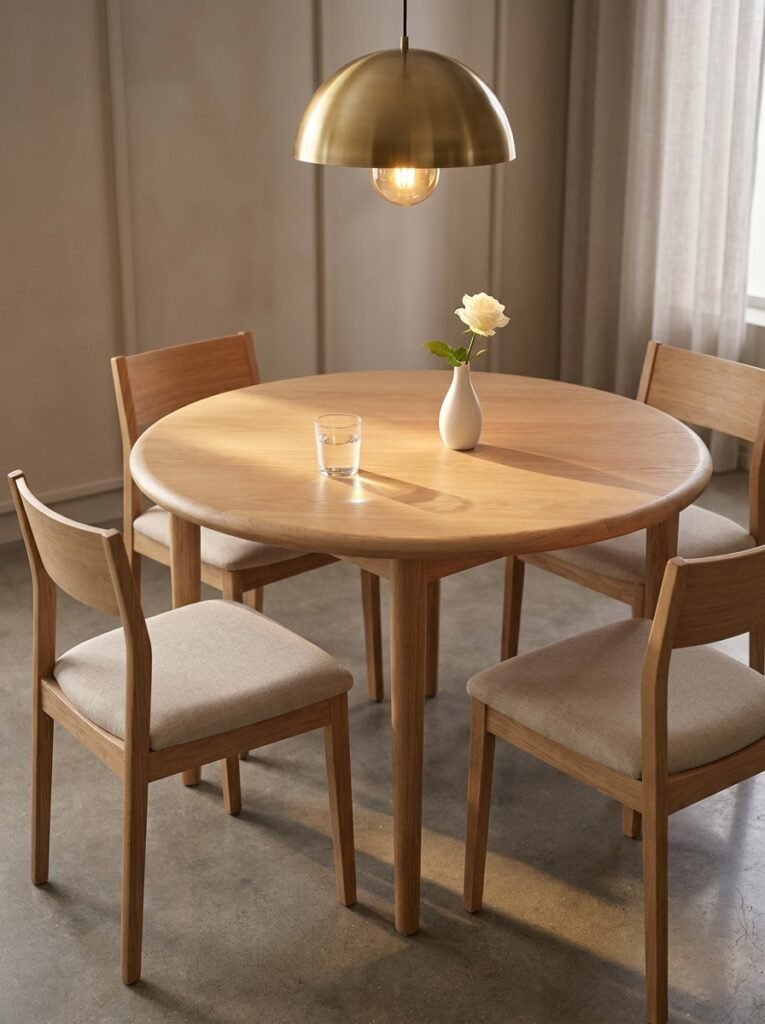
Color is arguably the most powerful tool in your small-space design arsenal, and in a combo room, the stakes are especially high. Too many competing colors and the room feels chaotic and disjointed. Too few and it feels flat, lifeless, like a waiting room rather than a home.
The sweet spot is what designers call a “layered neutral” approach. Choose one primary neutral — a warm white, a soft greige, or a light sage — and apply it consistently across both zones through wall color, large furniture pieces, and major textiles. Then introduce two accent colors in varying proportions across the room, allowing each zone to have its own personality while still belonging to the same visual family.
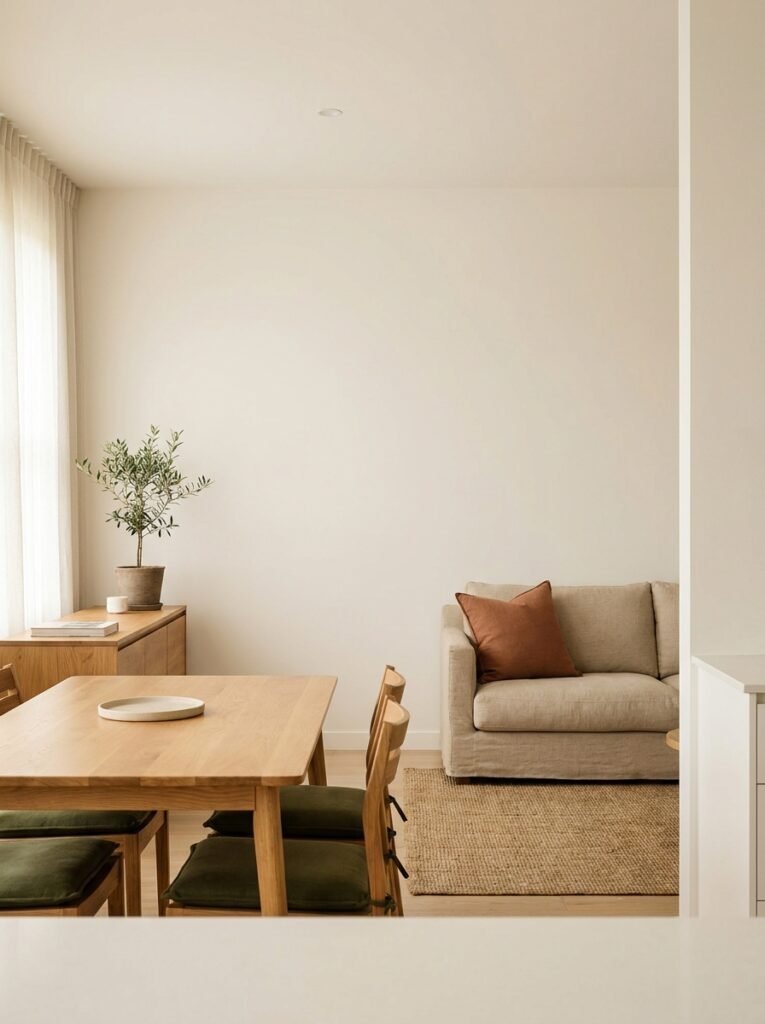
For example, imagine walls in a warm off-white. The dining area features a table with warm wooden tones and chairs with a deep olive green cushion. The living area echoes those same olive greens in a throw pillow and introduces a complementary terracotta in a small accent chair. The result feels curated, intentional, and spacious — because the eye moves through the room fluidly rather than stopping at jarring contrasts.
—
4. The Dining Table Decision That Changes Everything
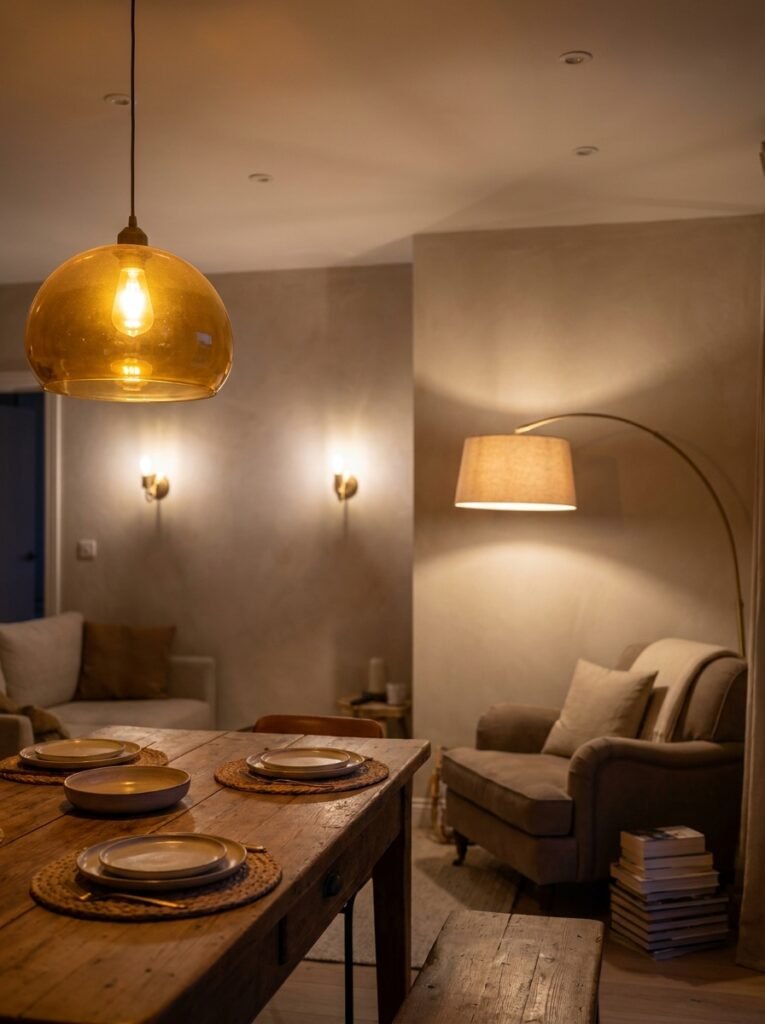
In a small living-dining combo, the dining table is not just a piece of furniture — it’s an architectural element. Choose wisely, and it anchors the entire room. Choose poorly, and no amount of styling will save you.
For most small combo spaces, the answer lies in one of three directions. A round or oval table removes corners from the equation, which dramatically improves traffic flow and makes the dining zone feel softer and less box-like in the overall space. A slim rectangular table pushed against a wall during non-meal times functions almost like a console and frees up significant floor space when you need it most. And for the truly compact space, a fold-down or extendable table offers full functionality without the permanent footprint.
Material matters just as much as shape. Glass tabletops are a classic small-space choice because they allow light to pass through uninterrupted, creating the visual illusion of more open floor space. Light-toned natural wood offers warmth without visual weight. Both are sound choices for combo spaces where keeping the eye moving — rather than stopping — is the goal.
—
5. Lighting: The Silent Architect of Every Combo Room
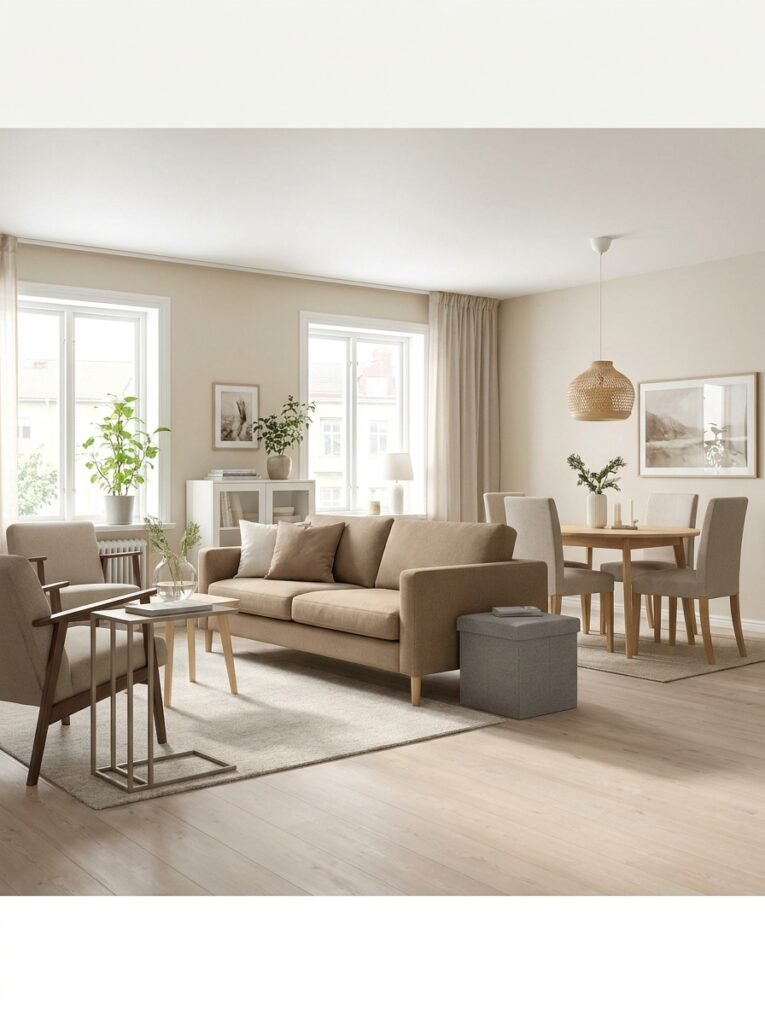
Imagine walking into your living-dining room at seven in the evening. The dining table glows under the warm halo of a pendant light. The sofa corner is lit by the soft amber of a floor lamp. The overhead lights are dimmed. You don’t feel like you’re in a small room at all — you feel like you’re in two perfectly realized spaces that simply happen to share a roof.
That’s the power of layered lighting, and it’s the most underrated design strategy in the small combo room playbook.
“Lighting doesn’t just illuminate a room — it tells you how to feel inside it.”
Every combo room needs at minimum three layers of light: ambient (the overall room illumination), task (focused light for the dining table and any reading areas), and accent (decorative lighting that adds warmth and depth). A pendant light or small chandelier above the dining table does double duty — it provides task lighting for meals while also serving as a visual anchor for the dining zone, making it feel deliberately designed rather than accidentally placed.
Dimmers are non-negotiable. The ability to shift your room’s mood from bright and functional during a weeknight dinner to soft and relaxed during an evening on the sofa is essentially the ability to transform your space without moving a single piece of furniture.
—
6. Furniture Scale: The Mistake Most People Make
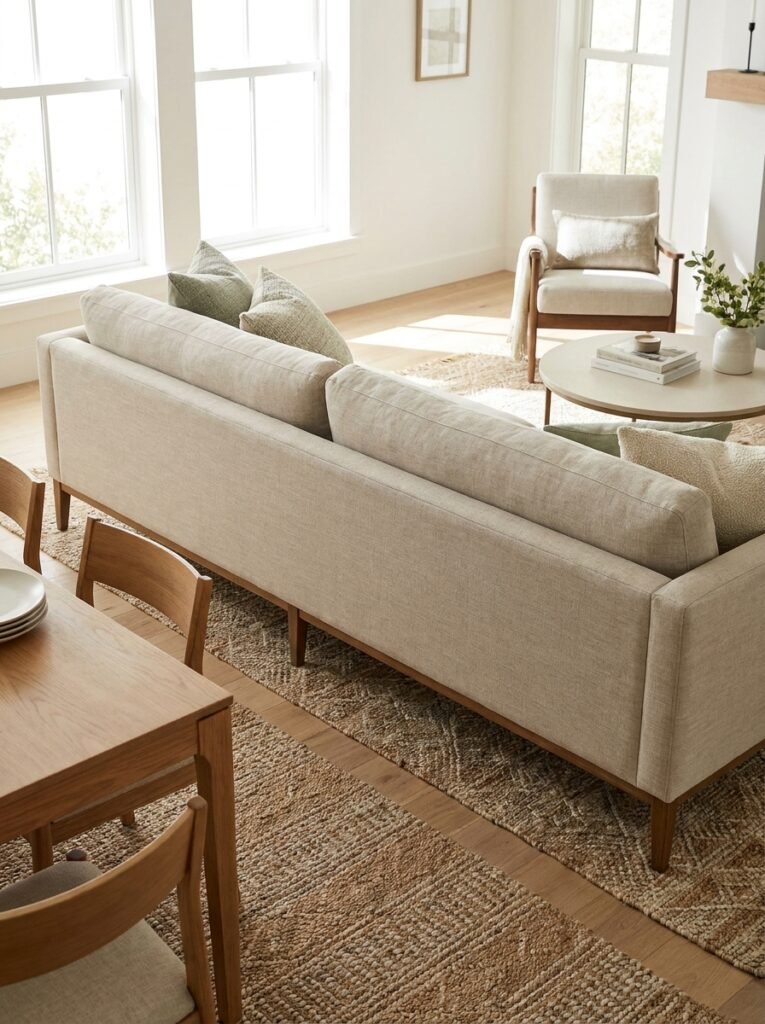
Here’s where well-intentioned small-space decorating goes wrong most often. People assume that small rooms require small furniture across the board. In reality, filling a small room with too many tiny pieces creates visual noise and actually makes the space feel smaller, not larger.
The more effective approach is to invest in fewer, well-scaled pieces that each carry real visual weight and functional purpose. A sofa that’s appropriately sized for the room — not miniaturized to the point of looking doll-like — anchors the living zone with confidence. A dining table that comfortably seats four without crowding the space signals that this room was designed with intention.
What you do want to keep compact are the secondary pieces. Side tables with open legs, dining chairs with slim profiles, ottomans that double as storage — these are the supporting cast, and their lightness allows the hero pieces to shine without the whole room feeling dense.
—
7. The Sofa’s Secret Role in a Combo Room
The sofa in a living-dining combo isn’t just seating — it’s a zoning tool, a visual anchor, and often the single most important design decision in the entire room. Its placement, scale, and orientation shape everything else around it.
In most combo layouts, placing the sofa with its back facing the dining area is the most functional and visually cohesive choice. It creates that psychological zone division we talked about earlier while also ensuring the living area feels self-contained and intentional. A sofa with exposed legs keeps things visually light. A sofa in a solid, neutral fabric acts as a calm backdrop that lets your dining zone and accent pieces do the talking.
If your space is narrow and this placement isn’t possible, a loveseat or apartment-sized sofa positioned along one wall with an angled accent chair can achieve a similar sense of zone definition and spatial balance.
—
8. Storage That Works Invisibly
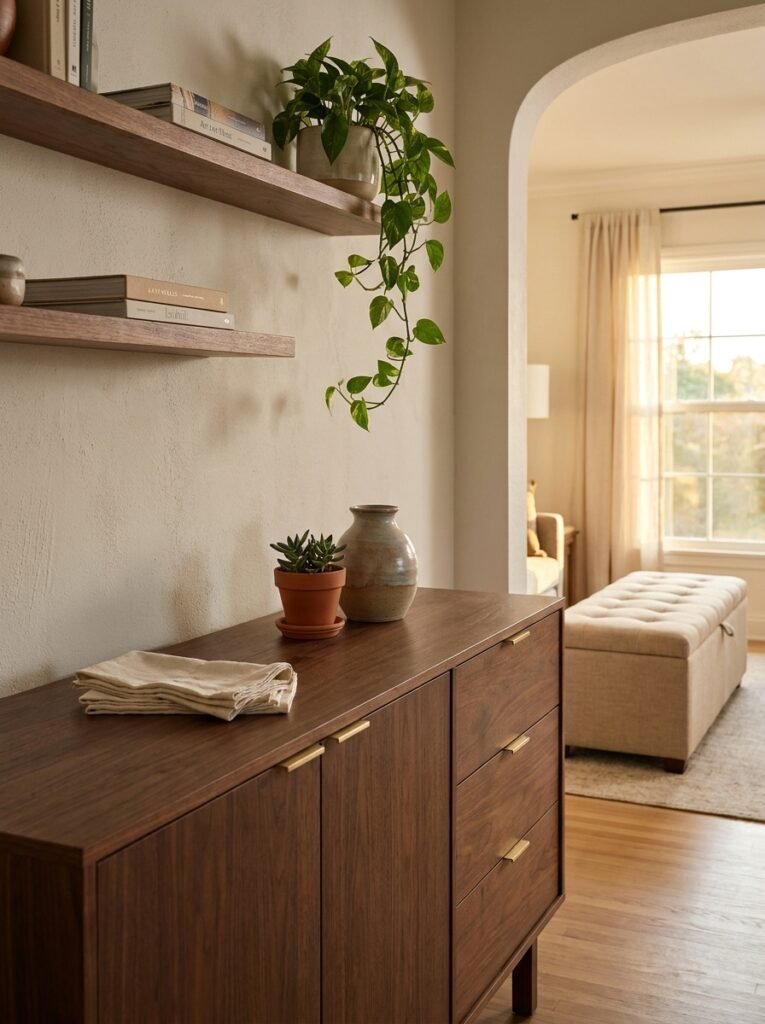
In a small combo room, clutter is the enemy of both beauty and function — and the only real solution is storage that works so well you barely notice it’s there.
Sideboards and buffets placed along the dining zone wall offer incredible storage capacity while also functioning as a display surface for artwork, plants, and decorative objects that bring the room to life. A storage ottoman in the living zone hides blankets, remotes, and all the small necessities of daily living while providing flexible seating when guests arrive. Floating shelves above the sofa or along a dining wall add vertical storage and display space without consuming any floor area at all.
The key is choosing storage pieces that look like intentional design decisions rather than afterthoughts. A beautiful sideboard in a warm wood tone doesn’t read as “extra storage” — it reads as a sophisticated design feature that happens to also hold your table linens and holiday candles.
—
9. How Plants Bridge the Two Zones
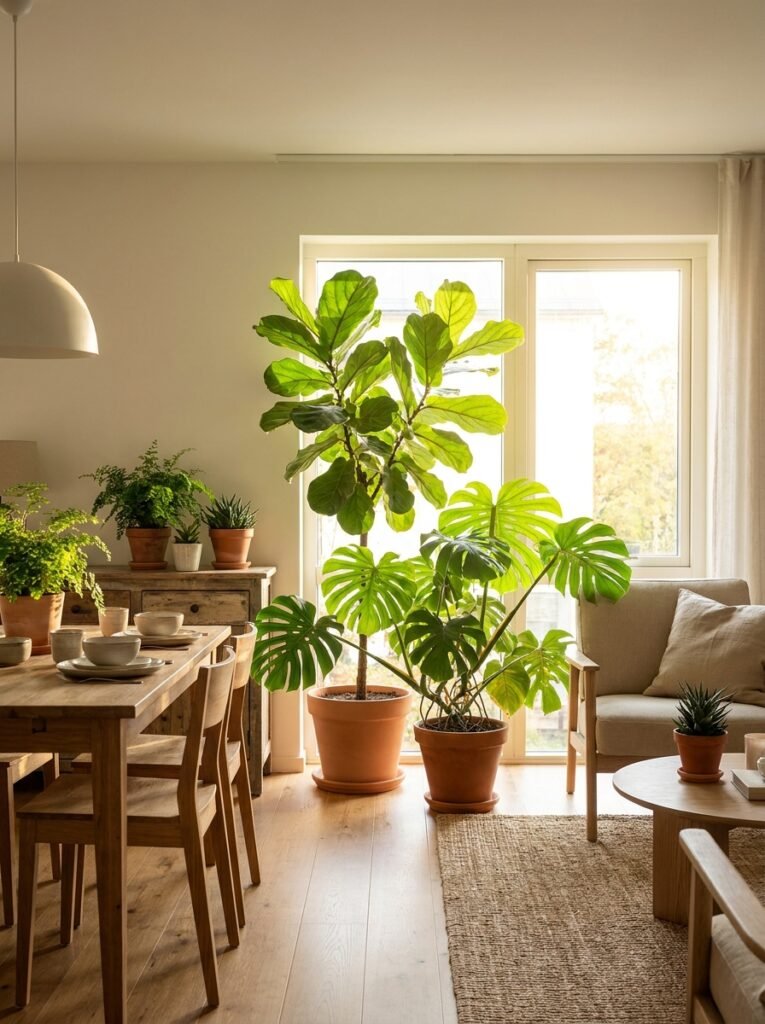
There’s something uniquely powerful about the role that plants play in a living-dining combo room. More than almost any other decorative element, greenery has the ability to soften boundaries, add life to neutral color palettes, and make a multi-function space feel cohesive and intentional.
“Plants don’t just decorate a space — they make it feel alive, and alive spaces feel larger than their walls suggest.”
Place larger floor plants — a fiddle leaf fig, a tall monstera, a graceful olive tree — at the transition point between your two zones. This creates a natural, organic boundary that feels far less rigid than any furniture arrangement while also drawing the eye upward and making the room feel taller. Smaller plants on the dining table, sideboard, and coffee table create visual consistency that carries the eye through the whole space as one unified composition.
Even if you’re not a natural plant keeper, low-maintenance options like pothos, snake plants, and ZZ plants offer maximum visual impact with minimal care requirements.
—
10. Mirrors and Art: Creating the Illusion of Space and Story
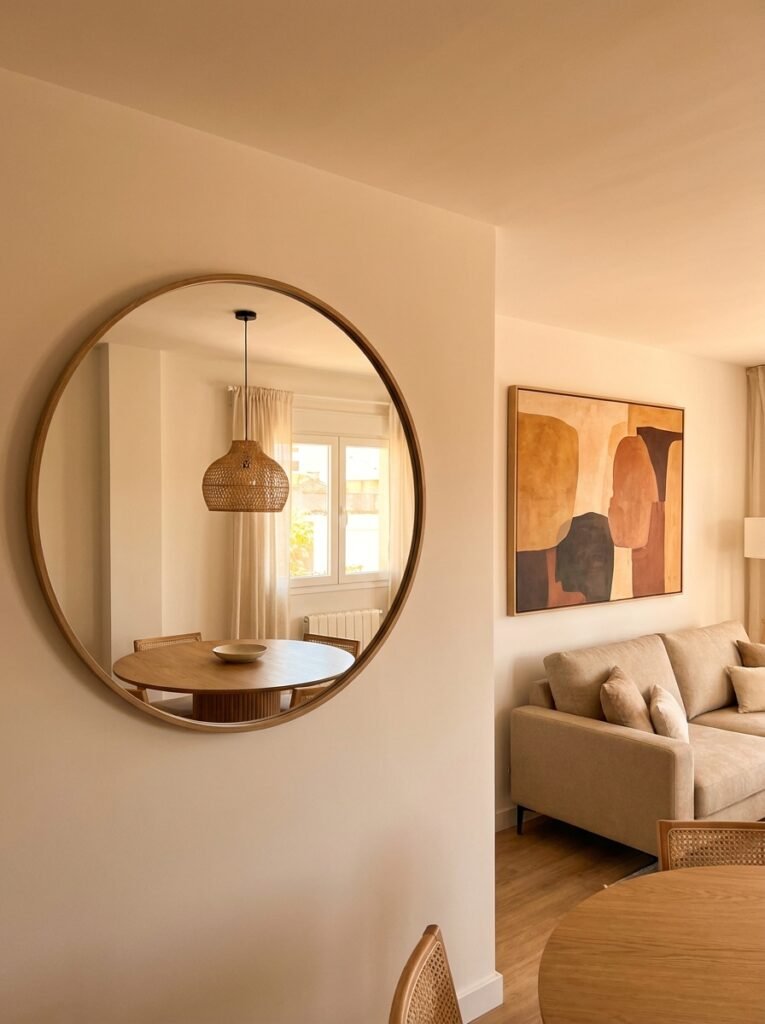
A well-placed mirror in a small combo room is essentially a free window. It bounces light, doubles the visual depth of the space, and creates the perception of square footage that simply doesn’t exist on paper. A large mirror on the dining zone wall reflects both the pendant light above the table and any natural light from nearby windows, making the entire room feel brighter and more expansive.
Art tells your room’s story. In a combo space, the most cohesive approach is to choose pieces that share a tonal relationship — similar color families or complementary styles — rather than matching sets. A large statement piece above the sofa and a cluster of smaller prints along the dining wall create visual rhythm and give each zone its own personality while still belonging to the same conversation.
Scale matters with art just as it does with furniture. One large, confident piece will almost always outperform a grid of small frames that get lost against the wall and add visual clutter rather than visual interest.
—
11. Textiles: The Warmth Makers
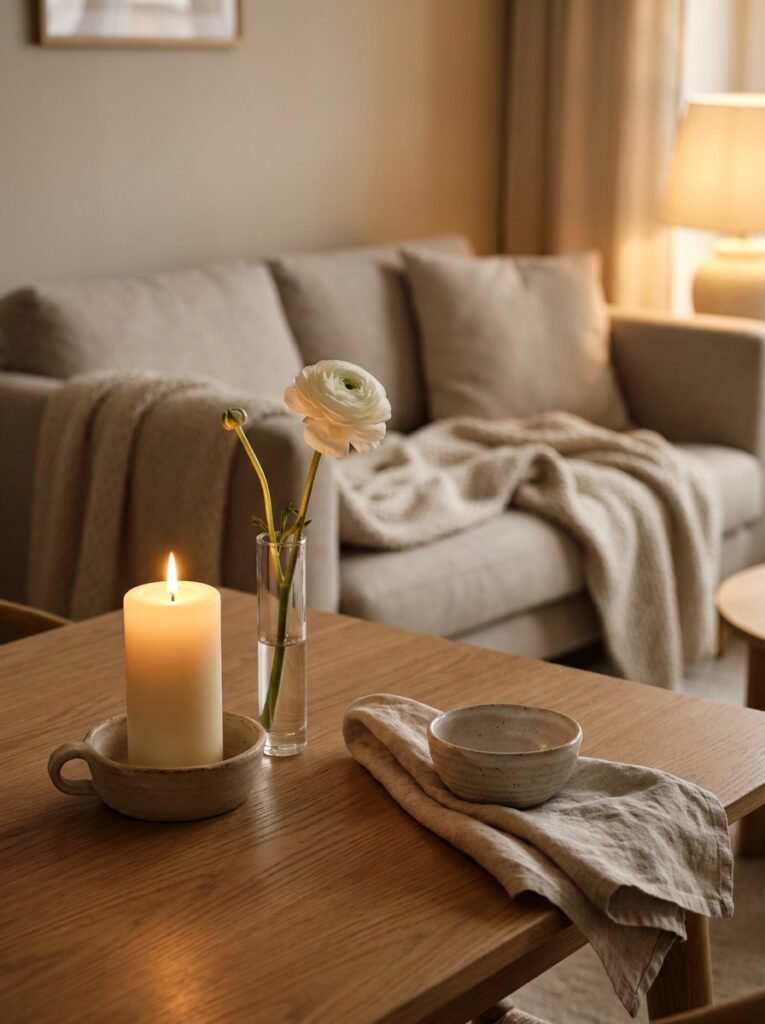
If lighting is the silent architect, textiles are the room’s emotional signature. In a small living-dining combo, the right textiles can transform a space from functional to genuinely beautiful — from a room you use to a room you feel.
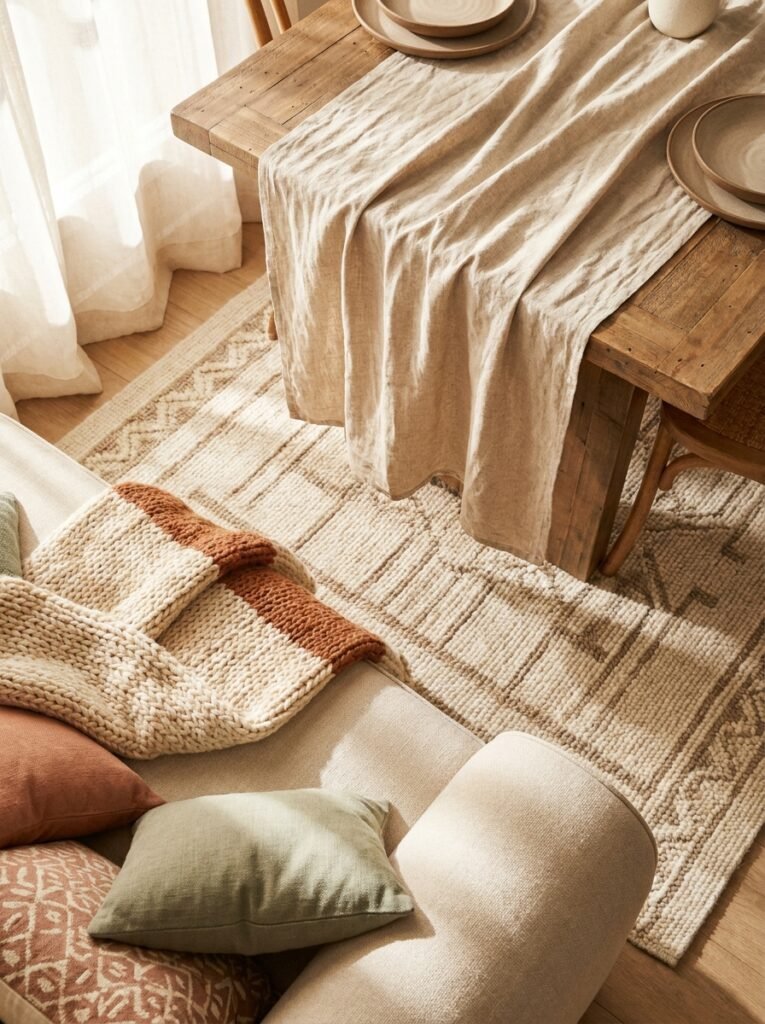
Layer your textiles thoughtfully across both zones. In the dining area, a table runner in a natural linen or textured cotton adds warmth and tactile interest without overwhelming the table. Seat cushions on dining chairs soften the space and introduce color or pattern in a manageable, replaceable way. In the living zone, a generous throw draped over the sofa, a mix of cushion textures in complementary tones, and an area rug underfoot work together to create that coveted sense of layered comfort.
The rule of thumb for small spaces: keep patterns small-scale or use them sparingly on one or two key pieces, letting solid textures carry the majority of the textile story.
—
12. The Details That Make Guests Say “This Room Feels So Good”
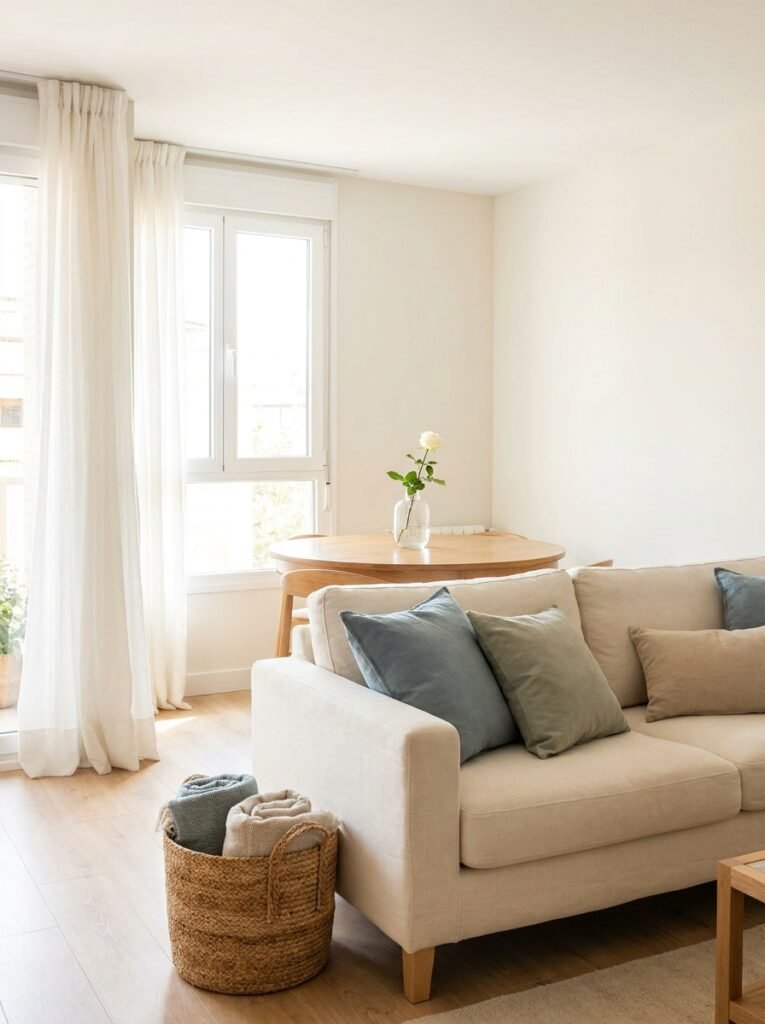
You’ve probably walked into a room before and felt immediately at ease without being able to articulate exactly why. That feeling is almost always the result of considered details — the small, intentional touches that signal care, personality, and warmth.
In a living-dining combo, those details live in the candles on the dining table, the stack of beautiful books on the coffee table, the single stem in a bud vase on the sideboard, the carefully chosen scent from a diffuser that makes the whole room feel like a place someone actually loves. These are the things that photographs capture and people pin on Pinterest — not because they’re expensive or elaborate, but because they’re real. They communicate that someone thought about this room, cared about this room, lives fully and joyfully inside it.
The most save-worthy, share-worthy rooms on Pinterest aren’t perfect showrooms. They’re spaces that feel lived in, loved, and deeply considered. Aim for that, and your combo room will feel like exactly what it is: a home.
—
🌿 How to Take Care of Your Living-Dining Combo Room
Maintaining a small combo room’s beauty is really about building a few simple habits that keep the space from sliding into the clutter and chaos that can quickly overwhelm a multi-function area.
First, give everything a home. In a combined space, items without designated storage spots will migrate to every surface and erode the intentional aesthetic you’ve worked hard to create. A basket for throws, a tray for remote controls, a hook near the door — small organizational decisions with enormous visual impact.
Second, do a weekly “reset” rather than an occasional deep clean. Spending ten minutes returning everything to its place, fluffing cushions, clearing the dining table, and refreshing the small decorative vignettes keeps the room consistently beautiful rather than cycling between perfect and chaotic.
Third, let the light work for you. Open curtains during the day, switch on your layered lighting in the evening, and avoid relying solely on harsh overhead fixtures. Natural and warm artificial light are two of the most powerful beautifying tools available, and both are essentially free.
Fourth, refresh seasonally. Small changes — swapping a throw blanket, switching out a centerpiece, introducing seasonal greenery — keep the room feeling current and intentional without requiring any significant investment or effort.
—
❓ FAQ
Q: What’s the best furniture arrangement for a very small living-dining combo room? A: The most effective approach for very small combo rooms is to position a sofa along the longest wall with its back toward the dining area, use a round dining table to improve flow and minimize visual bulk, and leave as much open floor space as possible between the two zones. Keeping furniture legs visible — rather than using pieces that sit flush to the floor — also helps maintain a sense of openness.
Q: How do I make a living-dining combo feel less like two rooms awkwardly sharing a space? A: The key is visual cohesion through a unified color palette, consistent materials, and thoughtful transitions between zones. Use complementary (not matching) rugs in each zone, repeat accent colors across both areas, and choose a lighting scheme that creates warmth throughout rather than bright islands in each section. When the zones share a visual language, they read as one intentional space rather than two competing rooms.
Q: Should the dining table and the living room furniture match in a combo room? A: They don’t need to match — and in most cases, shouldn’t match exactly, as perfectly matching sets can feel more like a furniture showroom than a home. Instead, aim for pieces that share tonal or material relationships. A warm wood dining table paired with a sofa in a warm neutral and wooden accent furniture creates harmony without uniformity, which is far more interesting and personal.
—
💭 Final Thought
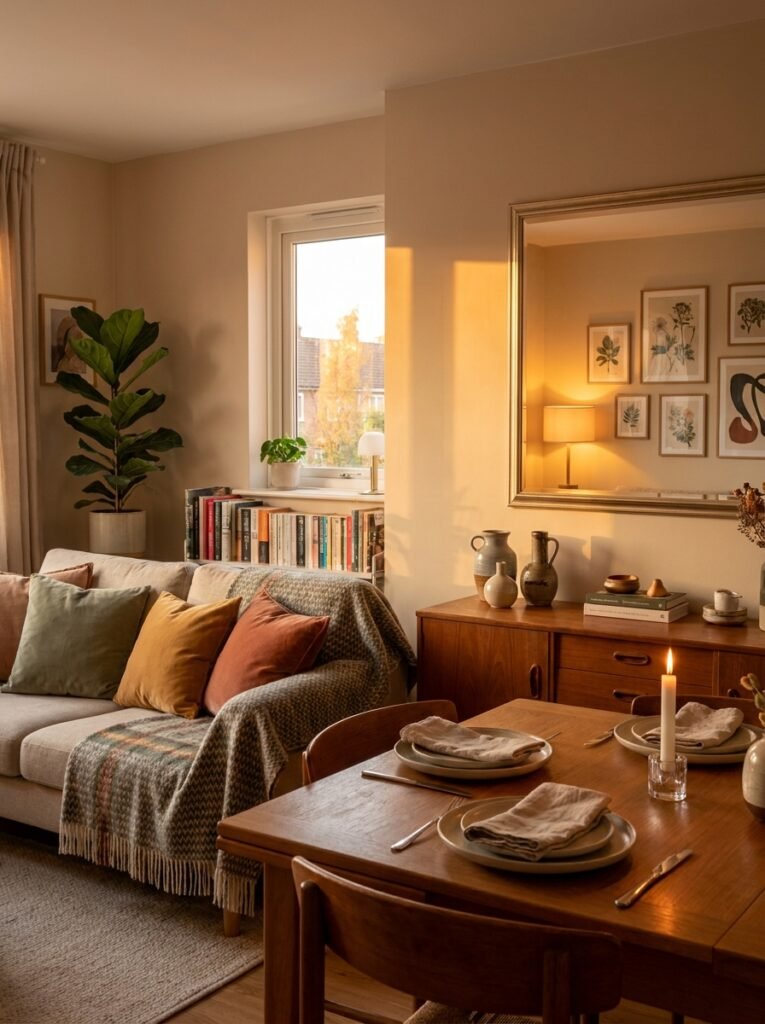
A small living-dining combo room isn’t a limitation — it’s an invitation to design more thoughtfully, more intentionally, and more beautifully than a larger space ever demands. Every square foot earns its place. Every piece of furniture carries meaning. Every small detail becomes part of the story the room tells.
The spaces we remember — the ones we photograph and pin and return to in our minds long after we’ve left them — are rarely the grandest. They’re the ones that feel curated with care. And in a world full of oversized, underconsidered spaces, there is something genuinely powerful about a small room that knows exactly who it is.
So here’s the question worth sitting with today: what would your living-dining combo look like if you stopped seeing it as two rooms competing for space, and started designing it as one room with two beautiful purposes?