
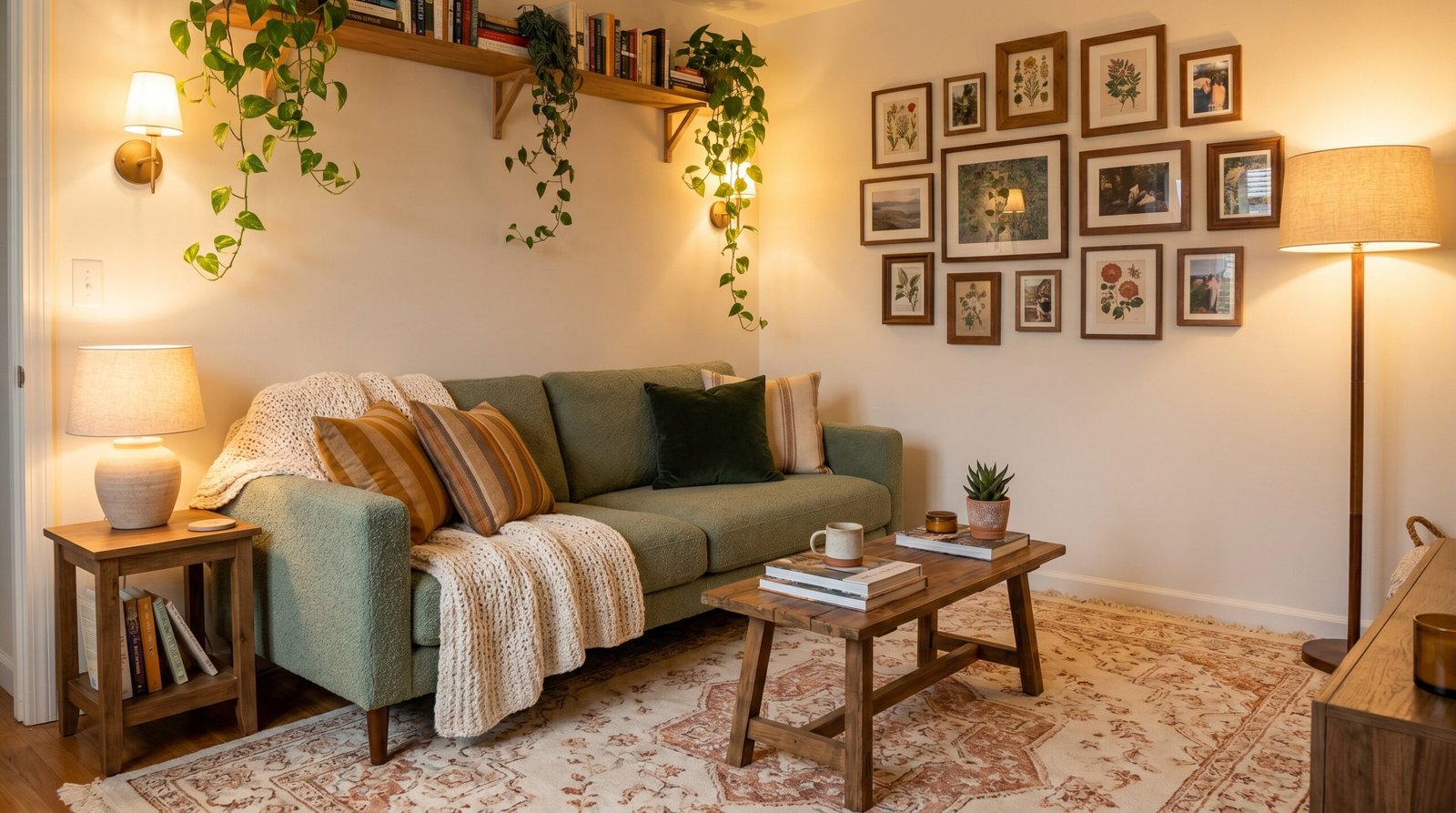
Living Room Apartment Ideas That Turn Small Spaces Into Soulful Sanctuaries
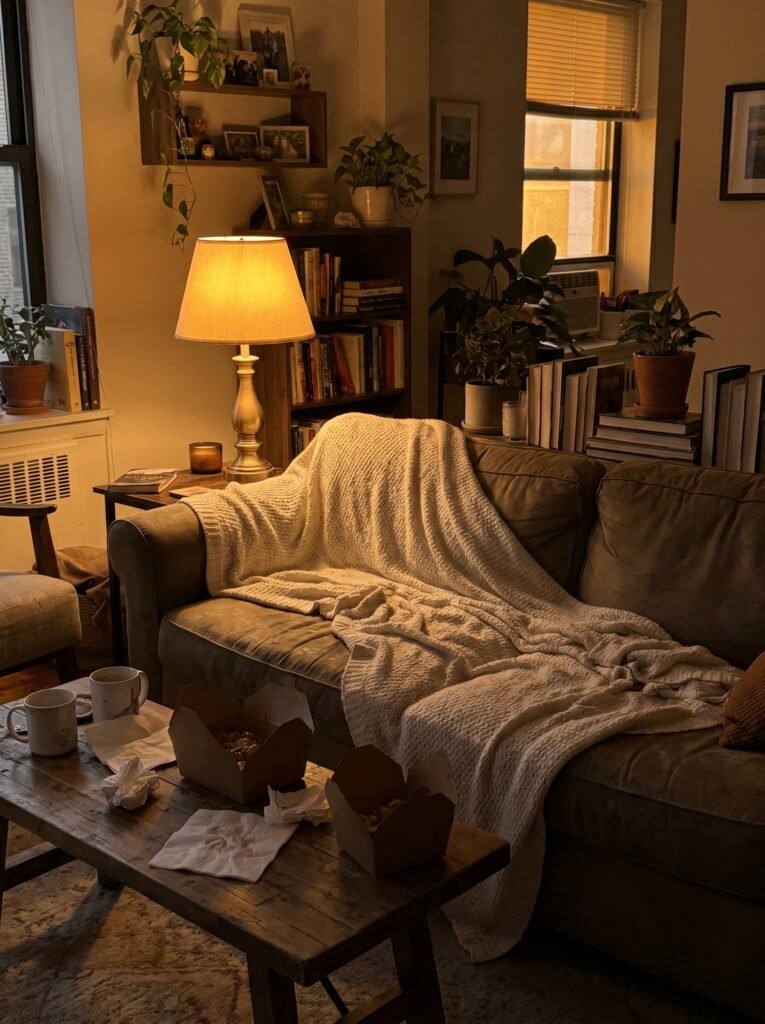
There’s something quietly magical about a small apartment living room — the way it holds your whole life in one room, the way it becomes the place where you eat takeout on the floor, cry during movies, and host your best friend at 11pm just because. But making that space feel like home and not like a furniture showroom catalog gone wrong? That takes intention, creativity, and a little bit of heart.
—
1. Start With the Feeling You Want, Not the Furniture You Think You Need
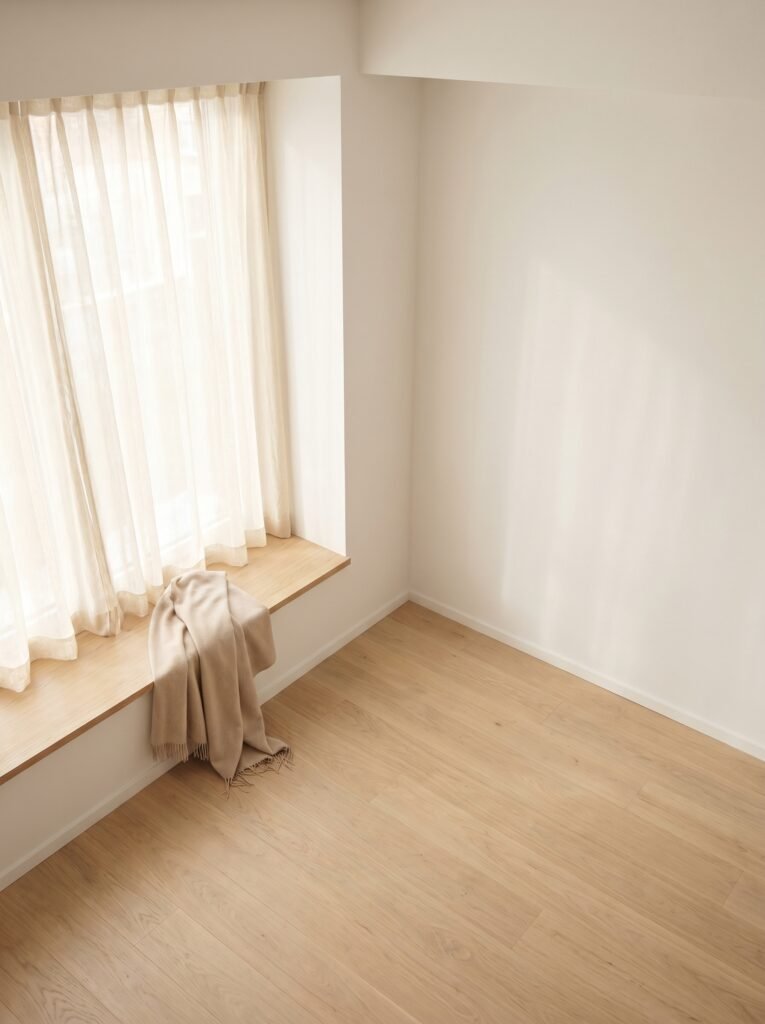
Most people walk into an empty apartment living room and immediately start thinking about a sofa. A rug. A TV stand. But the designers who create those spaces you can’t stop saving on Pinterest? They start somewhere entirely different — they start with a feeling.
Ask yourself: what do you want to feel when you walk through that door after a long day? Calm? Energized? Wrapped in warmth like a cashmere blanket? That single answer will guide every single decision you make — from the color on your walls to the kind of lamp you choose for the corner.
If you want calm, you’ll lean toward muted neutrals, soft textures, and clean lines with minimal clutter. If you want energy, you’ll gravitate toward color, layered patterns, and pieces that have personality and soul. If you want warmth — which is honestly what most of us are chasing — you’ll build a room with soft lighting, natural materials, and spaces that feel gathered rather than scattered.
“Design doesn’t start with furniture. It starts with the feeling you’re trying to come home to.”
The living room in an apartment is almost always doing the work of multiple rooms at once. It’s your office, your dining room on lazy Sundays, your reading nook, your entertainment center, your guest space. Knowing the emotional core of the room first keeps all those functions from fighting each other.
—
2. The Sofa Is Your Anchor — Choose It Like You’re Choosing a Relationship
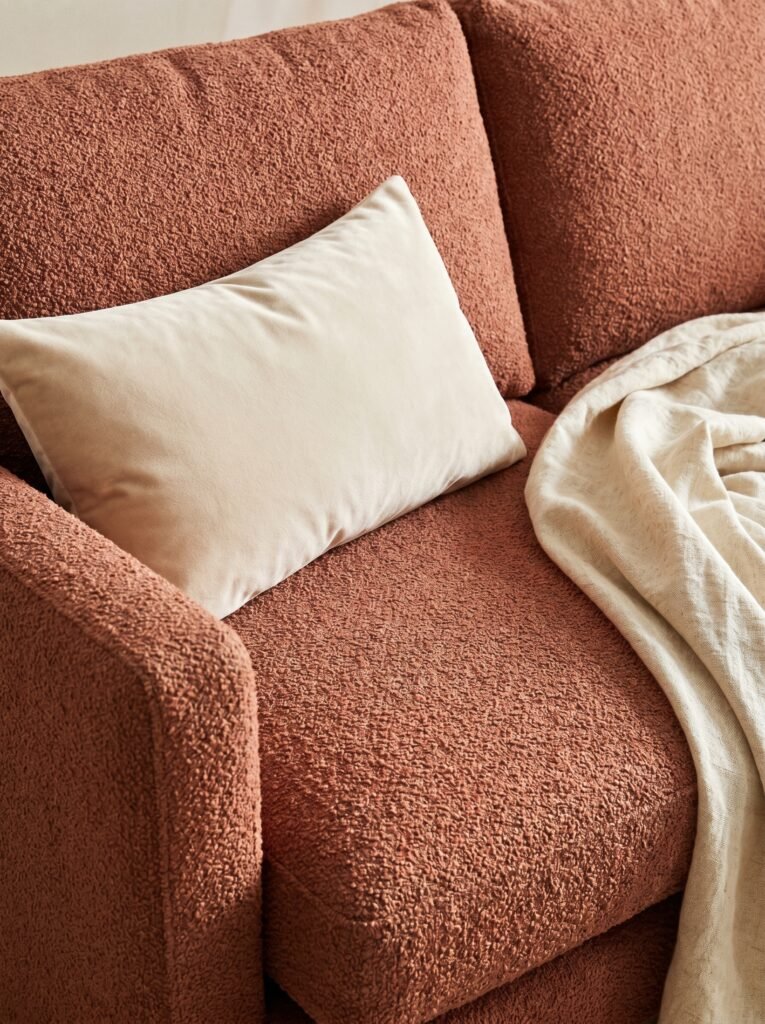
The sofa is the single most important piece of furniture in an apartment living room. It sets the scale of everything else, defines the color story, and communicates the entire vibe of your space before a single word is spoken. Choose it carefully — and choose it for the life you actually live, not the life you think you should have.
If you live alone and tend to curl up sideways with a book, a deep-seated sectional chaise might be your version of heaven even if it feels indulgent in a small space. If you host people regularly, a classic three-seater in a neutral fabric gives you flexibility. If your apartment is truly tiny, a loveseat placed at an angle can actually create more visual space than a full sofa pushed flat against the wall.
Fabric matters more than people admit. Bouclé is having a moment for a reason — it photographs beautifully, feels incredible, and forgives a lot of sins in terms of wear. Linen is eternally elegant but can look tired quickly without regular upkeep. Velvet adds drama and richness that transforms a basic apartment into something that feels considered and curated.
And color? A sofa in a warm sage green, dusty terracotta, or deep camel can do more for an apartment’s personality than a full renovation ever could.
—
3. The Secret Power of the Rug You Probably Haven’t Bought Yet
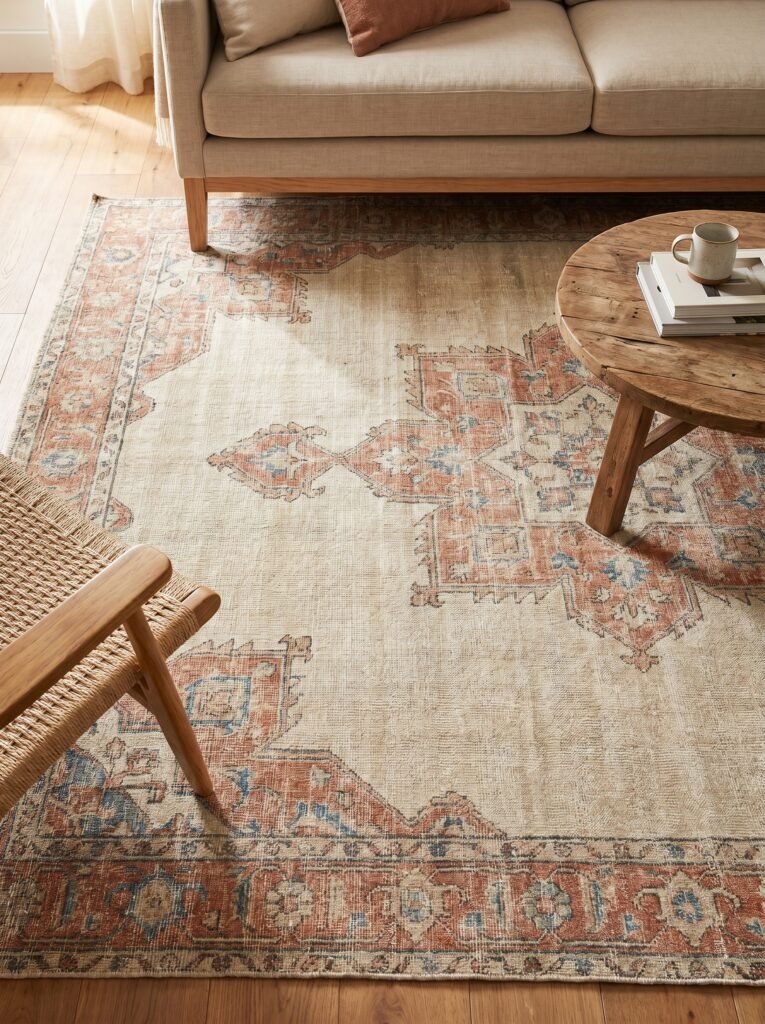
Here’s a design truth that professional decorators have known for decades but that somehow never quite makes it into the mainstream conversation: most people buy rugs that are too small, and it makes their entire room feel disconnected, like furniture floating on a sea of floor.
In an apartment living room, the rug is the foundation. It’s what tells the eye “this is a room” rather than “this is a collection of furniture.” The rule most designers live by is that your rug should be large enough that at least the front legs of every major piece of furniture can rest on it. If you can go larger and have all four legs on the rug? Even better.
A large, beautiful rug — even an affordable one — transforms a room more dramatically than almost any other single purchase. A faded vintage-style rug in cream and terracotta creates warmth and history. A geometric pattern in navy and natural adds structure and confidence. A plush, solid-color rug in ivory or oatmeal creates softness that makes you want to sit on the floor.
Don’t be afraid of bold rugs in small spaces. A strong pattern actually grounds a room and makes it feel intentional rather than accidental.
—
4. How Lighting Changes Everything You Think You Know About Your Space
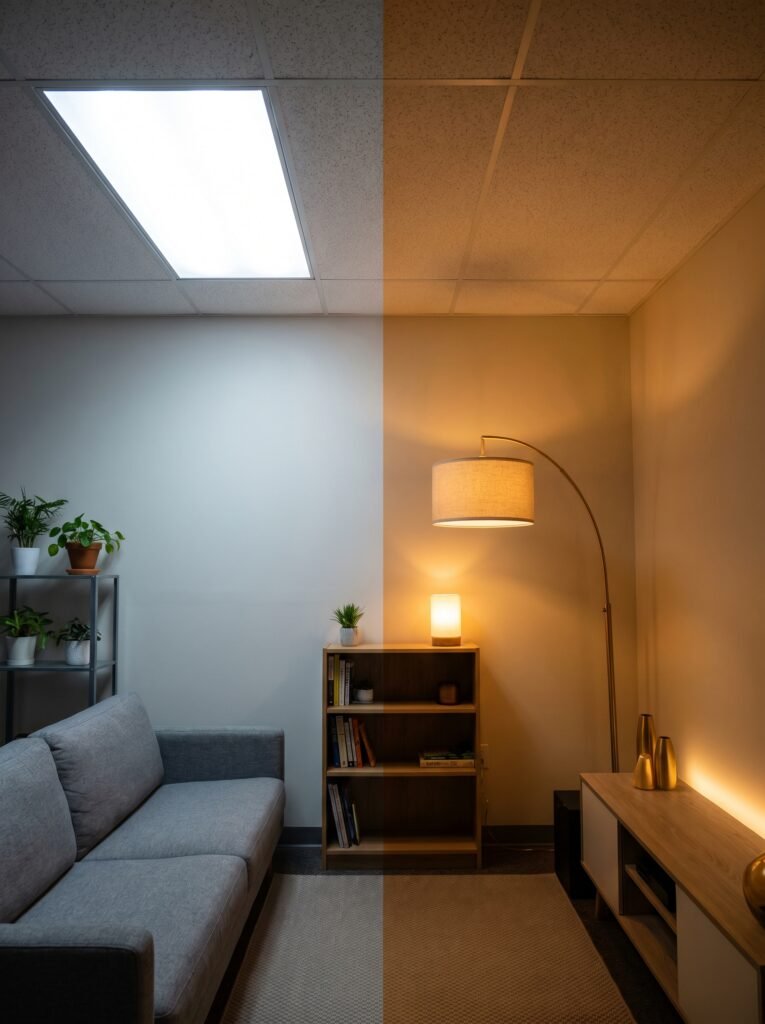
Imagine walking into your apartment living room after a long day. The overhead fluorescent light buzzes on, flooding the room in harsh white light that makes everything look flat and slightly sad. Now imagine the same room — same furniture, same walls — but lit by three warm lamps and a string of soft lights draped along a shelf. It’s practically a different place. That’s the power of lighting, and it’s criminally underused in apartments.
Overhead lighting in most apartments is functional at best and unflattering at worst. The solution isn’t to spend money on renovations — it’s to layer. Add a floor lamp in a dark corner to make it feel inhabited. Put a small table lamp on a bookshelf or side table for intimacy. Use LED strip lights behind a TV console or under a floating shelf to add depth and a warm glow that feels designed rather than default.
The magic number most designers use is three light sources minimum per room, at varying heights. Low light — from table lamps and floor lamps — makes a room feel cozy and human. Overhead light makes it feel like a waiting room. The choice, genuinely, makes that much difference.
“Lighting isn’t about seeing better. It’s about feeling better in the rooms where you live.”
—
5. Multifunctional Furniture: The Apartment Dweller’s Most Valuable Ally
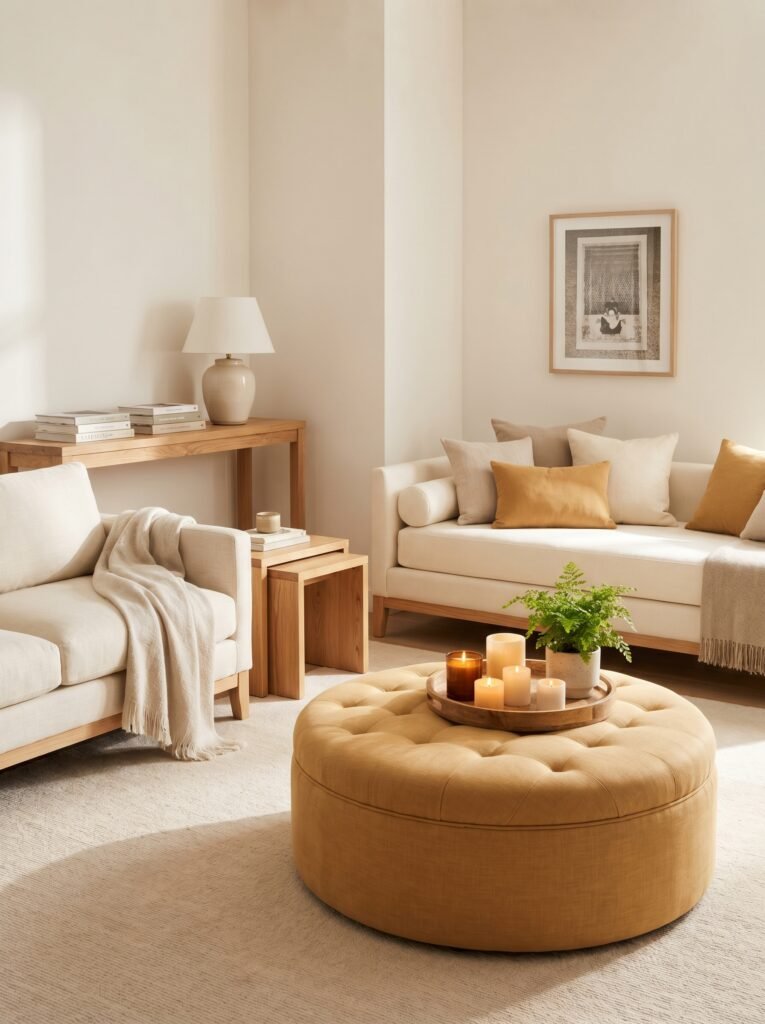
Living in an apartment means embracing a certain kind of creative intelligence — because the furniture you choose needs to work harder than furniture in a house with extra rooms to absorb the overflow.
An ottoman with storage inside is one of the greatest gifts the furniture industry has given apartment dwellers. It functions as a coffee table, extra seating when guests arrive, a footrest for movie nights, and a hidden storage solution for throw blankets, remotes, board games, and the general chaos of living. A console table behind a sofa creates a landing zone for lamps, books, and plants while also visually dividing a space that might otherwise feel undefined.
Nesting tables are another underrated hero — they tuck away when not needed and expand when you’re hosting. A daybed with a clean, tailored look can serve as both a sofa and a guest bed without screaming “I live in a tiny apartment and had to make choices.”
The goal with multifunctional furniture isn’t to make your space look like a clever puzzle. It’s to make it feel effortless — like everything belongs, everything has a purpose, and nothing is fighting for attention.
—
6. Gallery Walls and the Art of Making a Rental Feel Like Yours
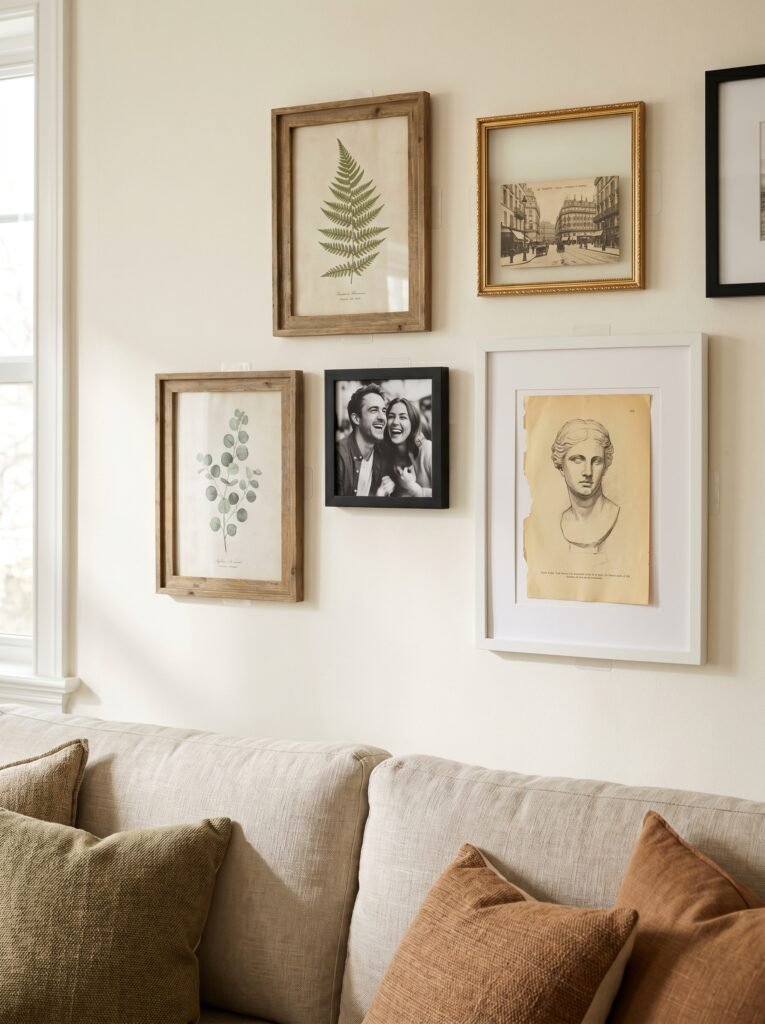
One of the most emotionally powerful things you can do in an apartment living room — especially a rental — is put things on the walls that matter to you. Art, photos, prints, small shelves, mirrors — these are the things that turn a generic white box into the specific, irreplaceable home of one particular person living one particular life.
A gallery wall doesn’t have to be expensive or perfectly curated. Some of the most beautiful ones are a mix of framed photos printed at home, pages torn from art books, vintage postcards, and one or two pieces of actual art bought at markets or online shops. The key is cohesion — a consistent frame color or style, a limited color palette within the art itself, or a clear theme that ties everything together even if the individual pieces vary.
Command strips and removable adhesive hooks have made renting a whole different experience. You can create a stunning gallery wall without putting a single hole in a landlord’s wall, which means no deposit drama and full creative freedom.
—
7. Plants Are Not Optional — They’re Emotional Infrastructure
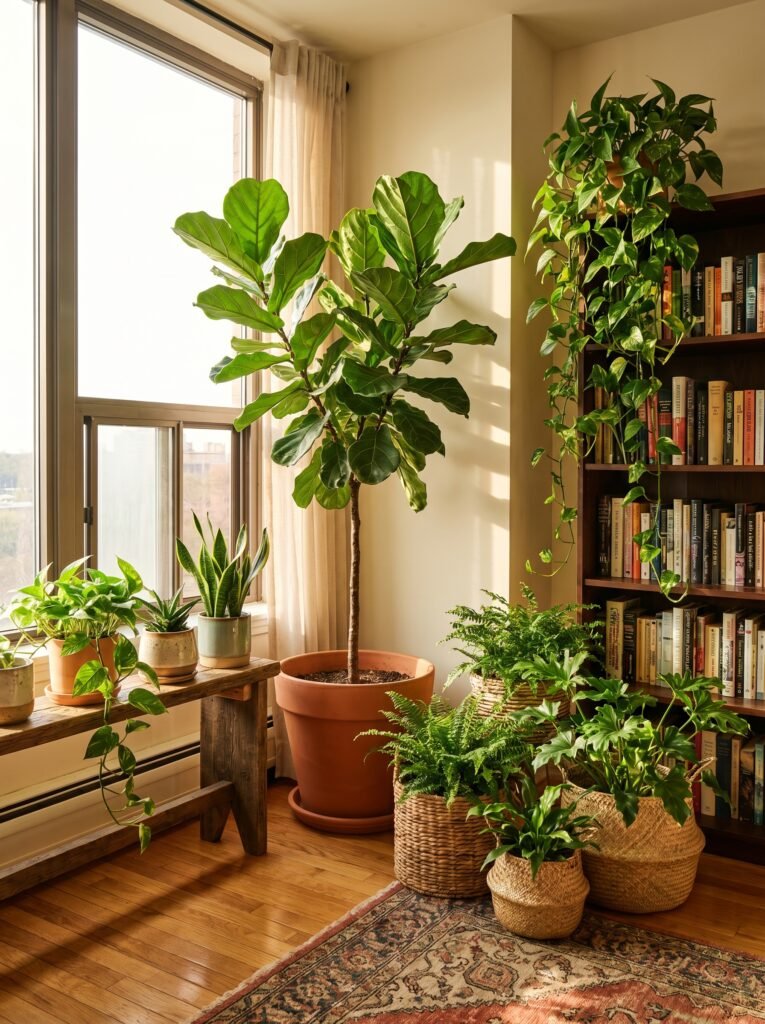
There is genuine science behind why we feel better in rooms with plants. They lower stress, improve air quality, and add a sense of life and movement to a space that no other design element can replicate. In an apartment living room, plants are not decoration — they’re emotional infrastructure.
You don’t need a green thumb to pull this off. Pothos, snake plants, and ZZ plants are practically indestructible and thrive in low-light apartment conditions. A fiddle leaf fig in the corner of a well-lit room becomes a statement piece that anchors the whole design. A trailing pothos on a high shelf creates the feeling of a living, breathing room.
Group plants together in odd numbers — three small pots on a shelf, a cluster of five in a sunny corner — because groupings feel intentional and lush rather than lonely. Choose pots in natural materials: terracotta, ceramic, woven baskets. These textures add warmth and connect your indoor space to the natural world outside your apartment window.
—
8. Color on a Budget: How to Transform a Room Without Painting a Wall
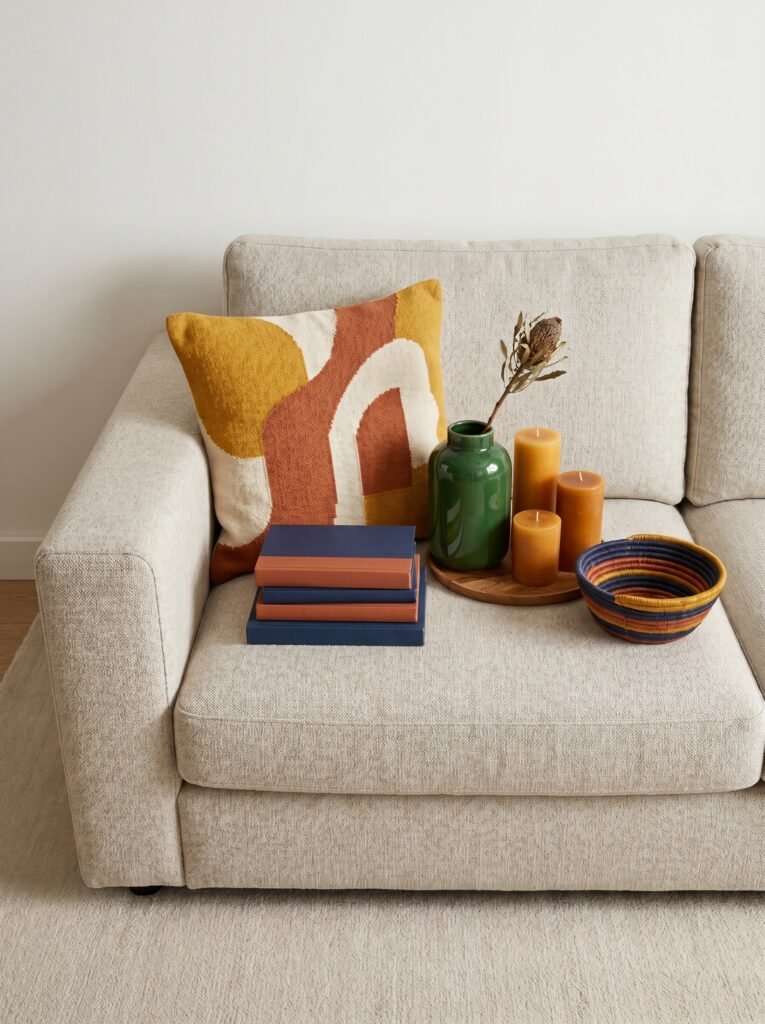
Many renters can’t paint, which creates a particular kind of design frustration — you’re staring at white walls that feel empty and impersonal, and your hands feel tied. But color can enter a room through so many avenues other than paint, and sometimes the result is even more interesting.
Throw pillows in a curated palette can shift the entire mood of a sofa. A bold, patterned throw draped over an armchair brings color without commitment. Colorful books arranged spine-out on a shelf create a deliberate display of hue. A colored lamp shade, a vibrant vase, a set of matching candles — these small doses of color, repeated through the room with intention, create a cohesive and beautiful palette without a single painted wall.
If you can paint and want maximum impact with minimum surface area, consider painting just the inside of a bookshelf a deep, moody color — navy, forest green, or a warm terracotta. It creates depth and drama and makes every object in front of it look curated and intentional.
“Color isn’t about making a statement. It’s about making yourself feel at home.”
—
9. The Forgotten Corner: How to Make Every Inch Feel Intentional
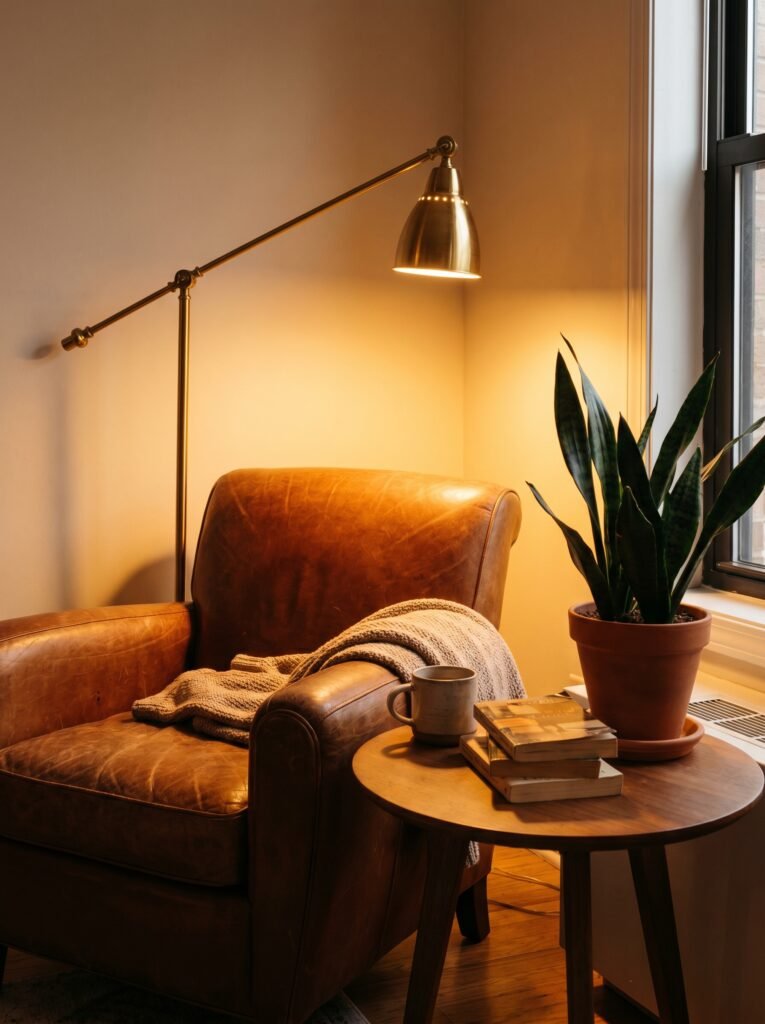
Every apartment living room has one — a corner that just sits there, slightly awkward, not quite fitting anything, silently making the room feel unfinished. Addressing that corner is one of the highest-ROI design moves you can make in a small space.
A floor lamp plus a small side table plus a comfortable chair creates what designers call a “reading nook” — a contained, purposeful zone that makes a room feel larger by adding distinct areas within it. You don’t need much space at all. Even a 5×5 foot corner becomes intentional and inviting when you give it a purpose and a name.
If furniture isn’t the answer — maybe the corner is truly too small — consider a tall plant, a stack of beautiful books with a small lamp beside them, or a piece of leaning art propped against the wall with a candle in front. These “vignettes” are beloved on Pinterest for a reason: they make a room look styled, considered, and full of personality.
—
10. Mirrors: The Oldest Trick That Still Works Every Single Time
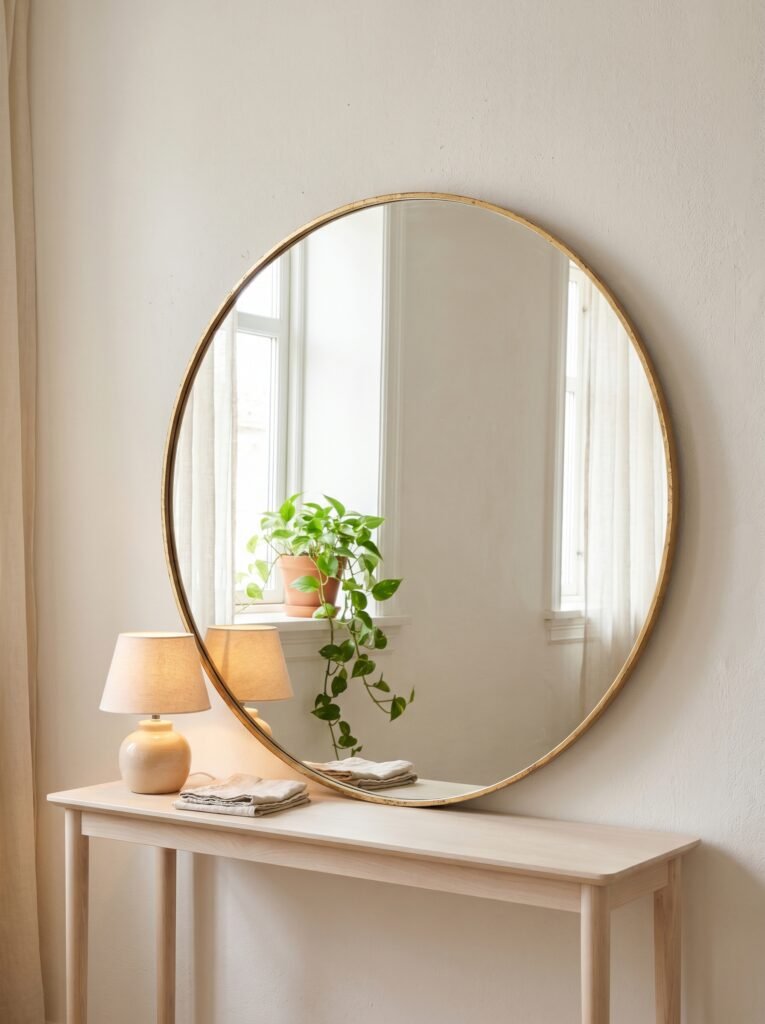
Mirrors have been making small rooms feel larger since people first started decorating interiors, and that’s not a coincidence — it’s physics and psychology working in beautiful harmony. A well-placed mirror doubles the perceived depth of a room, reflects light back into the space, and adds a layer of elegance that photographs beautifully.
In an apartment living room, a large mirror leaned against a wall feels casual and modern while still delivering all the visual expansion benefits. A round mirror above a console table or mantle adds softness and sophistication. A gallery-style arrangement of smaller mirrors creates visual interest and the illusion of windows.
The key is placement: position a mirror where it will reflect something beautiful — a window, a lamp, a plant, a gallery wall — rather than just a blank wall or the back of a sofa. What the mirror reflects becomes part of the design itself.
—
11. Textiles Are the Warmth You Can Literally Touch
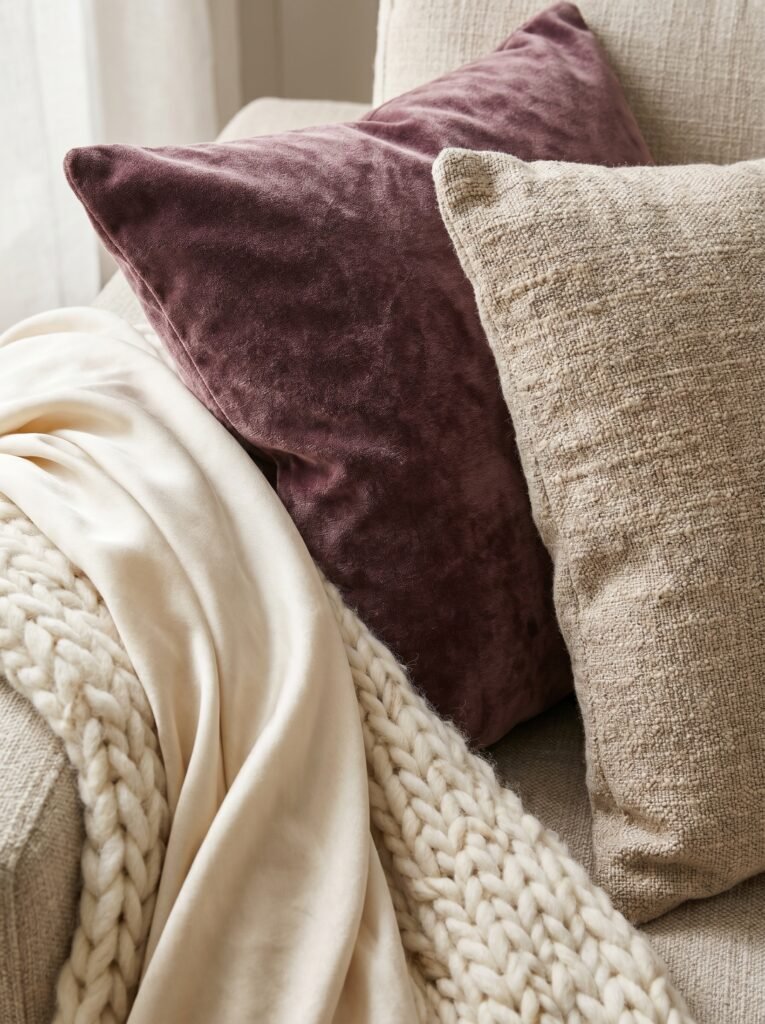
If the bones of a room are the furniture and the soul is the lighting, then textiles are the warmth — they’re what make a space feel human, inhabited, and alive. Throw blankets folded over the arm of a sofa, a linen lumbar pillow pressed against the back cushions, a woven wall hanging above the TV, a chunky knit throw in a basket beside the chair — these layered textiles are what separate a room that looks comfortable from a room that feels comfortable.
Don’t be afraid to mix textures. A smooth velvet cushion next to a rougher linen one. A silky throw beside a chunky knit. A sleek leather ottoman paired with a shaggy rug. Contrast in texture creates visual interest and depth that makes a room feel collected rather than decorated.
—
12. The Final Layer: Personal Objects That Make a Space Irreplaceable
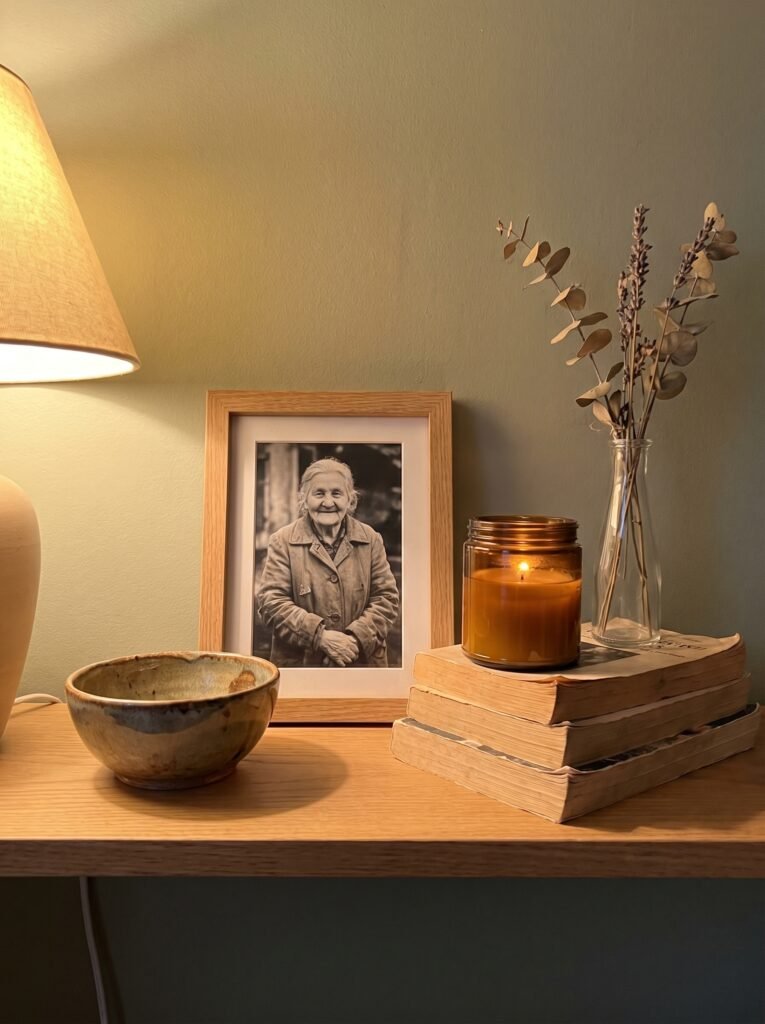
You can follow every design rule perfectly and still end up with a room that feels cold and impersonal — because the last layer of any truly beautiful living space is the layer that can’t be bought in a store or saved from a Pinterest board. It’s the personal layer: the objects that carry meaning, memory, and story.
The small ceramic bowl you bought at a market in a city you loved. The photo of your grandmother on a shelf. The stack of books you’ve actually read and loved, not just arranged for aesthetics. The candle that smells like the cabin where you spent a perfect weekend. These things are the difference between a room that looks good in photos and a room that feels good to live in — and that difference is everything.
Place these objects with care and visibility. Let them anchor the shelves, the coffee table, the side tables. Let the story of who you are be present in the room where you spend most of your time at home.
—
🌿 How to Take Care of Your Living Room Apartment Space
Maintaining a beautiful apartment living room doesn’t require hours each week — it requires a few thoughtful habits done consistently.
First, do a five-minute daily reset: fluff the pillows, fold the throws, clear the coffee table of anything that doesn’t belong there. This one habit keeps a small space from feeling chaotic even on the busiest weeks.
Second, edit seasonally. Every three months or so, look at your room with fresh eyes and remove three things that no longer serve the space — whether that’s a decor piece you’ve grown tired of, a plant that’s seen better days, or furniture that’s stopped earning its place.
Third, clean your mirrors and windows regularly. The difference in light quality is immediate and dramatic, and it costs nothing but five minutes and a cloth.
Fourth, rotate your throw pillows and blankets between rooms when you redecorate — sometimes all a tired space needs is a familiar textile in a new location.
Fifth, invest in a good candle or diffuser. Scent is the most underrated element of interior design, and a room that smells warm and inviting feels beautiful before your eyes have even adjusted.
—
❓ FAQ
Q: How do I make a small apartment living room feel bigger? A: The three most effective tools are a large rug that anchors the furniture, mirrors strategically placed to reflect light, and keeping the floor as clear as possible. Vertical storage — tall bookshelves, wall-mounted shelves — draws the eye upward and creates a sense of height that makes any room feel more spacious.
Q: What’s the best sofa color for a small apartment living room? A: Neutral tones like warm white, oatmeal, sage green, or camel are consistently the most versatile because they work with changing decor and don’t overwhelm a small space. That said, a deep jewel tone — emerald, navy, dusty plum — can make a small room feel intentionally dramatic rather than accidentally cramped, so don’t count out color entirely.
Q: Can I create a beautiful living room on a tight budget? A: Absolutely — and some of the most beautiful apartment living rooms on Pinterest were decorated almost entirely from thrift stores, Facebook Marketplace, and IKEA with strategic splurges on one or two hero pieces. Prioritize a good rug, warm lighting, and plants as your highest-impact, most budget-accessible purchases.
—
💭 Final Thought
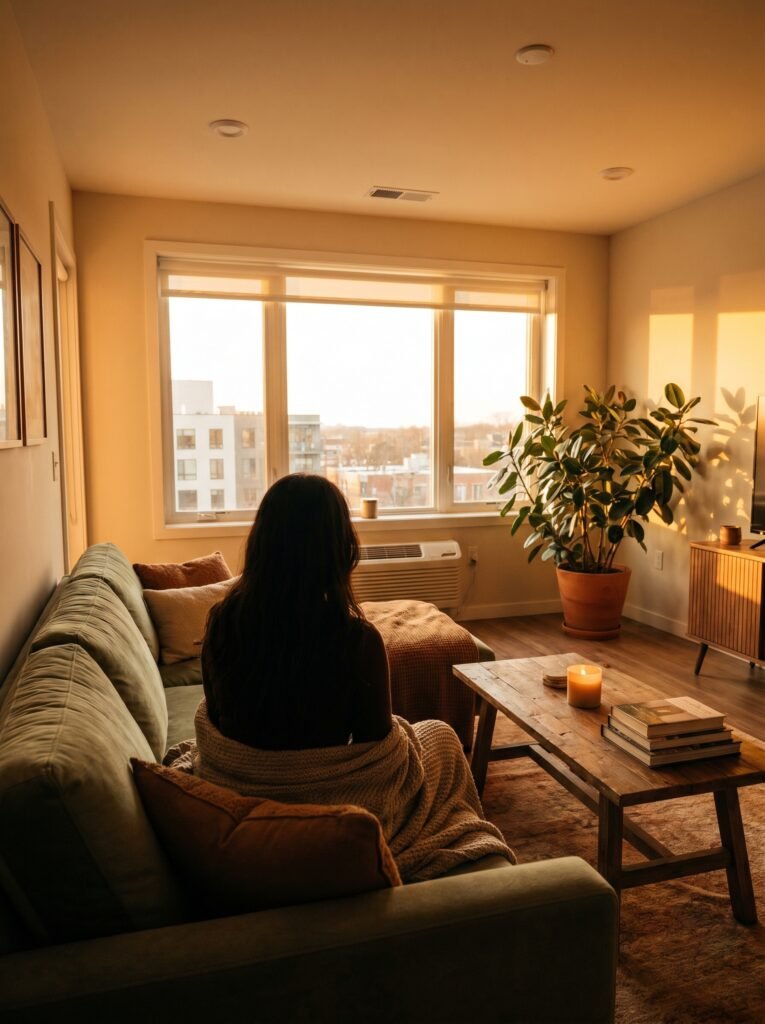
Your apartment living room is not a staging ground waiting for the bigger house or the better budget. It is right now — the place where your actual life is happening, where your people gather, where you exhale at the end of the day. It deserves to be beautiful, personal, and deeply yours.
Every small choice — the lamp in the corner, the throw blanket on the sofa, the plant on the shelf, the photo on the wall — is a quiet act of self-respect and self-expression.
So here’s the question worth sitting with today: what one thing could you change in your apartment living room this week that would make you genuinely happier to come home?