How to Create a Tropical Living Room That Feels Like a Permanent Vacation
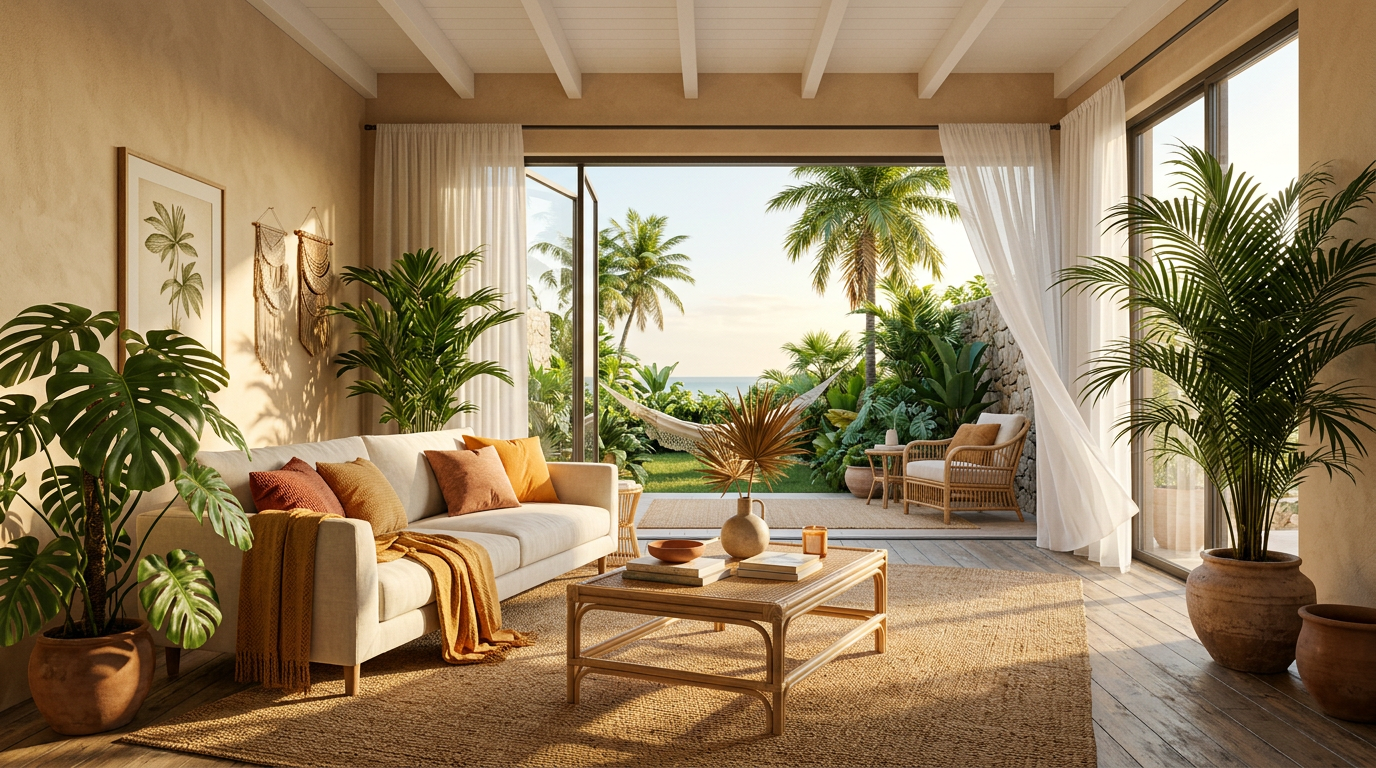
There’s something about a tropical living room that makes time slow down — where the light feels golden, the air feels lighter, and every corner whispers “you’re exactly where you need to be.” If you’ve ever sat in a space like that and thought I want to live here forever, this article is your roadmap to building that feeling at home.
—
1. The Psychology Behind Why Tropical Spaces Make Us Feel So Good
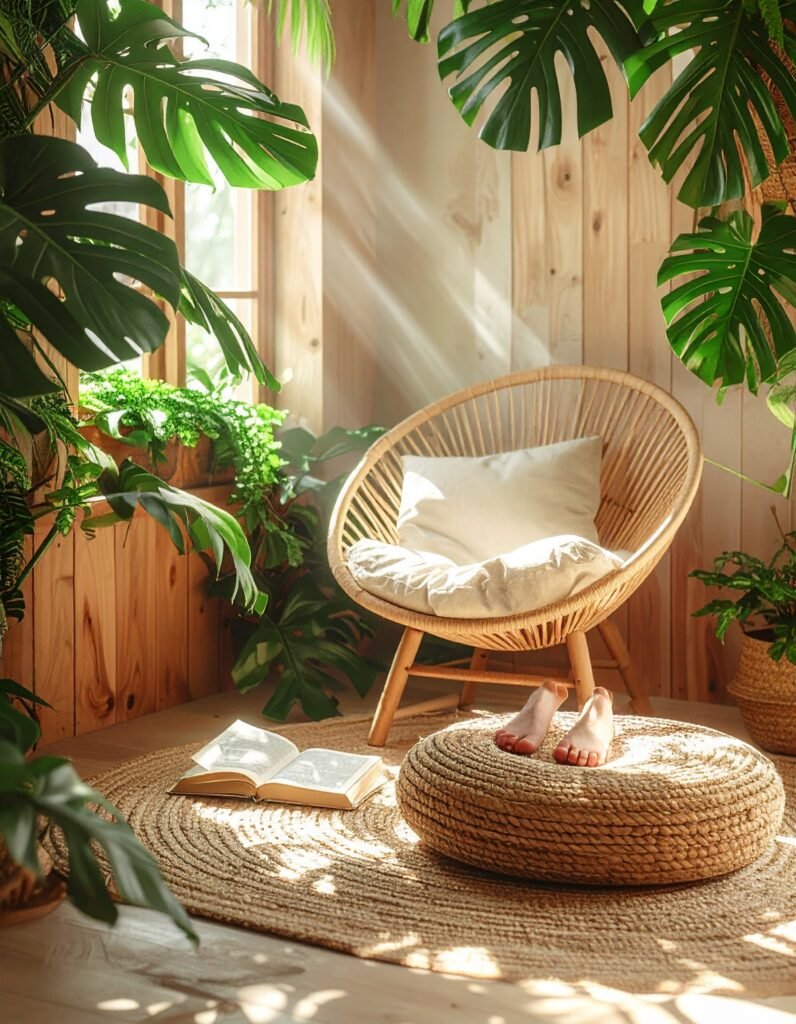
Before you buy a single leaf-printed pillow or hang a rattan mirror, it helps to understand why tropical interiors have such a powerful effect on our mood. It isn’t just aesthetics — there’s genuine science behind it.
Research in environmental psychology consistently shows that exposure to natural elements — greenery, organic textures, warm light, and earthy tones — reduces cortisol levels and activates the parasympathetic nervous system. In other words, a room full of tropical elements literally tells your body to calm down. It signals safety, abundance, and rest in a way that stark, minimal, or industrial spaces simply don’t.
The tropical design style taps into what biophilic design experts call our innate connection to nature. Humans evolved in lush environments, and our nervous systems still respond to those visual cues with deep, instinctive relaxation. When you walk into a room layered with palm fronds, warm wood tones, woven textures, and filtered green light, your brain registers something ancient and familiar — and it exhales.
This is why tropical living rooms aren’t just trendy. They’re genuinely therapeutic. And creating one doesn’t require a beachside villa or a hefty renovation budget. It requires understanding which elements carry the most psychological weight, and then applying them thoughtfully.
“A tropical living room doesn’t just look beautiful — it teaches your body how to rest.”
2. Start With Color: The Tropical Palette That Actually Works in Real Homes
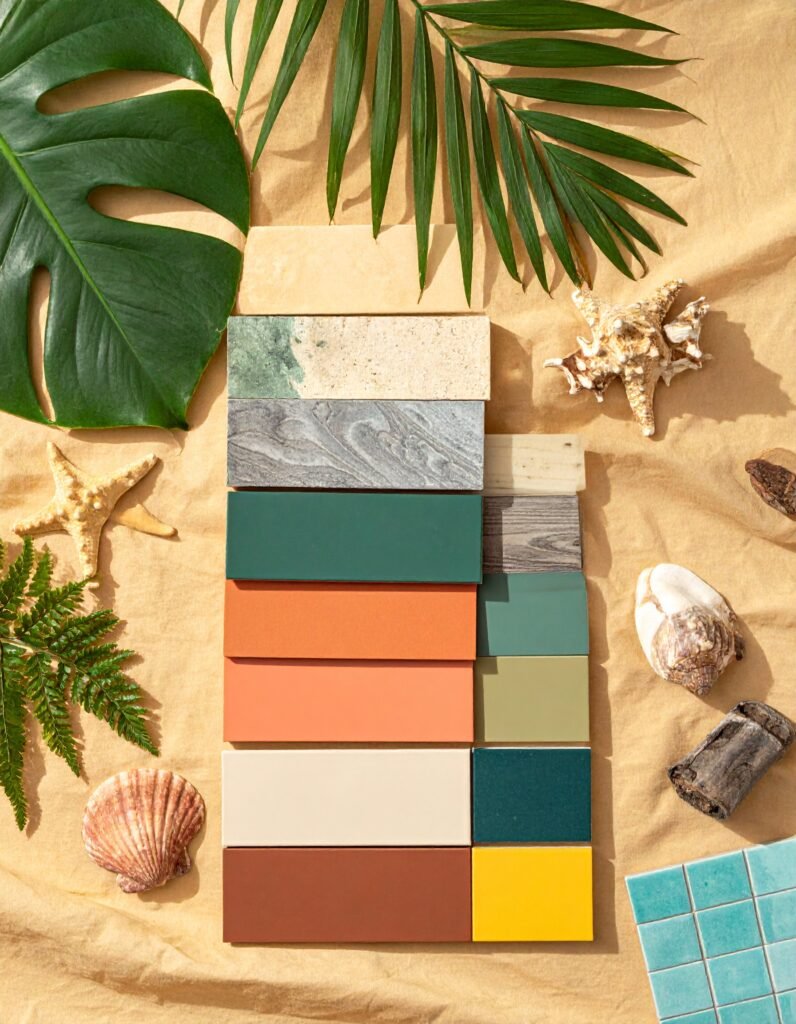
Color is the foundation of any tropical living room, and getting it right changes everything. The mistake most people make is assuming tropical means bold, loud, and saturated from floor to ceiling. In reality, the most livable tropical spaces use color with remarkable restraint.
Think of the color palette of an actual tropical landscape. You have deep, rich greens in every shade — emerald, sage, hunter, olive. You have warm neutrals: sandy beige, warm white, weathered driftwood. You have earthy terracotta and sun-bleached coral. And then — occasionally, as an accent — you have vibrant splashes of mango yellow, hibiscus pink, or ocean teal.
The key is using the neutrals as your base (walls, large furniture, rugs) and layering the greens as your mid-tone (plants, upholstery, curtains), with the brighter tropical shades appearing only in small doses through cushions, ceramics, and art. This approach prevents the space from feeling like a theme park and instead creates something that feels genuinely sophisticated — the kind of room that could appear in an architectural digest feature while still feeling lived-in and warm.
For walls specifically, warm whites with a hint of cream or ivory work beautifully because they reflect natural light without feeling clinical. If you want to go bolder, a deep, muted sage green on one accent wall creates that lush, enveloping feeling without overwhelming the room.
3. The Non-Negotiable Role of Natural Light in Tropical Interiors
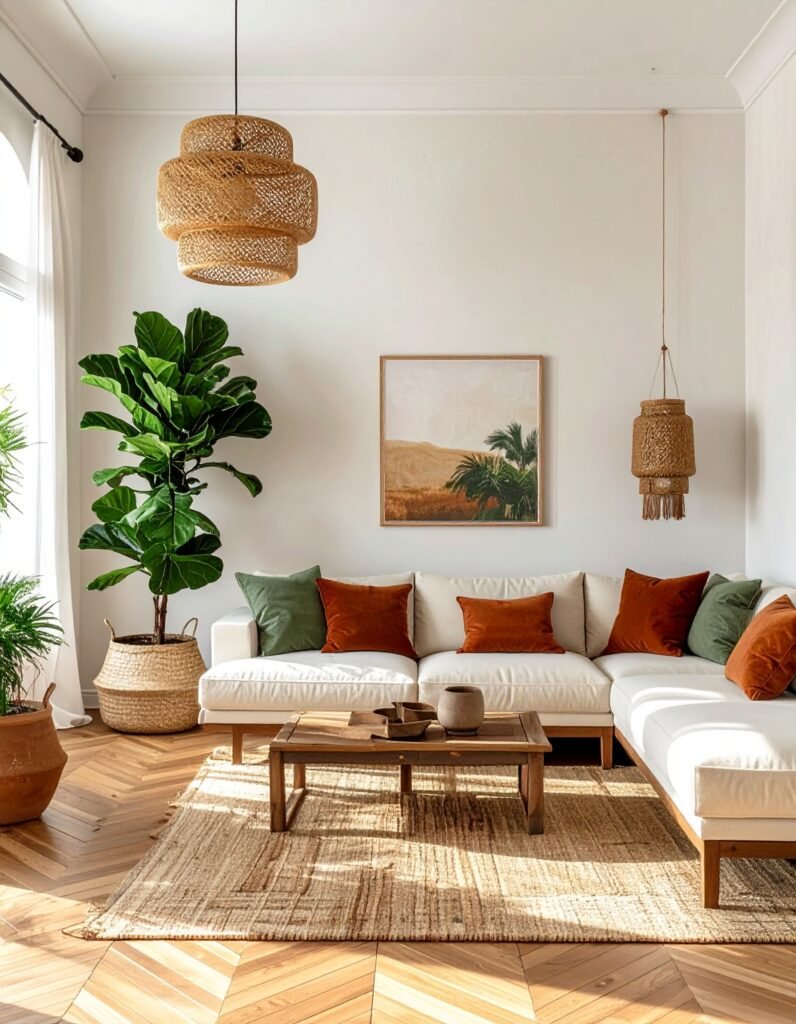
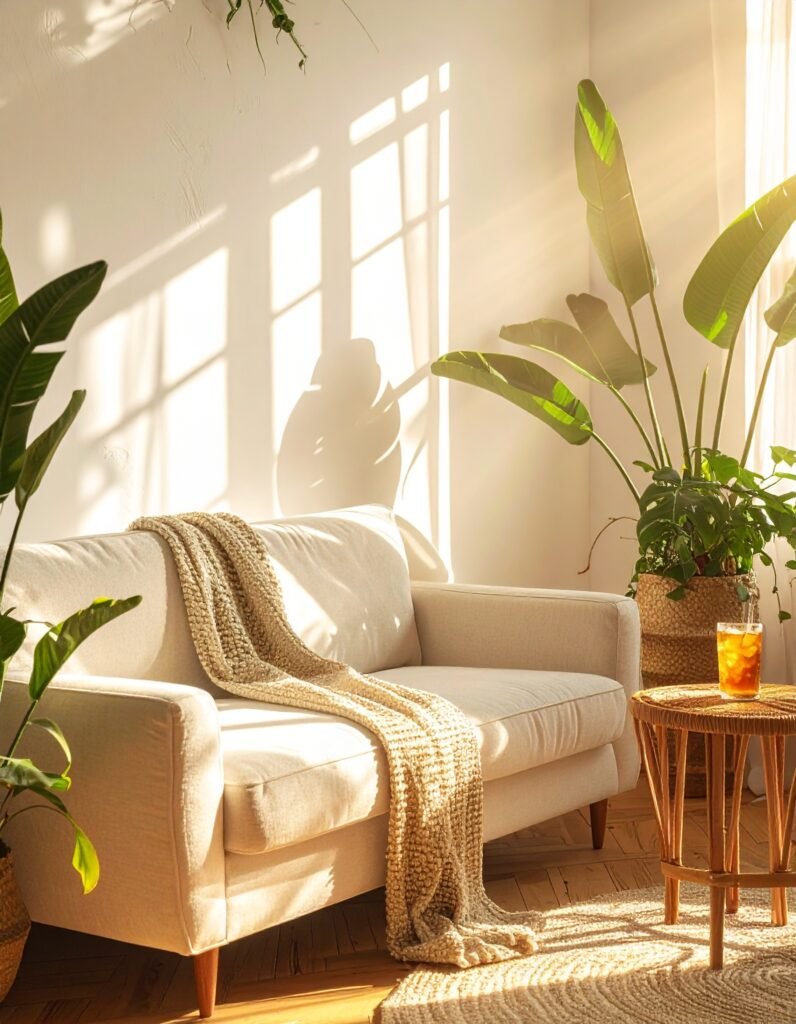
Imagine walking into your living room on a Sunday morning — sunlight pooling on the wooden floor, filtering through sheer linen curtains, casting soft, dappled shadows from a large leafy plant in the corner. That image? That’s the heart of tropical living, and it starts with how you handle light.
Natural light is non-negotiable in a tropical living room. Without it, all the right furniture and plants in the world will feel flat and disconnected. The goal is to maximize the light you have and then manage how it enters the room to create that warm, golden-hour quality throughout the day.
Swap heavy drapes for light, breathable fabrics — sheer white linen, cotton voile, or bamboo roller blinds that diffuse rather than block. If your windows face east or west, you’ll naturally get that warm morning or evening glow. North-facing rooms can benefit from warm-toned lightbulbs (2700K–3000K range) that mimic golden sunlight and prevent the space from reading as cold or gray.
Mirrors are underused in tropical design but incredibly effective. A large, rattan-framed mirror placed opposite a window doubles the natural light in the room and creates depth. It also bounces the green of your plants around the space, giving the whole room a more lush, layered quality with zero extra effort.
4. Choosing Furniture That Feels Like It Belongs in a Rainforest Retreat
The furniture you choose sets the tone for how grounded and authentic your tropical living room feels. Thankfully, the tropical aesthetic pairs beautifully with some of the most timeless and durable materials in home design — which means what you invest in now will still feel current a decade from now.
Natural materials are everything here. Rattan, cane, bamboo, teak, mango wood, and seagrass are your best friends. A rattan armchair with an overstuffed linen cushion is one of the most versatile and enduringly beautiful pieces you can add to a tropical living room. It’s lightweight, tactile, and carries that handcrafted quality that makes a space feel curated rather than catalog-bought.
For sofas and larger seating pieces, look for clean, low-profile silhouettes in natural fabrics — linen, cotton canvas, or performance velvet in cream, warm white, or sage. Avoid anything too boxy or overly formal. Tropical interiors breathe best with furniture that sits close to the floor and invites you to sink in, stretch out, and stay awhile.
Coffee tables made from reclaimed wood, live-edge slabs, or woven seagrass create that organic irregularity that makes a room feel alive. Pair with small side tables in bamboo or whitewashed wood, and you’ll have layered, interesting furniture groupings that hold the eye without feeling cluttered.
5. The Art of Layering Textures to Build a Lush, Tactile Space
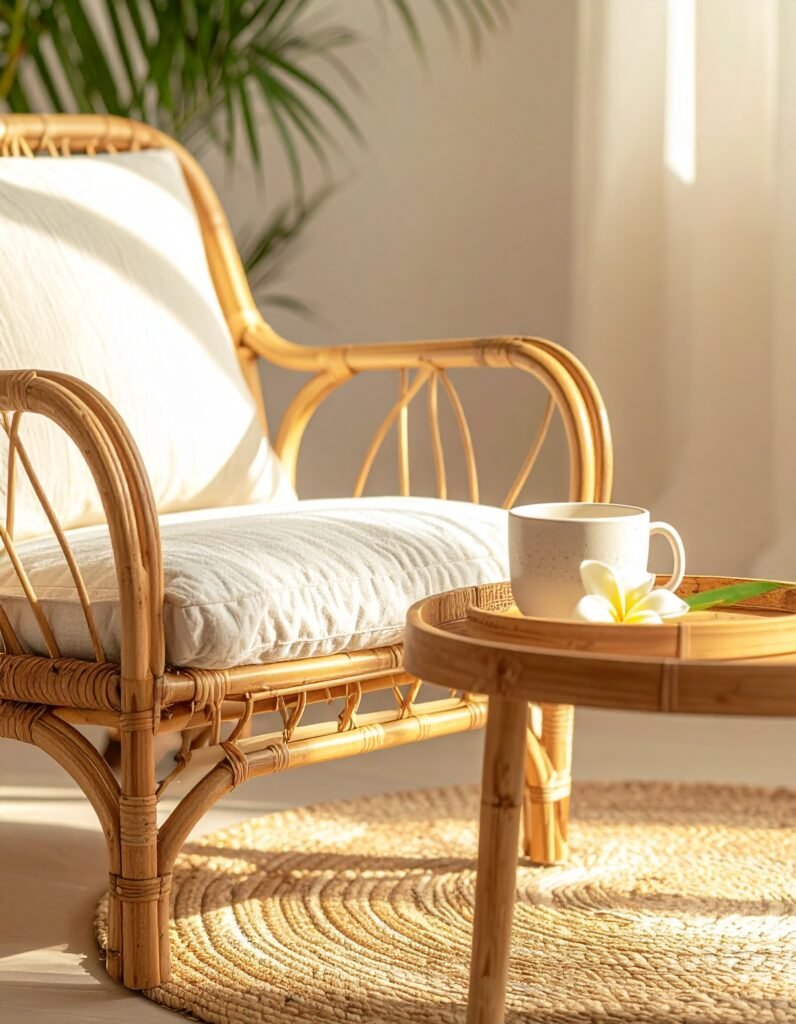
Texture is the secret ingredient that separates a tropical living room that looks designed from one that merely looks decorated. And in tropical interiors specifically, texture does more work than almost any other design element.
Think about what you actually feel in a tropical setting — coarse woven grass underfoot, smooth lacquered wood, the roughness of a terracotta pot, the softness of a large cotton throw. A truly great tropical living room recreates that multi-sensory richness through careful layering of contrasting textures.
Start from the floor up. A natural fiber rug — jute, sisal, or seagrass — creates the perfect tactile foundation. Layer a smaller, softer rug on top if you need more softness underfoot. Then build upward: smooth ceramic lamps next to rough rattan baskets; sleek glass vases next to rough-hewn wooden sculptures; nubby linen cushions next to smooth, satiny ones in a complementary color.
“In tropical design, texture isn’t decoration — it’s the entire language of the room.”
The most common mistake in tropical decorating is choosing everything in the same material family. When every item is woven or every item is smooth, the room flattens out. The contrast between coarse and smooth, matte and shiny, rigid and soft — that’s what creates the visual richness that makes people stop and say “this room feels incredible.”
6. Tropical Plants: Choosing the Right Ones for Real, Lived-in Homes
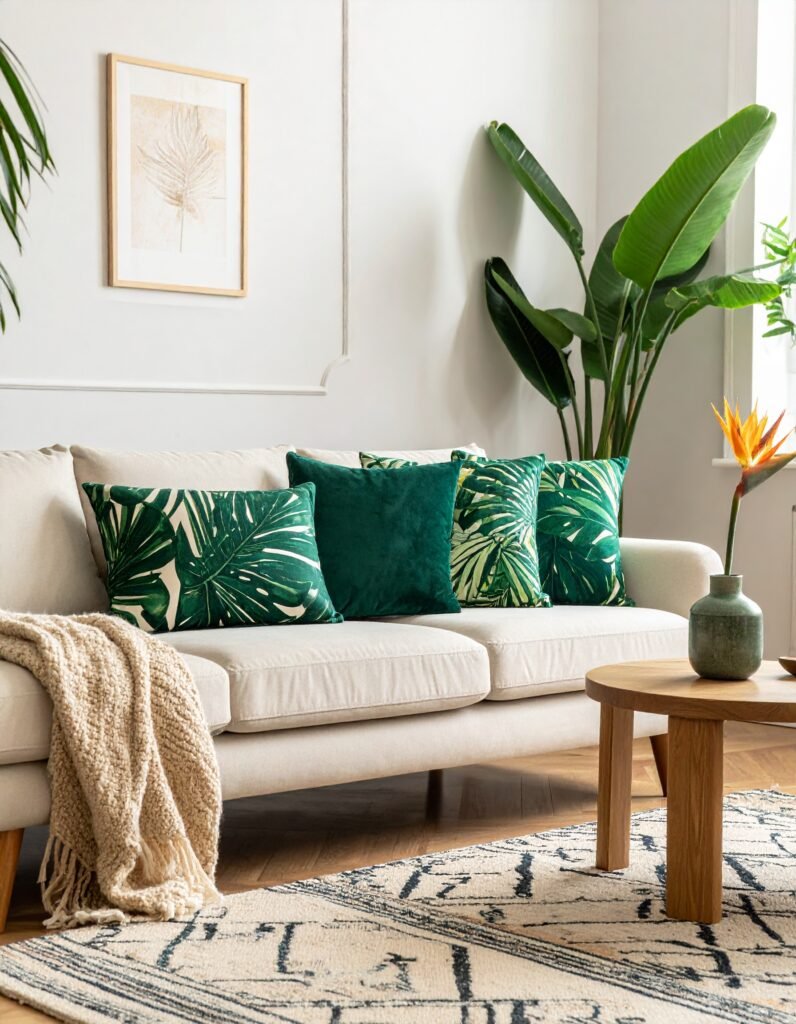
You cannot have a tropical living room without plants. Full stop. But the good news is that many of the most visually impactful tropical houseplants are also among the hardiest and most forgiving — even for people who have historically struggled to keep plants alive.
For large statement plants, the Bird of Paradise (Strelitzia reginae or S. nicolai) is unrivaled. Its enormous, paddle-shaped leaves create instant drama and unmistakable tropical presence. It thrives in bright indirect light and only needs watering every 1–2 weeks in most home environments. The Monstera deliciosa — with its iconic split leaves — is another classic that does beautifully in most living rooms and grows quickly enough to reward even impatient decorators.
For medium-scale plants, Rubber Trees (Ficus elastica) in deep burgundy or forest green add both color and sculptural interest. Anthuriums bring glossy, bold foliage and occasional waxy blooms in coral or deep red. And for corners that receive less light, the Cast Iron Plant (Aspidistra elatior) lives up to its name — nearly indestructible and deeply lush.
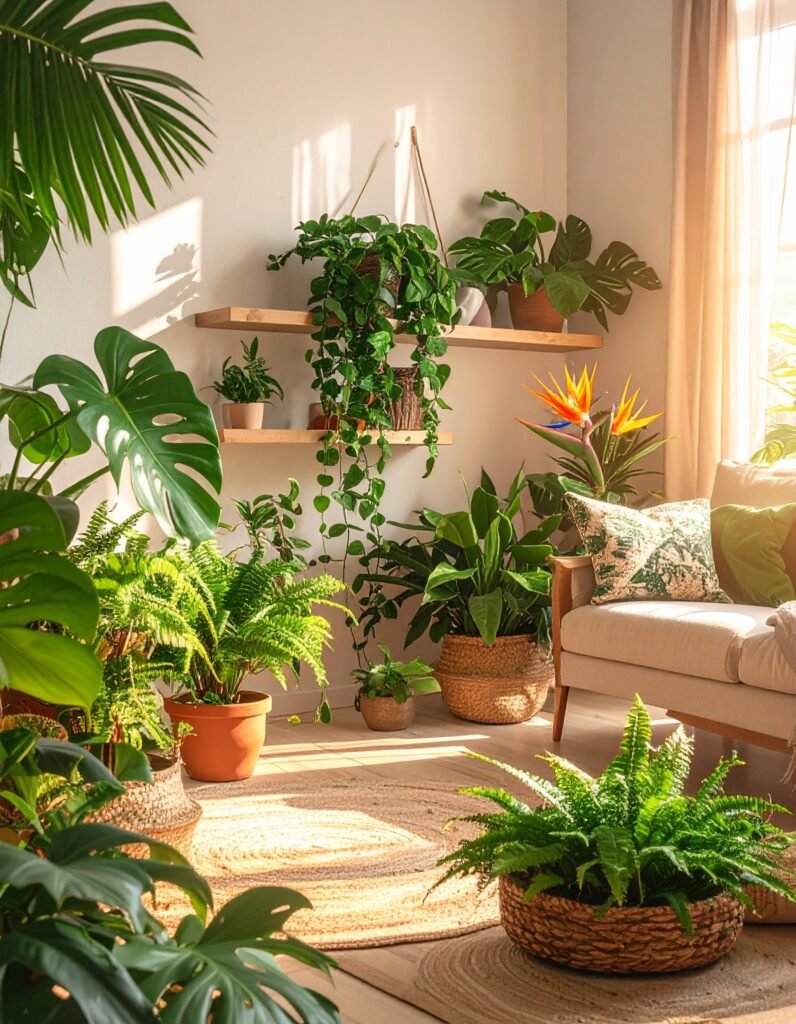
Layer your plants at different heights. A tall statement plant in one corner, a trailing Pothos on a floating shelf, a cluster of smaller plants on a tray on the coffee table — this variation in height mimics the multi-layered canopy of a real tropical landscape and creates that immersive, enveloped feeling that makes the room so powerful.
7. The Tropical Living Room Color Combinations Most People Haven’t Tried Yet
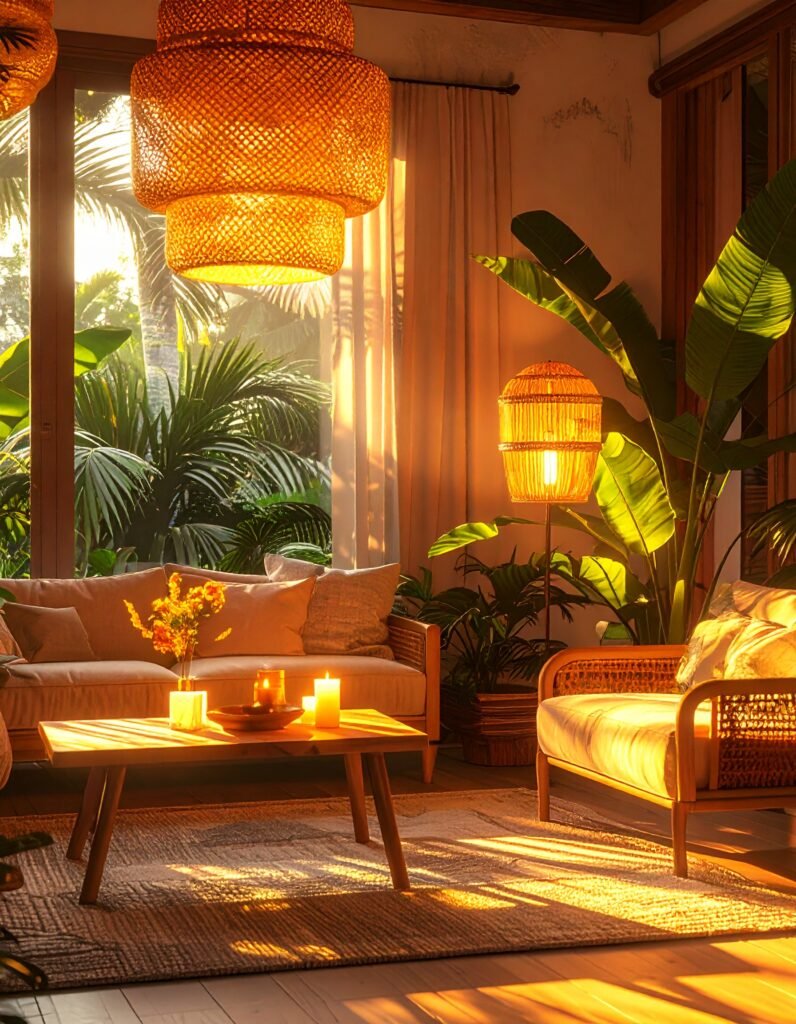
Everyone knows the classic green-and-white tropical palette. But some of the most stunning tropical living rooms being saved on Pinterest right now are using unexpected color combinations that feel fresh, sophisticated, and genuinely original.
Try pairing deep terracotta walls with dark forest green velvet upholstery and accents of warm brass — the result is moody, rich, and lush in a way that feels like a boutique hotel in Bali. Or consider a palette of warm ivory, deep ocean blue, and natural rattan — the blue grounds the space and gives it depth while the ivory keeps it light and the rattan maintains the organic warmth.
Dusty pink paired with emerald green is having a major moment in tropical interiors right now — and for good reason. It’s unexpected but harmonious, feminine without being precious, and it pairs beautifully with natural wood tones and terracotta ceramics. A blush pink sofa in a room full of deep green plants and warm wood furniture is genuinely breathtaking.
The rule of thumb: ground your palette in at least one deep, rich tone (forest green, terracotta, ocean blue, warm charcoal), balance it with a large dose of warm neutral, and let your natural materials and plants carry the organic texture.
8. Small Space Tropical Living Rooms: Creating Lush in Limited Square Footage
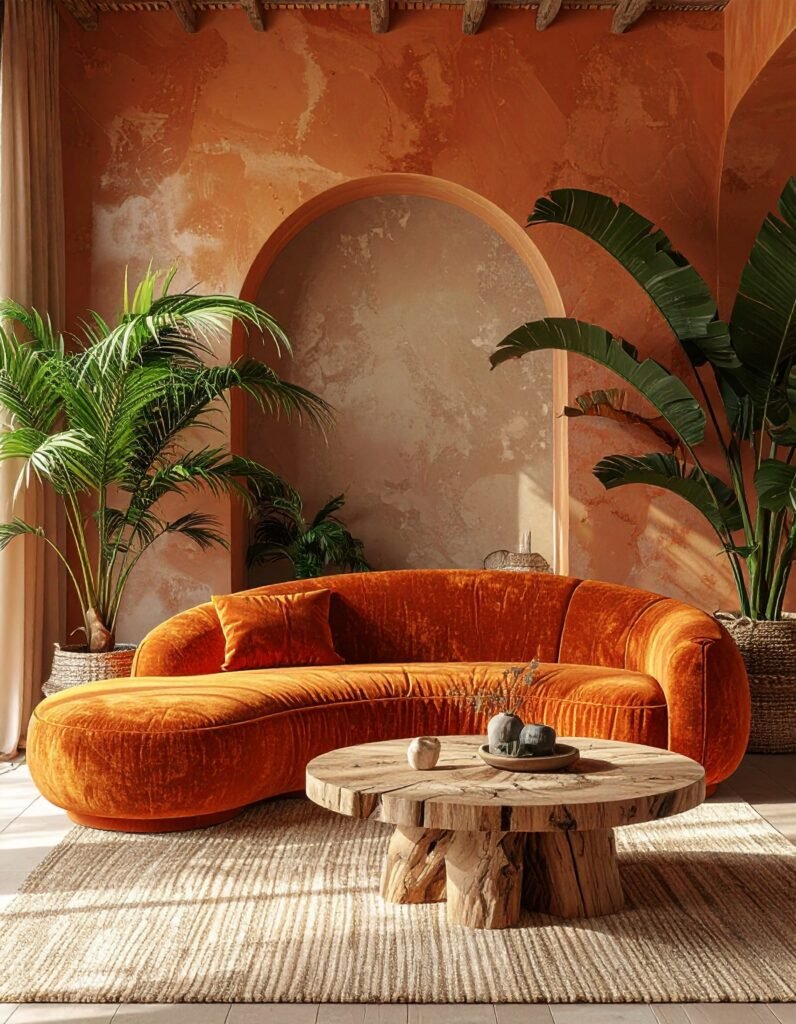
A smaller living room doesn’t disqualify you from creating a deeply tropical, lush atmosphere. In fact, some of the most impactful tropical rooms are the smaller ones — precisely because the density of plants, textures, and organic elements feels even more immersive at a smaller scale.
In a small space, vertical space is your greatest asset. Floor-to-ceiling bookshelves styled with trailing plants, woven baskets, ceramics, and art create that lush layered look without eating into your floor plan. A tall, narrow Bird of Paradise or Fiddle Leaf Fig draws the eye upward and makes ceilings feel higher.
Choose furniture that is multi-functional and appropriately scaled. An oversized sectional in a small tropical living room defeats the purpose — the room feels stuffed rather than lush. Instead, opt for a loveseat or smaller sofa paired with two rattan chairs that can be moved and rearranged easily. Keep pathways clear so the room breathes.
Use mirrors strategically — particularly on walls adjacent to windows — to expand the perceived size of the space and double the visual impact of your plants and light. And don’t underestimate the power of a single, well-chosen statement piece. One enormous Monstera in a beautiful terracotta pot can transform a small room more than ten small plants scattered randomly ever could.
9. Tropical Living Room Lighting: Beyond the Overhead Fixture
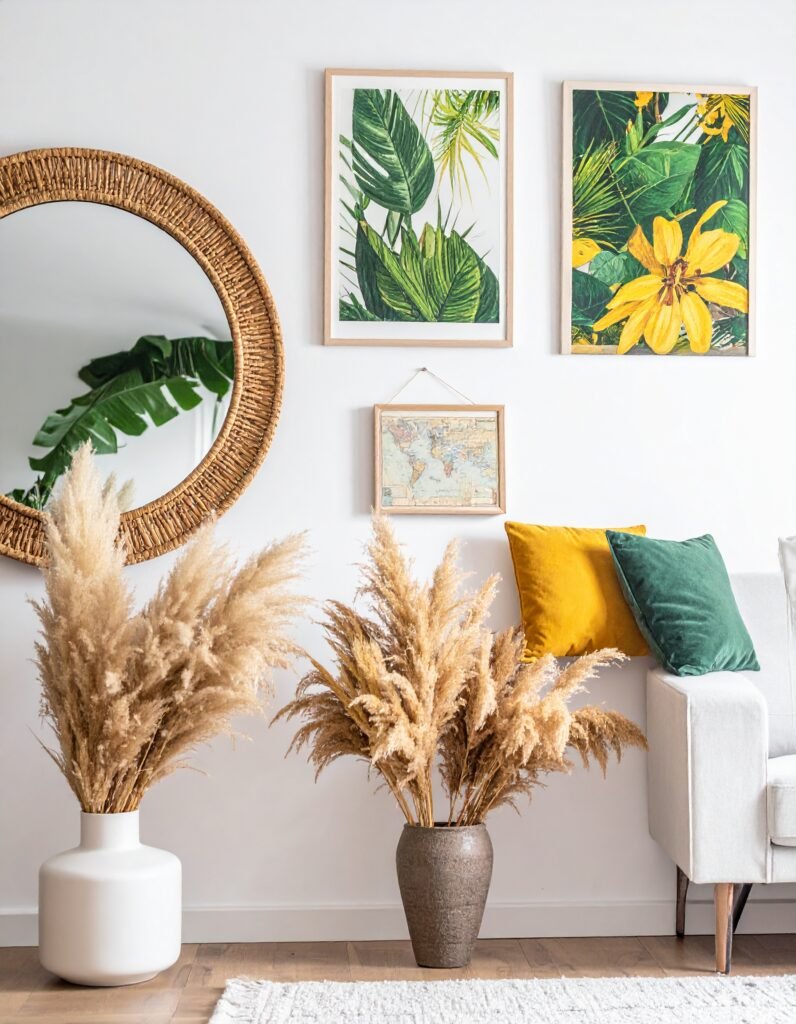
Lighting in a tropical living room is one of the most transformative — and most overlooked — elements of the entire design. The wrong lighting can make even the most beautifully furnished tropical room feel institutional and flat. The right lighting makes it feel like a destination.
The golden rule: eliminate harsh, flat overhead lighting wherever possible. A single ceiling fixture in the center of the room creates unflattering, even light that erases shadow, depth, and warmth. Instead, layer your lighting across multiple sources at multiple heights.
“The secret to a magical tropical room isn’t the furniture — it’s the light that falls across it.”
Floor lamps with warm-toned shades in natural materials — rattan, woven bamboo, linen drum shades — create pools of soft light that make the room feel intimate and warm. Table lamps on side tables and console tables add mid-level light. And candles or LED candle lights at low heights — on coffee tables, in lanterns on the floor — create that final layer of golden, flickering warmth that makes a room feel genuinely magical.
Consider adding Edison-style bulbs to exposed fixtures for a warm, amber glow. Fairy lights woven through a large plant or displayed in a glass vessel add a soft, playful quality that looks especially beautiful in the evenings. The goal is a room that feels as beautiful at 9pm as it does at 9am.
10. Tropical Art and Wall Decor That Elevates the Whole Room
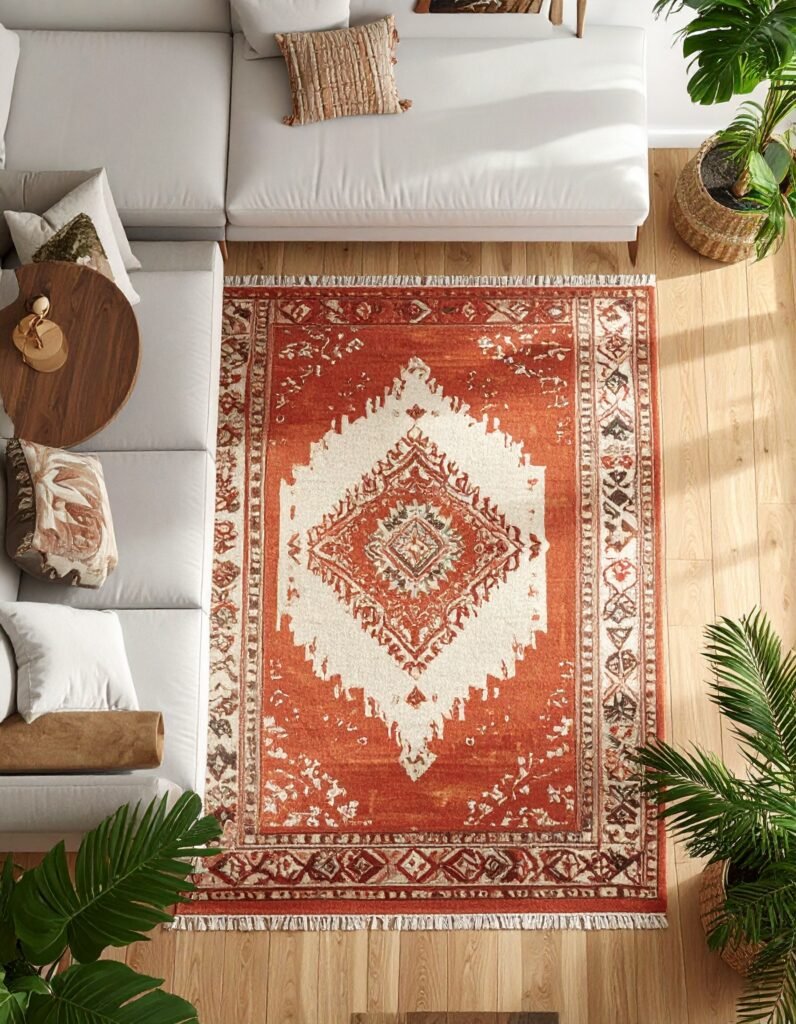
Walls are where many tropical living rooms either come together beautifully or fall apart completely. The most common mistake is hanging generic, mass-produced tropical prints in mismatched frames at random heights. The result looks like a vacation rental rather than a thoughtfully designed home.
Instead, think of your walls as an extension of the room’s organic, layered narrative. Large-scale botanical art — whether a single oversized framed print or a gallery wall of coordinated botanical illustrations — creates enormous visual impact and immediately signals a design sensibility that is considered and intentional.
Woven wall hangings in natural fibers (macramé, rattan, hand-knotted jute) add texture to vertical surfaces in a way that framed art alone cannot. They also bring warmth and handcrafted quality that feels authentically tropical rather than commercially produced. A beautiful macramé wall hanging above a sofa is one of the most saved images on Pinterest for good reason.
Don’t overlook architectural details. A simple wall painted in deep sage or warm terracotta behind your sofa creates a rich, immersive backdrop that makes the entire room feel more intentional. Add floating shelves in natural wood, style them with a mix of plants, ceramics, books, and a piece of art, and you have a living wall that evolves and grows with you.
11. Styling the Coffee Table and Shelves: The Details That Pull It All Together
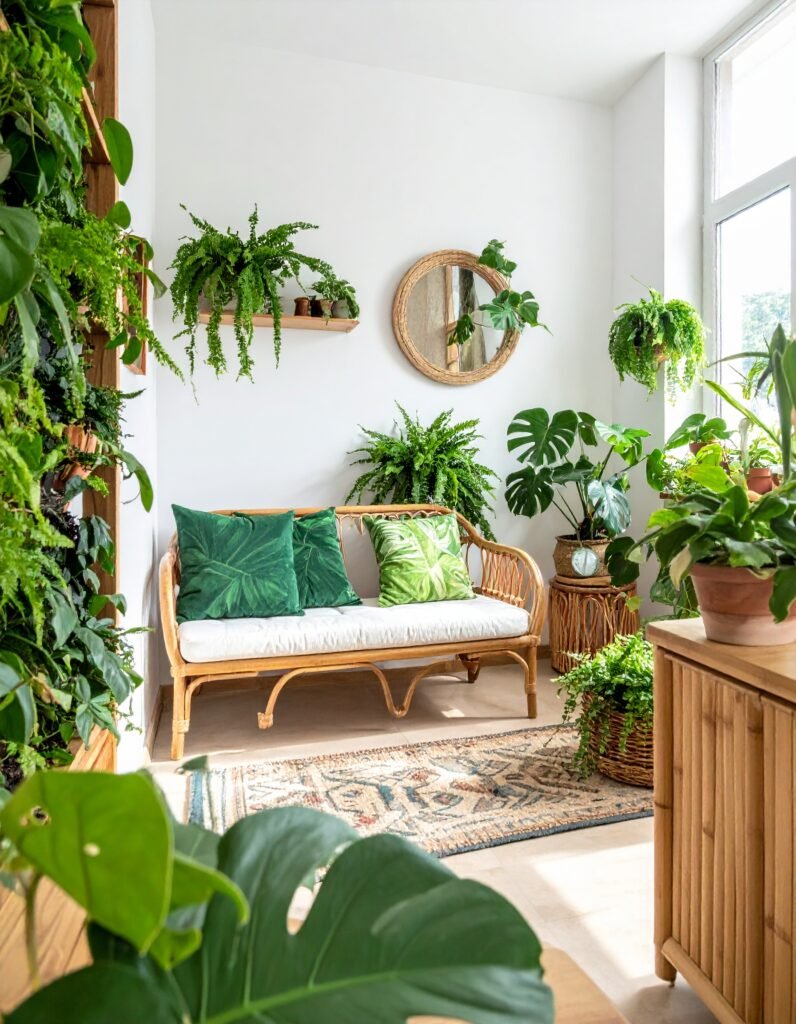
The styling of your surfaces — coffee tables, sideboards, floating shelves, window ledges — is where a tropical living room either feels designed or decorated. These small details accumulate into a feeling, and getting them right is what separates the rooms that go viral on Pinterest from the ones that simply look nice.
For coffee table styling, think in threes: one plant or botanical element, one textural object (a woven tray, a stack of design books, a sculptural ceramic), and one practical item (a candle, a bowl of seasonal fruit, a small vase of fresh flowers). This trinity approach creates groupings that feel visually complete without looking rigidly staged.
On shelves, alternate between vertical and horizontal elements. Books stacked horizontally create platforms for small plants and ceramics. A tall, narrow vase next to a low, wide ceramic bowl creates visual variety. And always leave some breathing room — the impulse to fill every inch of shelf space results in a cluttered look that works against the breezy, open quality of a great tropical room.
Ceramics are one of the most underrated tools in tropical styling. Earthy terracotta pots, matte cream vessels, and textured stoneware in warm, natural tones add grounding, organic beauty to any surface. Collect them gradually, mix them freely, and let them accumulate into a collection that tells the story of your taste.
12. Budget-Friendly Ways to Build Your Tropical Living Room Over Time
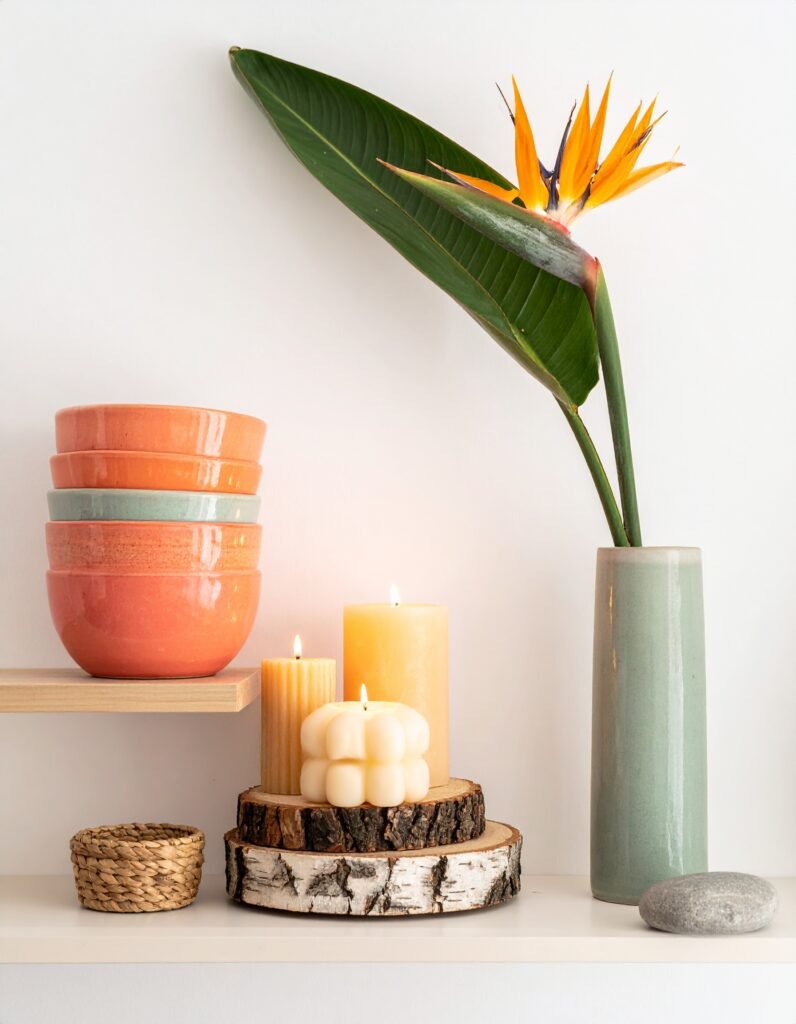
Creating a beautiful tropical living room doesn’t require a full renovation or a designer budget. Some of the most genuinely stunning tropical spaces have been built gradually, intentionally, and affordably — and that slow accumulation actually produces a more authentic, personal result than any single shopping spree ever could.
Start with plants. They are, without question, the single highest-impact investment you can make in a tropical living room. A $25 Monstera in a $15 terracotta pot instantly changes the energy of a room in a way that a $200 throw pillow never will. Begin with one large statement plant and add others over time as you find pieces you truly love.
Thrift stores and vintage markets are treasure troves for tropical interiors specifically because the natural materials — rattan, wood, woven seagrass — age beautifully and are often available at a fraction of their new price. A vintage rattan chair re-cushioned in fresh linen fabric looks just as beautiful as its brand-new equivalent and has a patina and character that newly manufactured pieces rarely possess.
Prioritize quality in the items you’ll live with daily — your sofa, your rug, your main lighting. Then use budget-friendly sources (IKEA, Target’s Studio McGee collection, Amazon) for accessories and accent pieces that can be updated easily as your taste evolves. The goal is a room that grows and deepens over time — a living space in the most literal sense of the word.
—
🌿 How to Take Care of Your Tropical Living Room
Maintaining the beauty of a tropical living room is simpler than it looks, but it does require a little consistent attention — mostly focused on your plants and natural materials.
Water your plants on a schedule that matches their individual needs rather than a single day of the week for everything. Most tropical houseplants prefer to dry out slightly between waterings, and overwatering is the number one cause of houseplant death. Invest in a simple moisture meter — it takes the guesswork out entirely.
Dust your large-leafed plants regularly. The broad leaves of a Monstera or Bird of Paradise collect dust quickly, which blocks light absorption and dulls their natural glossy beauty. A gentle wipe with a damp cloth every few weeks keeps them looking their best and genuinely healthier.
Rotate your plants a quarter turn every week or two so all sides receive equal light and the plant grows symmetrically rather than leaning dramatically toward the window.
Natural fiber materials like rattan, jute, and seagrass benefit from occasional vacuuming with a soft brush attachment and should be kept away from prolonged direct sunlight, which can cause them to become brittle over time. A small amount of moisture in the air — from the plants themselves, or a simple humidifier — keeps these materials supple and prevents cracking.
Finally, refresh your styling seasonally. Swap cushion covers, change out flowers, add seasonal fruit to your coffee table, introduce a new plant. A tropical living room is a living space — it should evolve, breathe, and respond to the seasons just like the natural world it’s inspired by.
—
❓ FAQ
Q: What is the best color for a tropical living room? A: Warm neutrals like ivory, cream, and warm white make the best base colors for a tropical living room because they reflect natural light and provide a calm backdrop for lush greenery and organic textures. Layer in deep greens, terracotta, and warm wood tones for depth, with small pops of coral, mango, or teal as accent colors.
Q: What plants are best for a tropical living room? A: The most impactful and easy-to-maintain options are the Bird of Paradise, Monstera deliciosa, Rubber Tree, and Fiddle Leaf Fig for large statement plants. For medium-scale plants, Anthuriums and Peace Lilies work beautifully. Trailing Pothos and Heartleaf Philodendrons are perfect for shelves and high spots where you want cascading greenery.
Q: How do I make a small living room look tropical without it feeling cluttered? A: Focus on vertical space rather than floor space — use tall plants, floating shelves styled with greenery, and wall art to create lushness without crowding the room. Choose one large statement plant rather than many small ones, keep furniture scaled appropriately to the room, and use mirrors to expand the perceived space and double the impact of your natural light and plants.
—
💭 Final Thought
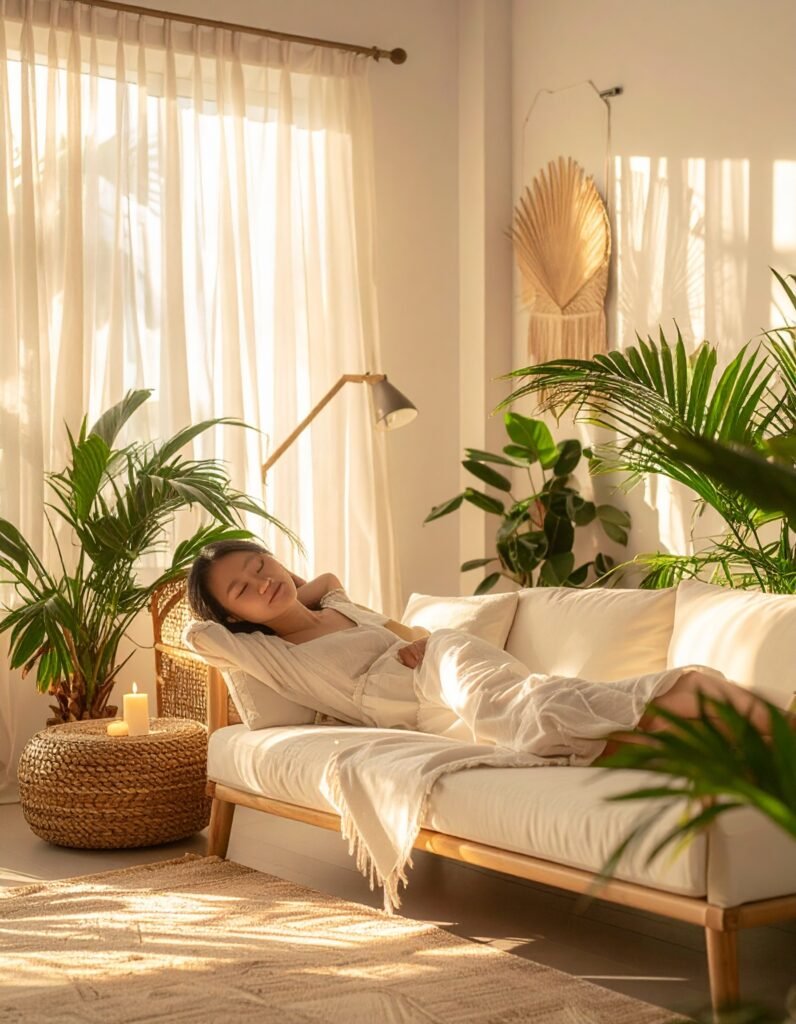
A tropical living room is, at its core, an act of intentional living — a decision to surround yourself with beauty, warmth, and the deep calm that comes from being close to the natural world. You don’t need to wait until you can afford the perfect home or the ideal renovation. You can start today with a plant, a warm throw, and a rattan candle holder that catches the evening light just right.
What would it feel like to walk into your living room every single day and feel, genuinely and immediately, that you are home?