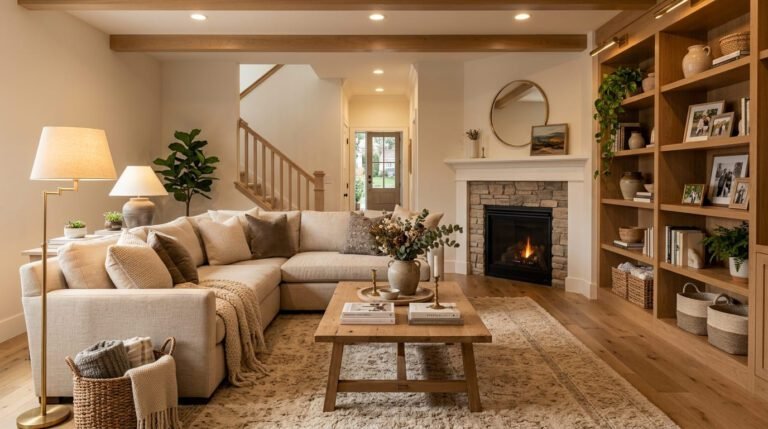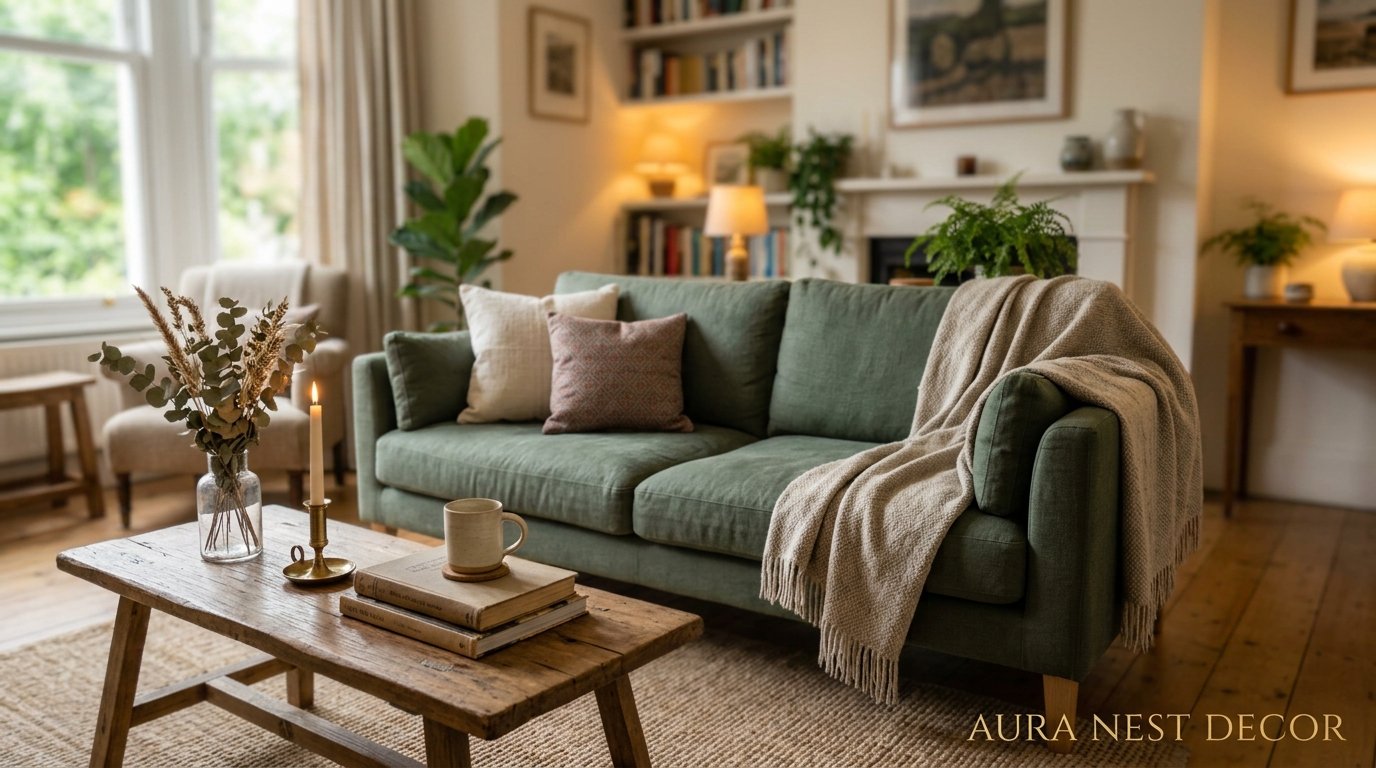
The Sofa Decision That Will Either Make or Break Your Entire Living Room
You know that moment when you walk into someone’s house and the whole room just clicks? Nine times out of ten, it’s the sofa doing the heavy lifting. Get it right and everything else falls into place. Get it wrong and you’ll spend the next six years rearranging throw pillows hoping nobody notices.

—
1. Why the Sofa Isn’t Just Furniture — It’s the Room’s Entire Personality
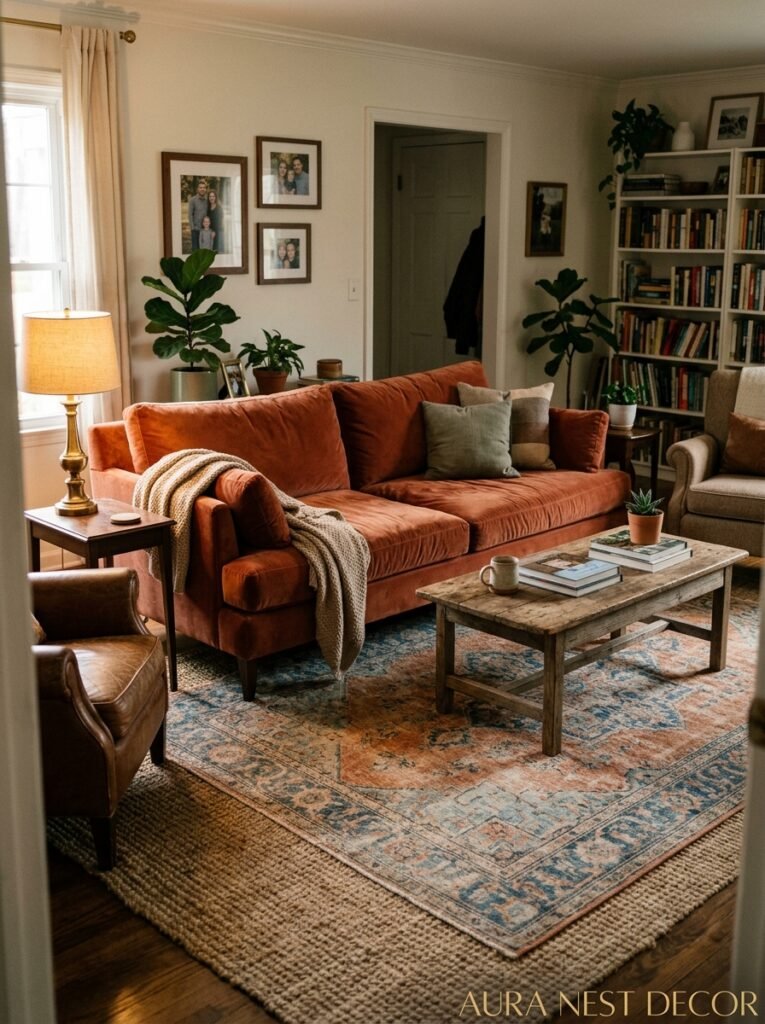
Here’s something nobody tells you when you’re standing in a showroom squinting at fabric swatches: your sofa isn’t just a place to sit. It’s the thing every other decision in your living room orbits around. The rug, the curtains, the coffee table — they’re all responding to the sofa whether you planned it that way or not.
I’ve seen people spend thousands on beautiful art prints and mood-perfect lighting, only to have the whole thing fall flat because the sofa was just… wrong. Too big, too formal, too try-hard. Or too small and kind of apologetic-looking in the corner.
The sofa sets the temperature of the room. A deep, sink-into-it linen sectional says Sunday mornings and nowhere to be. A tight-armed, button-tufted Chesterfield says something completely different — it says drinks at six and conversation that matters. Neither is wrong. But you need to know which one you’re going for BEFORE you start matching cushion fabrics.
And honestly? Most people don’t. They buy a sofa they love in isolation and then wonder why the room never quite gels. So before anything else — figure out the mood. The sofa is the opening sentence of a story your whole living room tells.
—
2. The Size Mistake Almost Everyone Makes (And It’s Not What You Think)
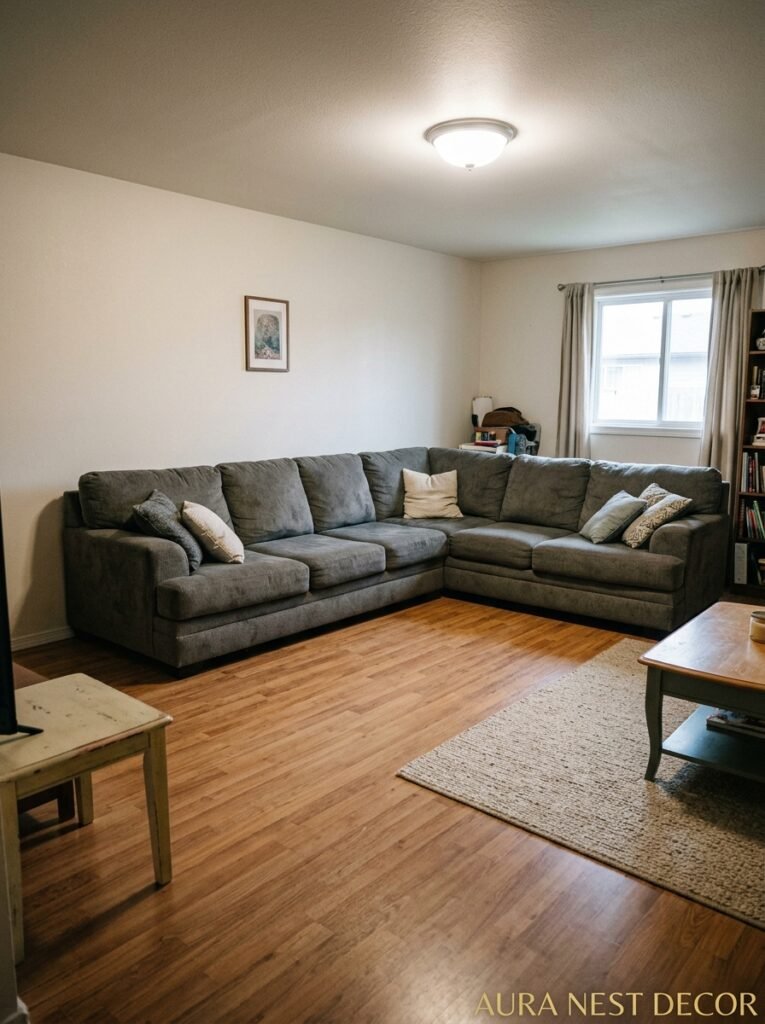
People always assume they’ve gone too big. They see a large sectional in the store and panic, and end up bringing home something too modest for the space.
But actually? The more common mistake is going too small.
A sofa that floats in the middle of a room, surrounded by empty air, doesn’t feel cozy or minimal. It just feels lost. And in UK living rooms especially — where proportions can be narrower and ceilings lower — getting the scale right is genuinely tricky. The sofa needs to anchor the space. It should feel like it belongs there, not like it’s visiting.
The rule most designers quietly use: your sofa should be roughly two-thirds the width of the wall it’s sitting against, or two-thirds the length of your coffee table setup. Not an exact science, but a starting point that saves a lot of returns.
Measure twice. Then measure again. And don’t trust the dimensions on the website — tape it out on your floor with painter’s tape before you commit. I know that sounds obsessive. Do it anyway.
“A sofa that’s slightly too large reads as confident. A sofa that’s slightly too small just reads as wrong.”
—
3. The Color That Keeps Showing Up in Every Beautiful Living Room Right Now
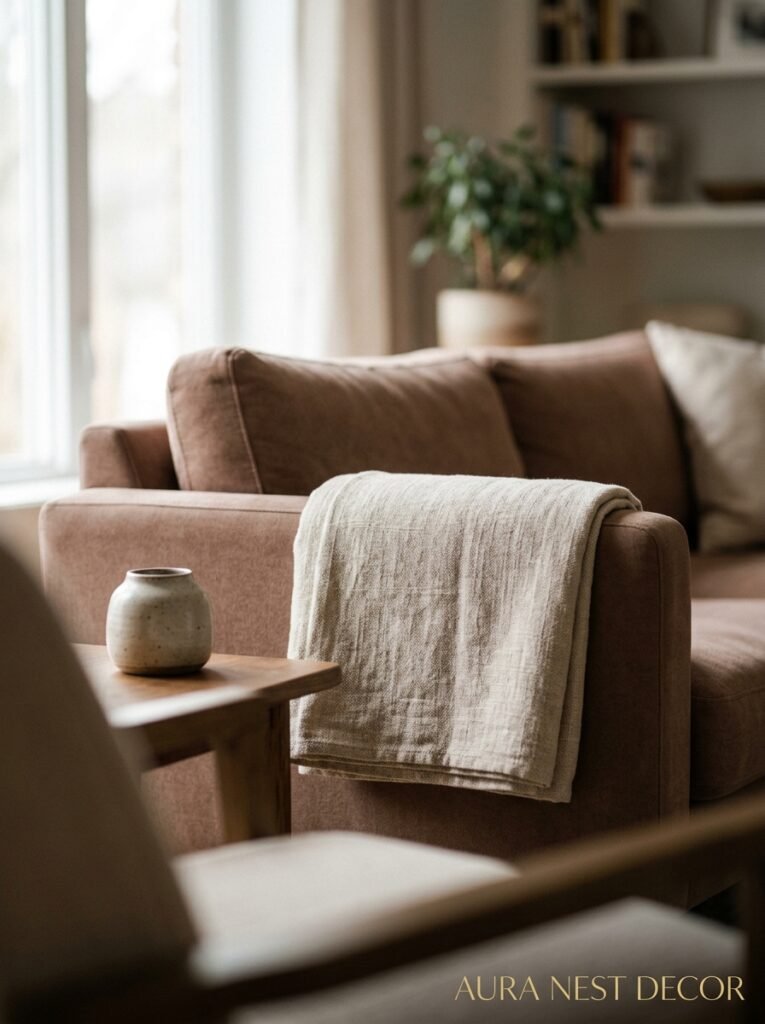
Warm mushroom. Greige with just a touch of clay. The kind of neutral that isn’t quite beige and isn’t quite grey and somehow works with literally everything.
This isn’t a trend in the fleeting sense — it’s more like a correction. After years of grey-everything interiors that photographed beautifully and felt like living in a cloud, people are gravitating toward sofas with warmth baked into the tone. Terracotta-adjacent. Oat and wheat and barely-there blush.
But — and this matters — the accent. If you’re going warm neutral on the sofa, your accents can afford to be bolder. Deep teal. Aged brass. Rust and tobacco and forest green. That’s where the drama lives and the sofa stays serene underneath it.
On the flip side, if you genuinely love bold colour and want a jewel-toned sofa — deep velvet in peacock or inky navy — go for it. Just keep almost everything else quiet. The sofa gets to be the whole story in that case, and that’s fine. Actually it’s kind of amazing when it works.
The thing I keep coming back to is saturation. Not the hue, not even really the fabric — how saturated the colour is. Low-saturation tones feel timeless. High-saturation makes a statement that you’d better be committed to for at least five years.
—
4. Fabric Decisions That Sound Boring but Actually Determine Everything
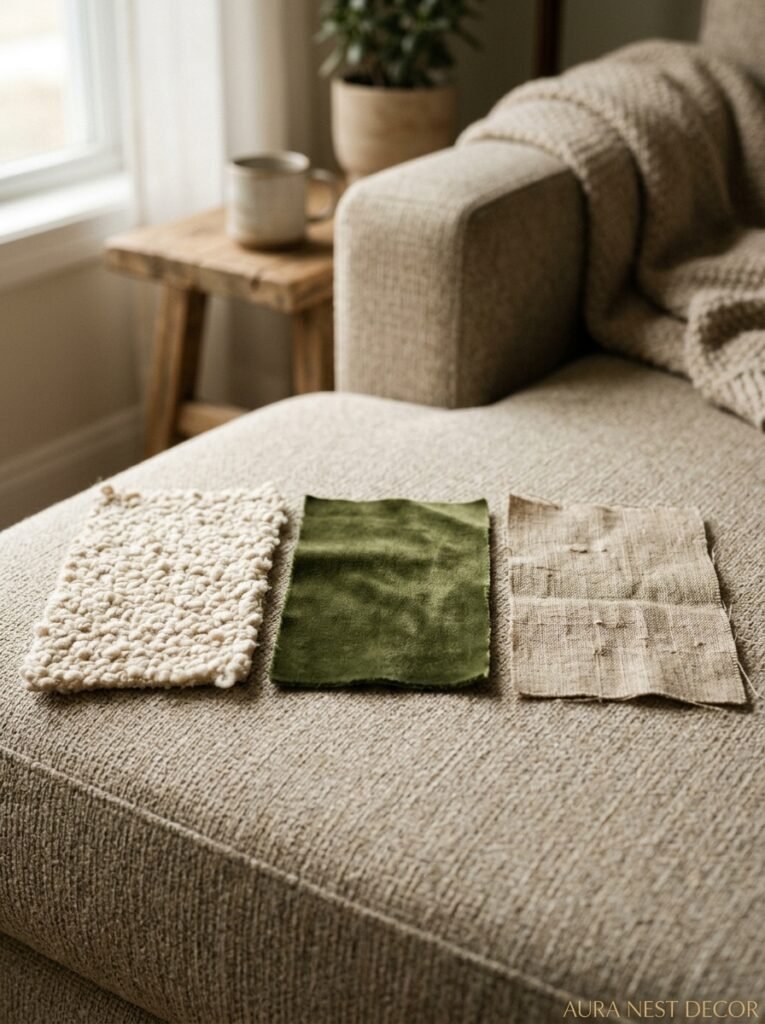
Okay. Let’s talk about fabric, because this is where people make decisions based on how something feels in the showroom and then live with consequences that are very, very different at home.
Velvet is gorgeous. GORGEOUS. And it shows every cat hair, every crease, every imprint of where someone sat for too long. If you’ve got pets or kids, you’re not getting velvet — or you’re getting velvet and quietly accepting chaos.
Linen and linen-blend fabrics are the current darling of every interior designer with a Pinterest account, and honestly for good reason. They breathe, they’re got a beautiful lived-in texture even when new, and they age gracefully. They do wrinkle. They do stain if you’re not careful. But the look is so consistently good that people put up with the maintenance.
Performance fabrics — this category has genuinely improved a lot in the last few years. Bouclé-look performance weaves, velvet-adjacent microfibers that can be wiped clean — if you have actual real-life people sitting on your sofa, this is worth considering and not at all a compromise anymore.
Leather is eternal and I’ll die on this hill. A quality leather sofa in caramel or cognac or even a dark chocolate gets BETTER with time. Crinkles and patina and softening. The whole thing. Yes it’s cold in winter. Yes it squeaks sometimes. Worth it.
“Choose fabric for your actual life, not the version of your life where you drink tea neatly and nobody has feet.”
—
5. The Leg Situation — Which Sounds Trivial Until You Realize It Isn’t
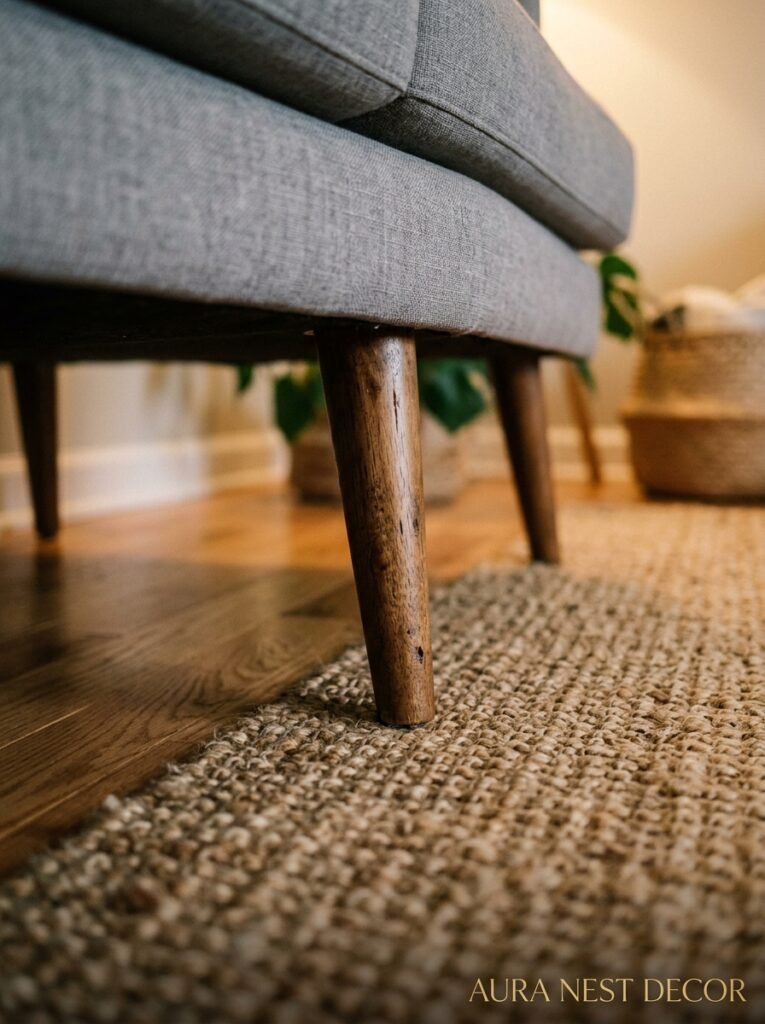
Sofa legs. Stick with me here.
The legs on your sofa do more visual work than you’d think. Tall, tapered legs in walnut or brass lift the sofa visually — the floor reads as continuous underneath, the room feels airier, and cleaning becomes significantly less of an event. Mid-century modern rooms almost always feature sofas on legs because it’s part of what makes them feel so uncluttered.
Low-leg or no-leg sofas (the kind that sit close to the floor or have a full skirt) feel heavier, more grounded, and — done right — incredibly cozy and enveloping. They work brilliantly in rooms that are already quite high-ceilinged, where you want to bring the eye down and make things feel intimate.
The mistake is putting a skirted, floor-grazing sofa in a small or low-ceilinged room. It’ll make the space feel pressed down. That’s not cozy, that’s claustrophobic.
And the leg material — it actually matters too. Brass legs on an otherwise simple sofa punch up the whole thing. Dark stained wood legs are quiet and grounding. Chrome feels sharply modern. Even if nobody’s consciously looking at the legs, they’re registering.
—
6. Why the Chesterfield Is Still the Most Underrated Sofa in Any Price Range
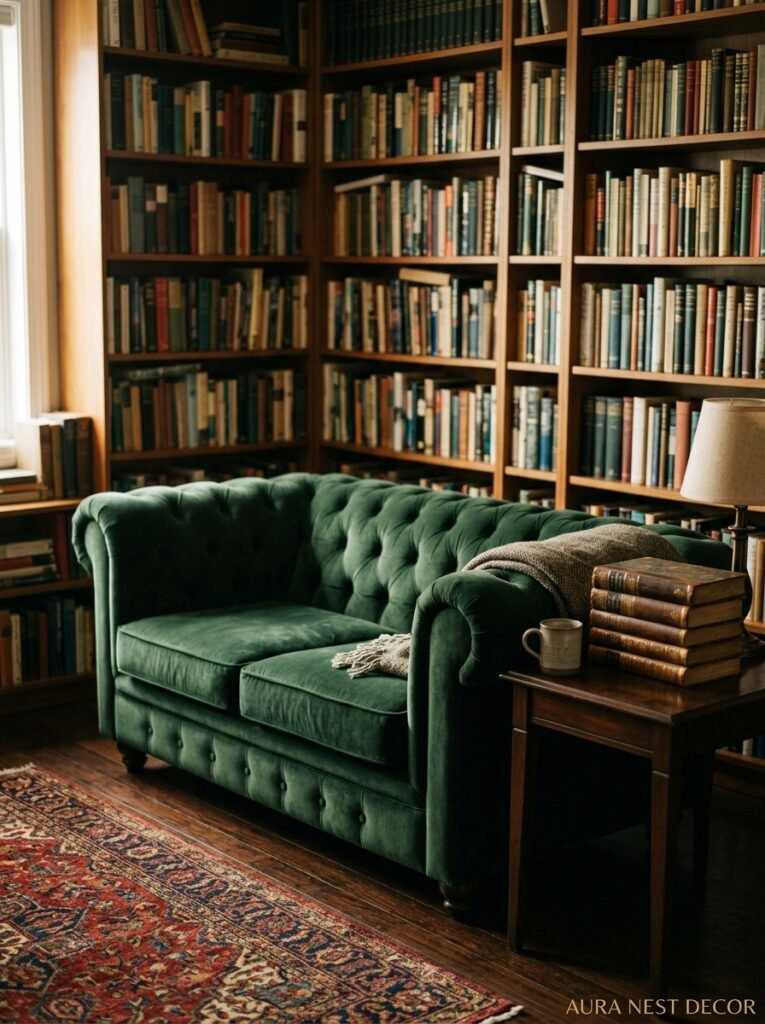
Can we talk about the Chesterfield for a second? Because it keeps getting dismissed as “too traditional” by people who then accidentally buy something that looks generic and boring and regret it within eighteen months.
The Chesterfield — that deep button tufting, the rolled arms at the same height as the back, usually in leather or velvet — is one of those designs that sits completely outside of trend cycles. It was designed in the 18th century. It’s STILL being made. That’s not nostalgia, that’s design that just works.
And here’s the thing: a Chesterfield in an unexpected colour or material completely reframes it. Navy velvet Chesterfield against a white shiplap wall? Modern and graphic. Burnt orange leather in a more eclectic room? Electric. It doesn’t have to live in a gentlemen’s club with hunting prints, and I wish more people would figure that out.
They’re also — and this is worth knowing — usually built to a higher construction standard than a lot of contemporary sofas at the same price point. The tufting alone requires skilled work. You tend to get more for your money in terms of longevity.
The one caveat: deep tufting isn’t the most comfortable for lying across and watching television. If you are a horizontal sofa person — no judgment — the Chesterfield’s not your move.
—
7. The One Layout Principle That Makes Small Living Rooms Feel Intentional
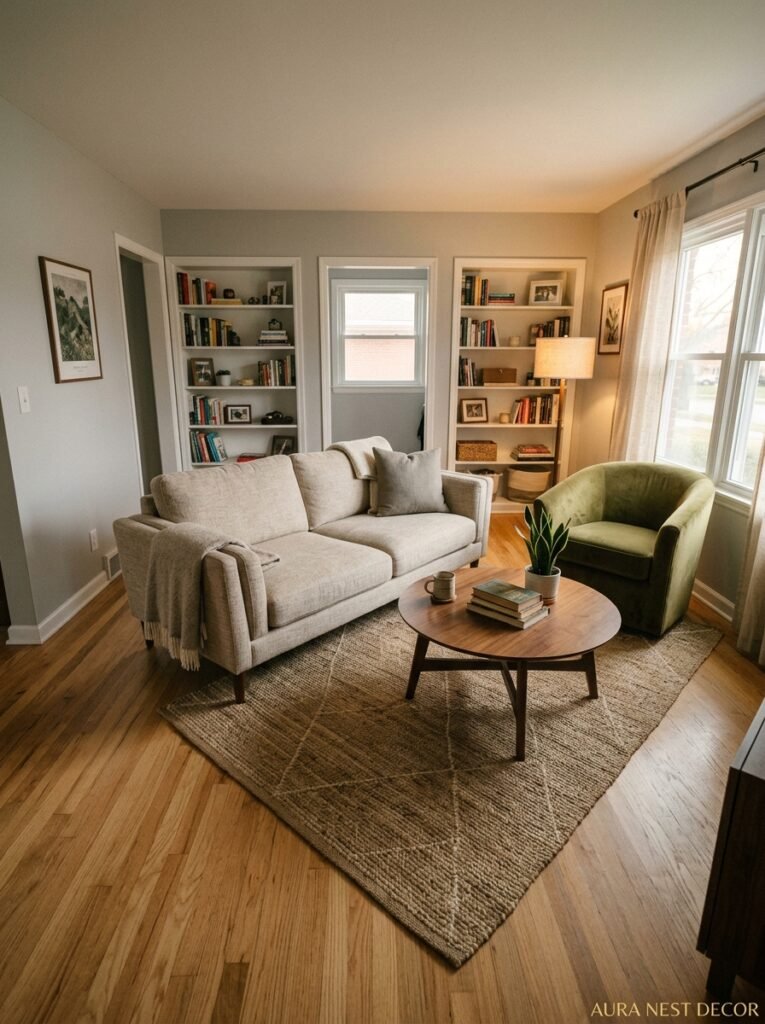
Small living rooms in the UK especially — I hear from so many people who are convinced their space is “too small for a proper sofa.” And then they buy a small loveseat that doesn’t fit anyone comfortably and leaves the room feeling like a waiting area.
The actual fix? Float the sofa away from the wall.
I know it feels counterintuitive. You want to push everything back to “create space.” But a sofa pulled even twelve inches away from the wall creates a zone — a defined seating area with visual breathing room behind it — and the room suddenly reads as deliberate rather than cramped.
Pair that with a rug that goes UNDER the sofa (at least the front legs — ideally all four) and the whole setup reads as one cohesive moment rather than a collection of furniture hoping for the best.
“Pushing your sofa against the wall doesn’t make your room feel bigger. It makes it feel unfinished.”
The other thing that helps in smaller rooms: choose a sofa with visual lightness. Legs instead of a skirt. An arm that’s lower rather than high and boxy. Fabric in a lighter tone. You’re not giving up comfort, you’re just choosing shapes that don’t visually crowd the space.
—
8. Cushion Piling — Where People Go Wrong and How to Fix It
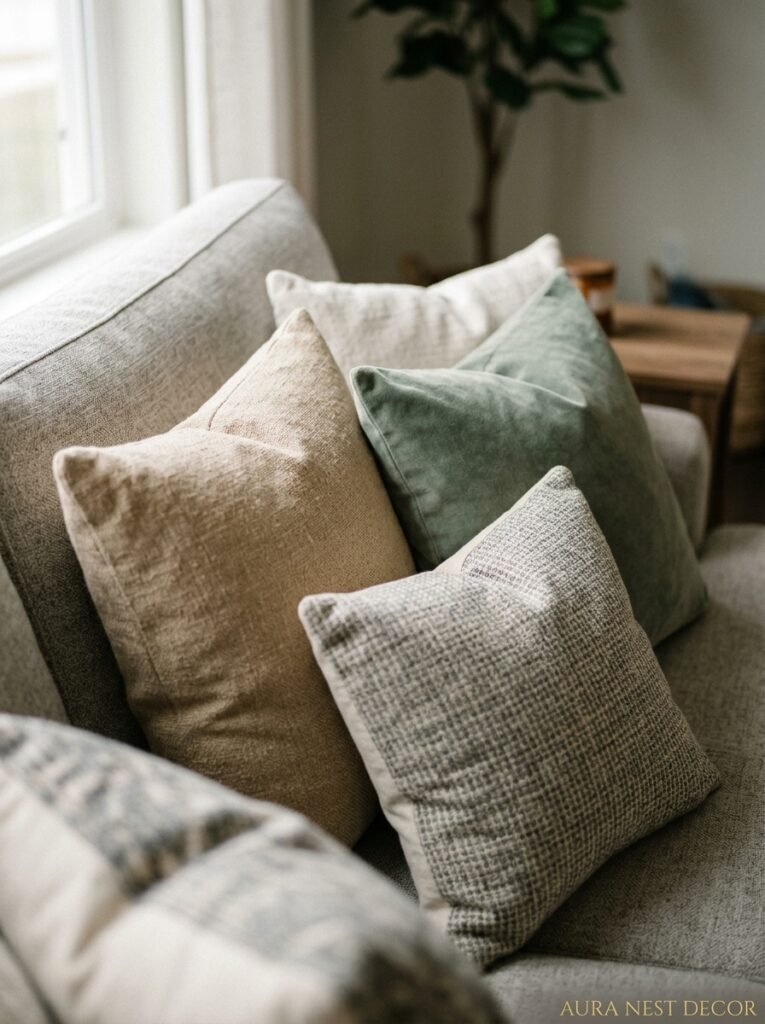
Oh, the throw cushion situation. This deserves its own conversation.
There’s a version of cushion-piling that looks gorgeous — layered, textured, intentional. And there’s a version that looks like someone collected every cushion they were ever given as a gift and threw them on simultaneously.
The difference is usually texture over pattern. When you mix too many patterns — stripes with florals with geometric — things start competing. But when you mix textures at a similar colour temperature — a nubby boucle, a smooth velvet, a woven cotton — it all sits together without fighting.
Scale matters too. Big cushions (twenty inches plus) read as grown-up and intentional. A lot of small cushions reads as fussy. I’d rather see two large cushions and one smaller lumbar than six medium cushions that all look the same.
And the number. Three or five looks deliberate. Four looks like you put them on and got interrupted. Odd numbers. Always.
Honestly — side note — a single really beautiful throw draped over one arm can do more for a sofa’s visual appeal than any amount of cushion styling. The throw is underrated.
—
9. The Sectional Question: When It’s Actually the Right Call
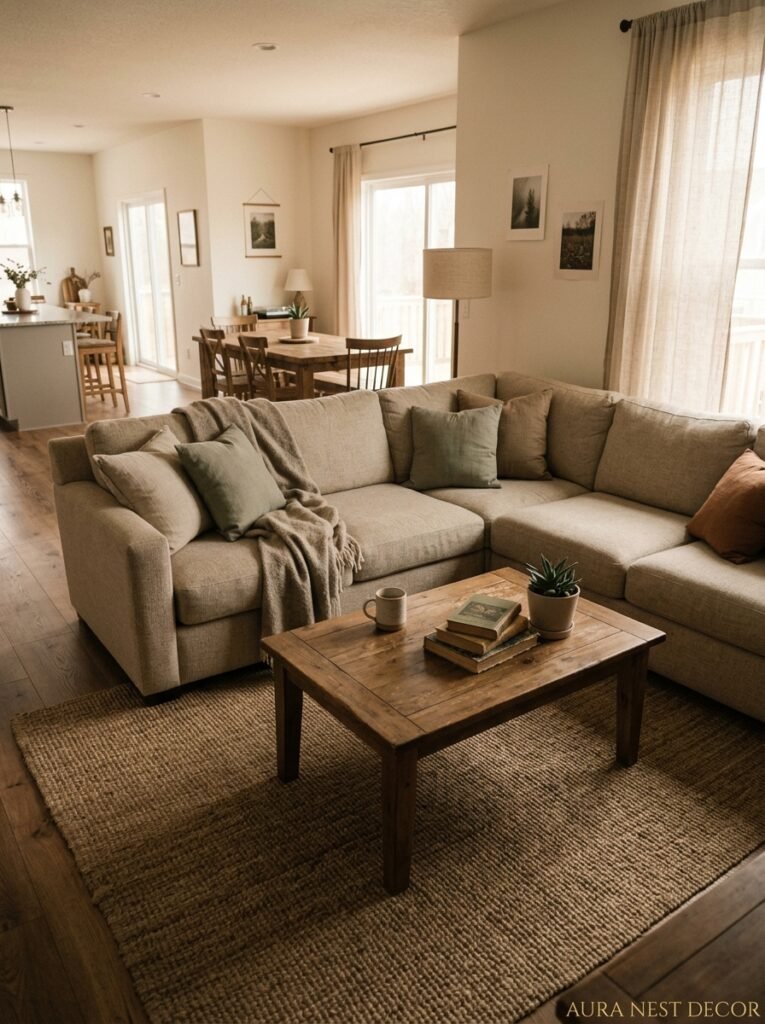
Sectionals get a bad reputation in smaller spaces, and some of that’s deserved. A giant L-shaped sectional in a compact room will eat everything alive.
But — a correctly sized sectional in the right room configuration is one of the most livable furniture choices you can make. Especially if you have kids, or if you genuinely use your living room rather than just pose in it.
The key is the configuration. An L-shape works brilliantly when the shorter end tucks into a corner or defines the edge of your seating zone. A U-shape only works if you’ve got serious square footage and a coffee table to match. A modular sectional — where you can reconfigure it as your room or needs change — is worth the extra spend if you’re the kind of person who moves furniture twice a year. Which I absolutely am.
And don’t overlook the chaise end. A sofa with a chaise on one end is technically a sectional in the simplest sense, but it doesn’t read that way visually, and it gives you that sprawl-out-and-read-a-book option without dominating the room.
—
10. What Your Sofa’s Arms Say About You (This Is Not a Small Thing)
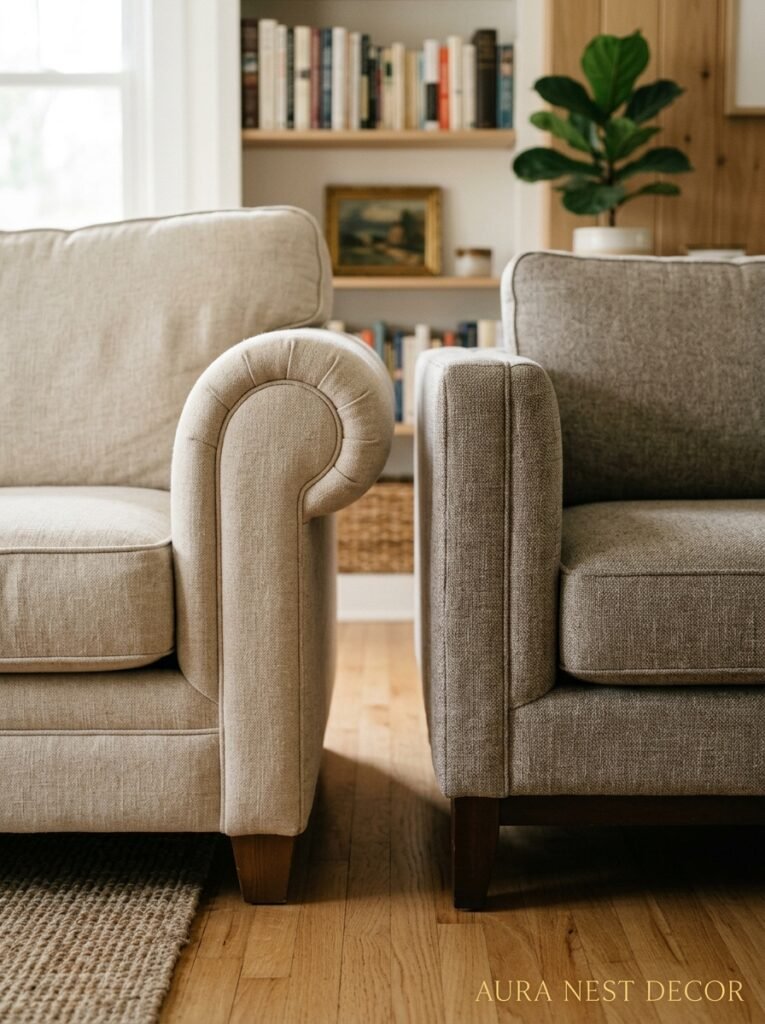
Arm height and shape — genuinely important, genuinely overlooked.
High square arms are formal. They’re also annoyingly uncomfortable if you like to sit sideways or tuck your legs up. Low sloped arms are casual and cozy but some people find them unsupportive. Track arms — that flat, boxy arm flush with the back — are very contemporary and photograph really well, but again, not the most ergonomically generous for actual lounging.
The rolled arm sits somewhere in the middle. It’s got a softness to it that reads as comfortable without being sloppy-looking. It works in a wider range of room styles than people give it credit for.
Think about how you actually sit. Not how you imagine you’ll sit in the beautiful sofa. How you actually currently sit. If you regularly sit cross-legged or sideways or draped across the whole thing like a Victorian with a headache — you need a sofa that accommodates that. Get a low arm or no arm on at least one end.
—
11. The “Investment Piece” Argument and Whether It’s Actually True
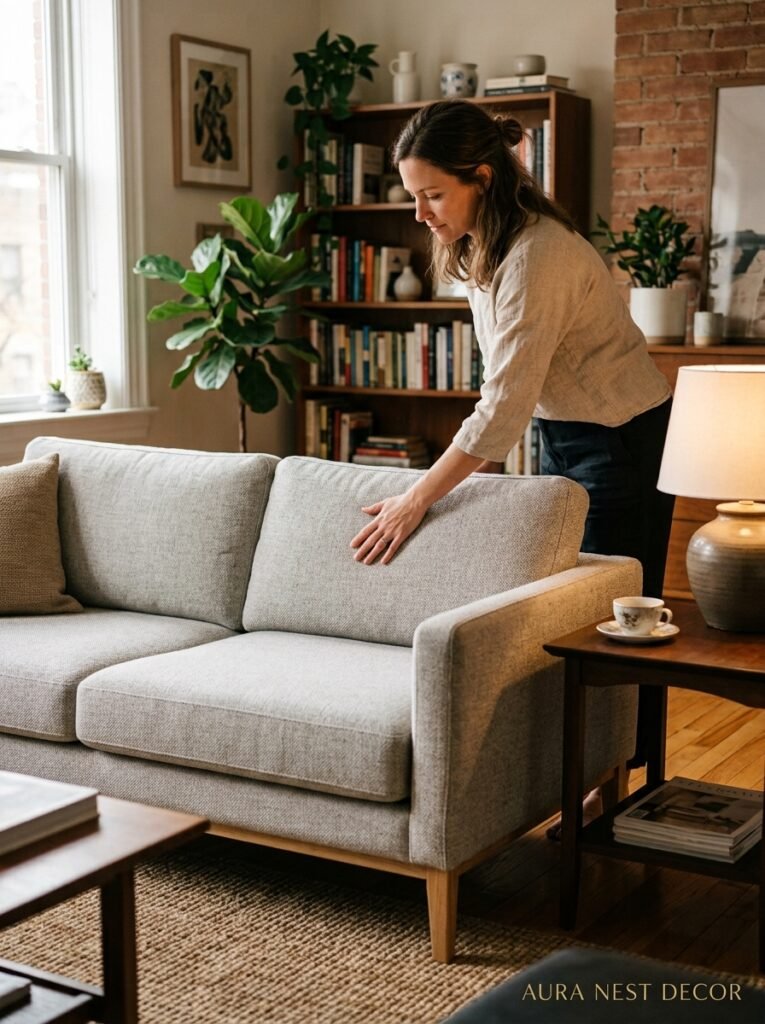
You’ve heard that you should spend more on a sofa because it’s an investment piece. Is that true?
Sort of, but not quite the way it’s usually framed.
Spending more on a sofa is worth it when the higher price translates to construction quality — an eight-way hand-tied spring system, kiln-dried hardwood frames, down-wrapped cushions. Those things genuinely last. A well-built sofa can last fifteen to twenty years with basic care.
Spending more is NOT worth it when you’re just paying for a brand name or a look. There are incredibly well-built sofas at mid-range prices and genuinely poorly made sofas at very high prices. The price tag is not a quality guarantee.
The things to check: the frame (ask if it’s hardwood), the cushion fill (foam-only will compress and sag; foam with a fibre or down wrap holds its shape much longer), and the joinery (does anything wobble even slightly in the showroom? Walk away).
Buy the best construction you can genuinely afford. Don’t stretch to a sofa that stresses your budget, because you’ll resent it every time you look at it.
—
12. The Finishing Touch That Ties the Sofa to the Rest of the Room
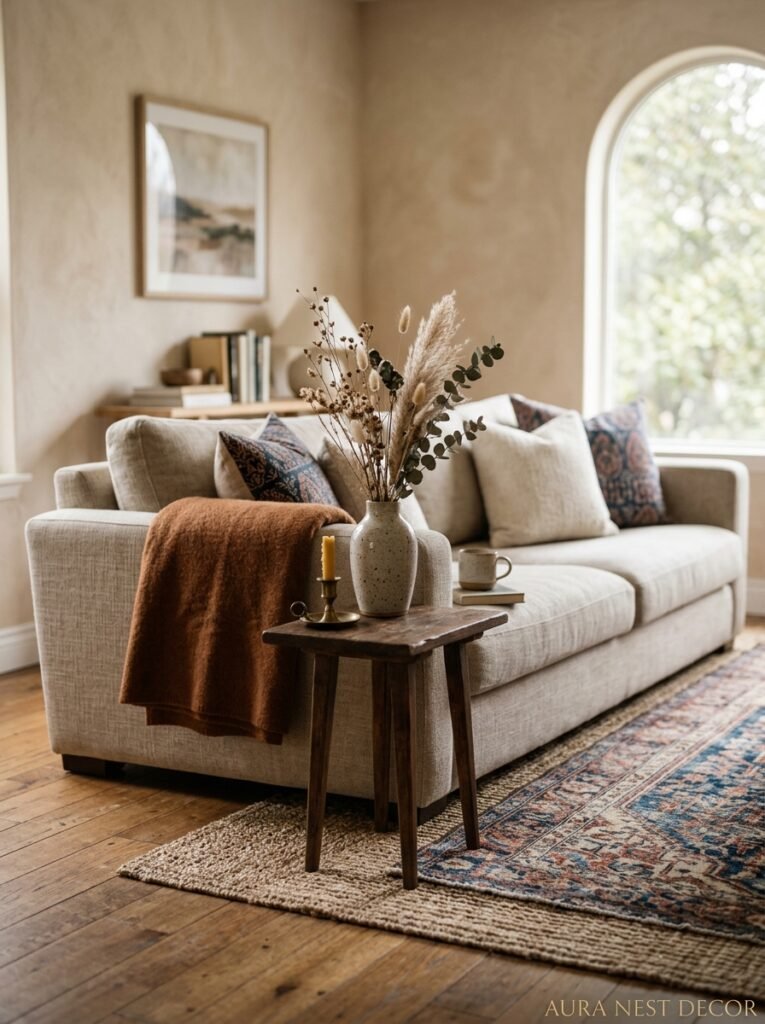
Here’s the thing that gets missed after all the sofa decisions are made: the transition.
A sofa doesn’t exist in isolation. And the pieces immediately around it — the rug underneath, the table beside it, the lamp that’s casting light toward it at night — are what make it feel like it was always meant to be there.
The rug is probably the most critical. Get one big enough. Your sofa’s front legs should always be on the rug, minimum. Ideally all four legs sit on it. A rug that’s too small makes the sofa look stranded.
The lamp to the side — not overhead — is what gives a sofa its warmth in the evening. That amber glow at eye level when you’re sitting down is what makes a living room feel like a place you want to be, rather than a room you pass through.
And something living — a plant, a trailing vine on a nearby shelf, even just some dried pampas in a tall vase — softens the whole arrangement and makes it feel inhabited rather than staged.
—
❓ FAQ
Q: How do I know if a sofa is good quality before buying it? A: Sit on it and bounce a little. Good cushions will spring back without that sad collapsing feeling. Lift one corner slightly — if it feels light and flimsy, the frame probably is. Ask specifically whether the frame is solid hardwood and whether the springs are sinuous or eight-way hand-tied. Sales staff who know the answer without hesitating are usually working with a better product.
Q: Can a dark sofa work in a small room? A: Yes, genuinely — but the surrounding space has to stay light. Dark sofa, light walls, a pale rug, and good natural or warm artificial light. The sofa becomes a grounding anchor rather than a black hole. What kills a small room isn’t the dark sofa, it’s the dark sofa PLUS dark walls PLUS heavy curtains all at once.
Q: How often should you actually replace a sofa? A: A well-made sofa — proper hardwood frame, quality cushion fill — should last you ten to fifteen years without any structural problems. If cushions are sagging badly before the seven-year mark, that’s a construction issue, not normal wear. Most sofas get replaced because of changing style preferences, not because the sofa itself is worn out. Which is fine, honestly. Just know the difference before you spend.
—
💭 Final Thoughts
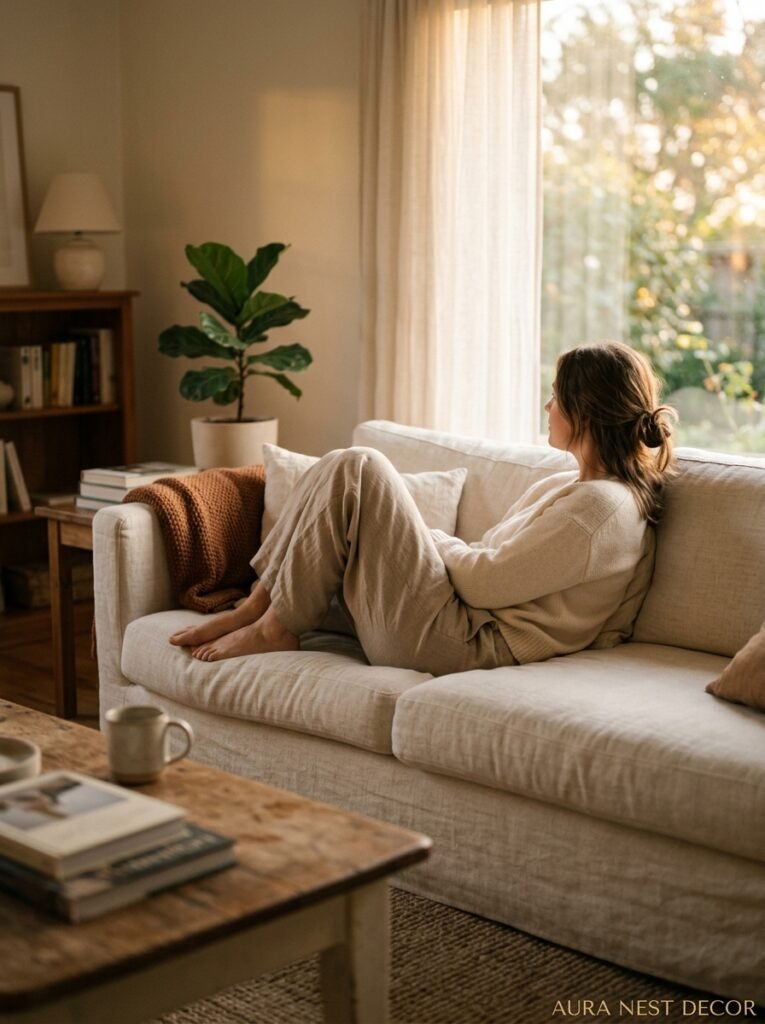
A sofa is one of those purchases that quietly shapes your daily life in ways you don’t fully appreciate until you get it right. The way you settle into an evening, how guests feel when they sit down, whether your living room is the place everyone gravitates toward — so much of that comes down to this one piece of furniture.
Don’t rush it. Don’t just buy what’s in stock. And don’t let anyone talk you out of the sofa that actually speaks to you just because it’s “a bit much.”
What’s the one thing you wish you’d known before you bought your current sofa?