

Dark Grey Couch Living Room Ideas That Will Make You Fall in Love With Your Space All Over Again
There’s something quietly powerful about a dark grey couch — the way it anchors a room without demanding attention, the way it invites you to sink in and stay awhile. If you’ve been staring at yours wondering why the rest of the room isn’t quite keeping up, you’re not alone.

—
1. Why a Dark Grey Couch Is the Smartest Anchor Piece You’ll Ever Own
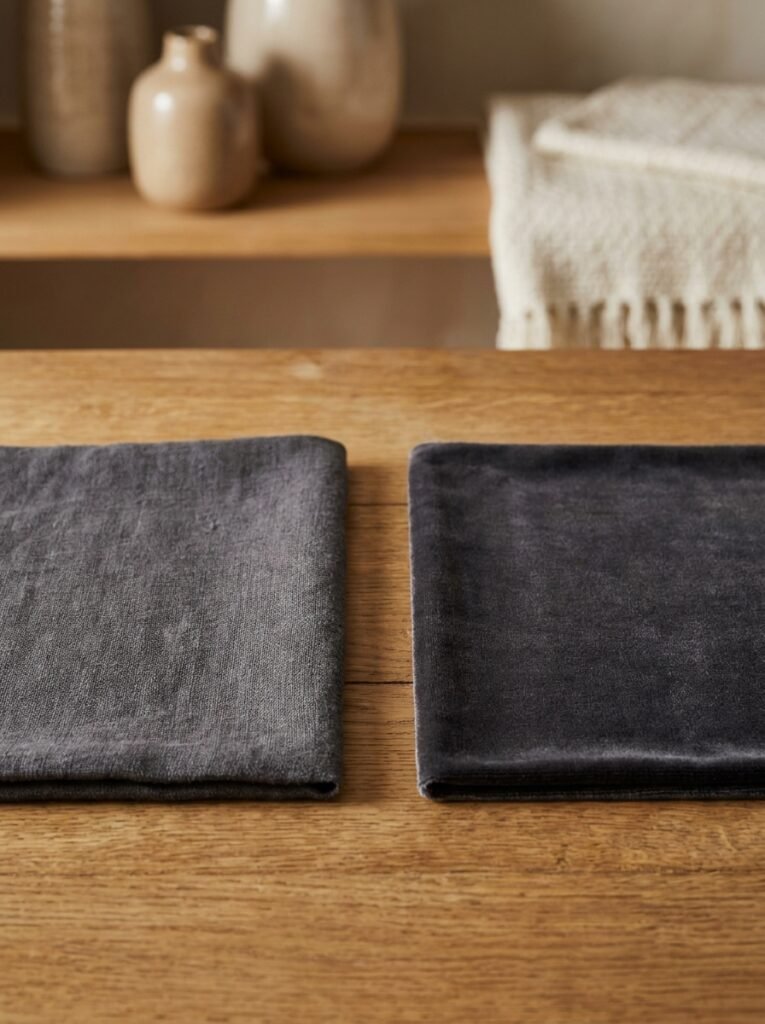
Let’s start with a truth that seasoned interior designers know well: most people underestimate the dark grey couch. They treat it like a placeholder — something safe, something neutral — when really, it’s one of the most versatile and sophisticated furniture pieces you can bring into a living room.
A dark grey couch sits in a rare sweet spot on the color spectrum. It’s neutral enough to play nicely with almost any palette, but rich enough to give your room that depth and intentionality that beige simply cannot. Unlike a white sofa (which requires constant vigilance) or a navy velvet piece (which commits you to a specific mood), a dark grey couch is adaptable. Redecorate the room around it for spring, then again for fall, and the couch will follow your lead every single time.
Think about the materials, too. Dark grey absorbs minor scuffs, pet hair blends in far more forgivingly, and the color reads differently depending on the fabric — a dark grey linen feels breezy and relaxed, while a charcoal velvet feels cinematic and lush. The same neutral, entirely different story.
“A dark grey couch doesn’t just hold your living room together — it gives every other design decision room to breathe.”
2. The Color Palettes That Make a Dark Grey Couch Absolutely Sing
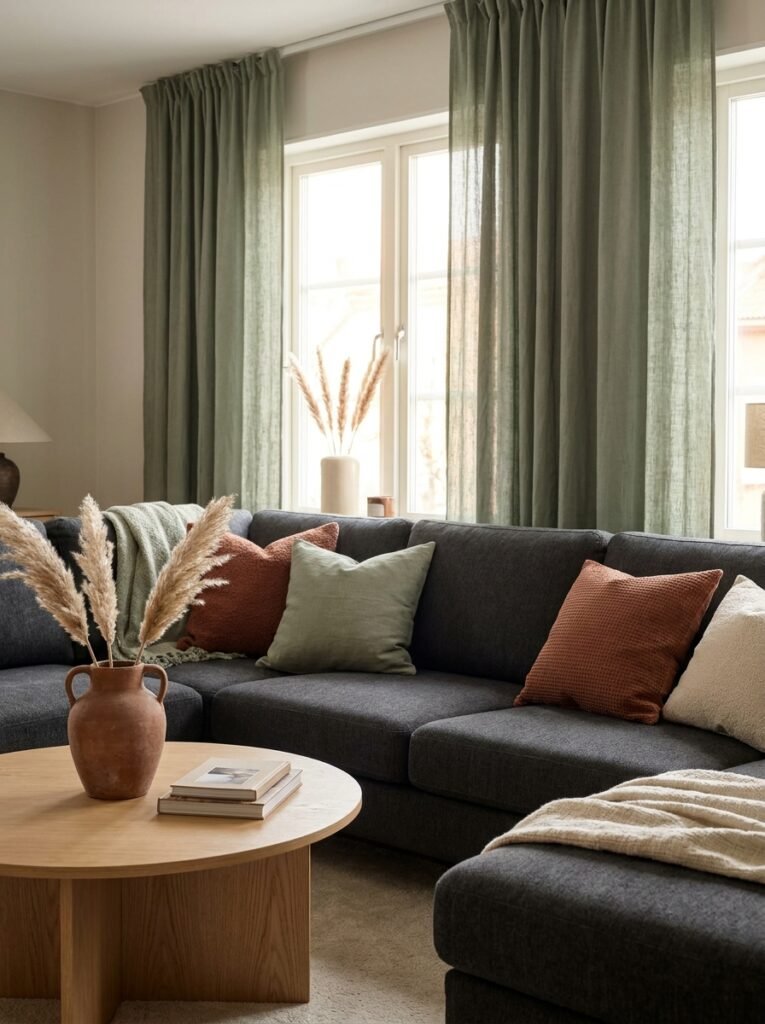
Color is where most people either completely unlock the potential of their dark grey couch — or accidentally mute it. The good news is that charcoal and deep grey are genuinely forgiving partners. The better news is that a few specific palettes will make your living room look like it came straight from an editorial spread.
Warm whites and cream: This is the classic pairing for good reason. Creamy walls, ivory throw pillows, and a soft woven rug pull the warmth out of grey’s cool undertones and create a space that feels both elegant and lived-in. Think Sunday morning light, a cup of coffee, nowhere to be.
Terracotta and rust: This is the pairing that stops people mid-scroll on Pinterest. Warm, earthy orange-reds against the cool depth of charcoal create a tension that feels intentional and deeply modern. A few rust-colored throw pillows, a terracotta ceramic vase on the coffee table — it’s that simple, and it’s that effective.
Sage green and olive: If you want your living room to feel like a retreat — genuinely restorative, not just aesthetically pleasing — pair your dark grey couch with muted greens. Sage green walls, olive linen curtains, natural wood tones. The result is grounding, calm, and quietly beautiful.
Blush pink and gold: For a more feminine and luxurious feel, blush accents with gold hardware and soft lighting transform a dark grey couch into something that feels like a boutique hotel lobby — only warmer, and entirely yours.
3. The Throw Pillow Formula That Interior Designers Actually Use

Throw pillows can make or break a couch. Pile on too many in the wrong combinations and your living room starts to look like a clearance display. Use too few and the couch feels unfinished. There’s a quiet formula that works consistently, and once you know it, you’ll never struggle with pillow styling again.
Start with an odd number — five pillows tends to be the sweet spot for a standard three-seater dark grey couch. Choose three in a primary pattern (something with a small amount of color you want to echo elsewhere in the room), two in a complementary solid. Vary the sizes deliberately: two large square pillows at each end, two medium squares layered in front, and one rectangular lumbar pillow in the center.
For a dark grey couch specifically, textures matter more than they might on a lighter sofa. Because the couch itself is a deeper tone, you want your pillows to add lightness and dimension. Chunky knit, bouclé, velvet, and linen all read beautifully against charcoal. Stick to two or three textures maximum — any more and the arrangement starts to feel restless rather than curated.
4. Rugs That Ground the Room Without Competing With the Couch
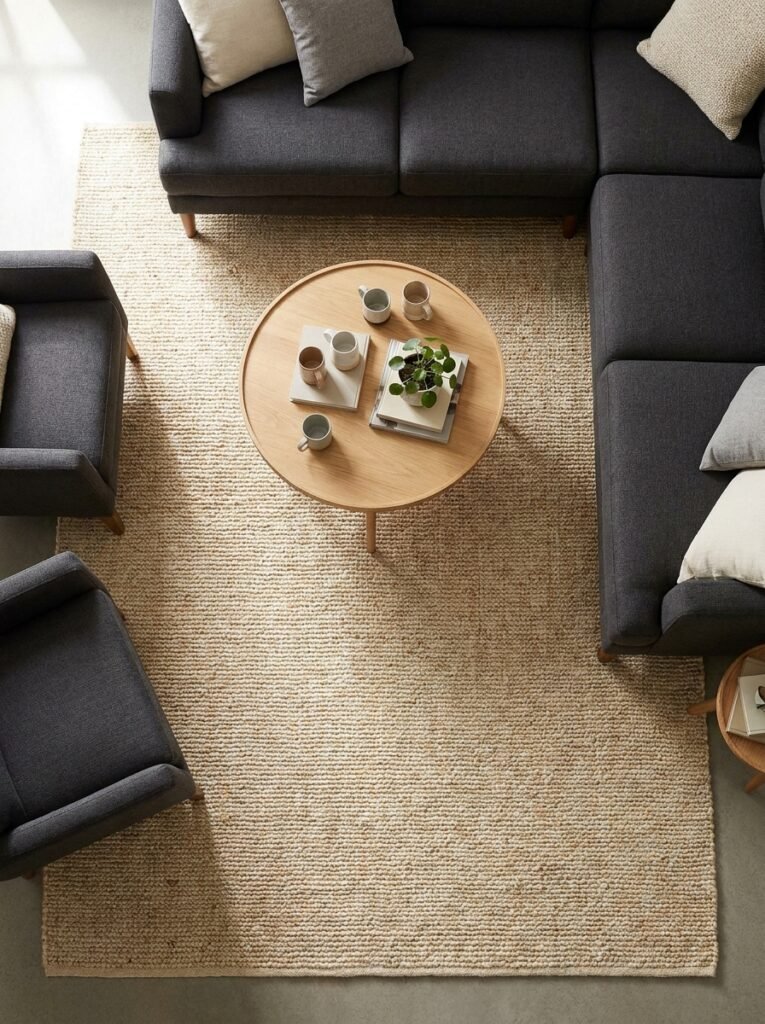
The rug is the room’s handshake — it introduces everything else and sets the tone before anyone sits down. Choosing the right rug for a dark grey couch living room is less about matching and more about anchoring.
A natural jute or sisal rug adds warmth and texture without pulling focus away from the couch. For smaller spaces, a lighter-toned rug (cream, ivory, oatmeal) visually expands the floor plan and keeps the room from feeling heavy. For larger rooms with higher ceilings, you can go bolder — a patterned rug in deep blues, ochre, or forest green creates a visual conversation with the grey that feels layered and intentional.
One rule that holds across all room sizes: make sure the rug is large enough. The single most common rug mistake in living rooms is going too small. Ideally, the front legs of your dark grey couch — and the front legs of all surrounding seating — should rest on the rug. This unifies the seating area and makes the space feel cohesive rather than scattered.
5. Lighting That Transforms a Dark Grey Couch Room From Flat to Dimensional
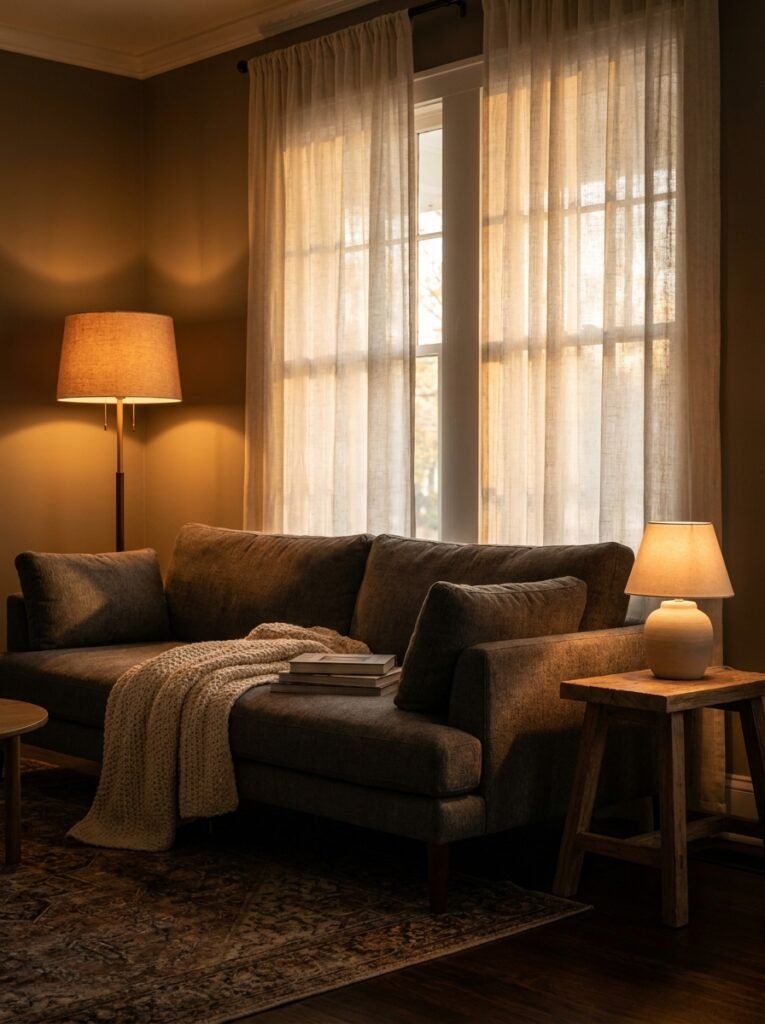
A dark grey couch in a poorly lit room can make a living space feel cave-like and heavy. The same couch in a thoughtfully lit room feels moody, warm, and completely intentional. Lighting is quite literally the difference.
Natural light is your first priority. If you have windows in your living room, don’t block them with heavy drapes or furniture placed too close to the glass. Sheer curtains in a warm white or light linen will soften the light without eliminating it, and they’ll complement the grey beautifully.
For artificial lighting, think in layers. Overhead lighting alone is never enough — it creates flat, unflattering light that flattens the room’s depth. Add a floor lamp beside the couch for ambient warmth, a table lamp on the side table for task lighting and visual interest, and consider a statement pendant or chandelier if your ceiling height allows. Warm-toned bulbs (anywhere between 2700K and 3000K) will counteract any coolness in the grey and make the entire room feel like it’s glowing rather than simply lit.
“In a living room with a dark grey couch, lighting isn’t decoration — it’s the difference between a room that breathes and one that broods.”
6. The Power of Wood Tones: Warm, Mid, or Dark?
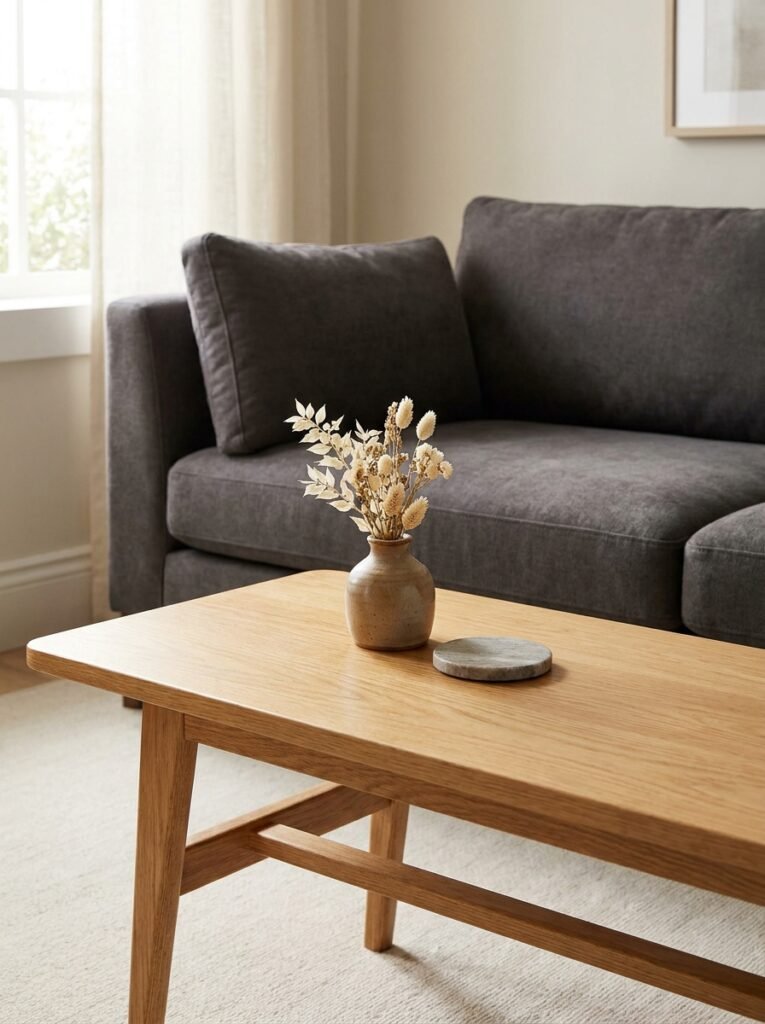
Wood is one of the most important decisions you’ll make in a living room built around a dark grey couch — and yet it’s often the most overlooked. The wrong wood tone can make the room feel disconnected; the right one ties everything together with a quiet elegance.
Light and warm wood tones (honey oak, natural pine, light walnut) are the most forgiving pairing with a dark grey couch. They add the warmth the room needs to keep from feeling cold or overly serious. Scandinavian-style coffee tables in light birch or bleached oak work beautifully here.
Mid-toned woods (warm walnut, chestnut, medium brown) create a richer, more grounded look — slightly more formal, deeply cozy. If you love the idea of a living room that feels curated and intentional, mid-toned wood furniture pieces alongside your dark grey couch will deliver exactly that.
Dark wood (espresso, ebony, dark mahogany) requires more care in a dark grey couch room. Used sparingly — a single dark wood accent table, for instance, or a bookshelf — it adds drama and sophistication. Used too liberally, the room can start to absorb light rather than reflect it. Balance is everything.
7. Small Living Room With a Dark Grey Couch? Here’s How to Make It Feel Larger
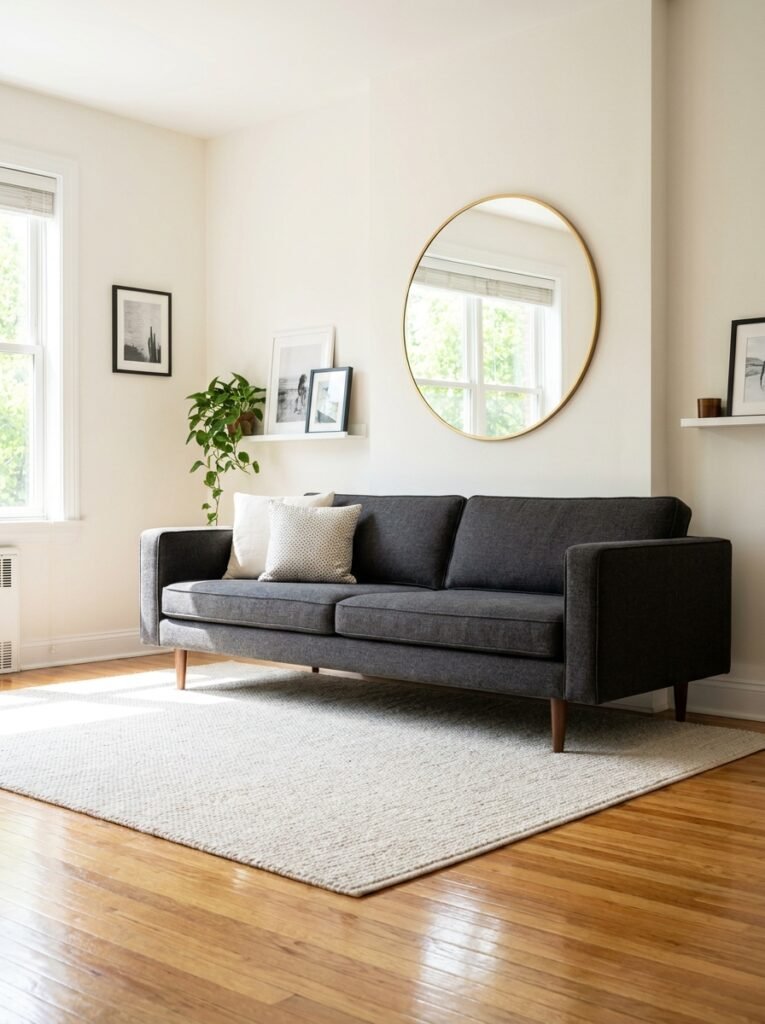
One of the most common concerns people have about a dark grey couch in a smaller living room is that it will make the space feel even smaller. This is understandable — darker tones do have visual weight. But with a few deliberate choices, a dark grey couch can actually anchor a small room beautifully without shrinking it.
First, choose furniture with legs. A sofa that sits directly on the floor visually cuts the room in half. Exposed legs allow light to pass beneath the furniture, creating a sense of openness and making the floor space feel more expansive. The same principle applies to your side tables and coffee table — opt for pieces that feel airy rather than bulky.
Second, keep your walls light. Pale walls in warm white, soft cream, or even a very light greige reflect light around the room and create contrast with the dark grey couch that reads as depth rather than heaviness. Third, use mirrors strategically. A large mirror positioned to reflect natural light will make your small living room feel dramatically larger, and it pairs beautifully with the reflective quality of a charcoal or dark grey sofa.
8. Styling the Wall Behind Your Dark Grey Couch

The wall behind the couch — often called the feature wall or the gallery wall — is prime real estate in your living room design. It’s the backdrop for the couch and everything you’ve styled on and around it. Getting it right elevates the entire room; getting it wrong makes even great furniture look uncertain.
For a dark grey couch, the wall behind it can go several directions. A gallery wall of warm, textured art prints (think abstract landscapes, botanical illustrations, or typographic prints in warm neutral frames) creates an eclectic, personality-rich backdrop. A single large-format piece of art — something bold, something with color — makes the couch look intentional and the room feel curated.
You could also consider a textured accent wall — grasscloth wallpaper, limewash paint, or shiplap in a warm white — to add depth and architectural interest behind the couch without requiring artwork at all. The texture does the work.
9. Plants: The Living Element That Balances Dark Grey’s Depth

There is no faster way to make a living room feel alive than to bring in plants — and a dark grey couch practically invites them. The contrast between charcoal and rich green is one of nature’s most beautiful combinations. Think of the way dark storm clouds make a green landscape look impossibly vivid. The same dynamic plays out in your living room.
For a dark grey couch living room, large floor plants work exceptionally well. A fiddle leaf fig, a monstera, or a tall snake plant placed at one end of the couch or in the corner behind it adds height, movement, and natural color. Smaller plants on the coffee table or nearby shelving — trailing pothos, a compact rubber plant, a small olive tree in a terracotta pot — add layers of life without crowding the space.
“Plants don’t just decorate a room — they remind it to breathe.”
10. The Dark Grey Couch in an Open-Plan Living Space

Open-plan living presents a unique design challenge: how do you create distinct zones without walls to do the work for you? A dark grey couch is actually one of the most effective zone-defining tools you have.
Position your dark grey couch to face away from the kitchen or dining area, and you immediately create a psychological boundary between the two spaces. The back of the couch — especially a high-backed one — signals the beginning of the living area. Add a rug beneath the couch and seating arrangement to reinforce this boundary, and the zones feel deliberate and separate even within a shared footprint.
In an open-plan space, the dark grey couch also benefits from having cohesive elements repeated across the zones. If you have dark grey in the living area, echo it lightly in the dining space — dark grey dining chairs, for instance, or charcoal pendant lighting above the dining table. This threading of color creates visual flow and makes the entire open plan feel designed rather than assembled.
11. Seasonal Styling: How to Refresh Your Dark Grey Couch Room All Year Long

One of the greatest gifts a dark grey couch gives you is seasonal flexibility. Because charcoal is a constant — cool, steady, unchanging — everything else in the room can shift with the seasons and the couch will adapt without complaint.
In spring, layer in blush throw pillows, swap the heavy wool blanket for a lightweight linen throw, bring in fresh florals, and let more light into the room. The dark grey couch suddenly reads as crisp and refreshed rather than heavy.
In autumn and winter, bring in the richness. Deep mustard yellows, burgundy, copper, warm caramel — these colors make a dark grey couch look like the coziest seat in the world. Layer thick throws, add a chunky knit pillow, and turn the lamps down low. The room shifts from bright and airy to warm and deeply inviting.
12. The Final Details That Take a Dark Grey Couch Room From Nice to Unforgettable

Every well-designed room has a finishing layer — the small details that a visitor notices without being able to name exactly what they’re seeing. These are the things that separate a thoughtfully designed space from one that merely has nice furniture.
A tray on the coffee table — styled with a candle, a small plant, and a beautiful book — creates a visual anchor for the room’s center. A cozy throw blanket draped casually over the arm of the dark grey couch signals that this is a room to be used and loved, not preserved. Candles in warm, earthy tones (sandalwood, amber, tobacco, vanilla) add scent and light in a way that genuinely changes how the room feels when you walk in.
Art that reflects your actual taste — not just what looks appropriate — gives the room soul. Family photos in uniform frames, a collection of postcards pinned to a mood board, a painting you love even though you can’t explain why: these things make a room yours in a way that no furniture purchase ever quite can.
—
🌿 How to Take Care of Your Dark Grey Couch Living Room
Maintaining the beauty of a dark grey couch living room is simpler than most people expect, and a little consistency goes a long way.
Rotate and fluff your cushions regularly — this prevents uneven wear and keeps the couch looking full and inviting rather than sunken and tired. For fabric sofas, a fabric brush or lint roller used weekly will keep the surface looking fresh. For velvet, brush in the direction of the pile to restore the sheen after use.
Keep a consistent editing habit in the room itself: every few weeks, take a look at what’s accumulated on the coffee table, the shelves, and the side tables. Living rooms tend to collect — mail, books, remote controls, candles — and a quick reset makes the whole space feel renewed. Think of it less as cleaning and more as curation.
Protect the couch from direct, prolonged sunlight if possible. Charcoal and dark grey fabrics can fade over time with intense UV exposure. Sheers or UV-filtering window film will protect the color without sacrificing natural light. And for deeper cleaning, always check the manufacturer’s instructions — most dark grey sofas can be spot-cleaned with a mild upholstery cleaner, but some fabrics require professional cleaning.
—
❓ FAQ
Q: What colors go best with a dark grey couch in a living room? A: Dark grey couches pair beautifully with warm whites, cream, terracotta, sage green, blush pink, mustard yellow, and navy blue. The key is to balance the couch’s cool depth with warmer accent tones — this prevents the room from feeling cold and creates a layered, inviting look.
Q: How do I make a living room with a dark grey couch feel cozy and not too dark? A: Warm lighting is the most important factor — use layered light sources with warm-toned bulbs rather than relying on overhead lighting alone. Pair the couch with lighter walls, natural wood accents, textured throws, and plants to add warmth, lightness, and life to the room without losing the depth the grey provides.
Q: Can a dark grey couch work in a small living room? A: Absolutely. Choose a sofa with exposed legs to keep the visual weight light, keep walls pale to maximize light reflection, use a large enough rug to unify the space, and add a mirror to visually expand the room. A dark grey couch in a small space can feel grounding and sophisticated rather than heavy when these principles are applied.
—
💭 Final Thought
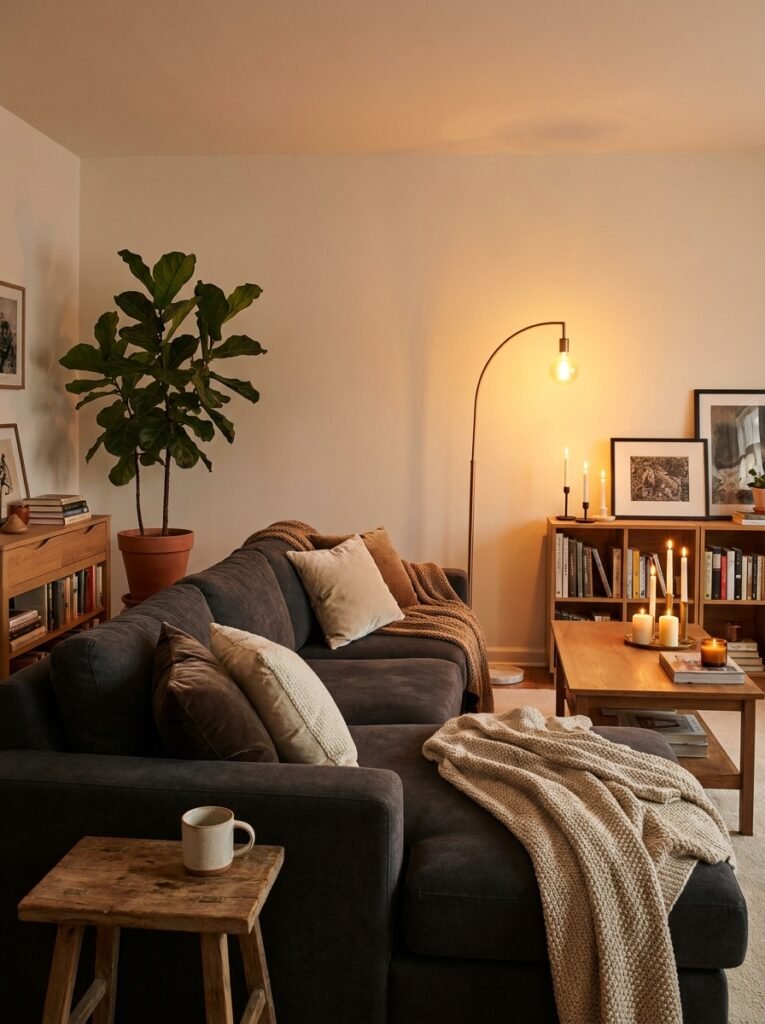
A dark grey couch is never just a couch — it’s an invitation. An invitation to build a room that feels like a real reflection of who you are, to play with color and texture and light until the space genuinely delights you every time you walk through the door. The most beautiful living rooms aren’t the ones with the biggest budgets or the most expensive pieces — they’re the ones that feel like they were made for the person living in them.
So here’s something worth sitting with: if you walked into your living room right now as a stranger, would you want to stay?