
The Sofa Set That Changed How My Family Actually Lives in the Living Room
There’s a moment — you’ve probably had it too — when you walk into your living room and feel like something is just off. The space looks fine on paper, but it doesn’t feel like home. Nine times out of ten, the culprit is the sofa set. It’s the anchor of the entire room, and when it’s wrong, everything around it suffers. When it’s right? The whole space exhales.
—
1. Why Your Sofa Set Is the Most Important Decision in Your Living Room
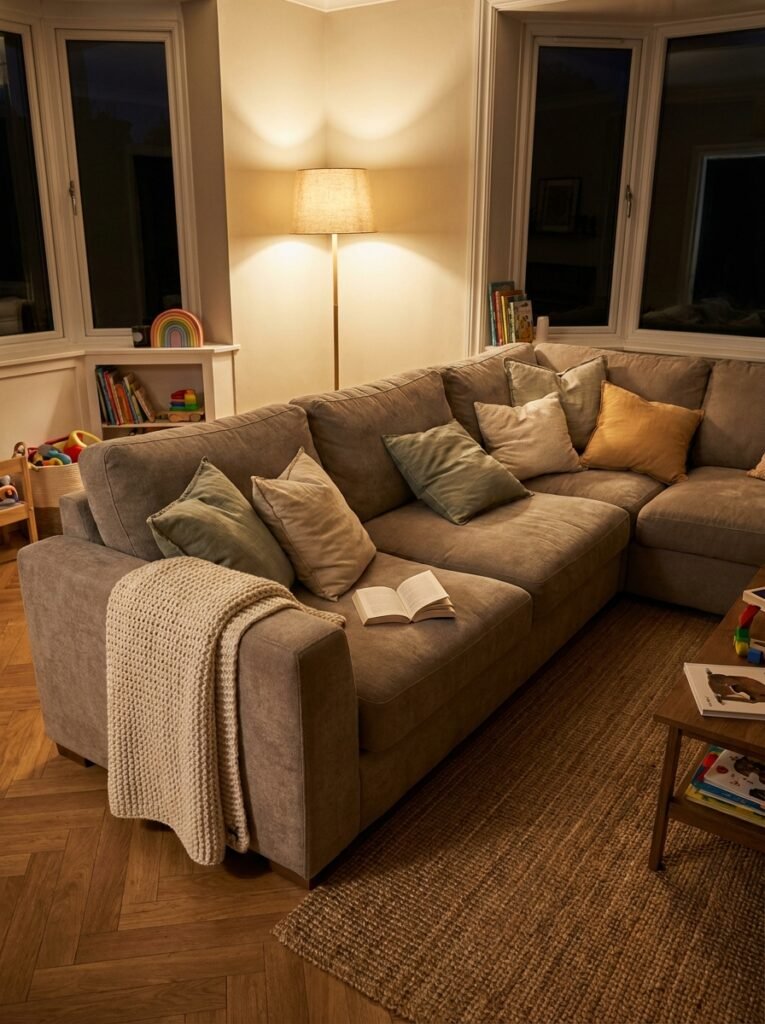
Let’s be honest about something most interior design content glosses over: your sofa set isn’t just furniture. It’s where your toddler takes her afternoon naps, where your teenager retreats with a book, where you finally sit down at 9 p.m. after a day that asked everything of you. It holds the weight of daily life — quite literally.
Interior designers often say that the sofa set accounts for roughly 60 to 70 percent of your living room’s visual identity. That means every other decision — the rug, the curtains, the throw pillows, the coffee table — will be shaped by what sofa set you choose. Getting it right from the start isn’t about perfection. It’s about creating a foundation that makes everything else easier.
“The right sofa set doesn’t just fill a room — it defines how a family chooses to live inside it.”
The good news? Once you understand what to actually look for, choosing a sofa set becomes less overwhelming and far more intuitive. It becomes less about scrolling endlessly through furniture websites and more about understanding your life and designing around it.
—
2. The Hidden Language of Sofa Set Configurations
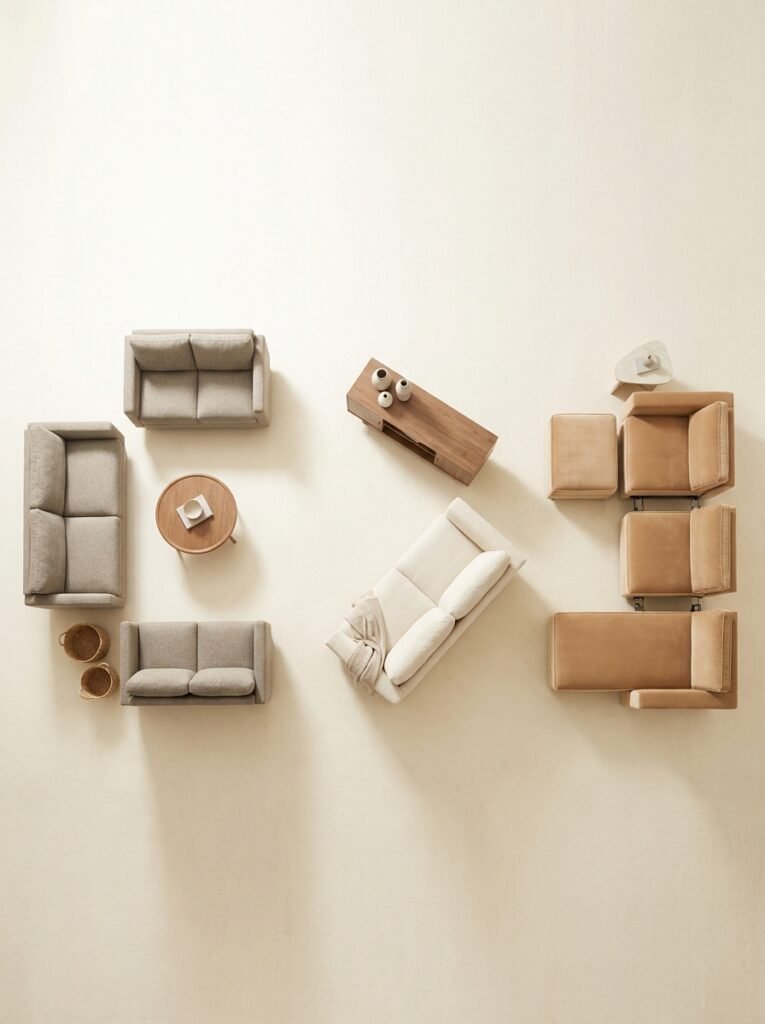
Walk into any furniture showroom and you’ll be greeted by an alphabet soup of configurations — L-shaped, U-shaped, 3+2+1, sectional, modular, chesterfield. It can feel like you need a degree just to buy a couch. But each configuration actually tells a story about how people intend to use their space, and once you learn to read that language, the right choice becomes much clearer.
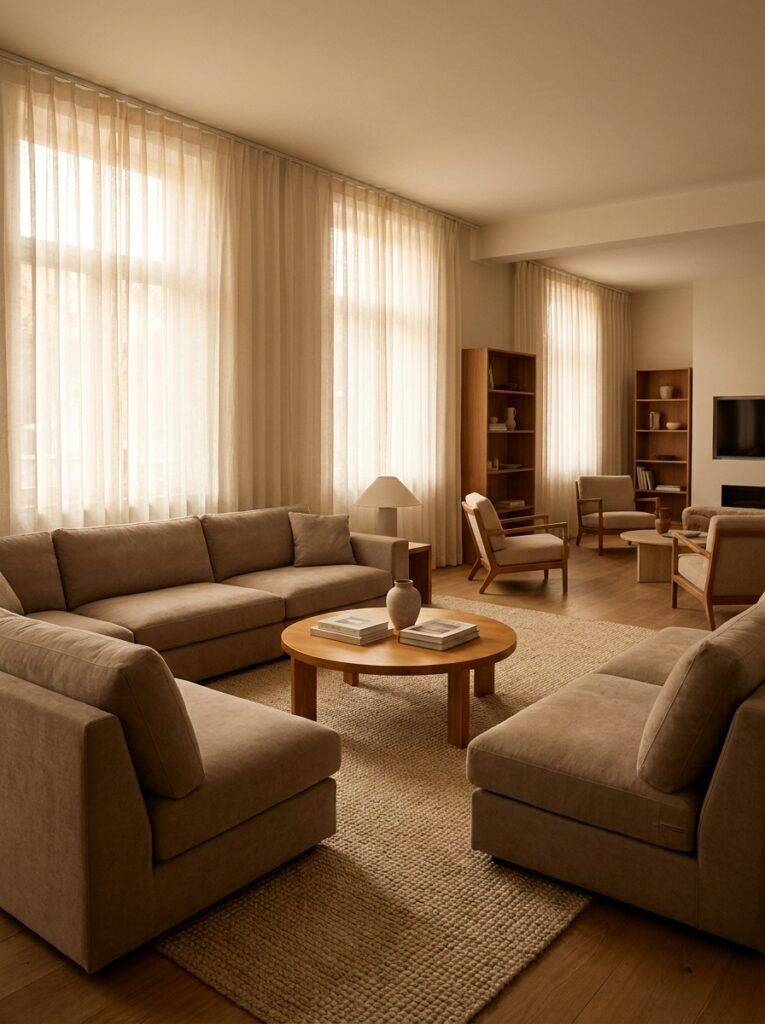
The classic 3+2 configuration — a three-seater paired with a two-seater — is timeless for a reason. It creates natural conversation zones on opposite sides of a coffee table, making it ideal for families who host regularly or simply enjoy facing each other when they talk. There’s something wonderfully human about a sofa arrangement that says, “sit down, let’s talk.”
The L-shaped sectional tells a different story. It says: we gather around screens, we pile on top of each other during movie nights, we want maximum comfort over maximum conversation. For families with young children or households that treat Sunday as a sacred rest day, this configuration is often a revelation.
Modular sofa sets are the newest chapter in this story — designed for people whose lives are still evolving. Moving to a bigger apartment? Add a piece. Downsizing? Remove one. They’re the sofa sets of a generation that values flexibility over permanence.
—
3. How to Measure Your Living Room Before You Fall in Love With a Sofa
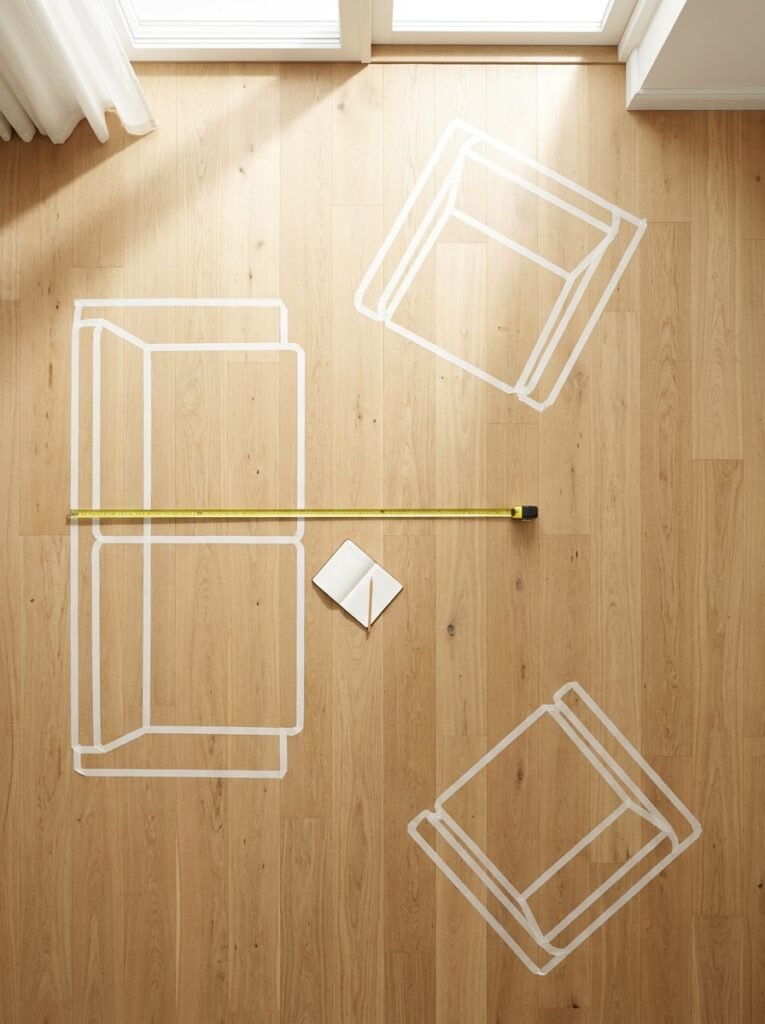
Here’s a mistake that happens more often than furniture stores would like to admit: someone buys a gorgeous sofa set, waits six weeks for delivery, and then watches two large men try to squeeze it through a doorway that was never going to cooperate. Heartbreaking, preventable, and unfortunately common.
Before you fall in love with any sofa set, grab a measuring tape and commit these numbers to memory: the width and length of your living room floor space, the height of your ceilings, the width of every doorway the furniture must pass through, and the diagonal measurement of any stairwells involved. Furniture retailers recommend leaving at least 18 inches between your sofa and the coffee table, and at least 30 to 36 inches of walking clearance around the perimeter of the seating area.
A practical trick used by many interior designers is the “painter’s tape method” — use masking tape to outline the footprint of your intended sofa set directly on your floor before purchasing. Live with that outline for a day or two. Walk around it. Sit on the floor inside it. You’ll know very quickly whether it’s going to work.
—
4. The Truth About Sofa Fabric — What Nobody Warns You About
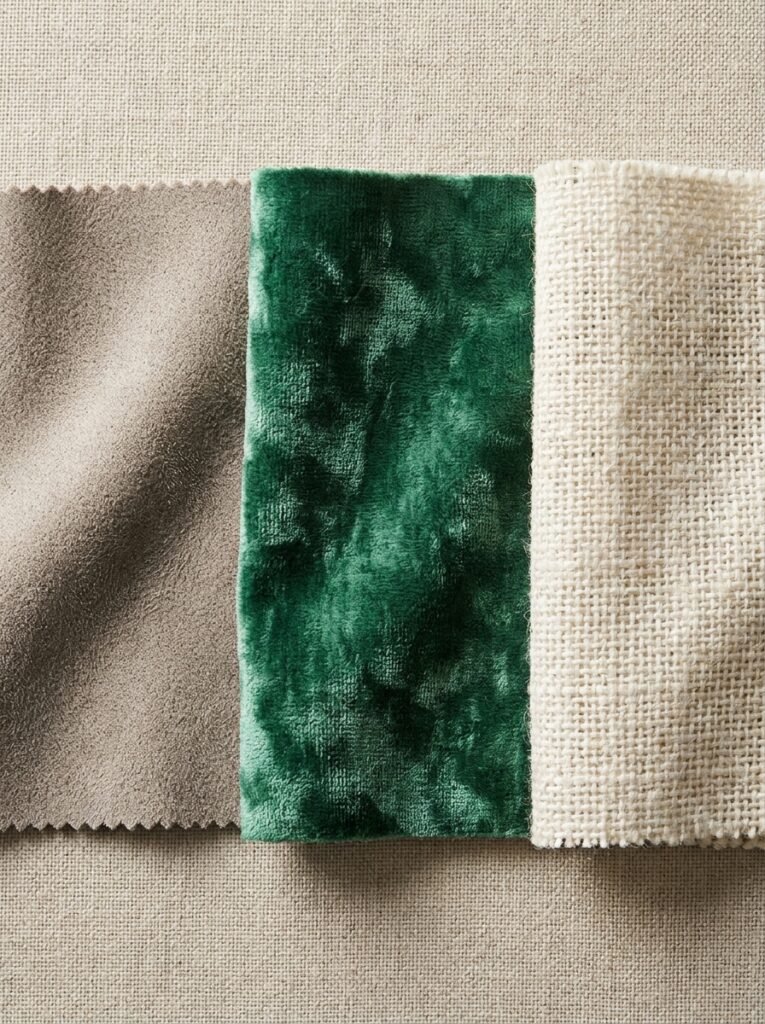
There’s a reason fabric choice causes more buyer’s remorse than almost any other sofa decision. A sofa might look spectacular in a showroom under carefully controlled lighting, only to look flat and tired six months later in your actual home. Or worse — it might be gorgeous but completely impractical for the chaos of real family life.
Microfiber and performance fabrics have become the undisputed champions of family-friendly living rooms. They resist stains, clean easily with a damp cloth, and hold their shape well over years of daily use. If you have children, pets, or both, these fabrics are worth every penny of their slightly higher price tag.
Velvet sofa sets photograph beautifully — which is partly why they dominate Pinterest boards — but they require more maintenance than most people anticipate. They’re prone to crushing and marking, and pet hair clings to them enthusiastically. That said, in a household without animals and with older children, a velvet sofa set can be an genuinely luxurious, long-lasting investment.
Linen and cotton blends bring that effortless, airy quality that feels right at home in Scandinavian and coastal design styles. They breathe well in warm climates and age with a certain graceful character — wrinkles and softness become part of their charm rather than a flaw.
“Fabric is where practicality and beauty must negotiate — choose the one that makes peace with your actual life.”
—
5. Color Psychology and the Sofa Sets That Actually Sell Homes
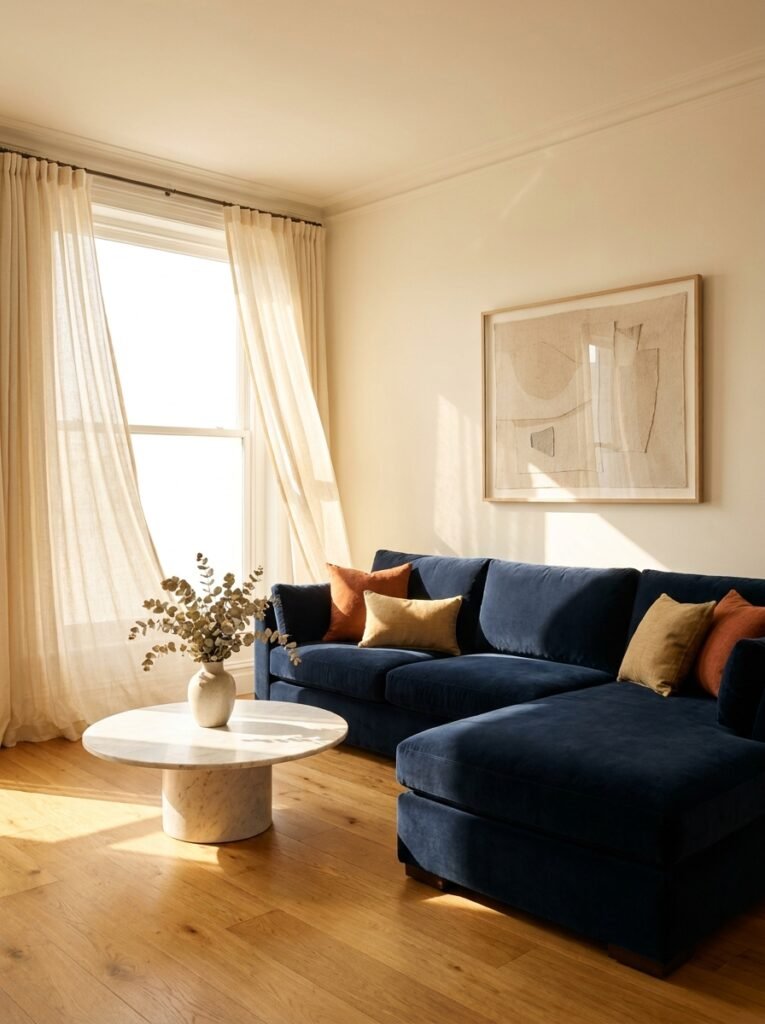
Real estate agents will tell you that a well-chosen sofa set can meaningfully affect how quickly a home sells and what buyers are willing to pay — not because buyers are purchasing the furniture, but because it establishes an emotional tone the moment they walk in.
Neutral sofa sets in warm tones — think soft ivory, warm greige, sandy taupe — are consistently the safest investment because they adapt across seasons and design trends. They create an immediate sense of calm and welcome that neutrals in cooler tones (cool grey, stark white) sometimes lack.
Deep, jewel-toned sofa sets in emerald, navy, or rust have surged in popularity and for good reason — they anchor a room with personality and create stunning contrast against lighter walls. They work particularly well in living rooms with good natural light, where the richness of the color can be properly appreciated rather than absorbed into darkness.
If you’re someone who changes your décor with the seasons, investing in a neutral sofa set and then using accent pieces — throw pillows, blankets, side tables — to introduce color is one of the most cost-effective interior design strategies available to you.
—
6. What “Quality” Actually Means When You’re Shopping for a Sofa Set
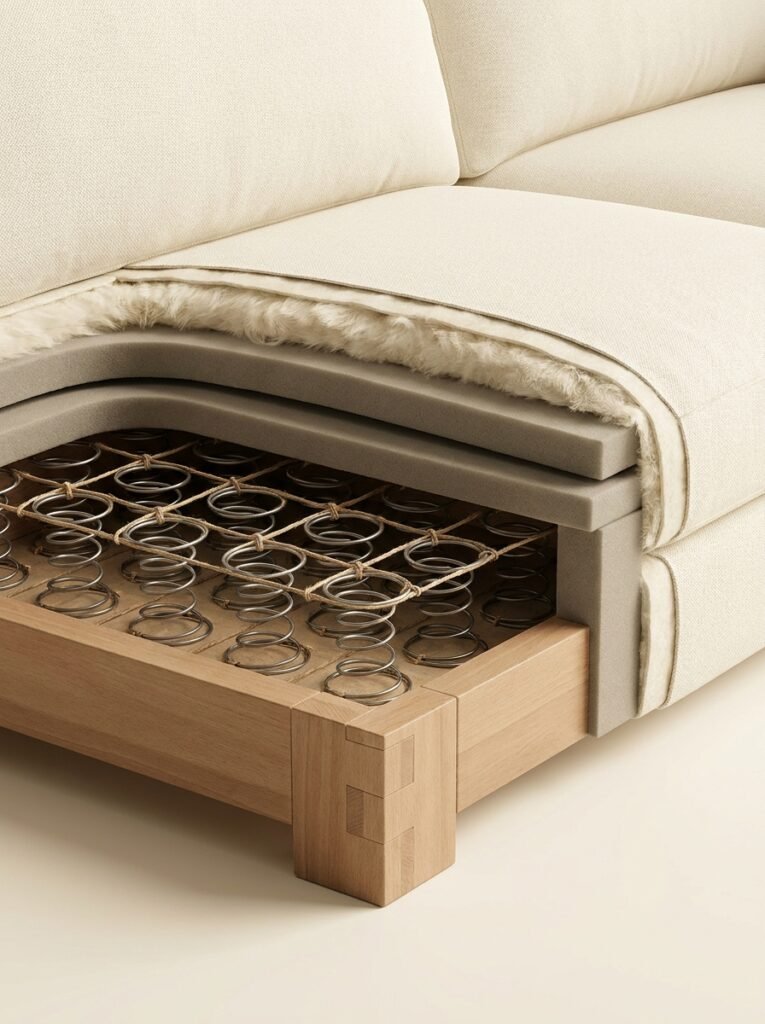
The word “quality” gets thrown around in furniture marketing the way “artisanal” gets thrown around in food marketing — frequently and without much accountability. So let’s talk about what it actually means in practical, testable terms.
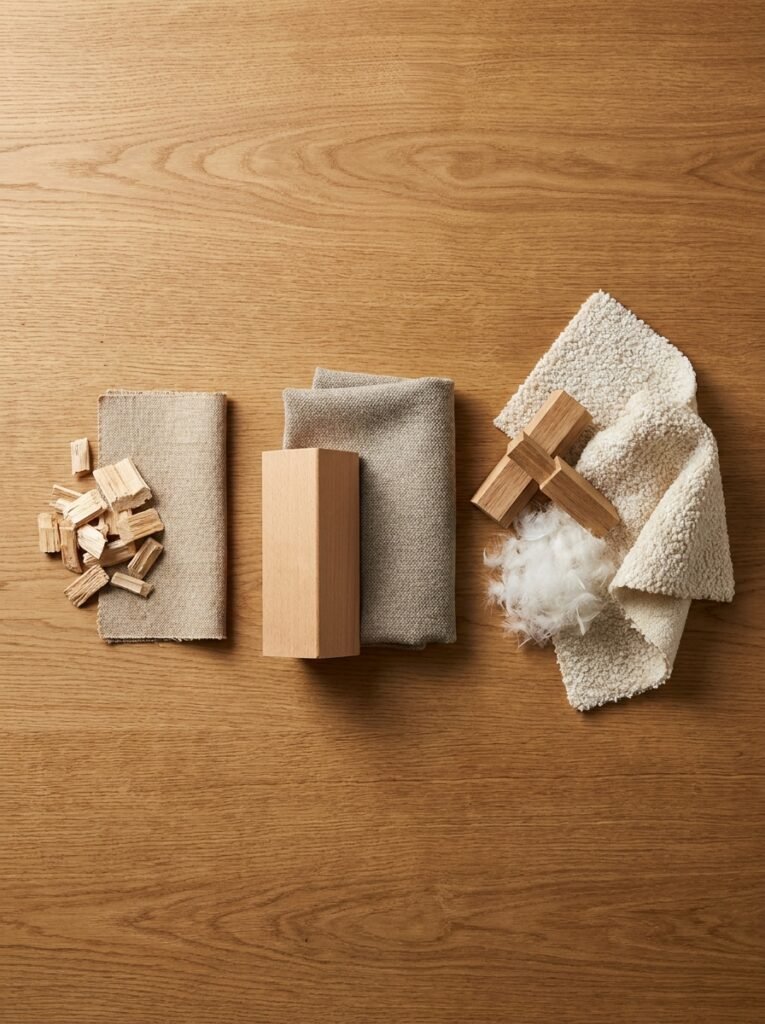
The frame is your starting point. Kiln-dried hardwood frames — particularly those made from beech, ash, or oak — are considered the gold standard because they resist warping and cracking over time. Softwood frames are cheaper but less durable. Metal frames are increasingly common in contemporary designs and offer excellent structural integrity. Avoid frames described vaguely as “engineered wood” without further specification.
The seat cushion fill determines daily comfort more than almost anything else. High-resilience foam with a density of at least 1.8 lb/cubic foot is the minimum worth considering for regular use. Many higher-end sofa sets layer foam with a wrap of natural down or fiber for that plush, sink-in softness that photographs so beautifully — and feels even better in person.
Check the suspension system. Eight-way hand-tied coil springs represent the highest quality available and distribute weight evenly across decades of use. Sinuous spring systems are more common and perfectly adequate when made well. Webbing alone is a sign of cost-cutting and will eventually lead to sagging.
—
7. The Art of Arranging a Sofa Set in Small Living Rooms
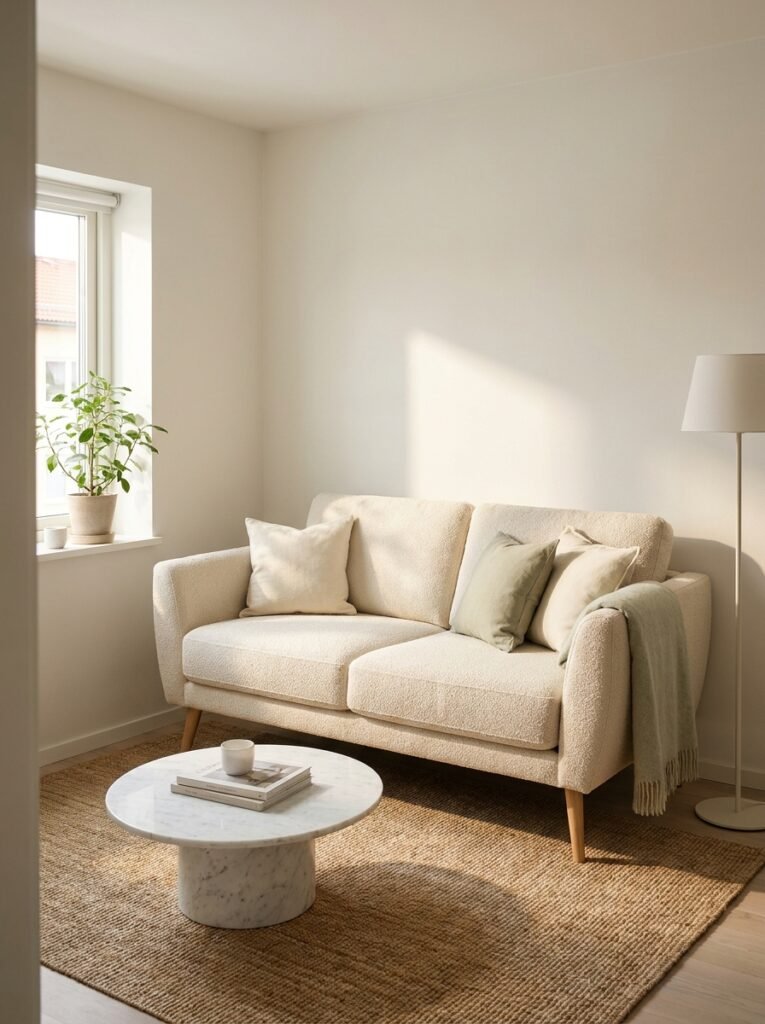
Small living rooms are where most sofa set purchases go wrong — not because the furniture is bad, but because the arrangement doesn’t honor the proportions of the space. A small room doesn’t necessarily need small furniture, but it does need thoughtful placement.
Floating furniture away from the walls is counterintuitive but remarkably effective. Most people push sofas against walls to “save space,” but this actually makes rooms feel more cramped by creating a gap between furniture and the center of the room that becomes dead, purposeless space. Pulling the sofa inward — even six to twelve inches — creates a more cohesive conversation zone and paradoxically makes the room feel larger.
In very tight spaces, a sofa set with exposed legs creates visual breathing room by allowing light to pass underneath the furniture. Bulky, skirted sofas can make a small room feel like the furniture is sitting on the floor like something slightly too large borrowed from another house.
—
8. How Living Room Sofa Sets Have Evolved Through Design History
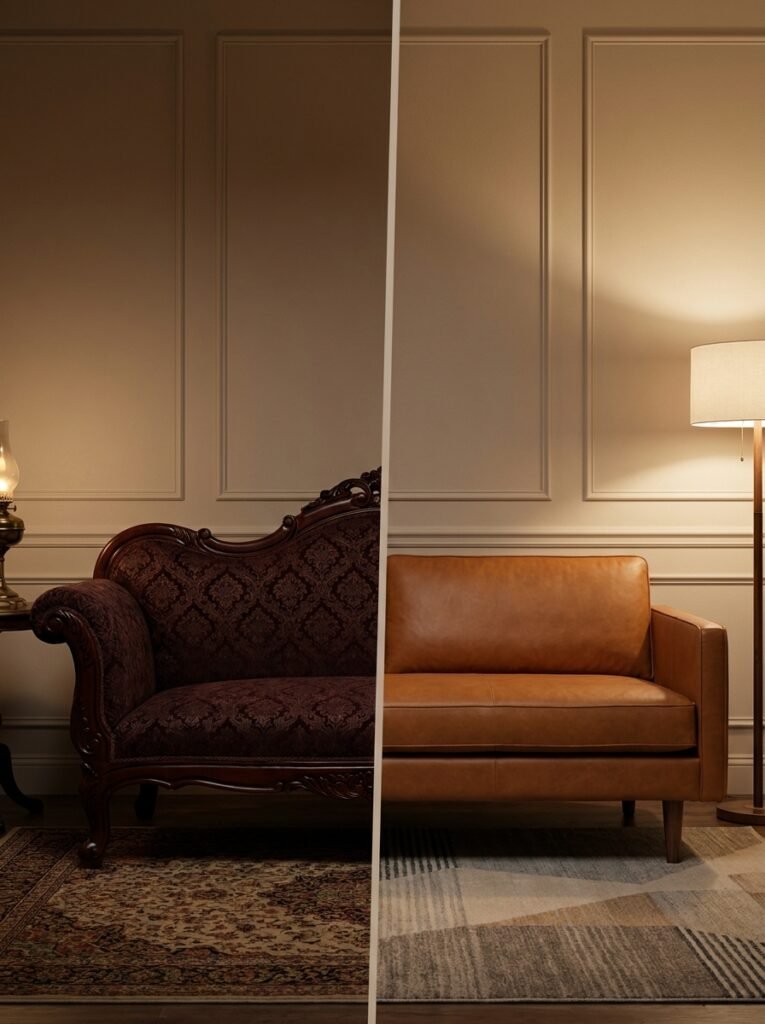
Understanding where sofa sets come from adds a layer of richness to choosing one — it transforms a furniture purchase into a small act of cultural participation.
The formal parlor sofas of the Victorian era were designed not for comfort but for impression. Stiff-backed, ornately carved, upholstered in heavy brocades — they told visitors something very deliberate about the family’s social standing. Sitting on one for more than twenty minutes was considered something of an endurance sport.
The mid-century modern movement of the 1950s and 60s was a revolution in living. Designers like Florence Knoll and Charles and Ray Eames reimagined the sofa as a democratic object — clean lines, accessible comfort, honest materials. The living room sofa became a place for the whole family rather than a stage set for social performance.
Today’s sofa sets reflect something important about how we live now: we want beauty and comfort simultaneously, without apology. The rise of the deep-seated, oversized sectional is a direct expression of a culture that values rest, presence, and the simple pleasure of being comfortable in one’s own home.
“Every sofa set is a small reflection of who you are and what you believe home should feel like.”
—
9. The Budget Breakdown — What Different Price Points Actually Get You
Let’s talk honestly about money, because furniture pricing can feel deeply opaque.
At the under $800 range, you’re looking at sofa sets built with cost-efficiency as the primary design principle. Frames are typically made from softwood or engineered wood. Cushion fill will be basic foam that may soften and sag within two to three years. Fabric options are limited. These sets are appropriate for rentals, guest rooms, or truly transitional living situations — not for a forever living room.
The $800 to $2,500 range is where value genuinely begins. In this bracket, you start accessing kiln-dried hardwood frames, better cushion fills, and more durable fabric options. Many mid-range sofa sets in this price point will serve a family well for seven to ten years with reasonable care.
Above $2,500, you’re entering the territory of true longevity — frames built to last decades, down-wrapped cushions, premium performance fabrics, and craftsmanship details that become more beautiful with time. A sofa set in this range, chosen carefully, may genuinely be the last one you ever need to buy.
—
10. The Sofa Set Styles Dominating Interior Design Right Now
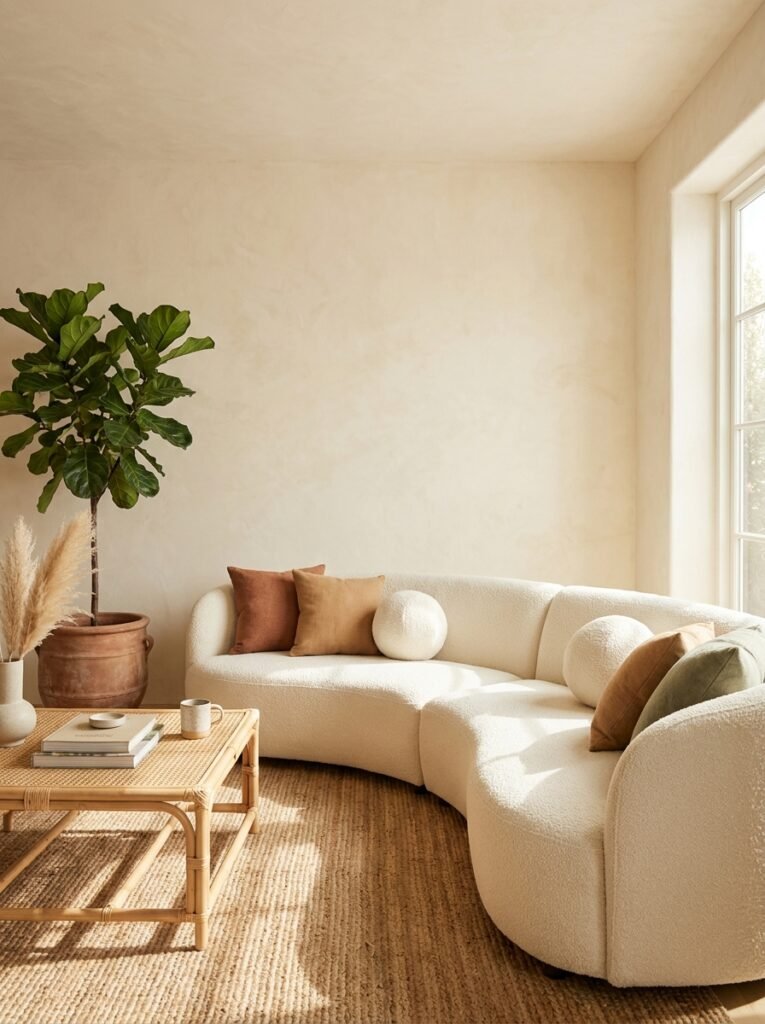
Pinterest data consistently shows that certain sofa set aesthetics are capturing the imagination of home decorators in ways that feel more than trend-deep — they feel like genuine expressions of how people want to live.
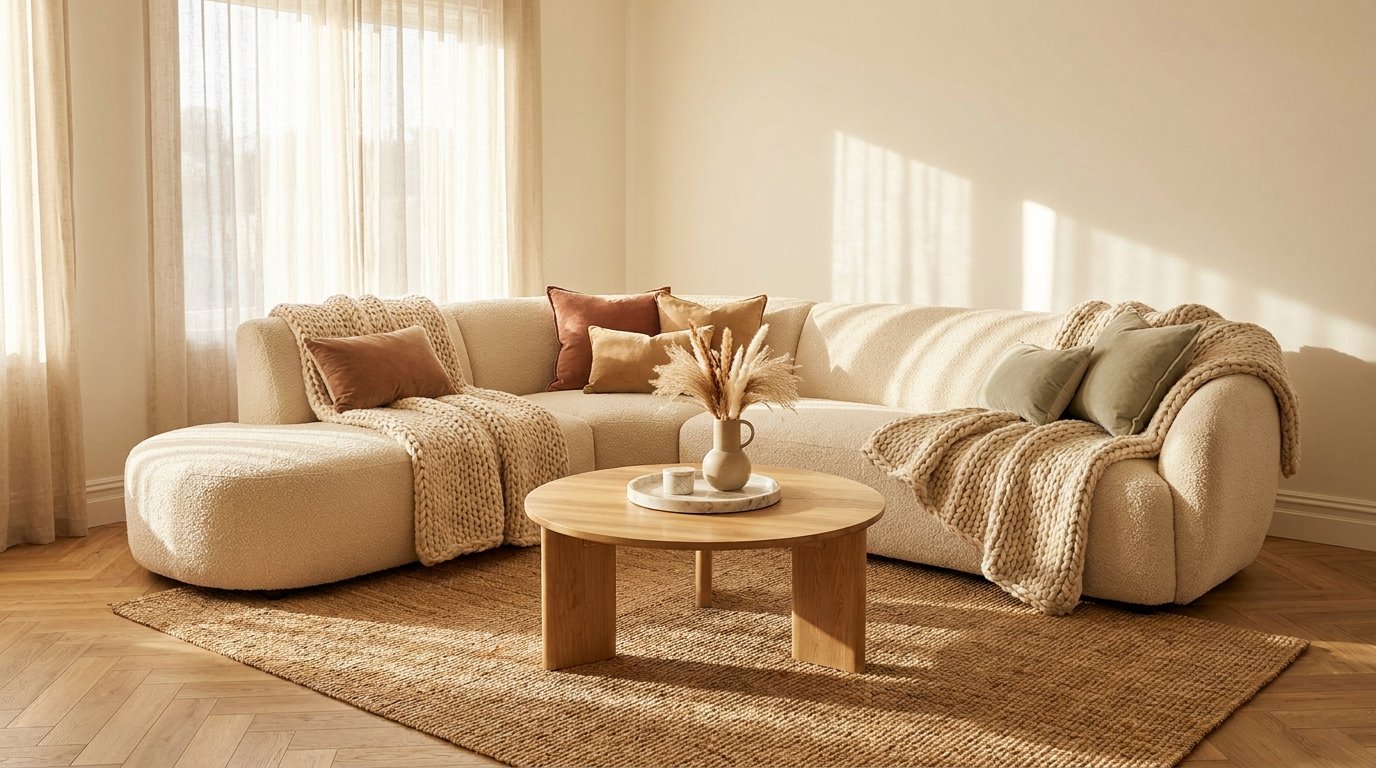
Bouclé sofa sets have become the definitive interior design statement of the early 2020s. Their textured, loopy fabric reads as simultaneously luxurious and approachable — sophisticated but not precious. They photograph extraordinarily well in natural light, which is partly why they’ve become so dominant on visual platforms.
Curved and organic sofa silhouettes — sofas that move in gentle arcs rather than rigid right angles — are expressing something important about the cultural mood: a turn away from sharp, austere minimalism toward warmth, softness, and biophilic design principles that echo the natural world.
Earthy, terracotta, and warm camel tones are having a prolonged moment that shows no sign of fading, reflecting a broader design philosophy rooted in grounded, natural color palettes that feel genuinely restoring rather than merely stylish.
—
11. Sofa Set Accessories That Complete the Look Without Overwhelming It
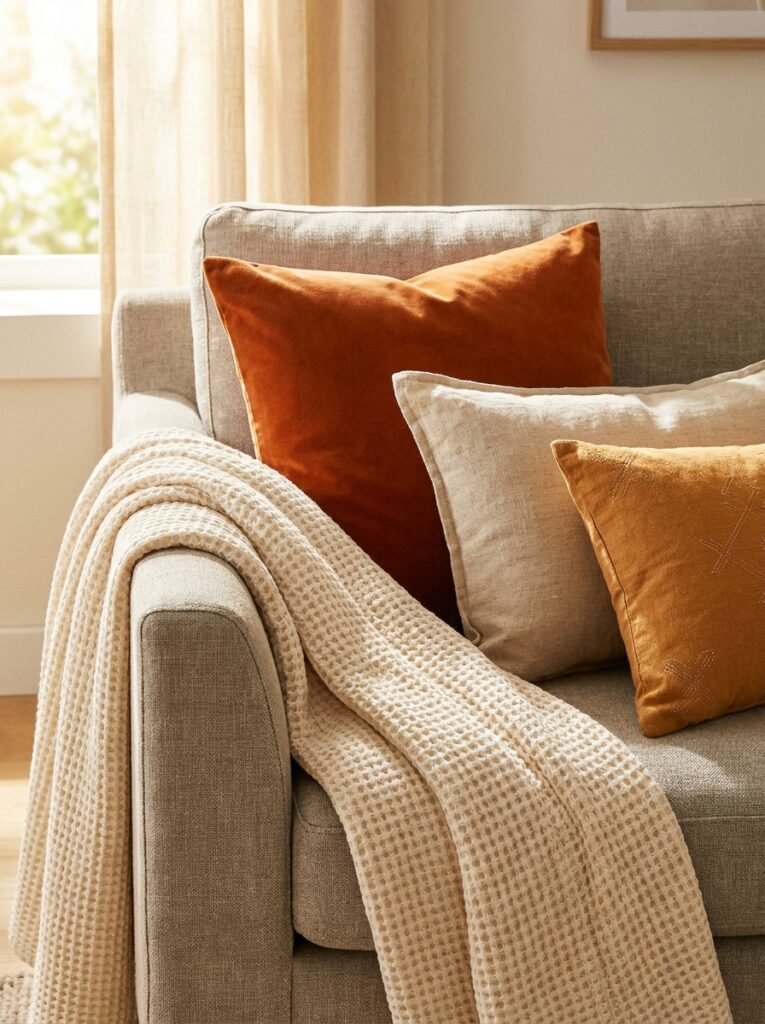
A beautiful sofa set is the beginning of the story, not the end. The accessories you choose will either elevate the sofa or compete with it — and the difference between those two outcomes is usually restraint.
Throw pillows are the single most powerful sofa accessory available, but they work best when treated as a curated collection rather than a quantity game. Three to five pillows of varying size and complementary texture will always look more intentional than ten pillows of matching fabric. Mix a solid with a texture with a subtle pattern and you’ve created visual interest without chaos.
A throw blanket draped asymmetrically over one arm of the sofa adds warmth — both visually and literally — and signals that this is a room where people actually live and feel comfortable. Cashmere, chunky knit, and waffle-weave cottons are all excellent choices depending on your design aesthetic.
The coffee table relationship to the sofa set is profoundly important. Materials that contrast with the sofa fabric tend to work beautifully — a soft fabric sofa paired with a marble, wood, or metal coffee table creates visual balance through deliberate contrast.
—
12. How to Make Your Sofa Set Last for Years (And Look Better Over Time)
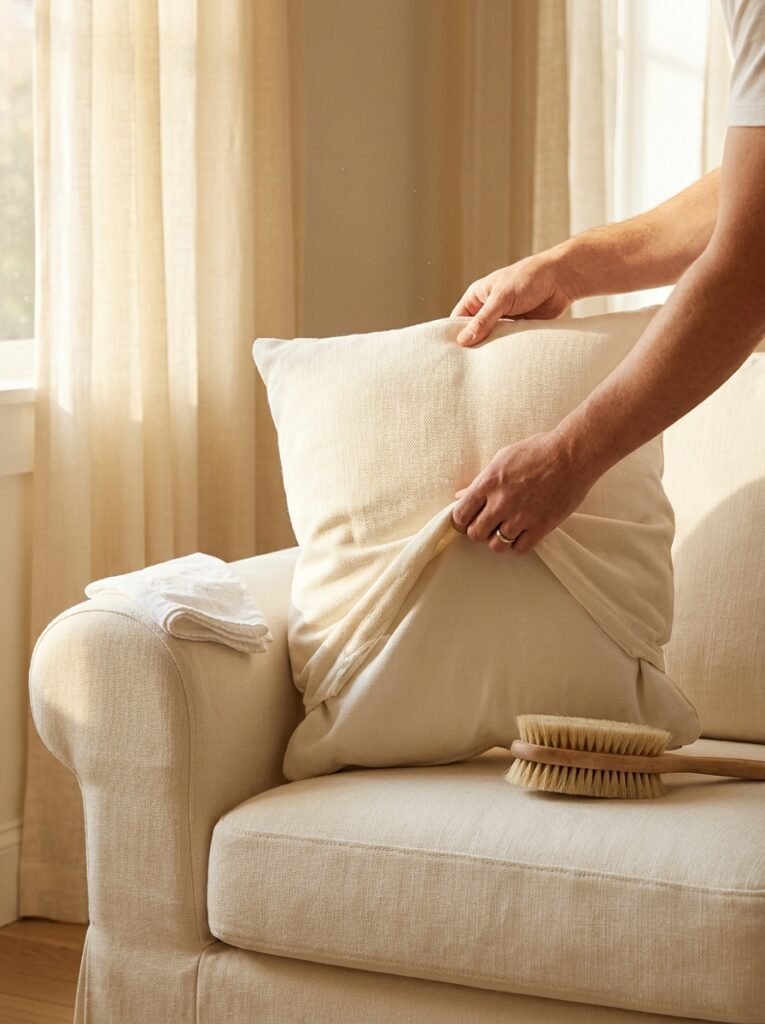
A quality sofa set, properly maintained, should not just last — it should age gracefully, becoming more familiar and beloved rather than simply worn. The difference is almost entirely in how you care for it.
Rotate and flip cushions regularly — every two to three weeks for heavily used sofas — to distribute wear evenly and prevent permanent compression in the spots where people sit most often. This single habit adds years to the life of your cushions.
Keep sofa sets away from direct sunlight wherever possible. UV exposure fades fabric faster than almost anything else, and the damage is cumulative and irreversible. If your living room is flooded with natural light, consider UV-filtering window film or thoughtful curtain placement.
Vacuum your sofa with a brush attachment at least monthly to remove the fine dust and debris that work their way into fabric and slowly degrade the fibers. For spills, the golden rule is always: blot, never rub. Rubbing pushes the stain deeper into the fibers; blotting lifts it.
—
🌿 How to Take Care of Your Living Room Sofa Set
Think of sofa care less like a chore and more like a small, regular act of respect for something that takes care of you every single day.
First, address spills immediately rather than “in a minute” — those sixty seconds of hesitation are often the difference between a minor incident and a permanent stain. Keep a clean, dry cloth accessible nearby so you’re never scrambling.
Second, professional deep cleaning once a year — either hiring an upholstery cleaner or renting an appropriate machine — will restore freshness and extend the life of the fabric in ways that regular surface cleaning simply can’t achieve.
Third, be intentional about what goes on the sofa. Sharp belt buckles, rough denim, and keys in back pockets cause more fabric wear than most people realize. It sounds finicky, but it’s the kind of small habit that makes a meaningful difference over five or ten years.
Fourth, if you have pets, invest in a washable sofa cover for the spots they favor most. Fighting the battle against pets on furniture is usually a losing one — designing around it is smarter and kinder.
Fifth, pay attention to how the sofa feels, not just how it looks. If cushions start feeling noticeably softer or uneven, adding a thin layer of high-density foam to the inside of the cushion cover is an inexpensive DIY fix that can add years of comfortable life.
—
❓ FAQ
Q: What is the most durable sofa set fabric for families with young children and pets? A: Performance microfiber and solution-dyed acrylic fabrics are widely considered the most durable and practical options for active households. They resist staining, clean easily with water and mild soap, and maintain their appearance well over years of heavy use. Many are also rated for high double-rub counts, which is the industry measure of fabric wear resistance.
Q: How long should a quality sofa set realistically last? A: A well-constructed sofa set with a hardwood frame, quality cushion fill, and durable fabric should last between ten and fifteen years with regular care. Some heirloom-quality pieces last significantly longer. The frame tends to outlast the cushion fill, which can often be replaced independently rather than replacing the entire set.
Q: Is it better to buy a matching sofa set or mix and match pieces? A: Both approaches can be beautiful, but they suit different design goals. A matching sofa set creates immediate cohesion and is generally easier to style around — a strong choice for those newer to interior design or decorating a space quickly. Mixing and matching pieces adds personality, depth, and visual interest, but requires a more confident design eye to execute without the space feeling disjointed.
—
💭 Final Thought
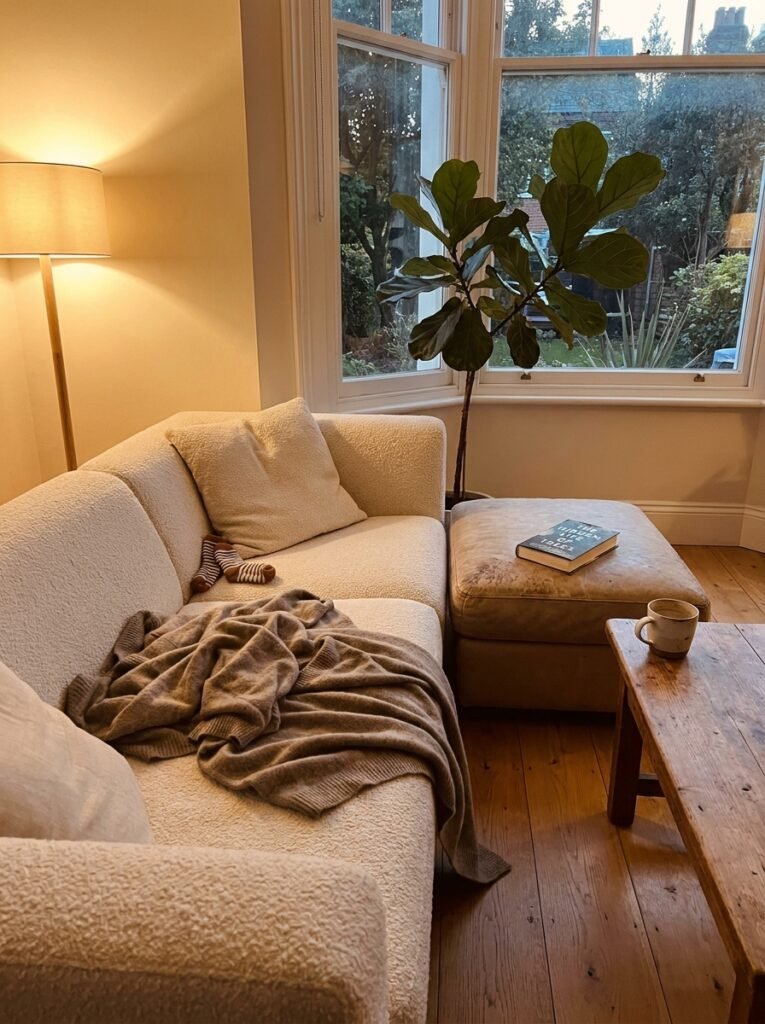
At the end of the day, a living room sofa set is one of those rare purchases that becomes quietly woven into the fabric of your daily life — present for the ordinary Tuesday evenings and the extraordinary Sunday mornings alike. Choosing it thoughtfully, caring for it consistently, and arranging it with intention isn’t a small thing. It’s a way of saying that the people who live in this home deserve a space that holds them well.
What does your ideal living room sofa set say about the life you want to be living?