
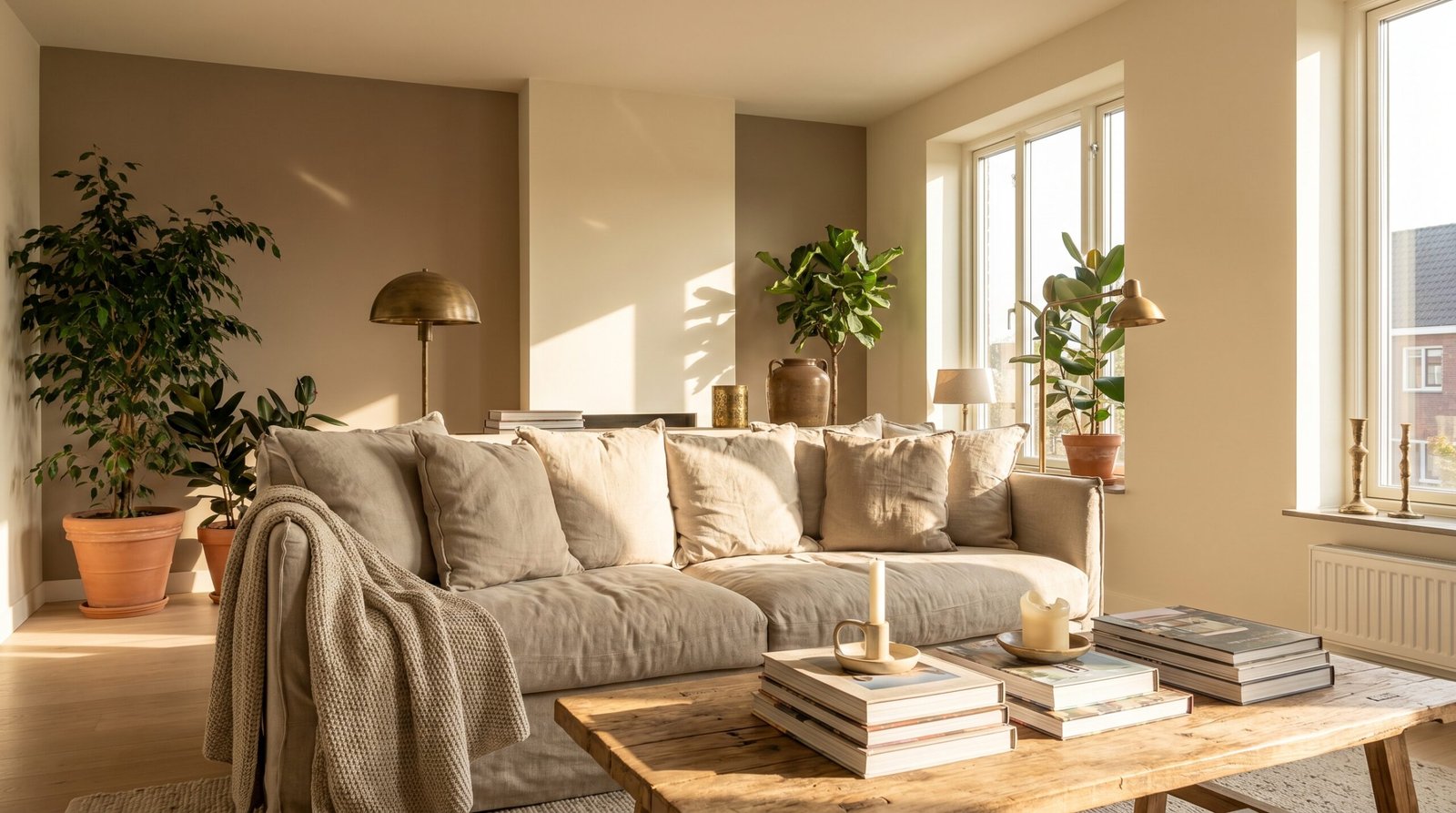
Modern Living Room Decor Ideas That Will Make You Fall Back in Love With Your Home
There’s a moment — maybe you’ve had it too — when you walk into your own living room and feel absolutely nothing. Not comfort, not pride, just a vague sense that something is missing. That moment is actually a gift. It means you’re ready to transform the space you live in into the space you’ve always imagined.
—
1. Why Modern Living Rooms Feel So Effortlessly Inviting (And How to Steal That Energy)
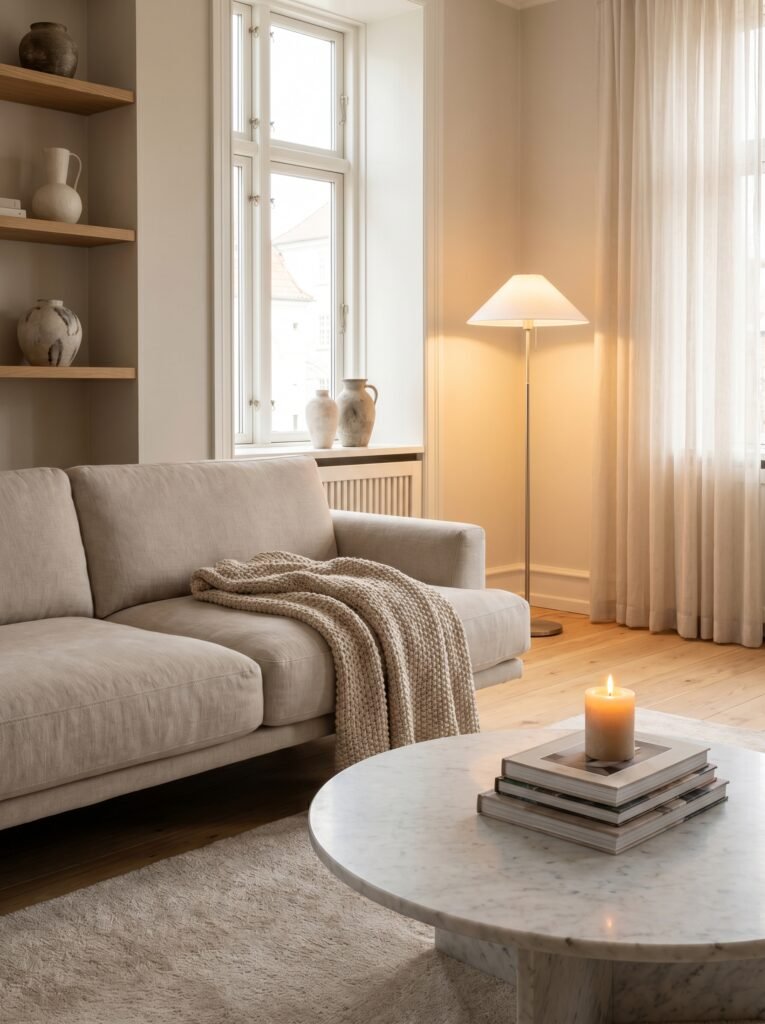
Modern interior design has a reputation for feeling cold — all sharp lines and minimal furniture that looks like it came from a museum rather than a home. But the best modern living rooms break that rule beautifully. They balance clean structure with genuine warmth, mixing sleek furniture with tactile textures, neutral backdrops with moments of bold personality.
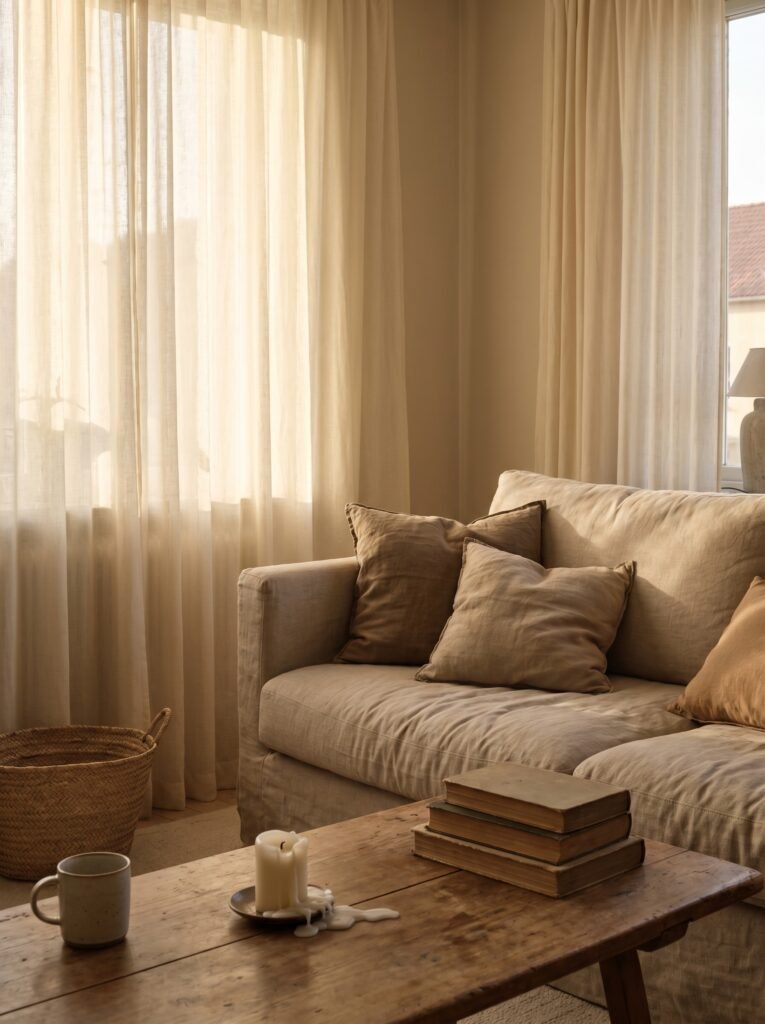
Think about the living rooms you’ve seen on Pinterest that made you stop mid-scroll and save immediately. Chances are, they weren’t sterile or magazine-perfect in a stiff way. They felt lived in but intentional. A linen sofa with slightly rumpled cushions. A coffee table with a stack of real books beside a candle that’s clearly been burned. A throw blanket casually draped just so.
That balance — curated but comfortable — is exactly what modern living room decor is really about. And the brilliant news is that it’s absolutely achievable in homes across the US and UK, whether you’re working with a Victorian terraced house in Manchester, a Cape Cod cottage in Massachusetts, or a new-build apartment in East London.
“A modern living room isn’t about having less — it’s about choosing more carefully.”
2. The Color Palette That’s Quietly Taking Over Every Stylish Living Room
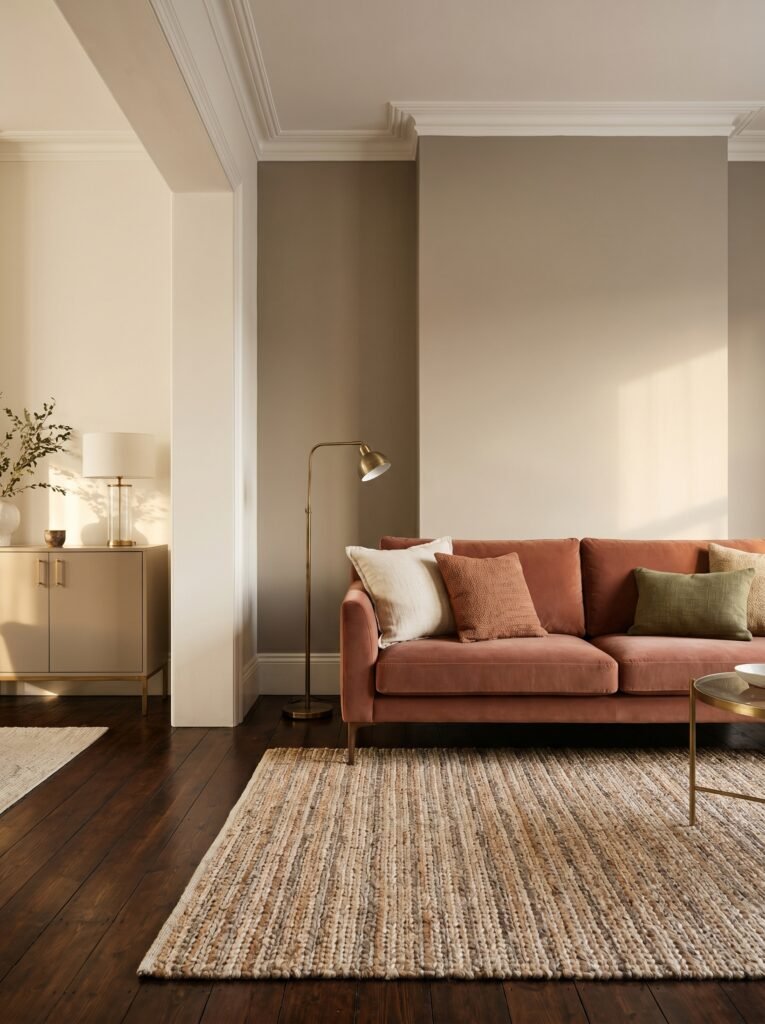
If you’ve been scrolling home decor accounts lately, you’ll have noticed a color story emerging that feels simultaneously fresh and timeless. Warm neutrals are leading the charge — think soft taupe, creamy white, warm greige (that beautiful grey-beige hybrid), and dusty terracotta. These aren’t the cold greys of the mid-2010s. These are colors that hold light differently throughout the day, shifting from golden in the morning to deeply cozy by evening lamplight.
In American homes, designers are pairing these warm neutrals with deep forest greens and aged brass hardware for a grounded, organic feel. Across British interiors, there’s a gorgeous trend of layering heritage tones — muted sage, navy, and ochre — that nod to traditional English sensibility while feeling completely contemporary.
The key to making a modern color palette work is contrast. A warm white wall hits differently when it’s anchored by a deep-toned velvet sofa or a richly stained wooden floor. Don’t be afraid of depth in a modern room. Without contrast, even the most beautiful neutral scheme can fall flat and forgettable.
Start with a base of two or three neutrals, then introduce one or two accent colors through cushions, artwork, and accessories. That’s genuinely all you need to make a room feel cohesive and considered rather than chaotic.
3. The Furniture Arrangement Secret That Interior Designers Don’t Advertise
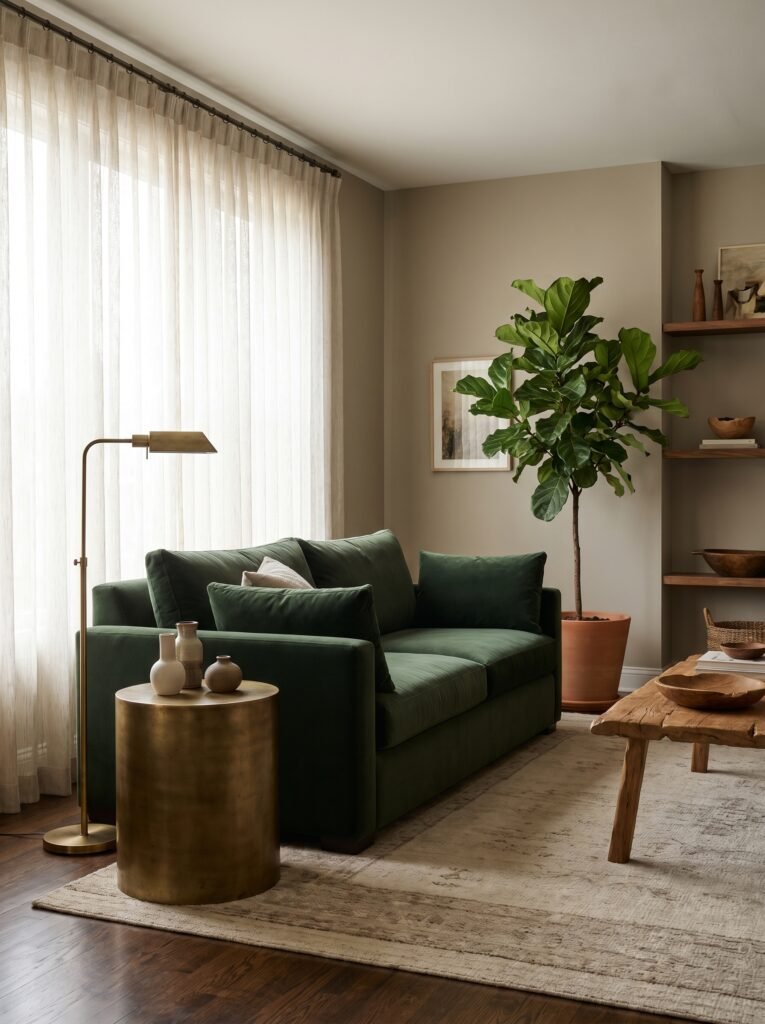
Here’s something that interior designers know but rarely spell out: the single biggest transformation you can make in a living room costs absolutely nothing. It’s rearranging your furniture — and doing it with intention.
Most people push their sofas against the walls, convinced it creates more space. In reality, it tends to make a room feel smaller and disconnected, like everyone’s sitting in the waiting room of a dentist’s office. Floating your sofa away from the wall — even by just 30cm or 12 inches — creates a sense of intimacy and conversation that changes the entire mood of a room.
The goal is to create a furniture grouping that faces inward, encouraging people to actually look at each other. A sofa and two armchairs arranged around a central coffee table is the classic configuration, but even two sofas facing each other across a rug works brilliantly in a longer room.
Your rug placement matters enormously here too. In American-style rooms, the rug typically sits fully under all furniture legs, anchoring the entire seating arrangement. In British homes with smaller rooms, even having just the front two legs of your sofa on the rug pulls the look together and defines the space beautifully.
4. Why Your Living Room Needs a Focal Point (And It Probably Isn’t Your TV)

We’ve become so accustomed to designing living rooms around our televisions that we’ve forgotten how much more beautiful a room can be when the TV isn’t the first thing your eye lands on. Modern interior design is pushing back against this with genuine creative confidence.
A fireplace — whether real, electric, or decorative — makes the most naturally compelling focal point in any living room. There’s something deeply primal about being drawn to a hearth. In UK homes, original fireplaces are experiencing a huge revival, with homeowners stripping back layers of previous renovation work to reveal original Victorian or Edwardian tilesets. In American homes, a simple shiplap or stone surround can create the same anchoring drama.
If a fireplace isn’t an option, consider a gallery wall built around a large piece of statement art, a dramatic floor-to-ceiling bookcase styled like a library (incredibly popular in both British and American homes right now), or even a large indoor plant — a fiddle-leaf fig or a monstera — placed in a decorative planter that commands the room.
The television can still be there, of course. Mount it on the wall, invest in a frame TV that displays artwork when not in use, or conceal it inside a media cabinet. But let your living room’s focal point be something beautiful rather than something functional.
“Design your living room around how you want to feel in it — not around what you want to watch.”
5. Texture Layering: The Design Technique That Makes Everything Look More Expensive
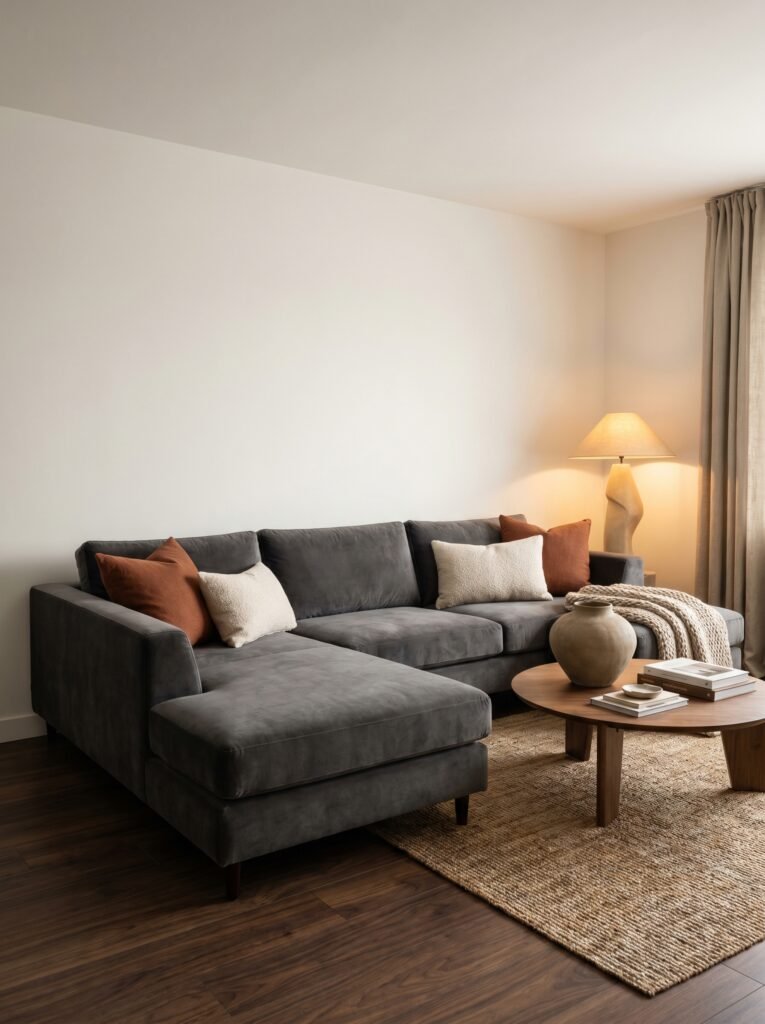
Texture is the secret language of interior design. It’s what separates a room that looks expensive and layered from one that feels flat despite having beautiful pieces. And the wonderful thing about texture is that it doesn’t cost a fortune to introduce — it just requires thought.
In a modern living room, the goal is to mix textures that contrast each other. Smooth against rough. Soft against hard. Matt against sheen. Think a linen sofa with a chunky knit throw draped over one arm. A polished marble coffee table topped with a raw-edged wooden tray. Velvet cushions arranged against woven cotton ones. Matte painted walls with a glossy ceramic vase catching the light in the corner.
US shoppers can find brilliant texture pieces at Target’s threshold line, West Elm, and CB2 without breaking the budget. UK readers should explore John Lewis’s own-brand homeware, Dunelm’s textile collections, and Habitat for genuinely lovely textural pieces at accessible prices. Charity shops and car boot sales — both quintessentially British — are also extraordinary sources for woven baskets, ceramic pieces, and vintage throws that add instant organic texture.
6. The Art of Styling a Modern Coffee Table Without It Looking Like a Showroom
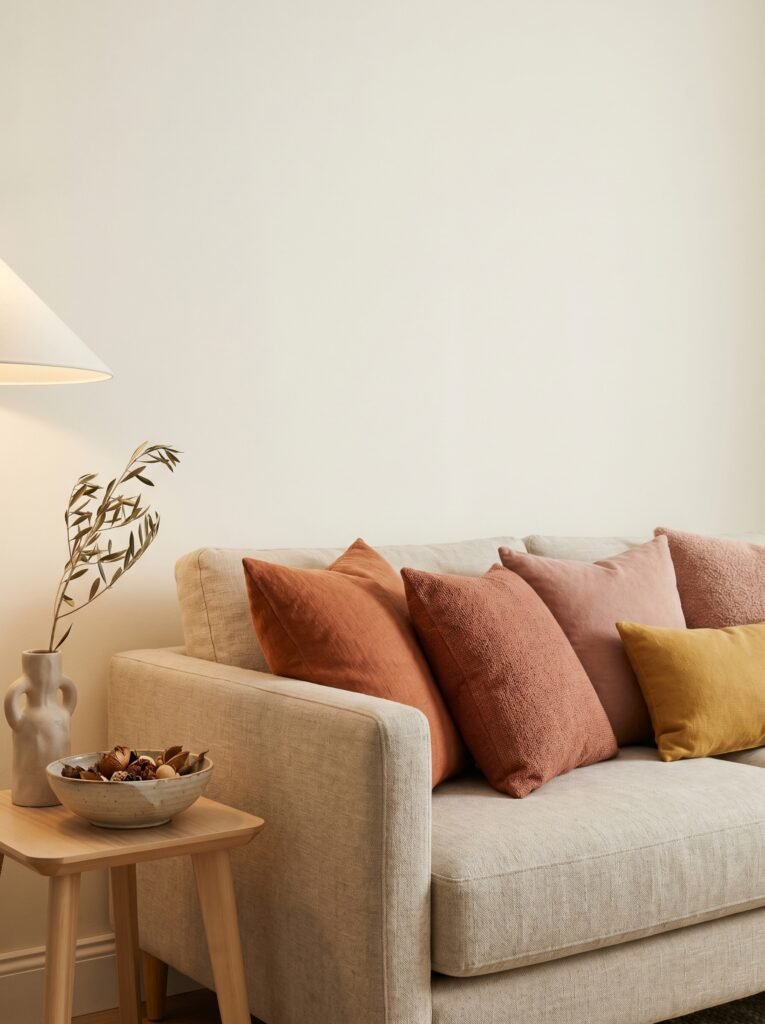
A beautifully styled coffee table is one of those small things that transforms the whole feel of a living room — but getting it right can feel surprisingly elusive. Too neat and it looks like a display. Too cluttered and it feels chaotic. The sweet spot is what stylists call “curated casual.”
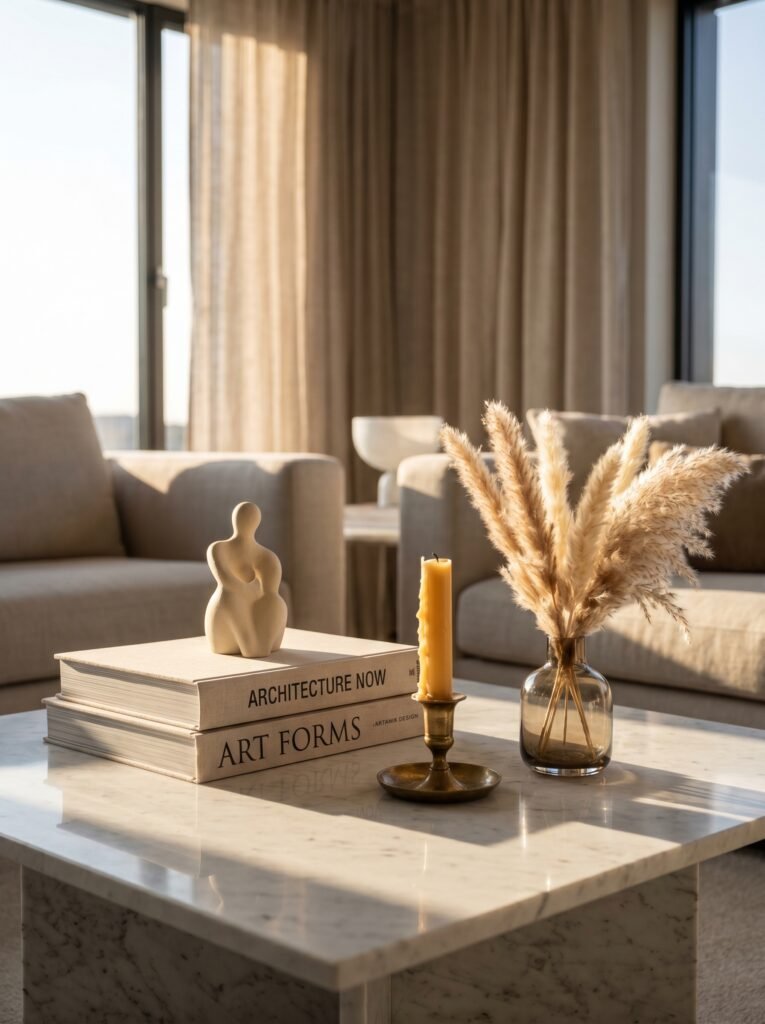
The classic formula that works every time: start with a tray (this visually groups objects and gives the eye a container to rest in), add a stack of two or three coffee table books (choose ones you actually read — authenticity reads in person and in photographs), place one live or dried botanical element (a small plant, a bunch of dried pampas, a single stem in a minimal vase), and finish with one object that’s purely decorative — a sculptural candle, a small piece of ceramic, an interesting stone.
That’s it. Four elements. Tray, books, botanical, object. Resist the urge to add more. White space on a coffee table is as important as the objects themselves.
7. Lighting Layers: The Single Most Transformative Change You Can Make Today
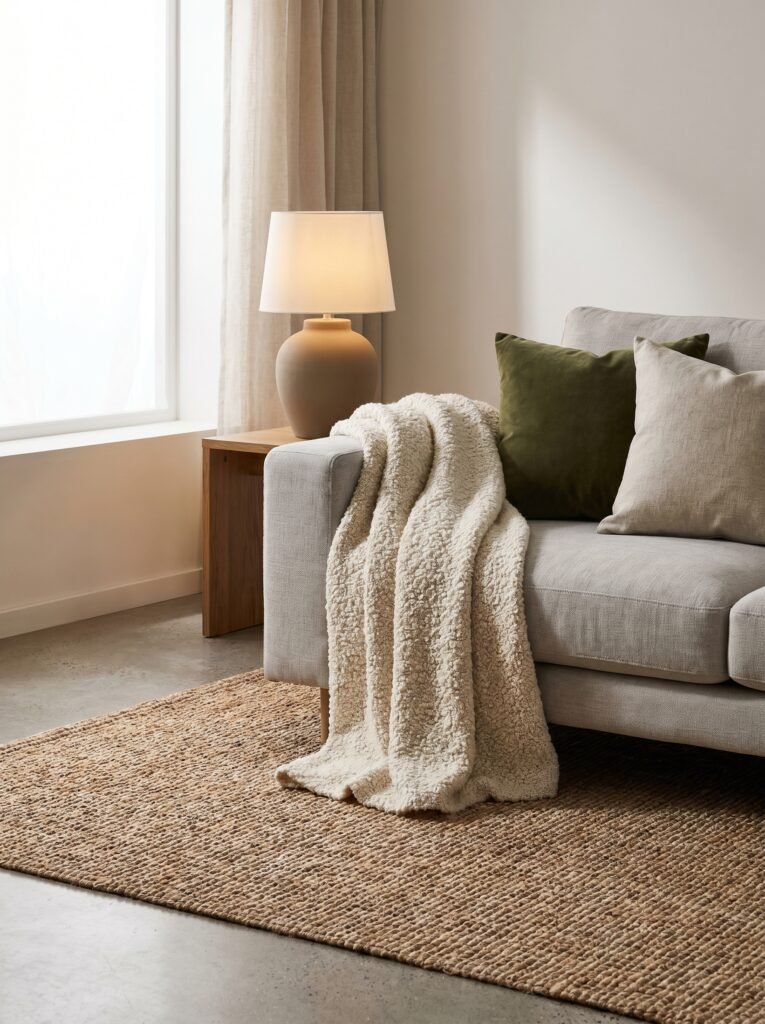
If you could only change one thing about your living room and budget were no object, most professional interior designers would tell you to spend it on lighting. Not furniture, not paint — lighting. Because the quality, warmth, and layering of light in a room is responsible for roughly seventy percent of how that room makes you feel.
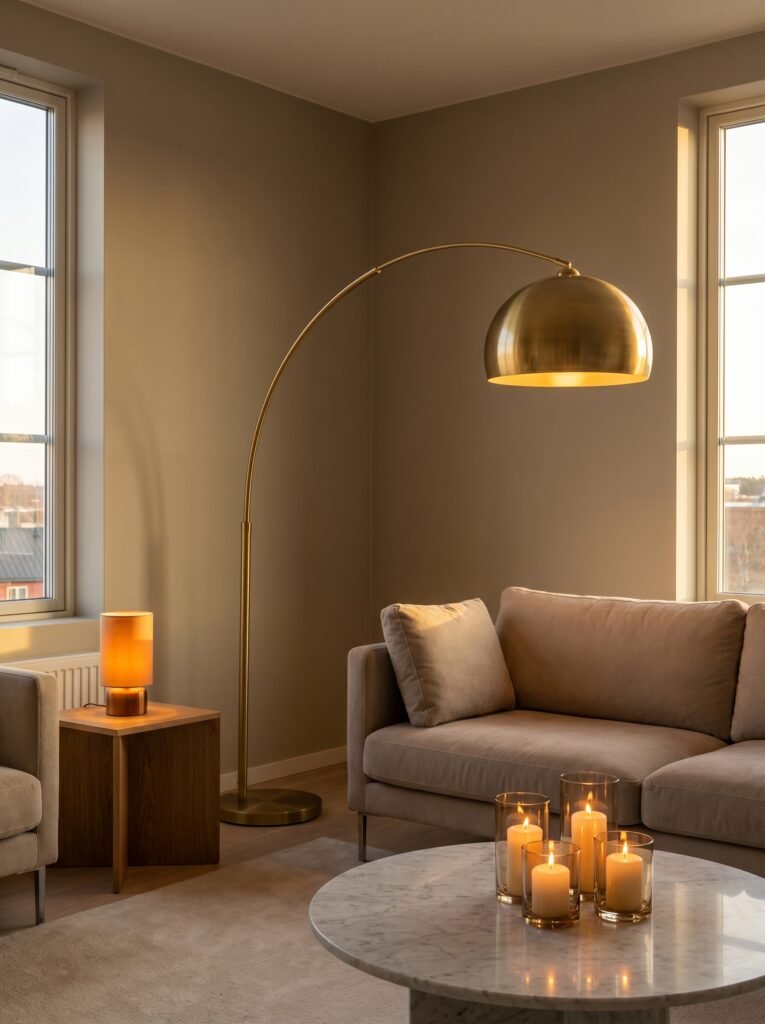
Modern living rooms need at least three layers of light operating simultaneously: ambient light (the overall room illumination — a ceiling fixture or recessed lighting), task light (floor lamps or table lamps positioned for reading or working), and accent light (the decorative light that highlights architectural features or artwork — picture lights, LED strip lighting behind a TV unit, or candles).
The biggest mistake most homeowners make is relying solely on overhead lighting. Harsh overhead light from a single central fixture flattens a room and makes it feel oddly institutional, regardless of how beautiful the furnishings are. Turn it off this evening, switch on two or three lamps at varying heights around the room, light a candle, and notice how dramatically the whole space transforms. That is layered lighting at work.
In both US and UK homes, warm-toned LED bulbs (2700K–3000K) are the standard recommendation for living rooms. They mimic the quality of traditional incandescent light without the energy cost, and they make every surface, every face, and every textile in the room glow more beautifully.
“Change your lighting, change your life. It sounds dramatic until you try it.”
8. Bringing Nature Indoors: Plants, Wood, and the Organic Modern Trend
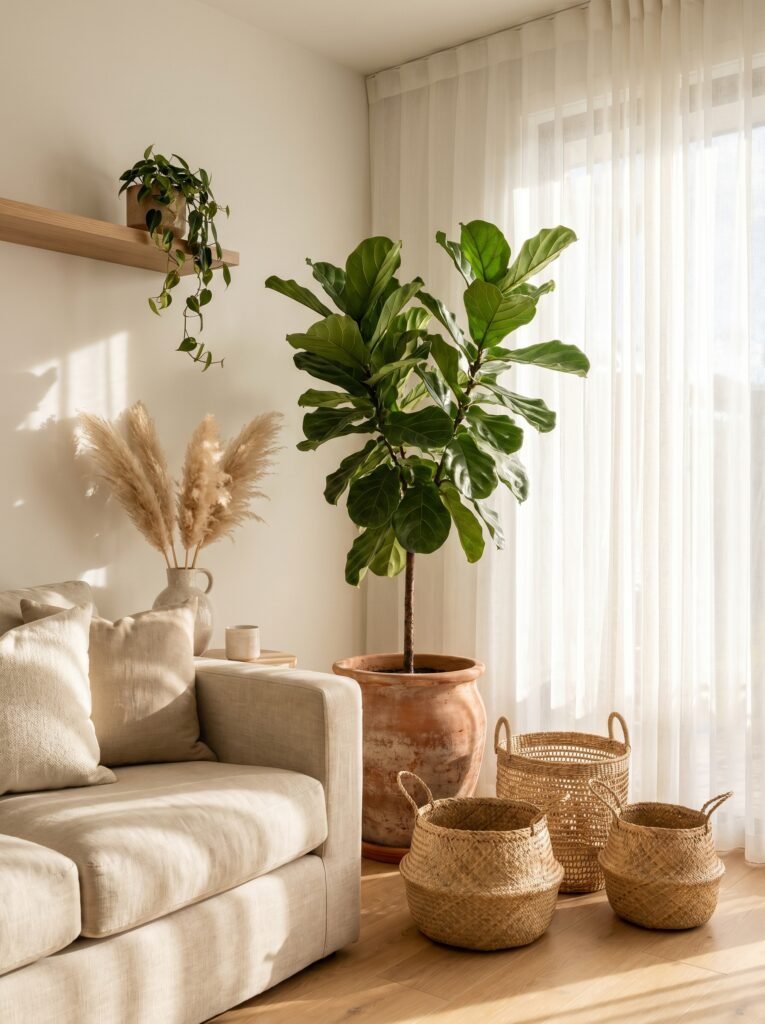
One of the strongest and most enduring movements in modern interior design — particularly popular in both American and British homes right now — is the integration of natural materials and organic forms into otherwise sleek, contemporary spaces. Called organic modern, biophilic design, or simply “bringing the outside in,” this approach softens the harder edges of modern interiors in the most beautiful way.
Houseplants are the most accessible entry point. Beyond the ubiquitous monstera and pothos, consider a large olive tree in a terracotta pot for Mediterranean warmth, trailing pothos or heartleaf philodendron on a high shelf, or a cluster of small succulents and cacti on a sunny windowsill. The rule of odd numbers applies here — groups of three or five plants look more natural and intentional than pairs.
Natural wood tones are equally important. A reclaimed oak sideboard, a live-edge walnut side table, or even simple wooden picture frames introduce the warmth and grain variation that purely man-made materials can never replicate. In UK homes, British oak has a particular emotional resonance — it’s a material deeply connected to the landscape and history of the country. In American homes, walnut and white oak are the darlings of the contemporary furniture world for exactly the same reasons of warmth and character.
9. Small Living Room? Here’s How to Make It Feel Twice the Size
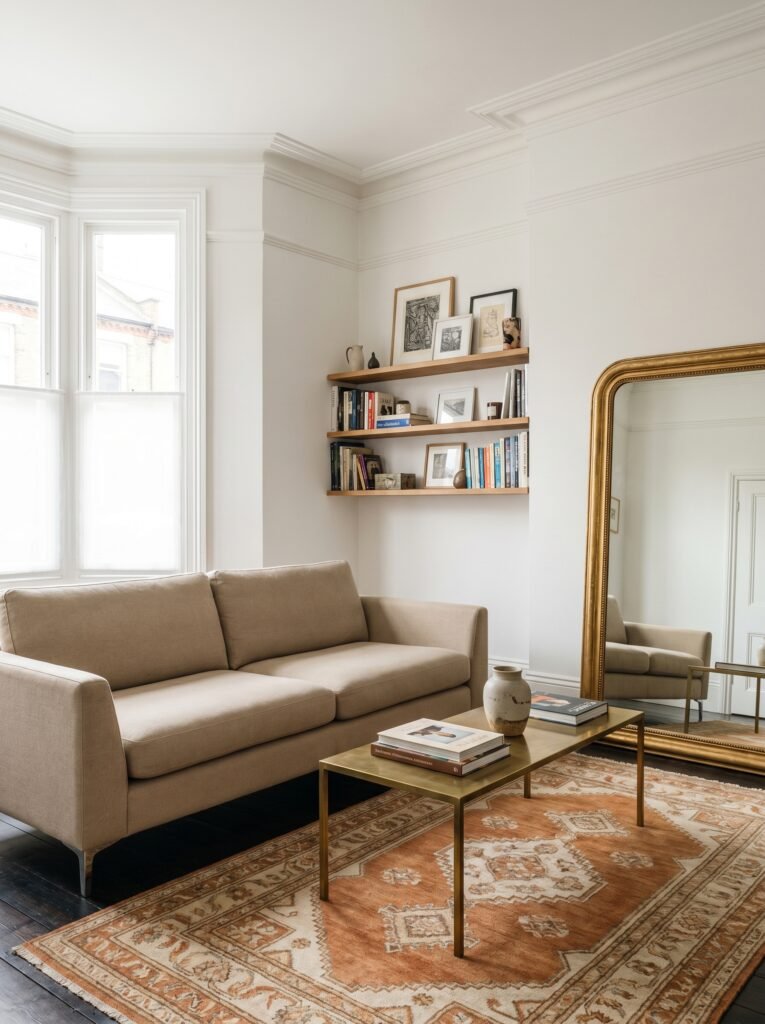
Smaller living rooms — which describes the majority of living spaces in British homes and a significant proportion of American apartments — present a specific decorating challenge that the right design approach can genuinely solve. The goal isn’t to trick the eye so much as to create conditions where the room can expand visually rather than contract.
Choose furniture that’s appropriately scaled to the room. Oversized sectionals in a small British lounge are a common mistake that makes the space feel oppressive. A compact two-seater sofa with slender legs that allow light to travel under the frame will serve the room far better. Furniture with visible legs, in general, makes any room feel more airy and spacious.
Mirrors are among the most powerful tools in a small room decorator’s arsenal. A large mirror positioned to reflect either natural light or a particularly beautiful part of the room doubles the perceived space instantly. In UK Victorian homes, a large gilt-framed mirror above the fireplace is a classic and timeless solution. In American homes, a full-length floor mirror leaned casually against a wall adds both space and a relaxed editorial quality.
Keep your color palette light and cohesive — not necessarily white, but tonal. And resist the urge to over-accessorize. In a small room, editing is everything.
10. The Return of the Bookcase — And Why It Changes Everything
There’s something happening in living rooms on both sides of the Atlantic that feels like a genuine cultural moment. Bookshelves — real ones, filled with real books, styled with personality and warmth — are back. Not as a storage solution but as a design feature, a statement of identity, and frankly, the most beautiful thing you can put on a living room wall.
The key to a bookcase that feels styled rather than cluttered is intentional organization. Group books by spine color to create visual cohesion across the shelves. Mix vertical book stacks with horizontal stacks topped by a small object — a ceramic figure, a small plant pot, a piece of interesting driftwood. Leave some breathing room on each shelf. Empty space is part of the composition, not a failure to fill it.
Books tell visitors who you are. A beautiful bookcase in a modern living room is simultaneously practical, personal, and deeply aesthetically compelling. It’s also one of the few design features that gets better over time as your collection grows and evolves.
11. Personalization: The One Element That Separates a Home From a Show Home
Here’s a truth that some design accounts won’t tell you because it doesn’t photograph as cleanly: the most beautiful living rooms are the ones that feel personal. Not perfect, personal. They have the art that means something to the person who chose it, not just the art that coordinates with the sofa. They have the lamp passed down from a grandmother, the travel photograph framed and hung beside the new print. They have the worn corner of the rug that tells a story.
Modern design sometimes sterilizes this personality in the pursuit of a curated aesthetic, and the result — however beautiful technically — can feel hollow. Don’t let that happen in your home. Keep the vintage find that doesn’t quite match. Display the handmade pottery from that trip to Cornwall or New Mexico. Hang the family photograph alongside the gallery wall art.
A room without personal objects is a room without a soul. And a room without a soul is just a room — not a home.
12. The One Investment Every Modern Living Room Actually Needs
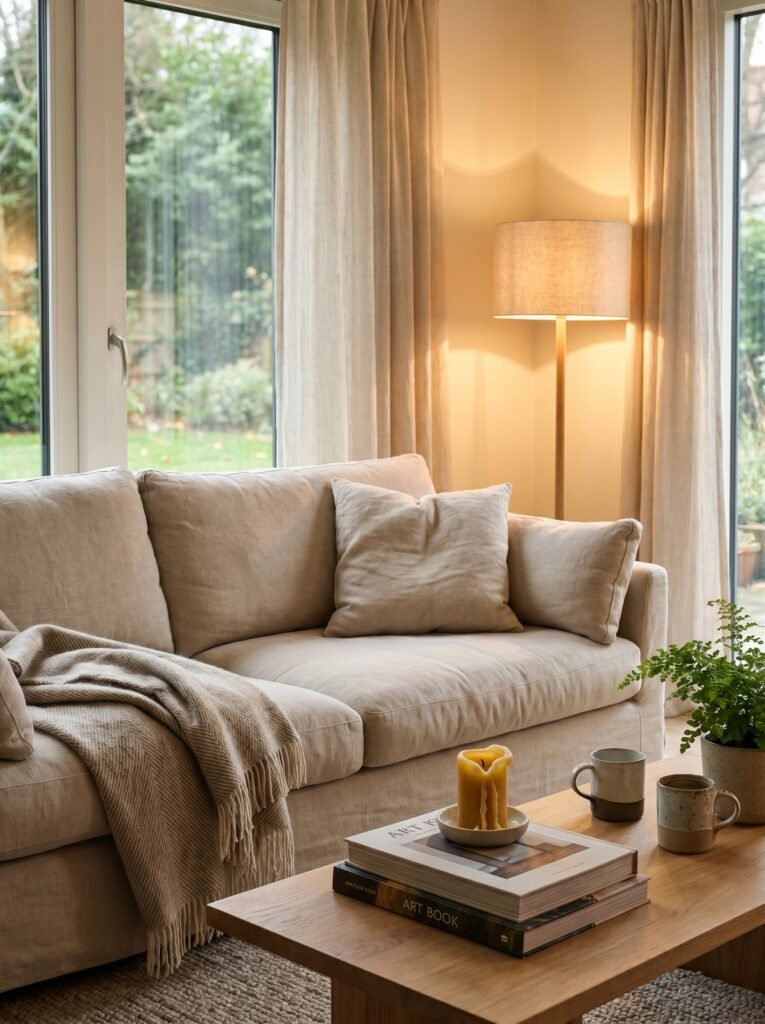
After all the conversation about color, furniture, lighting, and styling, it comes back to one foundational truth: the single best investment you can make in your living room is a genuinely good sofa. Not the most expensive sofa, necessarily, but the right sofa — one that is well-made, correctly scaled for your space, upholstered in a fabric that will age gracefully, and that you find genuinely, deeply comfortable to sit in.
Everything in a living room is built around the sofa. Your rug size, your coffee table height, your lamp positions, your color palette — all of it radiates outward from this central piece. Buy a sofa that was made to last rather than made to look good for a season. In the UK, look at brands like Loaf, Sofology, or a custom option from a smaller maker. In the US, Article, Floyd, and Pottery Barn all offer solid construction at various price points.
A great sofa in a sparse room will always look and feel better than a poor-quality sofa in a lavishly accessorized one. Get the foundation right, then build the rest of the room around it with patience and intention.
—
🌿 How to Take Care of Your Modern Living Room’s Design Over Time
A beautifully designed living room isn’t a one-time project — it’s a space that should be refreshed, reconsidered, and loved throughout the years. Think of these tips as gentle maintenance for the space you’ve worked to create.
Rotate your accessories seasonally. Swap cushion covers, change the throw on the sofa, bring in a candle scent that reflects the time of year. A living room that shifts subtly with the seasons always feels alive and considered. Clean your soft furnishings regularly — linen and velvet sofa covers respond beautifully to proper care and last years longer with it. Every six months or so, step back and look at your room with fresh eyes. Ask yourself honestly what’s working and what’s just taking up space. Great design is as much about subtracting as it is about adding. Let natural light work for you — clean your windows regularly, consider sheer curtains that allow maximum light while still providing privacy, and rearrange furniture seasonally to make the most of where the sun travels. And finally, don’t be afraid to evolve. Your taste will change, your life circumstances will shift, and your living room should be allowed to grow with you.
—
❓ FAQ
Q: What’s the most affordable way to modernize a living room without a full renovation? A: Start with lighting — replace harsh overhead bulbs with warm-toned LEDs and add two or three table or floor lamps at different heights around the room. Then focus on soft furnishings: new cushion covers, a fresh throw, and a well-placed rug can transform the feel of a room for a few hundred dollars or pounds. These changes cost relatively little but create enormous visual impact.
Q: What colors are trending in modern living rooms right now? A: Warm, earthy neutrals are dominating both US and UK living room design at the moment — think soft taupe, warm cream, terracotta, sage green, and warm greige. These are being paired with natural wood tones, aged brass, and matte black accents for a look that feels simultaneously modern and deeply warm. The cold grey palette that defined the 2010s has been quietly and comprehensively replaced.
Q: How do I make a rented living room feel stylish without making permanent changes? A: Focus entirely on movable elements — rugs, furniture (if you can bring your own), lighting, plants, and accessories. A large statement rug can completely redefine a rental living room’s feel. Freestanding shelving units are brilliant for personalization without wall damage. Peel-and-stick art hanging strips allow you to create gallery walls without nails. And excellent, layered lamp lighting will make almost any rental room feel considerably more intentional and beautiful.
—
💭 Final Thought
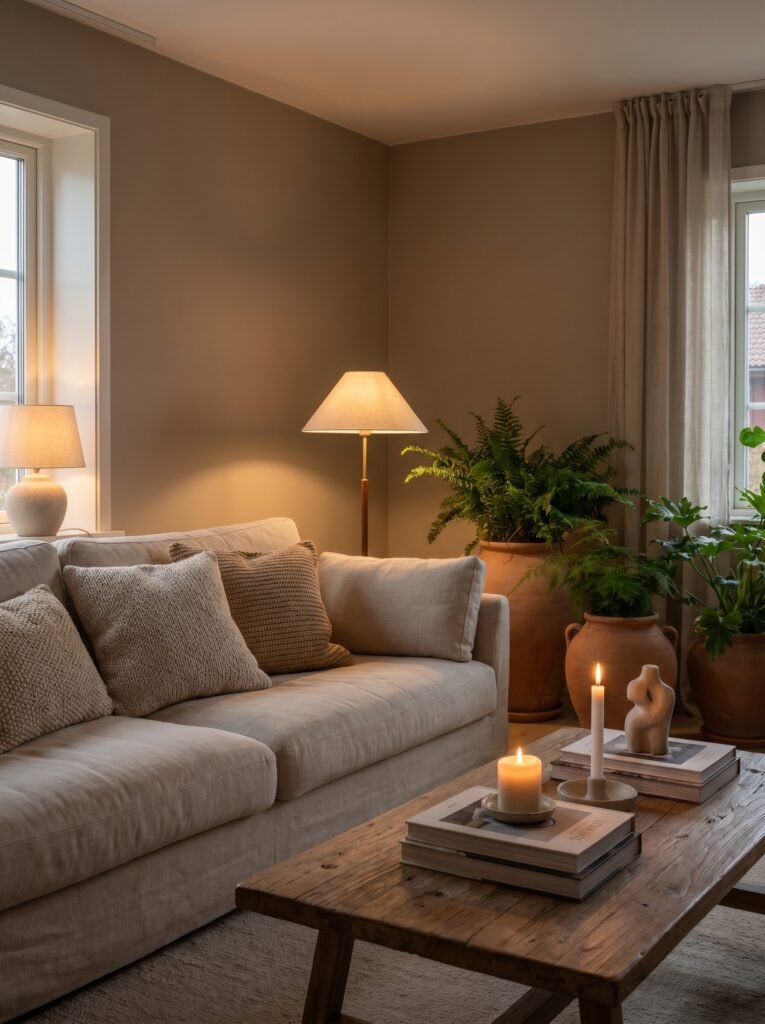
Your living room is where the quiet, ordinary magic of daily life happens — the Sunday morning coffees, the rainy afternoon films, the long conversations that run late into the evening. It deserves to be a space that holds all of that warmth with beauty and intention. Modern living room design, at its very best, doesn’t demand perfection. It simply asks you to be deliberate — to choose things that feel genuinely right rather than just convenient or fashionable, and to create a space that reflects who you actually are.
So as you look around your living room today, what’s the one change — just one — that would make you fall back in love with it?