
The Art of Vintage Living Rooms: How to Decorate With Soul, Story, and Timeless Beauty
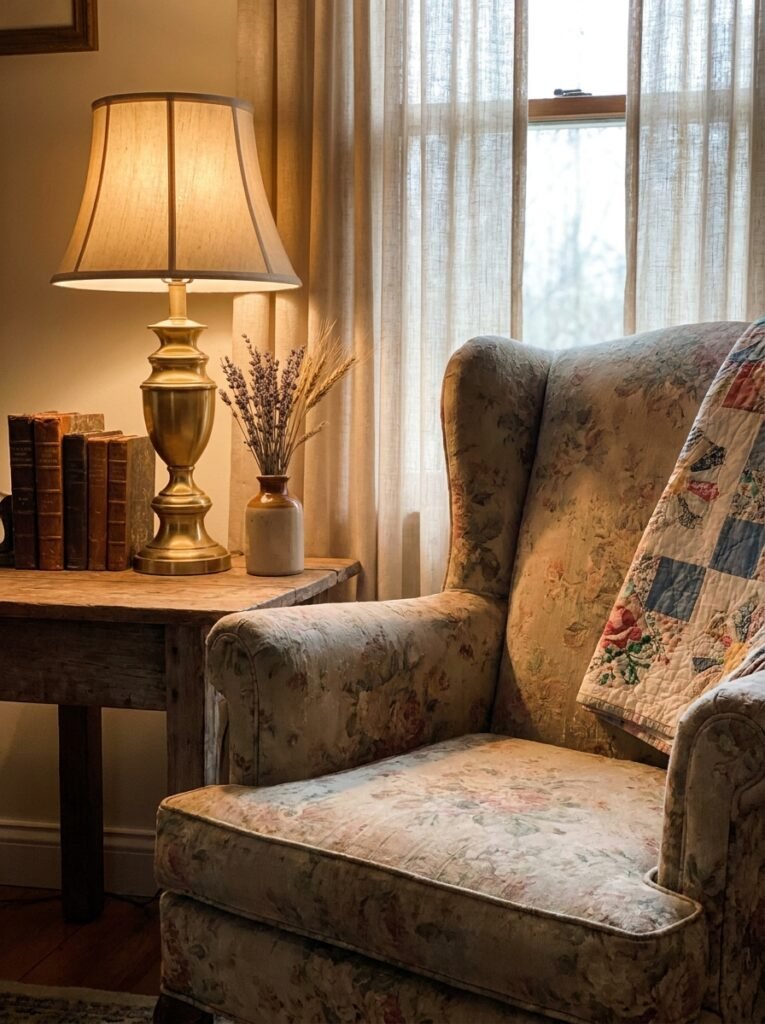
There’s a certain kind of magic that happens when you walk into a room filled with vintage pieces — a hand-stitched quilt draped over an armchair, a brass lamp casting warm amber light, shelves lined with books that look genuinely lived-in. It doesn’t feel like a showroom. It feels like someone’s life. And that is exactly the feeling most of us are quietly chasing when we pick up a paintbrush, haunt the weekend flea market, or spend three hours down a Pinterest rabbit hole at midnight.
—
1. Why Vintage Living Rooms Feel More Like Home Than Any Trend Ever Could
There’s something the algorithm can’t manufacture: genuine warmth. And vintage living room decor has it in abundance — not because old things are automatically beautiful, but because they carry a kind of visual honesty that modern mass-produced furniture rarely achieves.
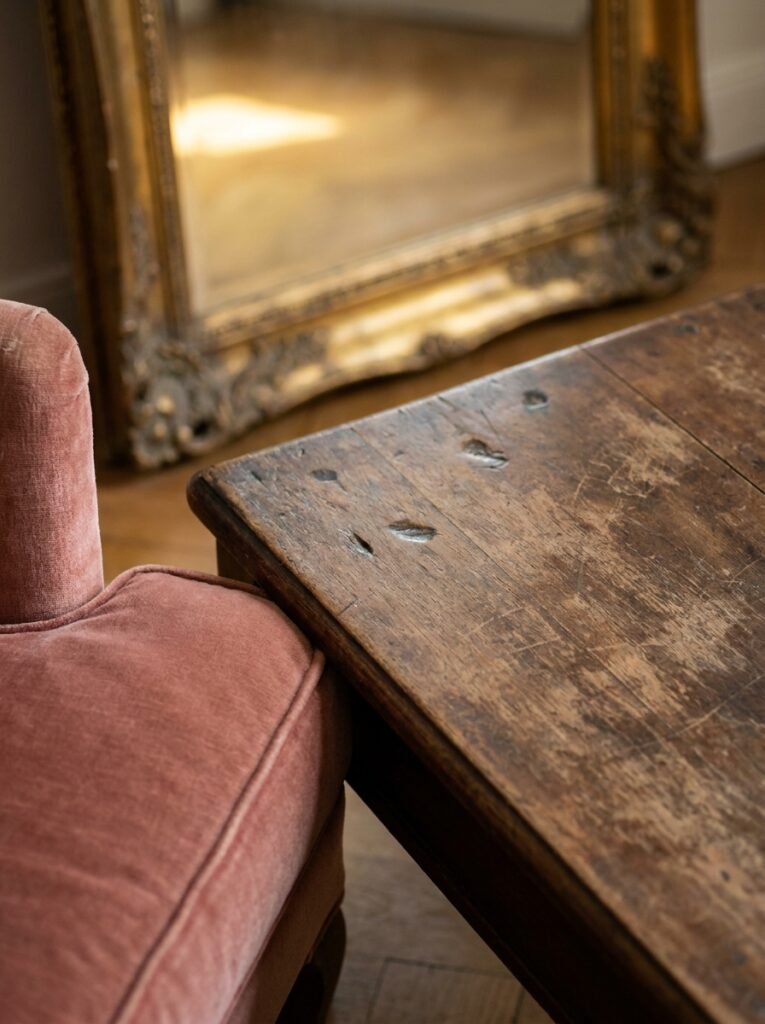
When you sit in a room layered with vintage finds, your nervous system relaxes. The slight imperfection in a patinated mirror frame, the soft fade on a velvet cushion, the story-worn surface of a wooden coffee table — these details tell you that beauty doesn’t require perfection. That’s a surprisingly radical idea in a world of glossy catalog pages.
Designers who specialize in vintage aesthetics consistently point to one defining quality: a vintage room feels earned, not assembled. Every piece has a reason for being there beyond trend alignment. And for many homeowners, that sense of authenticity is worth more than any matching furniture set.
“A vintage room doesn’t look designed — it looks lived in. That’s the hardest thing to fake and the most beautiful thing to own.”
—
2. The Surprising History Behind the Vintage Aesthetic We Love Today
The word “vintage” originally referred to wine — specifically, the year a grape was harvested. By the mid-20th century, it had migrated into fashion and design to describe pieces that were old enough to carry character but not so ancient they qualified as antiques (typically 20 to 100 years old). Today, in interior design, “vintage” has evolved into something broader: it describes a sensibility more than a strict time period.
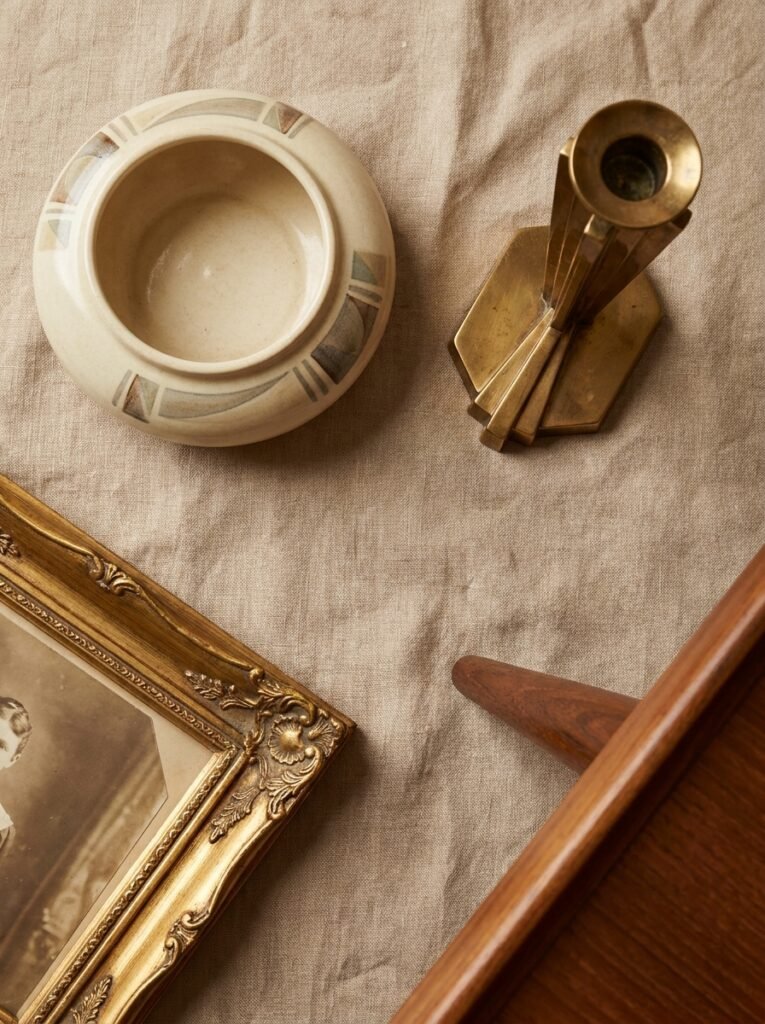
Mid-century modern pieces from the 1950s and 60s, Victorian-inspired details from the late 1800s, Art Deco glamour from the 1920s and 30s — all of these can coexist under the vintage umbrella when handled with intention. What they share is craftsmanship, materiality, and a design philosophy that prioritized longevity over disposability.
Understanding this history matters because it changes how you shop. Instead of hunting for anything “old,” you begin looking for pieces with design integrity — items built to last, built with care, and built with an eye toward beauty that doesn’t expire.
—
3. The Colors That Define a Vintage Living Room (and How to Choose Yours)

Color is where a vintage living room either sings or stumbles. Get it right, and the whole room feels cohesive and deeply calming. Get it wrong, and even the most beautiful antique sofa can feel oddly out of place.
The classic vintage palette leans toward warm, dusty, muted tones — think sage green, terracotta, dusty rose, warm ivory, deep burgundy, and rich mustard. These are colors that appear to have softened slightly with time, which is precisely what makes them feel so harmonious with actual aged pieces. They don’t compete with the patina; they complement it.
If you’re working with a neutral base — cream walls, natural wood floors — you have enormous flexibility. Layer in two or three accent colors through textiles, artwork, and decorative objects. A dusty rose throw, a pair of deep green velvet cushions, a terracotta ceramic vase — suddenly your neutral room has a vintage soul without a single piece of furniture needing to change.
For bolder rooms, consider the deep, moody palettes of Victorian-era design: forest green walls with warm brass hardware, or navy blue alongside antique gold frames. These combinations feel dramatic but cozy — like the sitting room of a very well-read, well-traveled person.
—
4. The Furniture Pieces That Anchor Every Beautiful Vintage Living Room
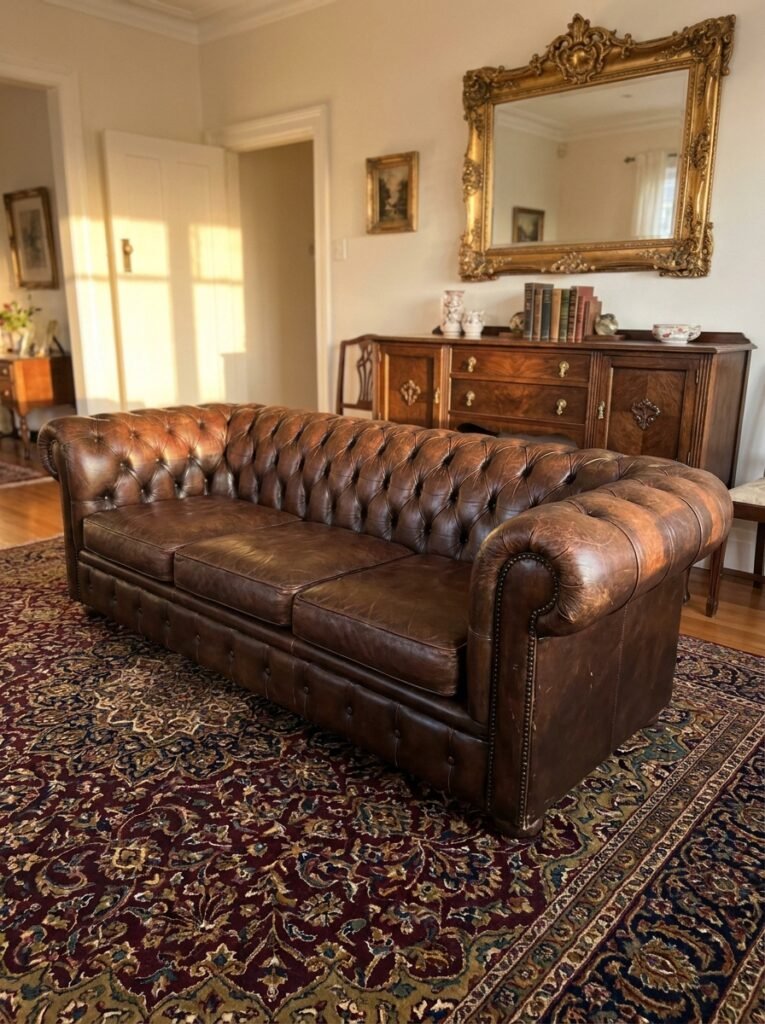
You don’t need to fill a room with antiques to achieve a vintage feel. You need one or two anchor pieces — items with enough presence and character to set the tone for everything else.
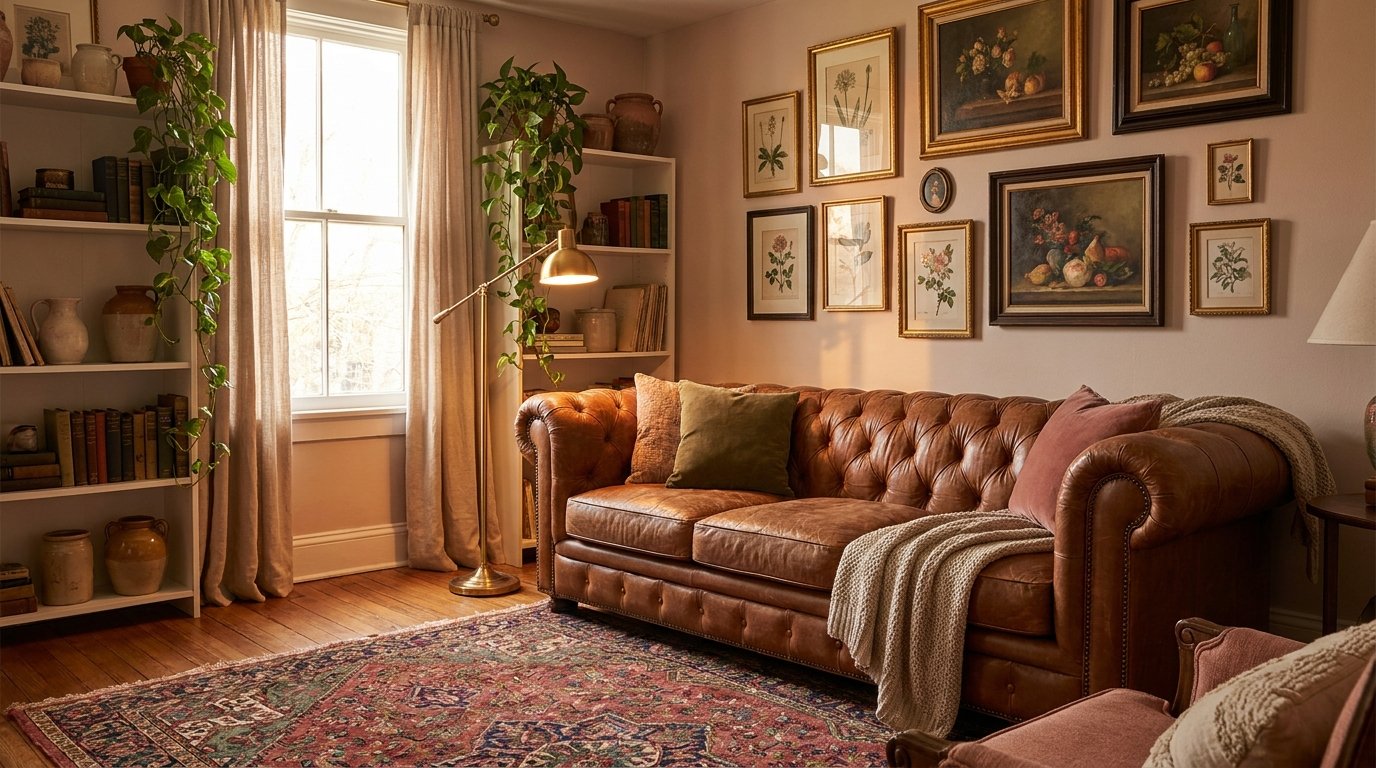
The most powerful anchor for a vintage living room is almost always the sofa. A Chesterfield with deep button-tufting and worn leather speaks immediately to a certain kind of timeless elegance. A curved, low-profile 1960s-style sofa in a rich velvet immediately signals mid-century warmth. Either way, the sofa does the heavy lifting so your other pieces don’t have to.
Beyond the sofa, consider these high-impact vintage anchors: a carved wooden armchair with upholstered cushions, an ornate Persian or Turkish rug layered over natural fiber, a wooden sideboard or credenza with original hardware, or a vintage-inspired fireplace surround. Each of these introduces texture, craftsmanship, and visual storytelling that modern minimalism tends to strip away.
Mixing periods, by the way, is not a mistake — it’s the point. A mid-century credenza beneath a Victorian gilt mirror looks extraordinary. The contrast highlights the beauty of both. The secret is finding visual harmony through color, scale, or material, even when the eras are completely different.
—
5. How to Layer Textiles Like a Vintage Design Expert

If vintage furniture is the skeleton of the room, vintage textiles are the soul. Nothing transforms a living space faster — or more affordably — than the intentional layering of fabrics.
Think in terms of texture contrast: a nubby wool throw alongside smooth velvet cushions alongside a soft-faded cotton quilt. The variety creates visual richness that feels collected over time rather than purchased in a single shopping trip. Which, ideally, it was.
Look for textiles at estate sales, vintage shops, and online marketplaces. A hand-embroidered cushion cover, a faded kilim rug, a heavy linen curtain panel with a subtle pattern — these finds carry an irreplaceable quality that no fast-fashion home goods store can replicate. You can feel the difference the moment you touch them.
“It’s the layering of textiles that turns a pretty room into a room you never want to leave.”
Don’t be afraid of pattern mixing, either. Vintage rooms are notably pattern-forward — florals alongside geometric prints, stripes beside paisleys — because historically, people bought what they loved rather than what matched. The result feels eclectic and personal in exactly the right way.
—
6. The Role of Lighting in Creating That Irresistible Vintage Glow

Ask any interior designer and they’ll tell you: lighting is the single most underestimated element in any room. In a vintage living room, it’s everything.
The goal is warmth — the kind of light that makes everyone look a little more beautiful and makes the room feel slightly dreamlike at dusk. Overhead recessed lighting is typically the enemy of this effect. Instead, build a layered lighting plan using floor lamps, table lamps, wall sconces, and candles.
Vintage or vintage-inspired lamp bases — a ceramic ginger jar lamp, a brass pharmacy floor lamp, a stained glass table lamp — immediately add character before they’re even switched on. When they are switched on, the quality of the light they produce tends to be more directional and intimate than harsh overhead fixtures.
Use warm-toned bulbs (2700K or lower) throughout. The difference between a 3000K bulb and a 2700K bulb may seem minor on paper, but in a vintage room layered with warm colors and rich textiles, it’s the difference between cozy and clinical.
—
7. Vintage Wall Decor That Tells a Story Without Saying a Word

Walls in a vintage living room are not decoration-free canvases waiting for one statement piece. They’re galleries of accumulated meaning — and the most beautiful ones look like they’ve been curated over decades.
Gallery walls built from vintage mirrors, oil paintings, botanical prints, old maps, and mismatched frames are among the most-pinned interior design images for a reason: they reward closer inspection. Every time you look at a well-assembled vintage gallery wall, you notice something new.
Don’t aim for uniformity. Mix frame finishes — gilt, dark wood, simple black, raw brass. Mix sizes dramatically. Mix subjects. The only through-line you need is a general color story. If most of your frames have warm tones and most of your art has muted colors, the wall will feel cohesive even while being wonderfully diverse.
Also consider architectural wall details: crown molding, picture rails, wainscoting, and dado rails all feel authentically period-appropriate and add enormous visual depth to a vintage living room, especially in older homes that may already have these features hiding beneath layers of paint.
—
8. How to Find Genuine Vintage Pieces Without Getting Overwhelmed

The world of vintage shopping can feel intimidating until someone shows you the rhythm of it. Once you understand where to look and what to look for, it becomes one of the most enjoyable and addictive parts of creating a vintage living room.
Estate sales are the gold standard — you’re buying directly from the home where pieces have lived for decades, which means prices are often fair and provenance is clear. Antique markets and flea markets reward early arrival and patience. Thrift stores require frequent visits because inventory turns over constantly and the best pieces disappear fast.
Online, platforms like Chairish, 1stDibs, Facebook Marketplace, Etsy, and eBay have transformed vintage access — you can now find a genuine mid-century sideboard from across the country without leaving your sofa. The key with online vintage shopping is to understand scale precisely (always measure before purchasing) and to ask sellers about condition details they may not have photographed.
When evaluating a piece in person, look at the construction: dovetail joints in wooden drawers, solid wood frames (not particleboard), original hardware, and natural wear patterns that appear consistent with age rather than artificially distressed. These details tell you whether you’re looking at a genuine vintage find or a reproduction.
—
9. Budget Vintage Decorating: Beautiful Rooms Don’t Require Deep Pockets

Here’s the truth that vintage decorating has been quietly proving for decades: you don’t need to spend a lot of money to create a room with genuine soul. In fact, the most characterful vintage living rooms are often built almost entirely from budget finds.
The secret is curation over quantity. Five thoughtfully chosen, high-quality vintage pieces will always outperform thirty mediocre ones. Learn to edit ruthlessly. Resist the urge to fill every surface. The visual breathing room between objects is part of what makes a curated vintage room feel so different from a cluttered one.
“The most beautiful vintage rooms aren’t the most expensive ones — they’re the most intentional ones.”
Paint is your most powerful and affordable transformation tool. A single wall in a deep, historically inspired color — forest green, dusty terracotta, warm navy — will make every vintage piece in the room look more significant and deliberate. Architectural paint brands like Farrow & Ball, Benjamin Moore’s Historical Collection, and Sherwin-Williams all offer palettes with excellent vintage resonance.
Books, plants, ceramic vessels, and vintage-style candles are inexpensive ways to add enormous warmth and layering. Fill wooden bookshelves not just with books but with small framed photographs, ceramic objects, and plants in earthy pots. This kind of purposeful styling makes a room feel inhabited and loved.
—
10. The Plants That Belong in a Vintage Living Room (and Why They Matter)
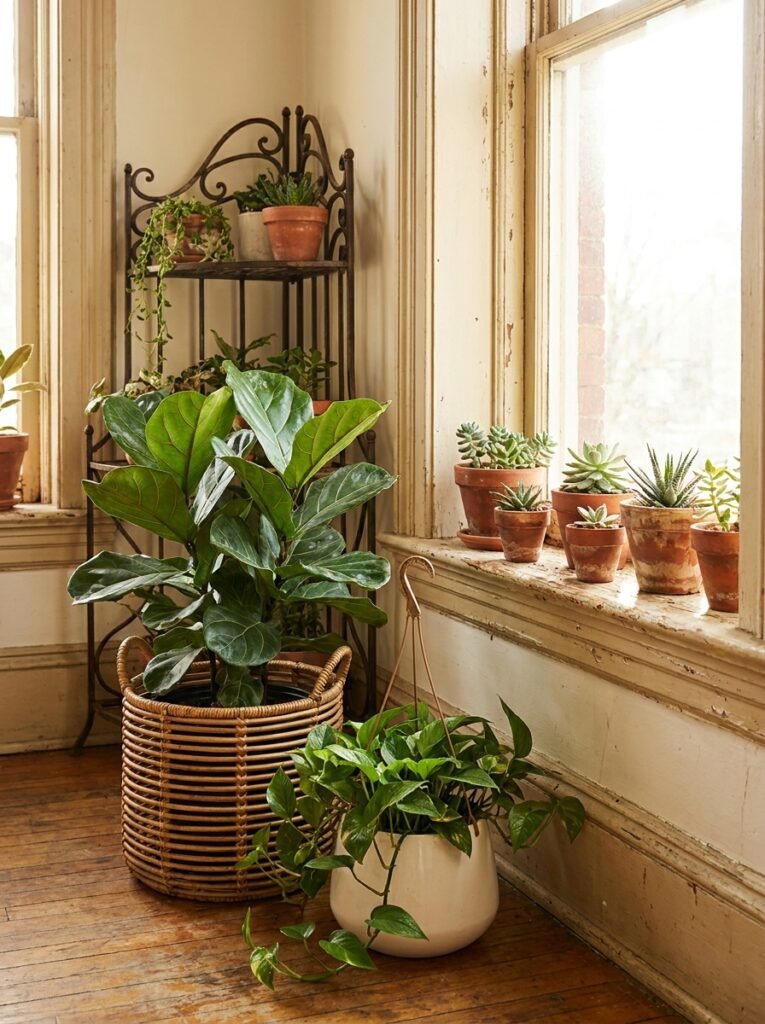
Plants in a vintage room aren’t decorative accessories — they’re collaborators. They bring life, movement, oxygen, and an organic softness that balances the weight of heavy furniture and rich textiles perfectly.
Certain plants have an almost inherent vintage quality: trailing pothos in a ceramic hanging planter, a large fiddle leaf fig in a woven basket, ferns spilling from a Victorian-style plant stand, succulents in terracotta pots along a windowsill. These choices feel period-appropriate without being precious about it.
The containers matter as much as the plants themselves. Vintage ceramic pots, hand-thrown clay vessels, antique brass planters, and woven rattan baskets all add textural interest and feel entirely at home among vintage furniture and textiles. Avoid sleek modern planters — the contrast tends to undermine the warmth you’ve worked to build.
—
11. The Common Mistakes That Make Vintage Rooms Feel Chaotic Instead of Cozy

Loving vintage style is not the same as understanding how to apply it effectively, and there are a handful of very common mistakes that consistently prevent people from achieving the room they’re imagining.
The first is over-collecting without editing. A vintage room should feel curated, not crowded. Every piece needs a clear reason for being there — whether it’s visual, functional, or emotional. If something isn’t contributing to the room’s story, it’s detracting from the pieces that are.
The second is mismatched scale. Vintage hunting can lead to impulse buys that are individually beautiful but contextually wrong — a massive armoire in a small room, or tiny decorative objects lost against a large wall. Always consider scale relative to your specific space.
The third is ignoring the floor. A gorgeous rug is one of the single most transformative things you can add to a vintage living room. A bare floor under vintage furniture tends to feel unfinished, regardless of how beautiful the individual pieces are.
Finally: resist the temptation to make everything match. Vintage rooms should look assembled over time. The moment a room looks too “set,” it loses the organic, collected quality that makes vintage style compelling in the first place.
—
12. Making Your Vintage Living Room Feel Authentically, Unmistakably Yours
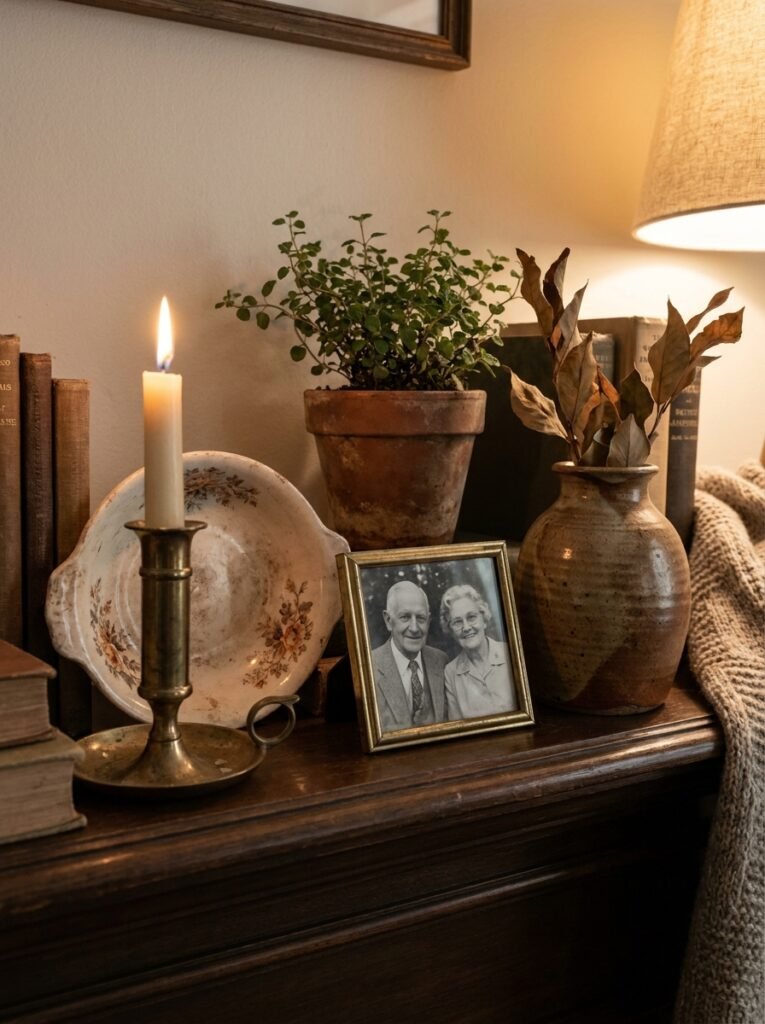
The most important principle in all of vintage decorating is also the most liberating one: there are no rules that matter more than your own instinct.
Style guides can point you toward palettes, periods, and principles, but ultimately the rooms that feel most deeply personal — the ones people photograph and save and want to recreate — are the ones where someone’s individual taste is genuinely legible. Your grandmother’s ceramic dish displayed on the mantle. The first print you bought when you moved into your first apartment. The armchair you reupholstered yourself in a fabric you loved even though no one else understood why.
These personal layers are not distractions from vintage style. They are vintage style, at its very best. The entire philosophy of this aesthetic is built on the idea that beautiful things deserve long lives, that objects carry meaning, and that a room should tell the story of the person living in it — not the season’s trend forecast.
Invest in what you love. Buy slowly and intentionally. Edit without guilt. Layer with patience. And trust that the room will come together — not all at once, but gradually, organically, the way all the best things in life do.
—
🌿 How to Take Care of Your Vintage Living Room
Caring for a vintage living room is more about mindful maintenance than rigorous upkeep, but a few consistent habits will keep your pieces looking their best for years to come.
Dust wooden furniture regularly with a soft cloth, and use a quality beeswax or natural oil polish occasionally to nourish the wood and deepen its natural patina. Avoid harsh chemical cleaners, which can strip original finishes and age pieces in the wrong direction.
Rotate textile placement where possible. Sunlight fades fabrics and rugs over time, and while a gentle fade can add character, uneven fading looks unintentional. Rugs in particular benefit from periodic rotation and occasional professional cleaning.
For upholstered vintage pieces, vacuum regularly with a soft brush attachment and treat stains immediately with a gentle fabric cleaner. Consider having a professional clean deeply soiled or delicate pieces rather than risking damage with DIY methods.
Keep plants well-watered and in appropriate light, and watch for excess moisture near wooden surfaces. A pot that overflows or a plant that sweats can leave marks on antique wood that are difficult to reverse.
Finally, resist the urge to over-arrange. The lived-in quality of a vintage room is partially created by a kind of natural visual looseness — books slightly askew, a throw casually draped, cushions that look sat-in. Pristine perfection works against vintage style. Let the room breathe.
—
❓ FAQ
Q: How do I start decorating in a vintage style if I’m on a tight budget? A: Start with one or two anchor pieces found at a thrift store, estate sale, or flea market — a rug, a lamp, or an interesting chair can set an entire room’s tone. Then layer in small, affordable vintage finds over time rather than trying to transform the room all at once. Patience is genuinely part of the process.
Q: Can vintage decor work in a small living room? A: Absolutely — in fact, vintage decor often feels particularly warm and intentional in smaller spaces. The key is prioritizing scale: choose a few well-proportioned pieces rather than many large ones, use mirrors strategically to expand the sense of space, and keep surfaces edited rather than crowded.
Q: How do I mix vintage pieces with modern furniture I already own? A: Focus on creating visual bridges between the two through color, texture, and material. A modern sofa in a neutral tone can coexist beautifully with vintage side tables and accessories if they share a color palette. Let the vintage pieces do the personality work while the modern pieces provide clean visual breathing room.
—
💭 Final Thought
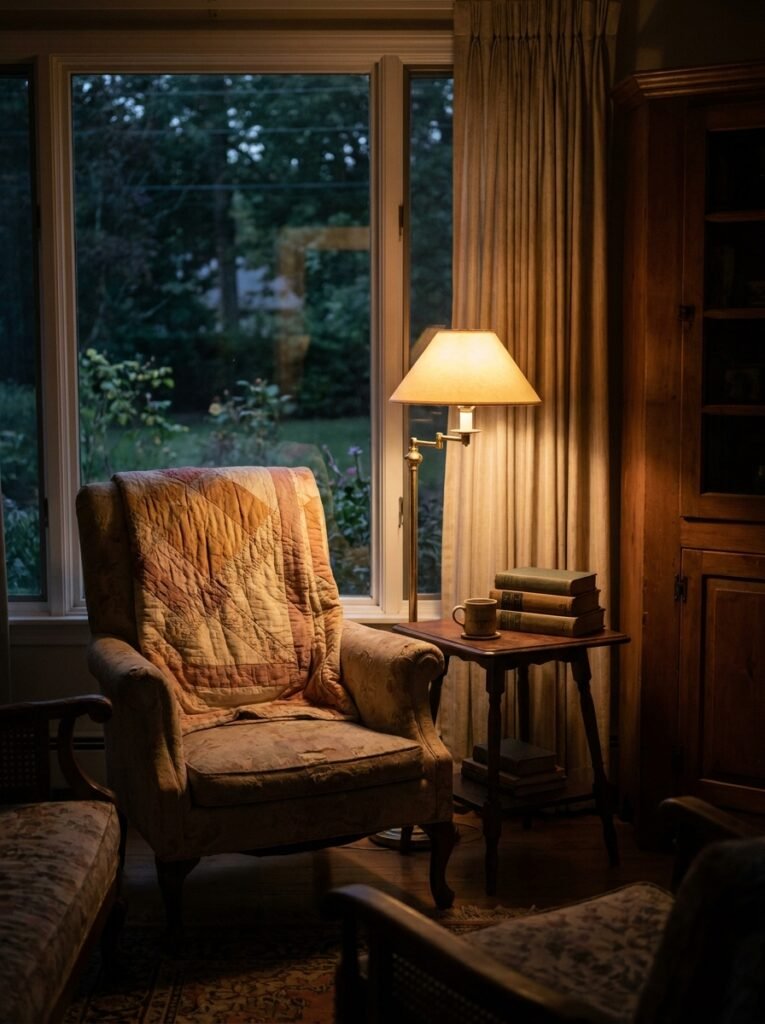
A vintage living room is never really finished — and that, perhaps, is its greatest gift. It grows with you, accumulates meaning alongside your memories, and becomes more itself with every year that passes. There’s a quiet courage in choosing a home aesthetic that prioritizes soul over trend, permanence over novelty, and personal history over catalog perfection.
So here’s the question worth sitting with: what story do you want your living room to tell — and which beautiful, well-worn piece might be the first sentence?