
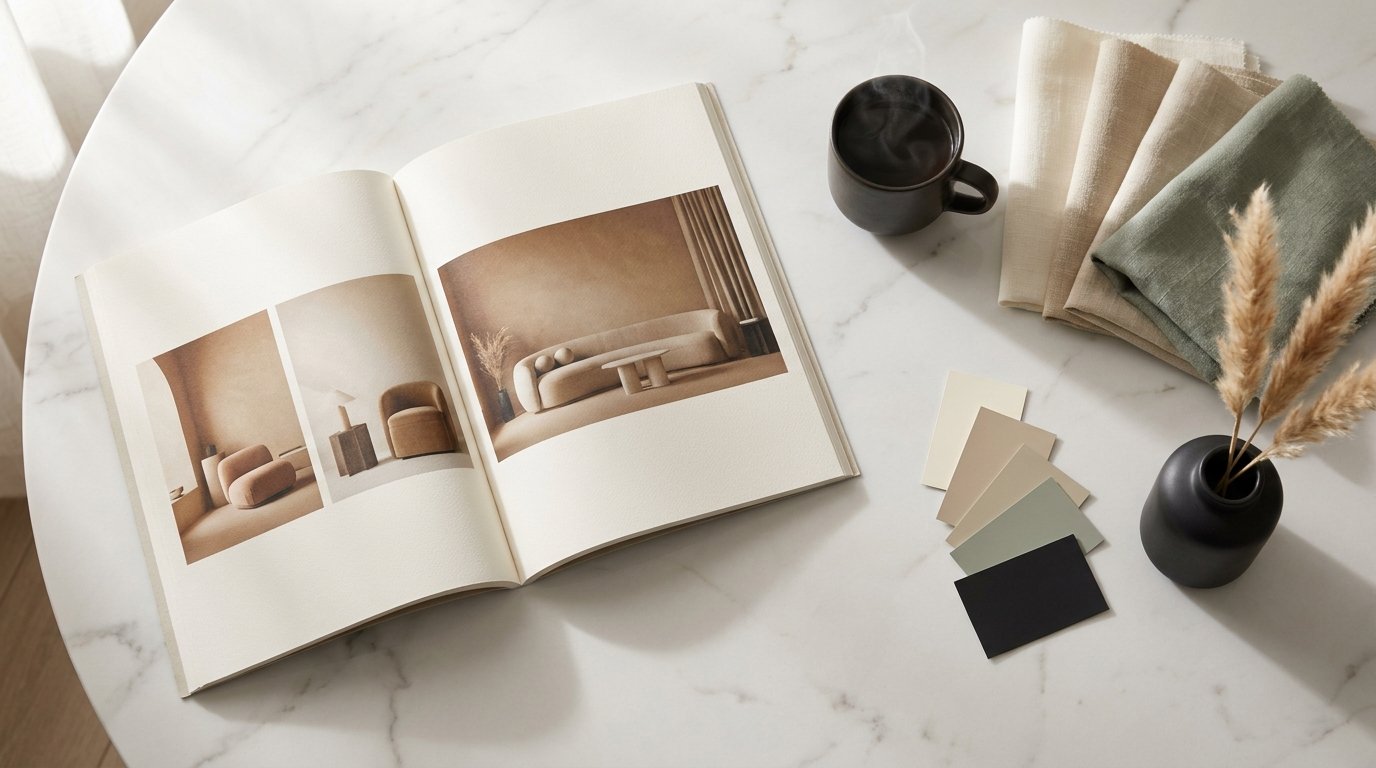
The Interior Design Brochure: Why This Forgotten Tool Might Be the Secret to Your Most Beautiful Room Yet
There’s something quietly powerful about holding a beautifully designed brochure in your hands — flipping through curated color palettes, furniture arrangements, and room transformations that feel just out of reach, yet somehow perfectly possible. Interior brochures have shaped how homeowners dream, plan, and ultimately create spaces they love, and yet most people scroll past them without a second thought.
—
1. What Exactly Is an Interior Brochure — and Why Does It Still Matter?
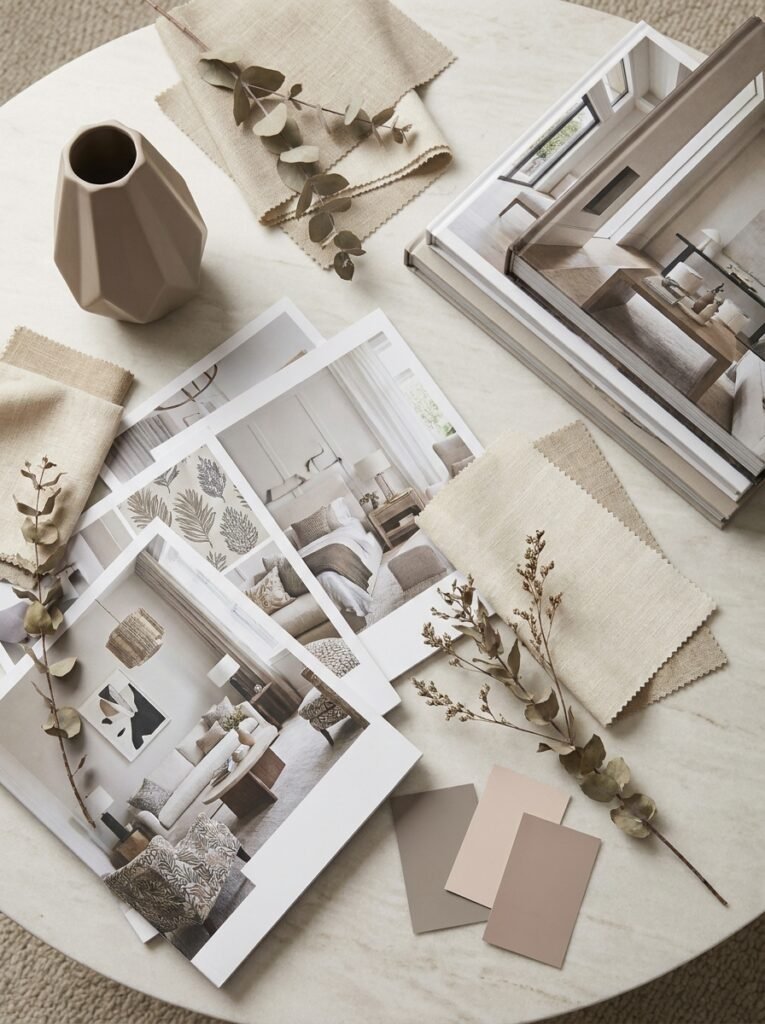
An interior brochure is a professionally designed publication — either printed or digital — that showcases design concepts, furniture collections, material finishes, color schemes, room layouts, and decorating inspiration for residential or commercial spaces. Think of it as the bridge between your raw imagination and a fully realized, decorated room.
They come from furniture retailers, interior design firms, paint companies, home goods brands, and independent decorators. Some are slim and glossy, tucked inside a showroom. Others are thick, beautifully photographed catalogs that feel more like coffee table books than marketing materials. And the really exceptional ones? They tell a story — of a lifestyle, a feeling, a way of living inside your home that you didn’t know you wanted until you saw it laid out perfectly on the page.
“The best interior brochures don’t sell products. They sell a feeling — and that feeling is exactly what great design delivers.”
In a world of endless digital scrolling, there’s genuine power in a well-crafted interior brochure. It slows you down. It makes you linger. And it often surfaces design ideas you’d never think to search for online.
—
2. The History Behind Interior Brochures: From Trade Catalogs to Timeless Inspiration

Interior brochures have a surprisingly rich history. Long before Pinterest boards and Instagram feeds, homeowners and designers relied entirely on printed catalogs and brochures to discover what was possible inside four walls.
The early 20th century saw furniture manufacturers like Sears, Roebuck & Co. and later IKEA pioneering the concept of the room-setting catalog — showing not just individual pieces, but how furniture could live together harmoniously in a complete space. These publications became household staples, passed between neighbors and dog-eared with intention.
What started as purely commercial tools slowly evolved into something more editorial. Interior design firms began producing brochures that were essentially mini magazines — showcasing completed projects, detailing their design philosophy, and offering readers a window into how professional-grade interiors are actually built. The line between brochure and inspiration guide blurred beautifully, and that tension is exactly what makes them so compelling today.
—
3. The Psychology of Why Interior Brochures Inspire Action
Have you ever wondered why flipping through a home decor brochure makes you suddenly want to rearrange your entire living room? It’s not accidental. There’s genuine psychology at work here.
Interior brochures use a technique called aspirational staging — presenting spaces that feel attainable but slightly elevated from your current reality. The rooms are styled to feel lived-in but never cluttered, warm but never chaotic. Every cushion, every plant, every beam of light is placed with deliberate intention. Your brain processes this imagery and begins quietly filling in the gaps — imagining yourself inside that kitchen, relaxing in that reading nook, hosting friends in that softly lit dining room.
This process triggers what psychologists call “possible self” thinking. You see a version of your home that reflects a better, more beautiful, more organized version of your life — and you want to close the gap between where you are and where that image shows you could be. That emotional pull is what transforms a browsing reader into an engaged, motivated decorator.
—
4. How to Actually Use an Interior Brochure (Most People Get This Wrong)
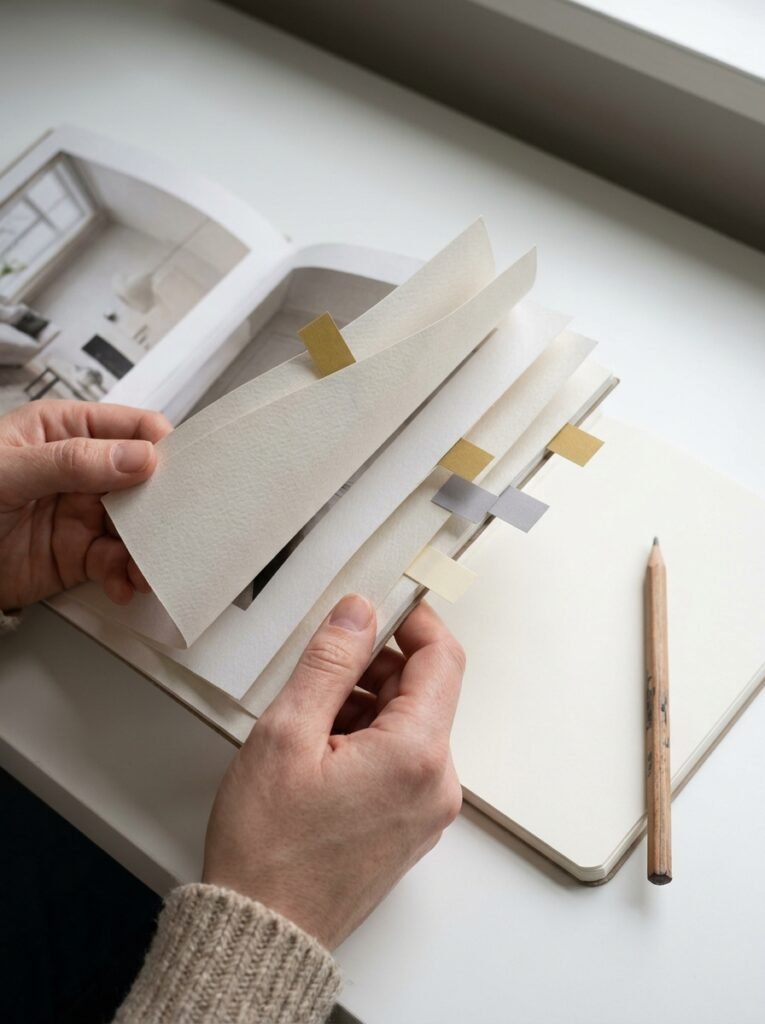
Most people flip through interior brochures passively, enjoying the imagery without extracting any practical value. The decorators who get real results from these publications treat them very differently.
Start by approaching a brochure with a specific room in mind. Before you even open it, know whether you’re working on a living room refresh, a bedroom overhaul, or a kitchen redesign. This focused lens helps you extract relevant ideas instead of being overwhelmed by everything at once.
As you move through the pages, flag sections that create a physical reaction in you — not just intellectual appreciation, but a genuine emotional response. Your gut is one of the most reliable design tools you have. Mark those pages. Pull out the recurring themes across the images that resonate: Are you consistently drawn to warm neutrals? Clean lines? Layered textiles? Those patterns reveal your actual aesthetic preferences, which are often different from what you think you like.
Finally, use the brochure as a vocabulary builder. Interior design has its own language — terms like “visual weight,” “negative space,” “layering,” and “tonal cohesion” appear in many brochures and understanding them helps you communicate more clearly with vendors, designers, or even just yourself when you’re standing in a furniture store trying to decide.
—
5. The Design Elements Every Great Interior Brochure Teaches You
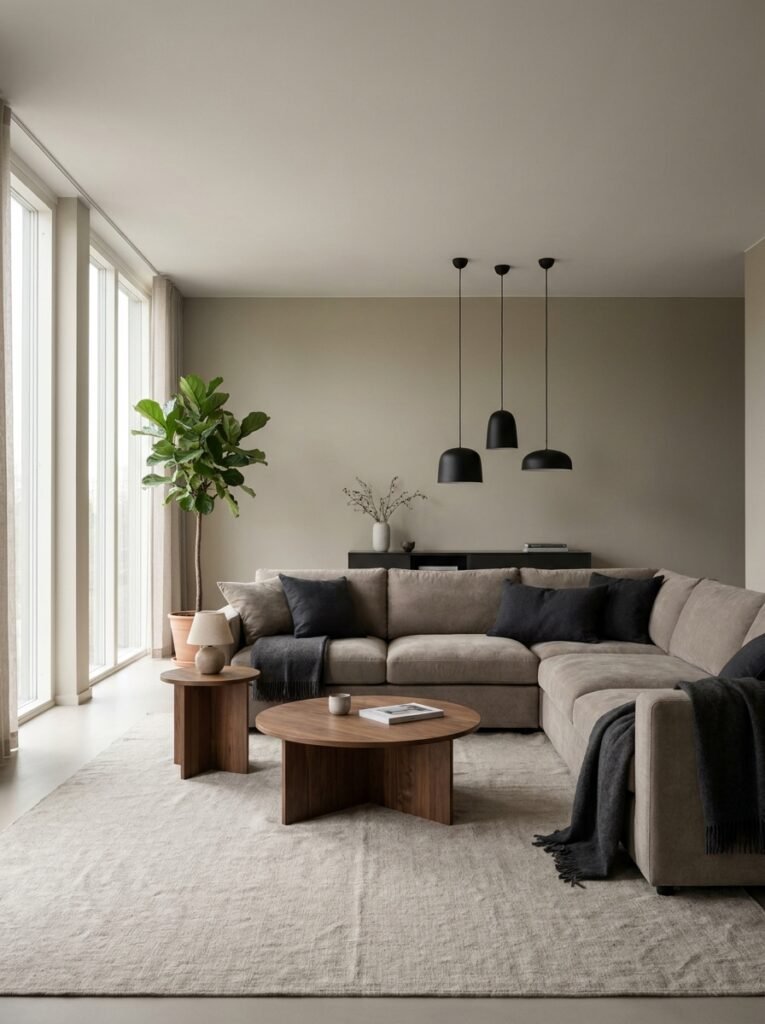
A high-quality interior brochure is, in many ways, a free masterclass in design principles. If you read one with intention, you’ll walk away understanding concepts that professional designers spend years learning.
Color theory is almost always woven throughout. Notice how brochures rarely showcase rooms with more than three to four main colors — and how those colors almost always include one neutral, one mid-tone, and one deeper accent. This is the classic 60-30-10 rule in visual action, and once you see it, you can’t unsee it in every beautiful room you encounter.
Scale and proportion are another constant lesson. Brochures show you how large a sofa should feel relative to a rug, how a dining table relates to the chandelier above it, how art placement changes the perceived height of a ceiling. These are details that feel obvious in a finished, photographed space but are incredibly easy to get wrong in your own home without that visual reference point.
“Good design isn’t about having more — it’s about choosing better, and interior brochures show you exactly what ‘better’ looks like.”
Material combinations are perhaps the most practical lesson brochures offer. Seeing how linen pairs with walnut wood, how matte black hardware complements both warm and cool palettes, or how rattan introduces organic warmth into a modern scheme — these are combinations that take years to develop instinctively, but a single brochure spread can shortcut that learning dramatically.
—
6. Digital vs. Printed Interior Brochures: Which One Actually Works Harder for You?
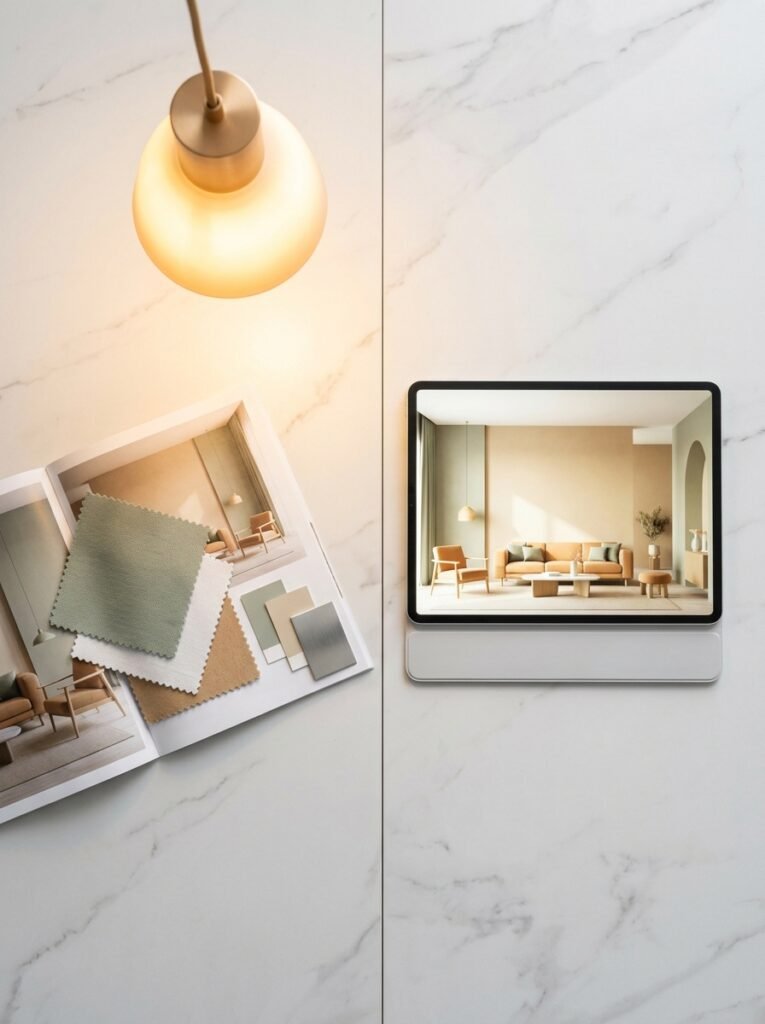
This is a genuinely interesting question for today’s decorating enthusiast, and the answer is more nuanced than you might expect.
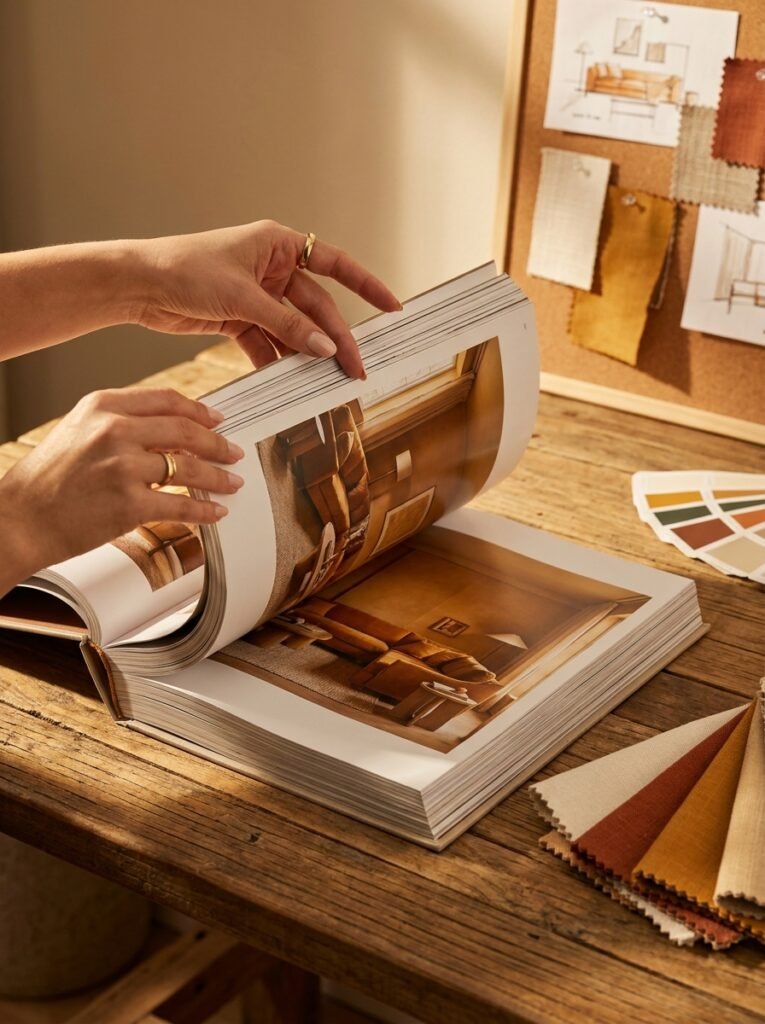
Printed interior brochures offer something digital can’t fully replicate — tactile engagement. The weight of paper, the finish of a photograph, the ability to hold a brochure next to a paint chip or fabric swatch and see how they interact under your specific home’s light — these are real, functional advantages. There’s also the focus factor: a printed brochure demands your full attention in a way that a scrollable PDF simply doesn’t.
Digital brochures, on the other hand, offer searchability, hyperlinks to product pages, zoomable detail photography, and the ability to share sections instantly with a partner, friend, or designer. Many brands now create interactive digital brochures with embedded video walkthroughs, 360-degree room views, and clickable shopping functionality that bridges inspiration and purchase in a single seamless experience.
The wisest approach? Use both. Print a select few brochures from brands whose aesthetic genuinely aligns with your vision, and use them as physical mood board anchors. Supplement with digital versions for the research, pricing, and sharing functions they excel at.
—
7. Where to Find the Best Interior Brochures for Your Decorating Style
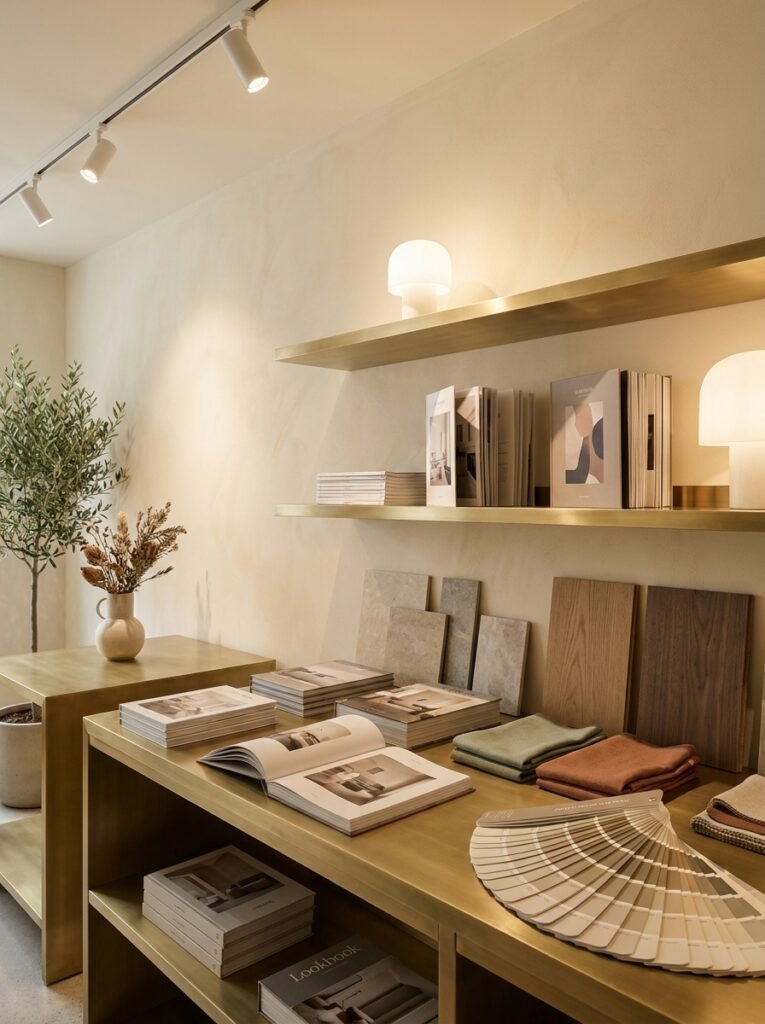
Knowing where to look is half the battle — and the best interior brochures aren’t always the easiest to find.
Furniture showrooms and interior design studios often have physical brochures available that never make it online. Visiting a showroom and specifically asking for their lookbooks or design guides can surface incredible, curated content that the general public rarely sees. These often include designer commentary, material specifications, and styling notes that add layers of practical value.
Paint manufacturers — Benjamin Moore, Farrow & Ball, Sherwin-Williams, and others — produce some of the most thoughtful interior brochures in existence. Their color guides and room inspiration catalogs are designed specifically to help non-designers make confident color decisions, and they’re often available free of charge in their retail locations.
Trade publications and home design magazines frequently partner with brands to include brochure-style inserts that showcase full room collections. Architectural Digest, Elle Decor, and Homes & Gardens all periodically feature these editorial-brand collaborations that blend journalism with design guidance in genuinely useful ways.
—
8. How to Build a Personal Design Lookbook Using Interior Brochures
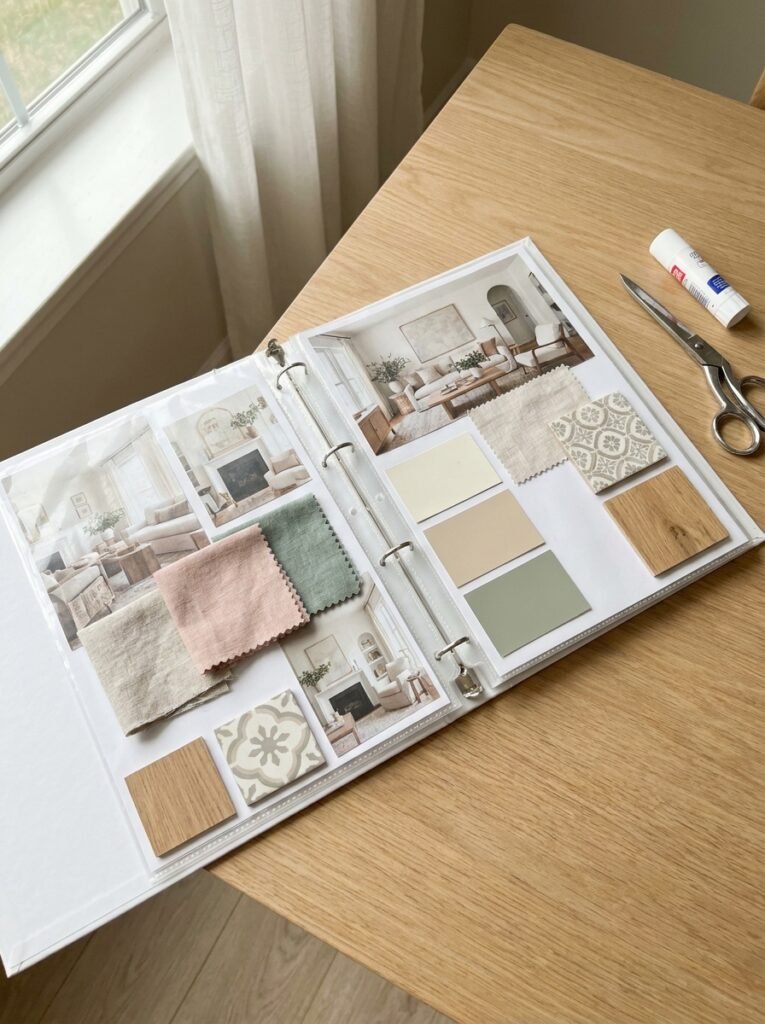
One of the most powerful things you can do as a decorating enthusiast is build your own personal design lookbook — a curated collection of images, swatches, and ideas pulled from interior brochures that reflects your specific aesthetic vision.
This isn’t just a mood board exercise. A personal lookbook becomes a functional design document that guides every purchase decision, helps you avoid impulse buys that don’t fit your vision, and gives anyone helping you — a contractor, a furniture salesperson, a friend with strong opinions — a clear visual brief to work from.
Start with a simple physical binder with clear page protectors. Cut and paste images from printed brochures alongside paint chip samples, fabric swatches, and flooring samples. Write brief notes about why each element resonates with you. Over time, this lookbook becomes your design autobiography — a record of what moves you, what feels like home, and what you’re building toward.
—
9. Interior Brochures and Color: The Most Underused Design Education Tool
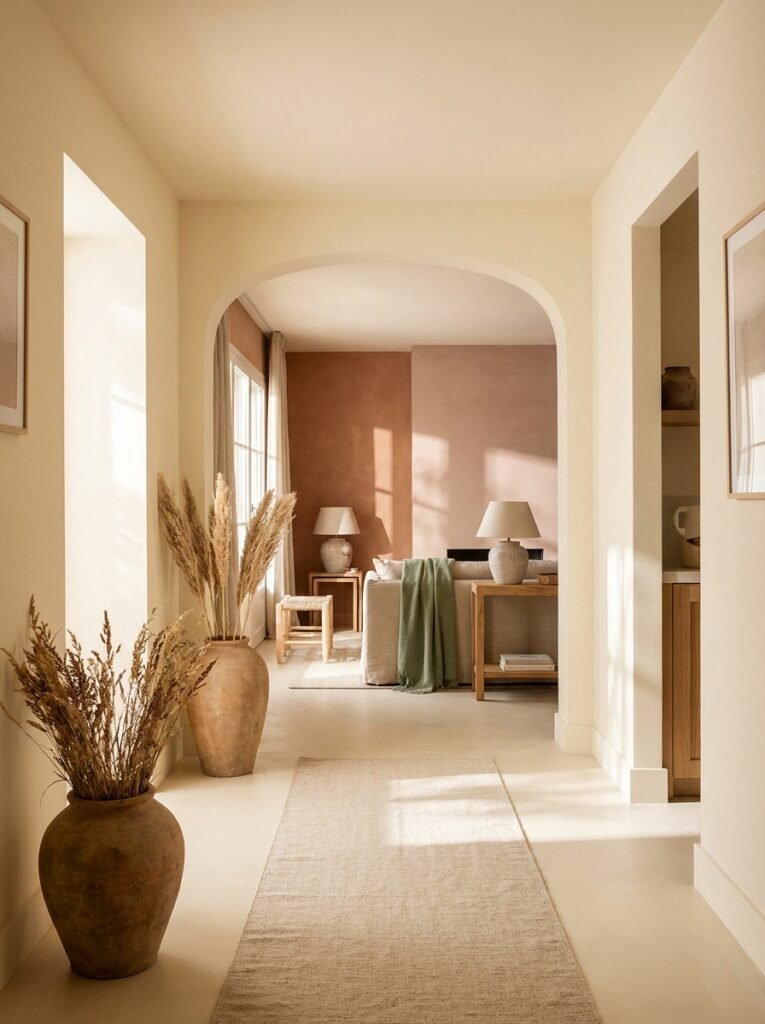
Color is the element that most homeowners feel least confident about — and interior brochures are perhaps the single best self-education tool available for building that confidence.
Unlike online images where color accuracy is completely dependent on your screen calibration, printed brochures are professionally produced with color accuracy as a priority. The warm white in a bedroom spread is actually warm white — not a digitally cooled, filtered version of it. This makes printed interior brochures genuinely reliable references when you’re trying to communicate a specific hue to a painter or match a finish at a tile showroom.
“Color in your home should feel like a conversation — and interior brochures teach you the vocabulary.”
Study how brochures handle transitions between rooms. The most sophisticated publications show how a color palette flows from entryway to living room to dining room — maintaining visual cohesion without feeling monotonous. This whole-home color thinking is a skill that completely transforms the feel of a space, and watching it demonstrated across multiple brochure spreads is one of the fastest ways to internalize it.
—
10. What Interior Brochures Reveal About Design Trends Before They Go Mainstream
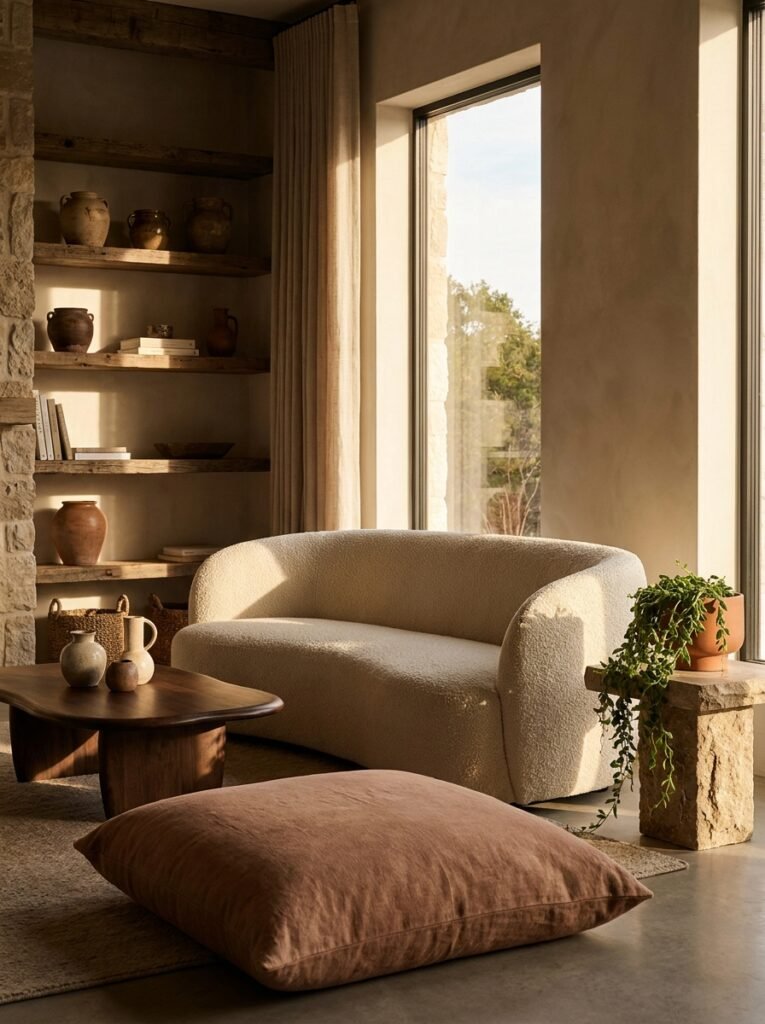
Here’s something most decorating enthusiasts don’t realize: interior brochures are often six to eighteen months ahead of what shows up in mainstream home stores. The collections photographed in a furniture brand’s spring brochure were designed a year or more prior — which means savvy readers are looking at tomorrow’s trends today.
This lead time advantage is significant if you’re decorating strategically. By studying brochures from leading design brands — particularly European manufacturers who often set global trends — you can identify emerging color directions, material combinations, and silhouettes before they saturate the market. This means you can invest in pieces that feel fresh for years rather than immediately dated.
The shift toward curved furniture forms, the rise of terracotta and earthy mineral tones, and the current embrace of natural material combinations like stone, linen, and reclaimed wood — all of these were visible in design brochures well before they became the dominant conversation in home decor media.
—
11. The Role of Interior Brochures in Professional Design Consultations
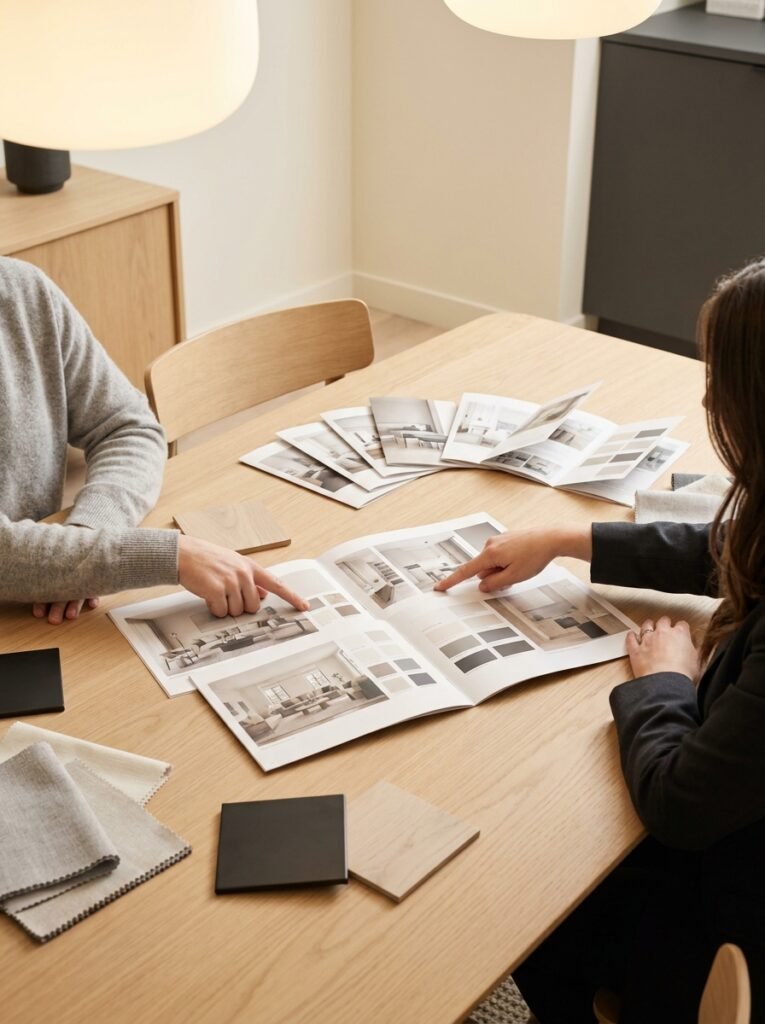
If you’ve ever worked with an interior designer, you may have noticed that brochures play a central role in the early consultation process. There’s a reason for that — and understanding it makes you a more effective collaborator.
Designers use brochures as communication tools, not shopping guides. Showing a client a spread from a brochure and asking “does this feel right to you?” surfaces emotional responses that are difficult to access through verbal description alone. A client might struggle to articulate that they want “warmth without heaviness” or “modern without being cold” — but they can point to a photograph and say, with complete certainty, “Yes. That’s exactly it.”
This same technique works beautifully in your own decorating process, especially when collaborating with a partner or family member who has different aesthetic instincts. Sharing brochures and marking pages independently, then comparing notes, reveals overlap and difference in your preferences in a concrete, low-conflict way. Design disagreements that might generate frustration in conversation often resolve naturally when both parties can point to images and build shared visual language.
—
12. Creating Your Own Interior Brochure-Style Presentation for Any Room
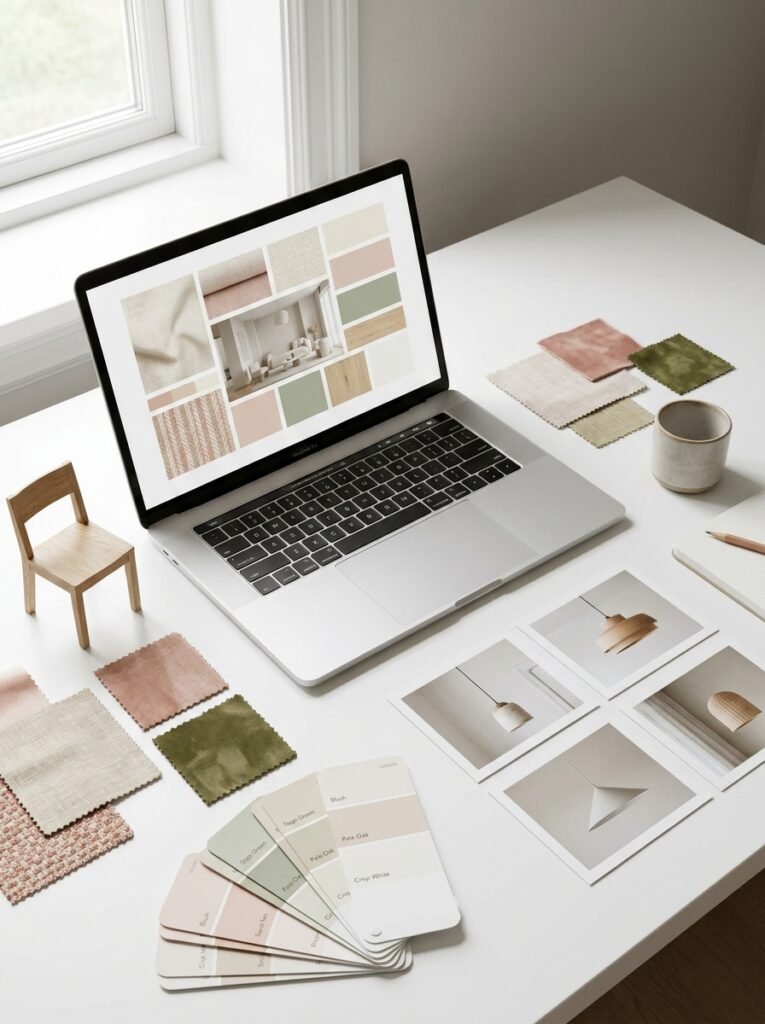
This final idea might be the most transformative on the list: you can create your own interior brochure-style presentation for any room you’re decorating, and doing so will dramatically improve your decision-making and final result.
Using free tools like Canva, you can compile photographs of your shortlisted furniture pieces, paint swatches, fabric samples, and lighting options into a single, cohesive document. Lay them out on a page together the way a professional brochure would — in natural light photography if possible, with clean white space around each element. This presentation view reveals compatibility issues and visual clashes that are invisible when you evaluate each piece separately, and it surfaces harmonies you might otherwise miss.
This process also forces a level of curation that most amateur decorators skip. When you have to fit your choices onto a cohesive page, you instinctively edit down to what truly belongs together — and that editing process is where great design actually happens. The room that results from this thoughtful, brochure-style planning feels intentional, layered, and deeply personal rather than assembled piece by piece without a unifying vision.
—
🌿 How to Get the Most From Interior Brochures
Treat brochures as active tools, not passive entertainment — write directly on them, fold corners, highlight elements that trigger a real emotional response rather than just intellectual appreciation. The ones that make you feel something are pointing you toward your actual aesthetic.
Build a rotating collection of brochures that spans different styles, from Scandinavian minimalism to warm Mediterranean maximalism, because exposure to a wide range of approaches sharpens your ability to identify what you genuinely love versus what you’ve simply seen the most.
Revisit your brochure collection every six months and notice which images still move you and which ones have grown stale — that evolution is a real-time map of how your design sensibility is maturing and changing.
Always note the source information for images you love — the brand, collection name, and product details where available — because the heartbreak of finding a perfect piece in a brochure and being unable to identify it is entirely avoidable with one small habit.
Finally, share your favorite brochure discoveries with your design community, whether that’s a Pinterest board, a close friend, or a local decorating group, because taste is contagious and the conversation that emerges from shared visual inspiration often generates the most unexpected and exciting design ideas.
—
❓ FAQ
Q: Are interior design brochures still relevant in the age of Pinterest and Instagram? A: Absolutely — and arguably more so than ever. While social media delivers an infinite stream of images, interior brochures offer curated, cohesive collections that tell a complete design story rather than isolated moments. They also provide specifications, material details, and scale references that social media imagery rarely includes, making them far more practical as actual decorating tools.
Q: How do I find interior brochures from luxury or designer brands? A: Many high-end brands distribute brochures exclusively through their showrooms or to trade professionals, but requesting them directly — either by visiting a showroom in person or contacting the brand’s trade program — often yields results. Design centers in major cities are also excellent resources, as they house dozens of trade brands whose brochures and catalogs are available to the public during open hours.
Q: Can I use interior brochure images for my own mood boards or design presentations? A: For personal, non-commercial use — such as a private mood board for your own home renovation — using images from interior brochures as reference material is generally acceptable. However, reproducing, publishing, or using those images commercially without permission from the copyright holder is a violation of intellectual property rights. When in doubt, reach out to the brand directly, as many are happy to provide image permissions for genuine design enthusiasts.
—
💭 Final Thought
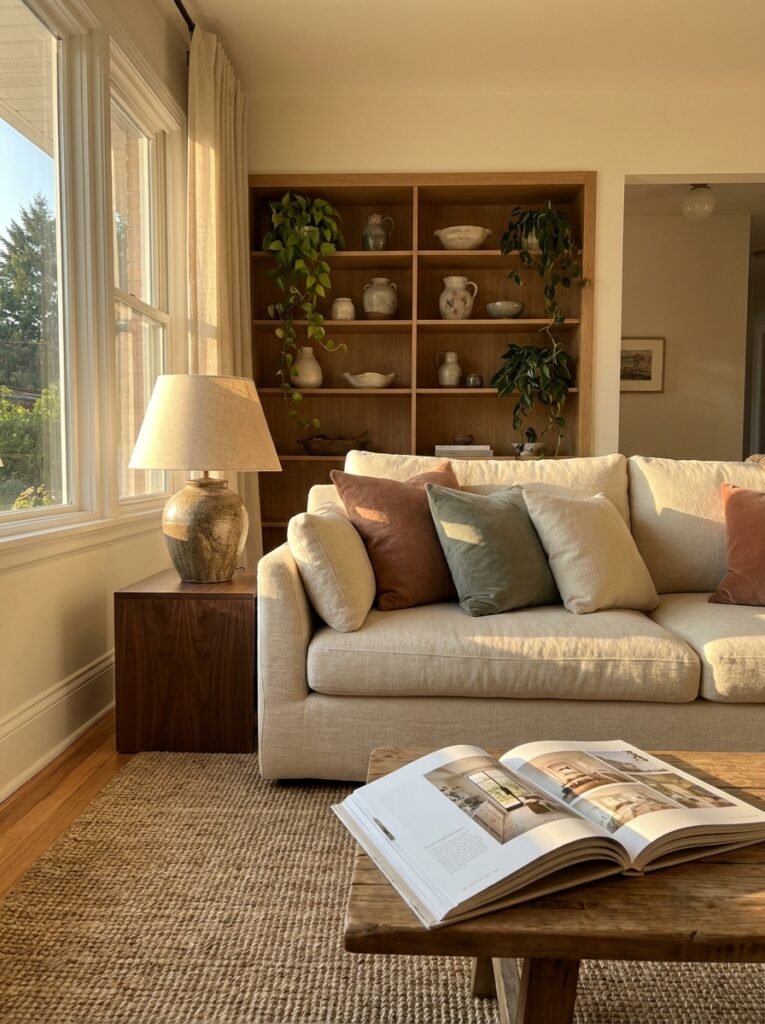
Interior brochures are, at their best, an act of generosity — a brand or designer sharing their vision of beautiful living and inviting you to find yourself somewhere inside it. They’ve shaped how generations of homeowners have imagined, planned, and built the spaces that define their daily lives, and that legacy is worth honoring with real attention and intention. So the next time one lands in your hands or appears in your inbox, don’t skim past it — sit with it, mark it up, let it teach you something.
What does the room you’ve always dreamed of actually feel like when you imagine walking into it — and what’s truly been stopping you from creating it?