
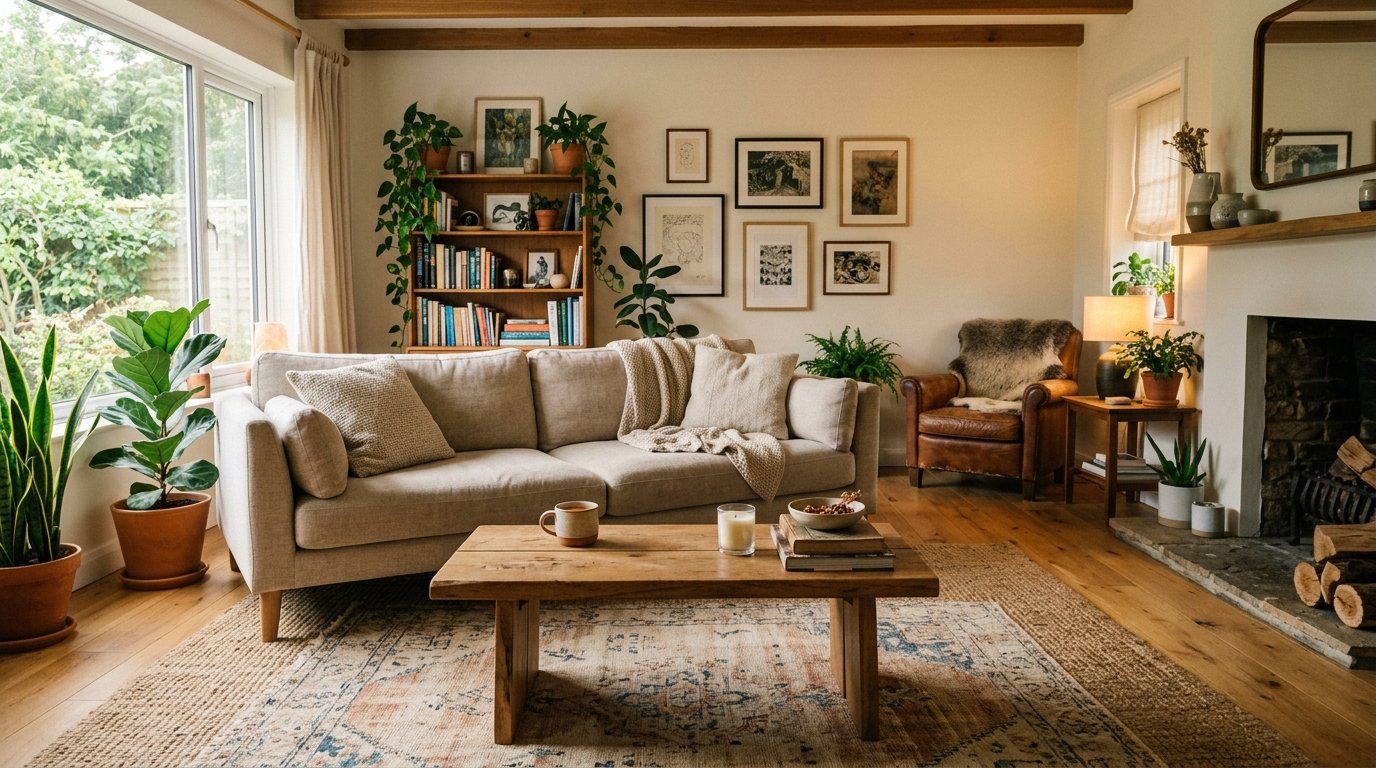
The Living Room Glow-Up No One Warned You Was This Addictive
My friend texted me at 11pm on a Tuesday. “I just moved all my furniture AGAIN and I think I finally got it.” Third time that month. I knew exactly what she meant.
There’s something about a living room that refuses to leave you alone. You think you’re done and then the light changes, or you move one cushion, and suddenly you’re rearranging everything at midnight because you can SEE it now, the version that’s just slightly more right. This is that rabbit hole. Consider yourself warned.
—
1. The Furniture Arrangement Nobody Tries (But Should)
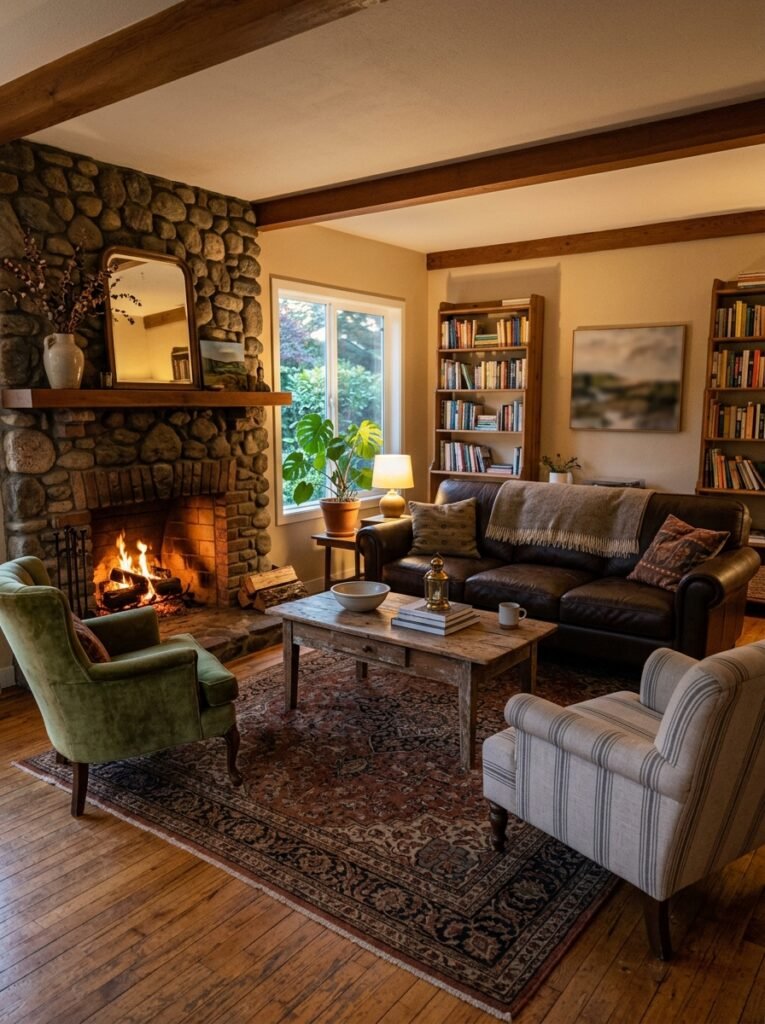
Most people push everything against the walls. I did it for years, honestly. It feels logical — more floor space, right? But what actually happens is the room looks like a waiting room. Cold. Like nobody lives there.
Pull the sofa away from the wall. Even six inches. It creates depth, and depth creates the feeling of a room that was DESIGNED rather than just filled. Float your seating around a central anchor — a coffee table, a rug, even a stack of large books if that’s what you’ve got — and suddenly the conversation area feels intentional.
The difference is hard to explain until you see it. Then you can’t unsee it.
“A living room that breathes is a living room that feels lived-in — and that’s the whole point.”
For smaller rooms, a love seat angled slightly rather than perfectly parallel to the other seating does something interesting. It breaks the grid. Rooms don’t actually need to be perfectly symmetrical to feel balanced, and that’s a fact I wish someone had told me sooner.
—
2. Rugs Are Doing More Work Than You Think
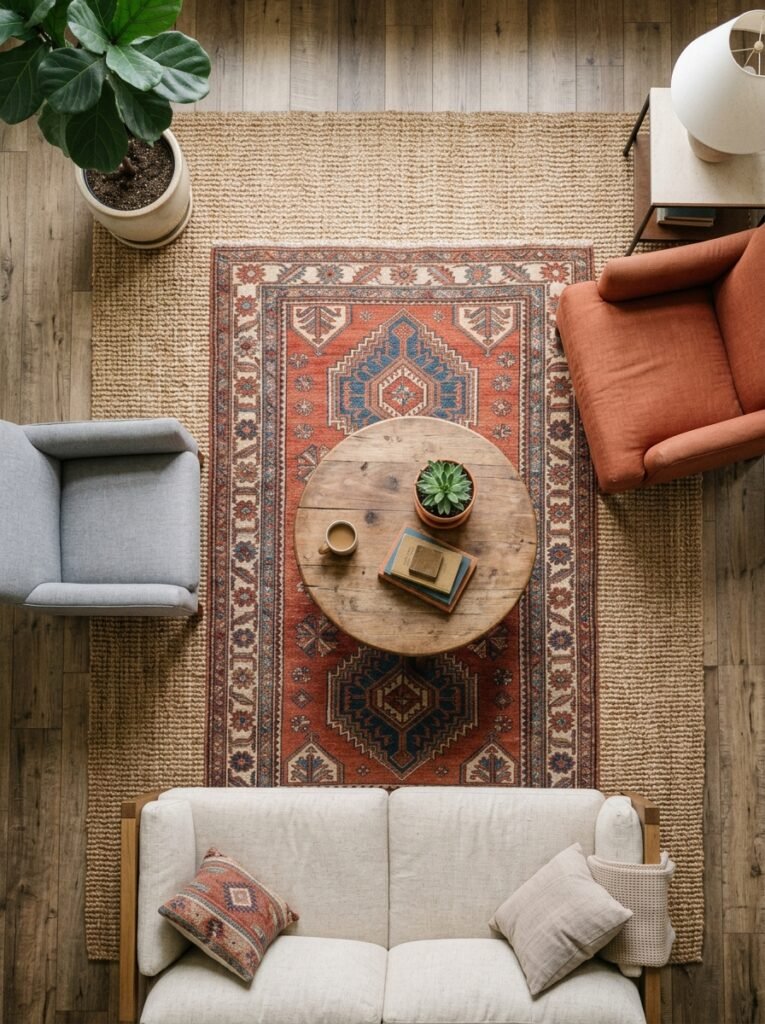
Here’s where most rooms go wrong: the rug is too small. Way too small. Like a little postage stamp floating in the middle of the room. It makes everything look untethered.
The front legs of every major seating piece should sit ON the rug. At minimum. Ideally the whole sofa, but at absolute minimum — front legs on. This grounds the furniture, pulls the space together, makes the seating feel like a cohesive area rather than random chairs and sofas that happen to share a room.
Sizing up is almost always the right call, even when it feels expensive or excessive in the shop.
A woven jute rug brings texture and warmth without screaming for attention. A low-pile geometric adds structure. A worn-looking vintage-style rug adds that impossible-to-fake sense of history. What they all have in common: they’re doing invisible heavy lifting that you only notice when they’re gone.
—
3. The Color That Keeps Showing Up in Every Beautiful Living Room Right Now
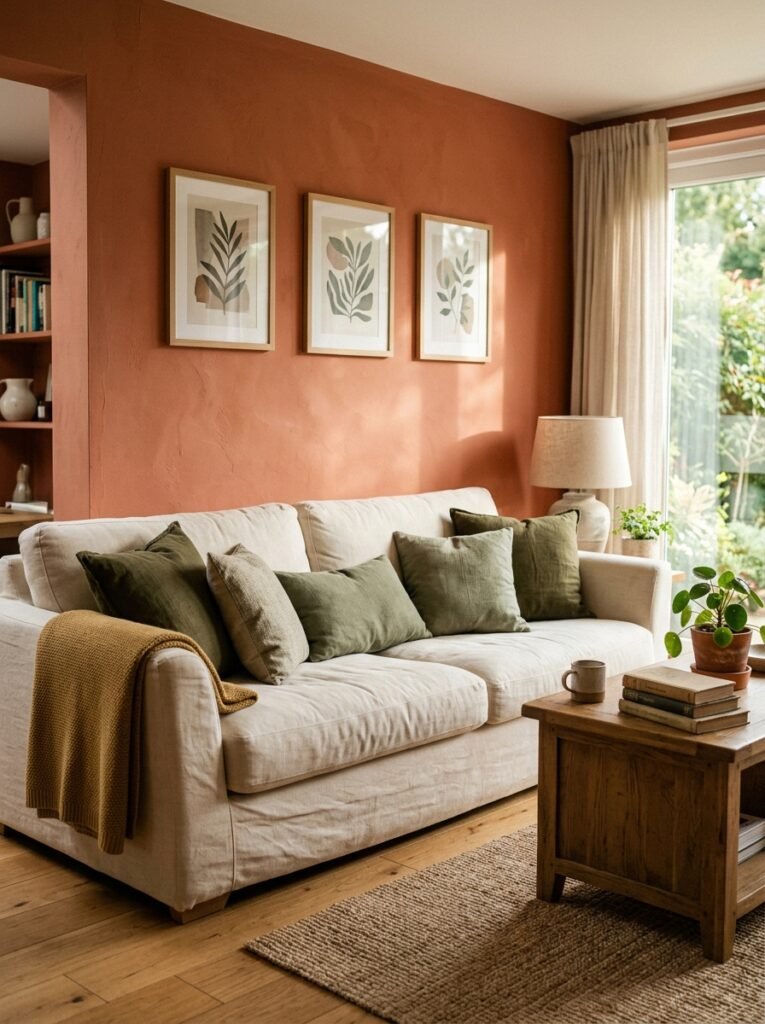
Warm whites. But not stark, not cool, not the kind that makes your walls look like a hospital corridor. The creamy, slightly-yellow-toned whites. The ones that look almost untouched by artificial light and absolutely GORGEOUS in the late afternoon sun.
Paired with natural wood tones, aged brass, terracotta anything — it’s an incredibly easy combination to work with and almost impossible to get wrong. British interiors have been doing this quietly for years, and American spaces are finally catching up. Or maybe it’s the other way around, honestly I’ve lost track.
The other color that keeps creeping in? Deep, muted green. Not forest green, not sage, something in between. The kind of green that looks like it belongs in an old country house but somehow also works in a city flat. If you’re nervous about committing to a full wall, a single armchair in this tone anchors a neutral room in a way that feels almost magical.
—
4. Lighting Is the Actual Interior Designer in the Room
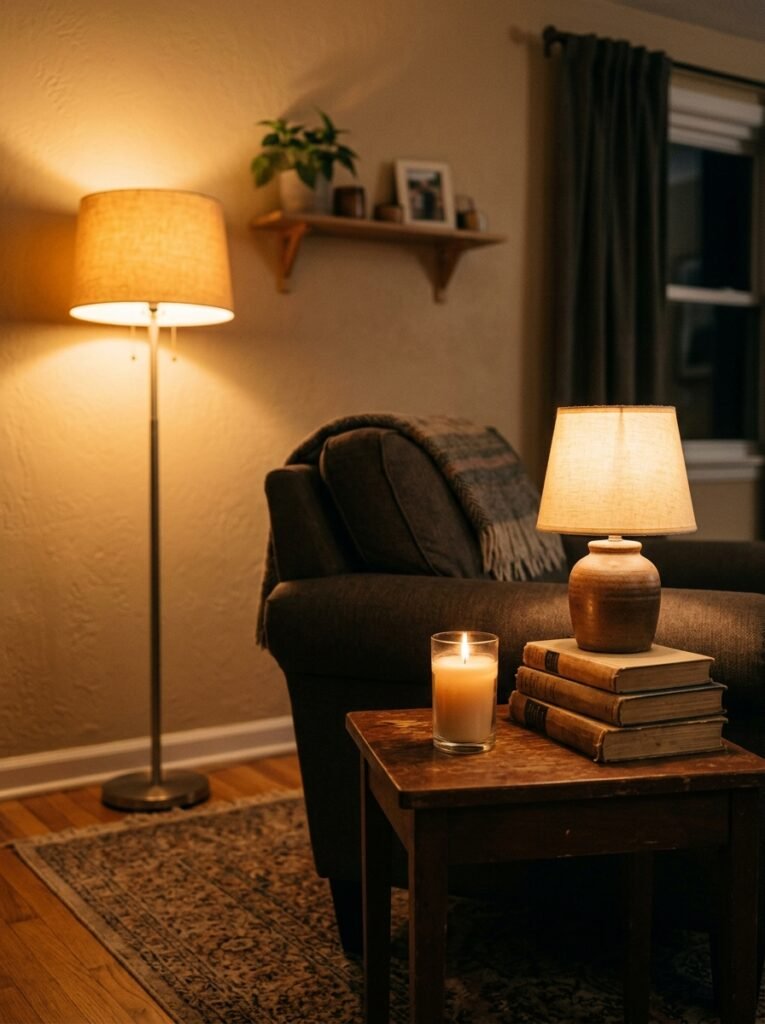
Overhead lighting is a trap. One central ceiling light making everything flat and shadowless — that’s the fastest way to drain every ounce of atmosphere from a space. Turn it off. Seriously, just off.
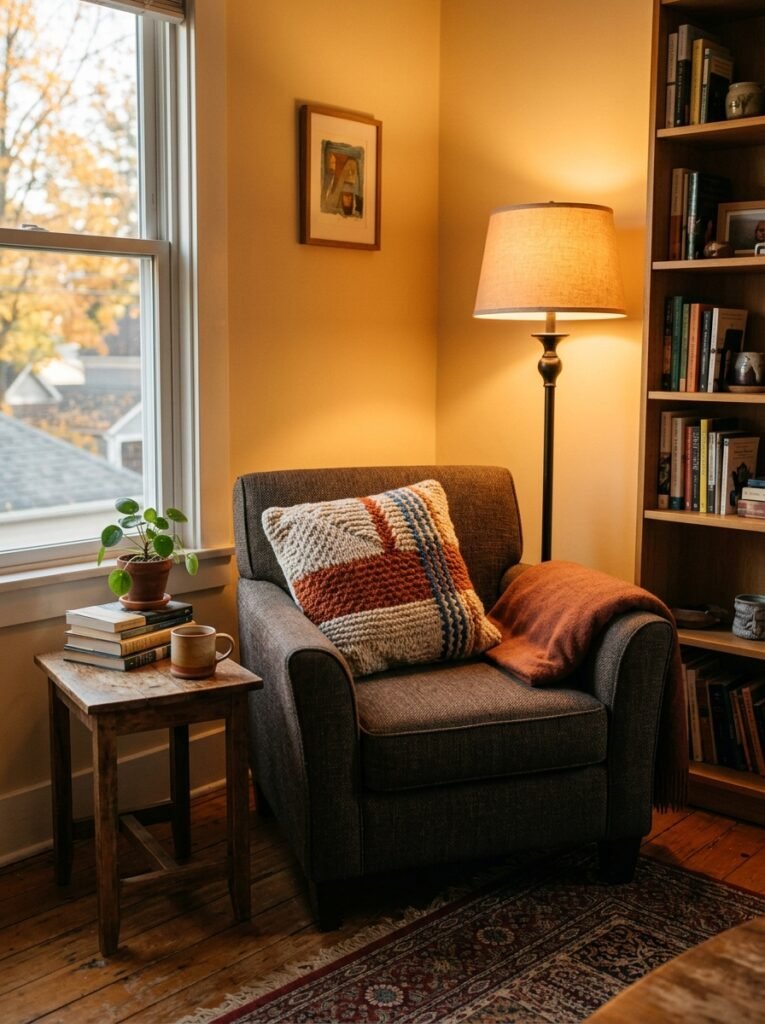
Replace it with layers. A floor lamp in one corner. A table lamp near the sofa. Maybe a small lamp on a bookshelf or console. The amber glow of an Edison-style bulb at around 7pm, with one warm lamp pooling light near a stack of books and another throwing a soft circle across the rug — that’s a room. That’s actually a room.
Side note — bulb temperature matters so much more than people realize. Warm white (around 2700K) is almost always the right call for living rooms. Anything cooler and the whole space shifts from cozy to clinical, and no amount of cushions will fix it.
“Swap out one overhead light for a floor lamp in the corner, and the whole room exhales.”
And candles. I know that’s obvious, but they’re obvious because they WORK. A few grouped on a tray on the coffee table costs almost nothing and does more for the atmosphere than a very expensive redesign.
—
5. The One Rule That Makes Any Tiny Room Feel Intentional
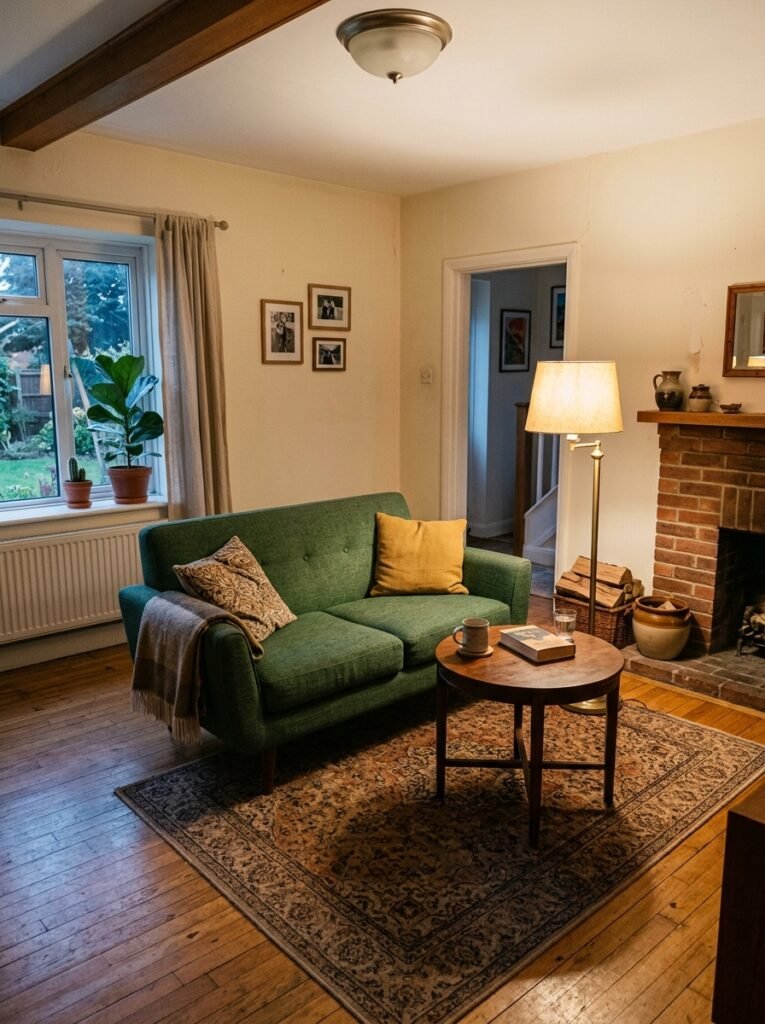
Edit. That’s the rule. Edit like you mean it.
Small rooms fail not because they’re small but because they’re trying to do too much. Every surface has something on it. Every wall has something hanging from it. The eye doesn’t know where to rest, so it just gets tired.
Pick three to five things per surface, maximum. And make sure there’s at least one surface with nothing on it at all. That empty space isn’t wasted — it’s breathing room. It’s what lets the eye appreciate the things you DID choose to display.
In a compact British sitting room or a small American apartment living room, this editing discipline is the difference between a room that feels cramped and one that feels considered. Deliberately minimal is a choice. Accidentally cluttered is just clutter.
—
6. Throwing a Blanket Like You Mean It
This sounds ridiculous. Bear with me.
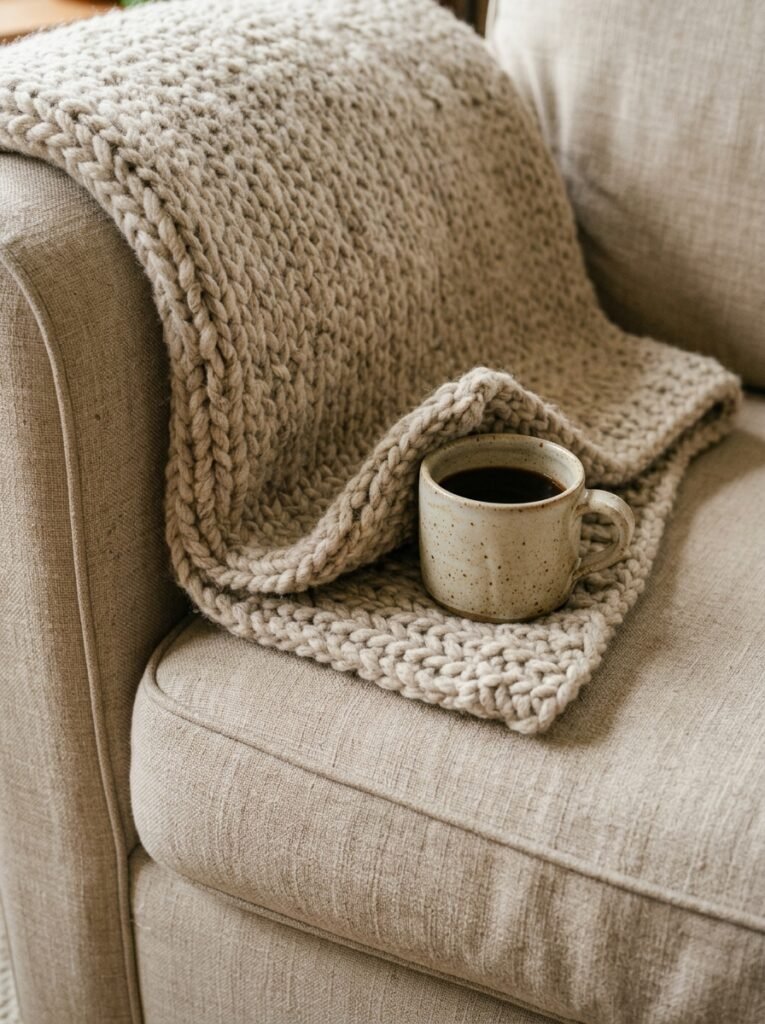
A blanket thrown perfectly is somehow worse than no blanket at all. Too symmetrical, too draped-for-the-camera — it reads as fake. The rooms that stop you mid-scroll on Pinterest, the ones that feel genuinely lived in? The blanket is casually folded, or loosely bunched at one end of the sofa, or half-trailing off an armchair like someone just got up.
Same goes for cushions. Odd numbers. Different textures. Not all the same size. Squish them slightly so they look used rather than brand-new. Mixing a linen cushion with a velvet one with something chunky-knit — that layering is what gives a sofa its personality.
The whole point of a living room is that people actually live in it, and a space that shows that evidence is one that feels warm rather than staged.
—
7. What Your Bookshelf Is Probably Missing
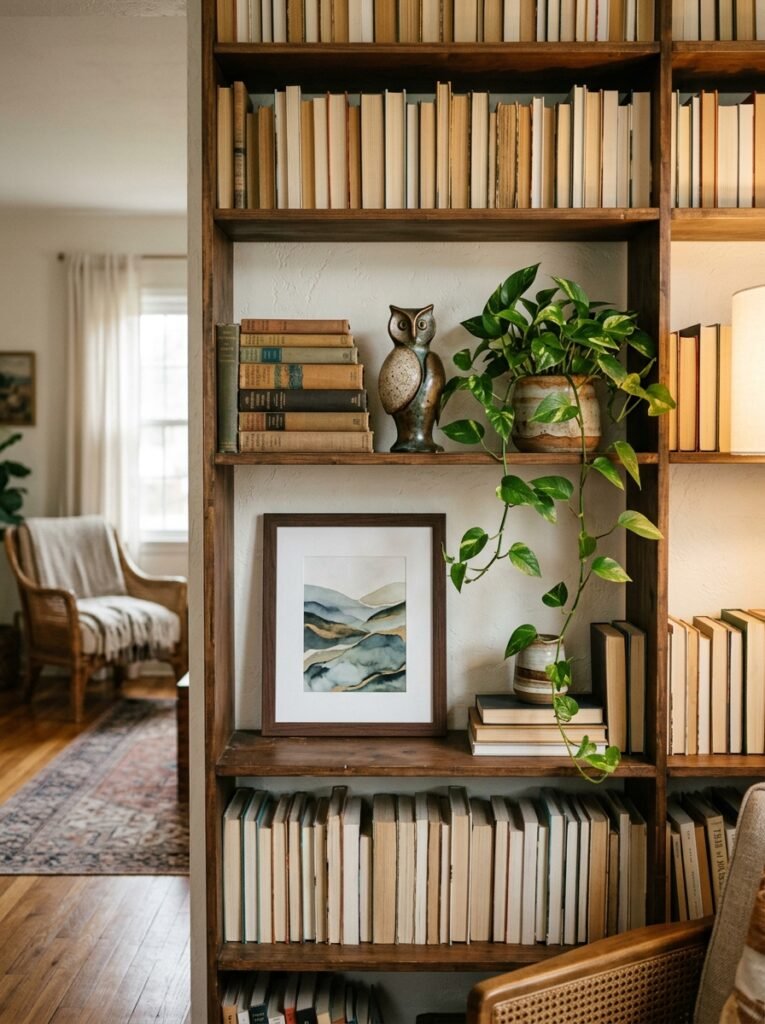
Books facing spine-out isn’t the only option. Some people turn a handful backwards so you see the pages — it creates this creamy, textural wall of paper that actually looks beautiful and a bit editorial. Not ALL of them, please. Just a row here and there, mixed in.
Break up the books with objects: a small plant, a smooth stone, a framed photo, a candle. Vary the heights by propping some books horizontally as a riser for whatever sits on top. Leave a little breathing room between groupings.
And honestly? A shelf that’s a bit imperfect — slightly overfull in one section, a little bare in another — tends to feel more real than a shelf that’s been styled to perfection. The perfectly styled bookshelf photograph is everywhere. The bookshelf that looks like someone you’d actually want to have over for dinner? That’s rarer, and more interesting.
—
8. Bringing the Outside In Without It Looking Like a Garden Centre
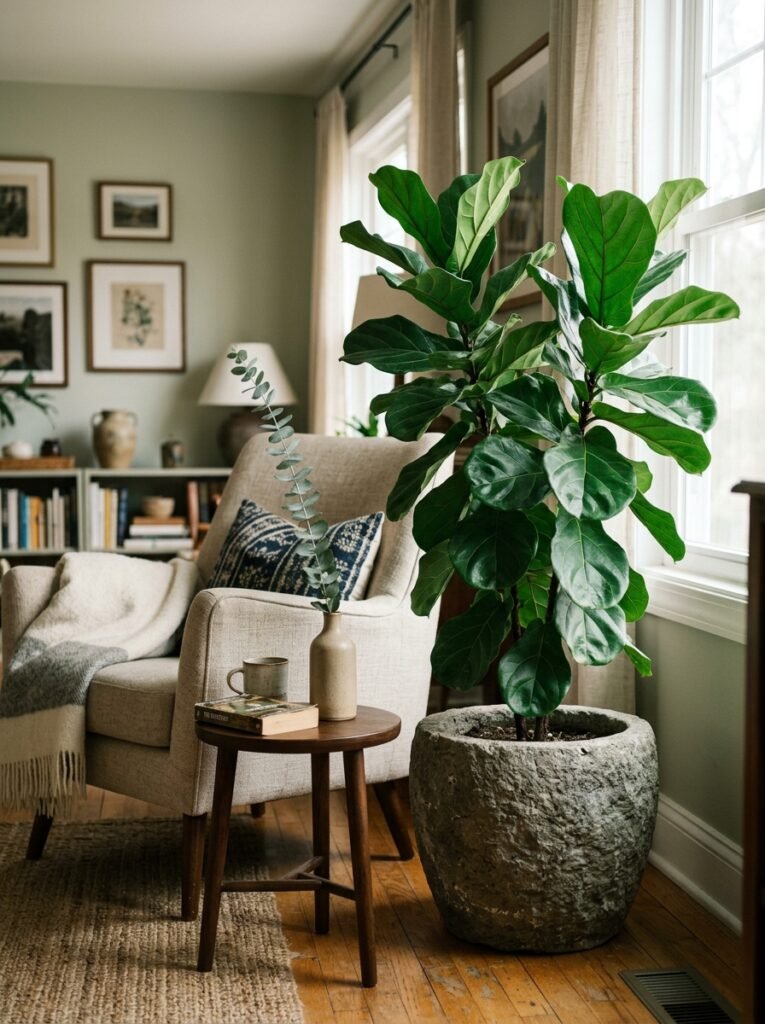
Plants in living rooms are genuinely transformative — oh wait, I can’t use that word. Let me try again. Plants in living rooms are genuinely alive in a way that nothing else you bring in can replicate. They move. They grow. They change the air. They add color that isn’t fabric or paint.
But a random plant dropped in a corner doesn’t do much. Scale is everything. One large plant — something with real presence, big leaves, height — makes more impact than six small ones scattered around competing with each other.
A tall fig tree variety next to a sofa. A large-leaf tropical plant in a terracotta pot in an empty corner. Something trailing off a high shelf. These are statements, not decorations.
“One large plant in the right spot does more for a room than six small ones fighting for attention.”
For low-light rooms — and British living rooms in winter, you know what I mean — go for shade-tolerant varieties. There are more options than people think, and a plant that actually thrives looks a thousand times better than a sad, yellowing one that’s barely surviving.
—
9. The Coffee Table Styling Formula That Actually Works
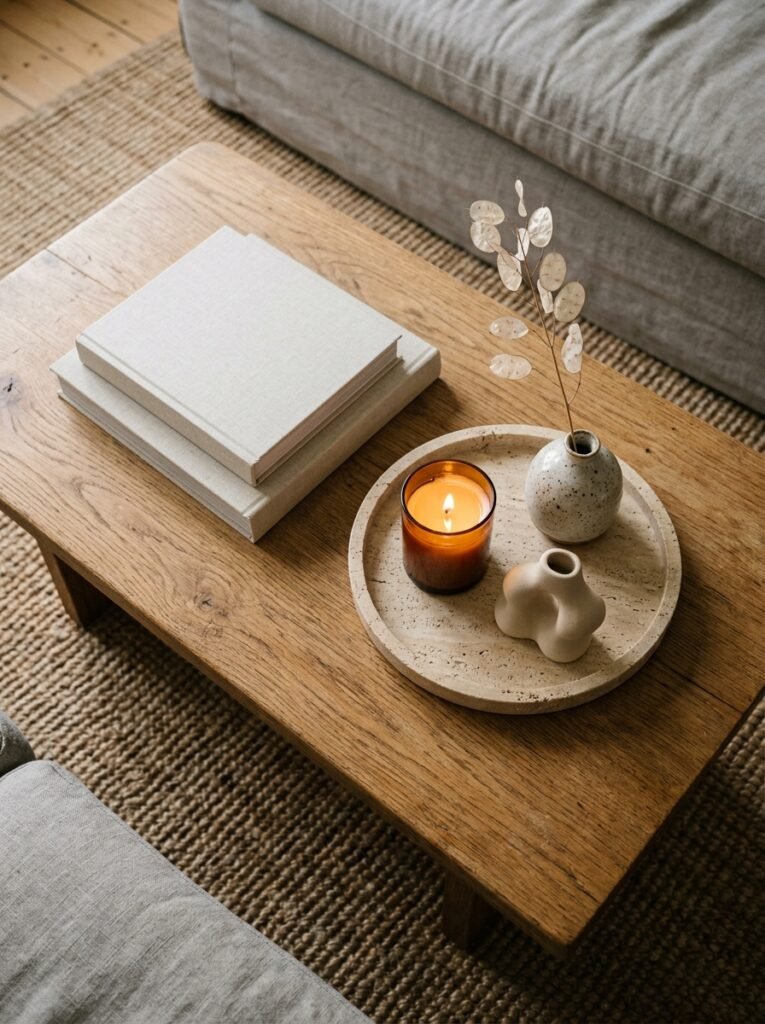
Three levels. That’s it.
Something tall-ish (a vase with stems, a small plant, a tall candle). Something medium (a stack of books or a decorative object). Something flat or low (a tray, a few small stones, a coaster stack). You don’t need all three every time, but when a coffee table looks right, it usually has this variety of height happening.
A tray is a secret weapon because it groups things together and makes a collection of random objects look intentional. It creates a boundary. It says: these things belong together. Without it, the same objects look scattered.
Change it seasonally and it costs you almost nothing — dried grasses in autumn, bare branches in winter, fresh stems in spring. The bones of the styling stay the same, but the mood shifts.
—
10. The Wall Above Your Sofa Is Not Wasted Space
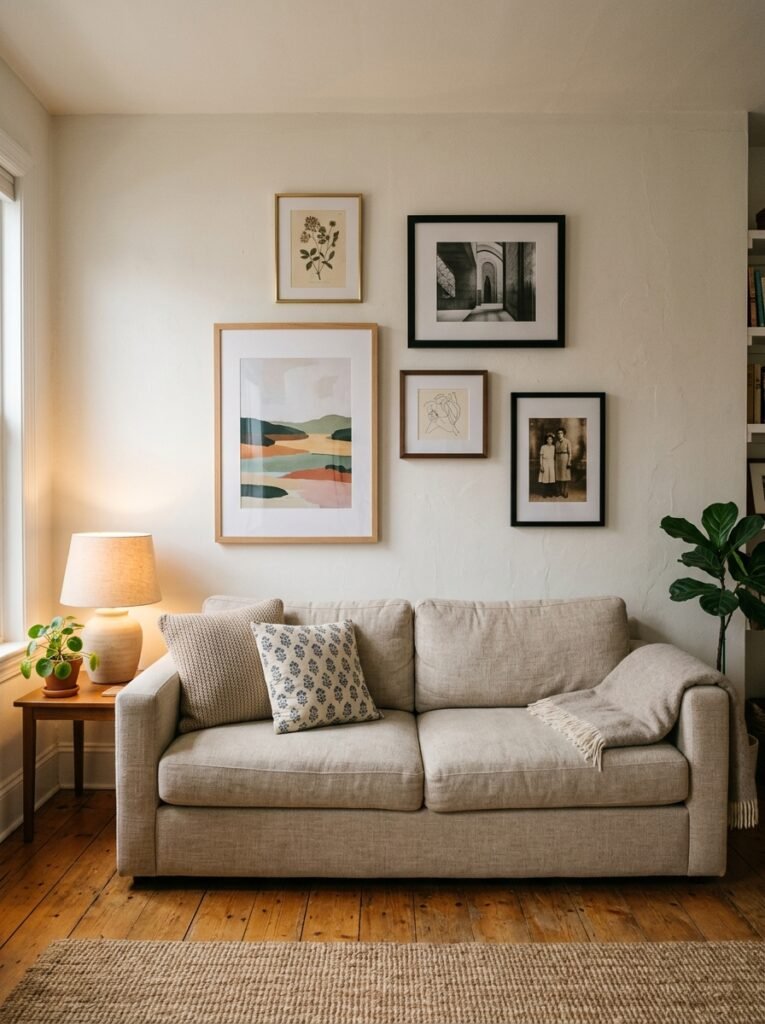
Gallery walls can go wrong fast, so here’s what keeps them from looking chaotic: pick one unifying element. Same frame color. Same mat color. Same general vibe. You don’t need everything to match, but you need that one through-line to keep the eye from bouncing around frantically.
Or skip the gallery wall entirely and go big. One large piece of art, properly sized for the wall, hung at the correct height (center at eye level, which is roughly 57 inches from the floor — people hang art too high, constantly), can do everything a gallery wall does in one move.
A single oversized mirror works the same way and also bounces light around the room. In a north-facing room or a darker British sitting room, a well-placed mirror doesn’t just look good — it genuinely changes how the whole room feels in the afternoon.
—
11. Texture Is the Thing You’re Probably Not Adding Enough Of
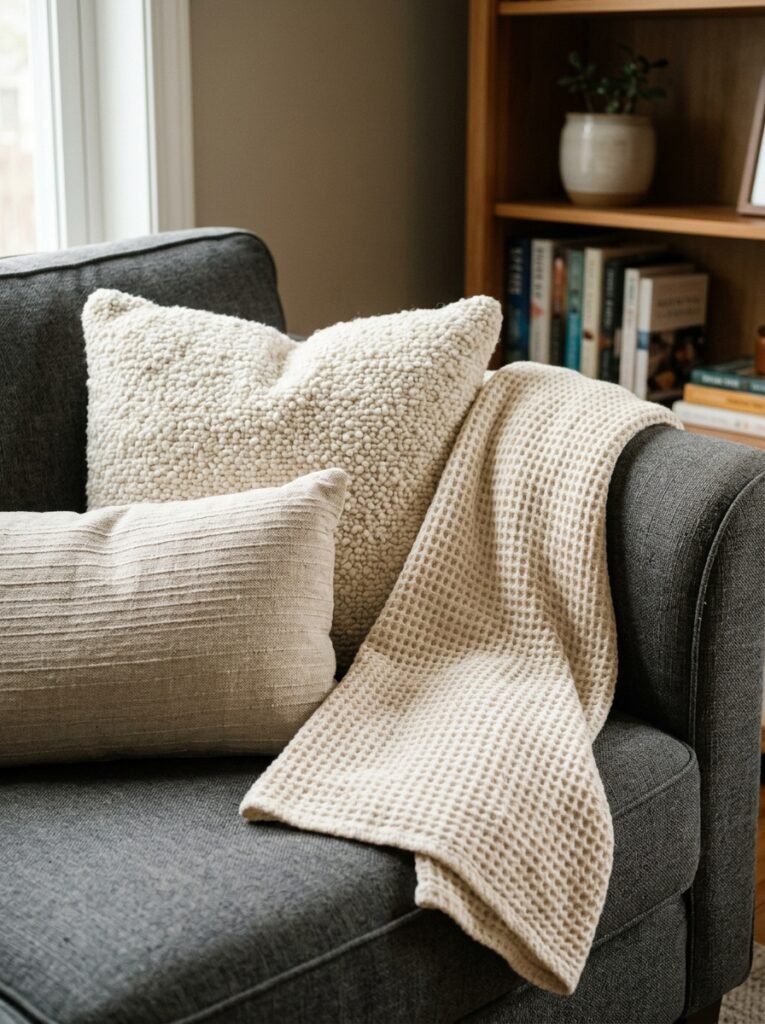
In a room where everything is the same material — smooth walls, smooth sofa, smooth coffee table — something feels flat even when the color palette is perfect. Texture is what gives a room its depth, its visual noise, its sense of having layers.
Chunky wool. Woven wicker. Rough-hewn wood. Hammered metal. Matte ceramic next to smooth linen next to something with a slight sheen.
You don’t need to overdo it. But in a room that feels a bit cold or a bit empty even though it’s reasonably furnished, the answer is almost always texture before it’s more furniture or more color. A chunky knit throw over the back of a sleek sofa. A woven basket as a side table. A terracotta pot against a painted wall. These are inexpensive shifts with outsized impact.
—
12. The Small Detail That Ties a Whole Room Together
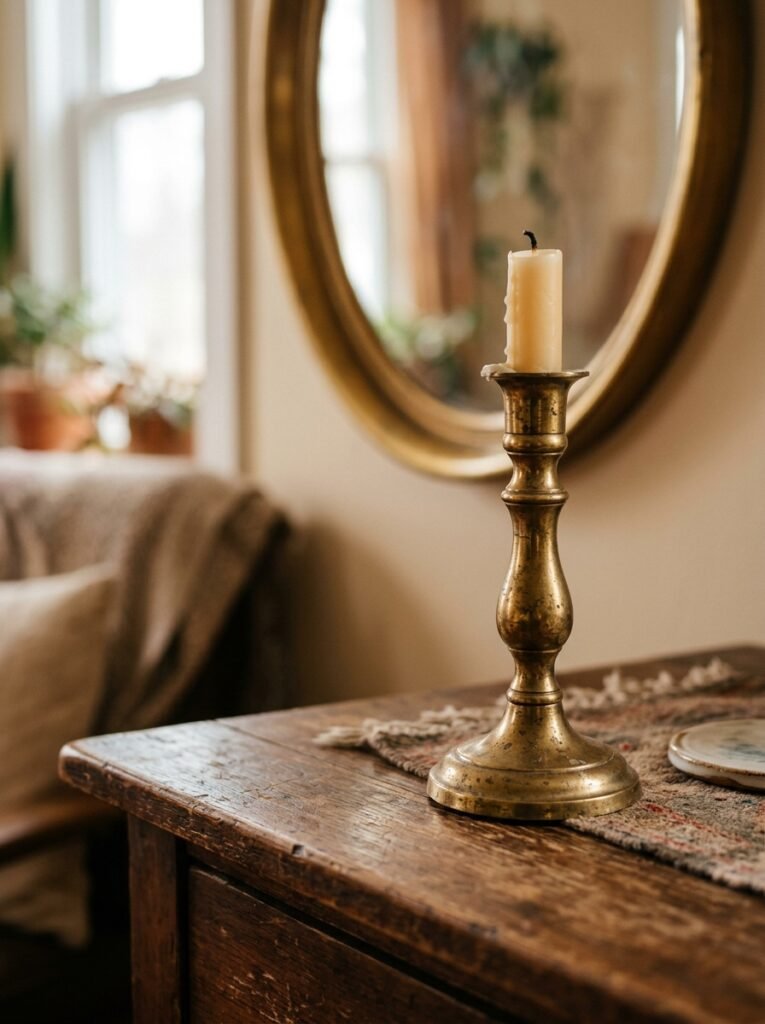
Scent. I know it’s not visual, but hear me out.
A living room that smells amazing — a candle you light every evening, a diffuser with something warm and woody, even just the smell of fresh flowers in a small vase — creates a full sensory experience that photographs of a room cannot capture. But when someone walks in? They feel it immediately.
It becomes part of the room’s identity. Visitors remember how your living room made them feel, not exactly what was in it. And how a room smells is one of the fastest ways to land that feeling of warmth, of welcome, of somewhere worth staying.
That said — one scent at a time. One candle, not four competing ones. The goal is a whisper of something lovely, not a scent overload that makes people subtly back toward the door.
—
❓ FAQ
Q: How do I make my living room look more expensive without spending a lot? A: Edit first — remove anything that doesn’t earn its place. Then focus on lighting: swap harsh overhead bulbs for warm-toned lamps and suddenly the room reads as intentional. Grouping smaller objects on a tray and adding one larger plant also goes a surprisingly long way.
Q: What’s the biggest decorating mistake people make in their living room? A: Furniture against the walls. It feels like it creates space, but it actually makes a room feel impersonal and hard to relax in. Pull seating away from the walls, float it around a rug, and the whole room changes. The second mistake is the rug being too small — size up almost every time.
Q: How do I make a small living room feel bigger? A: Don’t try to “hide” the smallness with too much furniture or too many small decorative pieces — it makes it worse. Instead, choose one or two larger statement pieces over many small ones, keep the color palette light and cohesive, and make sure you’ve got at least one large mirror to bounce light. Editing ruthlessly and leaving some surfaces completely empty also makes a room feel more spacious than adding more things ever will.
—
💭 Final Thoughts
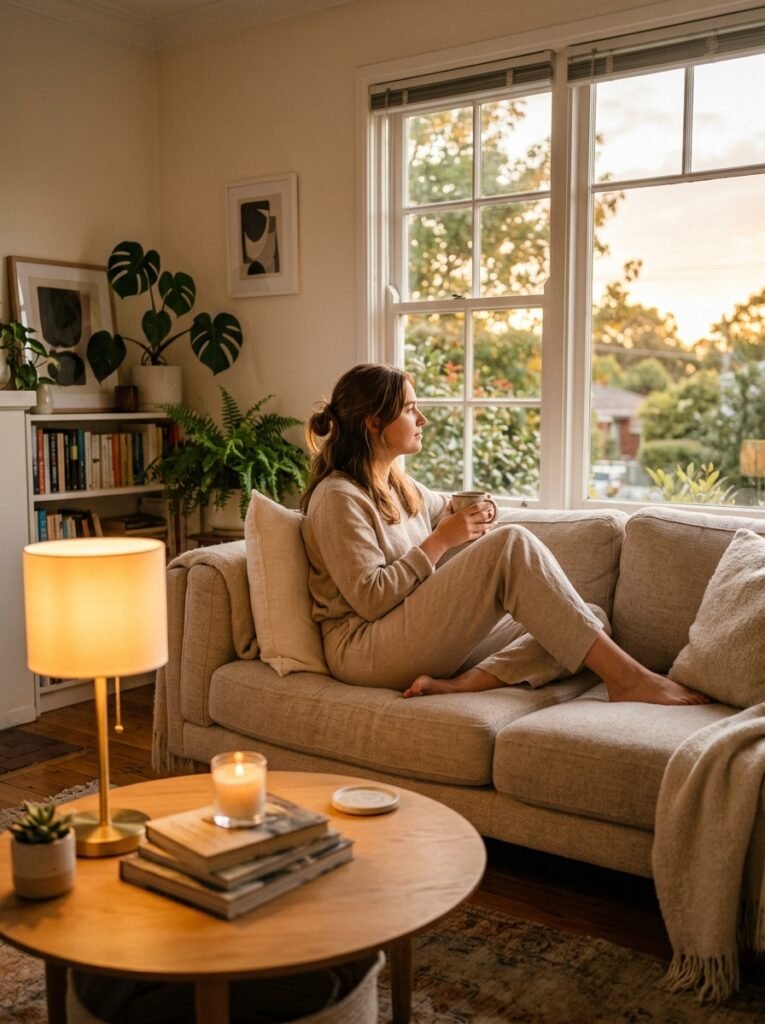
Your living room doesn’t need to be finished to be beautiful. Some of the best-feeling rooms I’ve ever been in were clearly works in progress — a bare wall waiting for the right thing, a corner still figuring itself out. The rooms that feel alive are the ones that clearly belong to someone.
Start with one change. Just one. The furniture pull, the lamp, the rug sizing. See what shifts, and go from there.
What’s the one thing in your living room that’s been quietly bothering you — the thing you walk past every day and think “I’ll fix that eventually”?