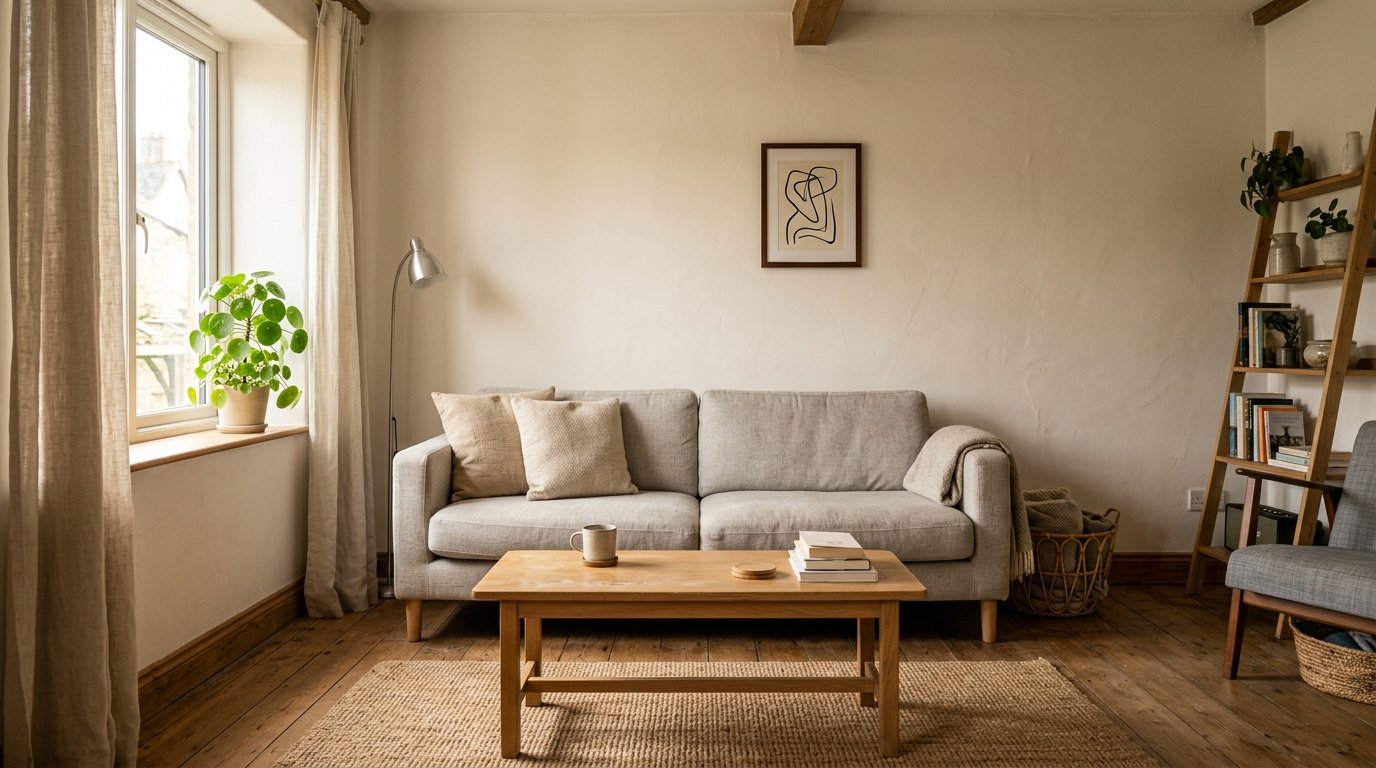
The Minimalist Living Room You Actually Want (And It Didn’t Cost a Fortune)
My friend walked into my flat last spring and said, “I don’t know what you did in here, but it feels like a different room.” I hadn’t bought a single new piece of furniture. Not one.
That’s the thing about minimalism on a budget — it’s almost never about buying more. And once you understand that, everything gets easier.
—
1. The First Thing to Do Isn’t Shopping — It’s Subtracting
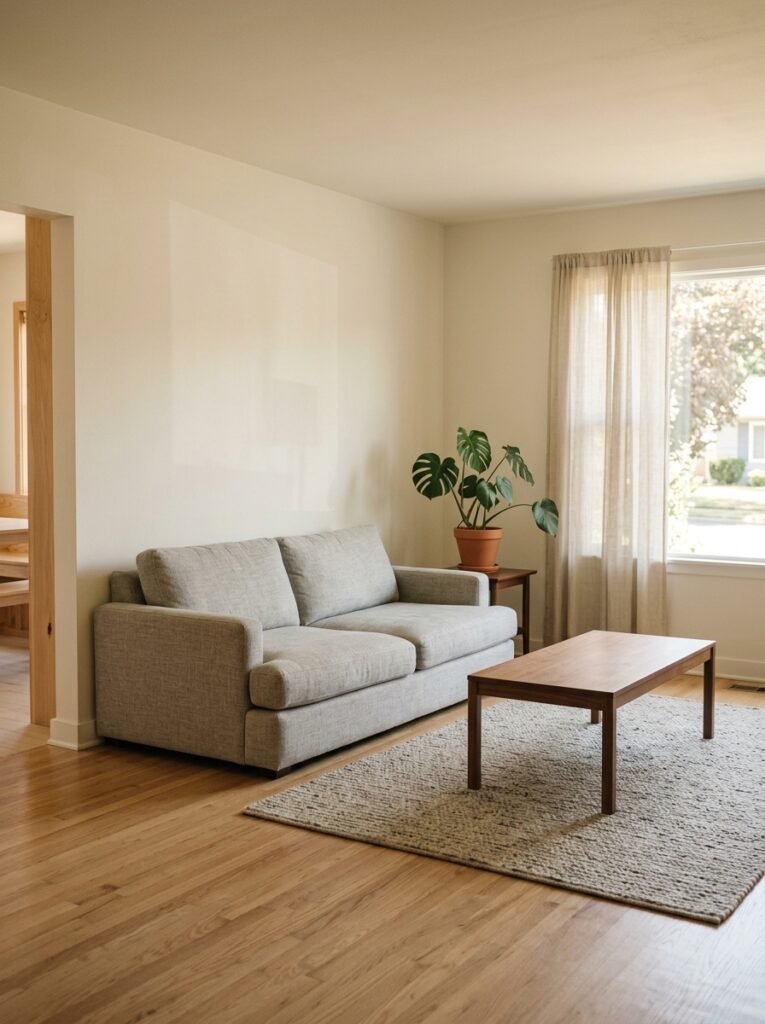
Seriously. Before you spend a single dollar or pound, pull everything out of your living room that doesn’t need to be there. I mean everything. Magazines from 2021, the throw pillow you bought because it was on sale, the decorative bowl with spare batteries and a mystery key in it.
Put it all in another room. Bin bags work fine.
Then sit in the space for ten minutes.
This is the part nobody talks about, because there’s nothing to pin or screenshot. But it’s the most important step, and I’m not gonna lie, it’s kind of uncomfortable. You realize how much of the clutter you’d genuinely stopped seeing. The room looks bigger. A little raw. Maybe weirdly good already.
What stays has to earn its place. That’s it. That’s the whole philosophy.
“Minimalism isn’t an aesthetic. It’s the decision that the thing you already own is enough.”
Don’t go back and add things in because the room “feels empty.” Sit with empty for a bit. You’ll be surprised what you stop missing.
—
2. The Color That Keeps Showing Up in Every Beautiful Budget Living Room Right Now
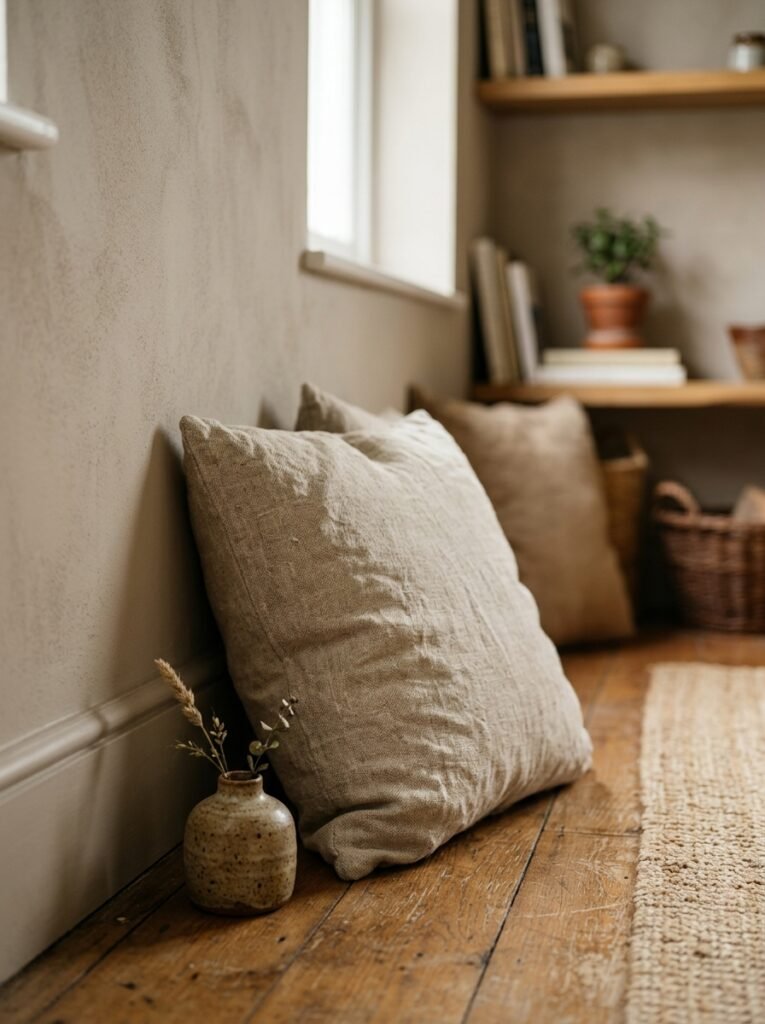
Warm white. Not cold white — warm white.
There’s a difference, and it’s a big one. Cold white with overhead lighting turns your living room into an office. Warm white — think linen, cream, the inside of a seashell — bounces light around in a way that makes cheap furniture look intentional and cozy corners look like you planned them.
If you’re renting and can’t paint, this is where soft furnishings save you. A cream cotton throw draped over a sofa can shift the whole palette of a room faster than you’d think. Same with a wheat-colored cushion cover. You’re not trying to achieve perfection, you’re trying to achieve a visual calm.
Warm whites also work beautifully with natural wood tones, which is convenient because natural wood furniture tends to be cheaper and way easier to find secondhand.
And secondhand — we’ll get to that.
—
3. What a Secondhand Shop Can Do That a New Furniture Store Can’t
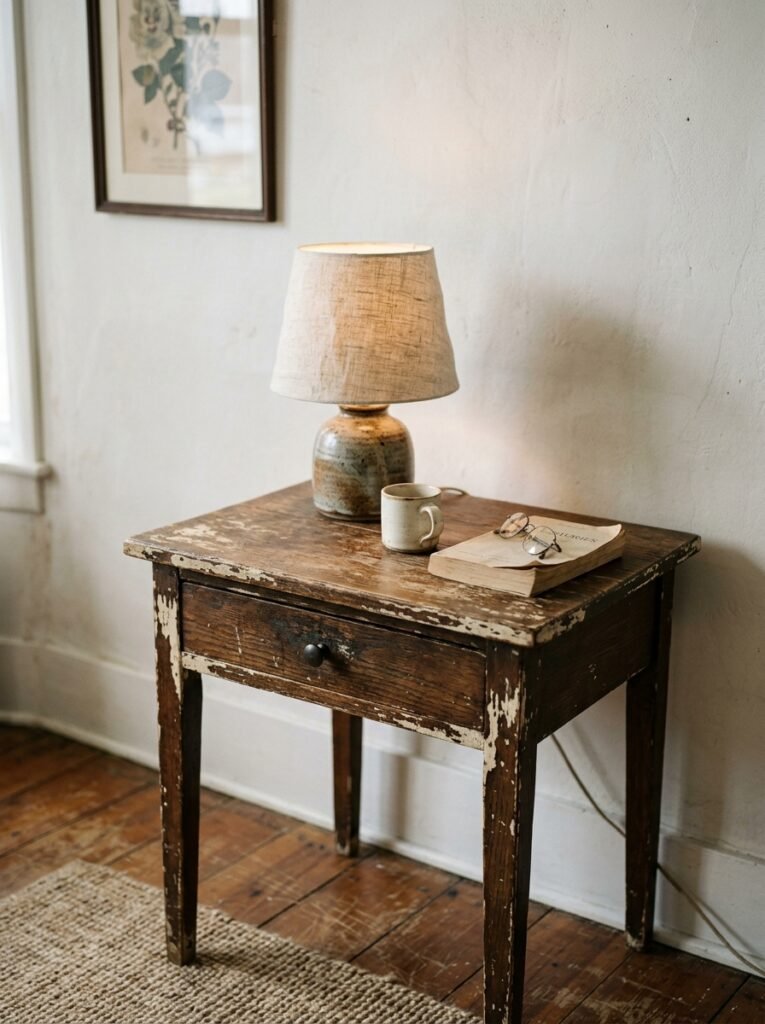
Character. That’s what you get.
A solid wooden side table with a small nick in the corner tells a story. A new flat-pack version with clean laminate edges tells no story. And in a minimalist room — where there’s less stuff to look at — story matters more, not less.
I’ve found some genuinely beautiful pieces at estate sales, charity shops, and car boot sales. A small linen loveseat for almost nothing. A solid oak coffee table for twenty pounds. And here’s the kicker: these things are SOLID. Made differently than most of what’s on the market now.
You don’t need to reupholster if the bones are good. A secondhand sofa in a slightly awkward color? Throw a textured slipcover over it. Done.
The hunt takes longer than clicking “add to cart.” But you end up with a room that looks curated rather than assembled. And honestly, that’s what you’re going for.
—
4. The One-Rug Rule That Makes a Small Living Room Feel Considered
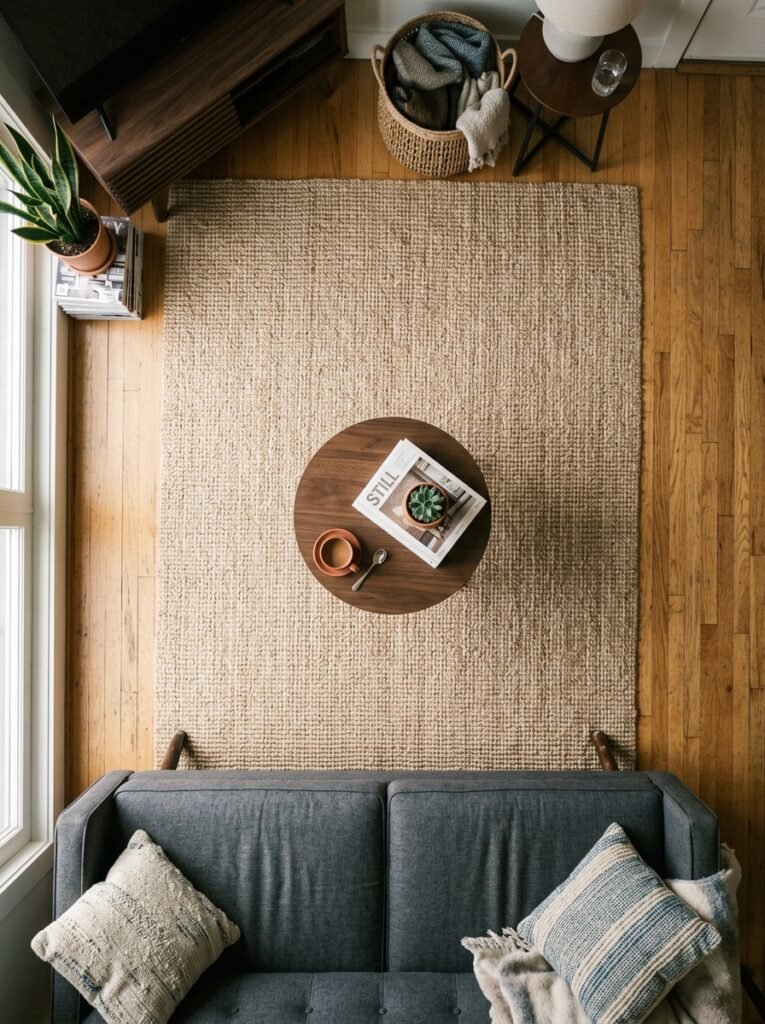
Here’s something I got wrong for years. I kept buying small rugs because they were cheaper. And I kept wondering why my room felt choppy and weirdly unfocused.
The rule is: one rug, big enough that the front legs of your sofa sit on it.
That’s it. One rug, right size. It grounds the seating area, makes the space feel anchored, and signals that someone thought about this room. A small rug pushed under a coffee table in the middle of a big room looks like an afterthought. A large rug that ties the furniture together looks like a decision.
“One large rug bought secondhand will do more for your living room than ten small decorative purchases.”
Woven jute or a flatweave cotton in a neutral tone are usually the most affordable options and they photograph beautifully, which, I mean, we’re on Pinterest so let’s be honest about priorities.
—
5. Lighting That Costs Almost Nothing and Changes Everything
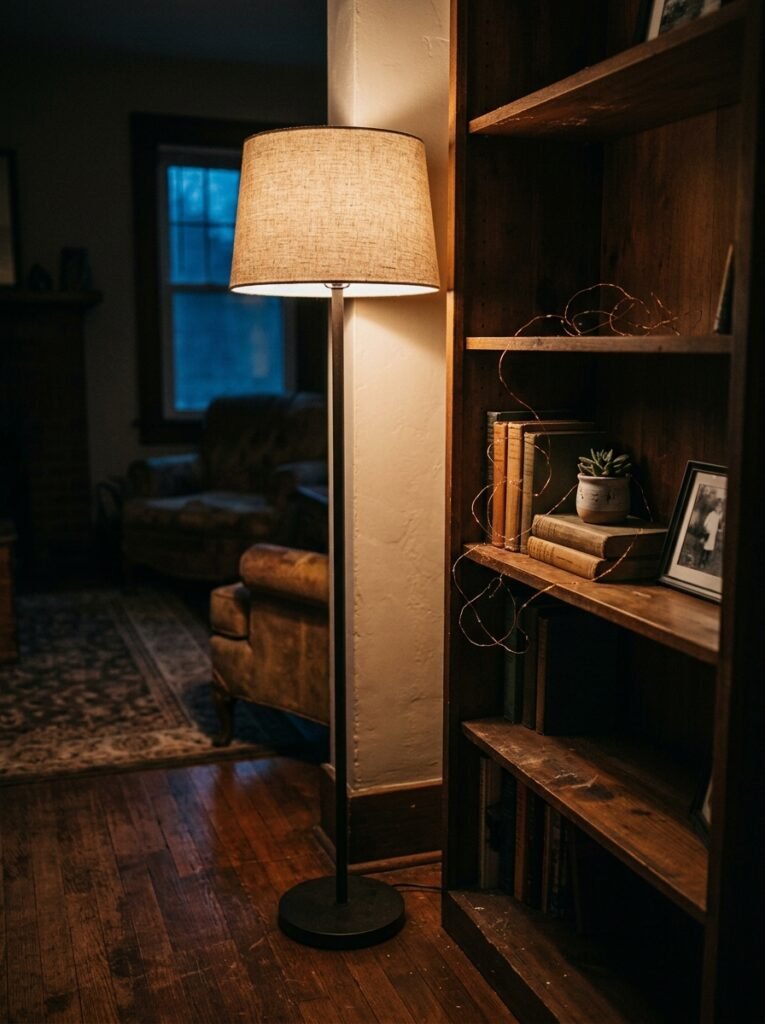
Overhead lighting is the enemy. I said it.
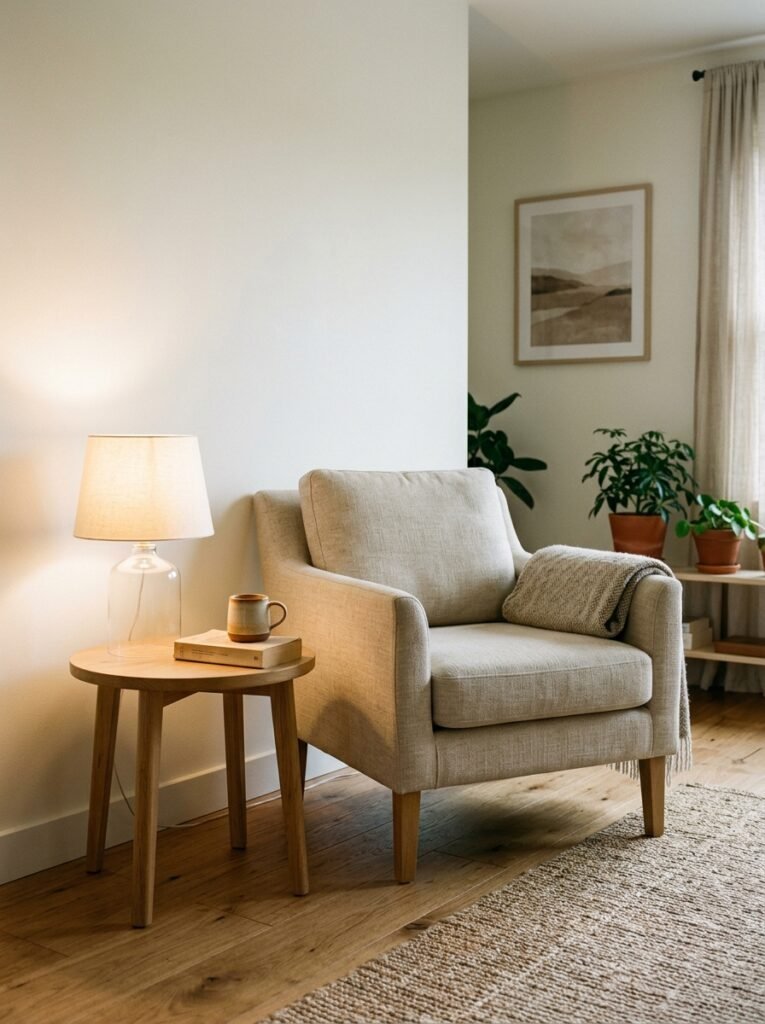
The amber glow of a lamp at 7pm transforms a room in a way that no amount of styling can replicate. It’s not about expensive light fixtures — it’s about where the light lands and how warm it is. A simple plug-in lamp from a charity shop, a warm-toned bulb, and suddenly your budget living room looks like a design magazine spread.
The trick is layers. One lamp isn’t quite enough. Two lamps in different corners create a pool-of-light effect that makes the whole room feel more intentional. If you’ve got a windowsill, a small candle or two in the evening adds something almost ridiculous in how much atmosphere it gives you for the price.
Side note — if your main ceiling light has a harsh shade or an ugly fixture, a fabric shade from a thrift store costs almost nothing and can look genuinely lovely. Worth the switch.
—
6. The “One Plant, No Fuss” Approach That Actually Works for Normal People
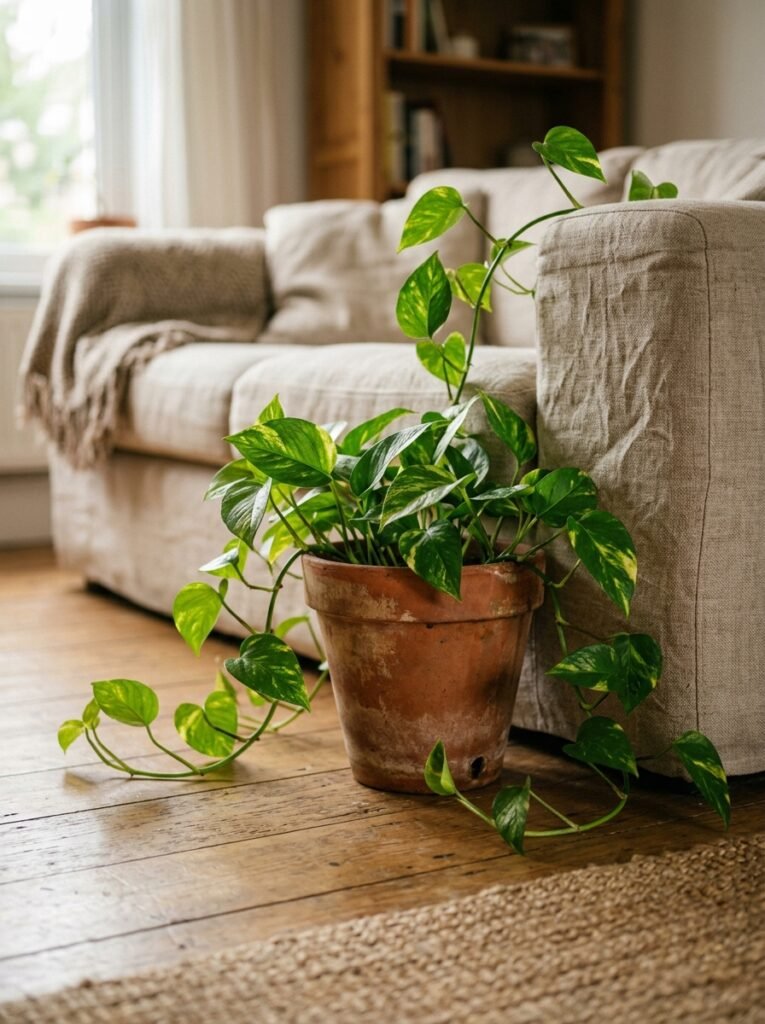
I’ve killed so many plants I can’t even tell you. And for a while I thought a minimalist room meant no plants, which — honestly, just wrong.
You need one plant. Just one. And it should be something basically indestructible.
A snake plant, a pothos, a ZZ plant — something that thrives on neglect. Put it somewhere it can grow to a decent size, give it a simple pot in a neutral tone (terracotta is everywhere right now and it’s cheap), and let it be. A single thriving plant in a clean room does more visual work than a collection of half-dying ones crammed onto a shelf.
The pot matters more than the plant, honestly. A beautiful pot makes a mediocre plant look considered. A plastic nursery pot makes a gorgeous plant look overlooked.
Repot it. Five minutes. Huge difference.
—
7. The Shelf Styling Method That Doesn’t Look Like You Tried Too Hard
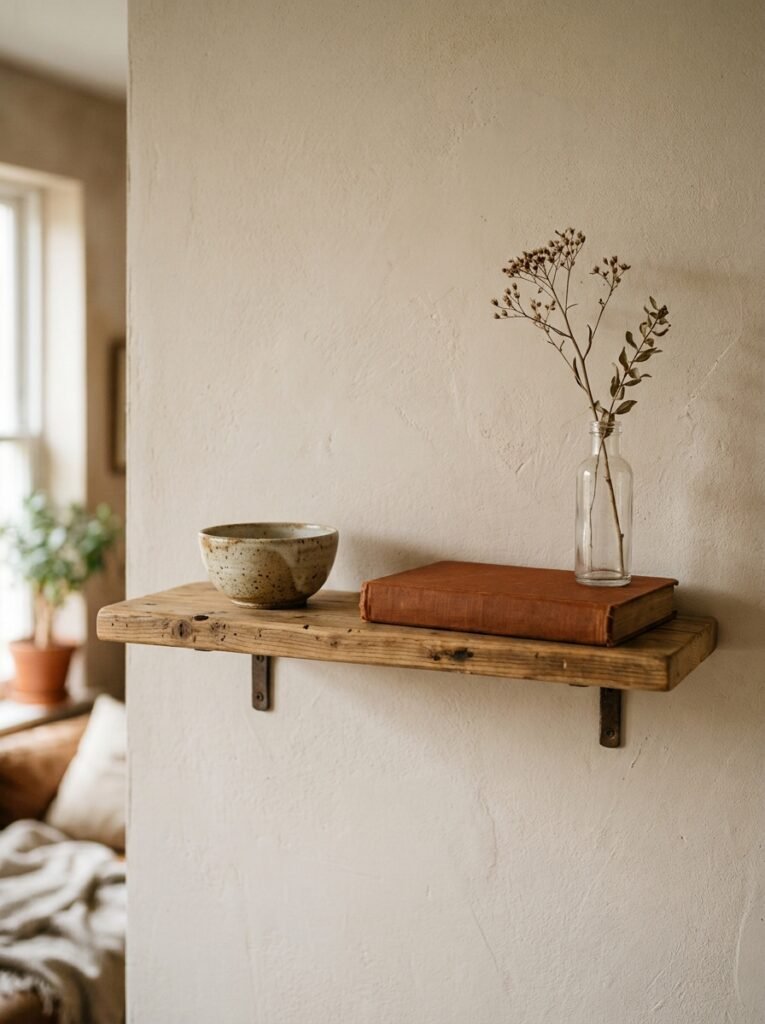
Empty shelves can look stunning. Overfilled shelves look chaotic. So where’s the line?
The rule I’ve landed on: two-thirds full, maximum. And within that, negative space is as important as the objects.
Group things in odd numbers — three, five — not because of some mystical design law, but because it just genuinely looks better. A small stack of books, a single object on top, a gap, then another small cluster. That’s it.
Don’t try to tell a story with trinkets. Keep things abstract: a smooth stone, a small vessel, a dried stem in a bottle. The less literal your shelf styling, the more grown-up and intentional it looks, which sounds counterintuitive but really isn’t.
And — take half the stuff off whatever you currently have. I’d bet it looks better immediately.
—
8. Why the Sofa Cushion Situation Is Probably the Cheapest Fix You Haven’t Tried
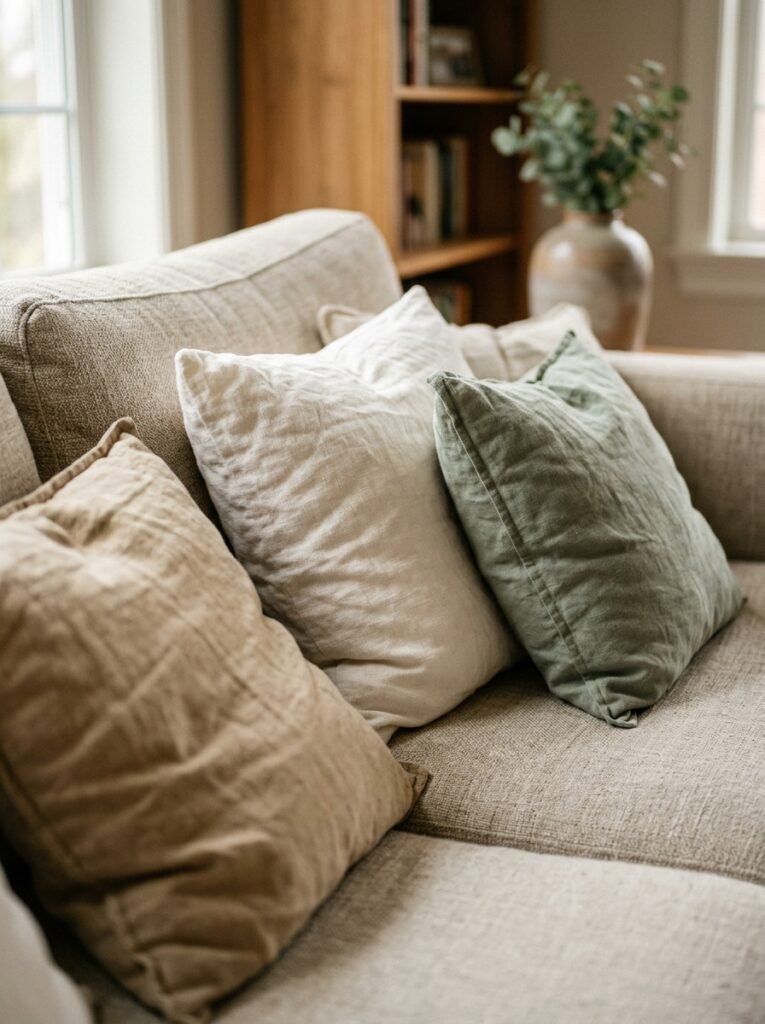
Not gonna lie, cushion covers changed my life slightly. Or at least my living room’s life.
The sofa itself is usually the most expensive thing in a living room, and replacing it isn’t on the table for most people on a budget. But cushion covers are almost nothing. And swapping them is a completely different look in under ten minutes.
For minimalist spaces: go with texture over pattern. A nubby cotton, a waffle weave, a rough linen — these add visual interest without adding visual noise. Two or three cushions in the same neutral family but different textures. That’s the move.
Fewer cushions than you think. Honestly, two on a two-seater sofa is probably enough. Maybe three if you really want the layered look. The Pinterest styling with seven cushions stacked up? Looks great in photos, nightmare in real life when you have to move them to sit down.
“The best styling trick for a budget sofa is the simplest one: fewer cushions, better fabric.”
—
9. What to Do With Blank Walls When You Can’t (or Won’t) Spend Much
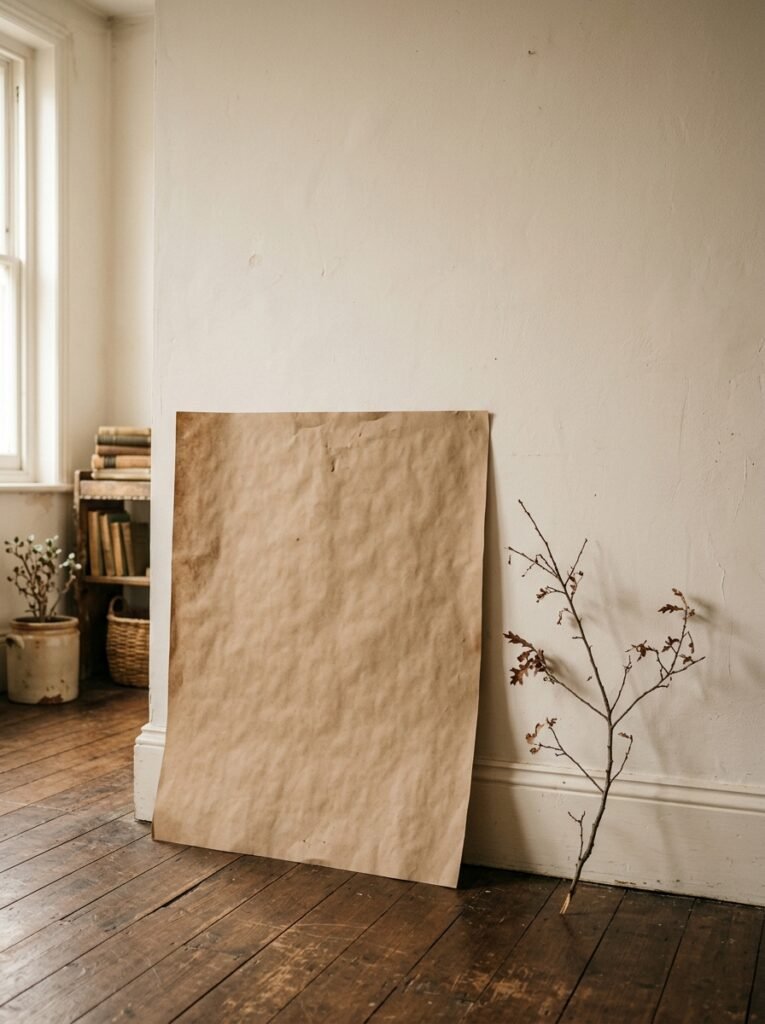
A single large piece of art beats a gallery wall almost every time. I know gallery walls are everywhere and some of them look amazing, but they’re genuinely hard to pull off well, they take hours to hang, and they can make a minimalist space feel cluttered fast.
One large print, framed simply, centered on your main wall. That’s a move. It holds the room together. It gives the eye somewhere to go. And a big print from an independent artist’s print shop is often surprisingly affordable.
If art isn’t in the budget at all: a large mirror works exactly as well, and has the bonus of bouncing light around and making the room feel bigger. A simple arch-top mirror leaning against the wall is the current go-to and it’s incredibly easy to find secondhand.
Don’t cover every wall. Blank walls in a minimalist room aren’t a sign of an unfinished space — they’re breathing room.
—
10. The Coffee Table Rule Nobody Told Me Until It Was Almost Too Late
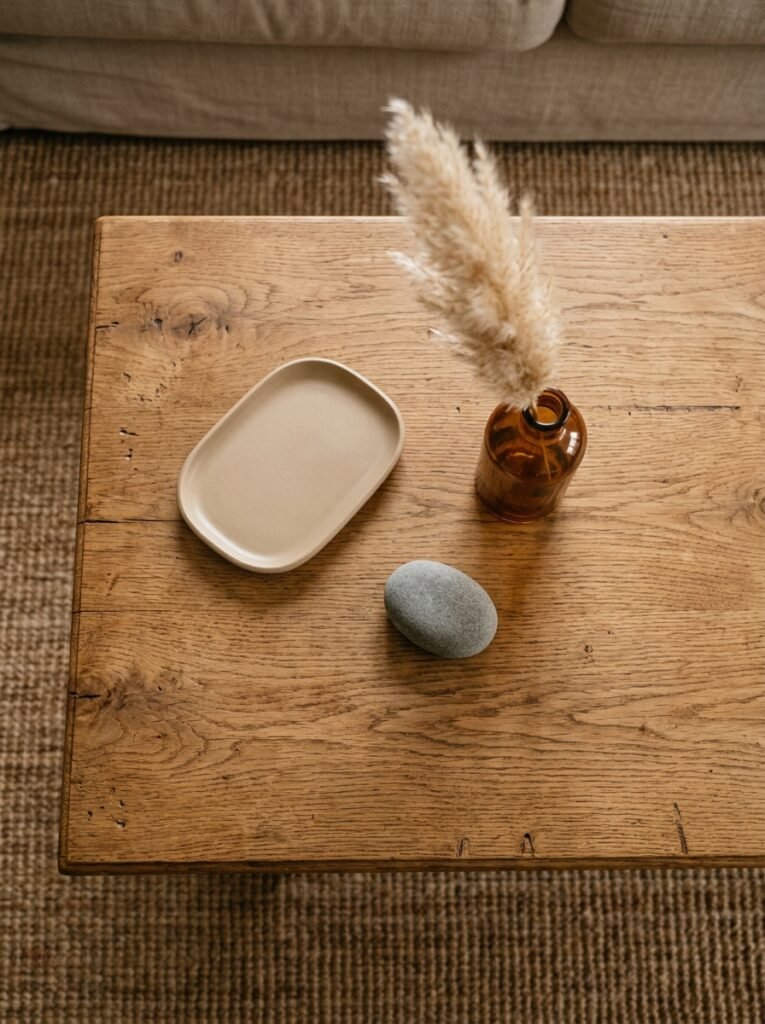
Don’t put too much on it. I know, obvious, and yet — most people’s coffee tables look like a small emergency.
In a minimalist living room, the coffee table surface is a design element, not a landing strip. A single tray (keeps things organized and looks like a decision, not an accident), one small plant or object, a book or two. That’s the limit.
Everything else gets a home somewhere else. The TV remotes go IN the tray. The coasters go IN the tray. The random objects that accumulate? They leave.
And here’s the thing — a clear coffee table makes the whole room look cleaner. Your eye doesn’t snag on it. You actually see the rug, the sofa, the lamp. The space opens up.
—
11. How to Fake a Cohesive Look When You’ve Bought Things Piecemeal Over Years
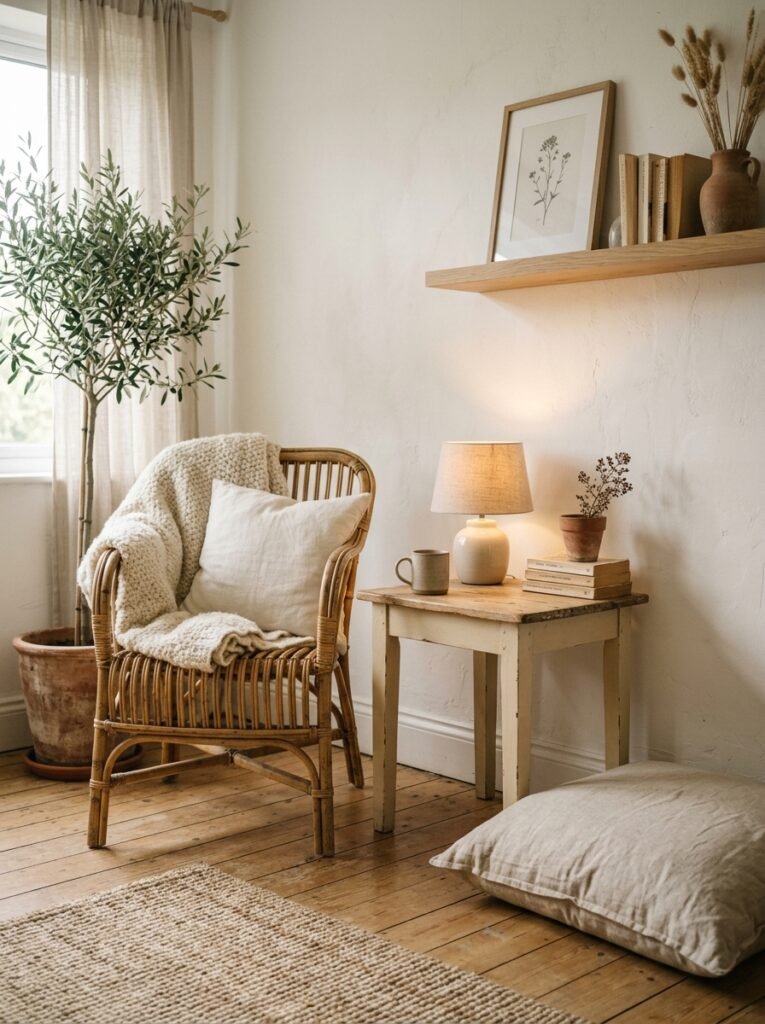
This is the real challenge for most people, and nobody talks about it directly.
The trick is to pick two or three materials and repeat them. If you’ve got a wooden side table, add a wooden frame somewhere. If there’s a metal lamp, look for one other metal element. When materials repeat, even mismatched furniture starts reading as a collection instead of a pile.
Color works the same way. Whatever your main neutral is — warm white, oat, cool grey — carry it across your soft furnishings and you’ll tie everything together even if nothing technically “matches.”
Also: remove the outliers. If one piece of furniture is fighting the rest — wrong scale, wrong tone, just wrong — move it out. Even temporarily. See how the room feels without it.
Sometimes the thing you’ve had the longest is the thing that’s making everything else look worse. That’s a slightly uncomfortable truth. But probably worth sitting with.
—
12. The Finishing Touches That Signal “Intentional” Without Screaming “Expensive”
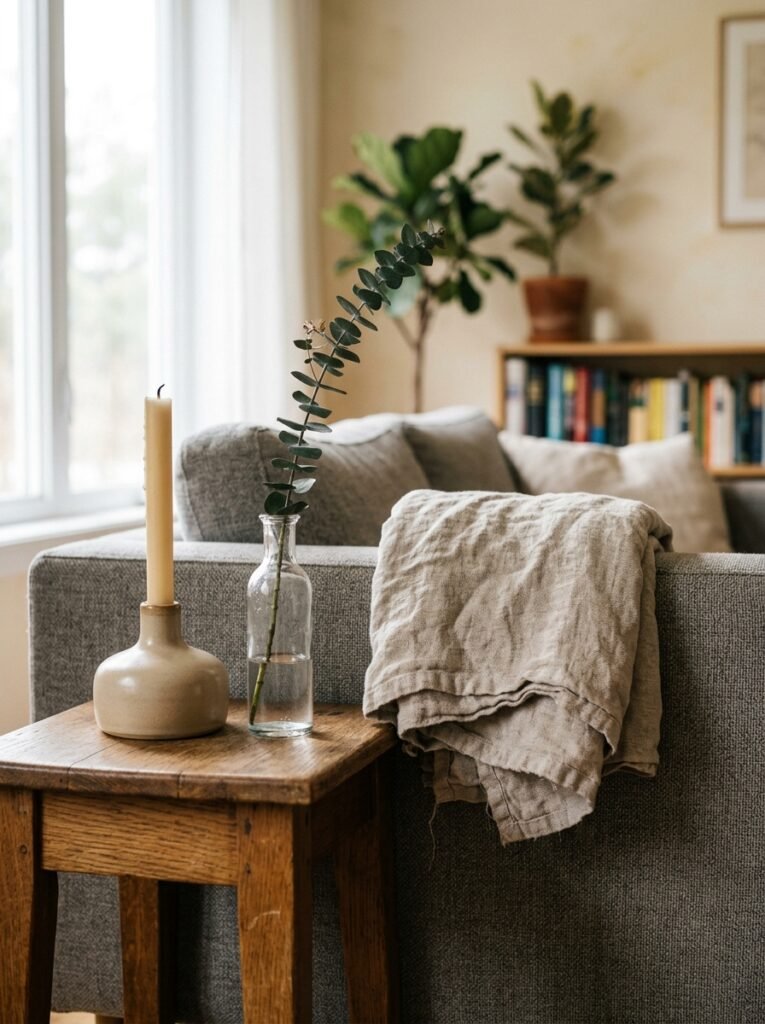
There’s a category of small things that just signal “someone thought about this room.” Not fancy things. Just considered things.
A folded throw in a texture that’s slightly different from the sofa. A candle in a simple holder on the windowsill. Books arranged by color on one small shelf. A tray that corrals the TV remote and a small plant. Nothing here is expensive. None of it takes more than twenty minutes.
But together, they create a room that feels — and this is the word I’m going for — inhabited. Not staged. Not a showroom. A place where someone actually lives, with taste, without spending a lot of money on it.
That’s harder to achieve than it sounds. And it’s also completely achievable.
—
❓ FAQ
Q: Can minimalist decor actually work in a small living room, or does it just make it look sparse? A: It works beautifully in small rooms — in fact, it works better. Minimalism removes the visual clutter that makes small spaces feel cramped. The key is making sure what stays has some warmth to it: a texture, a plant, a lamp. Sparse and cold isn’t the goal; spare and cozy is.
Q: I’m renting and can’t paint or make permanent changes — is a minimalist look still possible? A: Completely possible. Most of what creates a minimalist look is removable: rugs, cushion covers, lamps, mirrors, throws, shelf styling. You can transform a rented room without touching a single wall — and take everything with you when you leave.
Q: How do I stop the minimalist look from feeling cold or unwelcoming? A: Texture is the answer every time. Warm-toned bulbs, a chunky knit throw, a jute or cotton rug, a terracotta pot. Minimalism without texture looks clinical. Add layers of natural materials and it shifts from stark to genuinely inviting.
—
💭 Final Thoughts
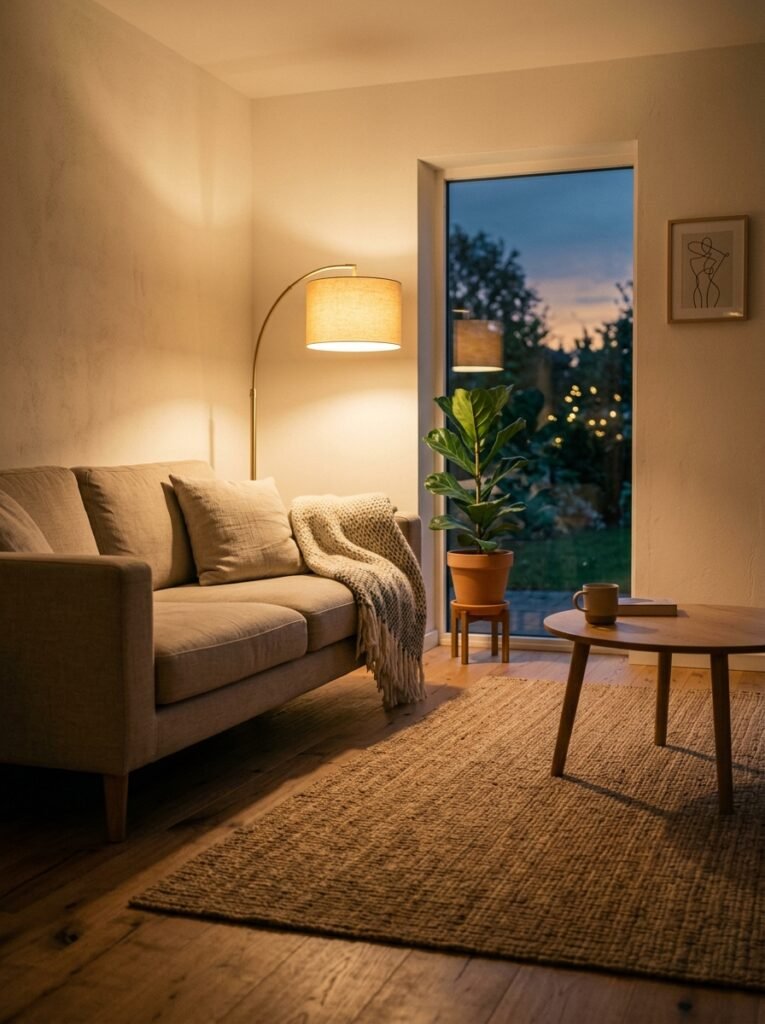
The most minimalist room I’ve ever been in didn’t feel empty. It felt calm, in a way that was almost physical — like the room was exhaling. And nearly everything in it was secondhand, affordable, or already owned.
You don’t need to buy your way into a beautiful living room. You mostly need to be willing to take things away.
So here’s what I keep coming back to: what would your living room feel like with half the objects removed? Not redesigned, not restyled — just quieter?