
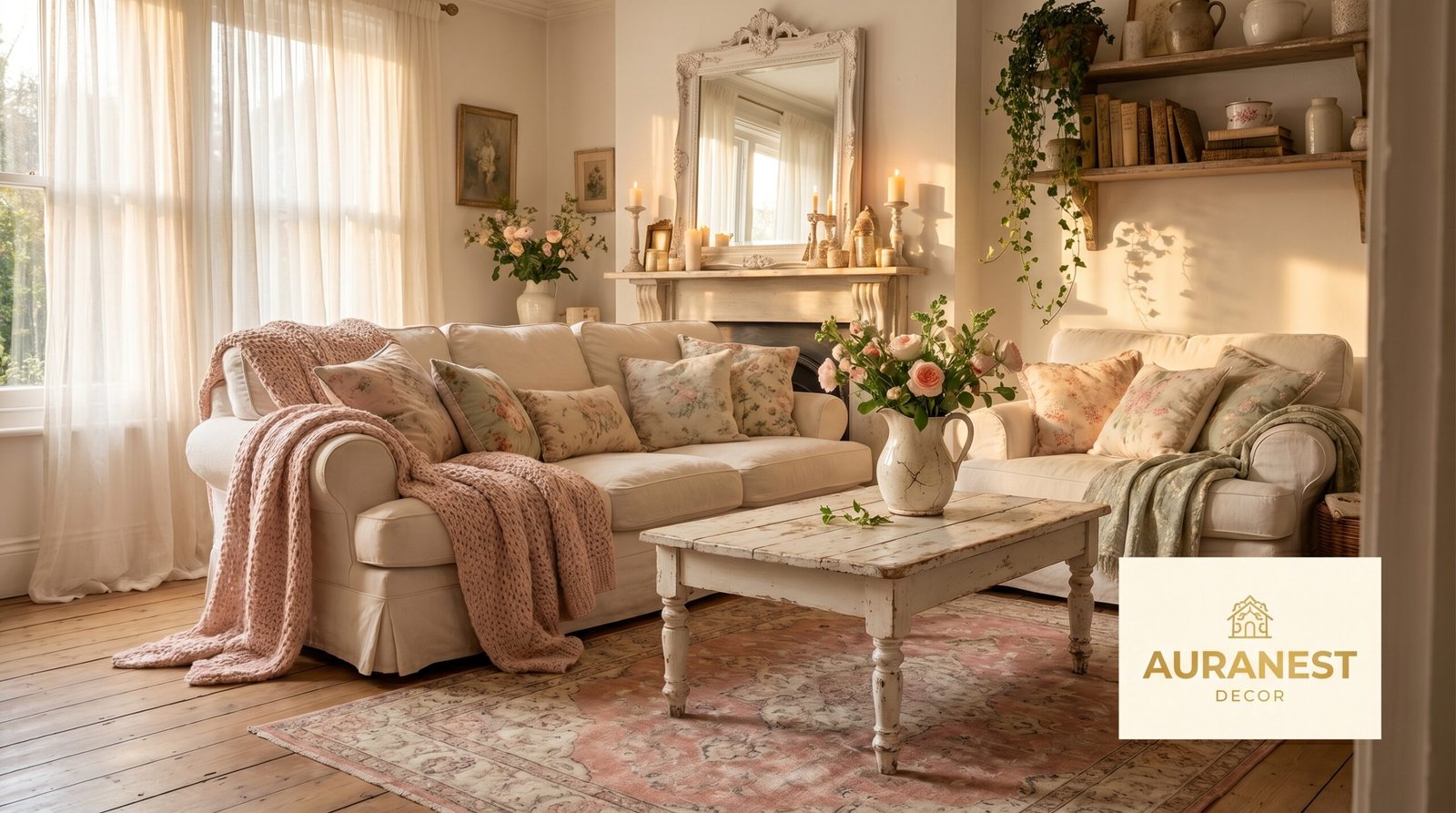
The Shabby Chic Living Room: How to Create a Space That Feels Like a Warm Hug
There’s a particular kind of room that stops you mid-scroll — soft, layered, worn in all the right ways, like it has stories to tell. That’s the magic of a shabby chic living room, and once it gets into your heart, no sleek, minimalist space can quite compare.
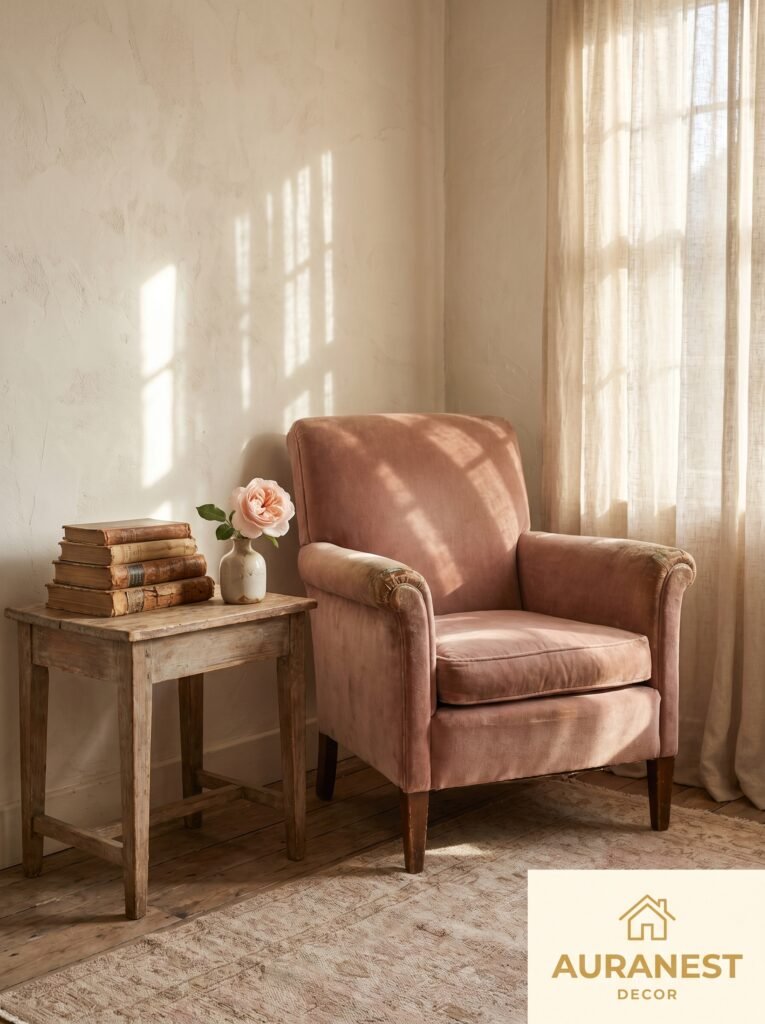
—
1. What “Shabby Chic” Actually Means — And Why It’s Not What You Think
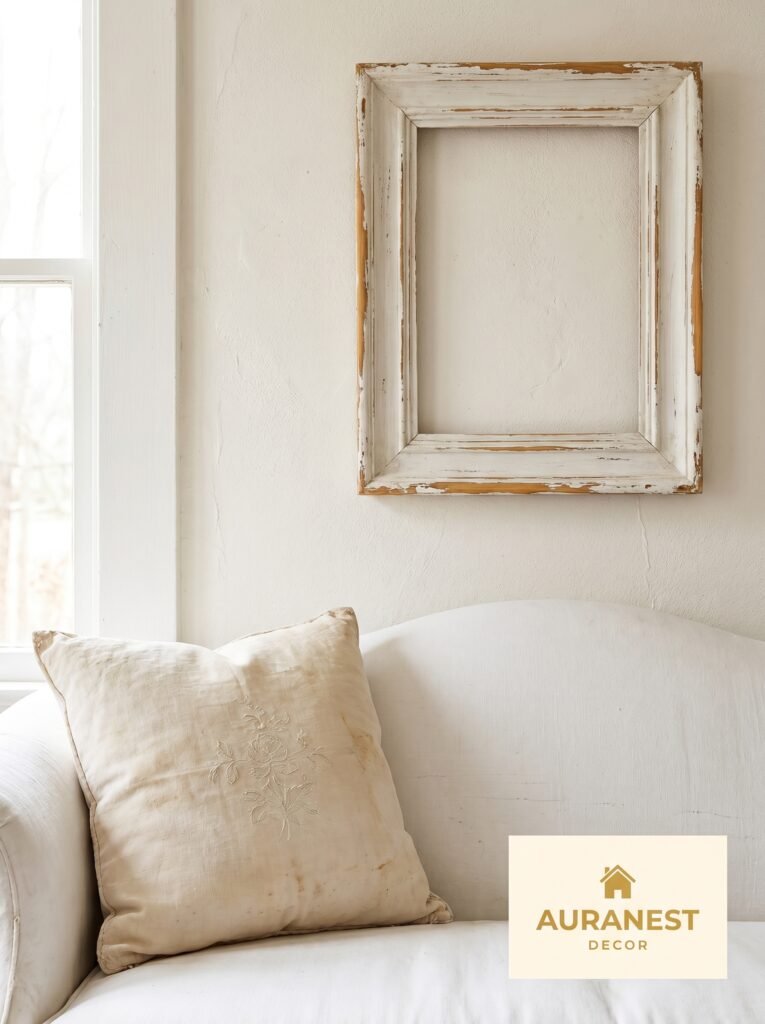
Let’s clear something up right away. Shabby chic is not about buying old, broken things and calling it a style. It’s not neglect dressed up with a pretty bow. At its core, shabby chic is a design philosophy rooted in the beauty of imperfection — the idea that a chipped paint edge, a faded linen cushion, or a distressed wooden frame doesn’t diminish a room’s elegance. It enhances it.
The term was coined by designer Rachel Ashwell in the late 1980s, who believed that beautiful things shouldn’t have to be precious or untouchable. Her vision was a home that looked like it had been loved — where antique roses sat in cracked pitchers, where a velvet sofa showed just the right amount of wear, where nothing felt staged or sterile. That philosophy resonated with millions of people, and decades later, it still does — because there’s something deeply human about wanting your home to feel lived in rather than looked at.
A shabby chic living room sits at the intersection of romance and realism. It says: come in, sit down, stay a while. It’s not trying to impress you. It’s trying to hold you.
“A shabby chic living room doesn’t ask you to be careful. It asks you to be comfortable.”
—
2. The Color Palette That Makes Everything Feel Softer
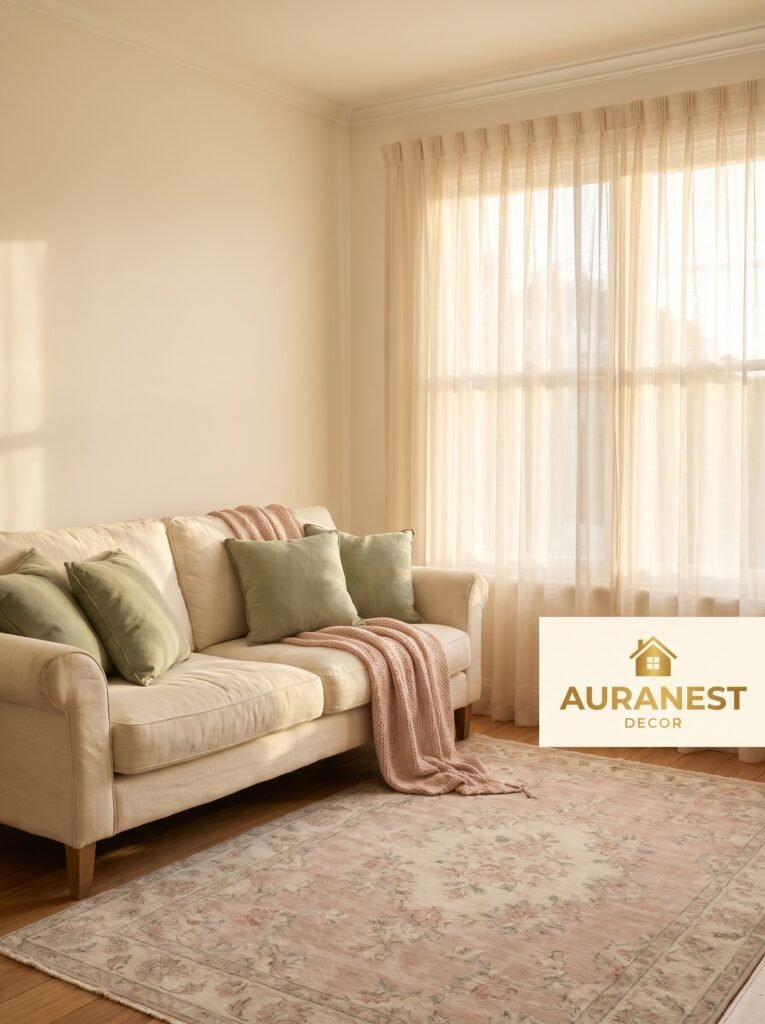
Color is where shabby chic begins and ends. The moment you get this right, the whole room breathes differently. Think of the palette as a collection of colors you’d find on a beach at dawn — soft whites, faded creams, dusty pinks, sage greens, and the palest lavender you can imagine. These are colors that have been washed by sunlight and time, never harsh, never demanding attention.
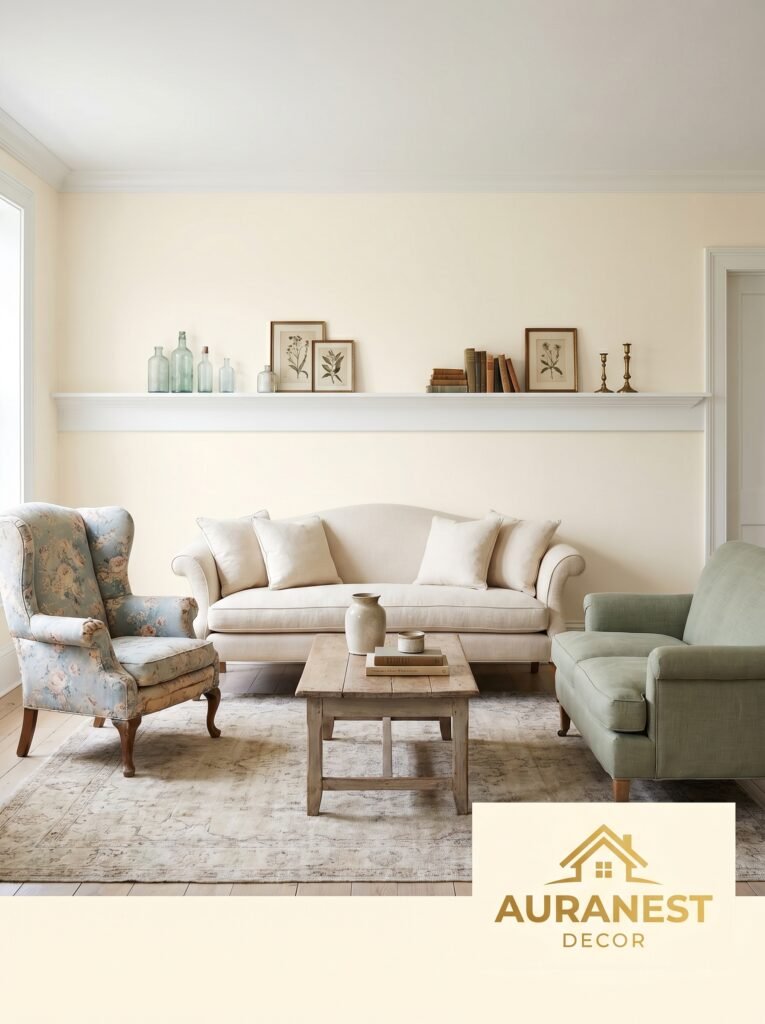
Walls work best in off-white or warm ivory — not the bright, hospital white that makes everything feel sharp, but the kind of white you’d find on an old French farmhouse door. Furniture often wears white too, but chalky and matte, sometimes with a little gray undertone. The magic comes in the layers: a blush pink throw draped over a cream sofa, sage-colored cushions against a white armchair, a faded floral rug anchoring the room in gentle color.
What you want to avoid is anything too vivid or too cool. Bright oranges, electric blues, harsh grays — these fight against the softness that shabby chic depends on. Every color in the room should feel like it’s been left in the sun for a summer afternoon.
—
3. The Furniture That Tells a Story Before You Sit Down
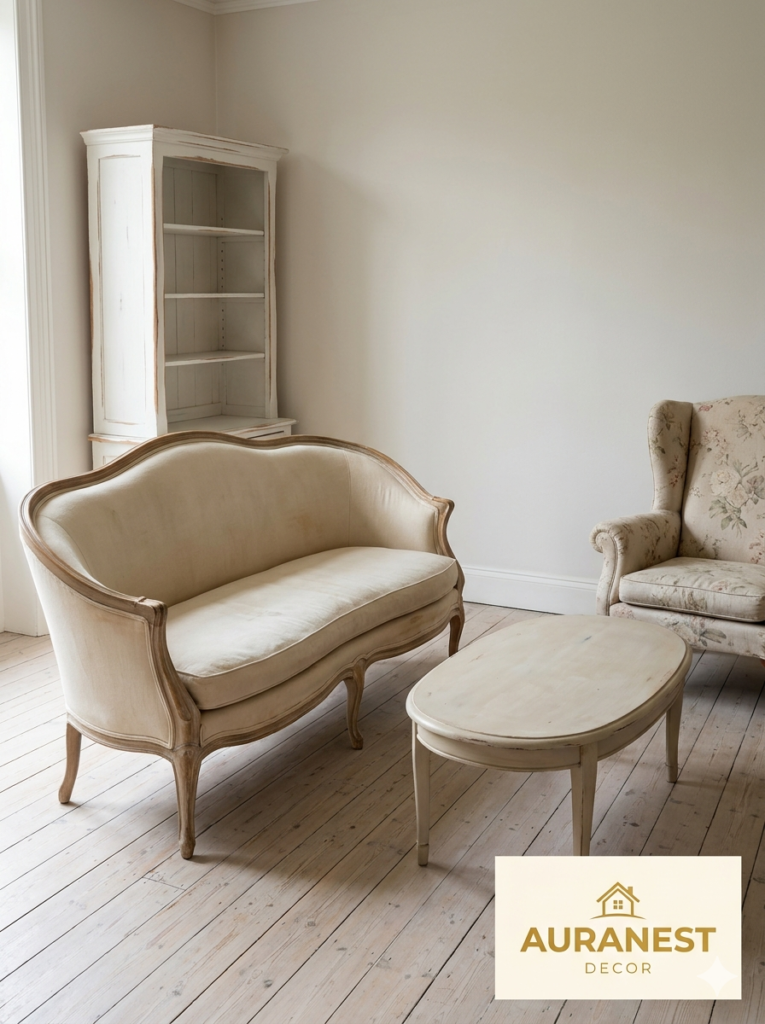
Here’s one of the most exciting parts of building a shabby chic living room — the furniture shopping. Or rather, the furniture hunting. Because the best pieces for this style aren’t always found in showrooms. They’re found at estate sales, tucked into the back corners of antique markets, listed on resale apps for a fraction of their true value.
What you’re looking for is furniture with character. A curved-back sofa with cabriole legs. A wingback armchair in a faded floral print. An oval coffee table with a surface that shows its years. A bookcase painted white, its edges worn down to reveal the warm wood beneath. These are the pieces that give the room its soul.
If you’re starting fresh and can’t source vintage pieces immediately, chalk paint is your closest friend. You can take almost any solid wood furniture, give it a coat of chalk paint in white or cream, and then sand the edges to reveal the original surface beneath. The result looks genuinely aged in a way that’s astonishing — and honestly, quite addictive once you start.
Upholstery matters enormously in shabby chic spaces. Look for linen, cotton, faded velvet, or slubby textures in neutral and soft tones. Florals are traditional and beautiful, but stripes and checks in soft hues also work wonderfully.
—
4. Layering Textiles: The Secret Ingredient No One Talks About Enough
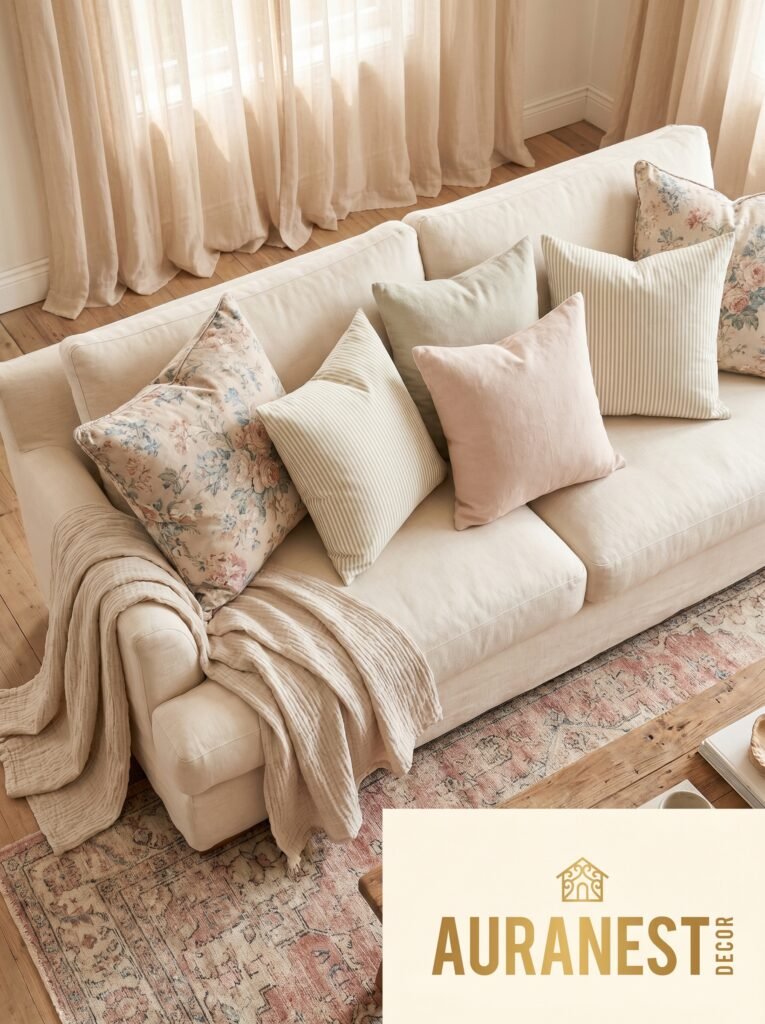
If there is one thing that separates a truly stunning shabby chic living room from one that just looks like a collection of old furniture, it’s textiles. Layering is everything — and it’s an art form that feels deeply personal once you understand it.
Start with a soft area rug. Worn Persian rugs in faded reds and pinks work brilliantly. So do simple cotton dhurries in cream and white. The rug grounds the room and adds a layer of visual warmth before anything else is placed. From there, build upward — cushions in varying sizes, throws draped loosely (not folded perfectly, never folded perfectly), curtains that pool gently on the floor in lightweight linen or cotton voile.
The key is to mix patterns with confidence. A floral cushion can absolutely live beside a ticking stripe, which can sit against a plain linen throw. The unifying factor isn’t the pattern — it’s the color palette and the softness of the fabrics. As long as everything stays within your soft, muted range, the patterns will coexist beautifully rather than compete.
“Layering textiles in a shabby chic room is like wrapping a room in a long, slow exhale.”
—
5. The Art of Decorating With Vintage Finds Without Looking Cluttered
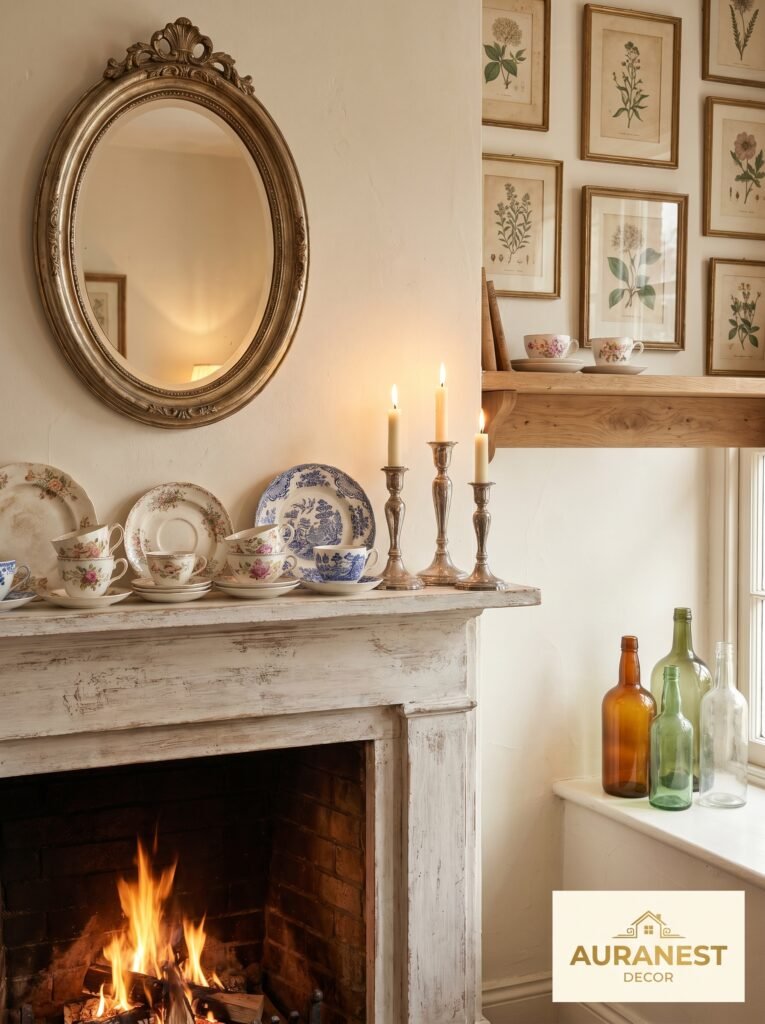
Shabby chic decor thrives on collected objects — but there’s a fine line between curated and chaotic. The difference lies in intention. Every object you place in a shabby chic living room should earn its spot, either through beauty, meaning, or both.
Vintage china displayed on open shelves or a mantelpiece adds instant charm — especially mismatched pieces in floral or transferware patterns. Antique candlesticks in silver or brass, slightly tarnished, catch the light in ways that brand-new pieces simply cannot replicate. Framed botanical prints hung in a gallery arrangement on a cream-colored wall bring in natural beauty without overwhelming the space.
Mirrors are particularly powerful in shabby chic rooms. An ornate, gilded or whitewashed mirror above a fireplace — especially one with a gently distressed frame — opens up the room and adds an undeniable note of romance. Look for mirrors with oval or arched shapes, or those with beveled edges that catch and scatter light throughout the day.
The rule is: group things, don’t scatter them. Three vintage bottles together on a windowsill feel intentional. The same three bottles placed randomly around the room feel forgotten. Cluster your objects on trays, in baskets, on stacked books — give them a home, and they become decor rather than clutter.
—
6. Flowers and Foliage: The Living Elements That Complete Everything
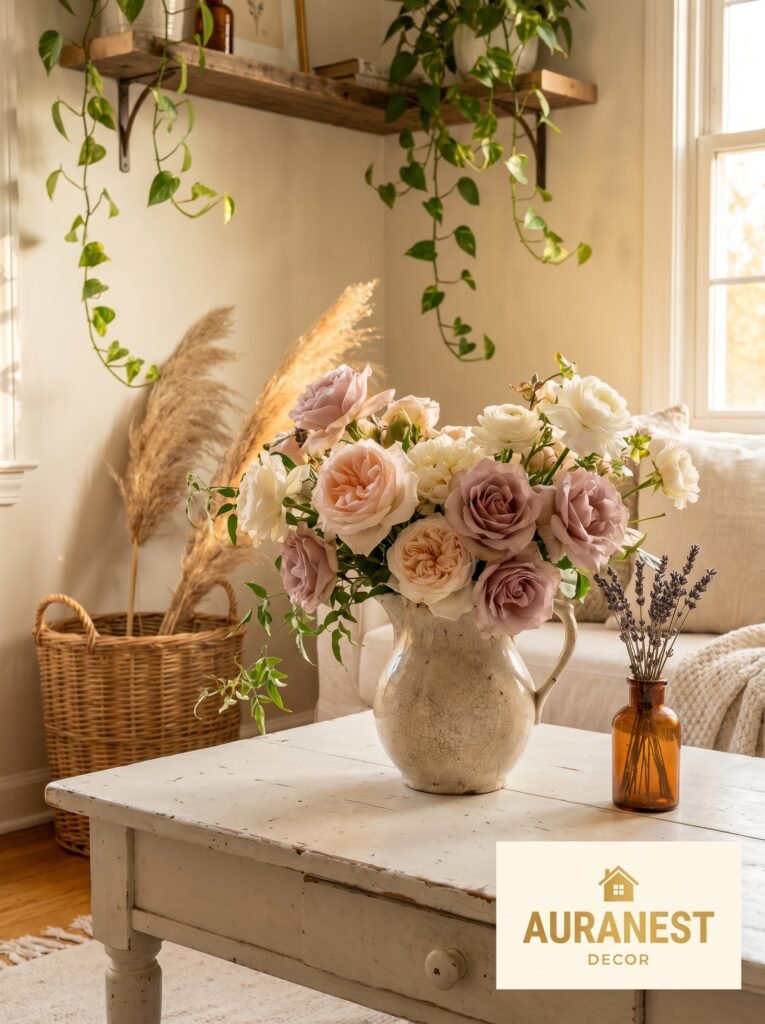
No shabby chic living room is complete without flowers. This isn’t optional — it’s structural. Fresh or dried, flowers bring the entire aesthetic to life in a way that no purchased object can replicate. They are the breath of the room.
Roses are the signature bloom of shabby chic interiors, particularly garden roses in blush, cream, dusty mauve, and soft coral. A loose arrangement — not tightly bound, but gently spilling over the edges of a vintage pitcher or a mismatched ceramic vase — sitting on a coffee table or windowsill transforms the energy of the entire space.
If fresh flowers feel high maintenance, dried flowers are a stunning alternative that has experienced a magnificent revival in recent years. Dried pampas grass, bundles of dried lavender, and preserved eucalyptus in neutral and earthy tones look effortless tucked into vintage bottles or displayed in simple wicker baskets. They also photograph beautifully, which matters when you’re creating content for Pinterest.
Beyond flowers, consider trailing plants — ivy, string of pearls, or pothos — draped from shelves or windowsills. They add a sense of organic life and movement that feels entirely at home in a space inspired by nature and time.
—
7. Lighting That Turns Your Living Room Into a Sanctuary
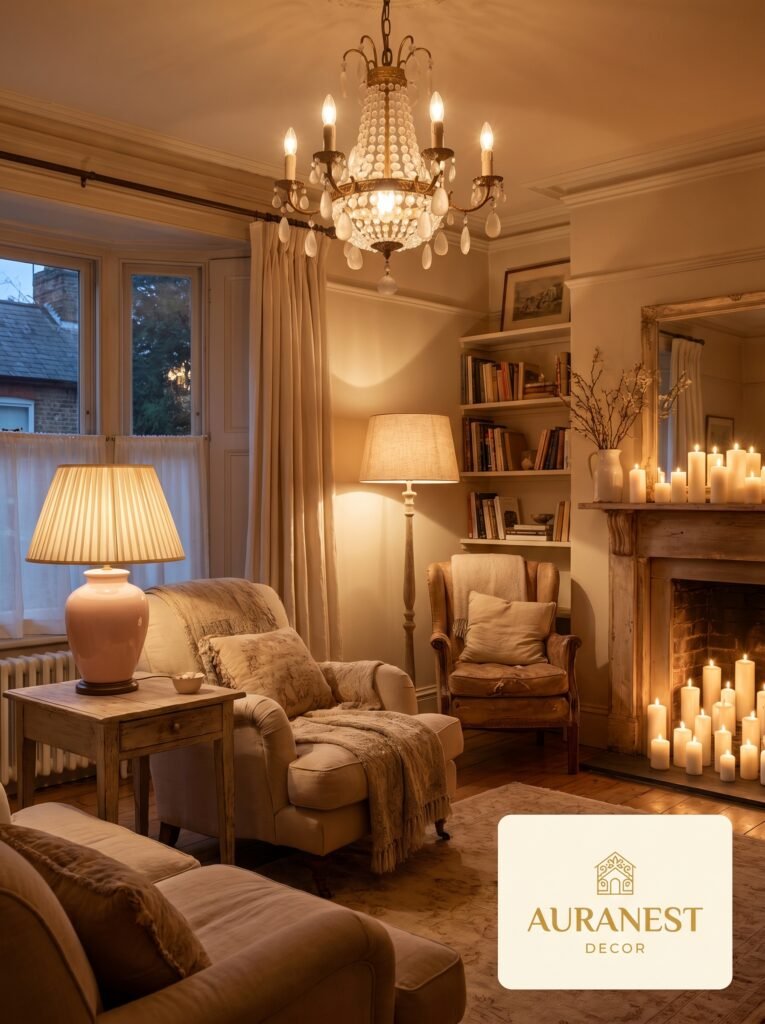
The right lighting doesn’t just illuminate a shabby chic room — it transforms it. Harsh overhead lighting is the single fastest way to destroy the atmosphere you’ve worked so hard to build. Swap it out without hesitation.
What you want instead is layered, warm, low lighting. A chandelier with crystal or frosted glass drops — especially in white or aged gold — brings immediate romance to any ceiling. Pair it with table lamps in soft shades of cream or blush, with bases in ceramic, glass, or carved wood. Floor lamps with fabric shades add height and warmth to corners that might otherwise feel forgotten.
Candles are a non-negotiable finishing touch. Pillar candles in clusters on a fireplace mantel, tapered candles in antique candlestick holders, tea lights scattered across a tray on the coffee table — these introduce a flicker and warmth that no electric light can fully replicate. In the evening, a candlelit shabby chic living room feels like stepping into a private world that exists only for you.
“Good lighting in a shabby chic room doesn’t show you the space — it reveals it slowly, like a secret.”
—
8. The Fireplace as the Emotional Center of the Room
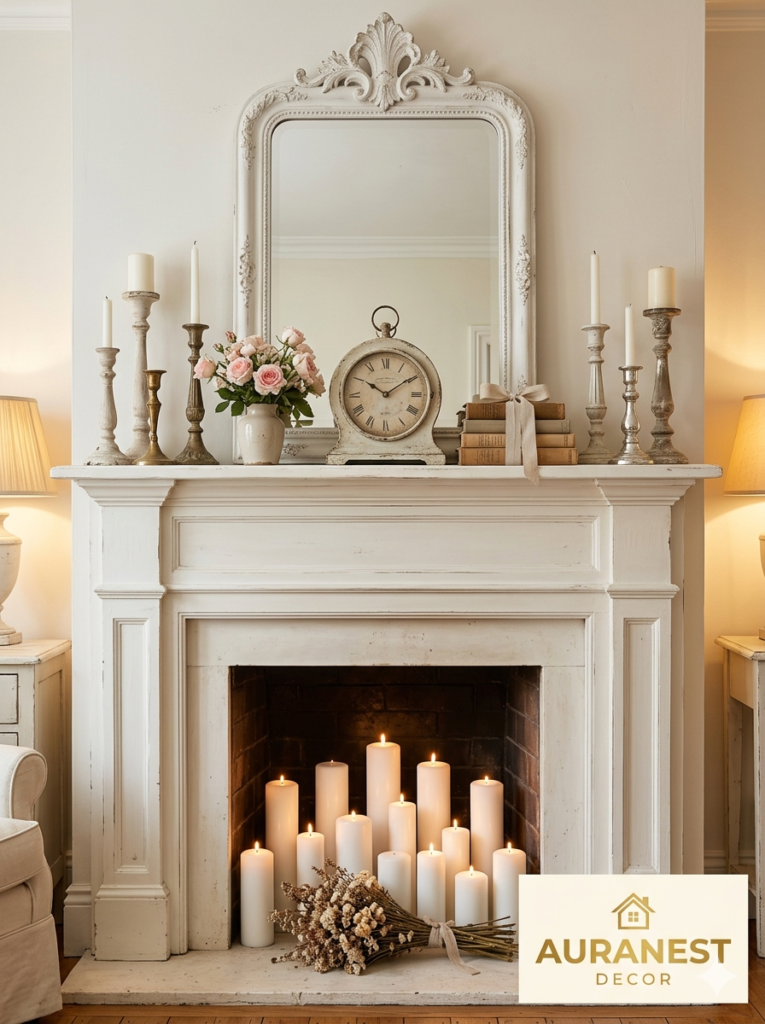
If your living room has a fireplace, you already have the natural focal point of a perfect shabby chic space. The fireplace is where the room’s story begins and ends — it’s where the eye travels first, where guests gravitate, where the room’s personality is concentrated.
Dress the mantelpiece with intention. A mix of heights works beautifully: a tall mirror or artwork as the backdrop, flanked by varying-height candlesticks, a small vase of flowers to one side, perhaps a stack of worn hardcover books tied with linen ribbon, and a clock — ideally vintage, ideally with a worn face — at the center. The arrangement should feel collected over time, not assembled in an afternoon.
Paint the surround white or cream if it’s currently a dark stone or wood. Even if the fireplace isn’t functional, fill the hearth with pillar candles of varying heights, a bundle of dried flowers, or a simple stack of birch logs. An empty fireplace is a missed opportunity — it should always feel inhabited.
—
9. Small Touches That Make a Massive Difference
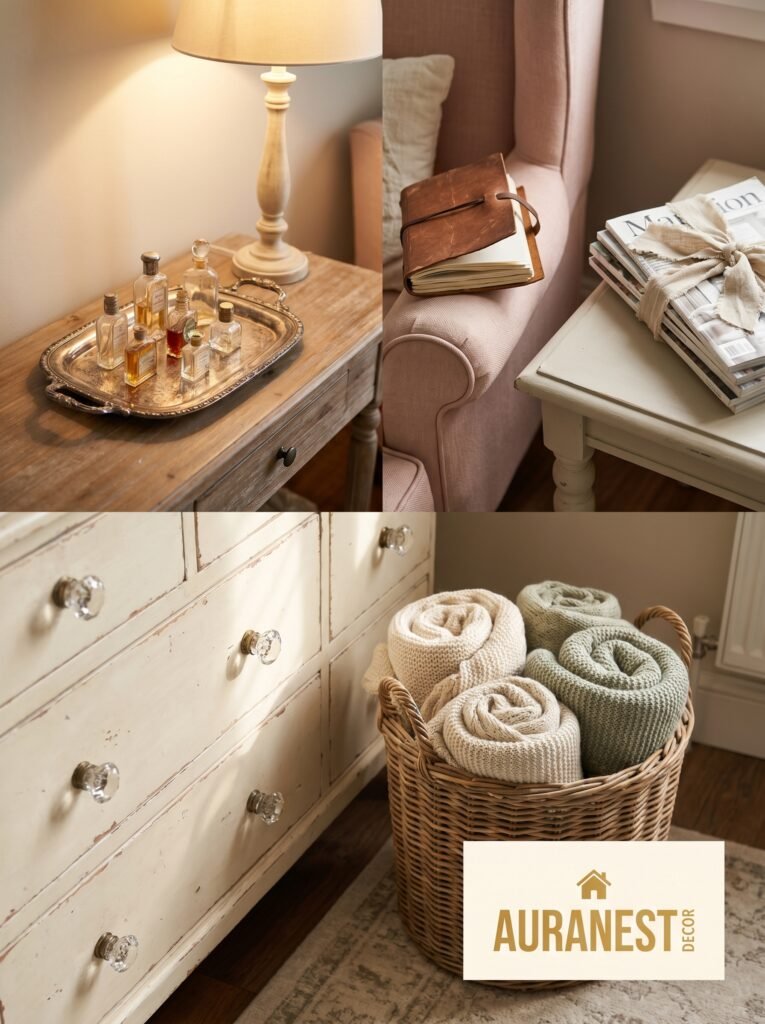
This is where the magic often hides — in the small decisions that no design tutorial tends to mention. The details that make visitors stop and say, “I can’t explain it, but this room just feels so good.”
Linen ribbon tied around a bundle of magazines on a side table. A worn leather-bound journal left open on an armchair. A vintage tray holding a collection of perfume bottles on a console. A monogrammed cushion tucked into a corner. A single framed handwritten recipe above a bookcase. These are not expensive additions. They are thoughtful ones.
Replace standard light switch covers with ceramic or ornate vintage-style versions. Swap plastic drawer handles for aged brass or glass knob alternatives. Roll your extra throws loosely and store them in a wicker basket rather than folding them into a closet. Every one of these choices reinforces the story the room is telling — that a real person with real taste lives here, beautifully.
—
10. How to Get the Shabby Chic Look on a Budget
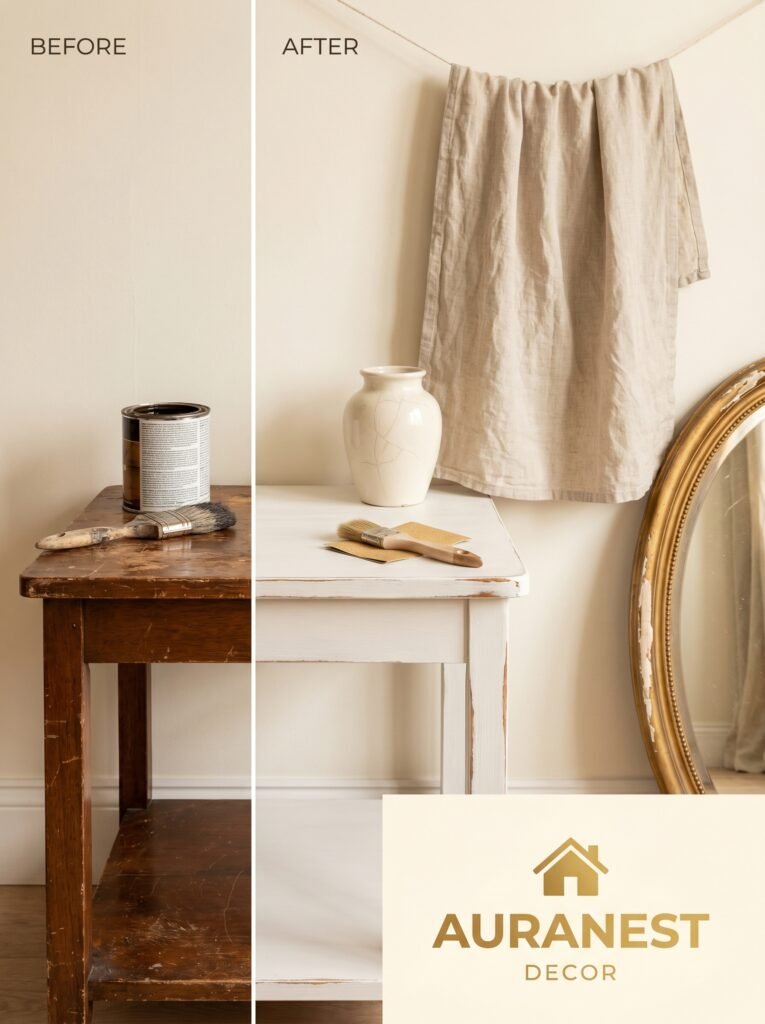
Here’s something the design world doesn’t always say loudly enough: shabby chic is one of the most budget-friendly interior styles that exists — because it actively celebrates imperfection and age. You are not disadvantaged by a smaller budget. In many ways, you’re better positioned than someone with a large one.
Thrift stores are goldmines for this aesthetic. Wooden furniture in need of new paint, ceramic vases with character, mismatched frames waiting to be hung together, linen curtains in need of washing — these pieces cost a fraction of their retail equivalents and often look more authentic than anything mass-produced.
Facebook Marketplace and estate sales are equally rich sources. Set alerts for search terms like “vintage armchair,” “painted furniture,” “floral cushions,” and “antique mirror” in your area. Patience is the most valuable tool in a budget-conscious shabby chic designer’s kit — the right piece always appears eventually.
Chalk paint, sandpaper, and a little time can transform almost anything. A battered side table picked up for nothing can become a beautiful, intentionally distressed accent piece with one afternoon and a coat of soft white paint. The transformation is genuinely remarkable — and deeply satisfying.
—
11. The Most Common Shabby Chic Mistakes and How to Avoid Them
Even with the best intentions, a few missteps can pull a shabby chic room away from its intended warmth. Knowing what to avoid is just as valuable as knowing what to embrace.
The first mistake is going too dark. Deep navy, forest green, and charcoal are wonderful colors — just not in a shabby chic space, where they fight against the light, airy quality that defines the aesthetic. If you love depth and richness, use these as very small accents rather than primary colors.
The second common error is using furniture that’s too uniform. A perfectly matched sofa set, all the same height and finish, reads as contemporary — not romantic. Mix your seating: an armchair in one shape, a sofa in another, a loveseat in a slightly different fabric. The variety adds to the collected, layered quality that makes shabby chic feel genuine.
Finally, resist the urge to over-accessorize. More is not always more in this style — thoughtful is. Edit your collections regularly, rotate pieces seasonally, and give each object space to breathe. A beautifully styled shelf with twelve considered items is infinitely more impactful than a shelf overwhelmed by forty.
—
12. Why Shabby Chic Living Rooms Resonate So Deeply Right Now
We live in a world that increasingly values speed, efficiency, and digital perfection. Every surface can be filtered, every space can be curated into algorithmic ideals. And perhaps that’s exactly why the shabby chic living room resonates so profoundly in this particular cultural moment — because it offers something that a perfectly staged, perfectly lit, perfectly minimal space cannot.
It offers humanity.
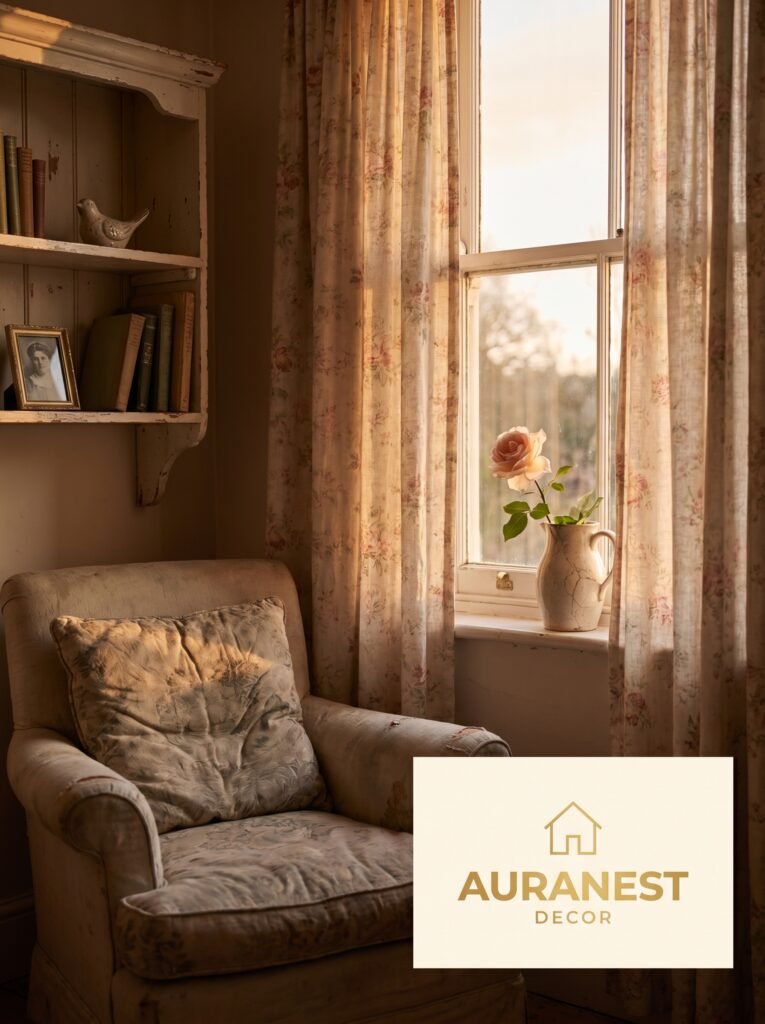
The worn armchair says: someone has sat here for years, and it has been worth every hour. The faded floral curtains say: beauty doesn’t require newness. The chipped painted shelf says: imperfection is not failure — it is evidence of a life fully lived. In a world of relentless optimization, there is something quietly revolutionary about a room that dares to be soft, gentle, and a little worn at the edges.
People save shabby chic images on Pinterest not just because the rooms are beautiful — though they are. They save them because those rooms make them feel something. They make them feel seen, and comforted, and reminded that homes are meant to be lived in with joy — not maintained with anxiety.
That is why this style endures. And that is why, once you fall for it, you rarely fall out.
—
🌿 How to Take Care of Your Shabby Chic Living Room
Maintaining the beauty of a shabby chic space is simpler than you might expect, because its charm actually improves with gentle wear and time.
Refresh your textiles seasonally — rotate cushion covers and throws to keep the room feeling current while maintaining its softness. Wash linen and cotton pieces on gentle cycles and allow them to air dry for that naturally relaxed, slightly rumpled finish that looks so effortlessly pretty.
For chalk-painted furniture, if chips or scratches appear beyond the intentional distressing, touch up with a small brush and the original paint color — then sand lightly once dry to blend. The beauty of chalk paint is that repair is easy and undetectable.
Replace fresh flowers weekly or whenever they begin to fade. If fresh flowers aren’t practical for your lifestyle, invest in high-quality dried arrangements that last months and require only light dusting. Refreshing florals is the single quickest way to breathe new life into the room.
Dust your collected objects regularly but gently — a soft cloth or small paintbrush works beautifully for intricate vintage pieces without risking damage. And every few months, step back and assess the room with fresh eyes. Edit what no longer feels right, rearrange what feels stagnant. A living room should grow with you.
—
❓ FAQ
Q: Is shabby chic the same as farmhouse style? A: They share common ground — both embrace natural materials, whites, and a relaxed aesthetic — but they’re distinctly different in feel. Farmhouse style tends toward more rustic, utilitarian elements like reclaimed wood and industrial metal, while shabby chic leans romantic, feminine, and delicate, with more emphasis on florals, soft textiles, and ornate vintage details.
Q: Can I create a shabby chic living room in a modern home? A: Absolutely. In fact, the contrast between a contemporary architectural backdrop — clean lines, large windows — and soft shabby chic furnishings can be strikingly beautiful. Focus on furniture scale, textile softness, and your color palette. The bones of the room matter less than how you layer the interior.
Q: How do I prevent a shabby chic room from looking messy or neglected? A: Intentionality is everything. Each object should be placed with purpose, collections should be grouped rather than scattered, and the color palette should remain consistently soft throughout. Regular editing — removing pieces that no longer feel right — keeps the space feeling curated rather than cluttered. The goal is “beautifully worn,” never “forgotten.”
—
💭 Final Thought
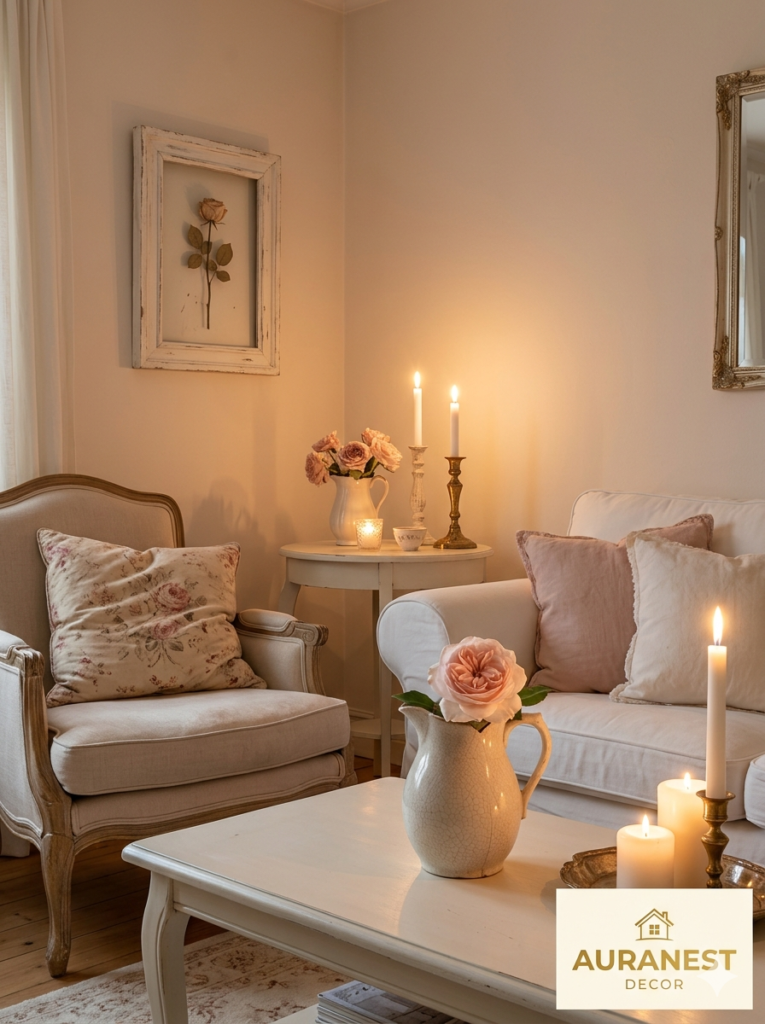
A shabby chic living room is not a design project — it’s a practice in allowing beauty to exist without demanding perfection from it. Every faded cushion, every distressed frame, every soft-petaled rose in a cracked ceramic jug is a gentle reminder that the most meaningful things in life carry their history visibly and wear it with grace.
So as you begin to shape your own version of this beautiful aesthetic, ask yourself this: what would it feel like to finally stop maintaining a home — and simply start loving it?