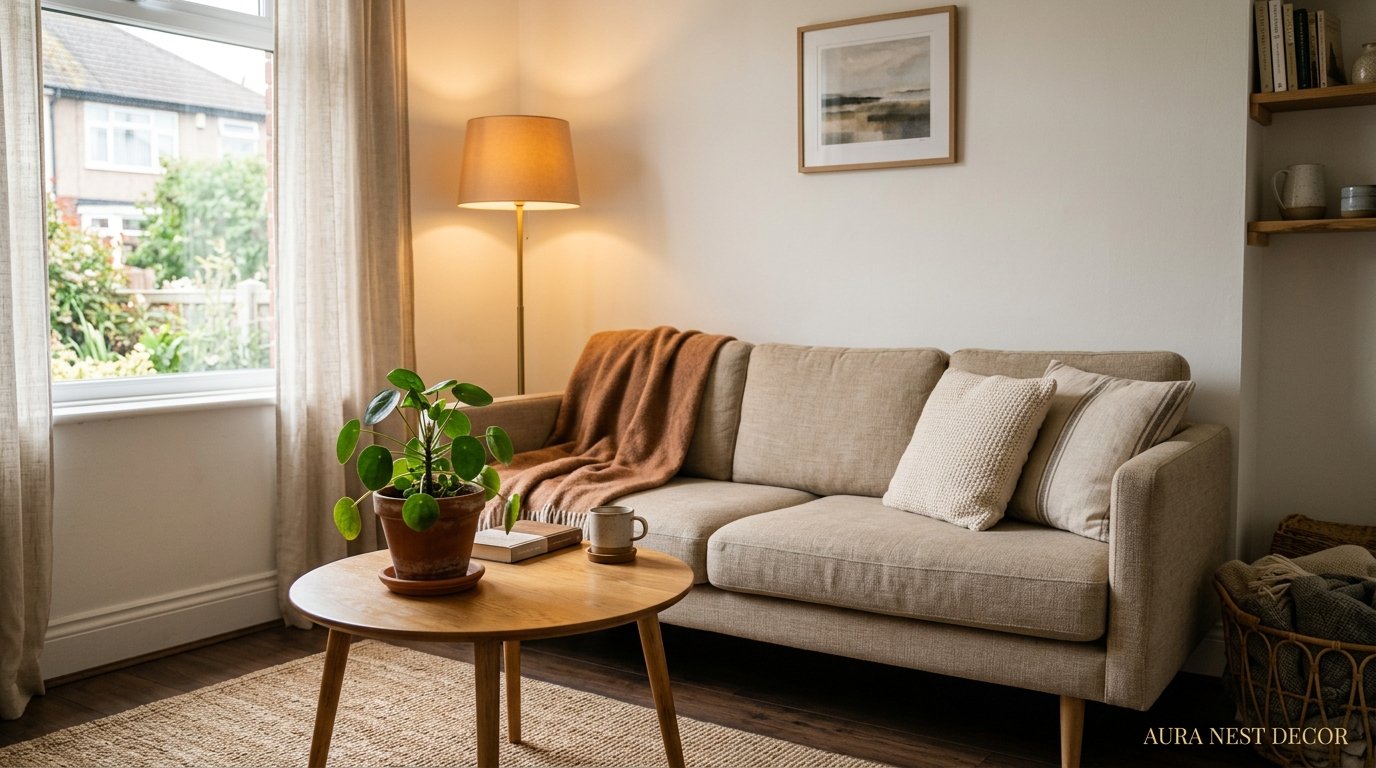
The Small Living Room Sofa Guide Nobody Actually Wrote Until Now
You know that moment when you walk into someone’s tiny living room and think how is this so good? It’s never the square footage. It’s always the sofa. Getting that one piece right changes everything about a small space — and getting it wrong means spending three years apologizing to guests who have to squeeze past a sectional to reach the bathroom.
—
1. The Sofa Size Mistake Almost Everyone Makes First
Here’s the thing: most people go too small. I know, counterintuitive, right? You’ve got a small room, so you buy the smallest sofa you can find, and then it just sits there looking scared and apologetic, floating in the middle of the space with too much floor showing around it.
A sofa that’s too small makes a small room look smaller. It’s one of those decorating truths that doesn’t make sense until you see it in real life, and then you can’t unsee it.
What you actually want is a sofa that fits the scale of the room — not the square footage, but the proportion. So if your living room is narrow but long, a loveseat will look wrong even though it takes up less space. A compact three-seater that anchors the room properly? That’s the move.
The magic number most interior designers work with is leaving 18 inches of walkway on either side of the sofa. Not a hard rule, but a good starting point. Anything less and the room starts to feel like a hallway. Measure before you fall in love with anything online. Measure twice, honestly, because I’ve definitely ordered something and hoped the centimeters would somehow become inches.
“A sofa that’s too small makes a small room feel emptier, not bigger.”
2. Why Legs Are the Secret the Furniture Industry Doesn’t Advertise
Sofa legs. This is not a glamorous topic but stay with me.
A sofa that sits directly on the floor — what’s sometimes called a “platform” style or a fully upholstered base — visually cuts your floor in half. In a small living room, that’s basically a disaster. Your eye hits the sofa and stops. The room looks like it ends there.
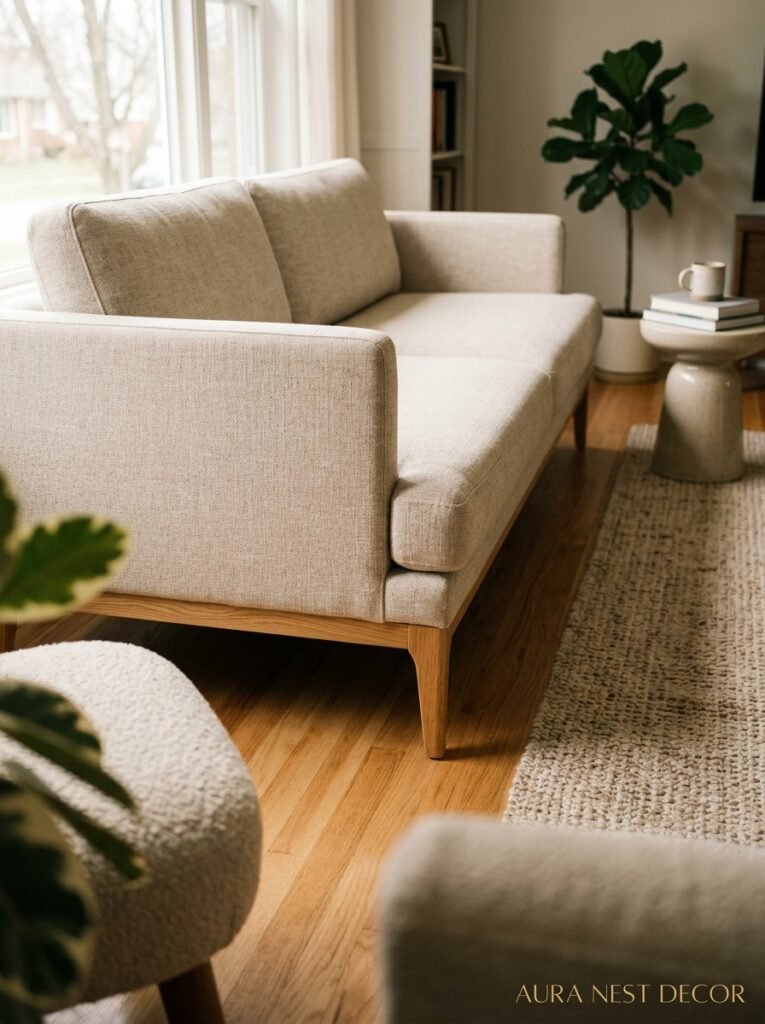
Raised legs? Completely different story. When you can see the floor running underneath the sofa, the room reads longer. Deeper. More intentional. Even just four inches of clearance makes a difference you’ll feel before you fully understand why.
The best sofa legs for small spaces tend to be tapered wood in a mid-century style — walnut finish if your room skews warm, or black hairpin legs for something more industrial. Both options photograph beautifully, which matters if you’re decorating with any Pinterest-brain instincts. Side note — the sofa in probably 60% of the small-space interiors I’ve pinned has some version of that tapered walnut leg. It’s not a coincidence.
Avoid chunky block feet or skirted sofas in tight rooms. Both create that visual wall that cuts the space. Go leggy and go lighter.
3. The Color That’s Dominating Every Small Living Room on Pinterest Right Now
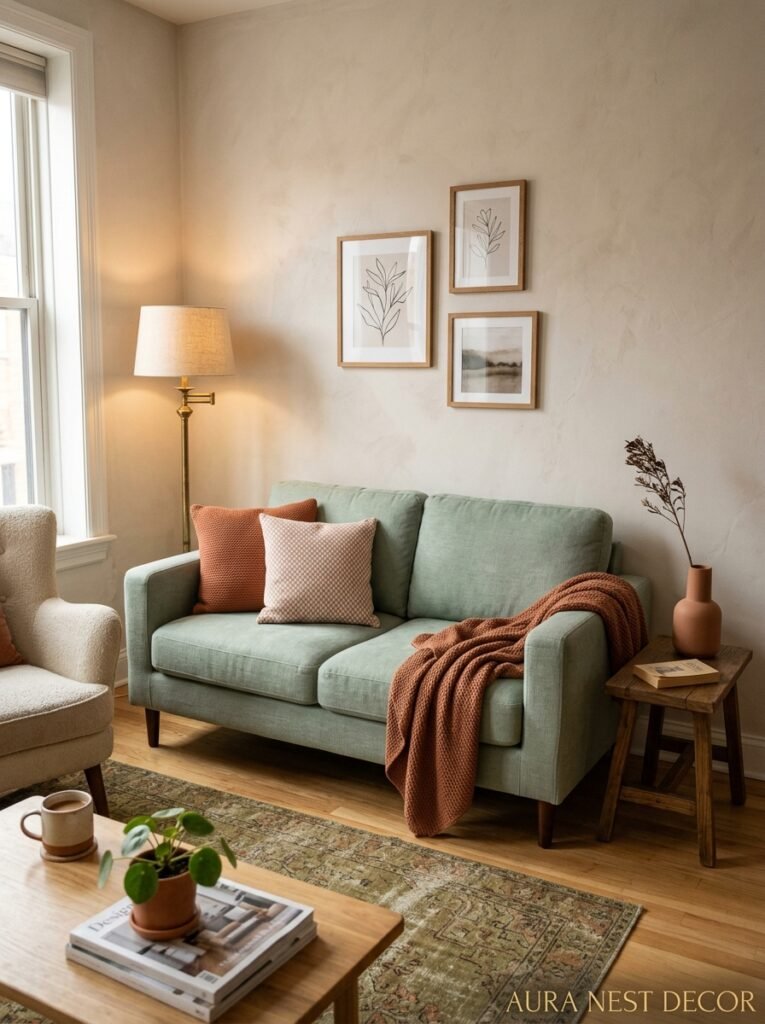
Not grey. Not white. Not the safe, timid options we all defaulted to for about a decade.
It’s warm sand. That quiet, creamy, almost biscuit tone that reads neutral but not boring, pale but not cold. You’re seeing it everywhere — especially in UK interiors — because it does something clever in a small room. It reflects light without screaming for attention, which means your sofa becomes part of the room instead of the thing the room is built around.
But here’s where I’ll push back on the safe version of this advice: a bold sofa in a small room can work incredibly well. A deep terracotta velvet loveseat. A forest green compact two-seater. A soft dusty blue. Bold colors in small rooms aren’t brave, they’re just committed — and a room that commits to something always looks more designed than one that’s trying to disappear.
The real mistake is choosing a mid-tone, medium-saturation colour that fights with everything and complements nothing. That washed-out blue-grey that seemed like a compromise? Yeah. That’s the one that photographs badly and looks muddy in person.
Go pale and airy, or go deep and intentional. The middle is where sofas go to die.
4. Sectionals in Small Rooms: When It’s Stupid and When It’s Genius
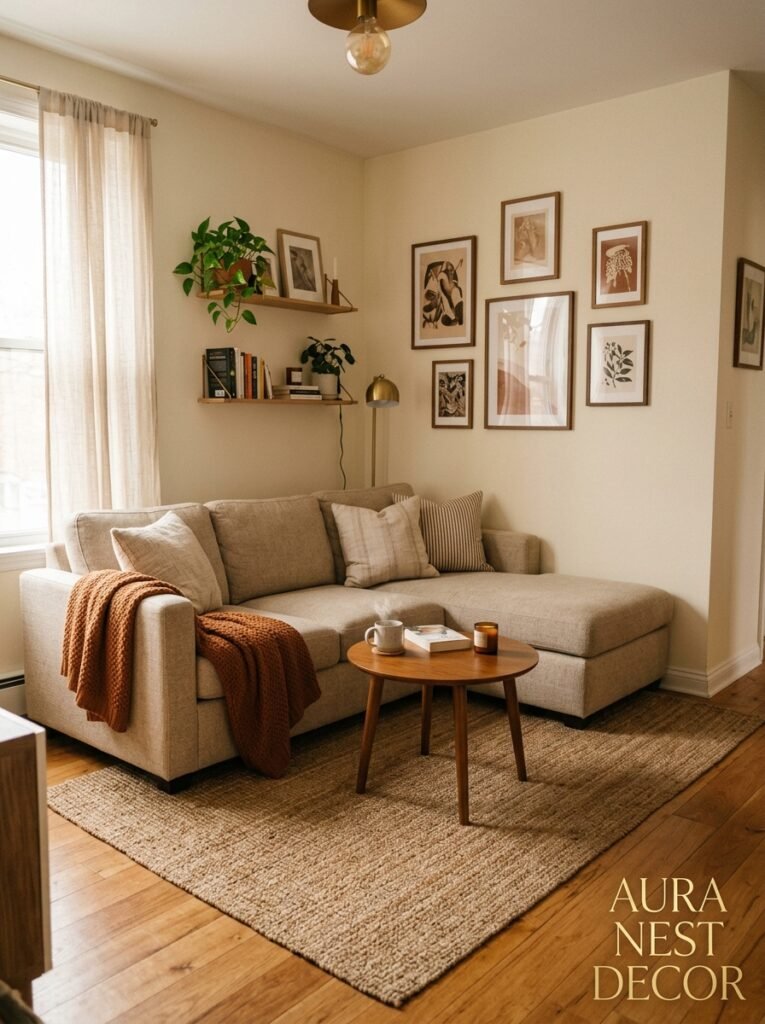
Let me be honest — I’ve talked people out of sectionals in small rooms and then seen them pull it off anyway. So I’ve adjusted my thinking.
The default wisdom is never put a sectional in a small living room. And 80% of the time that’s right. A standard L-shaped sectional in a small room leaves no floor space, creates awkward traffic flow, and usually means one end of the sofa is jammed against a wall at a weird angle.
But.
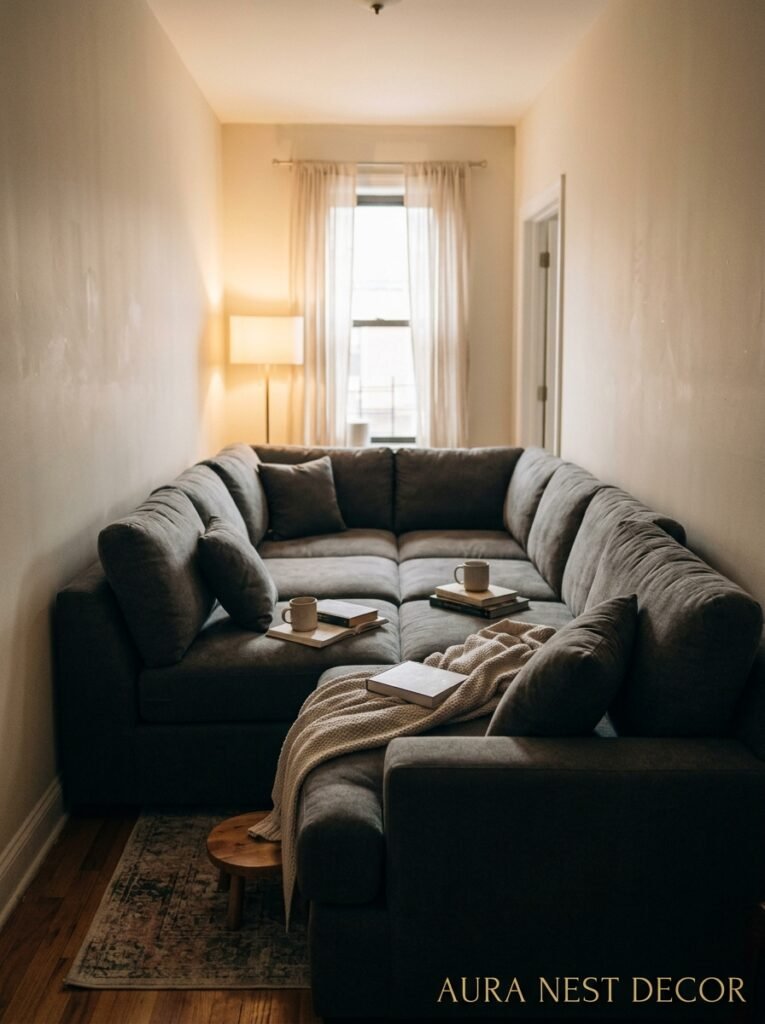
There are two scenarios where it actually works. First: the narrow, long living room where a chaise sectional placed along the longest wall turns the whole space into a built-in, intentional-looking lounge situation. You stop fighting the shape of the room and lean into it. Second: apartment living rooms that are basically one room doing three jobs, where the sectional becomes a subtle divider between the “living” zone and the “dining” or “work” zone without needing a wall.
The key in both cases is scale. You want a compact sectional — something in the 90-to-100 inch range total, not the massive 130-inch sprawlers designed for open-plan McMansions. And ideally with those raised legs we talked about. That combination can actually breathe in a small space rather than suffocate it.
“Stop fighting the shape of your room. The sectional that ruins a square space might be the whole personality of a long, narrow one.”
5. The Specific Fabric That Makes Small-Space Sofas Look Expensive
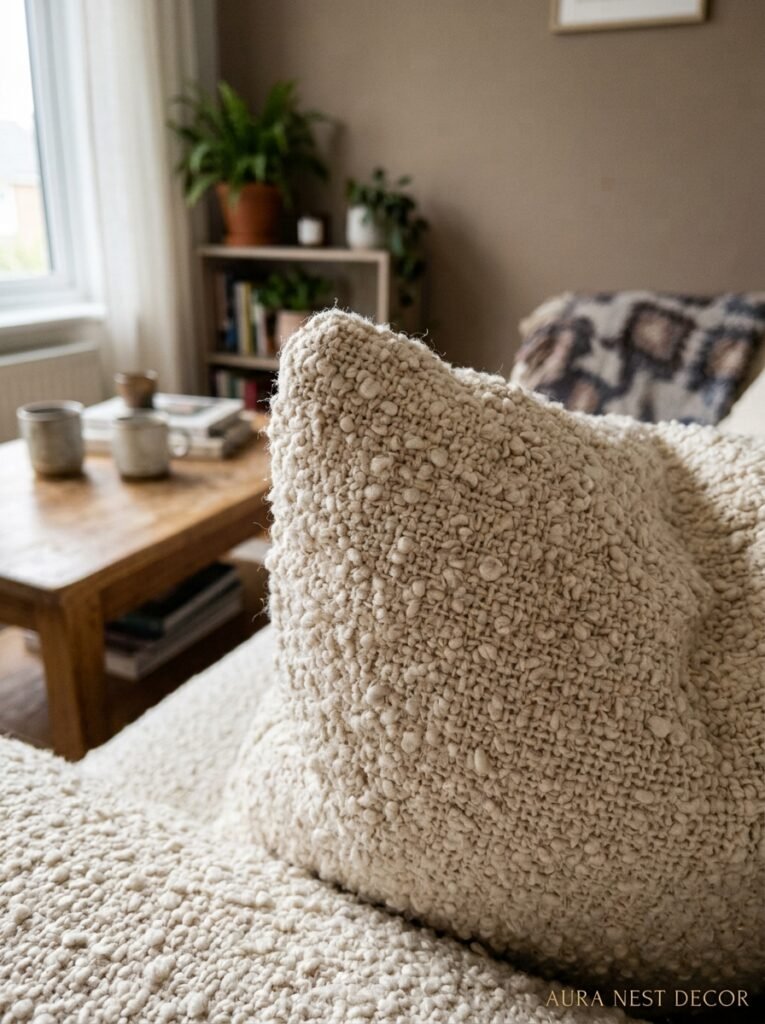
Boucle. I know you’ve seen it everywhere and maybe you’re a little tired of it, but there’s a reason it keeps showing up in small-space interior shots and it’s not just trend-following.
The texture of boucle fabric reads as richness from across the room. In a small living room where you don’t have a lot of furniture to carry visual weight, that texture does so much work. It makes a two-person sofa look like a considered, deliberate choice rather than a compromise.
Also — and this is practical — boucle hides wear remarkably well. The looped texture disguises small marks and doesn’t show directional scratches the way velvet or linen does. In a room where everything is close together and the sofa is being sat on constantly, that matters.
Velvet is the second best choice for the same reason: rich texture, reads expensive, photographs beautifully. The downside is it shows every cat hair, every sat-in impression, every fingerprint from your roommate’s apparently permanently dirty hands. If you don’t have pets or children, velvet in a small living room can be stunning. If you do — boucle, honestly.
Avoid performance fabric microfibre in small living rooms. It reads cheap from five feet away and no amount of good styling will fix it.
6. What Happens When You Put the Sofa in Front of the Window (And It’s Not What You Think)
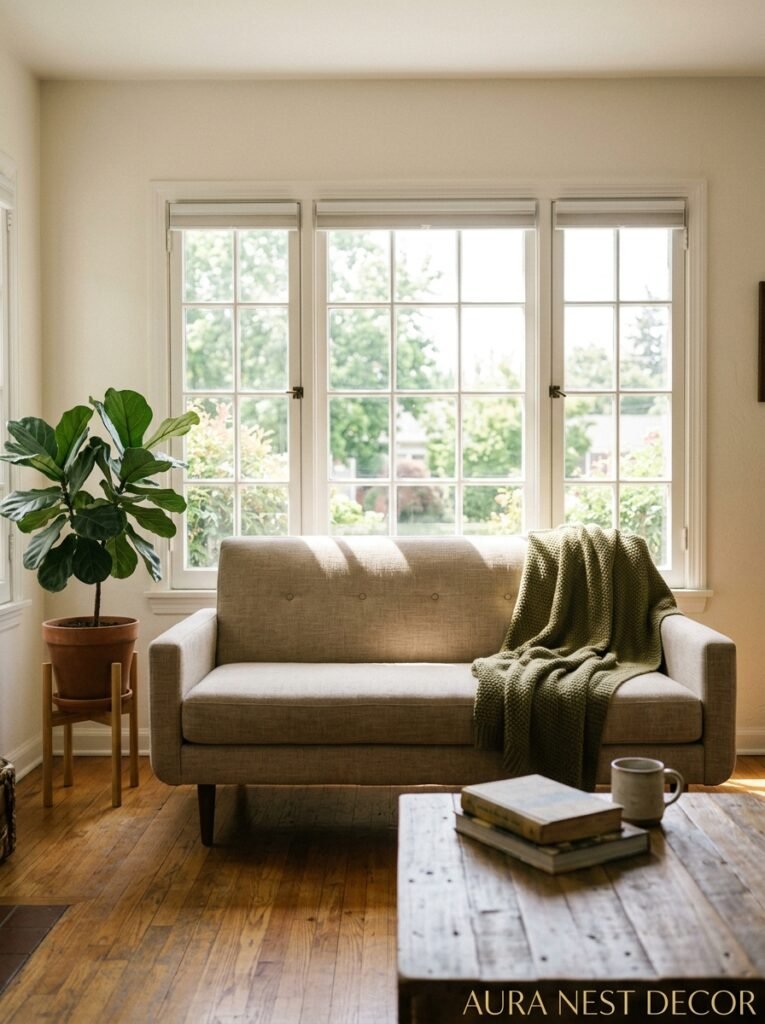
Everyone told you not to do this. You’ve seen the warnings. Block the light, ruin the room, terrible idea.
Sometimes it’s the right call.
In a small living room where the window wall is the longest or most prominent, putting a low-profile sofa in front of it can anchor the space in a way that nothing else will. The key is LOW. If your sofa back clears the windowsill by a few inches, light still floods over and around it. You get that warm glow behind the sofa, especially in the afternoon, that looks genuinely incredible and photographs like you hired a set designer.
This works best with south-facing windows in the US and south-facing in the UK (same thing, just clarifying for both audiences because I’ve gotten this confused before). You want maximum light so the sofa doesn’t create a shadow box situation.
What doesn’t work: a high-backed sofa in front of a small window. That just looks like a mistake. Stick to anything under 32 inches in back height if you’re going the window-wall route.
7. The Armrest Decision You’re Probably Not Thinking Carefully Enough About
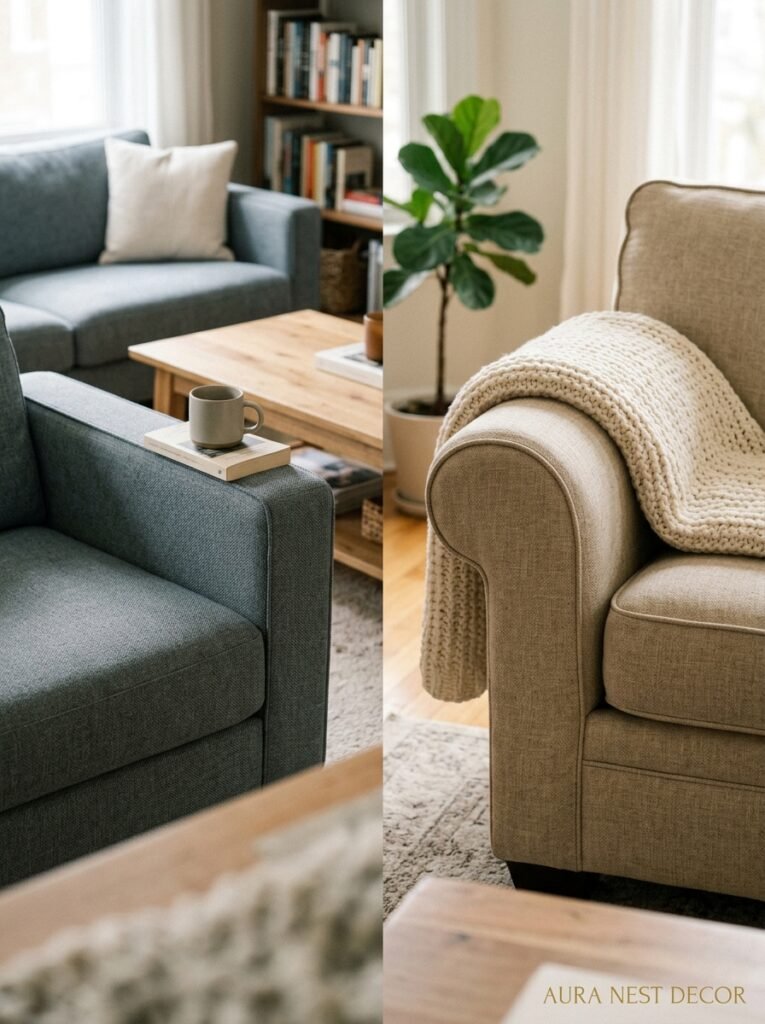
Sofa armrests take up a surprising amount of space. We’re talking 8 to 12 inches PER SIDE on a lot of standard sofas — and in a compact living room that’s significant.
Track arms (the kind that are flush with the sofa seat, basically a flat vertical panel) are the best choice for small spaces because they eliminate that wasted armrest depth. You get the full seat length without the bulge on each end. A 72-inch track arm sofa has more usable seating than a 75-inch rolled arm sofa. Not a massive difference, but you feel it.
Rolled arms and pillow arms are gorgeous — I love them in the right setting — but they eat into the room in two ways. First, physically. Second, visually. They make the sofa look wider and heavier than it is, which is the opposite of what you’re going for.
“Track arms aren’t a compromise, they’re a choice. And in a small room, they’re almost always the right one.”
8. The Styling Move That Makes Any Small-Space Sofa Look Like It Belongs There
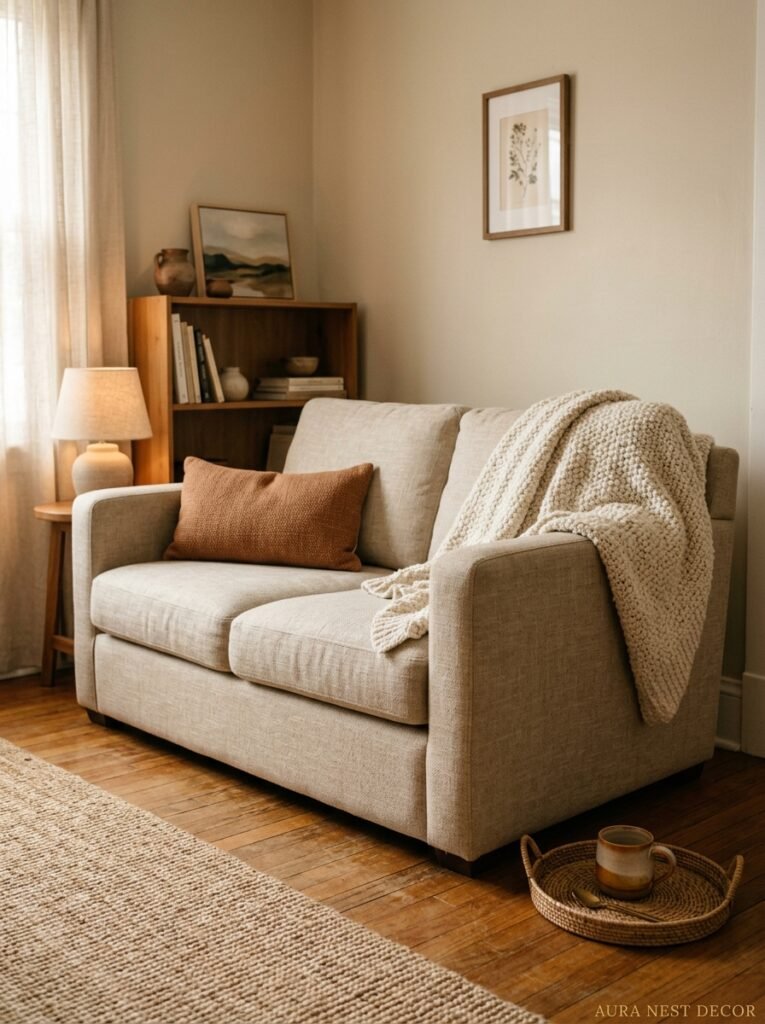
Coffee table placement. Specifically: going smaller than you think, and going lower.
I see it constantly — a small living room sofa paired with a coffee table that’s almost the same size as the sofa. It fills the visual space between you and the TV or fireplace and the room essentially becomes The Coffee Table Room.
In small spaces, try an oval coffee table at about half the length of your sofa, or two small round nesting tables instead of one rectangular one. The nesting table thing especially — you can pull them apart when you need the surface, push them together when you don’t, and the floor space that opens up when they’re nested is transformative. Or — side tables on either end of the sofa only, no coffee table at all. More walking room, cleaner lines, and you’ll find you adjust surprisingly fast.
Also: keeping your coffee table 14-16 inches from the sofa rather than the standard 18 inches creates a more intentional, cozy feeling in a tight room rather than a cramped one. Small distinction. Big difference in feel.
9. How British Interiors Are Solving Small Living Rooms Way Better Than Anyone Right Now
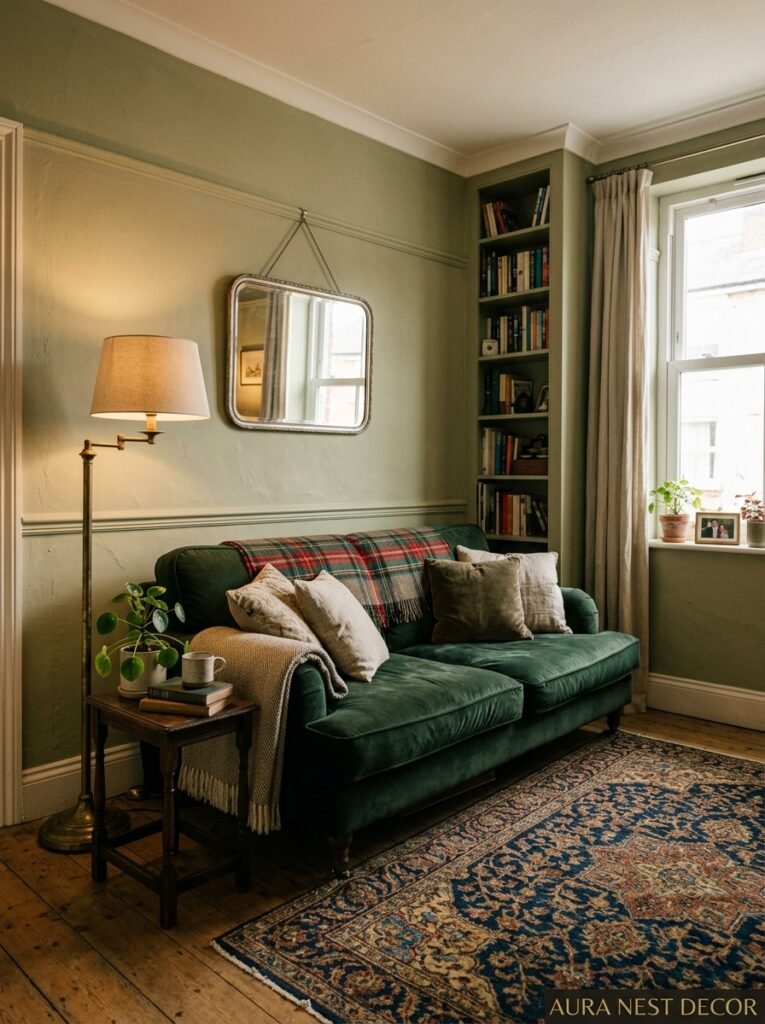
Not flattery. Just an observation.
UK homes — especially Victorian terraces, converted flats, and the kind of compact semi-detached that makes up most of suburban Britain — have been working with small living rooms for generations. The approach that’s consistently come out of that is less furniture, better furniture, and don’t fight the architecture.
What that looks like in practice: a single beautiful sofa as the anchor piece, maybe one armchair, and then everything else kept deliberately minimal. The walls do the work instead. A really considered paint colour. Good built-ins if you can afford them. Art hung slightly higher than American convention suggests, which draws the eye up and makes ceilings feel taller.
The American instinct (and I say this with love, as someone who definitely does this) is to fill the room. Add a loveseat. Add an accent chair. Add a pouffe. And then the small living room is just full of things that are all medium-quality and competing for attention.
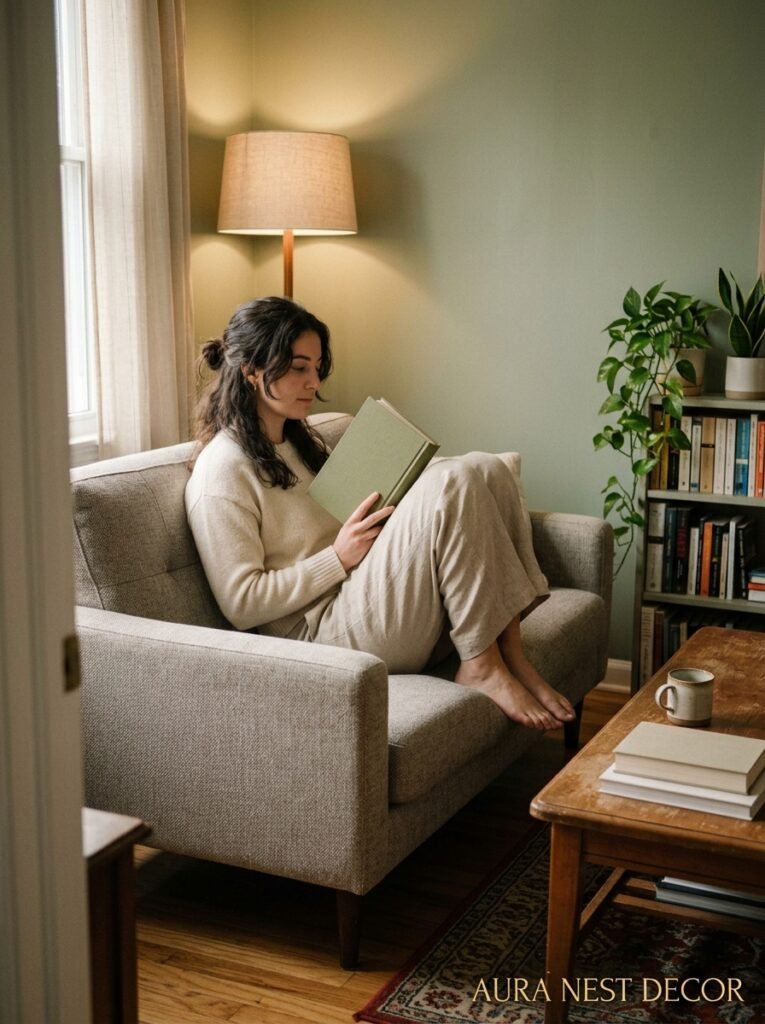
One great sofa, real restraint on the rest of the furniture, and then spend the styling budget on cushions, a throw, and the lamp that gives off that amber glow at 7pm. That’s the British formula and it consistently wins.
10. The Sofa Shape That’s Awkward Everywhere Except Small Rooms
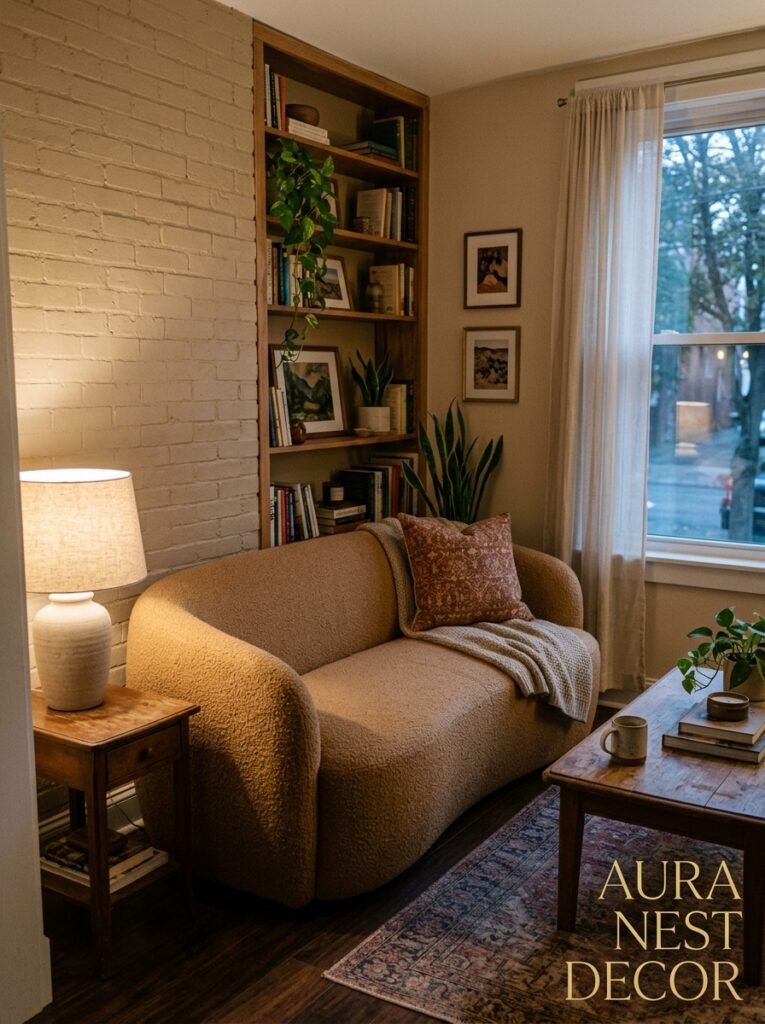
The curved sofa. The curved or semi-circular style that looks bizarre in a large open-plan space (where it just floats in the middle, orphaned) actually does something really interesting in a small room: it softens the corners.
Small rooms are often defined by their hard 90-degree angles. Every wall meets another wall in a tight corner and the room can feel boxy and rigid as a result. A curved sofa interrupts that pattern. It introduces a gentle arc that your eye follows, and the room suddenly feels like it was designed rather than just furnished.
Curved sofas also tend to be compact by nature — they’re usually 75-85 inches along the chord, which puts them in the ideal range for small living rooms. And the concave facing means you and whoever’s sitting with you are actually slightly turned toward each other, which makes conversation feel more natural. Kind of lovely, honestly.
They’re harder to find at the lower price points, but they’re worth looking for. Search “semi-circular sofa,” “crescent sofa,” or “curved loveseat” and you’ll start seeing them.
11. What to Do When Your Small Living Room Is Also Your Only Living Room
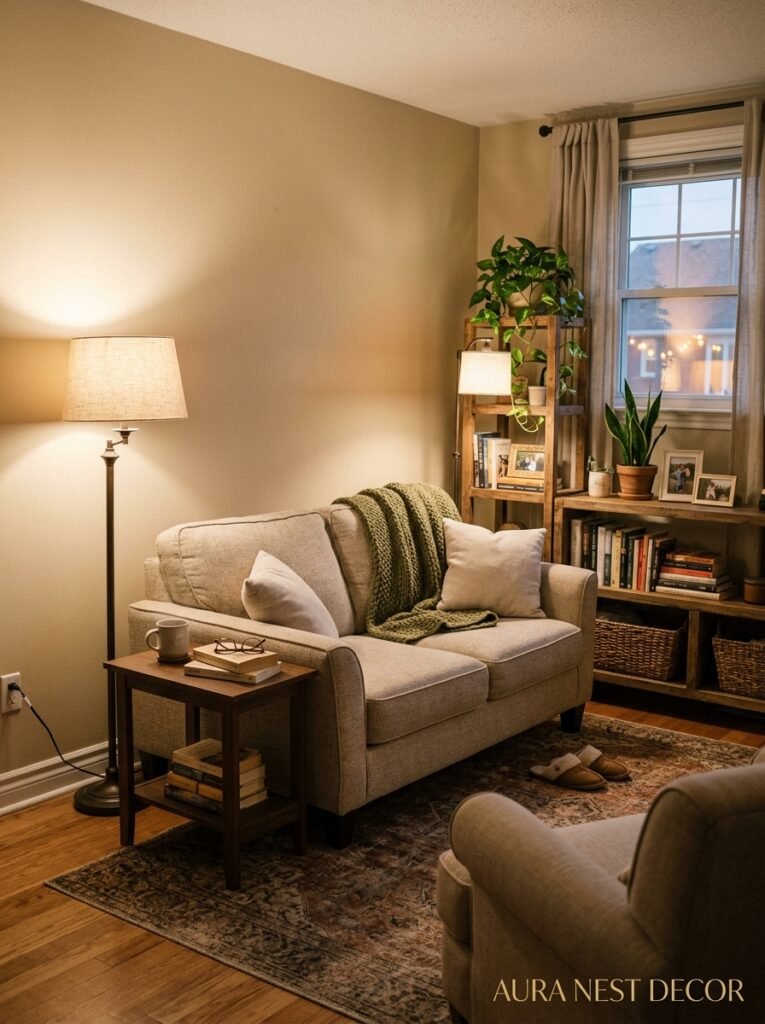
Meaning: it’s doing the job of a study, a TV room, a place where people eat sometimes, and occasionally a guest bedroom. This is real life for a lot of people in cities on both sides of the Atlantic.
The sofa you choose needs a daybed function or a pull-out function in this case — but not at the expense of everything else. The compromise most people make is buying a cheap sofa bed that’s comfortable as neither a sofa nor a bed. Don’t do it. Put more of your budget into a pull-out with a real mattress or get a really good quality daybed-style sofa instead.
The other piece of this: if your sofa is serving as an occasional guest bed, it needs to be positioned so that when it pulls out, there’s actually somewhere to pull it out TO. In a small room that means the coffee table has to completely clear (nesting tables — see section 8 — are brilliant for this), and the sofa has to have clearance at the front. Plan for the pull-out position BEFORE you measure and buy. Not after.
12. The One Rule That Makes a Small Living Room Feel Designed Instead of Just Decorated
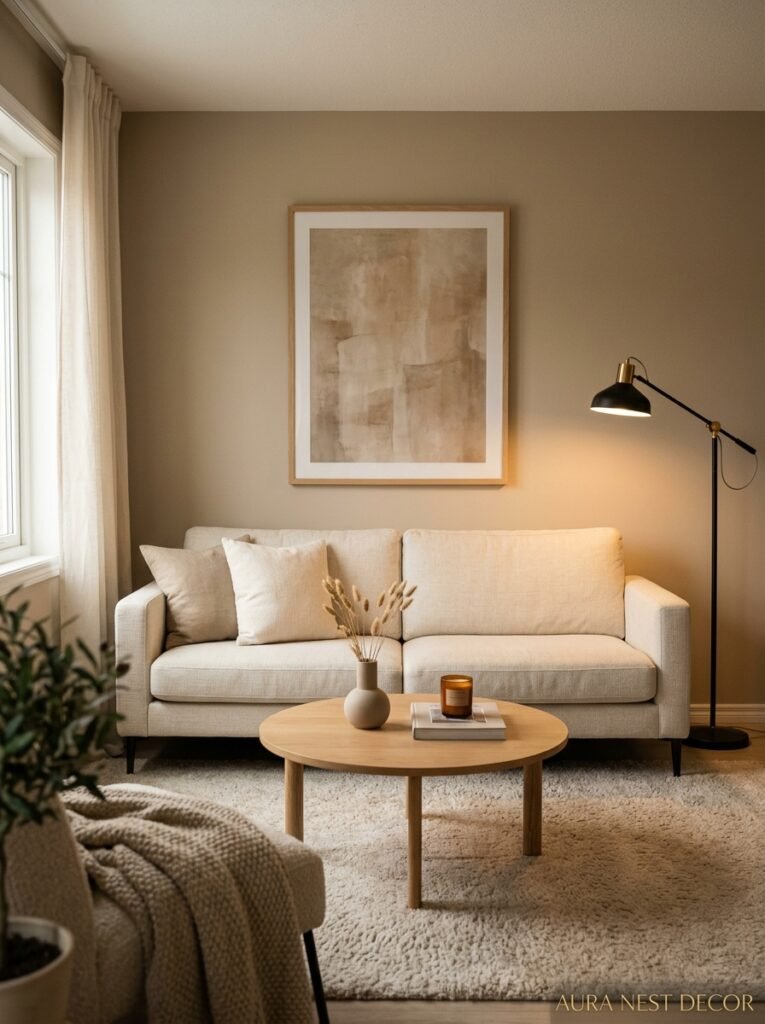
Consistency of material. Pick one finish — one metal tone, one wood tone — and run it through every piece in the room. If your sofa has walnut legs, your coffee table has a walnut base, your side table is walnut, your lamp base has a walnut detail. It doesn’t have to be matchy-matchy, just the same temperature of material.
What happens in a small room with this approach is that the eye reads the space as a whole rather than cataloguing individual pieces. It flows. And flow is what makes a small room feel intentional rather than cramped.
The sofa should set that tone. Once you know its leg finish and any metal hardware, you’ve got your material anchor for everything else. Don’t buy the sofa last and then try to reverse-engineer the rest of the room around it.
—
❓ FAQ
Q: What’s the maximum sofa size for a small living room? A: There’s no hard rule, but most designers suggest your sofa shouldn’t take up more than two-thirds of the primary wall it’s placed against. As a practical range, sofas between 65 and 85 inches tend to work best in small living rooms. Always measure your space first and mark the footprint on the floor with painter’s tape — it’s the single best thing you can do before buying.
Q: Is a loveseat or a small sofa better for a tiny living room? A: Usually a compact three-seater rather than a loveseat, counterintuitively. Loveseats often look undersized and make a small room feel awkward rather than intentional. A compact 72-75 inch sofa tends to hit the right proportion for most small living rooms without overwhelming them.
Q: Can I put a large sofa in a small living room if I like it? A: Sometimes yes, if everything else in the room stays minimal. A single large sofa with almost no other furniture, good legs for visual flow, and restraint in the rest of the space can work and even look deliberately dramatic. The mistake is combining a large sofa with lots of other furniture — that’s when a small room just feels full.
—
💭 Final Thoughts
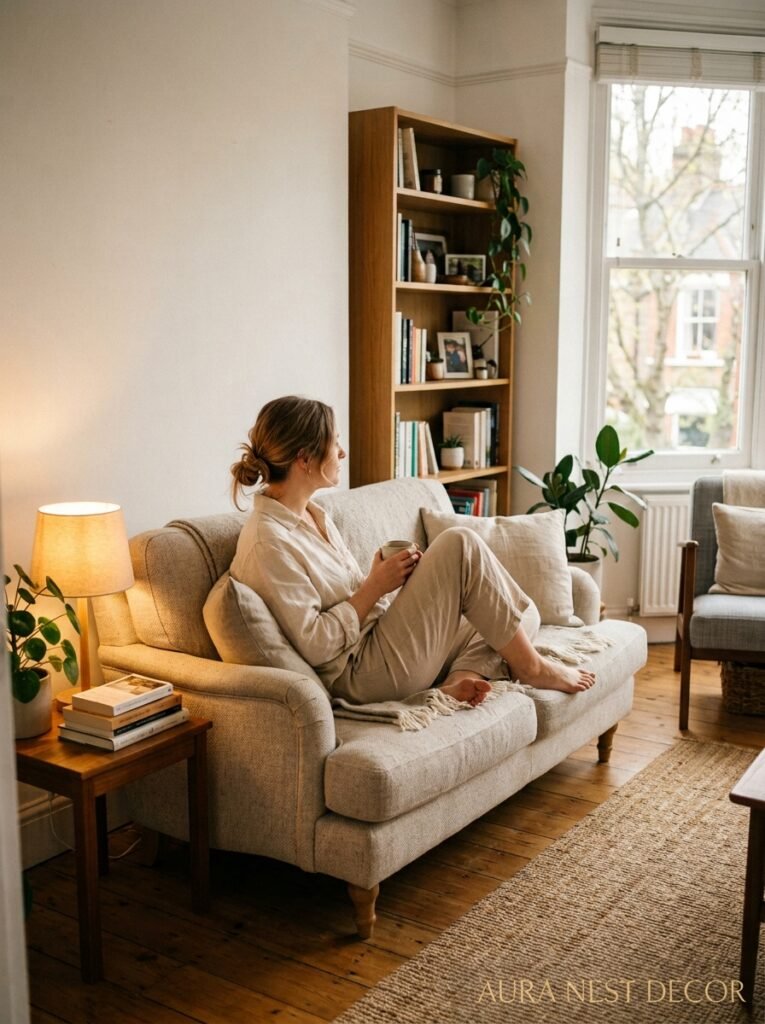
Small living rooms aren’t a problem to be solved — they’re actually a challenge worth loving, because the constraints force you to make better decisions. When you can’t just pile in more stuff, every piece has to earn its place. And somehow the rooms that come out of that process are always the ones people don’t want to leave. What’s the one piece in your living room you’d fight to keep, no matter how small the space got?