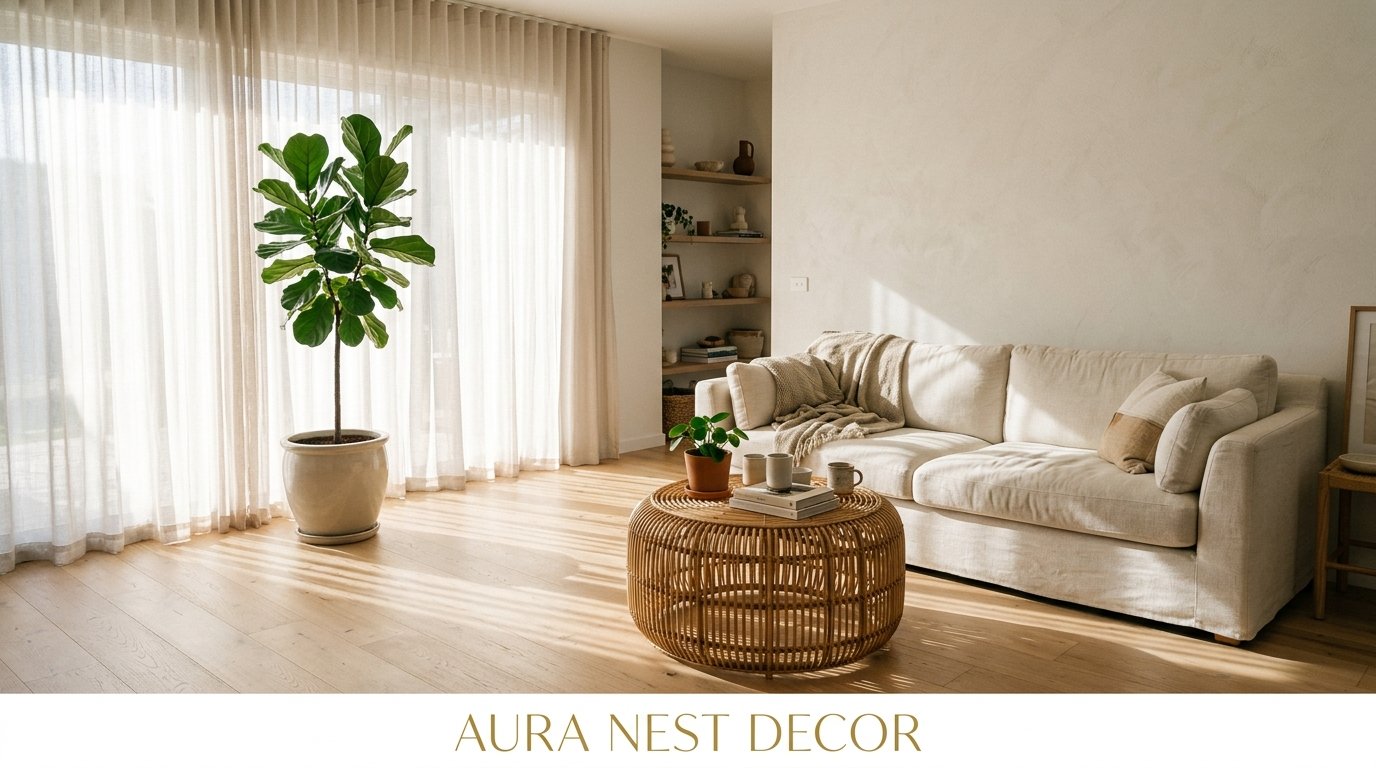
Why Your Living Room Feels Dark (And the Fixes That Actually Work)
My friend Cara called me last spring, genuinely frustrated. “I’ve tried everything,” she said. “New curtains, a lighter rug, I even painted the walls white. Still feels like a cave.” And I knew EXACTLY what she meant, because I’d lived in that cave too.

—
1. The Problem Isn’t Your Paint Color
I know. Everyone says go lighter. Paint it white, paint it cream, paint it the most inoffensive greige you can find at the hardware store. And yes, color matters — but if your bones are wrong, no amount of Benjamin Moore is going to save you.
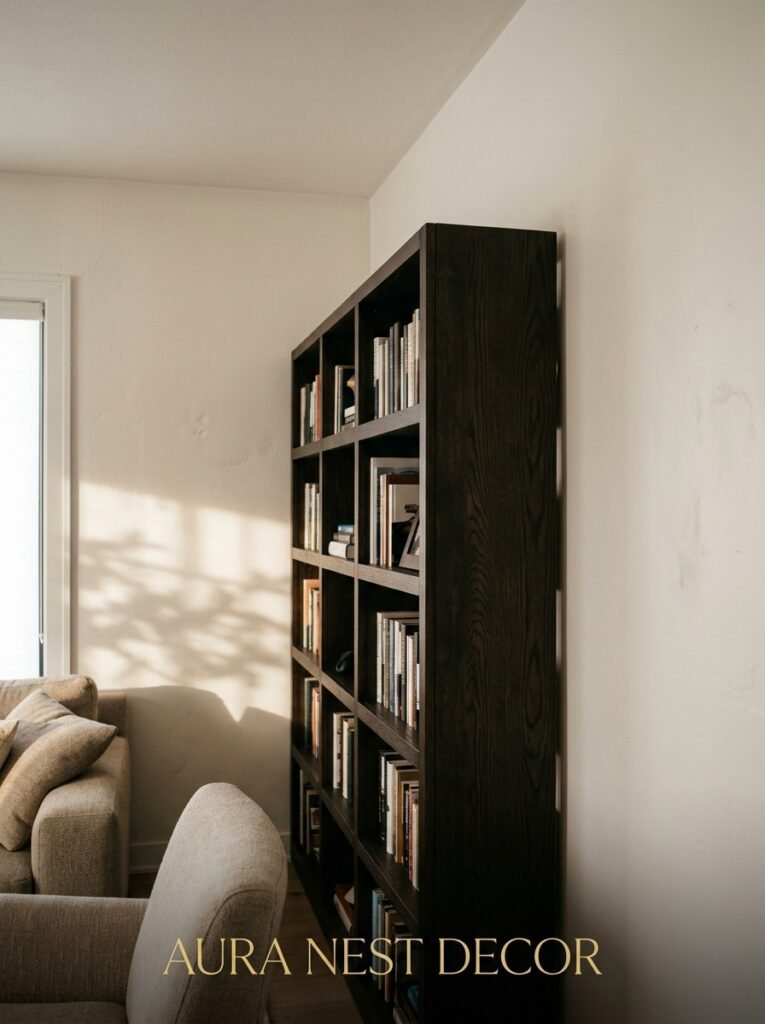
What I mean by bones: the layout of your furniture, where you’ve placed your biggest pieces, whether you’ve accidentally blocked your own light sources without realizing it. This happens ALL the time. A massive sofa shoved against the window wall. A bookcase that stops the light from traveling across the room. Heavy curtains that hang six inches inside the window frame instead of out wide beyond it.
Before you buy a single thing, stand in your living room at 10am on a regular day. Look at where the light hits. Look at where it dies. That’s your starting point.
“The furniture layout is doing more to darken your room than the walls ever could.”
It’s not the most exciting fix, but moving stuff is free. And sometimes just rotating the sofa 90 degrees is the thing that finally makes the whole room breathe.
—
2. The Curtain Mistake That’s Costing You Half Your Light
This one genuinely makes me a little passionate, not gonna lie.
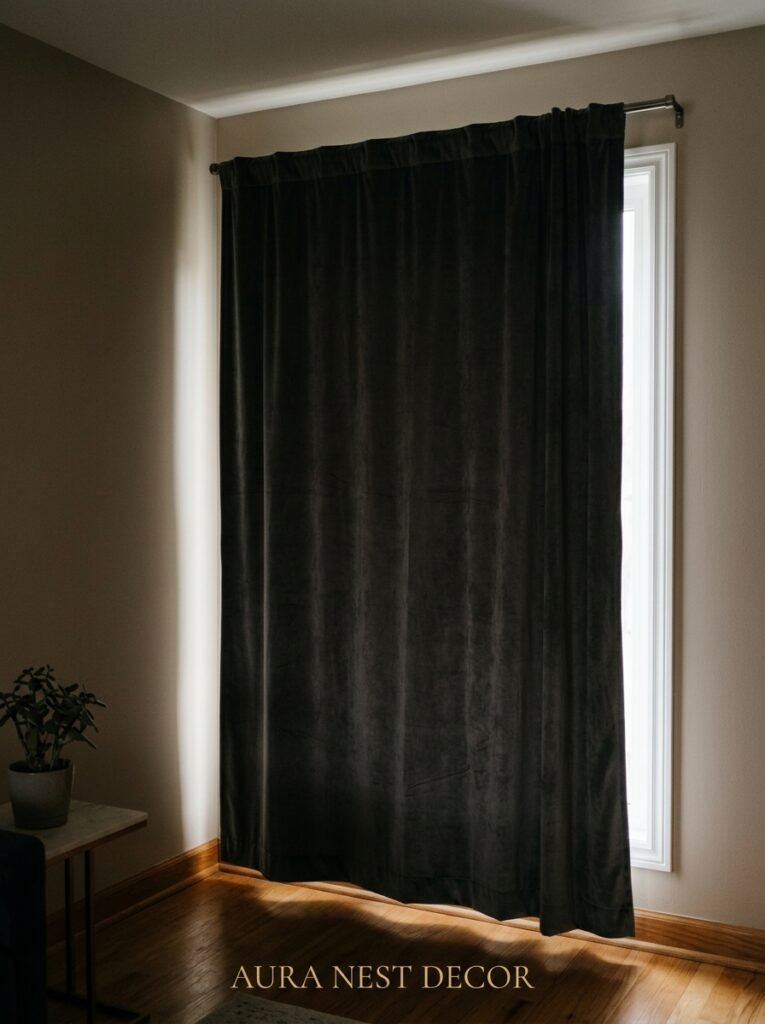
Most people hang their curtains too low and too narrow. The rod goes just above the window frame, the panels barely stretch past the glass, and what you end up with is a curtain that, when open, still covers a good chunk of your actual window. You’re blocking light you paid good money for.
Here’s what changes everything: hang the rod as close to the ceiling as you can get it. Like, almost ceiling height. And extend it out wide — at least 6 inches on either side of the window frame, ideally more. When you open those curtains, they live on the WALL, not on the glass. Your entire window is exposed and the room suddenly feels taller, wider, and flooded with light.
Fabric matters too. Linen is your best friend here. It filters without blocking, and there’s something about the way morning light comes through unlined linen that’s hard to describe — soft and warm and not harsh at all. Velvet is gorgeous in a bedroom but in a living room that’s struggling for light, it’s basically a light-eating machine.
—
3. The Color That Keeps Showing Up in Every Beautiful Bright Living Room Right Now
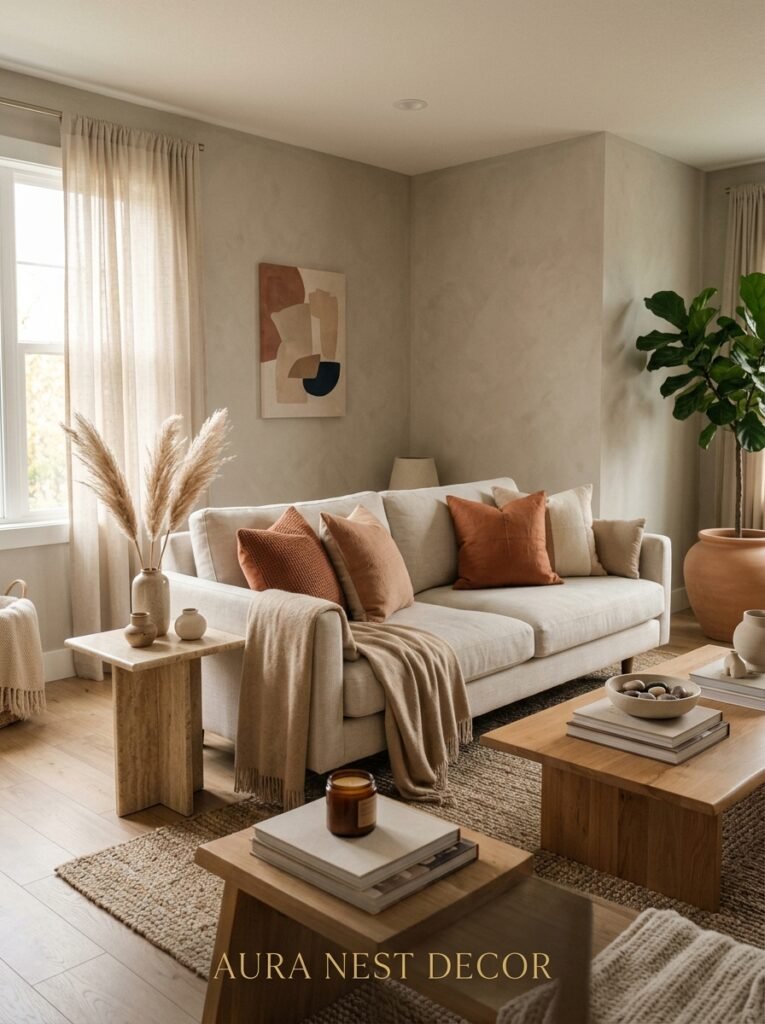
Off-white. But not just any off-white.
The ones that actually work have a very slight warm undertone — think cream leaning towards butter, or a white that edges toward soft sand. Pure cold white reflects light but it also reflects every shadow, and shadows in a cold-white room look blue and a bit bleak, especially in the UK where grey days outnumber sunny ones by a depressing margin.
Warm off-whites bounce light around a room in this lovely, almost glowing way. The light comes in, hits the walls, and gets warmer as it spreads. It’s the difference between fluorescent lighting and candlelight, even though you’re just working with daylight.
A few that I keep seeing and loving: Farrow & Ball’s All White (which is warmer than it sounds), Benjamin Moore’s White Dove, and Dulux’s Natural Calico if you’re in the UK and want something budget-friendly. None of these are stark. All of them make a room feel awake without feeling clinical.
—
4. Why Mirrors Are Both Overrated and Underused at the Same Time
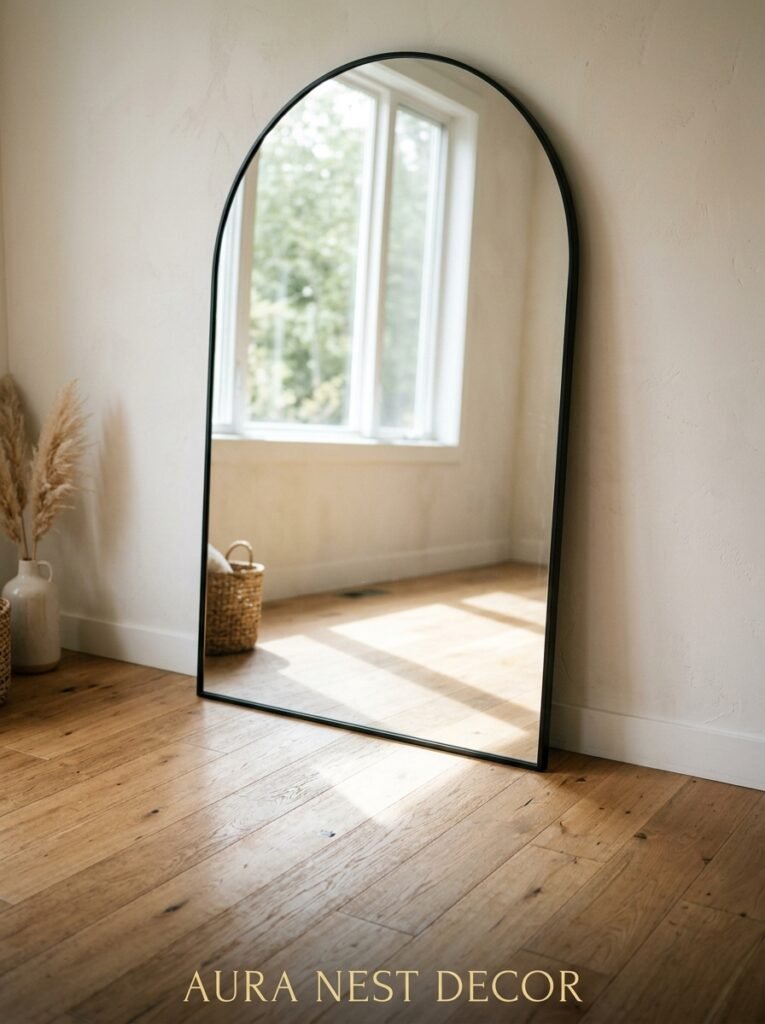
Everyone tells you to use mirrors. And then they hang one over the fireplace and call it done.
That’s not wrong, but it’s only about 20% of what mirrors can actually do for a space. The secret — and it’s sort of an obvious secret once you hear it — is that a mirror only works if it’s reflecting something worth reflecting. A mirror facing a dark wall just reflects the dark wall. Deeply unhelpful.
Position matters enormously. A large mirror placed on a wall perpendicular to or opposite your main window catches daylight and literally throws it back into the room. You get double the light, or close to it. It’s not magic, it’s geometry.
And don’t just think one big statement mirror. A cluster of smaller mirrors in different shapes can scatter light around in a more interesting, less formal way. I’ve seen this done really well with a mix of vintage round mirrors and a couple of rectangular ones, all grouped together on a wall that otherwise would have just been dead space.
Side note — mirrored furniture does the same thing on a smaller scale. A mirrored side table or a glass coffee table won’t transform the room, but they do catch and move light in a way that a solid wood table simply doesn’t.
—
5. The One Rule That Makes Any Small or Awkward Living Room Feel Intentional

Keep your biggest pieces light in color or visual weight.
That’s it. That’s the rule.
Your sofa is probably the heaviest visual item in the room. If it’s charcoal or dark navy or espresso brown, it anchors itself to the floor and pulls the whole room down with it. A natural linen sofa, a creamy boucle, a pale sage — these things sit in the room differently. They don’t disappear (especially with good cushions), but they don’t compete with the light either.
“Your sofa is either fighting your light or working with it. There’s not much middle ground.”
This doesn’t mean your room has to look boring or washed out. You can go bold with cushions, with artwork, with a statement rug in a deep jewel tone. Contrast is what makes a room interesting. But the BIG pieces — sofa, main armchair, storage unit — those want to be lighter if you’re working against a naturally dark space.
—
6. Lighting Layers You’re Probably Missing
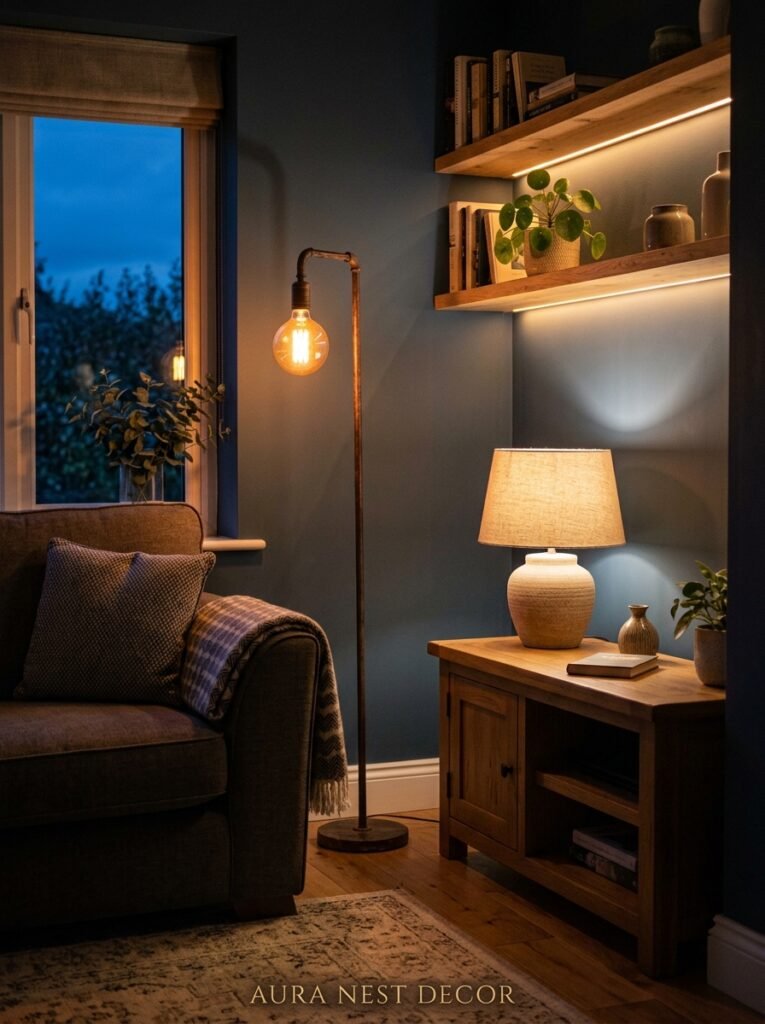
Natural light is the goal, obviously. But there are times — overcast British afternoons, early winter evenings in Minnesota, basically all of January — when artificial light has to do a lot of the heavy lifting. And most living rooms are lit terribly.
One overhead light in the center of the ceiling does almost nothing good for a room. It creates one pool of flat, unflattering light and leaves the corners in shadow, which makes the room feel much smaller than it is.
What works instead is layers:
- Ambient — your main ceiling light, but on a dimmer if at all possible
- Task — a floor lamp by the reading chair, a table lamp by the sofa end
- Accent — something that creates atmosphere: a small lamp on a shelf, LED strip lights behind a TV unit, a candle cluster on the coffee table
The warm amber glow of an Edison bulb at 7pm in winter is one of life’s genuinely underrated pleasures. The color temperature of your bulbs matters as much as the placement — go for 2700K to 3000K for warm, golden light rather than the blue-white daylight bulbs that make everyone look vaguely unwell.
—
7. The Furniture Arrangement That’s Secretly Blocking Your Light
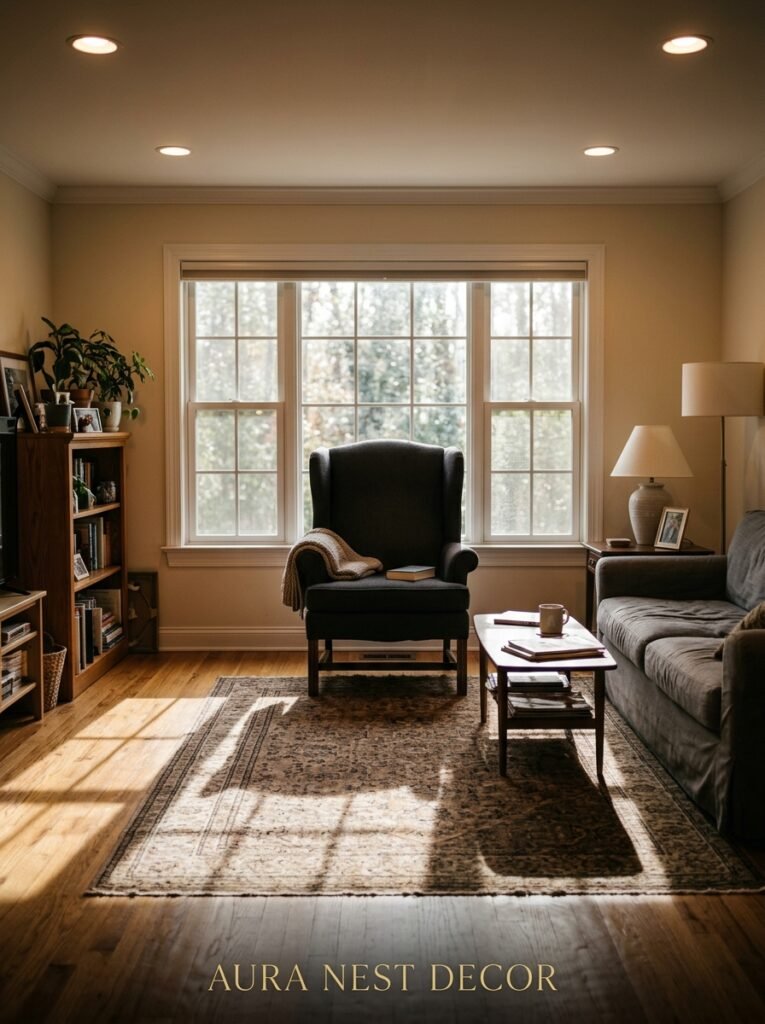
Back to layout, because I can’t stress this enough.
Tall furniture against the window wall is a killer. Bookshelves, display cabinets, even a tall-backed sofa pushed right up against the window — all of these interrupt the light before it even gets a chance to enter the room properly. Light comes in, hits something tall and solid, and basically stops there.
The fix isn’t always obvious because it often feels counterintuitive. Moving your tallest pieces to the wall opposite the windows — or to internal walls that don’t have windows at all — means the light can travel the full depth of the room unobstructed. It gets to do its job.
Low furniture does the opposite. A low-profile sofa, a coffee table that sits at shin height, side tables without anything blocking the legs — all of these let light move freely around and beneath them. The room feels more open because it genuinely IS more open, light-wise.
If you’ve got a window that doesn’t get much direct sun, keeping the area around it completely clear of furniture can make a real difference. Even indirect light needs room to spread.
—
8. Plants That Actually Make a Bright Room Feel More Alive (Not Less)
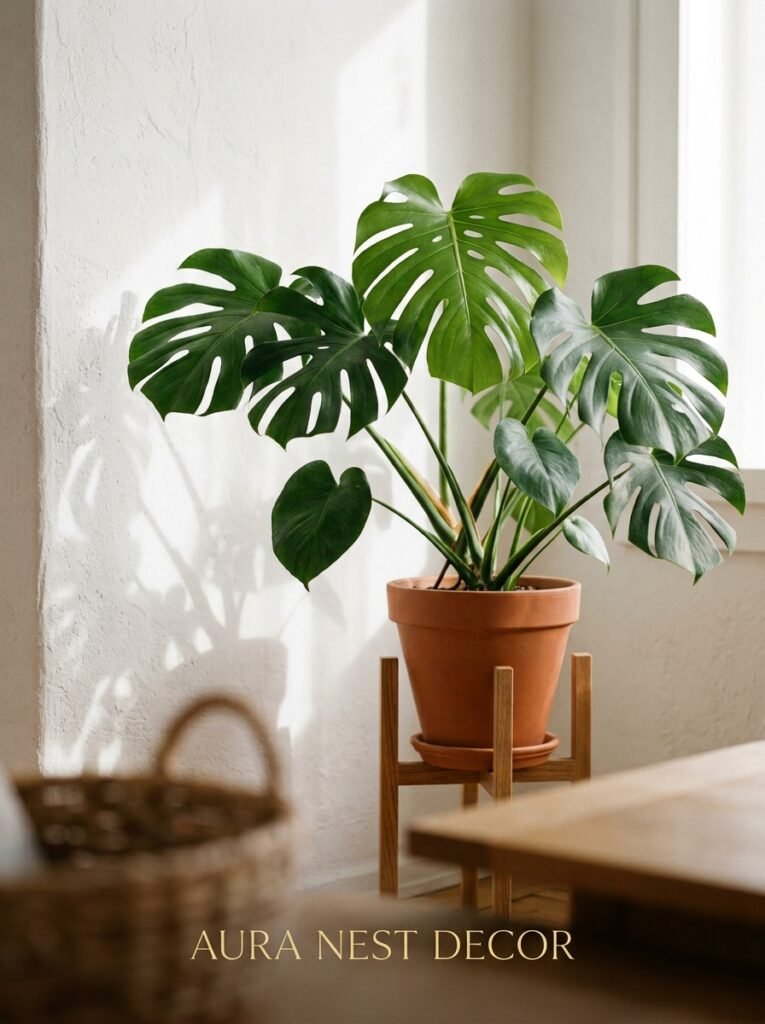
Here’s where I’ll admit something slightly embarrassing: I used to overcrowd my living room with plants and then wonder why it felt sort of heavy and cluttered. Too many big dark leaves everywhere.
The trick with plants in a bright room isn’t necessarily to fill every corner — it’s to choose ones that catch and interact with light rather than just absorbing it. Variegated plants with pale green and white patterning reflect light back. Trailing plants near a window look absolutely lovely when backlit. A single sculptural plant — a fiddle leaf, a monstera with good structure — in the right spot reads as art.
And honestly? A few plants is better than many for most living rooms. Let them have space to breathe. The room looks more considered and less like a jungle waiting room.
—
9. The Floor’s Role That Nobody Talks About
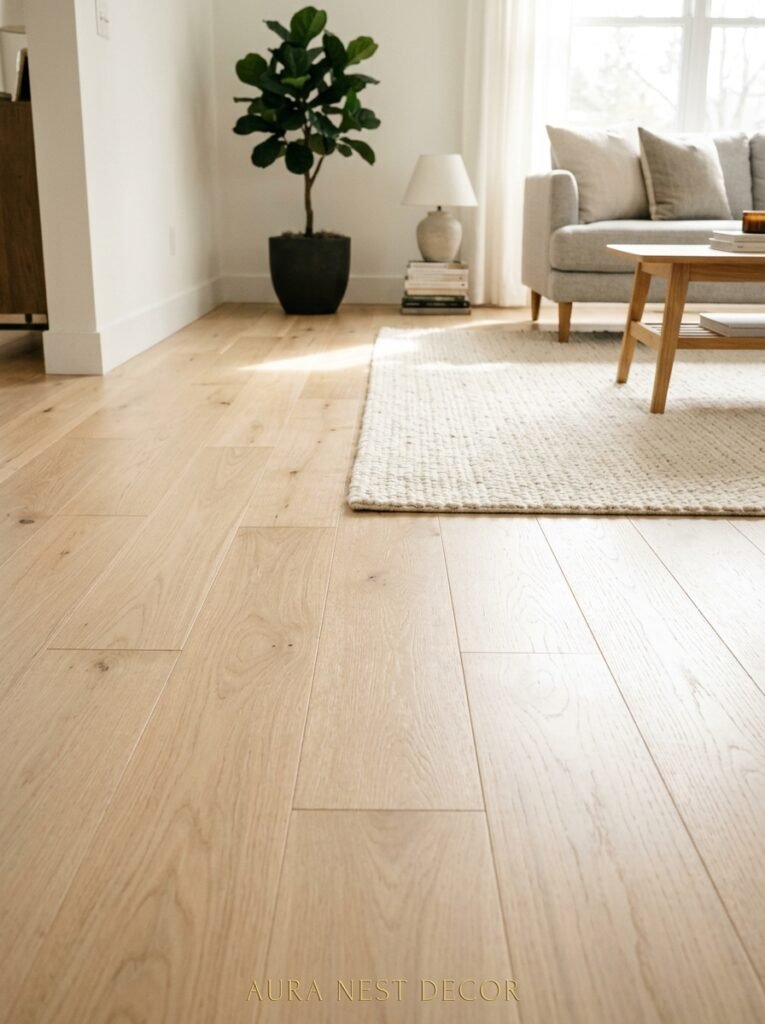
Ceilings get mentioned. Walls obviously get mentioned. Floors? Not nearly enough.
Dark flooring in a dark room is a lot. Very moody, very dramatic, sometimes intentional — but if your goal is brightness, a dark floor is working against you. Light-toned wood, pale stone, blonde oak laminate, even a large light-colored rug over dark flooring — all of these help reflect light upward rather than absorbing it into the ground.
If you can’t change your floor, a rug is the quickest fix. A large, light-toned rug over a dark wood or dark tile floor genuinely changes how the room feels. Not just visually — it changes how it FEELS to be in the space, the atmosphere of it.
Natural fiber rugs in jute or sisal are particularly good at this — they’re not white, but they’ve got a warm, sandy tone that works with daylight beautifully and doesn’t show every bit of fluff (which, practical bonus).
“The floor is the fifth wall. Most people decorate it last and think about it least.”
—
10. Hardware, Handles, and Other Small Things That Catch Light
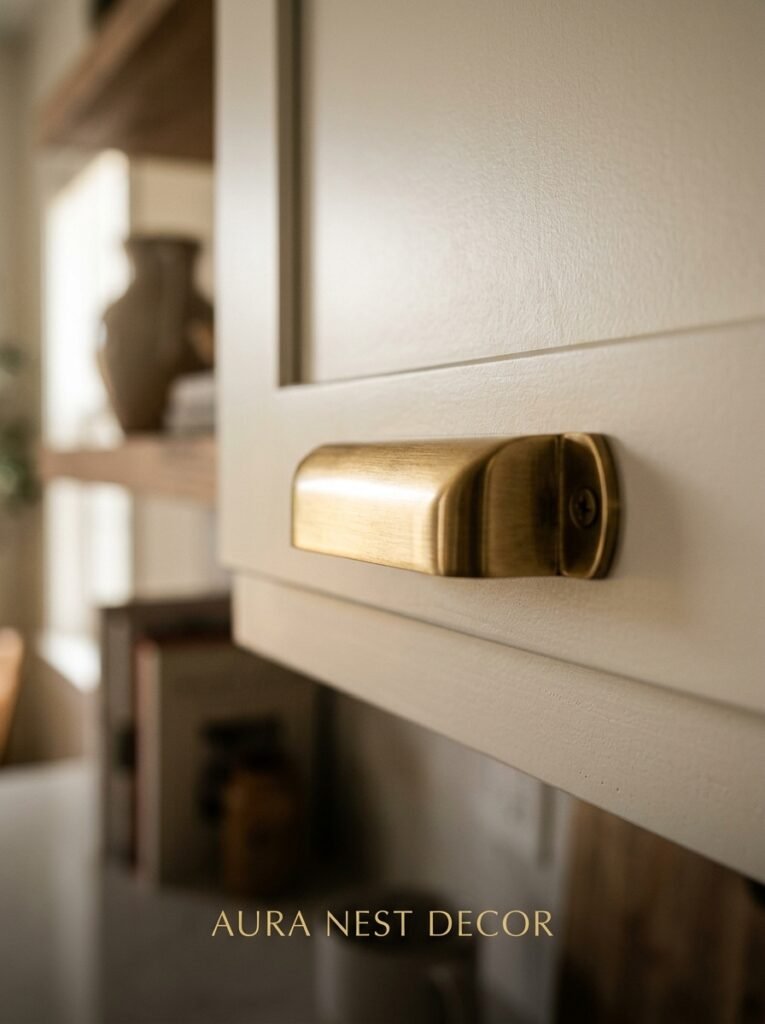
Okay, this might sound minor. It’s not.
Brass. Unlacquered brass specifically, or brushed gold if you want something that keeps its look with less maintenance. These finishes catch light and reflect it in tiny, scattered ways that add up to a room that shimmers a bit rather than sitting flat.
Swap out dark or matte black hardware on your media unit, sideboard, or shelving. Replace heavy drawer handles with something slimmer and shinier. It costs almost nothing and the cumulative effect is surprisingly real.
Same idea applies to light switch plates, picture frames, vases, decorative objects. A collection of ceramic pieces in pale tones, some with a glossy glaze that catches the light — this sounds small and it is small, but small things accumulate.
—
11. The Window Sill You’re Completely Wasting
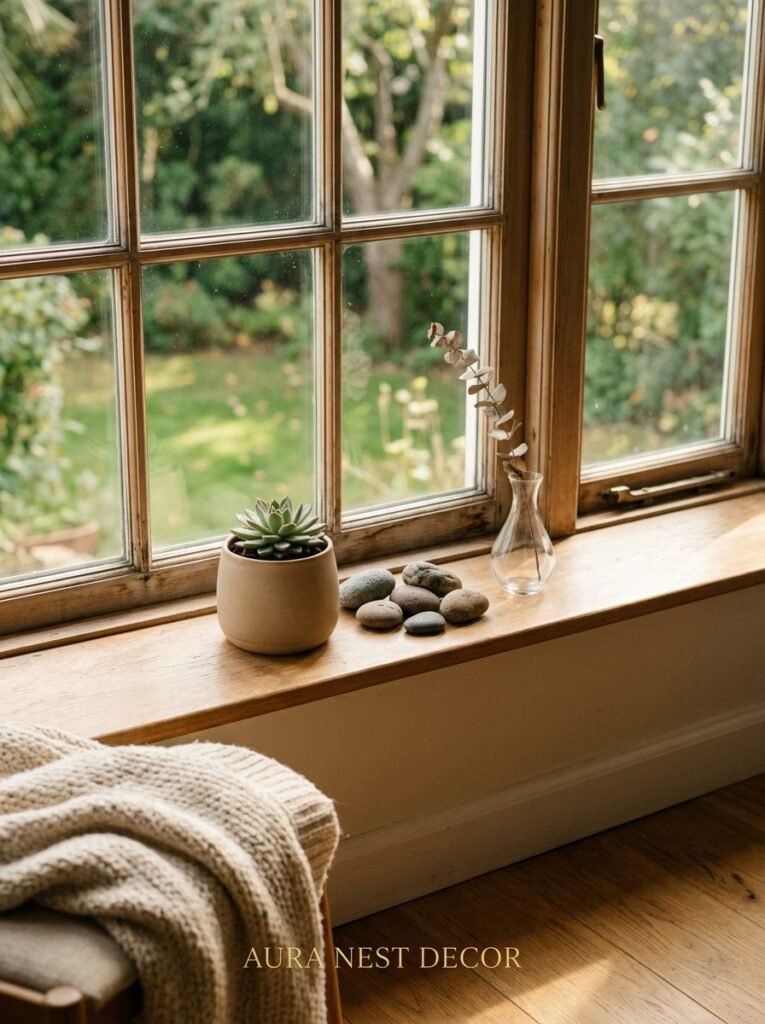
Most people use their window sill as a dumping ground. Charging cables, a random candle, an ornament they couldn’t find a home for.
Your window sill is prime real estate. It’s the closest surface to your light source and anything you put there is going to be LIT in the most literal possible way.
A couple of clear glass vases catch and fracture the light beautifully. Small succulents or herbs if the sill gets direct sun. A single trailing plant that drapes downward. White or pale ceramic objects that glow when backlit.
Or — and this is genuinely underused — keep it completely clear. A totally empty window sill reads as intentional and minimal, lets you see the full window frame, and doesn’t interrupt the light at all. Sometimes nothing is the move.
—
12. Knowing When Your Room Actually Just Needs More Light

Sometimes you’ve done everything. The curtains are hung right, the furniture’s rearranged, the walls are warm white and the mirrors are working. And it’s still not quite there.
That’s when you accept that some rooms don’t get enough natural light and work WITH that rather than against it. Lean into the warmth. Don’t try to make a naturally cozy north-facing room feel like a sunlit Californian loft — it won’t, and the attempt will just look strange.
Instead, create pockets of gorgeous warm light with a really considered artificial lighting plan. Let the room be cozy and amber in the evenings. Use daylight-spectrum bulbs during the day if you need to read or work. Accept that it’s a different kind of beautiful — intimate, warm, the kind of room you want to be in when it’s raining.
Some of my favorite living rooms I’ve seen on Pinterest aren’t bright at all. They’re warm. And there’s a real difference.
—
❓ FAQ
Q: What’s the best paint color to brighten a living room without it looking stark? A: Warm off-whites are your best bet — look for creams or whites with a slight yellow or peachy undertone rather than blue or grey ones. Farrow & Ball’s All White, Benjamin Moore’s White Dove, and Dulux Natural Calico are all reliable choices that brighten without going cold.
Q: Do light-colored sofas actually stay clean or is it a nightmare? A: Honestly, it depends on the fabric more than the color. Performance fabrics like Crypton or Bouclé with a tight weave clean up much better than pale linen in a high-traffic home. Many come with slipcovers now too, which is genuinely practical if you’ve got kids or pets.
Q: My living room faces north and gets barely any sun — what actually helps? A: North-facing rooms are tough, but warm artificial lighting layers make a huge difference. Invest in good floor and table lamps with bulbs around 2700K, use mirrors opposite any window you do have, and consider leaning into the cozy atmosphere rather than fighting it. Warm tones on the walls help too — cool whites will look grey and bleak in north-facing light.
—
💭 Final Thoughts

A bright living room isn’t always about flooding everything with white and maximizing every lumen. Sometimes it’s about knowing which one or two things are actively working against you and just fixing those. Cara ended up moving her bookcase, rehang her curtains, and swapping her charcoal sofa cushions for something creamy. She didn’t repaint a single wall.
The room felt completely different. Lighter, bigger, like it finally exhaled.
So — what’s the one thing in your living room right now that might actually be blocking the light you already have?