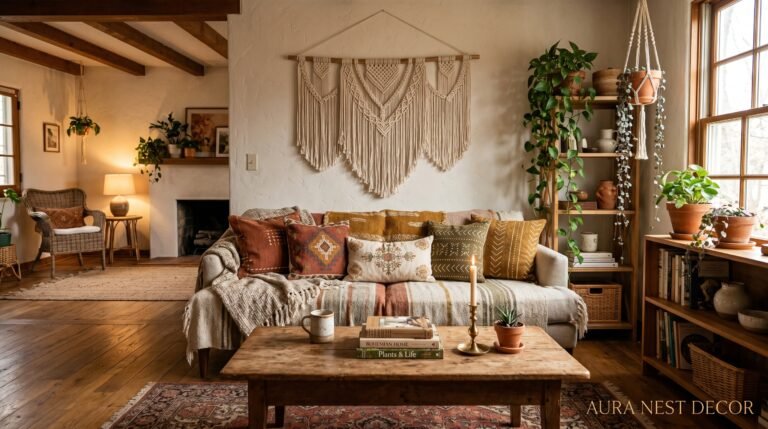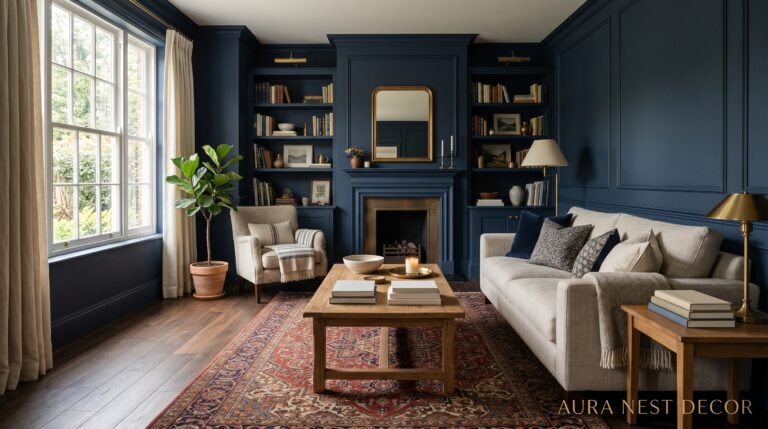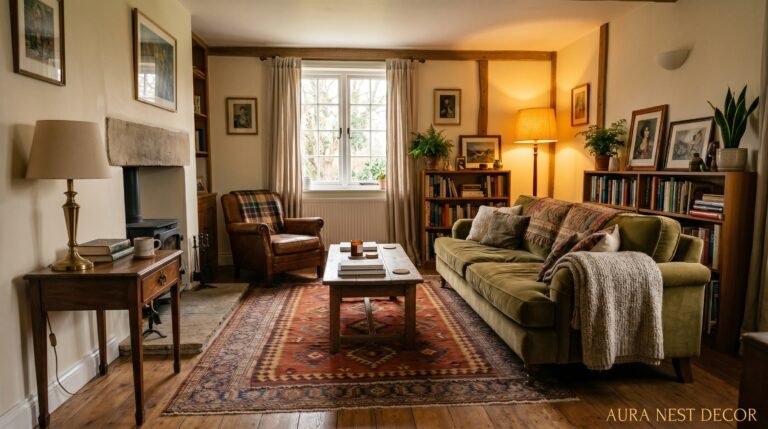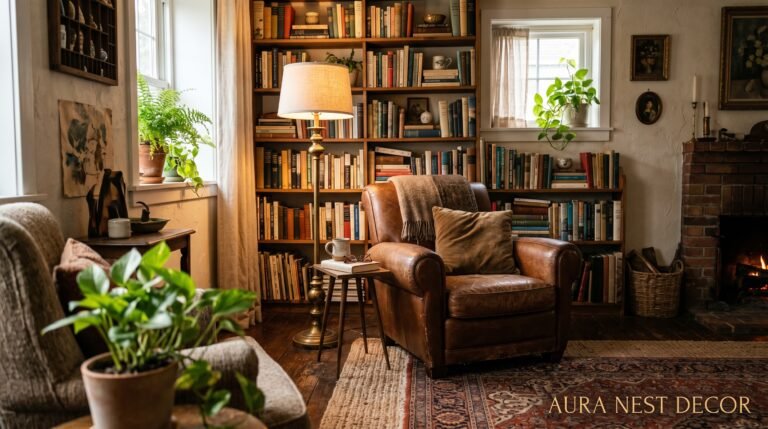
The Living Room That Feels Like a Deep Breath: Modern Rustic Apartment Decor That Actually Works
You know that feeling when you walk into someone’s apartment and immediately want to stay forever? It’s not the furniture. It’s not even the light, exactly. It’s the way the room feels like it knows who it is — and it turns out, modern rustic is one of the best ways to get there.
—
1. Why Modern Rustic Hits Different in a Small Apartment (and What It Actually Means)
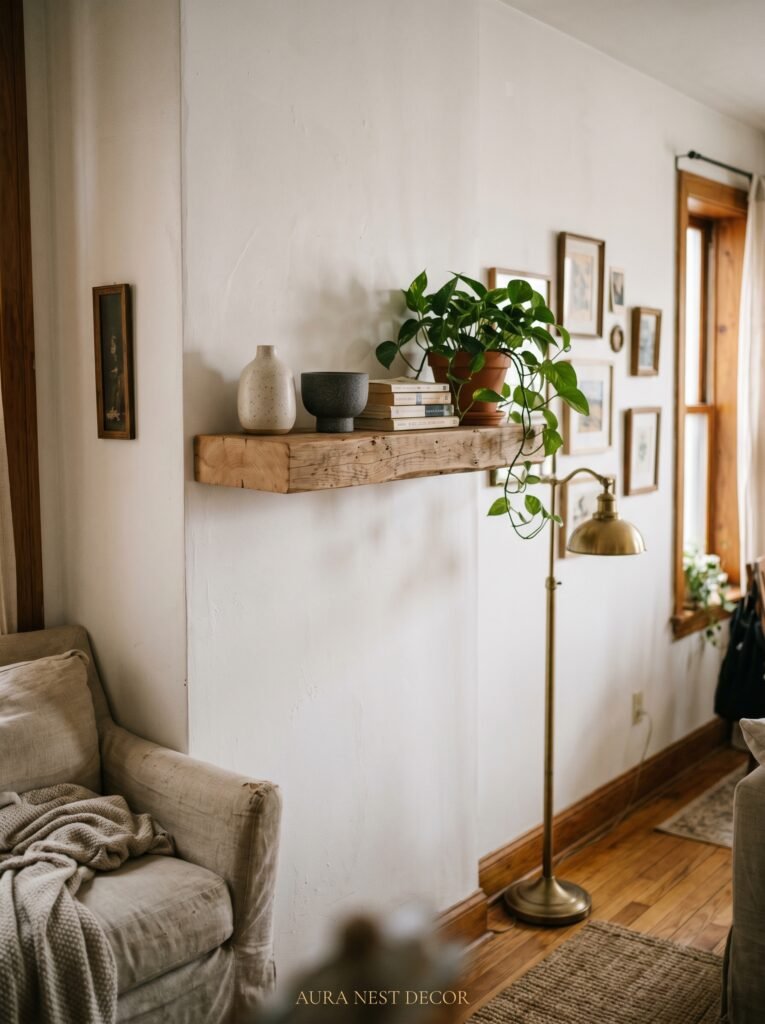
Let’s clear something up first. Modern rustic is not “put some wood on a shelf and call it a day.” It’s also not the distressed-everything farmhouse look that peaked around 2017 and left us all swimming in shiplap.
Modern rustic is a tension. It’s the warmth of natural materials — linen, oak, aged leather, rough-hewn stone — placed deliberately against cleaner lines. Sleeker silhouettes. Negative space that actually breathes. You’re not recreating a barn. You’re bringing the feeling of one into a place where people also stream TV and charge their phones.
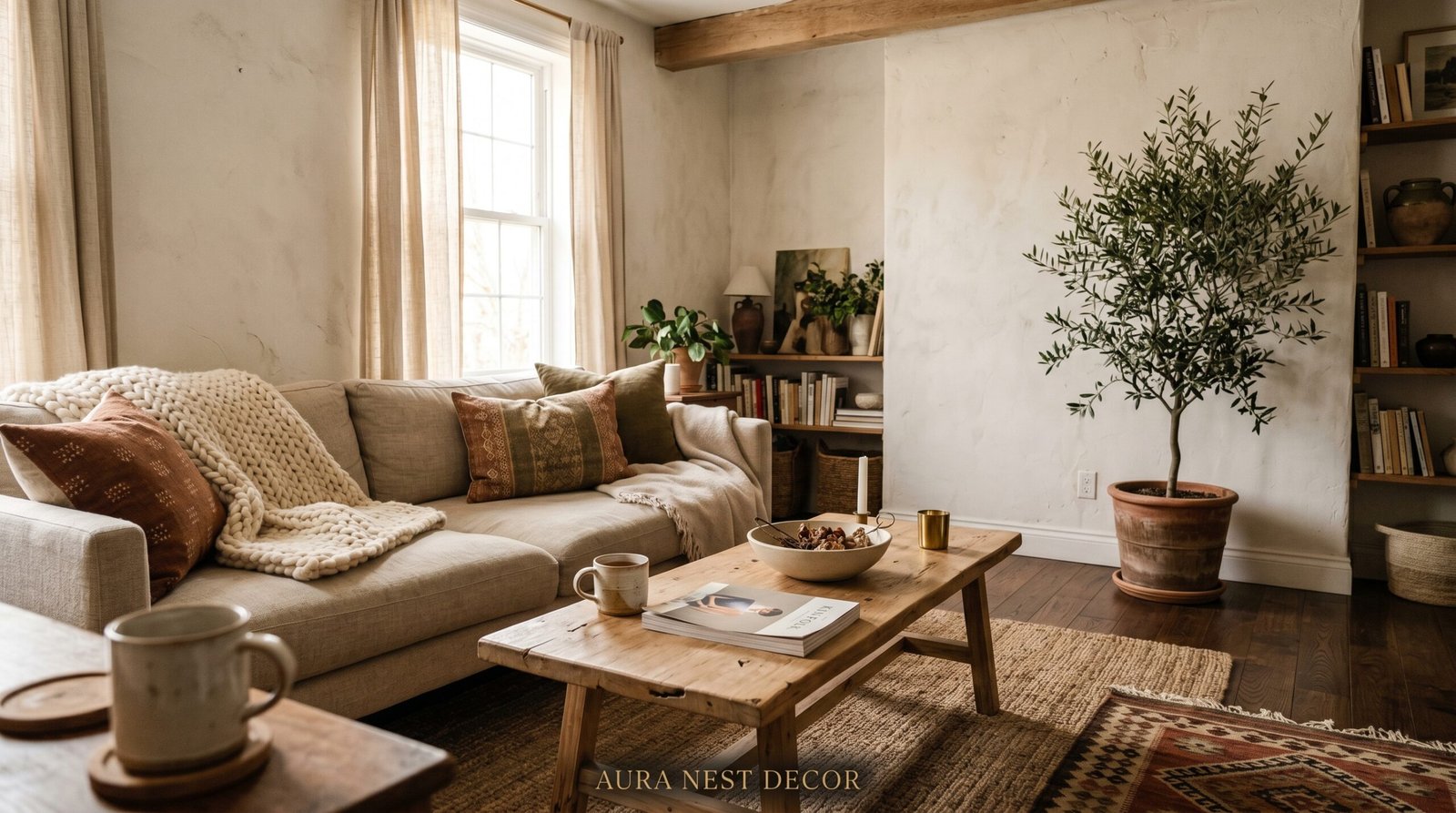
In an apartment specifically, this matters even more. You’re working with less square footage, which means every single object has to earn its place twice over. The good news is that modern rustic is forgiving in small spaces in a way that maximalist or ultra-minimal design simply isn’t. A raw-edged wooden coffee table makes a small room feel intentional. A linen throw draped over a corner sofa makes a compact living room feel curated. The style has built-in warmth, and warmth is exactly what small rooms need to feel like somewhere you actually want to live.
Think of it this way: modern rustic gives you permission to be imperfect. And in a rental apartment with uneven walls and awkward lighting? That’s the whole game.
“Modern rustic doesn’t hide the imperfections of a small apartment — it makes them look like choices.”
2. The Sofa Decision That Everything Else Hangs On
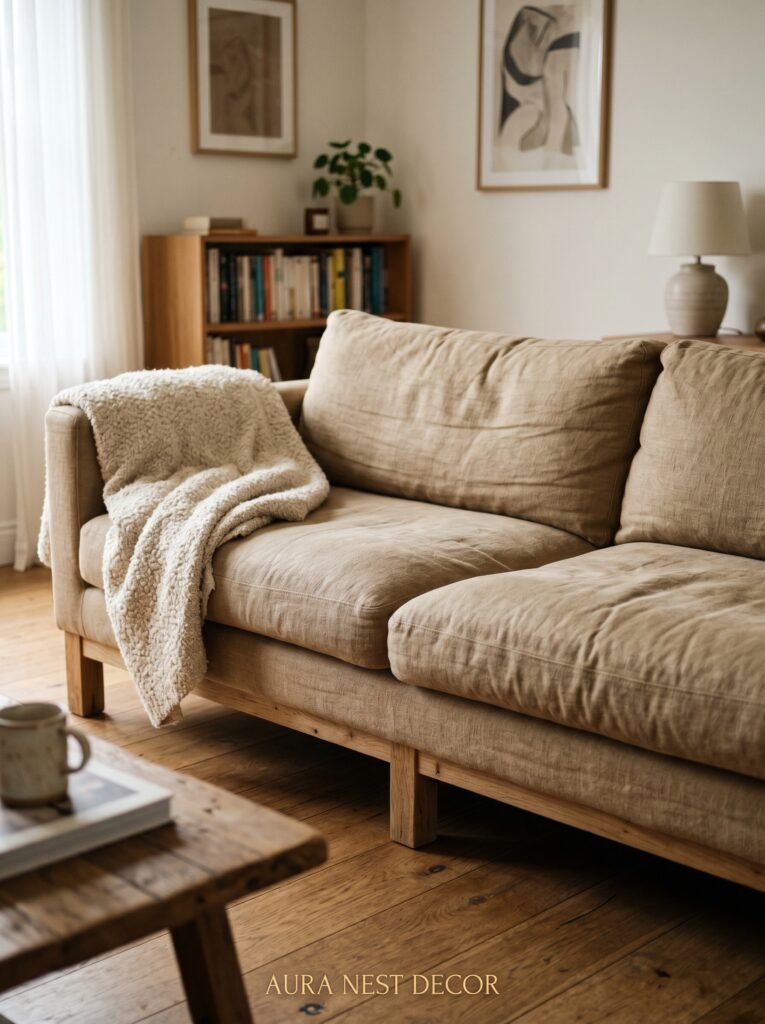
Every apartment living room starts with the sofa because it has to. It’s the biggest footprint in the room and the emotional anchor of the whole space. Get this wrong and no amount of styling will save you. Get it right and half your work is already done.
For modern rustic, you’re looking at two main directions. Natural linen or cotton in oatmeal, warm sand, or a very muted olive. Or leather — specifically aged, broken-in leather in tan, cognac, or a soft caramel. Both work. Neither is wrong. The choice depends entirely on the rest of your palette.
Linen sofas are softer, more forgiving, easier to work with if you’re layering patterns. They photograph beautifully in the afternoon. They also show every single crumb. If you have kids, pets, or simply a life, the leather option might save your sanity.
The shape matters as much as the material. Clean lines. No ornate rolled arms, no fussy button tufting. A track arm or loose pillow back keeps you on the modern side of modern rustic. Legs should be wood — tapered or turned, not metal. Metal legs slide the whole look toward Scandinavian minimalism, which is a different conversation entirely.
Size your sofa to the room, not to some abstract idea of what feels cozy. A sofa that’s too large for an apartment living room will always fight the space, no matter how beautiful it is on its own.
3. The Color That Keeps Showing Up in Every Beautiful Modern Rustic Apartment Right Now
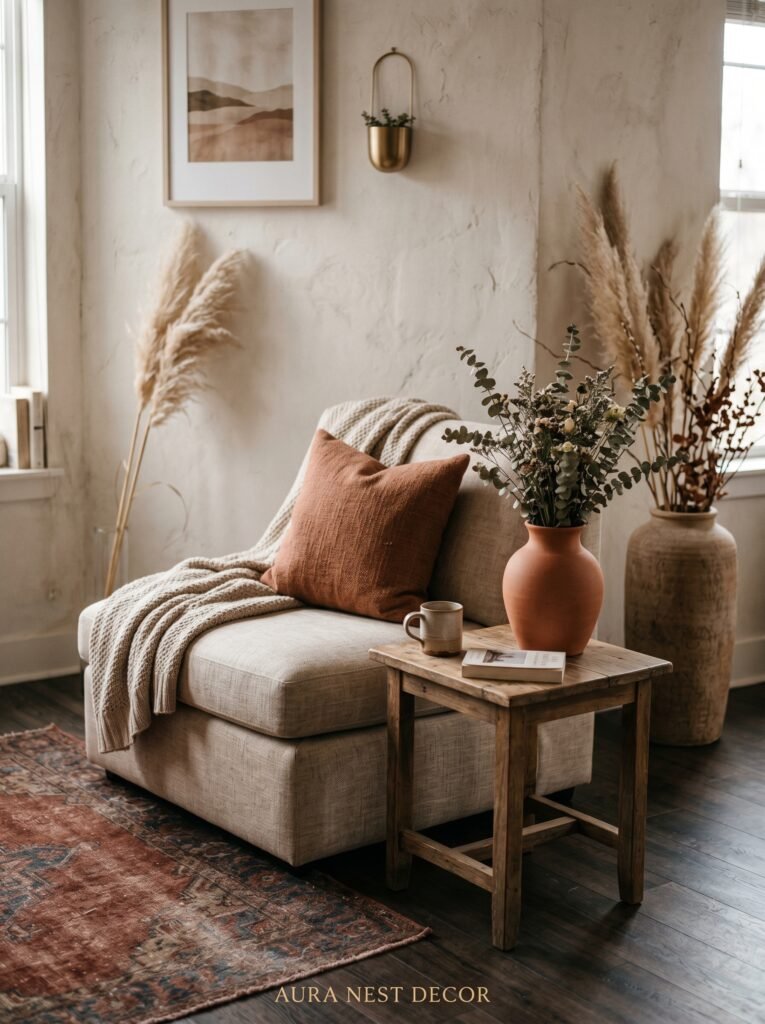
Warm white is not the same as cool white. If you learn nothing else from this article, let it be that.
The living rooms doing modern rustic best right now are working with a base of warm white or off-white walls — think a color with a tiny whisper of cream or warm gray — and then building texture on texture within that palette. It’s not beige. It’s not greige. It’s closer to the color of good bread.
From that base, the palette deepens with terracotta, sage, dark walnut, aged brass, and the occasional near-black. These aren’t accent colors exactly. They’re weight. They stop the room from floating away into something too pale and precious.
In the UK, this palette feels immediately at home in Victorian terraces and Edwardian flats where the bones of the building already have warmth. In US apartments with white-box construction, you sometimes need to build that warmth entirely yourself through objects and textiles, but the approach is identical.
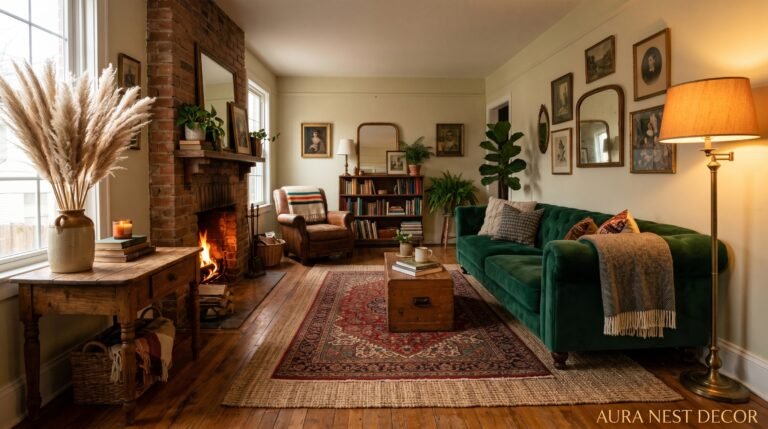
One specific combination that keeps appearing and keeps working: warm white walls, a cognac leather sofa, a large jute rug, one piece of dark-stained wood furniture, and a single terracotta ceramic. That’s a complete room. Everything else is detail.
4. The One Rule That Makes Any Rustic Element Feel Modern and Not Dated
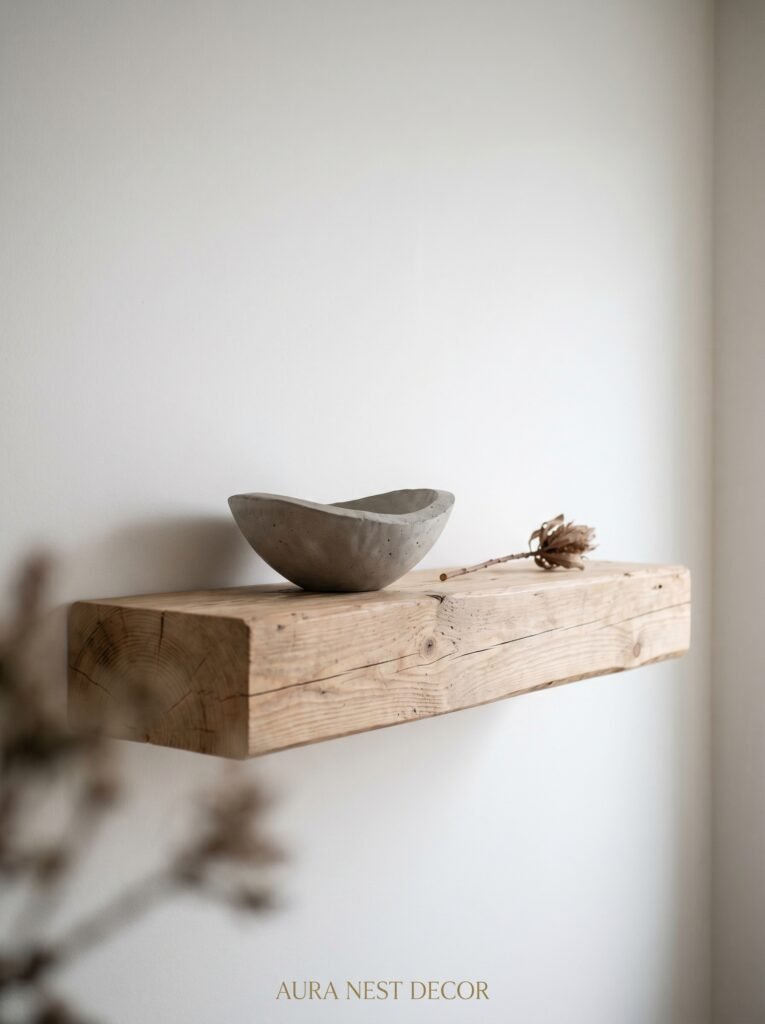
Here it is. Ready?
Every rustic element needs a clean counterpoint.
That’s it. That’s the whole rule. A rough-textured linen pillow sits on a sofa with clean lines. A reclaimed wood shelf floats on a plain, unadorned wall. A chunky woven throw drapes over a simple, low-profile chair with no ornamentation. The rustic piece gets to be itself — tactile, imperfect, warm — because the thing next to it gives it room.
The moment you start clustering rustic elements without clean breaks, you tip into something that feels heavy and dated. Two distressed wood items on the same surface is one too many. A jute rug and a rattan chair and macramé wall art in the same room and suddenly you’re in 2014. Choose your rustic moments and honor them by keeping everything around them quiet.
This is the hardest thing to actually do when you’re shopping, because the rustic pieces are always the most appealing ones. They’re beautiful, tactile, full of character. You want to bring all of them home. Don’t. Pick the ones that will be seen and give them the respect of surrounding space.
“Every rustic element needs a clean counterpoint — something simple enough to make the texture sing.”
5. What to Do With Your Floors (Even When You Can’t Touch Them)
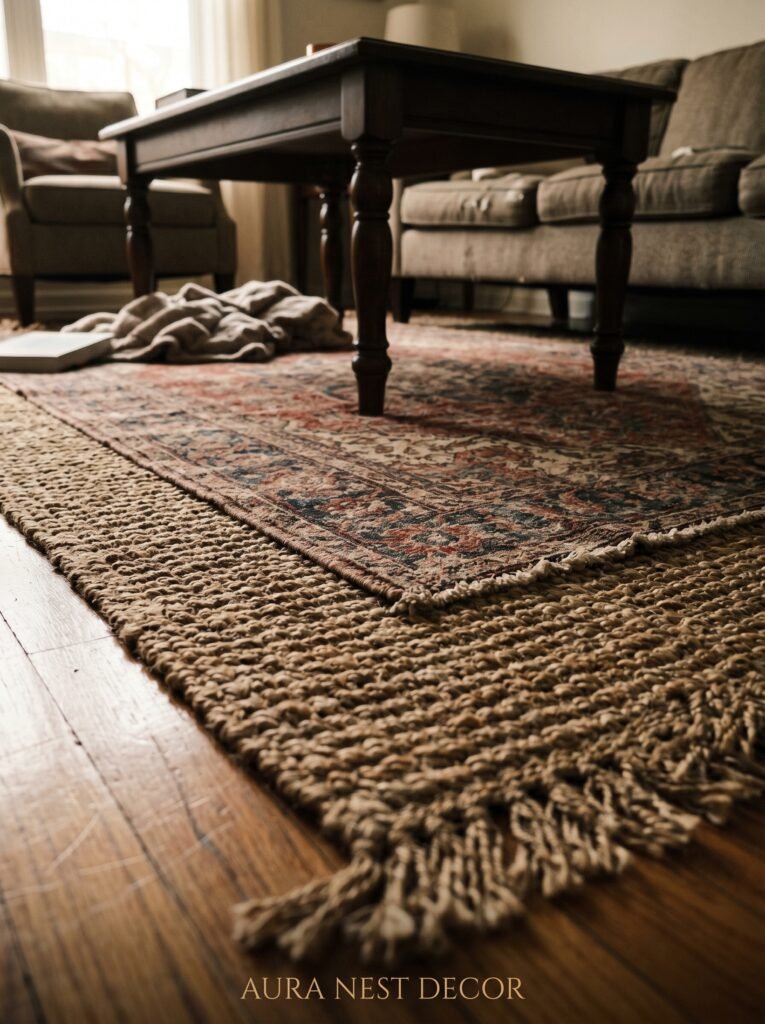
Most apartment dwellers are working with floors they didn’t choose and can’t change. Laminate. Builder’s grade carpet. Cold tile. In any of these situations, a rug is not optional. A rug is the floor.
For modern rustic, your rug is doing two things at once: grounding the seating area and adding another layer of natural texture. The materials that work best here are jute, sisal, wool, or a flat-weave cotton in a natural tone. A large jute rug under a linen sofa creates this satisfying layering of natural fibers that photographs so well you’ll want to post it immediately.
Size generously. Always. The most common rug mistake in apartment living rooms is going too small, which makes the furniture arrangement look accidental and the room look smaller, not larger. If you’re in doubt, go up one size. Aim for front legs at minimum on the rug; all legs on is even better.
Layering rugs is underused and worth trying. A smaller sheepskin or Moroccan-style flatweave on top of a large jute adds depth and visual warmth without any extra furniture. It’s particularly good in UK flats where the ceilings are lower and you want the eye to move horizontally rather than up.
On carpet, layer a larger low-pile rug directly on top. It grounds the space, covers the carpet, and instantly changes the feeling of the room. Yes, this works. No, it doesn’t look odd. It looks intentional.
6. The Lighting Secret That No One Talks About Enough
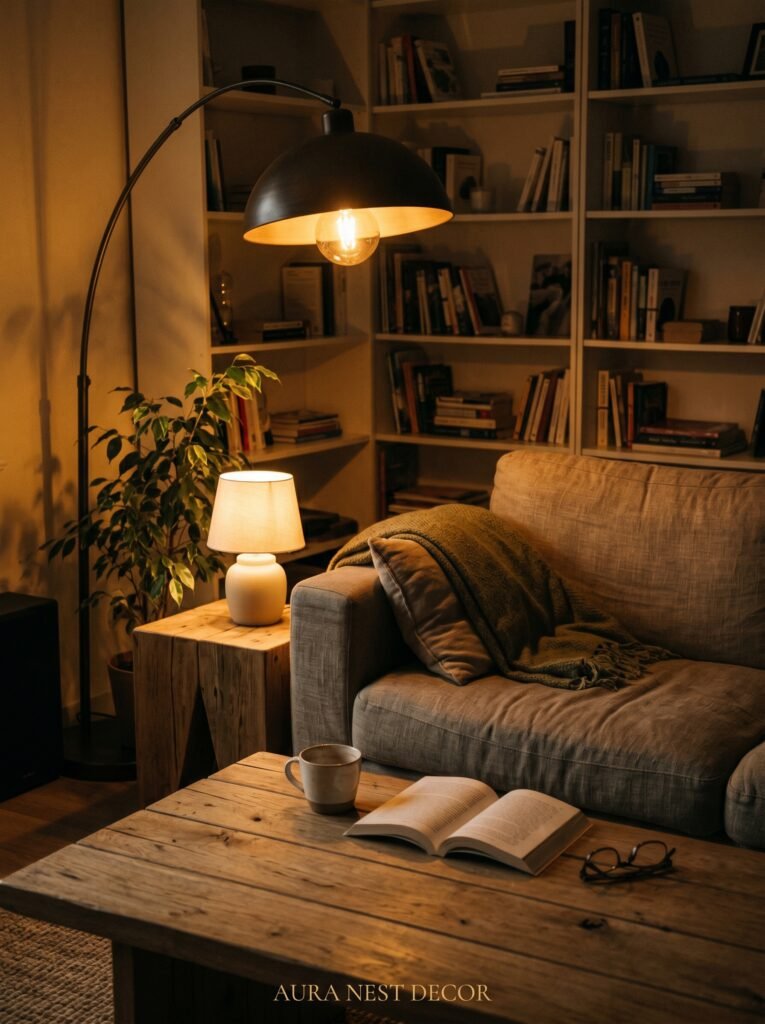
Whatever lighting came with your apartment is probably wrong. Not slightly wrong. Wrong in a way that undermines everything else you’ve done.
Overhead central lighting — the single pendant or flush mount or, worst of all, the naked energy-saving bulb — kills atmosphere dead. It flattens texture, washes out warm tones, and makes every room feel like a waiting room.
In a modern rustic living room, you’re building a lighting plan from the floor up. Floor lamps with linen or paper shades. Table lamps with warm-toned bulbs. Candles, always candles, in ceramic or concrete holders. If you can add plug-in wall sconces, do it. They add architectural warmth that even renters can achieve without drilling.
The specific bulb matters. You want something in the 2700K range — that golden, amber warmth that turns a living room into something you actually want to be in after 6pm. It’s the difference between a room that looks warm in photos and a room that feels warm when you’re standing in it.
Layering your light sources — one floor lamp, two table lamps, candles — means you can change the mood of the room just by choosing which ones you switch on. That’s a kind of decorating magic that doesn’t cost a renovation budget.
7. The Case for One Statement Wall That Isn’t a Gallery Wall
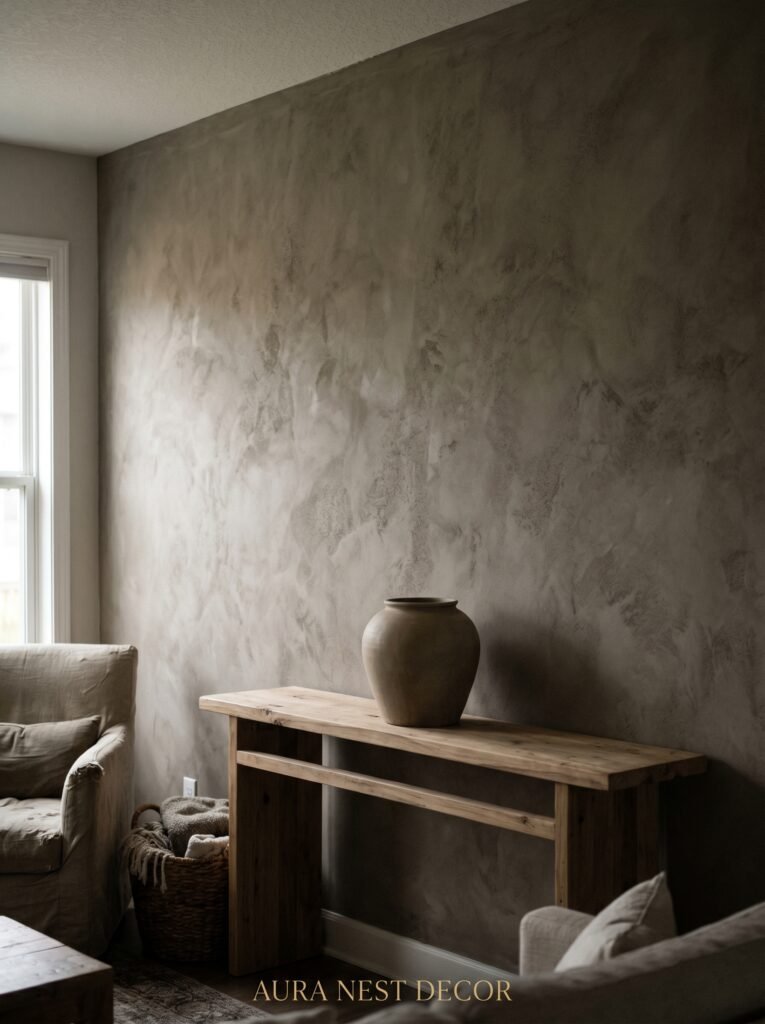
Gallery walls are wonderful. They’re also everywhere. If you want your apartment to feel slightly more grown-up and considered, try this instead: one wall, one significant moment.
In modern rustic design, that moment usually involves either a large-scale artwork or a single architectural intervention like exposed brick wallpaper or a wall painted in a deep, earthy tone. One large piece of art — a landscape, an abstract in ochre and umber, a black-and-white photograph in a simple wood frame — does more for a room than twelve small frames arranged with anxiety.
The key is scale. Whatever you hang, it needs to be bigger than you think. Art that’s too small looks apologetic. Art that fills the wall with confidence reads as intentional, even in a very small room.
For the walls themselves: if you’re renting and can’t paint, removable wallpaper has genuinely improved. The textured options — subtle limewash effects, soft terracotta tones — are realistic enough that guests won’t immediately clock that it’s removable. It’s not a perfect solution but it’s a very good one.
“One significant moment on a wall will always do more than twelve small frames arranged with quiet anxiety.”
8. Bringing the Outside In Without Turning Your Living Room Into a Garden Center
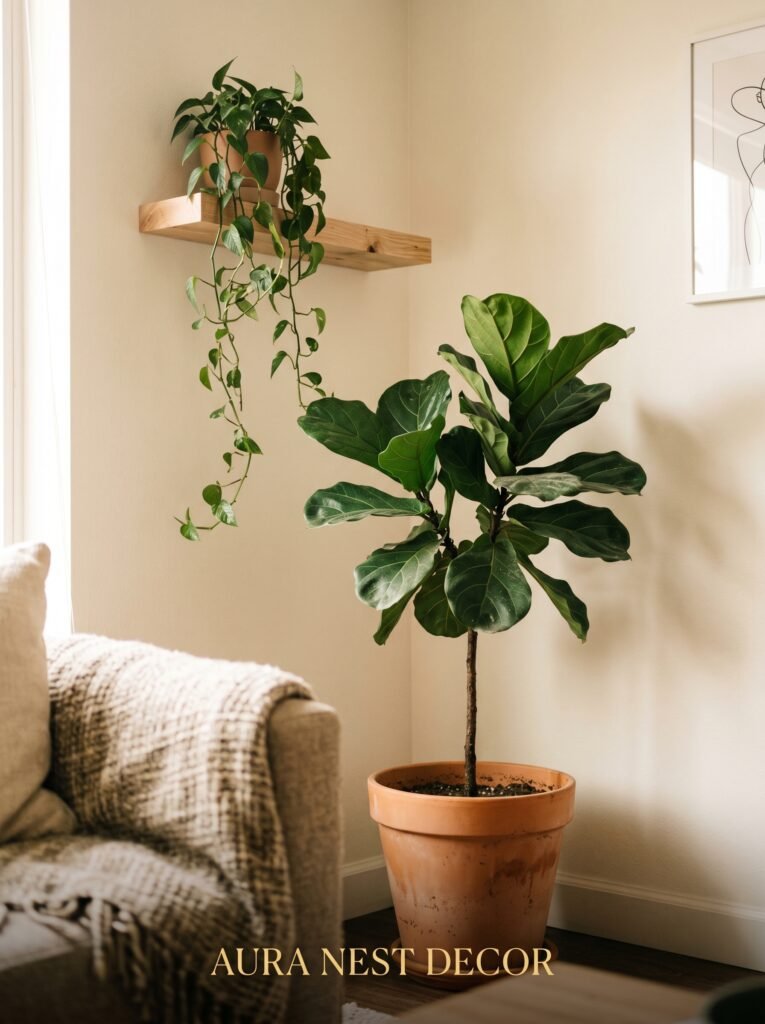
Plants in a modern rustic living room are non-negotiable. But the how matters enormously.
You’re not going for botanical-abundance maximalism. You’re going for three or four considered plants in vessels that look like they belong. A large fiddle-leaf fig or olive tree in a matte terracotta pot. A trailing pothos on a high shelf in a ceramic planter. A low snake plant in a rough concrete vessel near the window.
The containers are half the work. Plastic nursery pots undermine everything. Decant into earthenware, ceramic, woven baskets, or raw concrete and the same plant reads completely differently. This is one of those things that sounds fussy until you try it and then you can never unsee it.
In UK apartments specifically, light levels are often lower, which makes certain plants more practical than beautiful ones. Pothos, ferns, and cast-iron plants thrive in lower light and look exactly right in a modern rustic context. Figs and olive trees need a south-facing window — gorgeous but demanding.
Don’t scatter plants around the room without logic. Group them. A cluster of three plants at different heights in one corner creates more visual impact than six plants spread thinly around the room.
9. The Furniture You Actually Need (and the Pieces That Just Take Up Space)
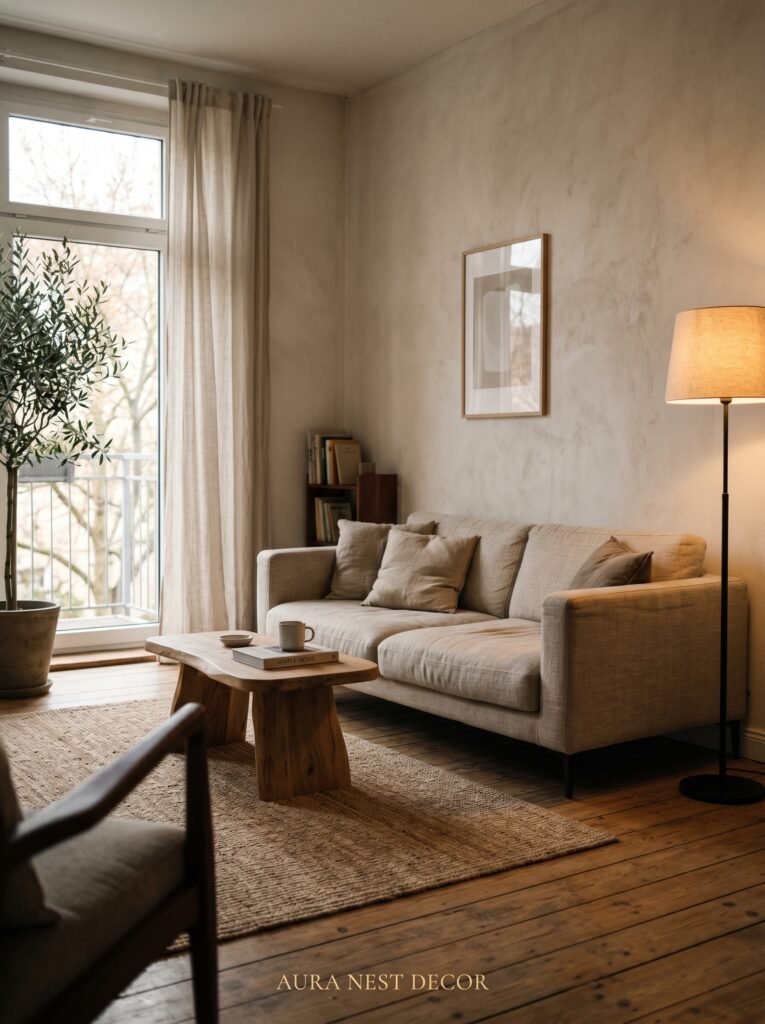
A modern rustic living room needs less than you think. Specifically: a sofa, a coffee table, one accent chair, and appropriate storage. That’s the full furniture story for most apartment living rooms.
The coffee table is your most important secondary piece. Go for something with natural materiality — a solid oak or walnut table with visible grain, a raw-edged slab on simple legs, or even a large piece of smooth stone. Avoid glass. Glass tables read as a different style entirely and they require constant cleaning in a way that oak simply doesn’t.
The accent chair is where you get to have a little fun. A vintage leather armchair. A boucle accent chair in warm white. A rattan peacock chair if you want something with personality. The accent chair doesn’t have to perfectly match the sofa — in fact, it’s better when it doesn’t. A slight contrast here adds the collected, lived-in quality that makes modern rustic feel authentic rather than catalog-perfect.
What you don’t need: a TV unit that’s too big, a side table you bought hurriedly and never loved, shelving you filled because you had space rather than because the objects deserved it. Edit harder than feels comfortable. The room will be better for it.
10. Textiles Are Doing More Work Than You Realize
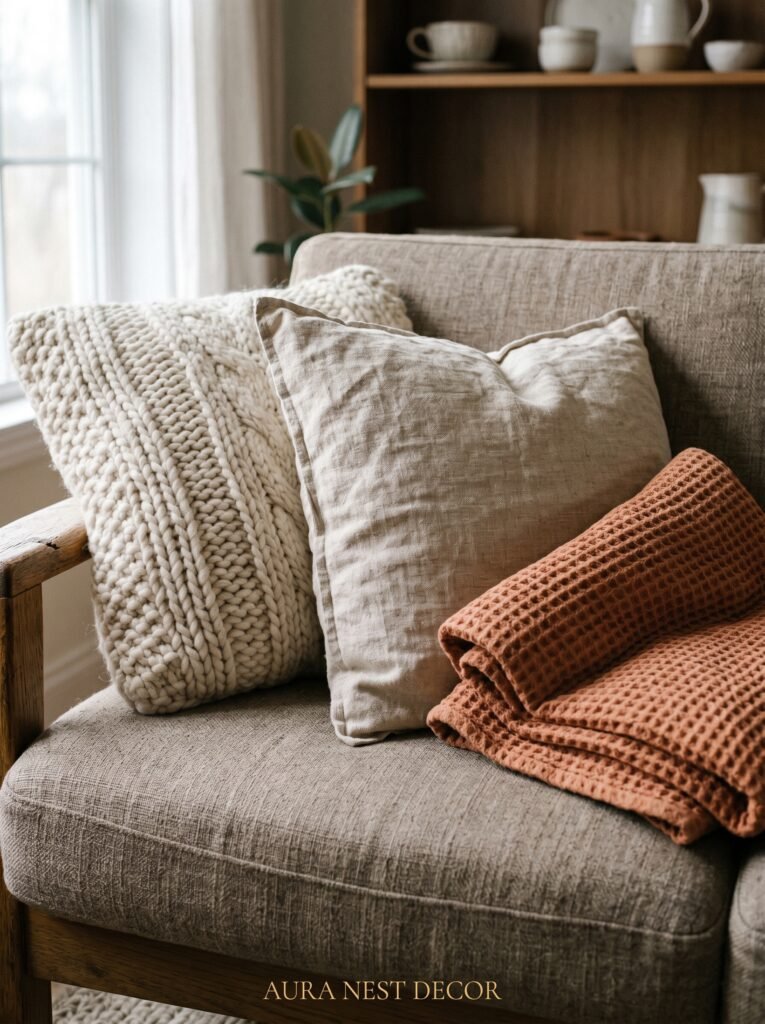
Touch is underrated in interior design writing, which is strange because it’s half of what makes a room feel good when you’re actually in it. In modern rustic design, textiles are the primary way you create warmth, and layering them correctly is an art form.
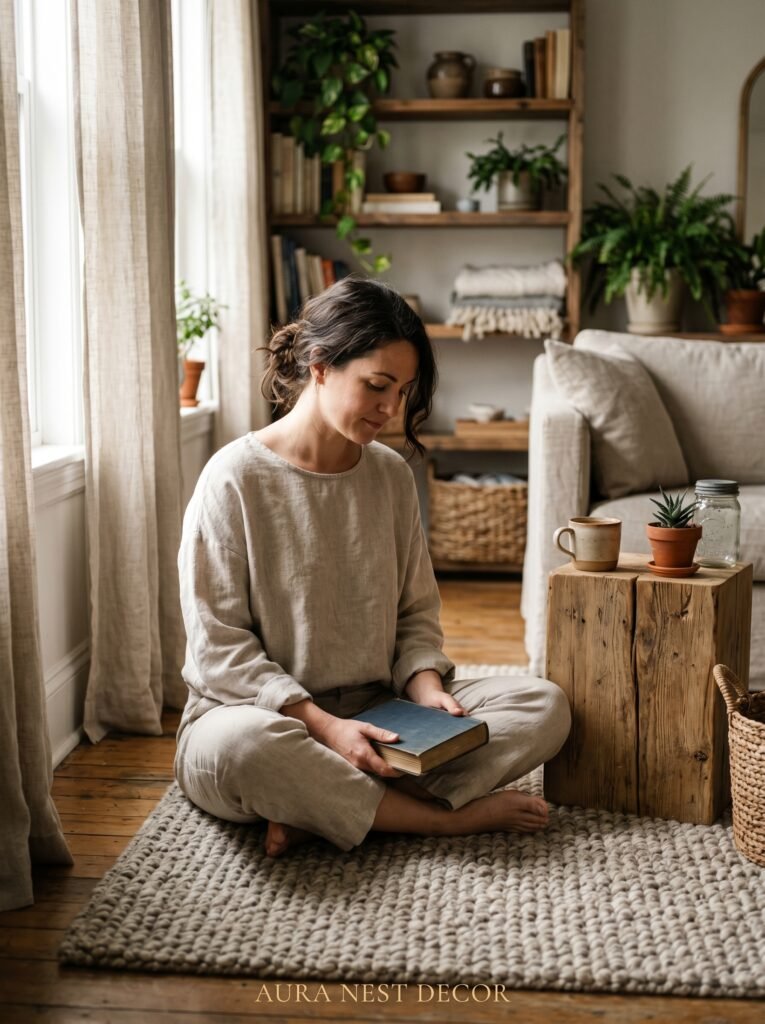
Linen curtains, floor-length even in small rooms, make ceilings feel higher and windows feel more important. They soften the hard edges of furniture and architecture. In an ivory or warm natural linen, they work with almost everything in the modern rustic palette.
On the sofa: two or three pillows in varying textures — a chunky knit, a smooth cotton velvet in dusty sage, a rough-woven linen. A throw that looks like it was picked up casually and actually drapes naturally rather than being arranged with tweezers. The trick to a throw that looks unstaged is to actually use it. Pull it around yourself, leave it where it falls. Staged coziness never looks as good as real coziness.
Wool blankets in neutral tones over the back of an accent chair. A sheepskin on the footstool. These aren’t luxuries. They’re the tactile detail that makes someone walk into your living room and want to sit down immediately.
11. How to Handle Technology Without Wrecking the Whole Look
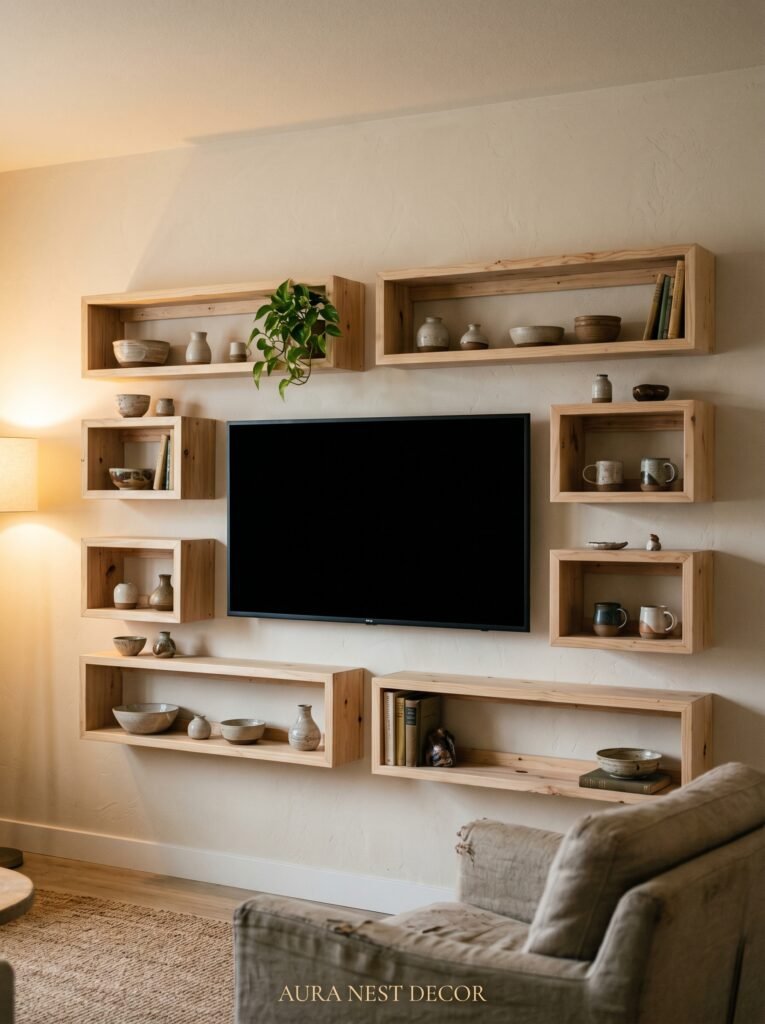
The television. Let’s talk about it.
Modern rustic is warm, natural, and full of texture. Televisions are none of those things. The tension between wanting a beautiful room and wanting to watch TV is real, and anyone who tells you it isn’t is either lying or doesn’t watch television.
The most honest approach is to make peace with the TV and work with it. A dark-stained wood console below the screen, a gallery wall arrangement on either side that breaks up the black rectangle, or a frame TV that displays artwork when not in use — these are practical solutions that reduce the visual disruption without pretending the TV isn’t there.
Cables are the enemy of every styled room. One afternoon of proper cable management — clips, sleeves, or wall channels in a matching color — changes the look of an entire corner. It’s deeply unglamorous work and it makes an enormous difference.
Wall-mounting the TV gives you back surface space and looks cleaner, but many renters can’t do this. A well-chosen TV unit that grounds the screen at a natural viewing height is the next best thing. Low-profile, natural wood, slightly oversized so the TV doesn’t look like it’s perched awkwardly. That’s the brief.
12. The Small Details That Make People Think You Hired Someone
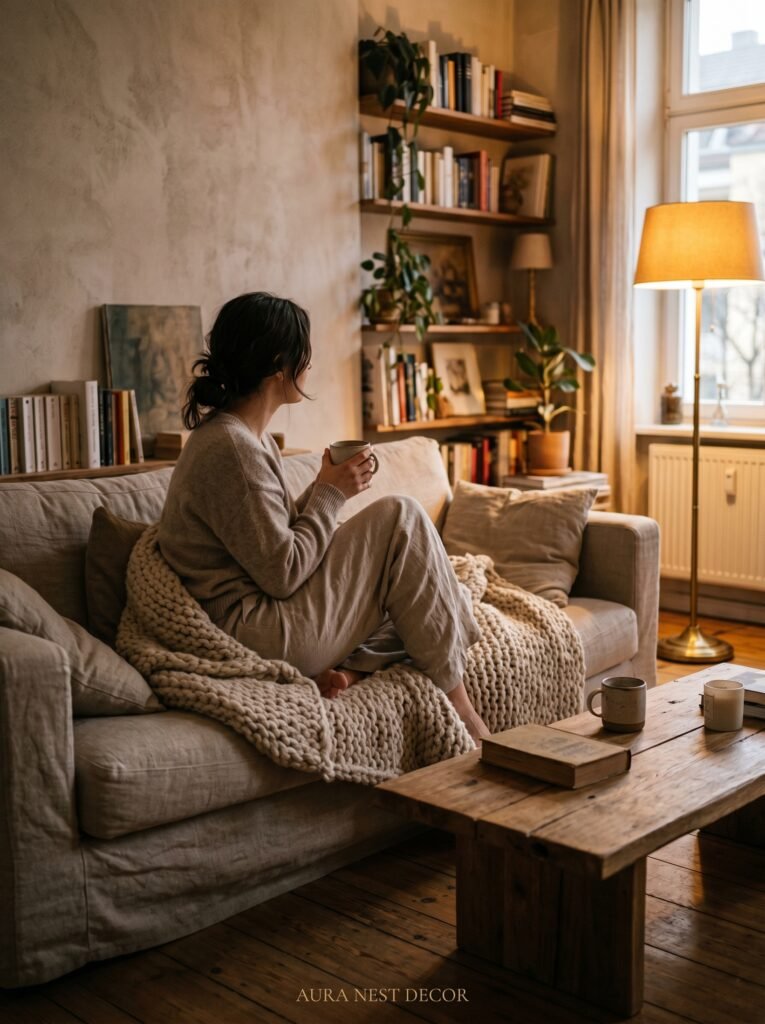
Nobody hires a decorator for their apartment. But some apartments look like they did. The difference is usually in the small decisions — the ones that take twenty minutes and cost almost nothing but communicate that someone genuinely thought about the room.
Books stacked horizontally with a small ceramic on top rather than marched vertically along a shelf. A single sprig of eucalyptus in a simple clay jug. A stack of linen napkins folded on a tray with a candle and a small stone. A vintage wooden tray on the coffee table holding the remote control, a small candle, and nothing else.
These are styling moves, not decorating moves. They don’t require new furniture or a new color scheme. They require a small amount of editing — removing what doesn’t contribute, keeping only what feels right — and a willingness to treat the surfaces of your home as thoughtful compositions rather than convenient drop zones.
The amber glow of an Edison bulb at 7pm over a sofa with a book left open on the cushion. A ceramic mug on a side table next to a lit candle. A plant casting a soft shadow on a warm white wall.
These moments don’t happen by accident. They happen because someone decided they wanted their home to feel a certain way and then made small, deliberate choices until it did.
—
❓ FAQ
Q: Can modern rustic work in a rental apartment where I can’t paint or make permanent changes? A: Yes, completely. The style is built around furniture, textiles, and objects rather than architectural changes. Removable wallpaper, large rugs to cover existing floors, linen curtains hung on tension rods, and careful lighting placement can transform a rental apartment without a single nail in the wrong place.
Q: How do I stop modern rustic from looking too dark and heavy in a small apartment? A: Keep your walls and larger furniture pieces in lighter, warmer neutrals and save darker tones for accent pieces and smaller objects. One or two dark elements — a walnut coffee table, a near-black ceramic — add depth without weight. Too many dark pieces in a small room close it down.
Q: What’s the biggest mistake people make when trying to do modern rustic on a budget? A: Buying too many things too quickly. Modern rustic actually rewards a slower, more considered approach — one good piece at a time, chosen because you genuinely love it. Thrift stores, eBay, and Etsy are all excellent sources for the aged, imperfect pieces this style depends on, often at a fraction of the cost of new.
—
💭 Final Thoughts
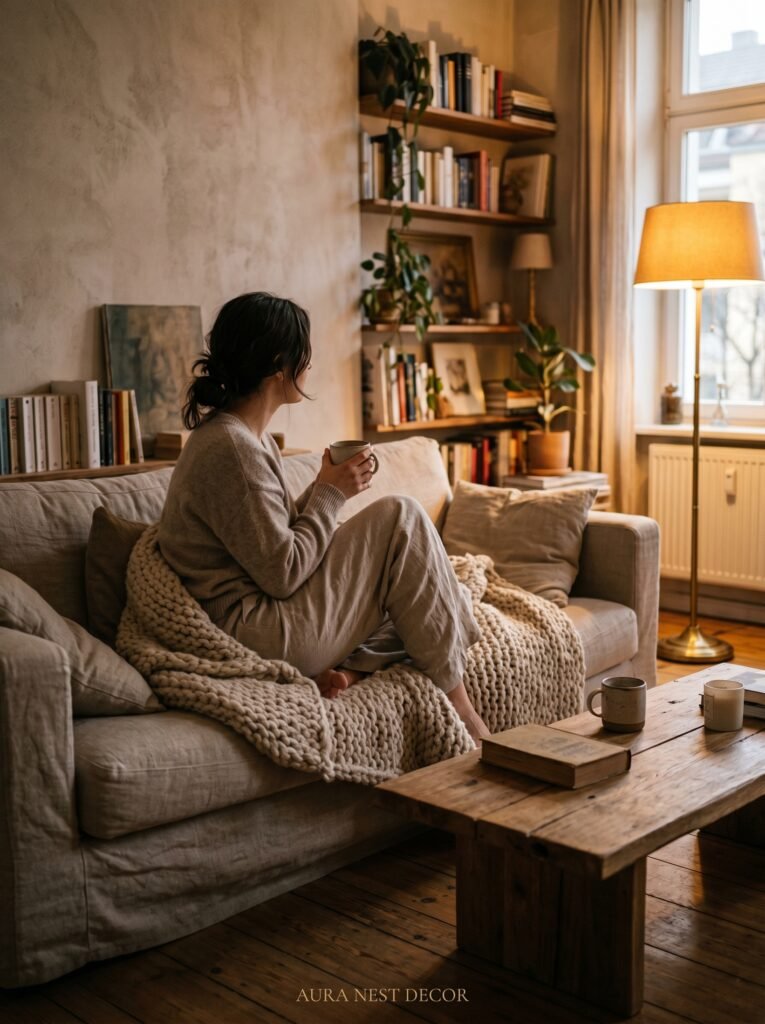
The best version of modern rustic is never finished, which is exactly the point. It’s a style that grows and deepens as you live in it — a new ceramic here, a different throw in autumn, a plant you’ve finally gotten right after two failed attempts. It’s not about achieving a look. It’s about building a room that feels genuinely like yours.
Your apartment should make you exhale when you walk through the door. Does yours?