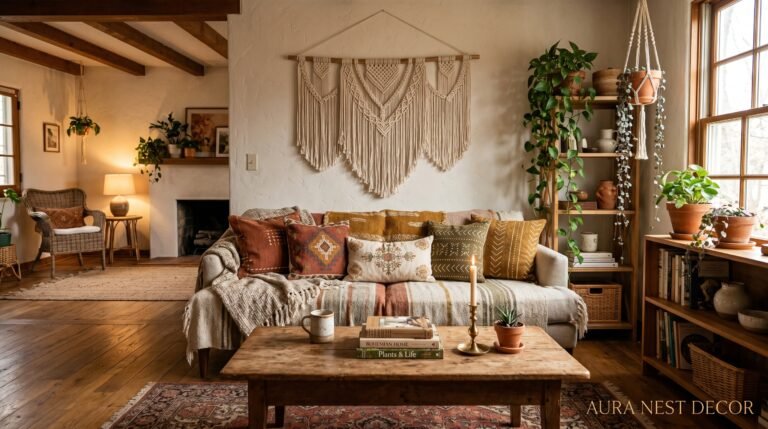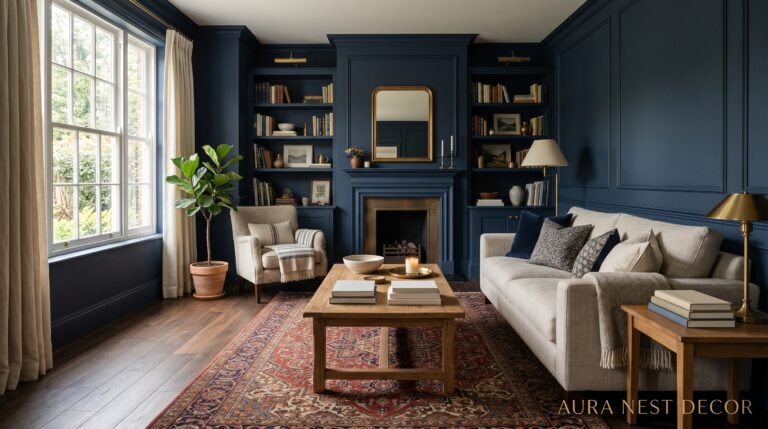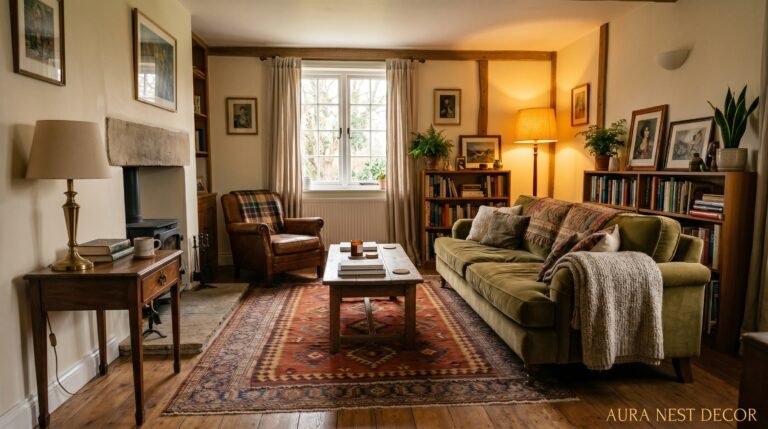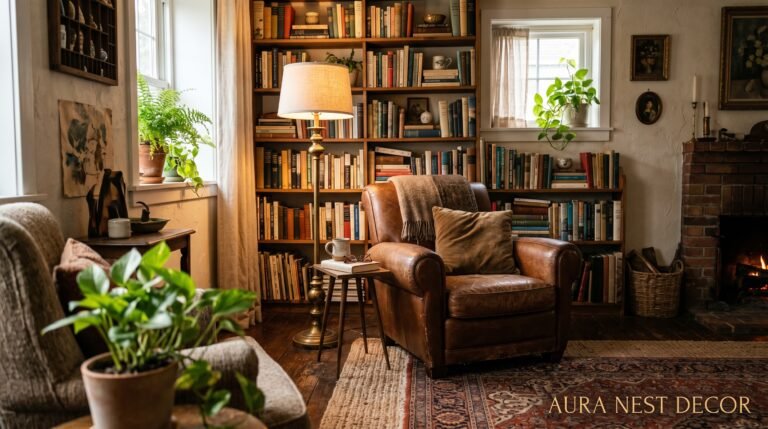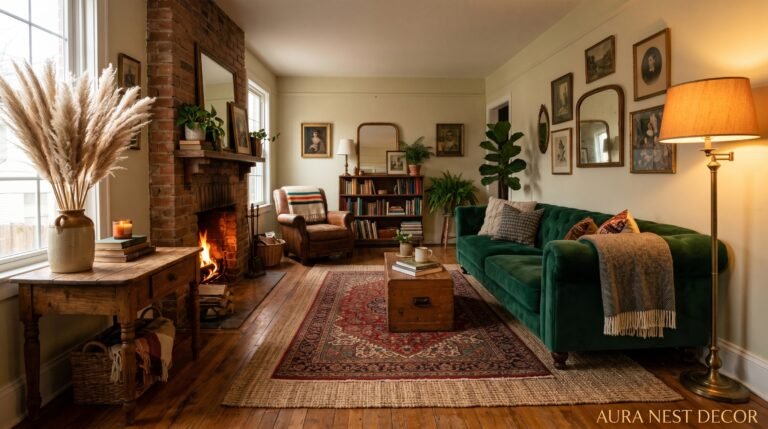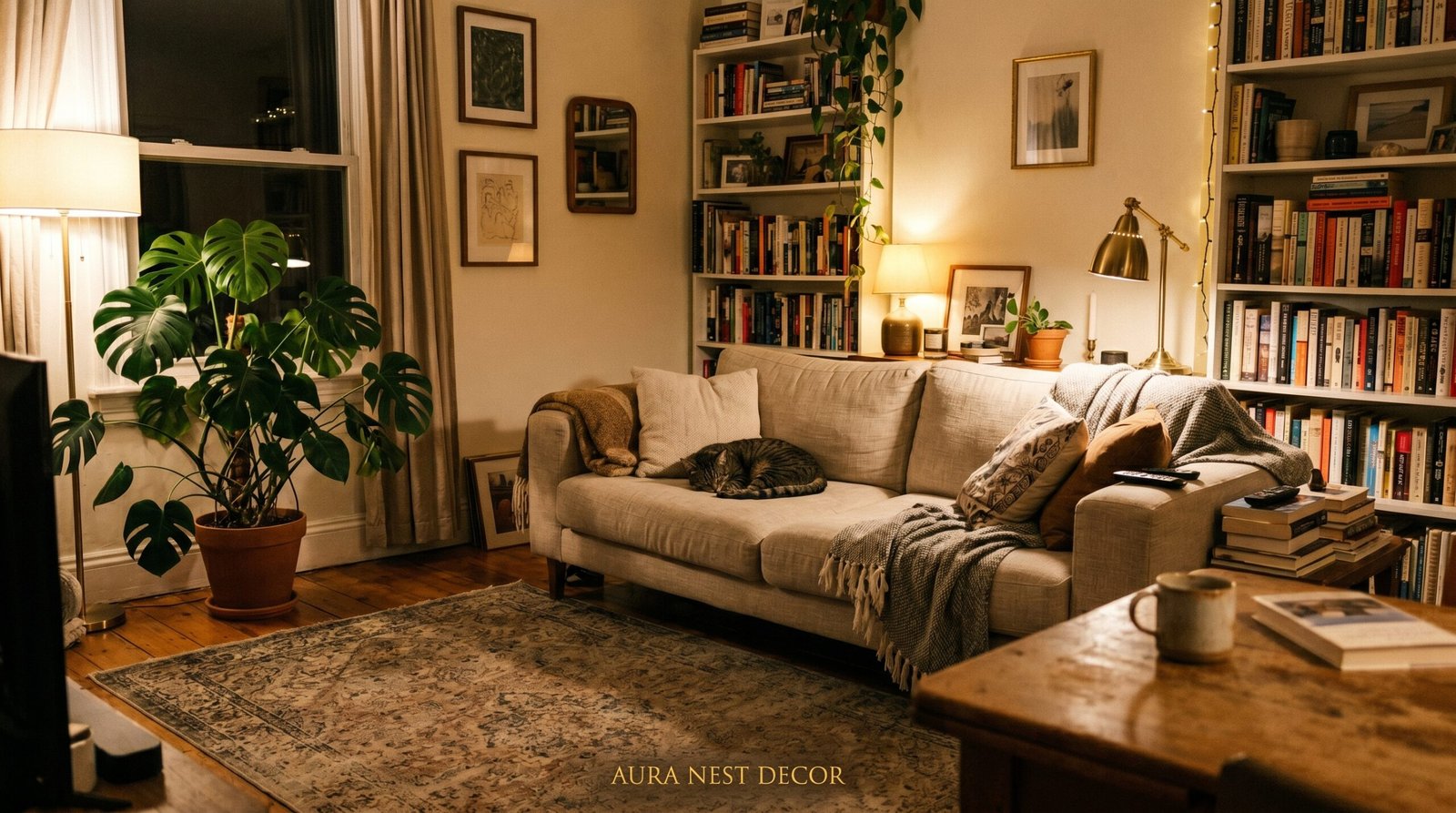
The Floor Lamp That Changes Everything About a Room (And the 12 Decisions That Get You There)
You know that moment when you walk into someone’s living room and something just feels right — warm, considered, alive — and you can’t immediately put your finger on why? Nine times out of ten, it’s the lighting. Specifically, it’s a floor lamp sitting in exactly the right corner, doing more work than anyone gives it credit for. This is your guide to getting that right.
—
1. Why Your Living Room Feels Flat (And It’s Not the Furniture’s Fault)
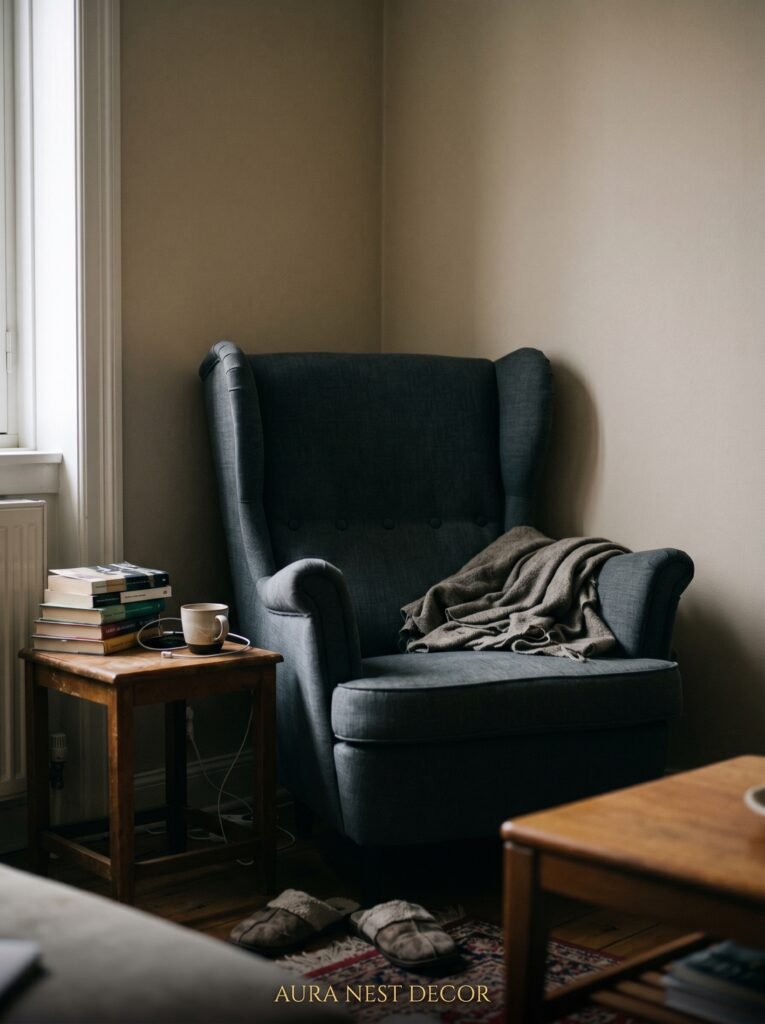
Overhead lighting is the great deceiver of interior design. It promises to solve everything — bright, even, no fuss — and then delivers a room that looks like a waiting area. Flat. A little clinical. The kind of light that makes everyone’s face look like they haven’t slept in three days.
The problem isn’t the furniture arrangement or the sofa color you’ve been second-guessing. It’s the light source itself. Ceiling fixtures cast light downward in a cone, which means the walls stay dark, the corners go gloomy, and there’s no layering. No depth. Rooms need light at multiple heights to feel like rooms rather than floor plans.
This is where floor lamps become one of the most powerful tools you have. They bring light down to human level — to the height of faces, books, conversation. They fill corners that overhead lights can’t reach. They create pools of warmth that pull the eye exactly where you want it. And unlike a rewire or a new light fitting, they require zero commitment. You can move them on a Sunday afternoon and completely change how a room feels by evening.
That flatness you’ve been blaming on everything else? A well-placed floor lamp is often the answer.
“Overhead lighting fills a room. A floor lamp makes it feel lived in.”
2. The One Thing Every Beautiful Living Room Has That Yours Might Not
Layers. That’s it. That’s the whole secret, said plainly.
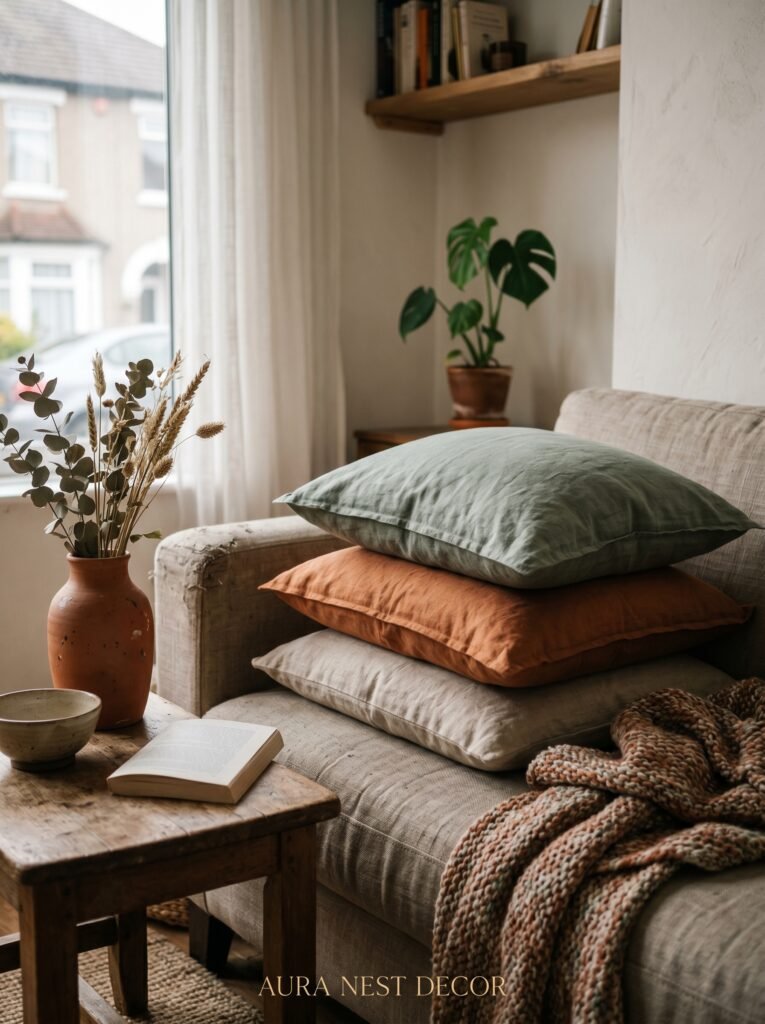
Beautiful rooms don’t rely on one light source. They build layers — ambient light from above, task light for reading or working, accent light that grazes a wall or warms a corner. Floor lamps are the fastest, easiest way to add a layer you’re probably missing.
Think about the last time you saw a living room photo that made you save it immediately. Was it lit by a central ceiling fixture on full blast? Almost certainly not. It was lit at angles. There was something glowing softly in the background. A lamp casting a warm circle on the floor. A beam of light suggesting a reading nook without a single word being said.
That’s the layering principle at work. And a floor lamp is where most people start — and often where they stop, because one good one is genuinely enough to shift the whole atmosphere of a room. You don’t need a lighting designer. You need to understand that one lamp in the right spot at the right height does more for a room than a hundred other decorating decisions.
3. The Color That Keeps Showing Up in Every Beautiful Living Room Right Now
Warm brass. It’s everywhere, and there’s a reason.
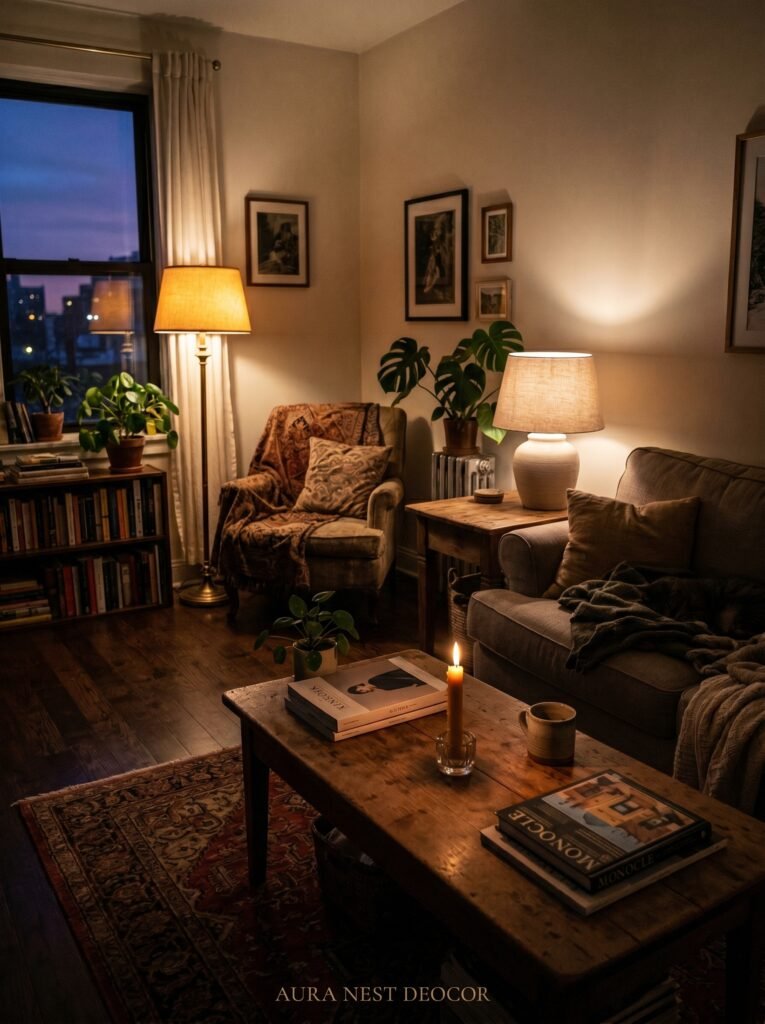
Not yellow brass. Not the bright, almost orange kind that reads as dated. We’re talking about antique brass, unlacquered brass, brushed brass — the kind that’s closer to a muted gold, the kind that develops a gentle patina over time and looks like it’s always been there. It pairs with everything: white walls, sage green, deep navy, warm terracotta. It sits happily beside a linen sofa and equally well next to a leather chesterfield.
The other tone showing up constantly is matte black. Sharp, clean, unexpectedly warm when paired with the right shade. It grounds a room in a way chrome never quite manages, because chrome bounces light aggressively and matte black absorbs it softly.
Satin nickel still has its place — quieter and more understated than polished versions, good for rooms that want to feel calm rather than characterful. But if you’re scrolling through saved pins and noticing a recurring metallic tone you’re drawn to, it’s almost certainly one of those three.
The finish on your floor lamp matters more than most people realize. It communicates to the room. It either pulls things together or creates a tiny friction — nothing dramatic, just an almost imperceptible sense that something’s slightly off.
4. The Height Question Everyone Gets Wrong the First Time
Too tall is a mistake. Too short is invisible.
The general guidance for floor lamp height in a living room is somewhere between 58 and 64 inches to the top of the shade. But that number means very little without context. What matters is where the light falls and what it illuminates.
For reading, you want the bottom of the shade to sit at roughly shoulder height when you’re seated — so the light falls onto your book or your lap without shining directly in your eyes. This usually means a lamp in the 58–60 inch range. For ambient light in a corner, slightly taller works, because you want the light to spread upward and outward, filling the space rather than puddling on the floor.
Arc lamps — those beautiful curved ones with the arm that sweeps overhead — play by different rules. They’re usually taller, often 70 inches or more, and they work by positioning the shade directly over a chair or sofa from the side. The light comes from above but laterally, not from the ceiling, which means it’s still warm and directional rather than flat. An arc lamp over a single armchair is one of the most genuinely elegant things you can do to a living room corner.
“The right lamp height isn’t a number — it’s the moment when the light lands exactly where life happens.”
5. The Rule That Makes Any Awkward Corner Feel Intentional
Use the corner. Go into it, not away from it.
Most people’s instinct is to keep corners open — to use furniture along walls and leave the corners as neutral space. But in a living room, an empty corner is visual static. Your eye wanders to it and finds nothing, which subtly undermines the whole room.
A floor lamp placed directly in a corner — tucked in close, not hovering at a polite distance — does something remarkable. It claims the space. The light blooms outward from the corner, which means the walls are lit from the side, and that side-lighting creates texture and shadow that flat overhead light destroys.
Add a small table beside the lamp, or even a stack of books on the floor. Maybe a trailing plant. What was dead space becomes a vignette — a little world within the room. It feels intentional because it is intentional. You decided what that corner was for. The lamp just makes the decision visible.
This is the difference between rooms that feel designed and rooms that feel arranged. Designed rooms account for the corners. Every corner. Even the awkward narrow one between the fireplace and the window. Maybe especially that one.
6. Shade Shapes and What They’re Actually Doing to Your Light
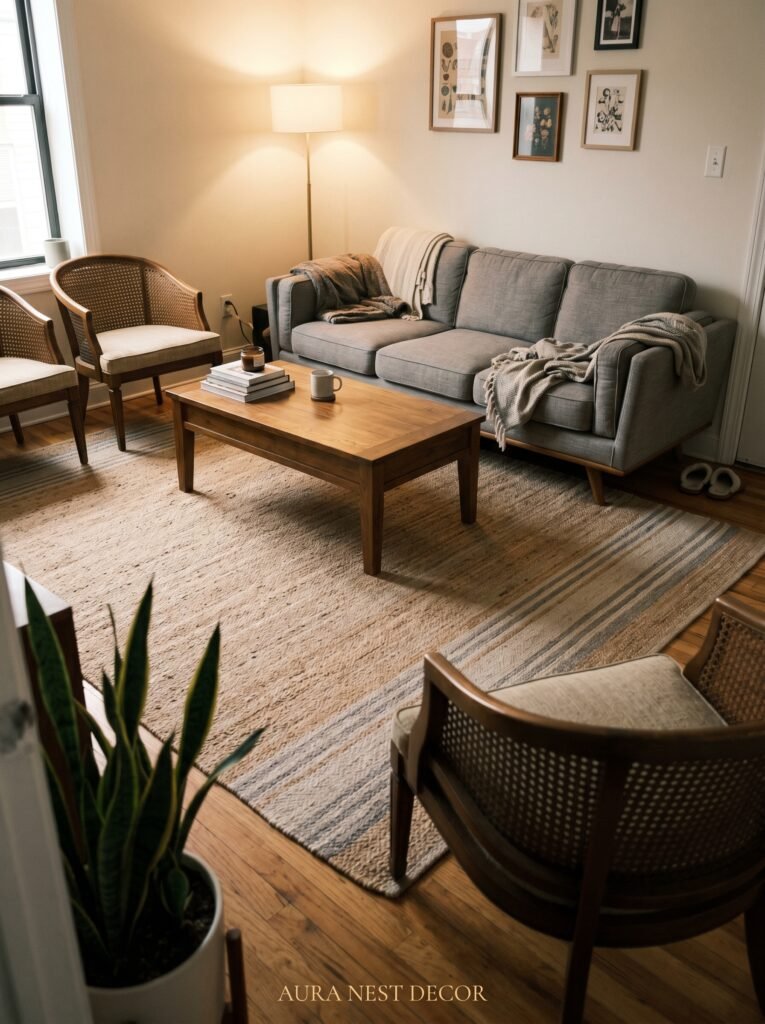
The shade isn’t just decorative. It’s an engineering decision.
A drum shade — cylindrical, equal diameter top and bottom — spreads light both upward and downward in fairly equal measure. This gives you good ambient light and is often the most versatile choice. It tends to read as clean and contemporary.
A cone or empire shade, wider at the bottom, directs more light downward. Better for task lighting — reading chairs, the end of a sofa where someone’s always trying to see their crossword. The light is more focused, more useful, less atmospheric.
A globe or sphere shade diffuses light in all directions, softly and evenly. These lamps often become their own objects of interest — lovely when lit, lovely when not. They’re excellent for corners where you want a soft glow rather than directional light.
Opaque shades, usually metal or very dense fabric, create harder-edged pools of light — dramatic, sculptural, often striking. They make a room look more deliberate. Translucent shades, linen, silk, paper — they let light breathe through them, and the effect is warmer, gentler, more forgiving.
This matters in practice: if your living room feels cold and you’ve tried everything, sometimes changing a white opaque shade to a warm linen one is all it takes. Same lamp. Completely different room.
7. The Bulb Decision Nobody Thinks About Until It’s Too Late
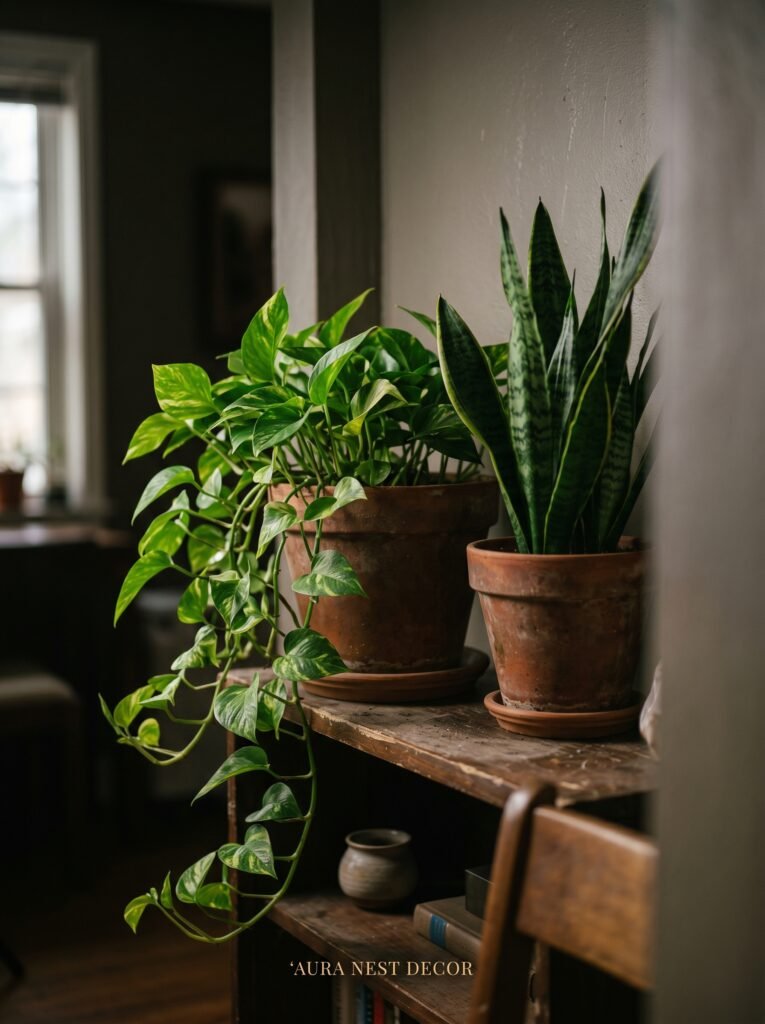
You can spend a lot on a beautiful lamp and ruin it with the wrong bulb.
Color temperature is the key. Measured in Kelvin, and the numbers to know: 2700K is warm, amber, candlelight-adjacent — the reading light, the evening light, the this is my home and I love it here light. 3000K is slightly cooler, still warm but brighter, good if you need the lamp to do real work as well as looking beautiful. Anything above 4000K and you’re into territory that starts to feel clinical in a living room.
Stick to 2700K for almost every living room floor lamp situation. It will make everything — the furniture, the walls, your own face in the window’s reflection — look warmer and more considered.
Lumen output matters too. A lamp in a corner for atmosphere needs maybe 400–600 lumens. A reading lamp needs 800 or more. A lamp that’s doing both needs a dimmer switch, which is possibly the best £15 or $20 you can spend on your living room. The ability to adjust a lamp’s output across the course of an evening — bright at 6pm, low by 9pm — makes a room feel truly responsive to the people living in it.
“The right bulb is the difference between lighting a room and warming it.”
8. Where Not to Put a Floor Lamp (The Placements That Always Look Wrong)
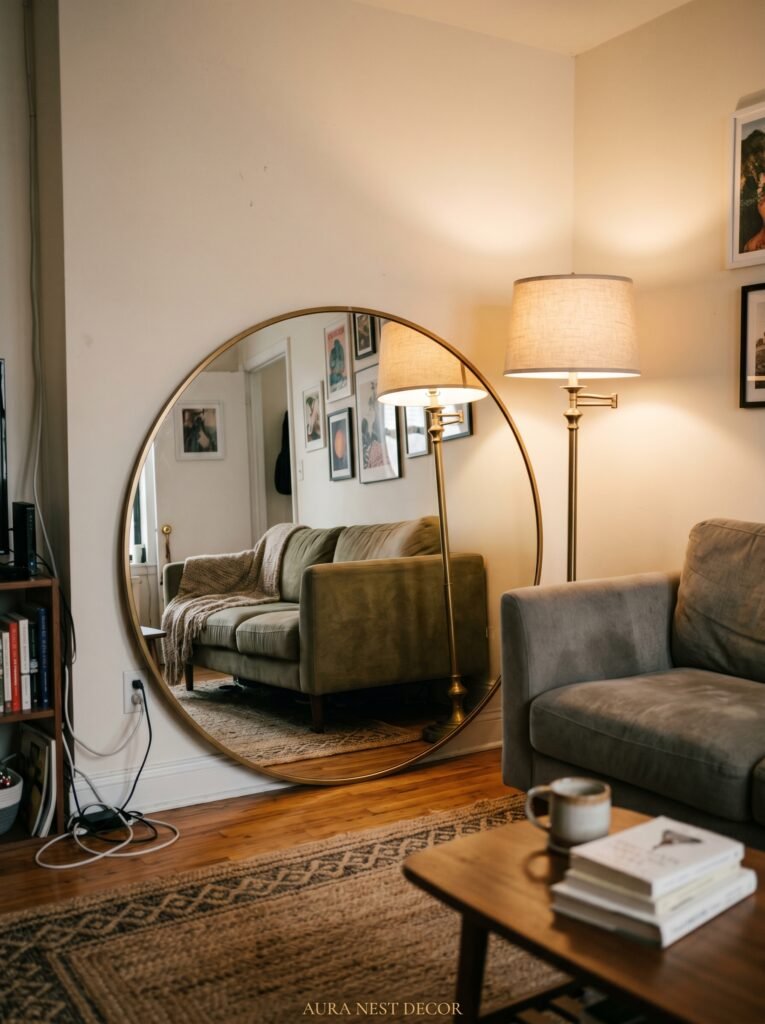
In the middle of a wall, equidistant from everything. This is the lighting equivalent of centering every piece of furniture and calling it done. It looks uncertain. A lamp placed dead-center in a long wall has nowhere to belong — it’s not anchoring anything, not serving any furniture, not lighting any activity.
Behind the television. The backlight creates glare and makes watching anything uncomfortable. If you want to light the area around your TV, place the lamp to the side and angle it away from the screen.
Too far from the furniture it’s meant to serve. A reading lamp three feet from the armchair is just a floor lamp standing in a room looking lost. It should be close enough that someone sitting in the chair is genuinely within the pool of light, not straining toward it.
And — this one stings — directly in front of a curtain or a beautiful wall. Placement in front of something interesting blocks what you’re trying to celebrate. Tuck lamps into corners, beside furniture, in the spaces between things. Let the lamp illuminate the room rather than blocking any part of it.
9. Mixing Floor Lamps: When Having Two Is Better Than One
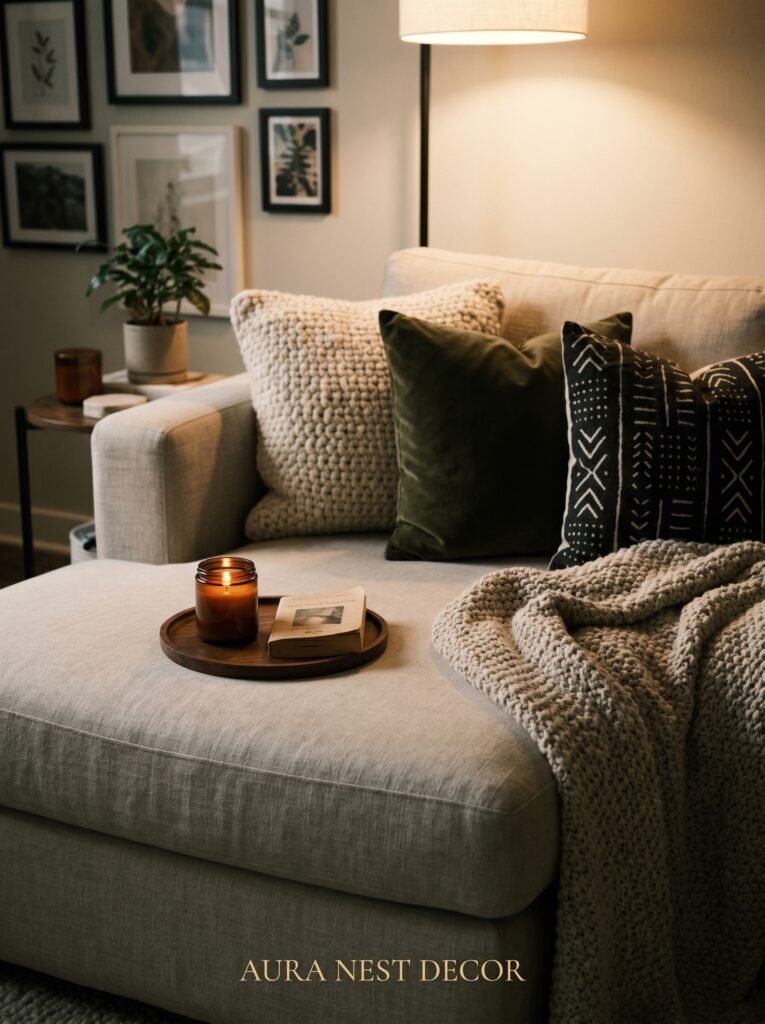
One floor lamp anchors a room. Two floor lamps layer it.
The rule with two lamps in the same living room: they shouldn’t match exactly, but they need to speak the same language. Same metal finish, different shade shapes. Same style family — both sculptural, both traditional, both minimal — with different scales. Or, more daringly, two very different lamps that share one element: both warm brass, both linen shades, both slender-based.
What kills a room is two lamps that are trying to do completely different things visually — one ornate and fussy, one stark and industrial — with nothing connecting them. The room feels like two different people decorated it on two different days.
A common pairing that works beautifully: an arc lamp over one end of a sofa and a tripod-based task lamp near the reading chair in the opposite corner. Different heights, different directions, same warm glow. One provides overhead-adjacent light, one provides focused side light. Together, they cover the room in a way that one lamp never could.
10. The Living Room Styles That Need a Floor Lamp More Than Anything
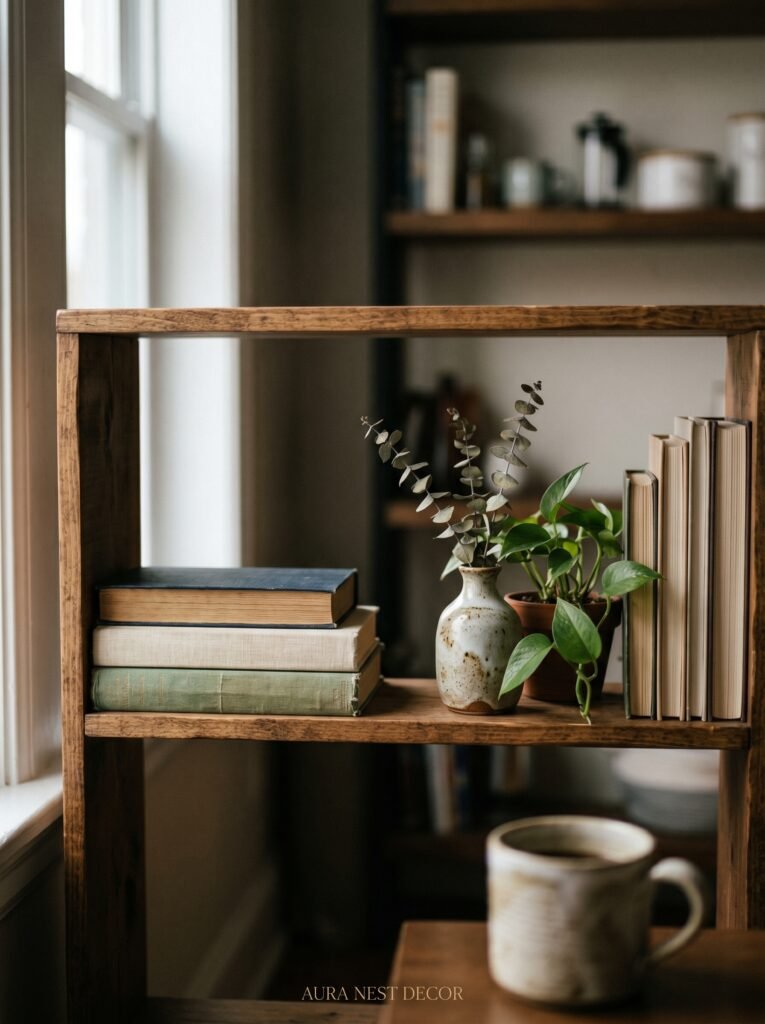
Scandi minimalist rooms are the most in need of a good floor lamp. All that white and pale wood is beautiful in daylight and ghostly at night without warm light sources. A warm-toned lamp — brass or warm wood, linen shade — is the thing that makes a Nordic-inspired room feel human rather than sterile.
Traditional British living rooms — the ones with bookshelves, fireplaces, patterned rugs, sofas that have been there for years — often have the opposite problem: too much furniture, too many things, and the overhead light flattens all of it equally. A tall, elegant floor lamp with a silk or near-translucent shade creates a focal point and hierarchy in a room that might otherwise feel cluttered.
Mid-century modern rooms: the tripod lamp was practically invented for them. Teak legs, a conical shade, and you’re home. These rooms live and die by the quality of their light.
Cottagecore and warm-traditional rooms across both the US and UK are naturals for soft, slightly worn-looking lamps — ceramic-based, aged brass, fabric shades in cream or wheat. The lamp should look like it’s been there forever, even if you bought it last Tuesday.
11. The One Rule That Makes a Tiny Living Room Feel Intentional
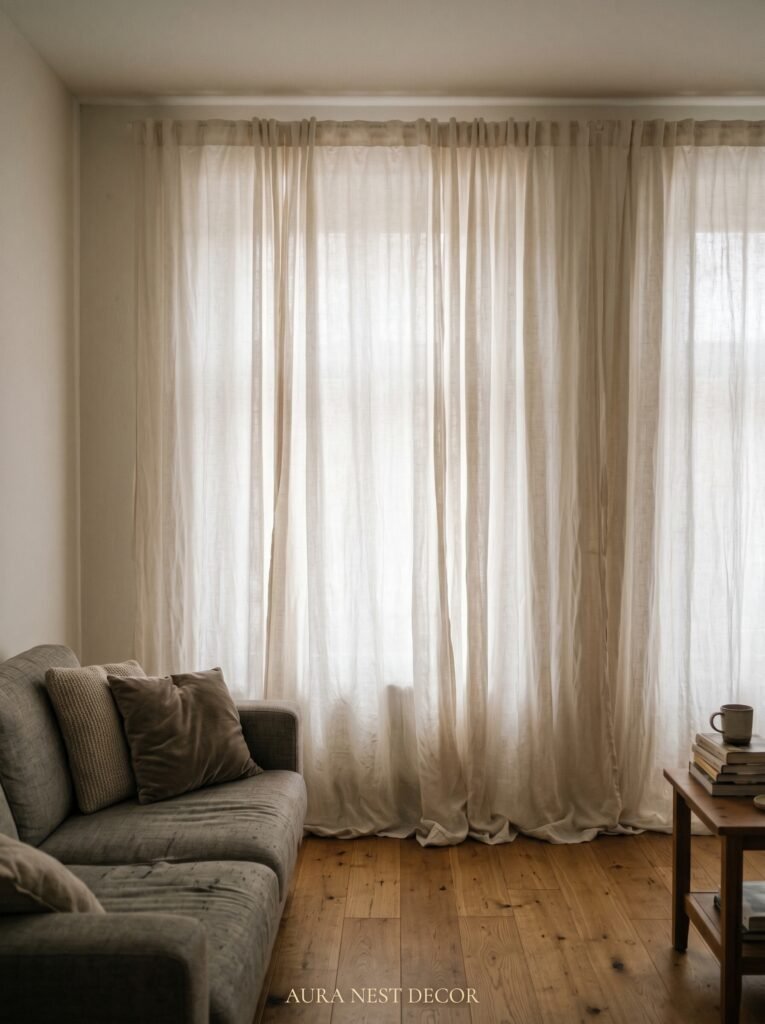
Scale up, not down.
Every instinct says: small room, small lamp. Keep it delicate, keep it from overwhelming the space. But this almost always results in a room that looks incomplete — a small lamp in a small room reads as furniture, not lighting. It gets lost.
A single floor lamp that’s appropriately tall (60 inches or more) and has presence — a shade with some width, a base with some visual weight — makes a small room look curated rather than cramped. It signals that someone thought carefully about this room. The lamp is doing the work that a large piece of furniture would do, but without taking up floor space in the way a bookcase or sideboard would.
In small British terraced houses or American apartments where every inch matters, one statement floor lamp often does more for the room than any amount of accessorizing. It draws the eye, anchors the corner, and says: this is a considered room. Not despite its size, but regardless of it.
12. The Specific Lamp Types Worth Investing In Right Now
The pharmacy lamp — hinged, adjustable, often brass or matte black — is possibly the most practical lamp ever designed. Genuinely adjustable. Looks good in almost every context from traditional to contemporary. Invest in a well-made one (the cheap versions wobble and the hinges loosen) and it will live in your house for twenty years.
The tripod lamp has had a long reign and it’s not ending. The reason: three-legged bases are inherently stable, visually interesting, and occupy very little floor space compared to the area they light.
The pleated shade lamp is having a genuine resurgence — the sort with vertical or horizontal pleating in linen or cotton, often with a warm wooden or aged brass base. It photographs beautifully and looks warm in person. Not trendy in the way things burn bright and fade. More of a return to something that was always right.
And if you have the ceiling height: the torchière floor lamp, which directs all its light upward and bounces it off the ceiling, creates the closest thing to natural ambient light that artificial sources can manage. It doesn’t pool, doesn’t shadow. It fills a room with soft, even, non-clinical glow. Underused and underrated.
—
❓ FAQ
Q: How many floor lamps should I have in my living room? A: Most rooms benefit from one to two floor lamps working alongside any existing overhead or table lighting. One well-placed lamp can completely change the feel of a room, and two can create a genuinely layered, atmospheric effect — just make sure they have a visual connection even if they’re not identical.
Q: Can a floor lamp be the only light source in a living room? A: For evenings and low-light situations, absolutely — many people prefer it. If your living room gets good natural light during the day, relying on a floor lamp (or two) at night is a perfectly lovely choice. You may want to make sure you have at least one higher-lumen option or a dimmer for tasks like reading.
Q: What’s the best floor lamp for a rental where I can’t change the lighting? A: A floor lamp with a warm 2700K bulb and a dimmer-compatible socket is genuinely the best lighting upgrade you can make without touching the walls or ceiling. Look for something with an inline dimmer switch on the cord if the lamp itself doesn’t have one built in — renter-friendly, completely moveable, and more effective than most people expect.
—
💭 Final Thoughts
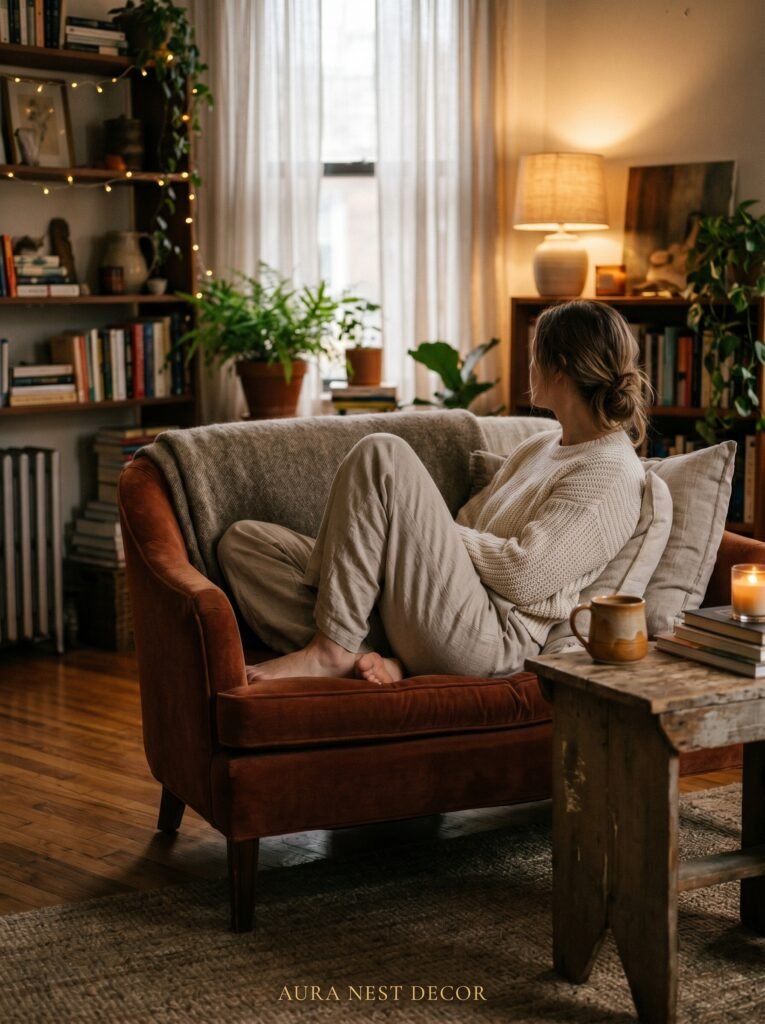
A good floor lamp is one of those rare home investments that works on every level — practical and beautiful, functional and atmospheric. It changes how a room feels at the time of day when you’re actually in it, which is often the evening, which is when everything in your home either welcomes you or just exists around you. The difference matters more than we usually say out loud.
What’s the corner of your living room that’s been quietly bothering you — the one that never quite gets enough light?