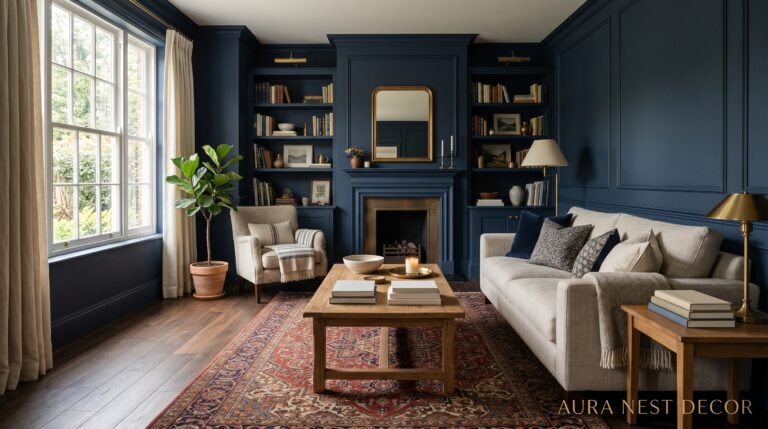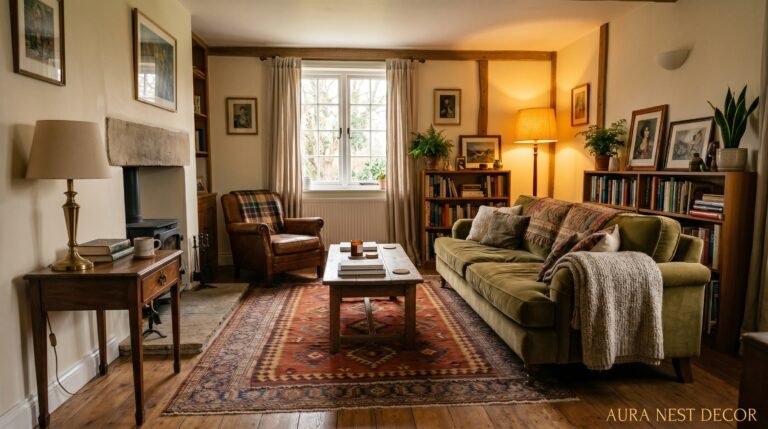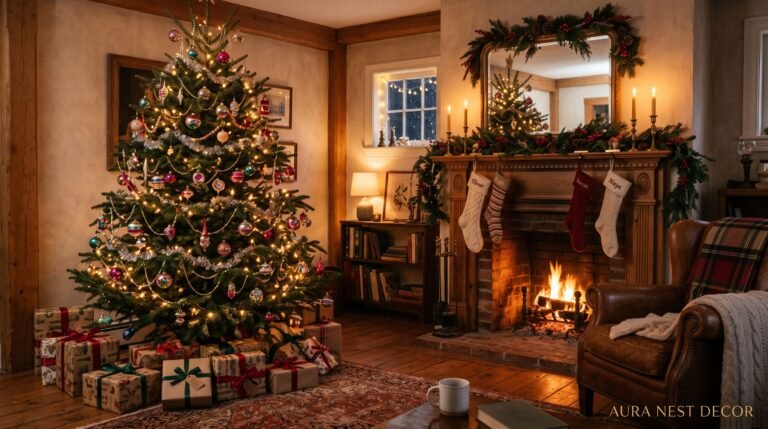
The Living Room That Finally Felt Like Me — And How I Got There With Boho Layers
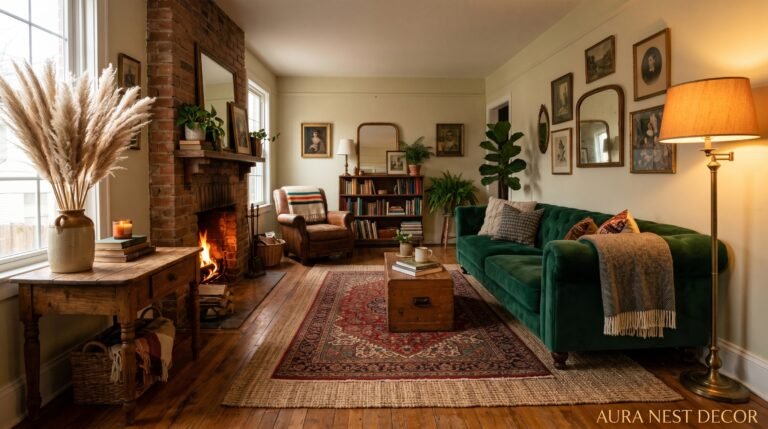
You walk into someone’s house and something just stops you. Not a single expensive thing — just this feeling. Lived-in. Warm. Like the room has a personality. That’s what cozy boho does, and once you understand how it actually works, you can’t unsee it anywhere.
—
1. Why Your Living Room Feels Flat (And It’s Not the Furniture)
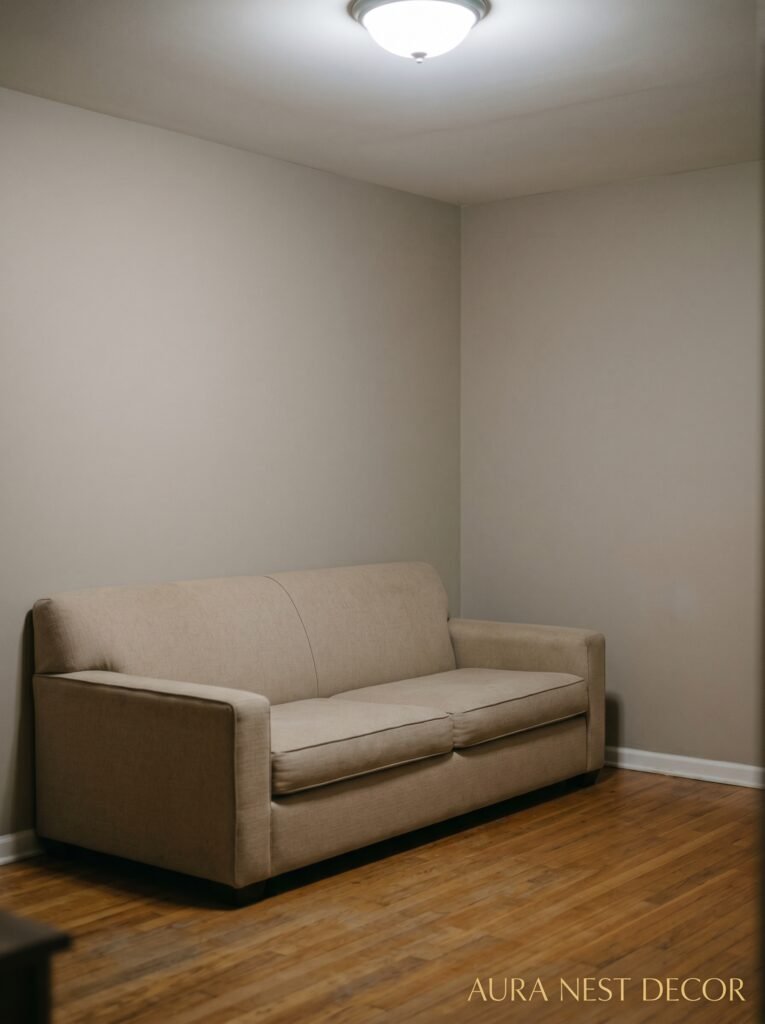
Here’s the thing nobody says directly: most living rooms feel flat because everything was bought at the same time, from the same three stores, to “match.” And matching is the death of interesting.
Boho spaces feel rich because they’re built over time — or at least they look that way. The trick is contrast. Old and new. Rough and soft. Structured and draped. When everything has the same finish, the same weight, the same era, your eye has nowhere to go. There’s nothing to discover.
I didn’t get this for years. I kept buying things that went together and wondering why the room felt like a hotel lobby. Not a bad hotel, but still. A place you pass through, not a place you stay.
What changed it was one beat-up rattan chair from a market. It was nothing special. But it was different from everything else, and suddenly the room had tension — in the good way. So before you buy anything, ask yourself: does this room have contrast? Does anything feel slightly out of place? Because slightly out of place is exactly where cozy boho lives.
—
2. The Textile Stack That Actually Works (Not the One Pinterest Oversells)
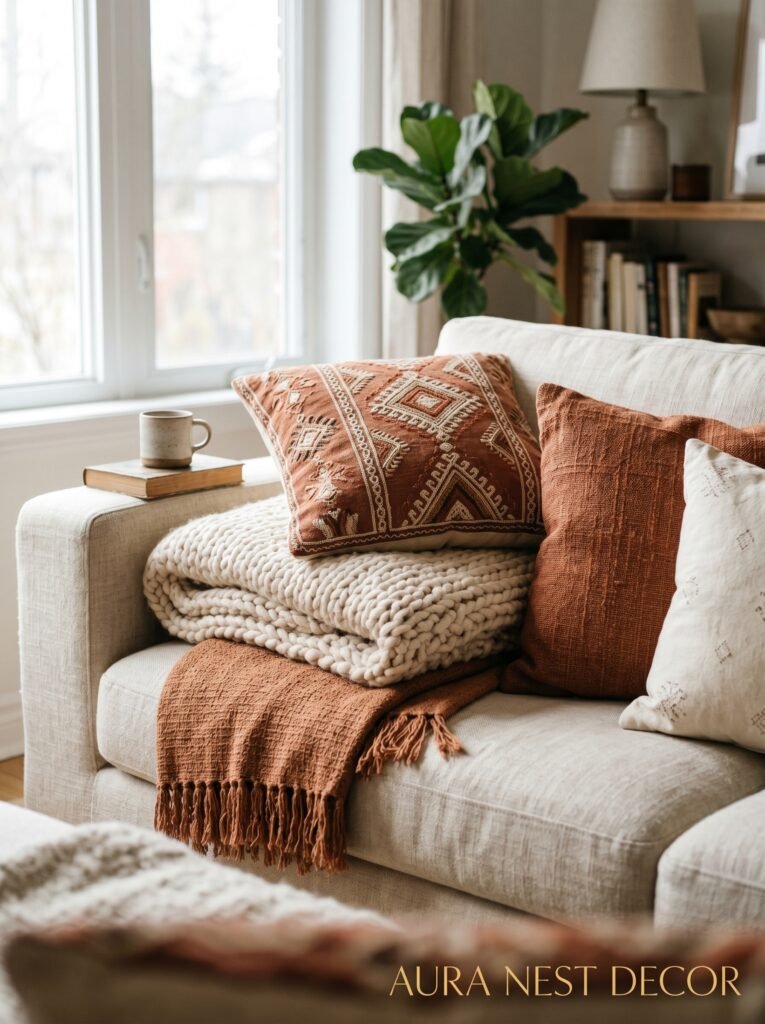
Okay, real talk. You’ve seen those Pinterest boards where every couch has seventeen cushions and four throws and a sheepskin rug and you’re thinking — how does anyone SIT there? That’s the performance of boho, not the practice of it.
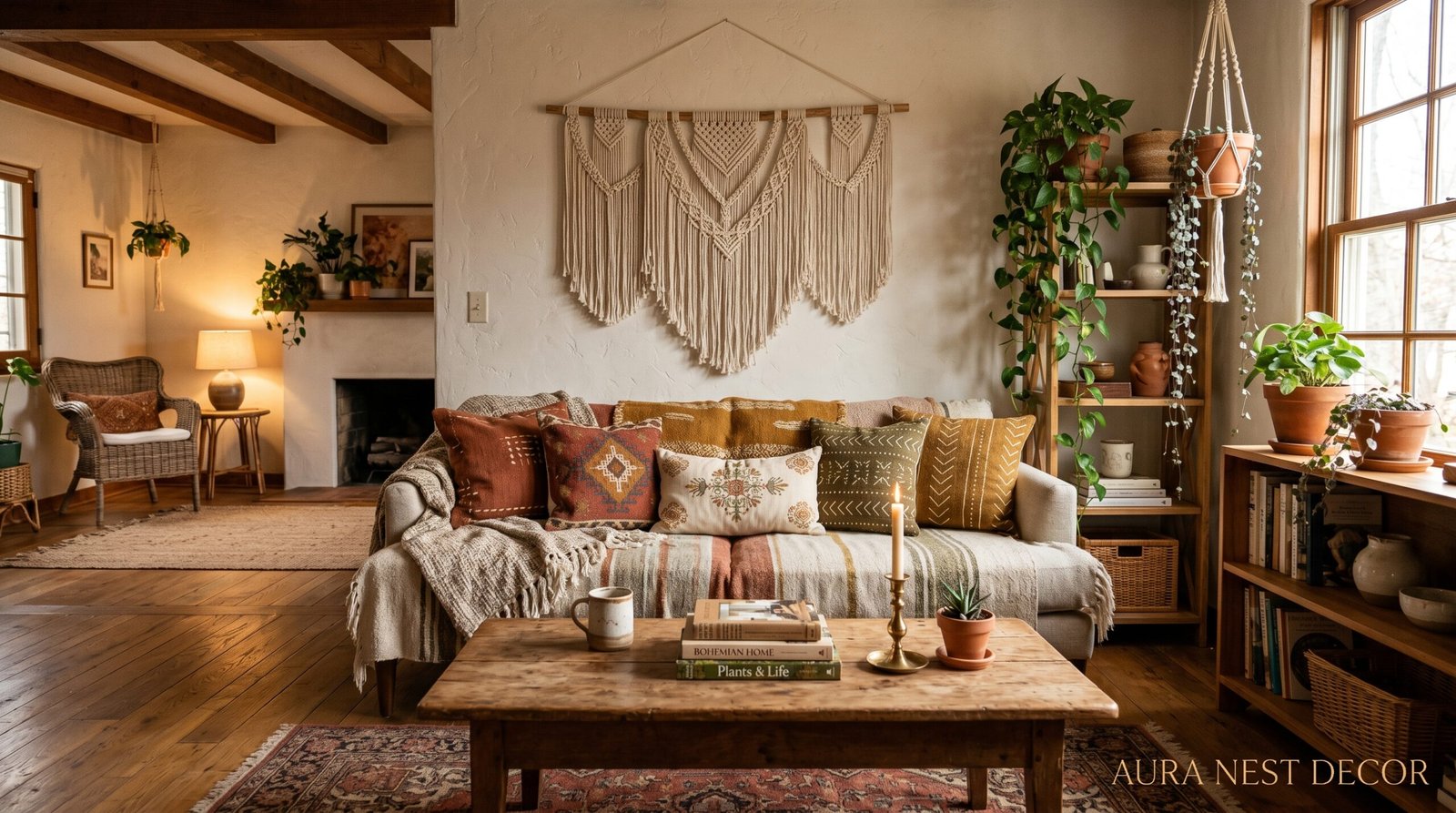
What actually works is what I call the textile stack. You pick one hero textile — something with real visual weight, like a chunky hand-knitted throw or a kilim-style cushion in terracotta and cream. That thing sets the tone. Then you layer two or three supporting players around it: a linen throw folded (not artfully thrown — folded, like a person lives there), a couple of cushions that echo the hero without copying it, maybe a jute rug underneath.
The rug is huge, by the way. Don’t go small. A rug that’s too small makes the whole seating area look like it’s floating in space, and not in a dreamy way.
Textures matter more than colors here. Woven, knitted, printed, embroidered — the variety keeps things from looking flat. But you don’t need to spend a fortune. Seriously. Some of my favorite cushions came from TK Maxx (UK) and HomeGoods (US), just picked up one at a time until the stack felt right.
“The textile stack isn’t about abundance — it’s about choosing things that have something to say to each other.”
—
3. The Color Formula That Makes Boho Feel Warm, Not Chaotic
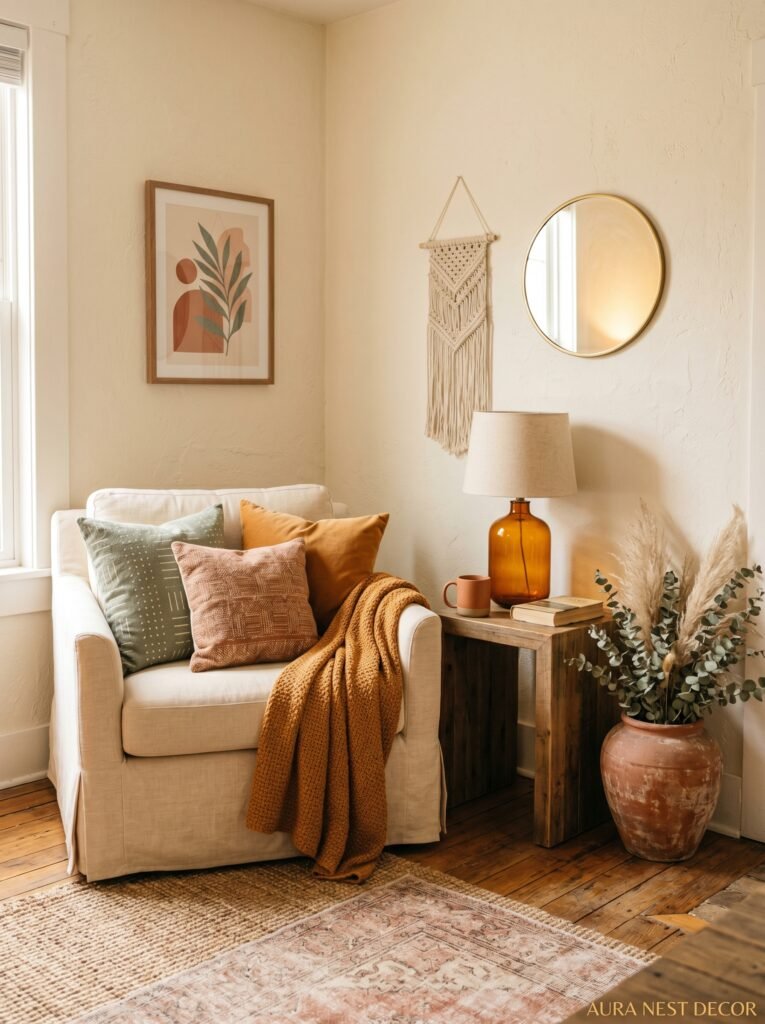
Boho gets a bad reputation for being a color free-for-all. And some rooms do end up looking like a craft fair exploded. But the rooms that stop you in your tracks? They’ve got a formula, even if it looks effortless.
Warm earth tones as the base. Always. Terracotta, rust, sand, warm white, tobacco brown. These go on the walls, the big furniture, the rugs. They’re not exciting colors but they’re forgiving colors, and they make everything else look better by association.
Then you add ONE punchy accent. Just one. Dusty sage green is everywhere right now and honestly I get it — it works. So does a deep burnt orange or a faded indigo. But it’s ONE. Not two, not three. Pick your accent and let it show up in a few places — a cushion, a vase, the spine of a book on the coffee table — and then walk away.
Natural materials and that warm base palette together create something that reads as “collected” rather than “cluttered.” And in the UK especially, where we’re working with smaller rooms that don’t always get a lot of natural light, that warm base palette is doing HEAVY lifting. It keeps things from looking muddy.
—
4. Plants: The Ones That Actually Survive and Still Look the Part
Side note — I have killed so many plants. I’m not proud of it. So anything I say here comes from genuinely hard experience.
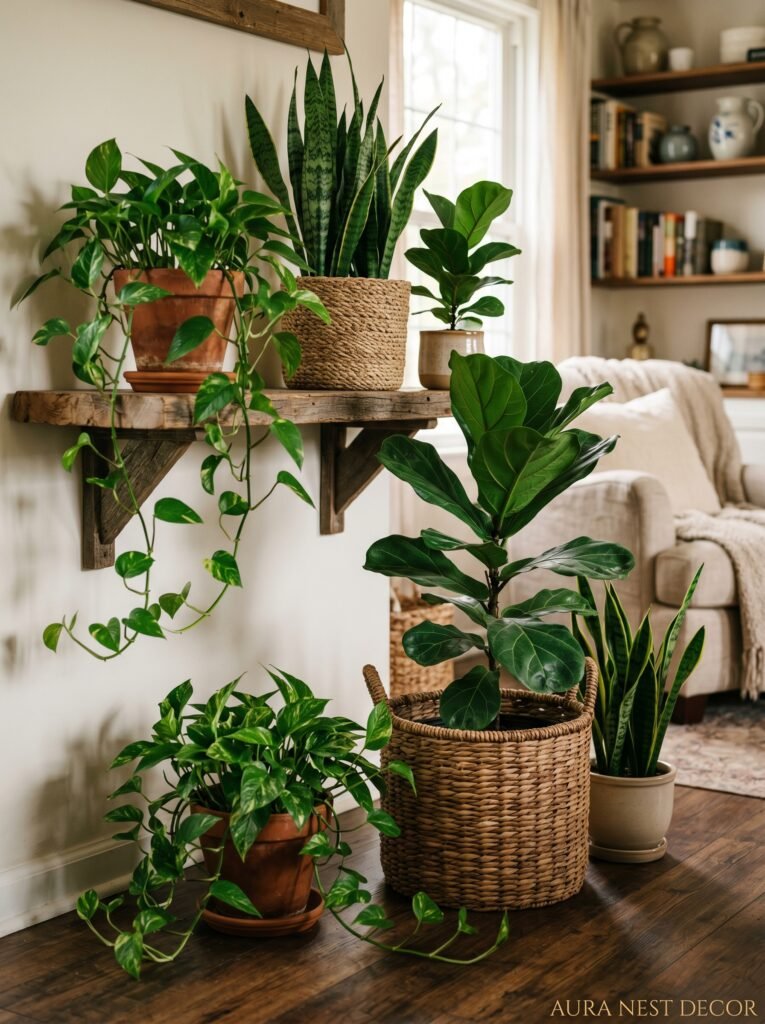
The good news is that the plants that thrive with minimal effort also happen to be the ones that look most boho. Pothos. Trailing string of pearls. A big fiddle leaf fig if you’ve got good light, though they’re dramatic and will punish you for moving them. Monstera, obviously — still a great choice no matter how many people say it’s overdone. It’s overdone for a reason.
What makes plants work in a boho living room isn’t just the plants — it’s the vessels. A terracotta pot with white mineral deposits around the rim. A woven basket planter. An odd vintage jug you found at a car boot sale or estate sale. The container matters almost as much as the plant.
And don’t just go vertical. Trailing plants on a high shelf, a plant hanging in a macramé holder near the window, a low succulent arrangement on the coffee table — different heights keep the eye moving around the room, which is the whole game.
—
5. The One Wall Trick That Changes Everything About a Small Room
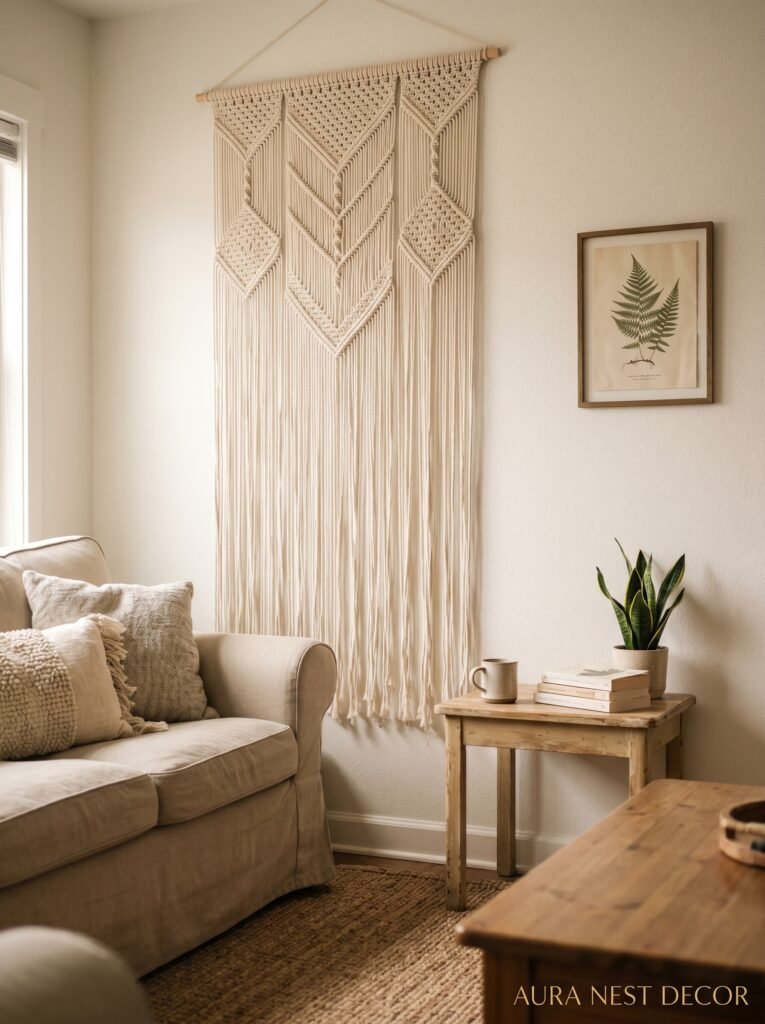
Right. This is the thing I wish someone had told me years ago.
Gallery walls get talked about constantly in boho decor content, but most of them look chaotic because they’ve got no anchor. The trick is to pick one LARGE piece — a woven wall hanging, an oversized print, a framed vintage textile — and build outward from it. Everything else responds to that anchor. Smaller pieces, mismatched frames, a dried pampas stem in a tall vase placed nearby — they’re in conversation with the hero, not competing with it.
In a small room, this actually creates a sense of depth. Your eye focuses on the large piece, then starts exploring outward. It’s the same reason feature walls work — you’re giving the room a point of view, a place to look.
In Britain especially, we’ve got a lot of Victorian and Edwardian rooms with alcoves on either side of the chimney breast. Those alcoves are MADE for this. Floating shelves, layered with plants and books and one or two sculptural objects, with that large piece above the fireplace — it’s so good it’s almost unfair.
“Give the room one place to look first, and everything else falls into place.”
—
6. How to Shop Secondhand Without Ending Up With a Mess
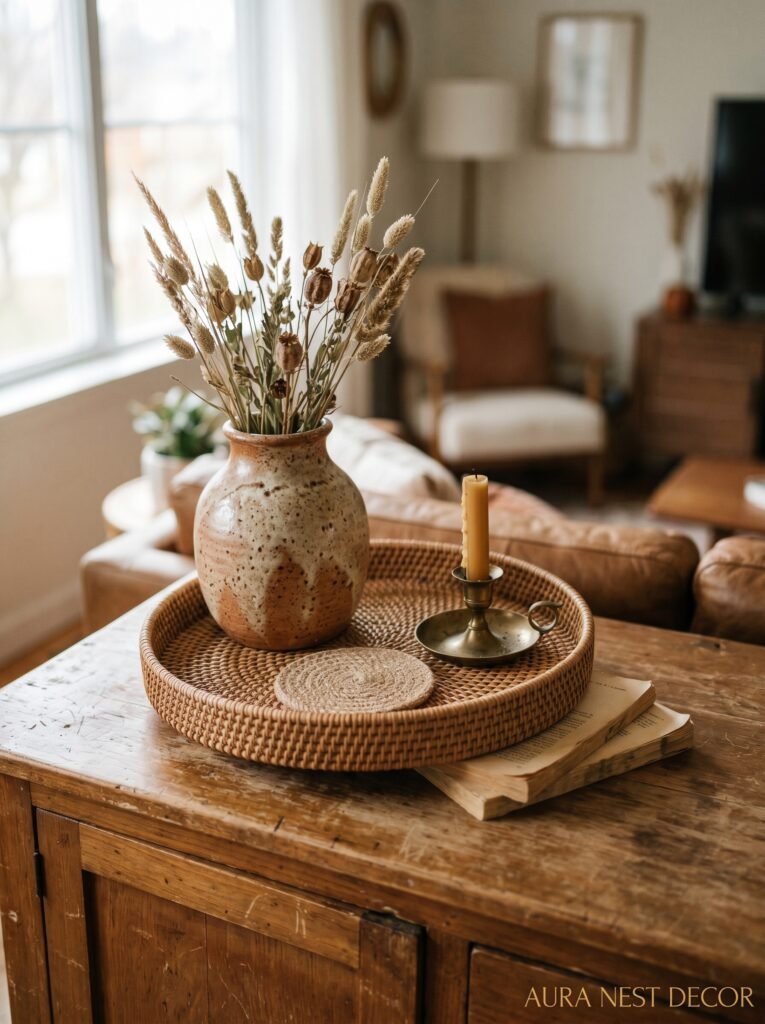
Charity shops, car boot sales, Vinted, Facebook Marketplace, eBay, estate sales, thrift stores, Craigslist — the options are enormous and the quality is wildly variable, and if you go without a filter you’ll come home with things that don’t work together at all.
So here’s what I do. Before I go anywhere, I take one photo of my living room and note the three things I actually need. Not “something interesting” — specific things. A floor lamp that’s not black metal. A small side table, natural materials preferred. A mirror, ideally with an interesting frame. Those are my constraints.
Within those constraints, I’m flexible on style. I’m not flexible on quality. Anything with structural damage, bad smells, or upholstery I’d have to reupholster to live with — pass. The savings aren’t worth the project unless you love the project itself.
The things that almost always look great in a boho room, bought secondhand: rattan furniture, wooden side tables, ceramic pots, wicker baskets, woven textiles, old mirrors, interesting lamps. The things that are harder to make work: upholstered sofas (unless you’re prepared to add a lot of throw coverage), anything too formal or period-specific, glass-and-chrome combos.
—
7. Lighting That Doesn’t Come From One Overhead Bulb
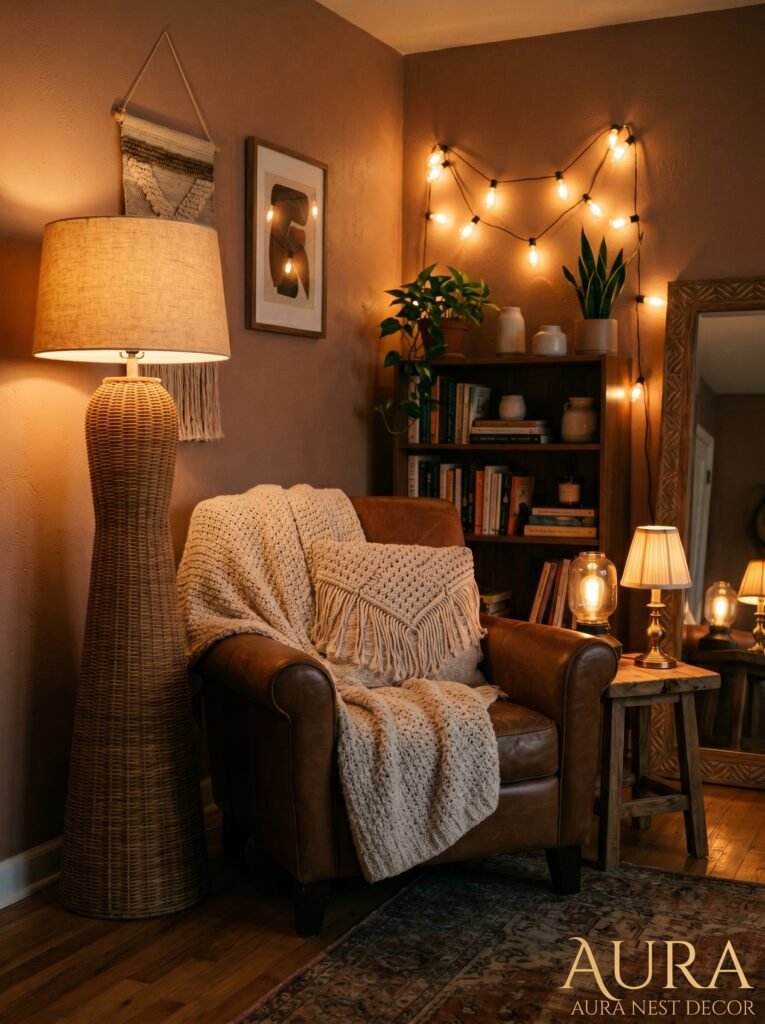
If you remember one thing from this entire article, let it be this: overhead lighting is a living room’s worst enemy. One harsh overhead bulb makes even the most beautiful boho space look flat and tired by evening.
Layer your light. Floor lamp in a corner. Table lamp on the side table. Maybe a string of warm Edison bulbs across a bookshelf or along a mantle — not in a cutesy way, just a small warm glow. The amber color temperature of those older-style bulbs at around 2200K does something to a room that no overhead fixture can replicate.
Candles, too. Even unlit candles in interesting holders contribute visually. But lit? A cluster of beeswax candles on a low coffee table at 7pm on a grey autumn evening is genuinely one of the most beautiful things a living room can do. I’m not being poetic. I mean it practically — try it once and you’ll never go back to the overhead.
In the UK where we’ve got long grey winters, this matters enormously. The difference between a room lit by layers and a room lit by a single ceiling light on those dark November evenings is the difference between cozy and depressing.
“One lamp in a corner changes the whole feeling of a room. Two lamps and a candle? You’ve got atmosphere.”
—
8. The Coffee Table Situation: Why Less Is More (But Boring Is Still Boring)
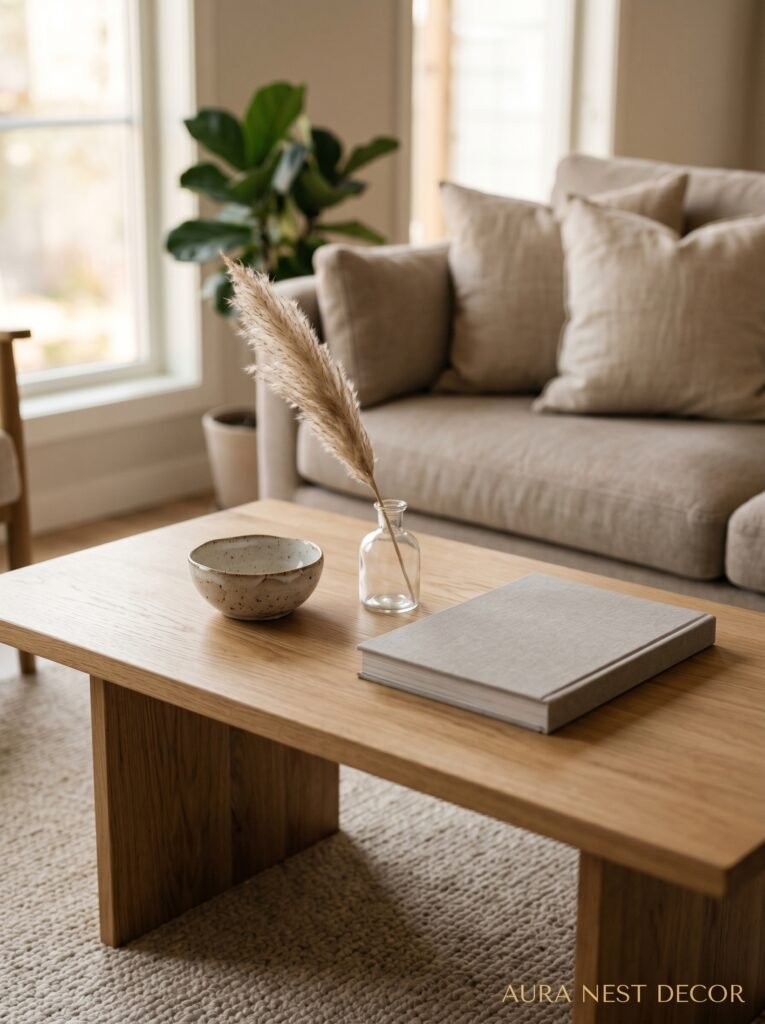
Coffee table styling is the one place where I see people go one of two directions — so empty it looks like they forgot to finish decorating, or so full you can’t put a cup down without knocking something over.
The sweet spot: three to five objects, different heights, natural materials. A stack of two or three books (take the dust jackets off — the plain cloth or paper underneath is almost always more interesting). One sculptural thing — a small ceramic bowl, a piece of driftwood, a smooth river stone. A low plant or a small arrangement of dried flowers. Maybe a tray to hold it all together visually, which also means you can move everything to one side in two seconds when you actually need the table.
That’s it. You don’t need more than that. The restraint is what makes it feel considered rather than cluttered.
—
9. The Floor Is Part of Your Decor (And You’re Probably Ignoring It)
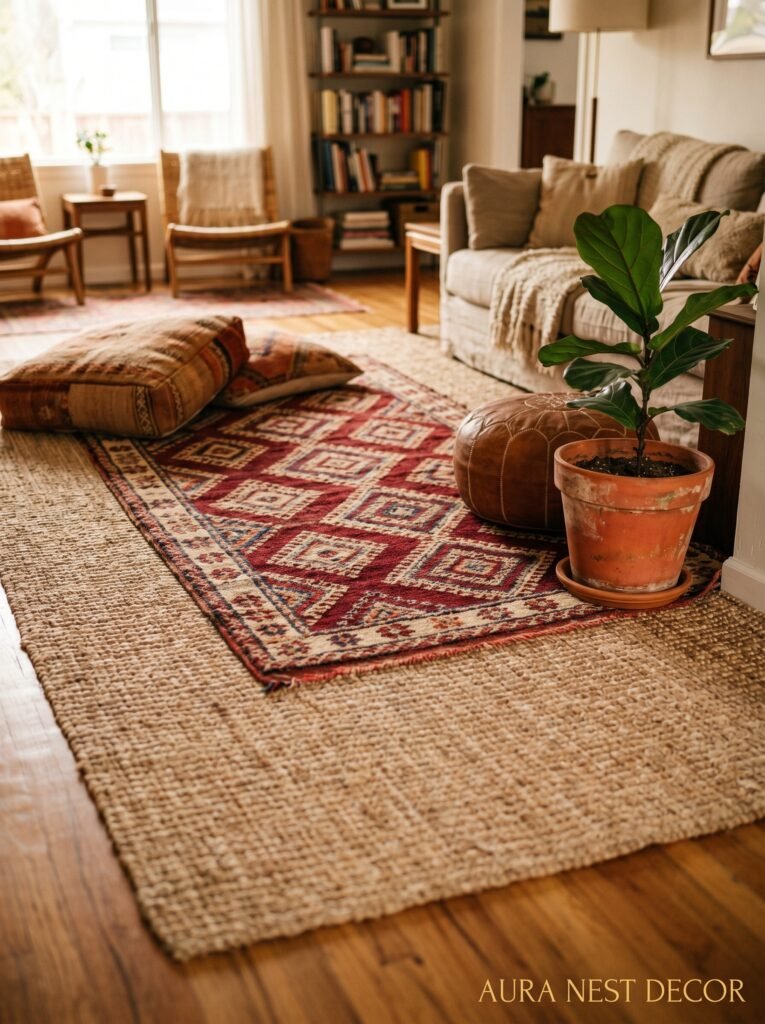
Layered rugs. I know, you’ve heard it a thousand times. But there’s a right way and a wrong way, and the wrong way is just stacking two big rugs on top of each other so the edges overlap awkwardly.
The right way is a large natural-fiber rug — sisal, jute, seagrass — as the base. Full coverage, or close to it. Then a smaller, more decorative rug on top: a vintage-style Moroccan design, a flatweave kilim, a colorful Persian-inspired print. The base rug does the grounding work; the top rug does the personality work.
Floor cushions and poufs also matter here. A couple of big floor cushions near the coffee table give you flexible seating and read as very intentionally boho. Leather poufs are brilliant for this — they hold their shape, they age well, and they work with virtually every color palette.
—
10. Bookshelves: The Styling Secret That’s Hidden in Plain Sight
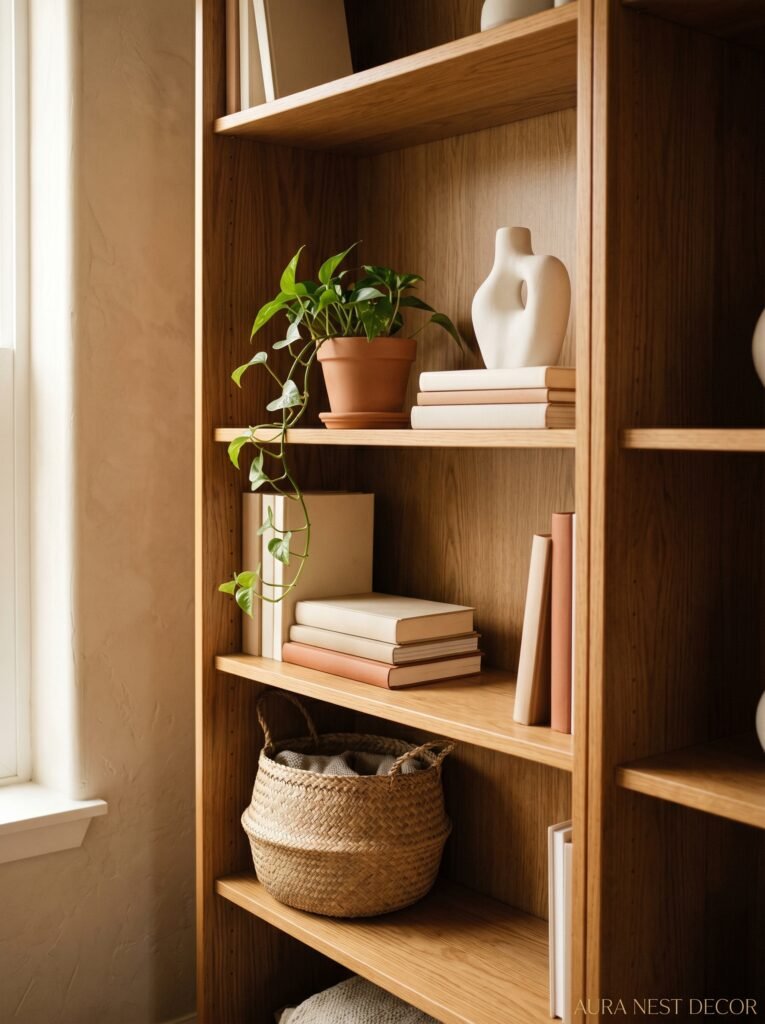
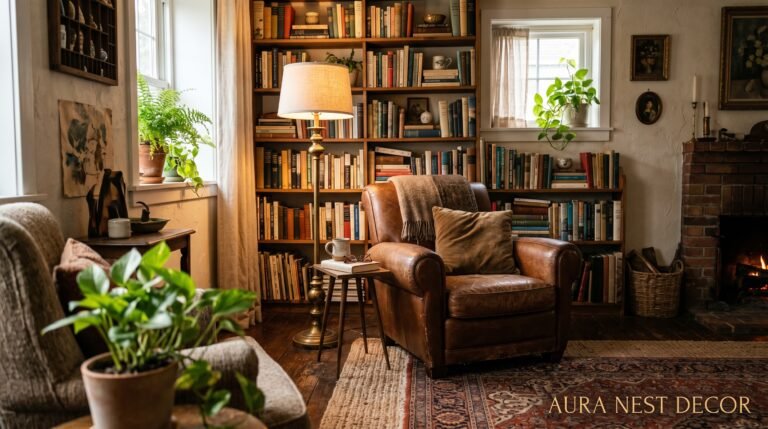
Books themselves are decoration. Don’t underestimate this. A full bookshelf, even an imperfect one, brings warmth, color, and evidence of a human life to a living room in a way that nothing you buy at a homeware store can fully replicate.
The secret to a shelf that looks styled without looking fake: mix horizontal and vertical stacks. Group books by color in some areas, by subject in others — or just by how they’ve ended up, honestly. Add objects between and in front of the books. A small plant. A candle. A crystal or smooth stone. A framed photo tucked in at an angle. The objects give your eye somewhere to rest between the books.
Remove a few books and lay them flat with something sitting on top. That little variation changes the whole shelf. And please — remove the plastic or paper dust jackets. The books underneath are almost always beautiful.
—
11. The Scent Layer People Forget Completely
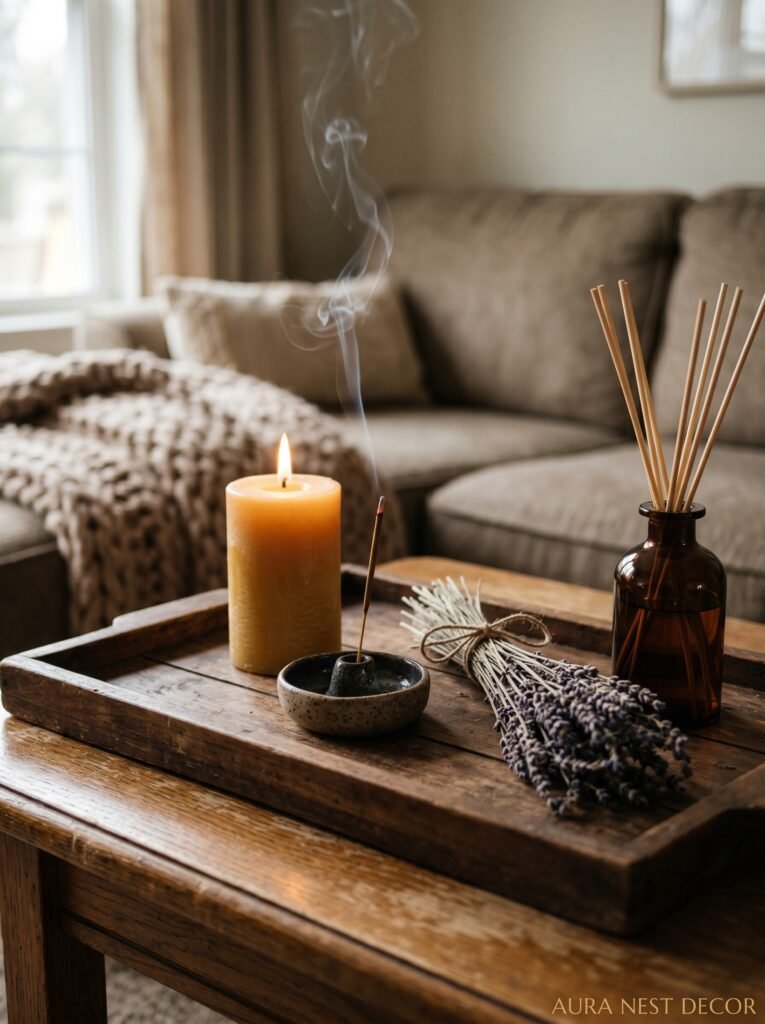
This one’s genuinely underrated and I don’t understand why decor writers don’t talk about it more.
A room that smells good feels cozier. Full stop. Scent is processed differently than visual information — it bypasses your analytical brain and hits something more instinctive. Sandalwood. Cedar. Warm vanilla. Patchouli if you want to go full boho. These are the notes that make a room feel like it belongs to someone.
A reed diffuser somewhere you won’t knock it over. A soy or beeswax candle with a complex, earthy scent. Even a simmer pot on the stove — cinnamon, orange peel, cloves — whose smell drifts into the living room. None of these are expensive. All of them make a bigger difference than another cushion would.
—
12. The Finishing Detail That Pulls the Whole Room Together
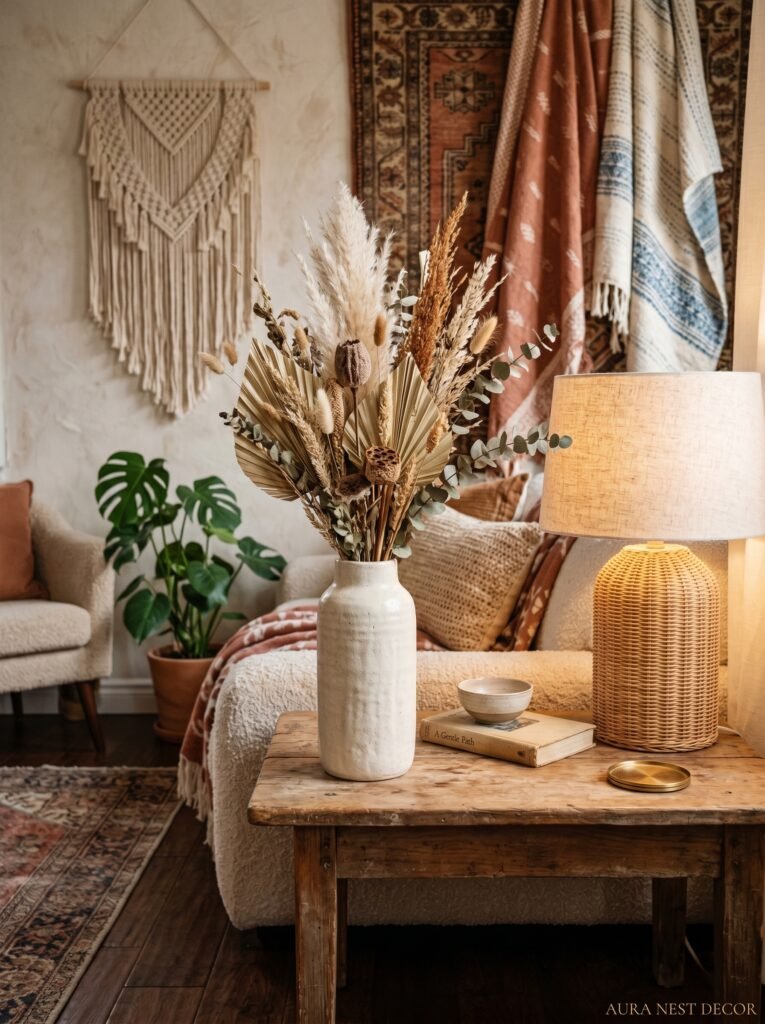
After all the textiles and plants and lighting and objects, there’s one last thing that makes a room feel truly finished — and it’s something you probably already own.
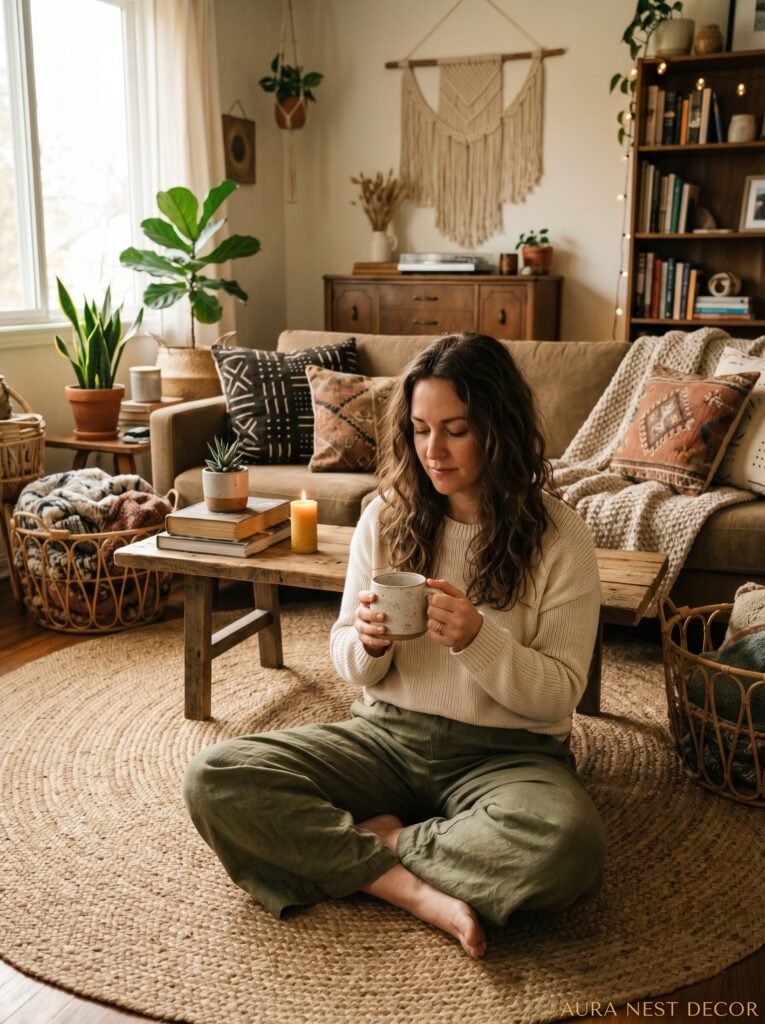
Personal objects. The things that are yours specifically and couldn’t be anyone else’s. The mug you always use. The throw someone made you. The weird little ceramic thing from that market in Portugal or that flea market in Nashville. The stack of actual books you’re actually reading.
Boho decor gets talked about like it’s a look you achieve. But the rooms that genuinely STOP you — the ones you save and screenshot and stare at — they’re not perfect showrooms. They’re rooms that feel inhabited. Loved. Like someone spends real time in them.
That’s the thing you can’t buy. But it’s also the easiest thing to add, because you already have it.
—
❓ FAQ
Q: How do I make a boho living room work if I rent and can’t paint the walls? A: Honestly, you can do so much without touching the walls. Textiles, rugs, lighting, and plants carry the whole look. If the walls are magnolia or beige, lean into it — that warm neutral base actually plays beautifully with earthy boho tones. Removable wallpaper is also worth looking into for an accent area.
Q: Is cozy boho the same as maximalism? My partner thinks it’ll look cluttered. A: It doesn’t have to be. The version I’m describing here is pretty restrained — it’s about texture and warmth, not volume. Start with one or two boho elements (a kilim rug, a rattan chair, a woven throw) and see how it feels before adding more. Boho done well has negative space. It’s the bad version that looks chaotic.
Q: What’s the most impactful single change I can make to a living room right now? A: Switch your lighting. Get one warm-toned floor lamp, put it in a corner, and turn off the overhead light for an evening. That one change will show you what your room can feel like — and honestly, you might not go back.
—
💭 Final Thoughts
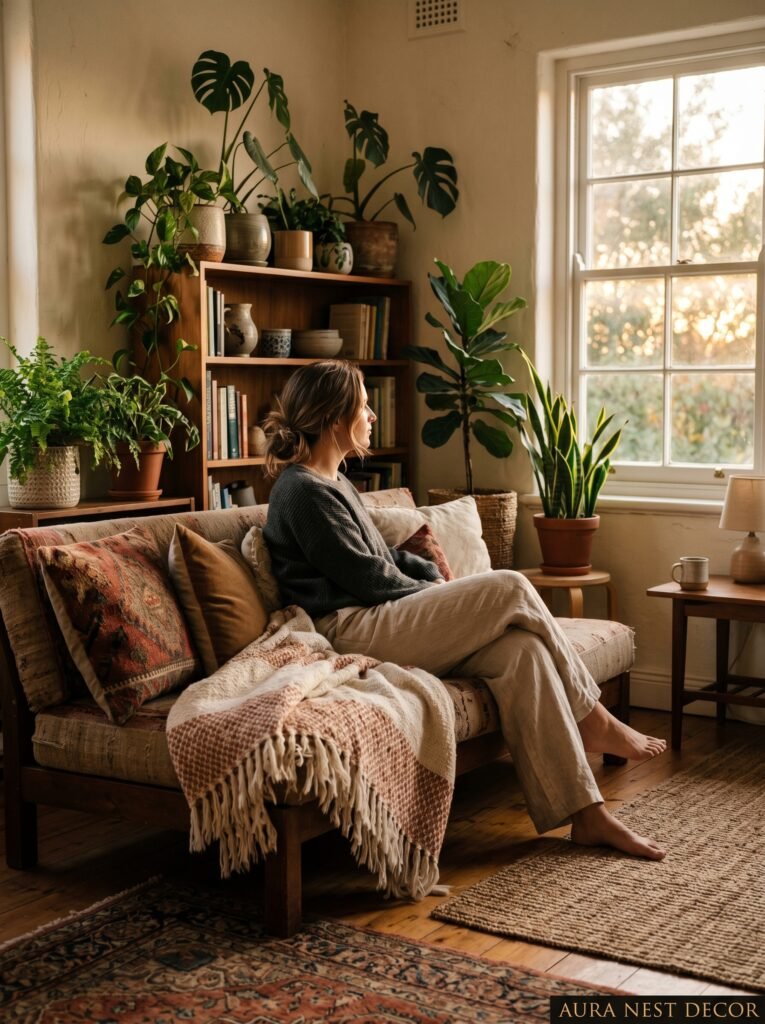
Cozy boho isn’t a trend you shop your way into. It’s more like a practice — adding things slowly, noticing what feels right, trusting your instincts over the algorithm. The rooms I love most all feel like they took time, even if they didn’t.
So don’t try to do everything at once. Pick one thing from this list, do it this weekend, and see how it changes the way you feel in that room.
What’s the one thing your living room is missing right now — a lamp in a corner, or something you haven’t been able to name yet?