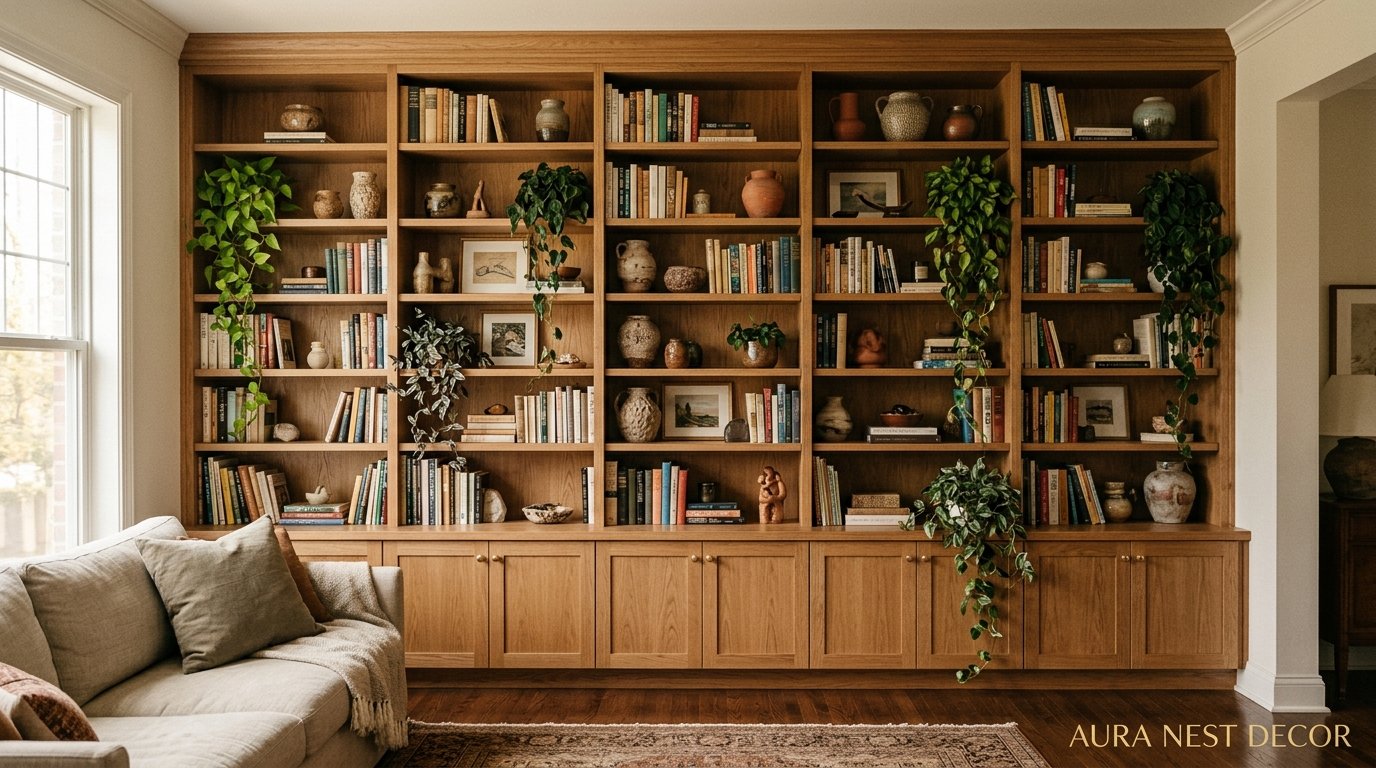
The Wall Unit Glow-Up: 12 Living Room Ideas That Make Your Whole Room Click Into Place
You know that feeling when a room just works? Like everything has a place and the place makes sense? A great wall unit does that. It’s the thing people can’t quite name when they walk in, but they feel it immediately.
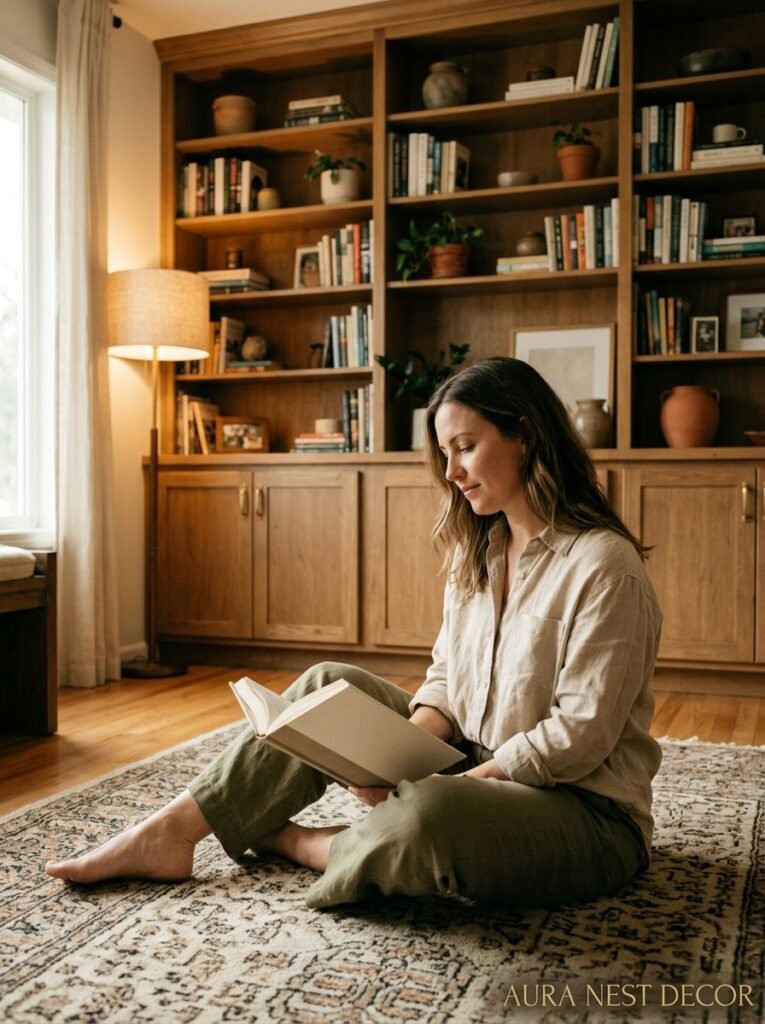
—
1. The Secret Reason Built-Ins Feel So Expensive (And How to Fake Them)
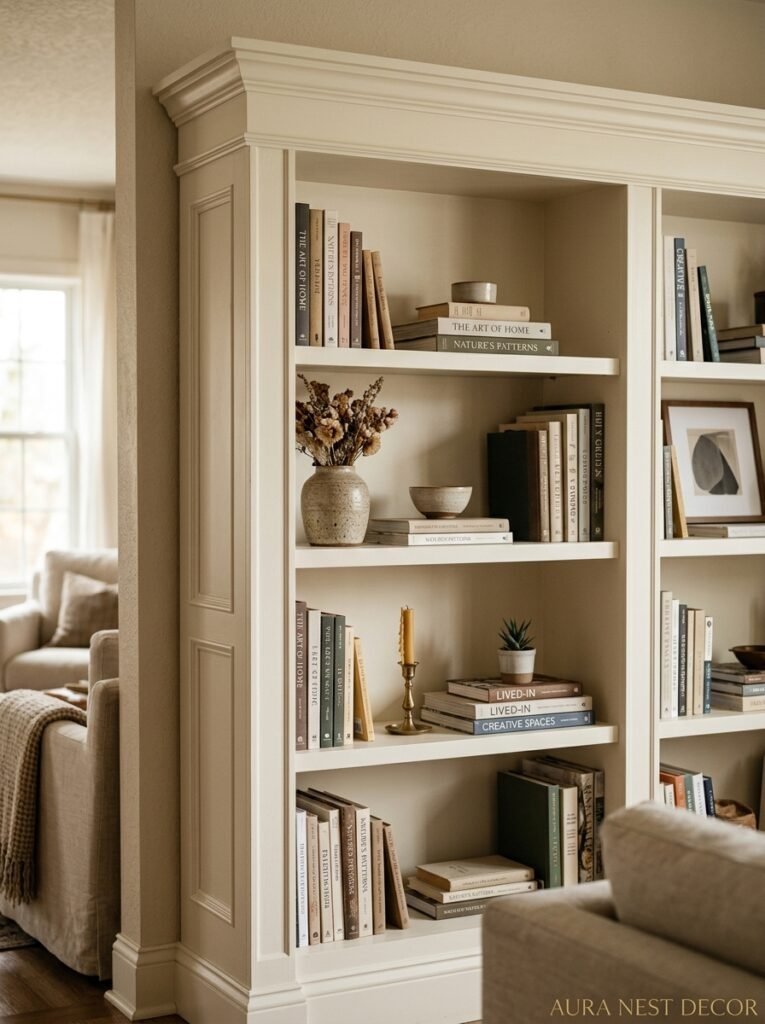
Built-in wall units have this psychological effect that’s hard to explain. They make a room feel finished in a way that freestanding furniture never quite does. And here’s the thing — you don’t actually need to rip out walls or hire a joiner to get there.
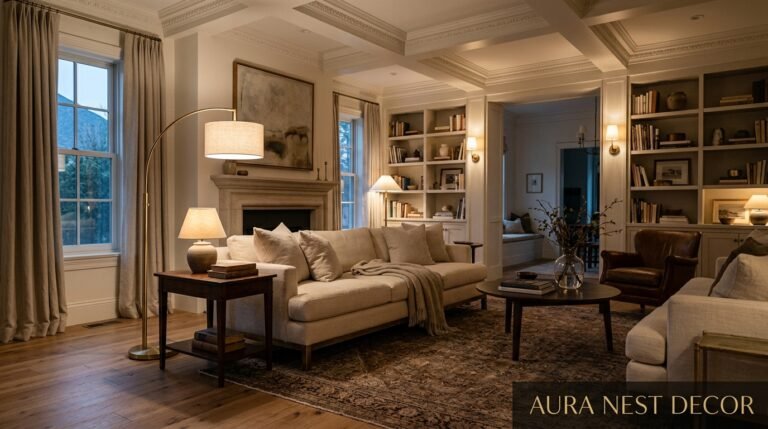
The trick is floor-to-ceiling. That’s it. That’s the whole secret, honestly. When a unit runs from the baseboard all the way up to the crown molding, your brain reads it as architectural, not furniture. IKEA’s Billy bookcases pushed flush against each other and topped with a plywood panel cut to ceiling height? Genuinely indistinguishable from custom in photos. In person too, if you paint them the same color as the wall behind them.
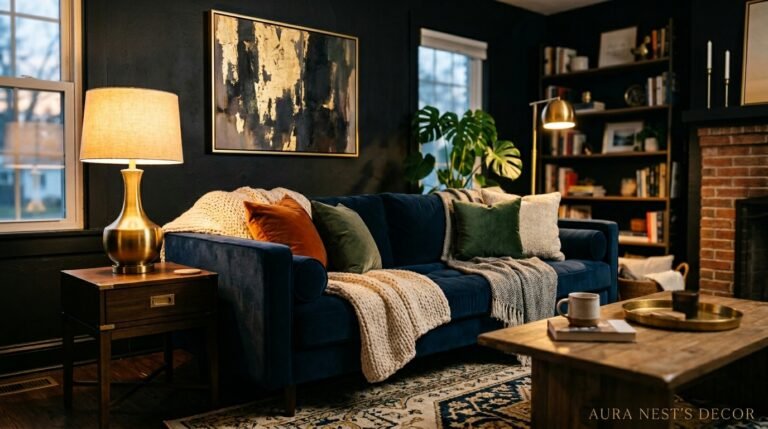
White-on-white creates that seamless, gallery-ish effect. Dark forest green on dark forest green feels like a gentleman’s library. Either way, the color-matching move is what sells it. Don’t skip that part. It’s the difference between “oh, those are bookcases” and “oh, this room has built-ins.”
Side note — in UK homes especially, where alcoves on either side of a chimney breast are basically the standard layout, you’re already halfway there. Fill both alcoves with shelving, paint everything the same tone as the wall, and the room transforms in a weekend.
“Floor-to-ceiling isn’t a style choice. It’s an optical illusion — and it works every single time.”
—
2. The Color That Keeps Showing Up in Every Beautiful Living Room Wall Unit Right Now
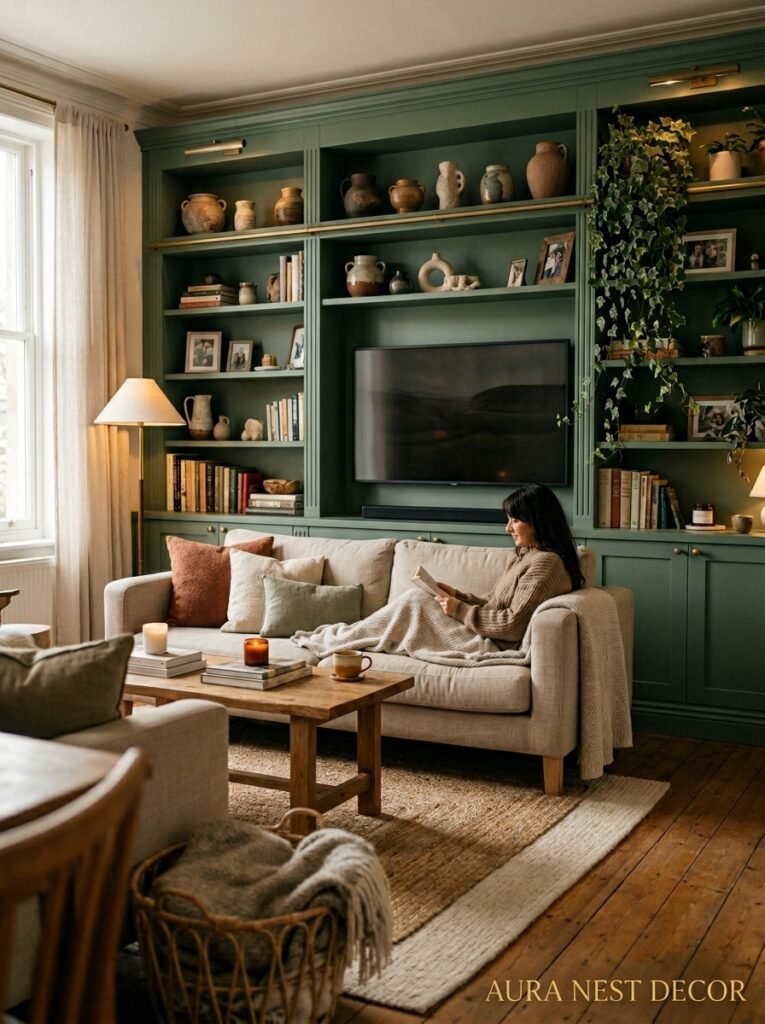
Okay, so I’ve been obsessively saving wall unit inspo on Pinterest for months. Like, embarrassingly many pins. And a color keeps appearing over and over in the accounts that get the most saves, the most repins, the most “what is that paint color??” comments.
It’s not white. It’s not black. It’s this deep, dusty, almost-muted blue-green. Think farrow & ball’s Hague Blue, or Sherwin-Williams’ Undersea. Not teal, not navy. Somewhere moody and specific.
And it WORKS. Against warm wood floors and cream sofas, it hits this balance between bold and cozy that’s weirdly hard to achieve otherwise. The wall unit becomes the room’s personality instead of just its storage.
But here’s what I think people miss — it’s not really about the color. It’s about committing. Half-measures look weird. Paint the whole unit, the whole back panel, the whole alcove wall. Don’t just do the shelves. Go all in and it looks intentional. Go halfway and it looks unfinished.
If you’re in the UK, Little Greene’s Celestial Blue is doing the same job right now. Americans, Benjamin Moore’s Van Deusen Blue is close and easier to find. Both are incredible.
—
3. Why the Back Panel Matters More Than Anything You Put On the Shelves
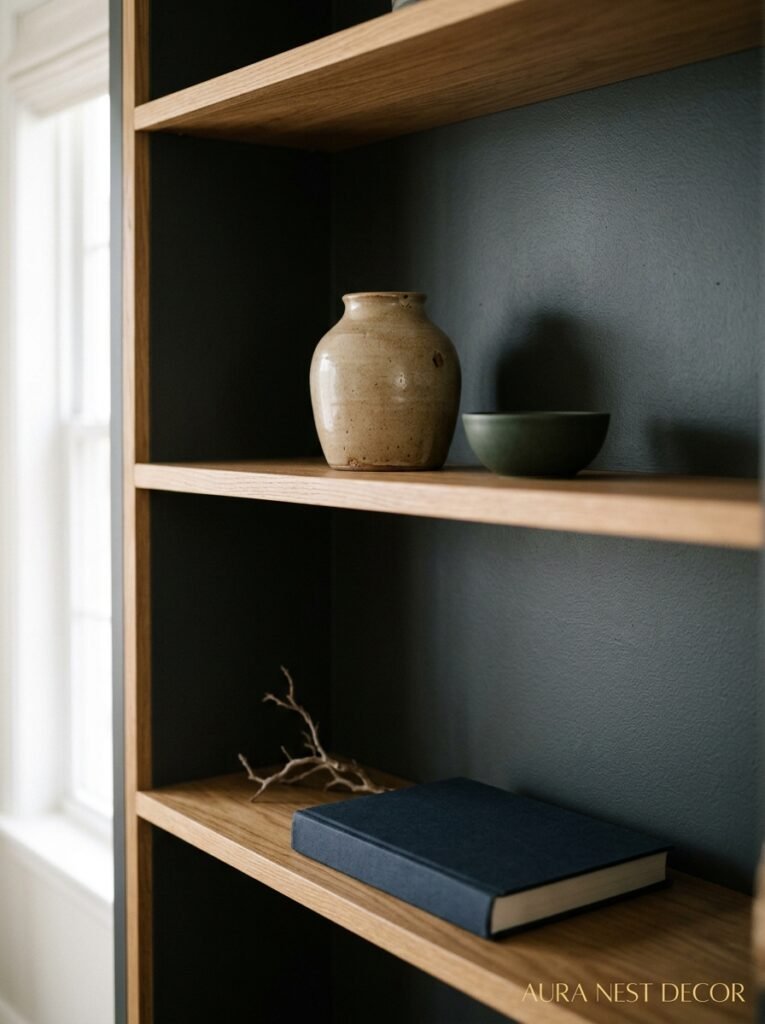
People spend hours choosing what to display on their shelves. Books, plants, candles, ceramics. And then they leave the back panel white and wonder why it looks flat.
The back panel is everything. It’s the backdrop. Paint it a different color from the unit itself and you get this wonderful layered, dimensional look. Paper it with a moody wallpaper and suddenly you’ve got something that belongs in an interiors magazine. Add grasscloth and the whole unit has texture and warmth that you can practically feel just by looking at it.
I know someone who did a simple white IKEA unit with rattan-patterned wallpaper on the back panels and honestly? It looked like a bespoke piece from a boutique furniture shop. The wallpaper cost maybe $40. The whole project came in under $200. I’m still thinking about it.
Mirror is another option — reflects light back into the room, makes the shelves feel deeper, makes the room feel bigger. Not in a dated, 80s-hotel way if you do it right. Keep the frame of the unit solid and dark, and the mirror just reads as depth.
Fluted glass panels are the current obsession. And I get it. That soft, textured opacity looks so good. It also hides mess, which, let’s be real, is the actual selling point for most of us.
—
4. The One Rule That Makes Any Living Room Wall Unit Feel Intentional, Not Cluttered
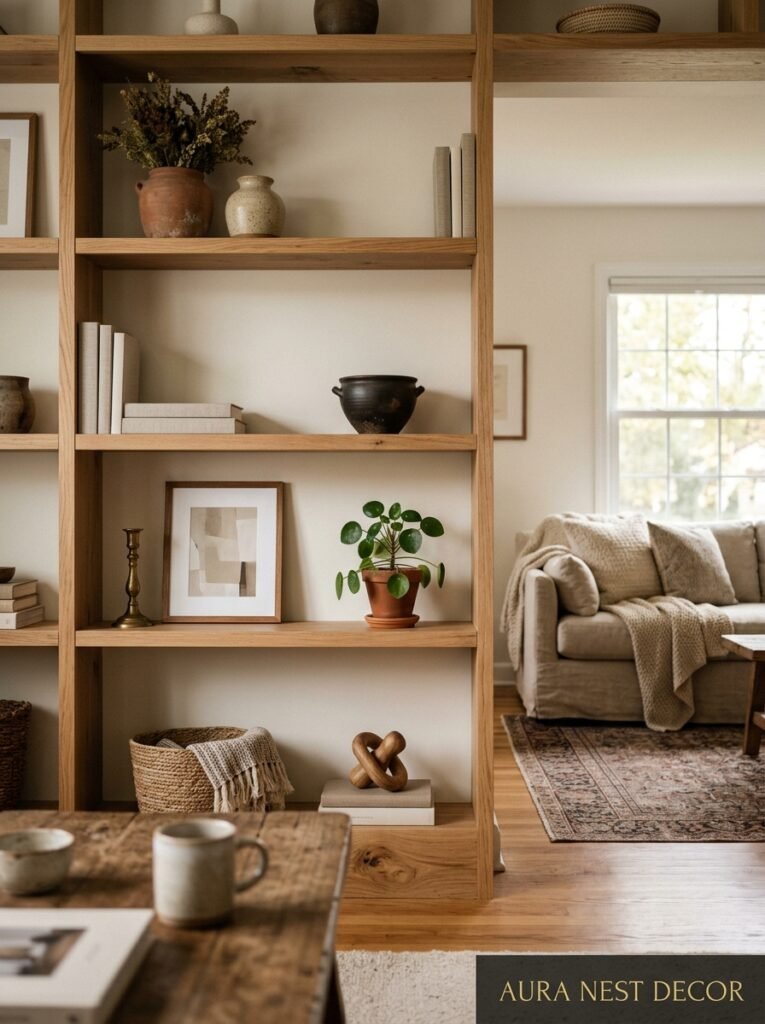
Here it is: leave 40% empty.
Not 10%. Not “a little breathing room.” Forty percent. Walk away from the unit. Come back. Remove more stuff. It feels wrong at first, almost like you’re wasting space. But that emptiness is doing work. It’s what makes the things that ARE there actually visible.
The brain can’t focus on 47 objects arranged across 12 shelves. But give it five? Six? It relaxes. It notices. It thinks, “this person has taste.”
I won’t pretend this is easy. The urge to fill shelves is almost physical. Books, candles, that ceramic bowl you love, photos, plants, the little vintage thing you found at a market — it all wants to be there. Pick your favorites. The real ones. Put the rest somewhere else.
“Restraint is the most underrated design skill. Anyone can fill a shelf. Almost no one knows when to stop.”
And vary the heights. Stack two books horizontally, then one vertical book leaning against a plant. A short candle next to a tall vase. Objects that are all the same height look like a lineup, not a display.
—
5. What No One Tells You About Mixing Open Shelving With Closed Cabinets (And Why It Changes Everything)
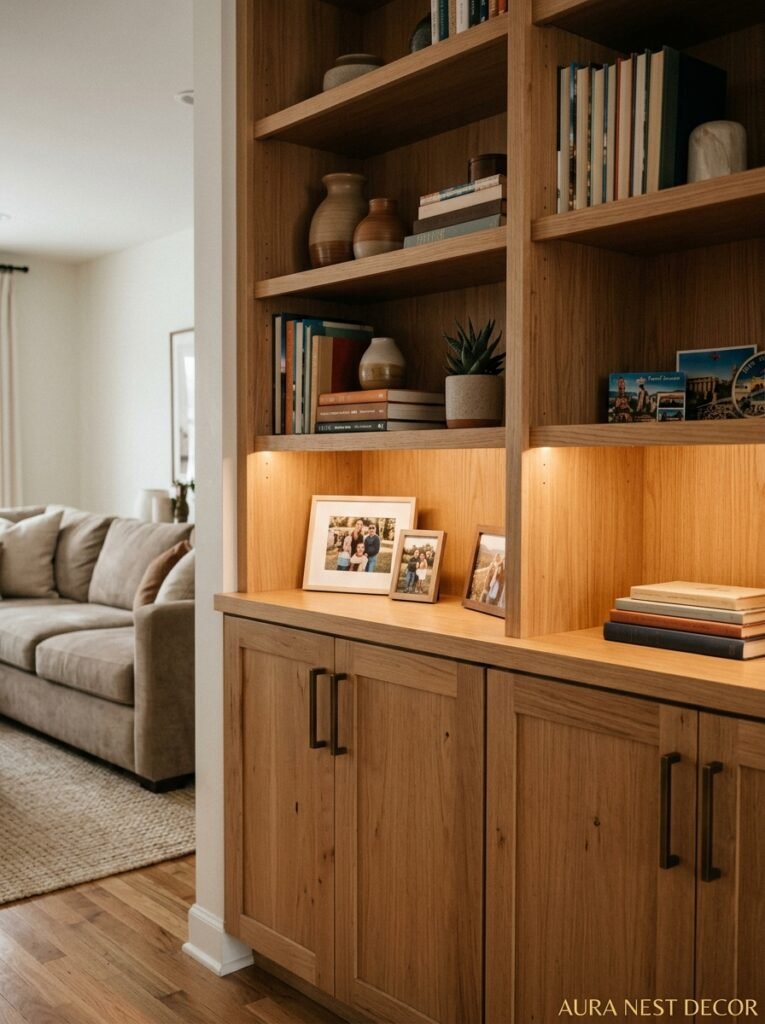
Full open shelving looks great in staged photos. In real life, with real stuff, and actual dust, and Amazon boxes that haven’t been dealt with? It’s a lot.
Closed cabinets at the bottom of a wall unit are genuinely life-changing. Not gonna lie — this is probably the most practical design decision you can make in a living room. DVDs, board games, the random cables you can’t throw away, the kids’ stuff, the stuff you don’t know what to do with — it all disappears behind doors.
The ratio that keeps showing up in rooms that feel effortlessly put-together: roughly 60% open, 40% closed. Open shelving on top for the beautiful things, closed doors below where real life lives.
In American homes where the living room does everything — TV, work-from-home, storage, play space — this matters even more. In British sitting rooms where the chimney breast wall needs to work hard, it’s the same principle.
And here’s the part that surprises people — the closed section doesn’t have to be boring. Fluted cabinet fronts, reeded wood, textured panel doors, cane inserts. The bottom cabinets can be just as beautiful as the open shelving above, they just don’t have to perform.
—
6. The TV-in-the-Wall-Unit Dilemma: How to Make It Not Look Like a Big Black Rectangle Surrounded by Stuff
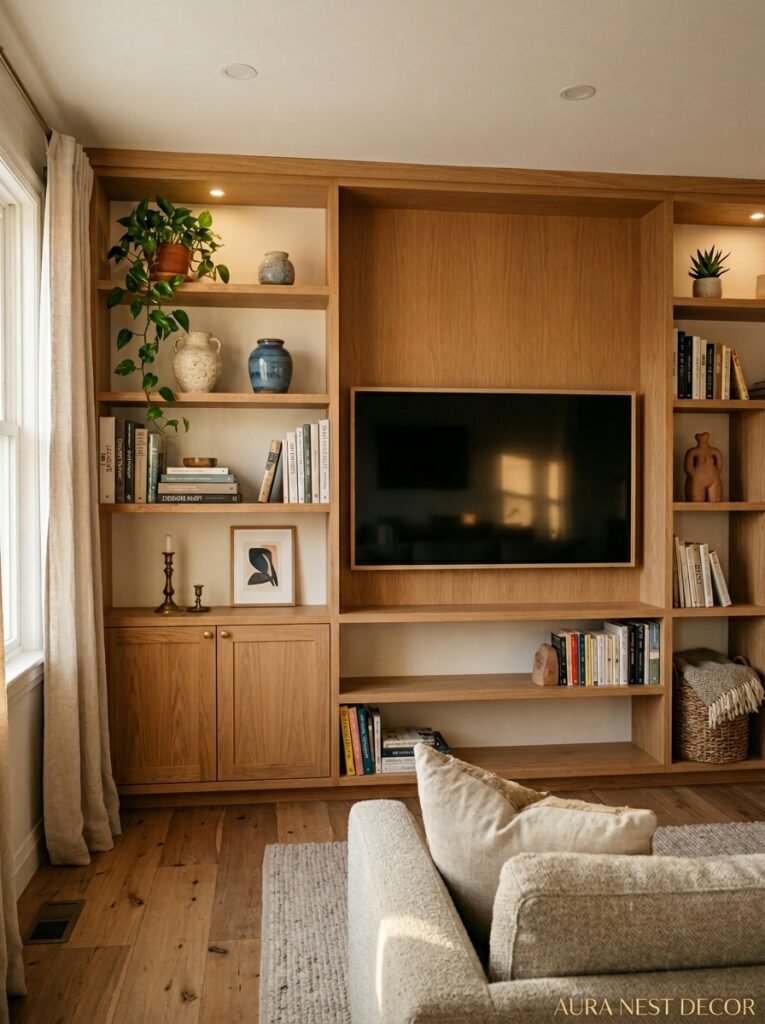
Okay. Real talk. This is the thing that goes wrong most often. Someone builds or buys this beautiful wall unit, does everything right, and then the TV just sits there looking enormous and awkward, like an afterthought or a centerpiece when it should be neither.
First: the TV needs a dedicated zone. Not just a shelf, a ZONE. That means the shelves on either side of the TV should be shorter than the TV screen, so your eye sees the shelves and the screen as part of the same unit, not as two different things competing.
Second, the surround matters. If you paint the wall or the back of the TV section in a darker shade — even just one tone darker than the rest of the unit — the screen disappears into it when it’s off. Black TV on black background reads as intentional. Black TV surrounded by white shelves reads as: someone has a TV.
Third, hide the cables. Actually hide them. Every single one. Cable management channels are $15 on Amazon and they change the entire look. Wall-mounting the TV and running cables inside the wall is even better. A recessed outlet behind where the TV hangs helps a lot in new builds or if you’re doing a renovation anyway.
Samsung’s The Frame TV is a genuine solution for people who want the wall unit life without the big black rectangle problem. When it’s off, it looks like a piece of art. Worth every penny if you care about the aesthetic.
—
7. The Lighting Trick That Makes Wall Units Look Three Times More Expensive
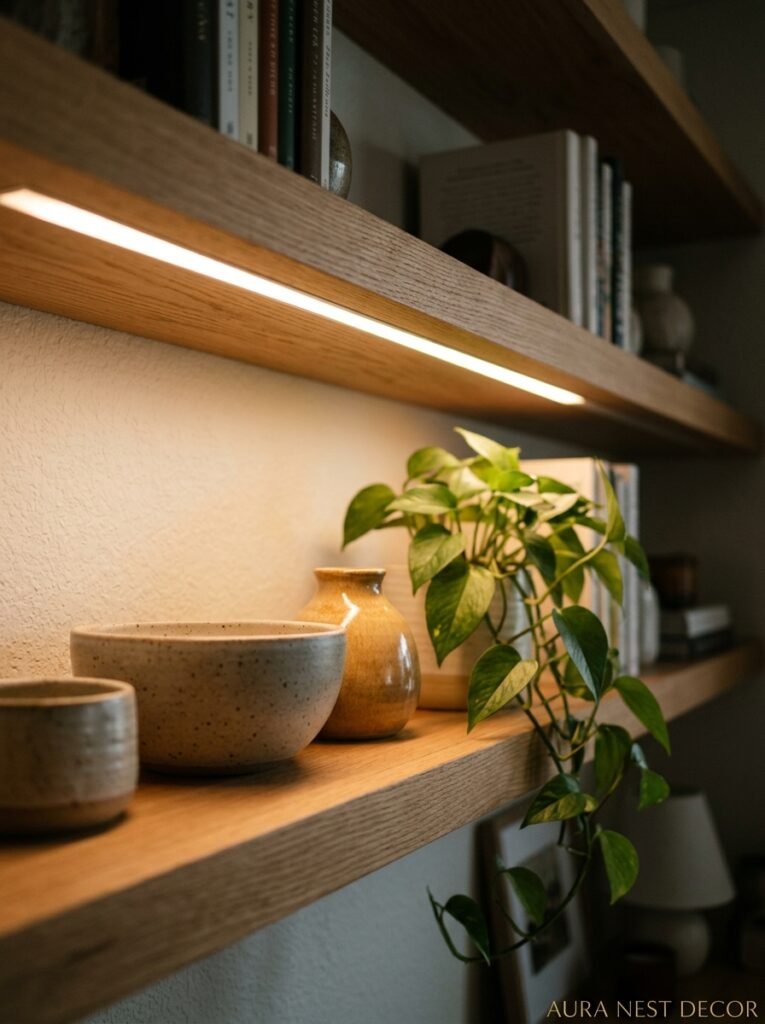
Strip lighting. Specifically, warm-toned LED strip lights tucked inside the top of each shelf bay, pointed downward. The amber glow at 7pm when everything else in the room is dimmed and those shelves are just glowing softly? There’s nothing like it.
This is one of those things where photos don’t quite do it justice. You have to see it in person to understand why it’s worth doing. It takes a wall unit from “nice storage” to “the thing everyone comments on.”
“Lighting inside a wall unit does what no amount of styling can — it makes the shelves feel alive.”
The temperature matters. You want warm white, around 2700K. Anything cooler and it starts to look clinical, like a hospital cabinet or a shop display. Warm and low is the whole vibe.
In the UK, where cosy is basically a national personality, this hits especially hard. American open-plan homes that tend to have harsher overhead lighting? Even more of a transformation.
Puck lights inside closed cabinets with glass doors. Battery-operated, no wiring needed. If you’ve got a drinks station or glassware behind glass, this is the move.
—
8. Going Asymmetrical: The Wall Unit Approach That Feels Weirdly Modern
Symmetry is the default. Unit on the left, unit on the right, TV in the middle. And it looks fine. But fine isn’t what we’re going for.
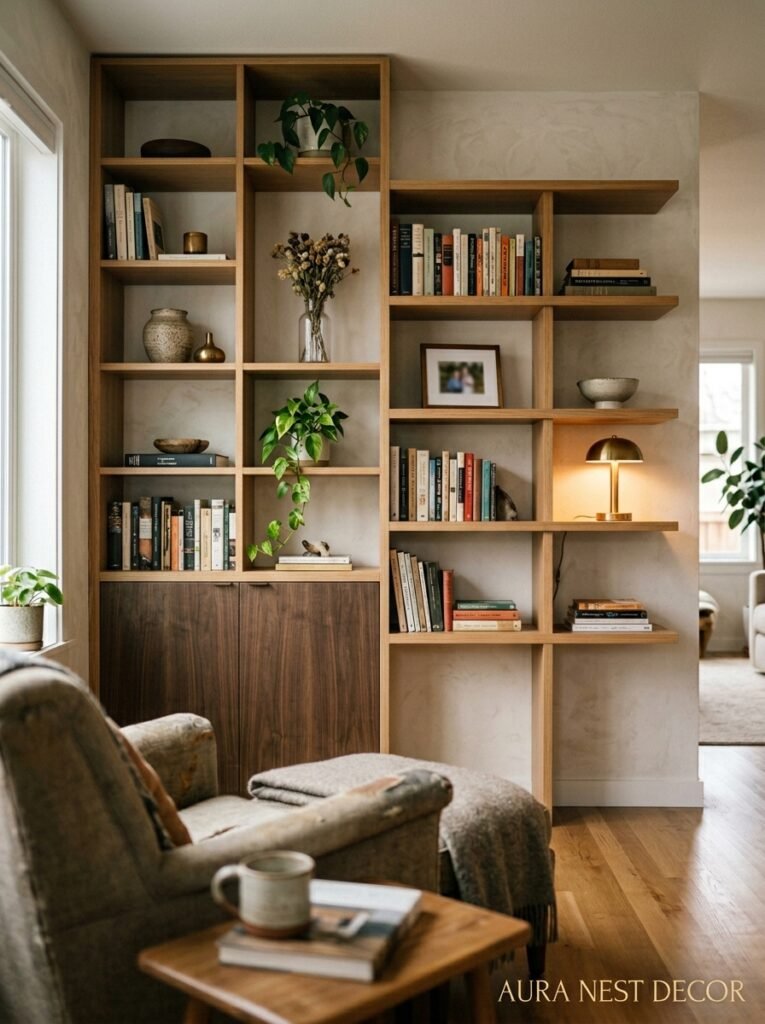
Asymmetrical wall unit arrangements are showing up everywhere in interiors right now and they’re doing something interesting. They feel less like furniture and more like the room was designed that way. One tall unit on the left side of the TV, a lower credenza on the right. Or a full-height shelving tower on one side with just floating shelves on the other.
The key is visual weight. If one side is heavier, you compensate with the styling on the lighter side — taller objects, a larger plant, something with presence. It’s balancing without matching.
This works especially well in rooms that aren’t perfectly square or symmetrical to begin with. Which is most rooms, if we’re honest. Victorian terraces, older American homes, rooms with one awkward window — asymmetry works with these quirks instead of against them.
—
9. The Styling Formula That Actually Works for People Who Aren’t “Visual”
So you’ve got the unit. Now what goes on it? This is where people freeze.
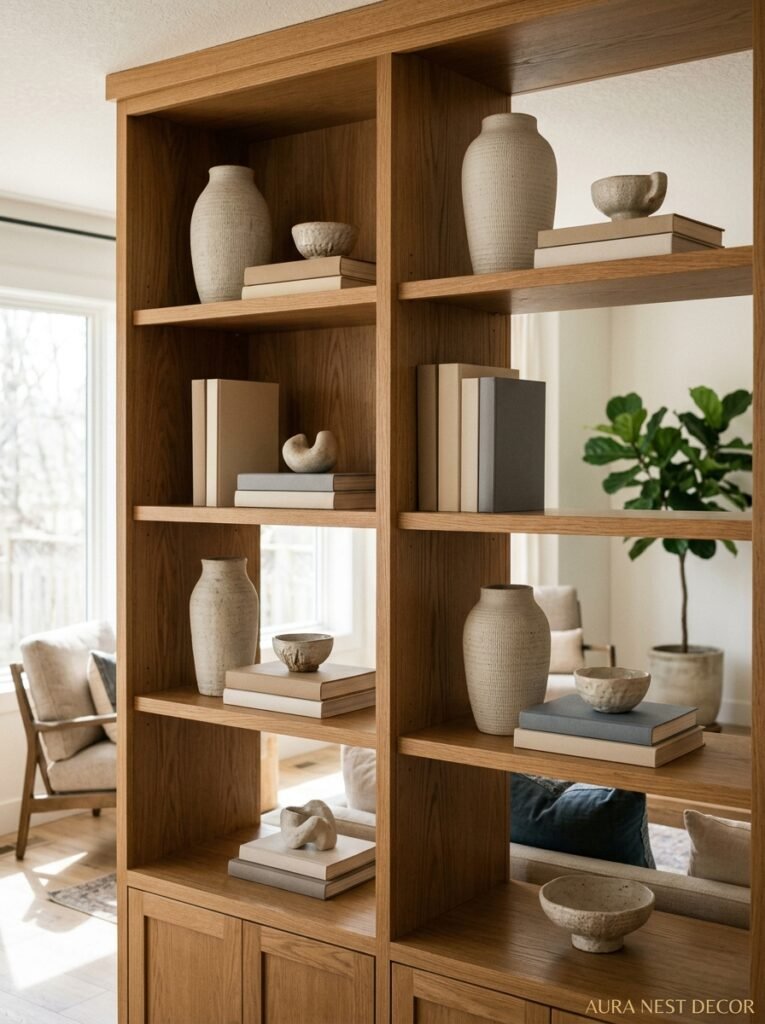
Here’s a framework that makes it click. Every shelf has one “tall”, one “interesting texture”, one “quiet moment”. That’s it. A tall vase or a stack of books standing upright. Something with tactile interest — linen, ceramic, raw wood, woven grass. And then one object that’s low, or empty, or just… not doing too much.
Don’t match everything. Matching makes it look like a showroom. A vintage book next to a modern ceramic next to a plant cutting in a glass jar — that mix is what makes it look like someone actually lives there and has a personality.
For Americans, the layered “collected over time” look is very much the mood. For UK readers, there’s something lovely about mixing a few good antique or secondhand finds with newer pieces. It gives the room a sense of history.
Real books are better than fake books. If your instinct is to put the “decorative” spines facing out and hide the rest — don’t. Real, well-loved, color-varied books look better than anything you can buy at HomeGoods.
—
10. The Modular Route: IKEA, Vitsœ, and the Case for Buying Smart Instead of Cheap
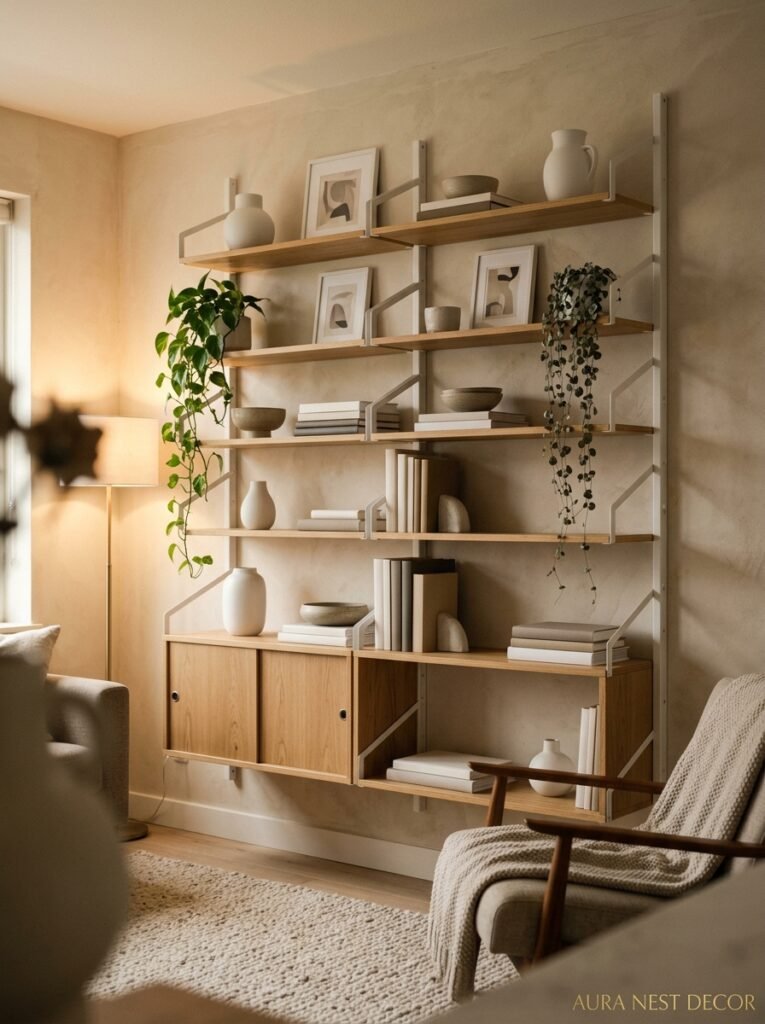
Not everyone can afford bespoke. And that’s fine — the modular market has never been better.
IKEA’s Billy and Kallax systems are the obvious ones, and for good reason. They’re customizable, affordable, and there’s an entire cottage industry of companies making premium fronts, legs, and hardware specifically for these units. Superfront, Semihandmade, Reform (in Europe) — these are companies built around making IKEA look like it cost four times as much.
Vitsœ, for UK readers especially, is the grown-up option if you want something that lasts decades and actually goes up in value. It’s expensive. Worth it if you’re staying put.
Floyd in the US makes modular shelving that’s smart, minimal, and designed for people who move a lot. Great if you’re renting.
The thing to avoid is the budget flatpack from somewhere cheap that’s not IKEA. Particle board that sags after a year, shelves that bow under the weight of books, finishes that chip. It never saves money in the long run because you end up replacing it. Better to do less with IKEA than more with bad materials.
—
11. Making a Small Living Room Wall Unit Work Without Overwhelming the Space
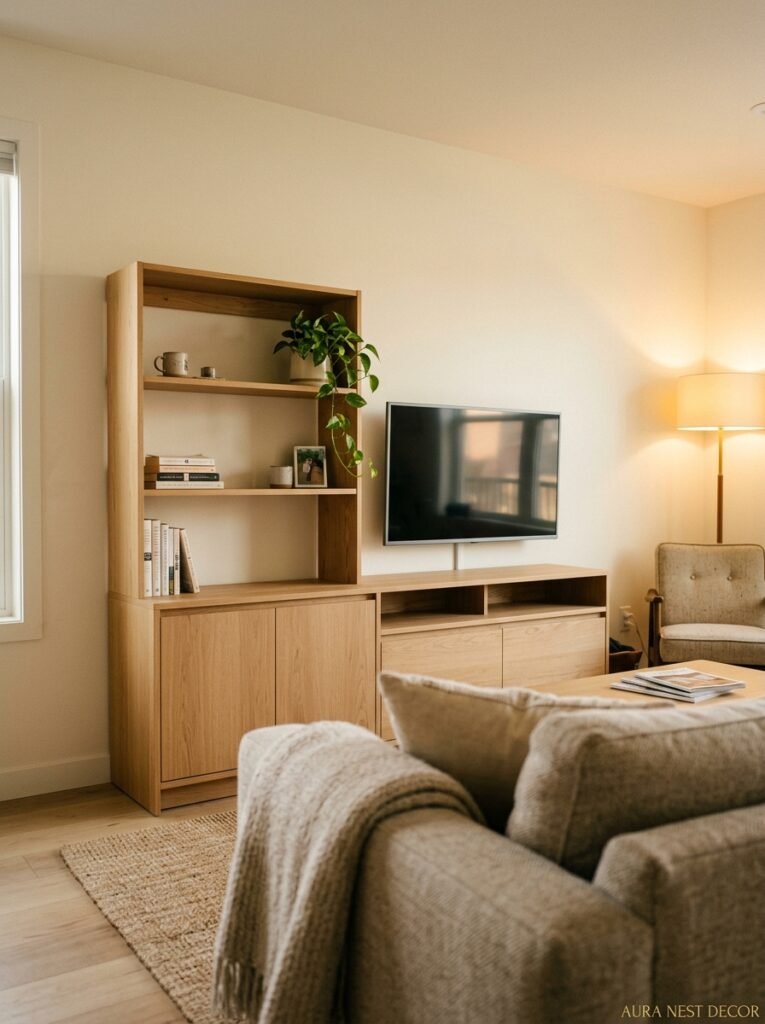
Small rooms need wall units more than big ones, honestly. Because floor space is precious, and going vertical is the only move that makes sense.
But proportion matters a lot more in a small space. A unit that’s too deep crowds the room physically. A unit that’s too wide leaves no breathing room on either side. The golden rule is to leave at least 18 inches of clearance on either side of a large unit in a small room — or go all the way wall-to-wall so the eye reads it as a full wall feature rather than furniture floating in the middle.
Color in a small space: lighter units with a contrasting back panel tend to work better than dark all-over units, which can feel cave-like. But if you WANT the moody, cocoon feel? Go dark and double down on the lighting. It can be incredible. Or claustrophobic. Those two things are sometimes the same thing, which sounds like a problem but isn’t.
Floating wall units — ones that are wall-mounted with nothing touching the floor — make a small room feel bigger because you can see the floor underneath. The visual floor space reads as larger than it is. This is the same reason legs on sofas work in small rooms.
—
12. The Finishing Details That Most People Forget and Instantly Regret
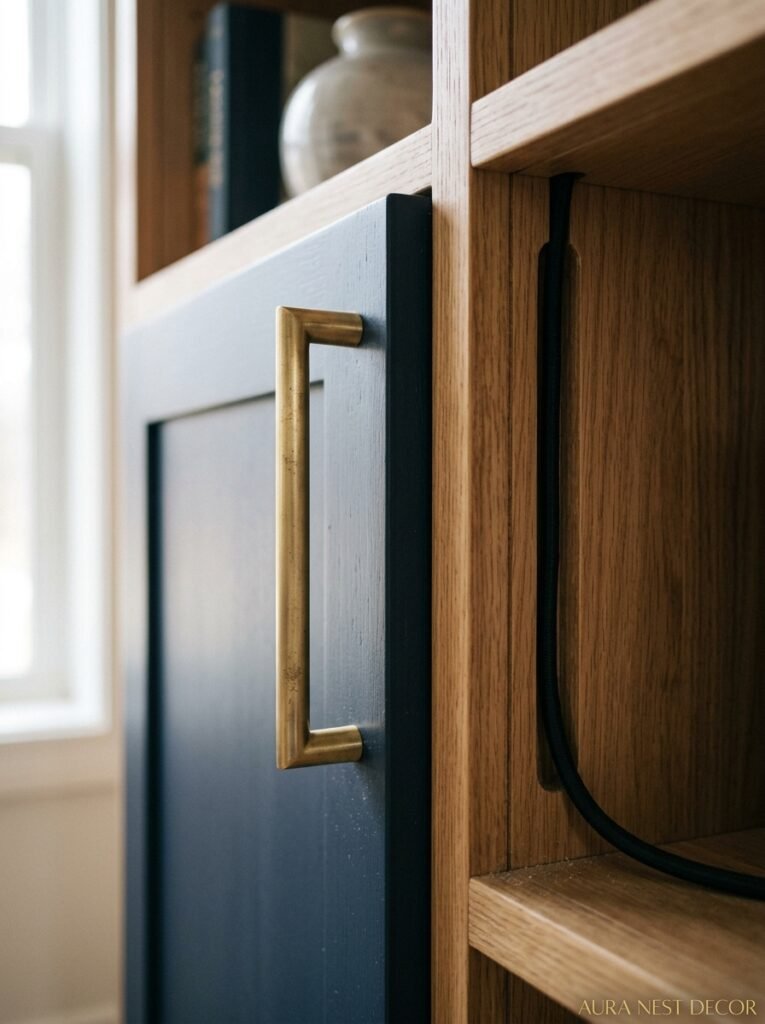
Hardware. Handles. Those little metal or ceramic pulls on the cabinet doors. People pick them last, after they’re tired, and then live with bad hardware for years. Don’t do that.
Unlacquered brass is having its moment and not in a fussy, formal way — in a warm, has-always-been-there way. Matte black is still very good. Fluted ceramic pulls (you’ll recognize them, they’re everywhere on Pinterest) add that nice handmade quality. Avoid cheap chrome. It ages badly.
Trim the unit to the wall. Caulk the gaps between the unit and the wall, paint over the caulk. This is that built-in trick again. The gap between furniture and wall is what your brain reads as “not built-in.” Close the gap, and the whole thing reads as permanent.
Add a plinth at the bottom if your unit doesn’t have one. It grounds the piece, makes it look more substantial. A strip of MDF painted to match, nailed to the base — it costs almost nothing. It makes a HUGE difference.
And please, for the love of good rooms everywhere, deal with the cords. This is the final boss of wall unit styling and it’s the one thing that will make or break the whole look. Braided fabric cable covers, in-wall cable management, a strategically placed plant — whatever it takes. Get it done.
—
❓ FAQ
Q: What’s the best wall unit for a small living room? A: Floating wall-mounted units are your best option in a small space because they free up visual floor space, making the room feel bigger. Go for shallow depth (around 9–10 inches) if you’re mainly storing books and smaller items, and run the unit as wide as you can across the wall rather than going for a single standalone piece.
Q: How do I make an IKEA wall unit look built-in? A: The main moves are: take it floor-to-ceiling (add a plywood panel at the top if needed), paint the unit and the wall behind it the same color, add trim or molding at the top to match your existing architecture, and caulk any gaps between the unit and the wall before painting. The color-matching step is non-negotiable — it’s what does most of the work.
Q: Should I have a TV in my living room wall unit? A: It depends on how you use the room. If you watch TV regularly, a wall unit can make the TV feel intentional rather than dominant — especially if you dedicate a specific zone to it with a darker surround and hide the cables properly. If you only watch occasionally, a wall unit where the TV isn’t the obvious focal point (maybe off-center, with shelving that competes for your attention) can work really well.
—
💭 Final Thoughts
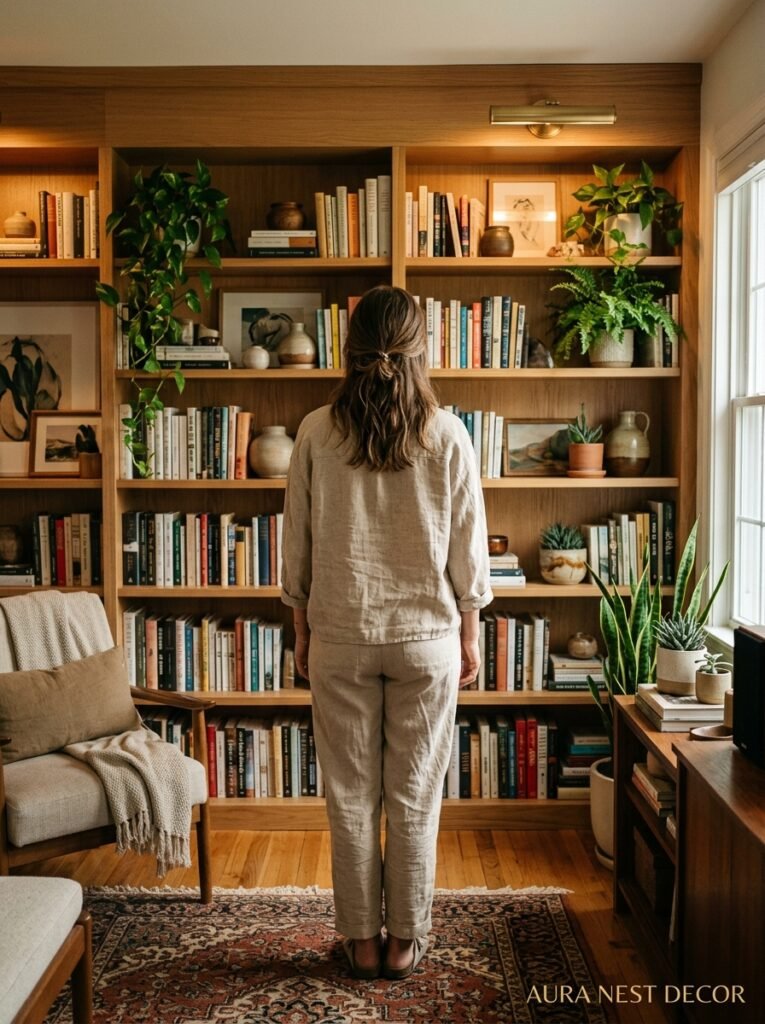
A good wall unit doesn’t just store things. It changes how a room feels — how it breathes, what you notice first, how settled you feel in it. And that’s worth taking seriously, even if it means taking longer to get it right.
Whether you’re going custom, or faking it beautifully with flatpack, the decisions that matter are the ones that feel almost invisible: the back panel color, the lighting, the cords, the breathing room. Get those right and the rest follows.
So what’s the wall in your living room doing right now, and what do you wish it was doing instead?