The New Classic Living Room Look That’s Replacing Everything We Thought We Knew About “Timeless”
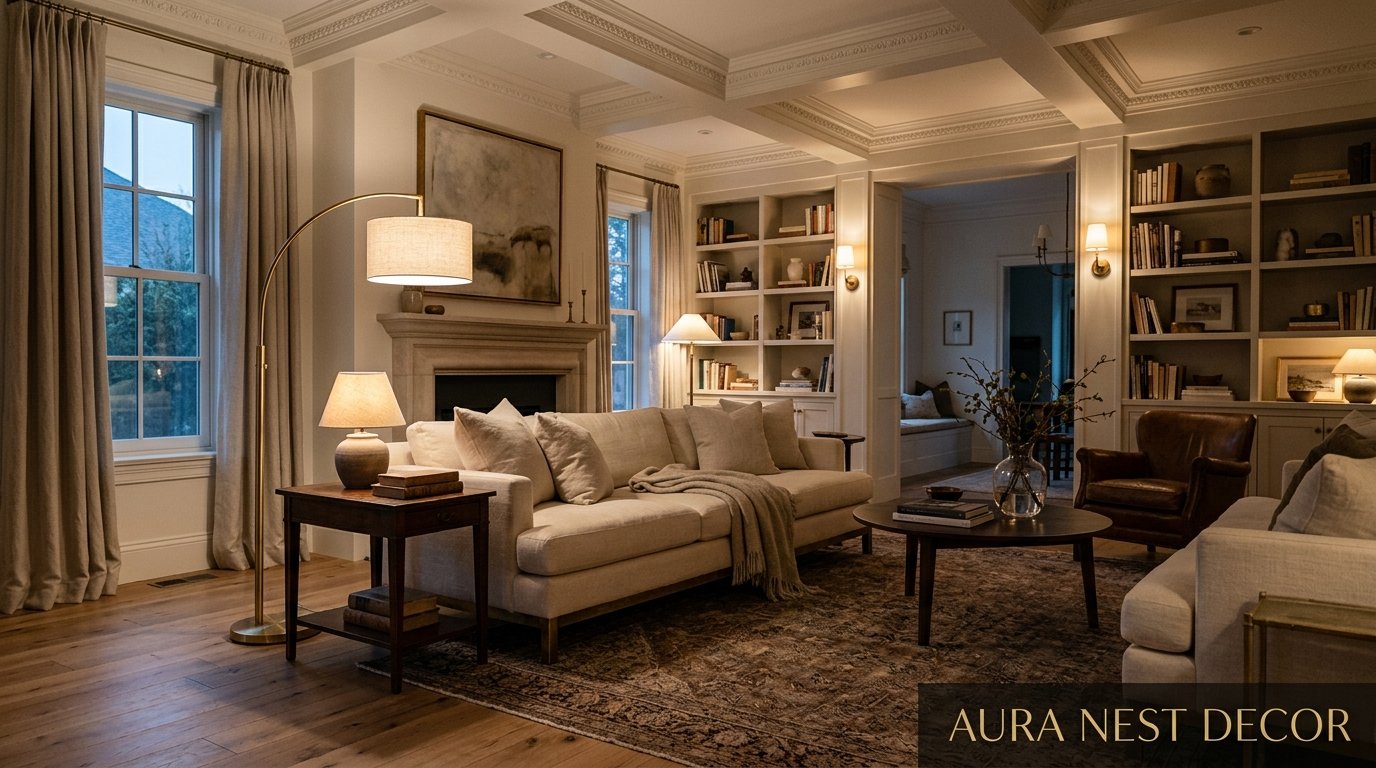
Something shifted. I can’t tell you exactly when, but somewhere between the all-white minimalism era and the dark-and-moody phase, a different kind of living room started quietly taking over — and honestly? It’s the most livable thing I’ve seen in years.
—
1. Why “New Classic” Hits Different Than Every Trend That Came Before It
Here’s the thing about classic design: it’s always been there, just waiting for people to stop chasing the next thing. And right now, a lot of us are done chasing. The new classic living room doesn’t look like your grandmother’s formal sitting room, and it doesn’t look like a staged show home either. It’s warmer than that. More specific. It’s got patina and purpose mixed together in a way that feels genuinely grown-up without being stuffy.
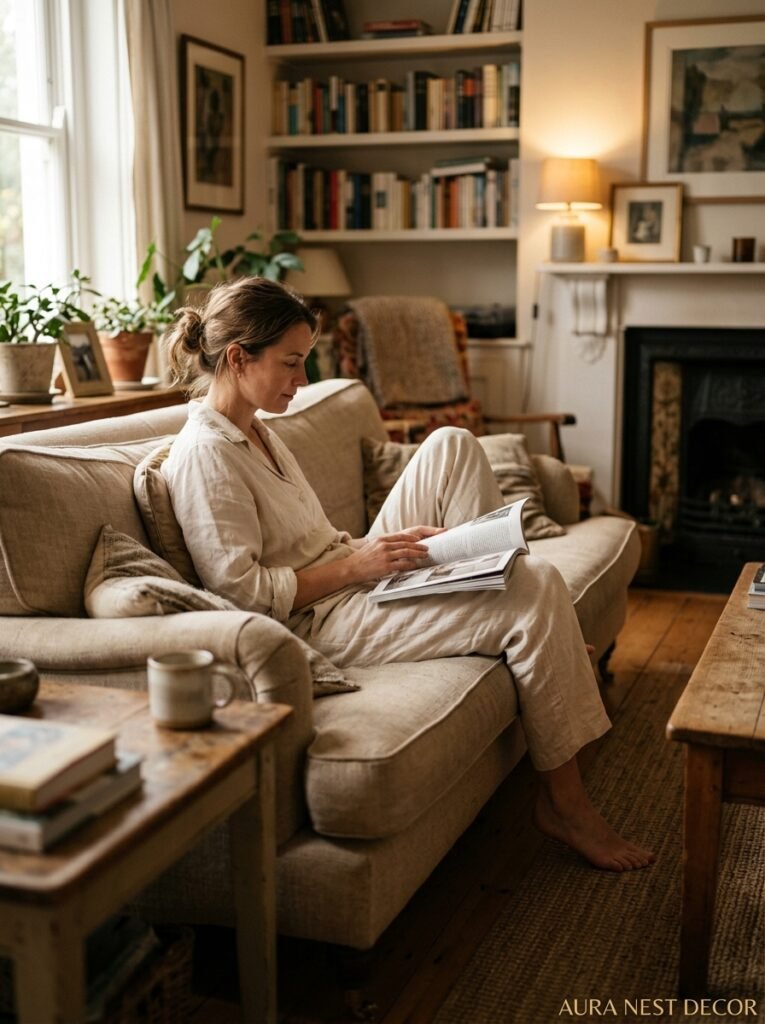
I’d describe the mood as “collected over time” — even when the whole room came together in a single weekend. There’s a softness to the palette, a mix of textures that your hand actually wants to reach out and touch, and furniture that looks like it has a story. Not precious. Not untouchable. Just… considered.
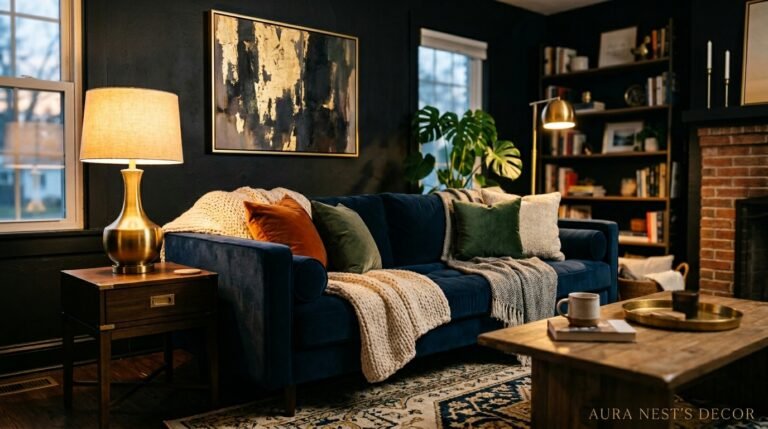
And what makes it “new”? The scale is different. Proportions are more relaxed. There’s almost always something unexpected — an abstract painting hung above a traditional camelback sofa, a vintage rug under a clean-lined coffee table. The old rules are still in there, they’re just being broken by people who clearly know what they’re doing.
“Classic doesn’t mean careful. The best new classic rooms feel like they were lived in before you ever walked through the door.”
—
2. The Color Palette That Keeps Showing Up in Every Beautiful Living Room Right Now
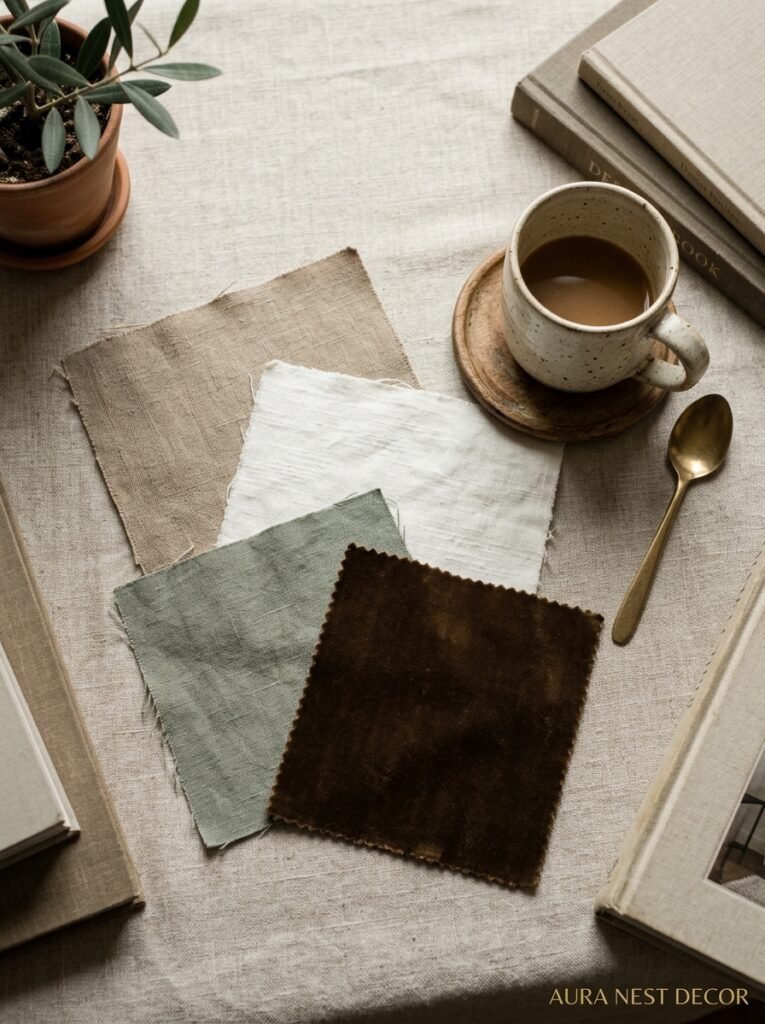
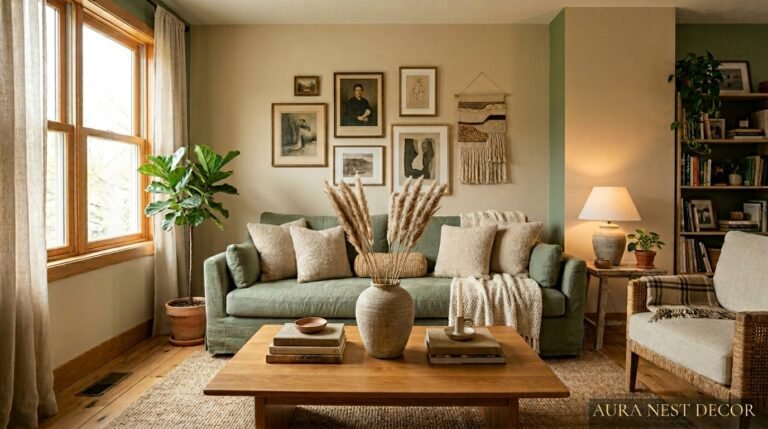
Warm whites. Aged linen. That specific shade of green that’s not quite sage and not quite olive but somewhere in between, like the underside of a eucalyptus leaf. I keep seeing it everywhere and I don’t want it to stop.
The new classic palette is NOT cool. Not grey, not blue-white, not the sterile kind of neutral that was everywhere from 2015 to 2021. It’s warm. Think butter, cream, caramel — and then one deeper shade that anchors the whole thing. Sometimes that’s a dusty terracotta. Sometimes it’s a quiet navy. Sometimes it’s the warm black of painted woodwork that looks kind of incredible against plaster walls.
What makes the color work in these rooms is restraint mixed with commitment. You don’t use fifteen colors. You pick maybe three, and then you go ALL in on texture and layering within that palette so it never feels flat. A cream linen sofa, cream-painted walls, cream-ish curtains — sounds boring on paper. In person it’s like the room exhales. You walk in and your shoulders drop.
British readers will probably recognize this instinctively — it’s close to the kind of palette Farrow & Ball has always championed. Americans are sometimes more nervous about going warm. Don’t be. It always works.
—
3. The Sofa Situation: Why People Are Finally Letting Themselves Buy the Comfortable One
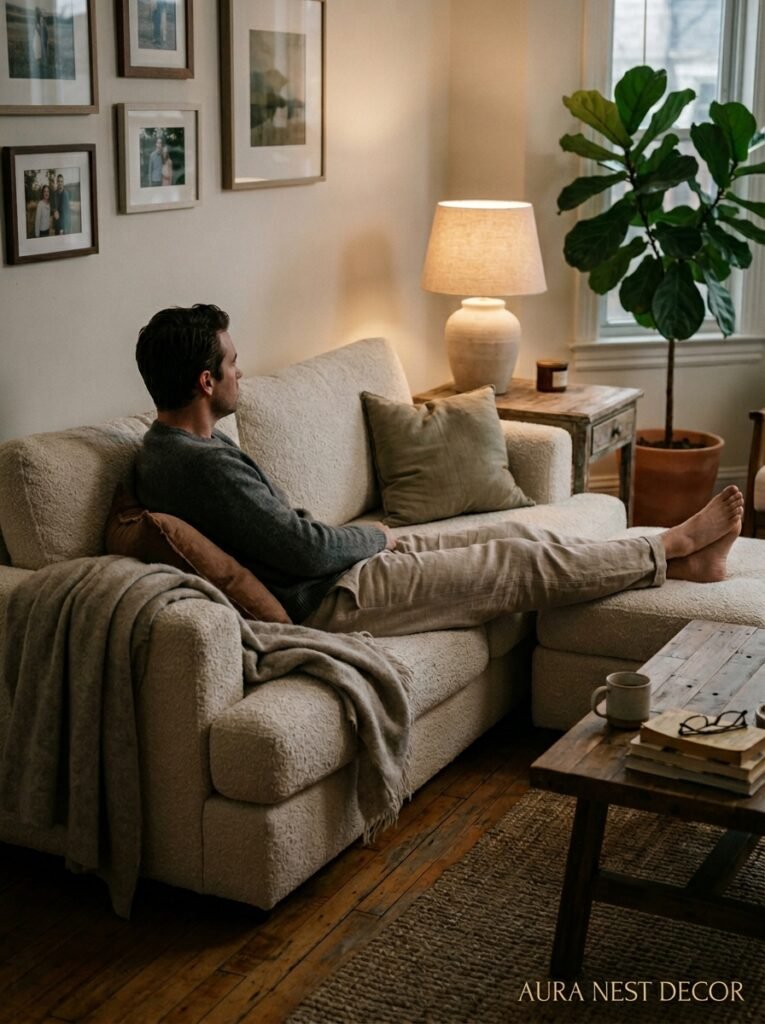
Not gonna lie, for a long time interior design Instagram convinced me that beautiful sofas had to be slightly uncomfortable. Low. Firm. Boxy. The kind you sit on straight-backed because slouching would ruin the aesthetic.
That’s over now. Thank goodness.
The new classic sofa is DEEP. Like, sink-into-it, lose-your-phone-in-the-cushions deep. It’s got arms that are high enough to actually lean on. It comes in bouclé or a heavy linen or sometimes — if you’re feeling brave — a worn leather that already looks like it has a decade of Sunday afternoons on it. The silhouette might have classic details like rolled arms or turned legs, but it doesn’t feel fussy. It feels like a sofa that knows what it’s for.
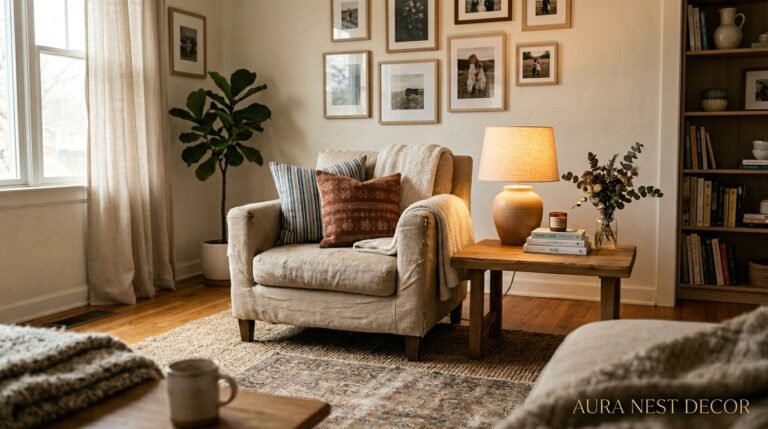
Slipcovered sofas are having such a moment right now, and I think it’s because they read as both casual and intentional at the same time. A white or natural linen slipcover on a traditionally shaped sofa is basically the definition of new classic. It says “I care about how this looks” and “I also let my dog up here” simultaneously.
—
4. What’s Happening With Rugs Right Now (And It’s Not What I Expected)
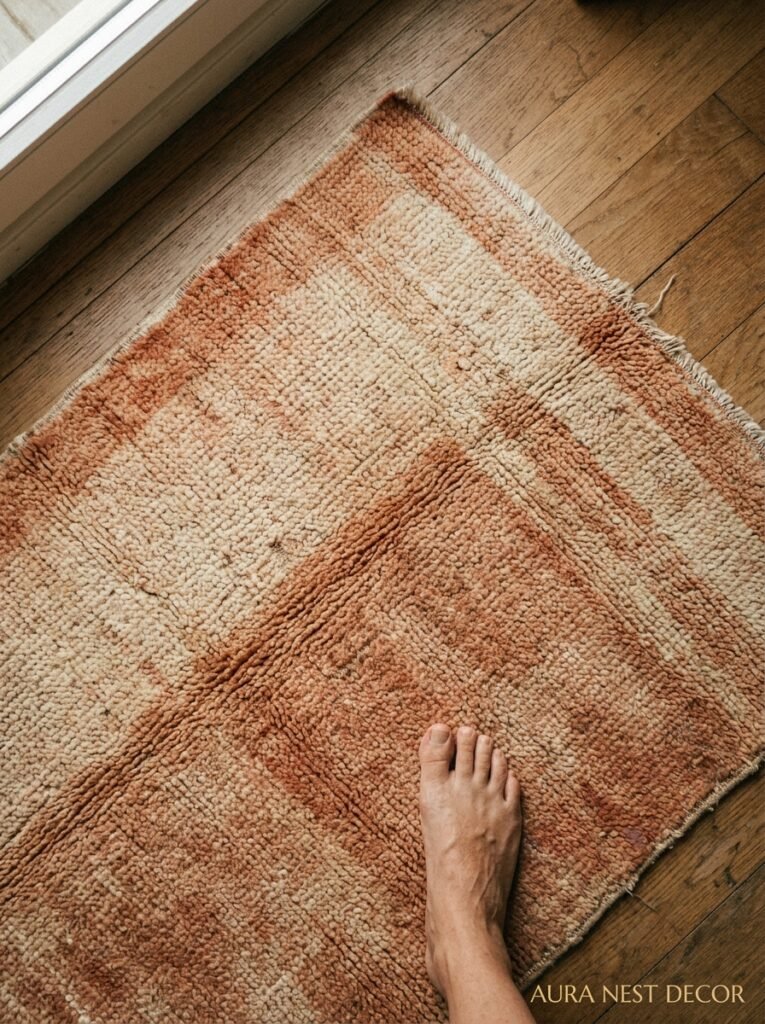
Okay so I assumed the big rug trend was going to be more neutral jute-and-sisal territory. And sure, those still have a place. But the rooms that are really stopping me mid-scroll? They’ve got rugs with PATTERN. Persian-style, traditional geometric, worn-in vintage — actual pattern, actual color, actual history.
The twist is how they’re being styled. A very traditional rug — say, an antique Turkish kilim or a vintage Oushak with faded pinks and blues — gets paired with clean-lined furniture and modern art. The contrast is the whole point. The rug grounds the room and gives it that “this wasn’t all bought at once” feeling that every new classic room is chasing.
“A good vintage rug does more for a room than almost any other single purchase. It’s the reason the whole thing looks real.”
Size matters more than people think. I can’t tell you how many rooms I’ve seen absolutely torpedoed by a rug that’s too small. In a living room, the front legs of every seating piece should be on the rug at minimum. Ideally, ALL legs. Go bigger than you think. Always.
—
5. The Role of Lighting and Why You Should Probably Throw Out Your Floor Lamp
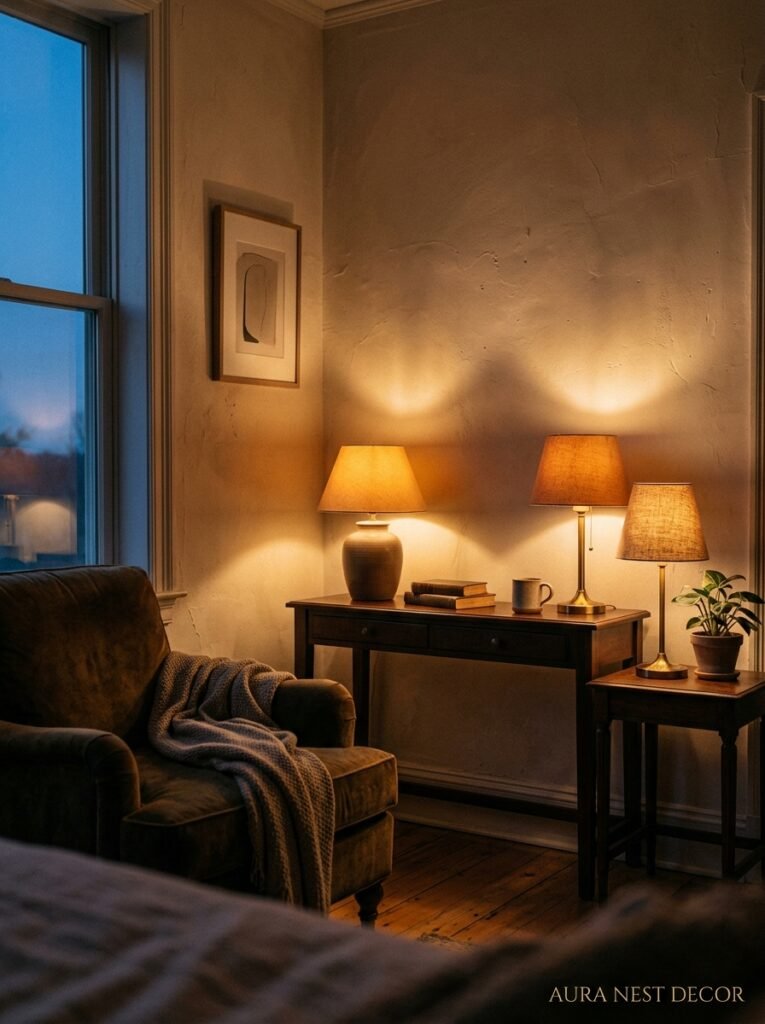
The lighting in a new classic room is never harsh. That’s maybe the only universal rule. But the way people are achieving that softness right now is interesting — it’s less about buying “cozy” fixtures and more about layering light sources at different heights, in different parts of the room, so the whole thing glows rather than illuminates.
A statement chandelier or a sculptural ceiling pendant is almost always present. Not necessarily crystal or overtly traditional — sometimes it’s a pleated linen shade, sometimes it’s a clustered arrangement of aged brass globes. But there’s something above that anchors the room visually.
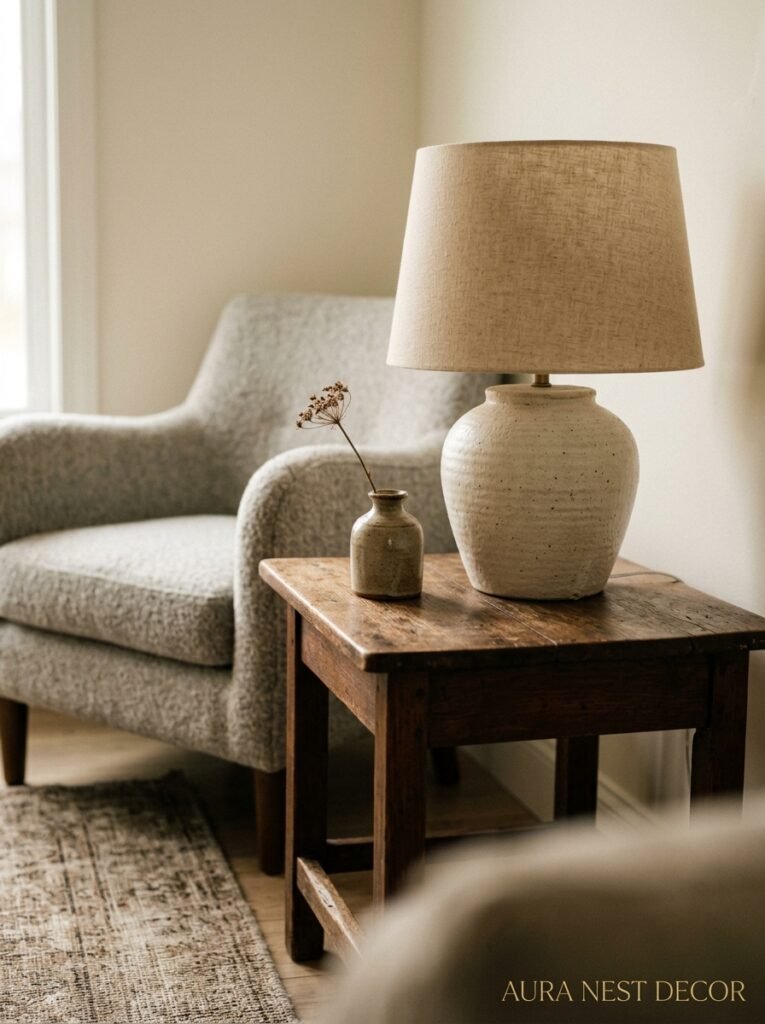
Then wall sconces, if you can manage the wiring — or even plug-in sconces, which have gotten SO much better in recent years and are completely acceptable now, don’t let anyone tell you otherwise. And table lamps. Multiple. On different surfaces at different heights. The trick is making sure none of them are the same, but that they all feel like they could know each other at a party.
That generic arc floor lamp that every flat in Britain and every apartment in America had for a decade? You can get rid of it. You deserve better.
—
6. The Art on the Walls Is Doing Something Unexpected
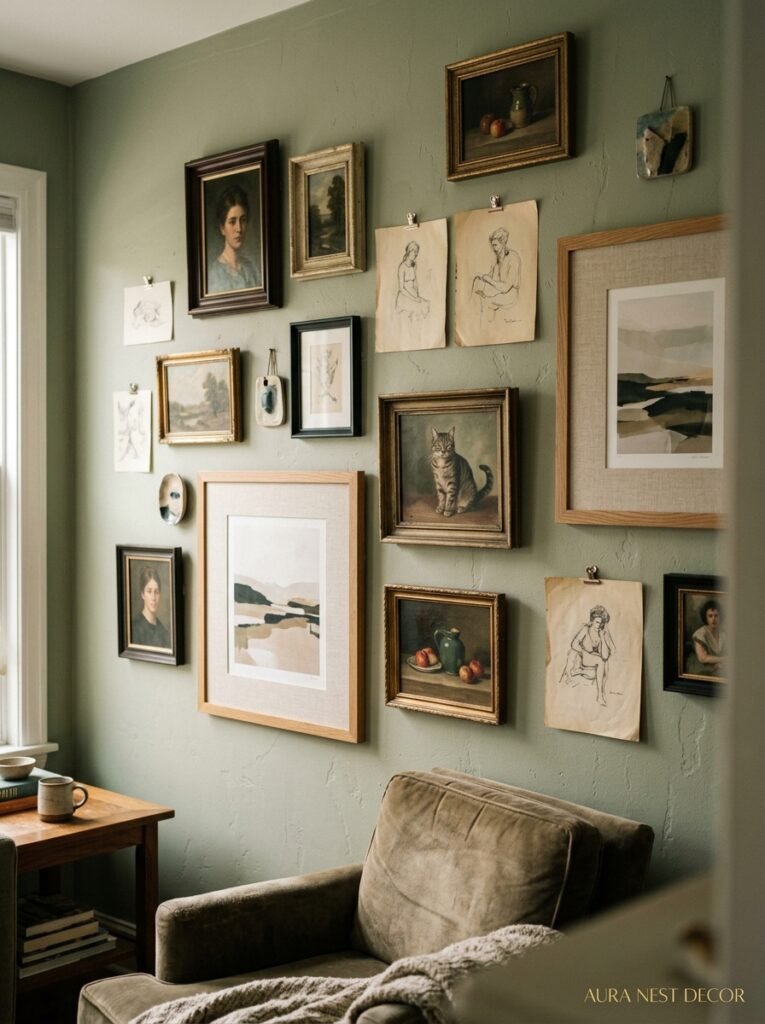
I grew up thinking matching art was the goal. A matching set of prints, same frame, same mat, hung in a row. Or nothing — bare walls that felt “clean.”
Neither of those is the move anymore. The new classic living room tends to have one or two genuinely large pieces — bigger than feels comfortable, honestly — hung lower than convention suggests, like they’re resting against the wall rather than pinned to it. Sometimes they’re abstract. Sometimes they’re old portraits or botanical prints bought at a car boot sale or estate sale. But there’s always an element of the unexpected.
Gallery walls are still here, but the ones that look right now aren’t curated to death. They’ve got different frame finishes, different sizes, a small mirror mixed in, maybe a tiny framed scrap of vintage wallpaper or a textile. Asymmetrical. A little informal. Like things accumulated there over years.
Side note — black frames are quietly being replaced by gold, tortoiseshell, and warm wood. Just something I’ve noticed.
—
7. Mixing Old and New Furniture Without It Looking Like a Mistake
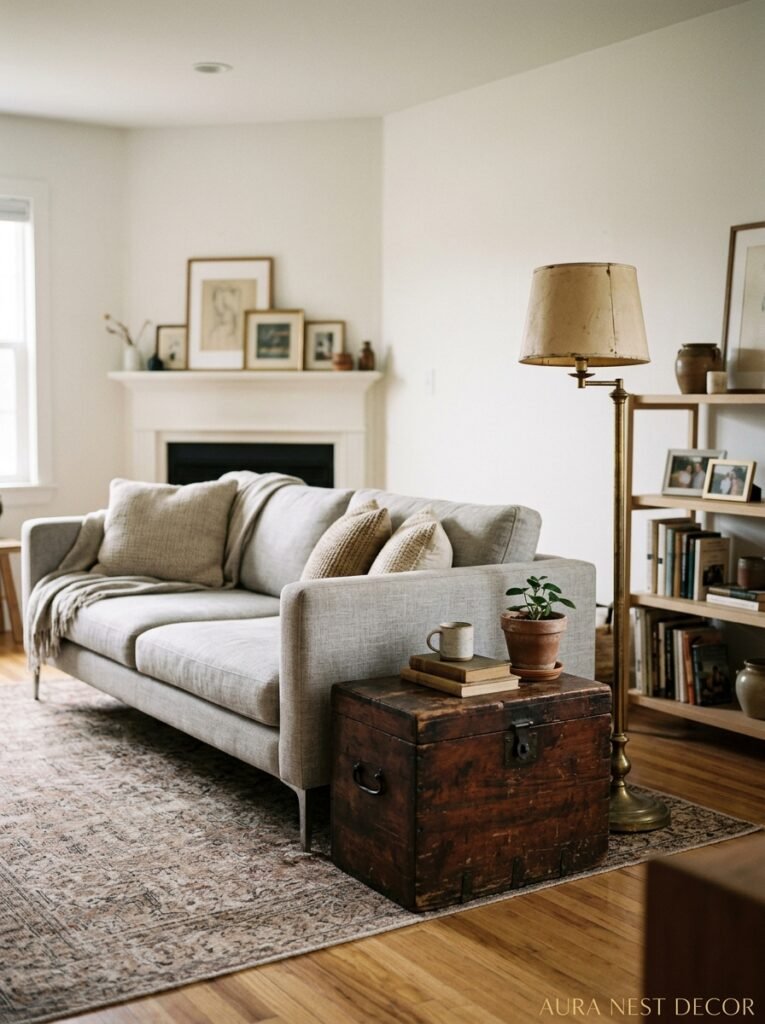
This is the one that makes people most nervous and it really doesn’t need to. The whole point of the new classic room is that it’s a mix. A genuinely old piece of furniture — a Victorian side table, a Georgian wingback chair, a worn leather Chesterfield — looks MORE interesting next to contemporary pieces, not less.
The key is that the old piece needs to be genuinely good. Not just old-looking or distressed in that fake way — actually old, with the weight and craft that comes with age. People can feel the difference even if they can’t name it.
“One genuinely old piece does more for a room’s credibility than ten things that just look vintage.”
For Americans who don’t have easy access to European antiques: estate sales, Facebook Marketplace, Chairish, and antique malls are your friends. In the UK you’ve got car boot sales, salvage yards, and the absolute goldmine that is a good auction house in a market town. Don’t buy the replica. Find the real thing. It changes everything.
—
8. Books: Still the Easiest Way to Make a Room Feel Lived In
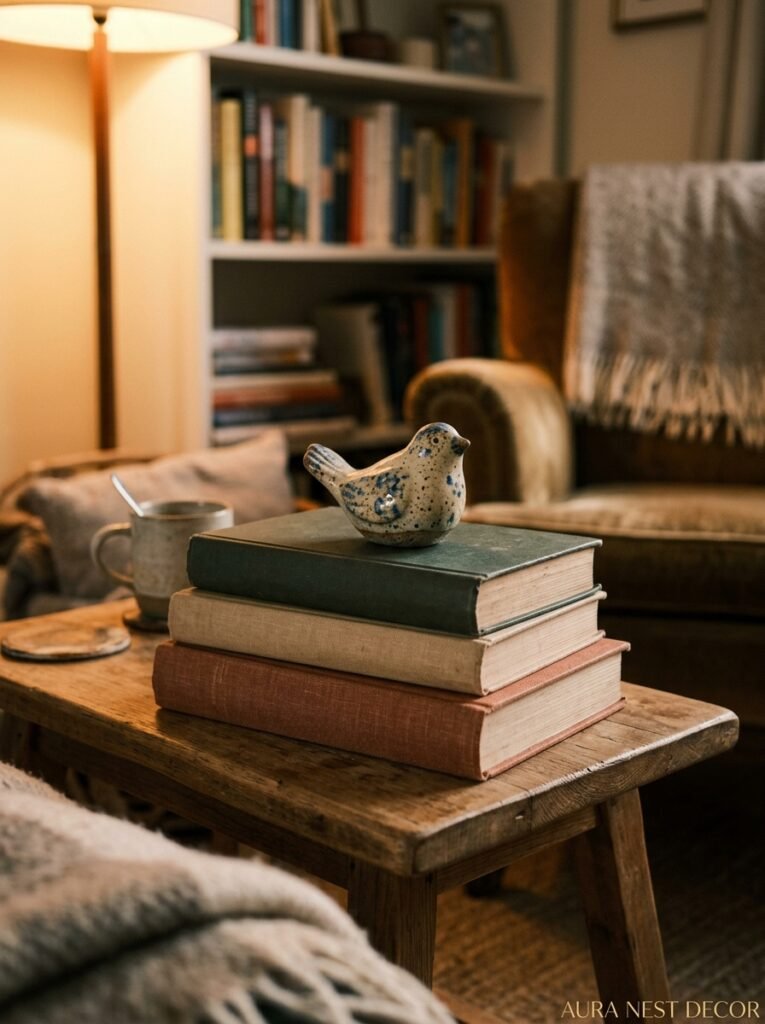
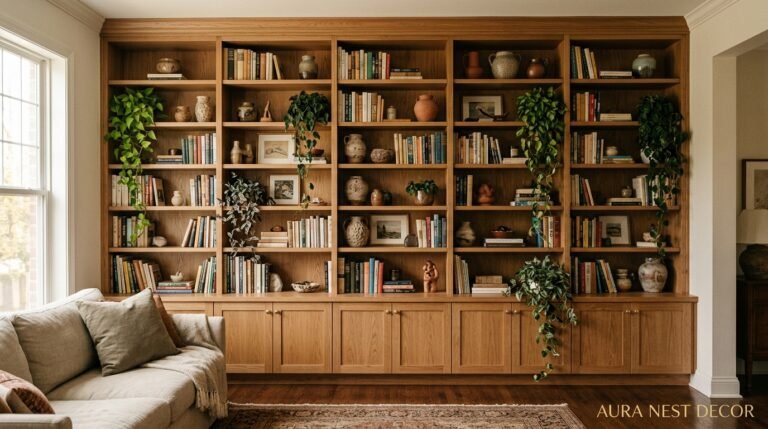
I know this sounds so simple. Almost embarrassingly simple. But genuinely — a room with books in it reads differently than a room without them. There’s a reason every aspirational living room on Pinterest has at least one bookshelf, one stack of coffee table books, one pile on a side table.
Books add color, texture, scale, and personality simultaneously. They’re also the only accessory that tells you something TRUE about the person who lives there, which is why they’re so compelling.
In new classic rooms, books aren’t hidden away or turned spine-out for that weirdly sterile look. They’re actually out. They’re organized enough to not look chaotic, but not so organized that they look like props. Some horizontal stacks mixed in with vertical rows. A small object tucked in — a candle, a small sculpture, a framed photo. The shelf should look like it’s being used.
Coffee table stacks matter too. Three books, a candle, and a small tray is basically the formula — but honestly even just two good books is enough.
—
9. The Curtain Move That Designers Use and Nobody Talks About Enough
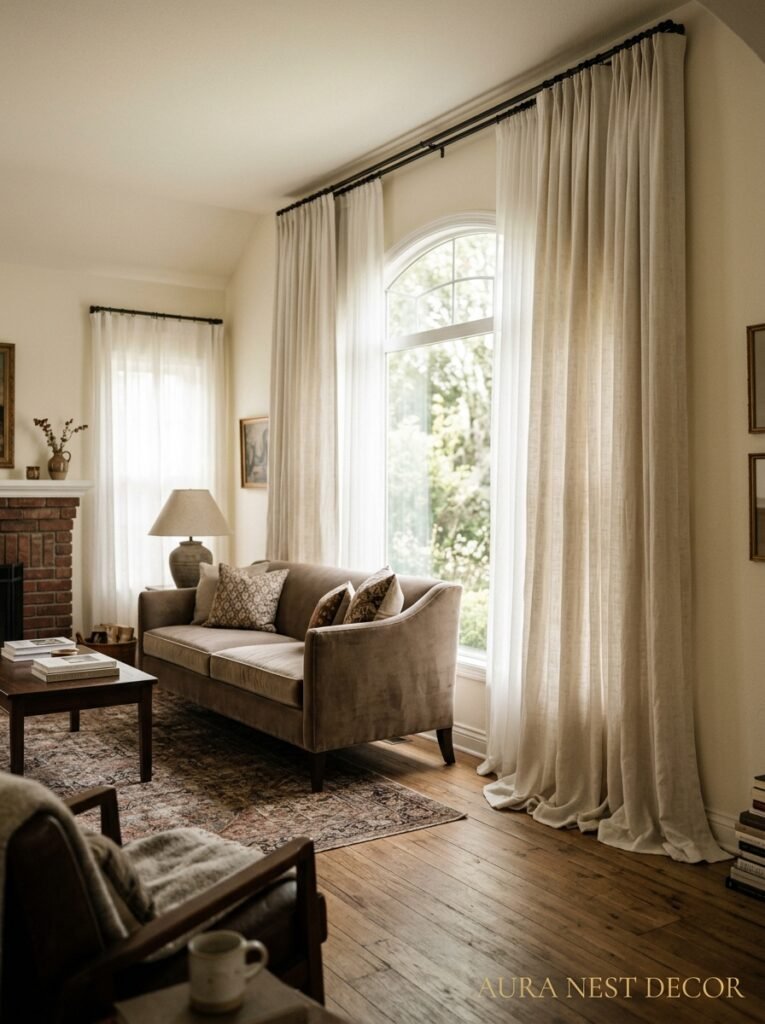
Hang them high. Hang them WIDE. Higher than the window frame, as close to the ceiling as you can get. And let them extend several inches beyond the window on each side so that when they’re open, almost none of the fabric covers the actual glass.
This is the single most effective thing you can do to a room that costs less than a new piece of furniture. It makes the ceilings feel taller, the windows feel bigger, and the whole room feel more expensive in a way that I cannot fully explain.
The fabric for new classic rooms is almost always heavy. Linen, velvet, cotton canvas — something with weight that moves slowly and pools slightly at the floor. Not blackout necessarily, but substantial. Sheer curtains underneath if you need privacy, heavier ones over the top.
Color-wise: curtains in the same family as your walls make the room feel larger and more architectural. A contrast curtain — say, a dusty green against a cream wall — makes a bolder statement. Both work, they just do different things.
—
10. The Small Details That Either Make or Break the Whole Look
Okay here’s where I get a little intense, sorry.
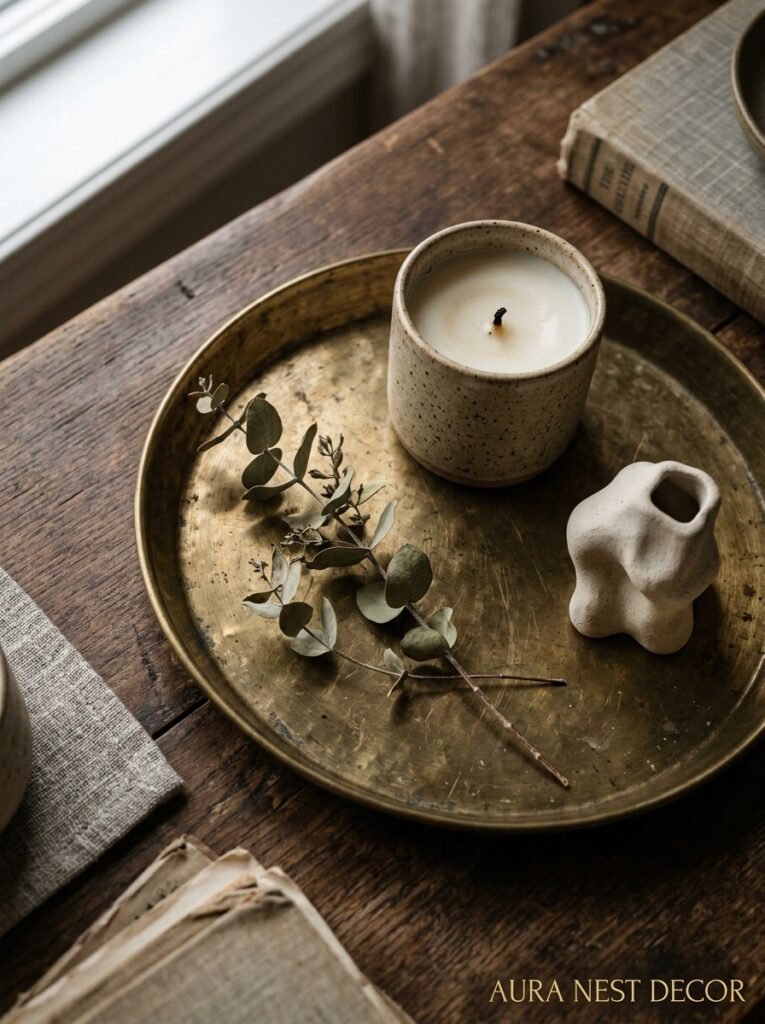
The hardware on your furniture matters. The handles on your built-ins or console. The material of your curtain rod. These things are small and they are NOT small. Switching out cheap chrome hardware for aged brass or unlacquered brass is one of those changes that seems too minor to bother with until you do it and then you can’t believe how much it mattered.
Candles. Real ones, in good holders, with decent scent. Not as decor-props but as things that actually get lit. There’s a huge difference between a room that looks styled and a room that looks lived in, and a burned-down candle in a ceramic holder is the kind of detail that tips the balance.
And plants — but not too many. One large statement plant (a fiddle leaf, an olive tree, a large monstera) is usually more powerful than a shelf full of small ones. The scale thing again. New classic rooms aren’t jungle rooms. They’ve got breathing space.
—
11. The British Version vs. The American Version: What’s Actually Different
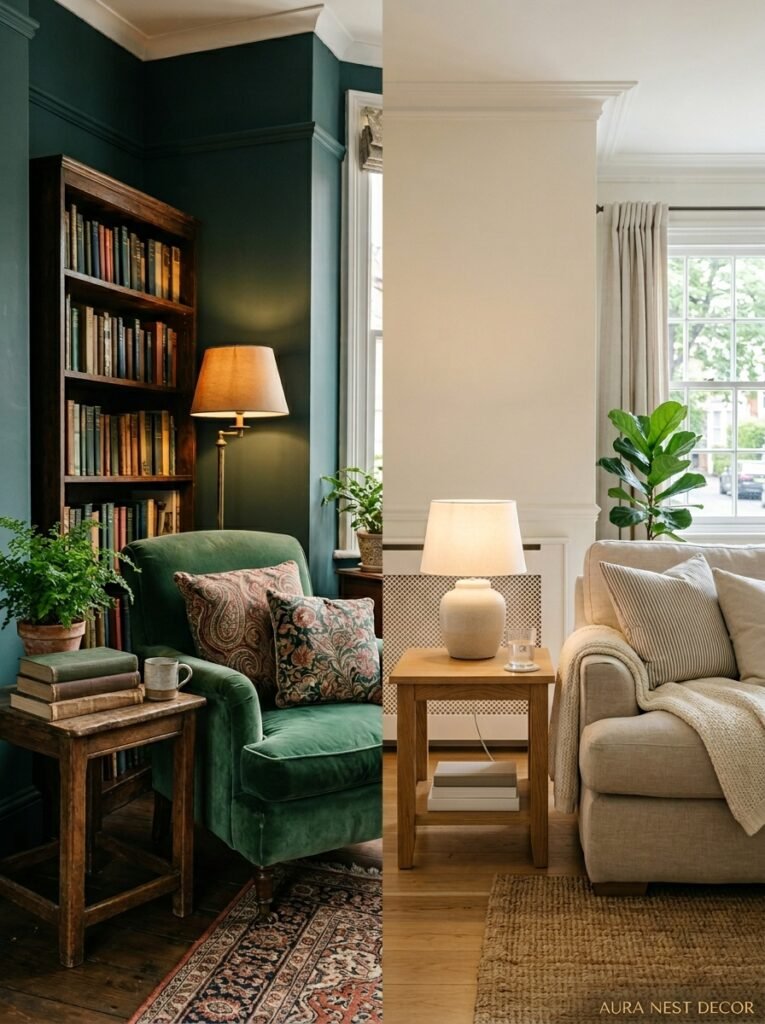
Genuinely interesting to me how differently these aesthetics land on each side of the Atlantic, even when they’re chasing the same thing.
British new classic rooms tend to be slightly more restrained. The palette goes darker more readily — deep greens, navy, inky plum. There’s more painted woodwork, more traditional architectural detail to work with. Original fireplaces, cornicing, sash windows — the bones are often already there. The layering happens within a more compressed space, usually, and there’s a kind of unapologetic coziness that Americans sometimes call “the British thing” and deeply wish they could replicate.
American new classic rooms tend to go bigger and brighter. Higher ceilings, more light, larger furniture. The warm whites read differently in American light — often more golden and open. There’s more confidence with mixing in contemporary pieces alongside traditional ones, maybe because the antique tradition feels less inherited and more chosen. Which gives it a different kind of intentionality.
Both are beautiful. They’re just doing slightly different things with the same instinct.
—
12. The One Thing You Should Actually Do First Before You Change Anything Else
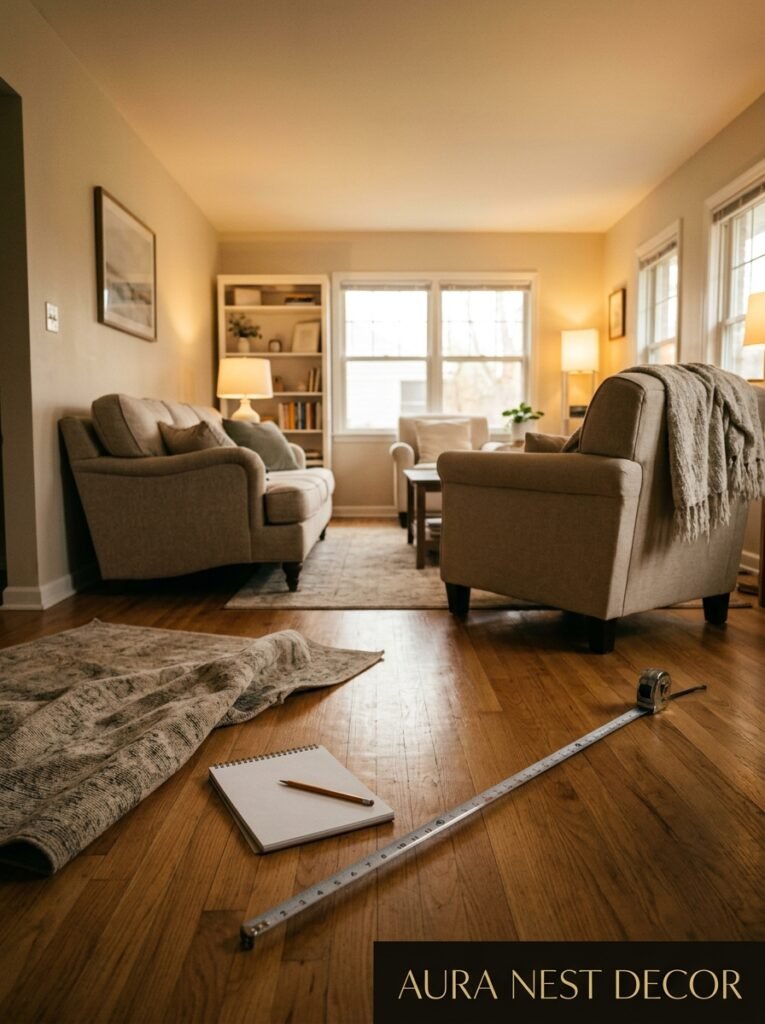
Before you buy a sofa, a rug, new curtains, or anything else — paint the walls.
I mean it. The single highest-impact, most ratio-of-effort-to-result thing you can do in a living room is change the wall color. And for a new classic room, that almost always means going warmer than your instinct says.
Test a few samples on actual walls in your actual light. Leave them for a few days. Look at them in the morning and at 9pm and on a cloudy day. The color that looks perfect at noon in a showroom might look green or gray in your north-facing British sitting room on a drizzly Wednesday, and you won’t know until you live with it for a minute.
The right warm white or soft stone or barely-there linen color on your walls will make every single other thing you do to the room look better. It’s the foundation. Everything else gets built on top of it.
Start there. Then the rest gets easier.
—
❓ FAQ
Q: How do I make a new classic living room work in a rental where I can’t paint? A: Honestly, you lean harder on textiles, rugs, and curtains — all of which can be taken with you. A large vintage rug and heavy, high-hung curtains (using ceiling-mounted curtain tracks) will do a lot of the work that paint would have done. Focus on warming up the space through what you bring in rather than the walls themselves.
Q: What’s the budget-friendly starting point if I can’t afford to redo the whole room? A: Start with lighting and the rug. Swap out overhead lighting for layered lamp sources and change out an undersized rug for a bigger, pattern-rich one, and the room will look genuinely different. These two things do more for a room’s mood than almost anything else.
Q: Is the new classic look going to date quickly or is it actually timeless? A: The rooms I’m seeing done really well feel like they’ve been building for decades — which means they’re not chasing any single trend. If you’re mixing genuine antiques with quality basics in a warm, restrained palette, that’s not going to look dated in five years. The version that WILL date is the one that follows the trend too closely or uses too many trend-specific pieces together. Buy the real thing, buy quality, and mix it freely.
—
💭 Final Thoughts
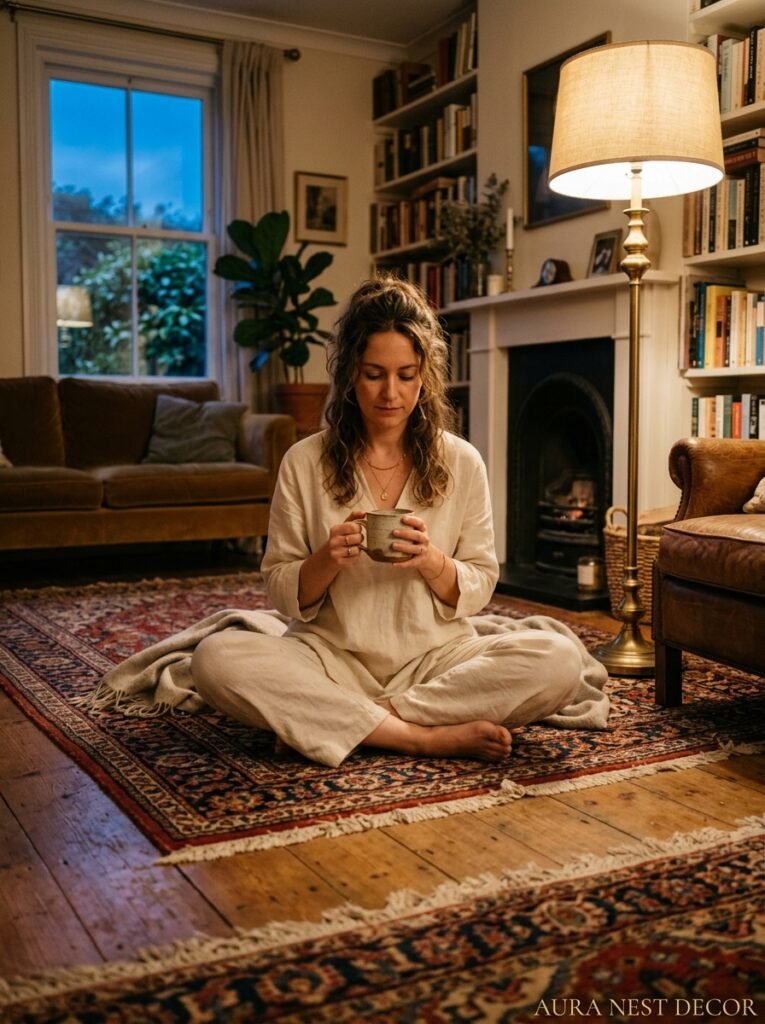
The new classic living room isn’t a look you execute — it’s more like a feeling you build toward. A little bit at a time, with things you actually love, in a palette that makes you exhale when you walk in.
It doesn’t have to be finished to be beautiful. Some of the best rooms I’ve ever seen were still very much in progress.
What’s the one thing in your living room right now that feels completely wrong for the space you’re actually trying to create?