
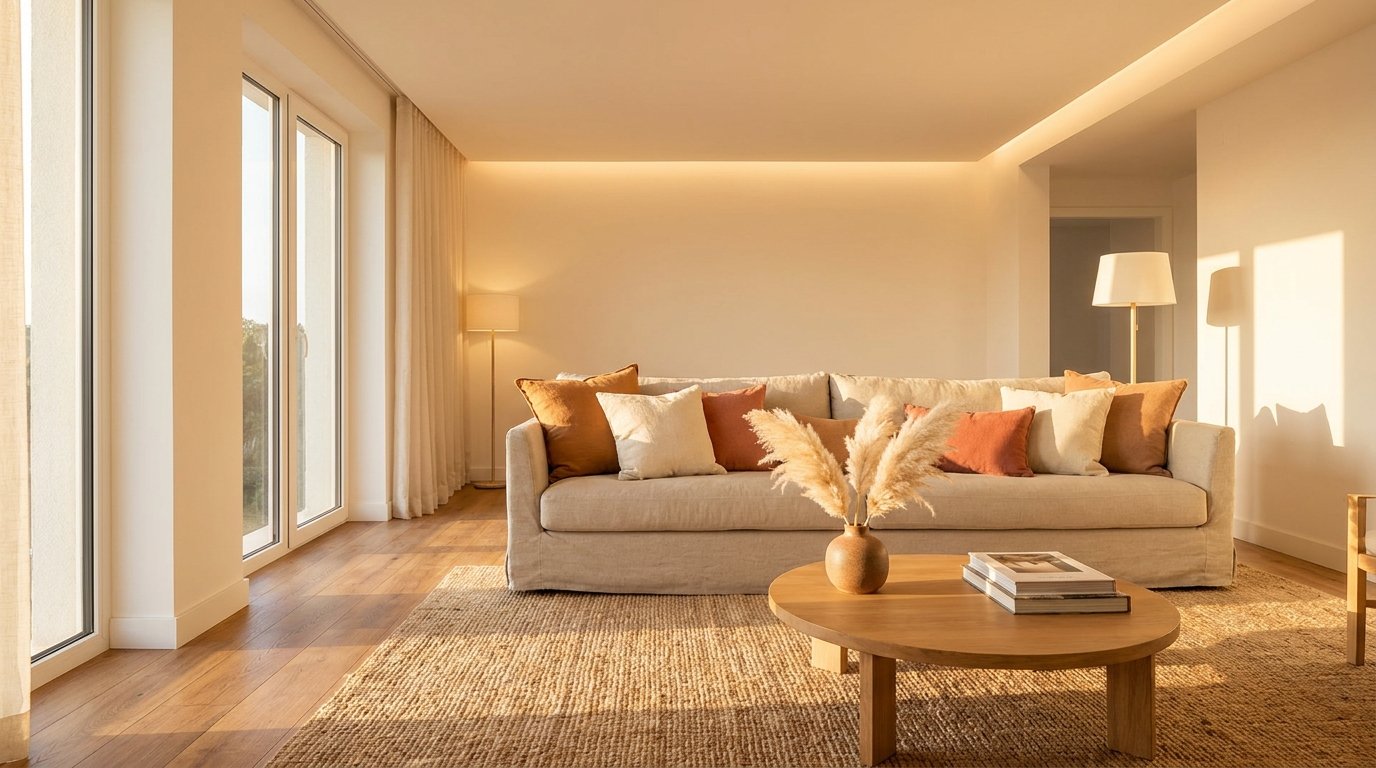
The Living Room That Finally Feels Like You: A Complete Interior Design Guide That Changes Everything
There’s a moment — you’ve probably felt it — when you walk into someone else’s living room and something inside you just exhales. The light is right. The furniture feels considered. It doesn’t look like a showroom; it looks like a life. That feeling isn’t magic, and it isn’t money. It’s design done with intention — and you can absolutely create it in your own home.
—
1. Why Your Living Room Feels “Off” (And It’s Not What You Think)
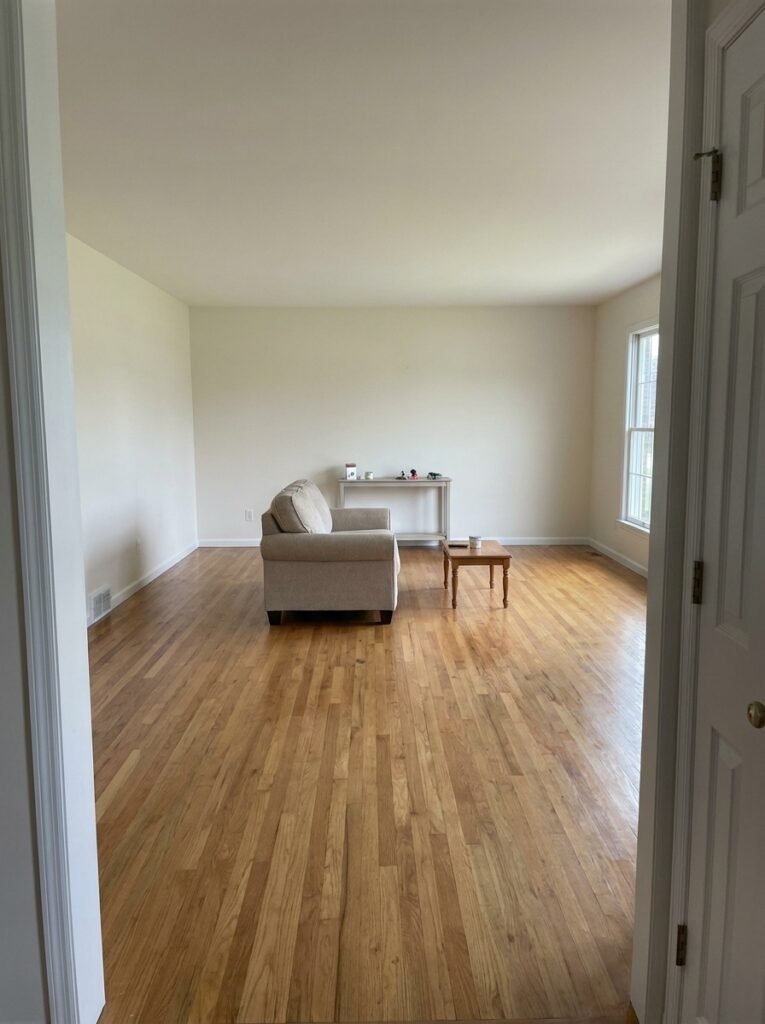
Most people assume a living room falls flat because of budget. Not enough money for the sofa they really want, or the rug that costs more than a month’s groceries. But walk into almost any beautifully designed space and ask the owner what they spent, and you’ll often be surprised. The secret isn’t spending more — it’s understanding why a space feels the way it does.
The most common reason a living room feels off is proportion. Furniture that’s too small for the room creates a floating, disconnected feeling — like pieces of a puzzle that don’t quite fit. A sofa shoved against every wall, with nothing anchoring the center, makes a room feel like a waiting room rather than a home. Scale matters enormously. So does negative space — the empty areas that allow the eye to rest and the room to breathe.
Before you move a single piece of furniture or buy a single throw pillow, stand in the doorway of your living room and really look. Where does your eye go first? What makes you feel crowded? What feels lonely? This kind of honest observation is the actual first step in transformation — and it costs absolutely nothing.
“Good design isn’t about filling every corner. It’s about knowing which corners to leave beautifully empty.”
—
2. The Focal Point Rule Nobody Taught You in School
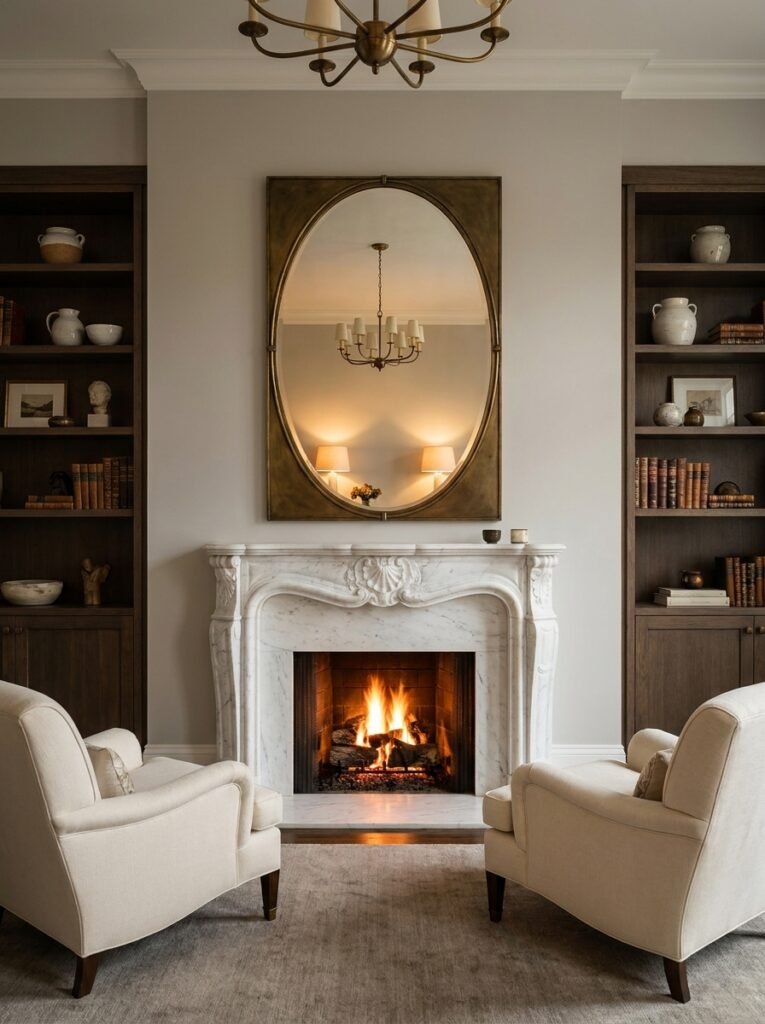
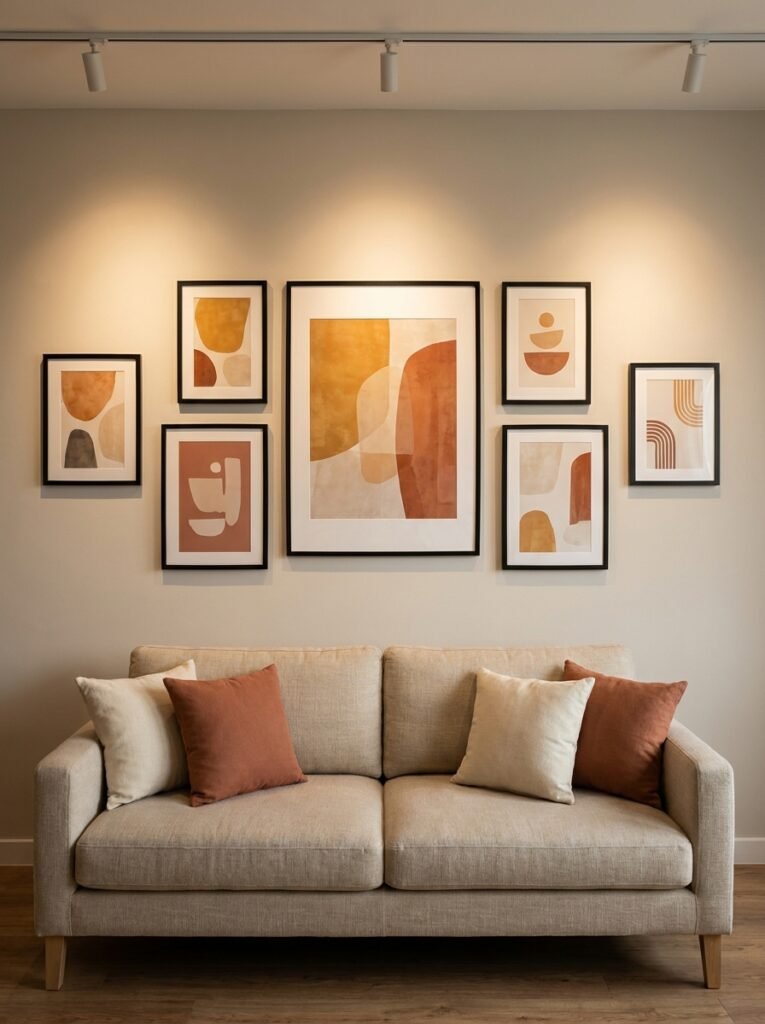
Every room needs one. A focal point is the visual anchor — the thing your eye lands on first and keeps returning to. In many homes, it’s a fireplace. In others, it might be a stunning piece of art, a gallery wall, or even a dramatic window with an incredible view. The problem arises when a room has no focal point, or worse — when it accidentally has three.
When everything competes for attention, nothing wins. The eye darts around anxiously, and the room feels chaotic even if it’s perfectly tidy. Identify or create one strong focal point in your living room and let everything else support it. Arrange your seating toward it. Keep the area around it relatively clean and uncluttered. Give it the spotlight it deserves.
If your living room doesn’t have an obvious architectural feature like a fireplace or bay window, you can create a focal point with a large piece of artwork hung at eye level, a beautifully styled bookshelf that covers an entire wall, or even a bold, oversized mirror that reflects light and adds depth. The key is commitment — choose one, invest in it visually, and let it lead.
—
3. Choosing a Color Palette That Actually Makes You Feel Something

Color is the emotional language of interior design. It works on us before we even realize it’s working. A room painted in soft sage green feels different from the same room painted in cool grey — not just visually, but emotionally. One might feel like a forest walk; the other might feel like a clear winter morning. Neither is wrong, but they’re very different feelings to live inside every day.
When choosing a living room color palette, start not with what’s trending on Pinterest but with what you genuinely love. Pull from your wardrobe, your favorite places, your most treasured memories. If you always gravitate toward warm, earthy tones — terracotta, warm white, olive — trust that. If you’re drawn to moody blues and deep greens, don’t talk yourself out of them because someone told you “light colors make a room feel bigger.”
A workable rule for balanced color is the 60-30-10 principle: 60% dominant color (usually walls and large furniture), 30% secondary color (accent chairs, curtains, rugs), and 10% accent color (throw pillows, artwork, small décor). This creates visual harmony without making the room feel monotonous or chaotic. It’s a framework, not a prison — adjust it to suit your instincts.
—
4. Furniture Arrangement: The Conversation Rule That Changes Rooms
Here’s a question worth asking: does your living room invite conversation? When people sit in your space, can they look at each other comfortably? Can they reach a surface to set down a drink? Or does everyone end up angled toward the television, talking to the side of each other’s heads?
Furniture arrangement is less about aesthetics and more about function — but when you get the function right, the aesthetics follow naturally. The most timeless arrangement principle is to create a conversation zone: a grouping of seating pieces that face each other or form a natural circle, close enough that people can talk without raising their voices.
A general guideline is to keep seating within 8 feet of each other. Anything farther and the space starts to feel disconnected — people raise their voices or give up and look at their phones. Pull your sofa away from the wall. Yes, really. Floating furniture in the center of the room almost always looks better and functions better than lining everything up against the perimeter like chairs at a school dance.
—
5. The Rug Is the Foundation of Everything
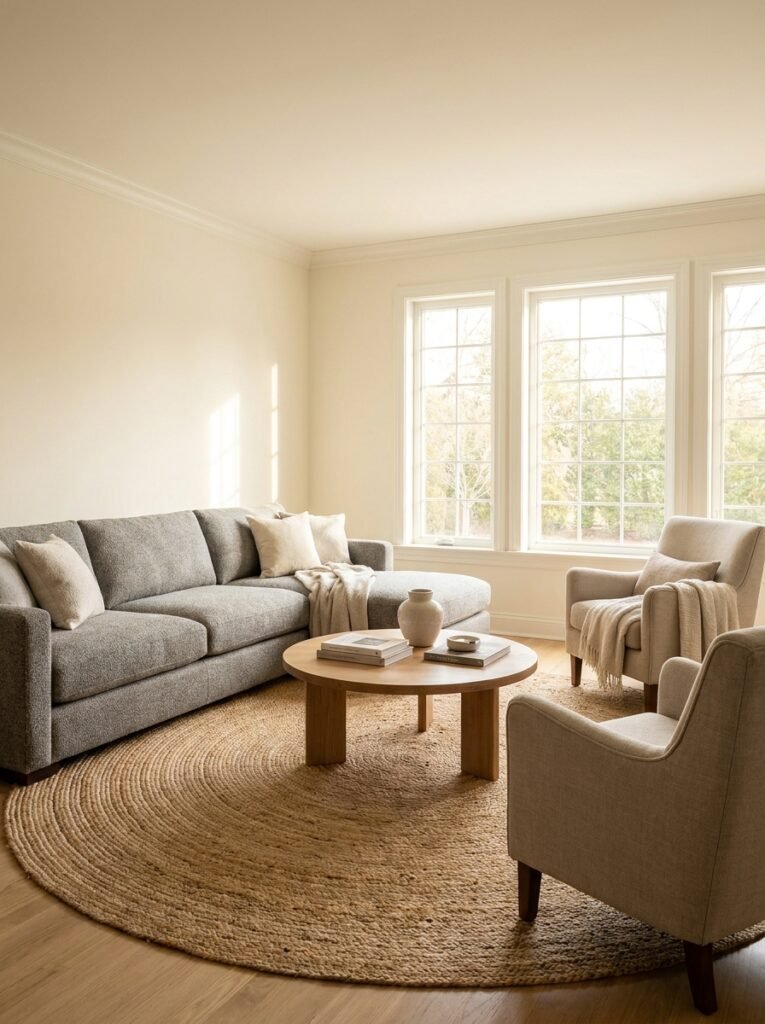
If there’s one piece of advice that interior designers give more than any other, it’s this: your rug is probably too small. This is, by far, the most common living room mistake. A tiny rug sitting in the middle of a large room looks like a postage stamp on a desk — awkward, disconnected, and visually shrinking.
Your rug should be large enough that at least the front two legs of every main seating piece can rest on it. Ideally, all four legs of every piece sit fully on the rug. This creates unity — it visually ties the furniture together into one cohesive grouping rather than a collection of unrelated pieces floating in a room.
“The right rug doesn’t just complete a room — it’s the quiet anchor that holds the whole story together.”
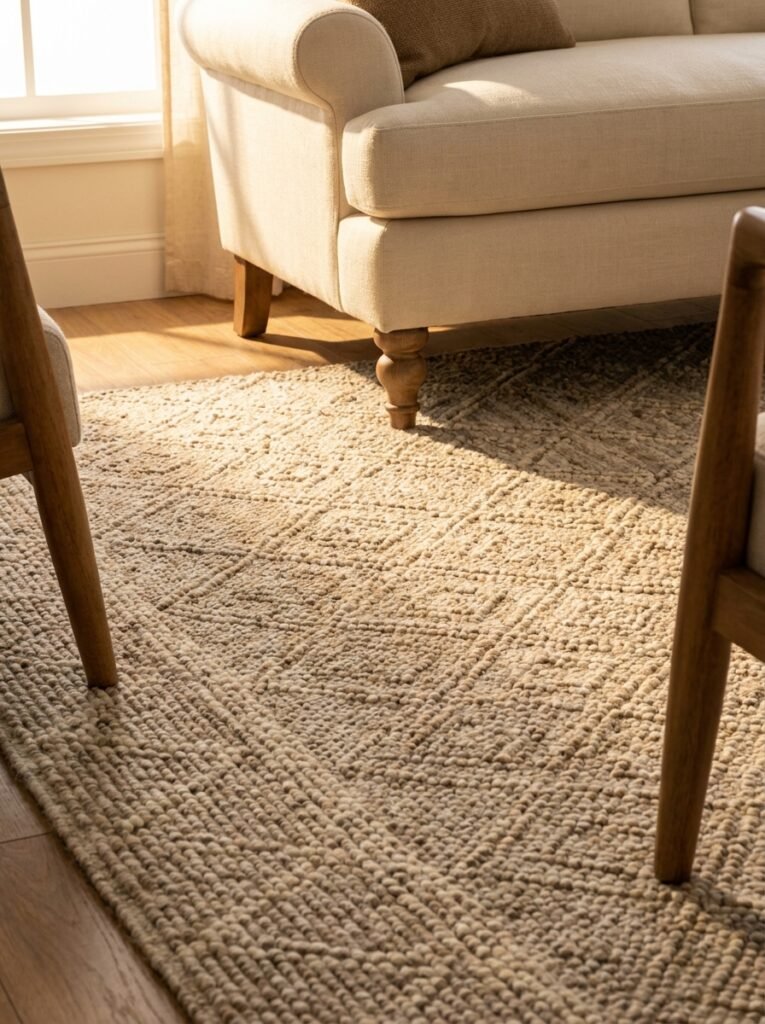
When choosing rug material for a living room, consider how the space is used. A family with young children and pets will thrive with a flatweave or low-pile rug in a pattern that can hide a little everyday life. A quieter home where aesthetics take priority might love a plush wool or natural jute. Texture and pattern in a rug add layers of visual interest that make a room feel rich without spending a fortune on furniture.
—
6. Light Is the Most Underrated Design Element in Any Home
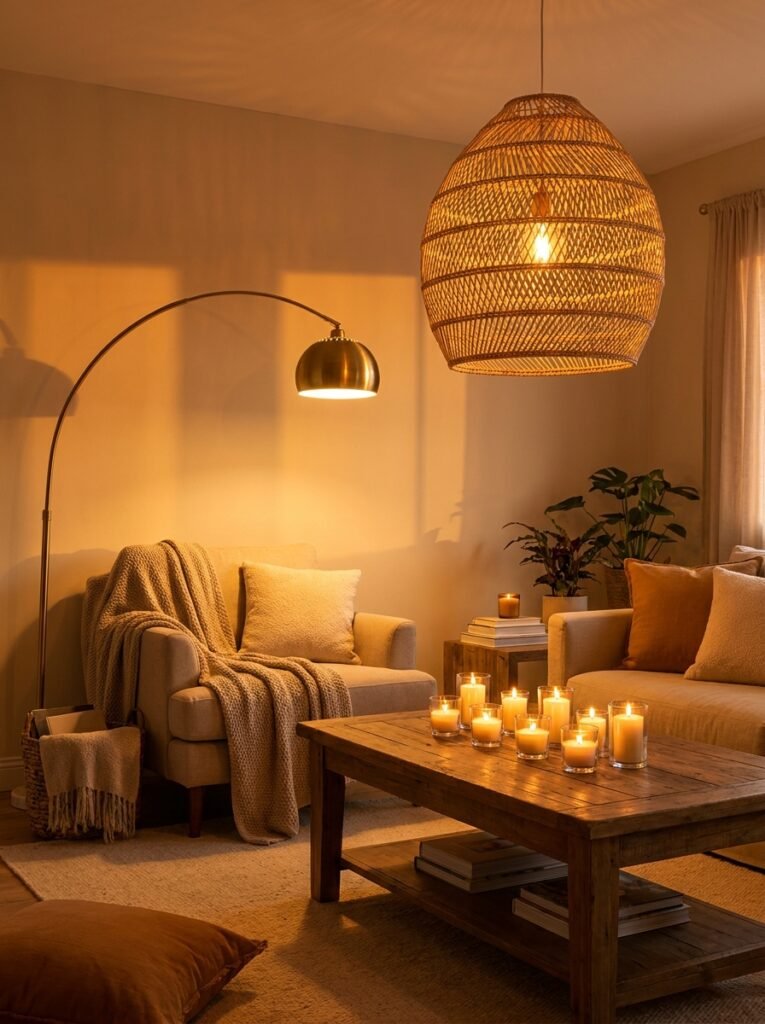
Imagine your living room at 7pm on a Tuesday evening. Is it one harsh overhead light making everyone look slightly unwell? Or is it a layered glow from multiple sources — a floor lamp in the corner, a table lamp beside the sofa, candlelight on the coffee table — that makes the whole room feel like an embrace?
Lighting transforms spaces more dramatically than almost any other element, and it’s one of the most budget-friendly changes you can make. The goal is to eliminate reliance on a single overhead light source and instead layer three types of lighting: ambient (general illumination), task (for reading, working), and accent (for atmosphere and highlighting features).
Swap your overhead light for a dimmer switch if possible — the ability to lower the intensity of any light source immediately adds warmth and flexibility. Add a floor lamp in a dark corner. Put a lamp on every surface where one might naturally live. Use warm-toned bulbs (2700K-3000K range) rather than cool white, which tends to flatten everything and feel clinical. These changes cost less than a new throw pillow set and make ten times the impact.
—
7. How to Layer Texture Without It Looking Cluttered
A room decorated entirely in one texture — all smooth, all matte, all glossy — tends to feel flat, regardless of how beautiful the individual pieces are. Texture is what gives a room its tactile soul. It’s what makes you want to reach out and touch things. It’s the difference between a room that looks designed and a room that feels lived in — in the best possible way.
Think in terms of contrasts: rough against smooth, soft against hard, matte against glossy. A linen sofa paired with a chunky knit throw. A sleek marble coffee table beside a rough-hewn wooden side table. Velvet cushions against a jute rug. These combinations create a visual richness that feels layered and intentional without requiring a design degree to pull off.
The key to keeping texture layered rather than cluttered is restraint in color. When you’re mixing many textures, let the palette stay relatively cohesive. Neutral or analogous color schemes hold textural variety together. When both color and texture are fighting for attention simultaneously, that’s when rooms tip from “eclectic” into “chaotic.”
—
8. The Art of Styling a Coffee Table That Actually Works
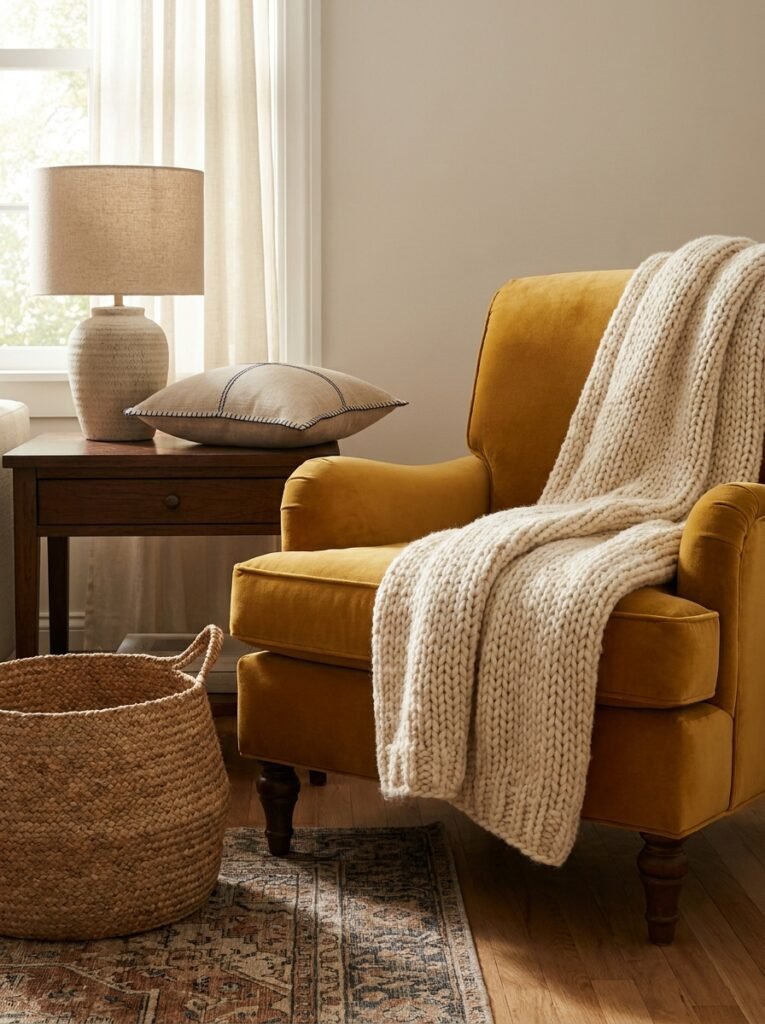
The coffee table is the center of the living room universe — it sees more daily life than almost any other surface in your home. It holds the remotes, the half-drunk cups of tea, the book someone put down mid-chapter. And yet, it’s also one of the most impactful styling opportunities in the room.
A beautifully styled coffee table uses the principle of varied heights and grouped objects. A stack of books creates height. A small tray corrals remotes and candles into something intentional. A plant or a vase of something living adds organic warmth. A small sculptural object adds personality. The rule of odd numbers applies here — groups of three or five feel more natural to the eye than pairs.
Most importantly: leave negative space. A completely filled coffee table feels anxious. Leave room for life to happen on it — for the mug of tea, for the book, for the feet of the person who’s finally, blissfully, relaxing.
—
9. Creating a Living Room That Works for Multiple Uses
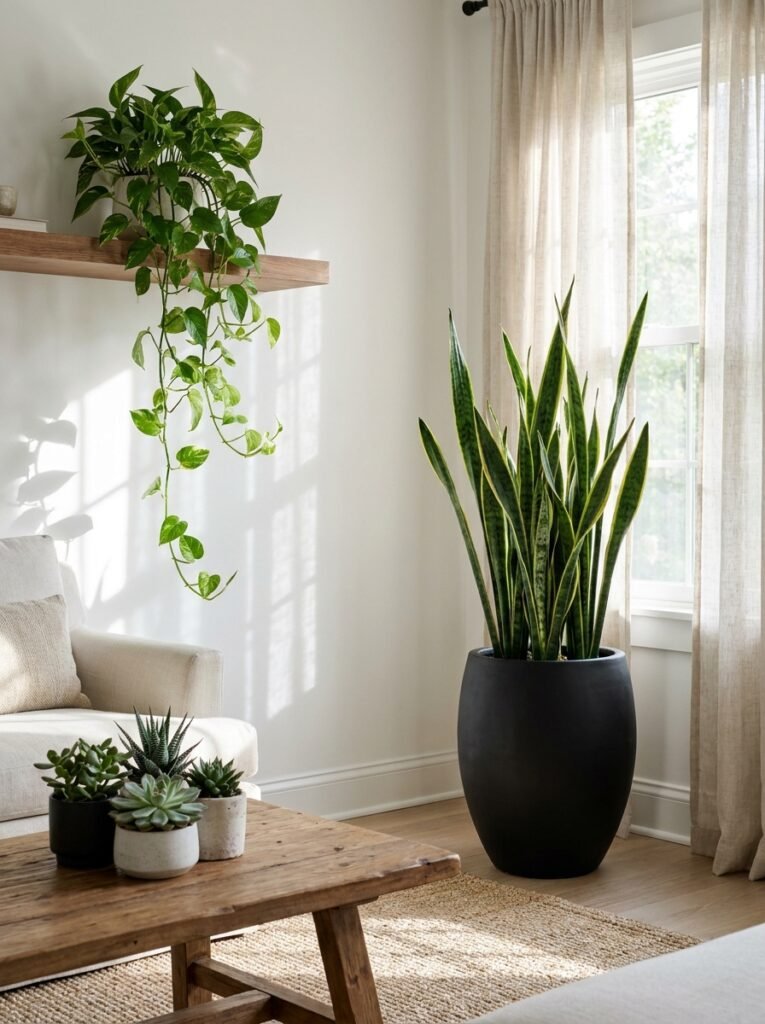
Modern living doesn’t always allow for the luxury of single-purpose rooms. Many living rooms serve as a home office on Tuesday morning, a family movie theater on Friday night, a quiet reading retreat on Sunday afternoon, and a gathering space whenever people come over. Designing a space that serves multiple functions without feeling chaotic is genuinely possible — it just requires a little more intentional thought.
The key is zones. Even in an open-plan space or a small apartment living room, you can create distinct zones with furniture placement, lighting, and rugs. A reading chair with its own floor lamp and small side table creates a zone. A desk tucked into a corner with a decorative screen or bookshelf to separate it creates another. The zones don’t need walls — they just need enough visual definition to feel purposeful.
“A room that serves your whole life doesn’t need to be large. It just needs to be thoughtfully designed.”
Storage is the unsung hero of a multi-use living room. Ottoman storage, media consoles with closed shelving, built-in bookshelves that hold both books and office supplies — anything that keeps functional items out of sight when not in use helps the space shift effortlessly from one use to another.
—
10. Why Greenery and Natural Elements Belong in Every Living Room
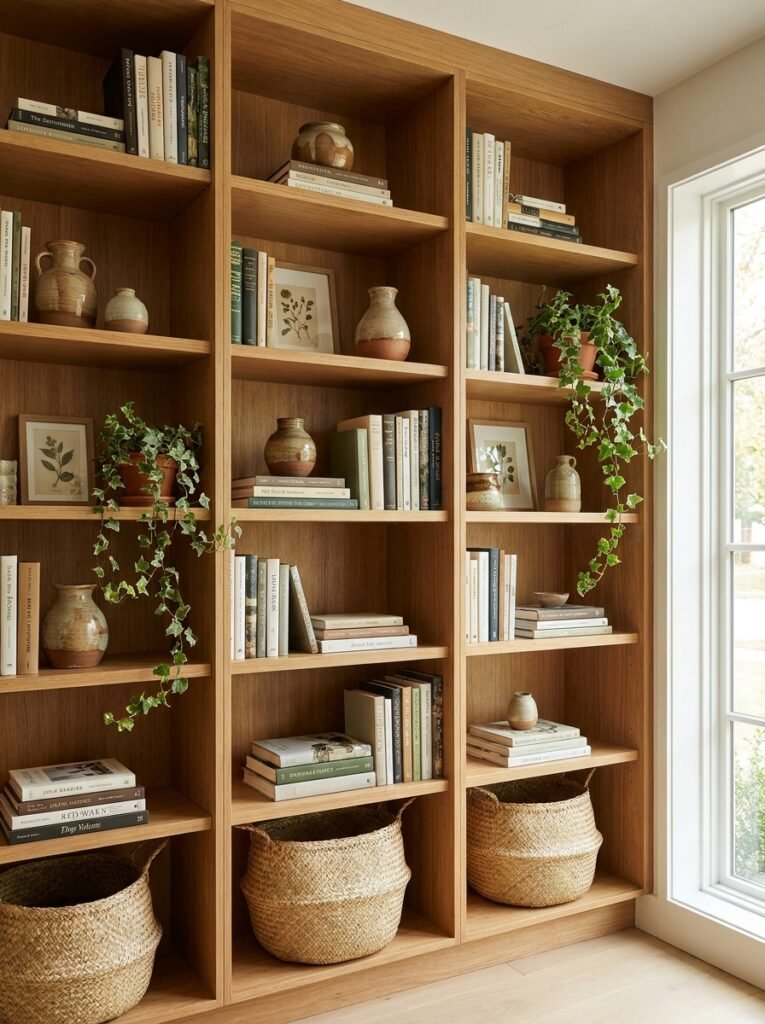
There’s scientific evidence behind what intuition already knows — being around natural elements reduces stress, improves mood, and makes spaces feel more welcoming. Plants bring something to a living room that no piece of furniture ever quite can: life. Actual, growing, breathing life.
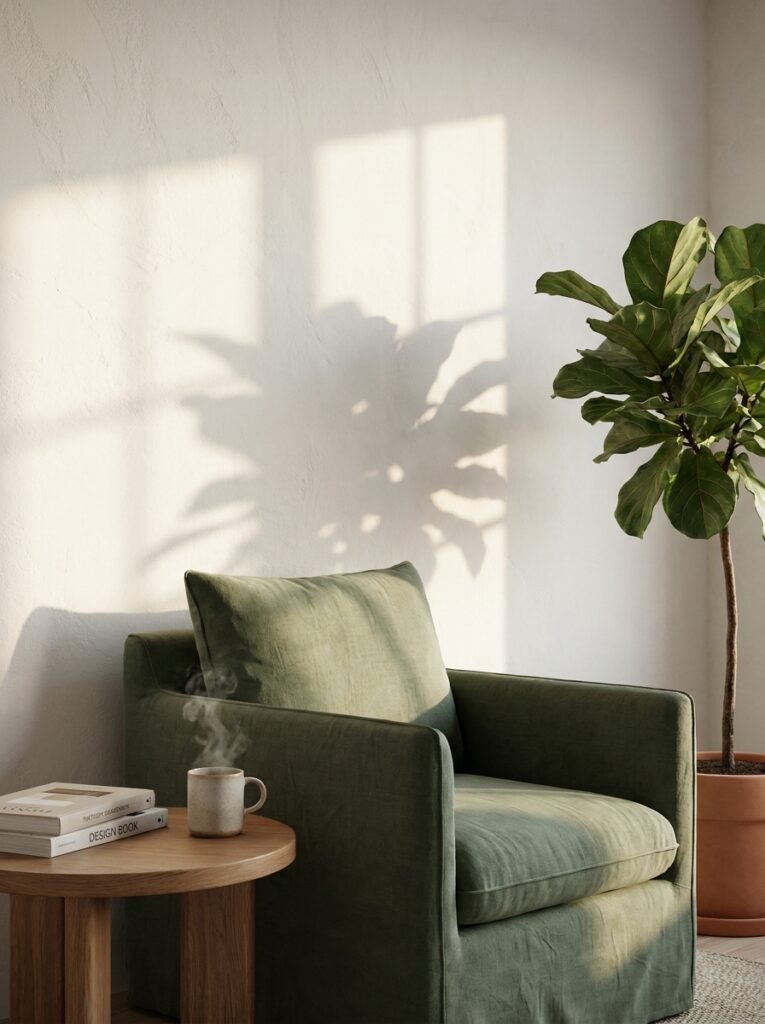
You don’t need a green thumb to incorporate plants into your living room design. Start with species that are genuinely low-maintenance — pothos, snake plants, ZZ plants, and peace lilies are forgiving of inconsistent watering and thrive in a range of light conditions. A single large plant — a fiddle leaf fig, a monstera, or a birds of paradise — in a woven or ceramic pot can become as much of a statement piece as any artwork.
Beyond plants, natural materials add warmth that synthetic ones rarely replicate. Rattan and cane furniture, linen and cotton textiles, wooden surfaces, stone accents — these materials age beautifully and connect the indoors to the natural world outside. In a world of increasing screen time and artificial surfaces, a living room grounded in natural elements becomes a genuine sanctuary.
—
11. Small Living Room? Here’s How to Make It Feel Like a Sanctuary
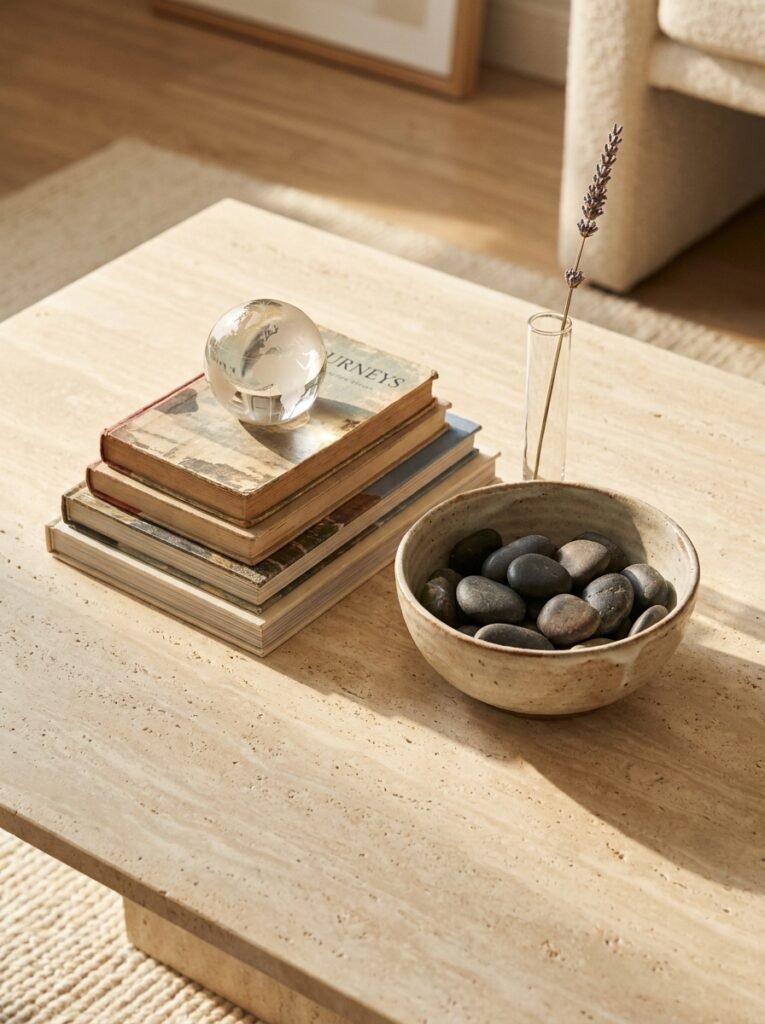
Small doesn’t have to mean cramped. Small can mean cozy. Small can mean considered. Small can mean every single element was chosen with intention because there was no room to hide mistakes or excess. Some of the most beautiful living rooms in the world are modest in size — they just understand their own rules.
In a small living room, scale is everything. Oversized furniture makes the room feel overwhelmed and claustrophobic. Choose pieces with legs rather than floor-sitting furniture — visible floor space creates an illusion of more room. Choose a sofa that fits comfortably rather than maximally. Use one large rug rather than multiple small ones. Mirrors work genuinely well in small spaces — a large mirror on one wall effectively doubles the perceived depth of a room.
Light colors on walls expand a small space visually, but don’t be afraid of a deeper, moodier palette if it’s what you love. A small room painted in a rich, enveloping color can feel like a jewel box rather than a closet — it all depends on the light, the furniture scale, and how the space is styled.
—
12. The Final Layer: Personal Objects That Tell Your Story
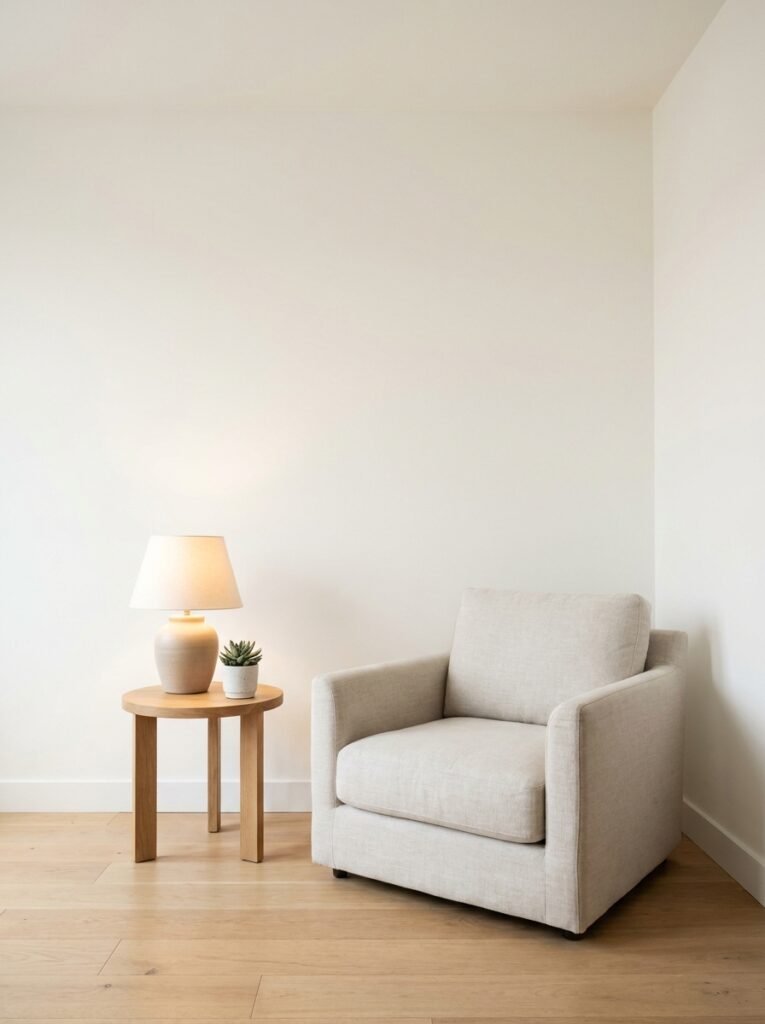
After all the furniture is arranged, the rug is down, the lighting is layered, and the plants are growing — the last step is the most personal one, and it’s the one that separates a designed room from a lived-in room. It’s the layer of you.
This is the shelf of books you’ve actually read, with a framed photo from a trip that changed you leaning against the spines. It’s the piece of pottery your friend made slipped in among the candles. It’s the heirloom from your grandmother, the print you fell in love with at a market, the small thing that makes no design sense but makes perfect personal sense.
Personal objects are what make a room feel inhabited rather than staged. They’re what guests notice and ask about. They’re the layer that no interior designer can add for you because it requires your specific history, your specific loves, your specific life. And a living room without this layer — no matter how beautifully designed — will always feel like it belongs to someone else.
—
🌿 How to Take Care of Your Living Room Design Over Time
Good design isn’t a one-time event — it’s an ongoing relationship with your space. Here’s how to keep it feeling intentional and fresh without constantly redecorating.
Refresh seasonally, not constantly. Swap out throw pillows and blankets with the seasons. Bring in warmer textures and deeper tones in autumn and winter; lighter linens and brighter accents in spring and summer. This keeps the room feeling current without requiring major investment or effort.
Edit ruthlessly and regularly. Once every few months, look at your living room with fresh eyes and remove anything that has stopped earning its place. Less is almost always more. A surface with three carefully chosen objects almost always looks better than a surface crowded with ten.
Clean your upholstery and rugs on schedule. Regular care — vacuuming rugs, fluffing and rotating cushions, wiping down surfaces — keeps even budget-friendly pieces looking their best for years longer than neglect would allow.
Let the room evolve with you. Your taste will change, your life will change, your family will change. The living room should reflect who you are right now, not who you were five years ago. Don’t cling to pieces that no longer serve you out of sunk-cost loyalty — pass them on and make space for what you actually love.
Invest in light bulbs before furniture. If you can only make one change, make it the quality and warmth of your lighting. It will transform everything else around it.
—
❓ FAQ
Q: What’s the most important piece of furniture in a living room? A: Most interior designers agree it’s the sofa — it takes up the most visual and physical space, sets the tone for the entire room, and is what people spend the most time on. Invest the largest portion of your living room budget here, choose a neutral color that will work across multiple decor evolutions, and make sure it’s sized correctly for the room rather than maximally large.
Q: How do I make my living room feel more cozy without spending a lot? A: The most impactful low-cost changes are lighting (add warm-toned lamps, remove harsh overhead lighting), texture (add a chunky throw blanket and a few quality cushions), and a candle or two. These three things create an atmosphere of warmth and comfort that expensive furniture often doesn’t. Coziness is a feeling, not a price point.
Q: Should my living room furniture all match? A: Matched sets of furniture tend to look flat and showroom-like. A far more interesting and personal approach is to mix pieces that share a cohesive color story or material palette but aren’t identical. Think of it like a well-dressed outfit — not every element is the same brand or style, but they work together because of thoughtful combination.
—
💭 Final Thought
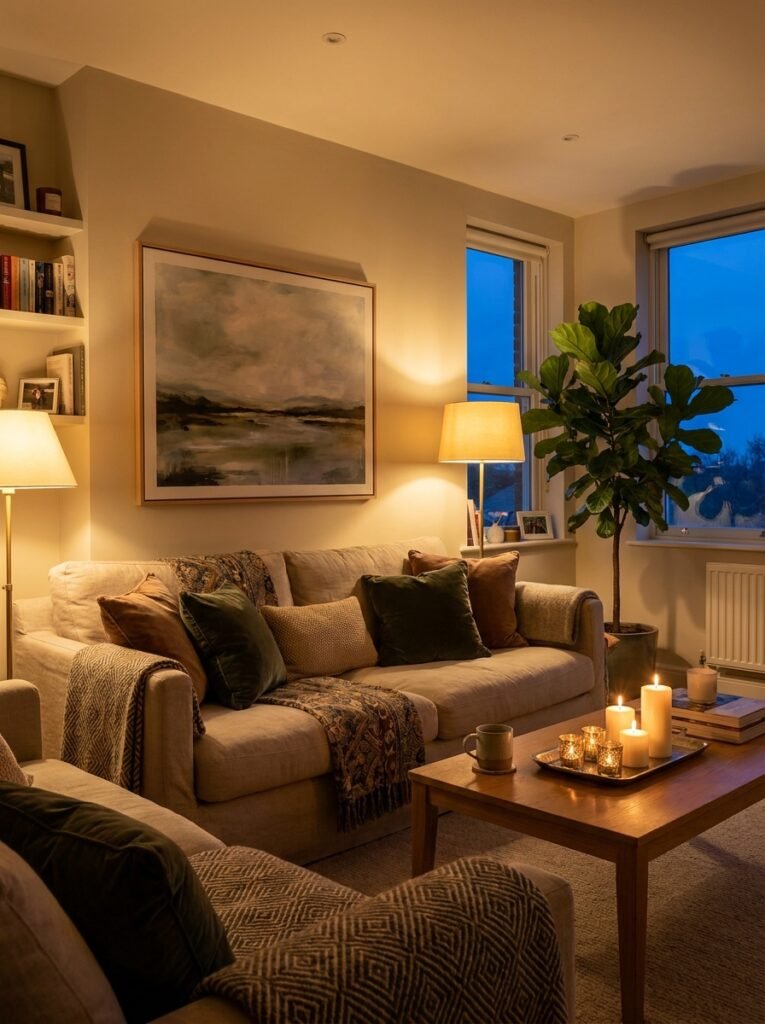
Your living room is the room where your life actually happens — where you recover from hard days, celebrate good ones, welcome the people you love, and find the kind of quiet that restores you. It deserves to feel like yours: not a catalog page, not a trend report, not someone else’s aesthetic borrowed whole. When you design it with intention, with honesty about how you actually live and what actually brings you comfort, something shifts. The room stops feeling like a space you’re in — and starts feeling like a place you belong.
So tell me — if your living room could feel like one specific emotion when you walk through the door, what would you want that feeling to be?