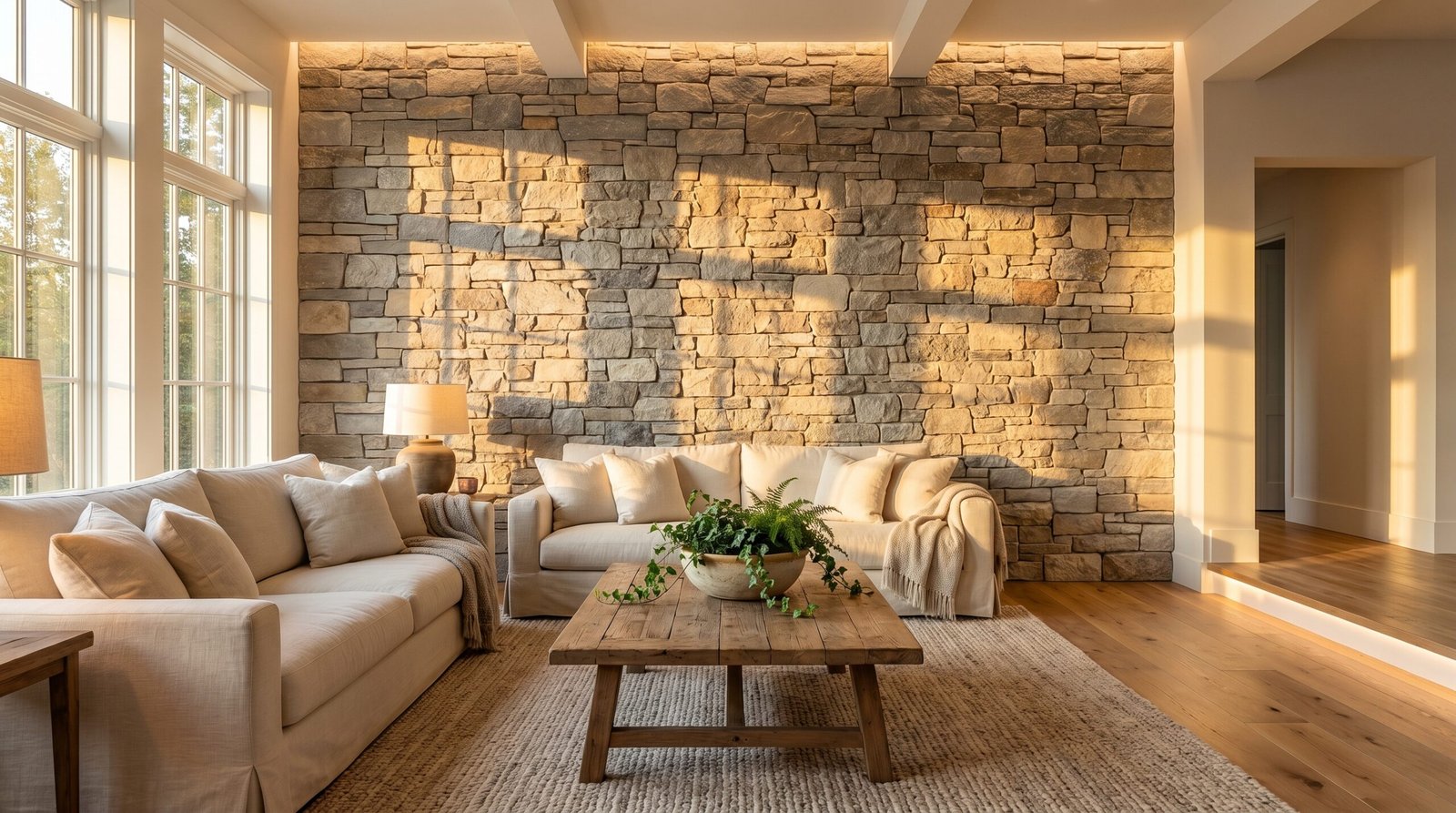
Why a Stone Wall Living Room Feels Like Coming Home — And How to Actually Get That Look
There’s something ancient and deeply comforting about stone. The moment you walk into a living room where one wall is raw, textured, and alive with natural tones, something inside you exhales — like your nervous system finally got the memo that you’re safe, you’re home, you can rest. If you’ve been scrolling Pinterest at midnight wondering why that stone wall keeps calling your name, this is your sign to stop wondering and start understanding exactly what that feeling is — and how to bring it into your own space.
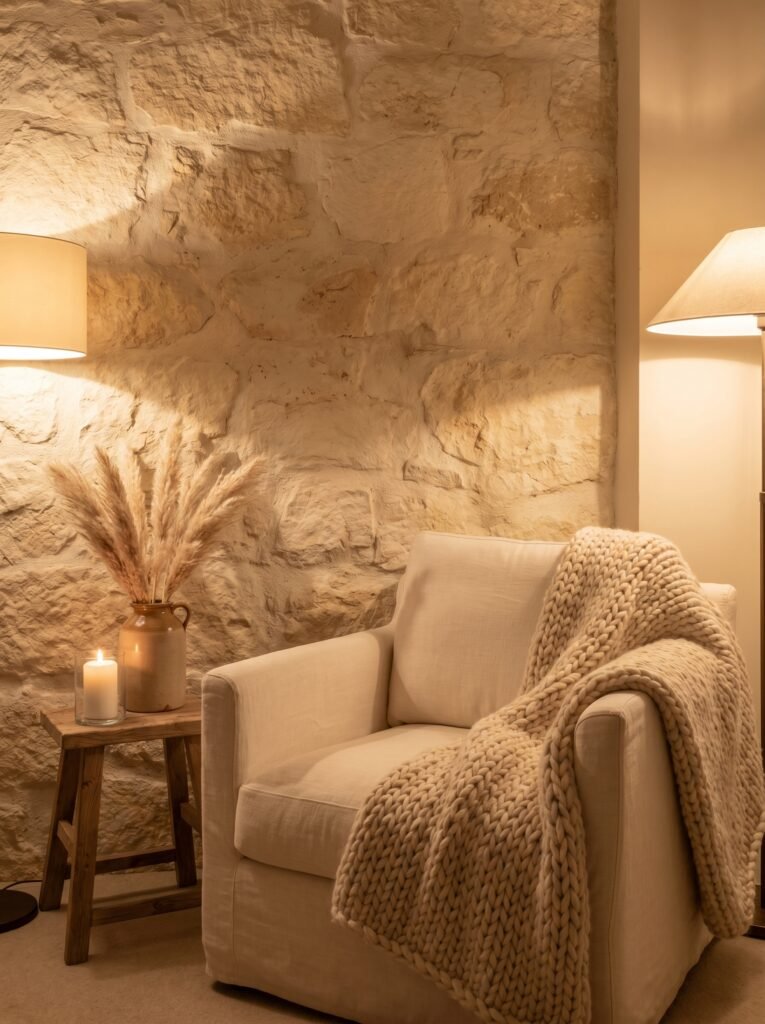
—
1. The Ancient Appeal of Stone — Why It Speaks to Something Primal in All of Us
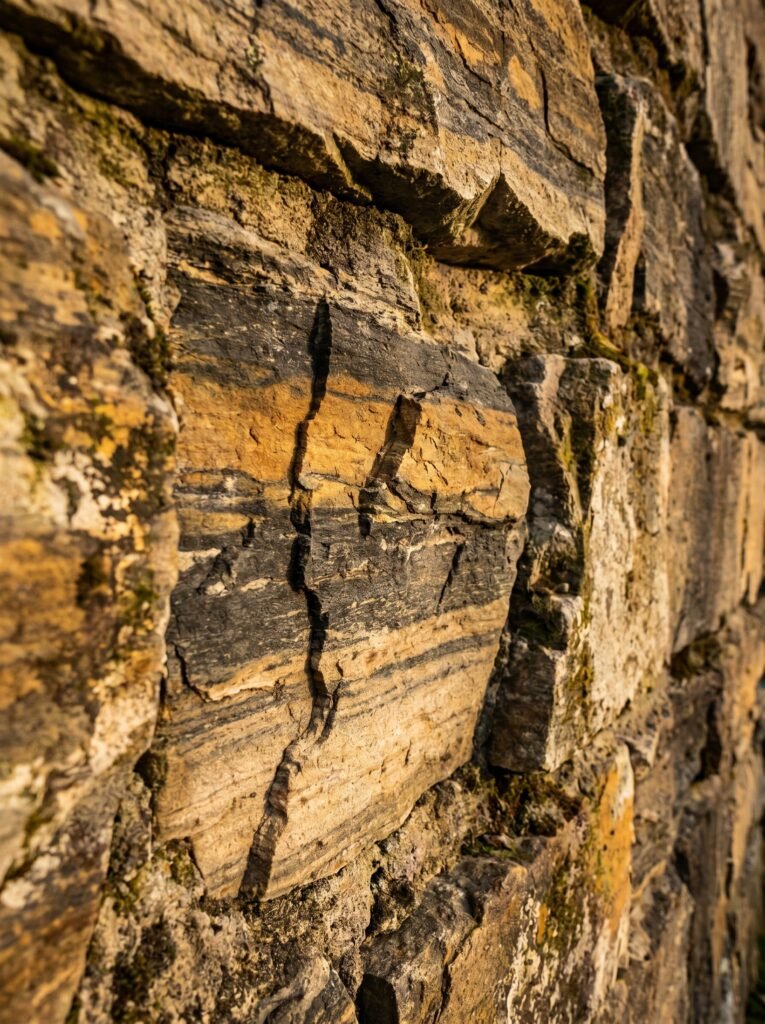
Long before wallpaper, paint, and feature walls were a thing, humans lived alongside stone. They built with it, cooked over it, sheltered beneath it. There’s an evolutionary reason why stone walls feel grounding — they carry a psychological weight of permanence, safety, and belonging that no other material can quite replicate.
When you introduce a stone wall into a modern living room, you’re not just making a design choice. You’re making a statement about what you want your home to feel. You want it to feel ancient, rooted, real — in a world that often feels the opposite of all three.
Designers have long known that natural materials trigger a sense of calm. Stone, in particular, slows the eye down. Unlike a flat painted wall, a stone surface gives the gaze somewhere to wander — across textures, shadows, and variations in color that no two walls will ever replicate exactly. That uniqueness is the whole point.
“A stone wall doesn’t just decorate a room. It becomes the soul of it.”
2. The Different Kinds of Stone Walls — Because Not All Stone Is Created Equal

Before you fall in love with a look, it helps to understand what’s actually available, because the world of stone walls is far broader than most people realize.
Natural stone is the most authentic and the most expensive. This includes slate, limestone, sandstone, quartzite, and river rock — each with its own personality. Slate is sleek and moody, lending itself to a more contemporary aesthetic. Limestone is softer, paler, and leans romantic. River rock is casual and organic, perfect for a nature-inspired, boho living room.
Then there’s stacked stone veneer, which is thin slices of real stone adhered to a backing panel. This option is dramatically more accessible in terms of cost and installation effort, and when done well, the result is nearly indistinguishable from a full natural stone wall. Most of the Pinterest boards you’re admiring? They’re probably veneer.
Finally, there are faux stone panels — manufactured from polyurethane or high-quality concrete composites. These have come a long way in recent years. They’re lightweight, easy to install, budget-friendly, and surprisingly convincing from a few feet away. For renters or first-time decorators, this can be the perfect entry point into the stone wall world.
3. How to Choose the Right Stone Tone for Your Living Room’s Light and Mood
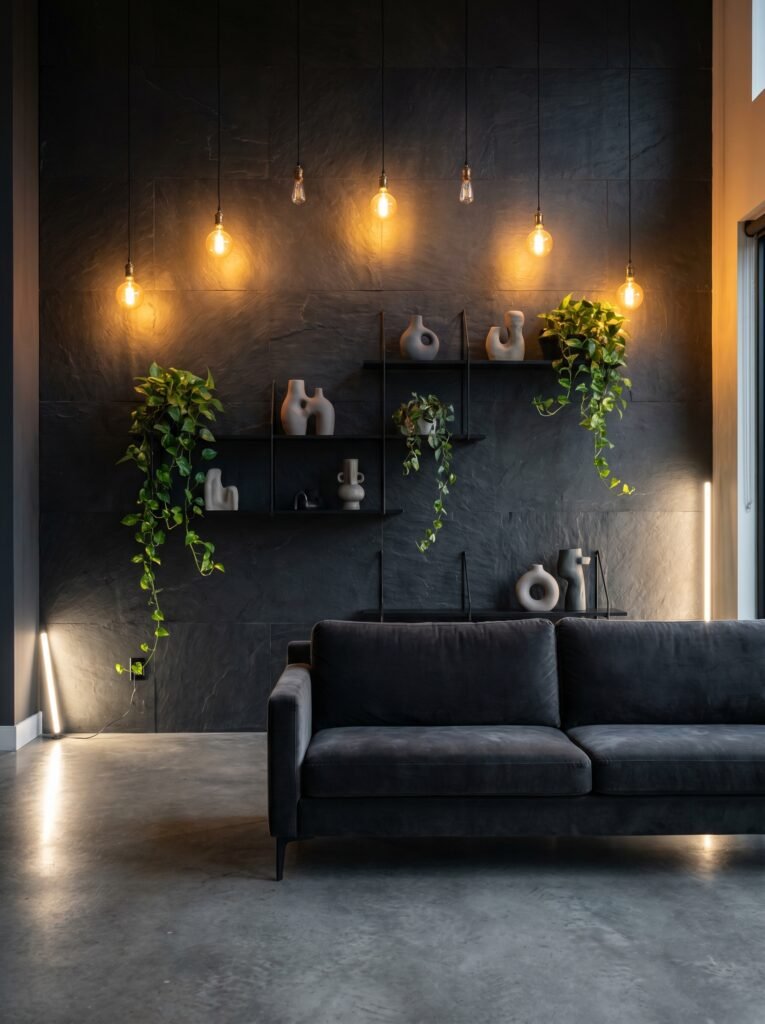
Color and light are in constant conversation in every room, and stone walls enter that conversation loudly. The tone of stone you choose will fundamentally shape how your room feels at different times of day.
Warm-toned stones — think amber, terracotta, honey beige, and sandy browns — work beautifully in north or east-facing rooms that receive cooler, softer light. They add warmth the sun can’t always provide and make a room feel genuinely cozy, especially in the evenings when lamp light flickers across the texture.
Cool-toned stones — grey slate, blue-grey limestone, white or cream-colored options — thrive in south or west-facing rooms with generous natural light. They keep the space from feeling overheated and add a crisp, editorial quality that photographs beautifully.
If your living room has mixed light or you’re simply not sure, grey-brown “greige” tones are endlessly forgiving. They warm up under incandescent light and stay sophisticated in daylight. Think of them as the little black dress of stone wall choices.
4. The One Wall Rule — Why You Usually Only Need to Go Big on One Side
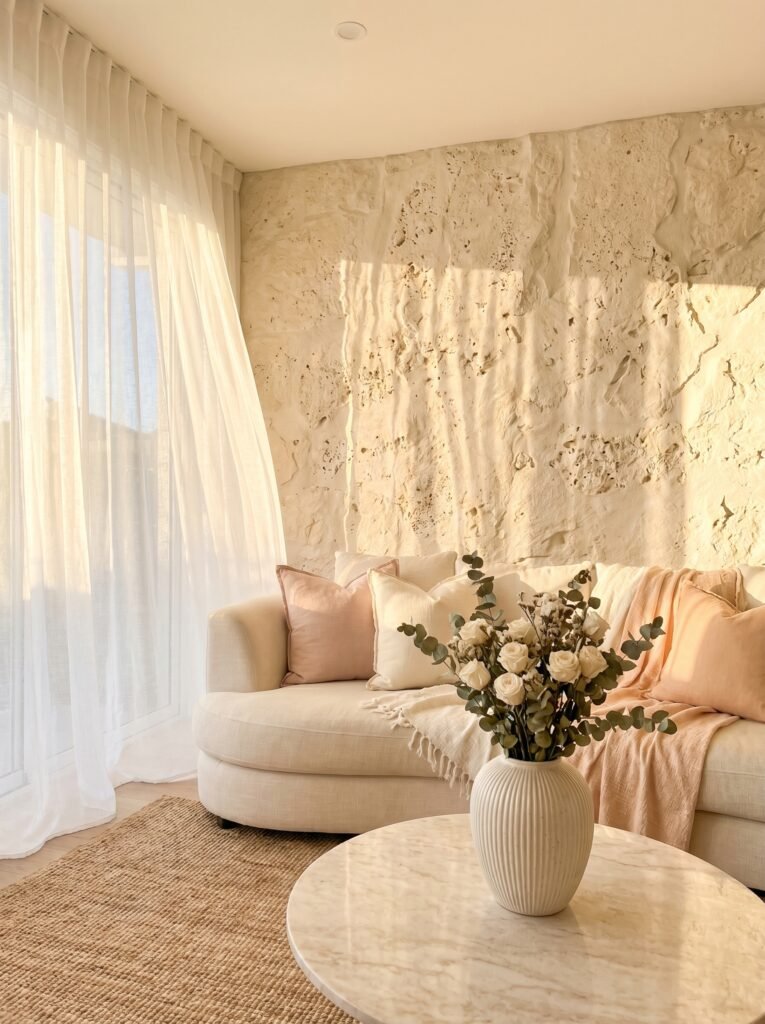
Here’s a design truth that saves a lot of people from making an expensive mistake: when it comes to stone walls in a living room, more is rarely more.
A single feature wall — almost always the one directly opposite the entrance or the one behind the sofa or fireplace — is all you need to transform the entire energy of a room. Going stone on two, three, or four walls creates a feeling that most modern living rooms can’t carry. Unless you’re going for a genuine medieval castle aesthetic with sky-high ceilings and flagstone floors, restrain yourself to one statement wall.
That said, the fireplace wall deserves its own special mention. Stone and fireplaces are a pairing so natural, so obvious, so deeply right, that the combination has anchored living rooms across centuries and continents. A stone fireplace surround that extends into a full floor-to-ceiling wall creates a focal point that draws every eye in the room — and every body toward it on cold evenings.
“The best design decisions aren’t the ones that fill every space — they’re the ones that know exactly when to stop.”
5. Furniture That Belongs Beside a Stone Wall — And What to Avoid
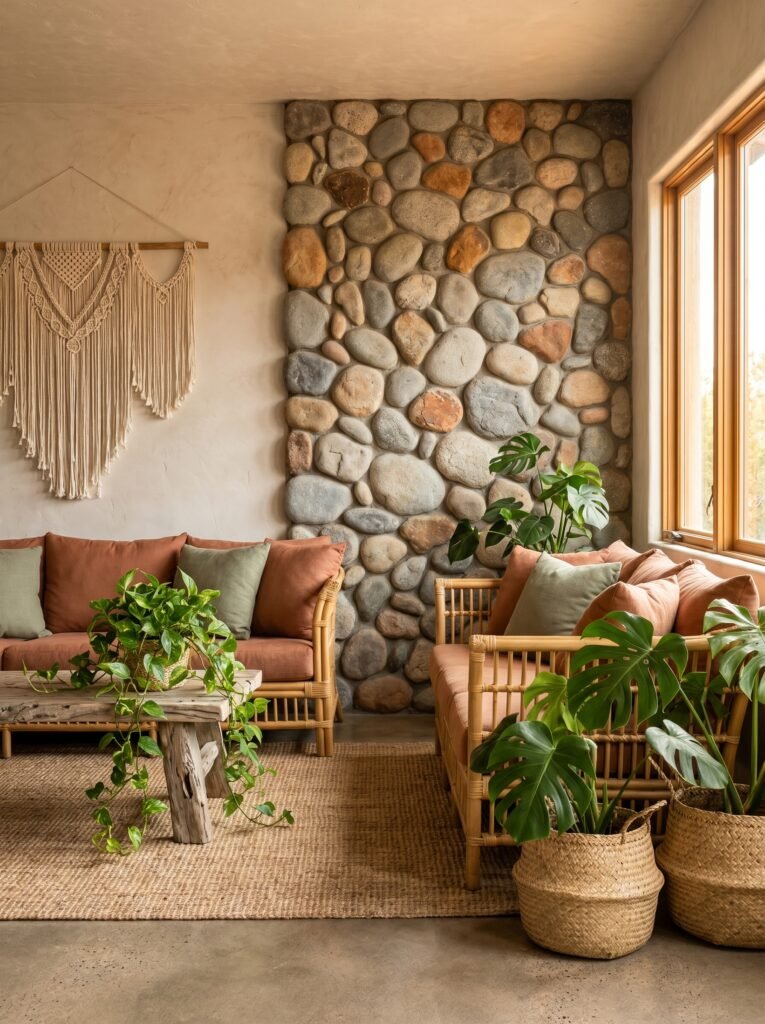
Once your stone wall exists, everything else in the room becomes its supporting cast. And choosing the right furniture is the difference between a living room that feels curated and intentional versus one that feels like a beautiful wall with random things in front of it.
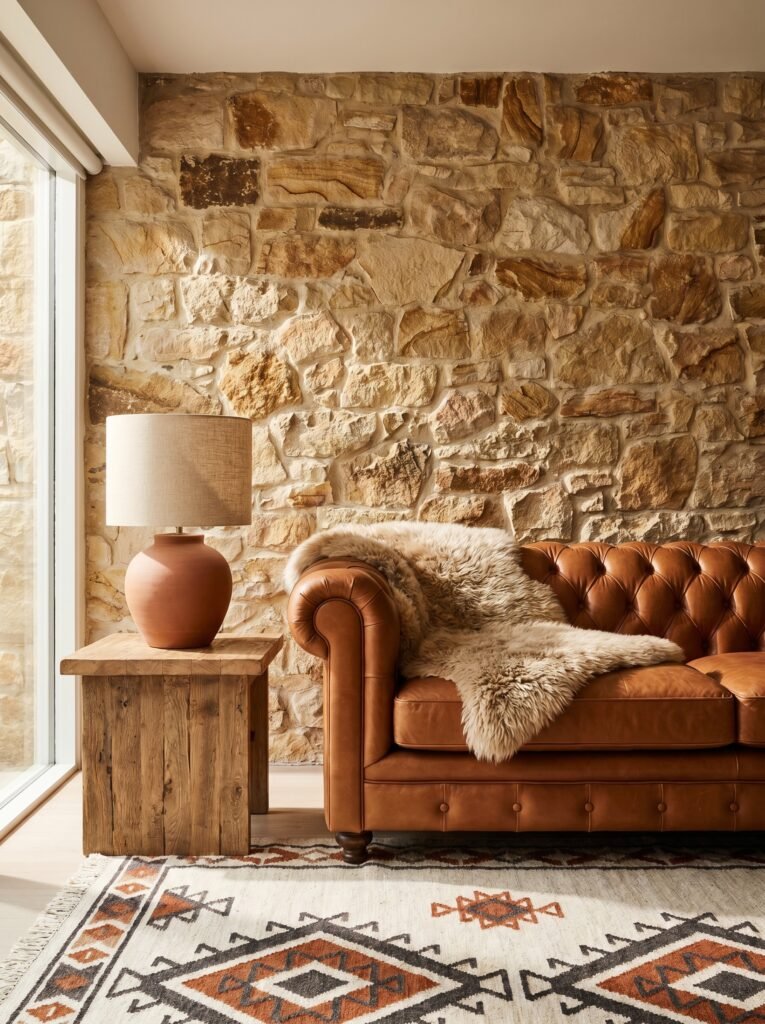
Natural materials are your best friends here. Leather sofas — whether in warm cognac, deep charcoal, or classic cream — look exceptional against stone. Linen and cotton upholstery in neutral tones feel organic and considered. Velvet, particularly in jewel tones like forest green, dusty blue, or terracotta, creates a luxurious tension between rough stone and rich softness that is genuinely breathtaking.
Avoid ultra-modern, highly lacquered, or overly plastic furniture. Chrome and high-gloss finishes tend to fight with stone’s organic quality rather than complement it. The stone wants companions that breathe — wood, linen, leather, jute, rattan — not materials that reflect and compete.
Wooden coffee tables with visible grain, chunky woolen throws, and handcrafted ceramic lamps will always feel at home beside a stone wall. That’s not an accident — it’s material harmony.
6. Color Palettes That Make Stone Walls Look Absolutely Stunning
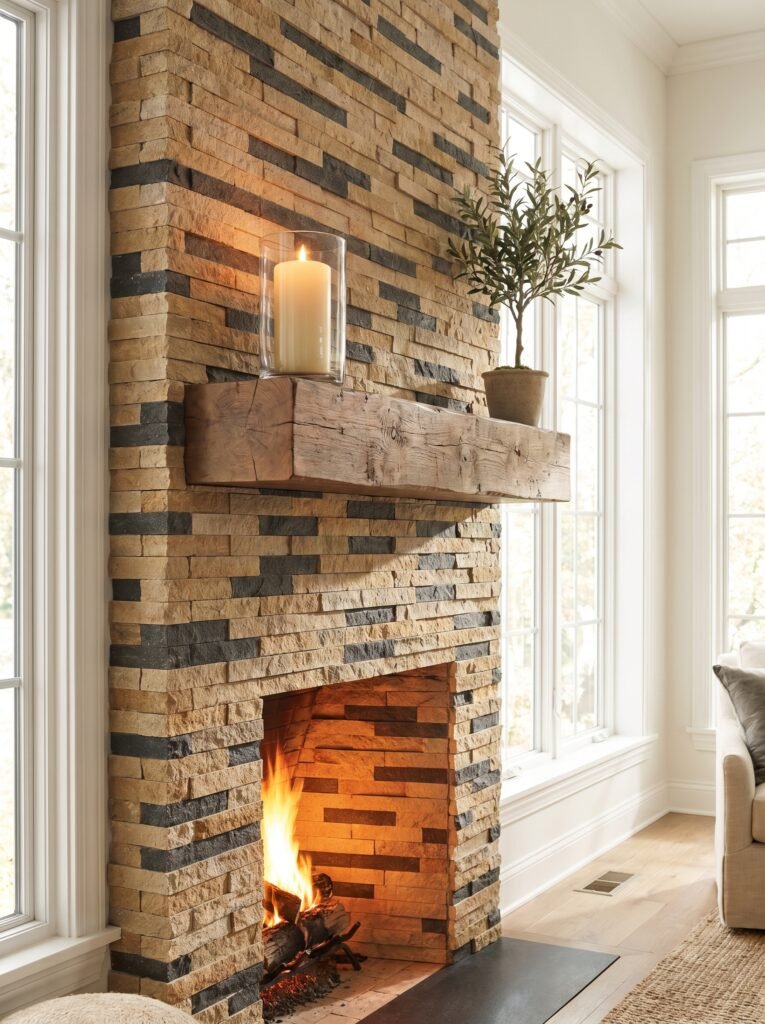
You’ve chosen your stone. Now what color goes on the other three walls?
For warm-toned stone, consider painting the remaining walls in soft whites, warm creams, or light terracotta blushes. These allow the stone to remain the star without making the room feel visually heavy. A sage green on the opposite wall can also work beautifully — it’s a naturally occurring pairing in landscapes, which is why it feels so right indoors.
For cool grey stone, try pairing with deep, moody colors like charcoal, navy, or forest green on adjacent walls. This creates a dramatic, cocooning effect that’s become enormously popular in living room design. Alternatively, crisp white keeps things light and gallery-like.
One underrated approach: let the stone be the only “color” in the room. Keep everything else in white and natural wood tones, and let the variation in the stone itself — its subtle pinks, greys, tans, and shadows — provide all the complexity you need. This approach is restrained but profoundly elegant.
7. The Magic of Lighting — How the Right Bulbs Transform Stone Into Art
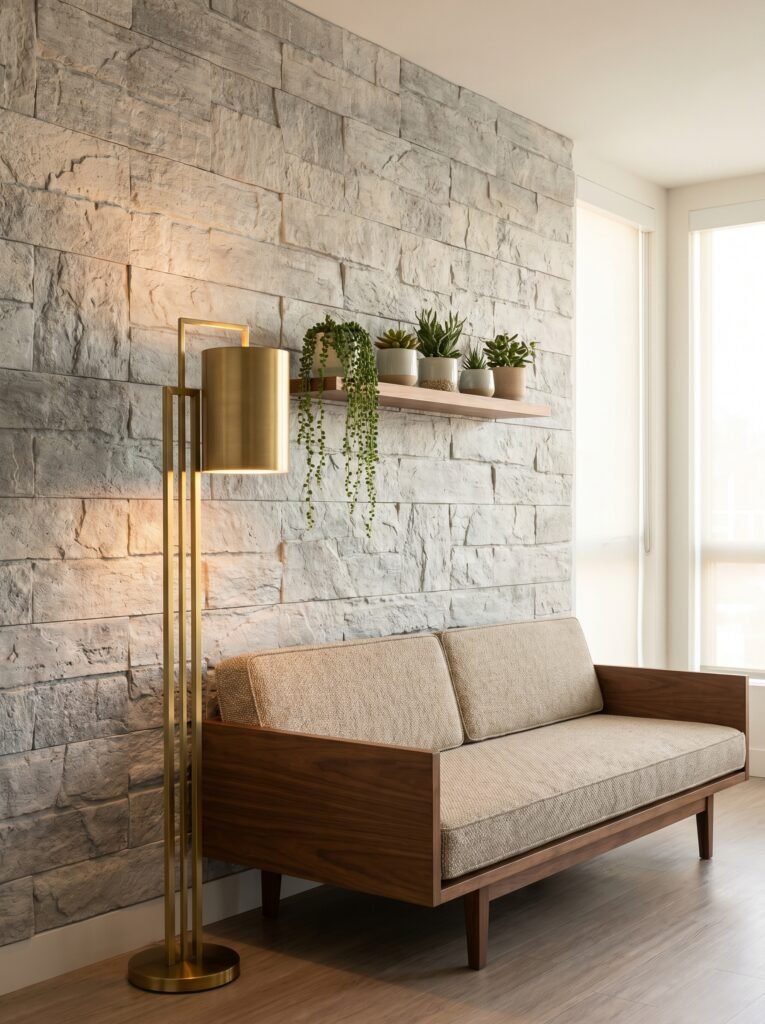
No design element rewards good lighting quite like stone. The texture that reads flat under fluorescent overhead light becomes a gallery of shadows and highlights under the right warm, directional source.
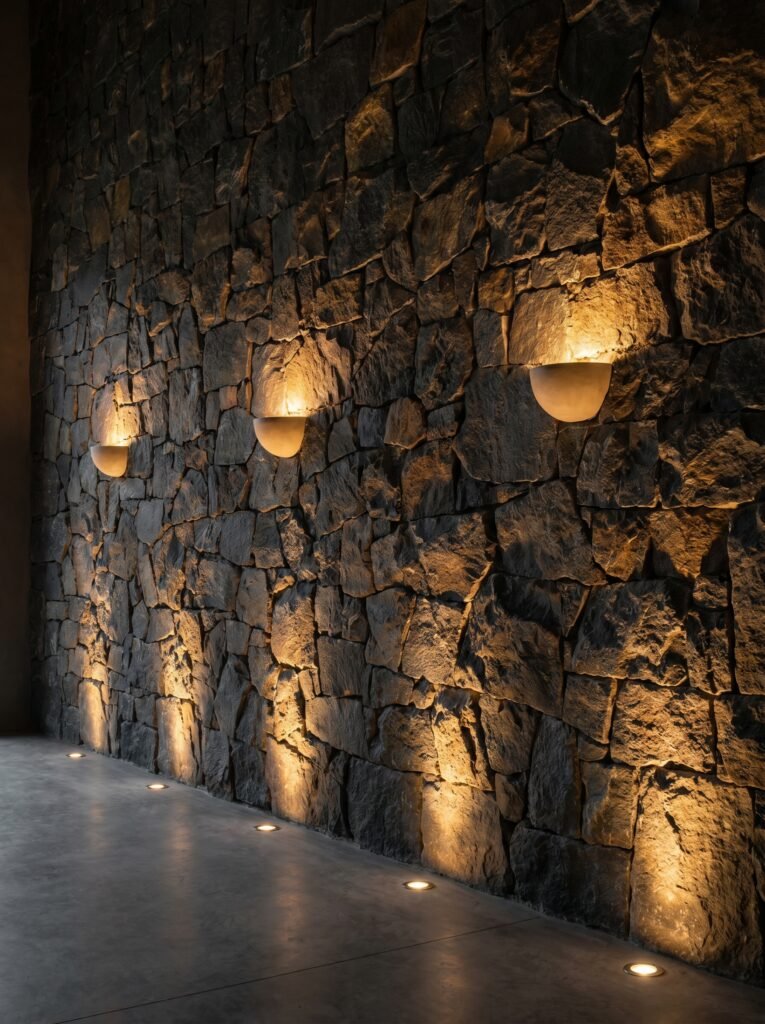
Wall sconces mounted directly onto or beside a stone wall are a game-changing investment. They cast light upward and outward across the surface, throwing every groove and variation into relief. The effect at night is genuinely magical — the wall comes alive in a way that feels almost theatrical.
Recessed spotlights angled toward a stone feature wall achieve a similar effect with a more contemporary feel. Track lighting gives you flexibility. Floor lamps positioned close to the wall and pointing upward create a dramatic uplighting effect that works especially well in evening settings.
For fireplace stone walls, the fire itself is often all the additional lighting you need. The dancing, warm light of an open fire or a well-styled gas fireplace across a rough stone surface is one of the most beautiful sights a living room can offer.
8. How Plants and Greenery Interact With Stone Walls in Extraordinary Ways
If stone is ancient, plants are eternal — and these two natural elements have a chemistry that borders on poetry. A stone wall is the perfect backdrop for living greenery.
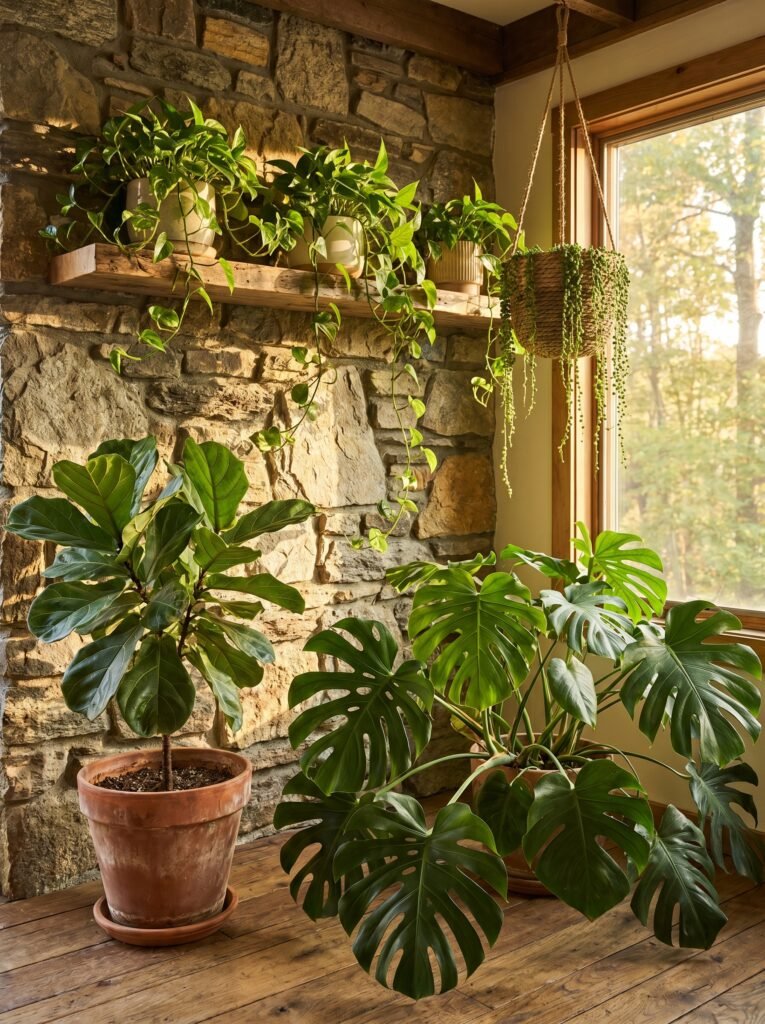
Large-leafed tropical plants like monstera, fiddle-leaf fig, or bird of paradise placed near a stone wall create a lush, almost jungle-like contrast that photographs magnificently for social platforms. The deep green against raw grey or sandy stone is a combination that feels both wild and deliberately styled.
Cascading plants — pothos, string of pearls, trailing ivy — placed on shelves mounted into or beside the stone wall add softness and life to what might otherwise feel like a very hard surface. This softening effect is important: stone can feel cold or austere without enough organic warmth to balance it.
For a more rustic, cottage-inspired look, dried flower arrangements, eucalyptus garlands, or even seasonal foliage placed near the stone wall create a deeply beautiful, earthy aesthetic.
“Plants beside a stone wall don’t just decorate — they remind you that your home is a living thing too.”
9. Small Living Rooms and Stone Walls — Yes, It Absolutely Works
One of the most common fears about stone walls in smaller spaces is that the texture will visually crowd the room, making it feel smaller and heavier. This is understandable — but largely unfounded, if you approach it thoughtfully.
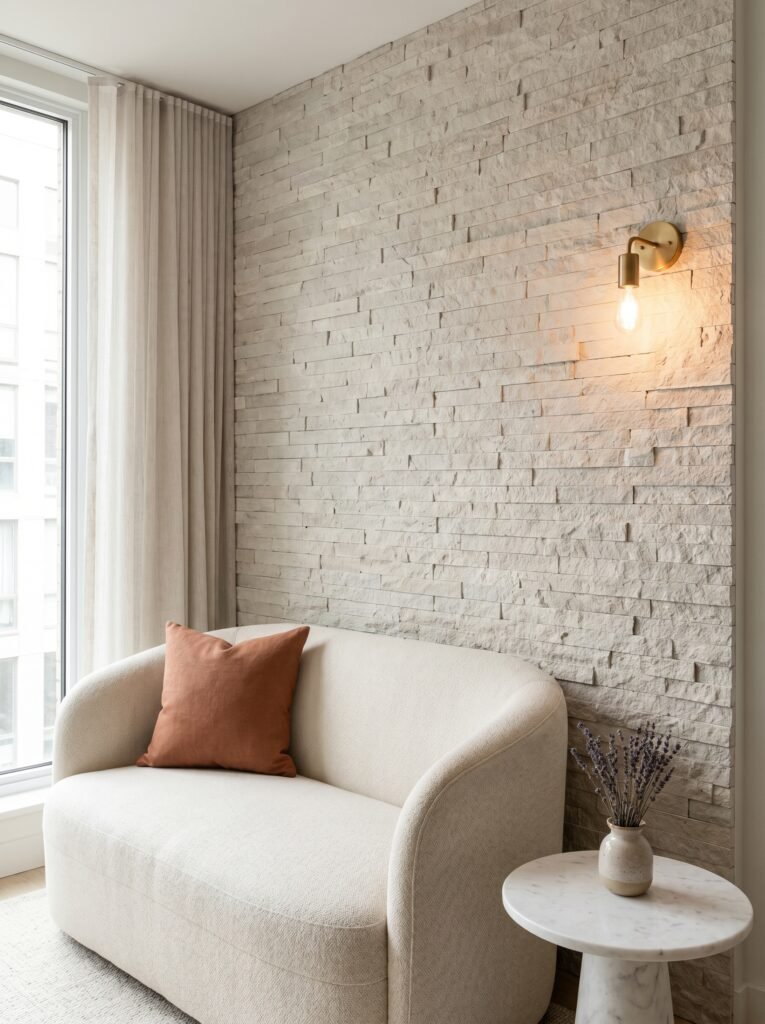
The key in a small living room is choosing lighter-toned stone: whites, pale creams, soft greys. These reflect light rather than absorbing it, keeping the room feeling open and airy. A highly textured dark stone in a tiny room would indeed feel oppressive. But a smooth-textured limestone veneer in warm white on a single wall? It adds depth, character, and interest without the penalty.
Mirrors are a brilliant pairing in small stone wall living rooms. A large mirror on the adjacent wall reflects the stone surface back into the room, doubling the visual impact while simultaneously opening the space up. Position it where it catches natural light and the effect is extraordinary.
Keeping furniture low-profile and light in color also helps. A cream linen sofa, a glass coffee table, and a few well-chosen accessories allow the stone wall to be the statement it deserves to be without overwhelming the room.
10. DIY Stone Wall Installations — What You Need to Know Before You Start
The fantasy of a stone wall living room meets reality at the installation stage, and it’s important to go in with honest expectations. Natural stone installation is a job for a professional stonemason or experienced contractor. It’s heavy, it requires proper wall preparation and support, and doing it wrong can mean your wall shifts, cracks, or pulls away from the structure over time.
Stone veneer panels are a more accessible DIY project for confident, experienced home improvers. Most panels clip or adhere together on a prepared wall surface, and many companies provide comprehensive installation guides. The key steps are: clean and prime the wall, ensure it’s structurally sound, work from the bottom up, cut panels carefully around outlets and corners, and use a matching grout or caulk to finish seams.
Faux stone panels are genuinely DIY-friendly. They’re lightweight enough to lift alone, can often be glued directly to drywall, and require nothing more than standard tools. If you’re renting or working on a strict budget, this is where to start.
Always test a small section first. See how it looks in your specific light, with your specific paint colors and furniture, before committing to the full wall.
11. Stone Walls and Interior Design Styles — Where They Fit and Where They Shine

Stone walls are one of the most stylistically versatile features in interior design — which is part of why they keep appearing on Pinterest boards across wildly different aesthetic categories.
In rustic and farmhouse interiors, rough-hewn stone walls are absolutely at home. Paired with exposed wooden beams, cast iron accessories, and linen textiles, they create that warm, lived-in atmosphere that makes people feel instantly comfortable.
In contemporary and industrial design, smooth slate or grey veneer stone brings texture and contrast to otherwise minimal spaces. It prevents modern living rooms from feeling sterile or overly perfected.
In Mediterranean and Tuscan-inspired interiors, warm limestone or sandy sandstone walls paired with terracotta tiles and wrought iron furniture create an atmosphere that feels like a sun-drenched Italian countryside home.
Even in Scandi and minimalist living rooms, a single pale stone wall can add exactly the right amount of raw, organic interest without disrupting the clean-lined aesthetic.
12. The Investment Perspective — Why a Stone Wall Is One of the Smartest Design Choices You Can Make
Beyond aesthetics and emotional resonance, a stone wall in a living room is a genuinely sound investment in your home.
Natural stone is one of the most durable building materials on earth. A well-installed stone feature wall will outlast every paint trend, every furniture style, and every aesthetic evolution your home goes through. It does not fade, it does not chip, and it does not go out of fashion — because it was never really in fashion to begin with. It exists outside of trends in the same way that mountains and coastlines do.
From a property value perspective, quality natural stone additions consistently add measurable resale value to homes. Buyers respond emotionally and financially to real, durable materials. A stone wall communicates craftsmanship, permanence, and care — things that feel increasingly rare.
Even high-quality veneer or faux stone panels, when properly installed, add perceived value and curb appeal. They photograph well for listings, they appeal to a wide range of buyers, and they signal that the home has been thoughtfully styled and maintained.
—
🌿 How to Take Care of Your Stone Wall Living Room
Living with a stone wall is largely maintenance-free — which is one of the best things about it. But a little care goes a long way in keeping it looking its absolute best.
Dust the surface every few weeks using a soft-bristle brush or a vacuum with a brush attachment. Stone surfaces trap dust in their crevices, and regular light dusting prevents buildup that can dull the natural finish over time.
For sealed natural stone, an occasional wipe with a damp cloth and a pH-neutral stone cleaner is all that’s needed. Avoid acidic cleaners like vinegar — they can etch and damage the surface. If your stone isn’t sealed, consider having it professionally sealed to protect against moisture, staining, and wear.
Keep plants watered carefully near stone walls, as chronic moisture against unsealed stone can lead to efflorescence — the white salt deposits that can appear over time. A little distance between planters and the stone surface, plus a protective mat underneath, is all the precaution you need.
Periodically inspect the grout or mortar between stones. Over many years, small cracks can develop. Catching them early and repointing with matching material keeps the wall looking pristine and prevents moisture from finding its way in.
Finally, let your stone wall age gracefully. The slight mellowing and deepening of tone that natural stone develops over years and decades is not a flaw — it’s a feature. It’s the wall becoming more itself.
—
❓ FAQ
Q: Can you add a stone wall to a rented apartment or home? A: Yes, with the right approach. Faux stone peel-and-stick panels and lightweight polyurethane stone panels are specifically designed for temporary installation. Many can be applied with removable adhesive or mounted with minimal wall damage. Always check your lease and document the wall’s original condition before making any changes — and consult your landlord if you’re unsure.
Q: How much does a stone feature wall typically cost? A: The range is wide. Faux stone panels can cost as little as $3–$8 per square foot installed as a DIY project. Natural stone veneer typically runs $15–$30 per square foot for materials, plus professional installation costs. Full natural stone masonry can range from $30–$100+ per square foot depending on stone type, region, and complexity. Getting at least three quotes from local contractors before committing is always a smart move.
Q: Will a stone wall make my living room too dark or cold-feeling? A: Only if you let it. The tone of stone you choose, your lighting setup, and the colors and materials around the wall determine the overall atmosphere. Warm-toned stone with good layered lighting and natural textiles creates a deeply cozy, inviting room. Pale stone in a well-lit space stays bright and fresh. The stone itself is neutral — your styling choices create the mood.
—
💭 Final Thought
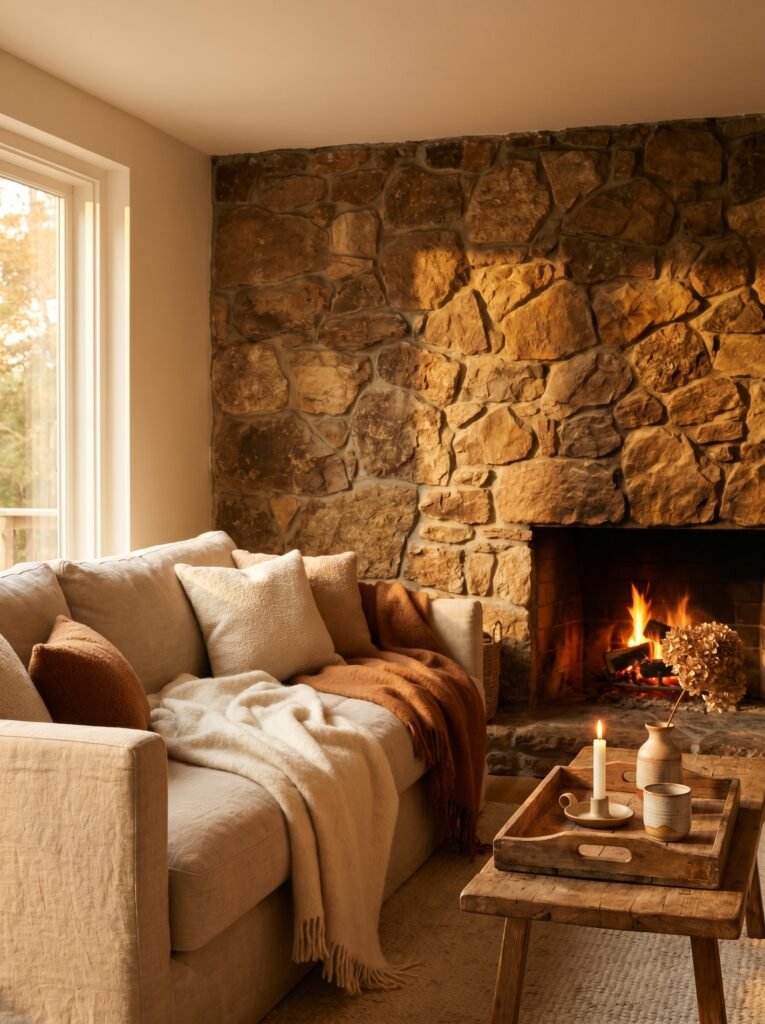
A stone wall living room isn’t just a design trend — it’s a return to something we instinctively know. It’s the recognition that our homes should feel ancient and honest and real, that the spaces we retreat to at the end of long days deserve materials with weight and memory and soul. When you press your hand against cool, textured stone and feel the permanence of it, you understand something that no amount of Pinterest scrolling can fully communicate — that some things simply endure.
So here’s the question worth sitting with tonight: what does your living room tell you about what you truly want your home to feel like?