The Living Room Couch That Changed Everything: Ideas That Make Your Space Feel Like Home
There’s a moment — you’ve probably felt it — when you walk into someone’s living room and something just lands. The couch is exactly right. Not just stylish, but somehow deeply comfortable-looking, warm, like it was chosen with intention and love. That’s not an accident. The couch is the emotional anchor of any living room, and getting it right changes how your entire home feels to live in.
—
1. Why Your Couch Is the Most Important Decision in Your Living Room
Before you think about wall color, lighting, or throw pillows, you need to get the couch right — because everything else in the room will orbit it. Designers call the sofa the “anchor piece,” and that word choice is deliberate. It doesn’t just sit in the space; it holds everything together, emotionally and visually.
Think about how much of your life happens on that couch. Movie nights, lazy Sunday mornings, the quiet conversations that matter most, the naps you didn’t plan to take. The couch isn’t furniture — it’s where your life unfolds. That’s why choosing it deserves the same care and thought you’d give to any significant decision.
When you approach living room couch ideas with that mindset — that this is a deeply personal, functional, and aesthetic choice all at once — the whole process becomes something more meaningful than just shopping.
“A couch isn’t just where you sit — it’s where your life actually happens.”
2. The Classic Sectional: When You Want Your Living Room to Feel Like a Hug
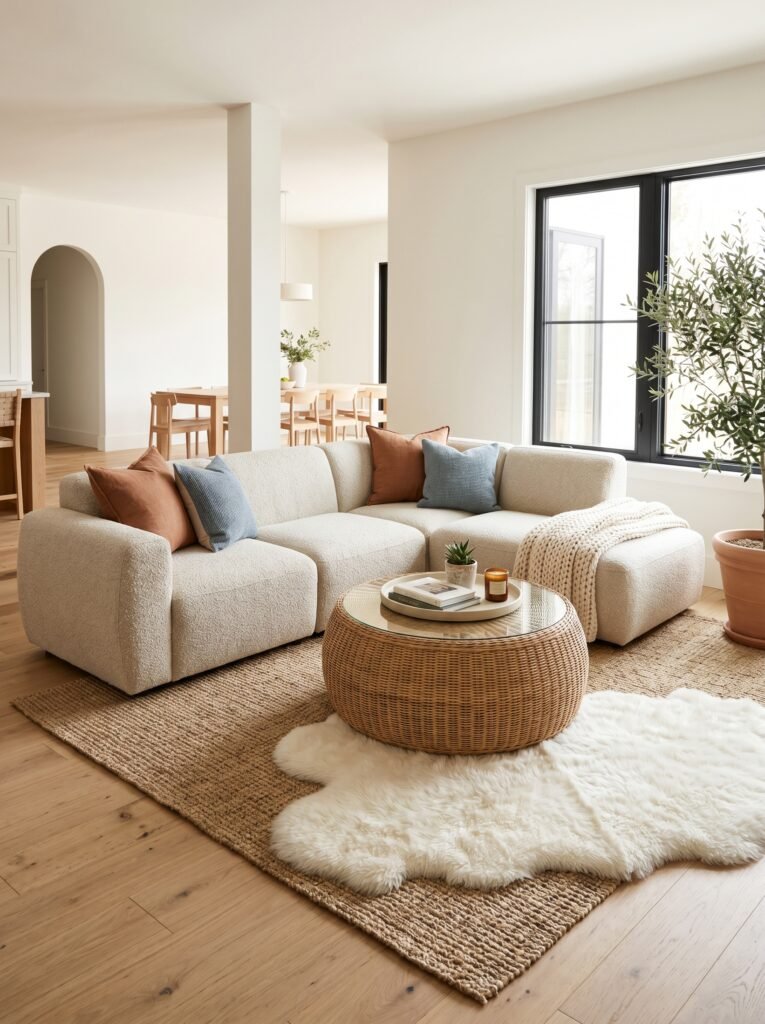
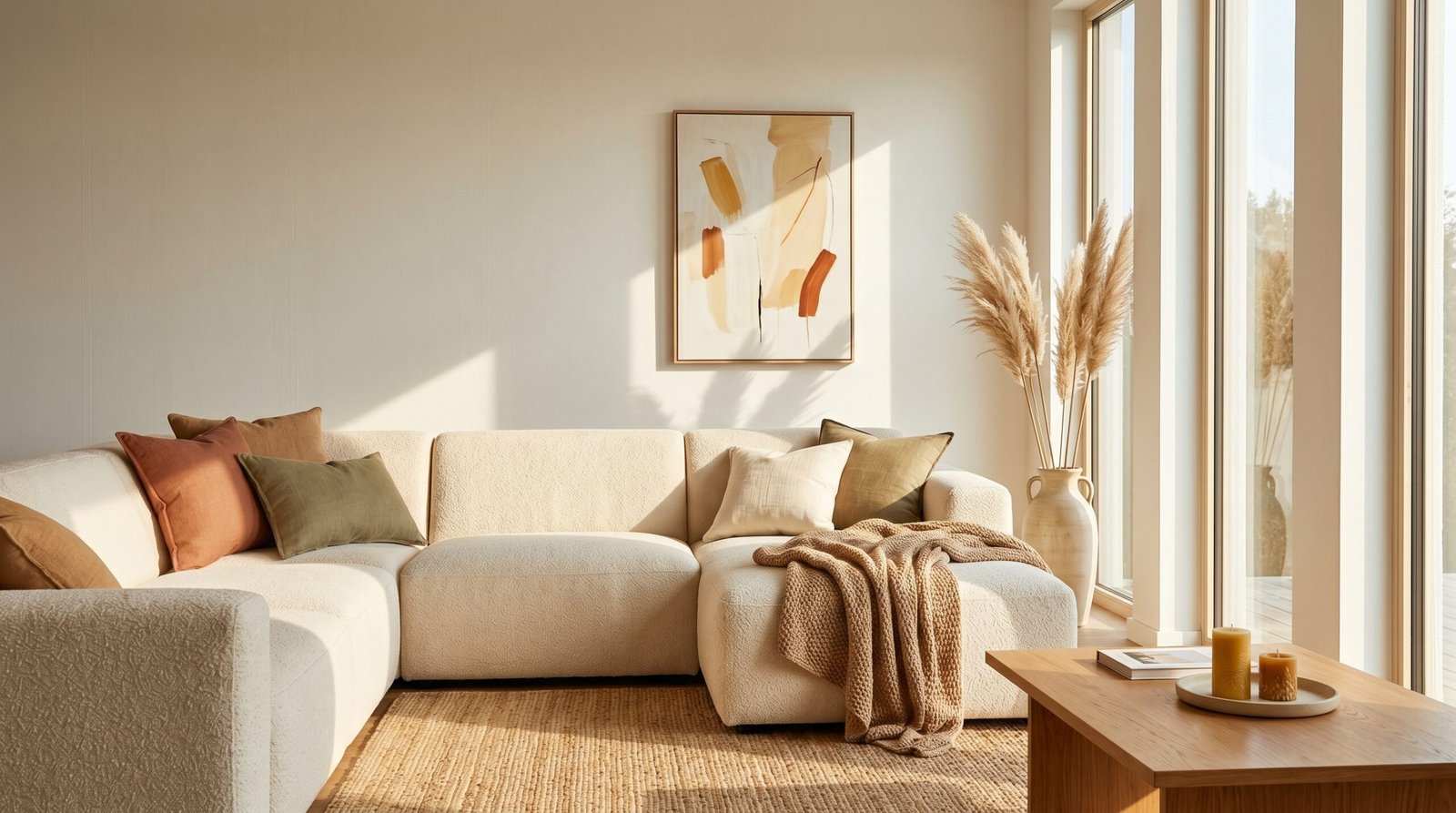
The sectional sofa has had a well-deserved cultural moment, and it’s not going anywhere. There’s a reason so many people gravitate toward sectionals when they finally get their own space — they’re generous, they’re enveloping, and they say everyone is welcome here the moment a guest walks through the door.
Modern sectionals have shed the boxy, formal look of earlier decades. Today’s versions come in low-profile designs with deep cushions, rounded corners, and modular configurations that let you rearrange as your life changes. A curved sectional in particular creates an almost theatrical sense of intimacy — the shape naturally draws people inward, toward each other.
If you have an open floor plan, a sectional is also one of the most effective ways to define your living area without using walls or room dividers. Place it thoughtfully, and it creates a visual “room within a room” that feels both open and anchored.
3. The Timeless Chesterfield: For Rooms That Have a Story to Tell
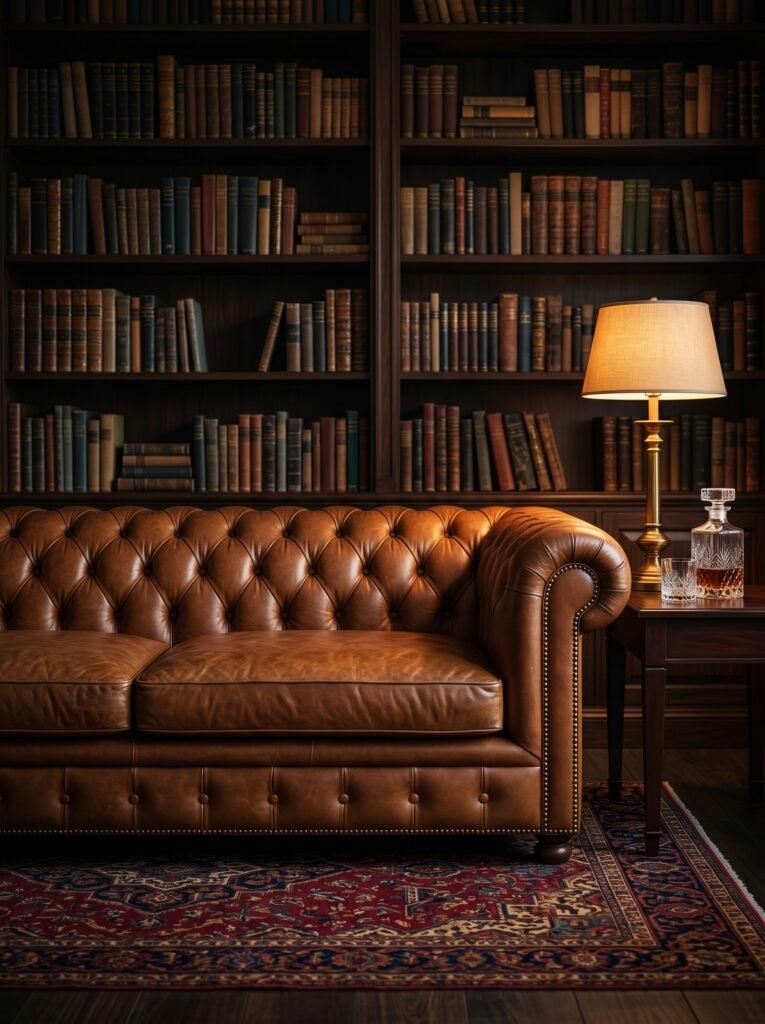
Imagine a dark autumn evening, the lamps turned low, a good book in your hands, and a deep-buttoned Chesterfield sofa beneath you — its rolled arms and tufted back speaking quietly of tradition and craft. That image isn’t just nostalgia; it’s a design language that still resonates profoundly.
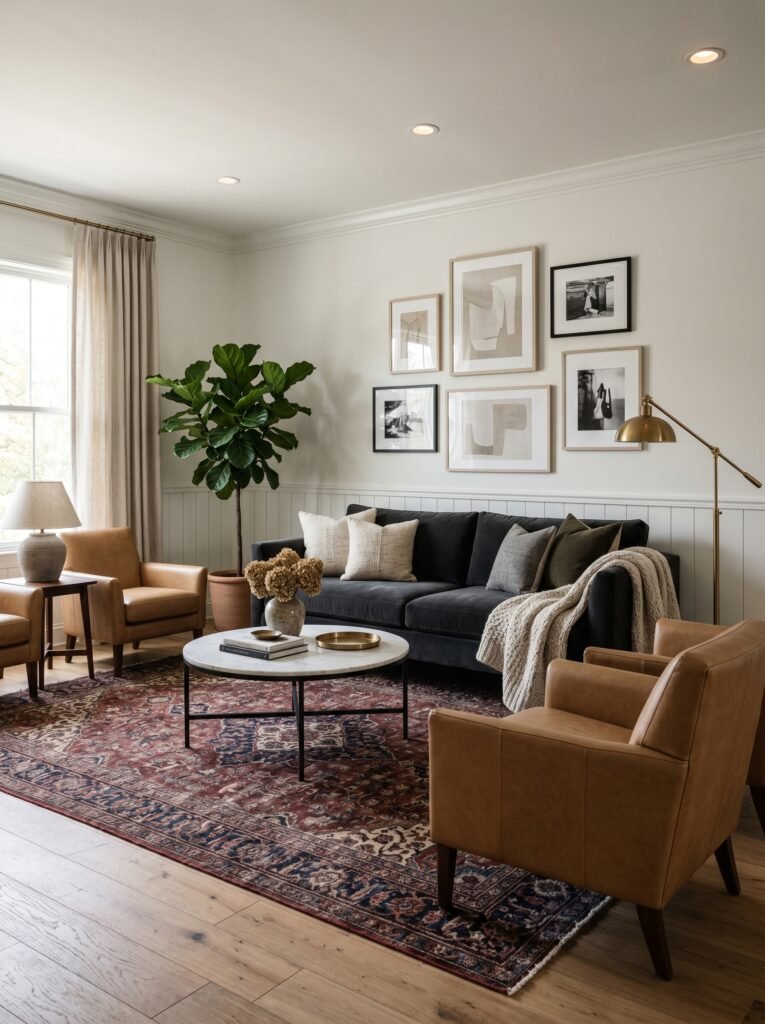
The Chesterfield silhouette, with its signature deep button tufting and equally rolled arms and back, is one of those rare furniture designs that transcends trend cycles entirely. Originally crafted in leather and associated with gentleman’s clubs and old libraries, the Chesterfield has been beautifully reinterpreted in velvet, linen, and even textured bouclé for contemporary spaces.
What makes this couch idea so Pinterest-worthy is the contrast it creates. A Chesterfield in a bright, minimalist white room creates a beautiful tension between old and new. In a moody, dark-walled library-style living room, it becomes the crowning jewel. Either way, it tells a story.
4. Minimalist Sofa Designs for People Who Want Space to Breathe
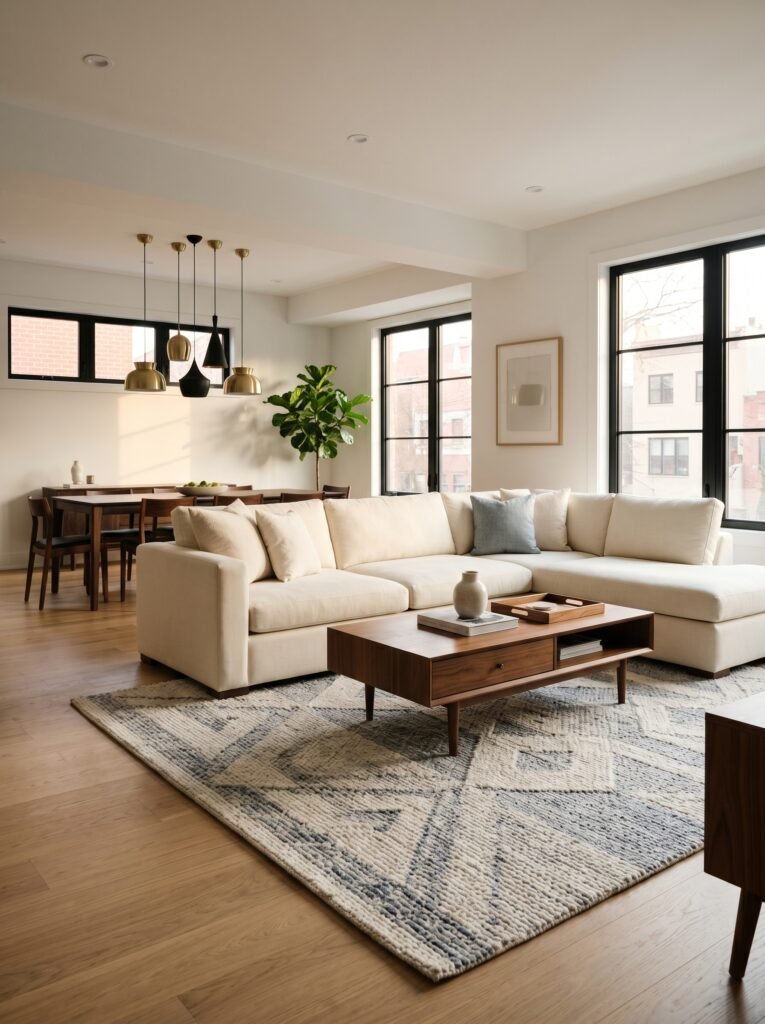
Not every room wants drama. Some of the most beautiful living rooms are the ones that feel quiet, clean, and uncluttered — spaces where your eye can rest and your mind can follow. For those rooms, a sleek minimalist sofa is the answer.
Low-profile sofas with straight lines, solid-colored upholstery, and simple wooden or metal legs create a sense of space that’s almost meditative. They don’t demand attention — they allow attention. The room breathes differently around them.
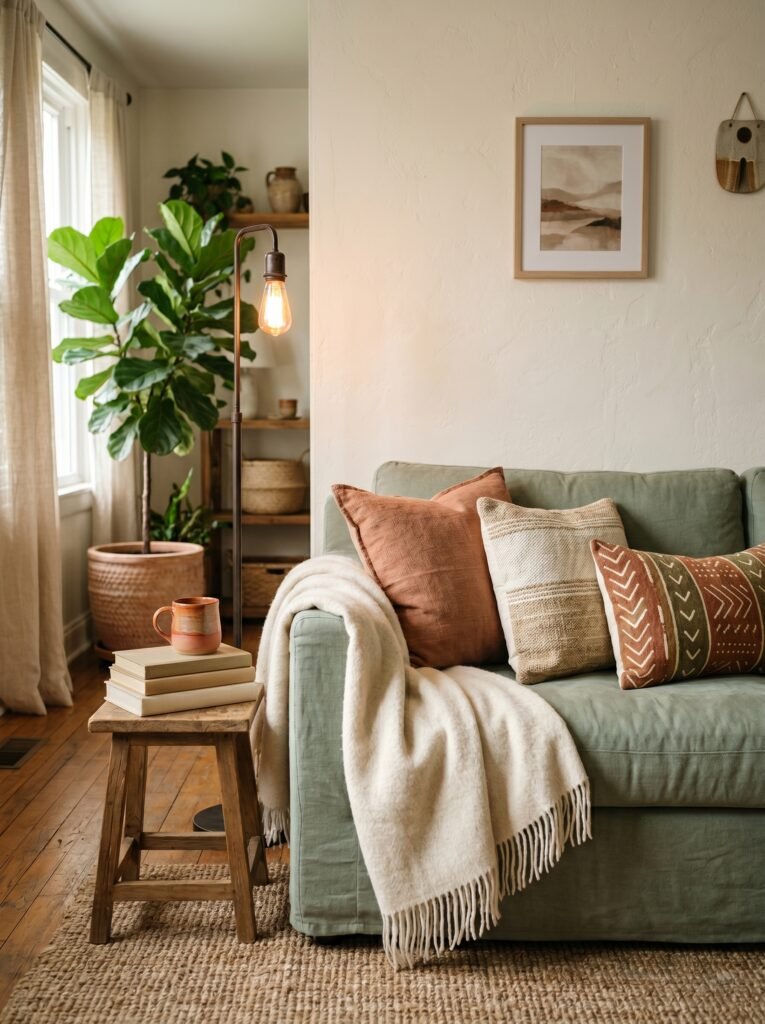
Neutral tones work beautifully here: warm greiges, soft oatmeals, cool whites. But don’t be afraid of a single bold color in a minimalist silhouette — a deep forest green or dusty terracotta sofa with clean lines is one of the most impactful (and saveable) living room couch ideas on Pinterest right now. The shape says restraint; the color says personality.
5. Loveseat Arrangements That Make Small Living Rooms Feel Larger
There’s a quiet magic to a well-arranged small living room. When done right, it feels cozy rather than cramped, intentional rather than compromised. The key is often in choosing the right sofa format — and for smaller spaces, that frequently means a loveseat, or a combination of two loveseats rather than one large sofa.
Two identical loveseats facing each other across a coffee table creates a symmetrical arrangement that feels both elegant and conversational. It opens the center of the room, making the floor space feel larger, while still giving everyone a comfortable seat. Add a small armchair at one end to complete the arrangement, and you have a living room that feels designed, not default.
Loveseats in bold colors or interesting fabrics — think deep navy velvet, patterned boucle, or rich emerald — do double duty in small spaces. They become statement pieces without overwhelming the room, and they photograph beautifully for Pinterest boards and design blogs alike.
“Small doesn’t mean less — sometimes it means more intentional, more personal, more beautiful.”
6. The Curved Sofa Trend That Pinterest Can’t Stop Saving
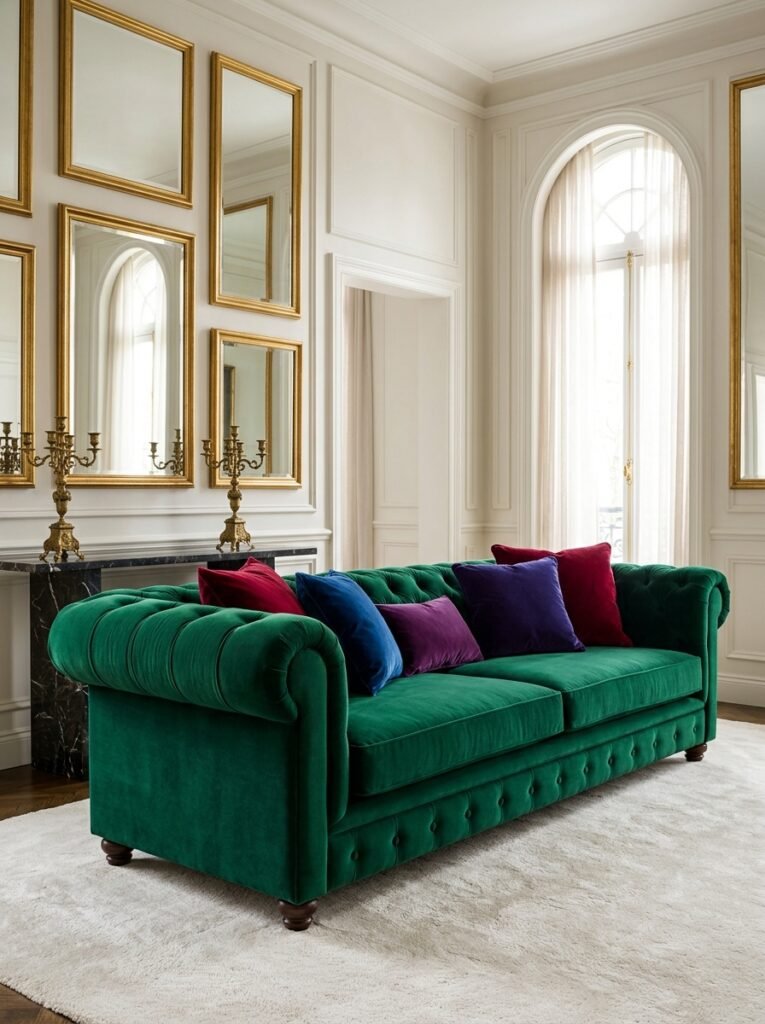
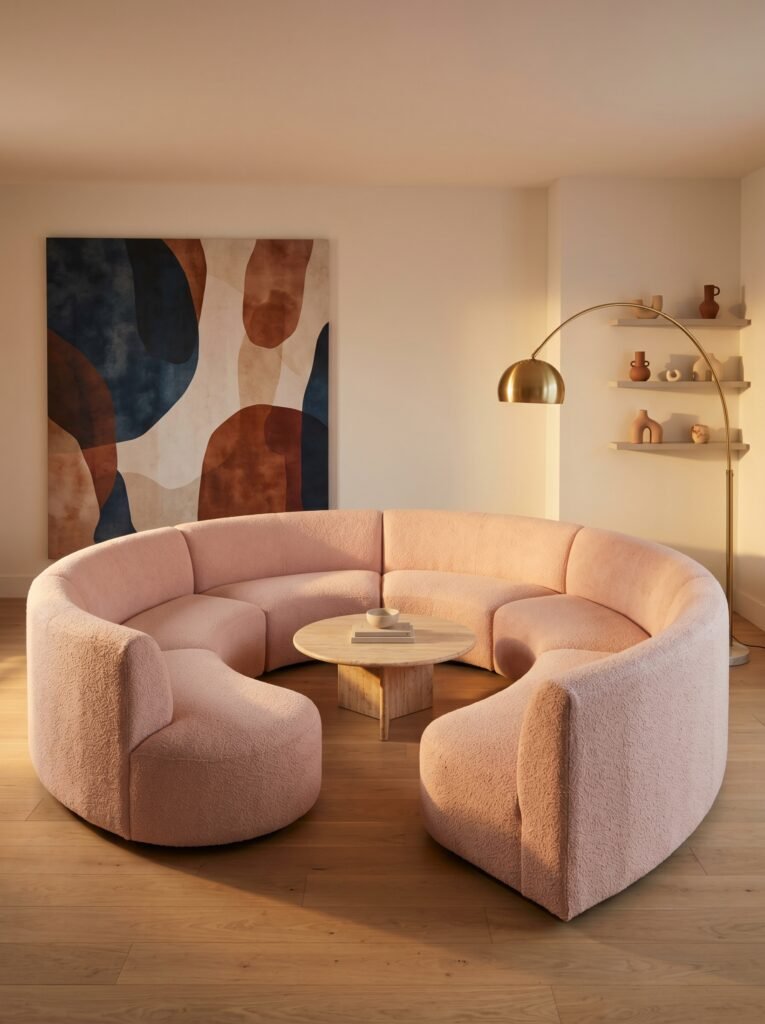
If you’ve been scrolling Pinterest lately — and since you’re here, you almost certainly have — you’ve noticed the curved sofa everywhere. And there’s a good reason it keeps getting saved and shared: it’s genuinely beautiful in a way that feels both timely and somehow eternal.
Curved sofas, whether they curve gently from end to end or form a sweeping arc, create a sense of softness in a room that straight-lined furniture simply can’t achieve. They interrupt the angular geometry of most rooms — the square windows, the rectangular rugs, the boxy TV units — with something organic and human.
In a neutral palette, a curved ivory or cream sofa becomes an almost sculptural element in the room. In a bolder color — rust, forest green, cobalt — the curve amplifies the drama beautifully. If you’re looking for a living room couch idea that will genuinely stop the scroll, this is it.
7. Sofa Color Psychology: Choosing the Shade That Changes Your Mood
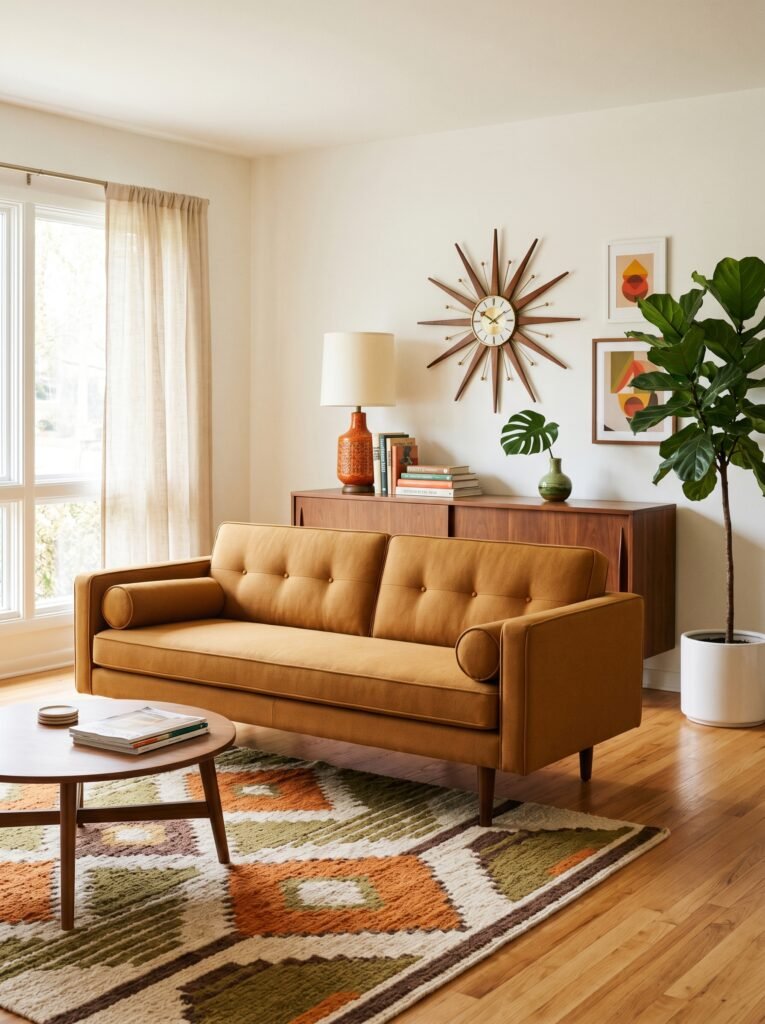
Color is never just about aesthetics. Every shade you bring into your living room sends a message to your nervous system, and your sofa — as the largest upholstered surface in the room — has the greatest influence on how the space feels to be in.
Warm tones like terracotta, rust, caramel, and ochre make a room feel energized and grounded simultaneously. They’re earthy and human, referencing the natural world in a way that feels instinctively comfortable. Cool tones — slate blues, sage greens, soft lavenders — have a calming, almost meditative effect. They’re the shades of rooms you walk into and immediately exhale in.
Neutrals are perennial for good reason: they allow everything around them to breathe, they’re endlessly flexible, and they age gracefully both physically and stylistically. But don’t let “neutral” mean “boring.” A sofa in warm linen, oyster white, or warm stone is a neutral that still has character.
8. Fabric Choices That Will Make or Break Your Sofa Decision
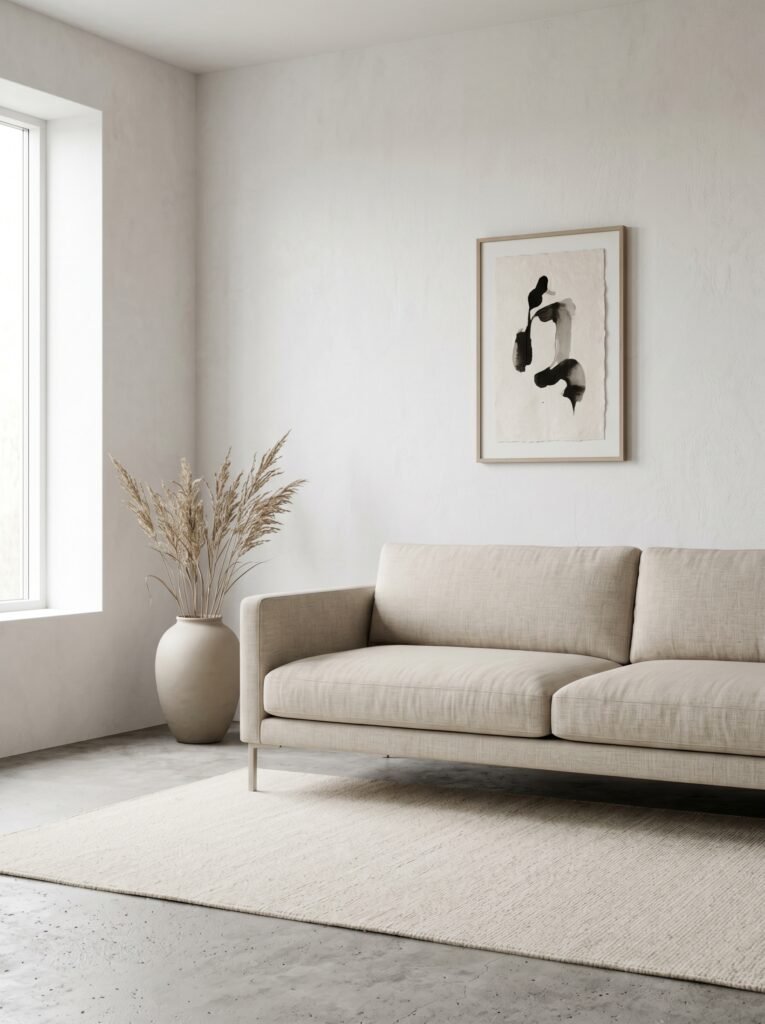
You can fall in love with a sofa shape and color in a showroom or on a screen, and then discover that the fabric it’s upholstered in makes it impractical or uncomfortable in real life. Fabric is not a detail — it’s a deal-breaker or a deal-maker.
Velvet is having a sustained moment in interior design, and rightfully so. It’s luxurious, it photographs beautifully, and — contrary to what many people assume — it’s relatively durable. It does show pet hair easily, which is worth considering. Linen and linen-cotton blends are beloved for their relaxed, textural quality; they feel unpretentious and natural, though they wrinkle and can stain without appropriate treatment.
Bouclé — the loopy, textured fabric that exploded in popularity thanks in part to Japandi and Scandinavian design influence — is warm, interesting, and incredibly inviting to touch. Leather, both genuine and high-quality vegan alternatives, remains a classic for its durability and the way it improves with age, developing a patina that tells the story of all the years lived alongside it.
9. How to Style a Sofa With Throw Pillows Without Going Overboard
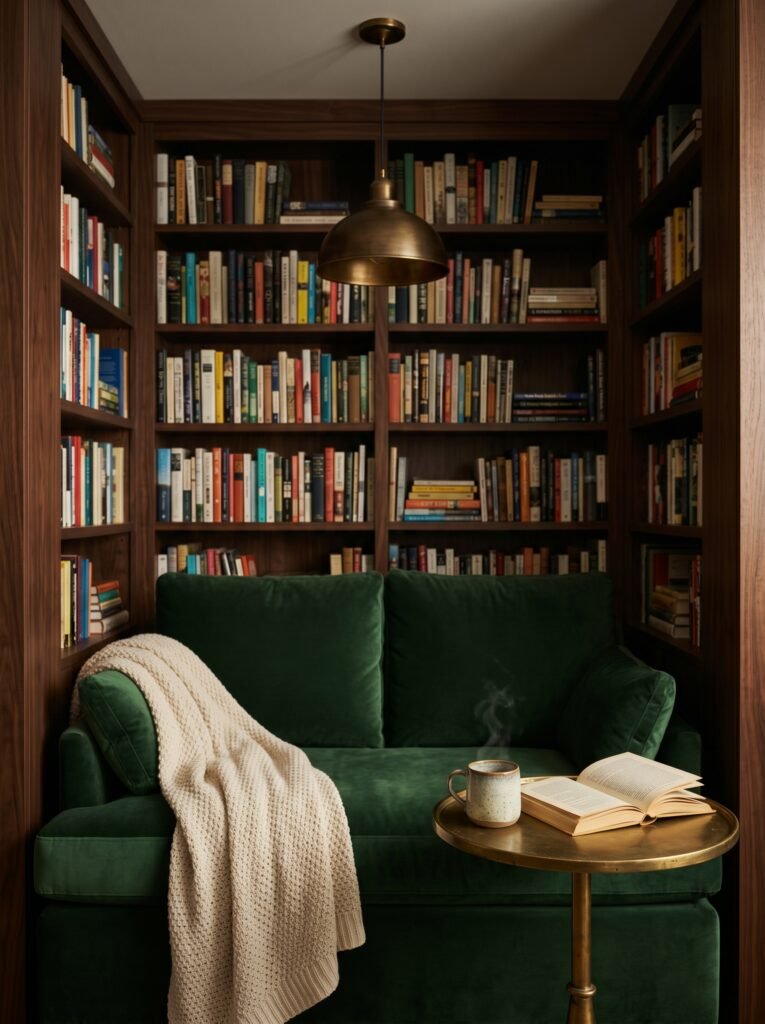
The throw pillow conversation is one of the most relatable in all of home decorating. Too few and the sofa looks bare. Too many and you spend ten minutes removing pillows just to sit down. The sweet spot exists, and it’s more specific than you might think.
A good rule of thumb: two to four pillows for a standard three-seater sofa, arranged asymmetrically. Symmetry in throw pillow arrangements tends to look more formal and a little stiff; a slightly uneven arrangement reads as relaxed and intentional at the same time.
Vary the sizes — one larger square pillow, one medium, one lumbar — and keep to a cohesive but not perfectly matched palette. Two patterns and one solid, or two solids and one subtle texture, create the kind of layered-yet-effortless look that gets pinned thousands of times. And always, always use inserts that are one size larger than the pillow cover for that plump, full, luxury-hotel look.
“The pillow arrangement that looks effortless took the most thought of all.”
10. Living Room Layouts That Actually Work Around Your Couch
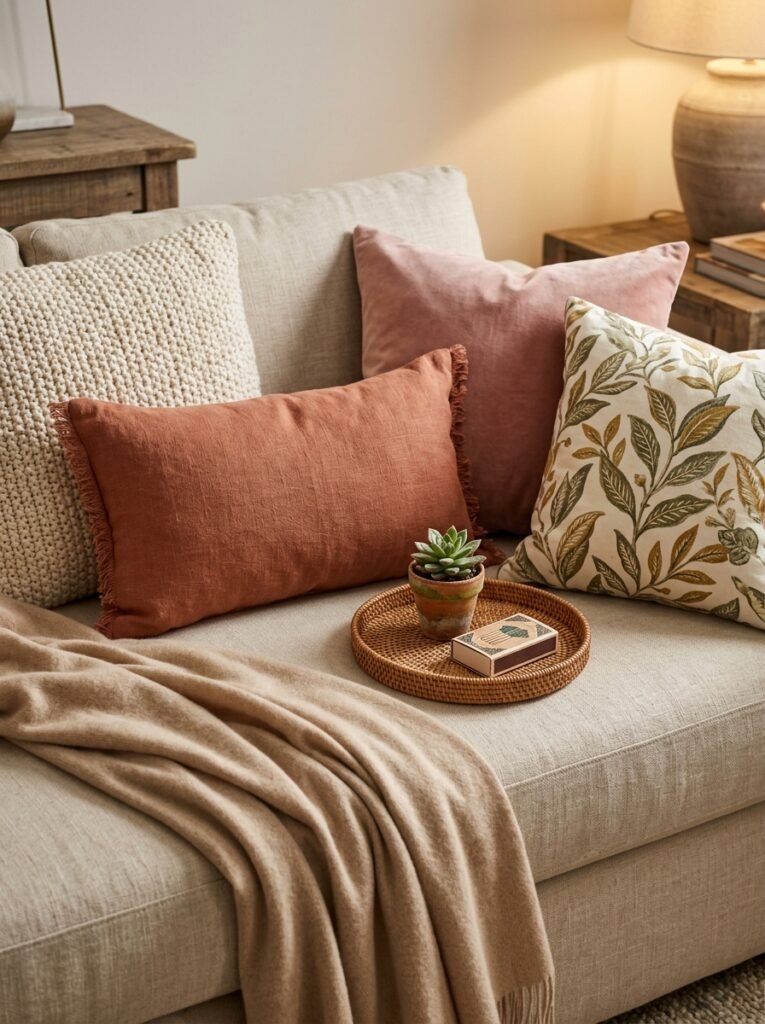
The couch doesn’t fit the room — the room is arranged around the couch. That shift in thinking unlocks so much. Once you accept that your sofa is the starting point for your floor plan rather than just one item among many, the whole layout process becomes clearer.
Float the couch away from the wall. This is one of the most consistent pieces of advice interior designers give, and one of the most consistently ignored. A sofa pushed flat against the wall tends to make a room feel like a waiting room. Pulling it even twelve to eighteen inches forward creates depth, visual interest, and a sense that the room was designed rather than merely furnished.
Create a conversation zone by ensuring that seating is close enough for easy talking — ideally no more than eight feet between seats. A coffee table at a comfortable reaching distance, a rug that anchors the entire seating arrangement, and a light source that illuminates the zone rather than just the ceiling are the three elements that transform a collection of furniture into an actual room.
11. Budget-Friendly Couch Ideas That Look Anything But Cheap
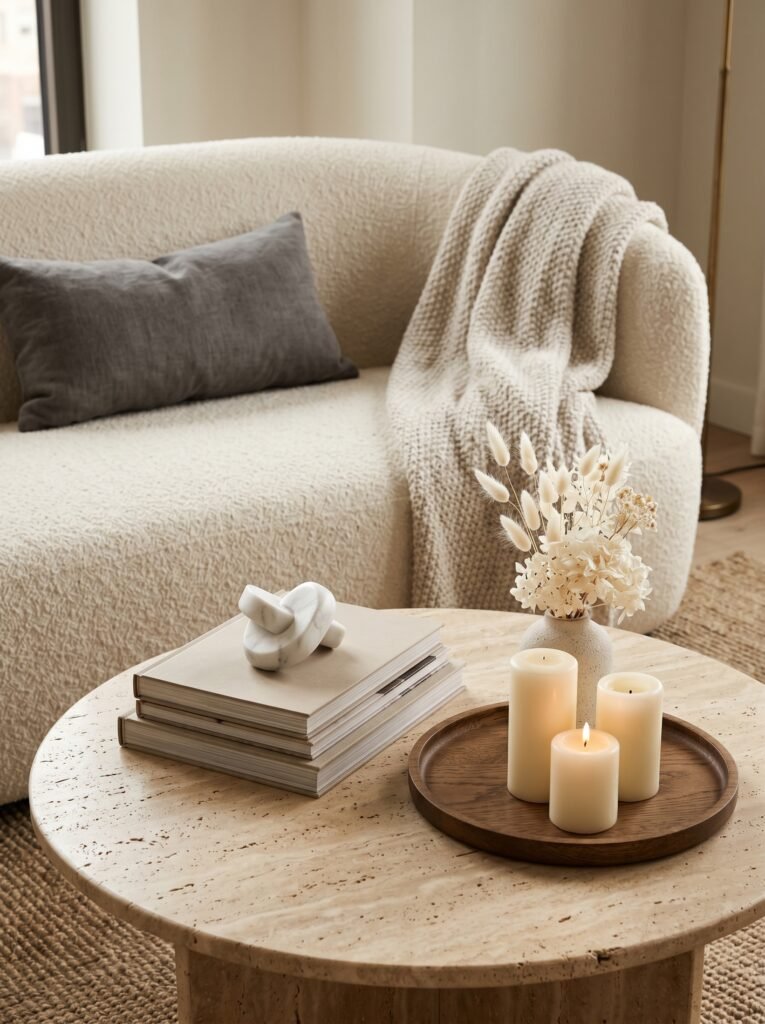
Here’s something the interior design world is sometimes reluctant to say out loud: a beautiful sofa doesn’t have to cost a fortune. The visual impact of a sofa comes far more from its shape, color, and the way it’s styled than from its price tag.
Some of the most consistently praised and pinned living room looks use mid-range sofas styled thoughtfully — with a quality rug underneath, beautiful throw pillows, a genuine wood coffee table, and good lighting. The investment in those surrounding elements often does more for the overall look than spending double on the sofa itself.
Secondhand and vintage sofas are another deeply rewarding avenue. A solid-framed vintage sofa reupholstered in a beautiful new fabric is not only more sustainable — it’s often more characterful than anything available new at the same price point. It has history. It has presence. And the process of choosing the fabric and watching the transformation is one of the most satisfying experiences in home decorating.
12. The Couch That Grows With You: Choosing for the Long Term
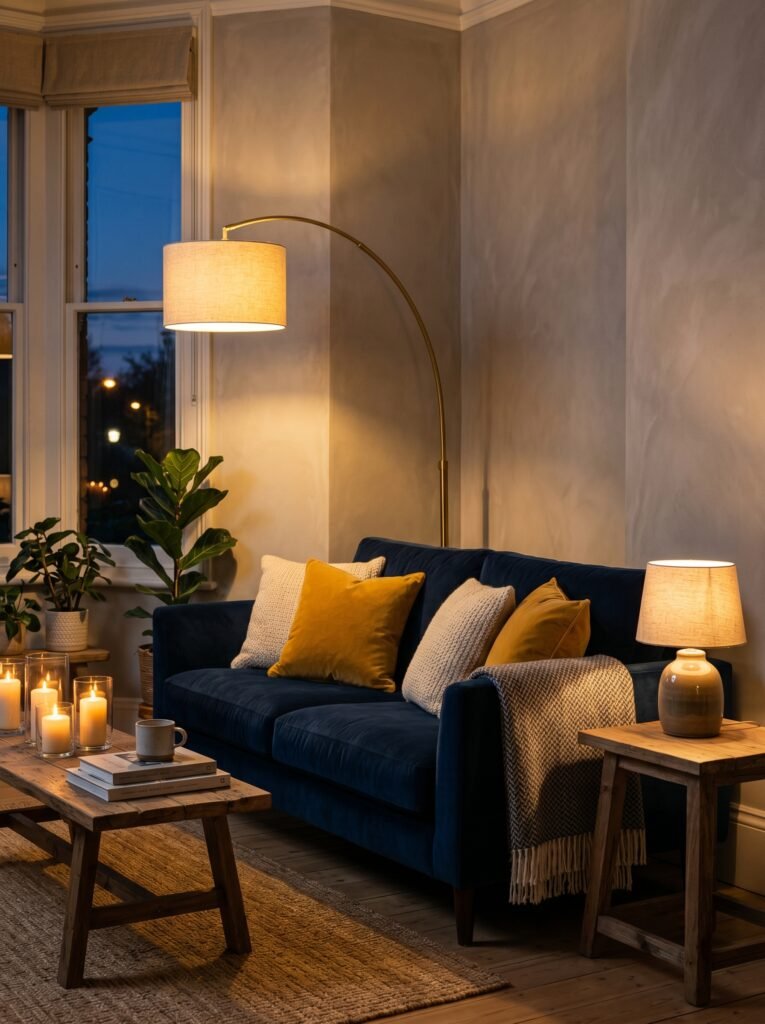
Living room couch ideas tend to focus on what’s trending now, and trends are genuinely useful as a starting point. But the most meaningful sofa decisions are the ones made with longevity in mind — not just stylistic longevity, but the kind that thinks about how your life might change over the next ten years.
Consider the frame construction first — solid hardwood frames with corner blocks are far more durable than particleboard or softwood. Check the cushion filling: high-resilience foam wrapped in down or fiber gives that plush, inviting look while bouncing back reliably over years of use. Look at the cushion covers — removable and washable covers are not just convenient, they’re essential for real-life longevity.
Think about how your life is evolving. Are children or pets likely to be part of the picture? Performance fabrics — designed to resist stains and spills — have come a long way, and many now have the texture and depth of natural fibers. Will you move in the coming years? A modular sofa adapts to new floor plans far more gracefully than a fixed large-format piece. The sofa that grows with you gracefully is always the most beautiful one in the end.
—
🌿 How to Take Care of Your Living Room Couch
Caring for your sofa doesn’t require elaborate routines — just a handful of consistent, simple habits that protect your investment and keep the piece looking its best for years.
Rotate and flip your cushions regularly, ideally every two to four weeks. This distributes wear evenly and prevents one section from compressing or fading more quickly than others. It’s a small habit with a disproportionately large impact on longevity.
Vacuum the sofa weekly using the upholstery attachment, paying attention to the crevices where crumbs and dust accumulate. For fabric sofas, a fabric refresher spray (diluted properly for the specific material) keeps things smelling fresh without a full clean.
Address spills immediately — always blot, never rub. Rubbing pushes the liquid deeper into the fibers and spreads the stain. A clean, dry cloth pressed firmly to the spill absorbs far more effectively and prevents permanent marking.
Keep your sofa out of direct sunlight where possible, or use window treatments to filter UV rays. Sunlight fades upholstery faster than almost any other factor, and even a sheer curtain makes a significant difference over time. Finally, follow the specific cleaning code on your sofa’s tag — W, S, WS, or X — and never use a cleaning method the code doesn’t recommend.
—
❓ FAQ
Q: What size sofa should I choose for a small living room? A: For a small living room, measure your floor space carefully before buying — as a rule, your sofa should leave at least 18 inches of walkway on each accessible side. A loveseat (around 52-72 inches wide) or a compact two-seater sofa is often the ideal choice, as it provides ample seating without overwhelming the room. Choosing a sofa with exposed legs and a low profile also helps the space feel more open and airy.
Q: What is the most durable sofa fabric for families with kids and pets? A: Performance fabrics — particularly those labeled “performance velvet,” “performance linen,” or microfiber — are currently the most durable and practical choices for high-traffic family sofas. They’re engineered to resist stains, moisture, and fading while still feeling soft and looking beautiful. Leather (genuine or high-quality vegan) is also an excellent durable option, as spills wipe away easily and the material becomes more characterful with use.
Q: How do I make my sofa look more expensive without buying a new one? A: Start with the cushions — replacing flat, tired inserts with high-quality down-wrapped foam inserts instantly restores the sofa’s shape and visual appeal. Add a thoughtfully chosen set of throw pillows in quality fabrics like velvet or linen. Place a beautiful area rug that extends beyond the sofa’s footprint, and add a throw blanket draped casually over one arm. Good lighting nearby — a floor lamp or table lamp — pulls the entire vignette together and elevates how the sofa is perceived in the room.
—
💭 Final Thought
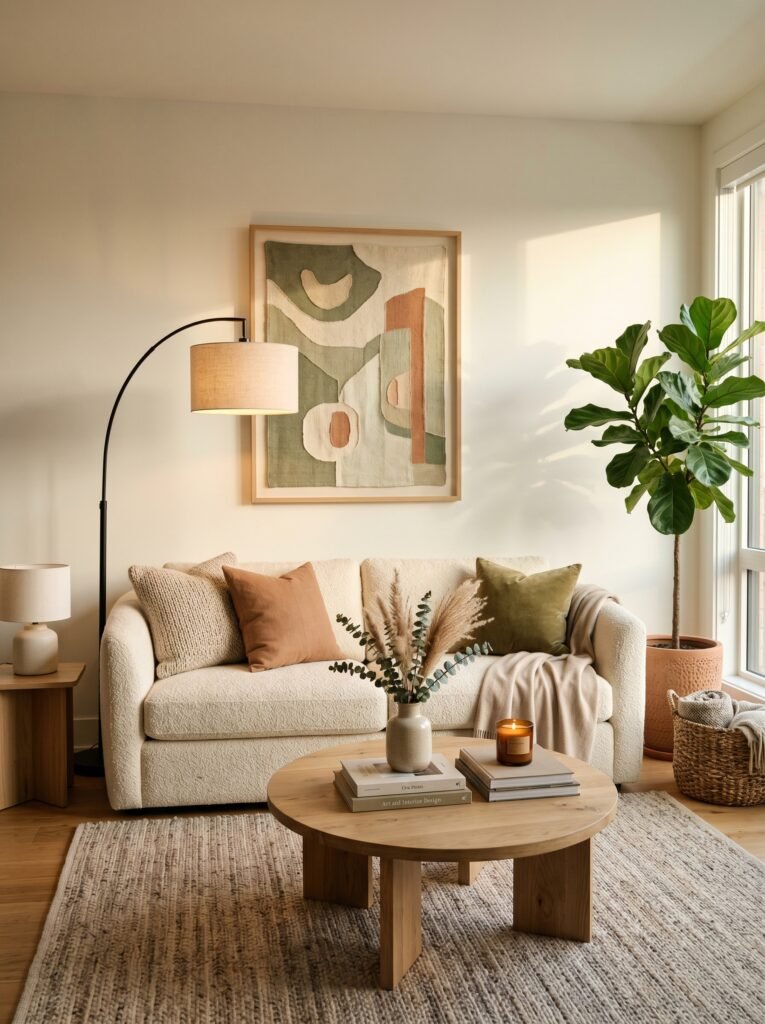
A living room couch is so much more than a place to sit. It’s where families gather, where friendships deepen, where you recover from hard days and celebrate good ones. The right couch — in the right shape, the right color, the right fabric, arranged with thought and care — doesn’t just improve your living room. It improves how you feel in your home, every single day.
So as you explore these living room couch ideas, here’s the question worth sitting with: What feeling do you most want your living room to give you — and does your sofa invite that feeling in?