Small Space, Big Soul: Apartment Living Room Inspiration That Will Make You Fall in Love With Your Home Again
There’s a particular kind of magic that happens when you walk into a small apartment living room that feels completely, unmistakably alive — where every corner whispers warmth, every pillow looks like it belongs, and the whole space somehow feels bigger than the square footage suggests. If you’ve been scrolling Pinterest at midnight wondering how to make your rental feel like a real home, this one is written just for you.
—
1. Why Your Apartment Living Room Deserves More Than “Making Do”
Let’s be honest for a second. A lot of us move into our apartments telling ourselves it’s temporary — that we’ll invest in the real home someday. So we hang nothing on the walls, buy furniture that barely functions, and live in a space that never quite feels like ours.
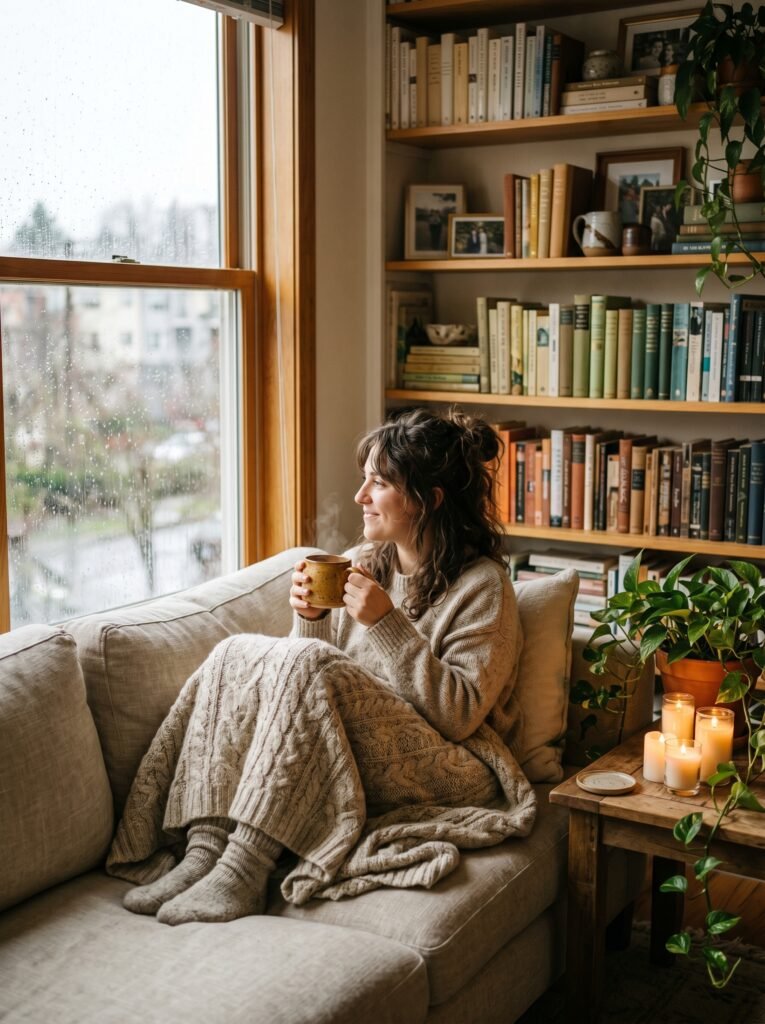
But here’s the thing: your apartment living room is where you decompress after long weeks, where you curl up with tea on rainy Sundays, where friends gather and laughter echoes into the evening. That space deserves intention. It deserves to be beautiful — not someday, but right now, exactly as it is.
The most inspiring apartment living rooms on Pinterest aren’t the ones with the biggest budgets. They’re the ones where someone clearly decided to care deeply about their space. That decision changes everything.
“The most beautiful rooms aren’t the most expensive — they’re the ones where someone stopped settling and started choosing.”
2. The First Step Nobody Talks About: Defining Your Feeling, Not Your Style
Before you buy a single throw pillow or browse one more mood board, ask yourself this: how do you want to feel when you walk into your living room?
Not what style you want — bohemian, modern, Scandinavian, cottagecore. Not what color palette. Not what furniture arrangement. The feeling comes first. Everything else follows.
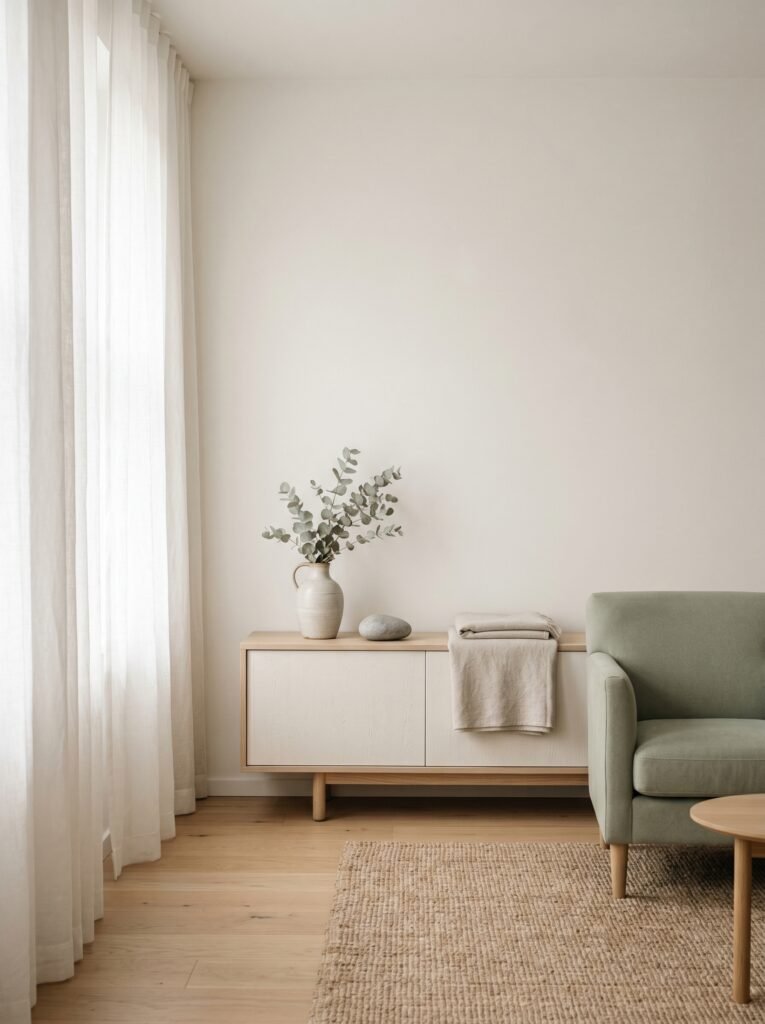
Do you want to feel calm and restored? Then your design decisions will lean toward soft neutrals, natural textures, uncluttered surfaces, and gentle lighting. Do you want to feel energized and creative? Then maybe you’ll welcome a bolder accent wall, eclectic art, and layers of pattern and color that spark something in your chest.
This question is the compass that keeps you from making impulse purchases that look beautiful in someone else’s home but feel oddly foreign in yours. Pinterest is extraordinary for inspiration, but the best version of your living room has to be rooted in you — your rhythms, your history, your instincts.
3. The Sofa Is Everything — Choose It Like It Matters
If your living room were a solar system, the sofa would be the sun. Every other design decision orbits around it. And yet so many people choose their sofa last, or choose it purely based on price, and then wonder why the room never quite comes together.
In a small apartment, the sofa does double duty — it defines the entire visual weight of the space. A sofa that’s too large will make the room feel trapped and airless. One that’s too small will make the space feel unloved and temporary. The right sofa makes the room breathe.
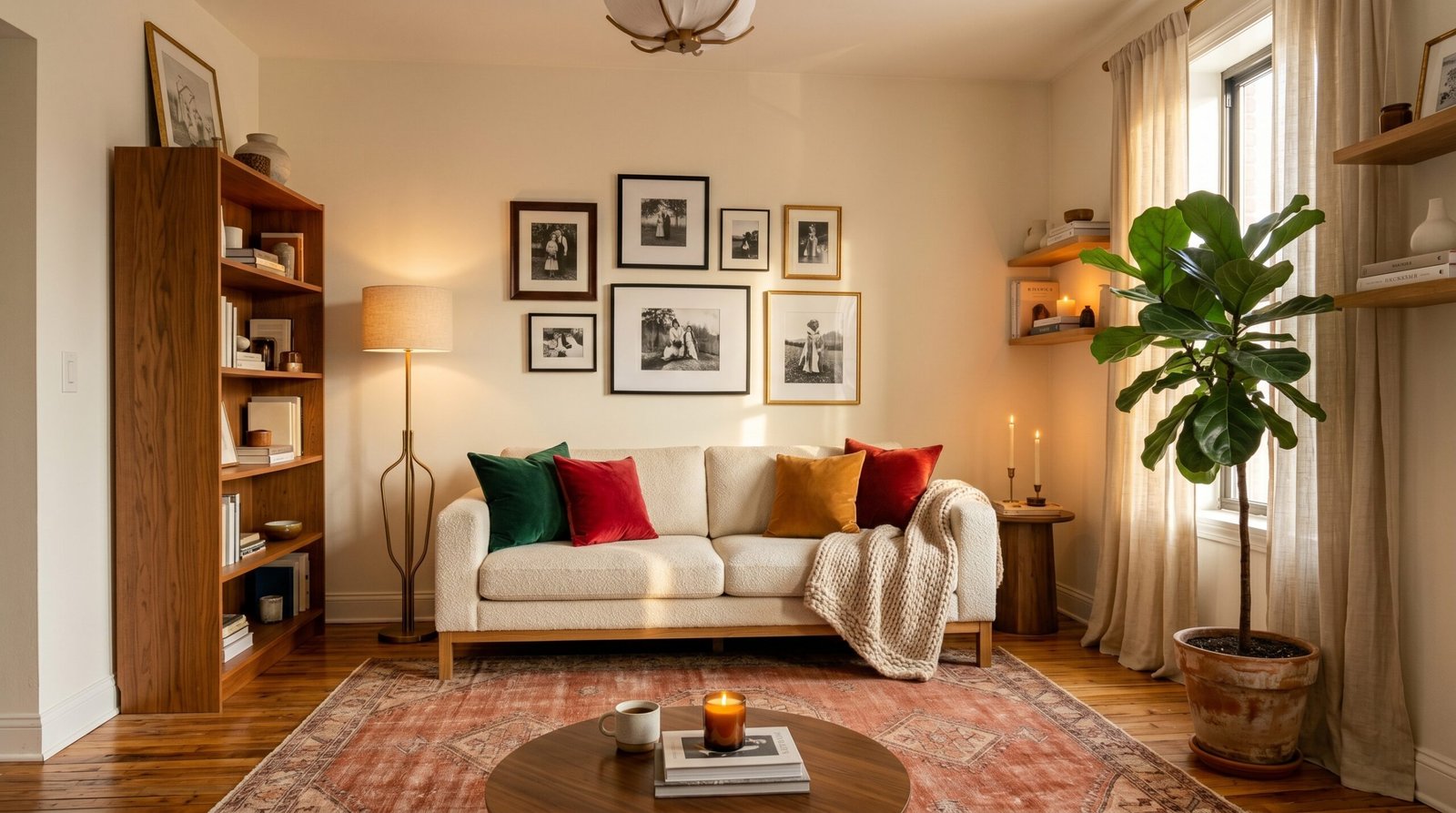
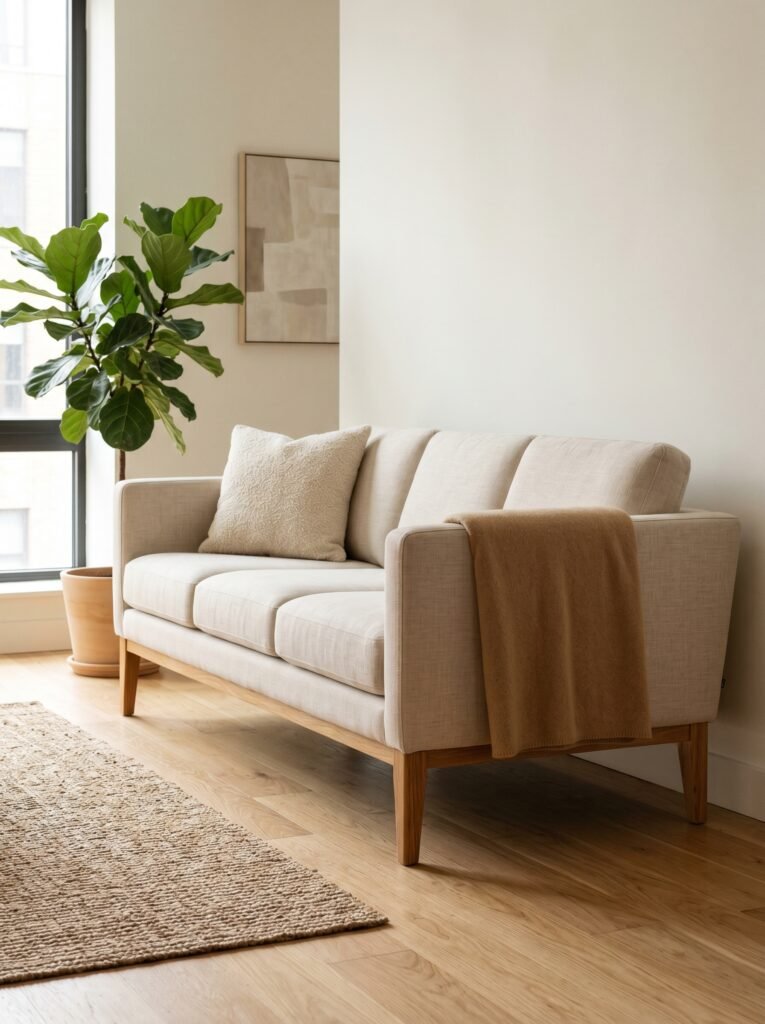
For apartment living, consider a sofa with exposed legs — it lifts the piece visually and lets light travel underneath, which creates a subtle but powerful sense of openness. Light-colored upholstery in linen or bouclé fabric feels airy without feeling cold. If you prefer a darker sofa, compensate with lighter walls and plenty of natural light.
One underrated tip: measure your sofa against your wall before buying, not just against your floor plan. A sofa that leaves a few inches of breathing room on either side tends to feel intentional rather than crammed.
4. The Secret Power of a Living Room Rug (That Most People Get Wrong)
If there’s one piece of advice that interior designers repeat consistently, it’s this: most people buy rugs that are far too small for their space. A small rug in a living room doesn’t create coziness — it creates visual disconnection, making furniture look like it’s floating in an awkward way.
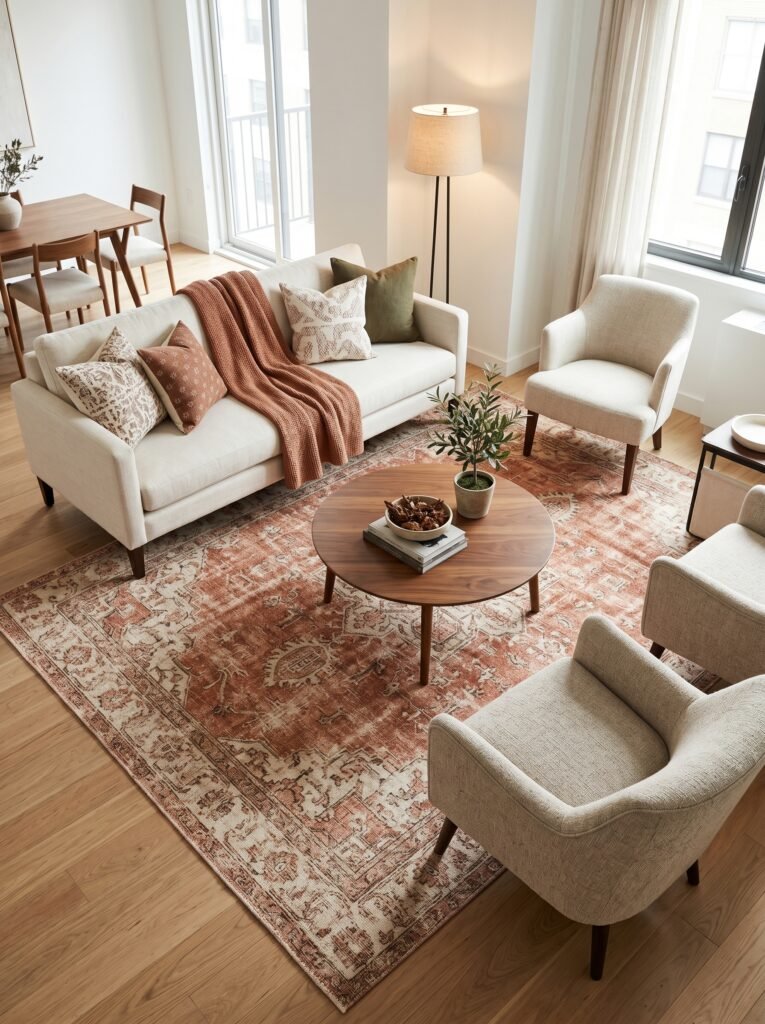
In apartment living rooms, a well-sized rug is one of the most transformative investments you can make. Ideally, all four legs of your sofa should sit on the rug, or at minimum, the two front legs. This anchors the seating area, defines the living zone within an open floor plan, and creates that pulled-together feeling that makes Pinterest living rooms look like they were styled by a professional.
For renters who can’t paint walls, a rug also becomes your primary tool for introducing color and pattern into the room. A warm terracotta rug in a neutral room creates instant warmth. A faded vintage-style rug adds history and character to even the most generic white-walled rental.
“A rug doesn’t just cover a floor — it tells the room where it begins and where it belongs.”
5. Lighting: The Single Most Overlooked Element in Small Apartment Decor
Overhead lighting in apartments is almost universally unflattering — too harsh, too flat, too unromantic. And yet most renters simply flip the switch and live under it for years, wondering why the space never feels quite as cozy as the photos they save on Pinterest.
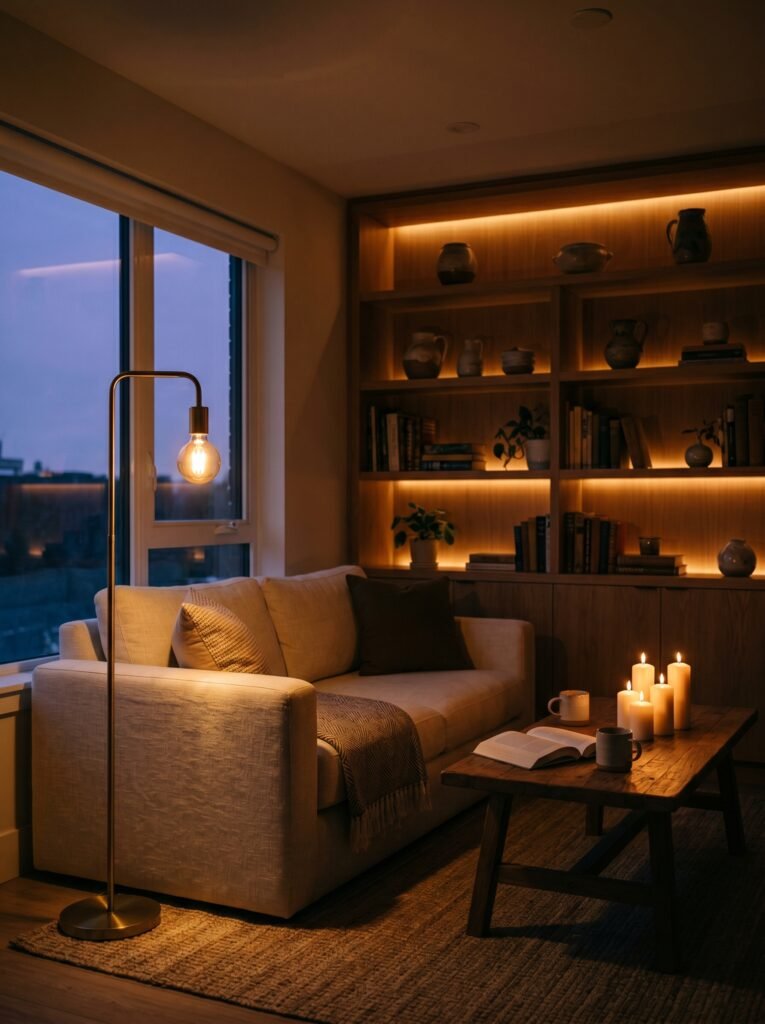
The secret to a living room that glows beautifully in every light is layering. You want at least three sources of light in a living room: ambient (the general overhead light), task (reading lamps, floor lamps), and accent (fairy lights, a candle cluster, a backlit shelf). When all three layers are working together, the room becomes dimensionally warm in a way that single-source lighting simply cannot achieve.
Floor lamps are a renter’s best friend — no installation required, completely moveable, and they draw the eye upward, which creates the illusion of height in rooms with low ceilings. A warm-toned Edison bulb in a sculptural lamp can make a living room feel like a scene from a film you’d want to live inside.
6. Gallery Walls That Actually Work in Small Spaces

Gallery walls are one of the most saved interior ideas on Pinterest, and for good reason — a thoughtfully arranged collection of art transforms a blank wall into something that feels deeply personal and layered with meaning. In apartment living rooms where you can’t make sweeping architectural changes, a gallery wall is one of the highest-impact moves you can make.
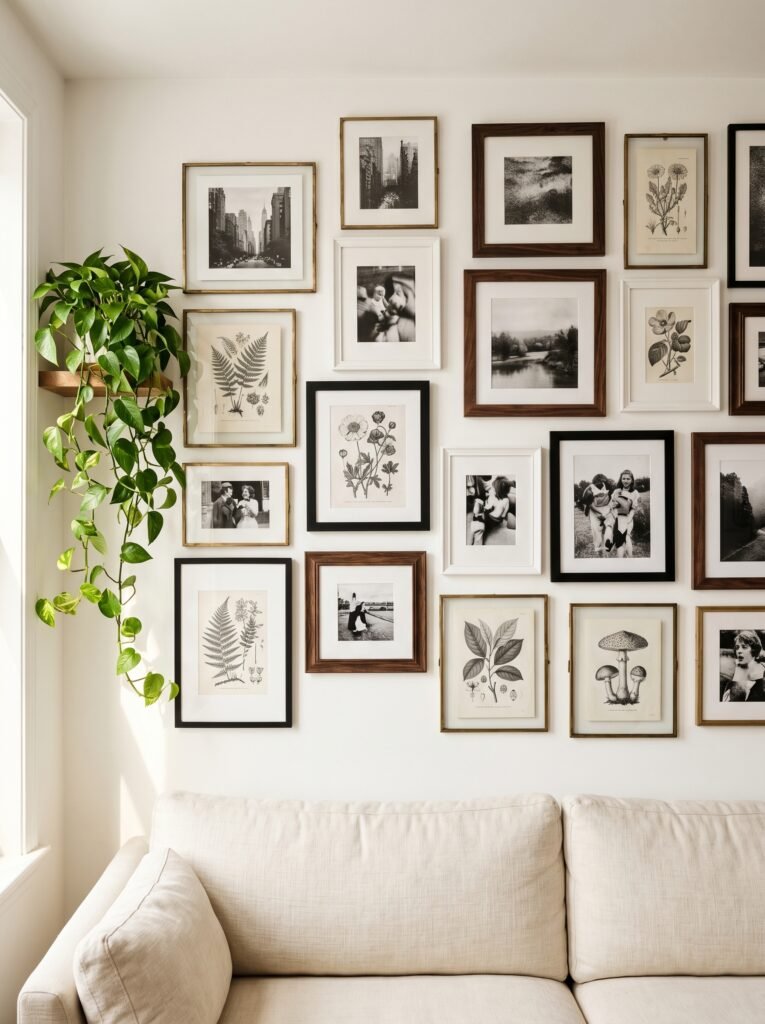
The key to a gallery wall that feels curated rather than chaotic is restraint in variety. Choose a loose theme — black-and-white photography, vintage botanicals, abstract art in a consistent color palette — and let that thread hold the collection together even when the frames are different shapes and sizes.
Before you hammer a single nail, lay your frames out on the floor in the arrangement you’re envisioning. Live with that arrangement for a day. Photograph it. Adjust. Then, when you’re confident, transfer the layout to the wall using paper templates so every hole is purposeful.
7. How Color Psychology Can Completely Shift the Energy of a Rented Room
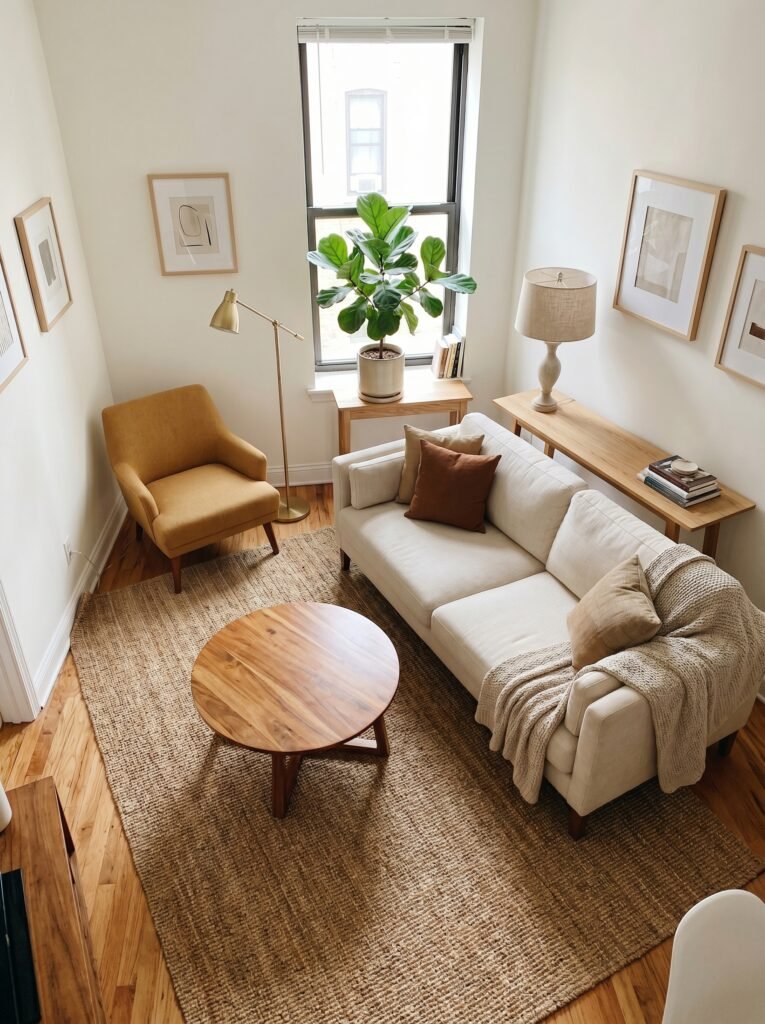
You may not be able to paint your walls, but color still lives everywhere in your apartment living room — in your cushions, your throws, your art, your ceramics, your books, your plants. Understanding how color affects mood means you can use these elements with intention rather than just grabbing whatever looks nice.
Warm tones — terracotta, rust, warm cream, golden yellow — create a sense of welcome and comfort. They make rooms feel inhabited in the best way, like someone who loves good food and long conversations lives there. Cool tones — sage green, dusty blue, soft grey — bring calm and clarity, making them ideal for people who use their living room as a decompression zone.
One of the most effective color strategies for small apartments is the tonal approach: building your room around multiple shades of the same color family. A room in varying depths of warm beige, from cream to camel to chocolate brown, feels sophisticated and spacious in a way that a room with competing accent colors often doesn’t.
8. Furniture Arrangement Tricks That Make Small Rooms Feel Surprisingly Generous
The instinct in a small living room is to push all the furniture against the walls — to “open up” the center of the room. Interior designers consistently argue against this instinct, and the reasoning is compelling: floating furniture slightly away from walls creates a sense of deliberate grouping that makes a room feel larger, not smaller.
Pulling your sofa forward even eight to twelve inches from the wall, and anchoring a console table behind it, creates a layered visual depth that reads as spacious. Creating two distinct zones in an open-plan apartment — a reading corner with a small armchair and floor lamp, separate from the main sofa arrangement — makes the space feel like it has more rooms than it actually does.
Scale is everything in small space furniture. A single large piece of furniture can feel more generous than three small pieces of similar volume. An oversized coffee book stacked on a generous coffee table, one statement floor plant, one commanding piece of art — these choices communicate abundance rather than compromise.
“Furniture pushed to the walls doesn’t open a room — it empties it. Pull everything forward and watch the space come alive.”
9. Plants: The Living Element That Makes Every Room Feel Complete
There is something almost alchemical about introducing living plants into a space. They soften edges, introduce organic movement, bring color that no paint or fabric quite replicates, and — science supports this — they genuinely improve the air quality and mood of a room.
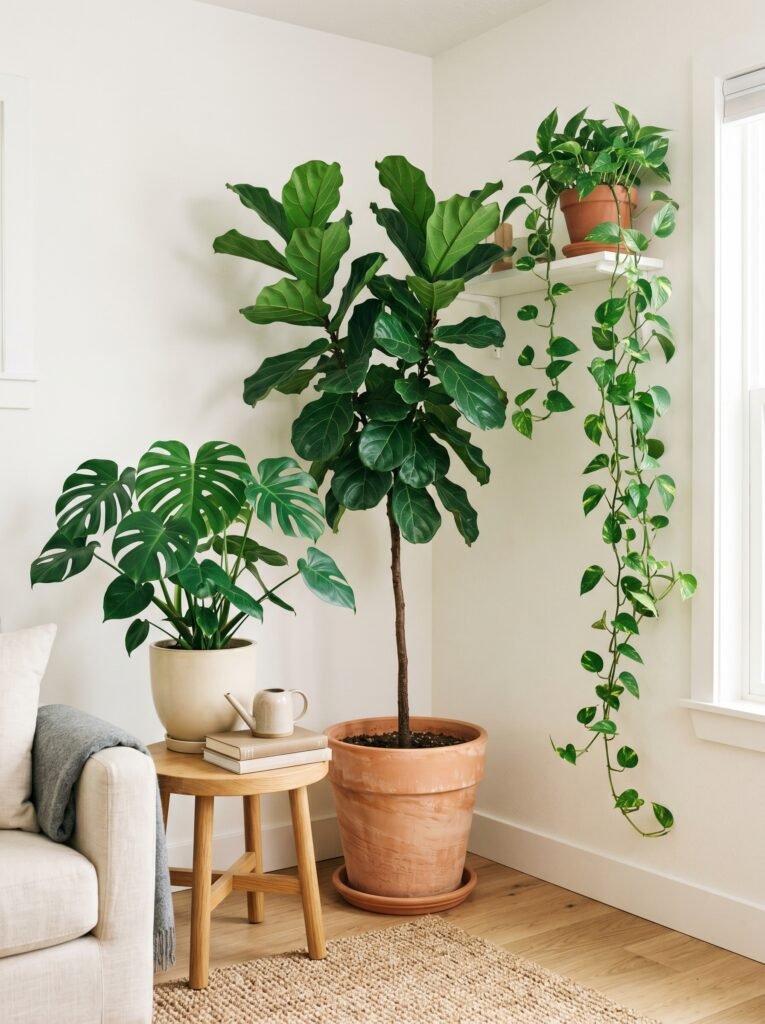
For apartment living rooms with limited natural light, there are excellent options: pothos, snake plants, ZZ plants, and peace lilies all thrive in indirect light and are nearly forgiving to the point of being unkillable. For rooms with bright windows, a fiddle leaf fig or monstera can become a dramatic statement piece that anchors a corner with genuine visual authority.
Don’t underestimate groupings. Three plants of varying heights — a tall floor plant, a medium tabletop plant, a small trailing plant on a shelf — create a layered, lush effect that reads as intentional and abundant. It’s one of the most budget-friendly ways to make an apartment living room look professionally styled.
10. The Power of Textiles: Throwing Layers on a Space Until It Exhales
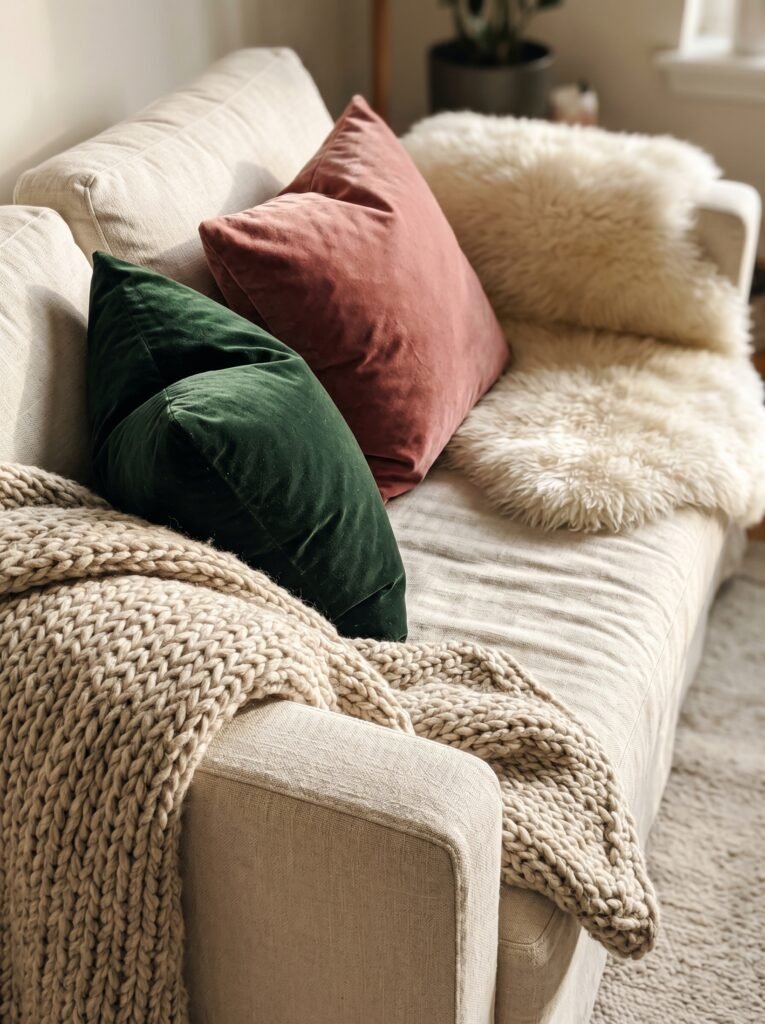
Textiles are warmth made tangible. A living room without them feels like a showroom — technically correct but emotionally empty. A living room with the right layers of textiles feels like an embrace.
In an apartment setting, textiles are especially valuable because they’re completely renter-friendly — no commitments, no damage deposits, total flexibility. A chunky knit throw draped casually over the arm of a sofa. Velvet cushions in deep jewel tones against a light linen sofa. A sheepskin rug layered over your primary rug for texture and warmth. Linen curtains that pool slightly on the floor and soften every beam of light that enters the room.
The secret is to mix textures rather than just colors. A room with multiple textures — smooth, rough, plush, woven — has a visual richness that a monochromatic room achieves even when the entire palette is restrained.
11. Shelving as Storytelling: Curating Shelves That Reveal Who You Are
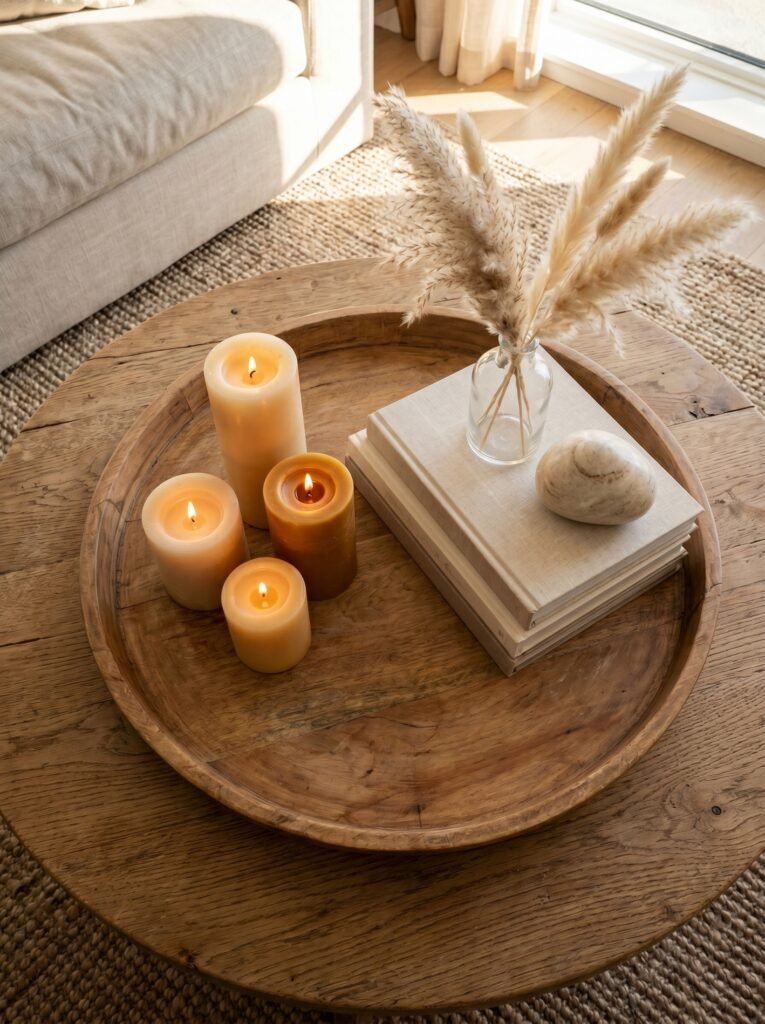
Open shelving in a living room is one of the most personal design elements you can create — and also one of the most commonly styled incorrectly. The mistake most people make is filling shelves too densely, until they become visual clutter rather than curated stories.
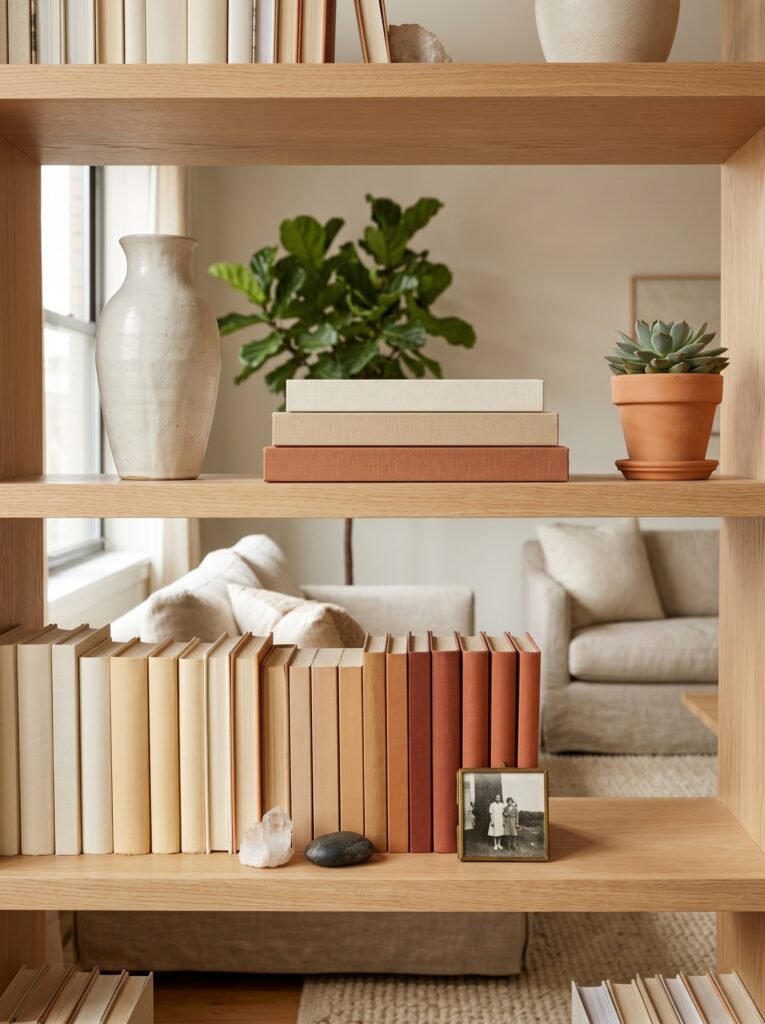
The approach that works beautifully: treat each shelf as a small composition. One large item (a tall vase, a stack of oversized books, a meaningful ceramic piece), one medium item (a plant, a small framed photo, a sculptural candle holder), and one small item (a crystal, a tiny succulent, a meaningful object from a trip). Negative space — the empty parts of the shelf — is not wasted space. It’s breathing room that makes every curated piece more visible and intentional.
Color-coordinating your books is a small detail that makes an outsized visual difference. It sounds almost too simple, but grouping books by spine color creates a shelf that looks cohesive and thoughtfully arranged rather than randomly accumulated.
12. The Finishing Touches That Transform “Nice” Into “Unforgettable”
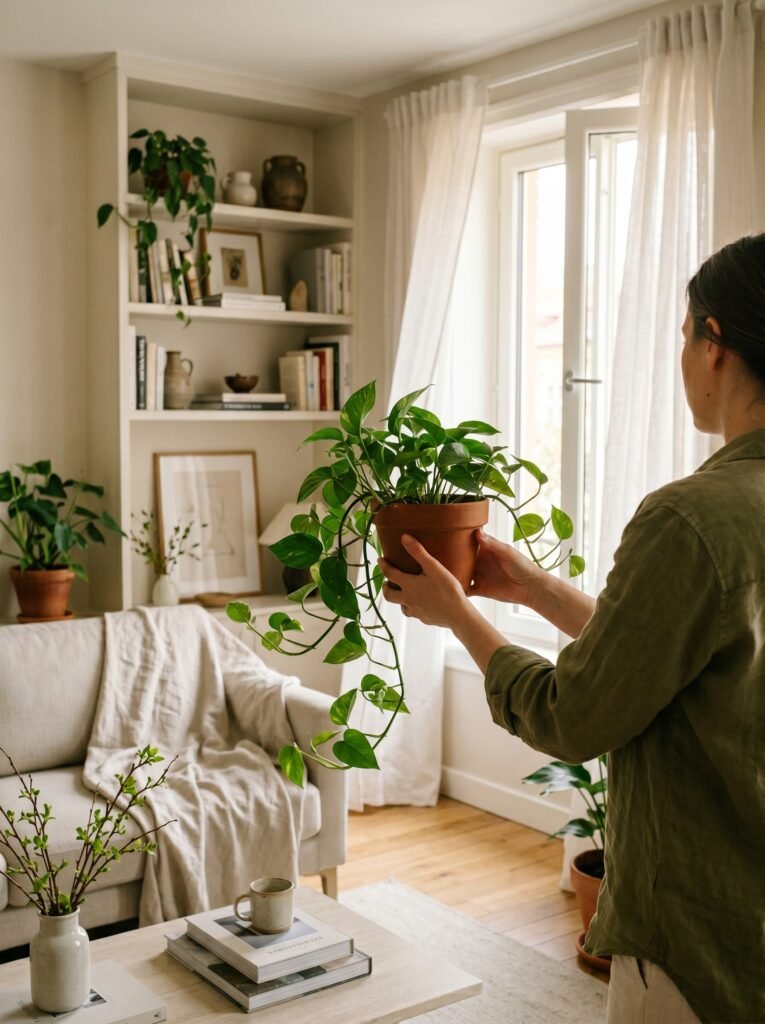
There’s a moment in every well-designed room where it crosses a threshold — from simply attractive to deeply memorable. The finishing touches are what create that crossing. They’re often small, often inexpensive, and almost always the elements that make someone stop scrolling on Pinterest and save your room to seventeen boards.
A beautiful scented candle on the coffee table. A tray that organizes three or four items into a composition. A stack of coffee table books chosen for both their content and their covers. A vase of eucalyptus or dried pampas grass that moves slightly when someone walks by. A throw that’s been artfully “casually” arranged — an art form in itself.
These details tell guests — and more importantly, tell yourself — that this space was loved. That someone thought carefully about it. That the person who lives here takes their home seriously, even if it’s a rental, even if it’s small, even if it’s temporary.
—
🌿 How to Take Care of Your Apartment Living Room Inspiration
Keeping a beautifully styled apartment living room looking intentional over time is less about perfection and more about developing a few gentle habits.
Edit regularly. Every few months, walk through your living room with honest eyes and remove anything that no longer serves the space. Accumulation happens slowly and unconsciously — editing keeps the room feeling curated rather than crowded.
Rotate your textiles seasonally. Swap your heavier wool throws for lighter linen ones in spring. Change your cushion covers to reflect the light quality of the season. These small shifts keep the room feeling fresh and alive across the year.
Tend to your plants consistently. A thriving plant is a beautiful design element; a struggling one drains the energy from a room. Water, prune, and reposition your plants regularly — it takes ten minutes a week and makes a visible difference.
Dust and style your shelves monthly. Open shelving collects dust quickly, and a dusty shelf undermines even the most beautiful curation. Monthly tidying keeps your vignettes intentional and your shelves looking like a design decision rather than storage overflow.
Invest in good light bulbs. Replace any cool-toned bulbs with warm-toned alternatives across your living room. The difference in atmosphere is immediate, dramatic, and costs almost nothing.
—
❓ FAQ
Q: How do I make a small apartment living room look bigger without knocking down walls? A: Focus on scale, light, and vertical space. Choose furniture with exposed legs, hang curtains as high as possible (even ceiling height), use mirrors strategically to bounce light, and resist the urge to push all furniture against the walls. A well-sized rug that anchors your furniture grouping will also create a sense of deliberate spaciousness.
Q: What’s the best color palette for a rented apartment living room I can’t paint? A: Warm neutrals — cream, warm white, camel, terracotta — are universally flattering and work beautifully as a foundation you layer color onto through textiles and art. If your walls are a shade you dislike, a large-scale gallery wall or a floor-to-ceiling bookshelf can effectively neutralize the impact of the wall color behind it.
Q: How do I get my apartment living room to look Pinterest-worthy on a budget? A: Prioritize the elements with the highest visual impact: a good rug, layered lighting, and real plants. Shop secondhand for furniture and decor — thrift stores and Facebook Marketplace consistently offer beautiful pieces at a fraction of retail price. Style your existing items into intentional groupings rather than buying more. Often the room doesn’t need more things — it needs the existing things rearranged with more care.
—
💭 Final Thought
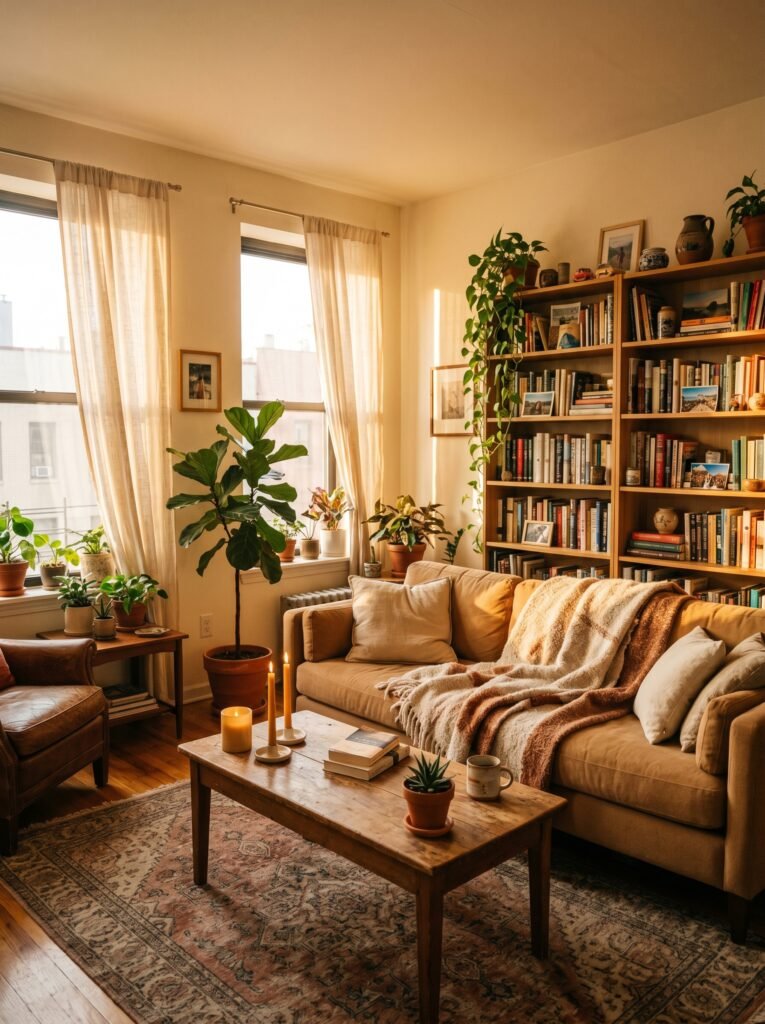
Your apartment is not a waiting room for the life you’ll eventually have. It’s the life you have right now — and it deserves to be beautiful, warm, and completely yours. The most memorable living rooms aren’t built with unlimited budgets or sprawling square footage. They’re built by people who decided, quietly and firmly, that the space they lived in mattered.
So as you look around your apartment living room today, I want to ask you this: if you stopped waiting for the perfect home and started loving the one you already have, what would you change first?