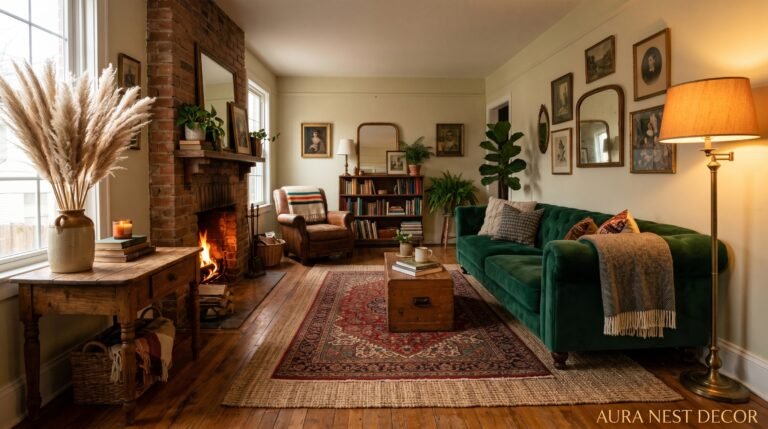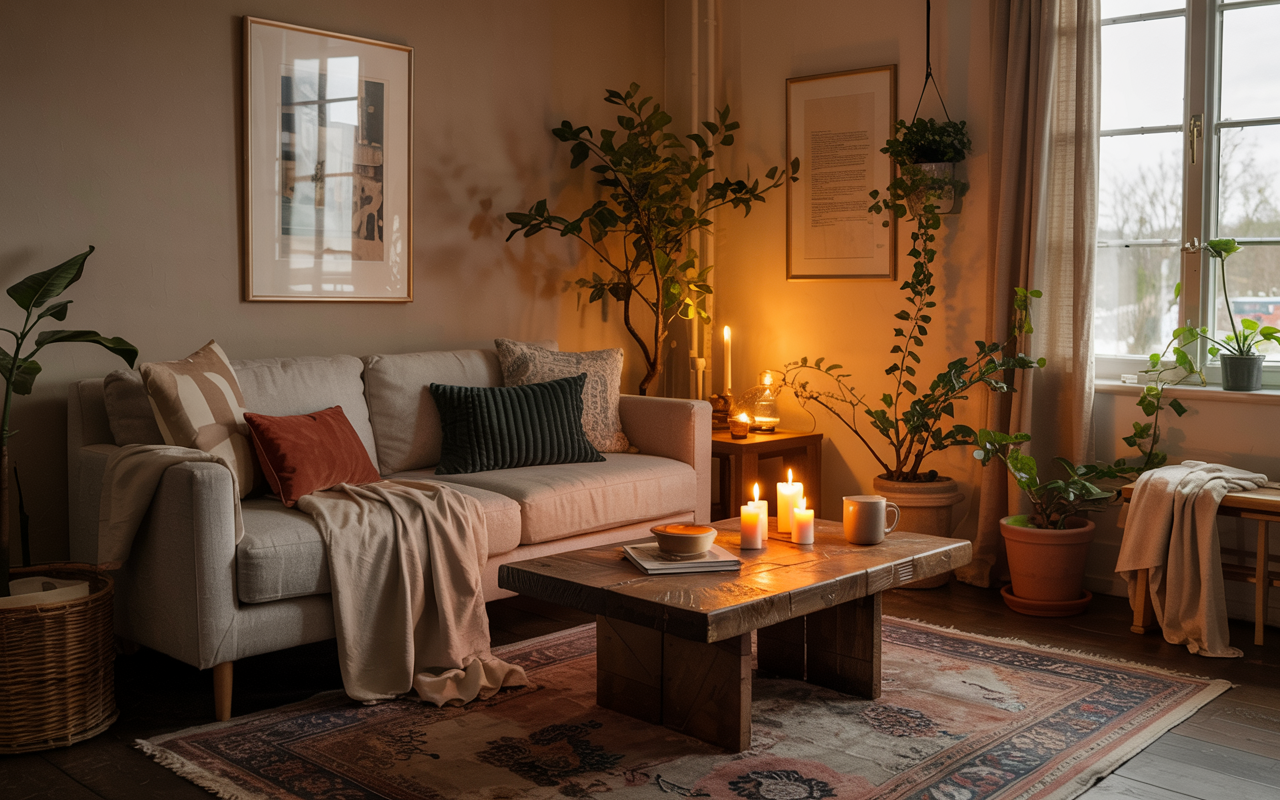
How to Make Your Apartment Living Room Feel Like the Coziest Place on Earth
There’s a moment — maybe you’ve felt it — when you walk into someone’s living room and something exhales inside you. The light is soft, the textures are layered, and everything feels like it was chosen with quiet intention. That’s not luck. That’s cozy done right. And the beautiful truth? You don’t need a large home, an unlimited budget, or a designer on speed dial to create that feeling in your own apartment living room.
—
1. Why “Cozy” Is Actually a Design Philosophy, Not Just a Feeling
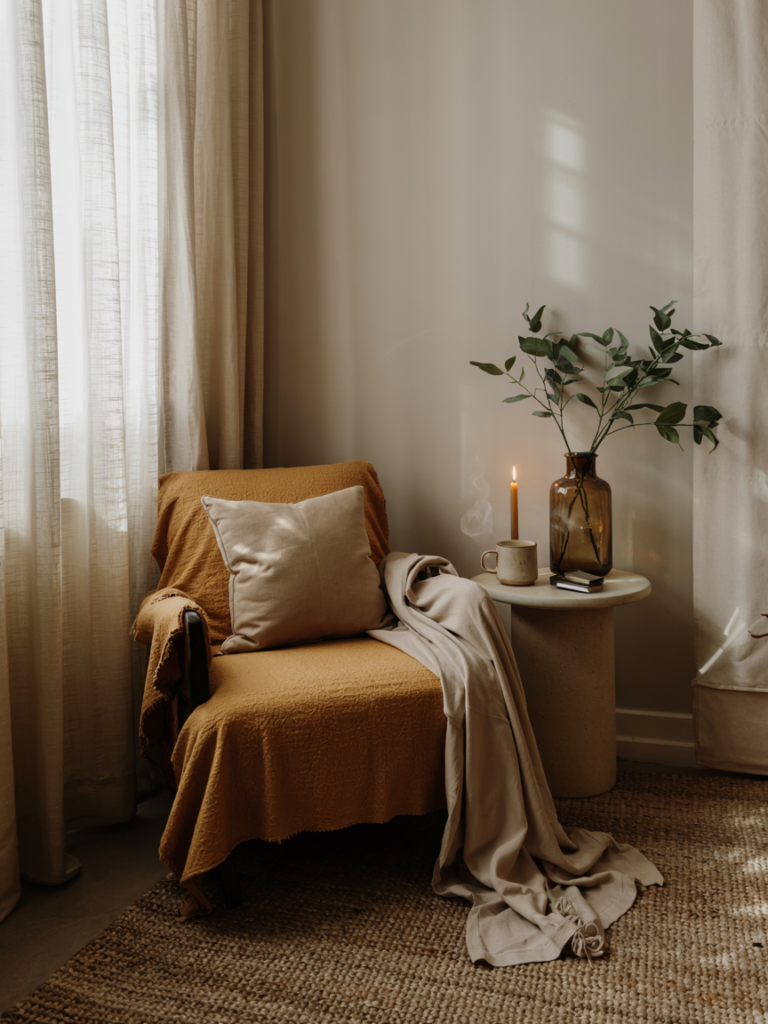
Before we dive into throw pillows and candles, let’s talk about what cozy actually means as a design concept — because understanding this changes everything about how you approach your space.
The Danish concept of hygge (pronounced “hoo-gah”) has deeply influenced modern interior design in both the US and UK. It describes a feeling of warmth, contentment, and togetherness — not a look, but an atmosphere. And that distinction matters enormously. When you design for atmosphere rather than aesthetics alone, every decision you make has emotional weight behind it. You’re not just picking a rug because it looks nice in a Pinterest photo; you’re choosing it because it will feel incredible under your feet on a cold January morning when you’re nursing your first cup of coffee.
Cozy design is rooted in the idea that your home should serve your nervous system. It should lower your heart rate when you walk through the door. It should make you want to sink in, stay longer, breathe deeper. In apartments — where square footage is often limited and walls may feel close — this philosophy becomes even more essential. You’re not fighting your space; you’re working with it to build something that wraps around you like a favourite blanket.
“Cozy isn’t clutter — it’s intentional warmth layered with purpose.”
2. The Colour Palette That Does Half the Work for You
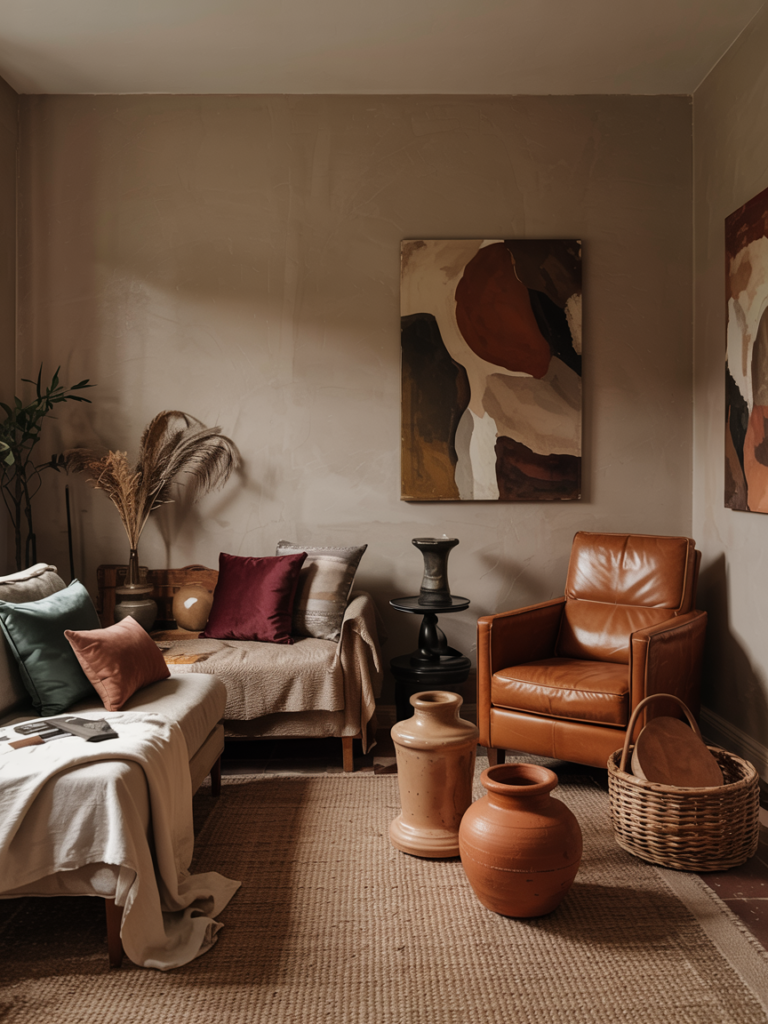
Colour is the single most powerful tool in your cozy arsenal — and it costs almost nothing to plan before you spend a penny on furniture or accessories. The right palette can make a 400-square-foot apartment living room feel like the warmest retreat imaginable.
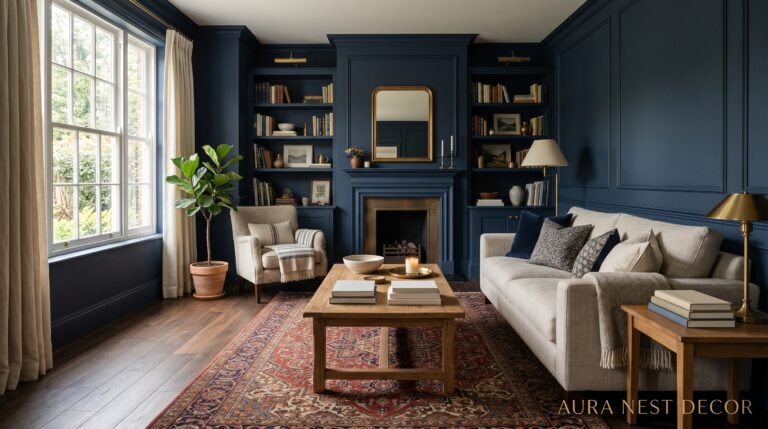
Warm neutrals are your foundation. Think rich oatmeal, deep caramel, smoky taupe, and aged ivory. These tones absorb light softly rather than bouncing it sharply, which is precisely what creates that golden, wrapped-in-warmth sensation. In the US, designers are leaning heavily into what’s being called “new neutrals” — warm greiges and dusty terracottas that feel grounded and earthy. In the UK, there’s a long-standing love affair with heritage paint colours: Farrow & Ball’s Elephant’s Breath, Mole’s Breath, or Joa’s White are perennial favourites in British sitting rooms for exactly this reason.
Layer in one or two deeper accent colours — forest green, navy blue, or a muted burgundy — to give the room depth and dimension. These darker tones create visual anchors that make a space feel intimate rather than vast and impersonal. If you’re renting and can’t paint, don’t panic. A large, deeply coloured area rug or a gallery wall with warm-toned art can introduce your palette just as effectively.
3. Lighting: The Invisible Architecture of Every Cozy Room
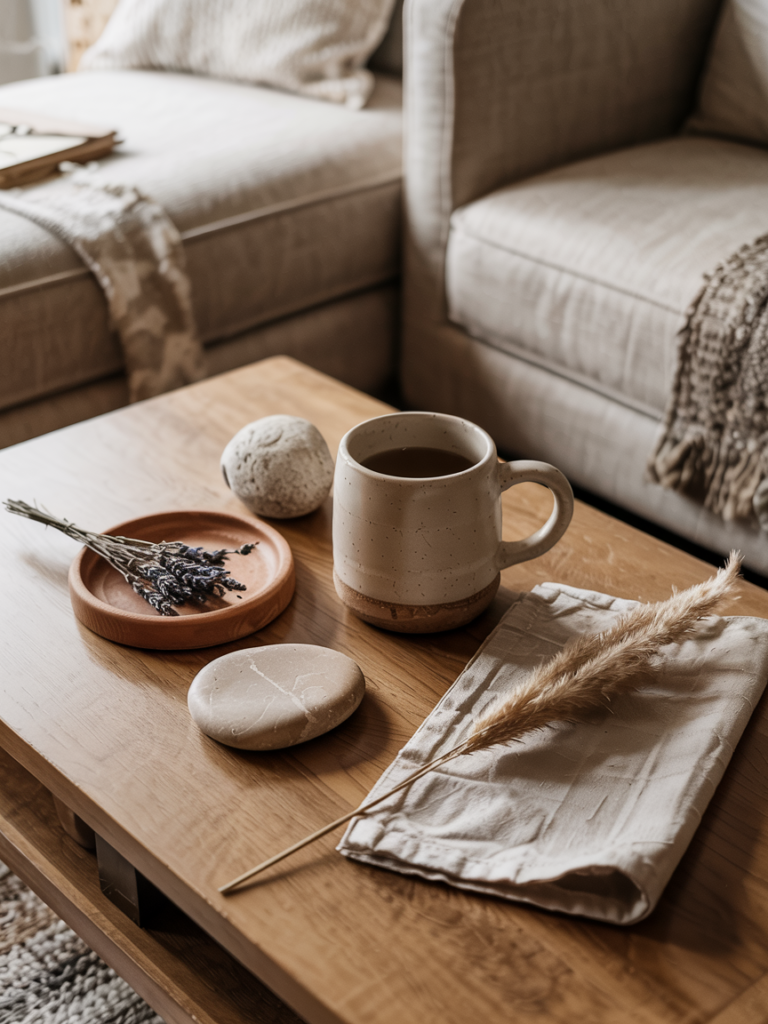
Here is an interior design truth that professionals repeat constantly but that most people still underestimate: bad lighting can destroy a beautifully decorated room, and magical lighting can transform even the most ordinary space.
Overhead lighting — that single ceiling fixture that came with your apartment — is almost always the enemy of cozy. It’s too direct, too bright, and too flat. The solution is layered lighting, which means building three levels of light in your living room: ambient (general illumination), task (for reading or working), and accent (for atmosphere and drama).
Start with floor lamps. A tall arc lamp positioned beside your sofa casts a warm pool of light that instantly creates intimacy. Add table lamps on side tables or bookshelves — choose bulbs with a warm colour temperature (2700K or lower) rather than bright, cool-toned LEDs. String lights and fairy lights — still beloved in both American and British home styling — woven through a bookshelf or draped along a windowsill add that almost magical, candlelit quality.
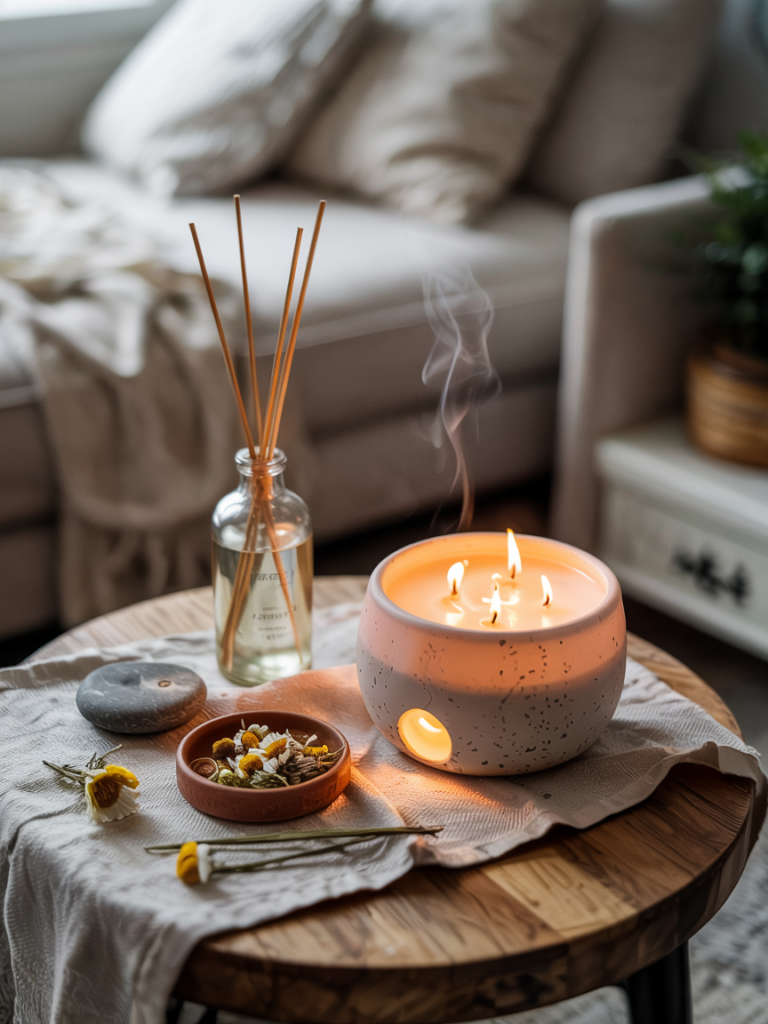
Candles deserve their own mention here. Whether you prefer the ritual of real flame or the safety of LED flickering candles in apartments with strict rules, candles bring a sensory dimension — scent, warmth, movement — that no other design element can replicate. Invest in a couple of quality pillar candles or a set of votives in glass holders, and your living room transforms the moment evening falls.
4. The Sofa Situation: Choosing Comfort Without Sacrificing Style
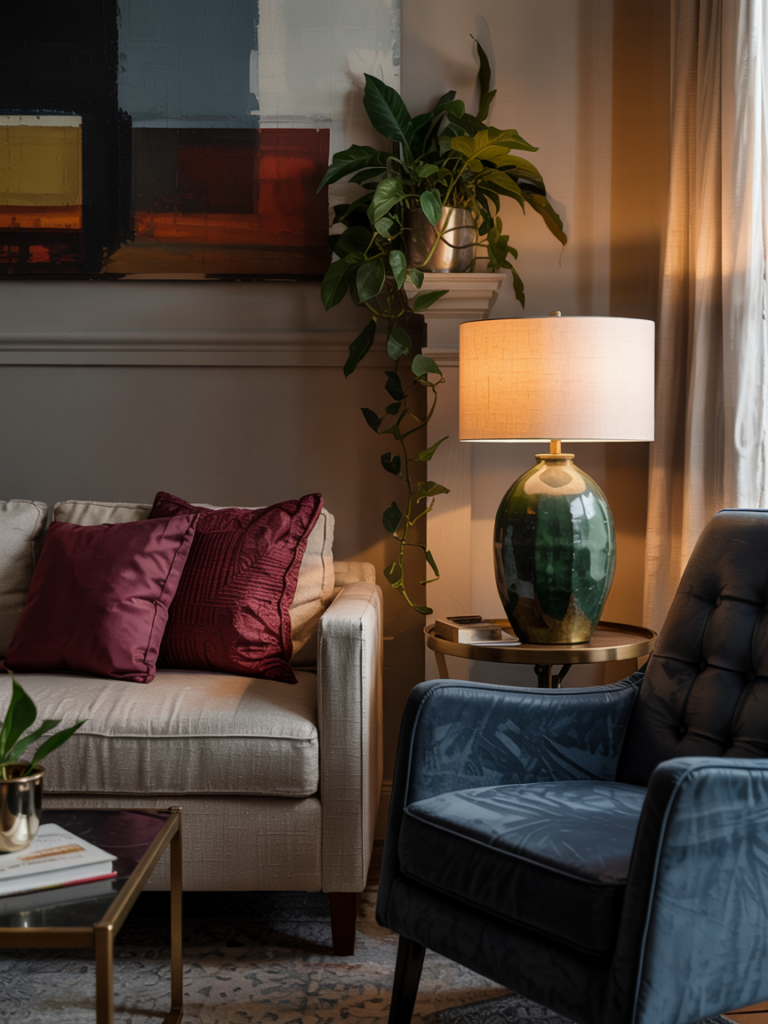
Your sofa is the emotional centre of your living room. It’s where you recover from difficult weeks, where you host friends for film nights, where you curl up with a book while rain streaks down the windows. Getting this choice right matters more than almost any other decision in the room.
For apartment living, a medium-sized sofa in a deep-seat, low-back style tends to feel both spacious and deeply comfortable. Avoid anything too rigid or formal — those sharp-backed, tight-cushioned designs might photograph beautifully but they signal “don’t stay long,” which is the opposite of the atmosphere you’re building. Instead, look for sofas with generous cushion depth (at least 24 inches) and slightly oversized back cushions that you can sink into.
Fabric choice carries cozy energy too. Bouclé — that textured, loopy wool-blend fabric — has been enormously popular in both the US and UK market for the last couple of years, and for good reason. It’s tactile, warm-looking, and visually soft. Velvet in muted tones (dusty rose, forest green, soft navy) adds richness without heaviness. Linen slipcover sofas give a relaxed, lived-in quality that immediately makes a room feel approachable.
“Your sofa isn’t furniture — it’s the first hug your apartment gives you every single day.”
5. Rugs That Anchor the Room and Invite You to Stay
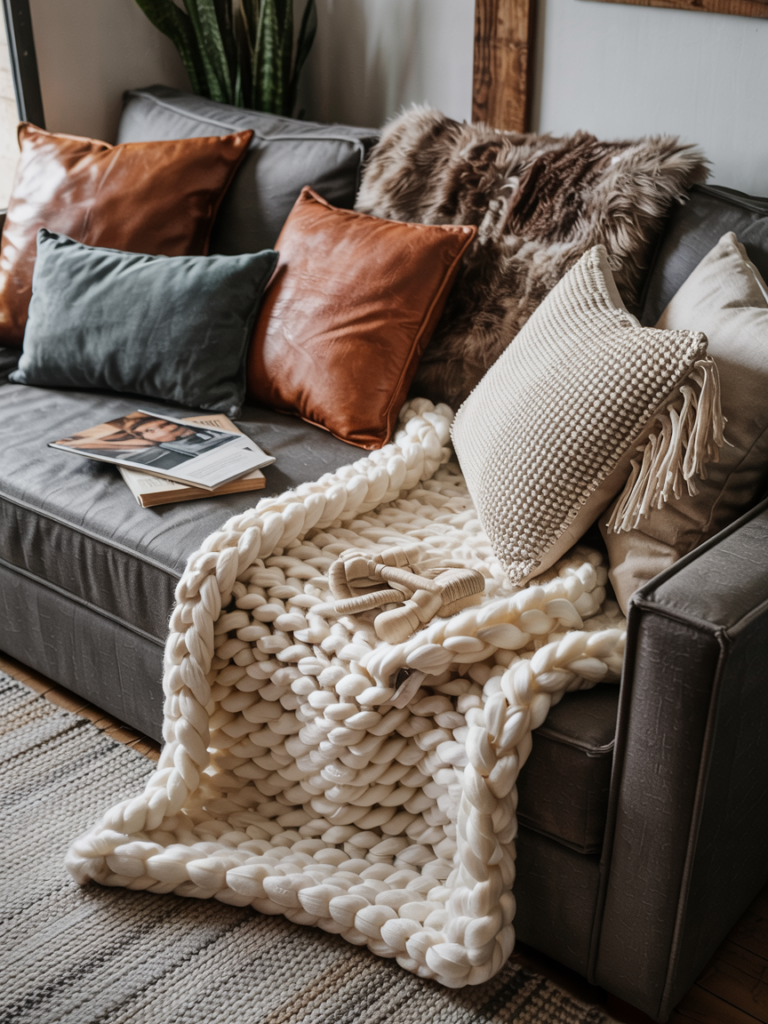
A living room without a rug is a living room without a heartbeat. This might sound dramatic, but spend five minutes standing in a beautifully styled room without a rug and you’ll feel it — a slight coldness, a lack of definition, an instinct that something is missing.
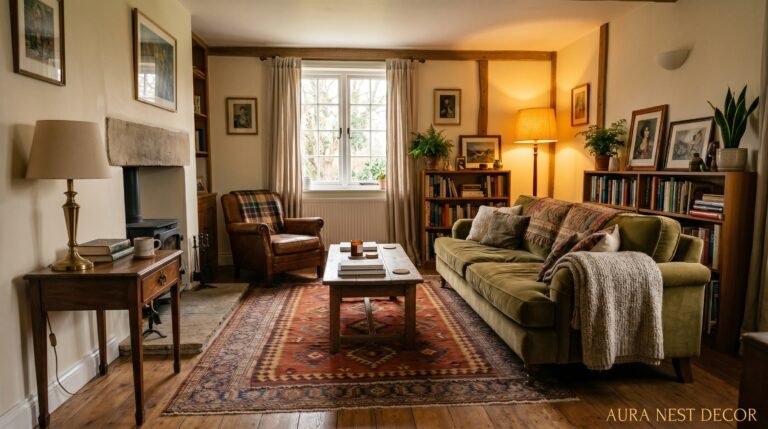
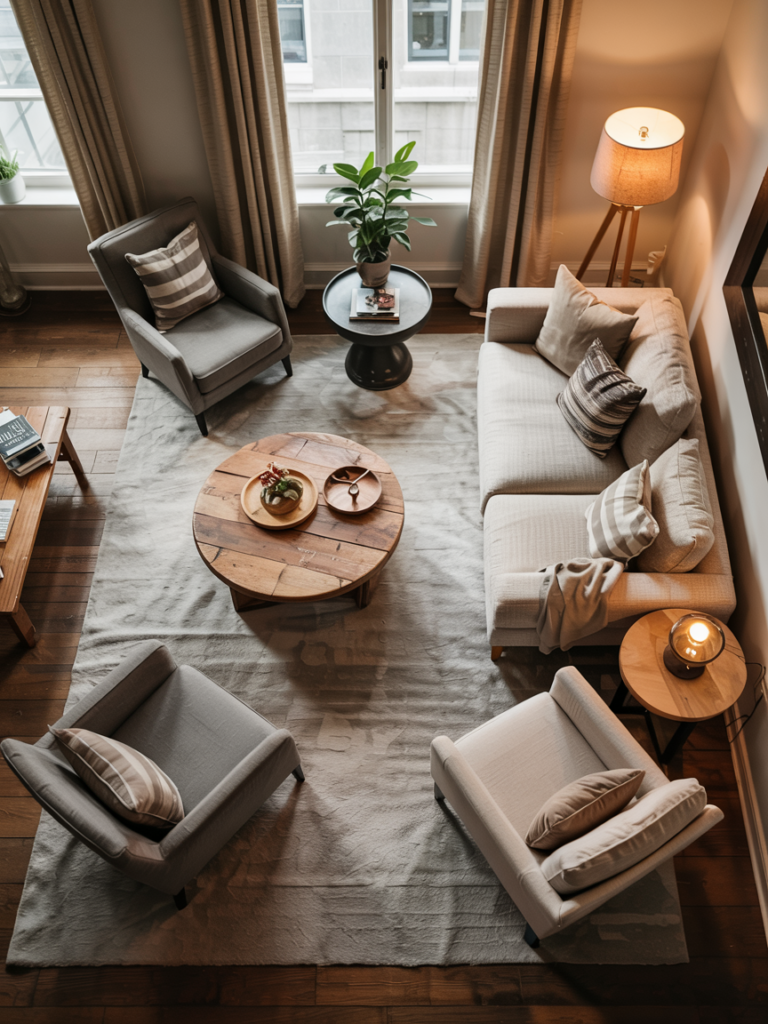
For apartments, the most common mistake is choosing a rug that’s too small. It ends up looking like a postage stamp in the middle of the room, actually making the space feel smaller and more disconnected. The rule of thumb: go larger than your instinct tells you to. Ideally, your sofa’s front legs — at minimum — should sit on the rug. If you can get all furniture legs on the rug, even better.
For cozy apartment living, consider rugs with visual warmth: Persian-inspired patterns in terracotta and cream, chunky wool weaves, Moroccan-style beni ourain designs, or simple shag textures in warm ivory or warm grey. In the UK, vintage-style kilim rugs have experienced a huge revival, adding pattern and colour while maintaining that comfortable, lived-in feel. In the US, jute-and-wool blends in warm naturals are a perpetual favourite for exactly this reason.
6. The Art of Layering Textures (And Why It Changes Everything)
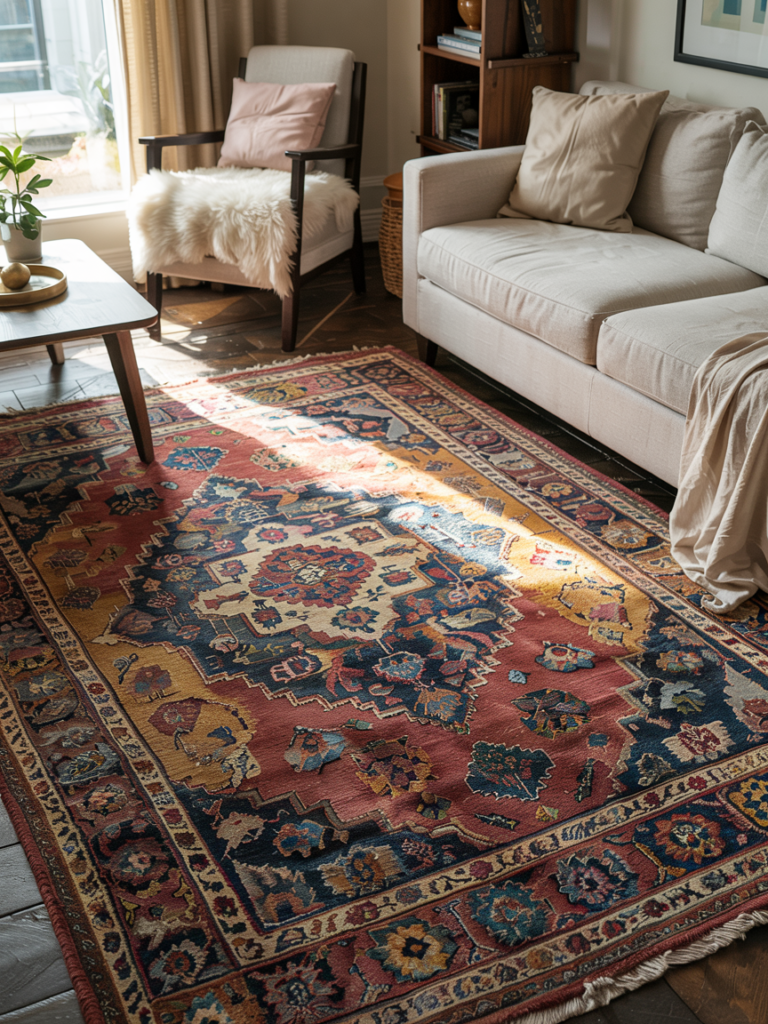
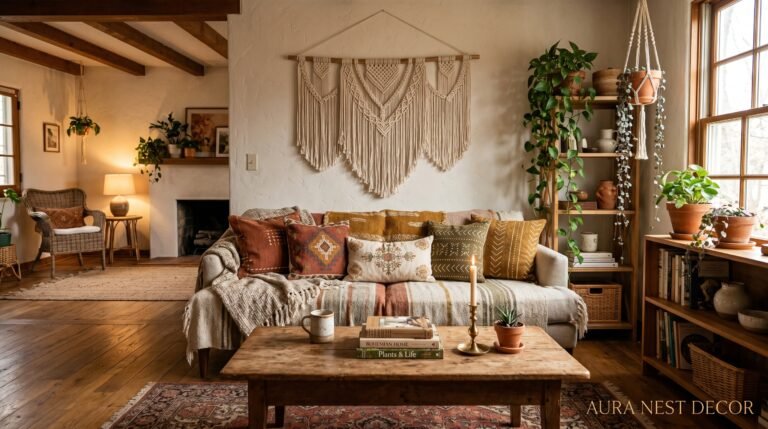
If cozy had a secret ingredient, it would be texture. Not colour, not furniture, not layout — texture. When you run your eye across a room and encounter a range of tactile surfaces — soft velvet, rough linen, smooth ceramics, chunky knit, warm wood grain — your brain registers warmth and depth in a way that a room full of flat, uniform surfaces never can.
Think of it like cooking. A great dish has contrast — something sweet against something savoury, something creamy against something crunchy. A cozy room works the same way. Layer a chunky knit throw over a velvet sofa cushion. Place a smooth ceramic vase on a wooden shelf beside a woven basket. Hang a linen curtain that pools slightly on the floor next to a brick or tiled fireplace surround.
The key is restraint with variety — you want multiple textures working together, not competing. Stick within your colour palette and let the texture be the variable that changes. This is the technique that makes rooms in interior design magazines look so effortlessly layered, and it’s entirely achievable on any budget.
7. Bookshelves and Shelfies: Personality Made Visual
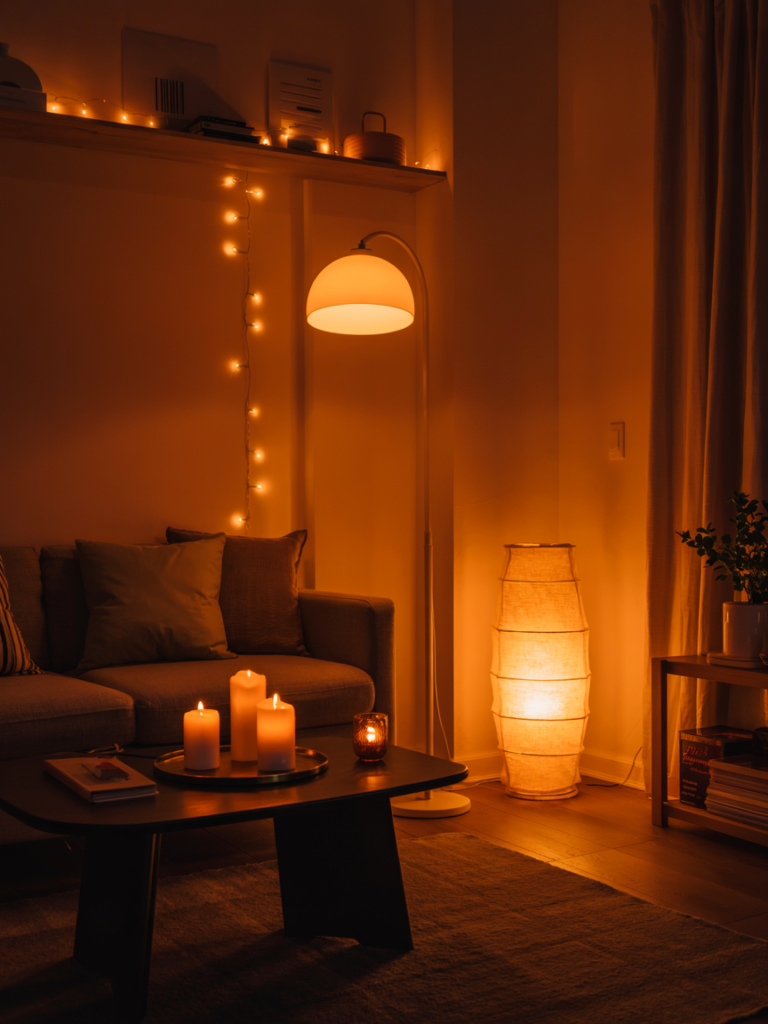
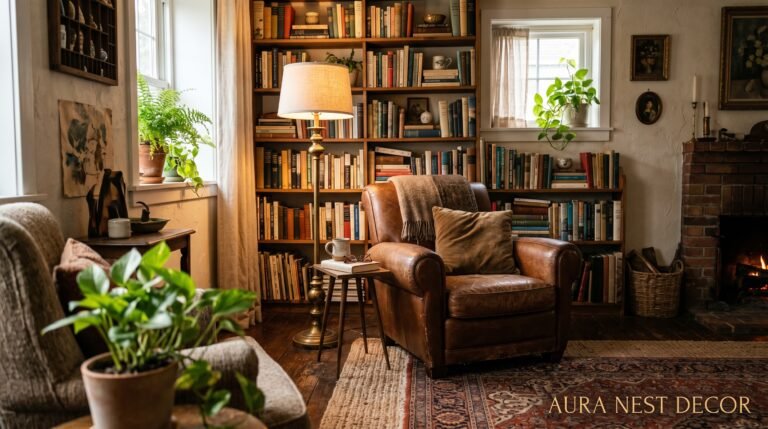
There’s something deeply human about a well-arranged bookshelf. It says: someone thoughtful lives here. Someone curious. Someone who collects beauty and meaning. In an apartment living room, a bookshelf — whether a full built-in unit or a simple freestanding design from IKEA or CB2 — becomes one of your most powerful cozy tools.
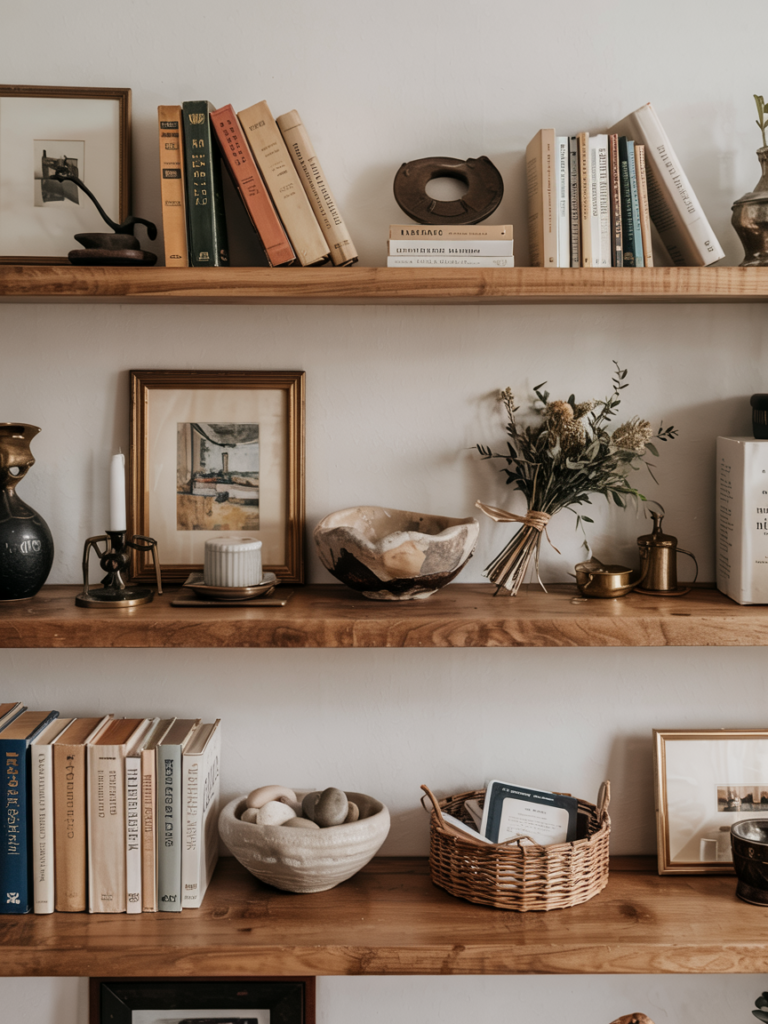
The secret to a shelf that feels warm rather than clinical is combining books with objects. Real books with cracked spines and worn covers (not books arranged by colour for aesthetics alone) alongside small plants, interesting found objects, framed photographs, candles, and small pieces of art. Leave some breathing space — not every inch needs filling. That white space is what lets each element be seen and felt.
In the UK, styled bookshelves often incorporate heritage elements: old hardcovers, small botanical prints, antique candlesticks. In American interiors, there’s more inclination toward a mix of vintage and modern — a clean geometric sculpture beside a stack of cookbooks, a trailing pothos plant cascading from a high shelf.
8. Plants: The Living, Breathing Element Every Room Needs
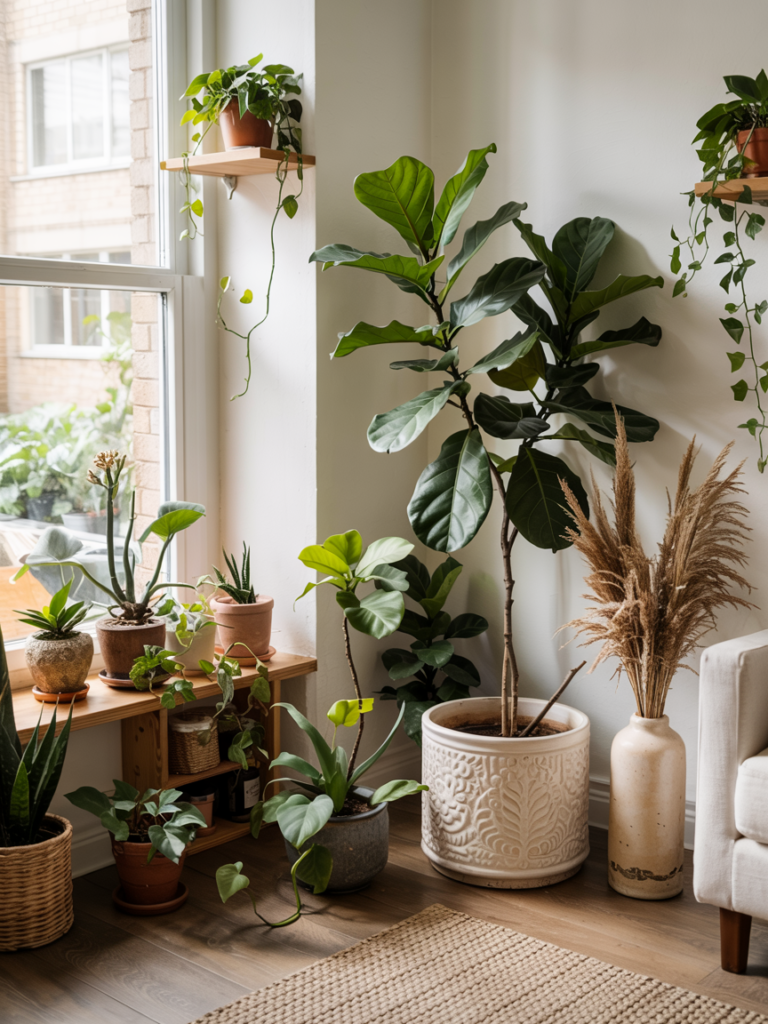
No cozy apartment living room is complete without plants. This isn’t just a style statement — there’s genuine psychological research suggesting that the presence of plants lowers stress and increases feelings of wellbeing. But beyond the science, they add something no other design element can: life. Movement. Breath. A daily reminder that something living and growing shares your space.
For apartment living rooms, choose plants that thrive in indirect light (since most apartments don’t have ideal sun exposure): pothos, snake plants, peace lilies, and philodendrons are all forgiving, beautiful, and deeply effective at adding that lush, layered quality to a room. A large fiddle-leaf fig or a monstera in a woven basket adds dramatic height and architectural interest to a corner that might otherwise feel flat and forgotten.
“Plants remind you that growth is happening even in the smallest, quietest spaces.”
9. The Coffee Table as a Styled Moment
Your coffee table is a micro-stage — a small but highly visible surface where intentional styling has an outsized impact on how the whole room feels. And yet it’s one of the most neglected surfaces in most people’s living rooms, covered in remote controls, half-finished drinks, and unopened post.
A cozy, Pinterest-worthy coffee table has a few key components: a tray to anchor and organise smaller items, a stack of two or three interesting coffee table books (interiors, food, travel, art — whatever reflects your personality), a small plant or arrangement of dried botanicals, one beautiful candle, and perhaps a coaster set in natural stone or reclaimed wood. That’s it. Simple, purposeful, beautiful.
The tray is the unsung hero here. It corrals items so the table doesn’t look chaotic, and it allows you to quickly “reset” the surface before guests arrive by simply removing the tray and replacing everyday items with your styled pieces.
10. Window Treatments That Soften the World Outside
Windows are the eyes of a room, and what you put around them dramatically affects the mood of the entire space. Bare windows in an apartment living room can feel cold, clinical, and exposed — especially in urban apartments where the view is another building rather than a garden.
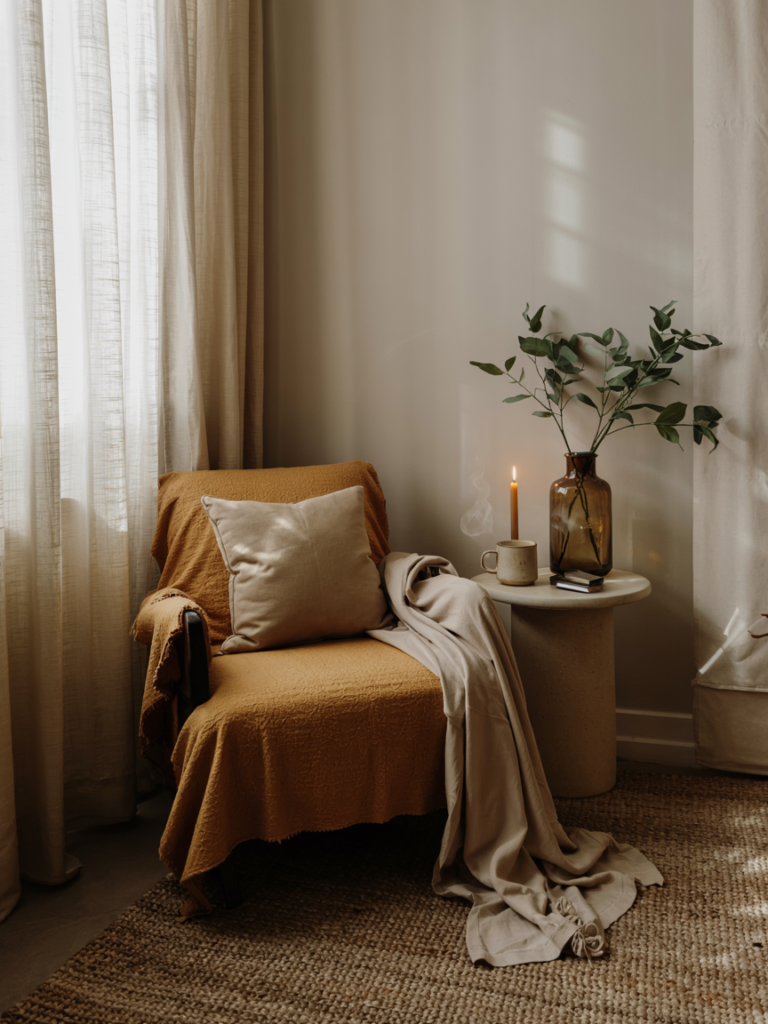
Curtains are the cozy choice, almost without exception. They add height (especially when hung close to the ceiling rather than at the window frame), softness, and that essential sense of enclosure that makes a room feel like a retreat from the world. Choose floor-length curtains — ideally ones that just kiss the floor or pool slightly — in natural fabrics: linen, cotton velvet, or a linen-cotton blend.
In terms of colour, warm whites and creams filter light beautifully and make the room feel sun-drenched even on grey days. In the UK, where grey days are plentiful, this is a particularly valuable trick. Deeper tones — forest green, dusty terracotta, warm charcoal — create a more dramatic, cocoon-like atmosphere that feels especially magical in winter months.
11. Small Space Strategies That Open Rather Than Overwhelm
Apartment living rooms often face the dual challenge of feeling both small and cluttered — and addressing both simultaneously requires some clever thinking. The goal is never to pretend the space is larger than it is; the goal is to make it feel exactly right for the life you’re living in it.
Multi-functional furniture is your best friend here. An ottoman with hidden storage that doubles as a coffee table. A console table behind the sofa that serves as a drinks station when hosting. Nesting tables that expand when you need surface space and tuck away when you don’t. In the US, furniture brands like Article, West Elm, and IKEA offer excellent small-space solutions. In the UK, MADE (in its various reincarnations), John Lewis, and Habitat have long understood the British apartment-dweller’s need for clever, beautiful functionality.
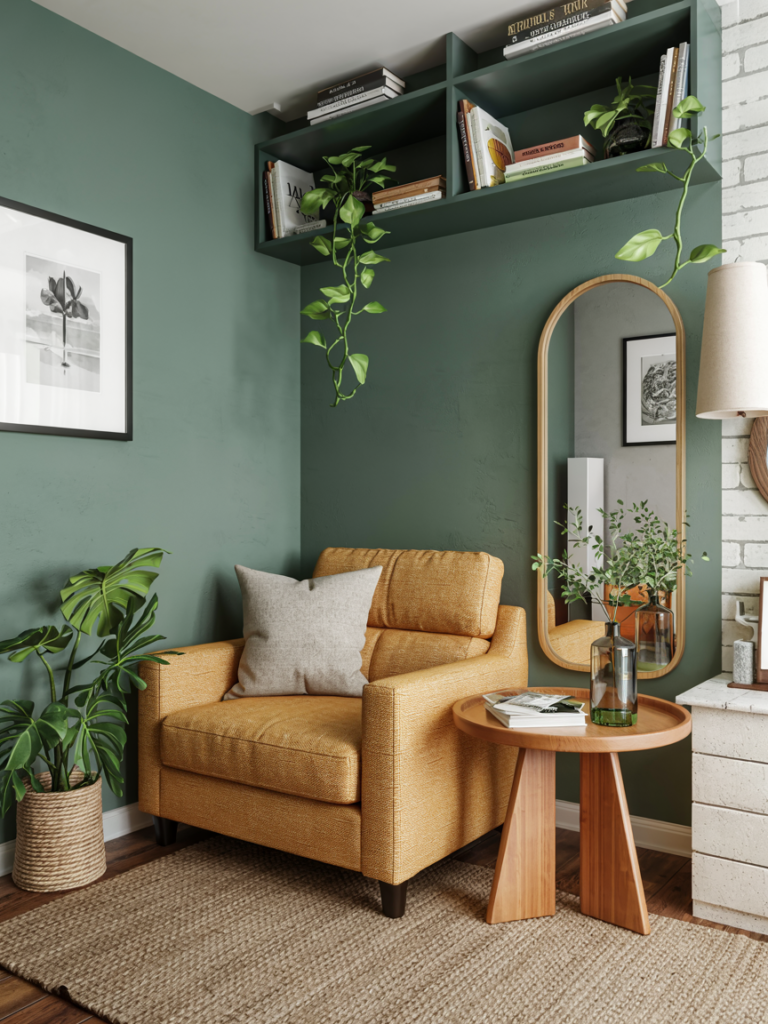
Mirrors also deserve a serious mention. A large mirror — particularly one with a warm, aged frame — placed on a main wall reflects light, creates the illusion of depth, and adds an element of elegance. It’s one of the most effective (and relatively affordable) ways to open up a small living room without a single structural change.
12. The Personal Details That Make It Unmistakably Yours
All the design knowledge in the world means nothing if your living room doesn’t feel like you. The final layer — and perhaps the most important one — is the deeply personal: the objects, memories, and small details that signal to everyone who enters that a specific, irreplaceable human being lives here.
Frame a piece of fabric from a meaningful trip. Display a small collection of objects that reflect a passion — vintage cameras, antique keys, handmade pottery from a local market. Prop a painting your grandmother made against the wall rather than hanging it perfectly centred. These imperfections and personal touches are not design flaws; they’re the whole point.
In both American and British home culture, there’s a growing movement away from the showroom-perfect interior toward something more personal, more layered, more honest. The most coveted interiors on Pinterest right now aren’t the spotless minimalist spaces — they’re the rooms that look like someone genuinely, joyfully lives in them.
—
🌿 How to Take Care of Your Cozy Living Room Atmosphere
Maintaining a cozy apartment living room isn’t about perfection — it’s about small, consistent habits that protect the atmosphere you’ve worked to create.
First, do a weekly reset rather than letting things accumulate. Spend ten minutes returning things to their places, refreshing your styled surfaces, and clearing any visual noise that has crept in. Cozy and cluttered are not the same thing, and that distinction requires regular attention.
Second, rotate your accessories seasonally. In autumn and winter, bring out heavier throws, deeper candles, and warmer textiles. In spring and summer, swap in lighter linens, fresh botanicals, and brighter accent pieces. Your room should shift with the seasons the way your wardrobe does.
Third, keep your plants alive. This sounds obvious, but a dead or struggling plant has the opposite effect of a thriving one — it adds a note of neglect to the room that undermines everything else. Choose plants that match your actual lifestyle and light conditions, not just the ones that look best in photos.
Finally, light a candle or switch on your lamps at the same time each evening. This simple ritual — turning away from overhead lighting as dusk falls — reinforces the atmosphere and trains your mind to associate your living room with comfort and relaxation.
—
❓ FAQ
Q: How do I make a small apartment living room feel cozy without making it feel cluttered? A: The key is intentional layering rather than accumulation. Choose fewer, more meaningful objects, use multi-functional furniture to reduce visual chaos, and focus on texture and lighting rather than adding more things. A well-placed rug, layered lighting, and a couple of quality throw pillows will do more for your room than a shelf of random knick-knacks ever could.
Q: What are the best colours for a cozy apartment living room? A: Warm neutrals — oatmeal, taupe, warm white, soft greige — form the best foundation for a cozy atmosphere. Layer in deeper accent tones like forest green, navy, dusty rose, or muted terracotta for depth and personality. Avoid cool greys and stark whites, which tend to feel clinical and cold rather than warm and inviting.
Q: How do I create a cozy living room if I’m renting and can’t paint or make permanent changes? A: Renters have more power than they realise. A large, warm-toned area rug, floor-to-ceiling curtains hung on temporary tension rods, a gallery wall using damage-free hanging strips, and carefully layered lighting with floor and table lamps can transform a bland rental living room entirely. Focus on textiles, lighting, and accessories — none of which require a landlord’s permission.
—
💭 Final Thought
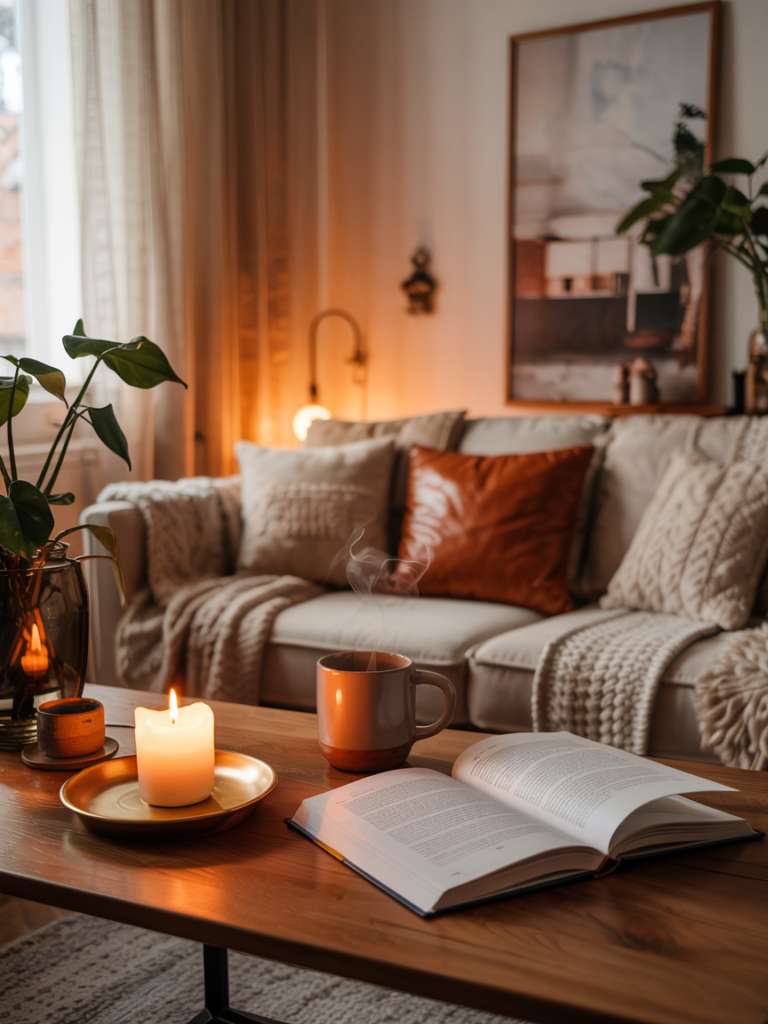
Creating a cozy apartment living room isn’t a project with a finish line — it’s an ongoing conversation between you and your space. It evolves as you do: as your taste deepens, as the seasons change, as your life shifts and your needs grow. The most beautiful living rooms aren’t the ones that were designed perfectly once and left untouched. They’re the ones that have been loved, adjusted, lived in fully, and loved some more.
So tell me — when you imagine your perfect cozy corner, what does it feel like first: the warmth of the light, the softness underfoot, or the quiet that settles around you like something familiar coming home?