The Tiny Living Room That Feels Like the Most Inviting Room in the House
You know that feeling when you walk into a small room and it wraps around you? Not cramped. Not cluttered. Just held. That’s not magic, and it’s not a bigger budget — it’s about making deliberate choices that turn square footage into something that actually feels like yours.
—
1. Why Most Small Living Rooms Feel Wrong (And It’s Not the Size)
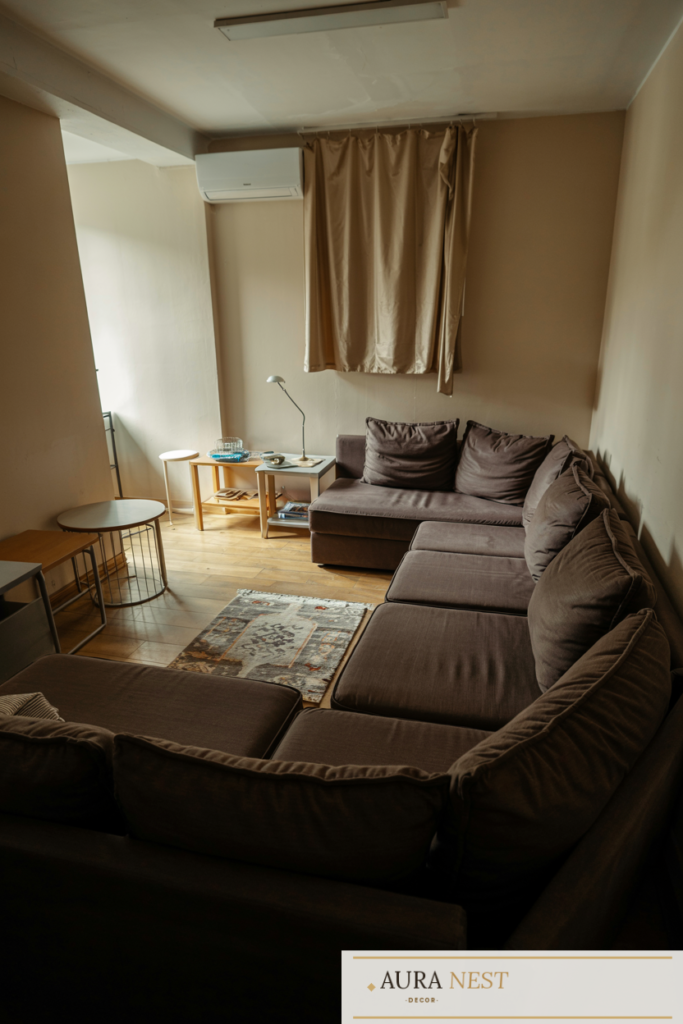
Here’s the thing nobody tells you. Most small living rooms feel uncomfortable not because they’re small, but because they’re fighting against themselves. A sofa pushed too far back. A rug that barely covers the floor. One harsh overhead light that exposes every corner like a police interrogation room.
The instinct when you move into a small apartment is to shrink everything — get the smallest couch, the tiniest coffee table, leave floor space visible at all costs. But visible floor in the wrong places makes a room feel sparse, not spacious. There’s a real difference between a room that breathes and a room that just looks unfinished.
What actually works is committing. Committing to a palette. Committing to scale. Committing to the idea that this room is worth the attention you’d give a bigger one. Small rooms reward intention more than any other space in your home. When every object is chosen carefully, you feel it the moment you sit down.
Start by standing in the doorway and asking yourself: where does my eye go first? If the answer is “nowhere” or “the blank wall,” that’s your problem right there.
“Small rooms don’t need less — they need better.”
2. The Sofa Decision That Changes Everything Else in the Room
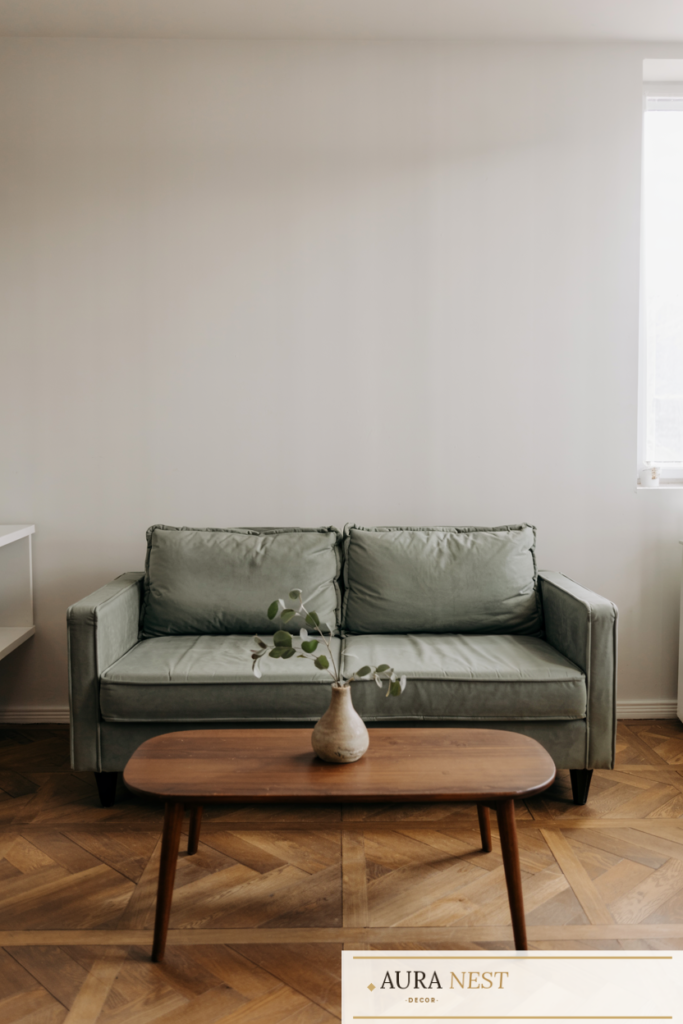
Your sofa is doing most of the heavy lifting, and in a small living room, getting it wrong is expensive in every sense. Too large and it swallows the room. Too small and the room never settles.
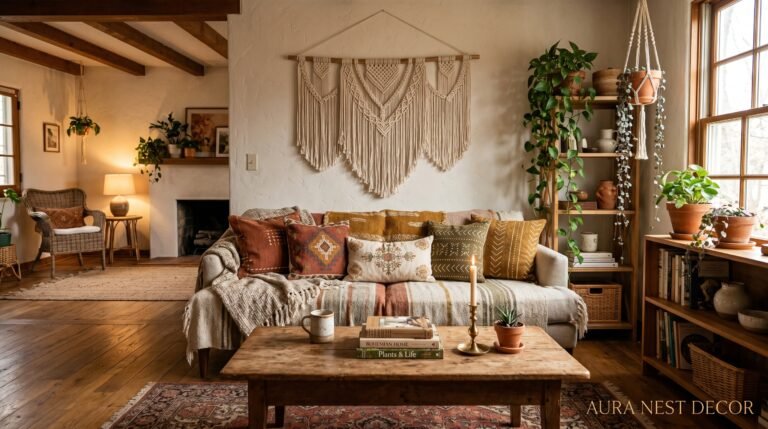
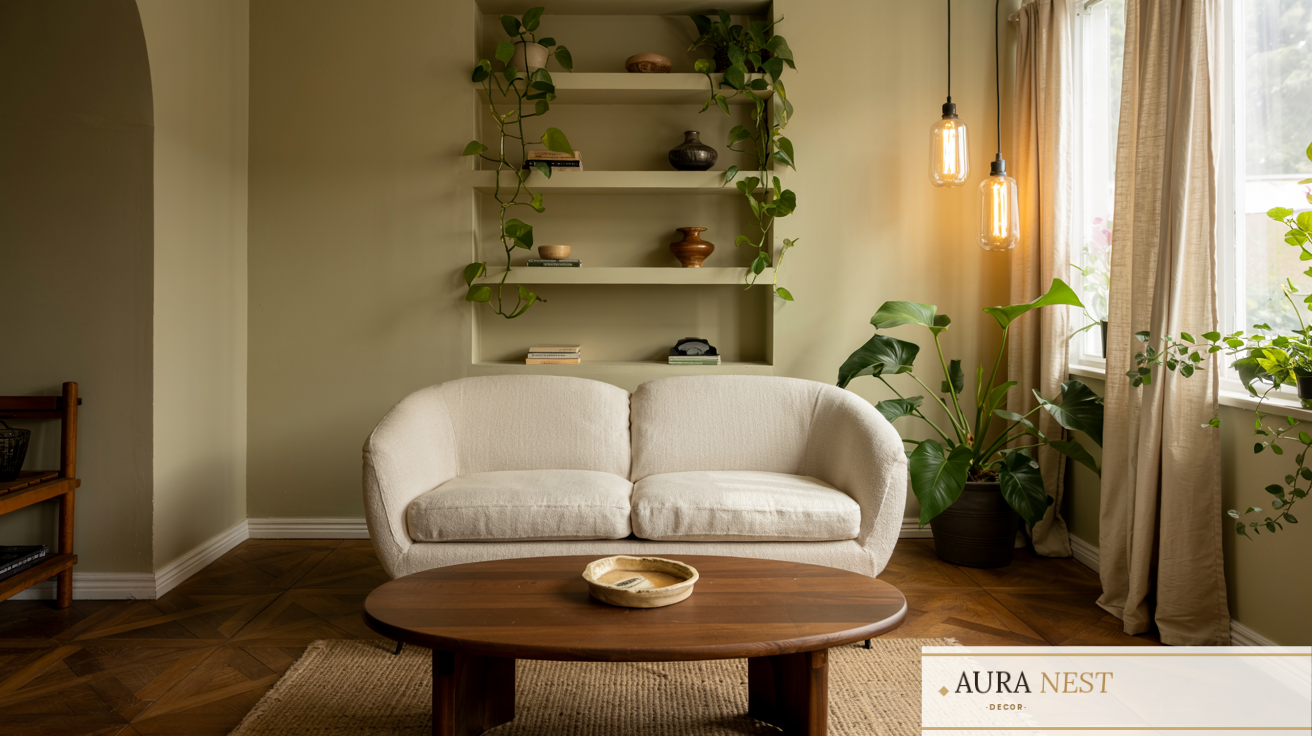
The sweet spot for most small apartment living rooms is a two-seater or a compact three-seater in a light or mid-tone color — not white (too high maintenance) but something in the range of warm oatmeal, dusty sage, or a soft terracotta. These colors sit quietly in a room. They don’t demand attention. They let everything else breathe.
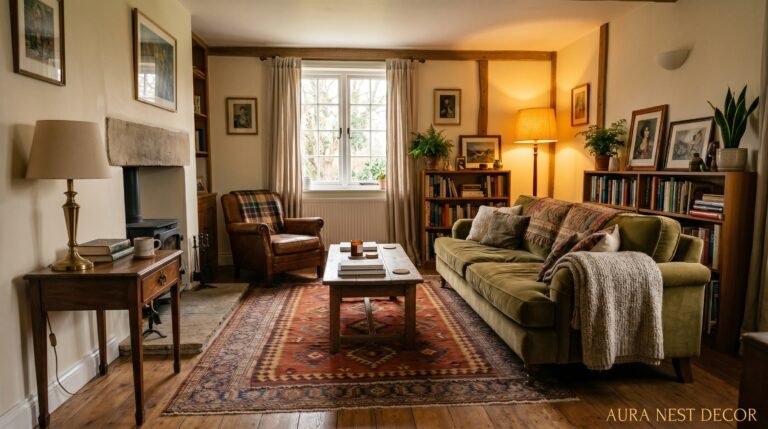
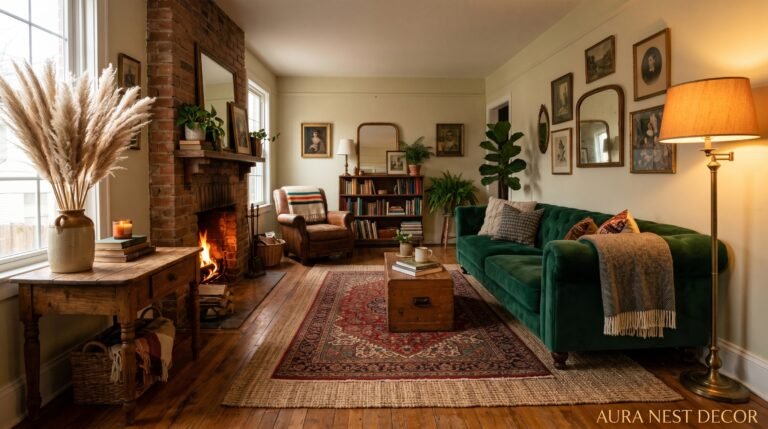
Here’s the opinion part: velvet is absolutely worth it in a small room. A velvet sofa in a deep moss green or dusty blush adds texture that makes a small room feel intentional rather than accidental. It photographs beautifully, which matters if you’re anything like the rest of us who take approximately forty-seven photos of a new throw pillow arrangement.
What you want to avoid is a sofa with thick, blocky arms and a high back. These eat visual space. Look for sofas with slim legs — even two or three inches of visible floor underneath a sofa opens a room up in a way that surprises people every time. It sounds like a small thing. It isn’t.
Place it slightly away from the wall, even by just a few inches. It’s counterintuitive. It works.
3. The Color That Keeps Showing Up in Every Beautiful Small Living Room Right Now
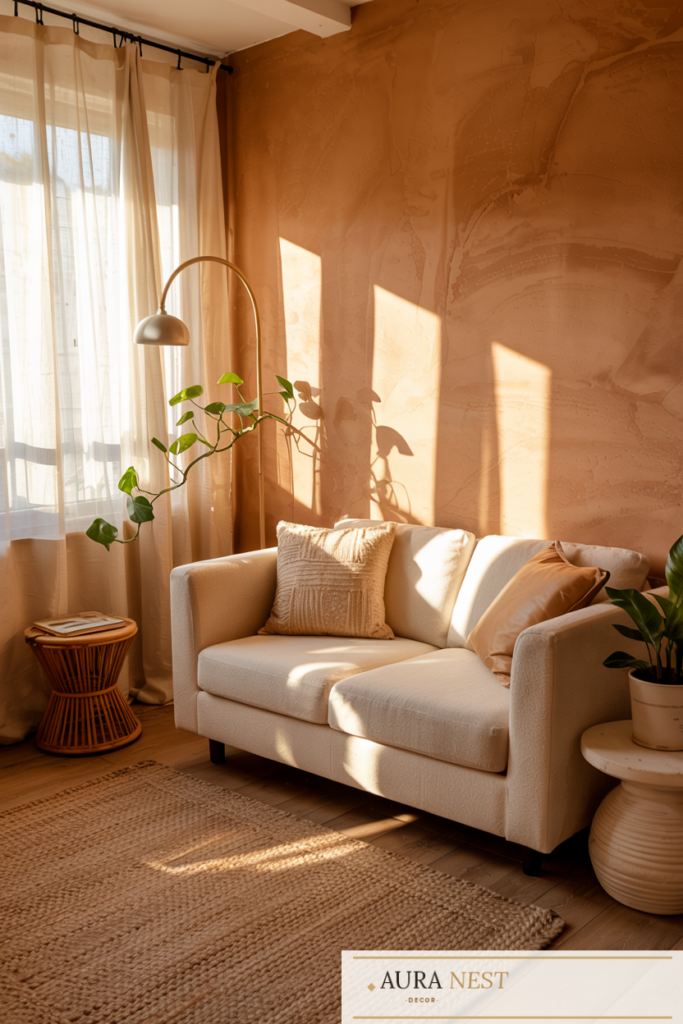
Not white. Not grey. And not the blush pink that dominated Pinterest three years ago and has since aged like a carton of milk left in the sun.
The color showing up everywhere in small living rooms that actually work is warm terracotta — but not the orange-heavy version from the nineties. The new version is more muted, more clay-like, closer to the color of a sun-dried brick wall in the south of France. It works in both American apartments and British flats because it’s warm without being overwhelming, and it makes other colors look good simply by existing near them.
Paired with natural linen, dark wood, and a few touches of deep forest green, it creates a room that looks like it was pulled from a design magazine but still feels like someone actually lives there.
You don’t have to commit to terracotta walls if that feels like too much. A terracotta throw, a few cushions, a ceramic pot in the corner — it builds up the same way. Layering color is always safer than going all-in on one bold move, especially when you’re renting.
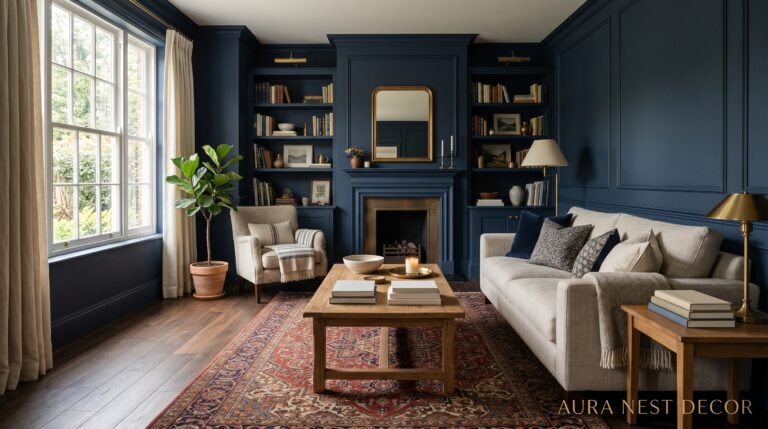
If terracotta genuinely doesn’t appeal to you, warm cream with deep navy accents is the other combination working hard right now. It’s classic without feeling stiff.
4. Lighting Is the Most Underestimated Design Tool in Any Small Room
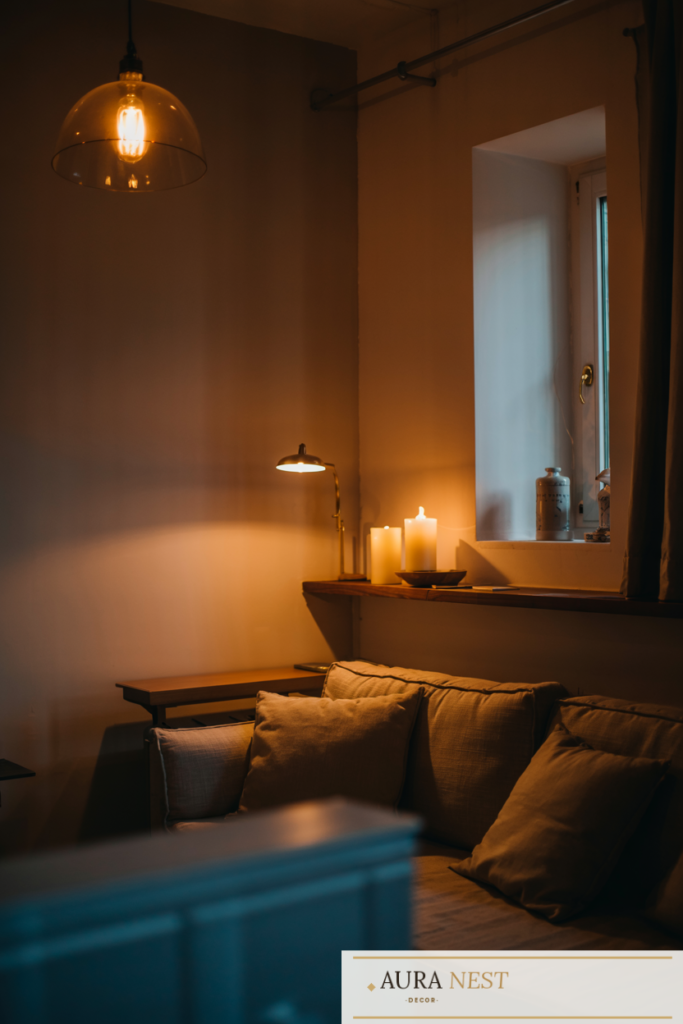
Stop using just the overhead light. Please. This is the single change that does more for a small living room than almost anything else, and it costs less than a new cushion set.
One overhead light creates one shadow — a hard one, cast downward, that flattens everything in the room. It makes spaces feel smaller and, somehow, lonelier. The amber glow of a floor lamp in the corner at seven in the evening does the opposite. It creates depth. It makes the walls seem to recede. It makes the room feel like it exists in its own little world.
The goal is layers of light. A floor lamp in one corner, a table lamp on a side table, maybe a small plug-in sconce on the wall if you want to go the extra mile. Use warm bulbs — 2700K is the sweet spot. Not too yellow, not too cool. Just warm enough to make everything look like it’s glowing from the inside.
String lights are not just for teenagers’ bedrooms. A single strand of warm Edison-style fairy lights draped across a bookshelf or along a window frame adds something that proper lamps can’t quite replicate — a softness, an impermanence, like the room is celebrating something.
“The right light at the right hour makes a small room feel like the only room in the world.”
5. The Rule That Makes Any Tiny Room Feel Intentional Instead of Accidental
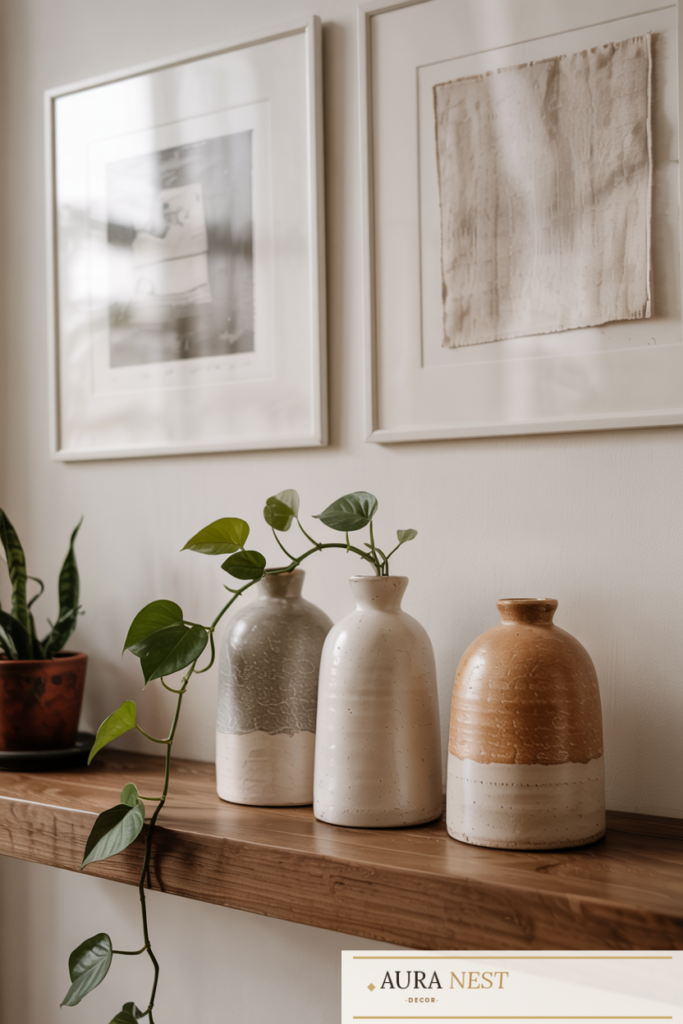
One large piece of art. Not a gallery wall. Not three small prints arranged at slightly awkward intervals. One large piece, hung at the right height, in the right spot.
Gallery walls are wonderful in the right space, but in a small living room they often make walls feel busier and the room feel smaller. One oversized print or canvas does the opposite. It anchors the room. It gives the eye somewhere to rest. And because it’s large, it reads as a design decision rather than a gap-filler.
You don’t need to spend a fortune. A large print from a digital marketplace, printed at a copy shop on heavyweight paper and framed in a simple thin-profile frame, can look genuinely beautiful. What matters is the size and the placement.
Eye level means your eye level when seated, not when standing. Most people hang art too high. When you’re sitting on your sofa, the center of the artwork should be roughly at your eye level — around 57 to 60 inches from the floor for most people. Get that right and the room immediately looks more composed.
Leave breathing room around it. Don’t crowd it with shelves or side tables. Let it be the thing.
6. What to Do With the Floor When You Don’t Have Much of It
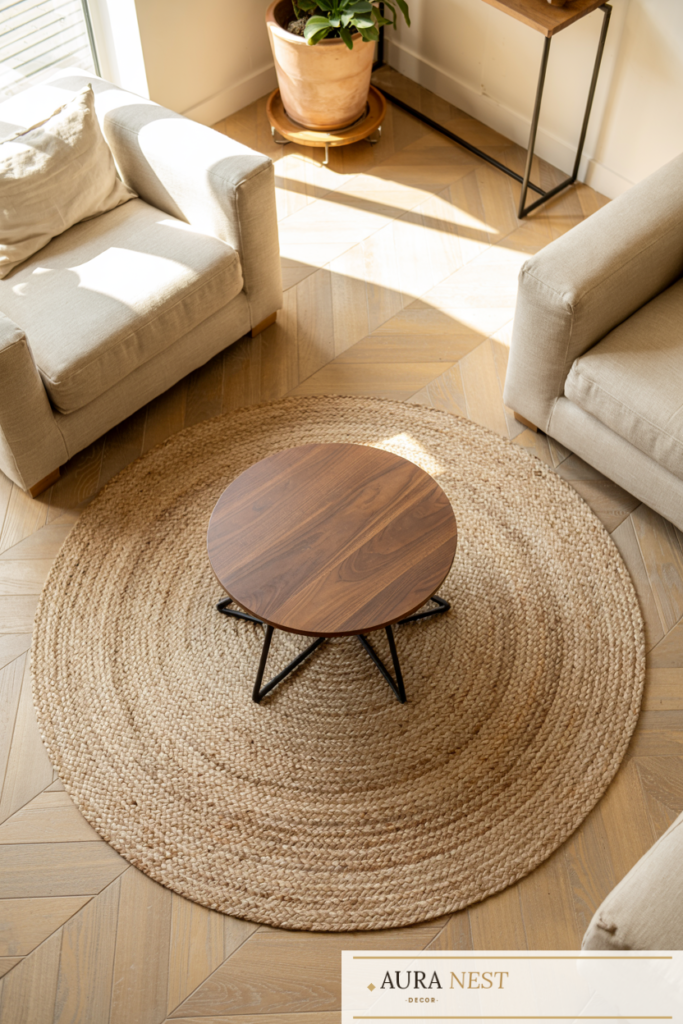
A rug that’s too small is worse than no rug at all. Write that down somewhere.
The most common mistake in small living rooms is buying a rug that only fits under the coffee table, leaving the sofa legs floating on bare floor. It makes the seating area look like it’s auditioning for a room rather than living in one.
The right size rug for a small living room puts all the front legs of your furniture on the rug, at minimum. If you can get all four legs on for the sofa and chairs, even better. This grounds the seating area, defines the space, and makes the whole room feel more deliberate.
For color, a rug in a warm neutral — jute, a faded Persian pattern, a textured ivory wool — keeps the floor from competing with everything else. If your sofa is neutral, a rug with a subtle pattern adds interest without chaos. If your sofa is already doing something bold, keep the rug simple.
And don’t be afraid to layer. A jute rug underneath a smaller, more decorative rug is a look that works particularly well in British-style interiors and is becoming more common in American apartments too. It adds texture and depth that a single rug can’t quite achieve on its own.
7. The Furniture Arrangement Nobody Tries But Everyone Should
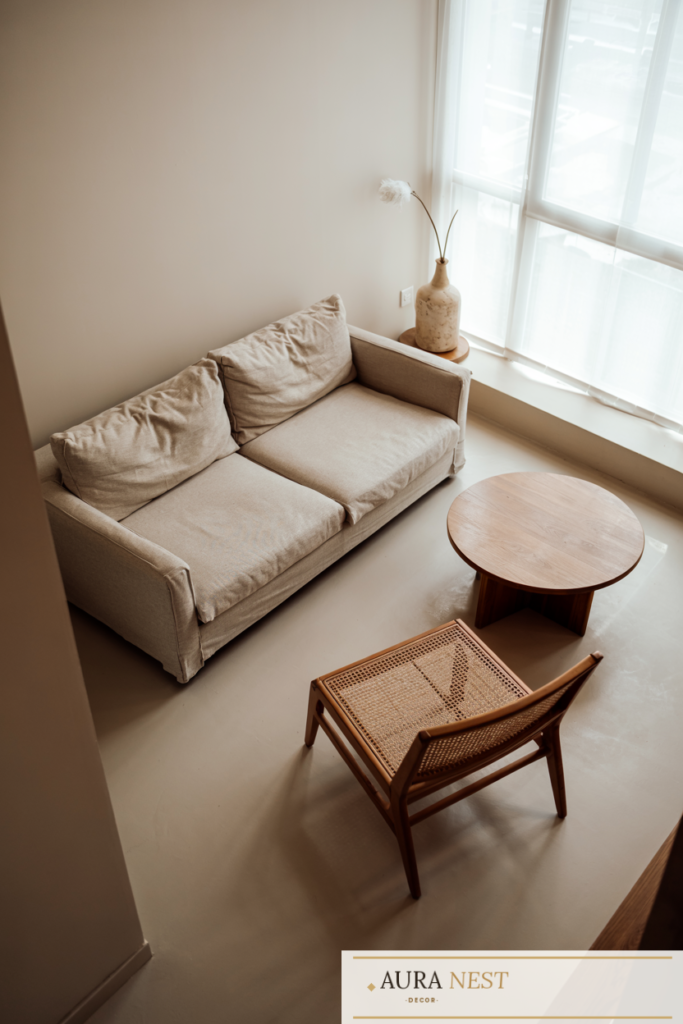
Pull everything away from the walls.
Not dramatically. Not so far that you can’t walk. But the habit of pushing every piece of furniture flush against the wall to “save space” is actually making your room feel smaller, not bigger. A little breathing room between the sofa and the wall, between the armchair and the bookshelf, creates the illusion of a larger, more purposefully designed space.
It feels wrong at first. It feels like you’re taking up space you don’t have. But what you’re actually doing is creating visual layers — a sense of depth that flat, wall-hugging arrangements simply can’t produce.
Float your sofa a foot or two from the wall. Put a narrow console table behind it if you have one — it fills the gap without closing it. Turn your armchair slightly inward, angled toward the sofa rather than facing the television head-on. Create a conversation, not a cinema.
Small rooms arranged this way look like they were designed. Which is the whole point.
“The room that looks designed is the room where nothing is fighting for attention.”
8. Plants That Actually Work in Low-Light Apartments (No, Not That Fern)
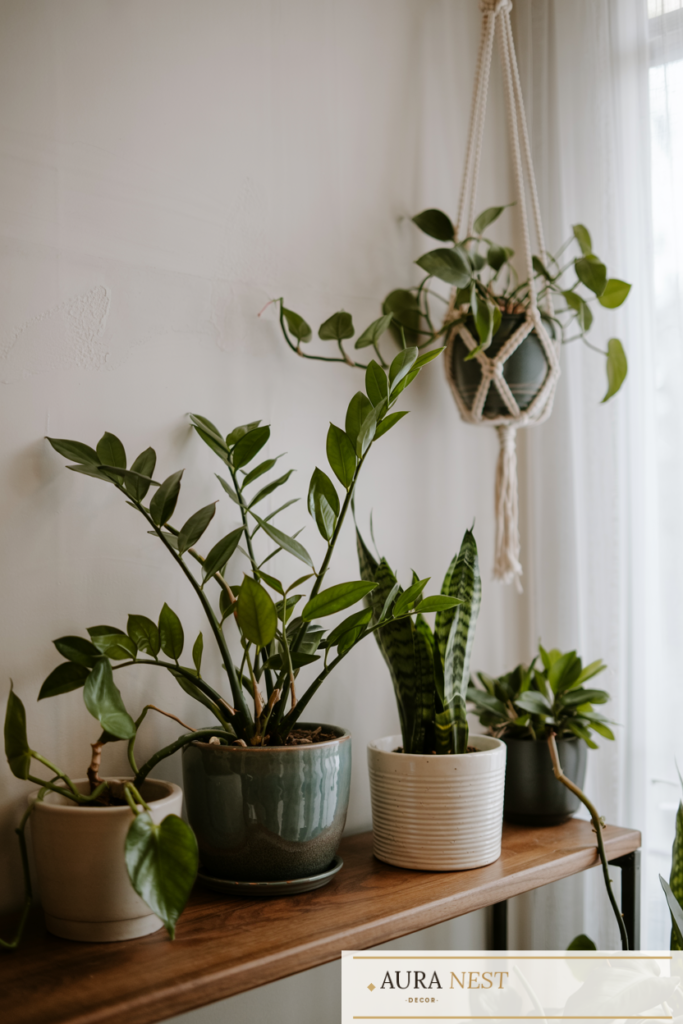
Every small living room is improved by something living. There’s no debate here. But the wrong plant in the wrong spot is just another thing to feel guilty about when it dies in February.
For British flats with north-facing windows, or American apartments where natural light is genuinely limited, the plants that actually thrive are pothos (nearly indestructible, cascades beautifully from a shelf), snake plants (structural, architectural, virtually immortal), and ZZ plants (glossy, sculptural, happy in low light). A trailing pothos on a high shelf softens a room in a way that no decorative object quite manages.
In terms of styling, think odd numbers. One large plant in a statement pot — a matte black or warm terracotta ceramic — makes more visual impact than three small plants scattered around. That single large fiddle leaf fig or monstera in the corner becomes a piece of the room, not just an accessory to it.
Keep the pots consistent. Matching or complementary pots across different plants makes the greenery look considered rather than collected by accident over three years of impulse purchases.
9. Bookshelves Are Storage, Art, and Architecture All at Once
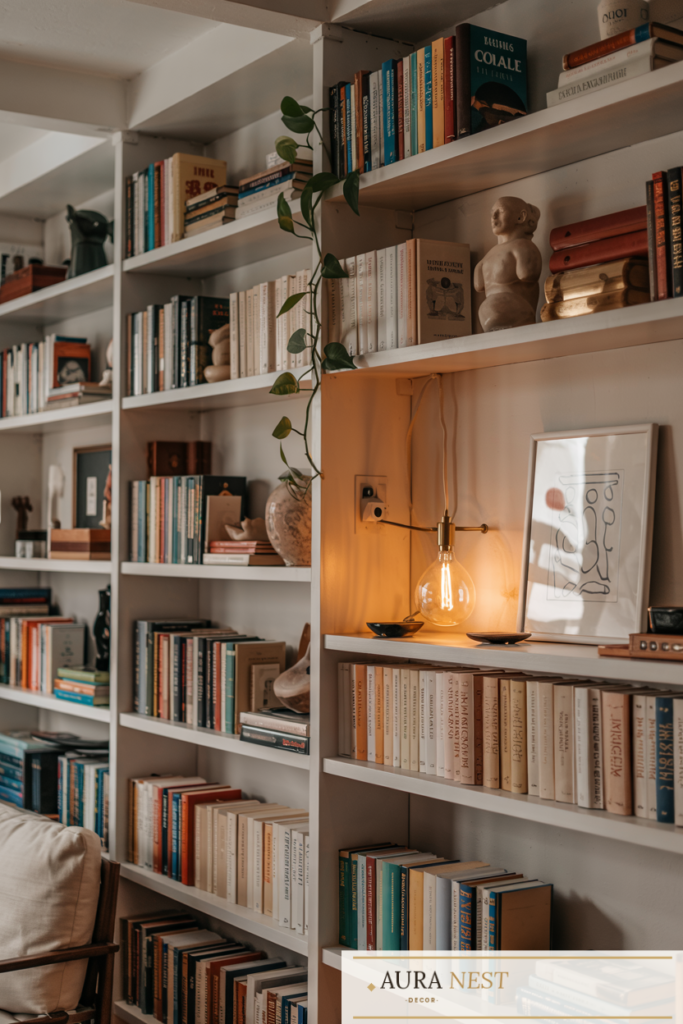
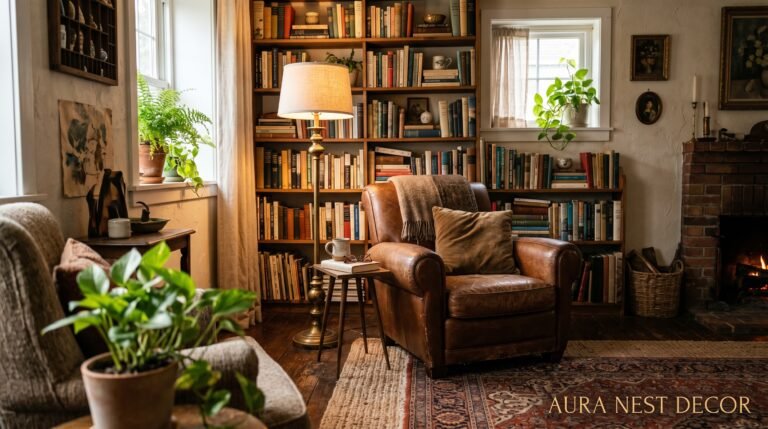
Built-in shelving is the dream. But for renters, a freestanding bookshelf — one that goes high, not wide — does something genuinely powerful in a small room. It draws the eye upward. It makes ceilings feel higher. It tells the room to think vertically.
Style the shelves with intention. Not every inch needs to be books. Mix books with small objects, a trailing plant, a candle, a framed photo. Leave a little empty space. Empty space on a shelf is not wasted space — it’s breathing room, and it makes everything around it look more intentional.
Face some books outward, spine hidden, cover showing. It adds visual texture and turns your bookshelf into something that looks art-directed rather than storage-adjacent.
In a small living room, a shelf styled this way functions as a focal wall without requiring you to do anything permanent. Perfect for renters in London studios or Chicago one-bedrooms alike.
10. The Cushion Formula That Always Looks Considered
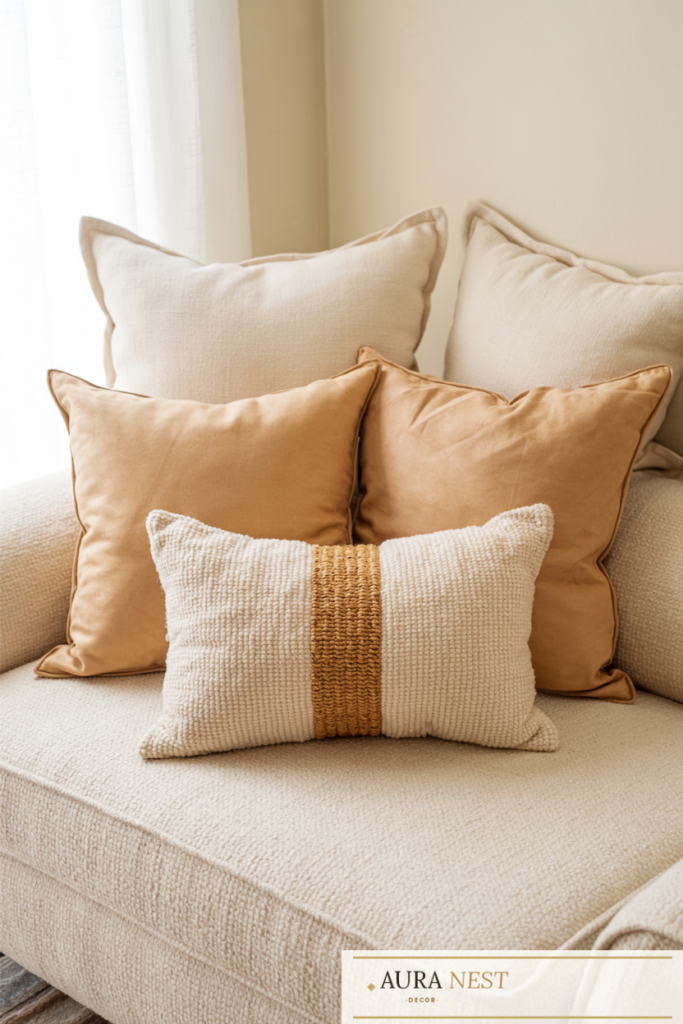
Three sizes. Three textures. No more than three colors, and two of those should already exist somewhere else in the room.
That’s the formula. And it works consistently enough that you can apply it to almost any sofa and come out with something that looks deliberate rather than random.
The sizes: one large (around 22 to 24 inches), two medium (around 18 inches), one smaller lumbar. The textures: something soft like velvet, something woven like boucle or cotton, something with a subtle pattern or weave. The colors: pull from what already exists in the room. If your rug has terracotta, bring it into one cushion. If your art has dark green, echo it somewhere in the pile.
Don’t match. Coordinate. Matching cushions look like a hotel room. Coordinating cushions look like someone with taste lives there.
And be ruthless. Six cushions on a small sofa is too many. You want the sofa to be usable, not a display case.
11. Small Details That Signal “This Room Was Loved”
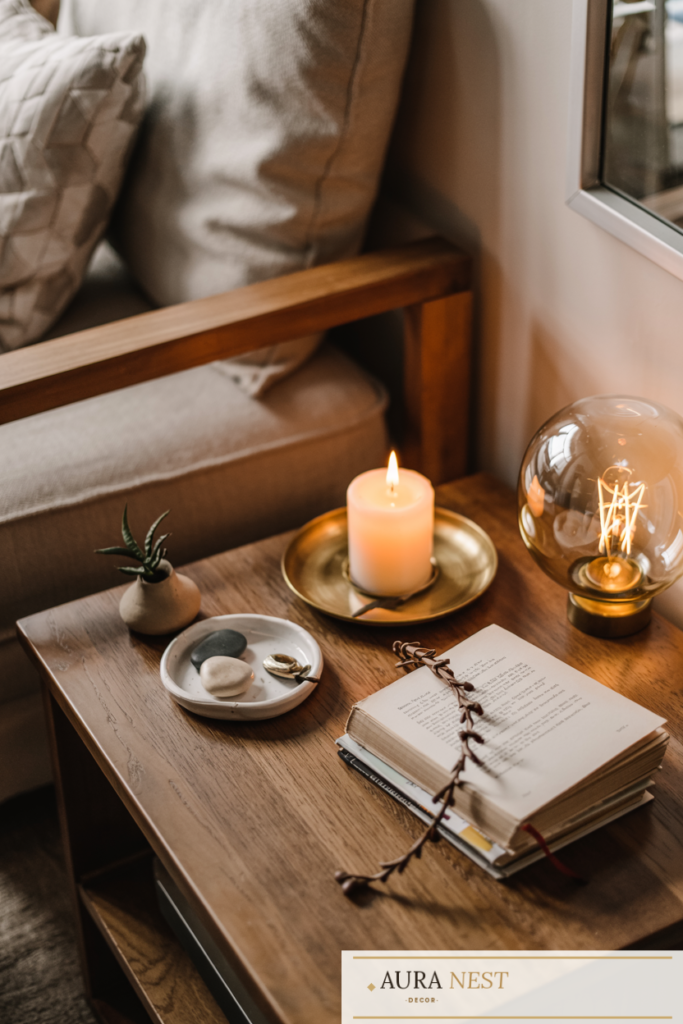
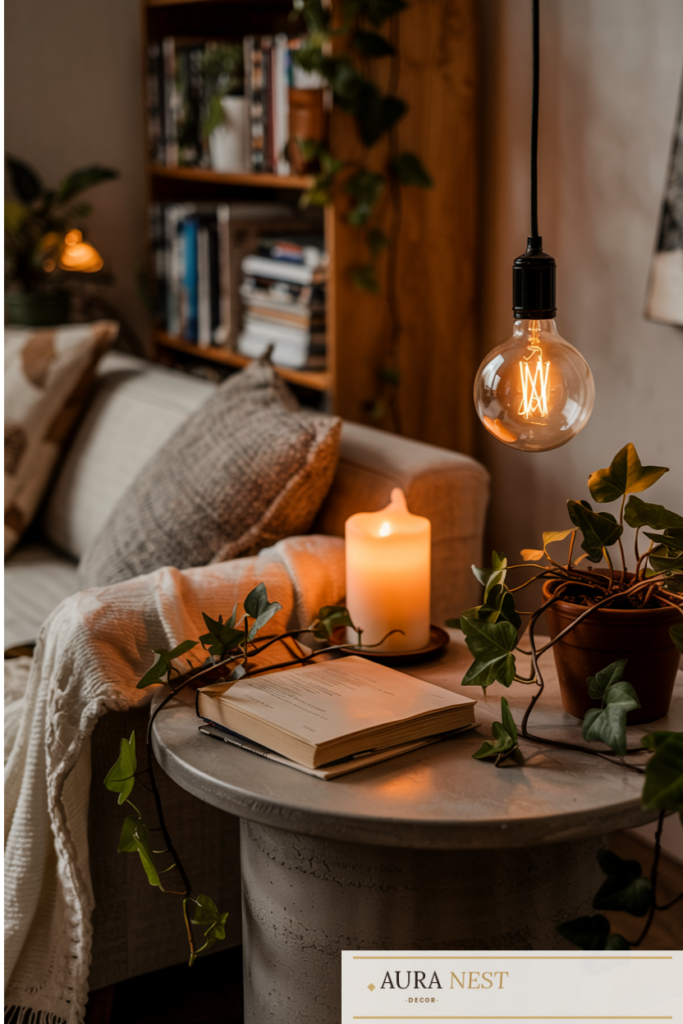
A candle burning on the coffee table. Not a generic one — something with a real scent profile, like tobacco and vanilla, or cedarwood and fig. The kind that makes someone walk in and immediately ask what that smell is.
A throw blanket folded once and draped over the sofa arm, not rolled tight or folded into a perfect square. Lived in. Reachable.
A small stack of books on the coffee table — not a curated Instagram stack, just the three books you’re actually reading or thinking about reading. It makes the room feel inhabited by a specific person, not staged for a photograph.
A single bud vase with one or two stems from the garden or the corner shop. Not an elaborate arrangement. Just something small and alive.
These are the things that make a guest walk in and feel something. Not a particular trend. Not a color palette. Just evidence that someone cares about being here.
12. The Honest Truth About Small Space Contentment
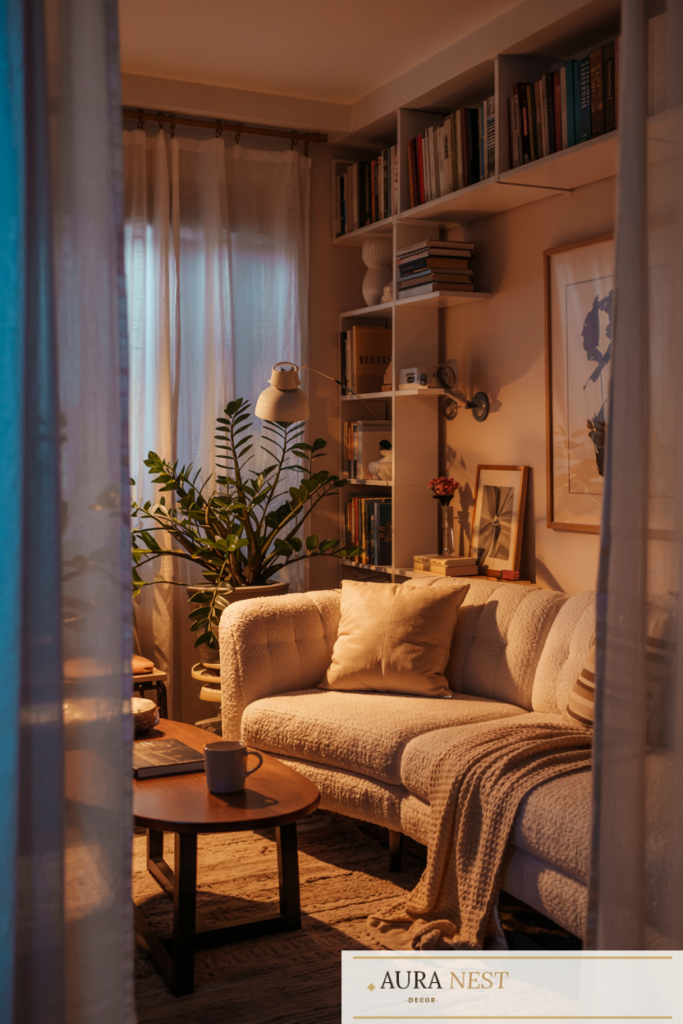
There is a particular kind of peace that comes with a small, well-loved room. It sounds almost counterintuitive after everything we’ve absorbed about bigger being better — more square footage, more storage, more room to expand.
But a small living room that’s truly worked out, where the light is warm and the sofa fits right and there’s a plant in the corner doing its quiet, photosynthesizing thing — that room is enough. More than enough, actually.
The apartments that end up on Pinterest, the ones you save at midnight and think I want to live there, aren’t always big. They’re coherent. They have a point of view. They look like someone thought about them and cared about them, and you can feel that care when you look at the image.
You can create that. Not with a bigger budget or a bigger space. With attention. With patience. With the willingness to move the sofa six inches and see what happens.
—
🌿 Quick Tips
Start with the light: buy one warm-toned floor lamp before you buy any decorative accessories. It will change the entire room before you spend another penny.
Choose your rug first, then build the color palette around it. It’s the hardest thing to return and the thing that sets the tone for everything else.
In a rented flat or apartment, use removable wallpaper on a single alcove wall. One patterned wall in a small room does more than four plain walls ever will.
Shop vintage for your accent pieces — a ceramic lamp base, a small side table, an interesting tray. These add the specific, unrepeatable quality that makes a room feel like it belongs to you and not to a catalog.
If you’re overwhelmed, just fix the cushions. Rearrange them. Stand back. A well-styled sofa makes the whole room look more put together in under five minutes.
—
❓ FAQ
Q: How do I make a small living room look bigger without knocking down any walls? A: Focus on light, mirrors, and furniture legs. A large mirror on one wall reflects natural light and genuinely makes a room feel more spacious. Furniture with visible legs rather than solid bases keeps the floor reading as open. And as mentioned, warm layered lighting does more for the sense of space than almost anything structural.
Q: What’s the best sofa color for a small living room? A: Warm neutrals — oatmeal, linen, dusty sage, soft terracotta — tend to work best because they sit quietly in the space without dominating it. Dark sofas can work beautifully if everything else in the room is lighter and the lighting is warm, but they require more thought. Avoid very cool greys in small rooms; they can make the space feel cold and smaller than it is.
Q: Can I have a TV in a small living room and still make it look stylish? A: Absolutely. Mount it on the wall rather than using a TV stand — this frees up floor space and creates a cleaner line. Keep the area around it simple. A gallery wall around the TV works well and draws the eye to the whole wall rather than the screen itself. The key is not making the TV the only focal point in the room.
—
💭 Final Thought
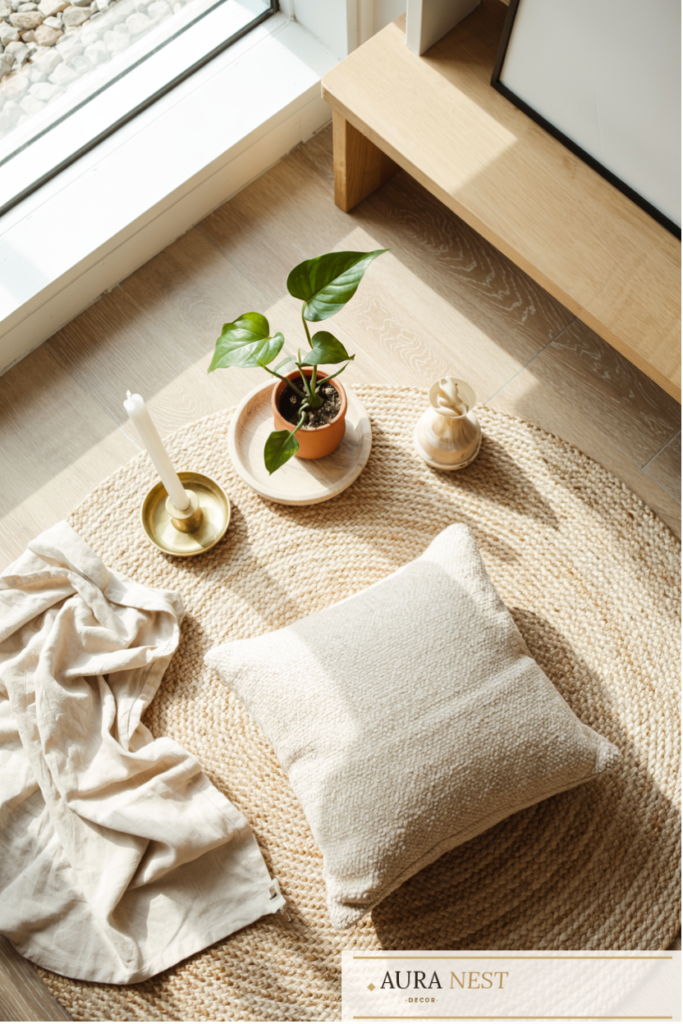
The small living room is, in many ways, the truest test of a decorator’s instincts — because every choice is visible, nothing hides, and nothing is forgiven just because there’s room for it. Get it right, and it becomes the kind of room people remember. Warm. Specific. Unmistakably yours.
So what one thing in your living room has been bothering you for months that you haven’t fixed yet?